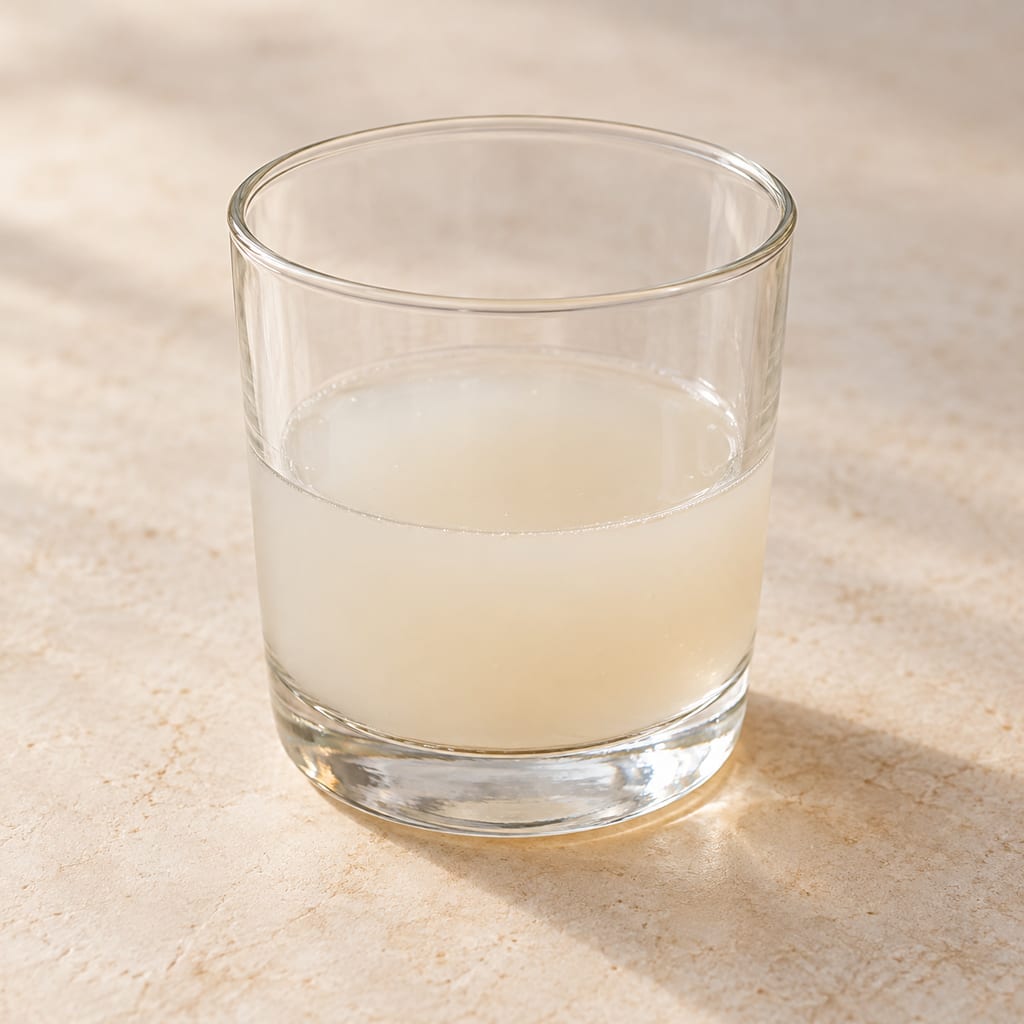
Hyphaene petersiana sap
Sap tapped from Hyphaene petersiana, distinct from the fermented Utchema drink made from it and from sap of other palms.
 FermenteaWhere food goes to change
Substrates
Matiti is the fruit of Artabotrys brachypetalus, a Mozambican Annonaceae species. Communities in Chicualacuala District eat the ripe fruit fresh and make traditional drinks and jam from it.
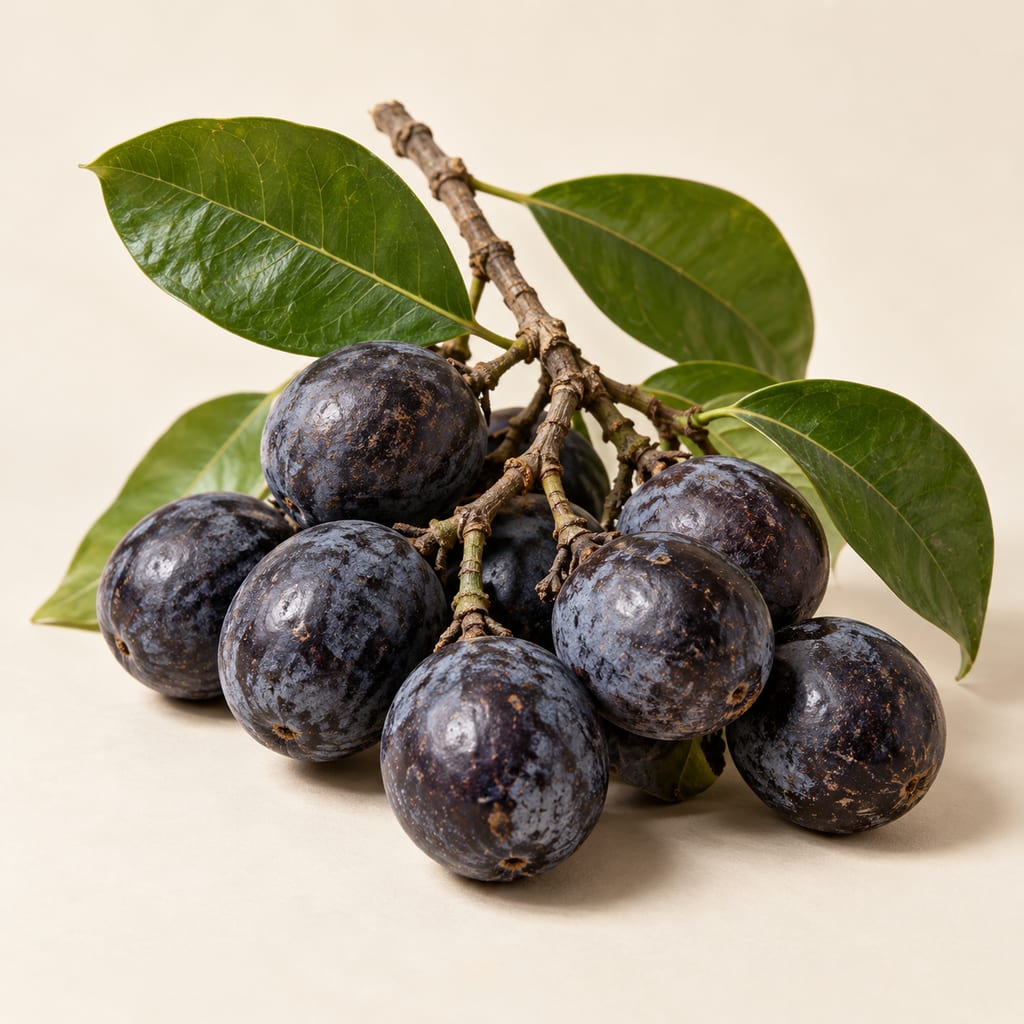
Matiti is the local name, in a Mozambican agricultural research factsheet, for the fruit of Artabotrys brachypetalus Benth., a member of the custard-apple family (Annonaceae). Kew accepts the name and includes Mozambique in the species' native range. A separate field record in the Flora of Mozambique lists the species from a Gorongosa riverbank, collector number TC124, but that specimen is not linked to the food account in Chicualacuala District.
According to the 2014 factsheet from the Mozambican agricultural research institute IIAM, communities in Chicualacuala District, Gaza Province, eat ripe matiti fruit fresh and make traditional beverages from it, including aguardente. The factsheet gives December to May as the fruit-collection period. This is an agency-reported local context. It is not a national estimate of food use and not permission to harvest.
The same factsheet describes a jam made from the fruit, with storage advice. Its ingredient list and its method disagree on water: the list gives half a cup, while the method uses one litre for boiling the fruit and another half cup for the syrup. The source does not say which is meant. This page therefore does not turn the text into instructions, and it does not treat the stated endpoint, jar handling or storage advice as validated for safety or shelf life.
The factsheet's fruit-collection window is December to May. An official IIAM technology catalogue, seen only as a search excerpt, gives January and February as the fruiting months; the two periods are not reconciled. Flora of Mozambique describes riverine vegetation and dry woodland, with an upper altitude summary of 1,140 m, while the Flora Zambesiaca description cited by Kew gives riverine forest, deciduous woodland and thickets up to 300 m. These are descriptions of where the plant has been recorded, not growing thresholds.
The reviewed sources give no propagation method, soil or pH range, irrigation schedule, container or greenhouse guidance, yield or sustainable-harvest study for matiti. The Gorongosa specimen is marked not planted, so it records a wild occurrence rather than a managed crop. The factsheet gives no voucher for the fruit behind its Chicualacuala account, and no source validates the fermentation or distillation of the traditional drinks it names.
An IIAM factsheet reports ripe matiti fruit eaten fresh and used in traditional beverages here; it is an agency-reported local context, not a national food-use estimate.
Kew includes Mozambique in the native range of the species; this row records range, not a food tradition.
Sap tapped from Hyphaene petersiana, distinct from the fermented Utchema drink made from it and from sap of other palms.
No community contributions have been published for this entry yet.
Sign in to contribute. Published comments and photos are free to read.
Royal Botanic Gardens, KewIngredient research
Artabotrys brachypetalus Benth. | Plants of the World OnlineCited in: What matiti is; Season and habitat
Ministério da Agricultura; Instituto de Investigação Agrária de Moçambique (IIAM); Luisa Penicela and Isabel Monjane, technical authors (December 2014)Ingredient research
Matiti: Processamento e Utilização — Seu Aproveitamento para a Alimentação HumanaCited in: What matiti is; How the fruit is used; The jam in the factsheet; Season and habitat; What is not known
Instituto de Investigação Agrária de Moçambique; official search-rendered excerpt onlyIngredient research
Catálogo de Tecnologias Libertadas pelo IIAM 2011–22Cited in: Season and habitat
Mark Hyde, Bart Wursten, Petra Ballings and Meg Coates Palgrave; Flora of MozambiqueIngredient research
Flora of Mozambique: species information for Artabotrys brachypetalus Benth.Cited in: Season and habitat
Mark Hyde, Bart Wursten, Petra Ballings and Meg Coates Palgrave; Flora of MozambiqueIngredient research
Flora of Mozambique: individual record 68643, Artabotrys brachypetalus Benth.Cited in: What matiti is; What is not known