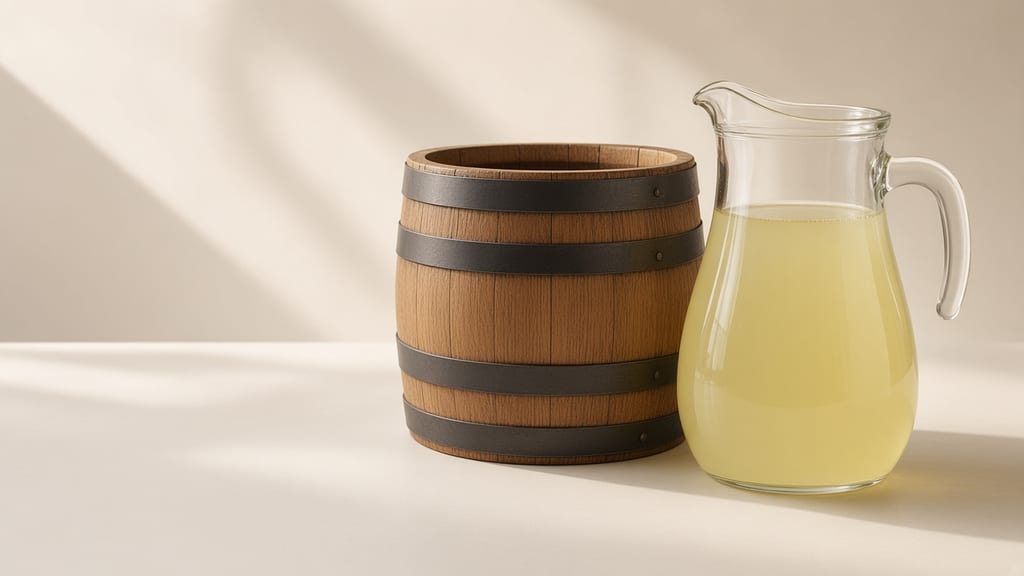
The whey cellar
Iceland kept cooked food in soured skyr whey when salt was scarce. Archaeology puts the cask in the pantry floor; modern Matís writing still describes the acid bath.
· 11 min read
 FermenteaWhere food goes to change
Source-linked articles on foods, ingredients, traditions and equipment.
Iceland kept cooked food in soured skyr whey when salt was scarce. Archaeology puts the cask in the pantry floor; modern Matís writing still describes the acid bath.
· 11 min read
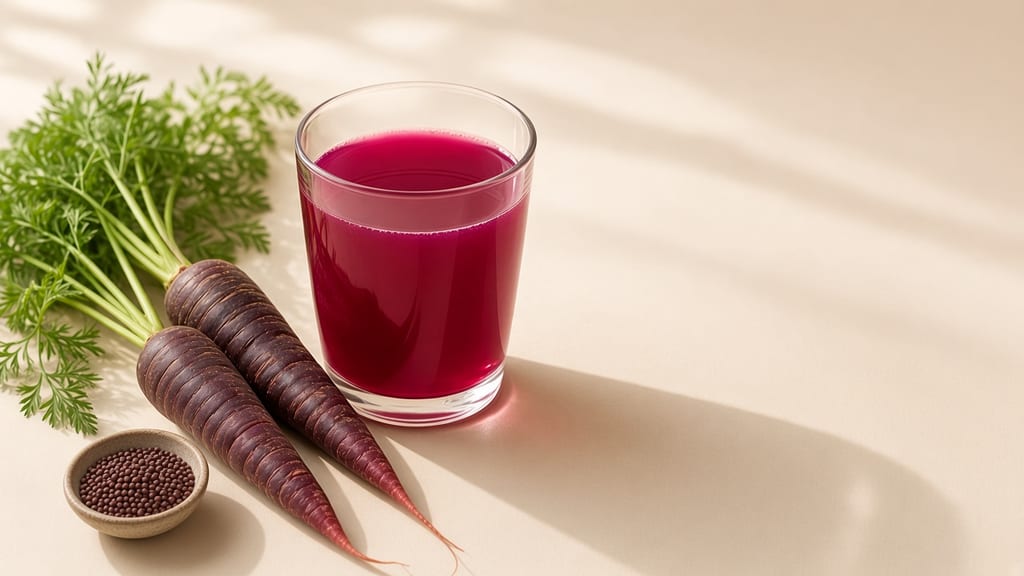
Purple and yellow carrots preceded Europe's orange root. In Punjab, kanji kept kali gajar working as a lactic drink substrate long after orange took the supermarket.
· 13 min read
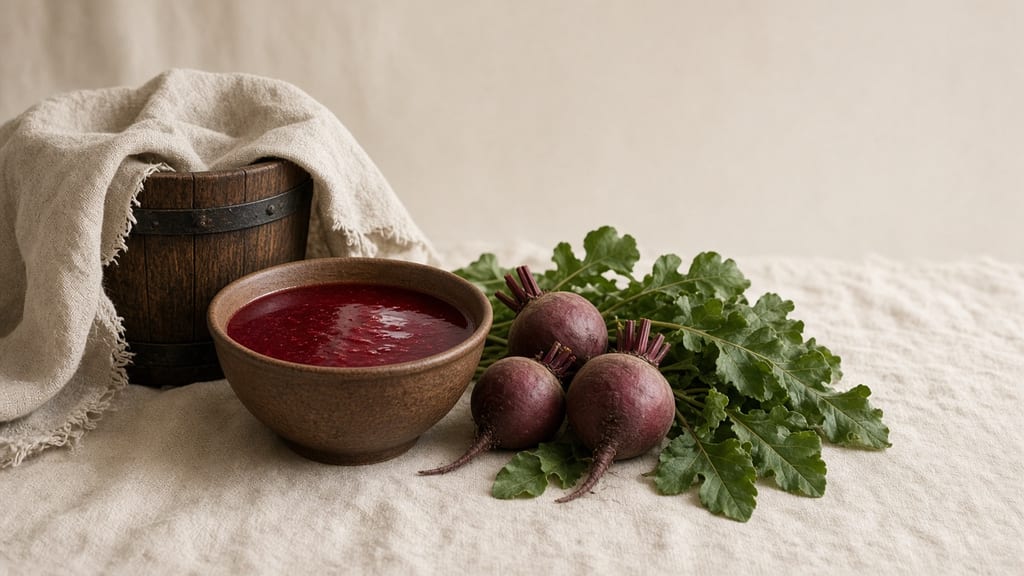
Before beetroot, Polish barszcz was a soup of soured hogweed leaves. Herbals, menus and an old cookbook show how a rye sour and then the beet barrel took over its name.
· 12 min read
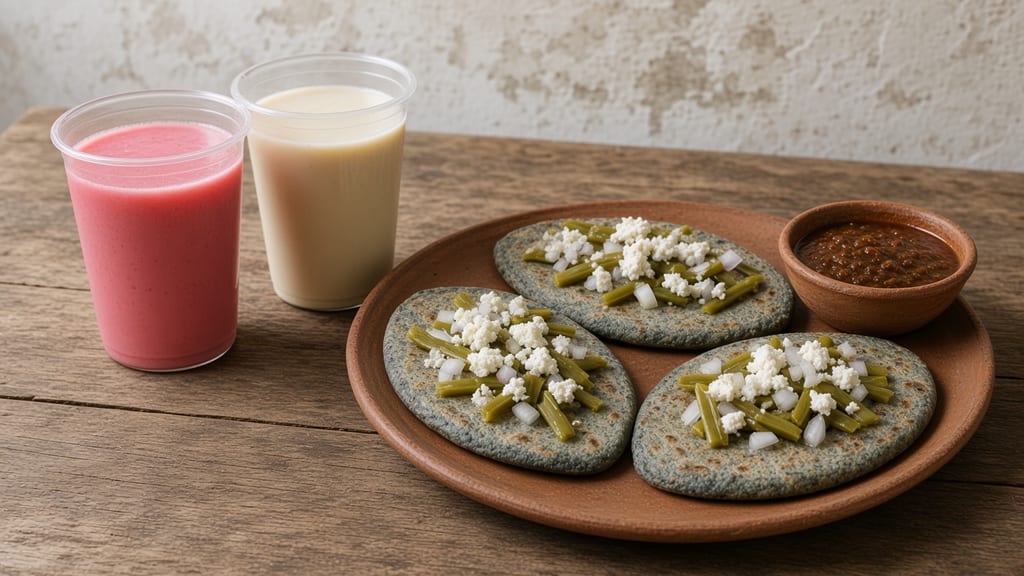
A home pulquería meal for four: guava or oat curado made from bought pulque, bean, fava or requesón tlacoyos from the comal, and a pasilla salsa borracha loosened with pulque.
· 13 min read
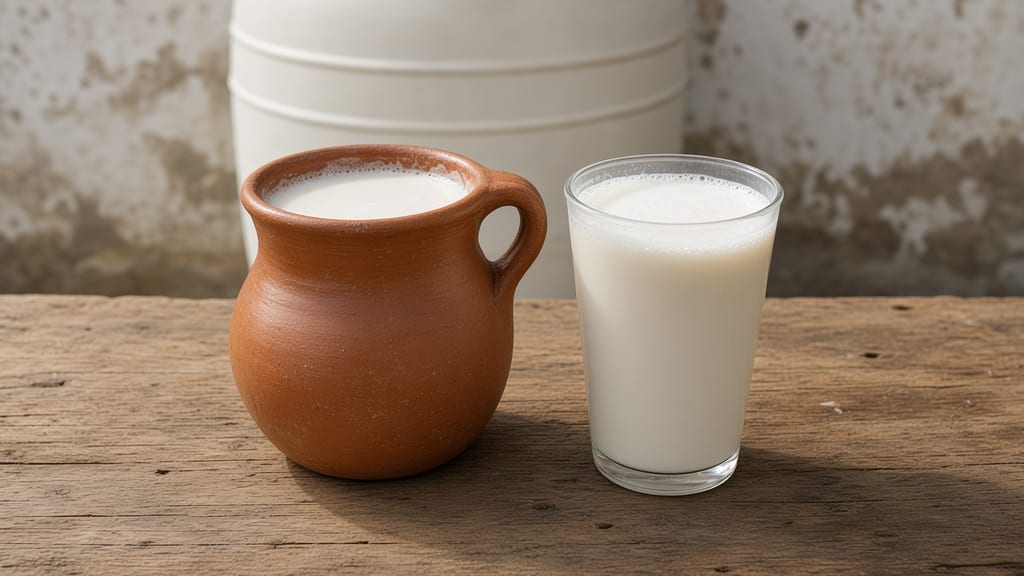
Pulque, the thick white drink of fermented agave sap, left its chemical trace in Teotihuacan jars 1,500 years ago. It went on to fill the tent-like pulquerías of colonial Mexico City, which officials tried and failed to reform.
· 13 min read
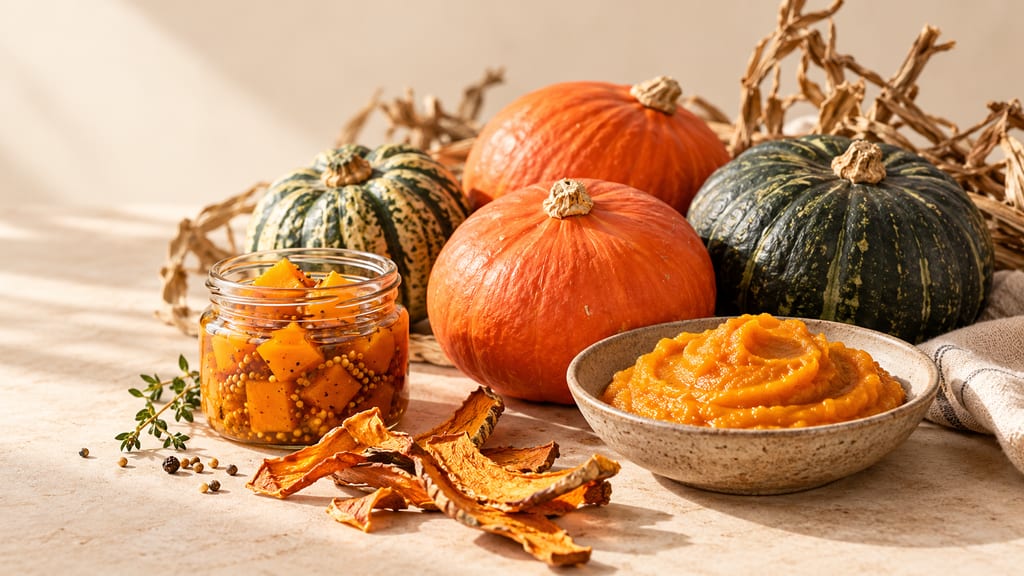
A full harvest-to-pantry guide to keeping pumpkins whole, drying and freezing them, and making pickles and sweet preserves around the world—with the exact distinction between tested canning and cold storage.
· 22 min read
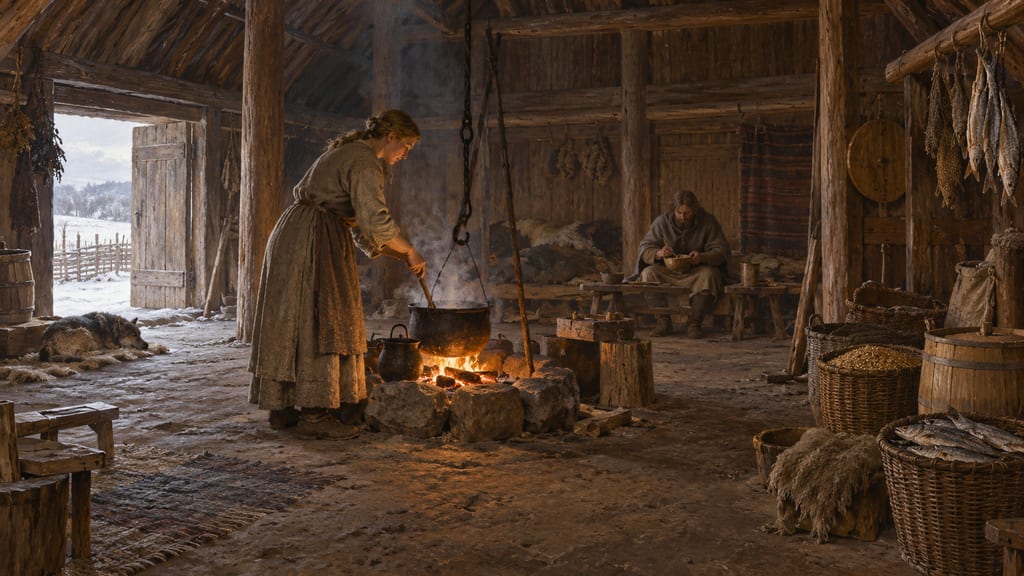
How ordinary Viking-Age households grew, dried, smoked, salted and cooked their food through the northern year, and how to cook their dishes today with supermarket ingredients.
· 20 min read
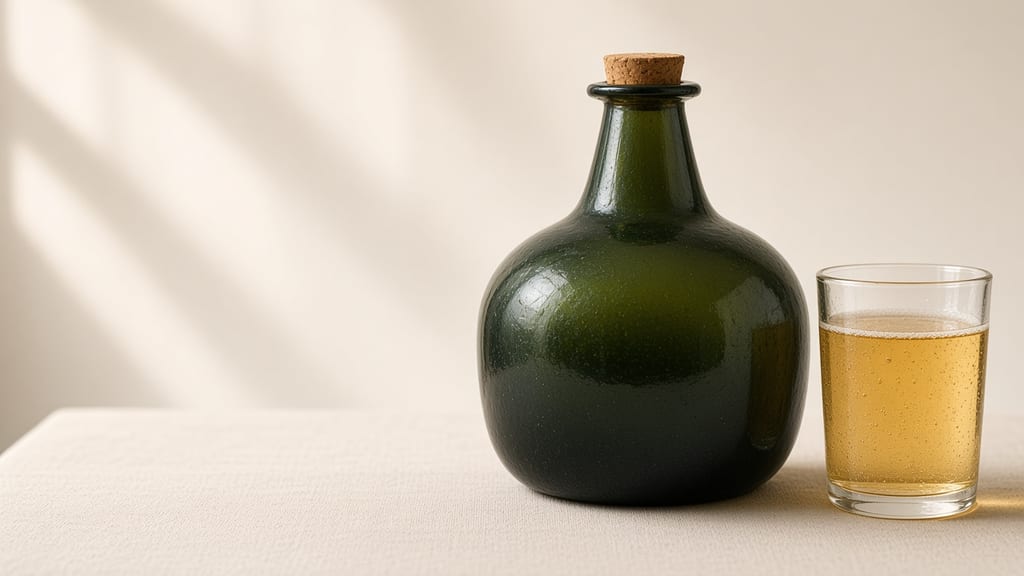
In the 1650s and 1660s English cider makers bottled cider with a little life left in it, sometimes with a lump of sugar, so it would mantle and sparkle in the glass, decades before Champagne sparkled on purpose.
· 17 min read
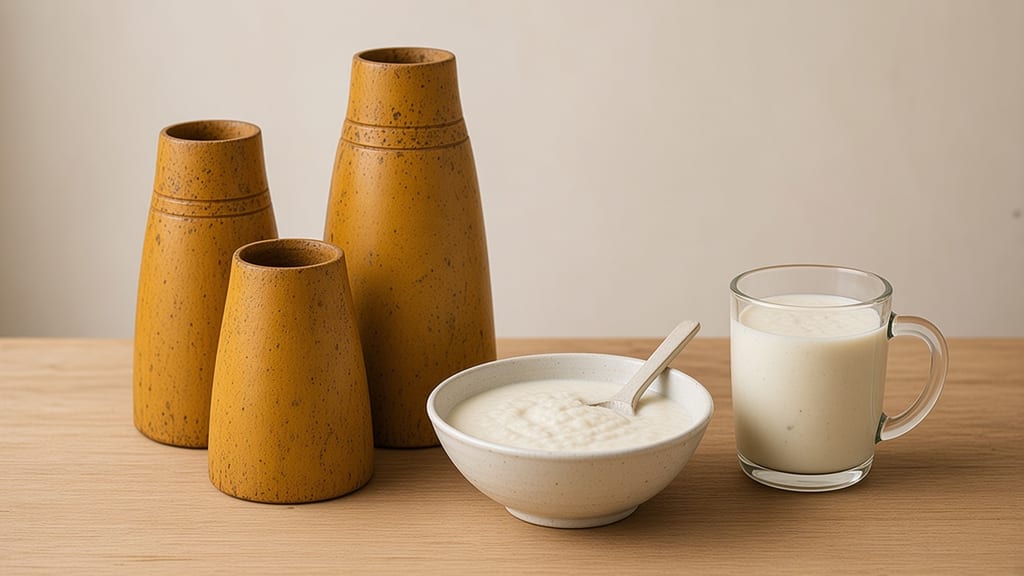
In Kigali people sit down to drink milk out of respect for the cow. A look at Rwanda's milk bars, the wooden pots of ikivuguto, aged butter and a 17th-century royal decree about milk.
· 13 min read
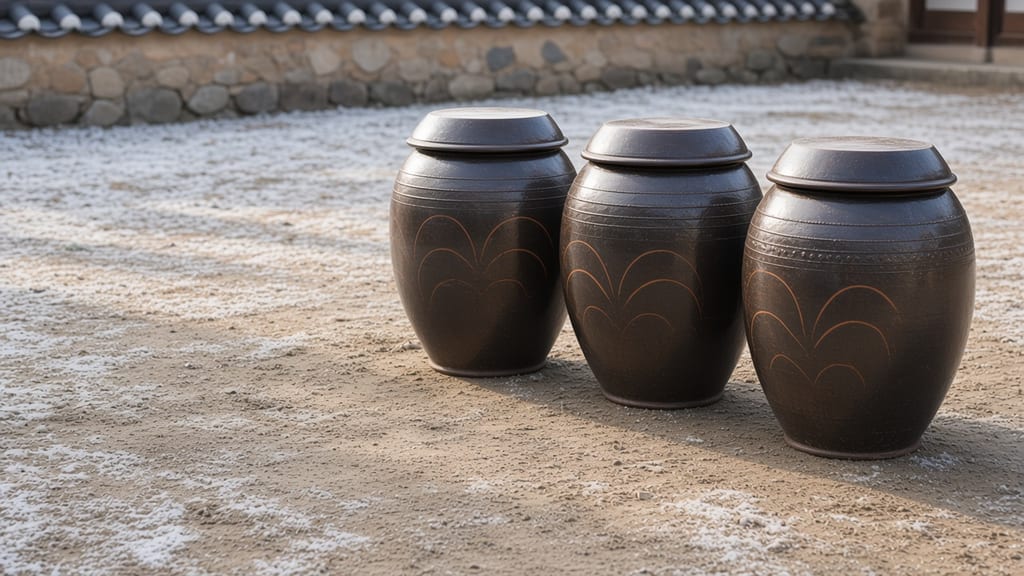
In 1766 chilli entered a Korean kimchi recipe for the first time. Joseon households made winter kimchi in late autumn and kept it in onggi jars buried in straw, at a few degrees above freezing until spring.
· 9 min read
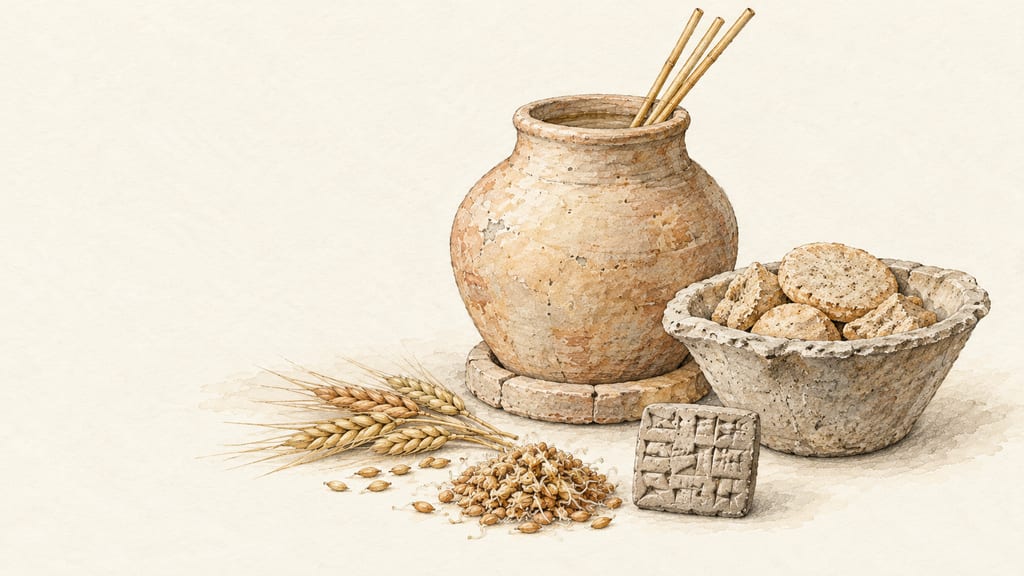
The first written records are full of beer, tracked to the litre. Yet bappir, the grain cake in almost every Sumerian brew, is still a puzzle. The evidence comes from tablets, a hymn, a tavern and pots.
· 15 min read
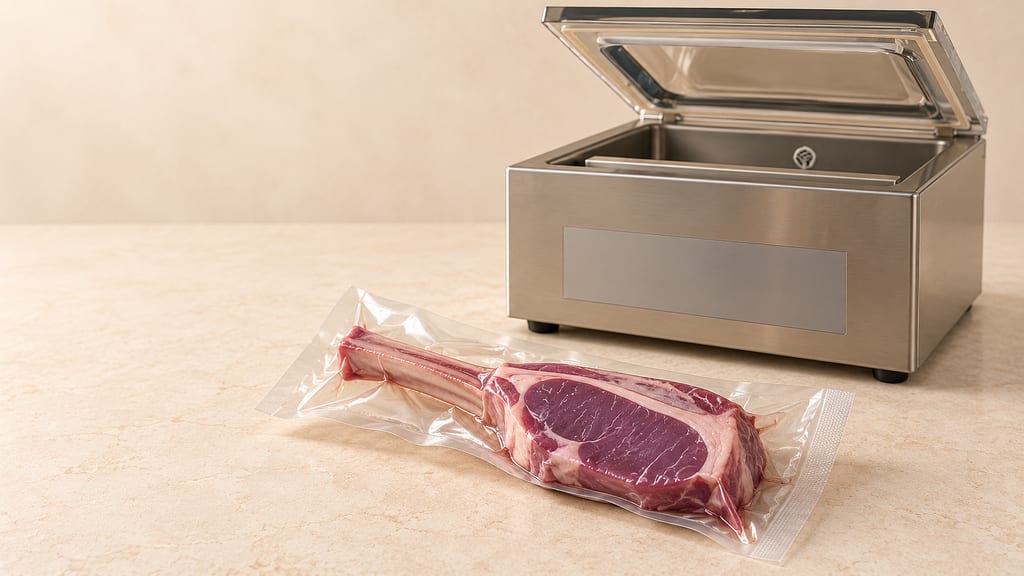
A vacuum pack keeps meat purple and spoilage slow, and it suits a bacterium that grows without air. What the seal does, what UK rules say about 3 °C and 10 days, and where packing joins a cure.
· 6 min read
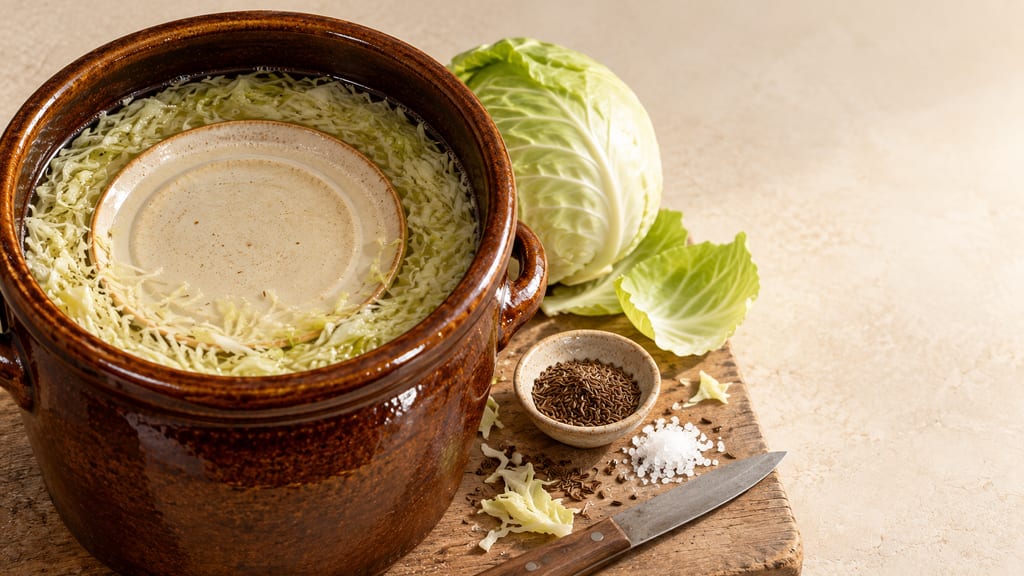
Studies of sauerkraut, from a commercial batch near Providence to household jars in Dalian, find lactic acid bacteria assembling in the brine. They do not agree on who leads, or in what order.
· 8 min read
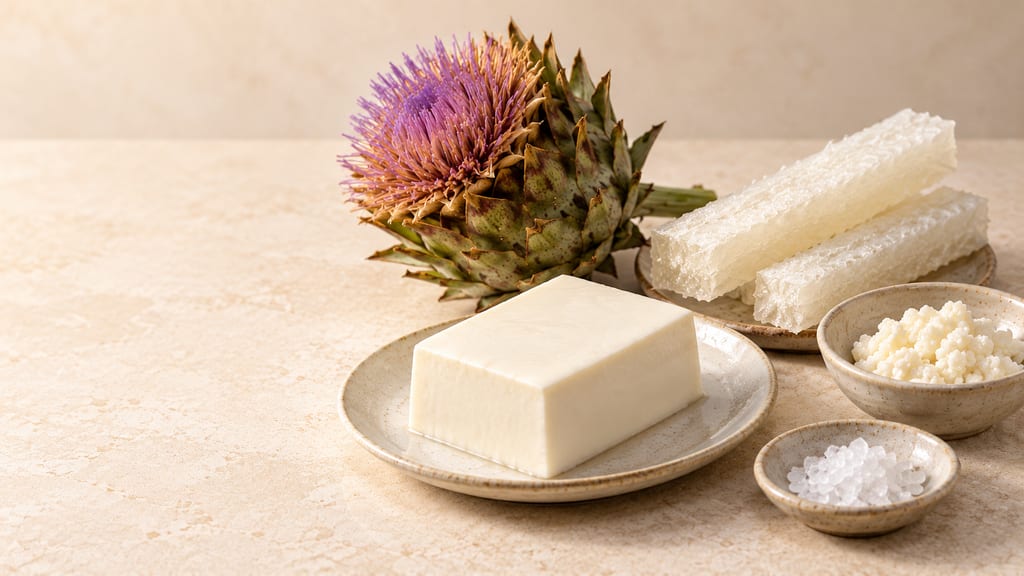
Cheese, tofu, agar, nixtamal and cured ham all begin with a liquid or soft food made to set, sour or keep. Rennet is one branch of that history, beside plant enzymes, acids, minerals, alkalis, gels, finings and curing salts.
· 56 min read
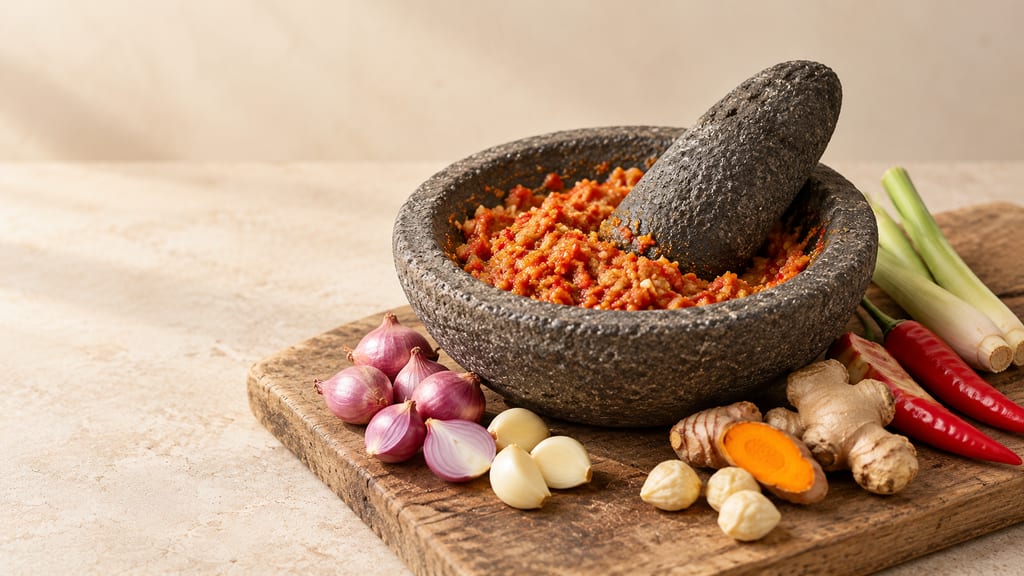
Before a Malay, Indonesian or Peranakan dish gets its liquid, a cook pounds and fries a wet spice paste. Four home recipes, a dictionary and a food writer show what goes in, why the oil must return, and where fermentation enters.
· 8 min read
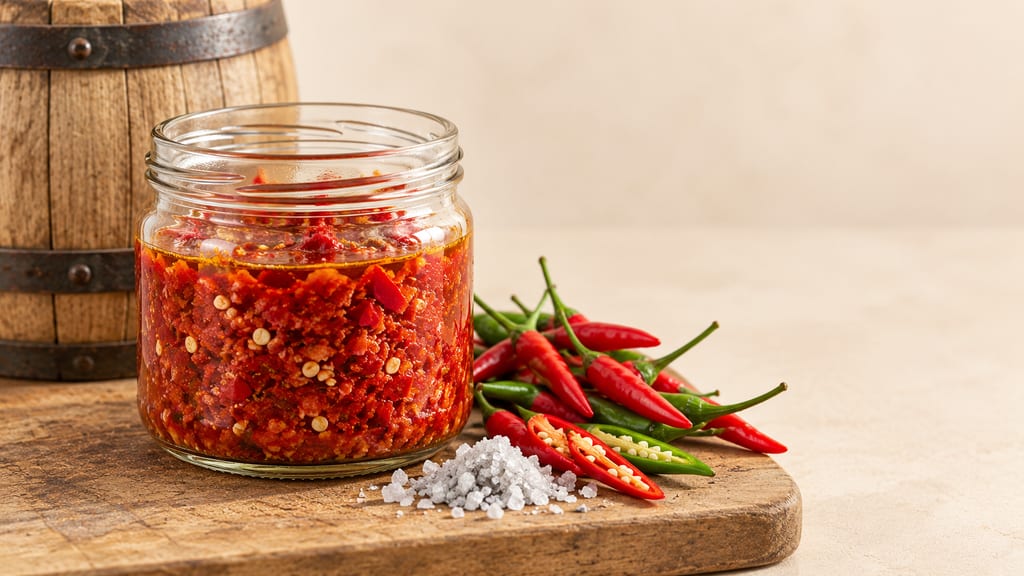
Chilli mash ages for up to three years in Louisiana barrels, sours in two weeks in a Basque jar, and in one trial was not needed at all. What happens in the mash, and what the word fermented leaves out.
· 7 min read
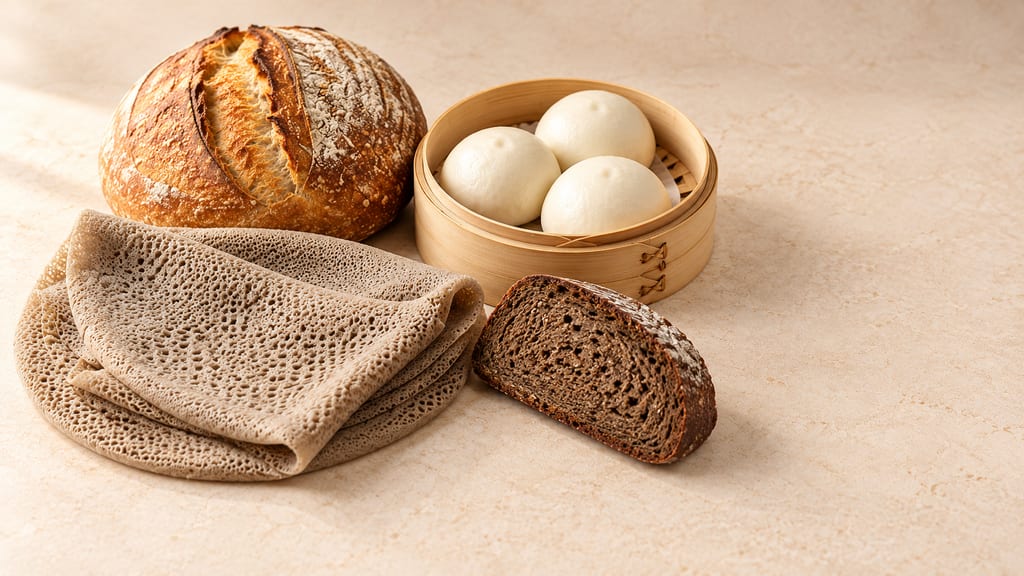
From the baguette and the steamed bun to injera, titiyas, Finnish rye and cassava bread: how grain, microbes and heat answer the question of what bread is for.
· 13 min read
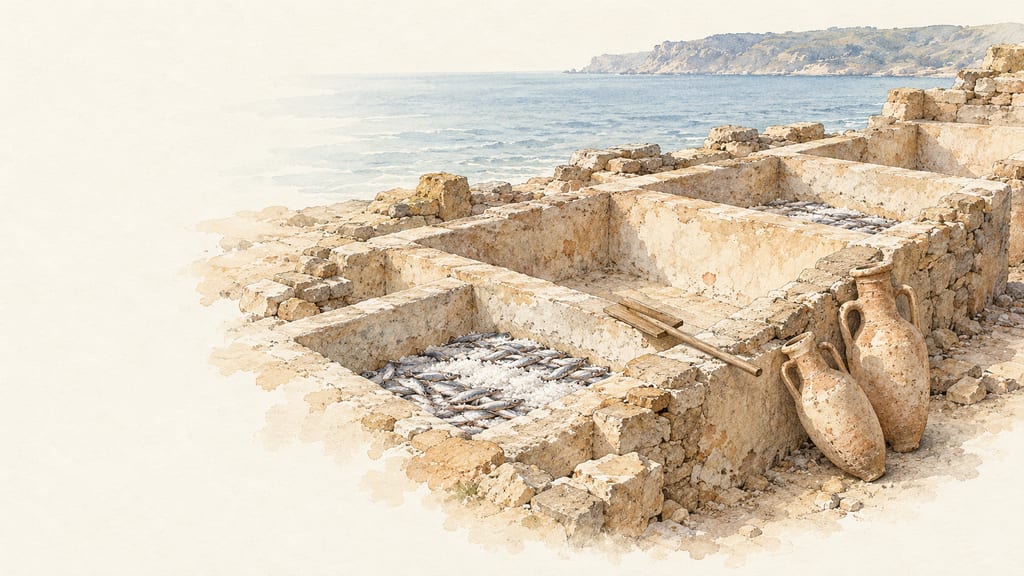
Roman fish processing ran as a large industry along Mediterranean and Atlantic coasts. A vat shows that salting happened, but not that its contents were garum.
· 6 min read
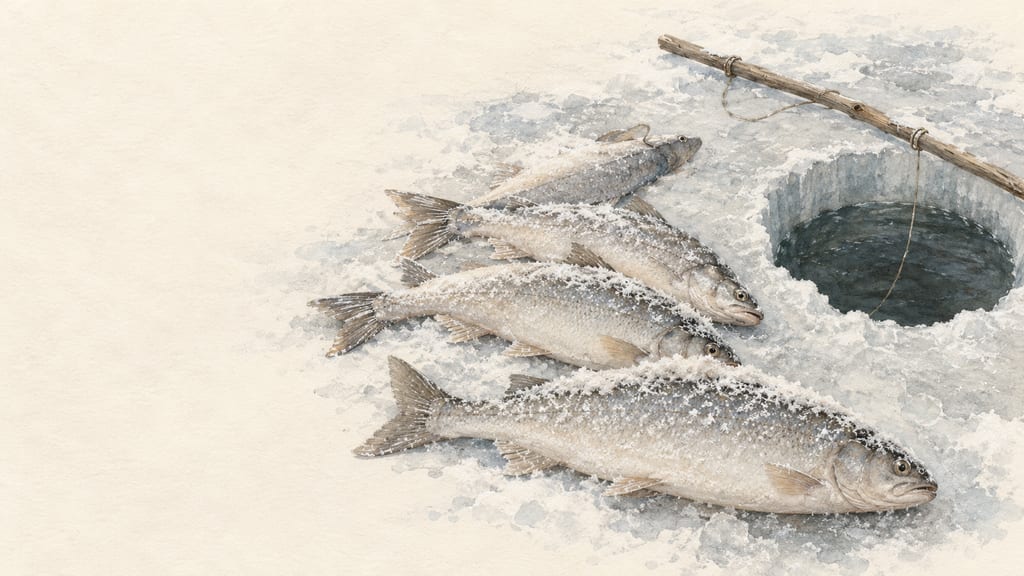
Freezing food is old. Freezing it fast enough to protect its texture, and selling it that way, is the 1920s idea that built an industry. The science explains why speed matters and where it stops.
· 5 min read
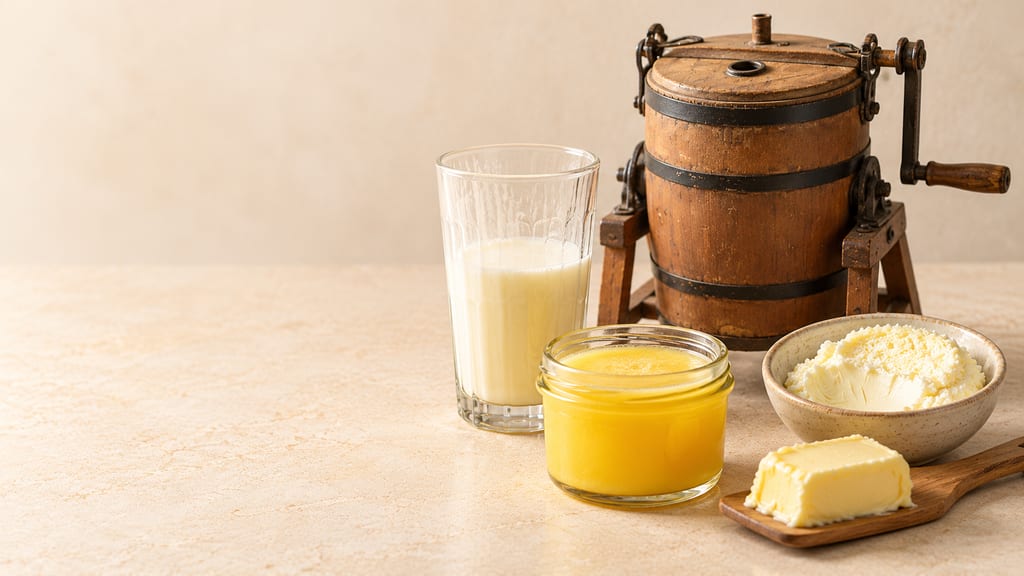
Cream can be scalded into clotted cream, soured by bacteria, churned into butter and buttermilk, or boiled down to ghee. Each is a different change, and each asks something different of the equipment.
· 16 min read
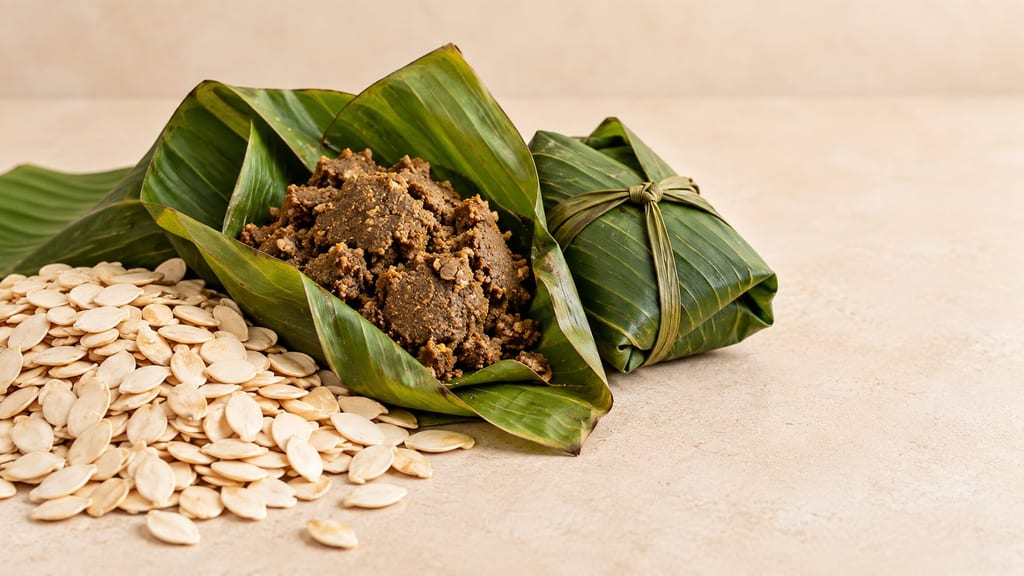
Nigerian cooks turn melon, pumpkin and other hard seeds into a pungent seasoning paste. Lab studies show that each seed ferments differently, and none of them hands a home cook a recipe.
· 5 min read
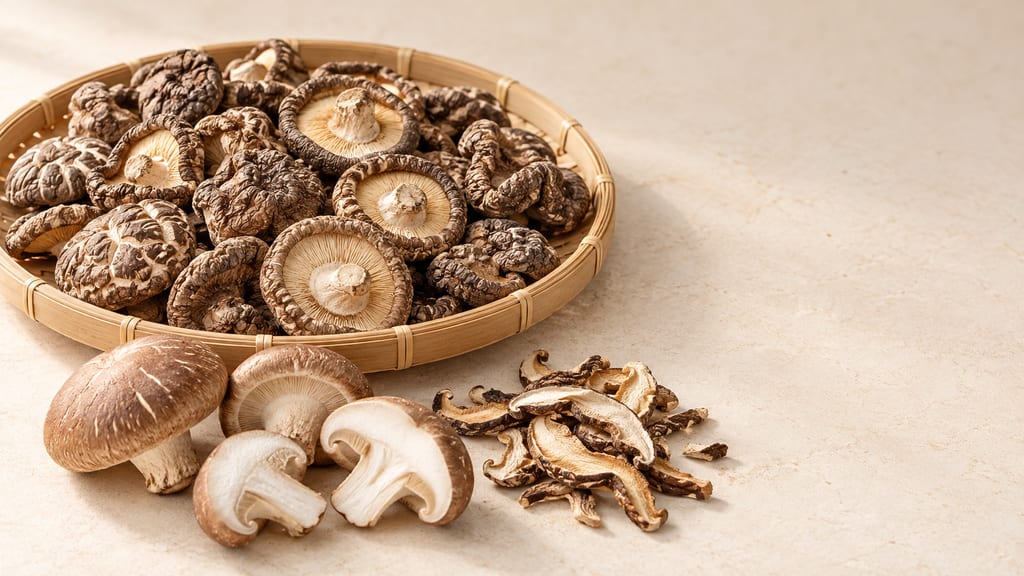
A fresh shiitake is about 90 percent water. As it dries, its smell moves from earth to garlic to sauté to burnt. A 2025 study tried changing the heat during the run to steer that chemistry.
· 5 min read
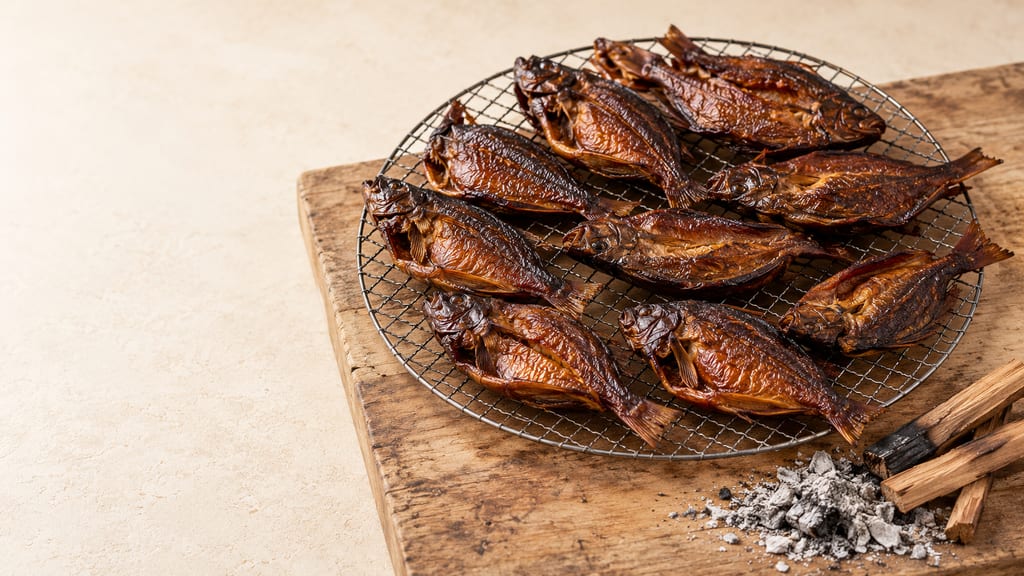
A fish smoker designed in Senegal has come to women's groups in Papua New Guinea's Sepik through the UN's food agency. The public record holds one measured result, a 50 percent cut in fuel, and a good deal of context from Africa and Asia.
· 5 min read
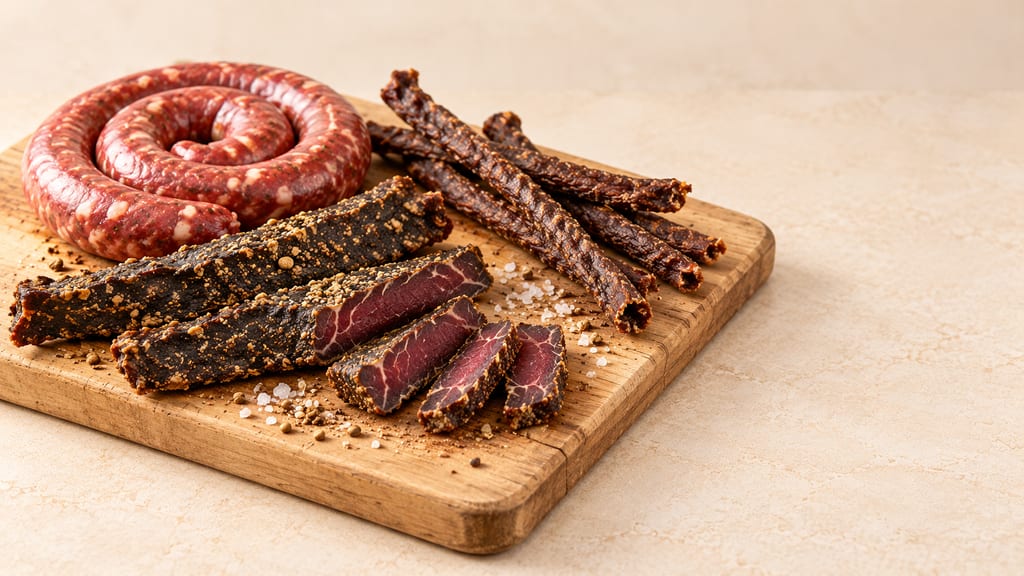
Boerewors, biltong and droëwors share a table but follow different paths from meat to meal. Their histories lead from the braai and butcher's counter to drying lines, household pots and the science of keeping food.
· 7 min read
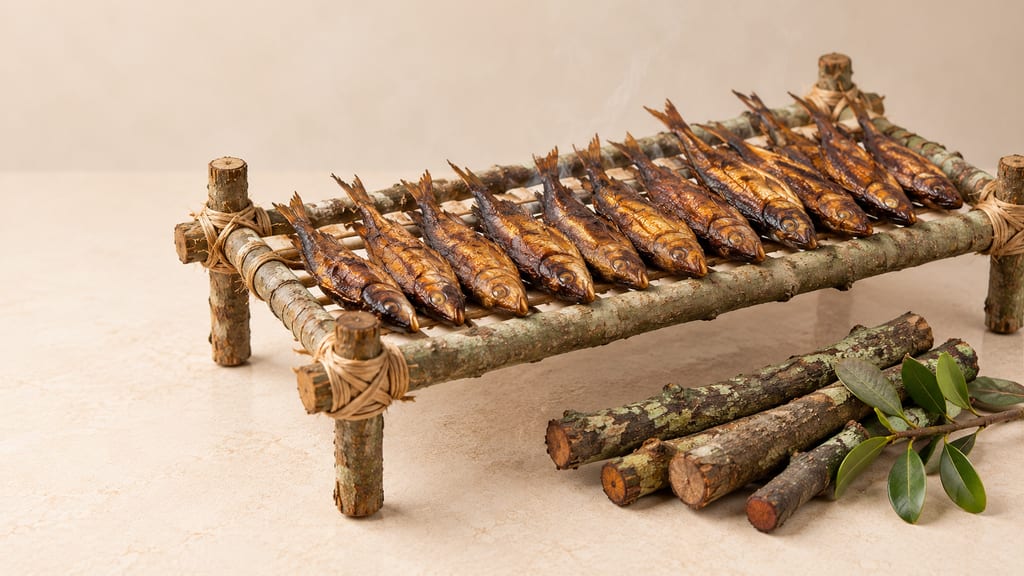
On Manoka Island, women smoke fish over mangrove wood. In a project-reported trial, a brick smoker used a third less wood than the rack house and a metal one almost nine-tenths less. The trial reports no measure of the smoke.
· 6 min read
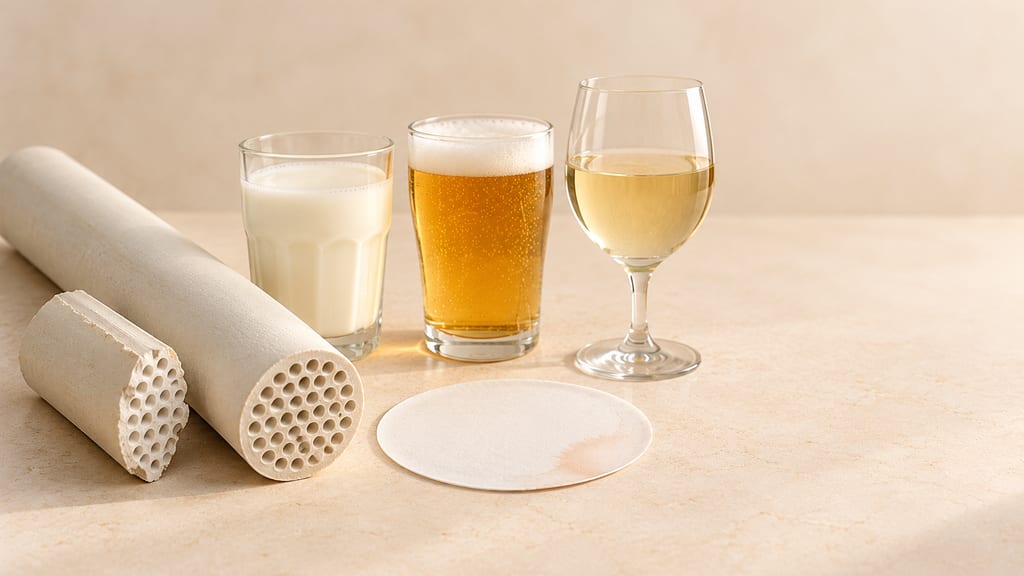
Ceramic and polymer membranes hold microbes back instead of killing them, which gives milk extra weeks and makes beer and wine stable. The pores are far too wide to stop a virus, and filtration alone does little against a dissolved toxin.
· 5 min read
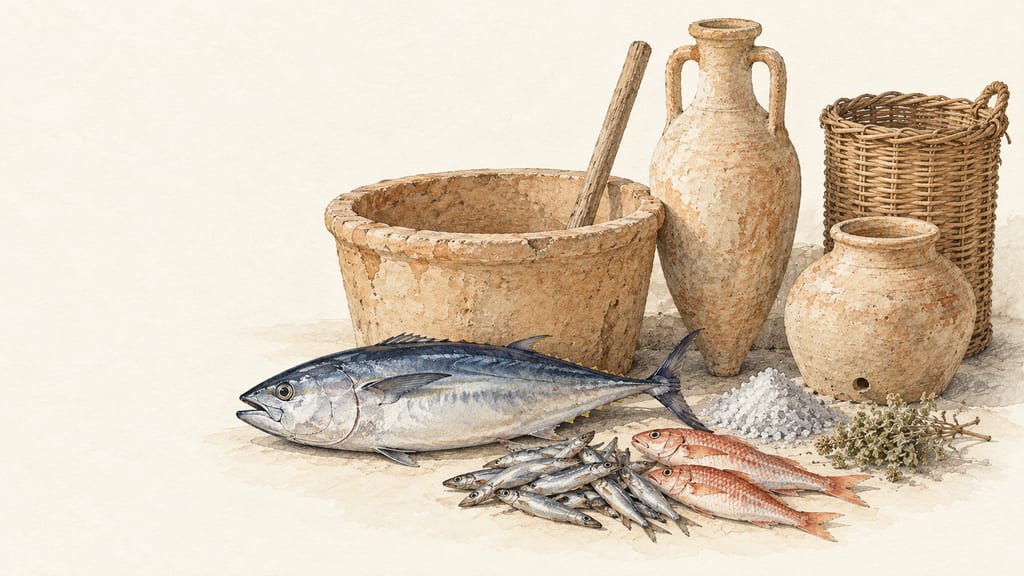
Athenian playwrights mentioned garos in the fifth century BCE and the surviving lines never say how it was made. The detailed Greek methods come from a Byzantine compilation more than a thousand years later, with a sauce of tuna blood among them.
· 6 min read
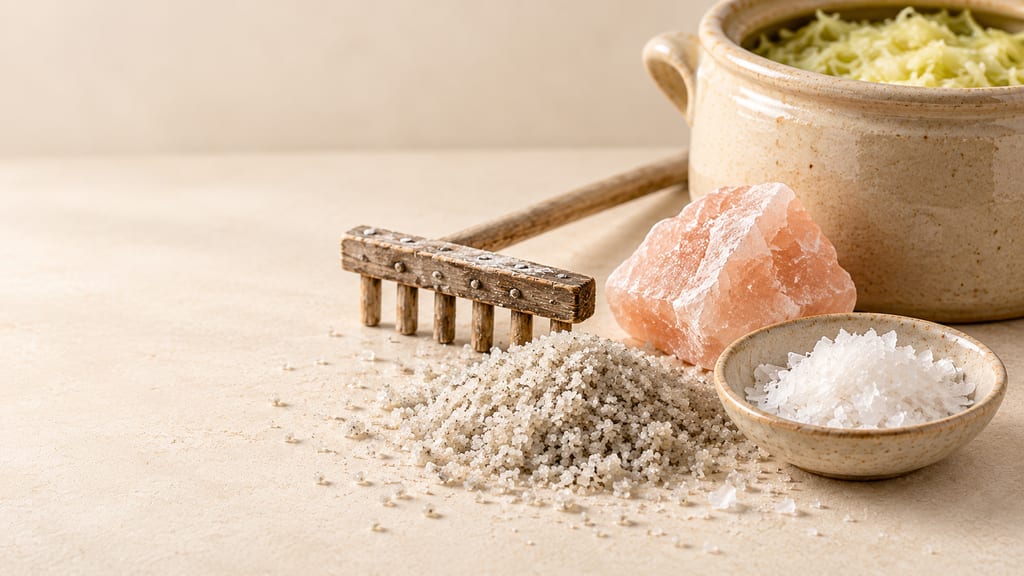
Salt seasons a meal, shapes fermentation and preserves food. Its history follows the people who mine, harvest, trade and transform it, and the choices hidden inside an ordinary packet.
· 20 min read
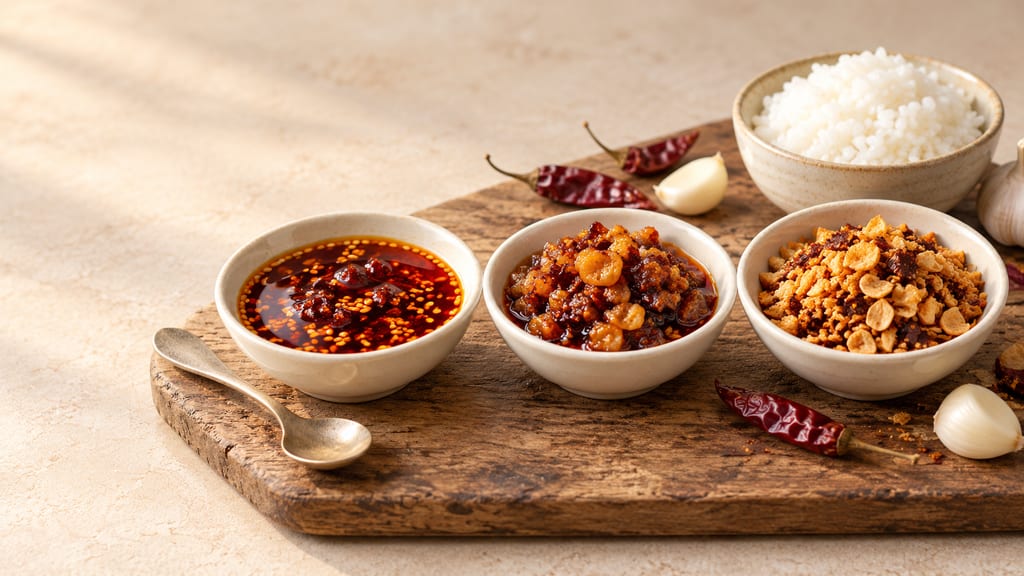
Sichuan hongyou, Chiu Chow chili sauce and Japanese rayu all put chili in oil, by different methods. Fermented beans sit behind some jars, and botulism rules for garlic in oil decide how long any of them keeps.
· 8 min read
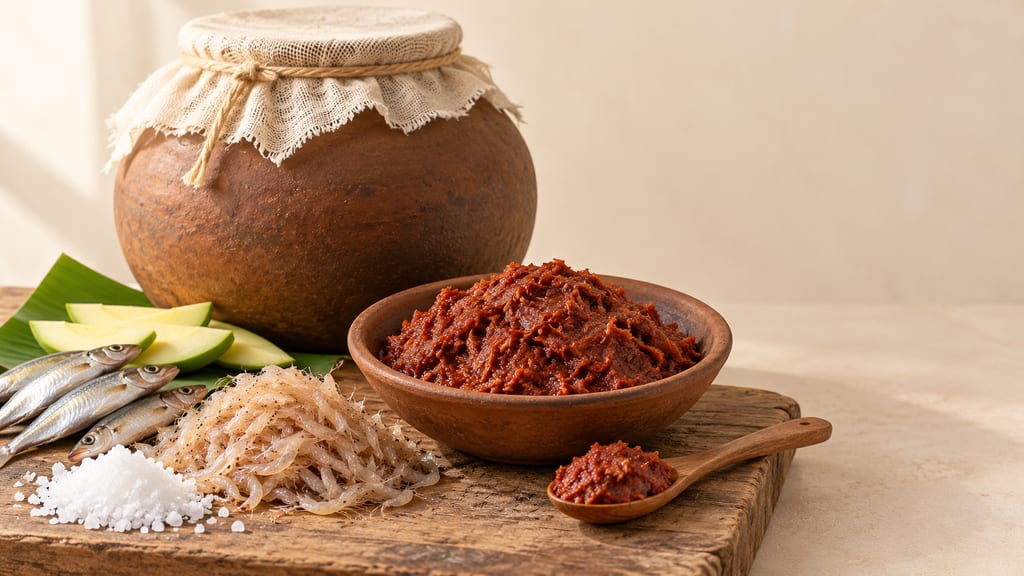
Philippine fish and shrimp pastes are salted at 1:3 or 2:5 and ripened for anything from 30 days to six months or more. Each source describes one batch, not a rule, and the pH figures do not even agree.
· 7 min read
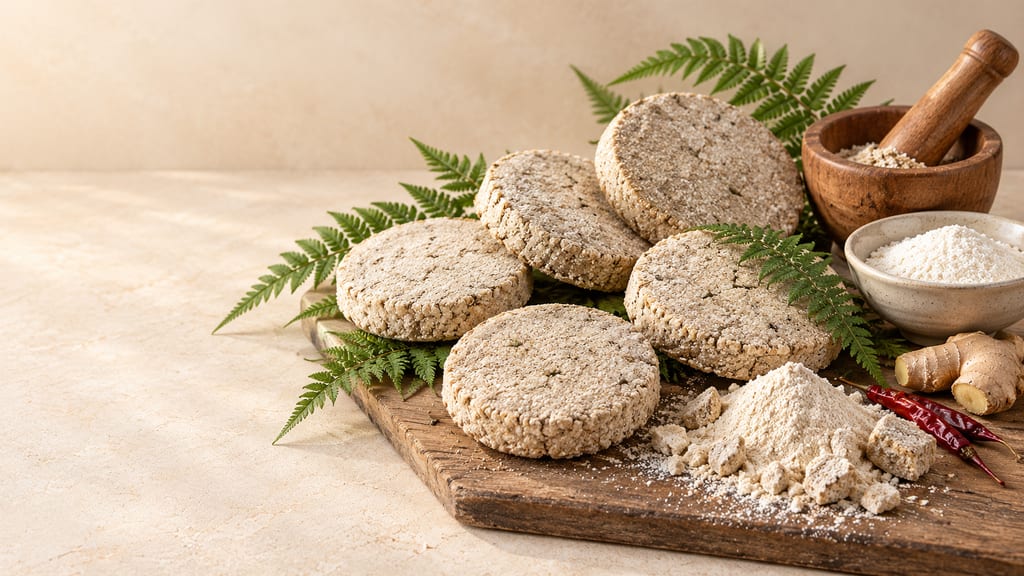
Marcha, thiat, ragi, nuruk and qu are dried cakes of grain and microbes that turn rice or millet into drink. Each carries moulds, yeasts and bacteria, and each is passed on a pinch at a time.
· 6 min read
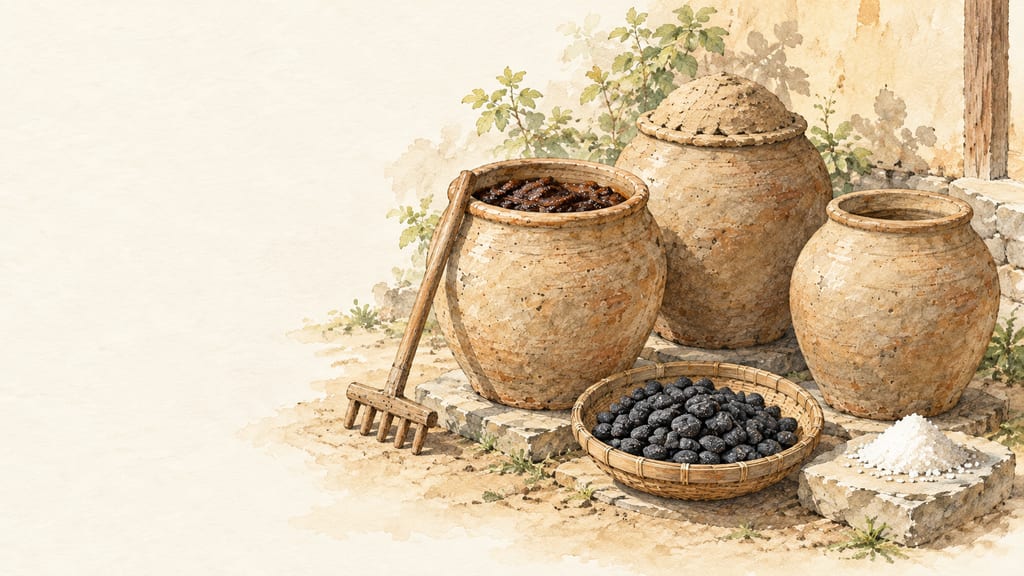
Around 544 CE, Jia Sixie wrote down how a Chinese farm turned soybeans into jiang paste and fermented shi beans: the winter start, the mould-coated wheat, the armpit-warm bean room and the hundred-day jar.
· 7 min read
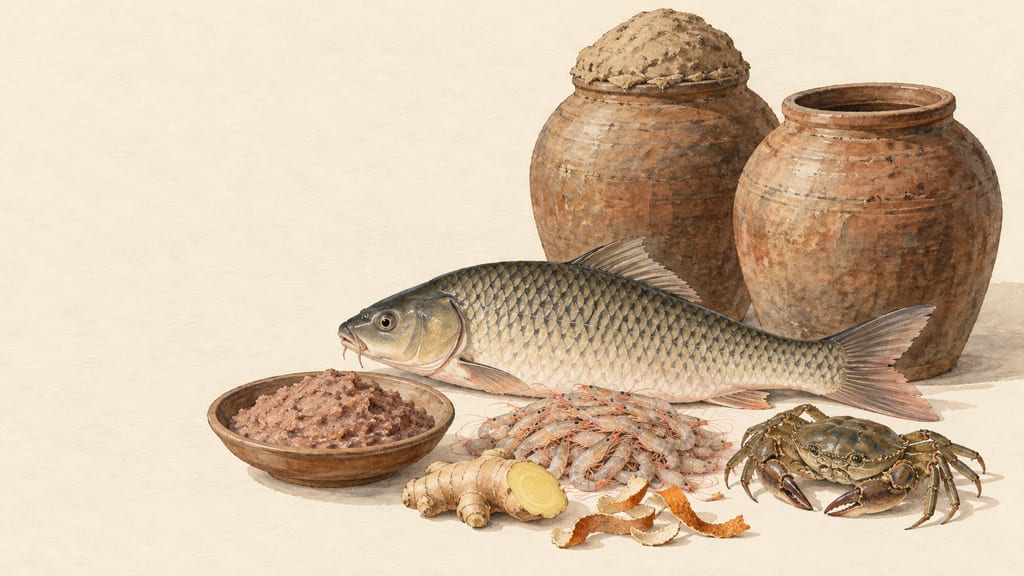
Long before soy sauce, Chinese cooks made jiang from venison, carp and shrimp. A farm manual of about 544 CE records how, from a fish-gut sauce with an imperial legend to fish pickled in rice.
· 7 min read
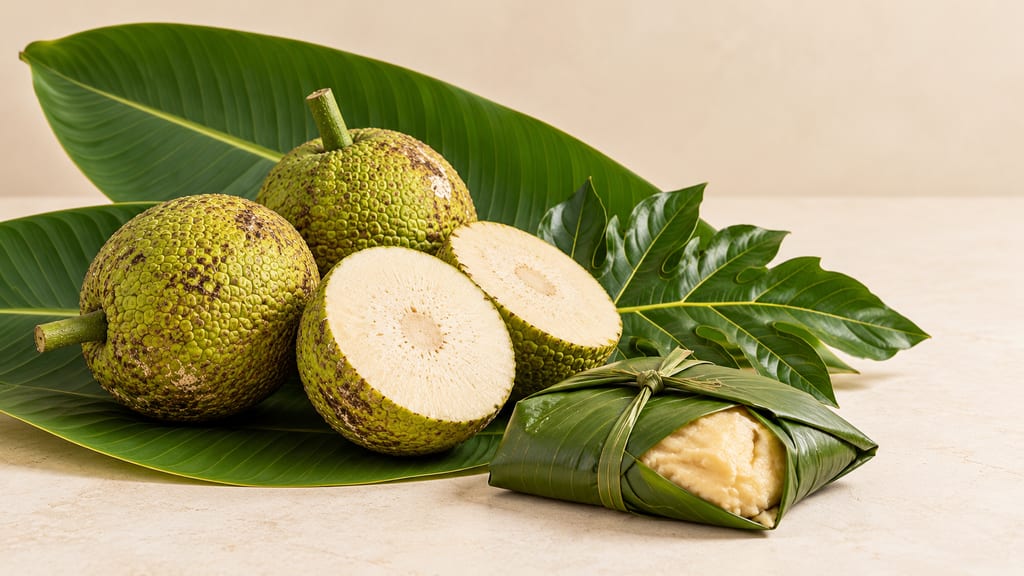
From Samoa to the Marshall Islands, people buried peeled breadfruit and dug up a sour paste. Leaves, timing and keeping times differ by island, and nobody has measured what lives in the pit.
· 7 min read
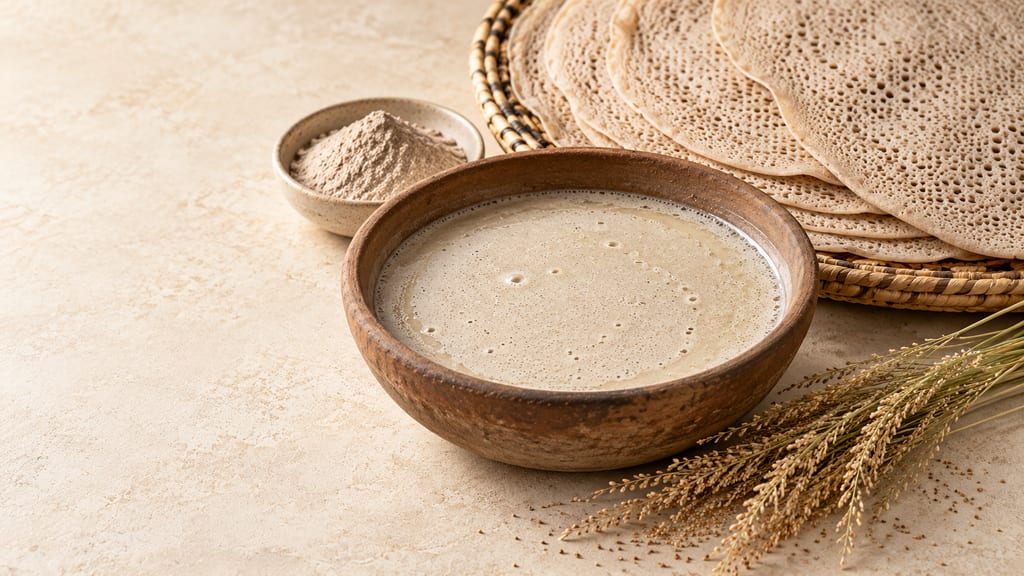
Every batch of teff injera begins with a little of the last. Ersho is old, unstandardised and thinly studied, and no source says how long it keeps or when to throw it out.
· 7 min read
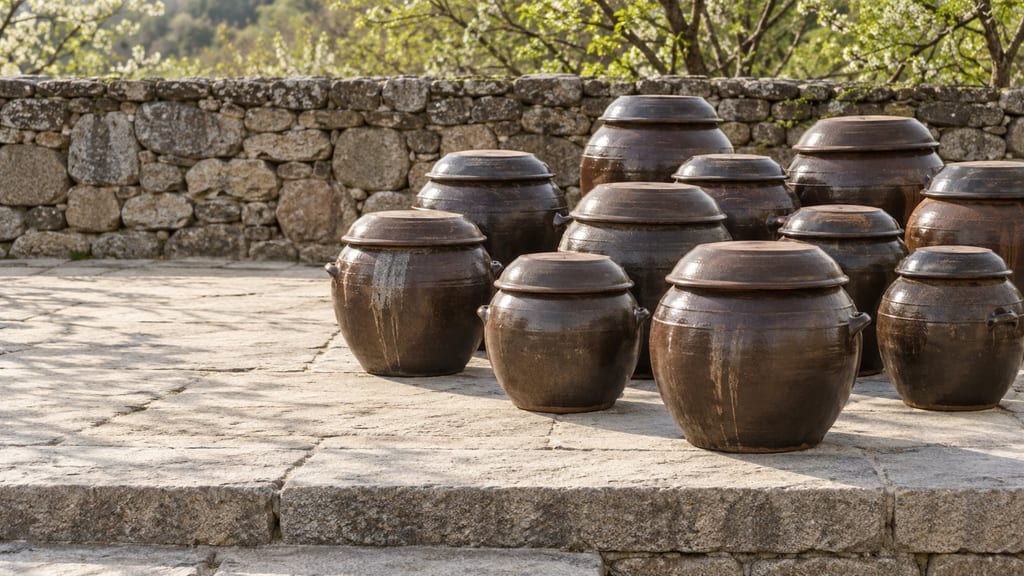
A Silla king’s bride was sent 135 loads of provisions, jang among them. The chronicle that says so was written 462 years later and never says what the jang was. What the record can carry, and what Korea added.
· 6 min read
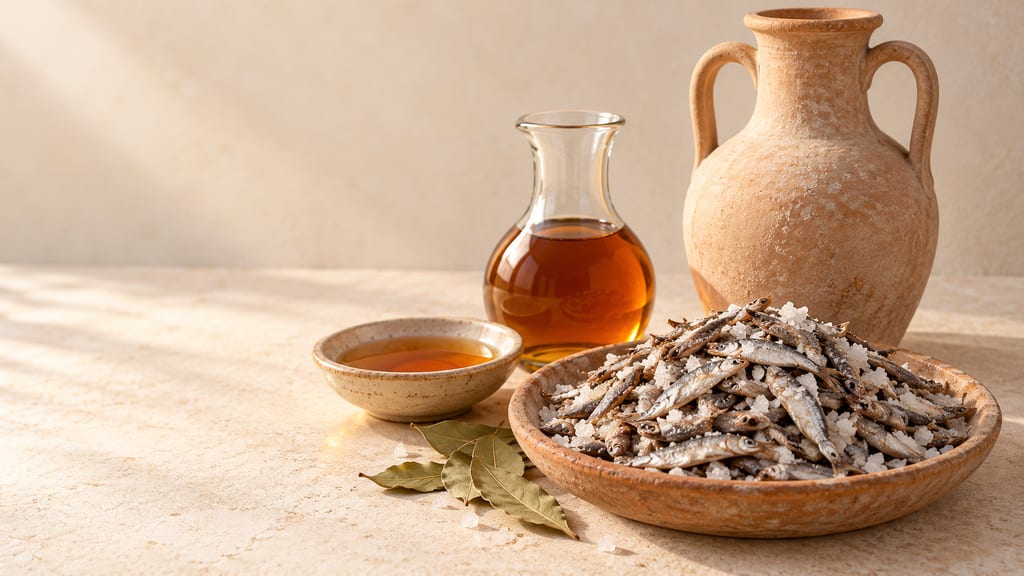
Garum, nước mắm, nam pla and patis share ways of turning fish into a savoury liquid, yet each belongs to its own food culture. This account follows ancient sauces, Asian and Japanese fish sauces, colatura and koji garums.
· 14 min read
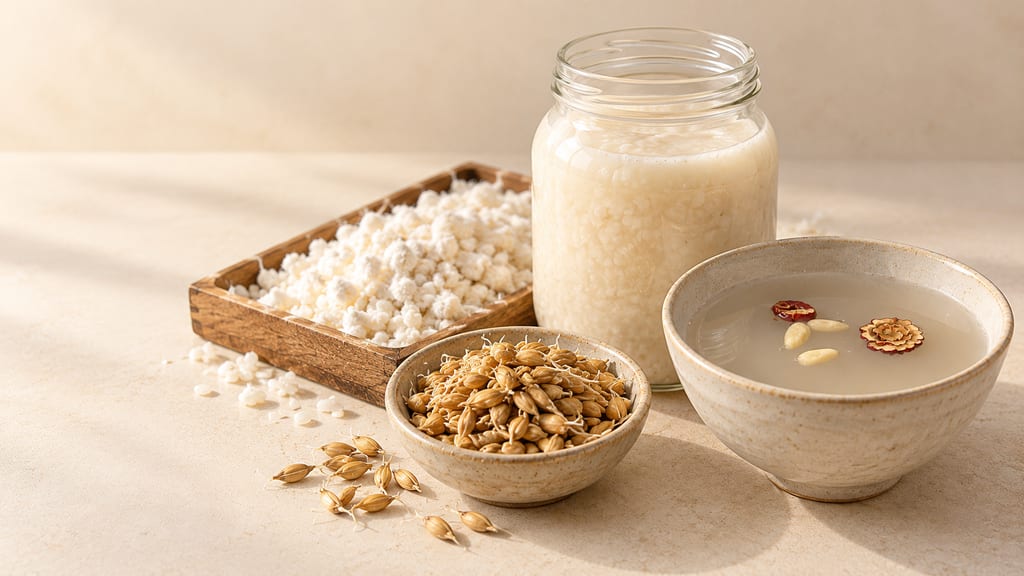
Amazake, sikhye and rice syrup turn cooked rice sweet with enzymes from koji or barley malt, held at the right warmth. Jiu niang and idli batter look similar but depend on living microbes, at very different temperatures.
· 17 min read
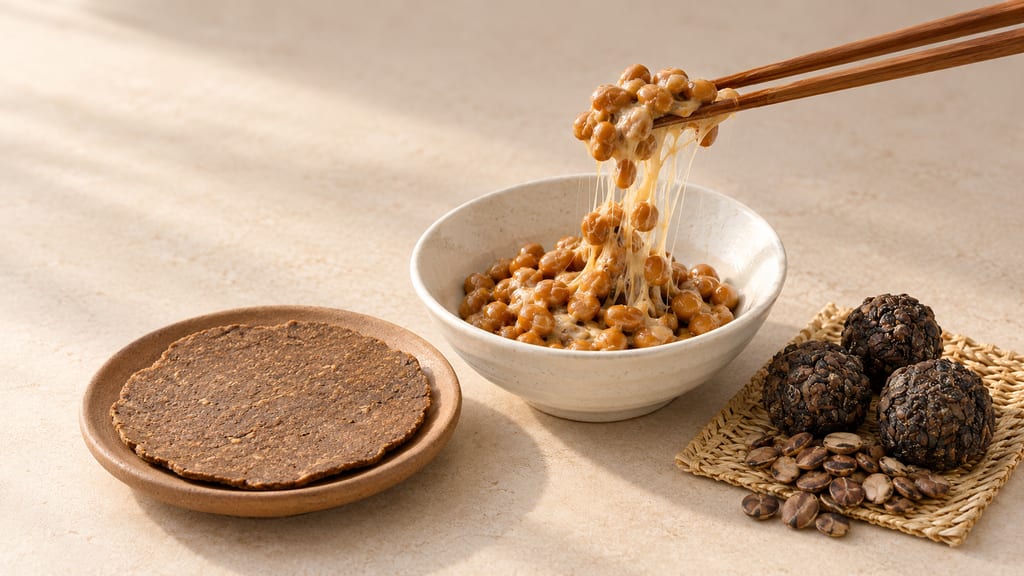
Natto's sticky threads, Thai thua nao, Himalayan kinema and West African sumbala all begin with Bacillus working on cooked beans. How they differ, where the numbers disagree, and why no tested kitchen schedule exists.
· 7 min read
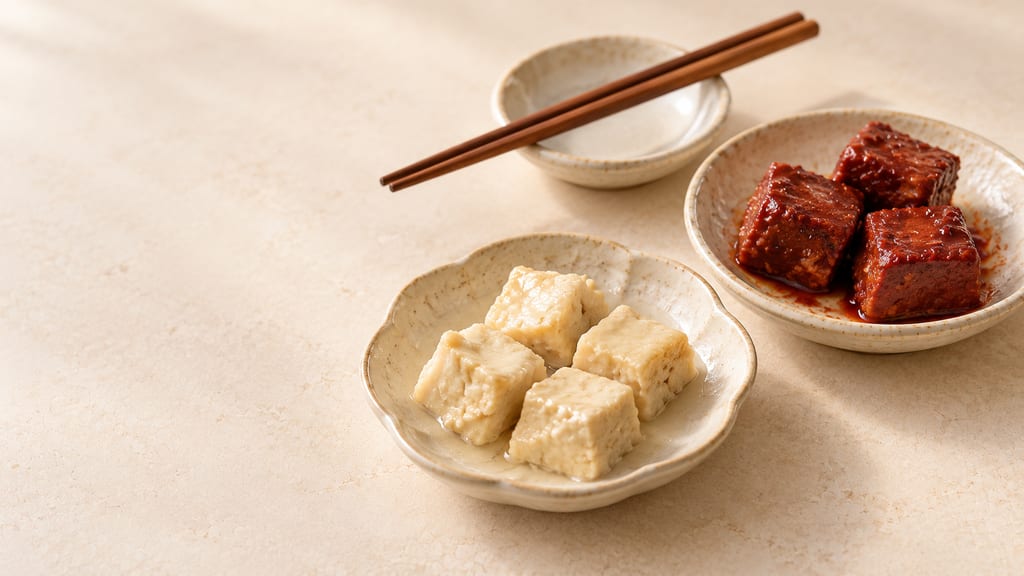
Sufu is tofu grown with mould and ripened for months in salty brine. A laboratory protocol, a Shanghai summer staple and a survey of unsafe samples show how it works and what is still unsettled.
· 3 min read
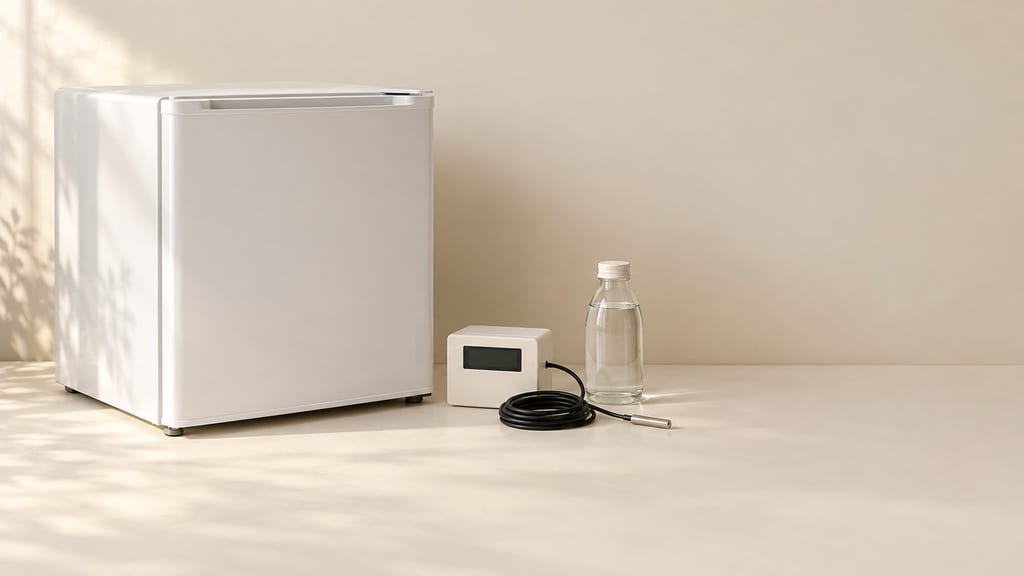
A plug-in thermostat can switch a mini-fridge on and off, but no document read here shows it is safe for the compressor or that the fridge would hold a cheese-ripening temperature.
· 3 min read
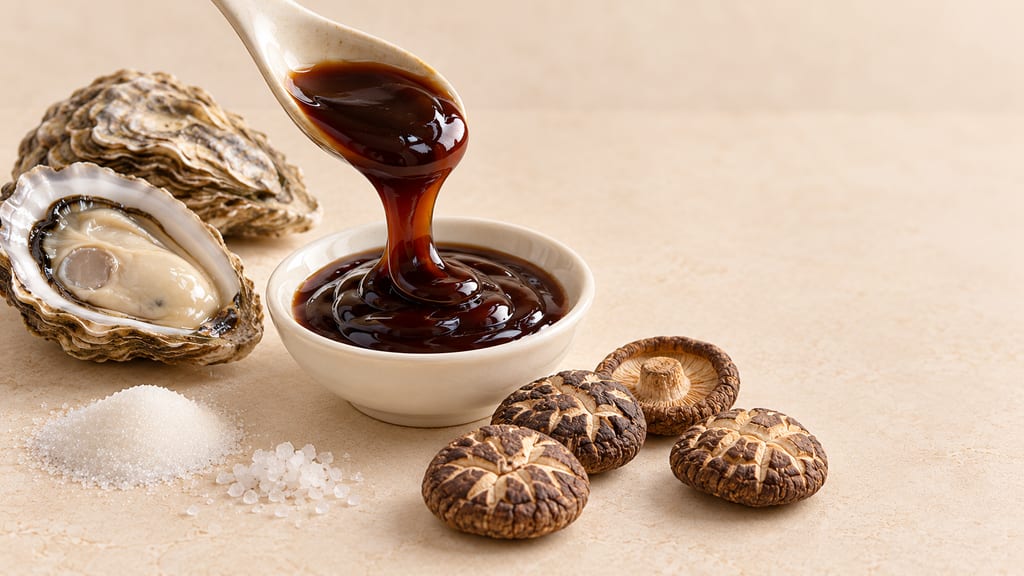
Lee Kum Kee dates oyster sauce to 1888 and a forgotten stove; no independent record confirms it. The sauce is cooked and thickened, not fermented, and the vegetarian bottle has a label conflict of its own.
· 6 min read

Dry salami, sour pork with rice, matured sheep and aged blubber follow different paths from animal to food. Their stories connect microbes with climate, slaughter, migration and the meals people share.
· 12 min read
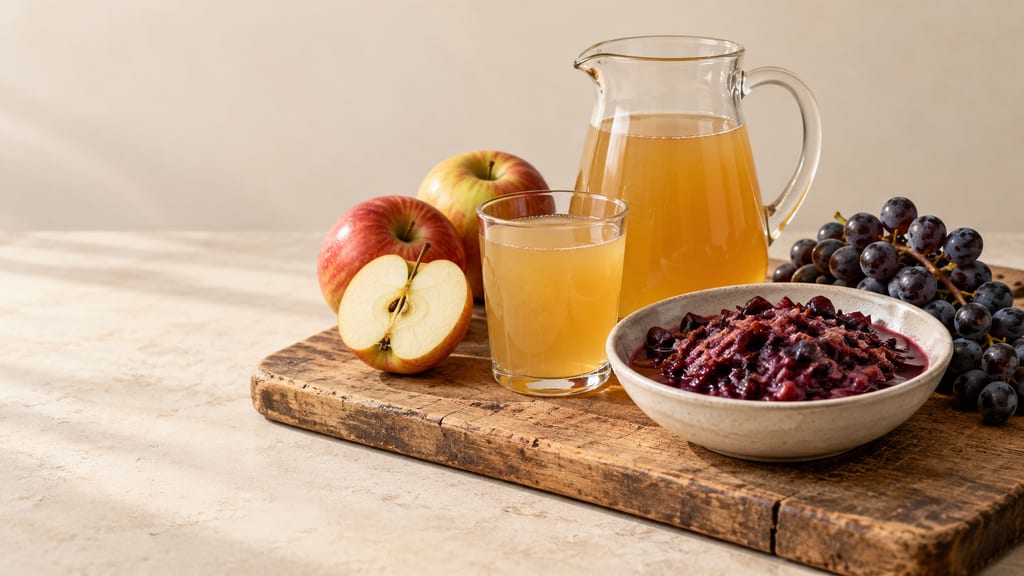
Pulses lasting a few microseconds, at tens of kilovolts per centimetre, punch holes in microbial cells. They help pasteurise juice and extract colour from grapes. They cannot kill spores unless heat does the work.
· 5 min read
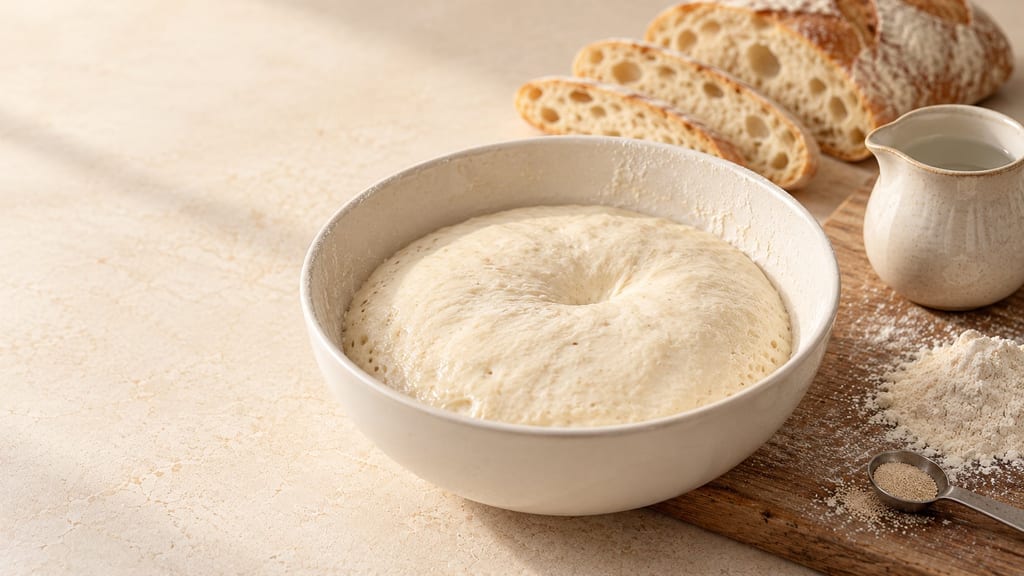
Biga and the bread sponge both ferment flour with baker's yeast before the dough is mixed, but yeast dose, water and time vary widely and the names fix none of them. What a long preferment changes, and what is unknown.
· 6 min read
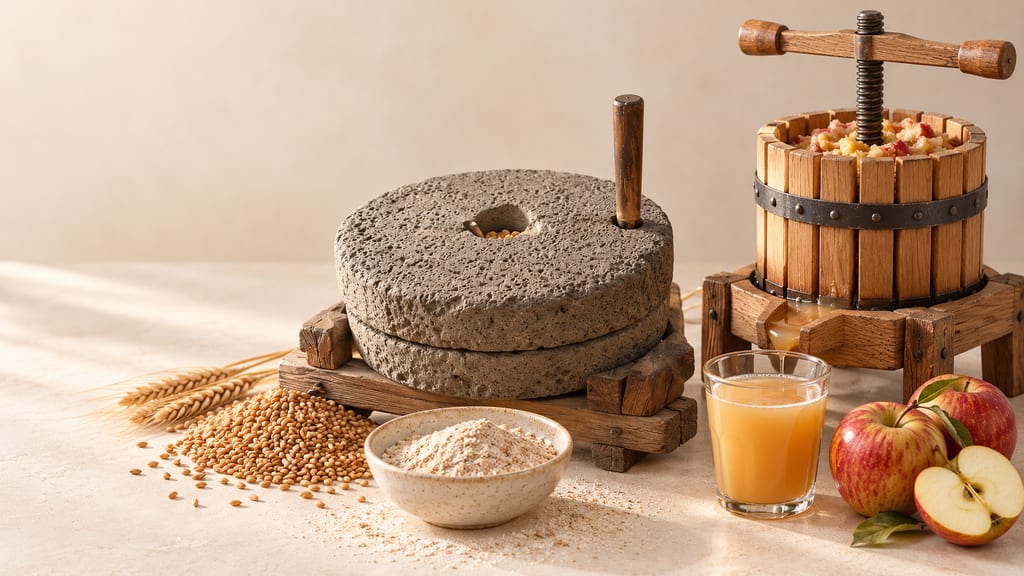
A blender, a stone refiner and a small screw press each replace hours of pounding or squeezing, but grinding, pressing oil and extracting a milk are different jobs with different limits.
· 16 min read
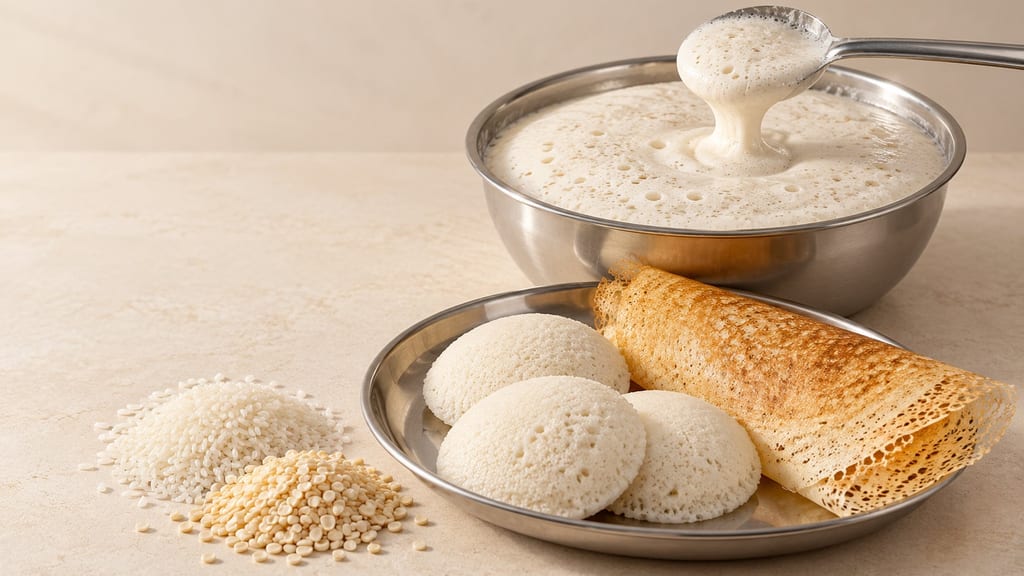
Rice and black gram, rice and coconut, teff with a kept starter: batters across India and Africa sour and rise before they are cooked. What happens in the bowl, how fast, and where the evidence stops.
· 7 min read
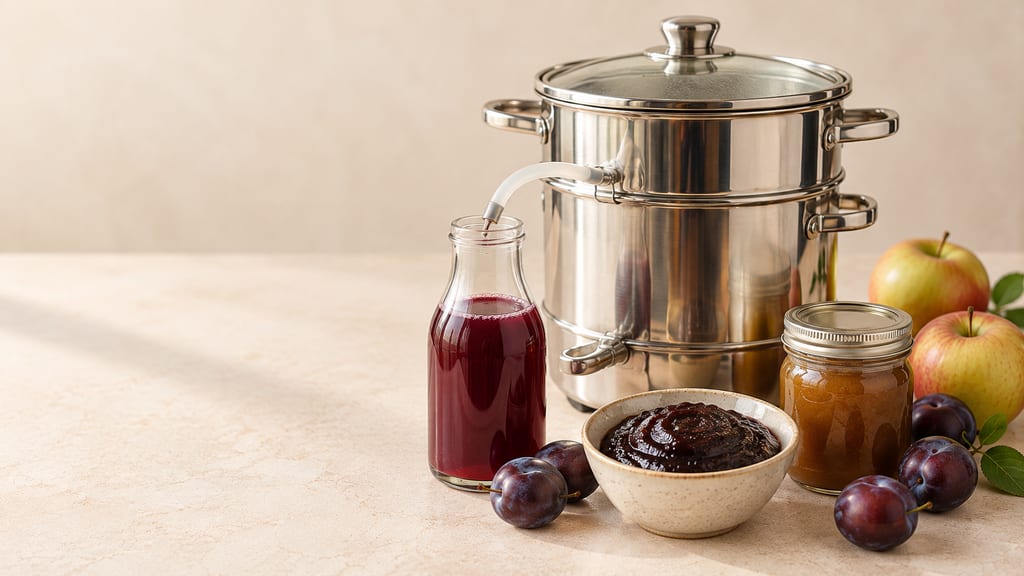
Fruit becomes juice, butter, paste or syrup in two moves: get the liquid out, then drive the water off. Steam juicers, slow cookers, microwaves and freezers each do one of those moves well, and none does both.
· 17 min read
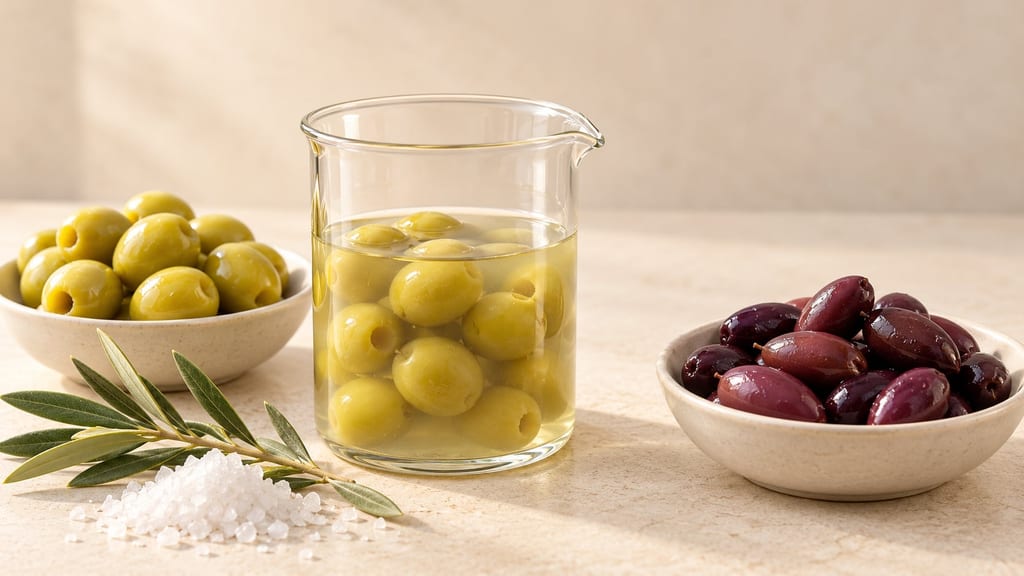
Researchers in Seville and Athens seeded olive brines with chosen bacteria and yeasts. Acid arrived faster, but the strains did not always stay in charge, and no source gives a kitchen method.
· 7 min read
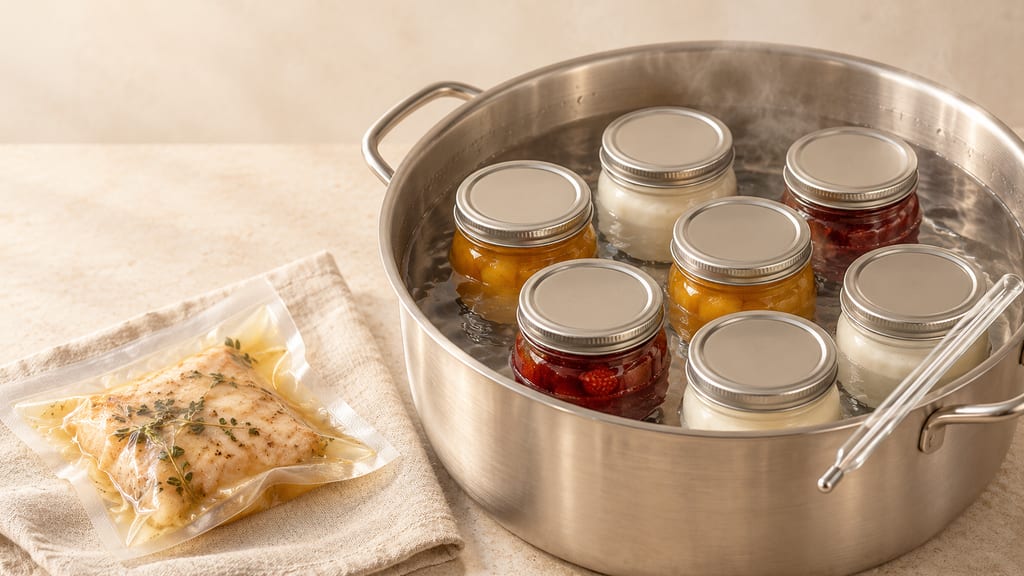
A sous-vide circulator holds a tank of moving water at a set temperature. With jars instead of bags it can incubate yogurt, set eggs, extract kombu and steep syrups, once you know what it does and does not control.
· 17 min read