Articles

Source-linked articles on foods, ingredients, traditions and equipment.

7 articlesClear

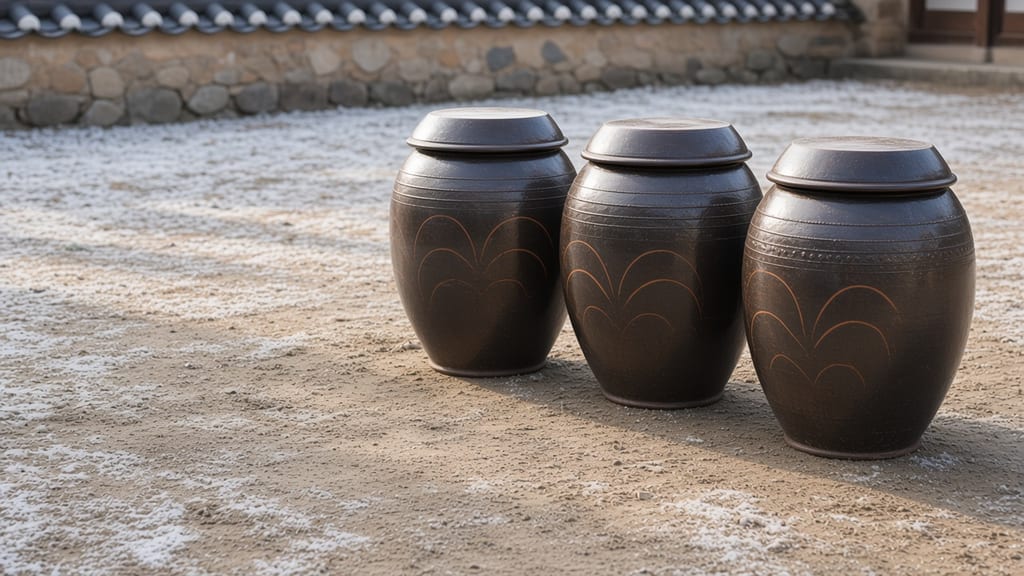
Three brown onggi jars with lids standing on frosty courtyard earth in winter light.
Preservation catalogue

Kimjang and the buried jar: winter kimchi in Joseon Korea

In 1766 chilli entered a Korean kimchi recipe for the first time. Joseon households made winter kimchi in late autumn and kept it in onggi jars buried in straw, at a few degrees above freezing until spring.

· 9 min read
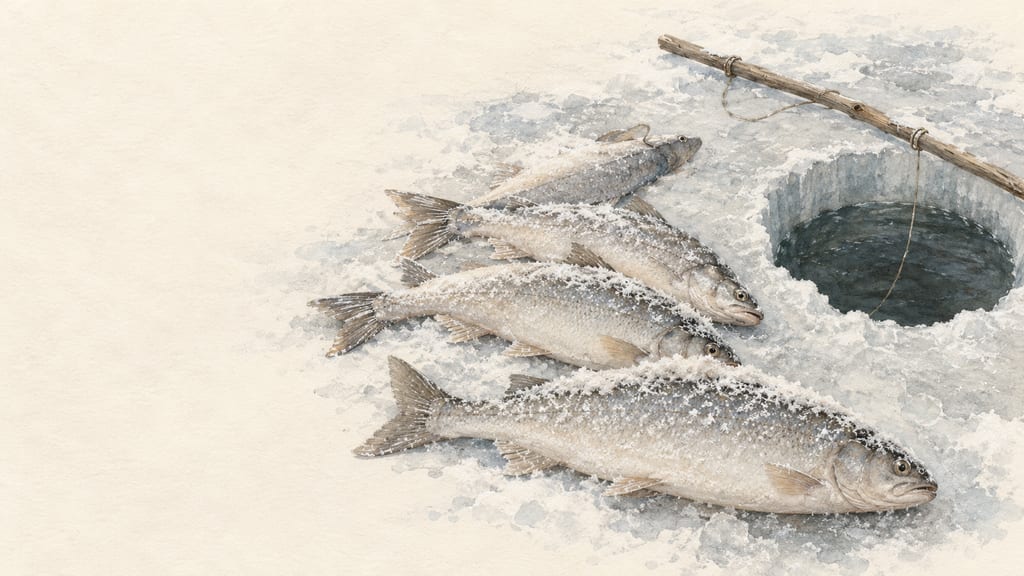
Four frost-covered whole fish lie on surface ice beside a round fishing hole and a wooden stick with line, illustrated in watercolour on ivory paper.
Preservation catalogue

Fish on the ice: the race to freeze food fast

Freezing food is old. Freezing it fast enough to protect its texture, and selling it that way, is the 1920s idea that built an industry. The science explains why speed matters and where it stops.

· 5 min read

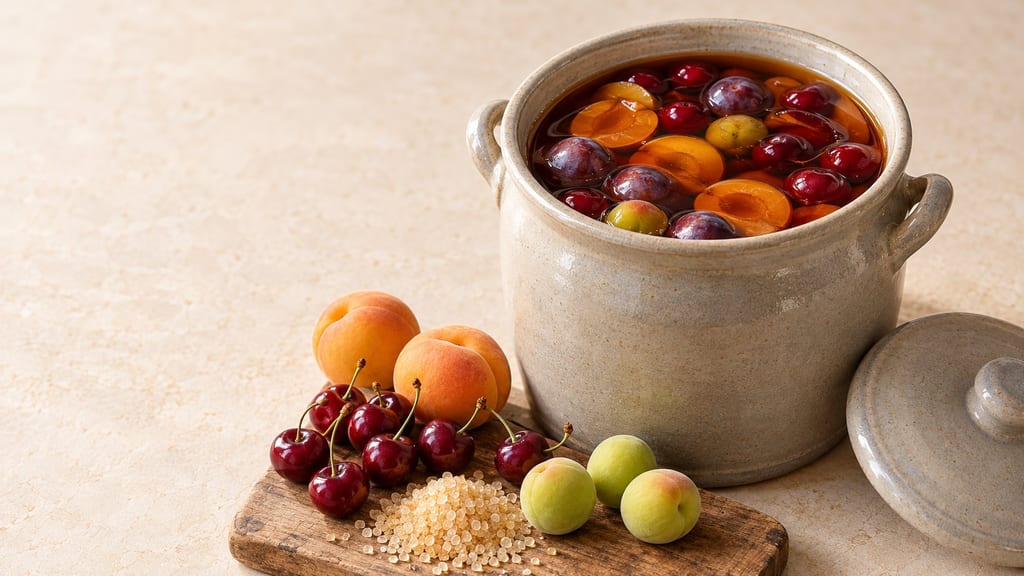
Plain stoneware crock of cherries, apricot halves and plums in amber spirit beside fresh fruit, green-yellow ume and coarse sugar on a wooden board.
Preservation catalogue

Summer in a crock: keeping fruit under strong spirit

Rumtopf in Germany, cherries in Lisbon, green ume in Japan: steeping fruit in strong spirit makes a preserve and a liqueur at once. How it works, what is known of its past, and where the evidence stops.

· 5 min read

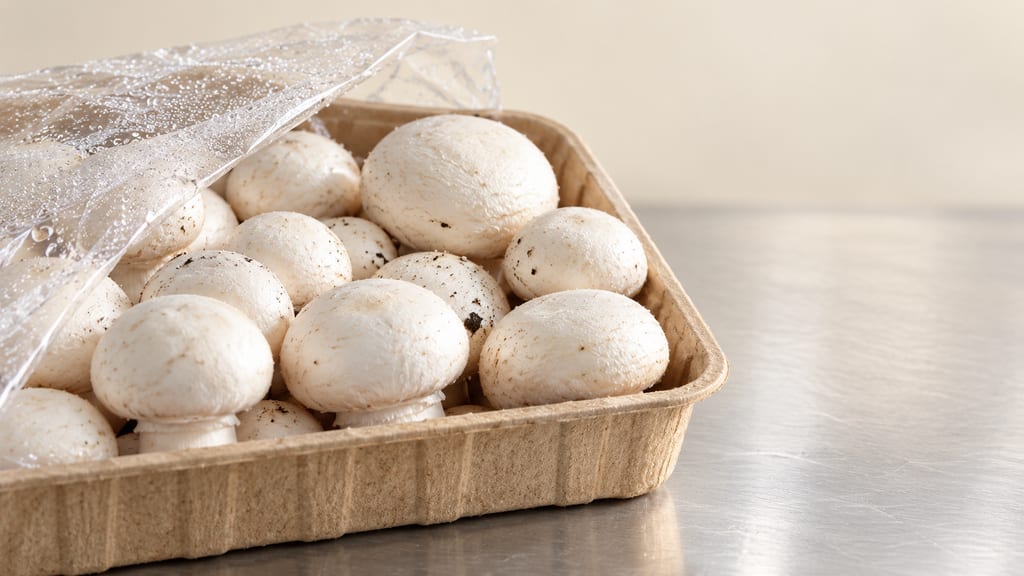
Fresh white button mushrooms fill a shallow carton beneath condensation-covered peeled-back wrap on a brushed-steel shelf.
Preservation catalogue

Five days or two: the cold chain that keeps a mushroom fresh

A picked mushroom keeps breathing and growing. A fridge 3 °C warmer than it should be can cut its life from a week to two days, and the cold that saves a button mushroom ruins a straw mushroom.

· 7 min read

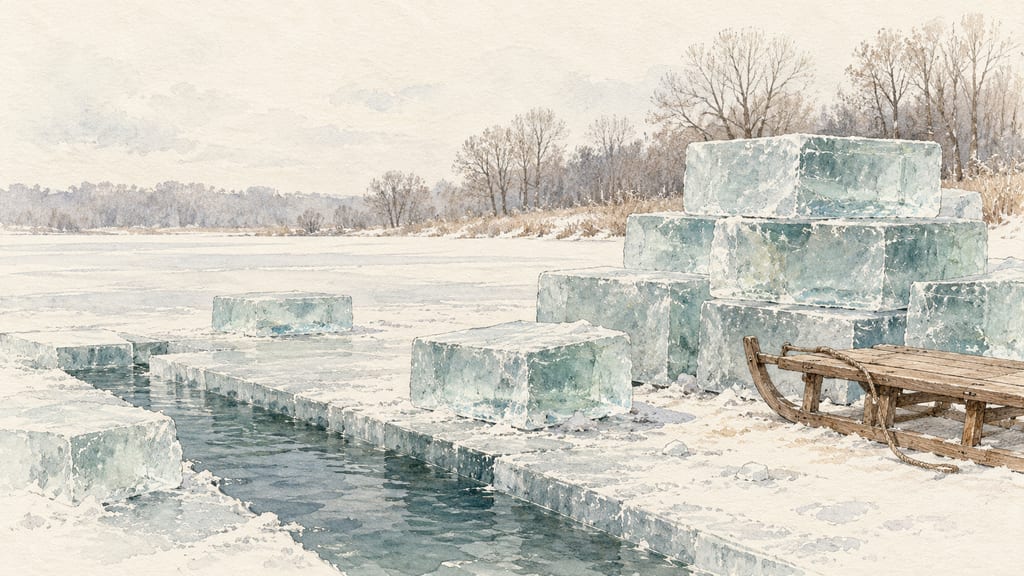
Watercolour of harvested blue-green ice blocks and a wooden sled beside a cut channel in a frozen pond, with bare trees beyond.
Preservation catalogue

Cold without winter: from pond ice to the kimchi refrigerator

Ice once came off frozen ponds and ships. Breweries, a Geelong inventor and a Munich professor built machines that replaced it, and a home refrigerator now shapes which bacteria work in a jar of kimchi.

· 6 min read