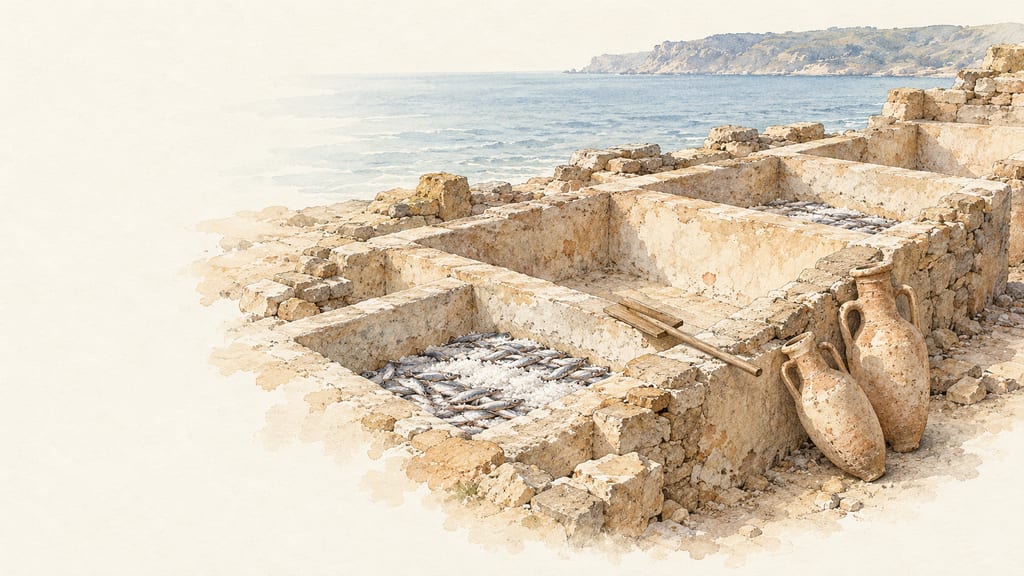
Roman fish-salting production: vats, sites and products
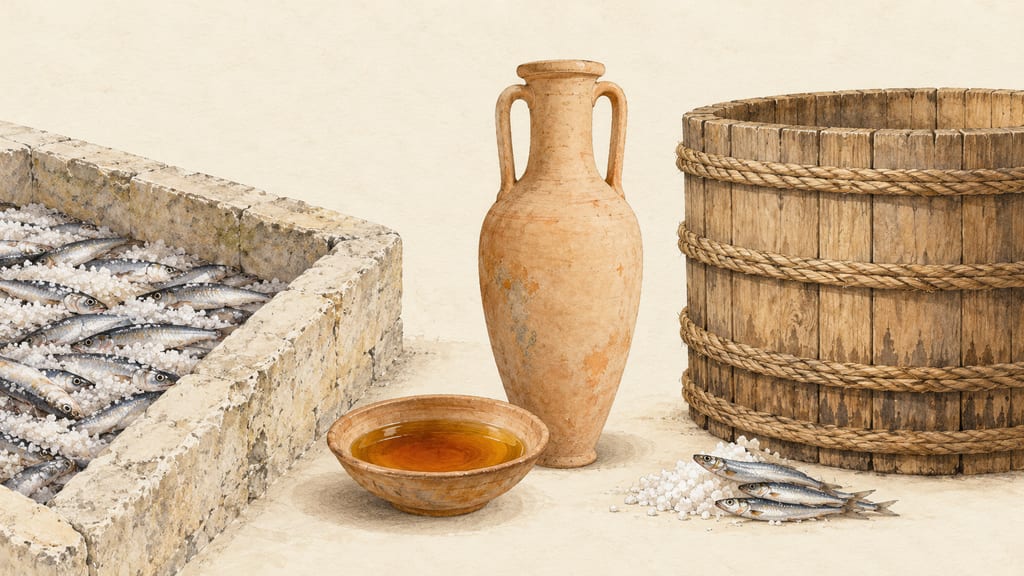
Roman fish processing ran as a large industry along Mediterranean and Atlantic coasts. A vat shows that salting happened, but not that its contents were garum.
· 6 min read
 FermenteaWhere food goes to change
Source-linked articles on foods, ingredients, traditions and equipment.
Roman fish processing ran as a large industry along Mediterranean and Atlantic coasts. A vat shows that salting happened, but not that its contents were garum.
· 6 min read
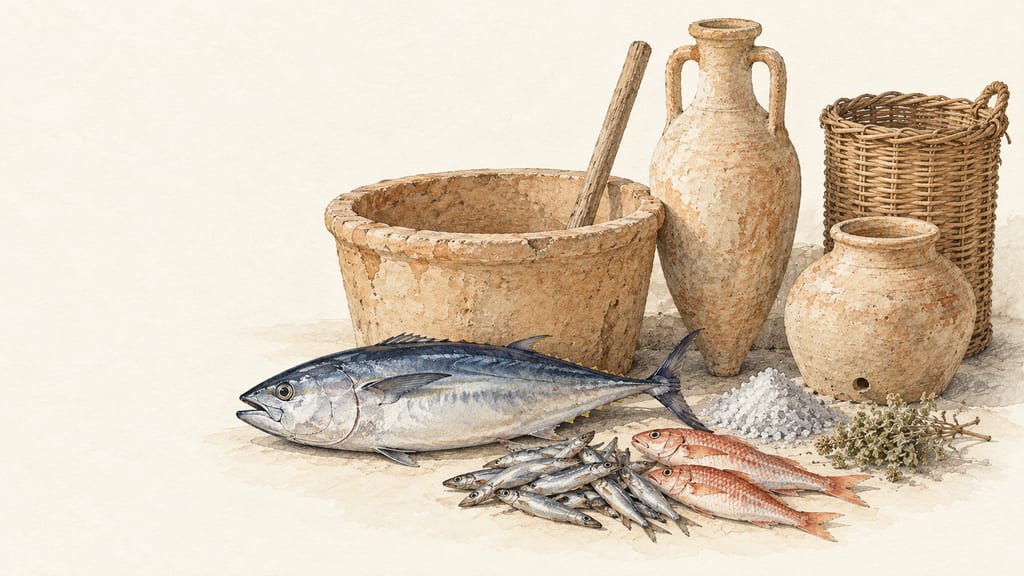
Athenian playwrights mentioned garos in the fifth century BCE and the surviving lines never say how it was made. The detailed Greek methods come from a Byzantine compilation more than a thousand years later, with a sauce of tuna blood among them.
· 6 min read
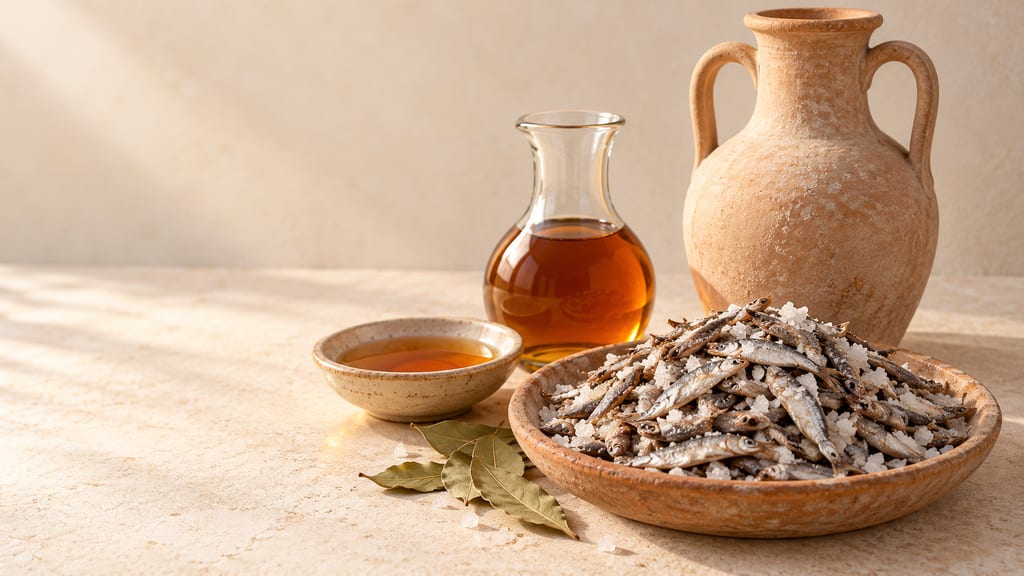
Garum, nước mắm, nam pla and patis share ways of turning fish into a savoury liquid, yet each belongs to its own food culture. This account follows ancient sauces, Asian and Japanese fish sauces, colatura and koji garums.
· 14 min read
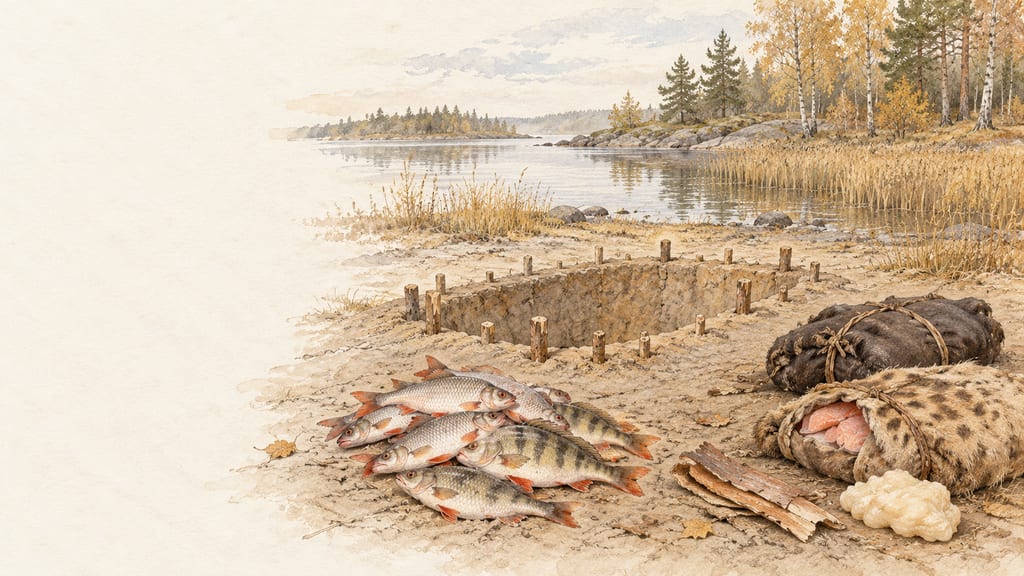
In southern Sweden, a Mesolithic pit packed with fish bones has been read as the earliest known fermentation, made with no salt and no pots. What the evidence shows, how firm the case is, and how it compares with rakfisk.
· 6 min read
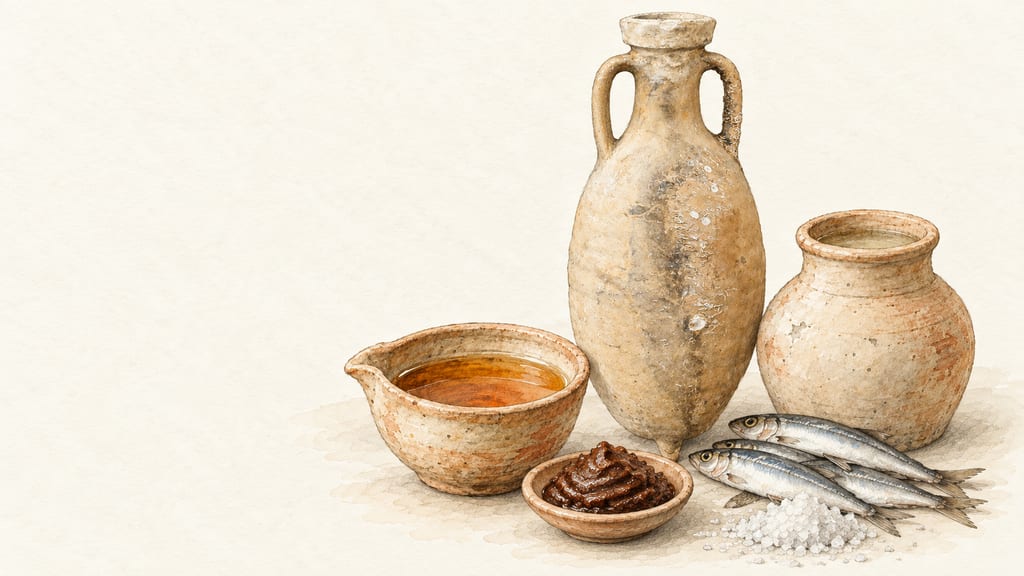
Garum, liquamen, allec, muria and haimation were different Roman and Greek fish products, and the words never kept one meaning. What the texts, a price list and one buried jar tell us.
· 8 min read
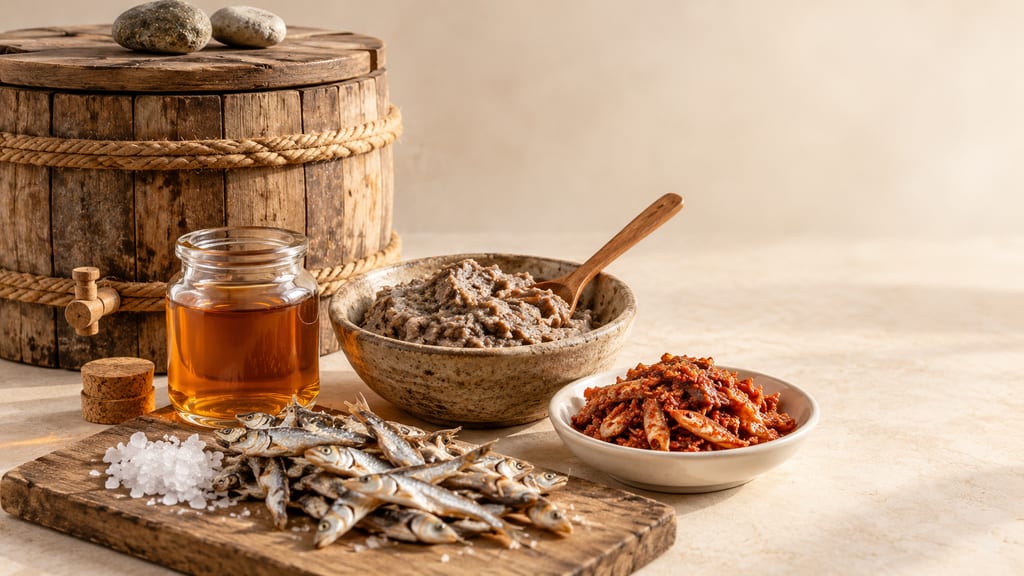
Cetara's amber colatura, Thai nam pla, Cambodian prahok and Korean jeotgal all start with fish and salt. A few choices separate them, and the published figures for those choices often disagree.
· 9 min read
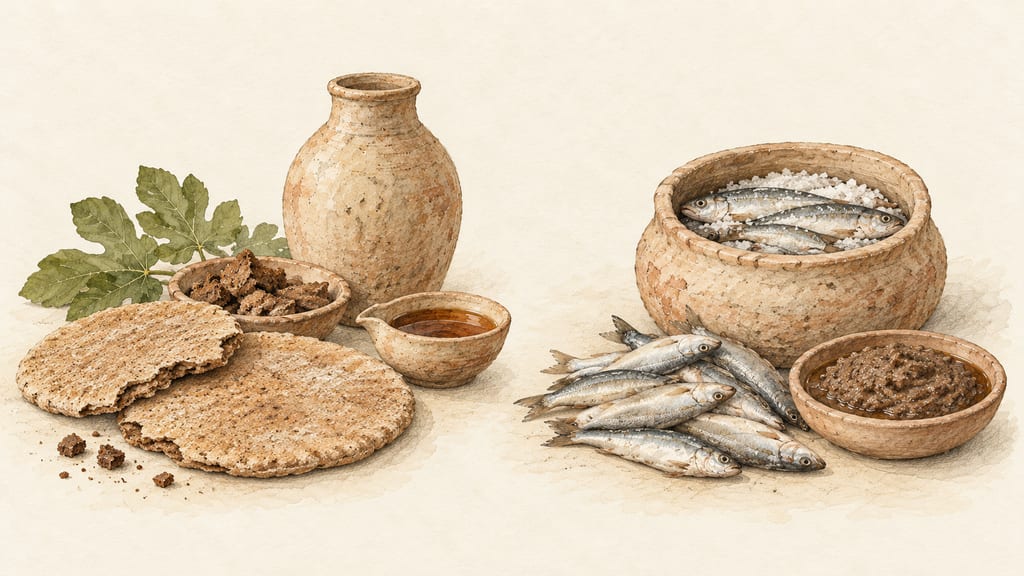
A medieval Arabic recipe turns barley bread into a black seasoning with 40 days of sun. Around the Gulf, salted small fish still become sauce, and laboratories and health ministries now measure it.
· 7 min read
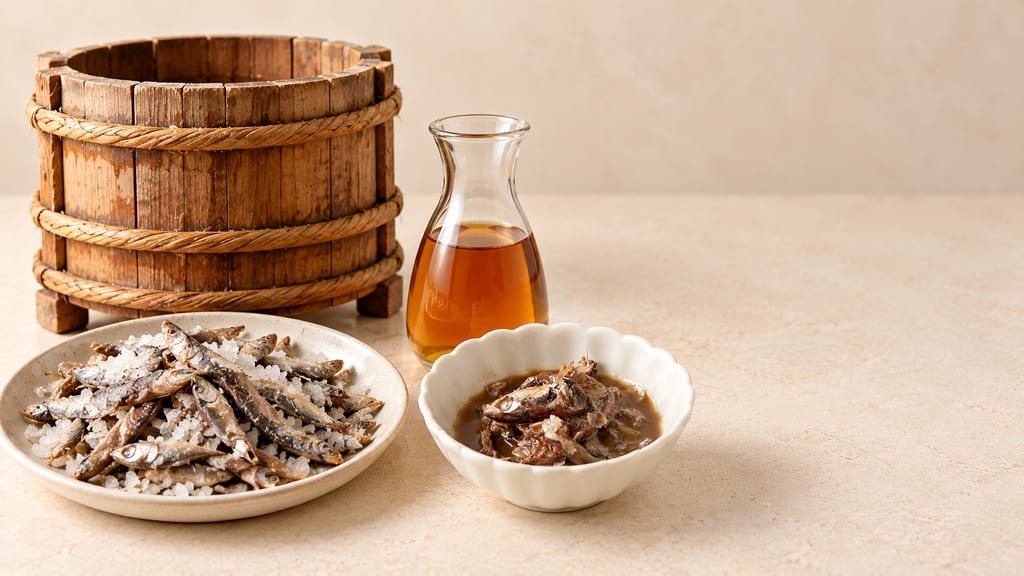
Which comparisons with living fish sauces, grain sauces and fermented fish pastes explain how garum was made, and which ones only look alike.
· 6 min read
Garum sits in a much larger world of seasonings made by turning fish, shellfish, meat, grain or seed into concentrated savoury liquids and pastes. This article sorts that world by method, use and documented history.
· 14 min read