Articles

Source-linked articles on foods, ingredients, traditions and equipment.

16 articlesClear

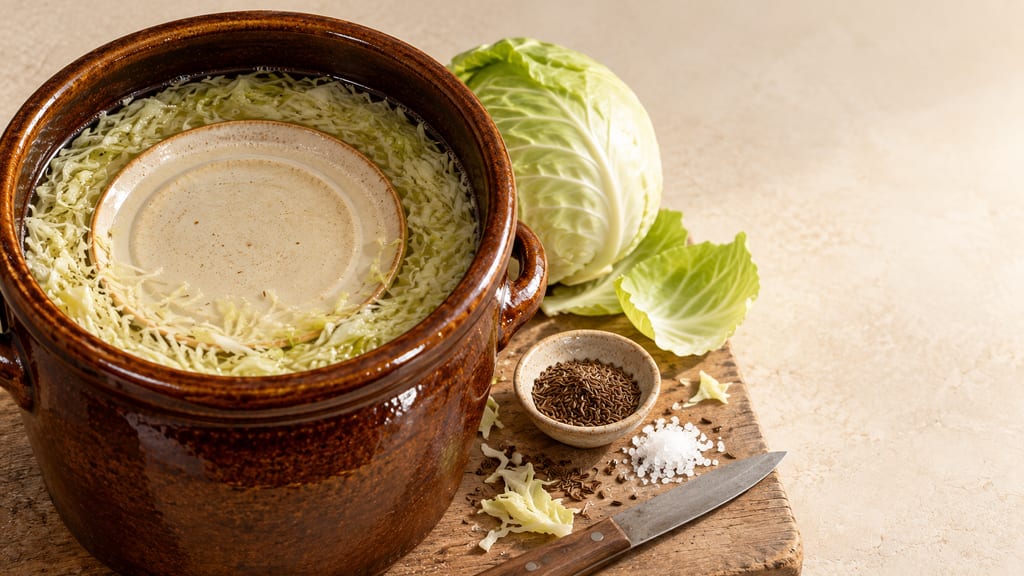
A brown glazed crock of pale shredded cabbage and brine with a pressing plate sits beside a cabbage, salt, caraway seeds and knife on a wooden board.
Starter cultures

Cabbage, salt and a crowd that assembles itself

Studies of sauerkraut, from a commercial batch near Providence to household jars in Dalian, find lactic acid bacteria assembling in the brine. They do not agree on who leads, or in what order.

· 8 min read
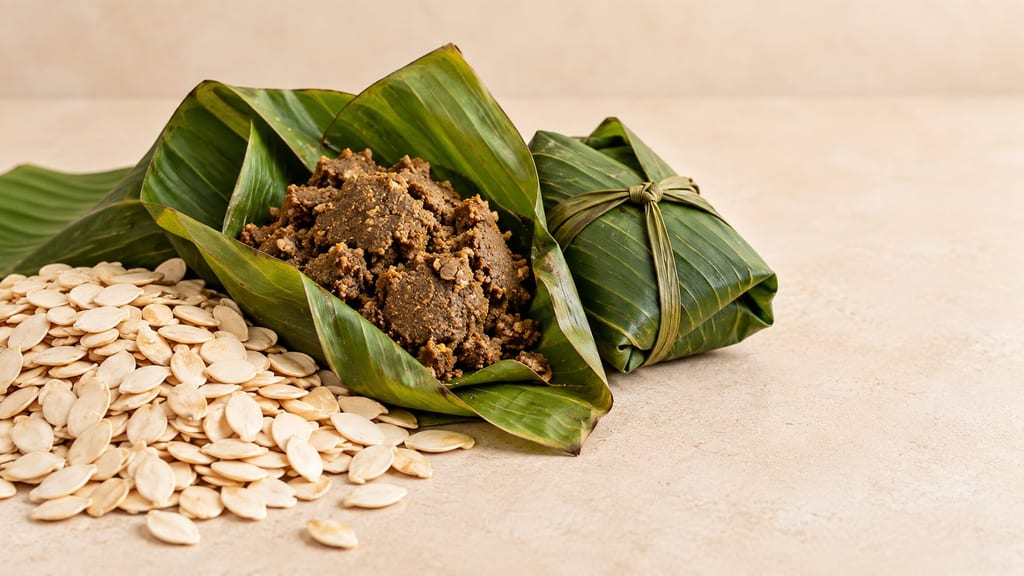
Pale flat egusi seeds beside crumbly brown ogiri in an open green plantain leaf and a tied leaf parcel on a warm ivory surface.
Starter cultures

Ogiri: one name, many seeds, and no single starter

Nigerian cooks turn melon, pumpkin and other hard seeds into a pungent seasoning paste. Lab studies show that each seed ferments differently, and none of them hands a home cook a recipe.

· 5 min read

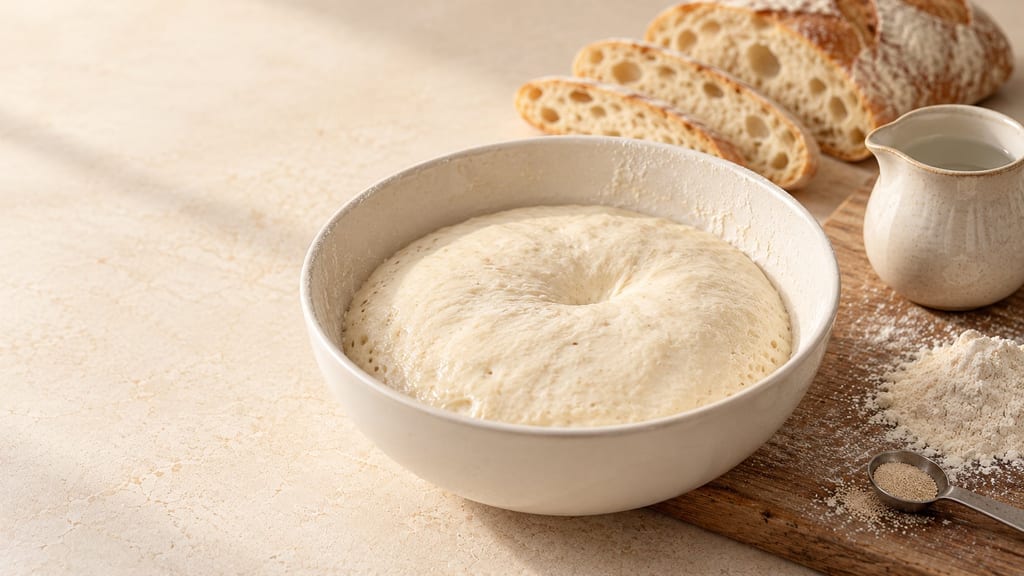
A white bowl of pale biga dough sits beside flour, a small spoonful of yeast, a water jug and sliced ciabatta on a warm ivory surface.
Starter cultures

A pinch of yeast, a night of waiting: how biga and the sponge work

Biga and the bread sponge both ferment flour with baker's yeast before the dough is mixed, but yeast dose, water and time vary widely and the names fix none of them. What a long preferment changes, and what is unknown.

· 6 min read

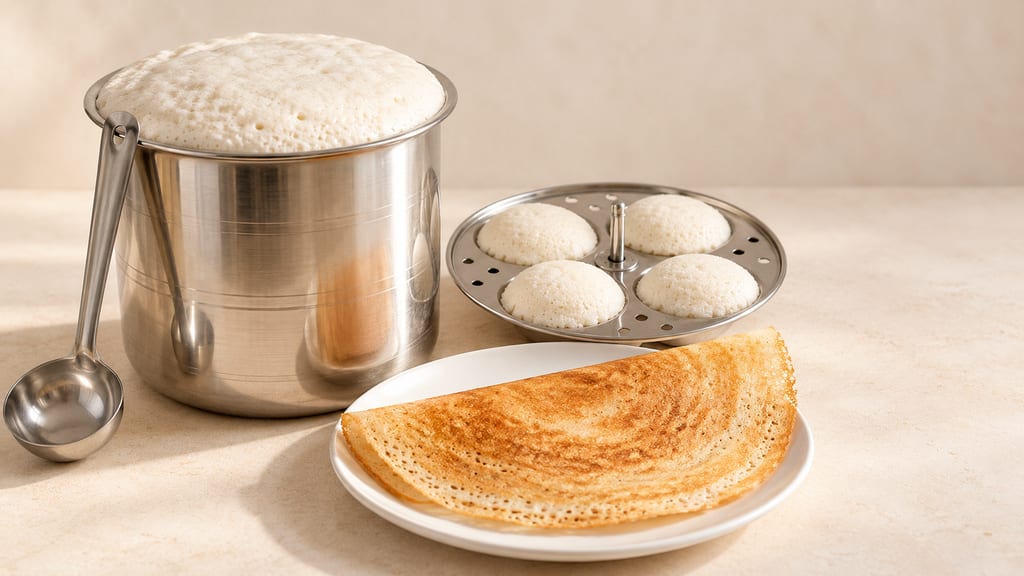
Foamy fermented batter rises above a steel pot beside four spongy idli and a thin golden dosa folded on a white plate.
Starter cultures

The batter that floats: who raises idli and dosa?

Nobody adds a culture to idli and dosa batter, yet it rises overnight. A 1965 paper named the bacterium responsible; a 2019 study says that bacterium was probably a different genus.

· 7 min read

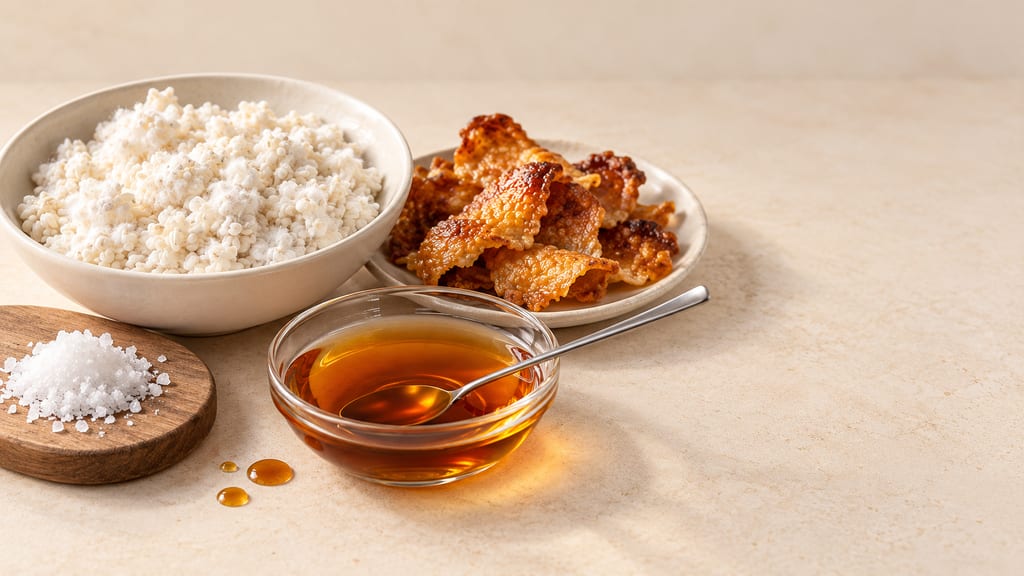
White mould-bound koji grains, crisp roasted chicken skin, coarse salt and clear amber garum with a steel spoon sit on a warm ivory counter.
Starter cultures

A bucket of meat, a warm room and ten weeks: the new garum

Restaurant and research kitchens now make garum from beef, chicken skin and peas, often with koji and weeks in a warm room. Their figures disagree, so does the science, and no home version has been shown to be safe.

· 6 min read

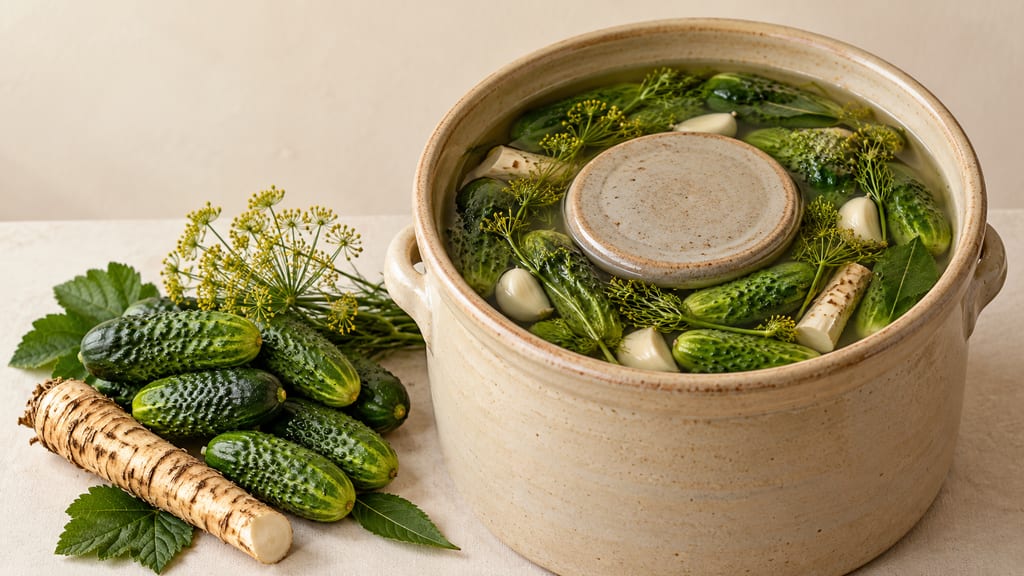
A stoneware crock holds bumpy green cucumbers in pale brine with a plate weight, dill, garlic, horseradish and leaves, beside fresh cucumbers and aromatics.
Starter cultures

No starter in the tank: what turns a cucumber into a pickle

Commercial pickle tanks are open to the sky and have no culture poured in. Research on them, and on home and Polish village methods, shows a changing crowd of bacteria, vinegar in the brine and a gas problem called bloating.

· 8 min read

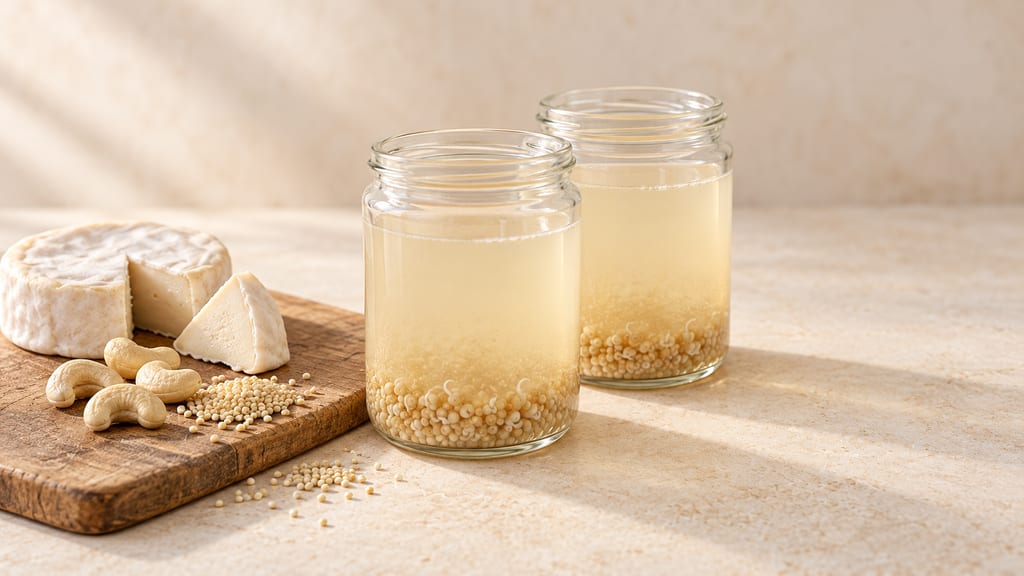
Two open jars of cloudy pale quinoa rejuvelac beside soft cashew cheese, raw cashews and dry quinoa on a wooden board in warm daylight.
Starter cultures

Two jars of rejuvelac, two different sets of bacteria

Rejuvelac is sprouted-grain water that people drink and use to start cashew cheese. Two studies of the quinoa version found almost no bacteria in common, and neither shows that a home batch is safe.

· 7 min read

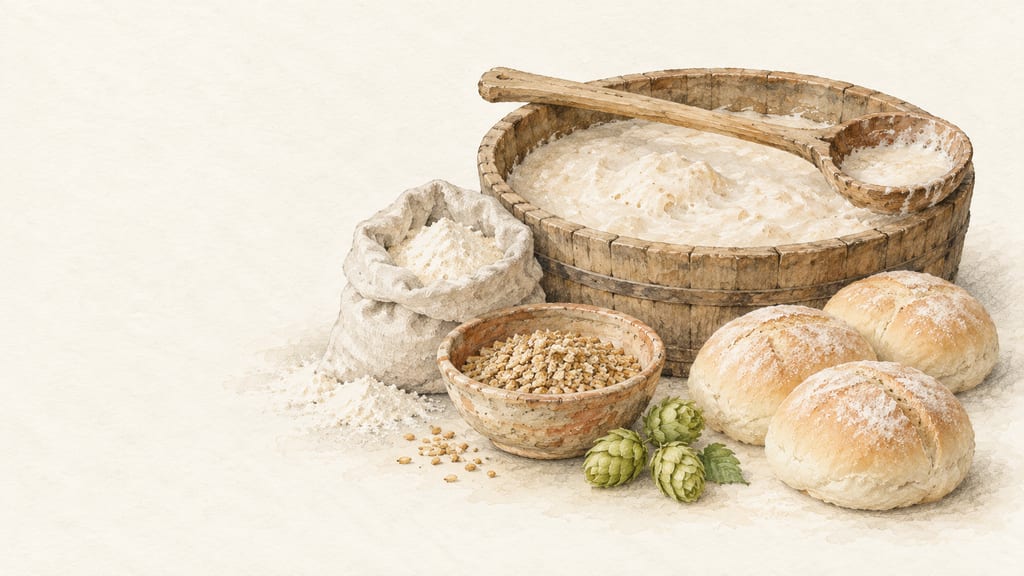
Watercolour study of a wooden tub of frothy barm with a skimming ladle, flour, crushed malt, hops and soft floury bread rolls on ivory paper.
Starter cultures

Barm: the bread leaven that was never one thing

British cooks called their leaven barm, but it was bitter brewery froth in one kitchen, a malt-and-flour ferment in a Scottish bakery and a washed paste in a Victorian larder. A history of one word and three leavens.

· 7 min read

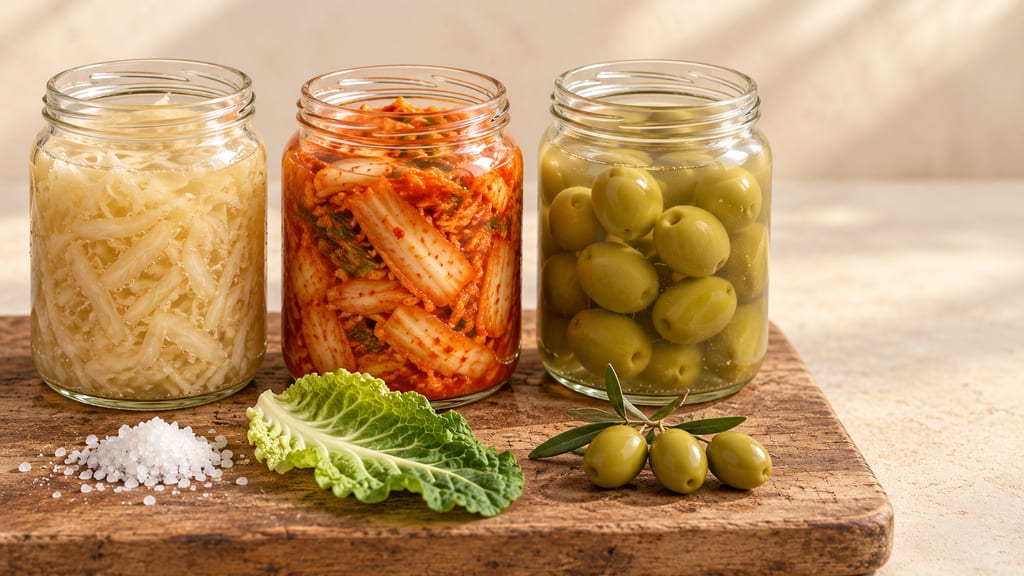
Three open glass jars of sauerkraut, baechu kimchi and green olives in brine sit behind coarse salt, a cabbage leaf and an olive twig on a wooden board.
Starter cultures

A starter for a ferment that starts itself

Cabbage, kimchi and olives ferment on bacteria they already carry. Korean kimchi makers have added a chosen strain since 2004; in some 16,000-litre olive vessels the bacteria did not last.

· 6 min read

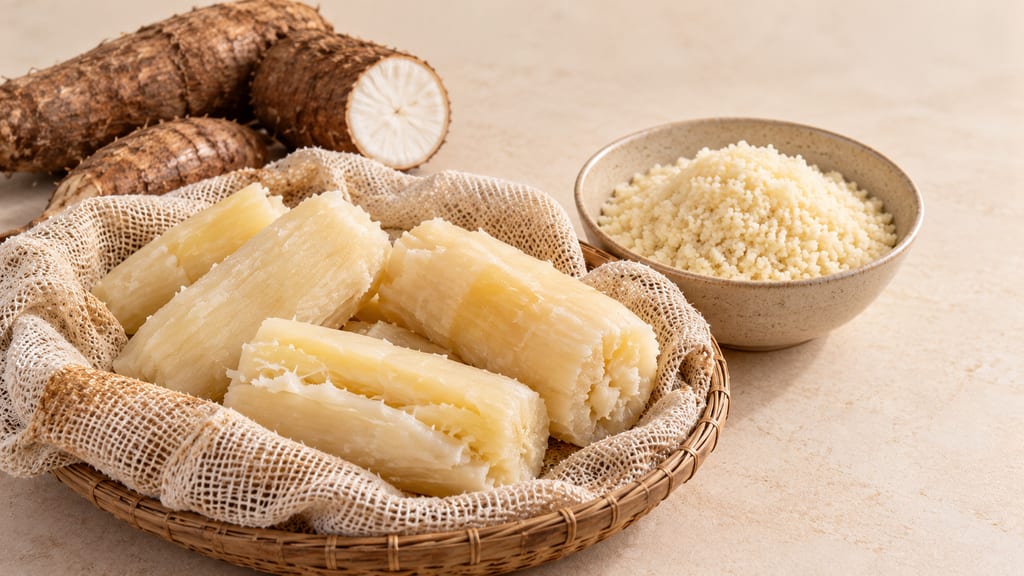
Soft boiled cassava pieces rest on a coarse net bag in a woven basket beside raw cassava roots and a bowl of fine pale attiéké.
Starter cultures

A boiled root in a well-used bag: how attiéké gets its start

Before attiéké is pressed and steamed, a boiled cassava root has to ferment in a used bag. The bacteria that grow there differ by community and by batch, and nobody has turned them into a validated recipe.

· 7 min read