Cabbage, salt and a crowd that assembles itself
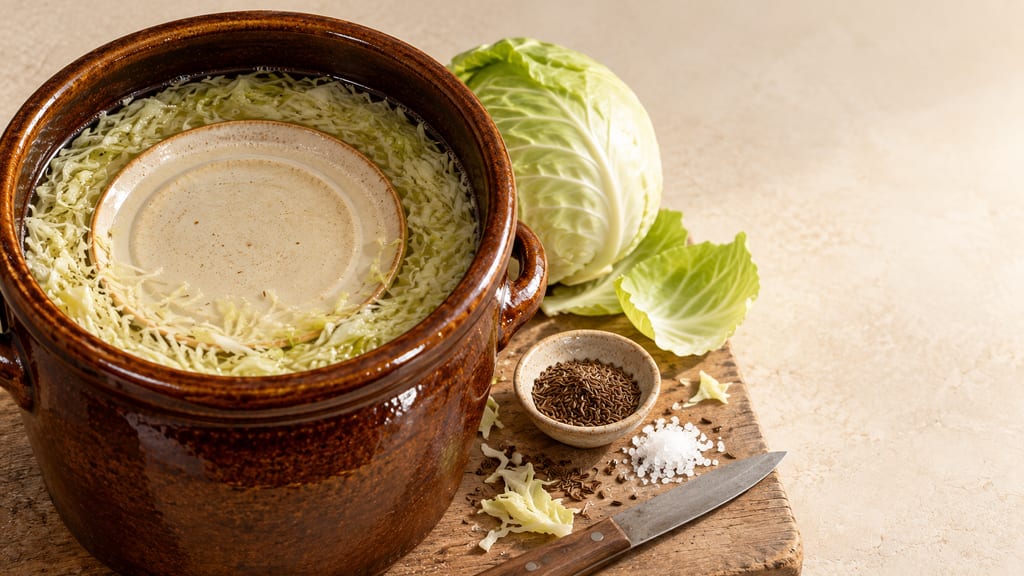
Studies of sauerkraut, from a commercial batch near Providence to household jars in Dalian, find lactic acid bacteria assembling in the brine. They do not agree on who leads, or in what order.
Source-linked articles on foods, ingredients, traditions and equipment.

Studies of sauerkraut, from a commercial batch near Providence to household jars in Dalian, find lactic acid bacteria assembling in the brine. They do not agree on who leads, or in what order.

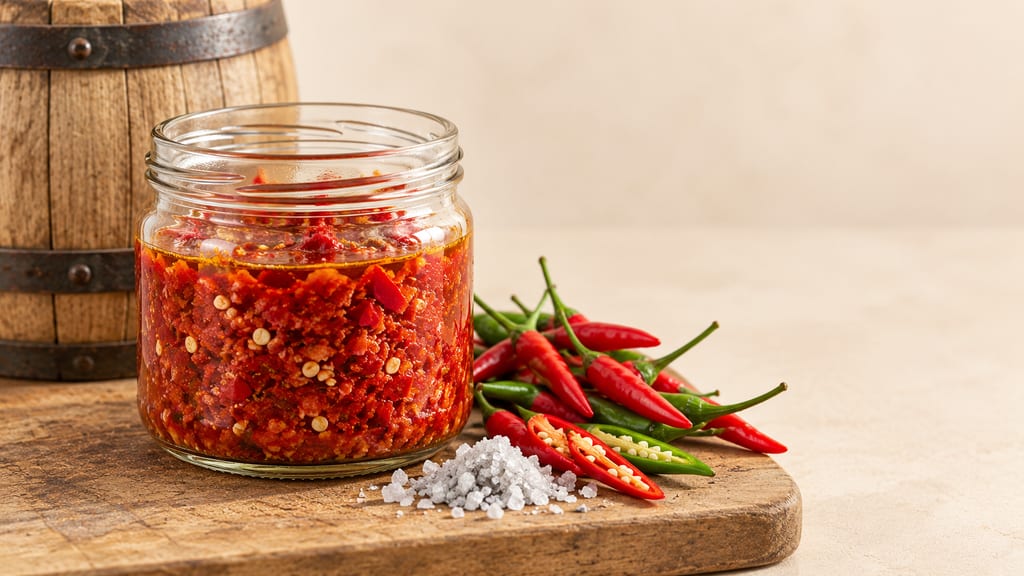
Chilli mash ages for up to three years in Louisiana barrels, sours in two weeks in a Basque jar, and in one trial was not needed at all. What happens in the mash, and what the word fermented leaves out.

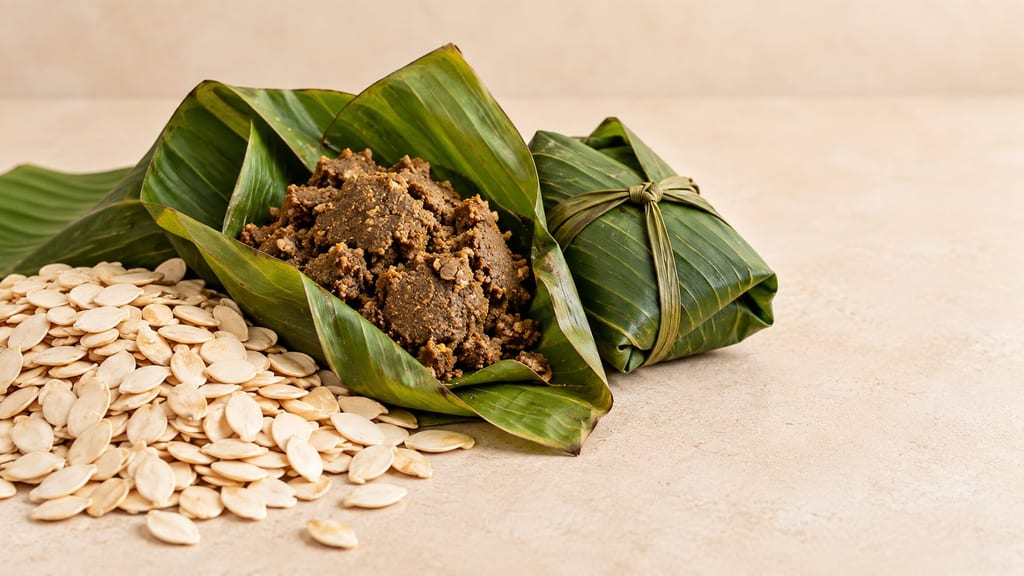
Nigerian cooks turn melon, pumpkin and other hard seeds into a pungent seasoning paste. Lab studies show that each seed ferments differently, and none of them hands a home cook a recipe.

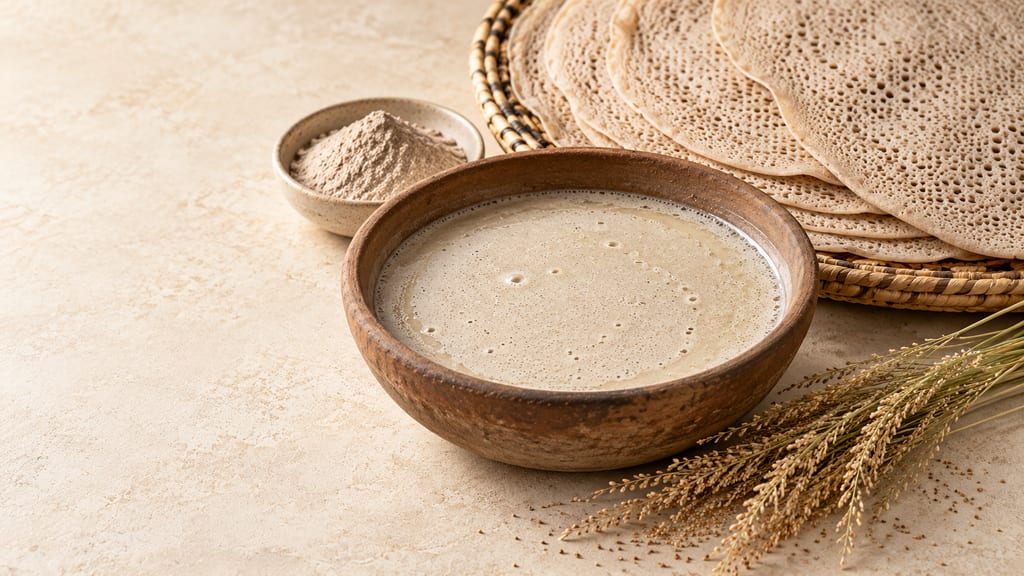
Every batch of teff injera begins with a little of the last. Ersho is old, unstandardised and thinly studied, and no source says how long it keeps or when to throw it out.

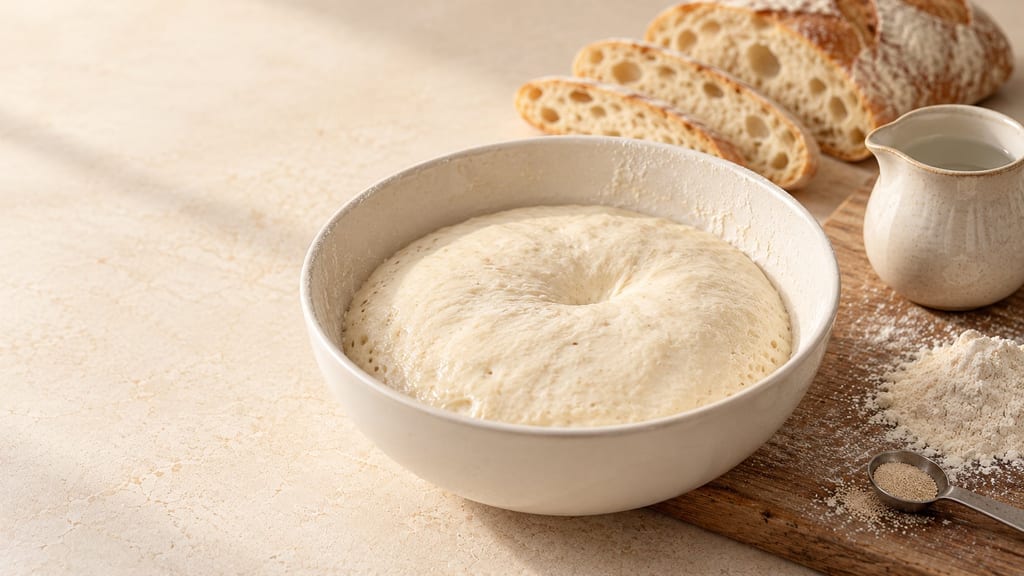
Biga and the bread sponge both ferment flour with baker's yeast before the dough is mixed, but yeast dose, water and time vary widely and the names fix none of them. What a long preferment changes, and what is unknown.

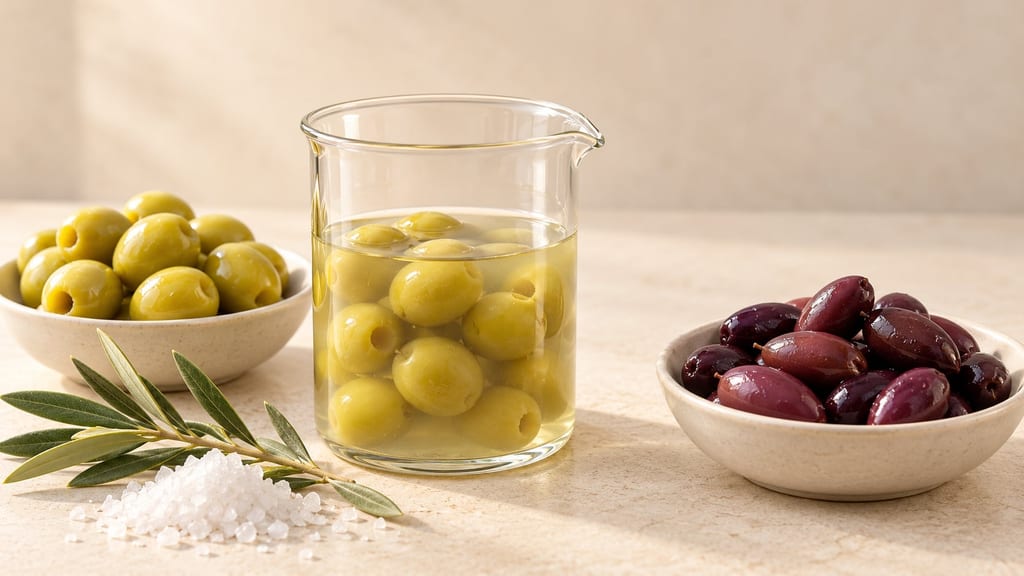
Researchers in Seville and Athens seeded olive brines with chosen bacteria and yeasts. Acid arrived faster, but the strains did not always stay in charge, and no source gives a kitchen method.

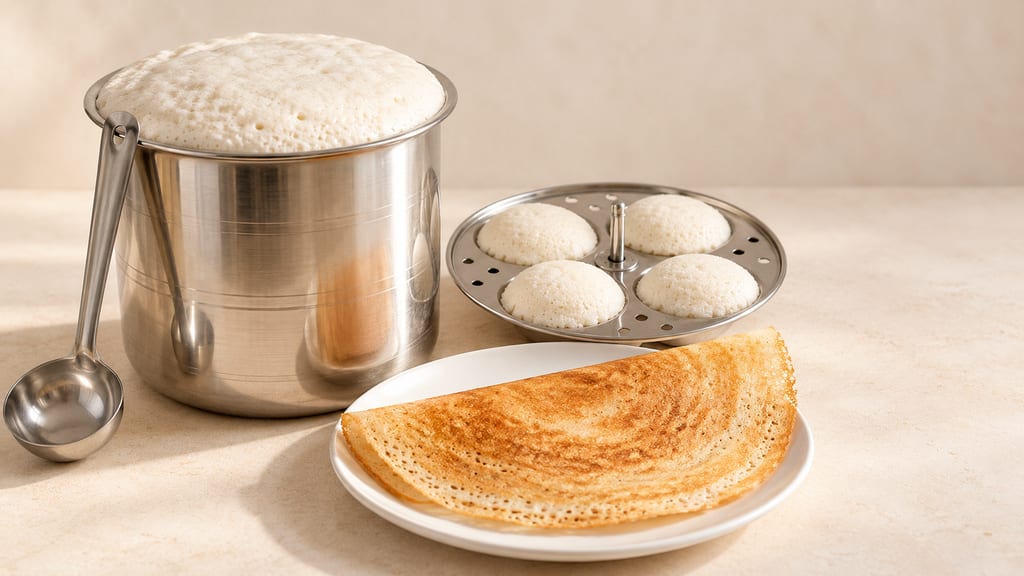
Nobody adds a culture to idli and dosa batter, yet it rises overnight. A 1965 paper named the bacterium responsible; a 2019 study says that bacterium was probably a different genus.

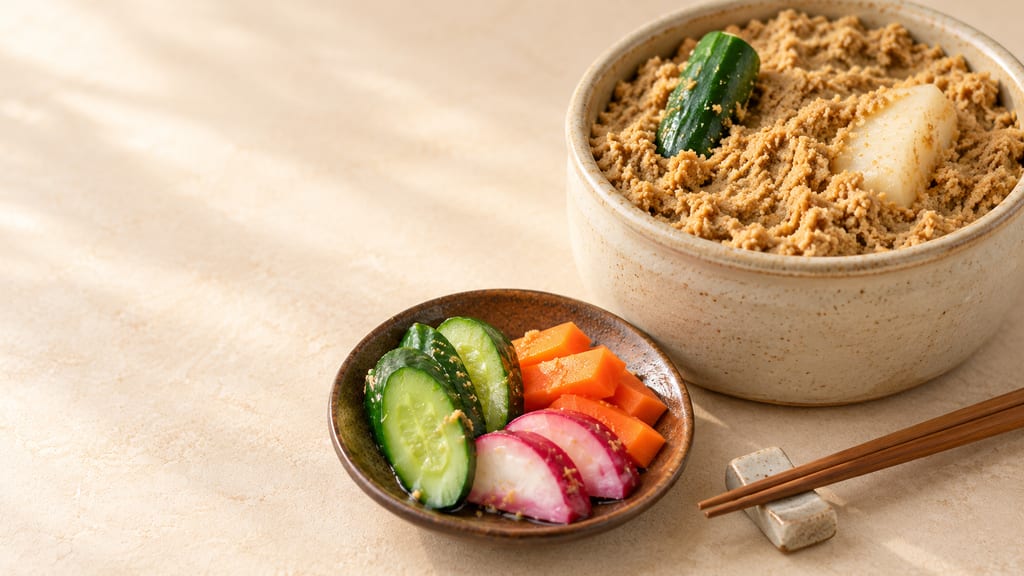
In 1626 a retired lord wrote to his son that a tub of rice-bran paste had tasted good. Four centuries on, scientists are working out what lives in such a bed, where the microbes come from and why a new bed takes weeks to ripen.

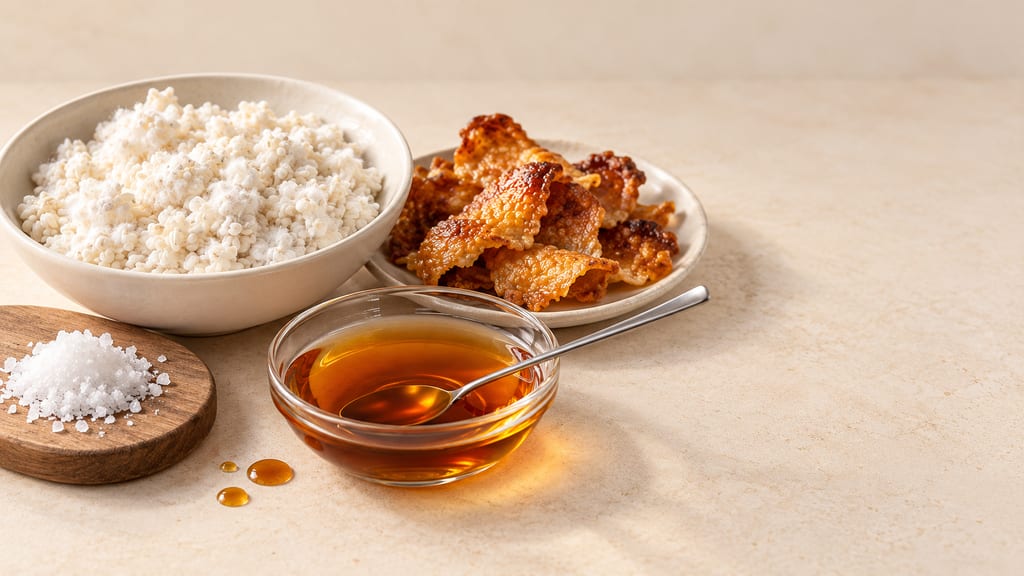
Restaurant and research kitchens now make garum from beef, chicken skin and peas, often with koji and weeks in a warm room. Their figures disagree, so does the science, and no home version has been shown to be safe.

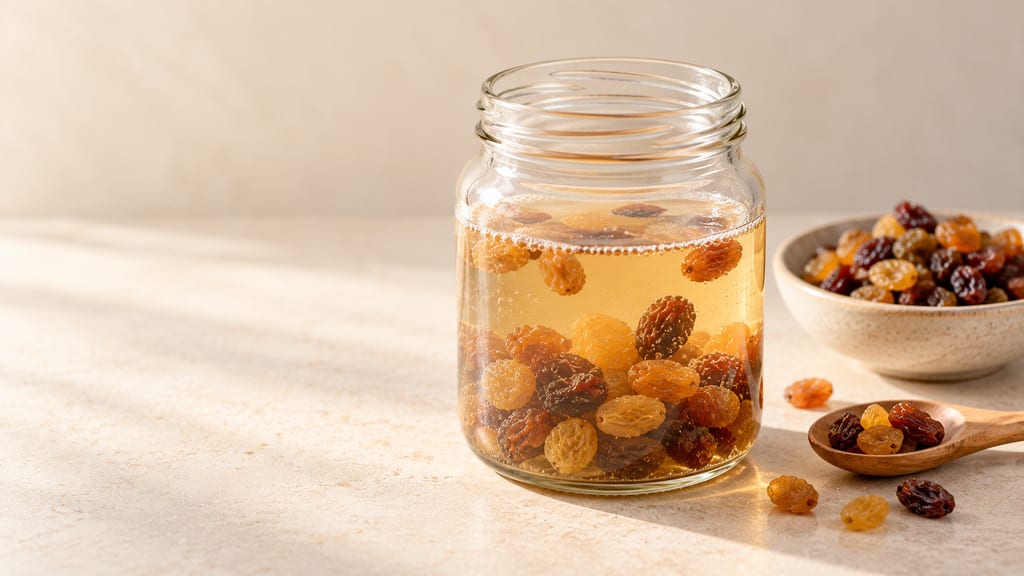
Raisins soaked in water bubble within days, and an 1898 cookbook already called the result a yeast. Lab tests show what the jar adds to bread, what it does not, and what nobody has validated.

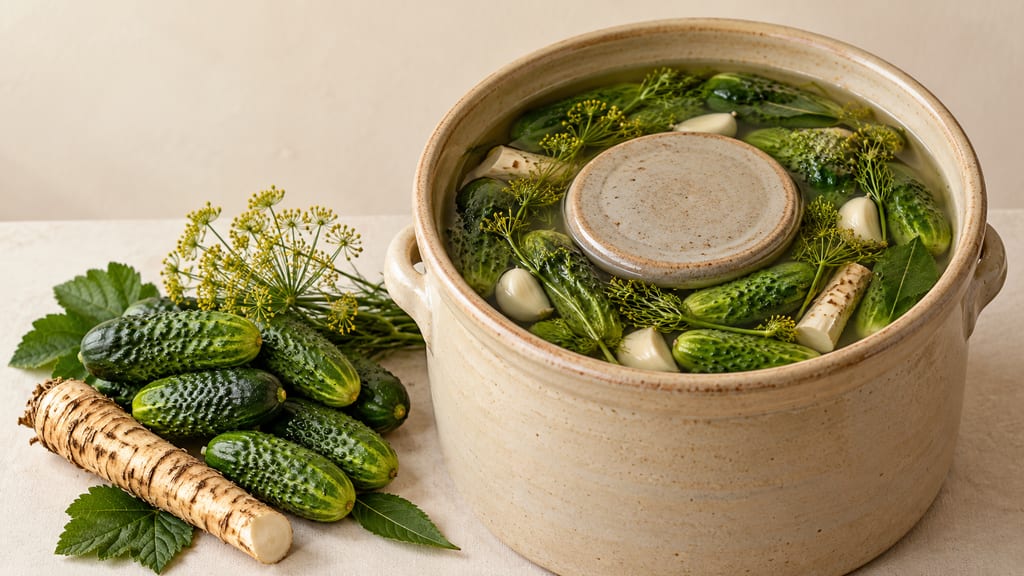
Commercial pickle tanks are open to the sky and have no culture poured in. Research on them, and on home and Polish village methods, shows a changing crowd of bacteria, vinegar in the brine and a gas problem called bloating.

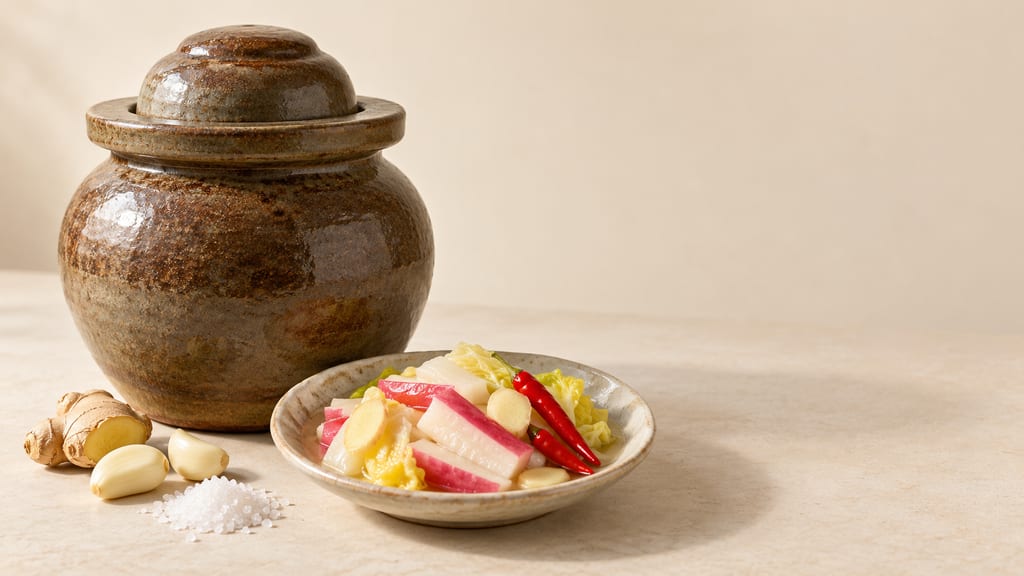
Sichuan cooks ferment vegetables in a water-sealed jar and keep the brine for the next batch. Studies show what lives in it and what salt, acid and air do, but no one has published a safe home method.

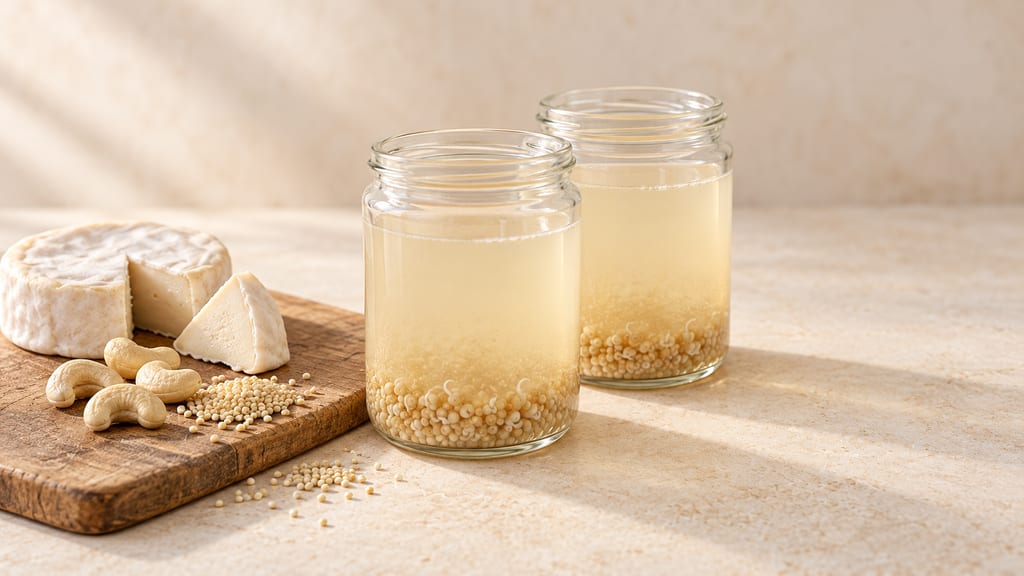
Rejuvelac is sprouted-grain water that people drink and use to start cashew cheese. Two studies of the quinoa version found almost no bacteria in common, and neither shows that a home batch is safe.

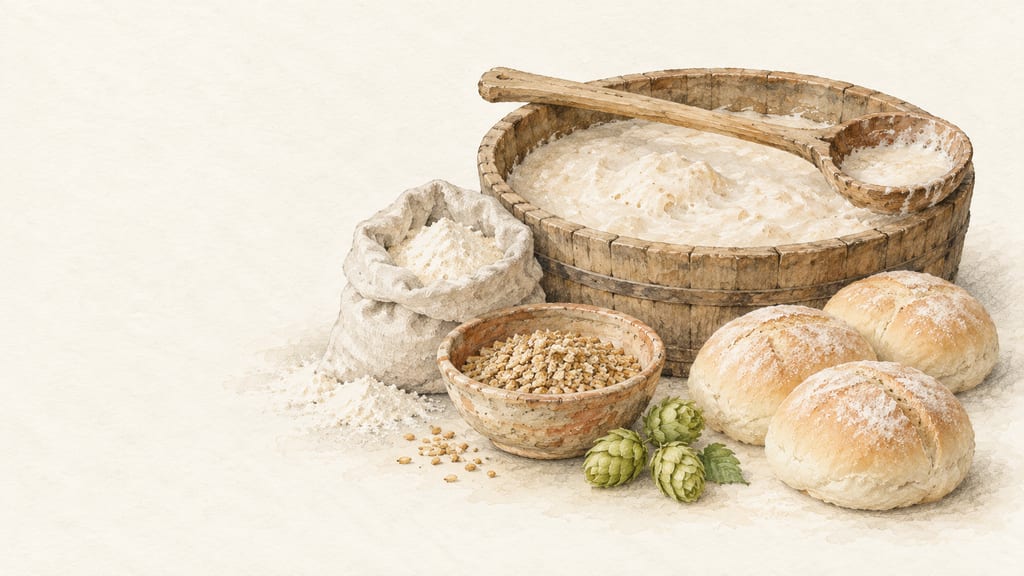
British cooks called their leaven barm, but it was bitter brewery froth in one kitchen, a malt-and-flour ferment in a Scottish bakery and a washed paste in a Victorian larder. A history of one word and three leavens.

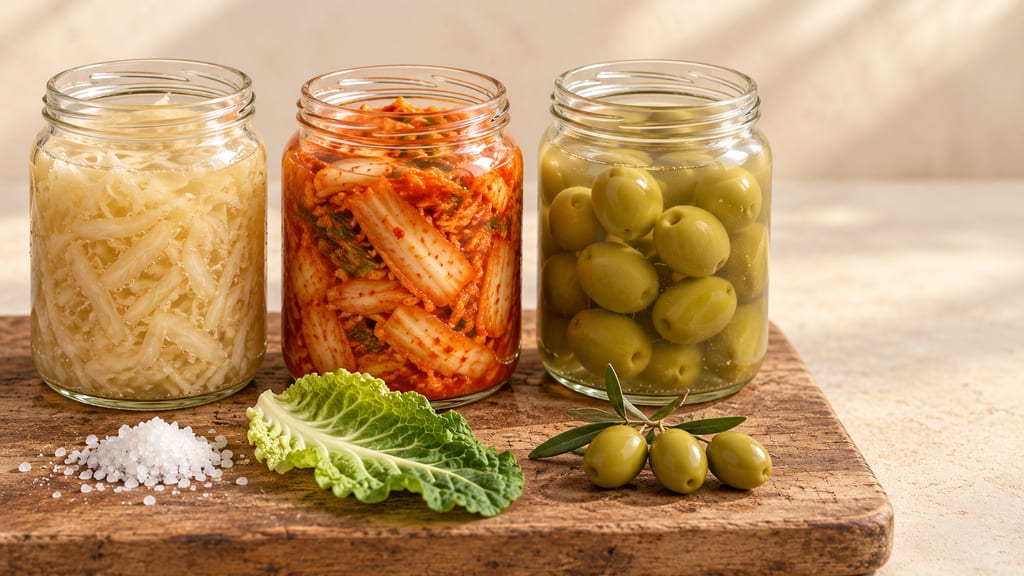
Cabbage, kimchi and olives ferment on bacteria they already carry. Korean kimchi makers have added a chosen strain since 2004; in some 16,000-litre olive vessels the bacteria did not last.

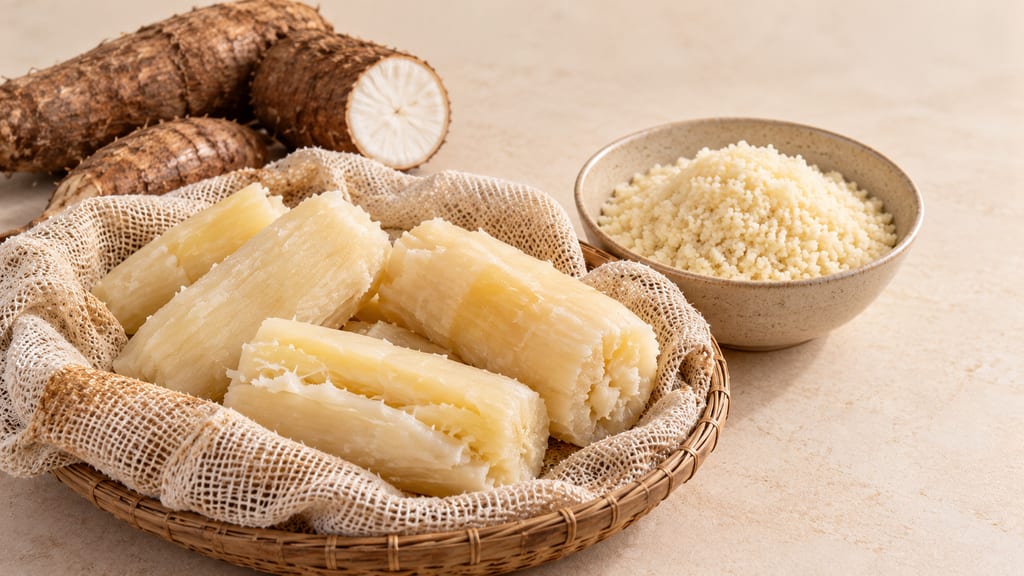
Before attiéké is pressed and steamed, a boiled cassava root has to ferment in a used bag. The bacteria that grow there differ by community and by batch, and nobody has turned them into a validated recipe.