Techniques
The shiitake that changes its smell in the dryer
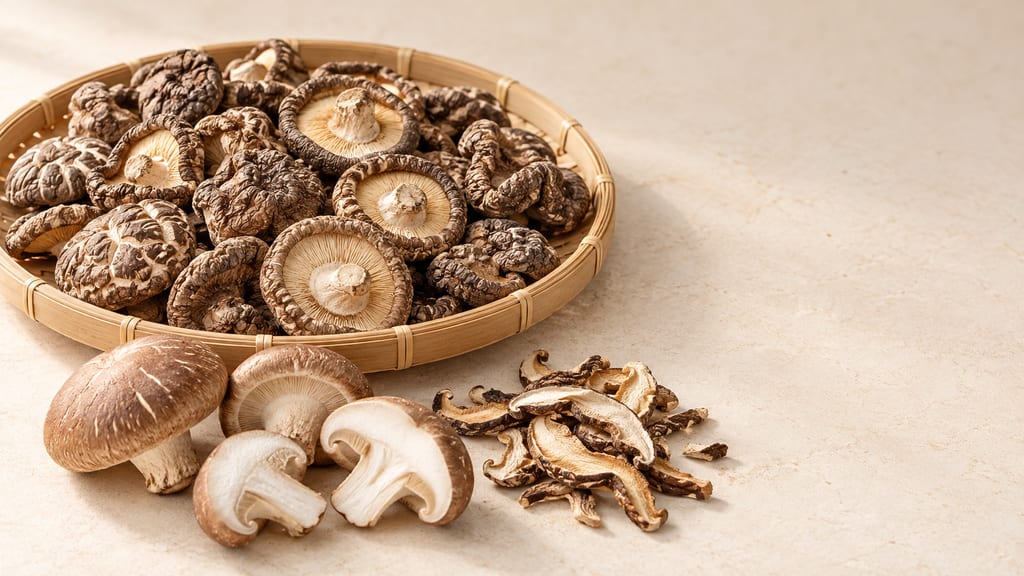
A fresh shiitake is about 90 percent water. As it dries, its smell moves from earth to garlic to sauté to burnt. A 2025 study tried changing the heat during the run to steer that chemistry.
 FermenteaWhere food goes to change
Source-linked articles on foods, ingredients, traditions and equipment.
A fresh shiitake is about 90 percent water. As it dries, its smell moves from earth to garlic to sauté to burnt. A 2025 study tried changing the heat during the run to steer that chemistry.
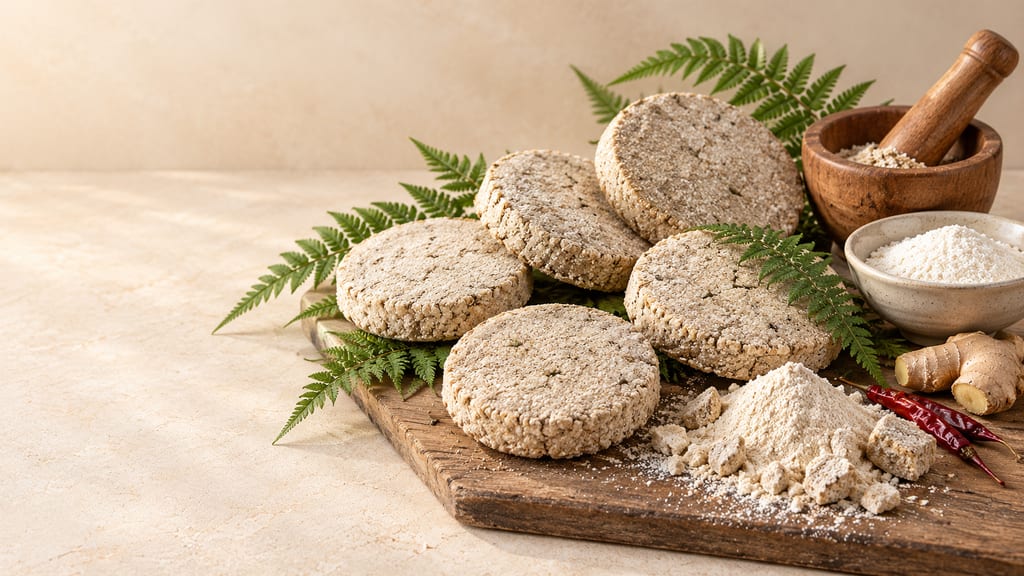
Marcha, thiat, ragi, nuruk and qu are dried cakes of grain and microbes that turn rice or millet into drink. Each carries moulds, yeasts and bacteria, and each is passed on a pinch at a time.
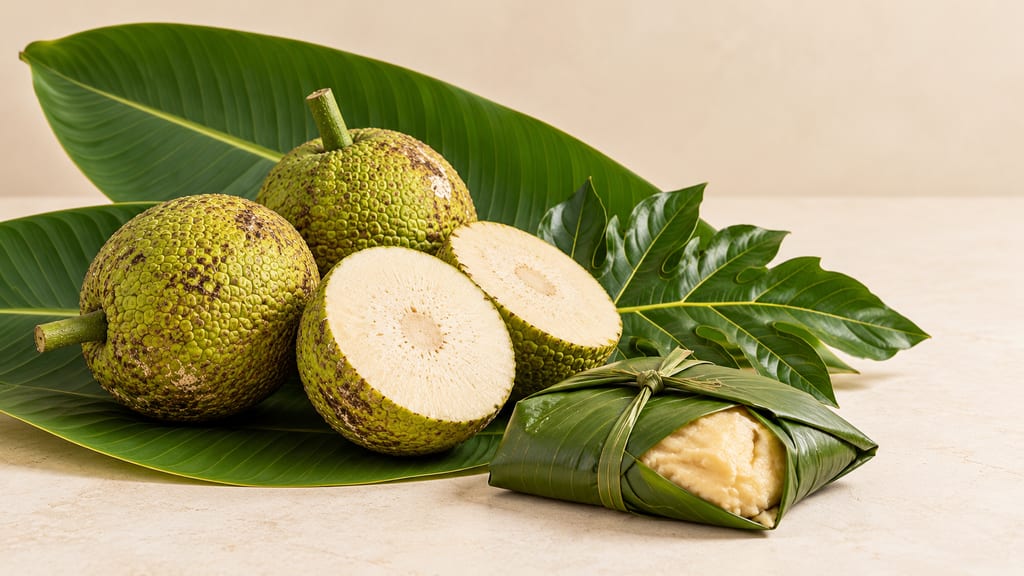
From Samoa to the Marshall Islands, people buried peeled breadfruit and dug up a sour paste. Leaves, timing and keeping times differ by island, and nobody has measured what lives in the pit.
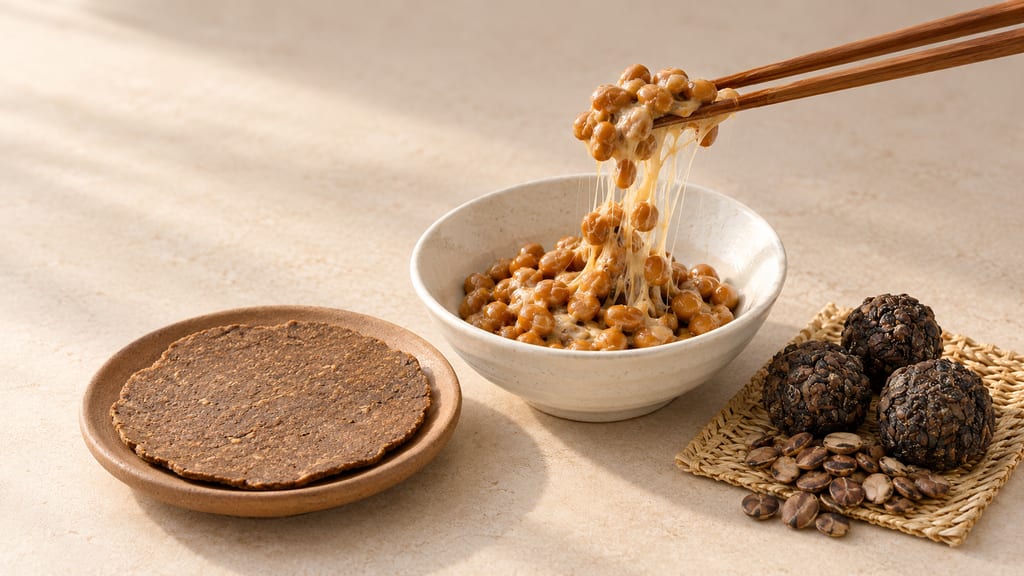
Natto's sticky threads, Thai thua nao, Himalayan kinema and West African sumbala all begin with Bacillus working on cooked beans. How they differ, where the numbers disagree, and why no tested kitchen schedule exists.
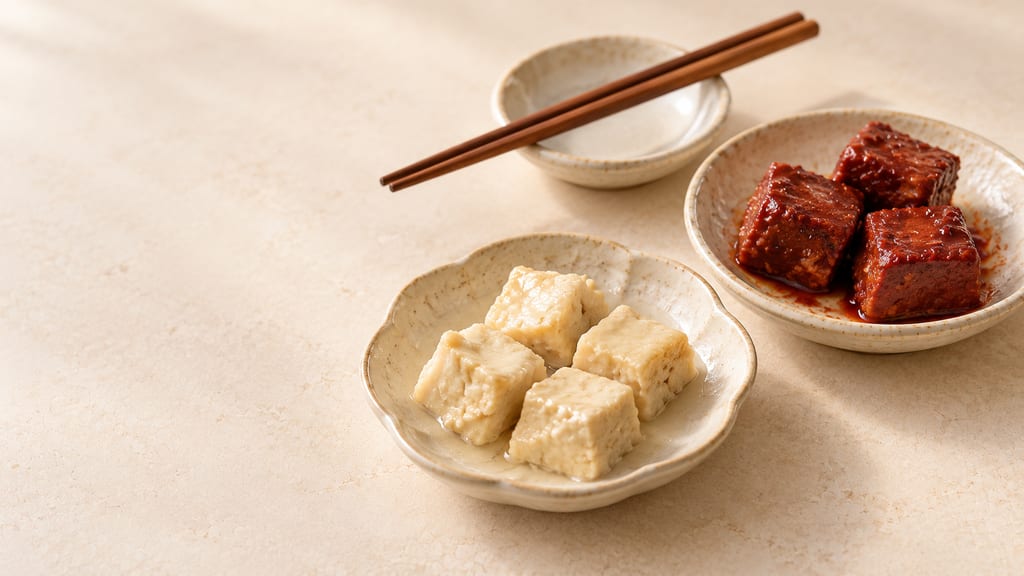
Sufu is tofu grown with mould and ripened for months in salty brine. A laboratory protocol, a Shanghai summer staple and a survey of unsafe samples show how it works and what is still unsettled.
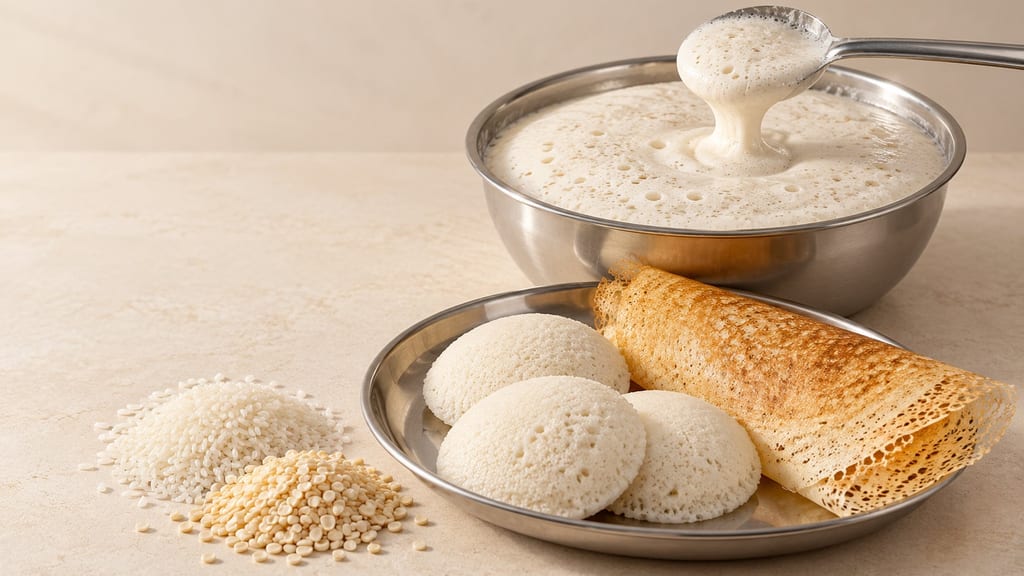
Rice and black gram, rice and coconut, teff with a kept starter: batters across India and Africa sour and rise before they are cooked. What happens in the bowl, how fast, and where the evidence stops.
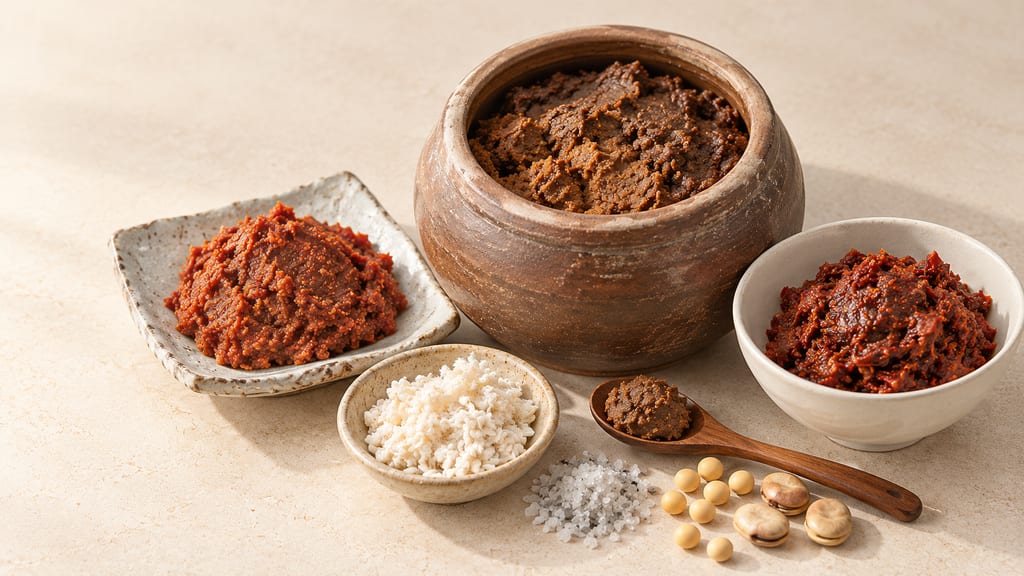
Sweet miso can be ready in under three weeks; Hatcho miso is said to take two summers and two winters. What salt, temperature and microbes do in between has been measured in pieces that do not yet fit together.
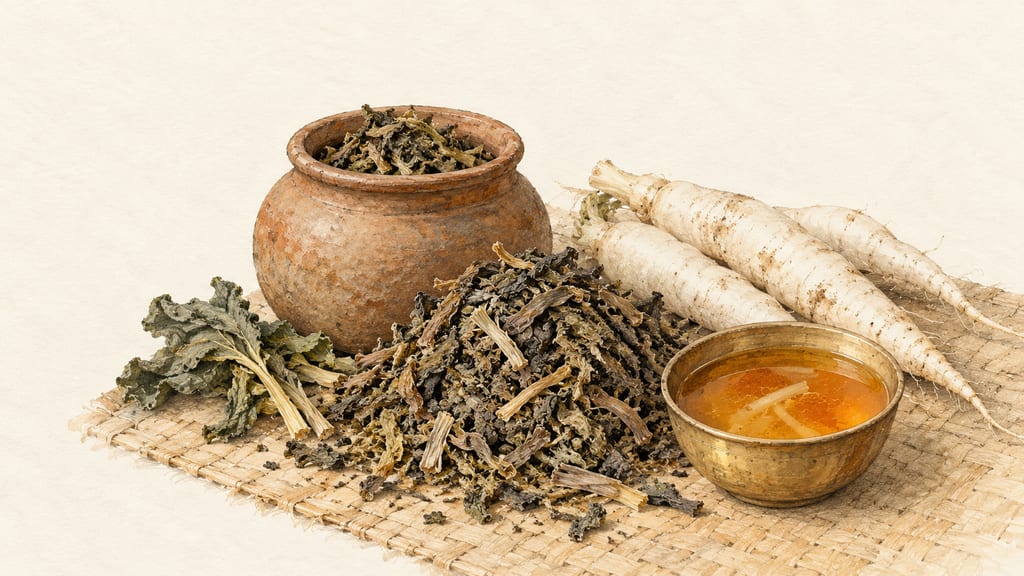
Nepali households turn surplus greens and radish into dried, sour staples with no salt in the jar. The pot, pit and laboratory methods give different timings, and the sources disagree on temperature and moisture.
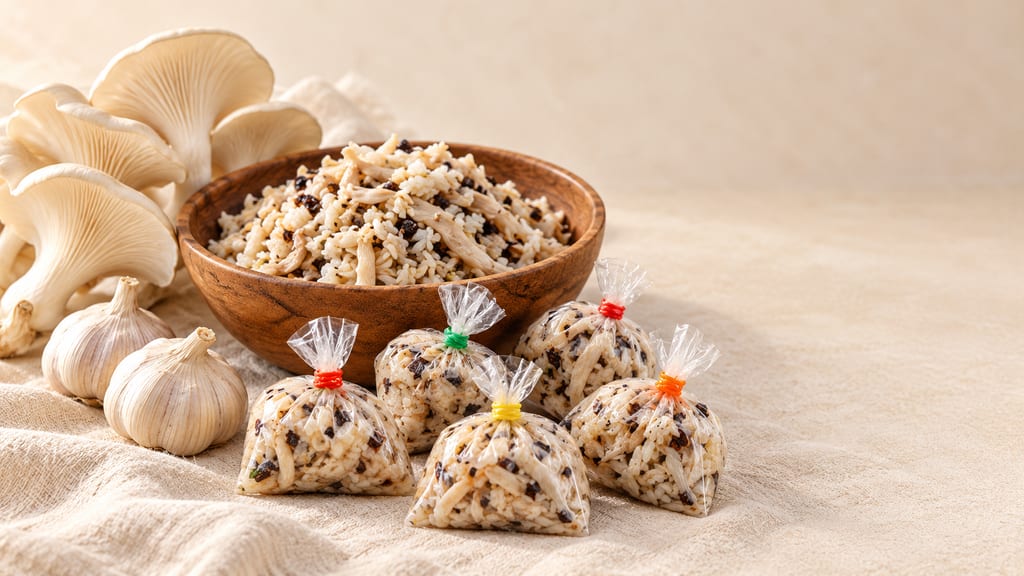
Lactic acid bacteria make a mushroom ferment sour and safe to keep. Add a yeast beside them and the smell changes. A Thai study of Nham Hed shows what the yeast does, and what it cannot do.
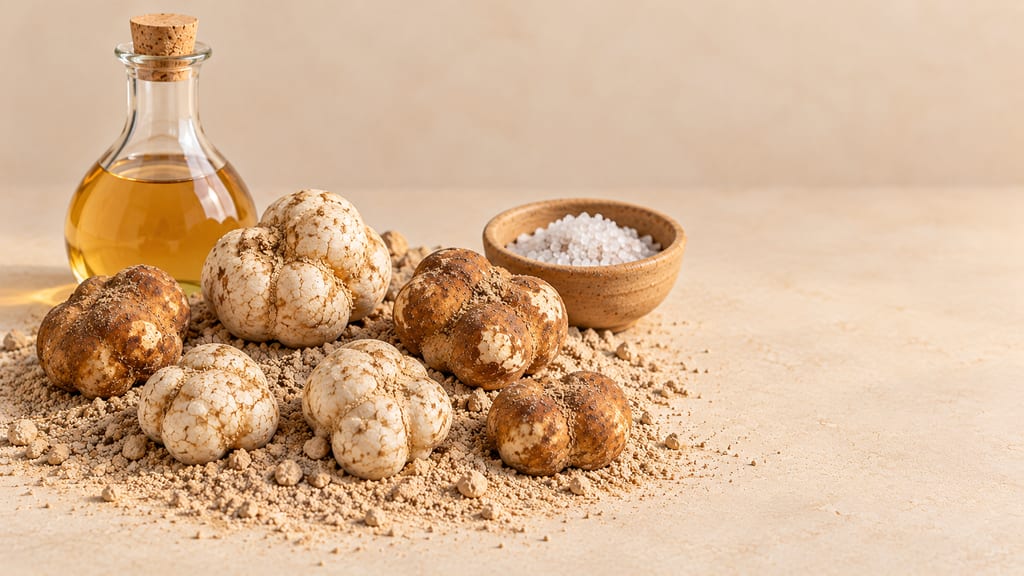
Desert truffles spoil within hours or days. Some Bahraini Bedouin pickle them in vinegar and salt, a practice with one line of evidence and no safety data. Here is what a safe acidified pickle needs, and what is missing.
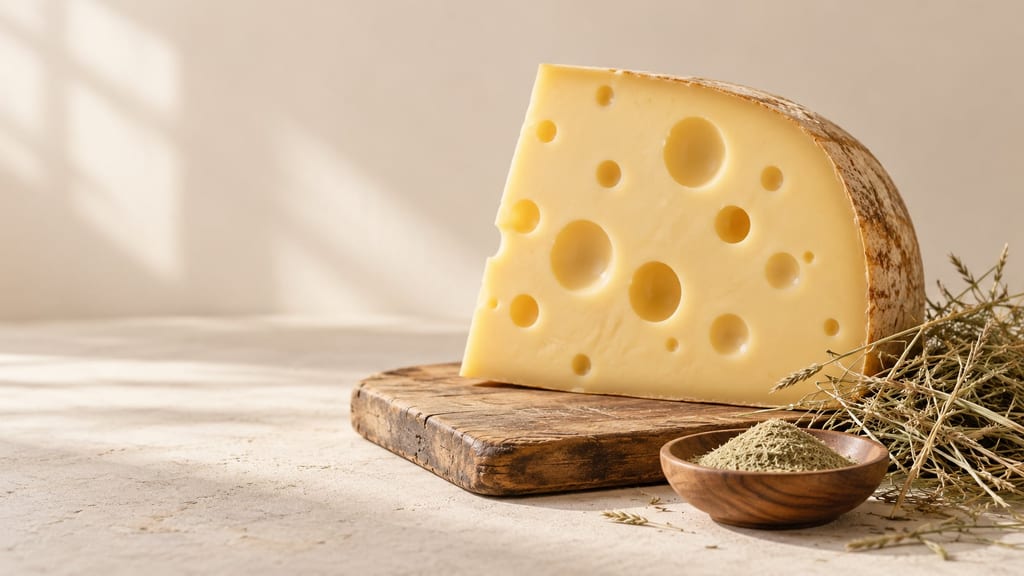
Propionic bacteria make the gas in Emmentaler, and hay particles decide where the holes start. Follow the gas through the warm cellar and a defect case, then on to Gruyère, Jarlsberg and Baby Swiss.
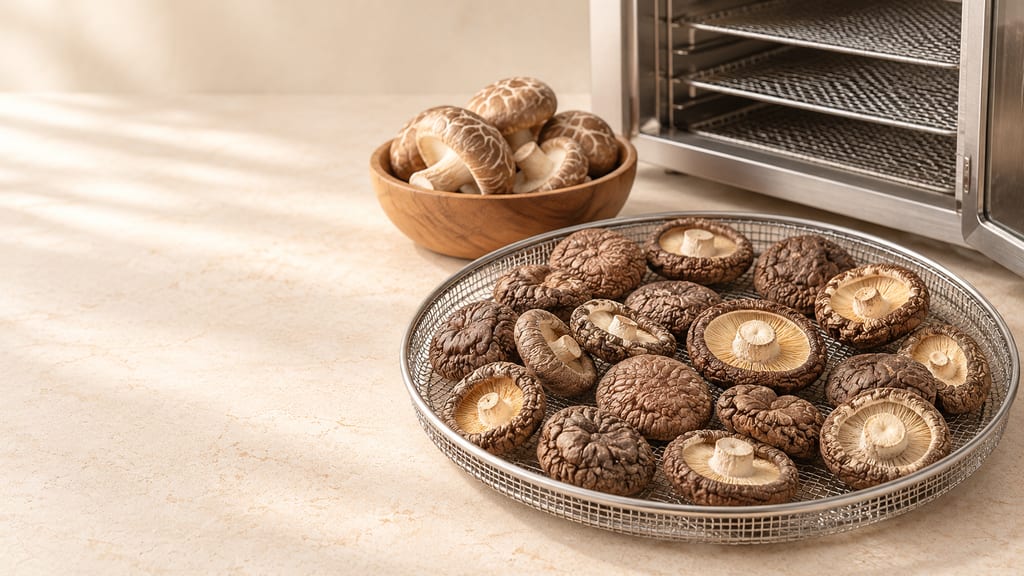
A heat-pump dryer wrings the water out of the air it recirculates and reuses the heat. Drying shiitake took 0.85 kWh per kilogram against 6.67 for hot air, at a price in shrinkage. Here is how it works and how far the results carry.
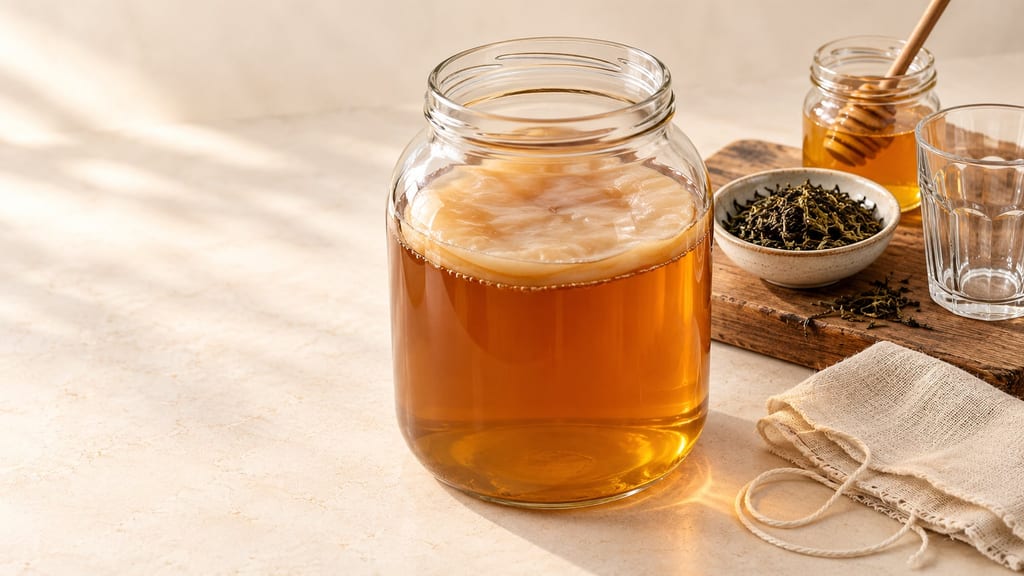
Kombucha turns sweet tea into a sour, fizzy drink; jun does it with green tea and honey. How both are made, where health agencies set their limits, and why jun's origin story has no source behind it.
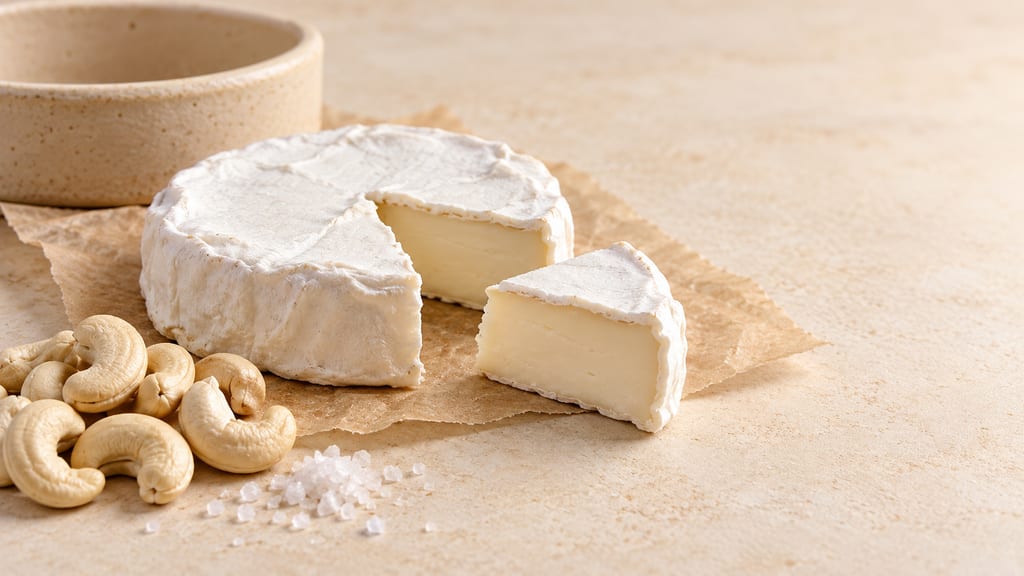
A plant-based camembert has no milk to sour, so the cook adds bacteria and a mould and waits two weeks. What the Warsaw trials and a home recipe show, and why raw nuts and fresh cheese have caused outbreaks.
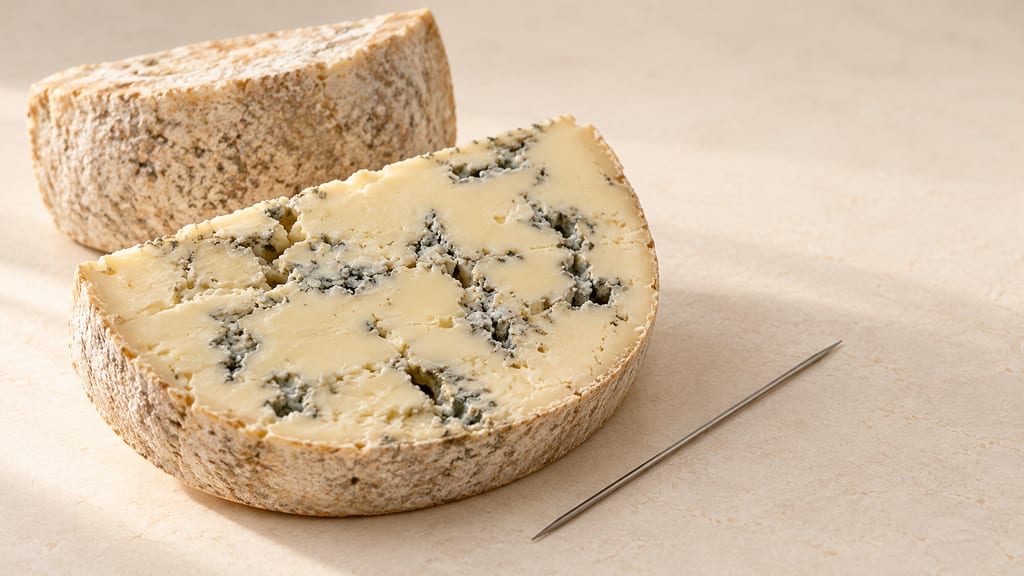
A blue cheese is a mould grown inside solid curd, so the cheesemaker has to let air in. Needles, open curd, cellars and caves do it, and six protected cheeses do it six different ways.
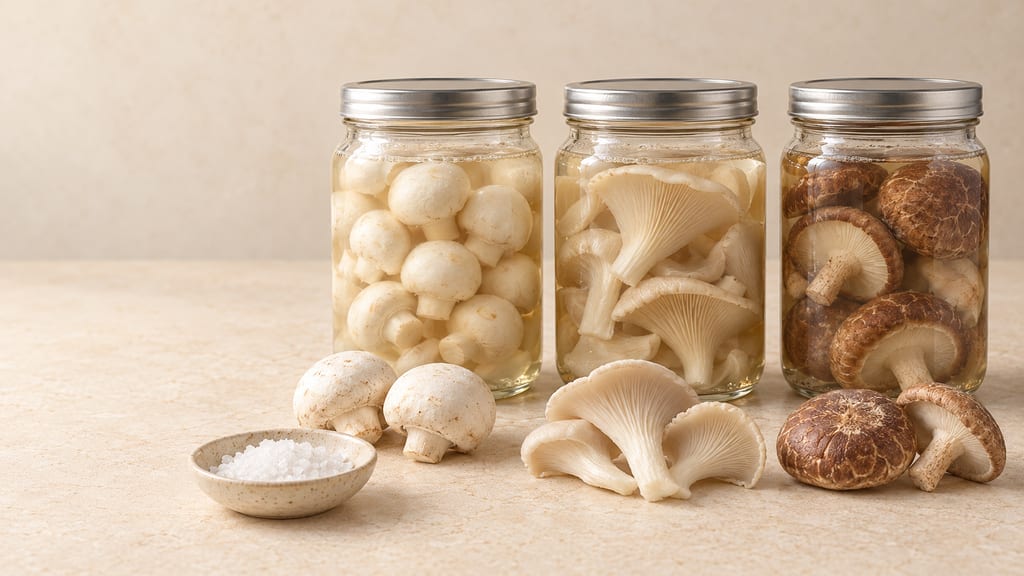
Blanched mushrooms do not sour easily on their own. Polish researchers found that a lactic bacterium taken from fermented mushrooms does the job fastest, and measured what fermenting does to the food.
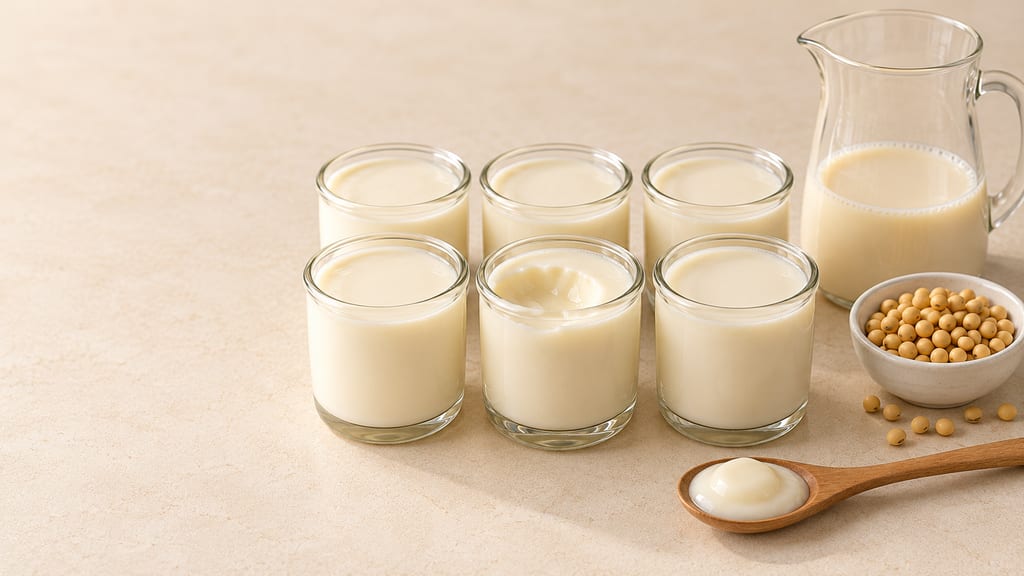
Dairy yogurt sets because milk has casein and lactose. Soy, oat and nut milks have neither, so makers borrow cultures, add starch and agar, and still get gels that are thin or separate. What the research shows.
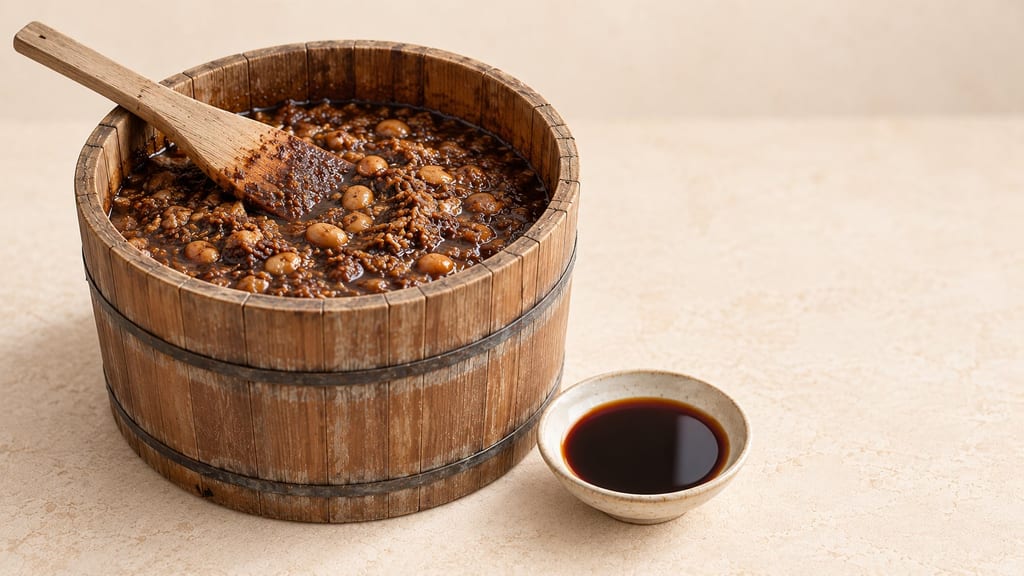
Koji takes three days to grow. The salted mash that follows takes months, in some styles two years, and the strength of the brine decides which microbes work in it. What is known about moromi, and what is not.
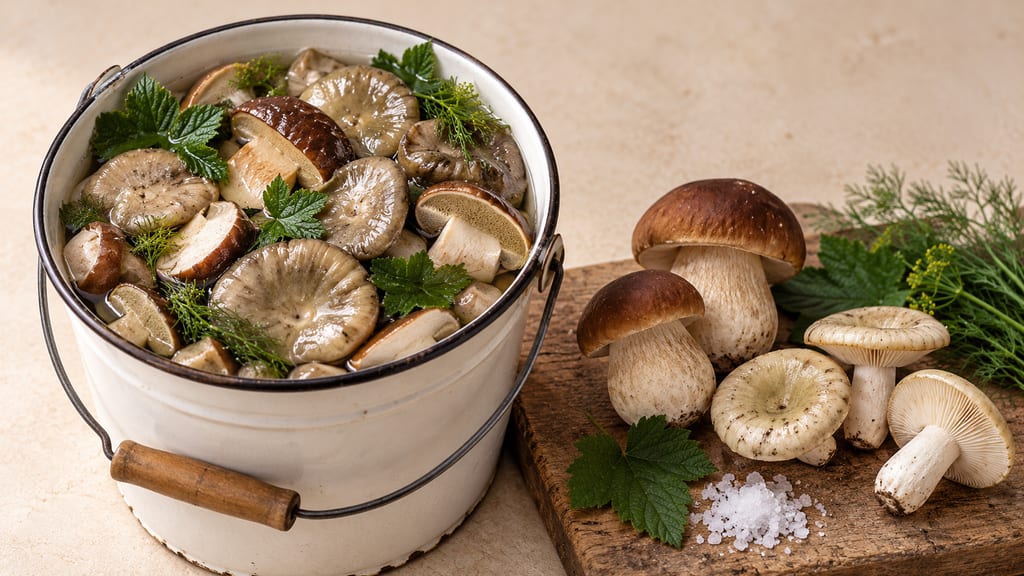
Seto and Russian foragers on the Estonian border still salt russulas and ceps and let them ferment for weeks. What grows in the jar, why it varies, and why the tradition is fading.
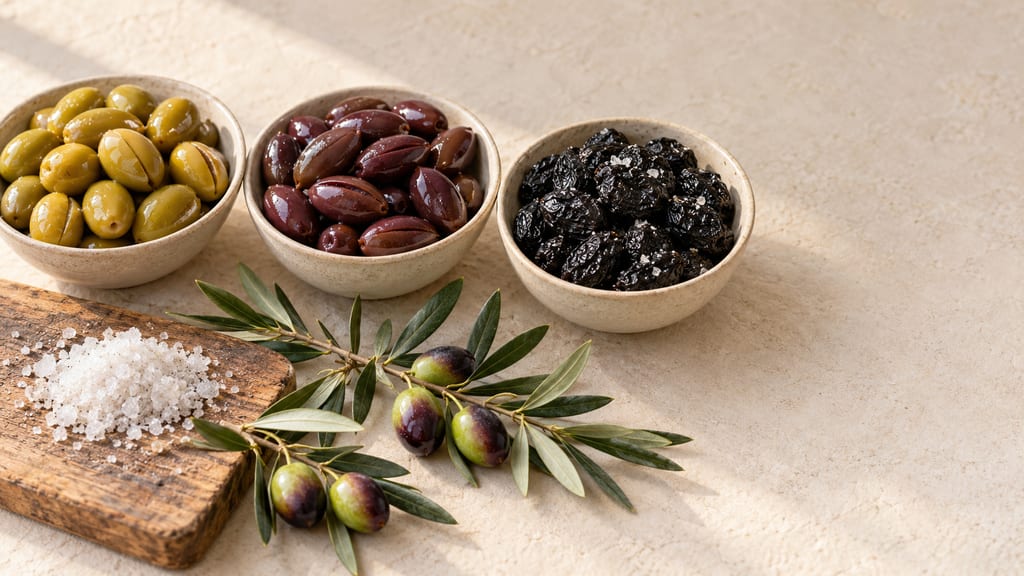
A raw olive is too bitter to eat. Curers have fixed that with lye, brine, water and salt, and only some of those methods involve fermentation. Here is what each one does to the fruit.
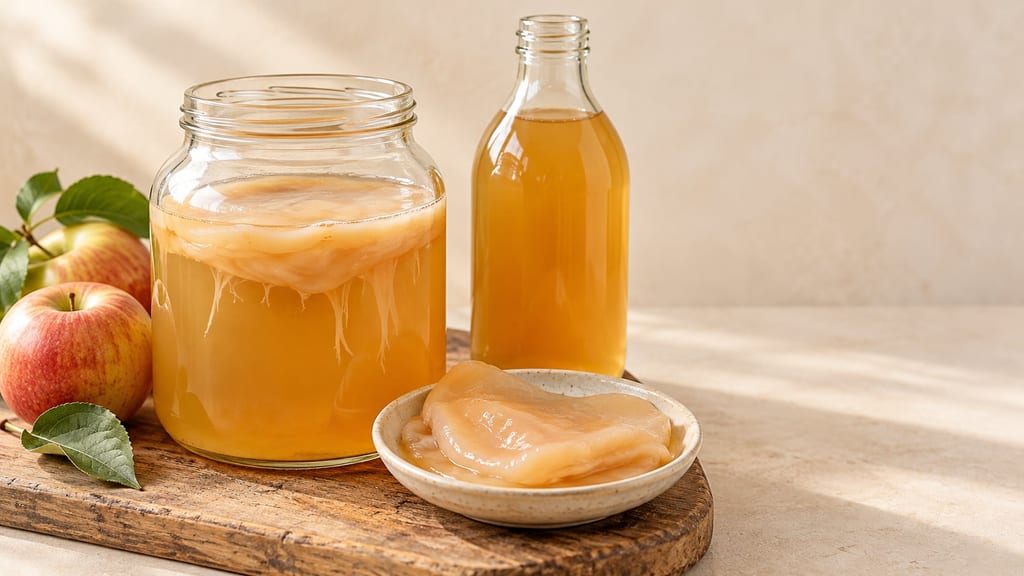
Cut the air to a vinegar tank for 60 seconds and acid formation stops. The story of submerged acetification: an Austrian patent, the machines built since, and why every number belongs to its own tank.
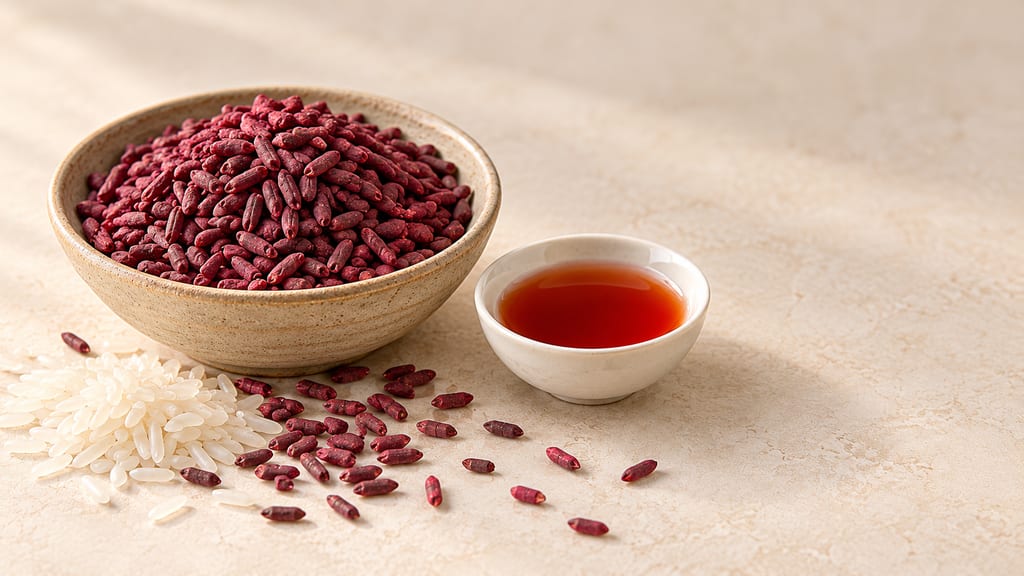
Monascus has coloured rice wine and bean curd in East Asia for centuries, and it also makes a compound identical to lovastatin. Food, dye and supplement carry different risks, as a contaminated batch in Japan showed in 2024.
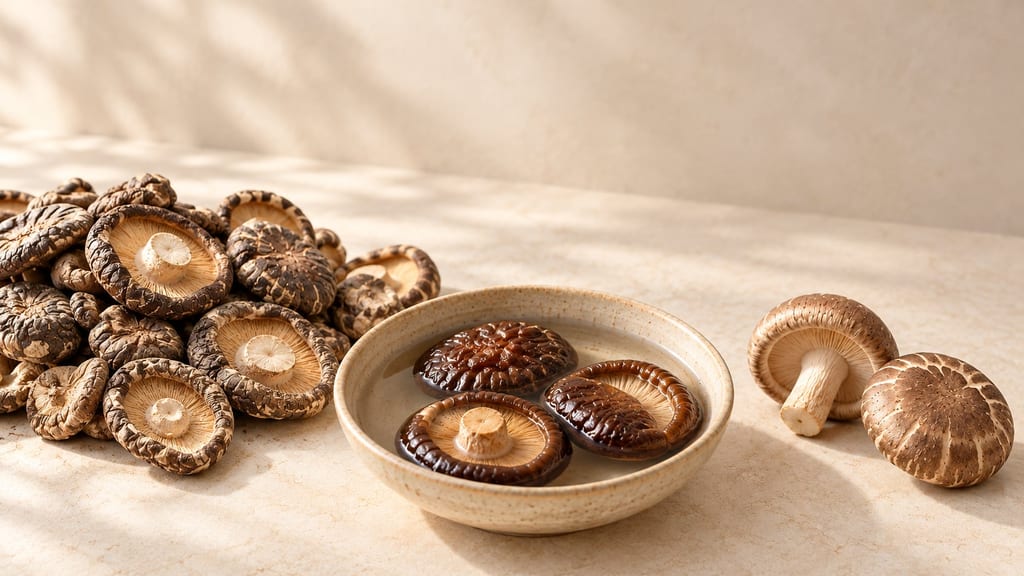
Hot air takes most of a day to dry a shiitake. Microwaves under vacuum can finish in an hour or less, and the same settings can scorch the mushroom. What the laboratory studies show about speed, texture and flavour.
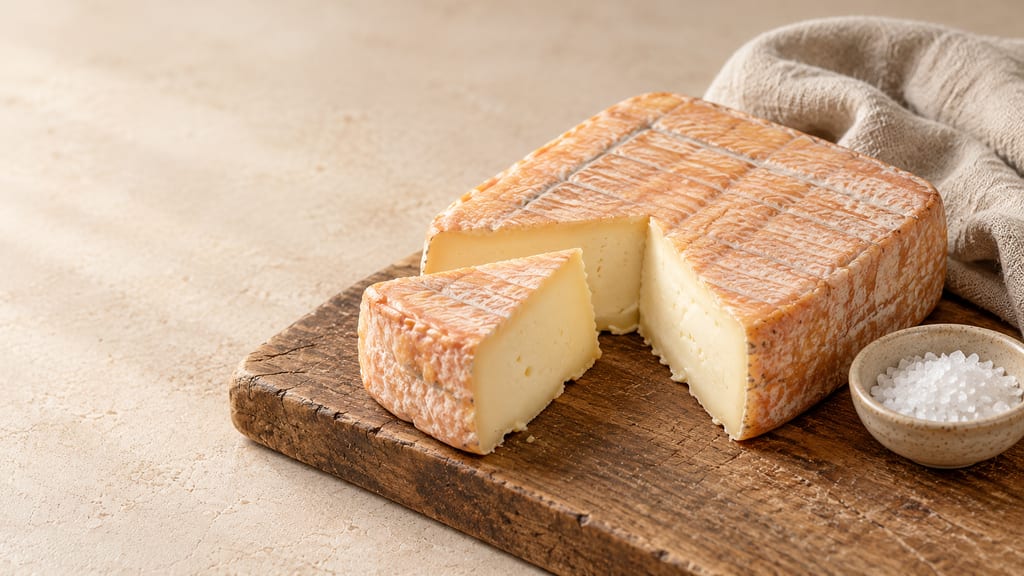
Montaigne saw cheeses wiped with salt-water linen in the 1500s. The wipe still decides which microbes settle on the rind, what the cheese smells of and what can grow on it.