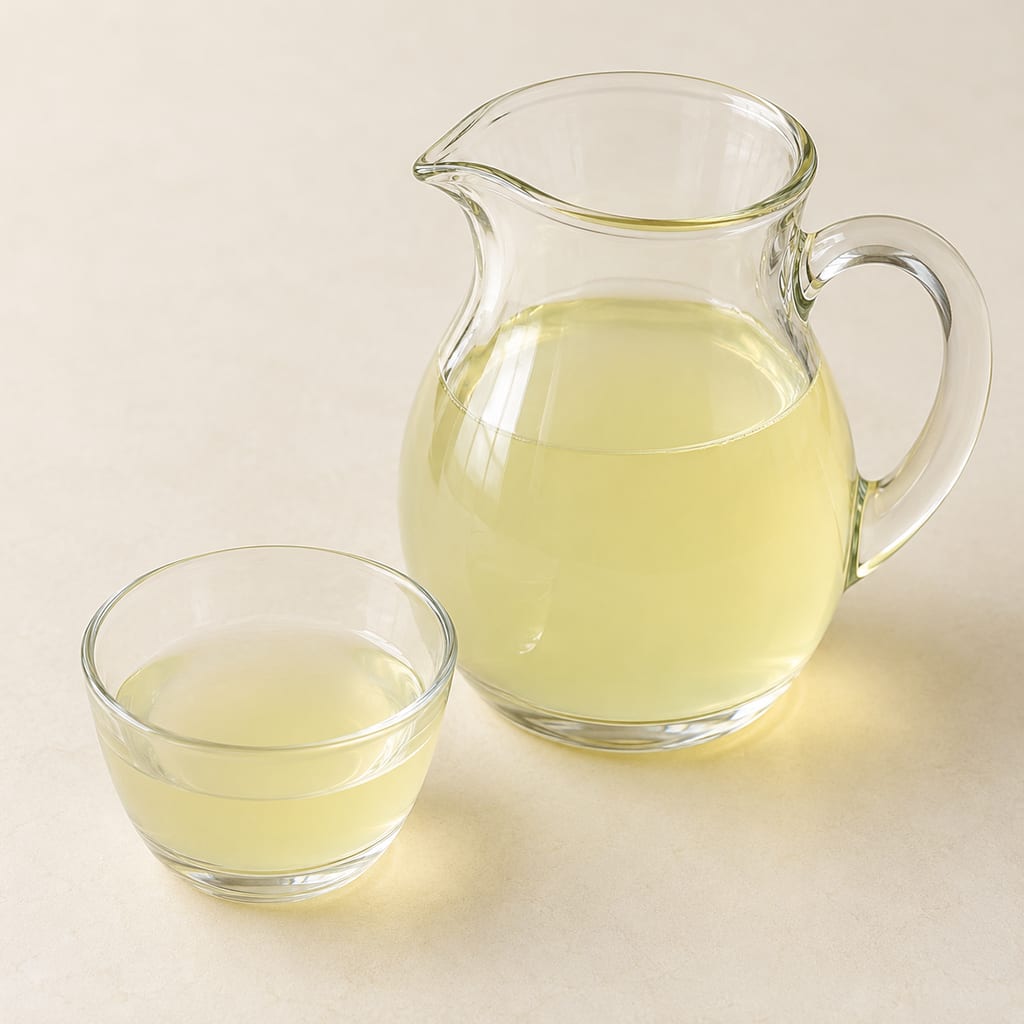
Acid whey
Acid whey is liquid left after acid coagulation of milk, including cultured dairy. Its composition and uses vary. Icelandic sour skyr-whey is related, but not automatically the same material.
 FermenteaWhere food goes to change
1086 articles on substrates, cultures and additives.
Acid whey is liquid left after acid coagulation of milk, including cultured dairy. Its composition and uses vary. Icelandic sour skyr-whey is related, but not automatically the same material.

Black carrot is the anthocyanin-pigmented Eastern carrot (Daucus carota var. atrorubens), the purple root that preceded orange types and still colours kanji and şalgam.
Hogweed, Heracleum sphondylium, is the meadow plant of the carrot family that gave barszcz its name. Its young leaves were soured into soup; its sap burns skin in sunlight.
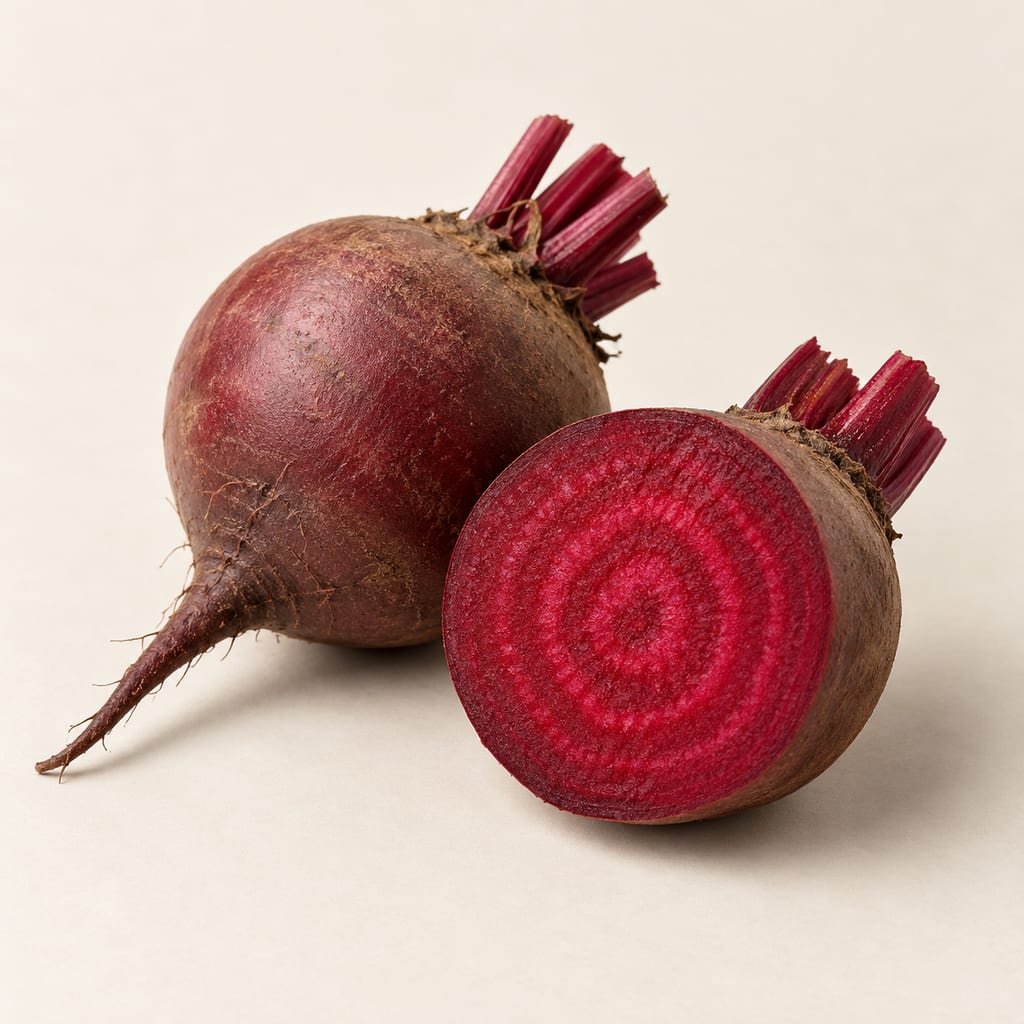
Beetroot is the red taproot of Beta vulgaris. In Poland its soured juice replaced hogweed as the base of barszcz from the eighteenth century, and beet leaven is still made for Christmas Eve.
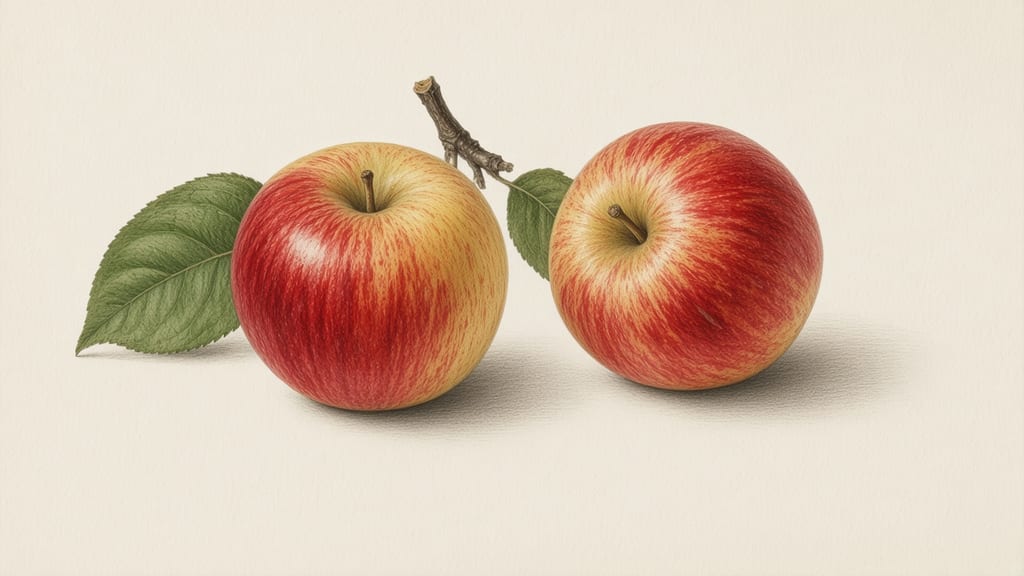
The Redstreak was the famous seventeenth-century cider apple of Herefordshire, linked with Lord Scudamore. A yellow apple streaked with red, it was lost as a distinct variety by the 1880s.
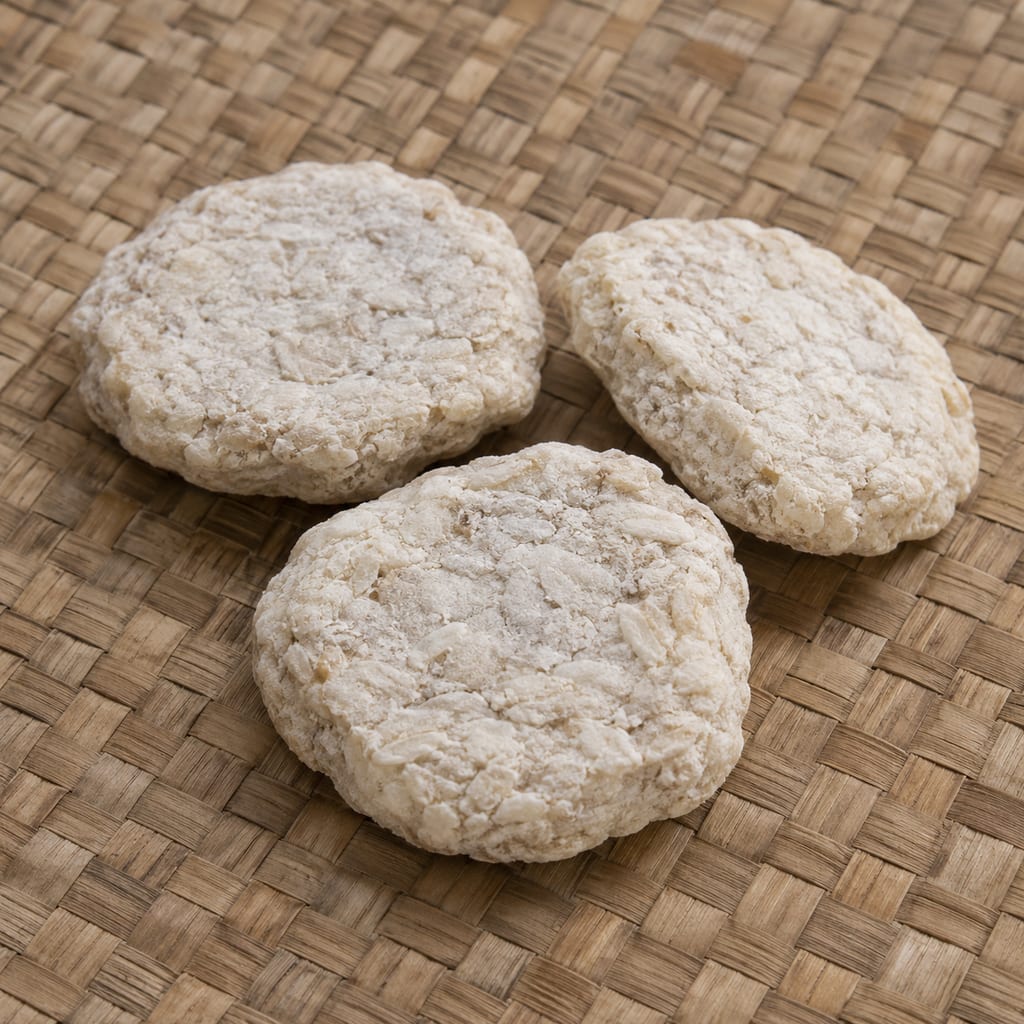
Dawdim is a dried rice-beer starter cake from Mizoram. Laboratories have listed its yeasts and moulds; no source gives how it is made, kept or used safely.
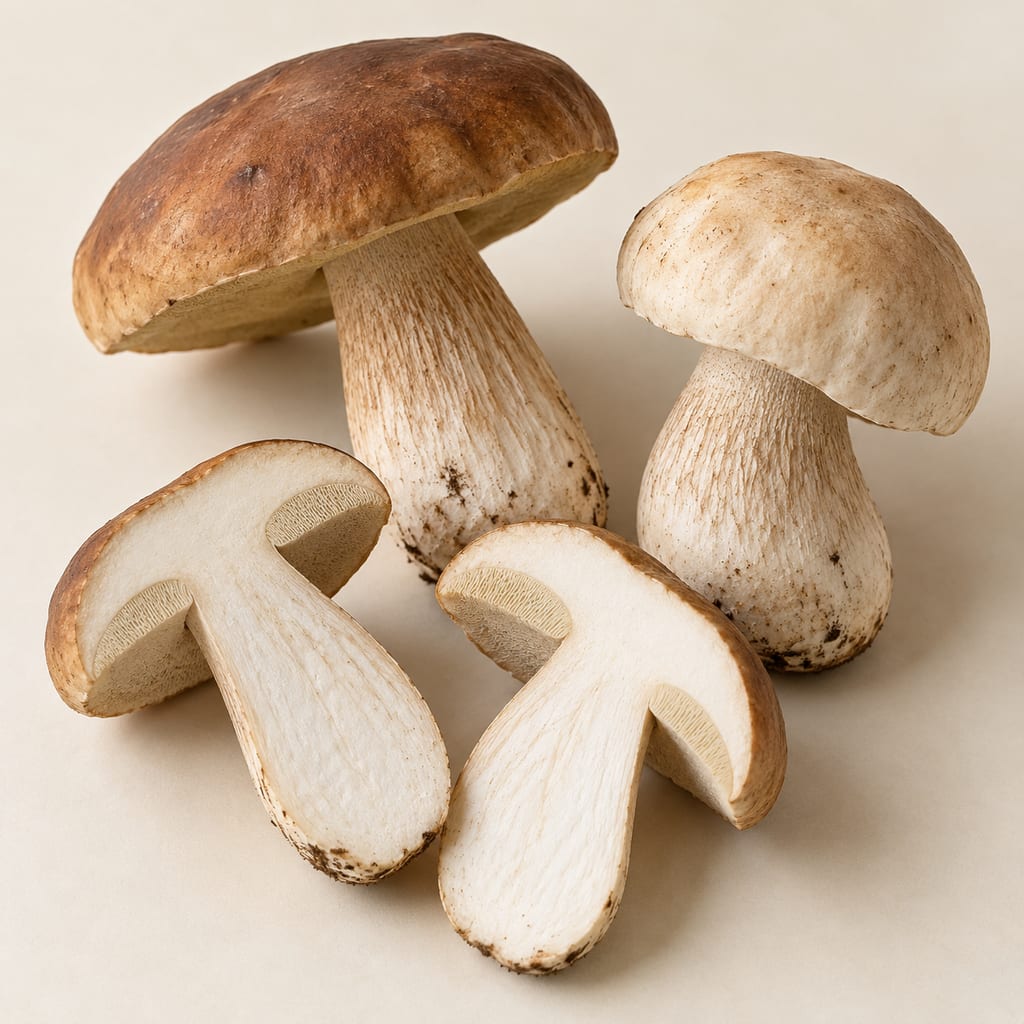
Boletus betulicola is a slender, birch-associated bolete of the penny bun group, kept as its own species by Finnish mycologists and treated by others as a form of Boletus edulis.
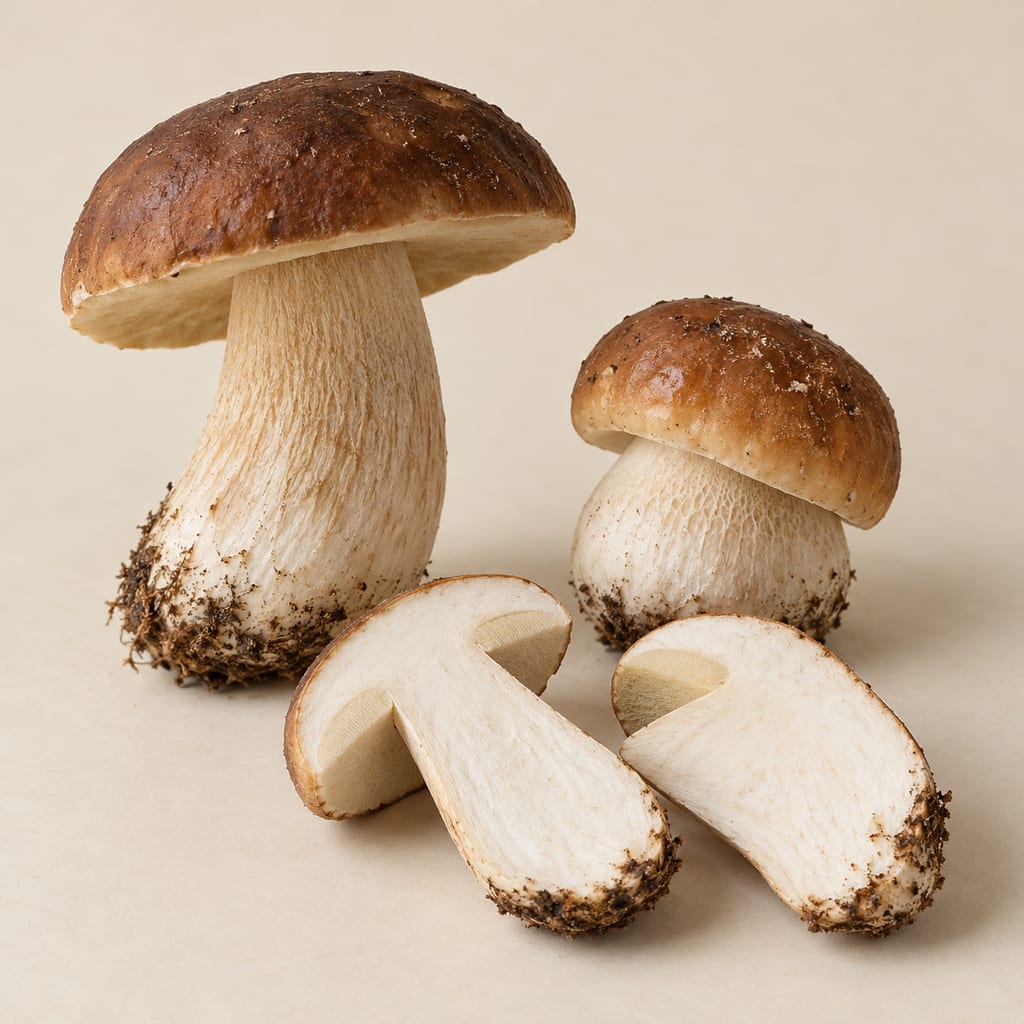
Boletus pinetorum is a greyish-brown penny bun relative that grows with Scots pine on dry sandy heaths in Fennoscandia and Estonia, described as a new species in 2009.
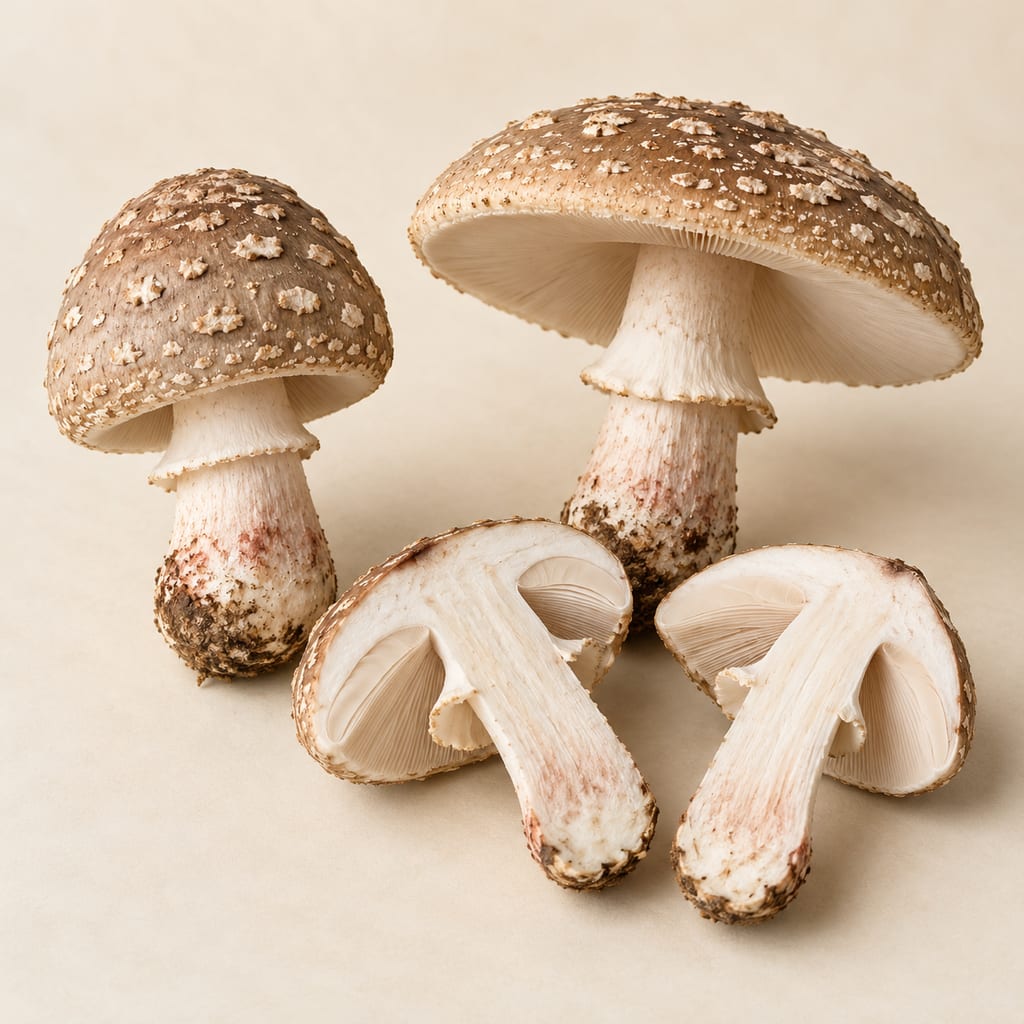
The European blusher, Amanita rubescens, is a woodland amanita whose flesh turns pink when cut. It is eaten only well cooked and is easily confused with the poisonous panthercap.
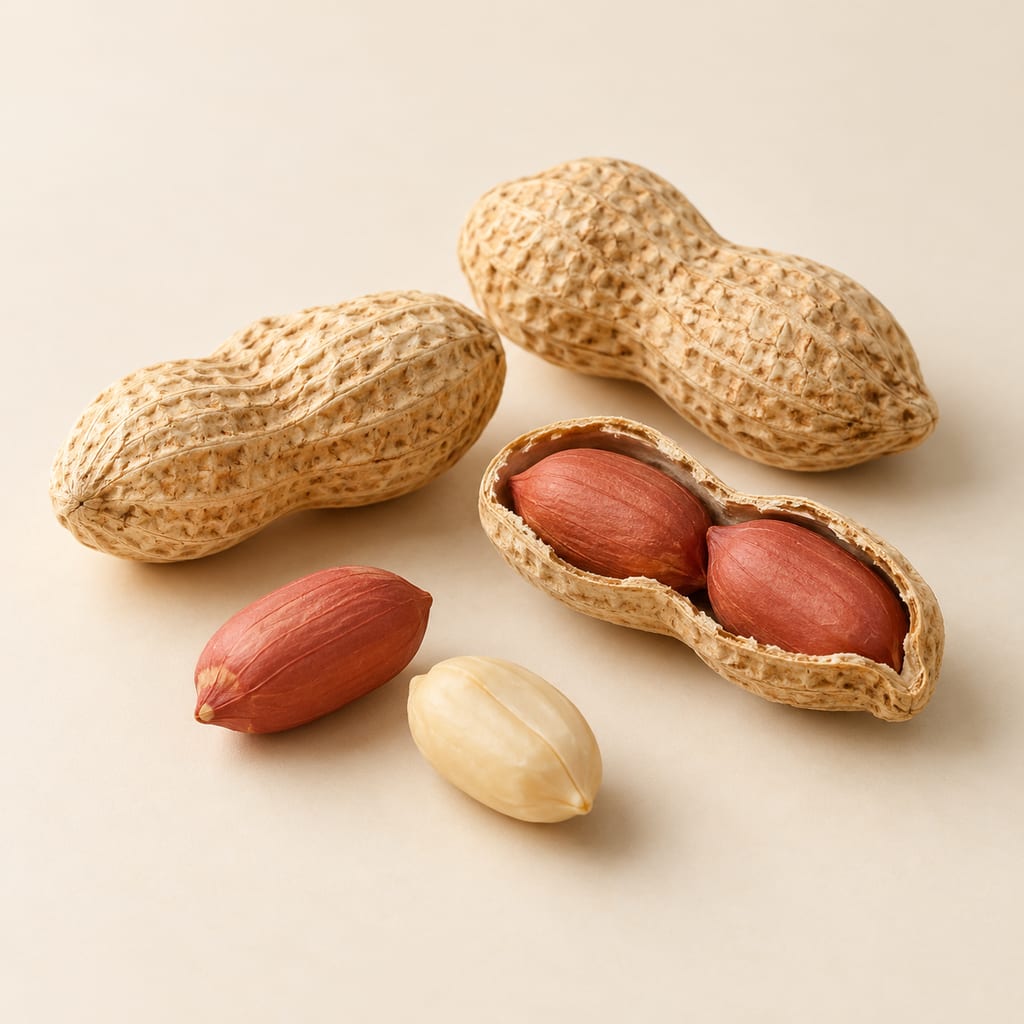
Peanuts are the edible seeds of Arachis hypogaea, a cultivated legume. They are eaten whole, roasted and ground, and peanut oil-press cake is a separate byproduct used in some fermentations.
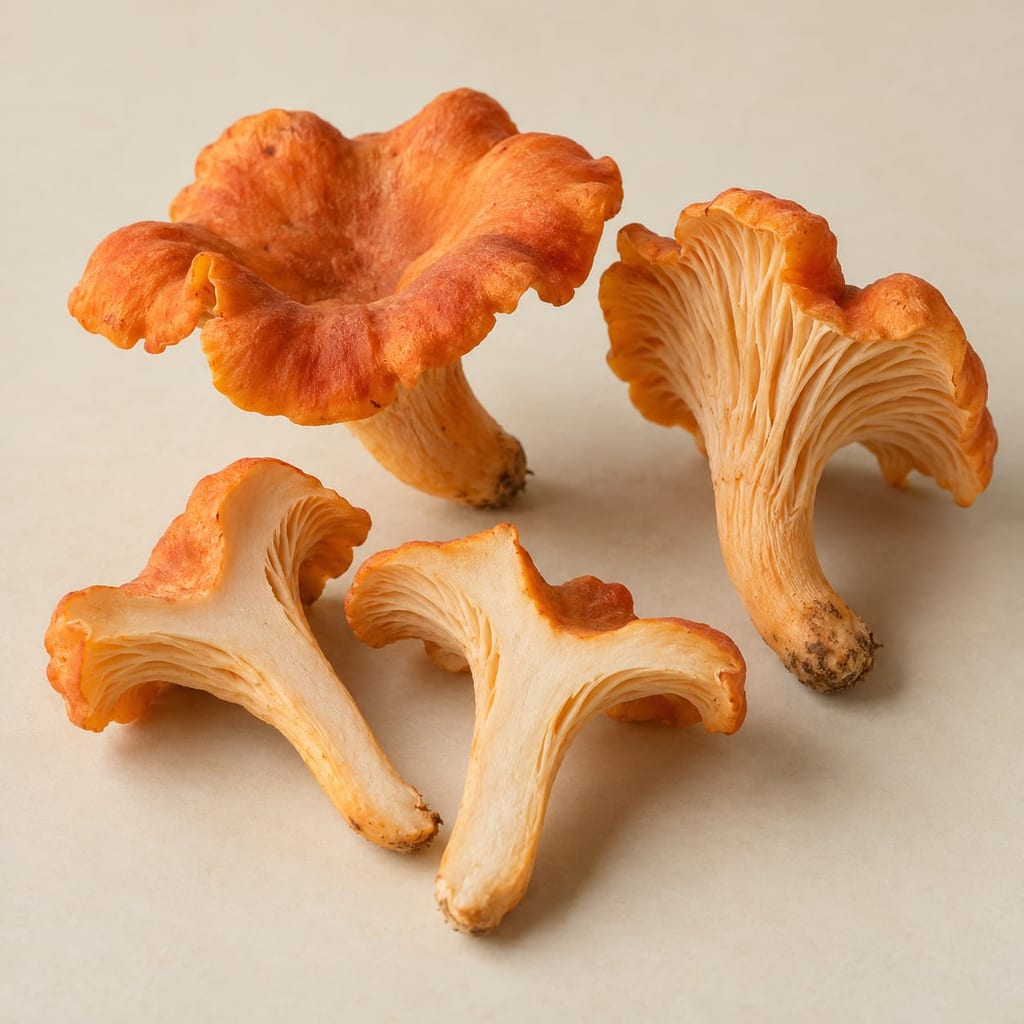
Cantharellus albovenosus, the Asian chanterelle, is an ectomycorrhizal forest chanterelle that is marketed in Yunnan; its species identity and local safety still need review.
The Rhizopus starter for tempeh is a fungal culture, labelled Rhizopus oligosporus or R. microsporus var. oligosporus. Its growth binds prepared soybeans into a firm cake.
Pee is a sun-dried rice starter from Arunachal Pradesh, India, made like other Eastern Himalayan dry starters. Its recorded bacterial population was high, and its named beverages are opo and apong.
Paa is a sun-dried rice starter from Arunachal Pradesh, India, made from soaked rice flour and wild herbs. Families use it as the culture for mildly alcoholic rice drinks.
A wild ectomycorrhizal bolete of the Tshopo rainforests in DR Congo, recorded as locally eaten in a 2020 interview study. Species-level food use is not independently assessed.
Sulphur dioxide and its sulphite salts are used to inhibit some microbes and oxidation and to keep colour in fruit and wine. They are added as sulphur fumes, as sulphites or as metabisulphites.
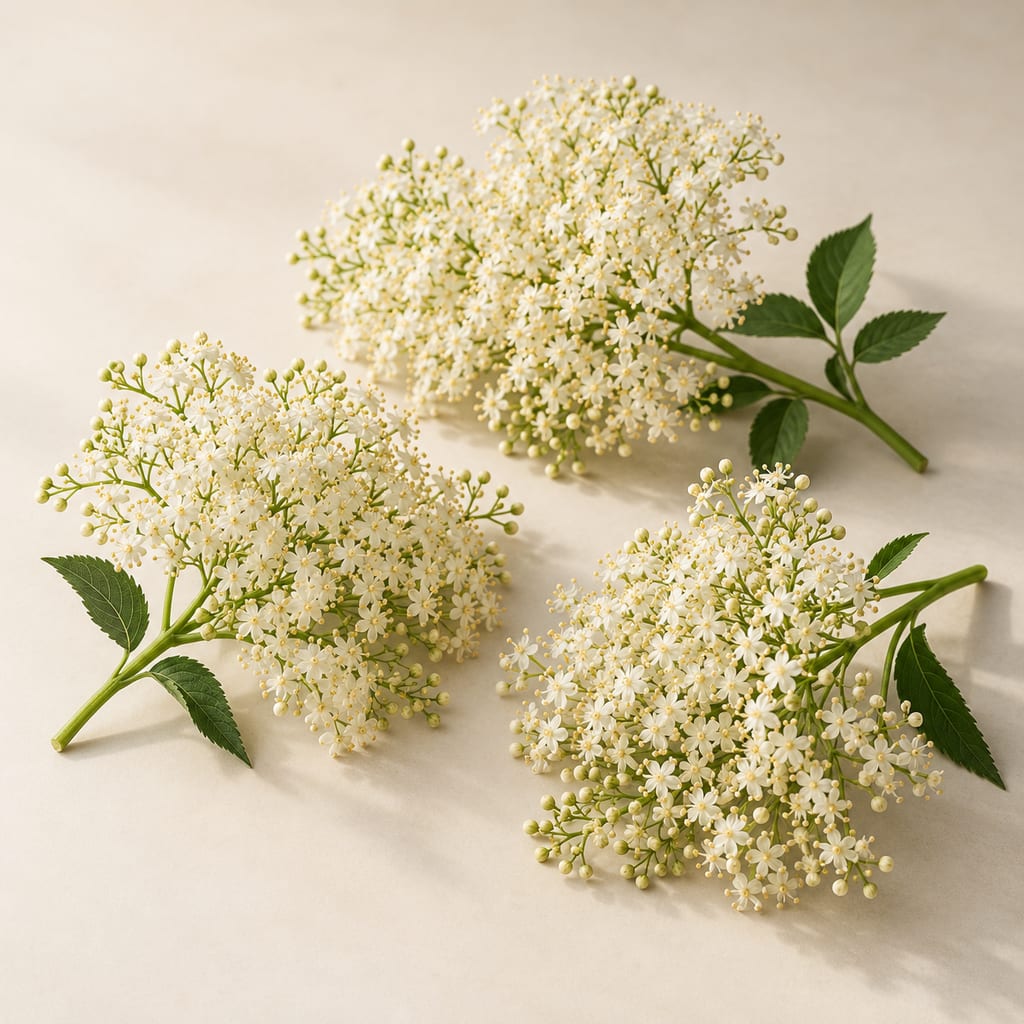
The flower clusters of black elder (Sambucus nigra), a food flower used in stewed fruit and fritters. The berries, leaves, stems and bark need separate evidence and separate care.
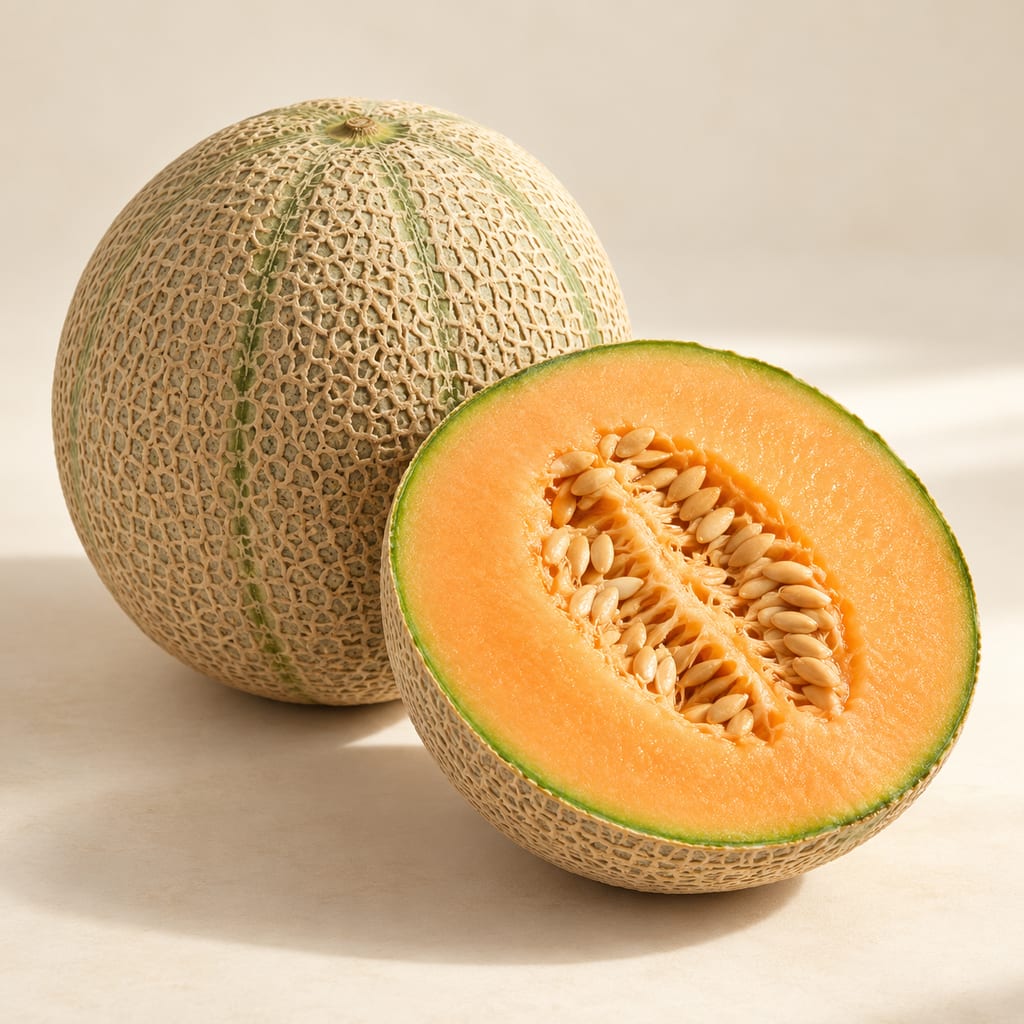
Cucumis melo, a cultivated melon of the Cucurbitaceae. Its origin is still debated: a review proposes Africa, and the wild melons it discusses are described as non-edible.
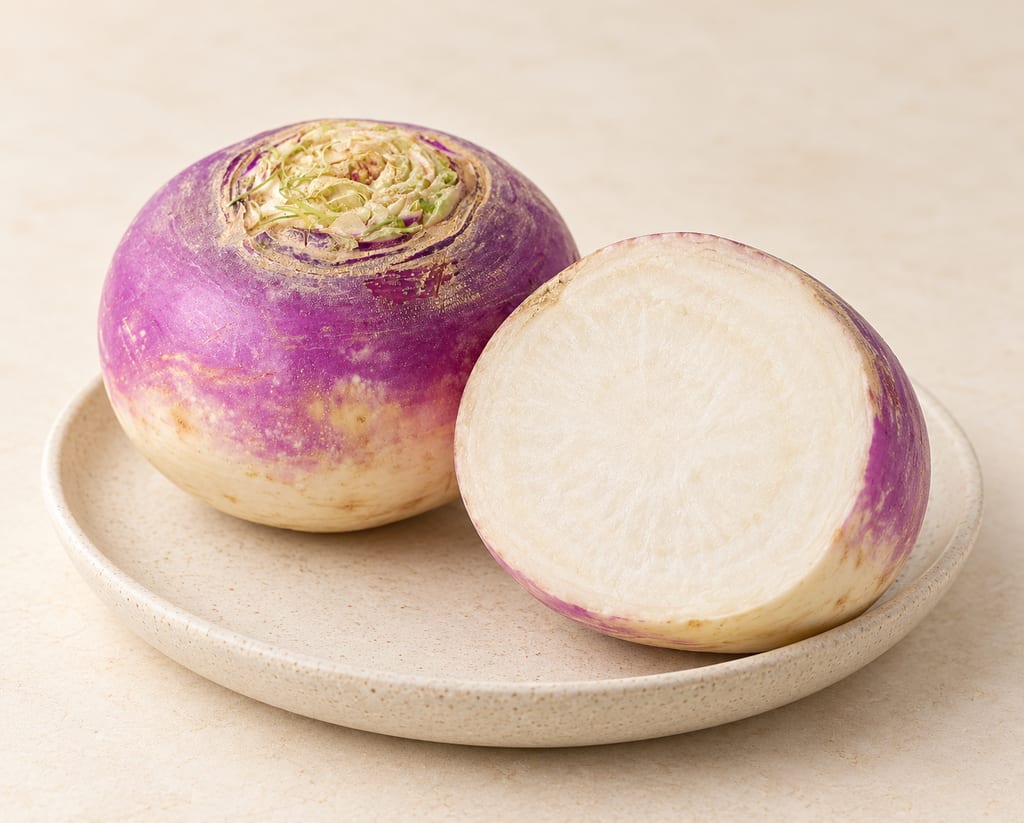
The turnip, a brassica crop whose roots and leaves are eaten. The source record names the species Brassica rapa, but its wild and naturalised forms are not assessed here.
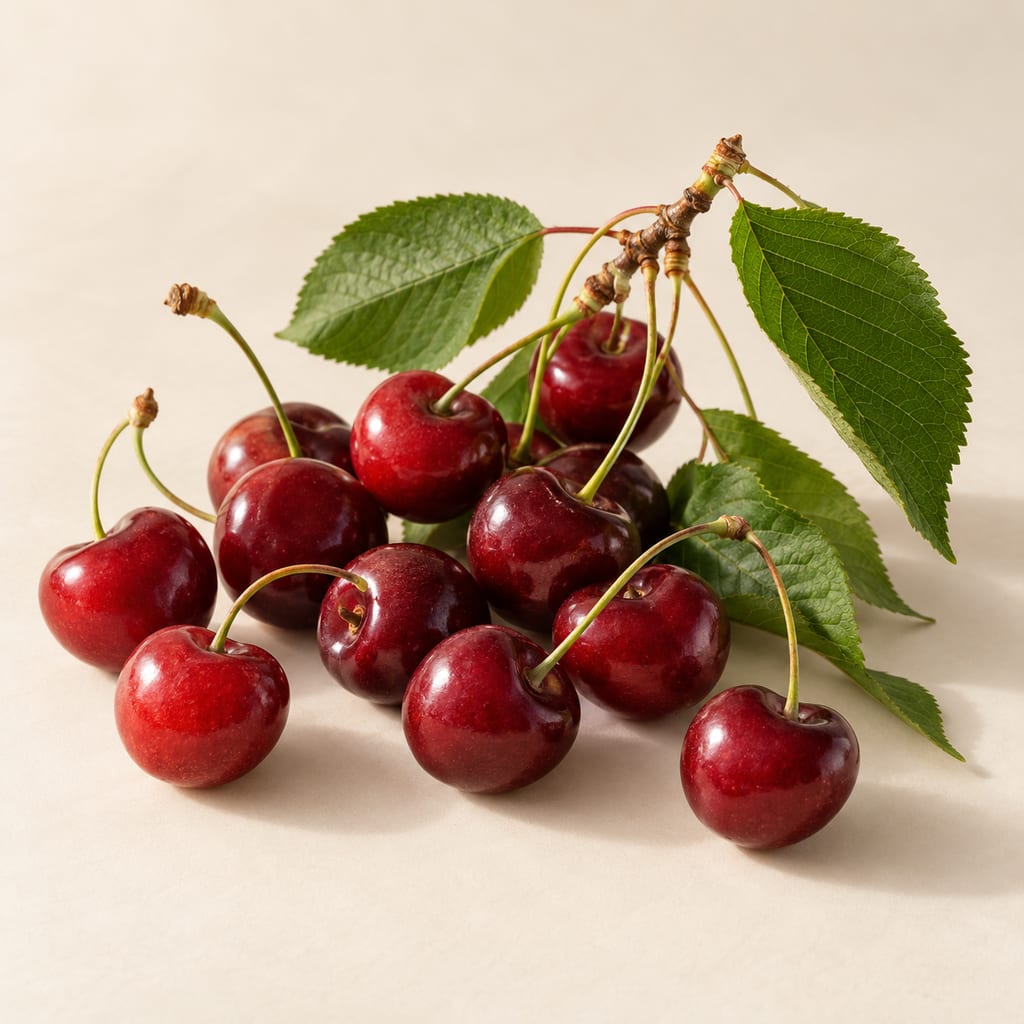
Prunus avium, the wild or gean cherry of Great Britain and Ireland, bears red summer fruit eaten by birds and used in cherry brandy. Kernel and leaf safety are not settled by the sources read.
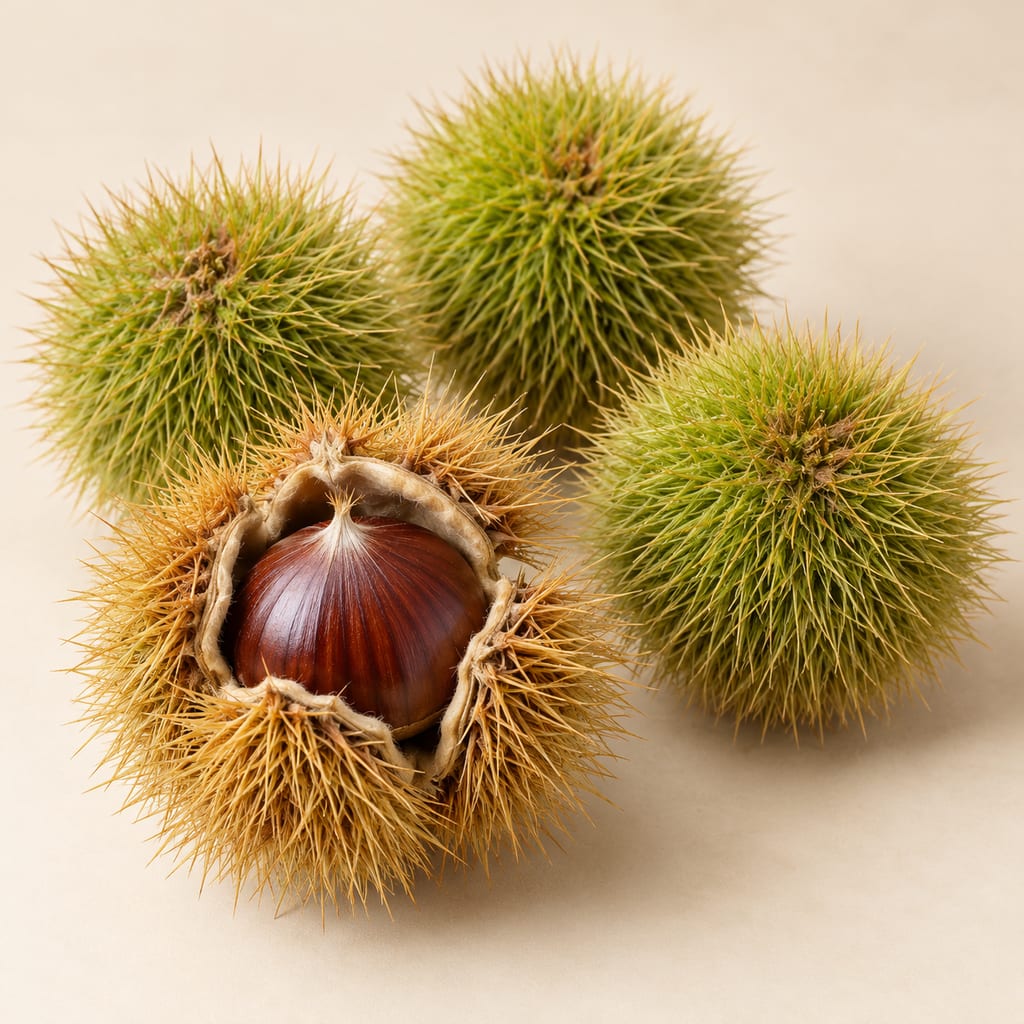
Sweet chestnut (Castanea sativa), a starchy tree nut eaten roasted, as flour and in confectionery, and kept apart from the toxic fruit of horse chestnut.
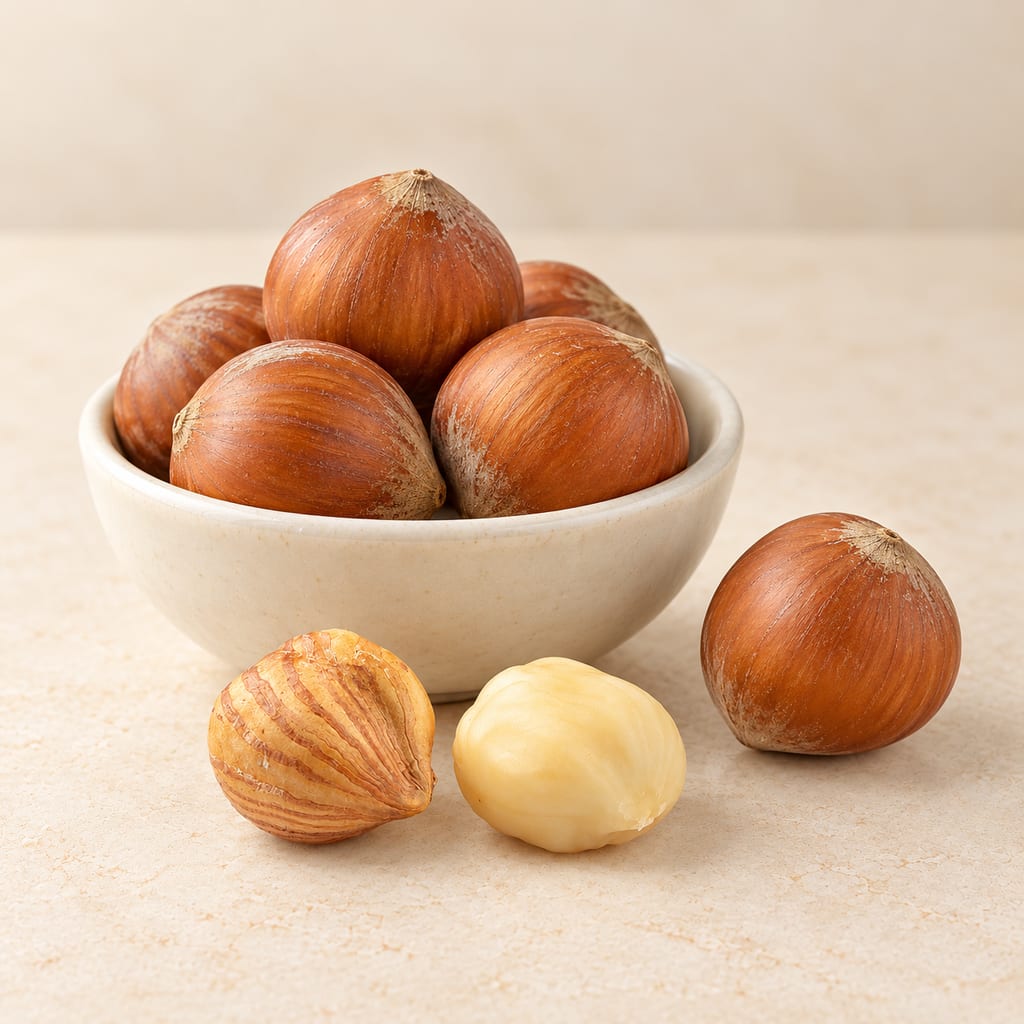
Hazelnuts from Corylus avellana, the common hazel, eaten raw, roasted or ground, with the Piedmont protected product and the limits of regional growing and storage advice.
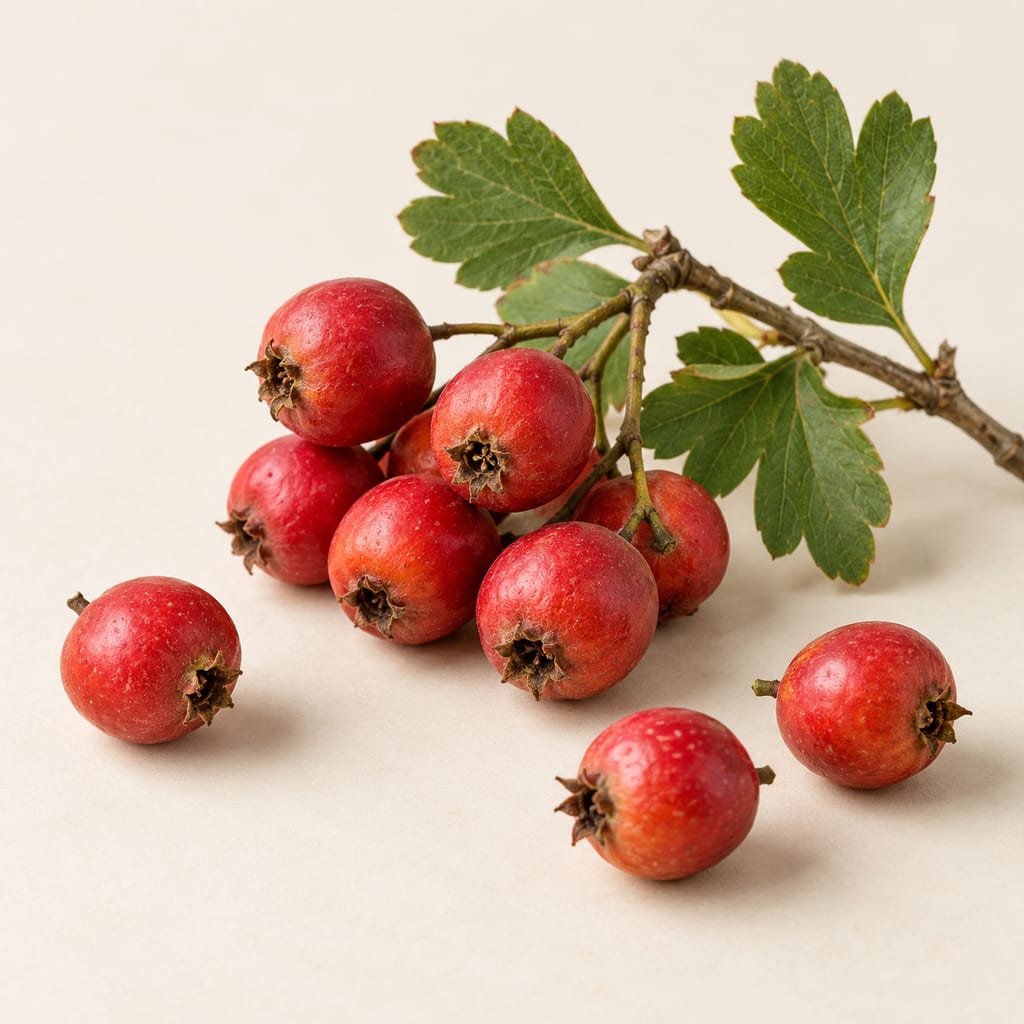
Common hawthorn (Crataegus monogyna), a hedgerow shrub whose red haws and young leaves are reported as food, with sources that disagree on raw fruit and leaves.
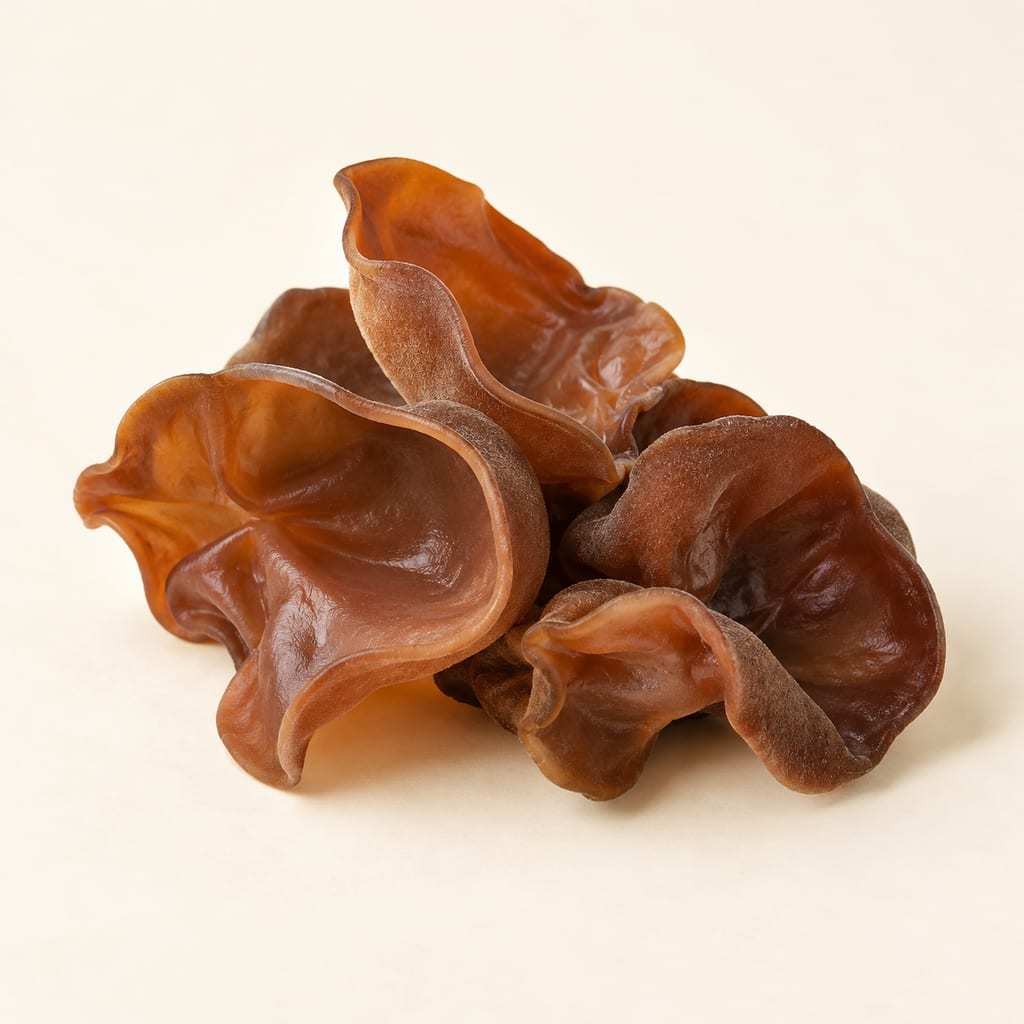
Auricularia villosula, the short-haired wood ear, is an Asian wood fungus that China lists as edible and that is cultivated in Inner Mongolia. It is easily confused with the cultivated black wood ear, so a market label does not settle the species.
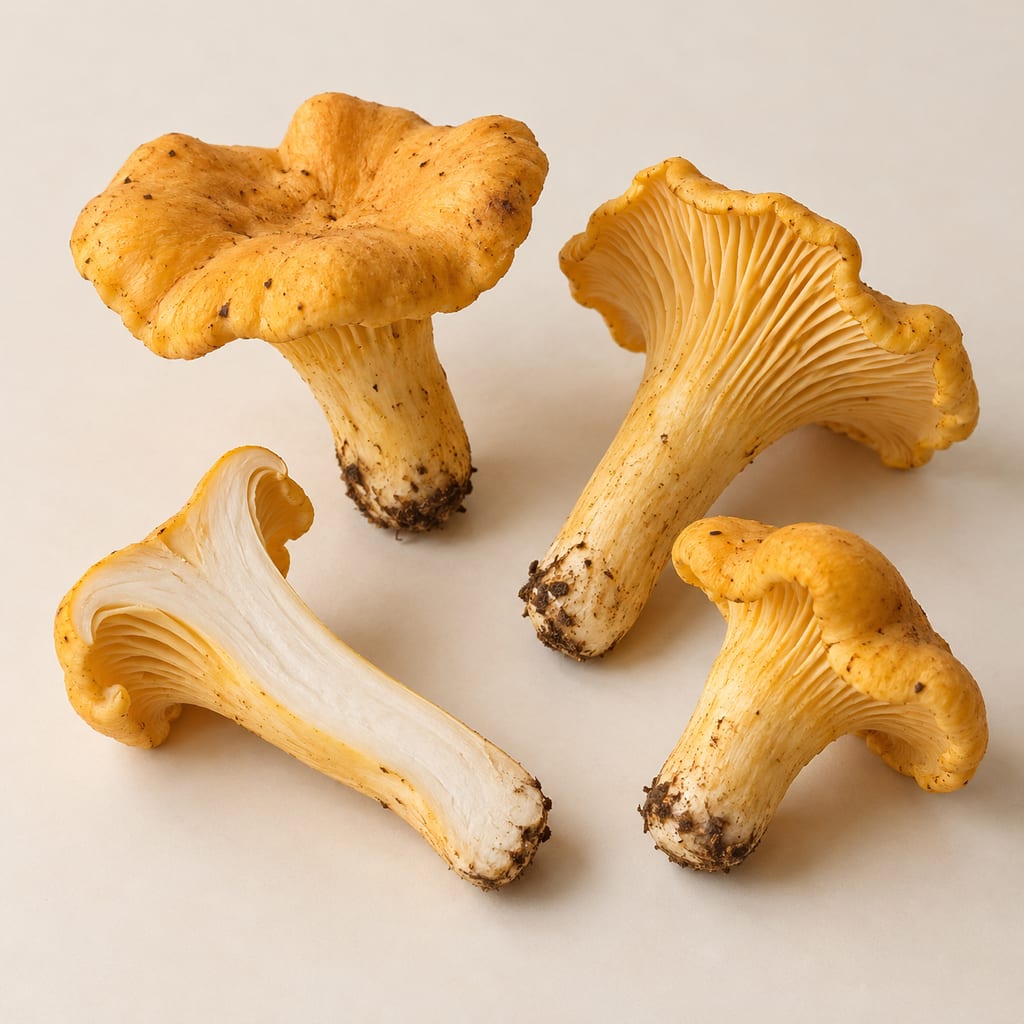
The chanterelle, Cantharellus cibarius, is a wild golden-orange mushroom of European woodland. Its ridged, gill-less underside, fruiting on the ground under trees, separates it from the poisonous jack-o'-lantern, which grows on wood.
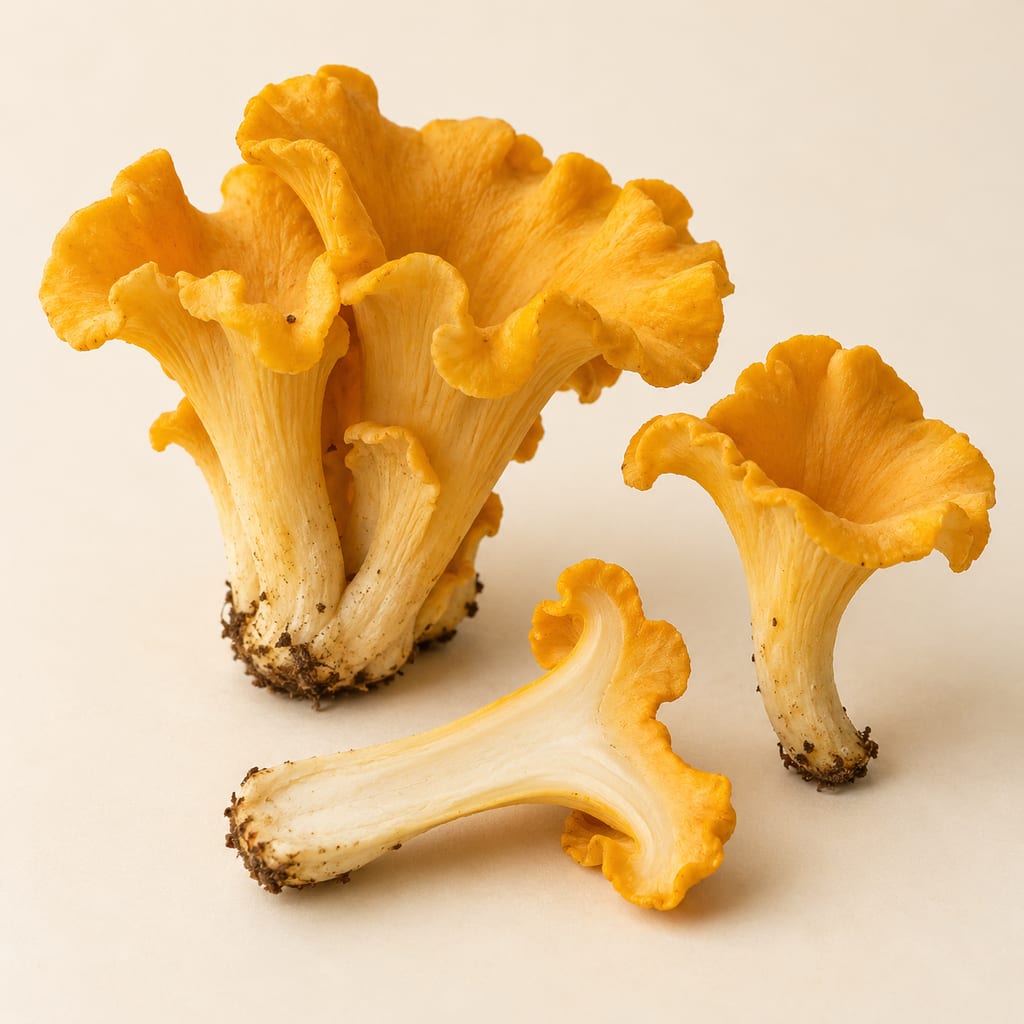
Cantharellus odoratus, the fragrant chanterelle, is a North American and Central American oak-woodland fungus. It was sold in a Veracruz market in the 1980s and in Guatemala in 2002, and its name is still disputed.
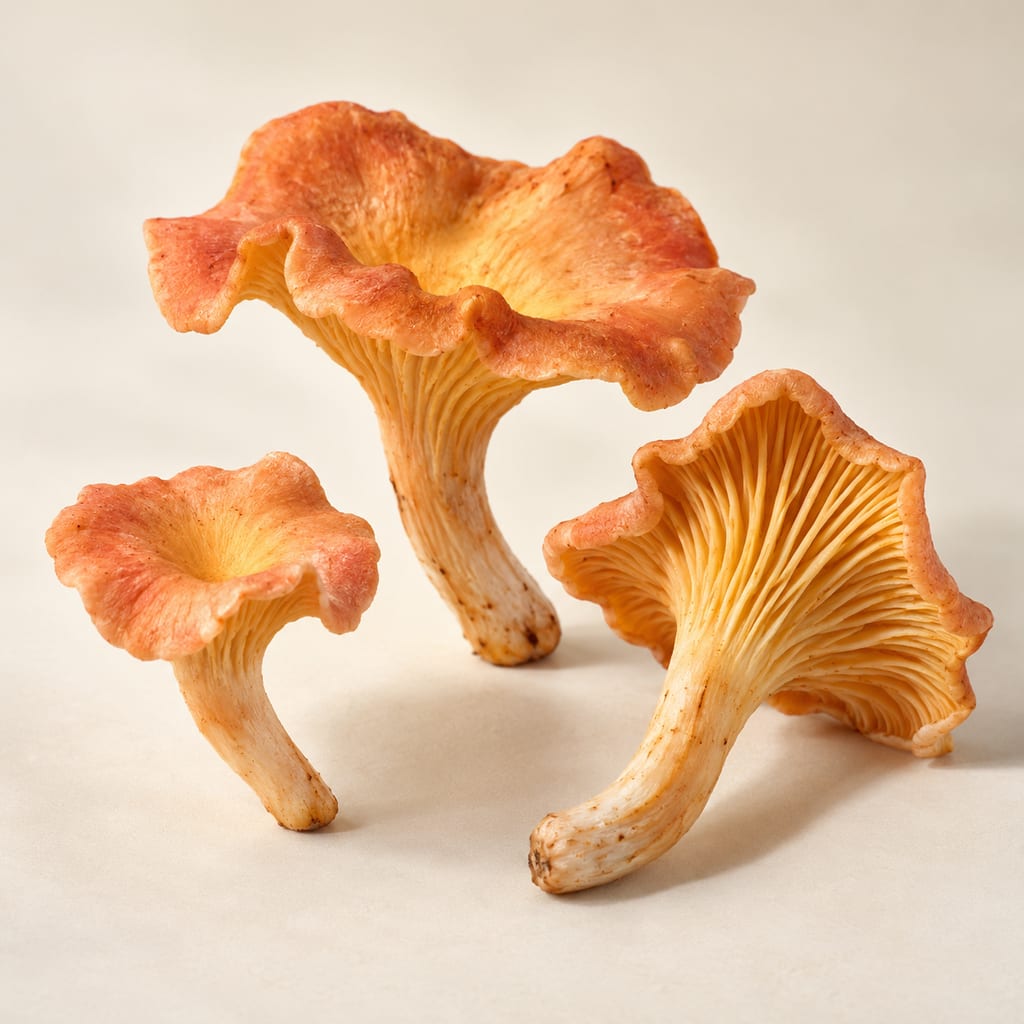
Cantharellus phloginus is a pink-capped chanterelle of southern and central China, named in 2016. China's 2026 catalogue lists it as edible, and it is sold in Yunnan markets. Its name is disputed, and colour alone does not identify it.
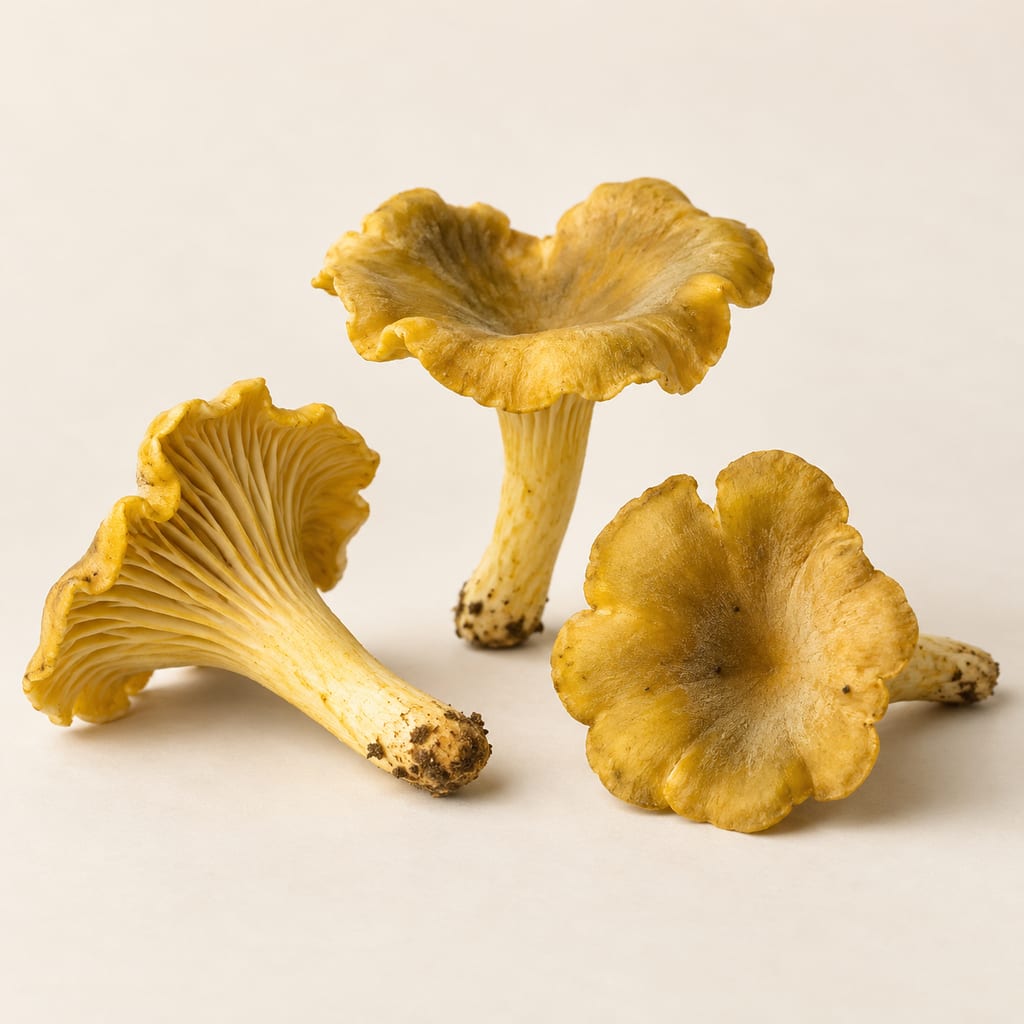
Cantharellus luteovirens is a small yellow chanterelle described from Guangdong in 2021. It grows in subtropical forest with acacias, and China's 2026 catalogue lists it as edible. Its species boundary depends on microscopy and DNA.
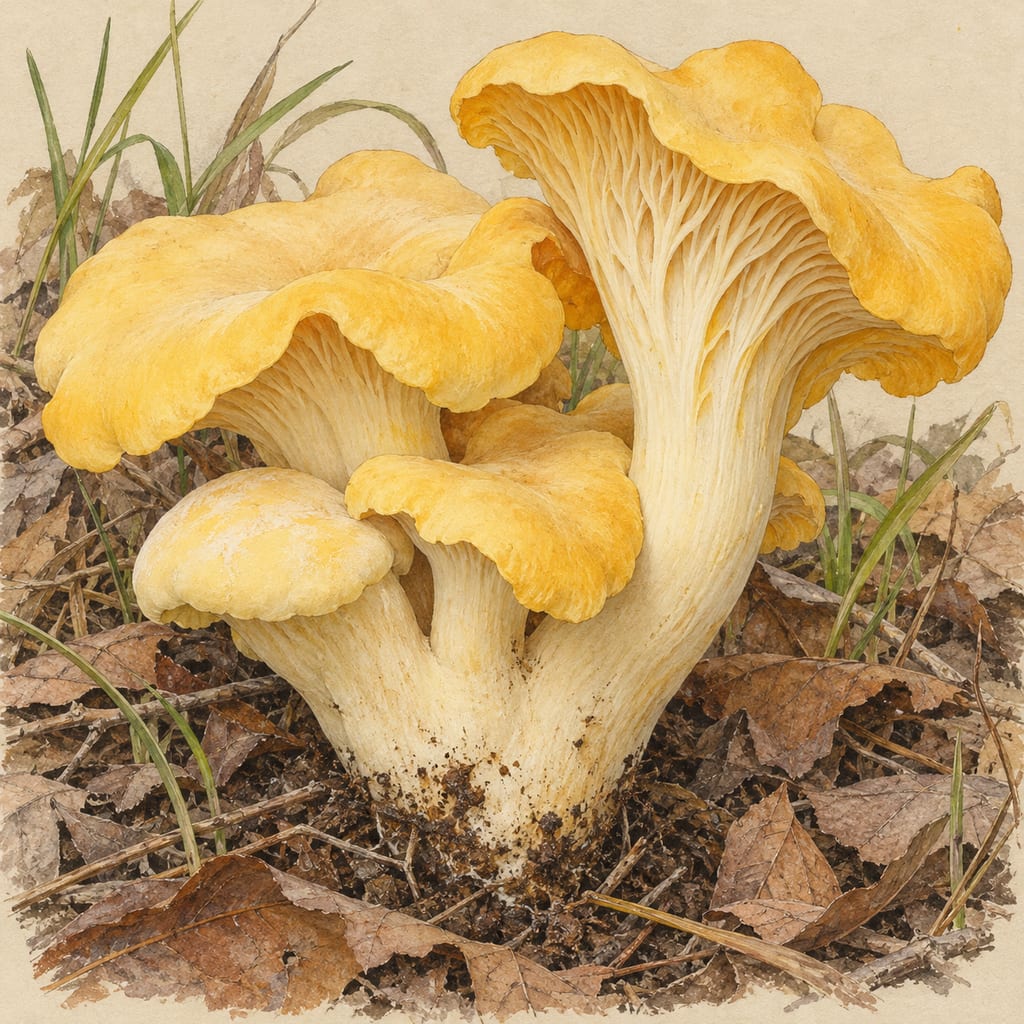
Cantharellus afrocibarius is a robust yellow chanterelle of the miombo woodlands of southern Central Africa. It is eaten and sold locally, is rated Vulnerable on the IUCN Red List, and is hard to tell from related species in the field.
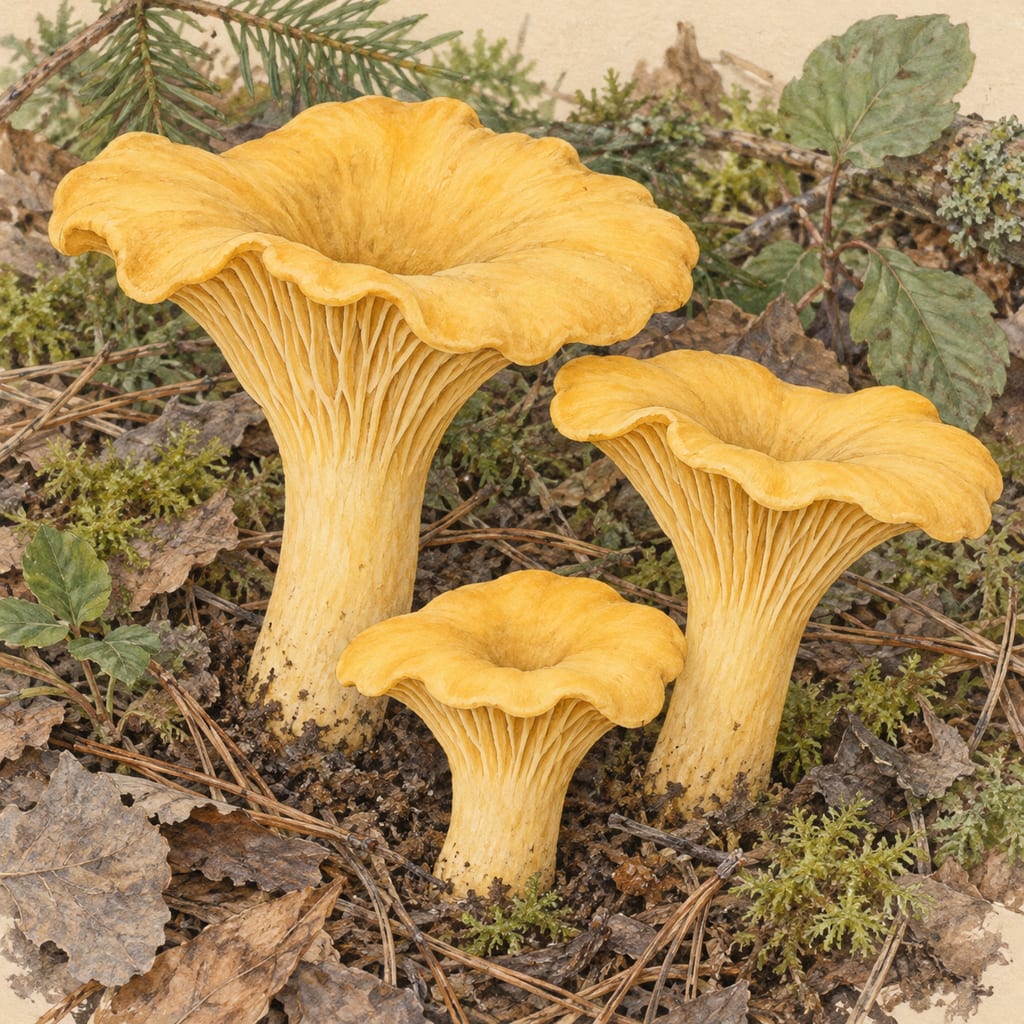
Cantharellus tuberculosporus is a rare chanterelle of high-elevation Xizang and Sichuan, China. Its name has been disputed, and no food-safety assessment of correctly identified specimens exists.
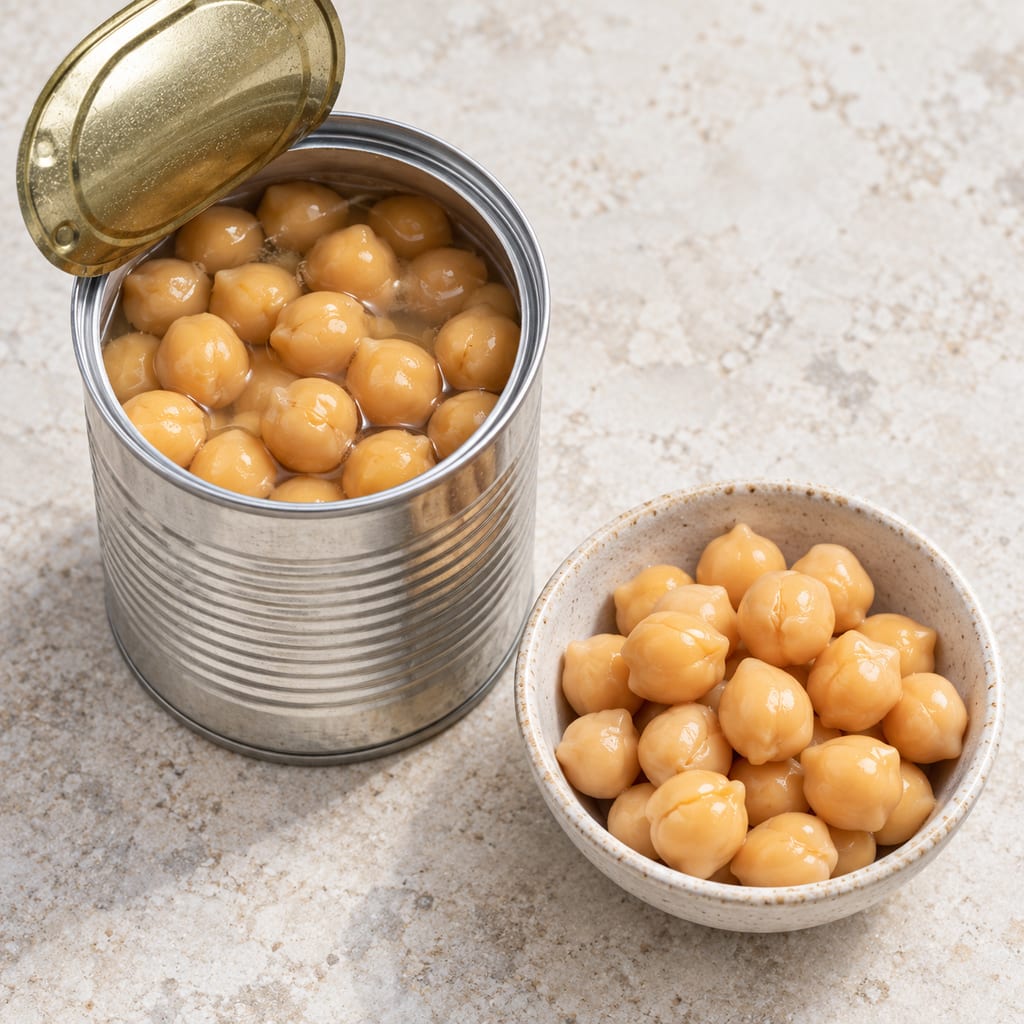
Canned chickpeas are commercially cooked seeds of Cicer arietinum packed in liquid. The beans and their starchy cooking liquid can both be used; salt and texture vary by brand.
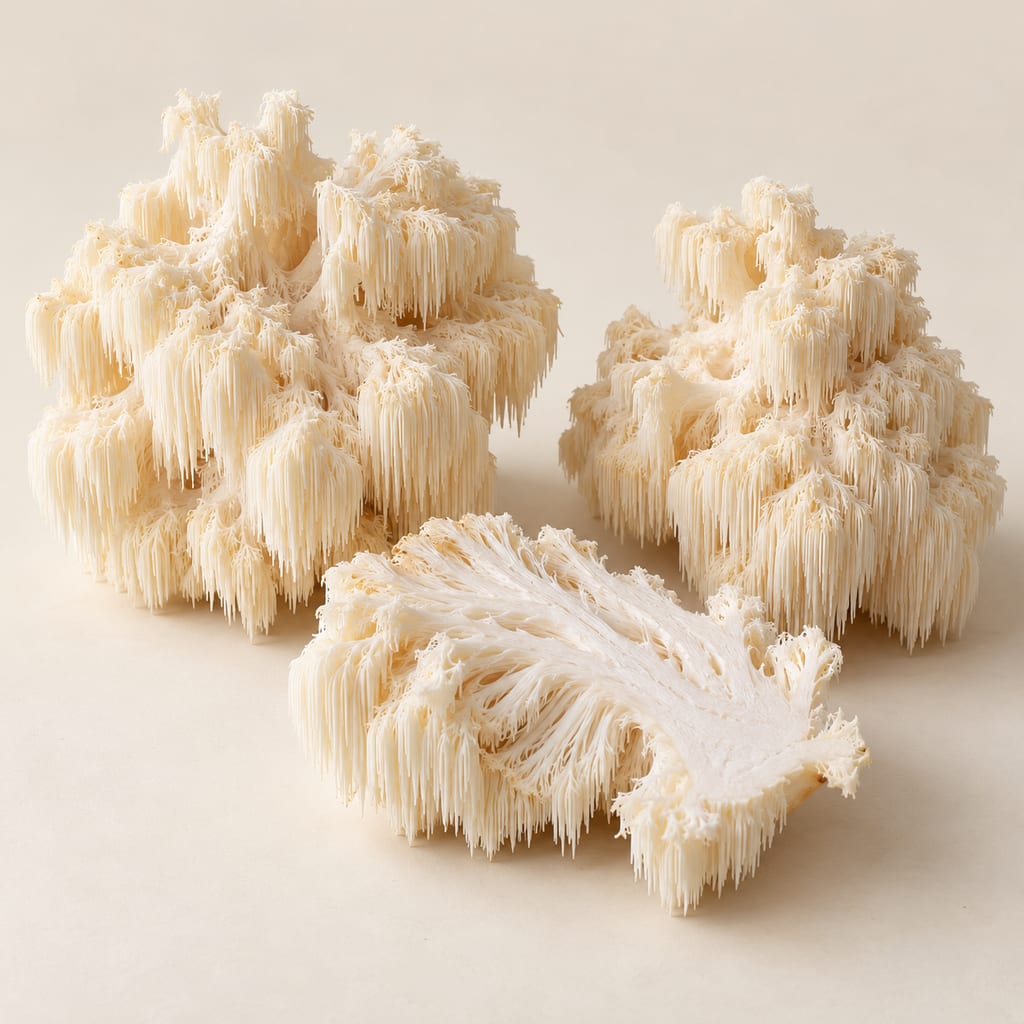
Hericium americanum, the bear's head tooth, is a white tooth fungus of dead hardwoods in eastern North America, eaten when young and cooked, and told apart from related Hericium species by molecular work.
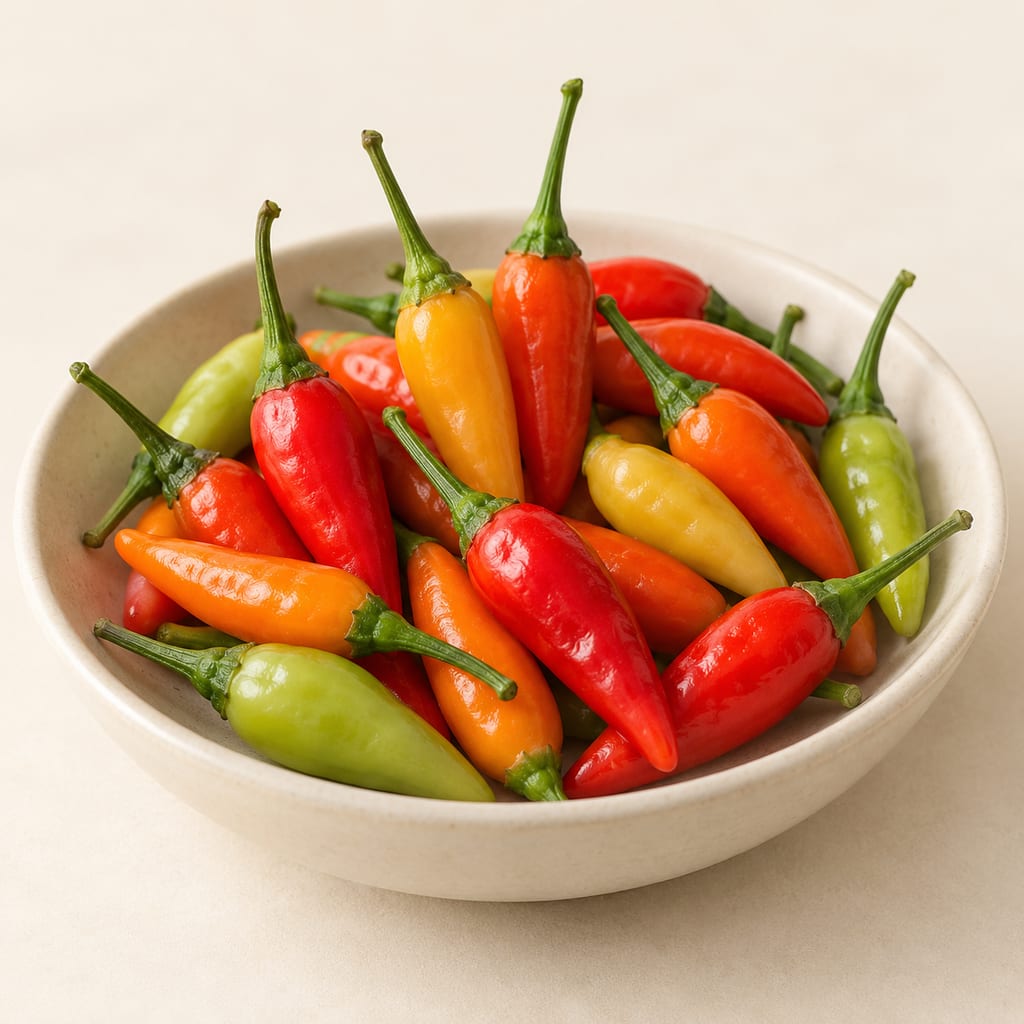
Tabasco chile is the small, upright, pungent fruit of Capsicum frutescens 'Tabasco', a cultivar long used in Louisiana pepper sauce.
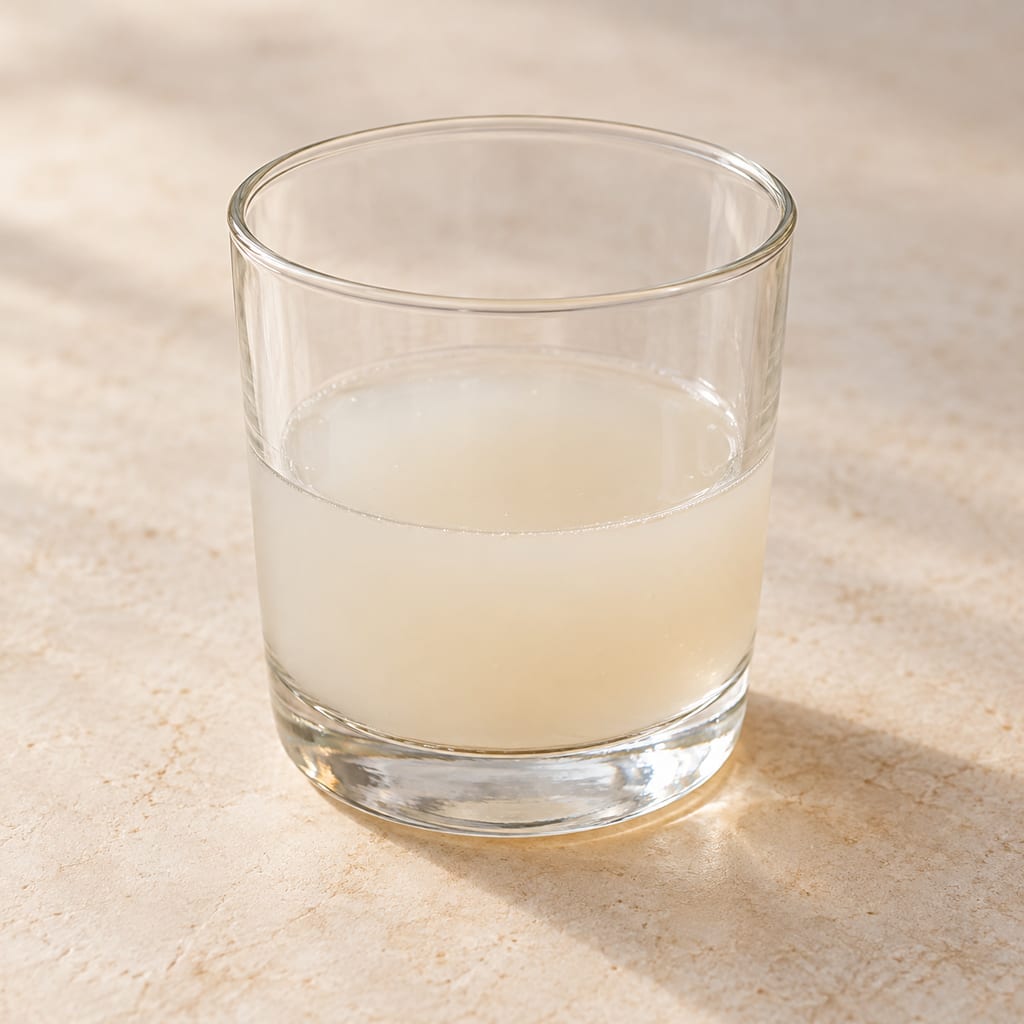
Sap tapped from Hyphaene petersiana, distinct from the fermented Utchema drink made from it and from sap of other palms.
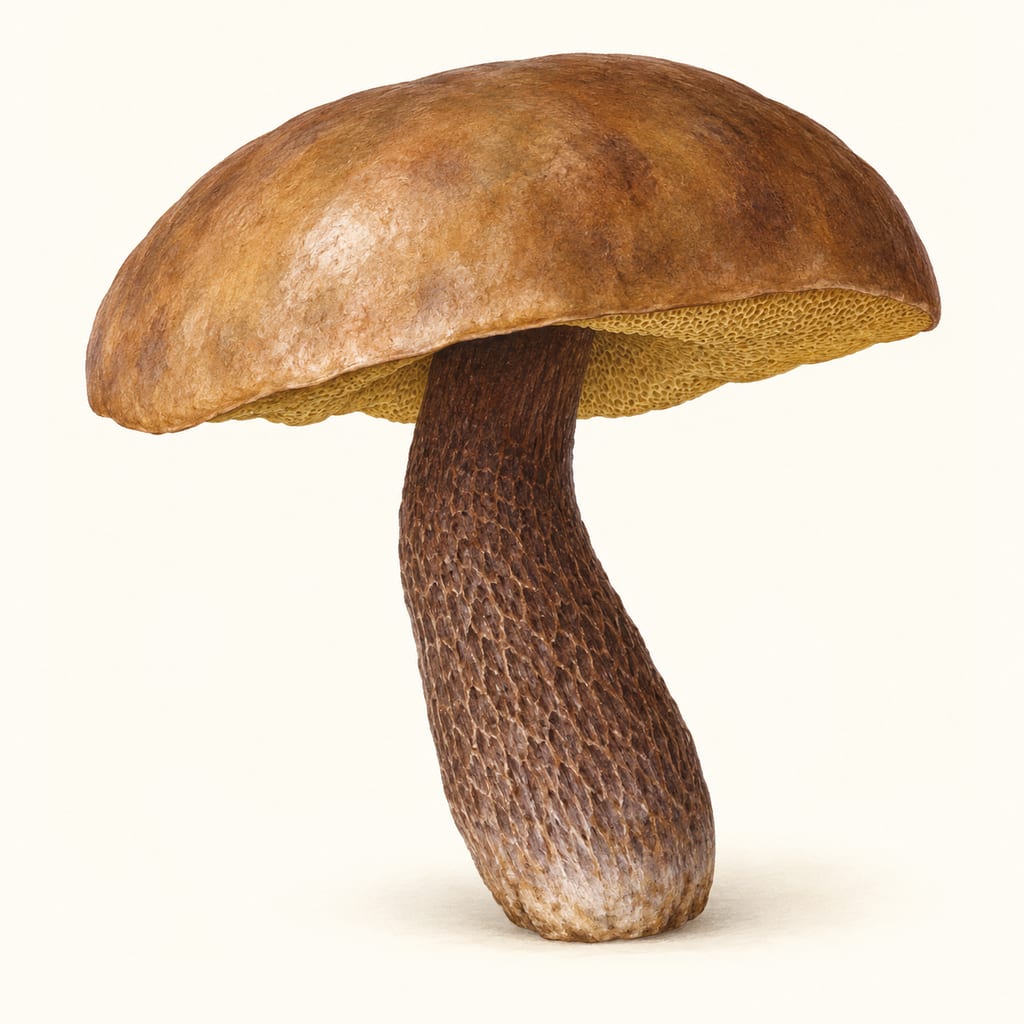
Boletus botryoides, the grape-coloured bolete, is a porcini-like wild bolete of central and south-western China. It is listed as edible in Chinese catalogues, but no dish or preparation is documented for it.
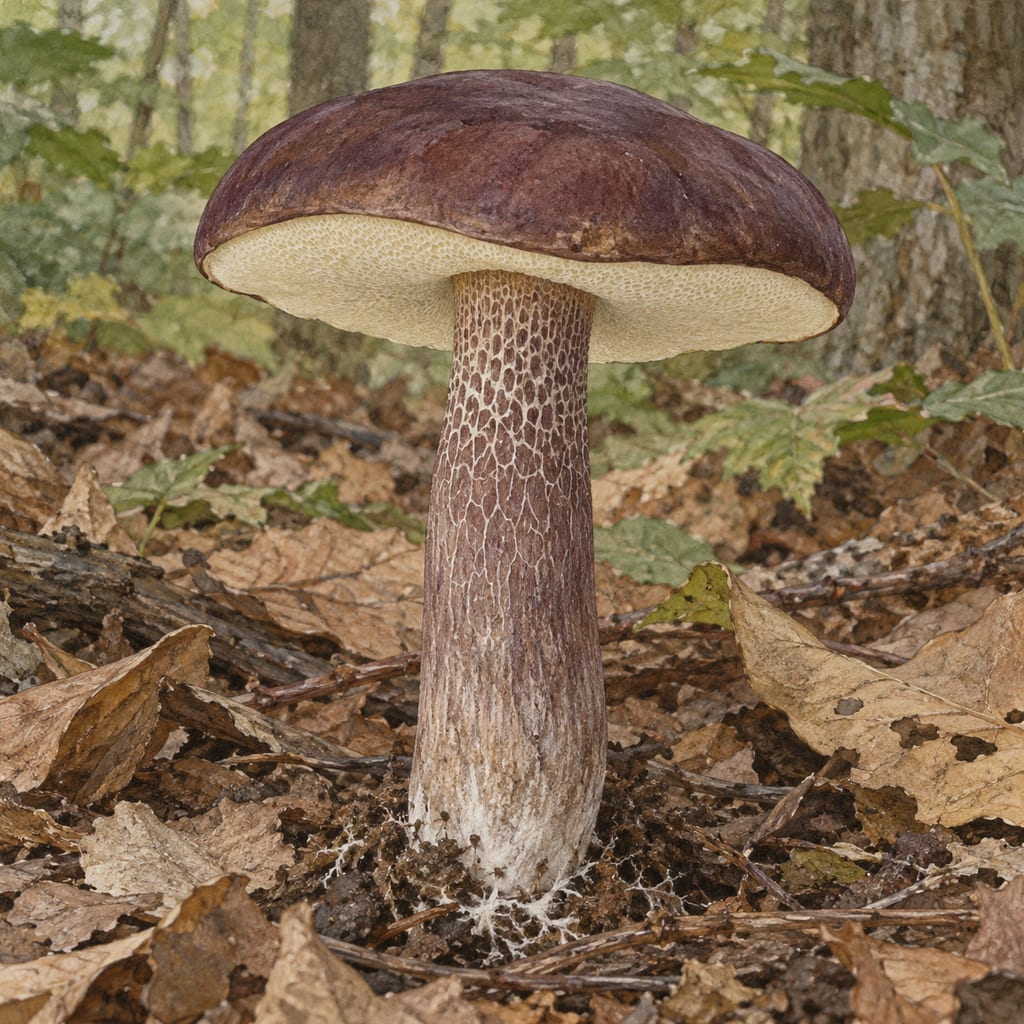
Boletus subviolaceofuscus is a porcini described from Yunnan in 2016 and known from a narrow range in south-western China. A Yunnan wild-food list gives it as directly edible; no preparation or dish is documented.
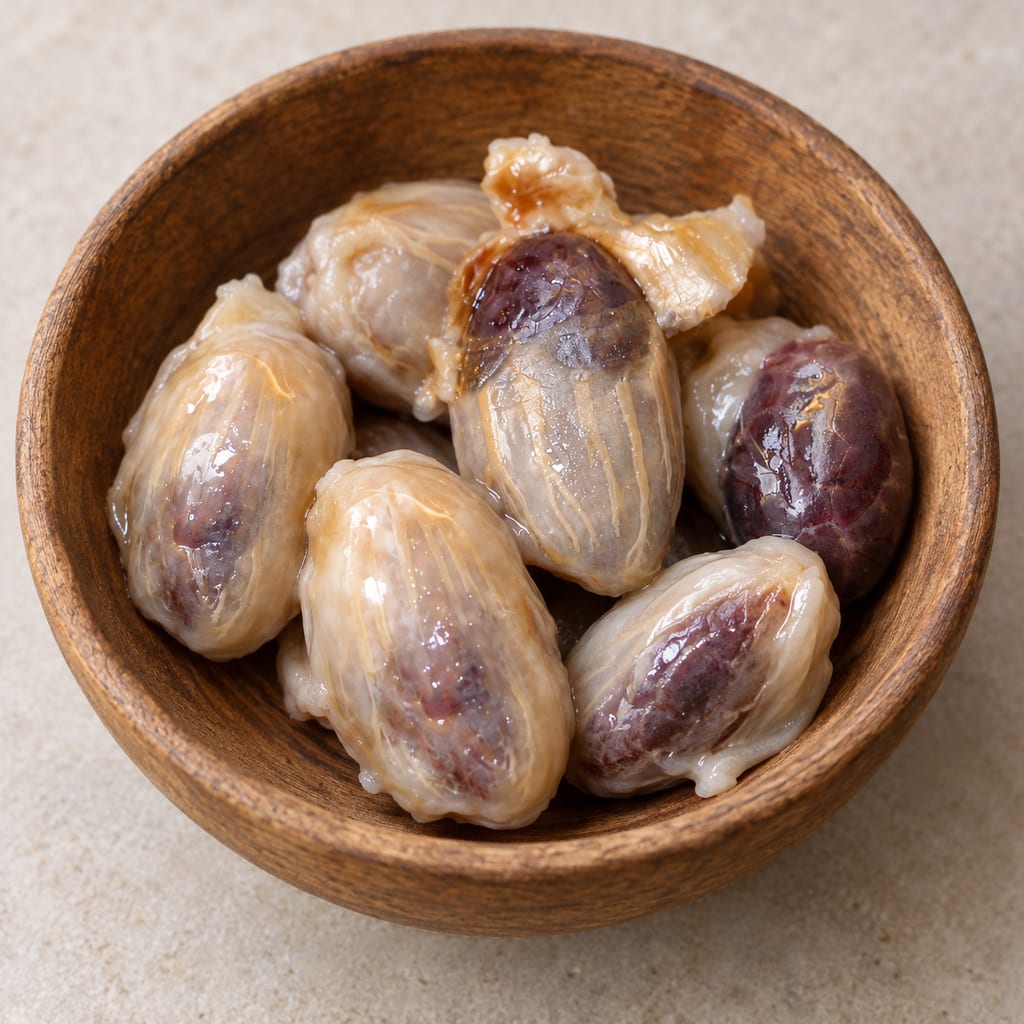
Fresh cocoa beans with pulp are cacao seeds newly removed from the pod while the sweet-acid white mucilage still clings to them. The seed-and-pulp mass is the starting material for post-harvest cocoa fermentation.
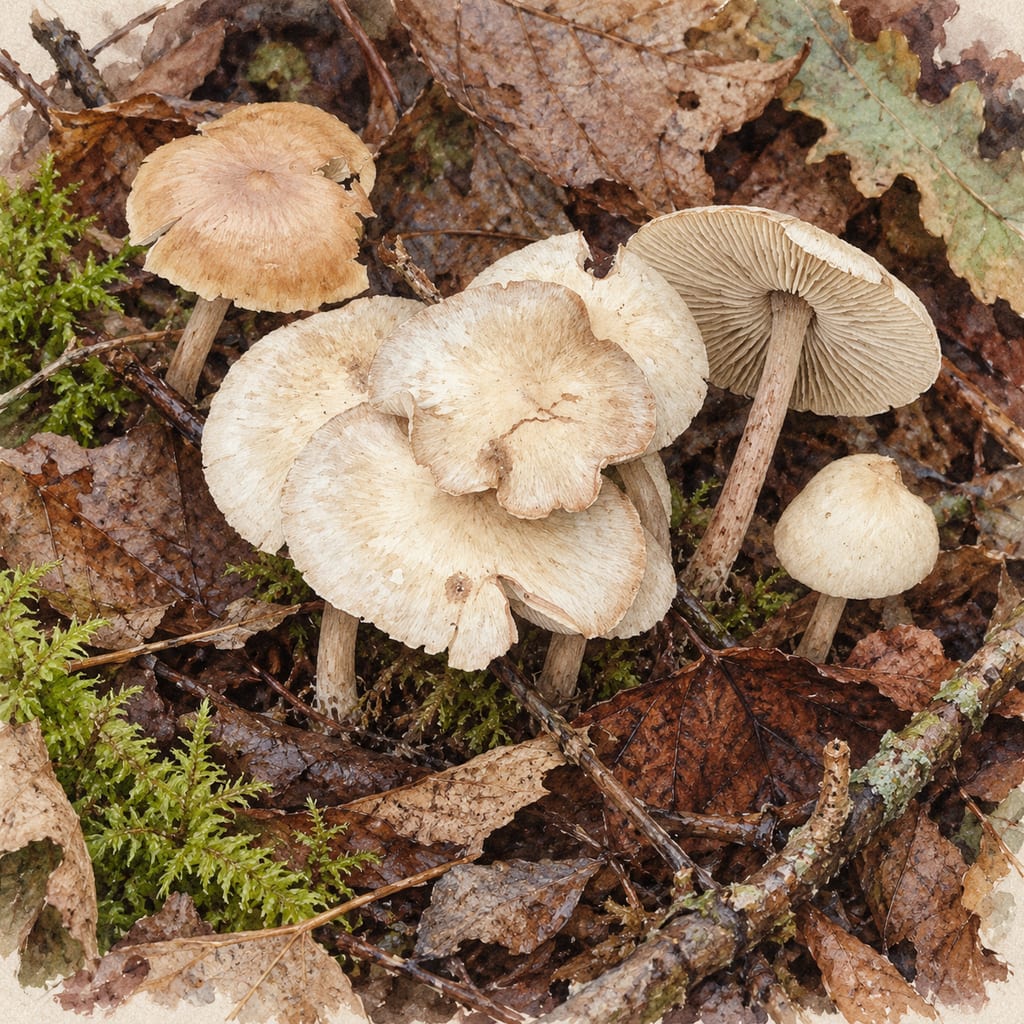
A clustering woodland agaric, now named Collybiopsis confluens, documented as eaten in one Mexican lake basin and listed as edible in older Hong Kong and Malawi checklists. Its food status varies by region.
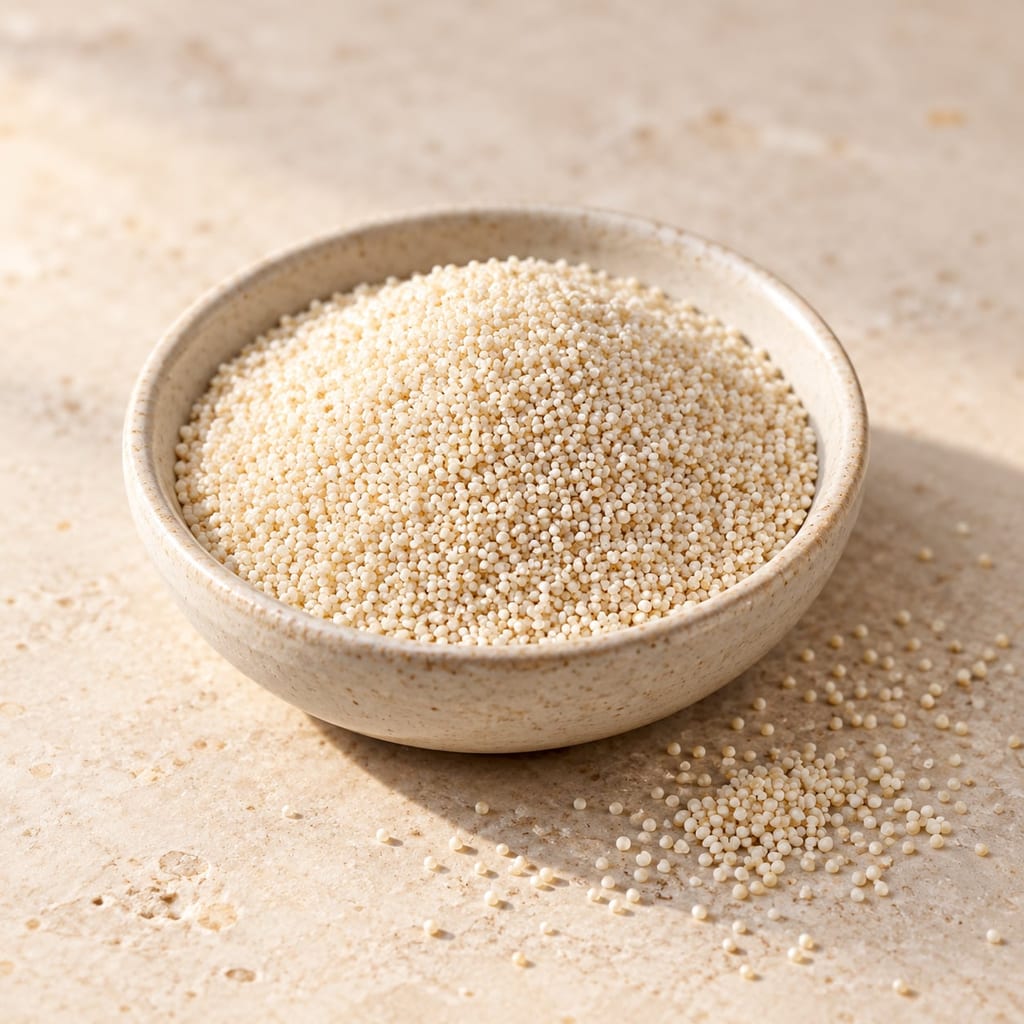
Fonio covers two distinct West African cereals: white fonio (Digitaria exilis) and black fonio (D. iburua). Both are eaten in cooked dishes; sources also document fermented drinks and controlled fonio fermentations.
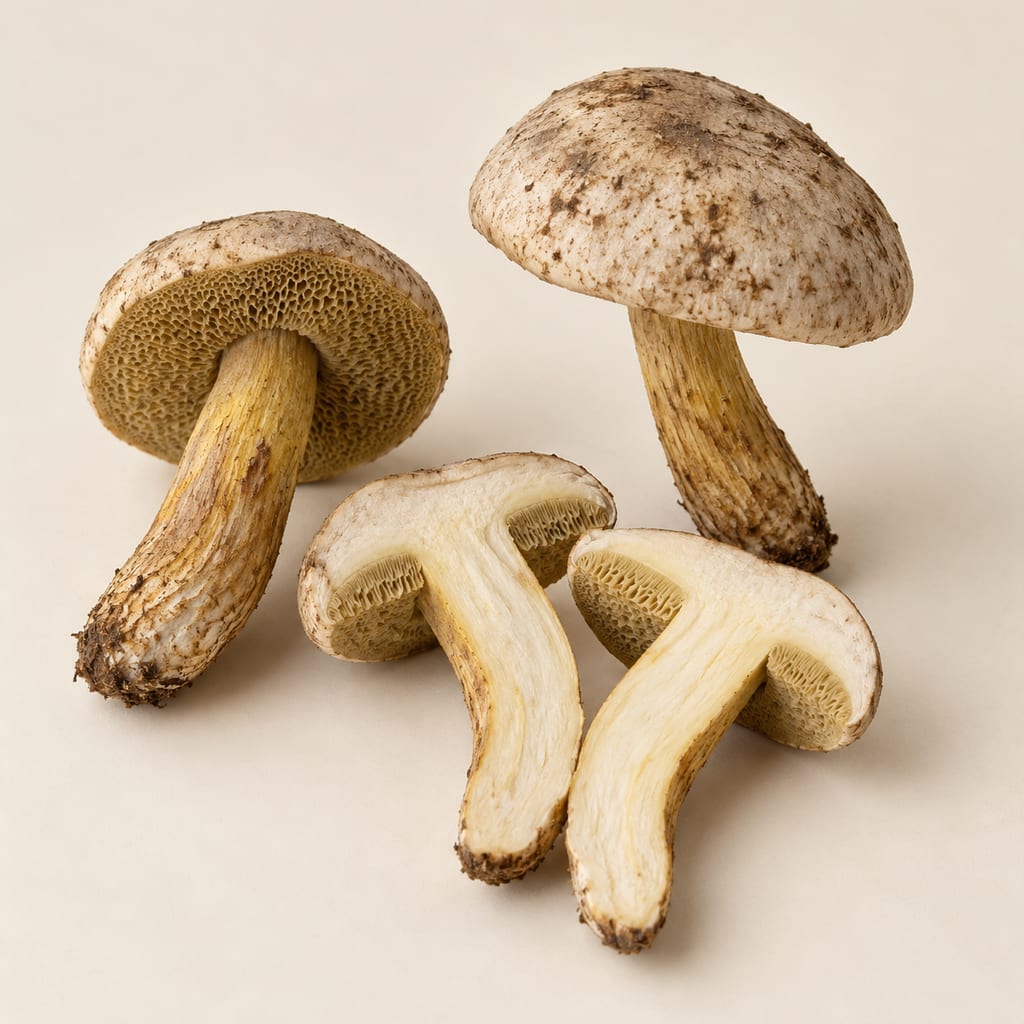
Boletinus grisellus, the gray larch bolete, is a bolete that grows under larch in China, Japan and eastern North America. Some references describe it as edible. No species-specific preparation is documented.
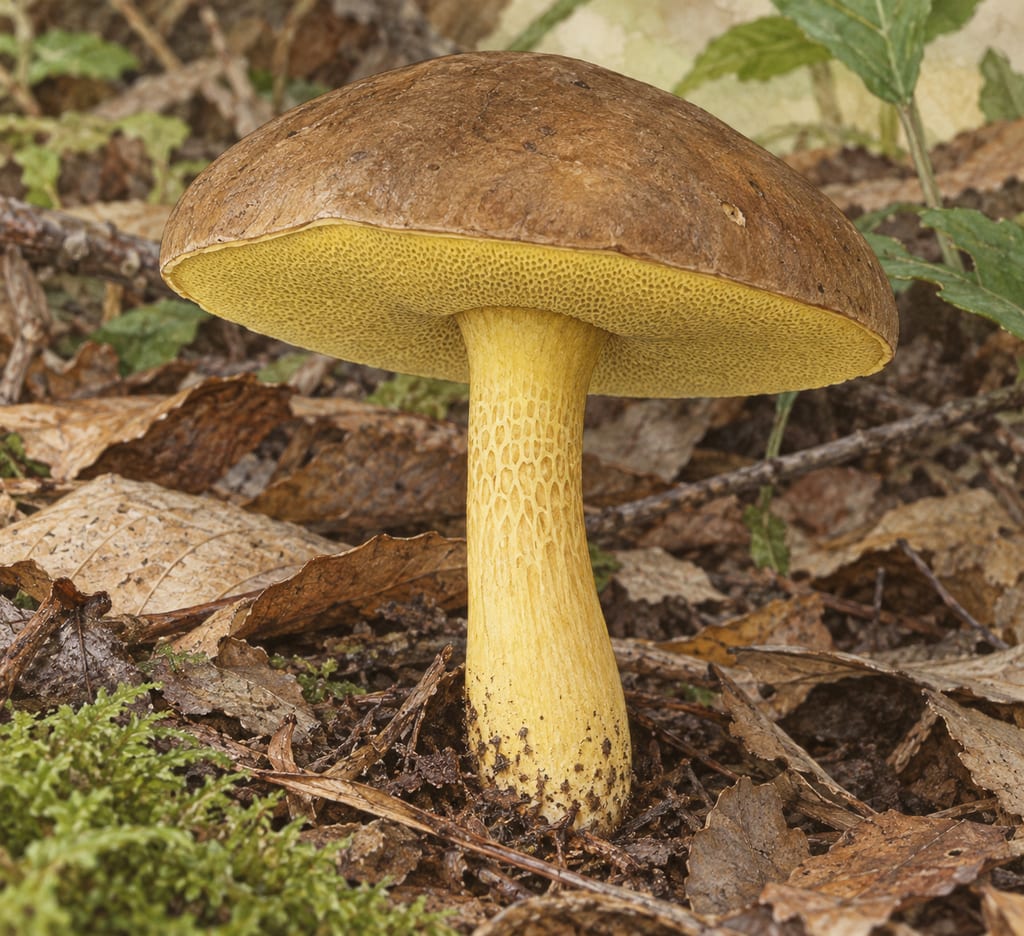
A butter bolete described from Yunnan, China, and reported as eaten by Yi people around Lijiang. Edibility is catalogue- and use-based, not an identification guide.
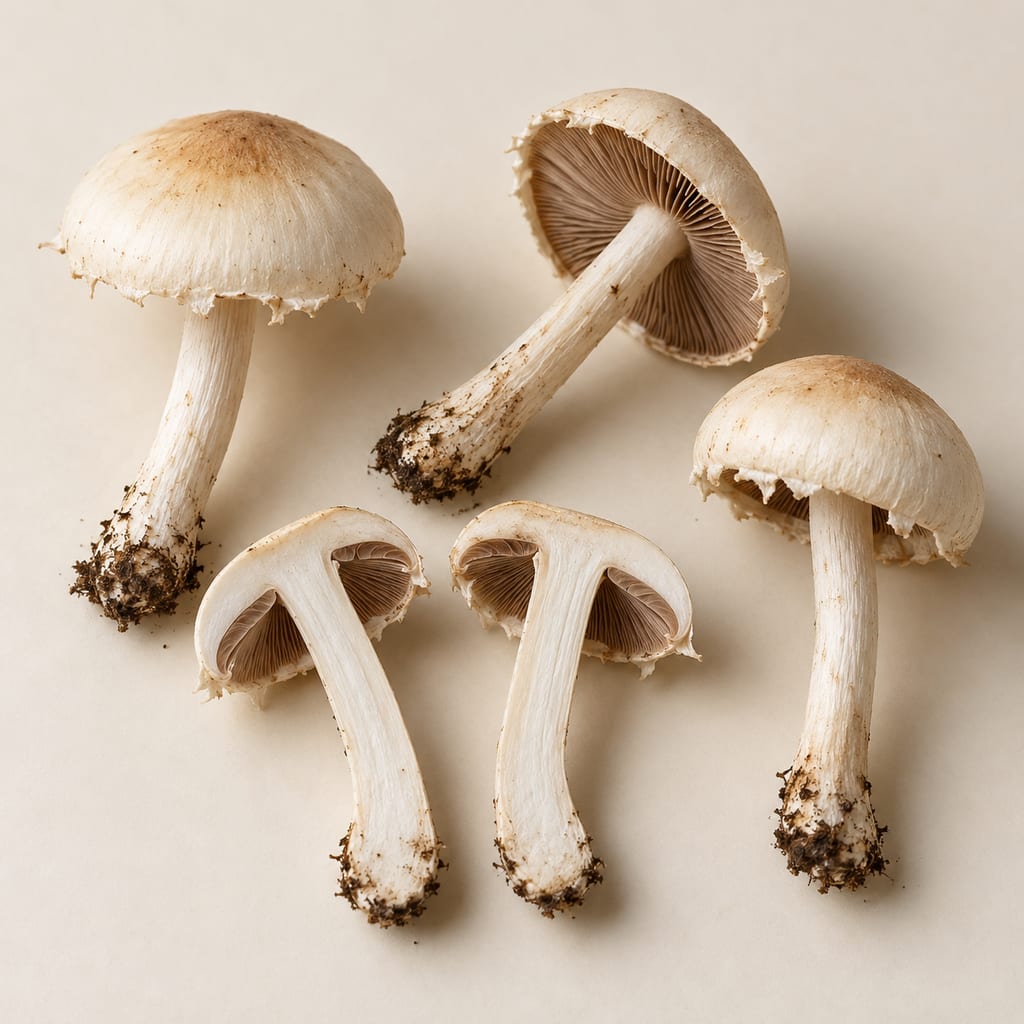
A grassland agaric listed as edible in historical and scientific catalogues for Hong Kong and China. Taxonomic concepts and practical food value vary; the listings do not establish safe identification or culinary practice.
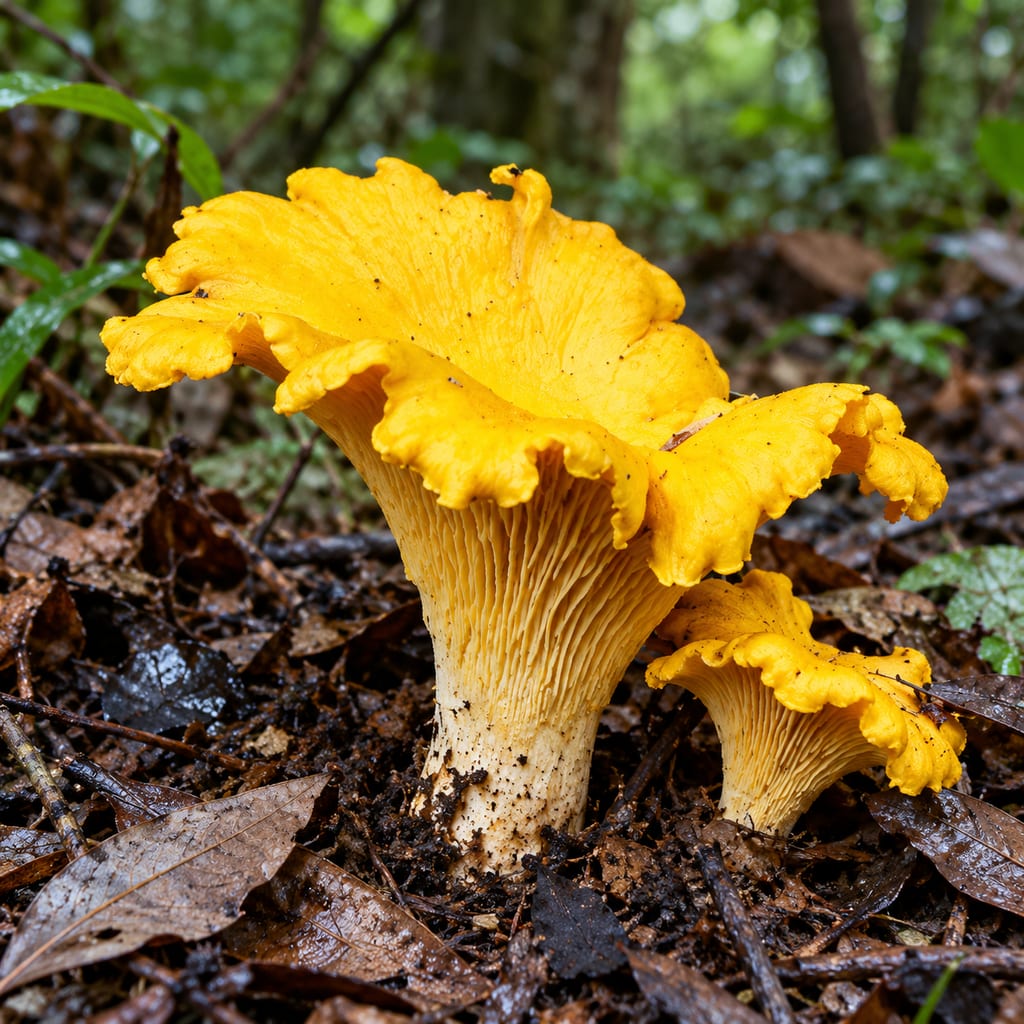
Cantharellus macrocarpus is a large yellow-orange chanterelle described from southern China in 2021. It is listed as edible in a national catalogue; no species-specific food study was found.
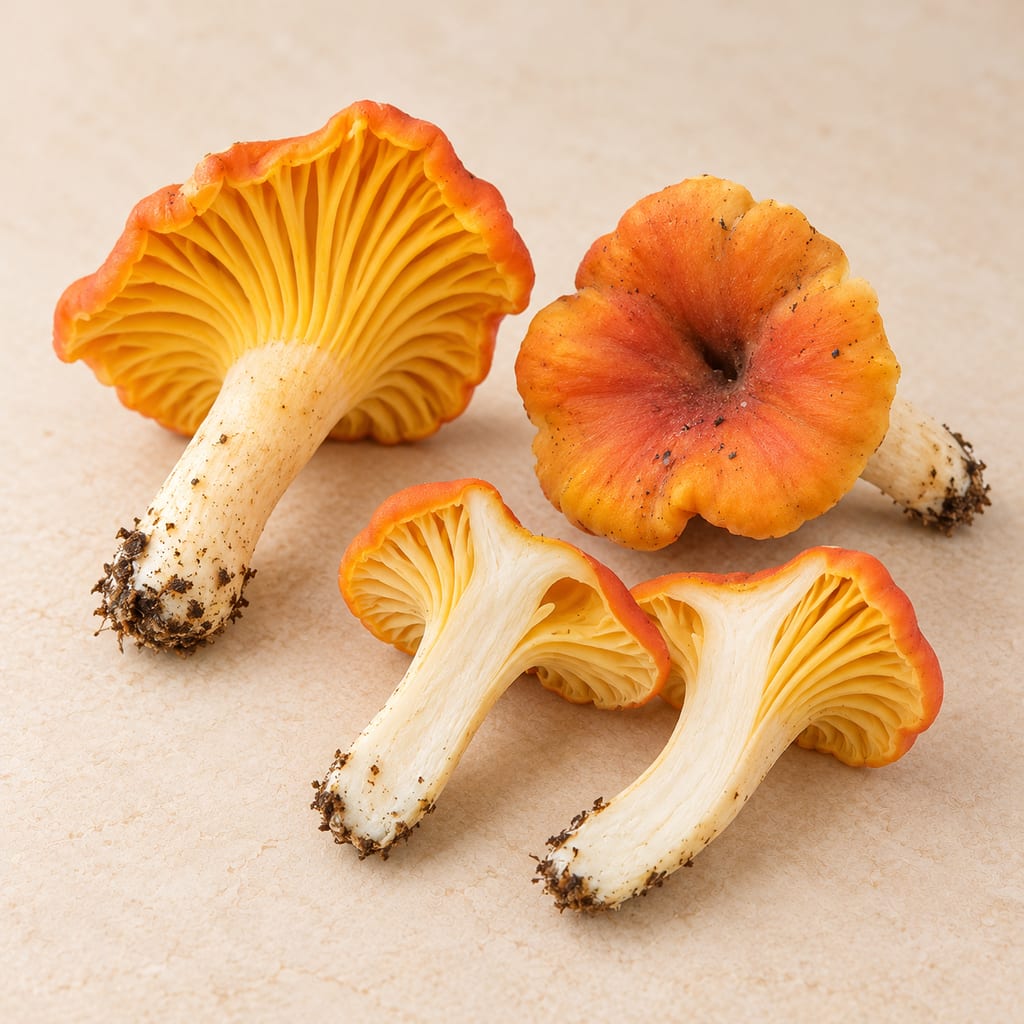
Cantharellus platyphyllus is a red-to-orange chanterelle of tropical African woodland, gathered and sold locally in several countries. Its edibility rests on local use and literature, not a species-level safety study.
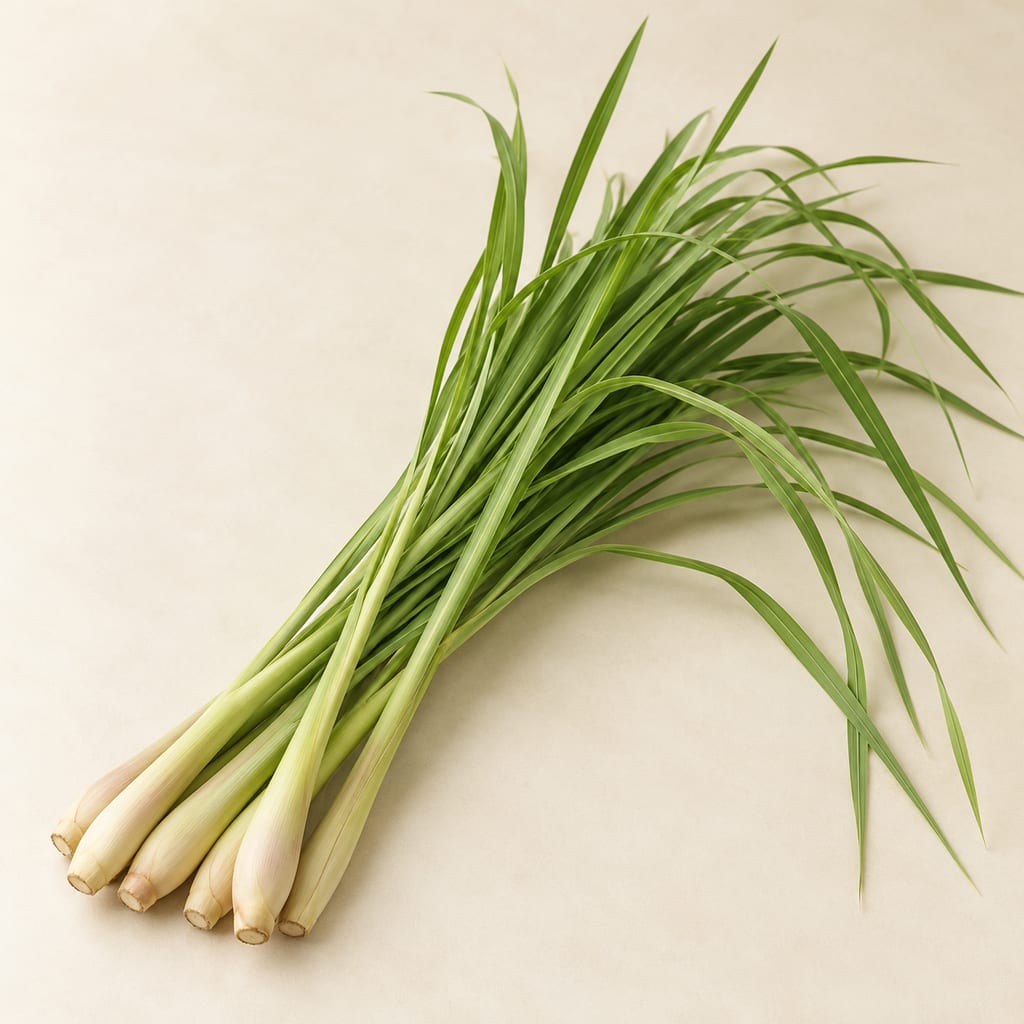
Lemongrass is Cymbopogon citratus, a tropical grass whose lemon-scented stalks and leaves flavour cooking across South and Southeast Asia. The common name also covers other Cymbopogon species.
A defined vegetable lactic acid bacteria culture is a chosen strain or blend added to a vegetable ferment. Its effect depends on the strain, the vegetable, the salt level and the process.
A defined Saccharomyces cerevisiae strain, 2Y48P22, was screened in 2010 for softening cassava in lafun experiments. It is an experimental candidate, not a household starter with a verified method.
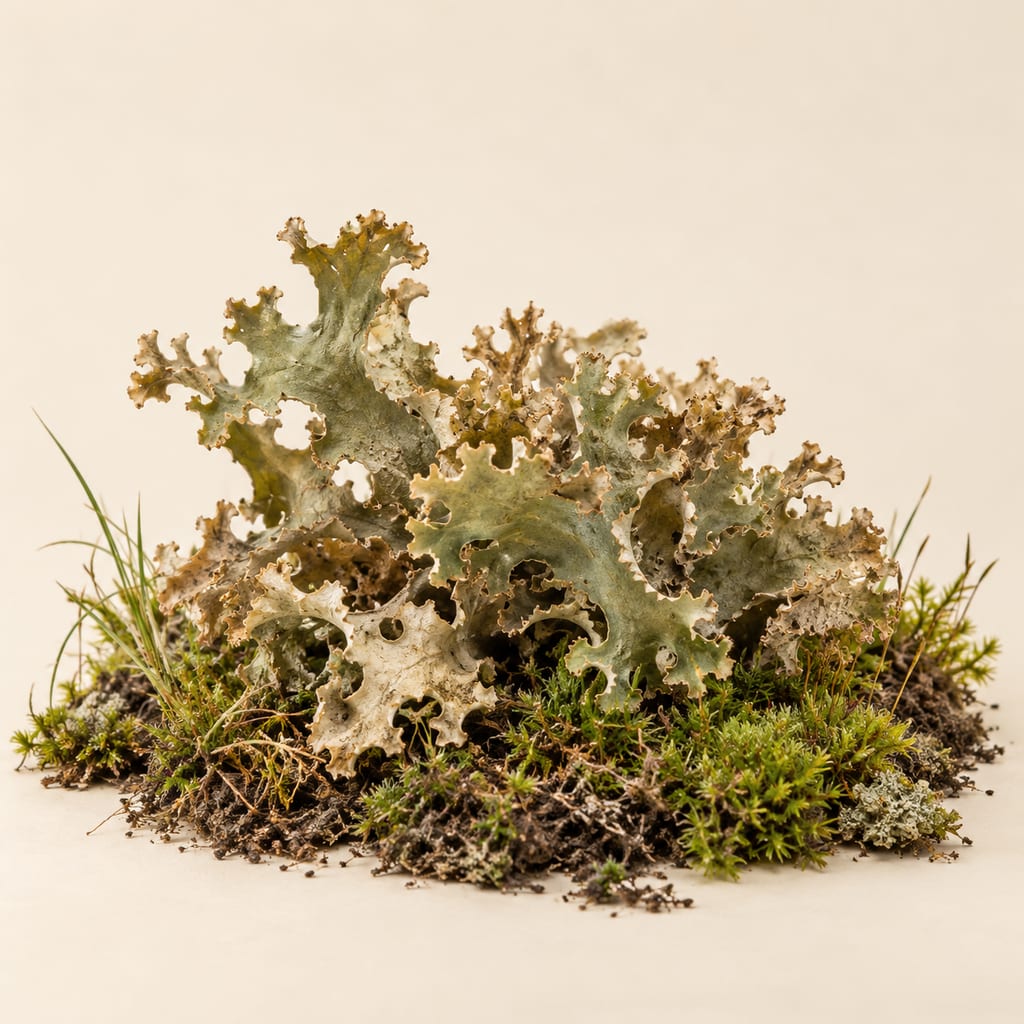
Iceland moss, Cetraria islandica, is an Arctic-alpine lichen, not a moss or a mushroom. It was boiled to remove its bitterness and used in breads, porridges and soups, and now survives mainly in folk remedies.
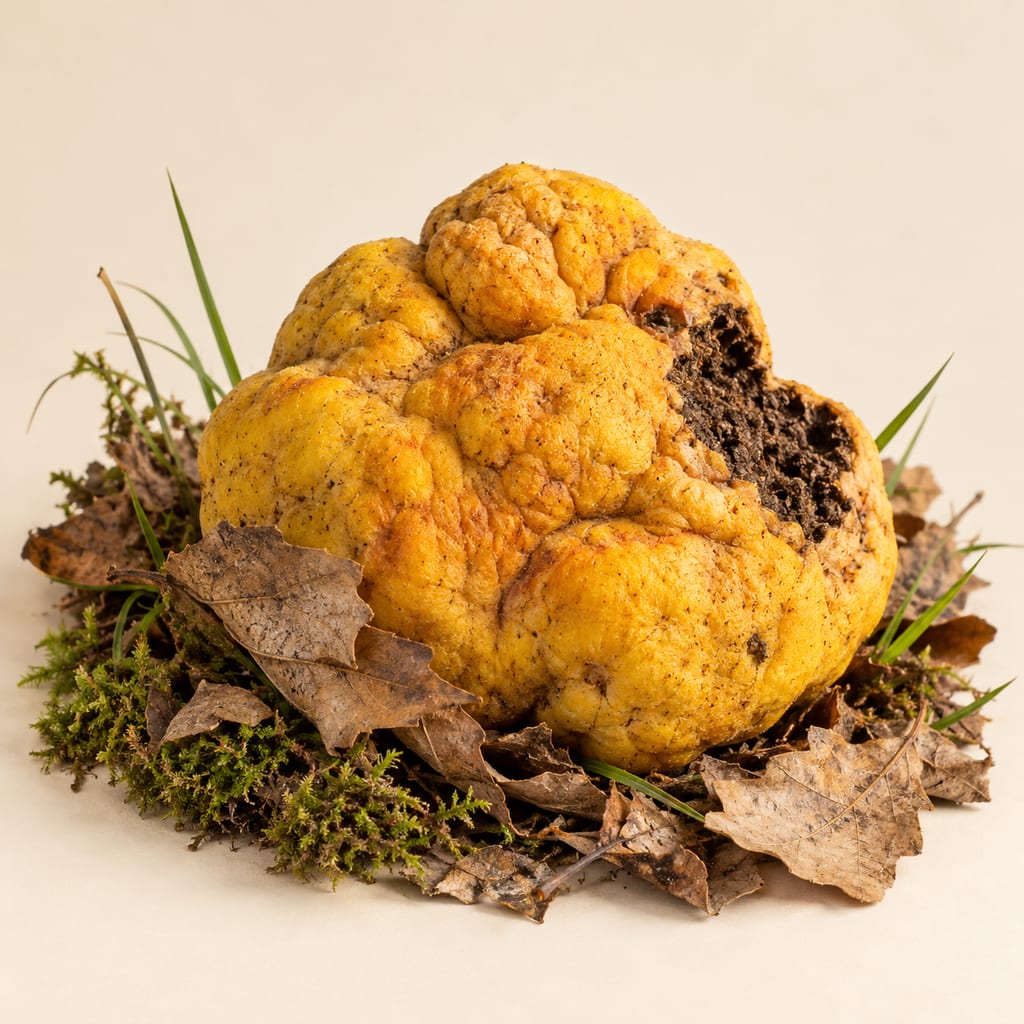
The African false truffle, Mackintoshia persica, is an ectomycorrhizal truffle-like fungus of miombo woodland in southern-central Africa. It is recorded as a regional edible, though its preparation is not documented.
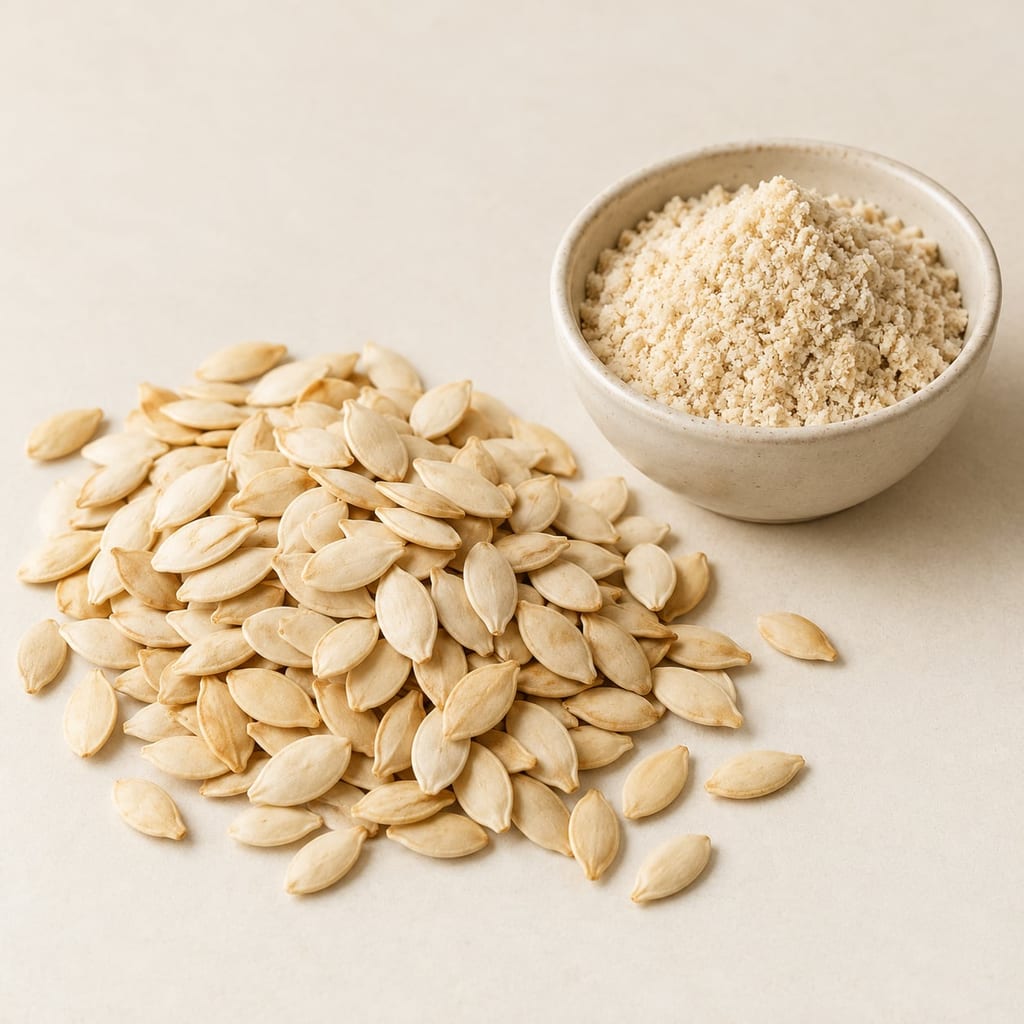
Melon seeds, called egusi in Nigeria and much of West Africa, are the seeds of several cucurbit species. They are ground into soup and cooked and fermented into the condiment ogiri-egusi.