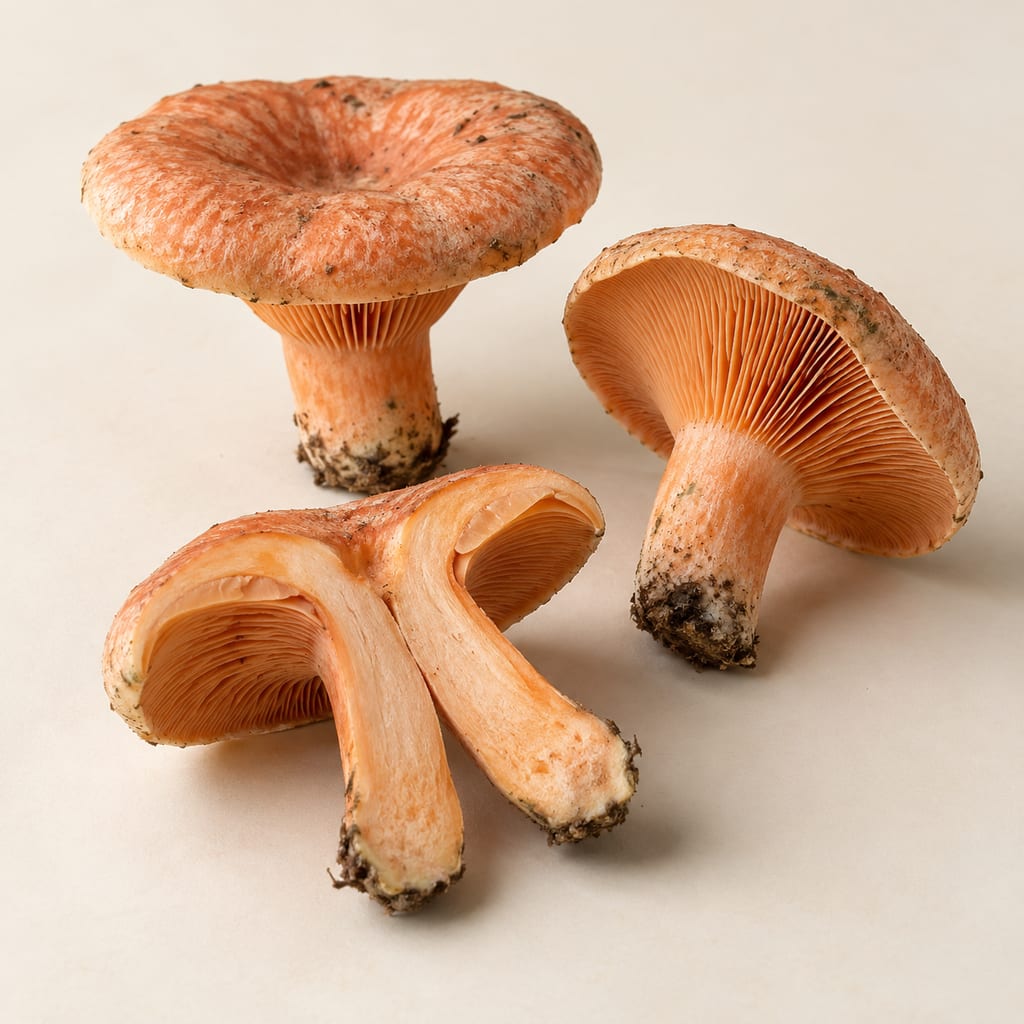
Akahatsu
Akahatsu, Lactarius akahatsu, is a wild milkcap of East Asian pine and mixed forests that is sold in Yunnan markets, with its edibility and identity still needing species-level review.
 FermenteaWhere food goes to change
Mushrooms
A butter bolete described from Yunnan, China, and reported as eaten by Yi people around Lijiang. Edibility is catalogue- and use-based, not an identification guide.
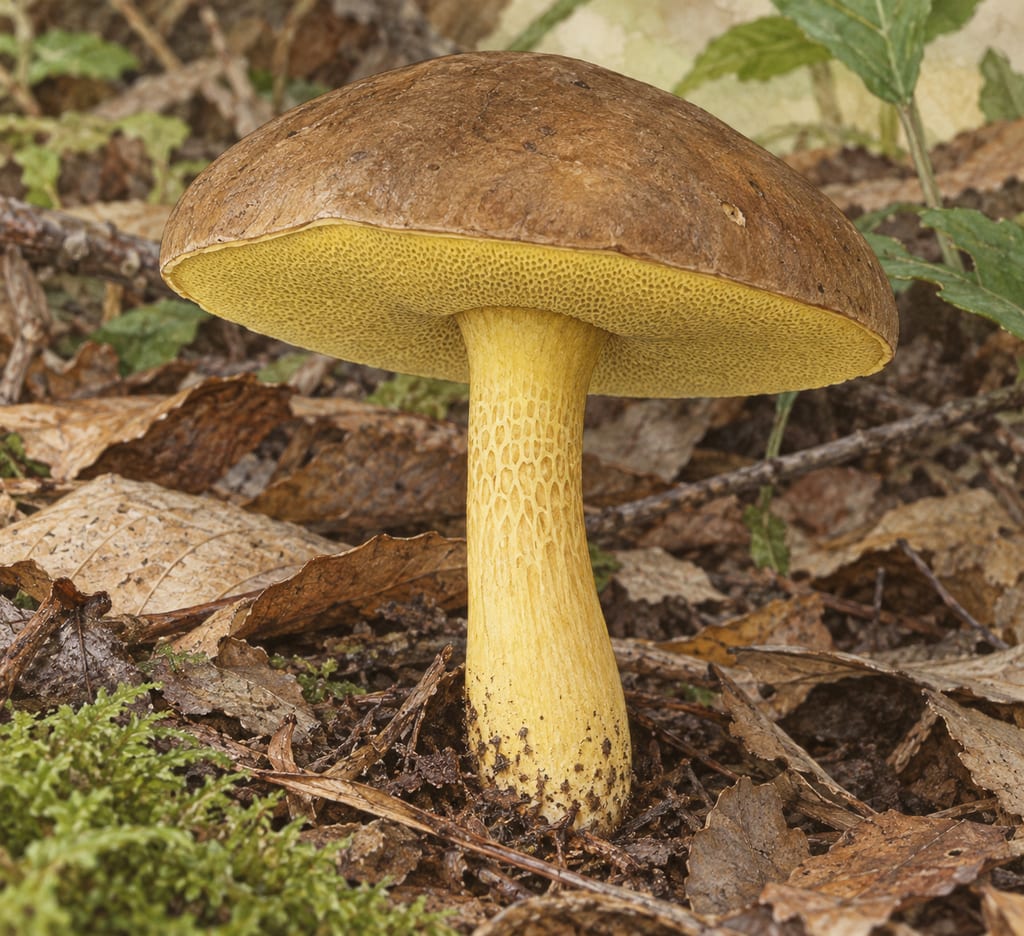
Butyriboletus yicibus was named by D. Arora and J.L. Frank in 2014, when the butter boletes were moved into the genus Butyriboletus as a molecularly and morphologically distinct group. The epithet joins Yi, for the Yi people of Yunnan, and the Latin cibus, food. The English name Yi butter bolete is a convenience name from a modern secondary page; it is not a verified local name. The 2026 Chinese catalogue uses 彝食黄肉牛肝菌.
Species Fungorum lists the name as accepted, and no synonym was found in the sources checked.
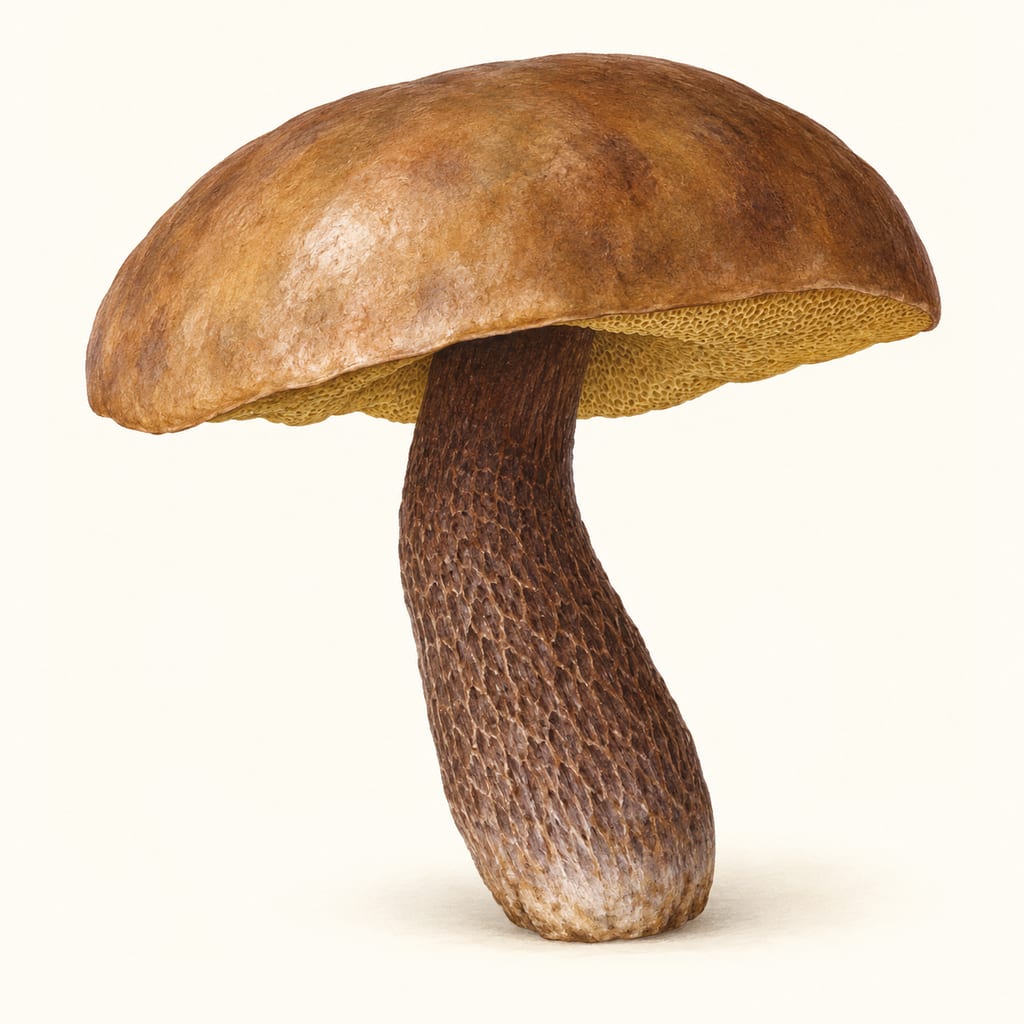
The protologue describes medium-sized fruitbodies with a brown cap, a yellow pore layer that usually bruises blue-grey, a slender yellow reticulate stem, and firm, mild flesh that may stain blue-grey slowly or unevenly.
The description separates it from the Yunnan species B. sanicibus by its more slender habit and blue-grey rather than blue staining, and from B. roseoflavus by the lack of red cap tones. These are scientific description features. They are not a field key, and a bruising reaction or a market label does not identify a specimen.
The type was collected on 3 August 1997 in Lijiang County, Yunnan, scattered in a Pinus yunnanensis forest on the road from Lijiang to Jade Dragon Snow Mountain. The protologue gives a July to September fruiting window. That is a reported window from the source, not a measured annual season for the region.
Later sequence studies cite further vouchers from Yulong, Yunnan. The original paper remains the clearest primary account of the type locality and habitat.
The food record rests on three things: the protologue's report of Yi use in Lijiang, the 2026 catalogue marking the species edible, and China CDC outbreak tables that list it as edible. The protologue examined one collection, and its attribution to Naxi and Bai people is explicitly tentative. The catalogue is a checklist, not a consumption study.
China CDC tables list B. yicibus with Neoboletus venenatus in mixed dried-bolete incidents. In a 2022 Hunan incident, two patients were reported, with no deaths. The tables record the co-occurrence and do not attribute illness to B. yicibus. The authors note that edible mushrooms can appear in incidents involving mixed mushrooms, contamination or individual susceptibility.
The sources do not give a safe preparation, a cooking time or a dose. An edible label, a blue reaction or a sold dried product does not establish that a given specimen is safe. Do not identify a wild bolete for eating from this page; several boletes have regional look-alikes with different toxicology.
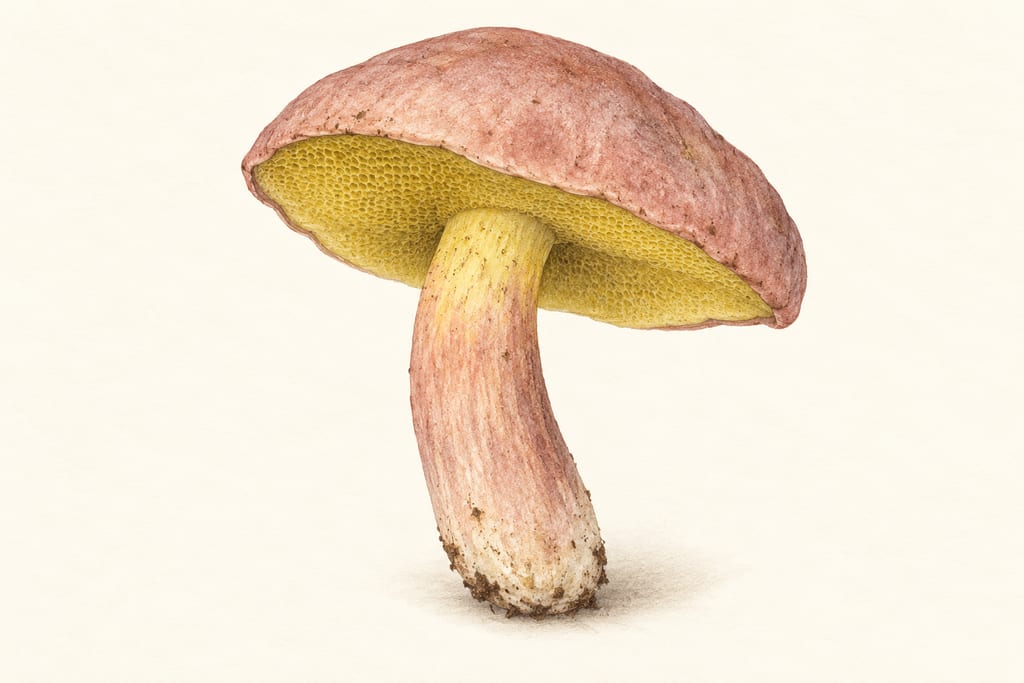
The public gallery includes a labelled photograph of the dried type voucher and four explicitly labelled comparisons from the same genus. Those comparison photos show different species, not B. yicibus. The hero is an original illustrative reconstruction based on the published description, not a photographed or identified specimen.
A source-linked contextual photograph from the protologue is retained in the gallery history, but its public thumbnail failed to render. Its published caption describes Yi women with B. yicibus and Lactarius sp. None of these images supports field identification or edibility.
Type collection locality in a Pinus yunnanensis forest. The protologue reports Yi use in Lijiang; Naxi and Bai attribution is stated as tentative.
Province-level record of the species and the catalogue entry. The protologue says the distribution is verified from Lijiang and may be wider; a wider range is not settled.
Akahatsu, Lactarius akahatsu, is a wild milkcap of East Asian pine and mixed forests that is sold in Yunnan markets, with its edibility and identity still needing species-level review.
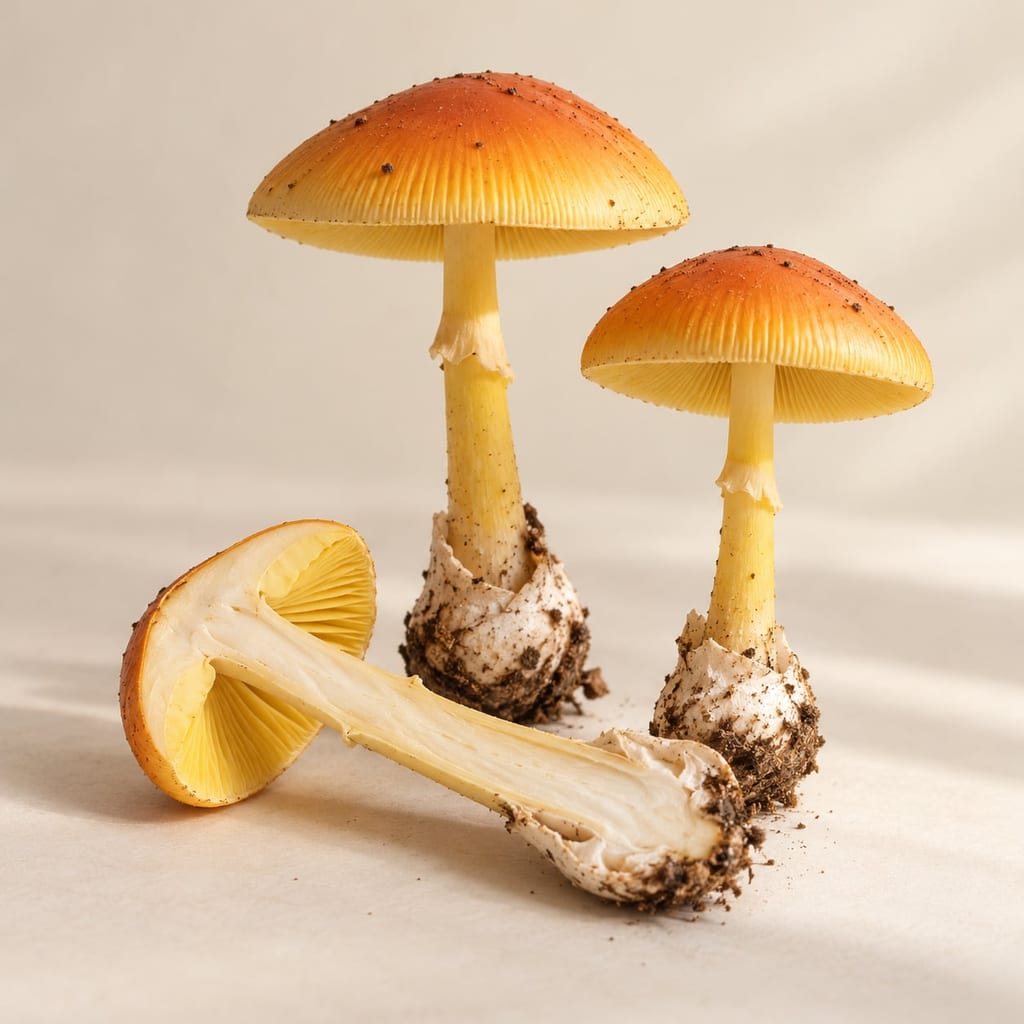
A wild Amanita of China, first reported there and listed as edible in a Yunnan ethnomycology study. The genus contains deadly species, so this page does not support identifying or eating it.
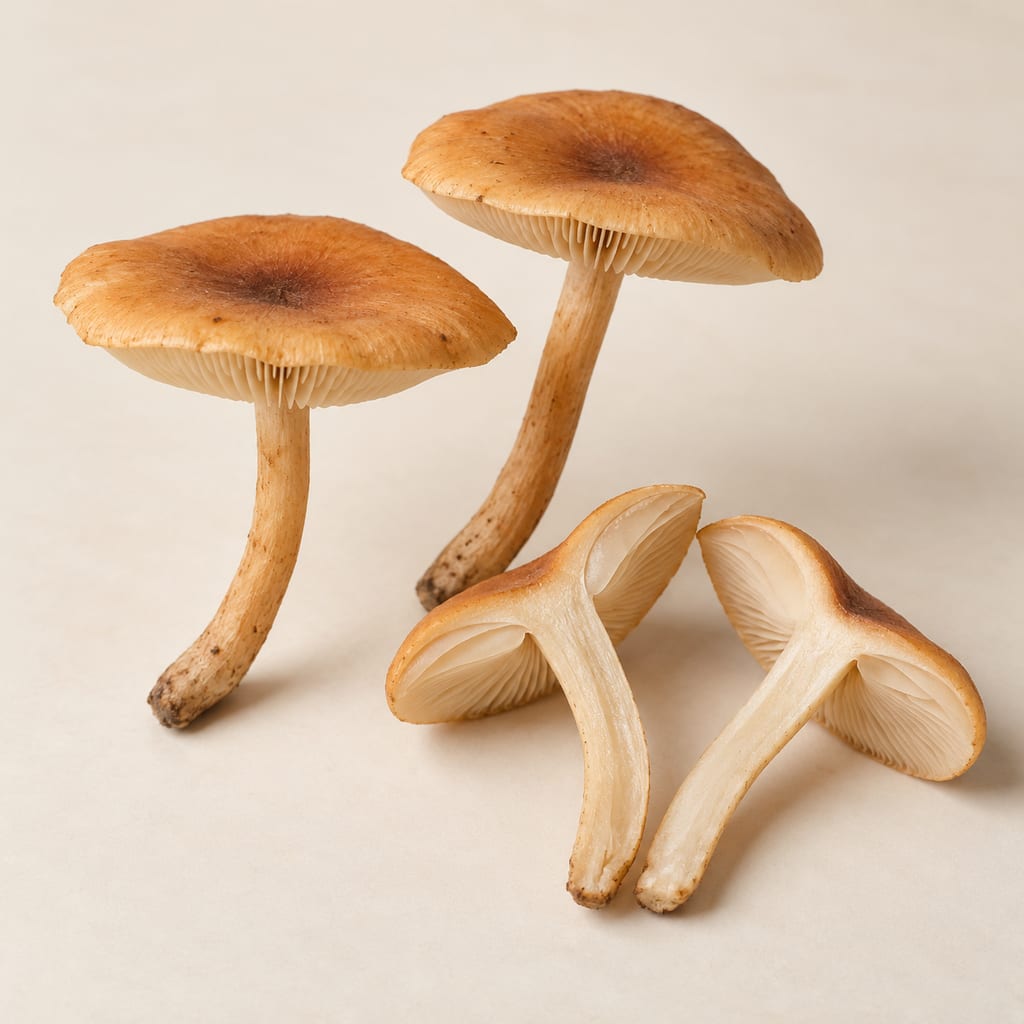
A wood-associated Armillaria recorded in Yunnan and Sichuan, China, and listed as edible in a 2026 Chinese catalogue.
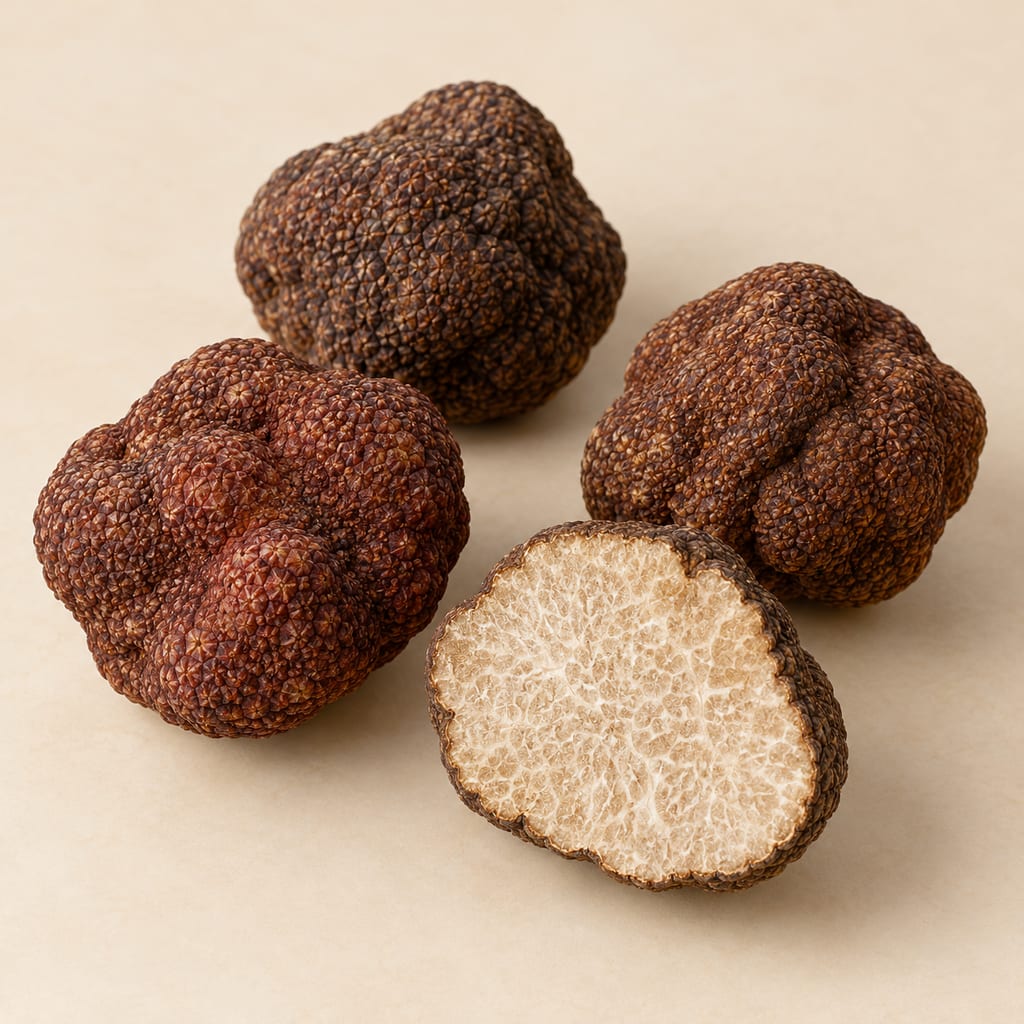
Tuber pseudohimalayense is a wild black truffle from Yunnan, China, listed as edible in a Chinese species catalogue. No independent assessment of its culinary use or safety is available.
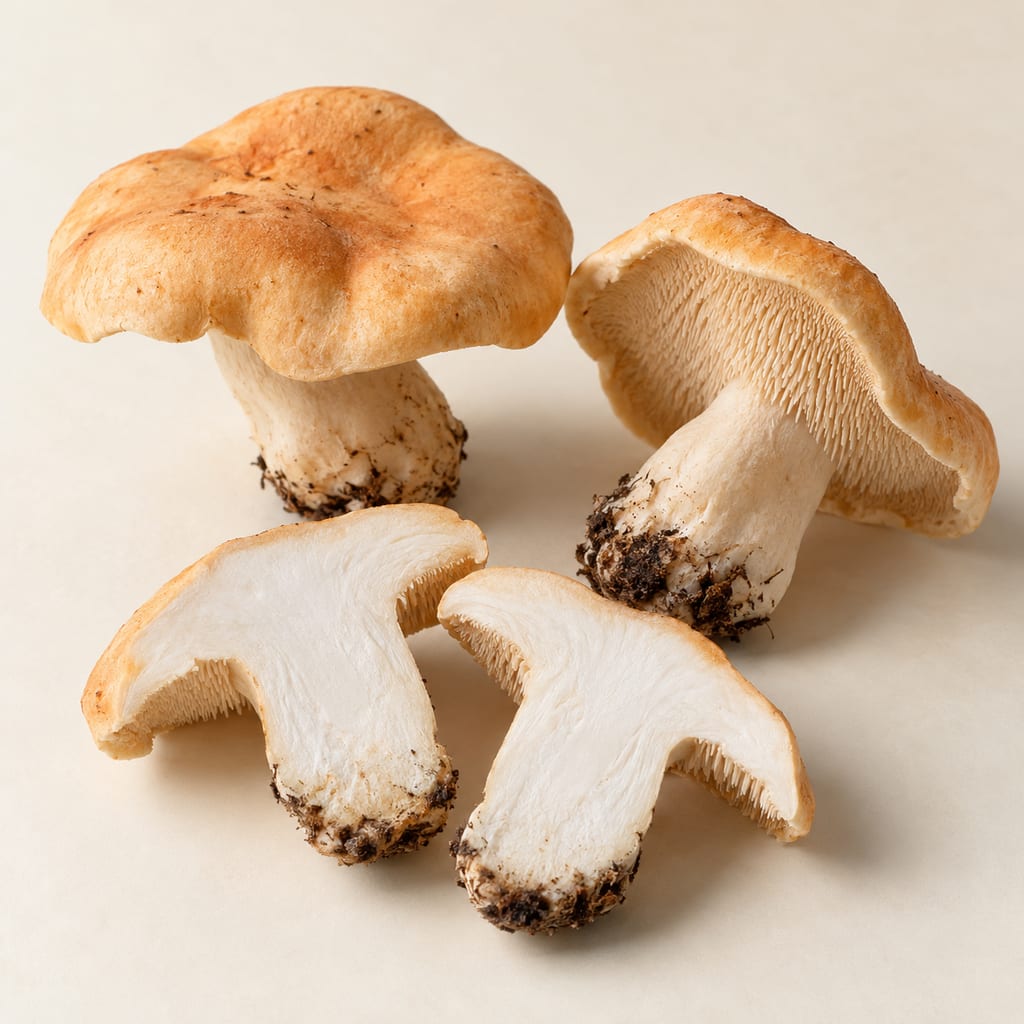
Hydnum berkeleyanum is a toothed, ectomycorrhizal forest fungus sold in food markets in Yunnan, China. Its regional identification is published, but its current name and local safety still need species-level review.
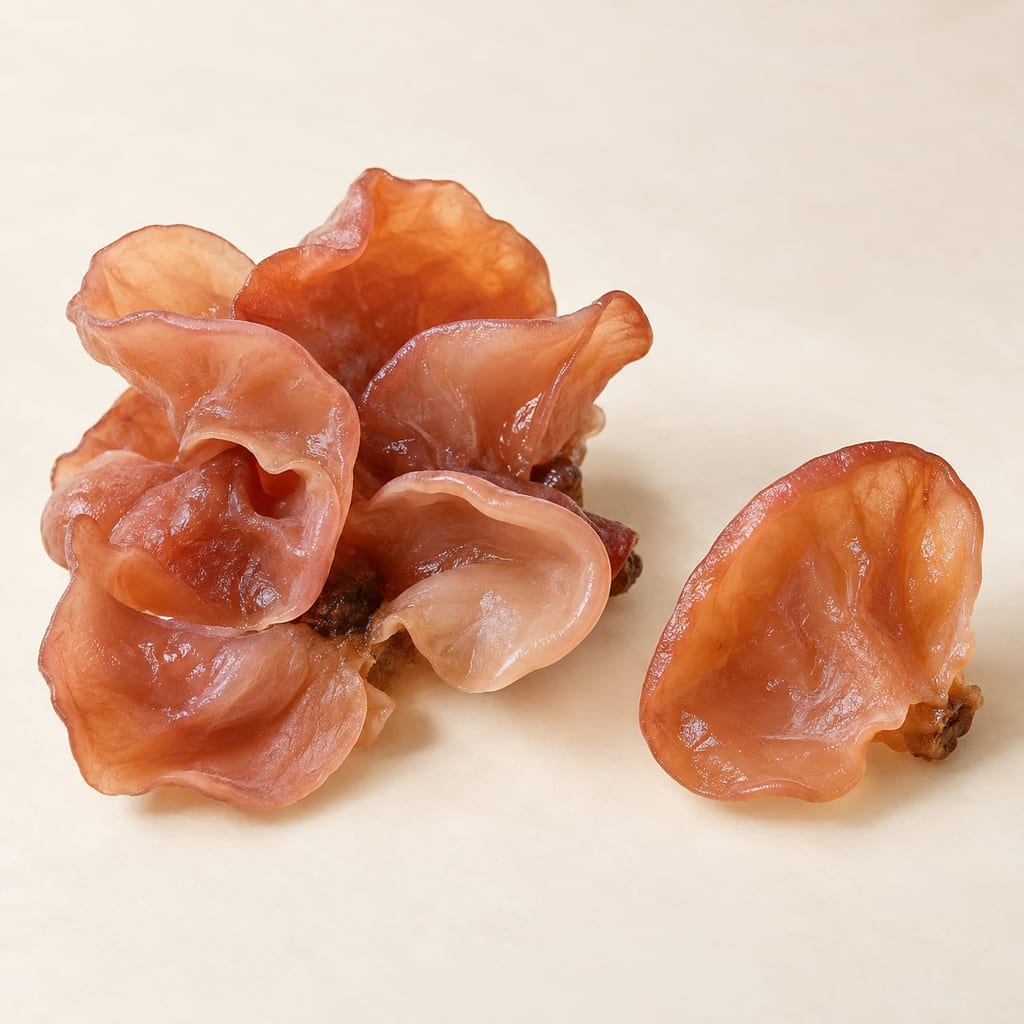
Auricularia thailandica is a thin, gelatinous wood ear described from Southeast Asian collections. Research reports it edible and experimentally cultivable, but species-specific recipes and everyday handling guidance are scarce.
A 2023 Chinese taxonomic treatment accepts Boletellus indistinctus as a species. A separate Yunnan market record uses this name, but its specimen identification and local food safety have not been confirmed here.
Boletus botryoides, the grape-coloured bolete, is a porcini-like wild bolete of central and south-western China. It is listed as edible in Chinese catalogues, but no dish or preparation is documented for it.
No community contributions have been published for this entry yet.
Sign in to contribute. Published comments and photos are free to read.
Mycologia 106(3): 464–480Identity · History · Habitat · Food use
Clarifying the butter Boletes: a new genus, Butyriboletus, is established to accommodate Boletus sect. Appendiculati, and six new species are describedGenus and species description; type Arora9727 from Lijiang County, Yunnan, 3 August 1997; Yi use reported in Lijiang, with Naxi and Bai attribution tentative; fruiting July to September
Cited in: What the name records; The fungus as described; Habitat and season; Images and gaps
Species FungorumIdentity
Species Fungorum: ButyriboletusButyriboletus yicibus listed as accepted
Cited in: What the name records
Mycosystema 45(1):25Food use
中国大型真菌食药用名录 [Catalogue of edible and medicinal macrofungi in China]Checklist marks B. yicibus as edible; not a detailed consumption study
Cited in: Food use and the limits of that claim
China CDC Weekly 5(3)Safety
Mushroom Poisoning Outbreaks—China, 2022Mixed Neoboletus venenatus and B. yicibus dried market-bolete incident in Hunan; co-occurrence only, no causation assigned to B. yicibus
Cited in: Food use and the limits of that claim
China CDC WeeklySafety
Mushroom Poisoning in China, 2019–2024: Data Listing Based on Annual Reports of the China CDCVisible table row lists B. yicibus as edible alongside N. venenatus; no further detail read
Cited in: Food use and the limits of that claim
MycoKeys 46Identity · Habitat
New and noteworthy boletes from subtropical and tropical ChinaLater sequence literature includes vouchers Arora9727, HKAS57503 and HKAS68010
Cited in: The fungus as described; Habitat and season