
Akahatsu
Akahatsu, Lactarius akahatsu, is a wild milkcap of East Asian pine and mixed forests that is sold in Yunnan markets, with its edibility and identity still needing species-level review.
 FermenteaWhere food goes to change
Other
A wild Amanita of China, first reported there and listed as edible in a Yunnan ethnomycology study. The genus contains deadly species, so this page does not support identifying or eating it.
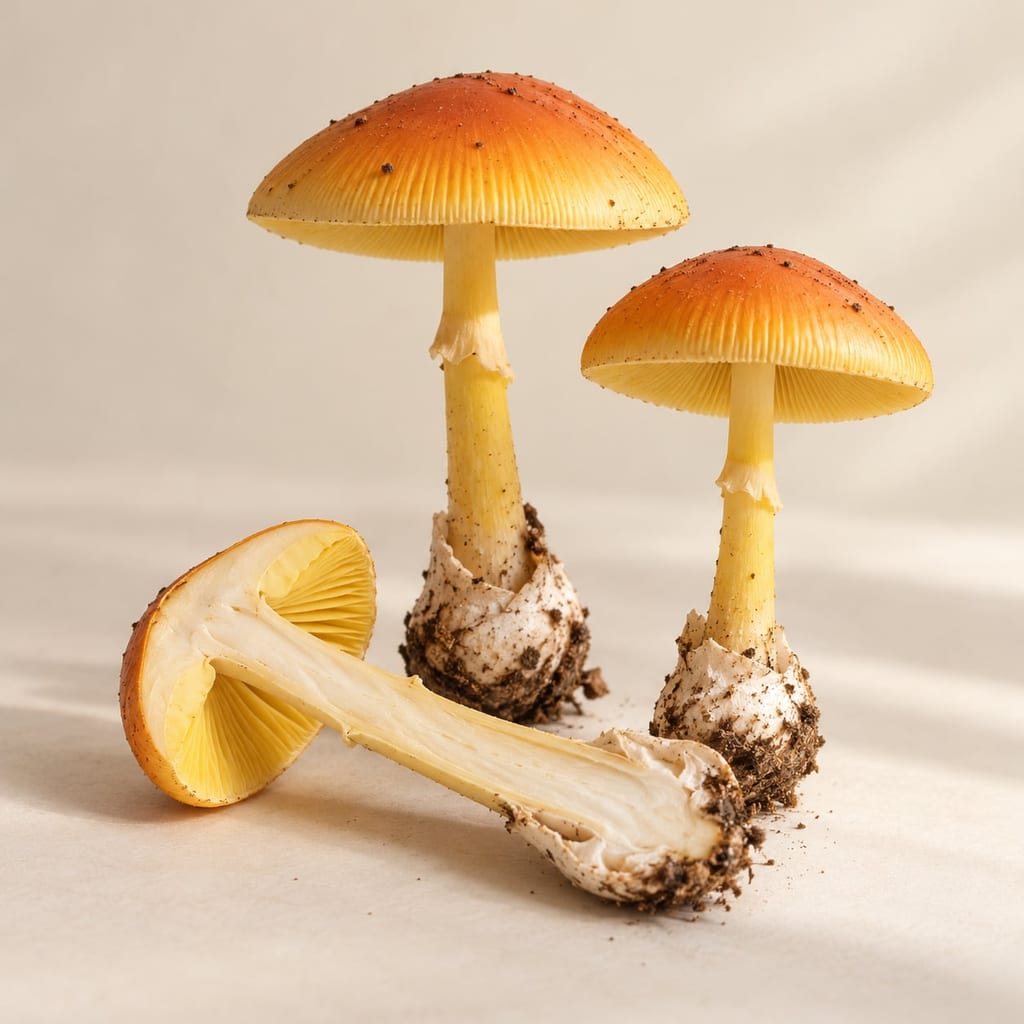
Amanita subhemibapha is a wild agaric in the family Amanitaceae. The Mushroom Research Foundation reports it as originally described from China. It is distinguished from A. hemibapha by a lighter, yellowish cap and broader spores.
The 2023 Thai survey places the species in Amanita section Caesareae, the group that includes Caesar's mushroom. The species is easily confused with A. hemibapha, A. javanica and A. kitamagotake.
A Yunnan ethnomycology study of wild mushrooms in Pu'er Prefecture lists A. subhemibapha as edible, with a voucher specimen (HKAS-122503). The same study marks A. caojizong and A. subhemibapha as edible in its table. The sources reviewed do not describe local culinary use, preparation, market prevalence or toxicity data for this species.
A 2023 survey in northern Thailand identified specimens as this species and reported on their nutritional value. It did not establish an edibility profile for China.
The genus Amanita includes some of the most lethal mushrooms known. A listing as edible in a survey does not make a specimen safe to eat, and the sources reviewed say that identification must be confirmed by an expert.
Amanita subhemibapha is easily confused with deadly lookalikes in the same region. Do not collect or eat any Amanita on the basis of this page, a photograph, a common name or a catalogue entry.
Voucher specimen from Pu'er Prefecture recorded as edible in the Yunnan survey; no village or market is named.
Country of original report, per the Mushroom Research Foundation.
Akahatsu, Lactarius akahatsu, is a wild milkcap of East Asian pine and mixed forests that is sold in Yunnan markets, with its edibility and identity still needing species-level review.
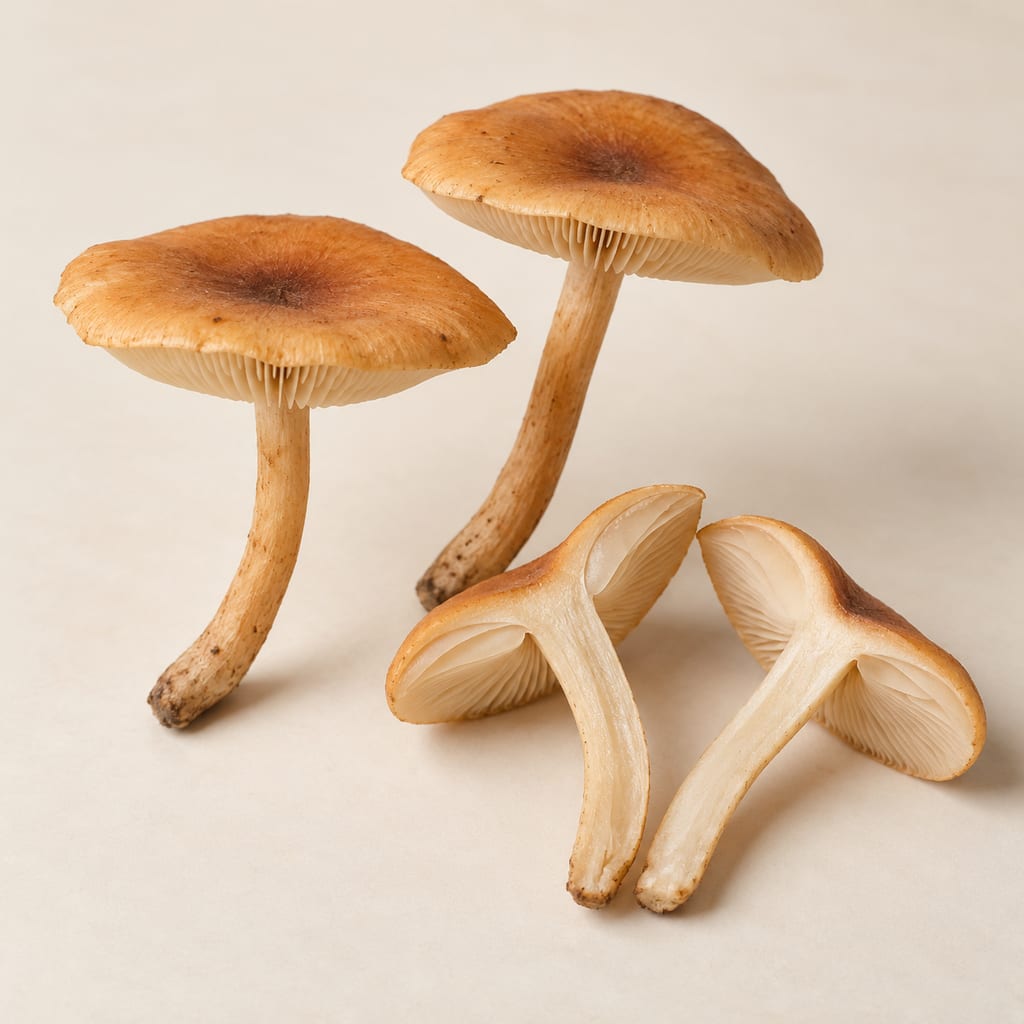
A wood-associated Armillaria recorded in Yunnan and Sichuan, China, and listed as edible in a 2026 Chinese catalogue.
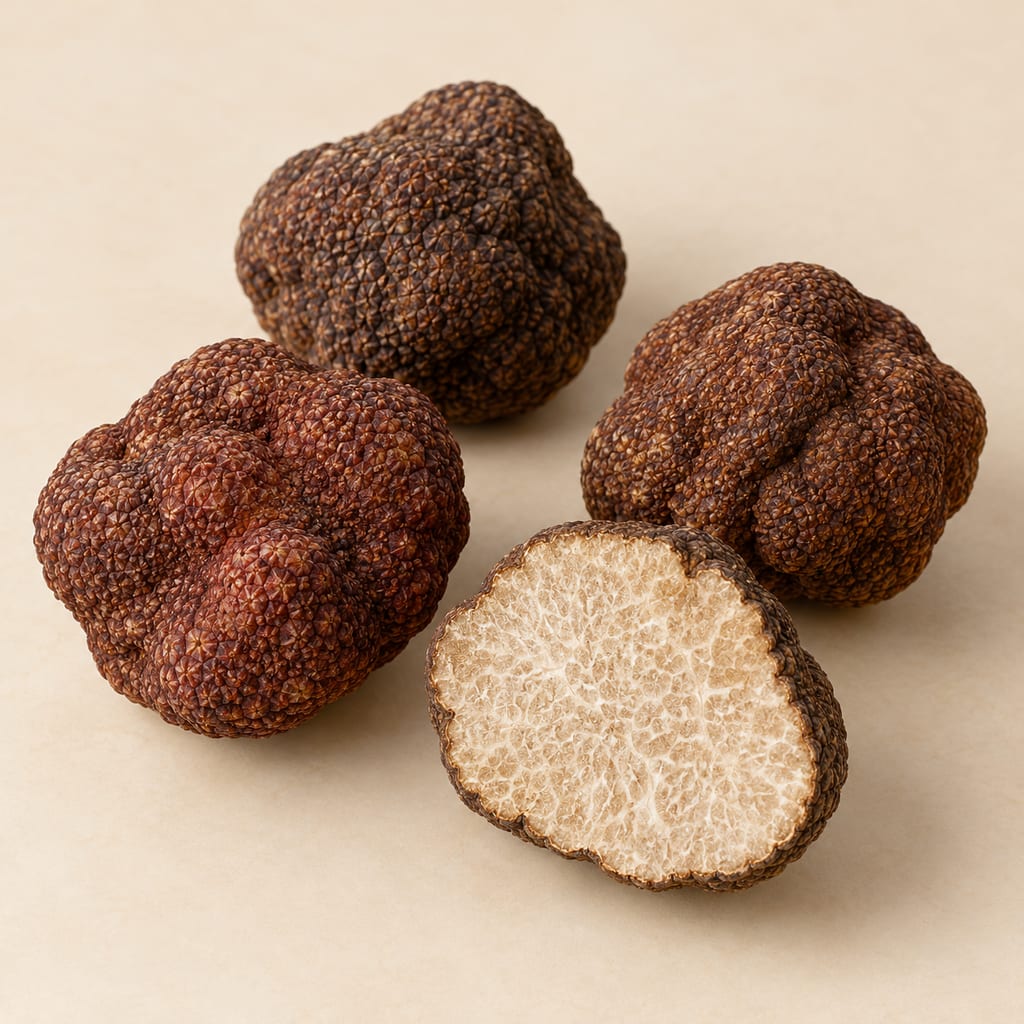
Tuber pseudohimalayense is a wild black truffle from Yunnan, China, listed as edible in a Chinese species catalogue. No independent assessment of its culinary use or safety is available.
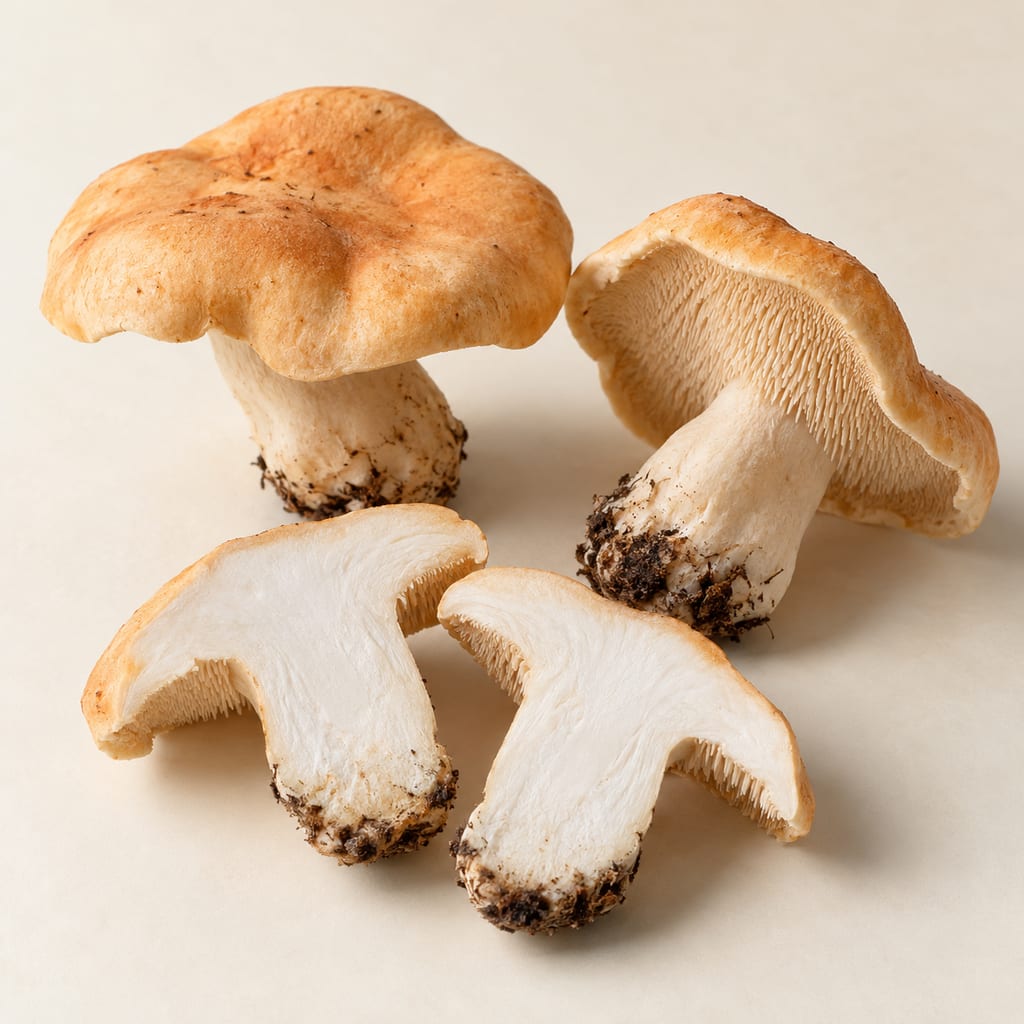
Hydnum berkeleyanum is a toothed, ectomycorrhizal forest fungus sold in food markets in Yunnan, China. Its regional identification is published, but its current name and local safety still need species-level review.
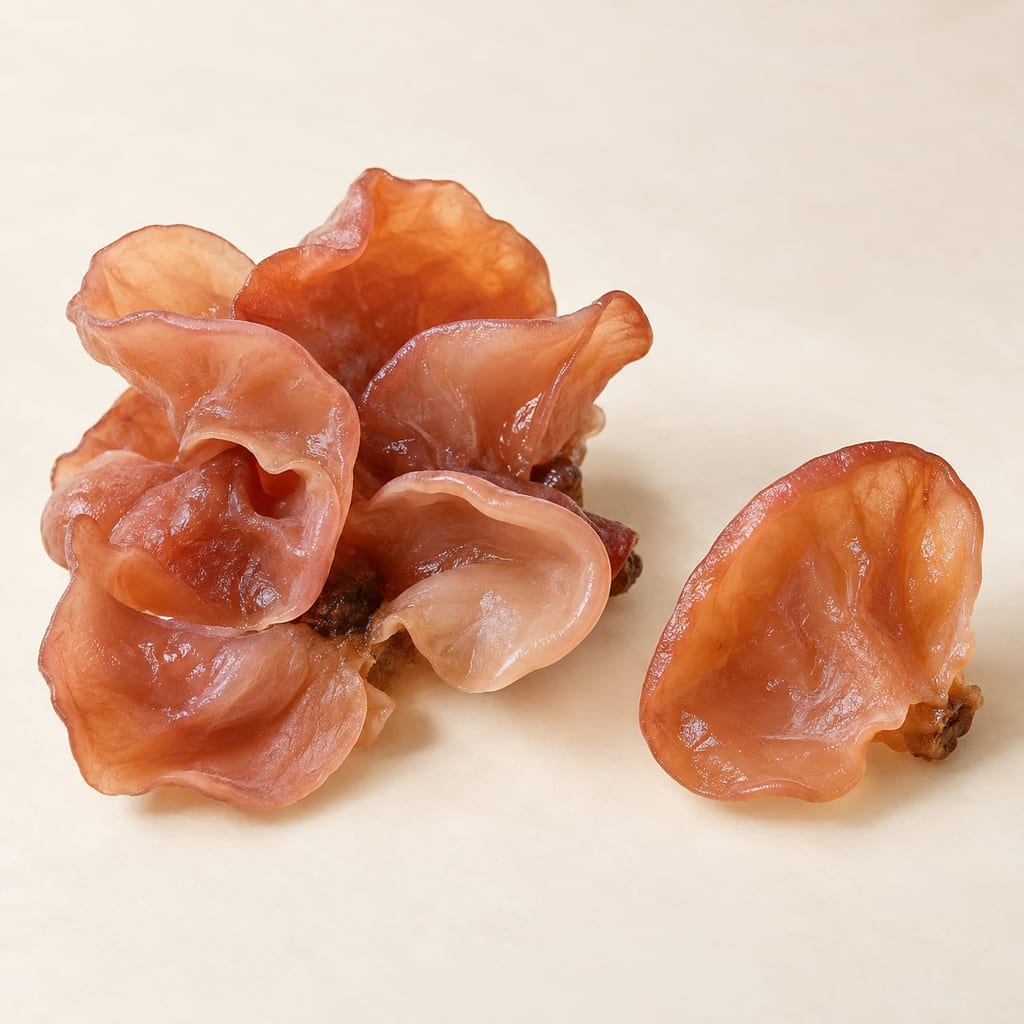
Auricularia thailandica is a thin, gelatinous wood ear described from Southeast Asian collections. Research reports it edible and experimentally cultivable, but species-specific recipes and everyday handling guidance are scarce.
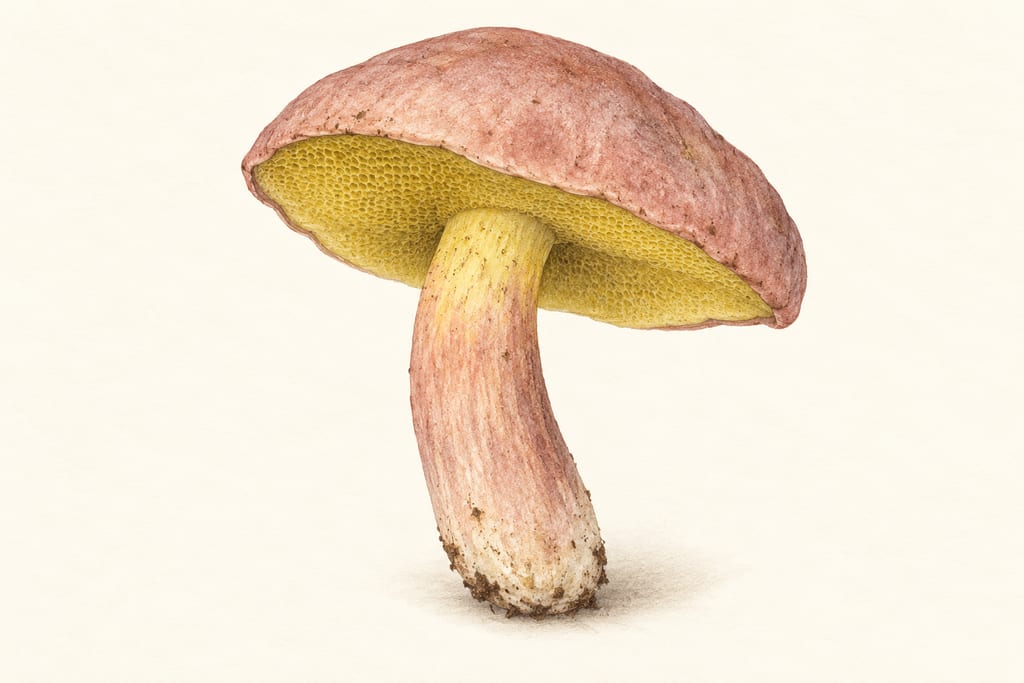
A 2023 Chinese taxonomic treatment accepts Boletellus indistinctus as a species. A separate Yunnan market record uses this name, but its specimen identification and local food safety have not been confirmed here.
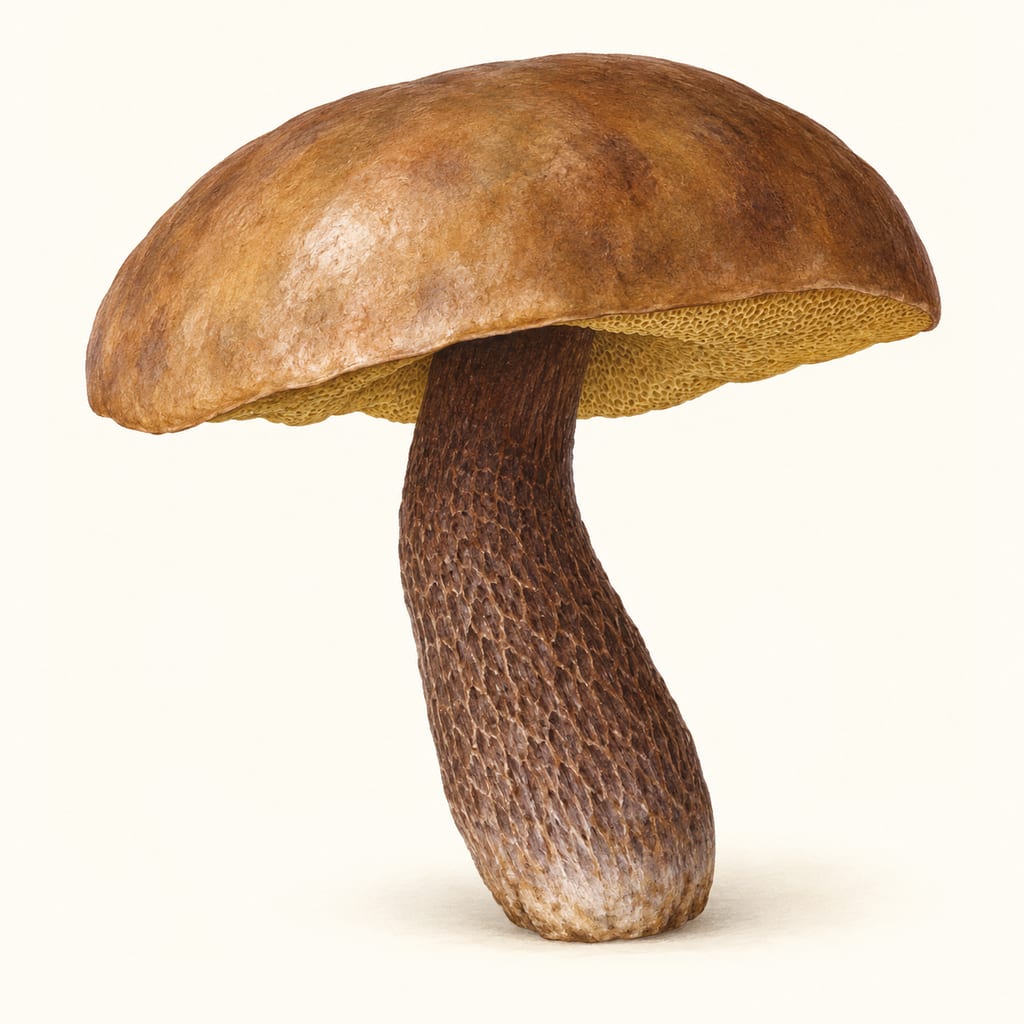
Boletus botryoides, the grape-coloured bolete, is a porcini-like wild bolete of central and south-western China. It is listed as edible in Chinese catalogues, but no dish or preparation is documented for it.
B. shiyong is a Yunnan bolete identified in a 2014 study of dried Chinese porcini sold commercially; a 2018 review also reports local collection and consumption, but neither gives a species-specific preparation or safety assessment.
No community contributions have been published for this entry yet.
Sign in to contribute. Published comments and photos are free to read.
Mushroom Research Foundation (GMS Mushrooms)Identity · Safety
Amanita subhemibaphaOriginally reported from China
Lighter yellowish pileus and broader spores distinguish it from A. hemibapha
Confusion with A. hemibapha, A. javanica and A. kitamagotake
Cited in: What the species is; Safety and identification
Journal of Ethnobiology and EthnomedicineFood use
Ethnomycological study on wild mushrooms in Pu'er Prefecture, Southwest Yunnan, China, table 4A. subhemibapha recorded as edible, voucher HKAS-122503
Cited in: Food use; Safety and identification
Frontiers in Plant ScienceIdentity · Nutrition
Frontiers in Plant Science, 2023 article on northern Thailand Amanita specimensSpecimens identified as this species; nutritional value reported; no China-specific edibility profile
Cited in: Food use