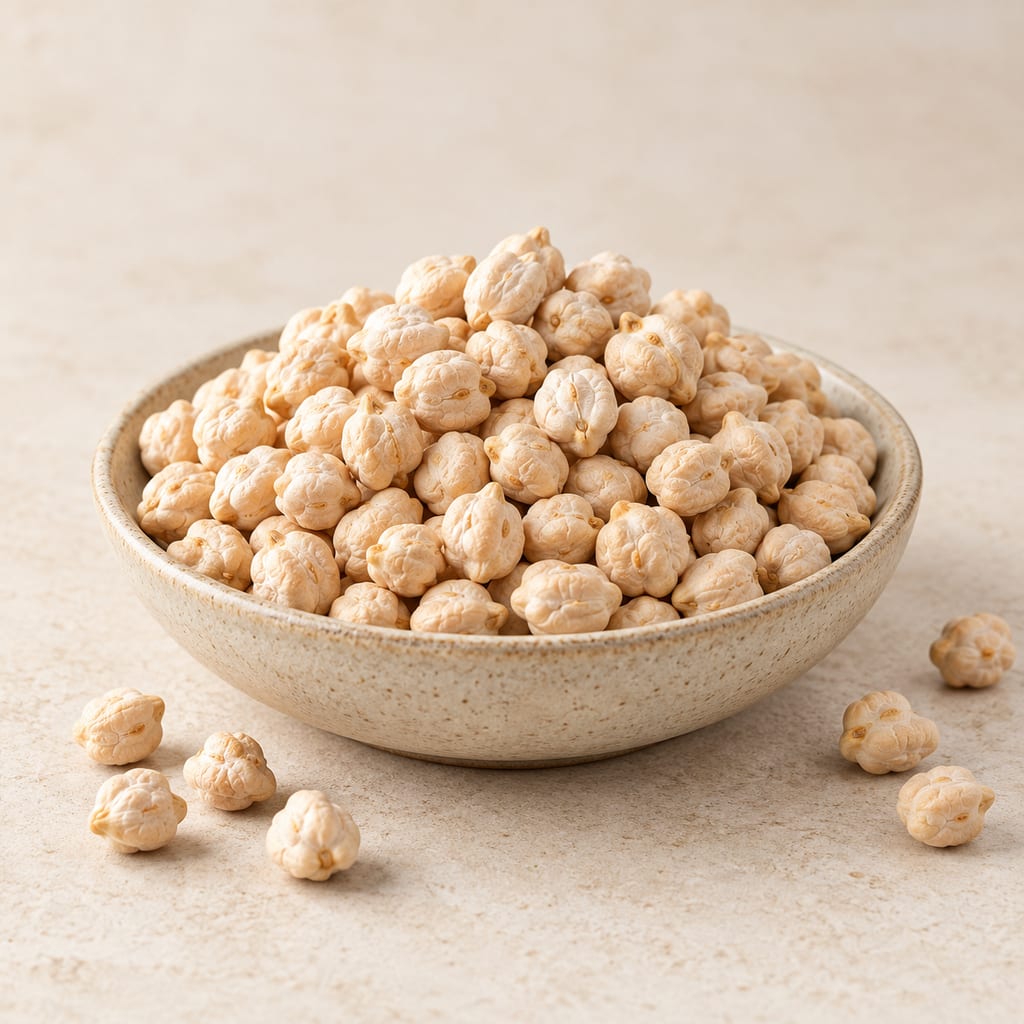
Chickpeas
Chickpeas (Cicer arietinum) are dry pulses eaten whole or milled into flour, which gives socca, farinata and other breads a dense, nutty batter or dough.
 FermenteaWhere food goes to change
Substrates
Canned chickpeas are commercially cooked seeds of Cicer arietinum packed in liquid. The beans and their starchy cooking liquid can both be used; salt and texture vary by brand.
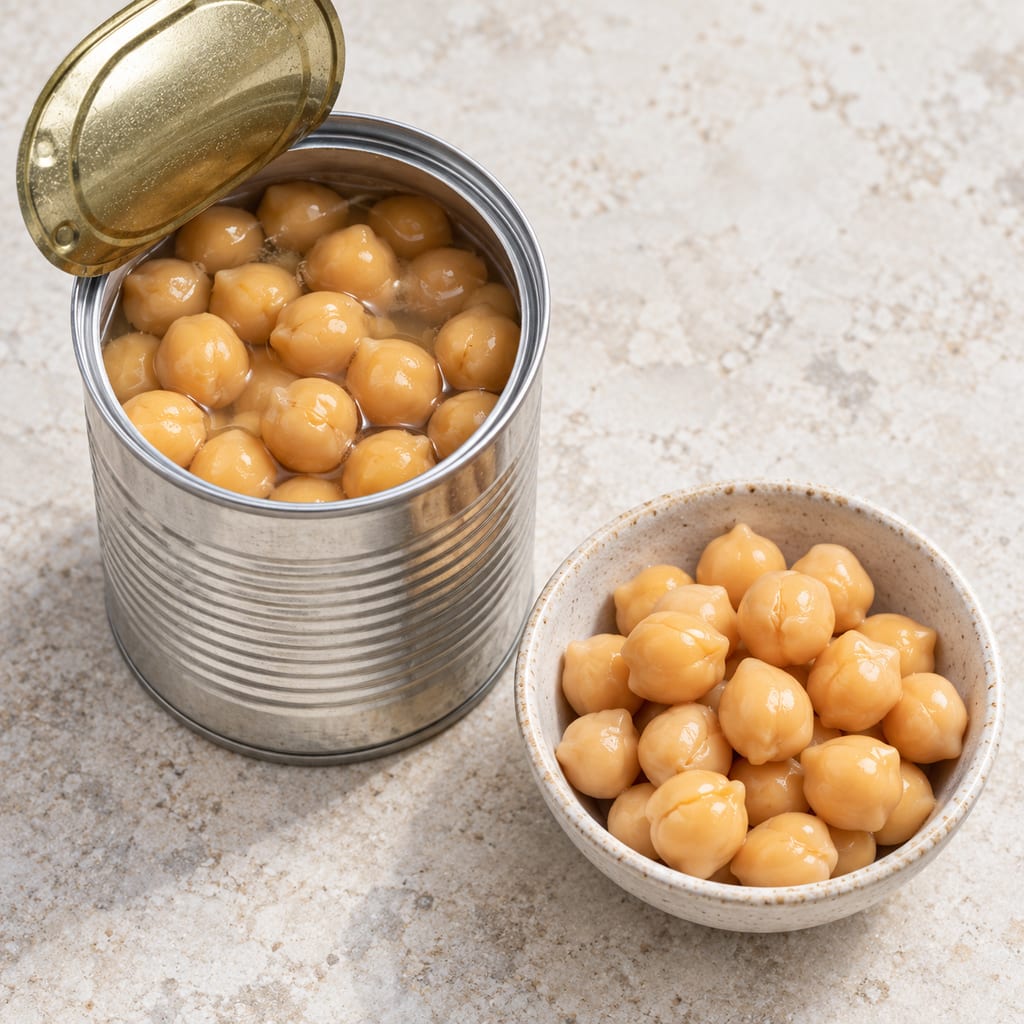
Canned chickpeas are the cooked edible seeds of Cicer arietinum, sealed with a packing liquid and processed commercially. They are the same species grown as dry chickpeas; the can describes a prepared product form, not a separate botanical variety. The label may call them chickpeas, garbanzo beans or another common name. FAO lists garbanzo and Bengal gram among English names for the crop. Kew recognizes the species as a major pulse crop used as food.
Ingredients vary by brand. Some cans list chickpeas, water and salt; others include different salt levels or additional ingredients. The title alone cannot tell you whether the liquid is salted, how firm the beans will be, or how much remains after draining. Read the ingredient list, sodium declaration and drained weight on the specific package. USDA FoodData Central holds a separate reference entry for canned chickpeas with sodium added, drained and rinsed, apart from the dry chickpea entry. It is not an analysis of every product.
Aquafaba is the viscous liquid obtained from chickpea cooking. It can refer to the liquid in a commercial can or water from home-cooked chickpeas, but those liquids need not have identical composition or function. Cultivar, cooking method, salt and other ingredients may differ. If a recipe uses the liquid, note the brand and whether the can is salted; do not assume every label yields a standardized aquafaba.
Chickpea has a much older history than the can. FAO describes the crop as thought to have originated in South-East Anatolia and neighbouring areas of Syria and Iran, where earliest remains cited in the chapter date to about 7000 BC. Kew likewise records early remains in Turkey and Syria around that time. Archaeological remains document chickpea cultivation or use; they do not tell us where industrial canning began.
By before 2000 BC, chickpea had spread to the Mediterranean basin, Africa and the Indian subcontinent according to FAO. This long movement helps explain the many regional names and uses of the pulse. It does not mean every modern chickpea dish has the same origin or every can contains beans grown nearby. Chickpea supply chains and canning plants operate in many places; the growing and packing location for one package must come from its own label or manufacturer.
Kew notes canned chickpeas are popular in the United States and Europe. That is evidence of modern use, not a birthplace for the canned form. This record maps the broad historical association of the crop and documented modern use regions. It leaves a particular can’s cultivar, farm, country of origin and packing plant unknown unless package information establishes them.
Canned chickpeas are usually mild rather than strongly flavoured. In a blind editorial tasting of several brands, Bon Appétit’s panel described them as having a delicate earthy, nutty taste. Tasters preferred beans that were tender and creamy rather than mushy, grainy, slimy or chalky. That describes the products in that panel’s comparison; it is not a promise about every can or a safety test.
Firmness differs between commercial batches. A 2026 study prepared chickpeas under standardized canning conditions and found variation in firmness between batches; its aim was to relate instrumental measurements to trained-panel judgments. It did not prescribe one texture for every dish. A salad may benefit from whole, intact beans; hummus or a blended soup is more forgiving of softer beans. A product with chalky centers may have been undercooked or processed differently, but sensory impressions cannot identify a food-safety problem.
The packing liquid can be lightly salty, starchy or beany, depending on the product. Rinsing drains much of that liquid and can give beans a cleaner taste. Keeping a portion adds moisture and body to some soups, stews, dips and emulsions. Check labels before using the liquid in a recipe because sodium and additives vary. The liquid’s viscosity alone does not establish a fixed concentration or guarantee that it will behave like another brand’s.
Drain and rinse beans when a dish calls for clean, separate chickpeas or when you want to keep packing liquid out of a salad or bowl. They can be served cold in salads and grain dishes, folded into soups and stews to warm through, or mashed and blended for dips, spreads and fillings. A can shortens final cooking time because the seed is already cooked. It is not identical to dried chickpeas soaked and cooked to a chosen texture.
Kew describes chickpea use across whole seeds, flour and immature seeds, and notes canned chickpeas are popular in the United States and Europe. Chickpeas also appear in vegetable dishes and curries. Their mild taste takes on surrounding seasoning, while the soft interior adds substance. The intended texture matters: a firm variety may remain intact in a salad; a very soft can is convenient for blending.
Reserve aquafaba when you have a tested use for it. Raikos, Hayes and Ni studied liquid from commercial canned chickpeas as an egg replacer in a specific mayonnaise-style emulsion. Their paper reports results for defined oil and aquafaba ratios under controlled conditions, including cold storage at 4°C. It does not validate an improvised home mayonnaise or the storage life of a new formula. If you have no planned use, discard the liquid rather than keeping it without a date or storage plan.
Choose an intact can. USDA FSIS and FDA advise against cans that leak, bulge, have holes or severe dents, or show deep rust around seams. Do not open or taste a suspect can to decide whether it is safe. Discard its contents without tasting. Package integrity is the visible check available to a shopper; it cannot reveal the manufacturer’s processing records.
Before opening, store cans according to the label in a cool, dry place. After opening, treat the beans as perishable. USDA FSIS advises refrigerating low-acid canned foods such as beans and using them within three to four days. Keep the refrigerator at or below 4°C/40°F. For best flavour and quality, transfer unused contents to a food-grade glass or plastic container; USDA says refrigeration in the can is also acceptable.
Use a clean utensil and return unused chickpeas to the refrigerator promptly. Follow more specific package instructions if supplied. The three-to-four-day period is general USDA guidance for opened low-acid canned foods, not a laboratory shelf-life result for every product or recipe containing them. Texture may soften with storage. Freezing changes texture and should be chosen only if the intended use tolerates it.
Chickpeas are legumes and provide protein, carbohydrate and fibre. Values vary with variety, added salt, serving size and whether a database record measures beans drained, rinsed or with liquid. USDA FoodData Central’s canned entry is specifically a sodium-added sample measured after draining and rinsing. Use the package’s nutrition panel to understand the product in your hand rather than assuming a generic number applies to every brand.
Chickpea is not one of the FDA’s nine major food allergens, but an individual can still be allergic to chickpeas or other legumes. Anyone with a known chickpea allergy should avoid them and follow advice from a health professional. Read the complete product label because some seasoned or prepared chickpea products contain other ingredients or cross-contact warnings. This record describes plain canned chickpeas, not all products sold under similar labels.
FAO and Kew describe chickpea as a cultivated edible seed with many names and uses. That broad identity does not guarantee a nutritional or sensory standard for canned products. Record the package, ingredients and draining method when comparing brands or repeating a recipe.
The sources establish a long history for the crop, not for canning. They do not identify a first canned chickpea product, factory or manufacturing country. Similarly, a store location does not establish where its product was grown. Read the package country-of-origin statement separately from any manufacturer or packer address.
Food-science results apply to the exact samples and methods studied. The aquafaba mayonnaise paper describes one experimental formulation; it does not validate a different can, a home procedure or a safe shelf-life claim. The sensory firmness study treats texture as a quality attribute and does not give storage instructions for opened cans. Keep these conclusions distinct from the USDA’s consumer handling guidance.
Finally, taste and smell cannot establish safety. Mild, earthy flavour, clear liquid or creamy texture does not show that a can was stored properly. Follow the label and food-safety directions; never taste food from a damaged or suspect package.
chickpea (legume; individual allergy is possible)
This is an association for the chickpea crop, not a canning origin or the source of a particular can.
Kew describes canned chickpeas as popular in the United States; it does not identify product origin or manufacture.
Kew describes canned chickpeas as popular in Europe; this is not a claim about where cans are packed.
Chickpeas (Cicer arietinum) are dry pulses eaten whole or milled into flour, which gives socca, farinata and other breads a dense, nutty batter or dough.

A refined common-wheat flour blended for a broad range of baking; its protein and behavior vary with wheat, milling and market.

Toasted almonds are whole sweet almond kernels dry-roasted until golden to brown. Heat replaces their marzipan note with a roasted, nutty one; they thicken and flavour romesco.
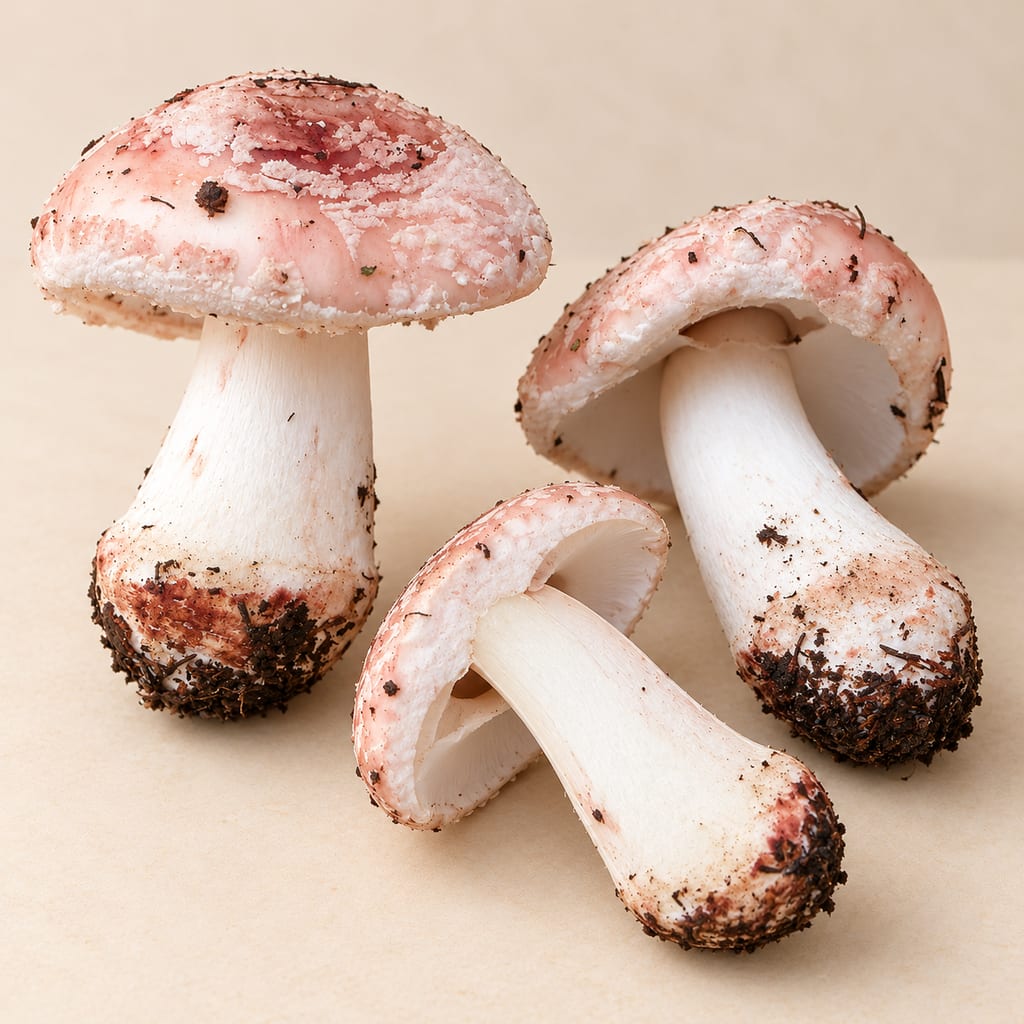
Amanita novinupta is a western North American blusher, a forest mushroom recorded as food in Mexico, and one that must be cooked because its raw flesh is toxic.
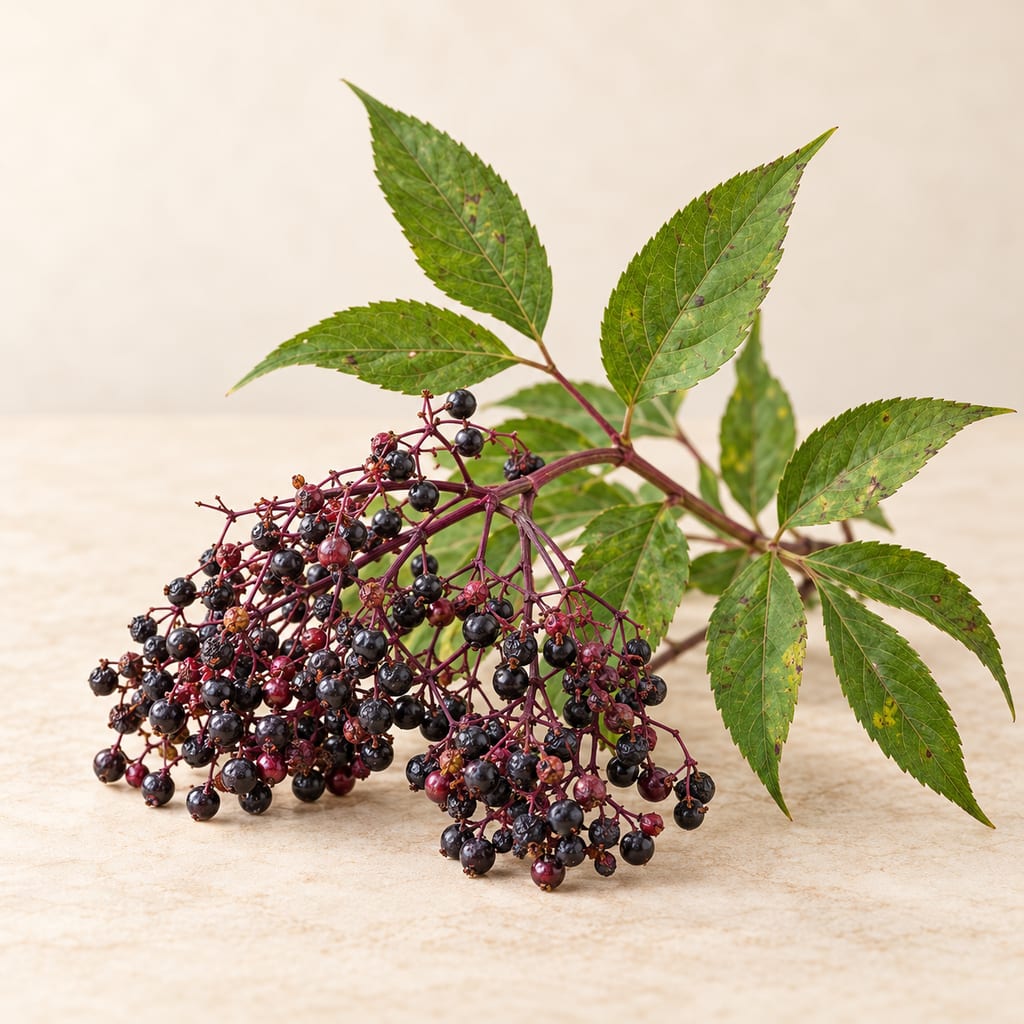
Sambucus canadensis is the accepted name used here for American elderberry. Missouri production guidance and named-cultivar studies give useful regional growing information, while food and analytical sources leave process questions open.
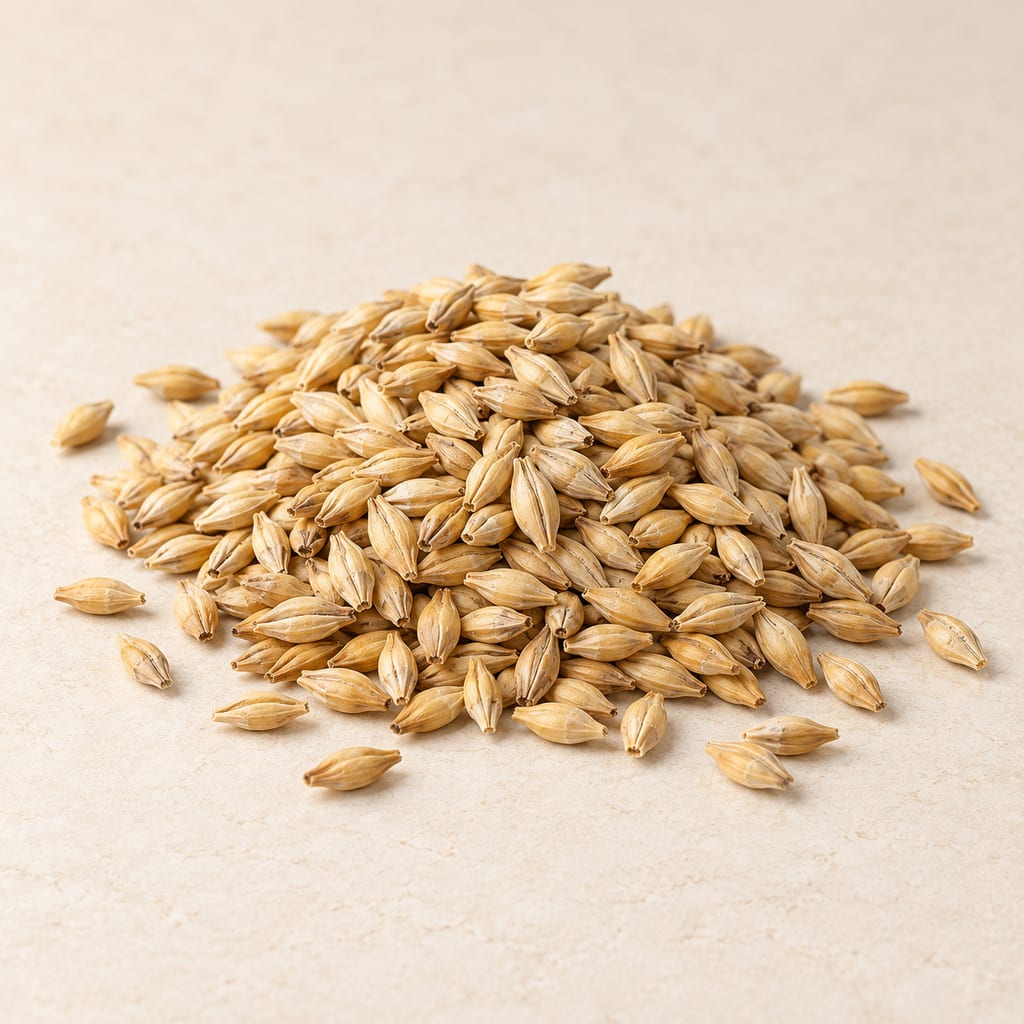
A lightly kilned brewing base made from two-row barley. It supplies starch and enzymes for the mash, with the maltster’s product and lot analysis defining its brewing properties.

Ripe avocado flesh is the soft, buttery, fat-rich pulp of Persea americana, eaten raw. It is low in acid, so it is a fresh ingredient that needs care in chilled dishes.
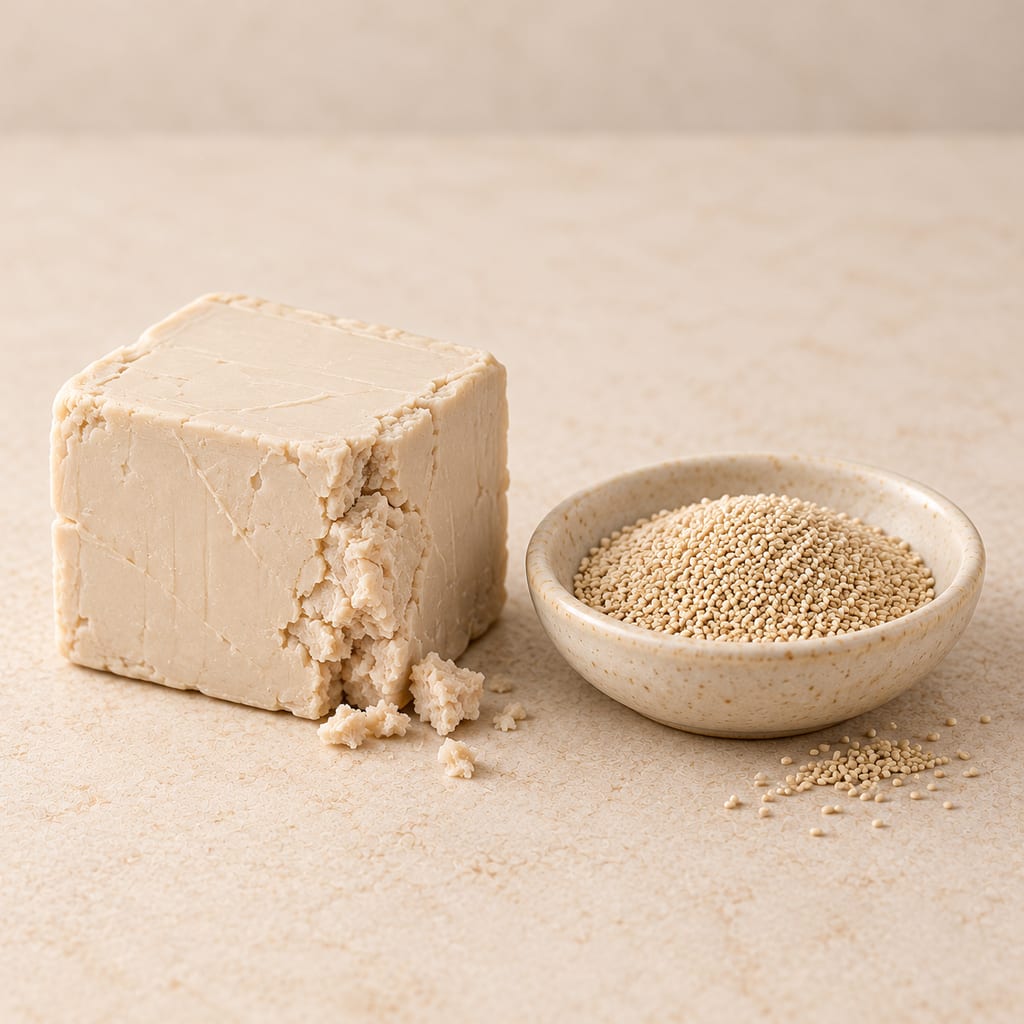
Baker's yeast is a cultivated living leavener, commonly sold fresh or dried. In dough, selected Saccharomyces cerevisiae cells make gas that can raise bread.
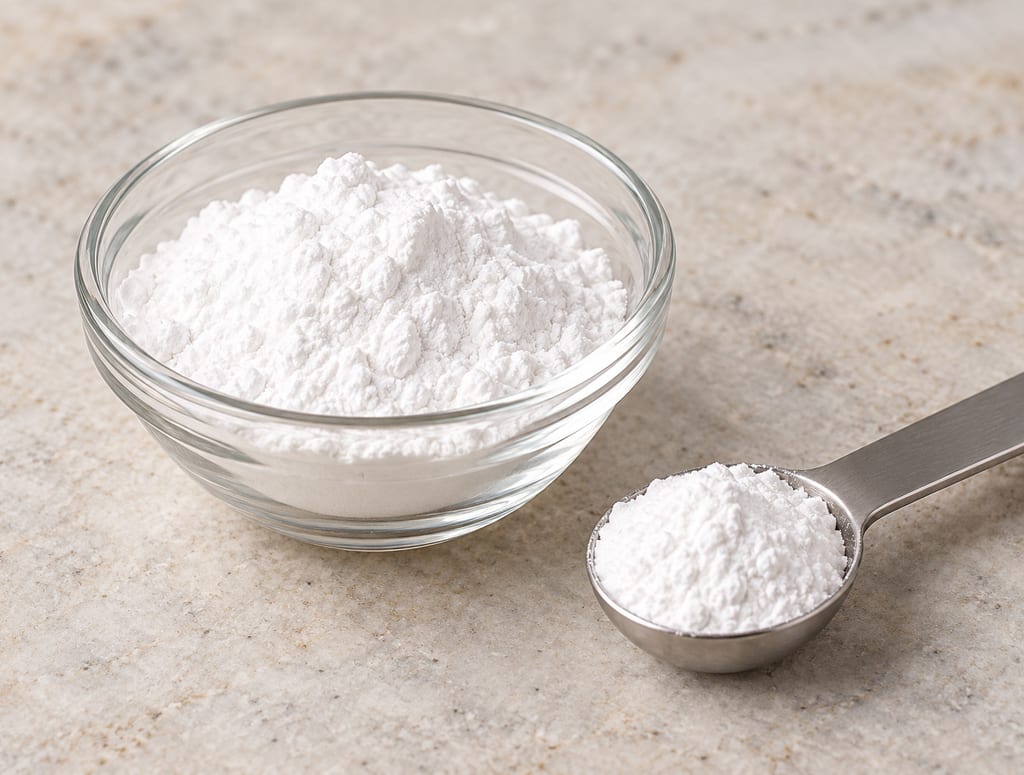
Baking powder is a dry chemical leavener that combines bicarbonate with acid-reacting ingredients and a carrier. Moisture and heat release carbon dioxide for quick breads, batters and griddle cakes.
No community contributions have been published for this entry yet.
Sign in to contribute. Published comments and photos are free to read.
FAO / ICARDAIdentity · History · Geography · Uses
Pulses and their by-products, Chapter 7: ChickpeaCicer arietinum and common names; origin is thought to be Southeast Anatolia and neighbouring Syria and Iran with earliest remains about 7000 BC; spread before 2000 BC to Mediterranean, Africa and the Indian subcontinent.
Cited in: Identity and contents; Crop history and geography; Nutrition and allergy
Plants of the World Online, Royal Botanic Gardens, KewIdentity · History · Geography · Uses
Cicer arietinum L.Botanical identity, earliest remains from Turkey and Syria around 7000 BC, spread to Mediterranean and Indian subcontinent; culinary uses and canned chickpea popularity in the United States and Europe.
Cited in: Identity and contents; Crop history and geography; Uses; Nutrition and allergy
USDA FoodData CentralComposition
Food Search: Chickpeas, canned, sodium added, drained and rinsed (FDC 100317)USDA distinguishes canned chickpeas measured drained and rinsed from dry chickpeas.
Cited in: Identity and contents; Taste and texture; Nutrition and allergy
USDA Food Safety and Inspection ServiceSafety · Storage
After you open a can, how long can you keep the food in the refrigerator?Refrigerate opened low-acid canned foods such as beans and use within 3–4 days; transfer to food-grade glass or plastic for better flavor.
Cited in: Buying and handling; Limits of the evidence
USDA Food Safety and Inspection ServiceSafety
Is food in damaged cans dangerous?Never use food from leaking, bulging or badly dented cans and never taste suspect contents.
Cited in: Buying and handling; Limits of the evidence
U.S. Food and Drug AdministrationSafety
Surplus, Salvaged, and Donated FoodsDo not buy cans with swelling, leakage, seam dents, holes or rust around seams.
Cited in: Buying and handling
International Journal of Food Science & TechnologyUses · Science
Aquafaba from commercially canned chickpeas as potential egg replacer for the development of vegan mayonnaise: recipe optimisation and storage stabilityAquafaba is viscous liquid recovered from canned chickpeas; study tests it as an egg substitute in a specific vegan mayonnaise formulation. It does not validate home recipes or every product's shelf life.
Cited in: Identity and contents; Taste and texture; Uses; Limits of the evidence
CIRAD / Applied Food ResearchTaste · Science
A rapid method to determine sensory firmness acceptability thresholds in canned pulsesCanned chickpea firmness varied among batches and is a sensory quality dimension.
Cited in: Taste and texture; Limits of the evidence
Bon AppétitTaste · Texture · Uses
The Best Canned Chickpeas, According to Our Taste TestBlind tasting described a delicate earthy, nutty taste and preferred tender creamy beans over mushy, grainy, slimy or chalky samples. This is a description of that panel's experience, not a guarantee for every can.
Cited in: Taste and texture