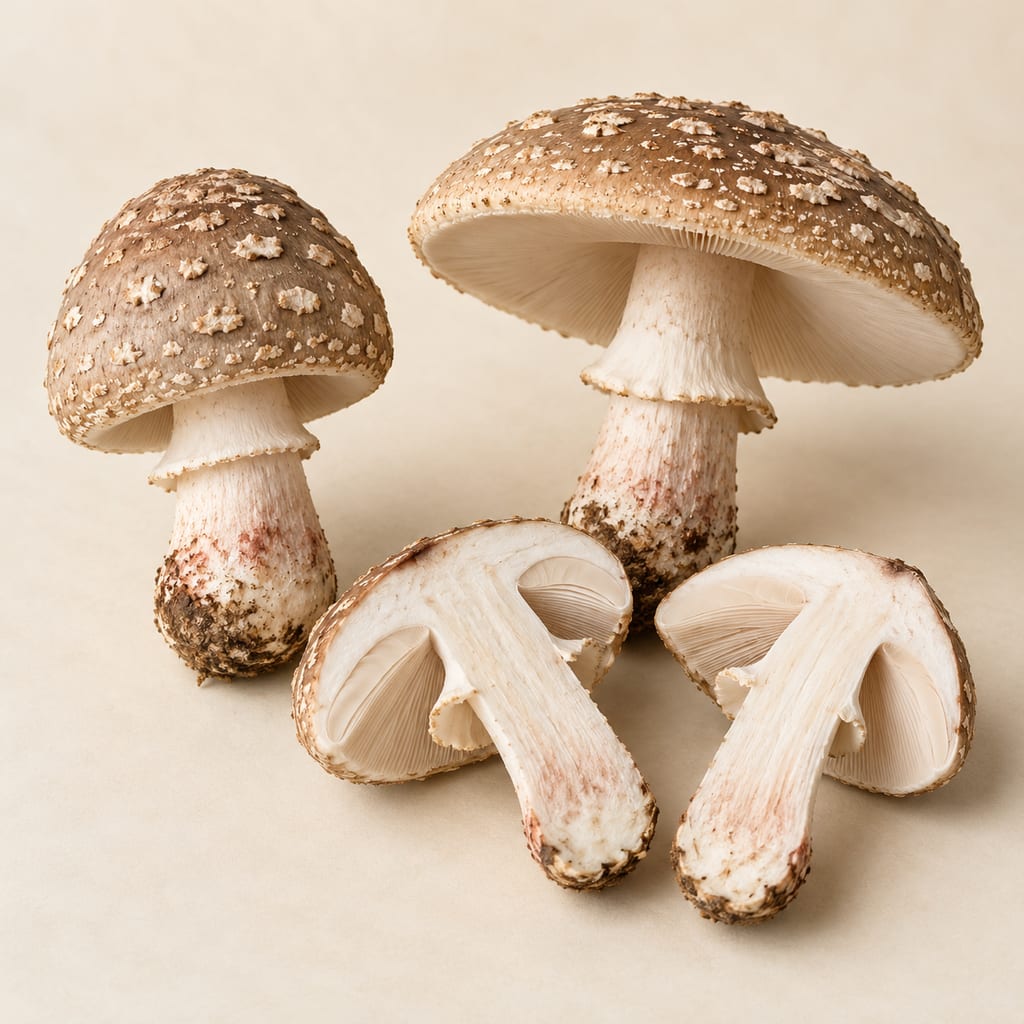
European blusher
The European blusher, Amanita rubescens, is a woodland amanita whose flesh turns pink when cut. It is eaten only well cooked and is easily confused with the poisonous panthercap.
 FermenteaWhere food goes to change
Mushrooms
Amanita novinupta is a western North American blusher, a forest mushroom recorded as food in Mexico, and one that must be cooked because its raw flesh is toxic.
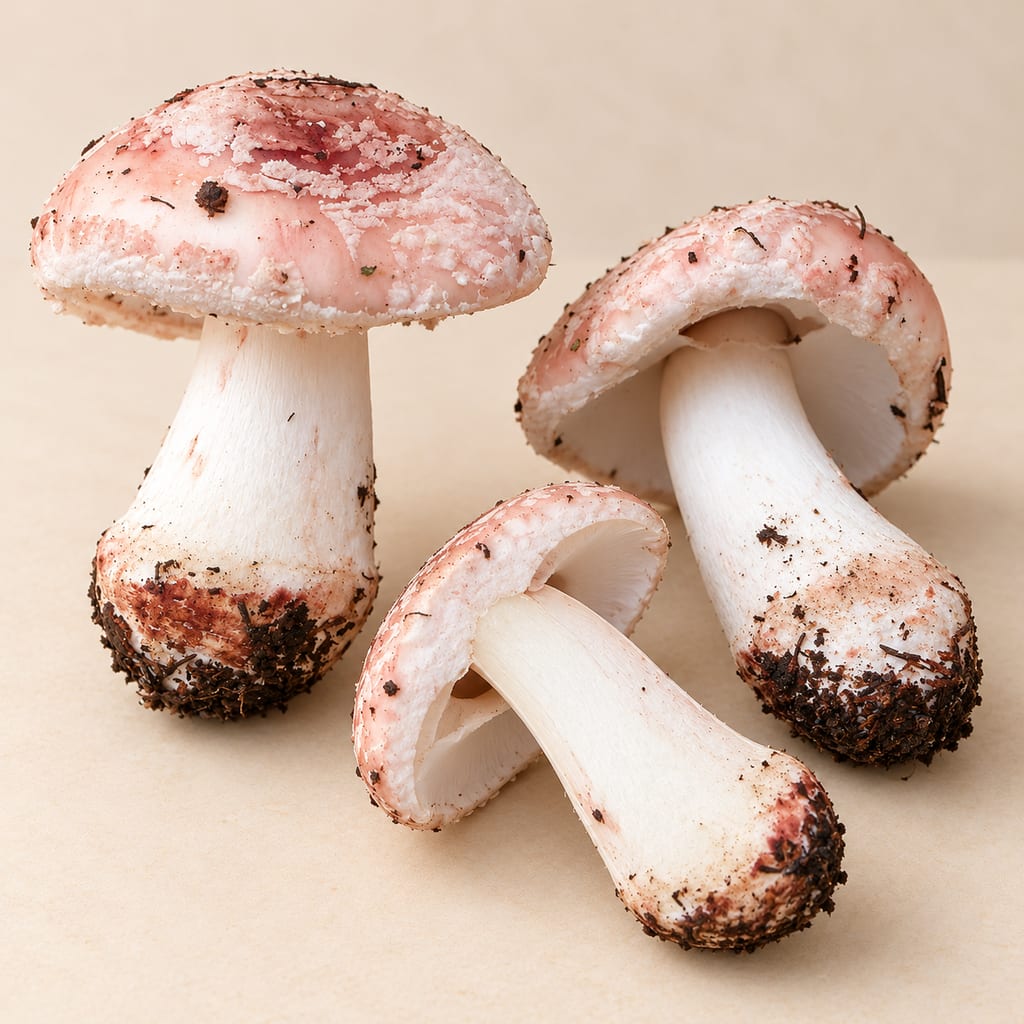
Amanita novinupta is a blusher, a relative of the European Amanita rubescens. Its common names include American blusher and new bride blushing amanita. Both names come from the flesh, which turns pink when bruised or exposed to air.
Several closely related blushers exist, including A. brunneolocularis, A. orsonii and varieties of A. rubescens. Several North American species are grouped under the name A. amerirubescens. The catalogue marks the species as not interchangeable with European A. rubescens or with other Amanita.
The cap is whitish, 5 to 15 cm across, with a stem up to about 12 cm long, a mild smell, and a white spore print. The pink bruising of the flesh separates blushers from the poisonous false blusher, Amanita pantherina, whose flesh does not pink and whose ring is not striate.
The encyclopedia entry notes that A. novinupta is found mainly in western North America, especially California, and that the blusher group is often parasitised by Hypomyces hyalinus in eastern North America, which can make fruiting bodies hard to recognise.
The species is mycorrhizal and grows in forest. The encyclopedia entry records that A. amerirubescens and possibly A. novinupta are food for the pleasing fungus beetle, Tritoma biguttata.
The catalogue records the species as food in Amealco, Mexico, and records blusher traditions as involving cooking. The encyclopedia entry describes the mushroom as edible if cooked but poisonous raw.
Raw flesh contains a toxic haemolytic protein. Sources report it is not apparently harmful in normal cooked consumption and is destroyed by cooking. David Pegler notes that eating large quantities raw can cause severe anaemia if untreated. Raw consumption is therefore the hazard to avoid.
This page does not establish that the mushroom is safe to eat, and it is not an identification guide. The species resembles toxic Amanita species, and the pink bruising is the feature used to separate it from A. pantherina. Anyone gathering it should identify it with an expert, cook it thoroughly, and never eat it raw.
Range given as western North America, especially California, by the encyclopedia entry.
Food record from the supplied catalogue (F-d4be0882a12e); the encyclopedia entry does not confirm this use.
The European blusher, Amanita rubescens, is a woodland amanita whose flesh turns pink when cut. It is eaten only well cooked and is easily confused with the poisonous panthercap.

A refined common-wheat flour blended for a broad range of baking; its protein and behavior vary with wheat, milling and market.

Toasted almonds are whole sweet almond kernels dry-roasted until golden to brown. Heat replaces their marzipan note with a roasted, nutty one; they thicken and flavour romesco.
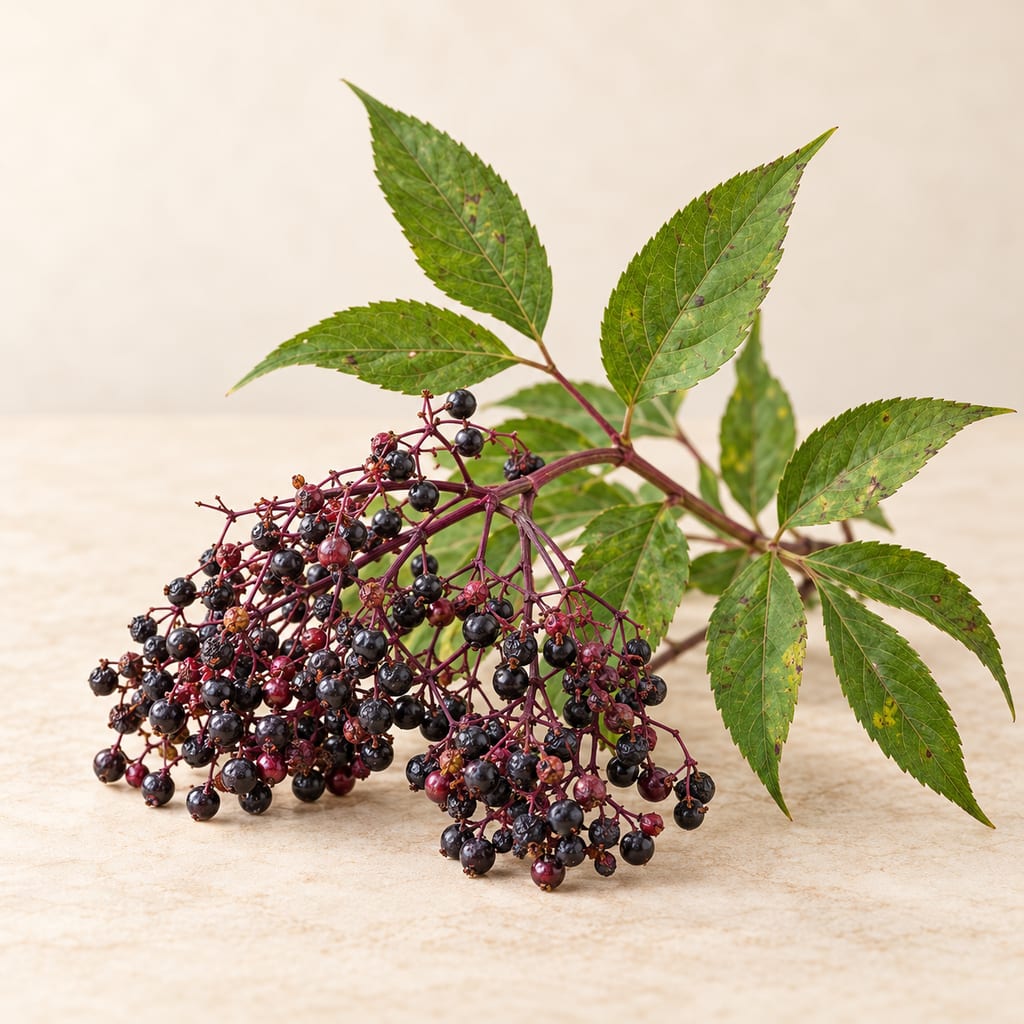
Sambucus canadensis is the accepted name used here for American elderberry. Missouri production guidance and named-cultivar studies give useful regional growing information, while food and analytical sources leave process questions open.
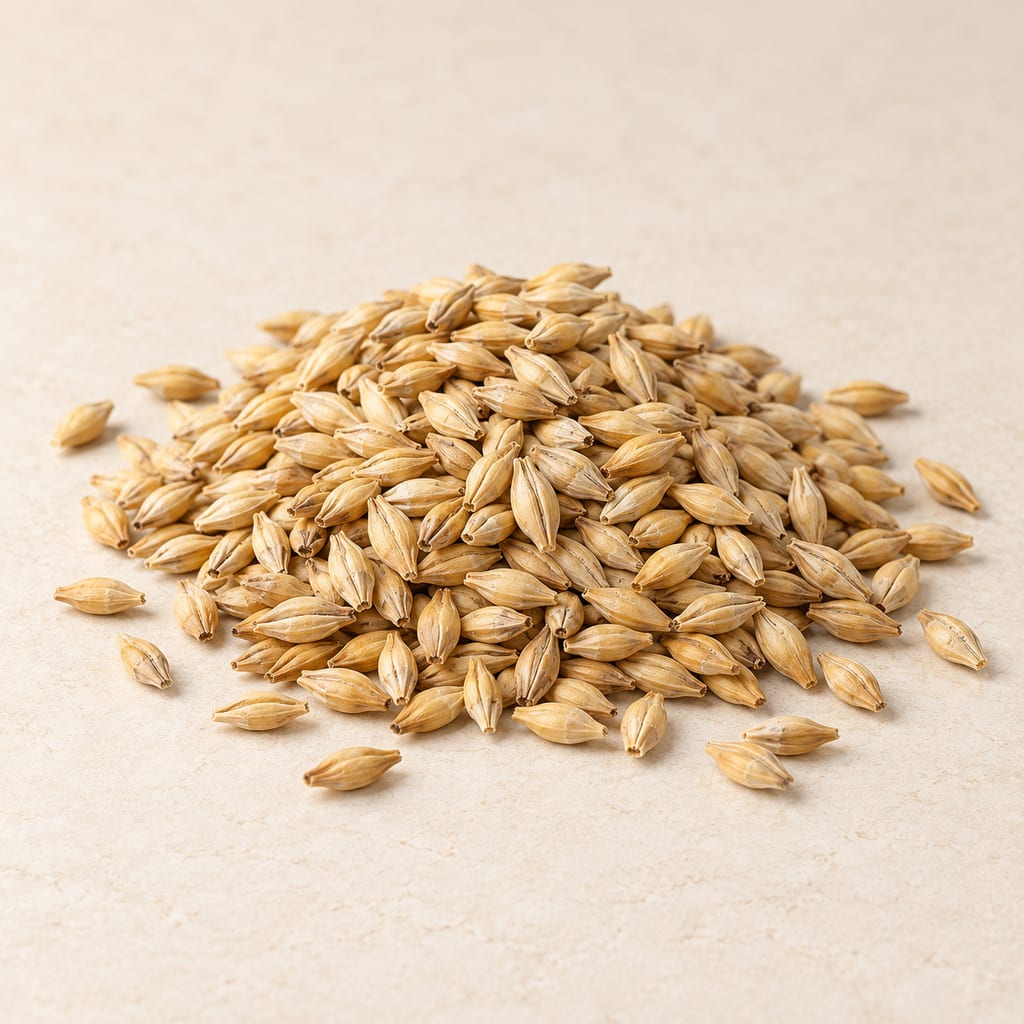
A lightly kilned brewing base made from two-row barley. It supplies starch and enzymes for the mash, with the maltster’s product and lot analysis defining its brewing properties.

Ripe avocado flesh is the soft, buttery, fat-rich pulp of Persea americana, eaten raw. It is low in acid, so it is a fresh ingredient that needs care in chilled dishes.
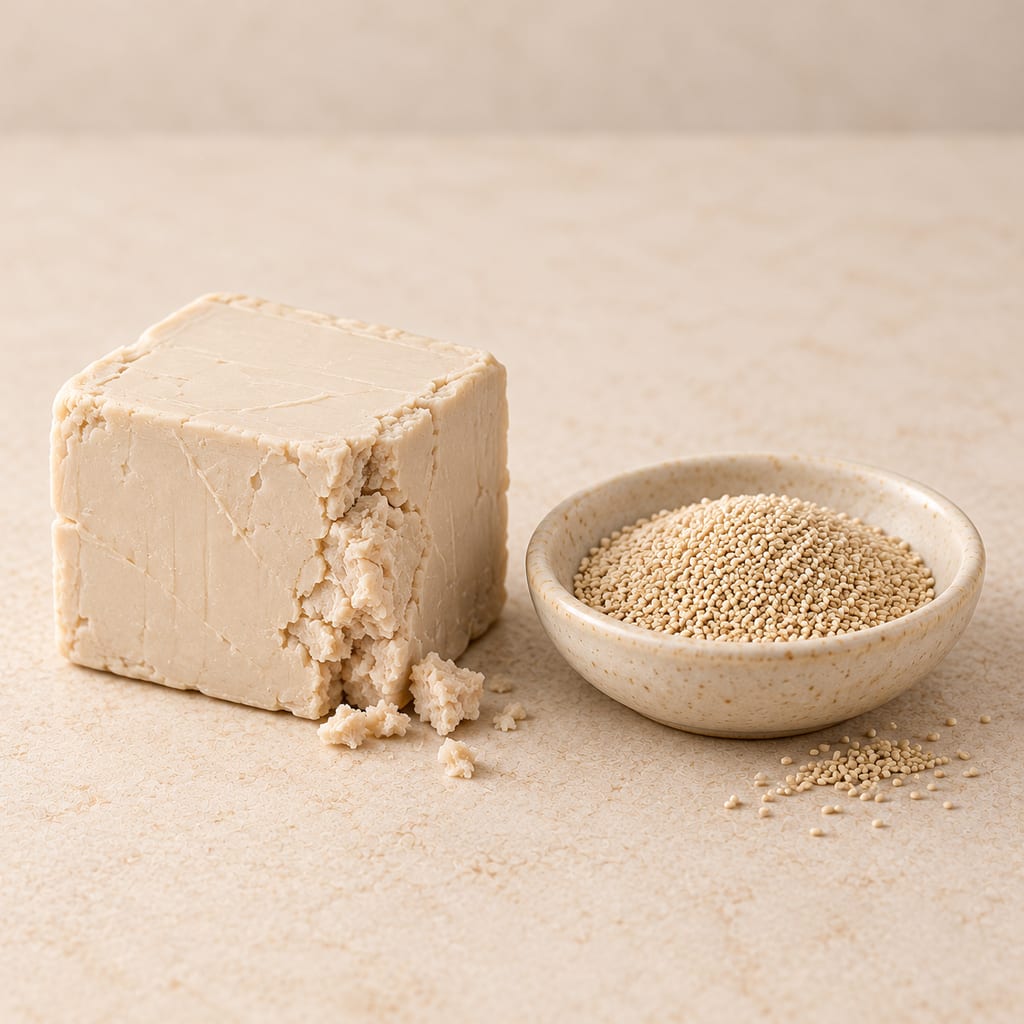
Baker's yeast is a cultivated living leavener, commonly sold fresh or dried. In dough, selected Saccharomyces cerevisiae cells make gas that can raise bread.
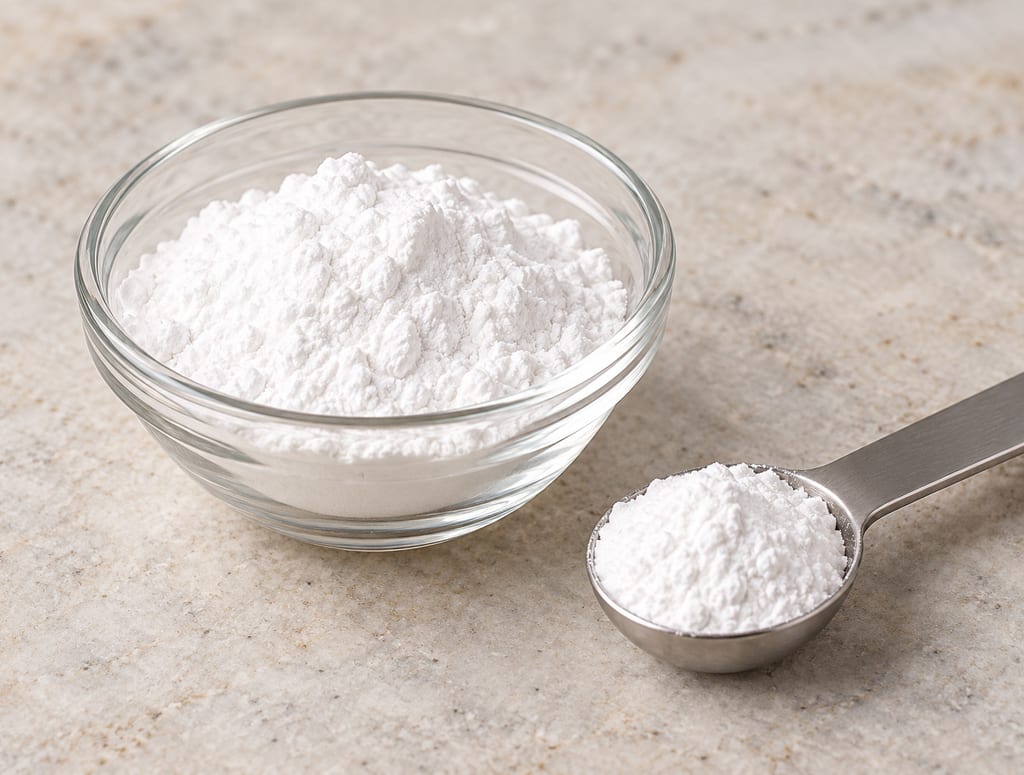
Baking powder is a dry chemical leavener that combines bicarbonate with acid-reacting ingredients and a carrier. Moisture and heat release carbon dioxide for quick breads, batters and griddle cakes.
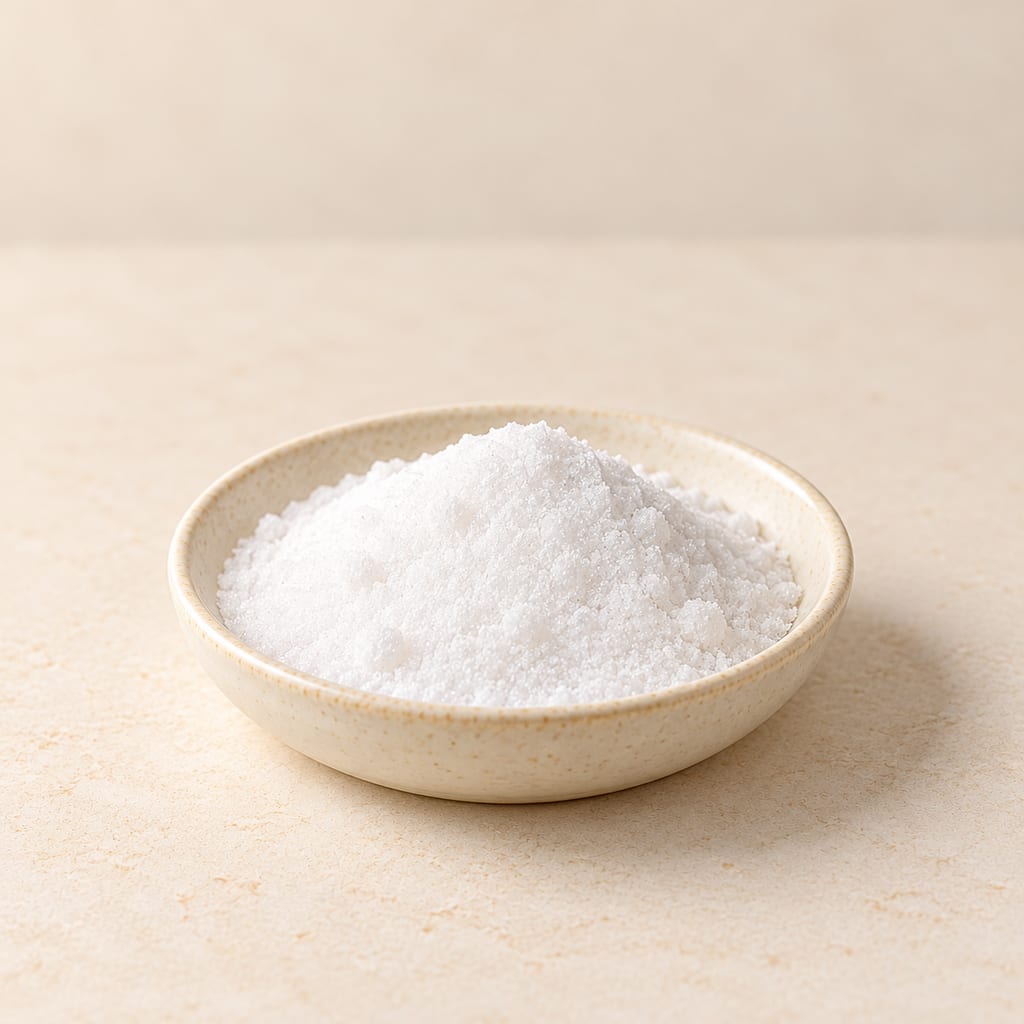
Baking soda is food-grade sodium bicarbonate, a single alkaline powder that releases carbon dioxide when it meets acid in a wet batter. It lifts quick breads without a living culture.
No community contributions have been published for this entry yet.
Sign in to contribute. Published comments and photos are free to read.
WikipediaTaxonomy · Description · Habitat · Toxicity · Look alikes
Amanita novinuptaCommon names and relatives; appearance; pink bruising
Cooking destroys the raw toxic haemolytic protein; severe anaemia from large raw quantities (Pegler)
Look-alike Amanita pantherina; ecology and fungus beetle
Journal of Ethnobiology and EthnomedicineCatalogue record
Ethnomycological study cited in the supplied catalogue record F-d4be0882a12eSupplied source for the Amealco food record