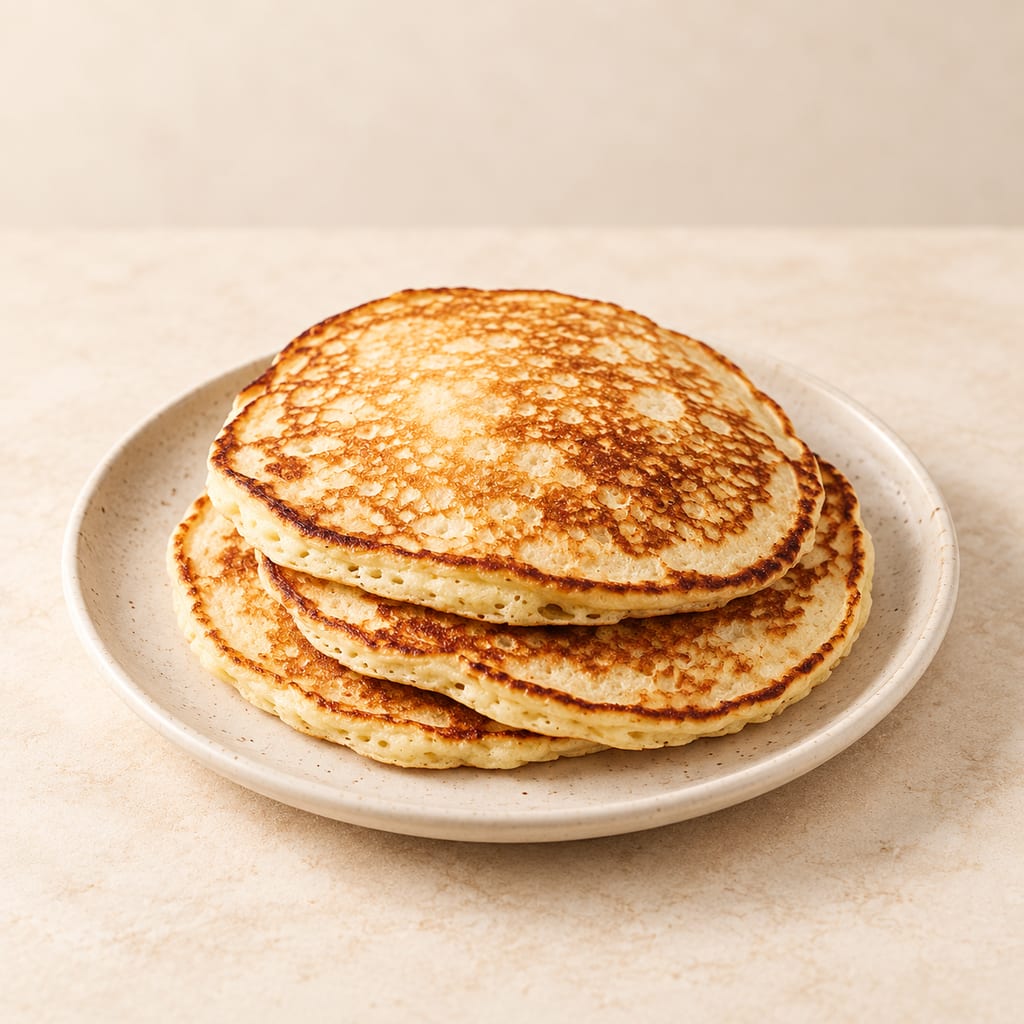
Overnight sourdough pancakes
Buttermilk, flour and sourdough discard rest overnight before eggs and baking soda turn the sponge into a griddle batter. The finished pancakes are tender and lightly tangy.
 FermenteaWhere food goes to change
Substrates
A refined common-wheat flour blended for a broad range of baking; its protein and behavior vary with wheat, milling and market.

All-purpose wheat flour is a practical middle ground: a refined flour meant to work in many kitchens and many kinds of baking. In the United States, “all-purpose” describes a market category, not a single wheat variety or a globally fixed protein percentage. A bag may be milled from one wheat class or a blend selected to meet a miller’s target. The result is usually milled mainly from the starchy endosperm, the kernel’s central reserve, with most bran and germ removed. Its pale color, fine texture and relatively neutral flavor make it adaptable; its performance still changes with the wheat, milling stream, miller’s blend and the way a cook handles the dough.
The word “all-purpose” can mislead if read literally. Flour is not one ingredient with identical behavior everywhere. A U.S. all-purpose flour can be a useful default for pancakes, muffins, biscuits, cookies, sauces and ordinary cakes, but it will not behave exactly like a high-protein bread flour in a chewy loaf, a low-protein cake flour in a tender sponge, or whole-wheat flour in a hearty bread. Indian food standards distinguish refined *maida*, from which bran and germ are essentially removed, from wheat flour called *atta*. These names reflect different milling and market traditions; a bag and the recipe using it give a better guide than a casual one-for-one translation.
Most familiar baking flour comes from common or bread wheat, *Triticum aestivum*. It belongs to a wider family of cultivated wheats: durum, spelt, einkorn and emmer are related but distinct forms, and each has its own milling and cooking qualities. Bread wheat is hexaploid, meaning its cells carry six sets of chromosomes arranged in three related pairs of genomes. Its ancestry includes a domesticated tetraploid wheat and the wild goatgrass *Aegilops tauschii*. Their hybridization produced the genetic combination that made bread wheat; this was a prehistoric process in Southwest Asia, not an event with a single securely documented date or village.
The transition from wild grasses to cultivated wheat was gradual. People gathered wild grains long before settled farming, then selected plants whose seeds stayed attached at harvest and whose grain could be processed more easily. Archaeobotanical evidence at Çatalhöyük in present-day Türkiye illustrates how difficult it can be to attach modern species labels to ancient charred grains: later genetic work found hexaploid wheat in samples previously classified by seed shape as einkorn or emmer. That evidence supports an early presence of bread-wheat relatives in the region, but does not prove that every such seed was modern bread wheat or that Çatalhöyük was the unique birthplace of the crop. Wheat moved and changed through cultivation, trade and migration across the Fertile Crescent, Anatolia, Europe and beyond.
Wheat’s structure helps explain why the crop mattered to millers. A kernel has a protective outer bran, a small oil-rich germ that can sprout, and a much larger endosperm containing starch and storage proteins. Whole-wheat flour keeps these natural parts in their original proportions, apart from moisture. Refined flour removes much of the bran and germ and draws primarily on endosperm. That change gives white flour a lighter color and a longer keeping quality under ordinary pantry conditions, while reducing the grain’s fiber and some naturally occurring micronutrients. In the United States, enriched flour may have specified vitamins and iron added back under a food standard; enrichment is a labeling and formulation distinction, not a synonym for every refined flour.
A modern roller mill does not simply crush a kernel once. Cleaned wheat is moistened and rested, or tempered, so its outer bran toughens while the endosperm mellows for separation. Grooved break rolls open the grain; sieves and air sort flour, middlings and bran-rich fragments. Smooth reduction rolls gradually turn the starchy middlings into fine flour. The miller can combine selected streams to meet a desired grade. That sequence explains how a bag of white flour can be mostly endosperm even though it began as a whole kernel, and why milling choices affect how the flour feels and behaves when a cook adds water.
In the nineteenth century, hard spring wheat from the American upper Midwest demanded a different route through the mill. Around 1870, Edmund N. La Croix developed a middlings purifier in Minneapolis that separated endosperm particles from bran before further grinding. Hungarian gradual-reduction practice supplied another part of the system: crack, sort and reduce in stages instead of pressing everything through one pair of stones. Water power at St. Anthony Falls drove the mills, while railways connected spring-wheat fields and distant flour buyers. Flour milling became a sequence of decisions about a kernel’s parts, and those decisions reached into the kitchens buying the resulting flour.
This industrial change did not begin the story of wheat flour. Millstones had long produced meal that could be sifted for lighter breads, while a household might prefer a coarser flour for taste or keeping quality. Roller mills gave large producers more control over the proportion of bran, germ and endosperm in a finished sack. Different output streams could be blended for a pale, consistent product or directed toward other grades. The mill’s separation mattered to a cook because a finer refined flour absorbs, mixes and bakes differently from whole-grain meal. Today's equipment is more controlled, but the path from wheat to several different flours still turns on separation and blending.
Flour is mostly starch and protein, with smaller amounts of water, minerals, lipids and enzymes. The protein level and composition of wheat influence how a dough develops, but protein percentage alone does not predict every result. Wheat gluten proteins—gliadins and glutenins—hydrate and form a viscoelastic network when flour is mixed with water. In bread dough, that network can stretch while holding fermentation gas, then set during baking. More or stronger gluten-forming proteins often suit a loaf that needs structure and chew. A cake or tender pastry usually benefits from limited mixing and less gluten development. The same flour can therefore make a tough cake if vigorously mixed, while a different flour may yield a weak loaf even with careful technique.
Starch matters just as much. It absorbs water and swells as a batter or dough heats; flour’s starch and proteins compete for water and set into the crumb or sauce. Wheat flour also contains enzymes, including amylases, that can break some starch into smaller sugars. In yeast- or sourdough-leavened dough, these sugars are among the materials microbes can use, while the gluten network helps the dough retain gas. The balance depends on the flour, hydration, fermentation, mixing and heat. A pancake batter is not a bread dough: it is mixed only enough to combine, and the cook relies on leavening and heat to create a tender interior rather than building a strong elastic network.
Hard and soft wheat classes offer millers tendencies, not a guarantee about any one sack. Hard wheats often bring stronger protein performance for bread or blends; soft wheats often suit tender cakes, biscuits and crackers. A retail label such as all-purpose names a use category, while the grain may have been blended from several wheat classes. Even public purchasing specifications permit different compositions for the same broad flour name, reflecting the needs of the buyer rather than one universal protein rule. The practical test is what the flour does with the liquid, mixing and leavening of a particular food.
An all-purpose label leaves the baker with some of the decisions a miller has already made. The grain blend influences how much water a dough can take up and how quickly it becomes cohesive; the cook’s mixing supplies the mechanical work that aligns and develops gluten. Resting a mixed dough gives flour particles time to hydrate, while vigorous or prolonged mixing develops a stronger network. These are not fixed outcomes attached to a protein number alone: particle size, damaged starch, wheat variety and milling conditions also matter. A recipe’s water level and mixing cues are therefore part of its flour specification in practice.
The distinction appears clearly in the linked foods. A sourdough English muffin needs enough dough strength to hold its shape and gas before it is griddled, while a sourdough pancake is poured as a batter and cooked for a tender bite. Both recipes can name all-purpose flour because their proportions and handling ask it to play different parts. Amylases in flour make some starch-derived sugars available to yeast and sourdough microbes, especially where milling has damaged starch granules. The cook changes the outcome through water and mixing: kneading or folding can build a cohesive muffin dough, while stirring pancake batter just enough keeps it from becoming rubbery. All-purpose flour is useful because it has room for those choices, not because its behavior is identical in every bowl.
For an everyday recipe, use the flour named by the recipe when available. If the recipe says all-purpose and the local shelf offers plain flour, the swap may work, but results can shift because protein, milling and legal labeling differ by country and brand. Bread flour can give a more elastic, stronger dough; cake or pastry flour can make some delicate bakes more tender. Whole-wheat flour brings bran and germ back into the mix, adding flavor and water absorption. Bran also interferes with gluten development: in bread studies it competes for water and dilutes the gluten-forming proteins, and finer bran did more harm than coarse. Swapping whole-wheat for all-purpose flour cup for cup may therefore make a dough denser or drier, so recipes often adjust liquid and mixing. Self-rising flour is a separate product, not another name for all-purpose flour: in the United States it is flour mixed with sodium bicarbonate and an acid-reacting salt such as monocalcium phosphate, at no more than 4.5 parts per 100 parts of flour, and seasoned with salt.
Keep flour closed in a clean, dry container away from heat, moisture and strong odors, and follow the package’s storage guidance. Refined flour generally keeps better than whole-wheat flour, which carries the germ and bran together with their lipids. Whole-wheat flour also contains lipase, an enzyme that splits lipids into free fatty acids during storage; this hydrolytic rancidity is one reason its shelf life is shorter, and the lipids can also oxidize. In one study, steaming the kernels before milling cut lipase activity by up to 81% and slowed free fatty acid build-up in the stored flour, but did not change oxidation in the flour itself. The result is gradually stale or rancid odor. The precise keeping time depends on the product, its packaging, temperature and humidity; a universal shelf-life number would be false precision. Buy an amount suited to use, inspect it for dampness, insects or off odors, and discard flour whose condition is suspect. Cool storage can slow quality loss, especially for whole-grain flour, but a cold container should remain sealed to limit condensation.
Flour also has a food-safety boundary that cooking must cross. Ordinary wheat flour is a raw agricultural product and is not usually treated to kill pathogens. Milling and bleaching do not make it ready to eat. Raw flour and dough have been linked to illness from bacteria such as *Escherichia coli* and *Salmonella*; do not taste uncooked batter or dough, and do not treat home heating as a validated substitute for cooking. Wash hands, bowls, counters and utensils after handling raw flour, and keep it away from ready-to-eat foods. Bake, fry or otherwise cook the finished food thoroughly.
Wheat flour is also a major food allergen under U.S. labeling law, and it contains gluten. Wheat allergy and celiac disease are different conditions: allergy is an immune response to wheat proteins, while celiac disease is an autoimmune condition triggered by gluten. People with celiac disease need a gluten-free diet; ordinary wheat flour is not suitable. These distinctions matter when choosing substitutes. Rice, oat, buckwheat, chickpea and other flours have different starches, proteins and absorption, so they usually need a recipe designed for them rather than a direct cup-for-cup replacement. All-purpose flour earns its place by being adaptable, not by making every recipe or dietary need interchangeable.
wheat
The 1880 census describes milling here; this is not an origin claim for all-purpose flour.
Buttermilk, flour and sourdough discard rest overnight before eggs and baking soda turn the sponge into a griddle batter. The finished pancakes are tender and lightly tangy.
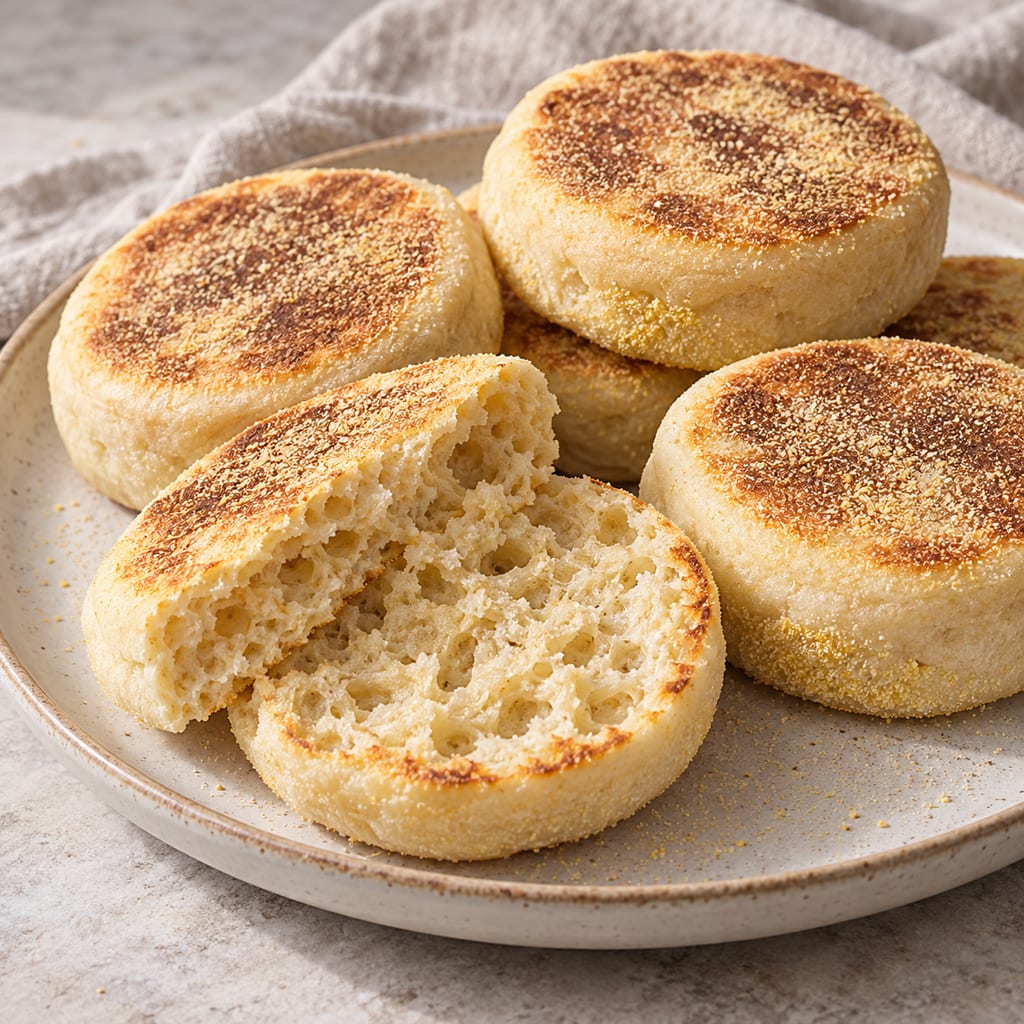
A soft English muffin dough combines sourdough starter with baker’s yeast, then rises, is cut into rounds and cooks on a griddle. The starter adds tang; the added yeast helps it rise.
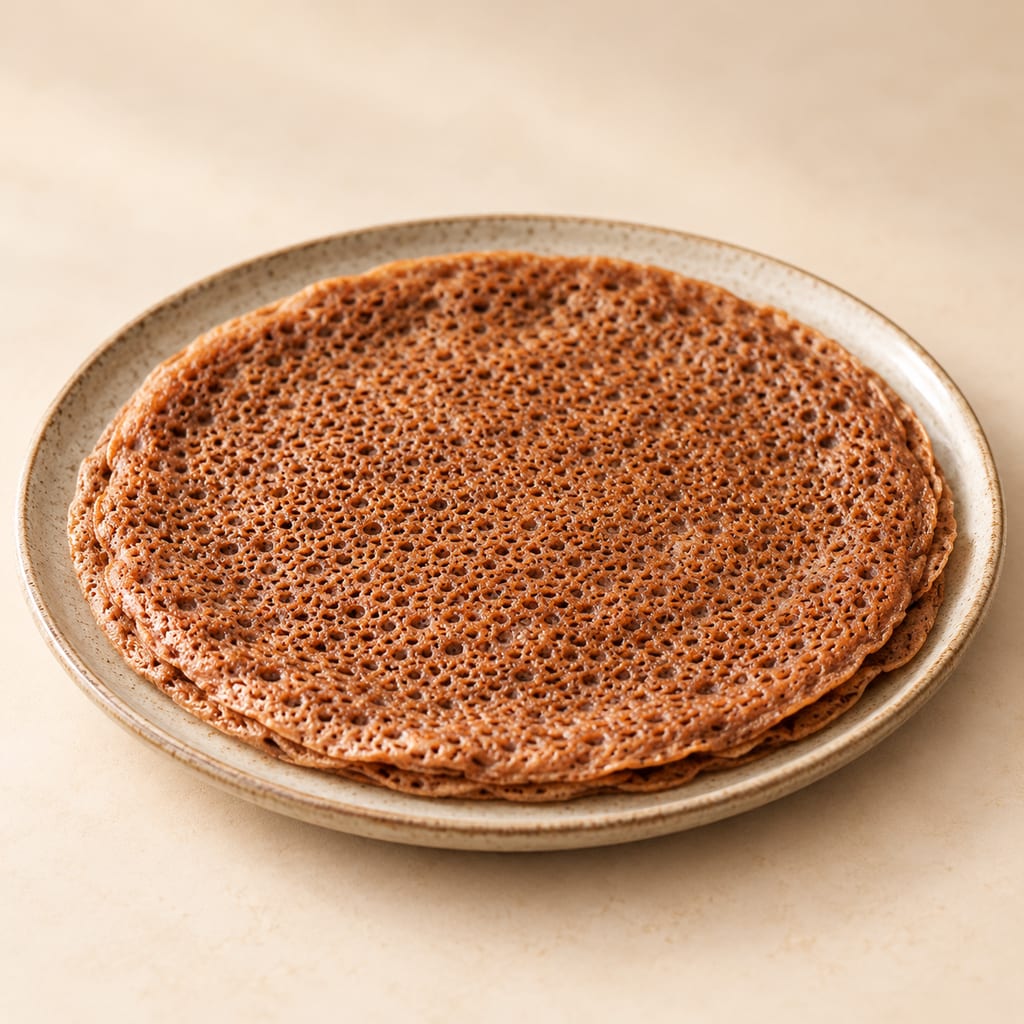
A modern home adaptation of Ethiopian injera using a 24-hour fermentation window. This method balances traditional souring with accessible ingredients like baking powder or starter cultures to achieve the characteristic porous texture.
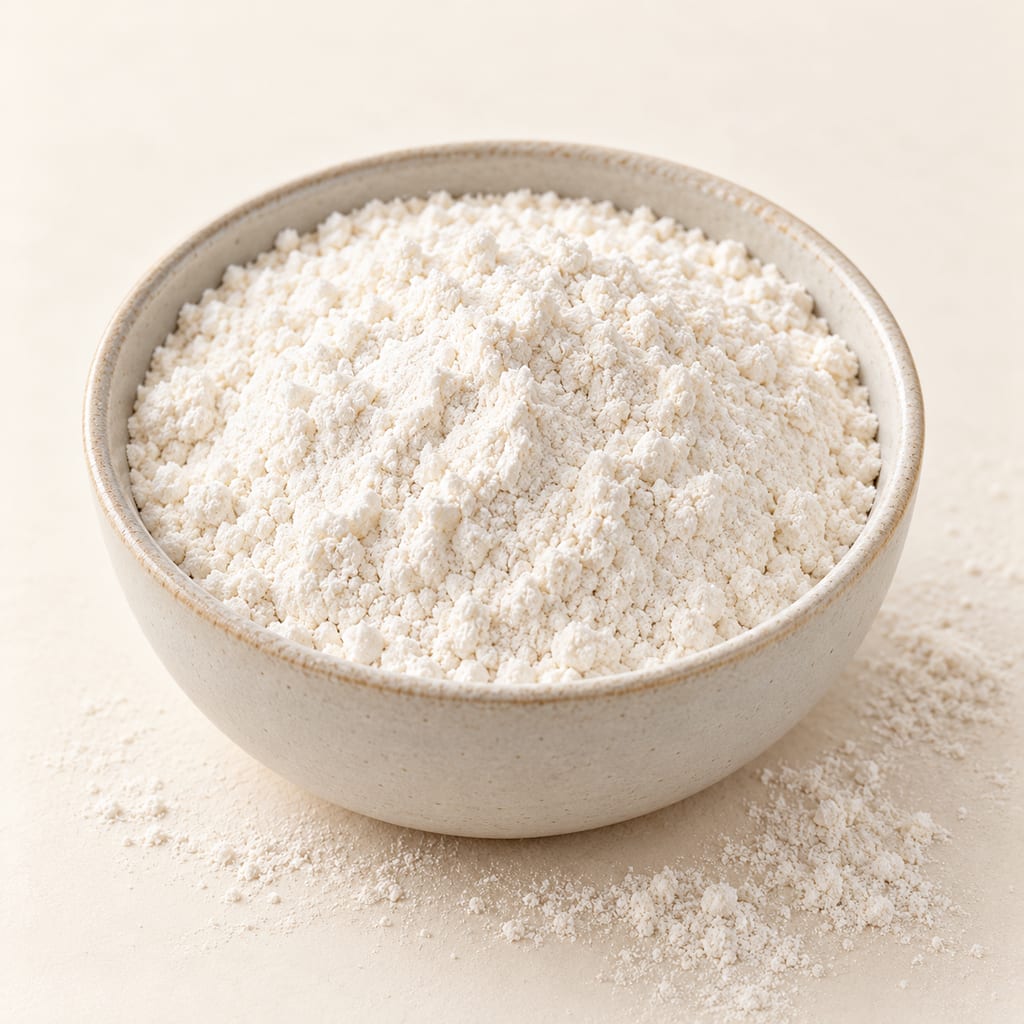
Bread flour is wheat flour chosen for dough strength and gas retention. Its protein level and baking performance vary by wheat, mill and product.
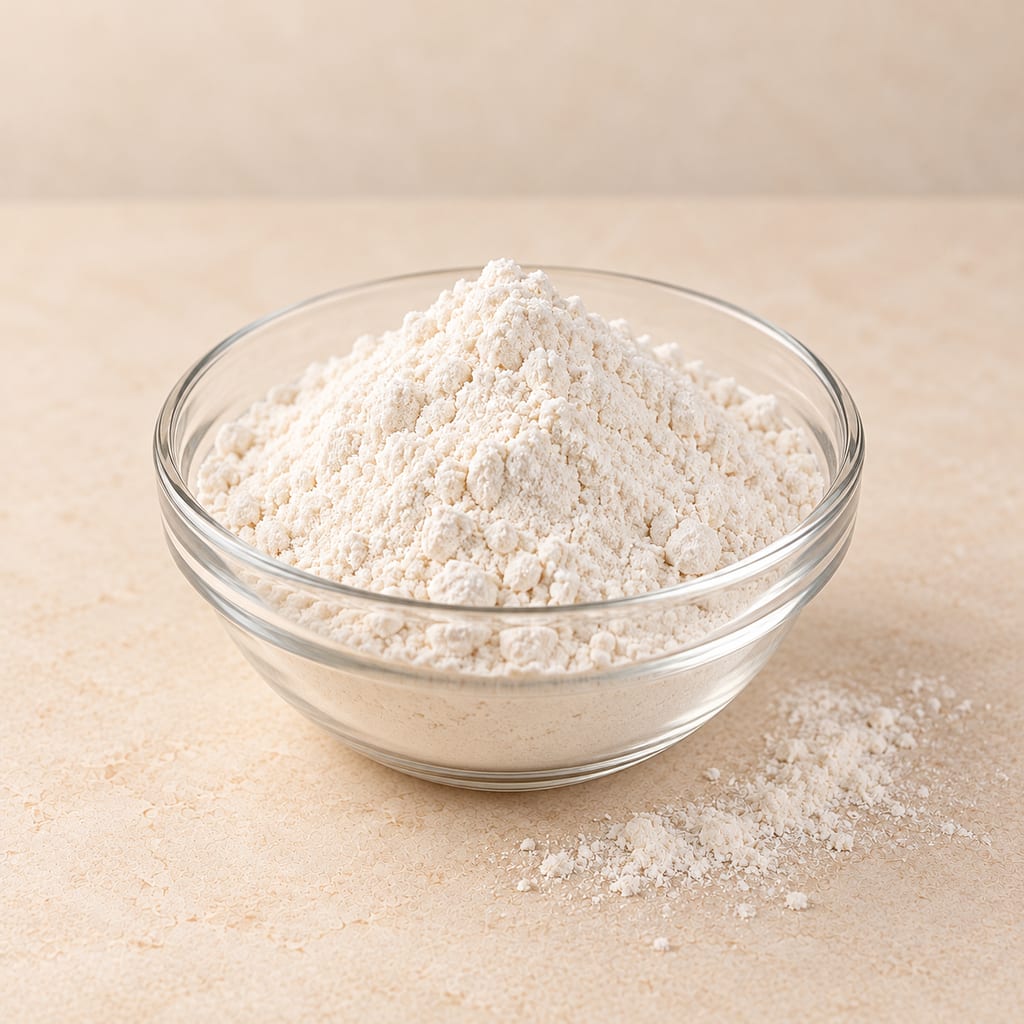
Bread flour and all-purpose flour give yeast dough its gluten network; pan de cristal and pain de mie use them in different ways.
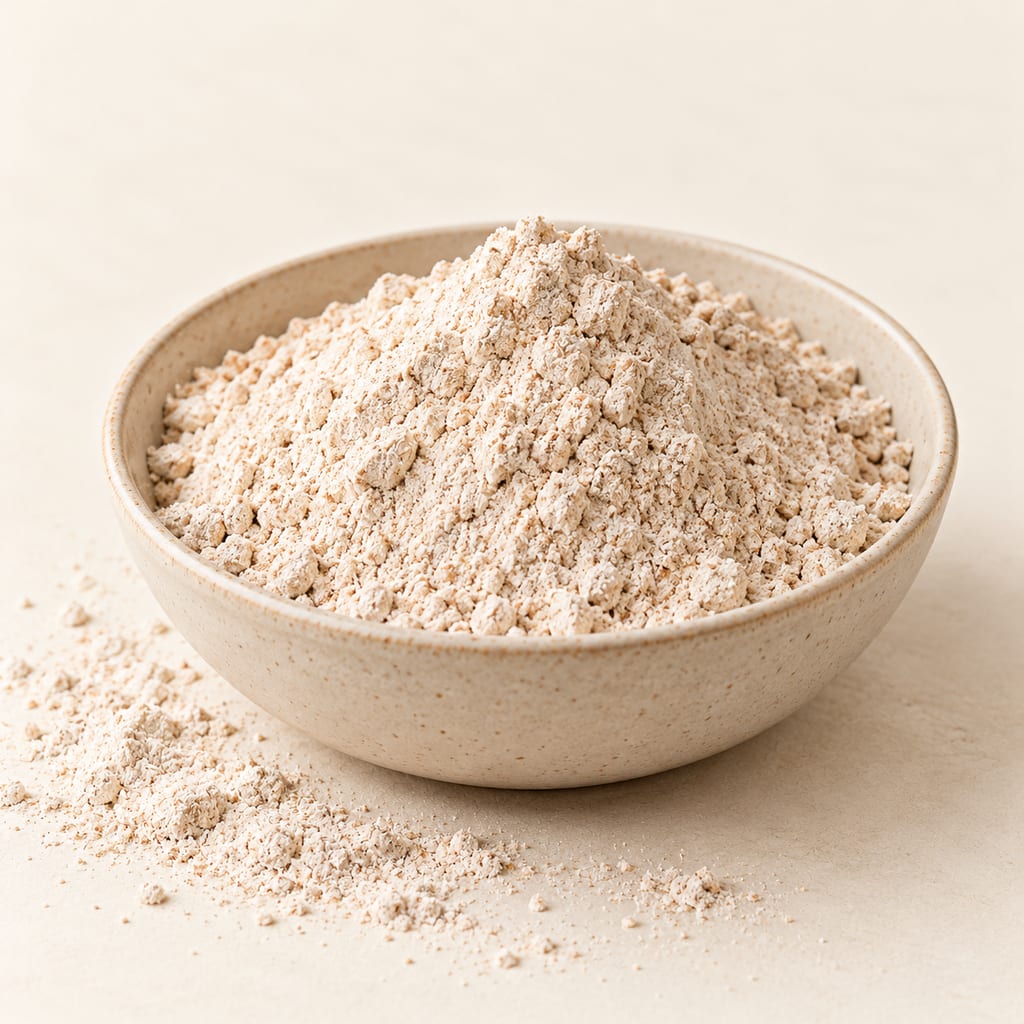
Whole-wheat flour contains the bran, germ and endosperm of wheat in their original proportions. Its fuller grain flavour and dough behaviour depend on the wheat and milling.

Toasted almonds are whole sweet almond kernels dry-roasted until golden to brown. Heat replaces their marzipan note with a roasted, nutty one; they thicken and flavour romesco.
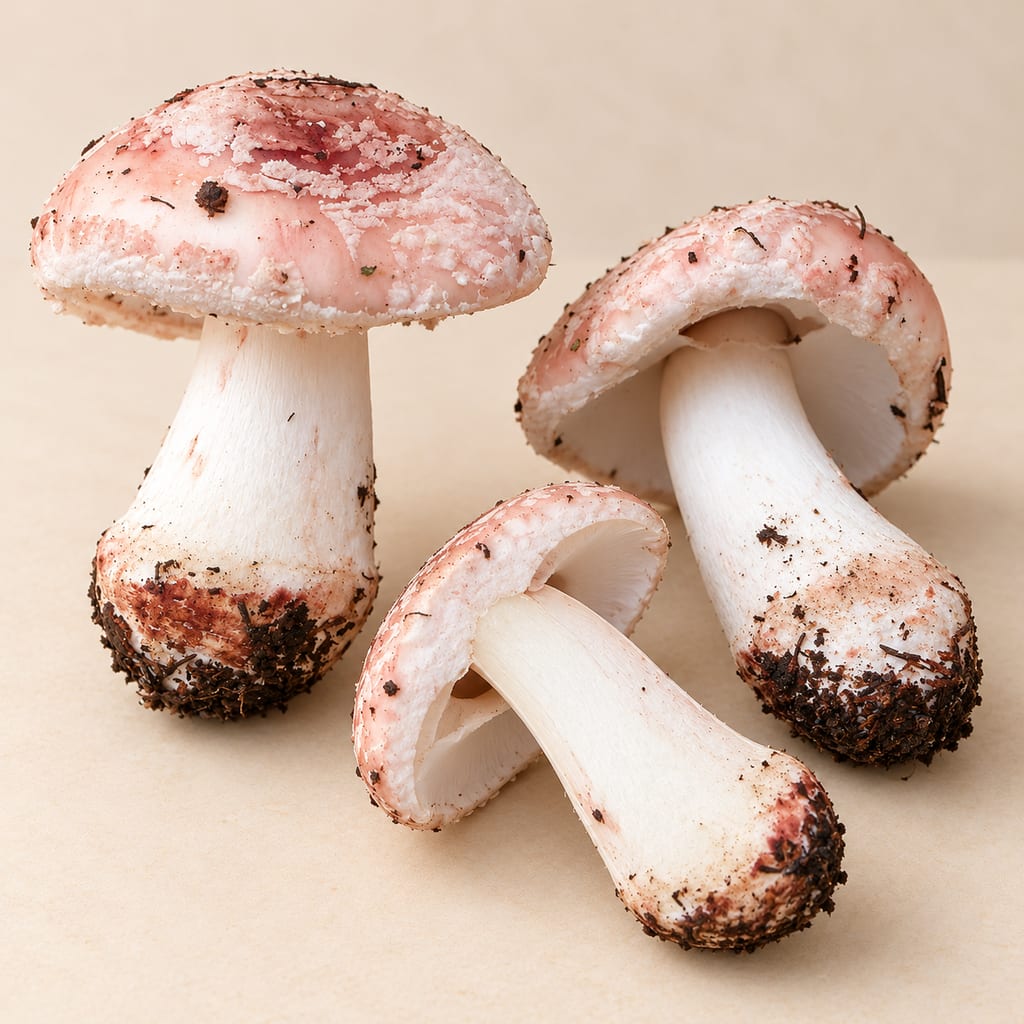
Amanita novinupta is a western North American blusher, a forest mushroom recorded as food in Mexico, and one that must be cooked because its raw flesh is toxic.
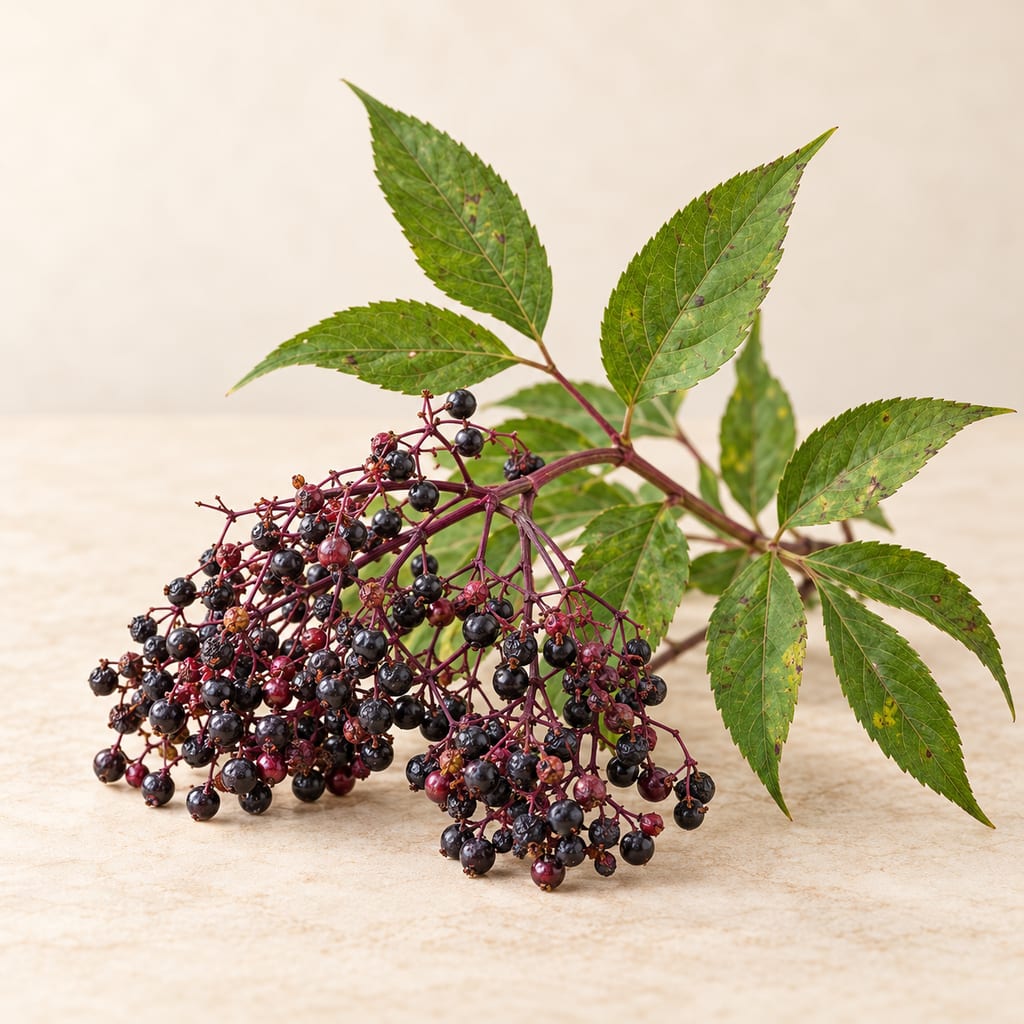
Sambucus canadensis is the accepted name used here for American elderberry. Missouri production guidance and named-cultivar studies give useful regional growing information, while food and analytical sources leave process questions open.
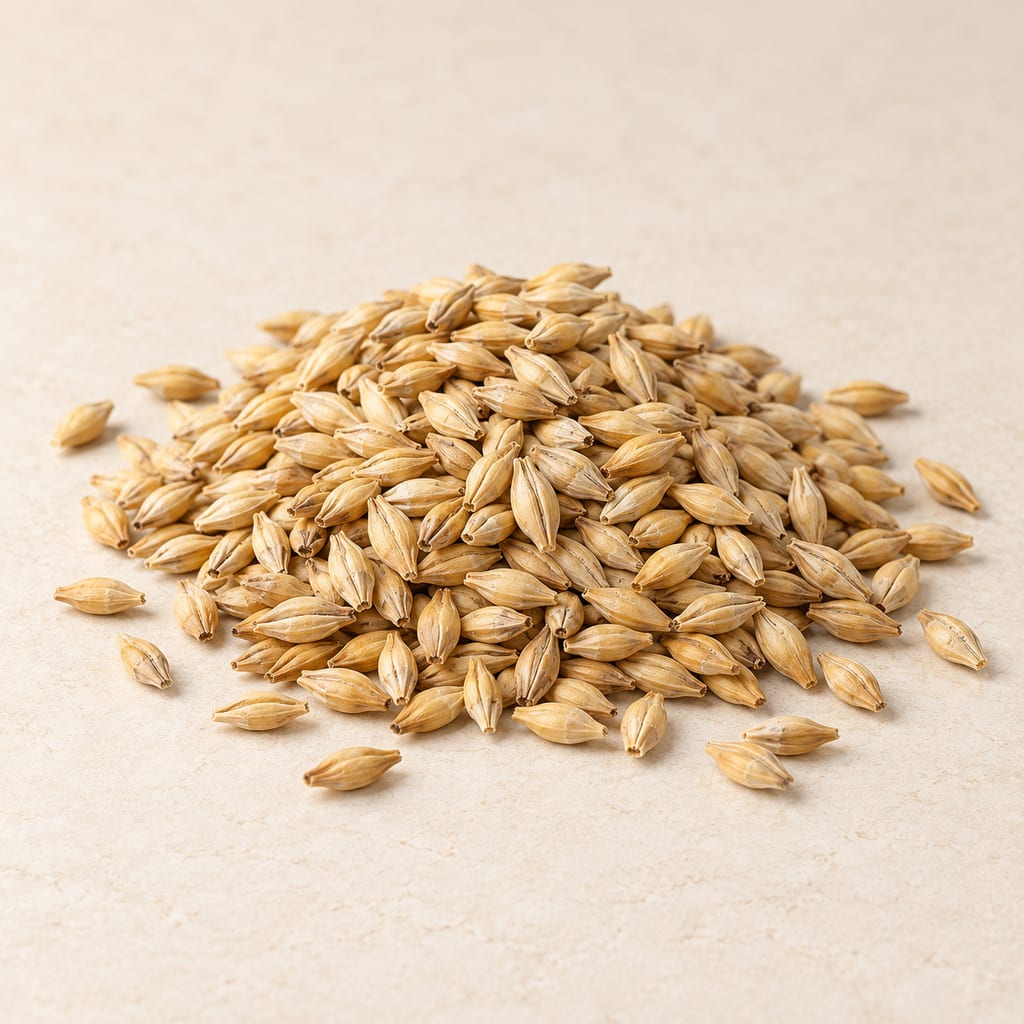
A lightly kilned brewing base made from two-row barley. It supplies starch and enzymes for the mash, with the maltster’s product and lot analysis defining its brewing properties.

Ripe avocado flesh is the soft, buttery, fat-rich pulp of Persea americana, eaten raw. It is low in acid, so it is a fresh ingredient that needs care in chilled dishes.
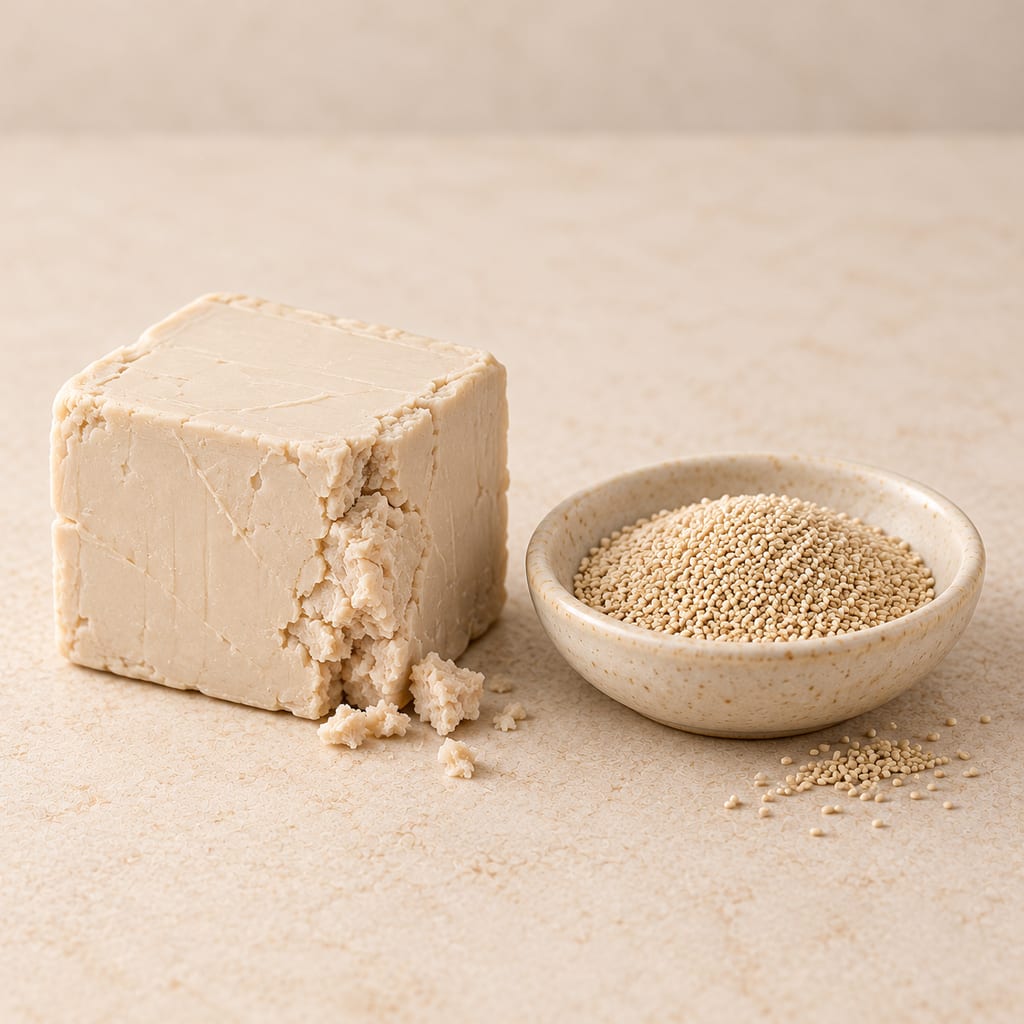
Baker's yeast is a cultivated living leavener, commonly sold fresh or dried. In dough, selected Saccharomyces cerevisiae cells make gas that can raise bread.
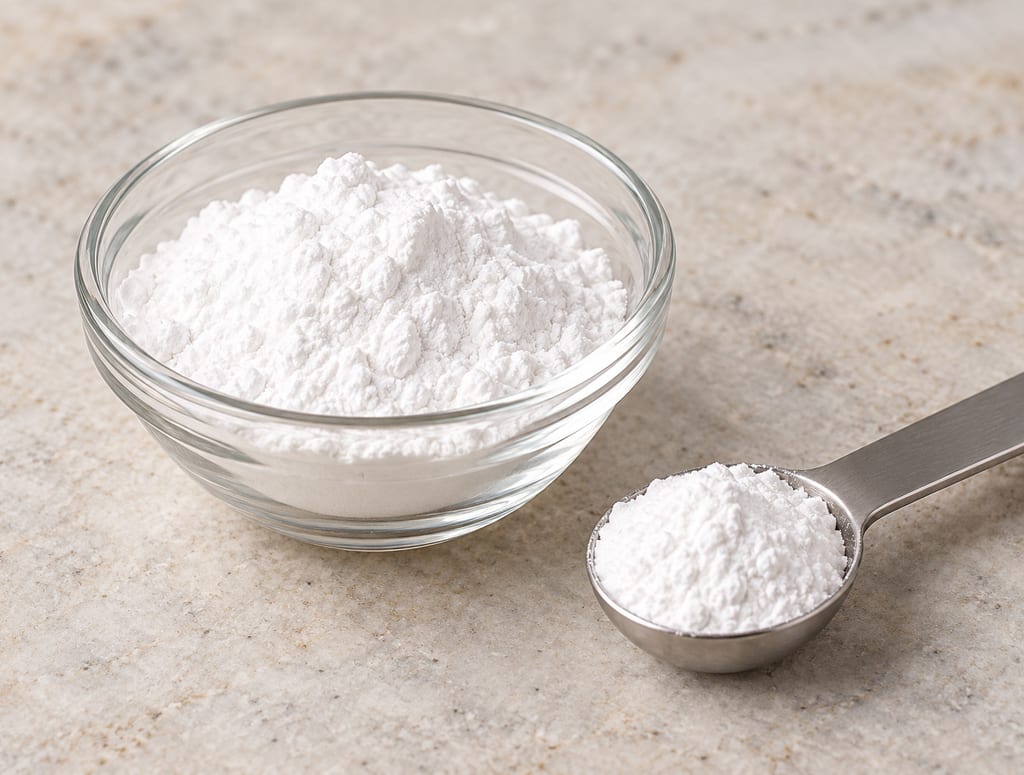
Baking powder is a dry chemical leavener that combines bicarbonate with acid-reacting ingredients and a carrier. Moisture and heat release carbon dioxide for quick breads, batters and griddle cakes.
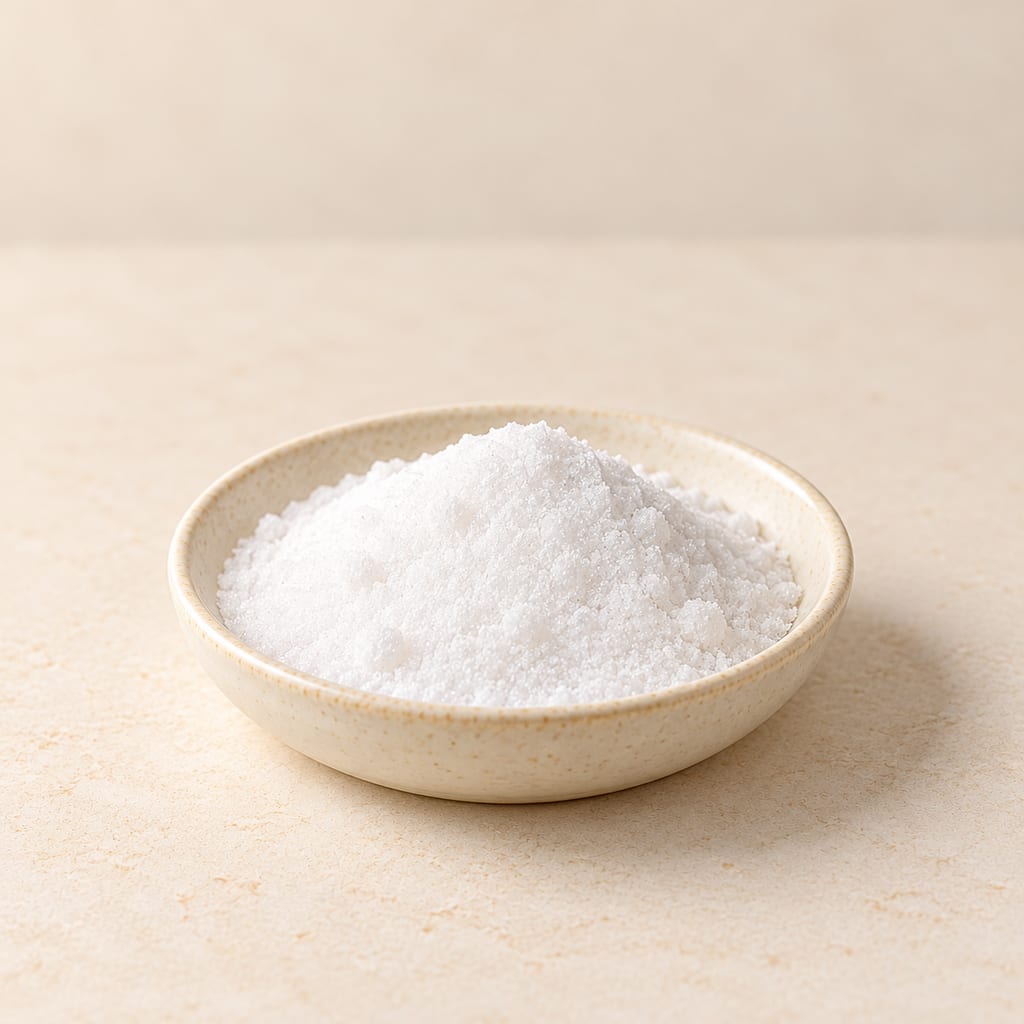
Baking soda is food-grade sodium bicarbonate, a single alkaline powder that releases carbon dioxide when it meets acid in a wet batter. It lifts quick breads without a living culture.

A Cap-Pelé boucanière is an Acadian herring-smoking building. The documented Willie Niles example is a one-storey wood-frame structure with a ridge smoke vent and interior bays for hanging fish-bearing cannes.

Achcharu is a family of Sri Lankan vinegar pickles made with mixed vegetables or seasonal fruit and a piquant spice dressing. This version is a quick, refrigerated, non-fermented mixed-vegetable pickle.

The acocote is a long, hollowed and dried gourd used to draw aguamiel from a mature maguey. It is a harvesting tool: the sap is transferred to a separate vessel before it ferments into pulque.

Adrak murabba preserves young ginger in sugar syrup, a sweet South Asian preparation recorded in Indian cookery and food-processing sources.

Parkia biglobosa seeds are fermented into regional West African seasonings, including nététou, iru, dawadawa and soumbala. The yellow fruit pulp is a separate food, and names and methods vary by place.

Japanese reddish-brown vinegar from sake lees matured about three years, turned to vinegar by acetic bacteria; the vinegar of Handa and Edomae sushi rice.

The almond mushroom, Agaricus subrufescens, was cultivated in eastern North America in the 1800s, lost its market, and returned as a cultivated mushroom from Brazil, where it is grown under several names.

Anpan is a soft wheat bun filled with sweet red-bean paste and finished with egg wash and black sesame. This dough rises with commercial instant yeast.
No community contributions have been published for this entry yet.
Sign in to contribute. Published comments and photos are free to read.
U.S. FDA / Cornell LIIEditorial
21 CFR §137.105: FlourU.S. refined flour identity
Cited in: A flour made to cross boundaries
U.S. FDA / Cornell LIIEditorial
21 CFR §137.200: Whole wheat flourWhole wheat retains natural constituent proportions
Cited in: Wheat before the bag; Choosing, storing and using it
U.S. FDA / Cornell LIIEditorial
21 CFR §137.165: Enriched flourEnrichment is a defined addition to specified flour
Cited in: Wheat before the bag
USDA Agricultural Marketing ServiceEditorial
Commercial Item Description: Flours, Cereal GrainContract-specific all-purpose wheat classes and protein options
Cited in: A flour made to cross boundaries; Why flours behave differently; The miller and the cook share the work
USDA Agricultural Marketing ServiceEditorial
Wheat Flour and Bakery Flour ProductsLater domestic-program procurement specifications differ from retail universals
Cited in: A flour made to cross boundaries
The Plant Cell / authorsEditorial
Evolution and origin of bread wheatHexaploid bread-wheat ancestry
Cited in: Wheat before the bag
PLOS ONE / Bilgic et al.Editorial
Ancient DNA from 8400 Year-Old Çatalhöyük WheatGenetic evidence for hexaploid wheat at Çatalhöyük and limits of grain-shape identification
Cited in: Wheat before the bag
U.S. Census OfficeEditorial
Flour-Milling ProcessesContemporary account of Minneapolis milling, Lacroix purifier and Hungarian gradual reduction
Cited in: The mill’s quiet engineering
U.S. FDAEditorial
Guide to Inspections of Grain Product ManufacturersBreak and reduction rolls, sifting and flour streams
Cited in: The mill’s quiet engineering
Review authors / PubMed CentralEditorial
Wheat quality: seed storage proteins in bread makingGlutenin/gliadin network and bread dough gas retention
Cited in: Why flours behave differently; The miller and the cook share the work
Utah State University ExtensionEditorial
Food Storage in HomeCool, dry pantry storage without a universal shelf-life claim
Cited in: Choosing, storing and using it
U.S. FDAEditorial
Flour Is a Raw Food and Other Safety FactsRaw flour is not a ready-to-eat product
Cited in: Choosing, storing and using it
U.S. CDCEditorial
Raw Flour and DoughRaw flour and dough handling and cooking advice
Cited in: Choosing, storing and using it
U.S. FDAEditorial
What is a major food allergen?Wheat is a major regulated allergen
Cited in: Choosing, storing and using it
U.S. NIDDKEditorial
Definition & Facts for Celiac DiseaseCeliac disease and gluten context
Cited in: Choosing, storing and using it
King Arthur BakingEditorial
Classic Sourdough PancakesAll-purpose flour in overnight sourdough pancake sponge
Cited in: The miller and the cook share the work
King Arthur BakingEditorial
Sourdough English MuffinsAll-purpose flour in sourdough English muffin dough
Cited in: The miller and the cook share the work
Food Safety and Standards Authority of IndiaEditorial
Food Product Standards: Cereals and Cereal Products, Chapter 2.4Distinguishes wheat flour atta and refined maida in Indian standards
Cited in: A flour made to cross boundaries
U.S. Wheat AssociatesTempering, milling flow and gluten testing
Wheat and Flour Testing Methods: A Guide to Understanding Wheat and Flour QualityPDF pp.24–26: water tempering toughens bran and mellows endosperm; corrugated first break, sieving and smooth reduction rolls; p.28: gluten supplies dough elasticity and extensibility.
Cited in: The mill’s quiet engineering; Why flours behave differently
American Society of BakingStarch enzymology
AmylaseAmylases in cereal flours hydrolyze starch to dextrins and sugars; those sugars support yeast fermentation.
Cited in: Why flours behave differently; The miller and the cook share the work
American Society of BakingYeast substrate
Yeast NutrientsLean wheat dough fermentable sugars derive substantially from amylase action on damaged starch; yeast metabolizes sugar, not intact starch.
Cited in: Why flours behave differently; The miller and the cook share the work
U.S. FDA / Cornell LIIFormulation
21 CFR §137.180: Self-rising flour, self-rising white flour, self-rising wheat flourSelf-rising flour is flour mixed with sodium bicarbonate and an acid-reacting substance (monocalcium phosphate, sodium acid pyrophosphate or sodium aluminum phosphate), at no more than 4.5 parts per 100 parts flour, and seasoned with salt.
Cited in: Choosing, storing and using it
Foods (MDPI); Alzuwaid et al.Mechanism
Influence of Durum Wheat Bran Particle Size on Phytochemical Content and on Leavened Bread Baking QualityAdded bran can restrict the water available to gluten, dilute it and disrupt gluten development, leaving a network less able to hold gas; finer bran fractions had the largest negative effect on bread quality.
Cited in: Choosing, storing and using it
Food Chemistry; Poudel and Rose (University of Nebraska-Lincoln record)Storage mechanism
Changes in enzymatic activities and functionality of whole wheat flour due to steaming of wheat kernelsSteaming kernels cut lipase activity by up to 81% and reduced free fatty acid build-up (hydrolytic rancidity) in stored whole wheat flour; it did not change lipid oxidation in the stored flour.
Cited in: Choosing, storing and using it
University of Nebraska-Lincoln; Doblado-Maldonado (master's thesis, 2012)Storage
New Technologies for Whole Wheat Processing: Addressing Milling and Storage IssuesMilling and storage of whole wheat flour present particular difficulties; lipolytic activity limits shelf life and salt added at tempering inhibited lipase.
Cited in: Choosing, storing and using it