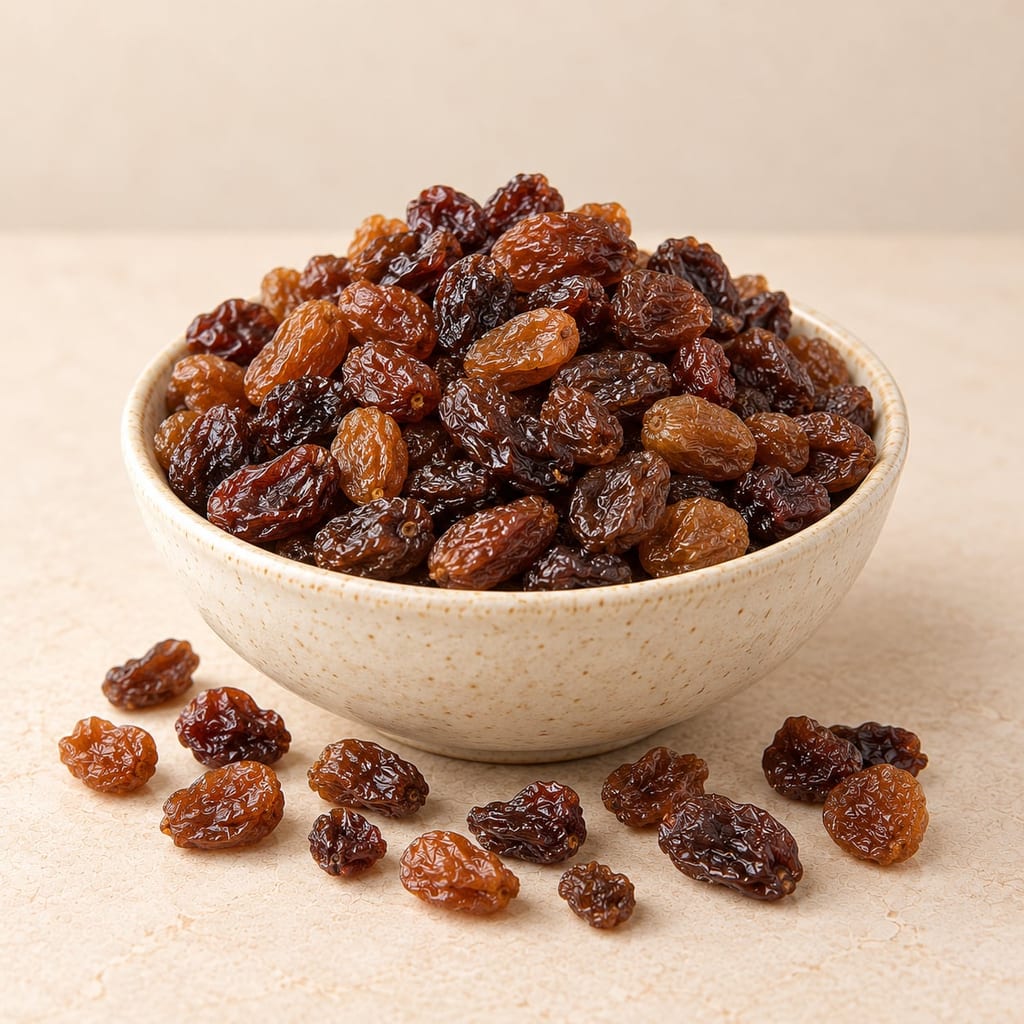
Raisins
Raisins are dried grapes whose variety and drying method shape their size, colour and flavour. In a documented 1861 ginger wine they are stoned, chopped and added to the cask after yeast.
 FermenteaWhere food goes to change
Modern adaptation
ambasha · h'mbasha
A round, mildly sweet wheat bread leavened with baker’s yeast and marked with a wheel pattern. This source batch uses raisins, black sesame and cardamom.
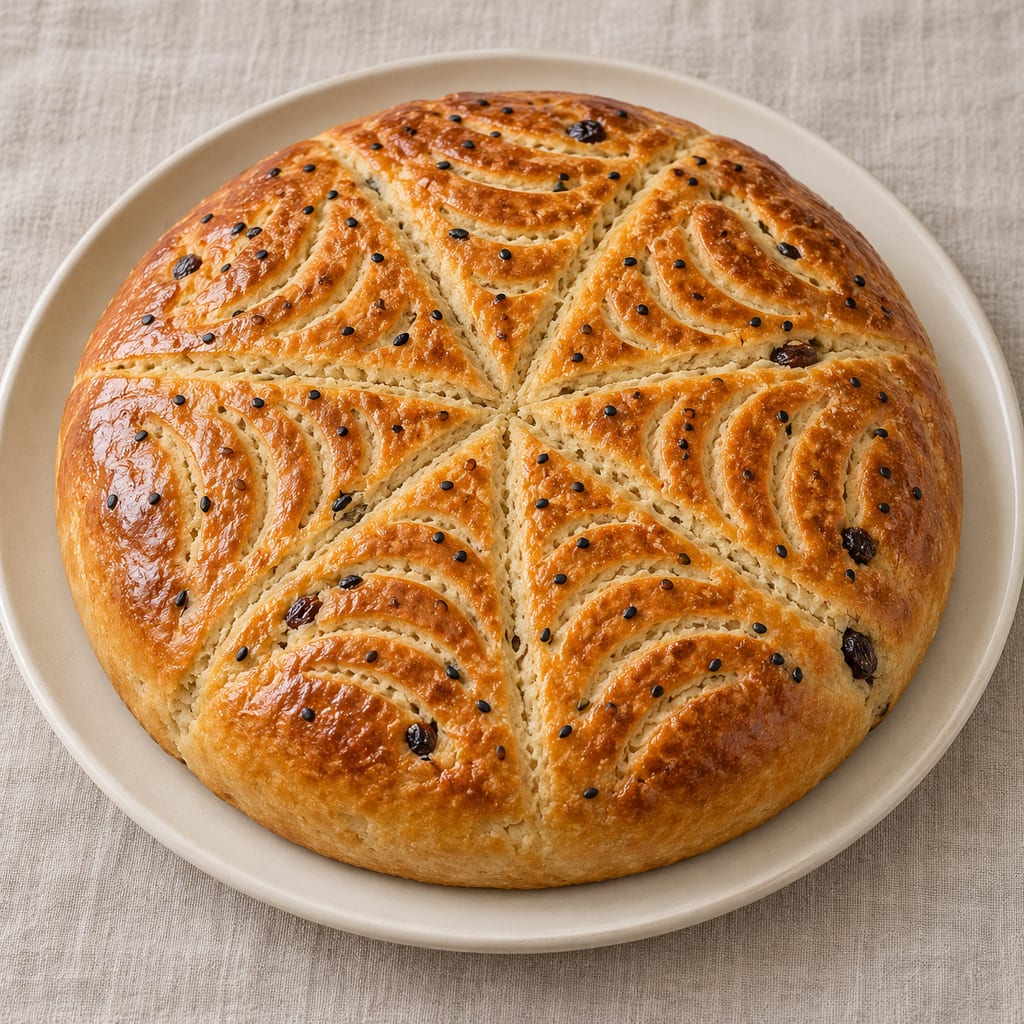
Himbasha, also written h'mbasha or ambasha, is a round wheat bread whose surface is often marked with a wheel design. The selected source batch comes from Sandhya Ramakrishnan’s home-baking recipe: a mildly sweet dough with raisins, black sesame and cardamom, pressed into one 9-inch pan. The author associates it with Ethiopian food and describes it as suitable for breakfast or tea. This is one documented household formula, not a universal specification for the name.
The spelling overlap does not resolve the bread’s cultural geography. A field survey of traditional foods in Eastern Tigray records ambasha as a relatively thin circular bread, served in triangular slices, and identifies it as a fermented wheat-flour bread. The same study distinguishes ebist, a thicker celebratory bread cut into cubes after prayer. These observations are specific to the districts and community knowledge sampled in East Tigray; they do not define every bread called ambasha or himbasha elsewhere.
Ethiopiaid’s coffee-ceremony guide includes Himbasha as a snack and gives another measured formula. That version uses four cups of plain flour, one cup of water, a sachet of yeast, sugar, salt, sesame, cardamom and oil, then makes two rounds about 30 cm wide. It contains no raisins and uses a different yield and schedule. The guide supports the bread’s place in a contemporary coffee-ceremony setting, while its recipe remains separate from the one-pan version below.
The available evidence does not date the first appearance of Himbasha or ambasha. A contemporary blog’s celebratory and family-use descriptions, an Ethiopian coffee hosting guide and a regional survey each illuminate a different context. None supports a single origin story. Use the name and regional wording that matches the source being discussed. The evidence inspected here cannot establish exclusive ownership of the bread by one country or community.
This version makes one round in a 9-inch cake pan and the recipe card reports eight slices. It combines two cups of all-purpose flour with three tablespoons of sugar, one teaspoon of instant yeast, half a teaspoon of salt, two tablespoons of olive oil, a quarter cup of raisins, one teaspoon of black sesame and half a teaspoon of ground cardamom. The author lists half a cup of warm water and notes that up to a quarter cup more may be needed. The water amount is therefore a range, not a fixed hydration percentage; cup sizes and flour weight are not supplied.
The measured formula includes three tablespoons of milk for brushing the top. Milk is part of this batch rather than an assumed universal finish. The ingredients and quantities here follow that recipe card. Do not combine the two-pan Ethiopiaid quantities with this one-pan batch, and do not add its ingredients to this formula as if the sources described a single standard.
A food processor is the author’s preferred mixing aid, but the instructions also allow a large bowl and hand mixing or a stand mixer. The useful equipment is a mixing bowl or processor, a dough scraper or clean hands, a 9-inch oven-safe pan, a blunt knife for the pattern, an oven and a cooling rack. The source does not require a special Ethiopian griddle or a clay oven for this home-baked version.
No precise room temperature, water temperature, flour protein level or dough weight is reported. Those omissions matter when comparing rise times or reproducing the loaf in a different kitchen. Keep the source quantities intact and use its visible dough cues alongside the stated approximate times rather than treating those times as guarantees.
Mix the flour, instant yeast, sugar, salt, ground cardamom and sesame until distributed. Add the raisins and olive oil and mix briefly. Gradually work in the warm water, stopping when the flour forms a soft dough; add the source’s possible extra quarter cup only if needed. Knead for seven to ten minutes until soft and no longer sticky. The original allows a food processor, hand kneading or a stand mixer, but does not specify machine speed or dough temperature.
Cover the dough and let it rise until doubled. The author reports that this took about one and a half hours. Since the source gives no room-temperature range and yeast activity varies, treat the doubling cue as the more useful observation. Do not put the dough in a heated environment with an invented temperature target.
Gently press down the risen dough. Oil a 9-inch cake pan or another oven-safe round pan, then spread the dough evenly over the base. The dough may pull back; let it relax for five minutes and stretch again instead of forcing it. Cover the pan and proof for another 30 to 45 minutes, until the surface looks puffy. Together, the two covered rises take roughly two hours, excluding the short rest after shaping.
The wheel is a surface design. Press it in with the blunt side of a knife so the marks remain visible without dividing the round into detached wedges. Score before applying the milk wash, then brush the surface lightly with the listed milk. The source does not specify an exact wheel geometry; it shows a decorative pattern rather than prescribing a measured template.
Heat the oven to 350°F, approximately 177°C. Bake the round for 25 to 35 minutes, until the top is golden brown. The source supplies no internal temperature, so none is added here. Pan material, oven calibration and dough thickness can change how quickly the center bakes; the published time belongs to the source batch and its oven context.
Lift the bread out and let it rest briefly on a cooling rack before slicing. The recipe card reports eight slices and suggests serving it as a mildly sweet bread for breakfast or afternoon tea. The Ethiopiaid guide serves a different Himbasha formula with melted butter in its coffee-ceremony setting. These are serving suggestions from their respective sources, not mandatory customs.
A broad round gives the scored top room to show its pattern and creates a shareable loaf. The one-pan version is thicker and smaller than Ethiopiaid’s two 30 cm rounds, so the baking times should not be exchanged. In particular, the second source’s 20–25 minute bake applies to its own divided dough and oven setup.
The name also appears in regional accounts of breads that are sliced for meals. The Eastern Tigray survey’s triangular portions describe its documented ambasha; this page’s eight-slice serving comes from the selected home formula. Preserve that distinction when describing how the bread is eaten.
Instant yeast leavens this dough during two covered rises before baking. That biological rise is part of the bread-making method, but the sources do not describe a controlled souring process, identify a sourdough culture or provide acidity measurements. The selected version should therefore be read as a yeast-raised baked bread, not as a preservation ferment. The Eastern Tigray paper’s category of fermented bread is valuable evidence for its regional survey, but it does not establish the organisms, schedule or method used in this household recipe.
The recipe’s first rise is judged by doubling and its second by a puffy appearance. Neither cue measures microbial safety or proves a particular fermentation endpoint. They are shaping and baking cues in the source recipe. The oven step is what cooks the dough; the source uses a golden-brown top as its doneness cue and provides no internal-temperature reading.
Raw flour and uncooked dough can carry harmful germs, so do not taste the mixed dough. CDC advises keeping raw flour and dough separate from ready-to-eat foods, washing hands and food-contact surfaces after handling them, and baking the dough before eating. The source recipe does not provide a validated internal temperature, storage life or shelf-stability claim. This bread is not a preservation method.
The recipe contains wheat and includes milk in the surface wash; it also contains sesame and raisins. Keep those ingredients and cross-contact in view when serving people with allergies. No allergen substitution has been tested in the cited source. The card gives no storage duration, so this entry does not promise a safe holding period.
A 2020 field survey in Eastern Tigray lists ambasha as a thin circular, fermented wheat-flour bread and distinguishes it from thicker ebist. Contemporary Ethiopian and diaspora-facing recipes document wheel-scored versions for sharing, celebrations or coffee service. These sources do not establish when the bread first appeared. Names and forms are contested across communities, so this source-batch recipe should not stand for every Ethiopian or Eritrean preparation.
Yield 1 9-inch round; 8 slices reported · Scaling: source batch only
The dough contains uncooked flour and should not be eaten before baking.
Hazard sourceBake the shaped dough fully; the recipe uses a golden-brown visual endpoint but does not state an internal-temperature target.
Control sourceThe source does not specify water temperature or a measured endpoint for doneness; golden color is its only stated bake cue.
Milk is brushed on the dough; the loaf is not suitable for a milk allergy unless a separately validated alternative is used.
An Eastern Tigray study records ambasha as a fermented wheat bread; this association does not claim a birthplace or exclusive regional ownership.
Two contemporary Ethiopian home-baking and coffee-ceremony sources document recipes; neither establishes an origin date.
Raisins are dried grapes whose variety and drying method shape their size, colour and flavour. In a documented 1861 ginger wine they are stoned, chopped and added to the cask after yeast.
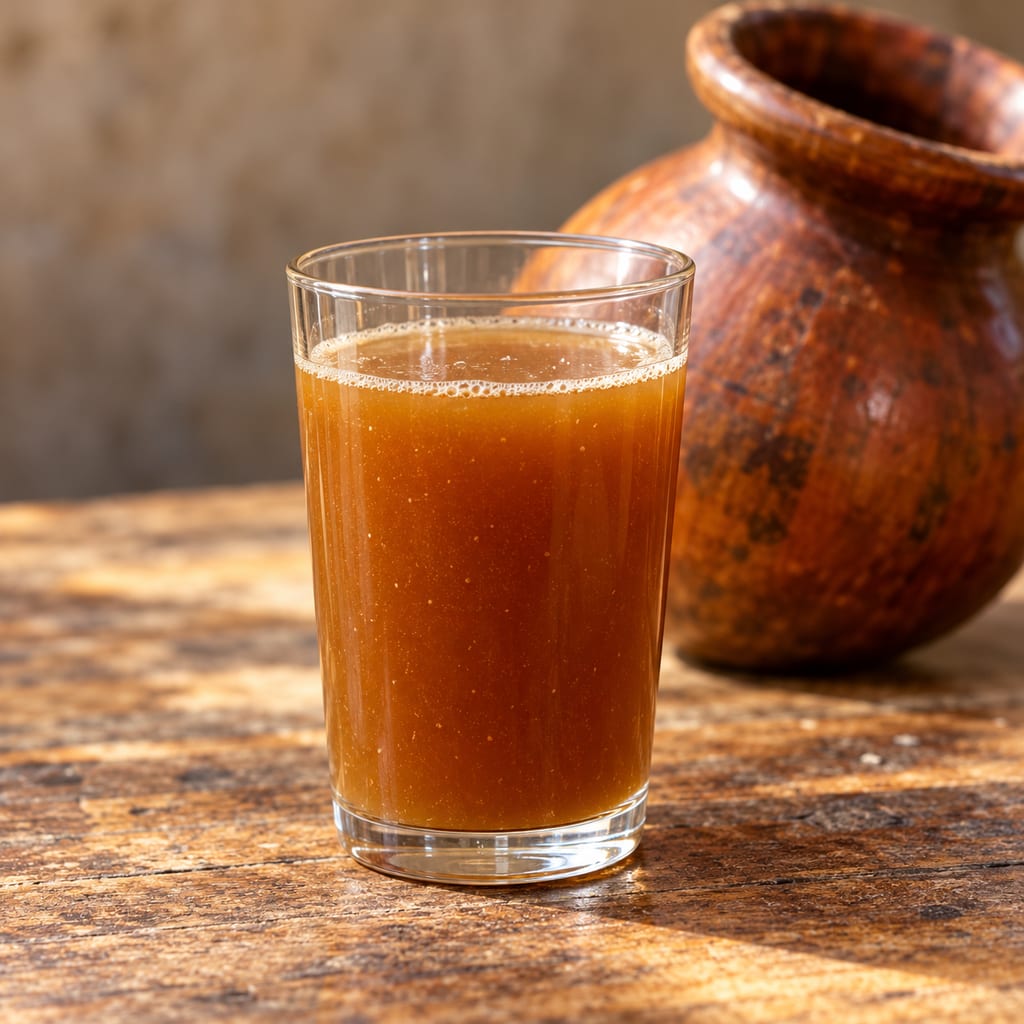
A darker Ethiopian maize tella, brewed from maize baked into a hot, dry kita pancake and then fermented in three stages with barley malt, gesho and water.
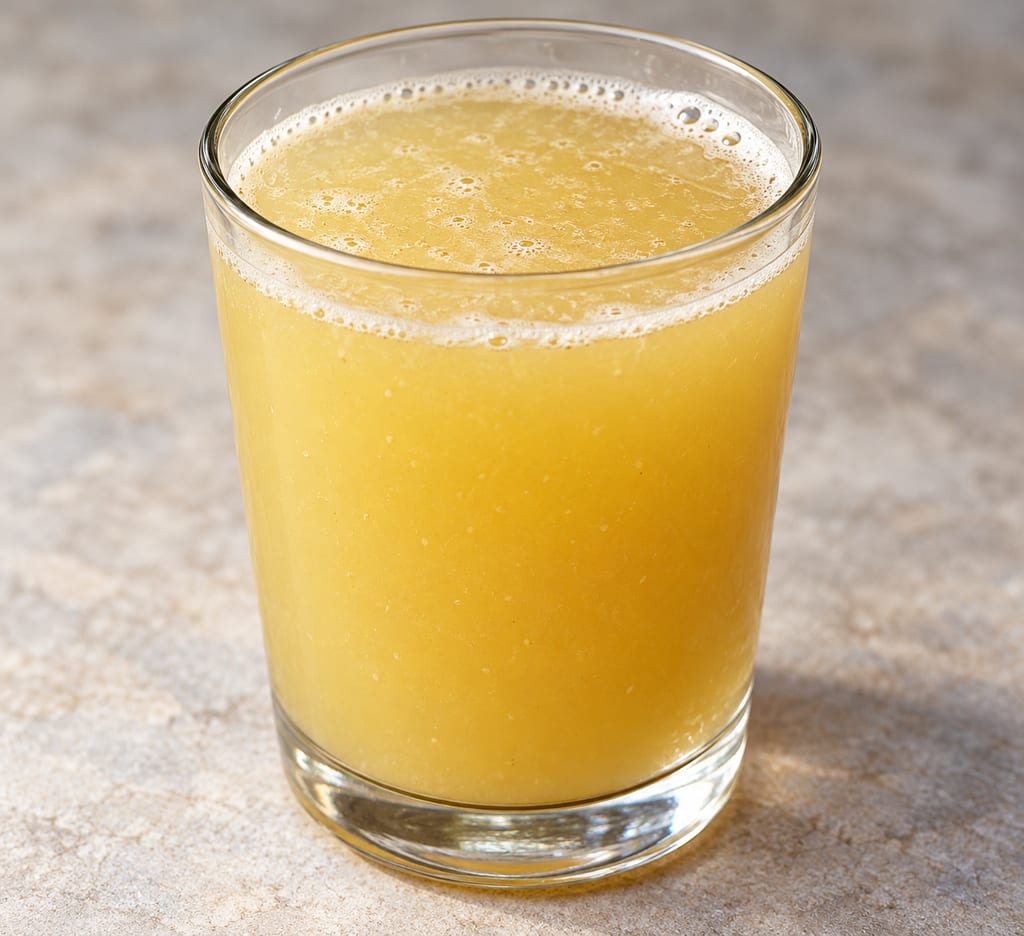
A pale Ethiopian maize tella, brewed from maize baked into a kita pancake at a gentler heat and then fermented in three stages with barley malt, gesho and water.
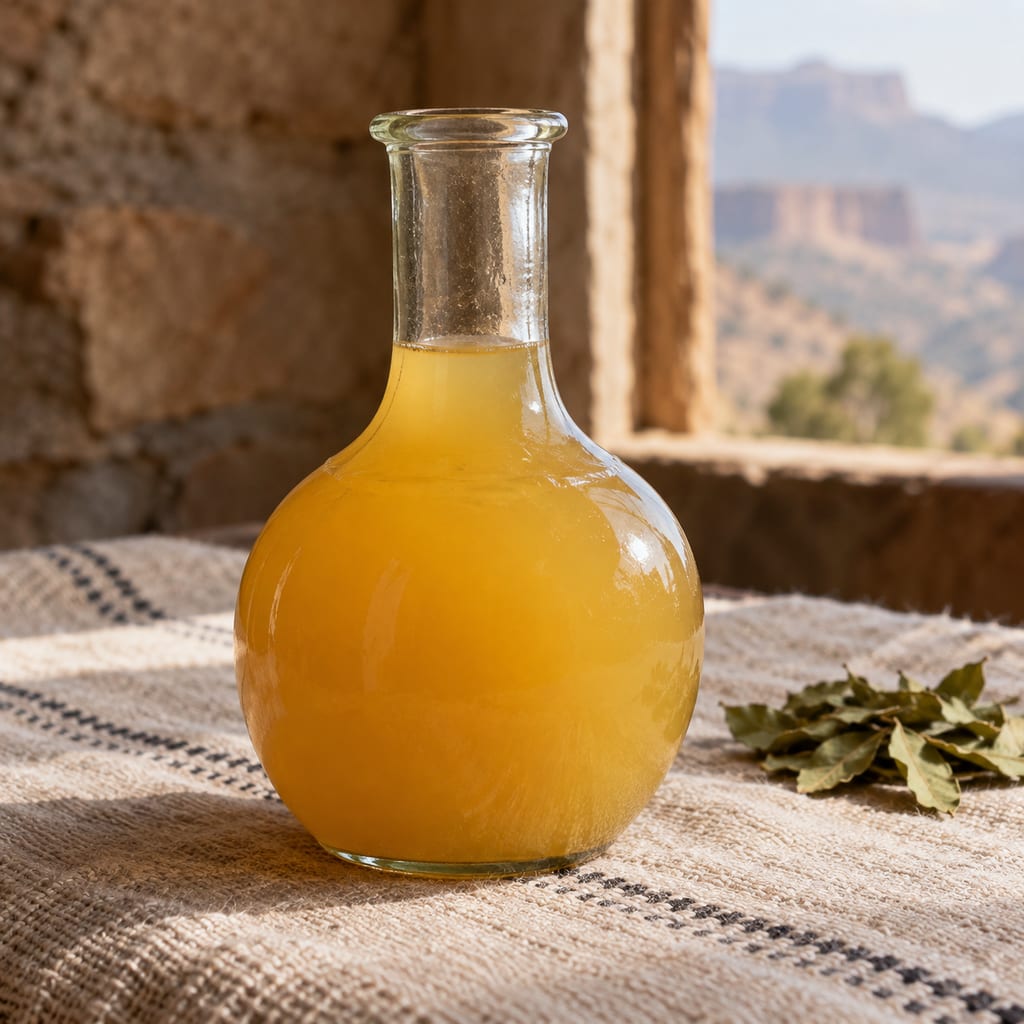
An Ethiopian honey wine of the Tigray highlands, fermented with the leaves and stems of gesho, which supply both bitterness and the microorganisms that carry the ferment.
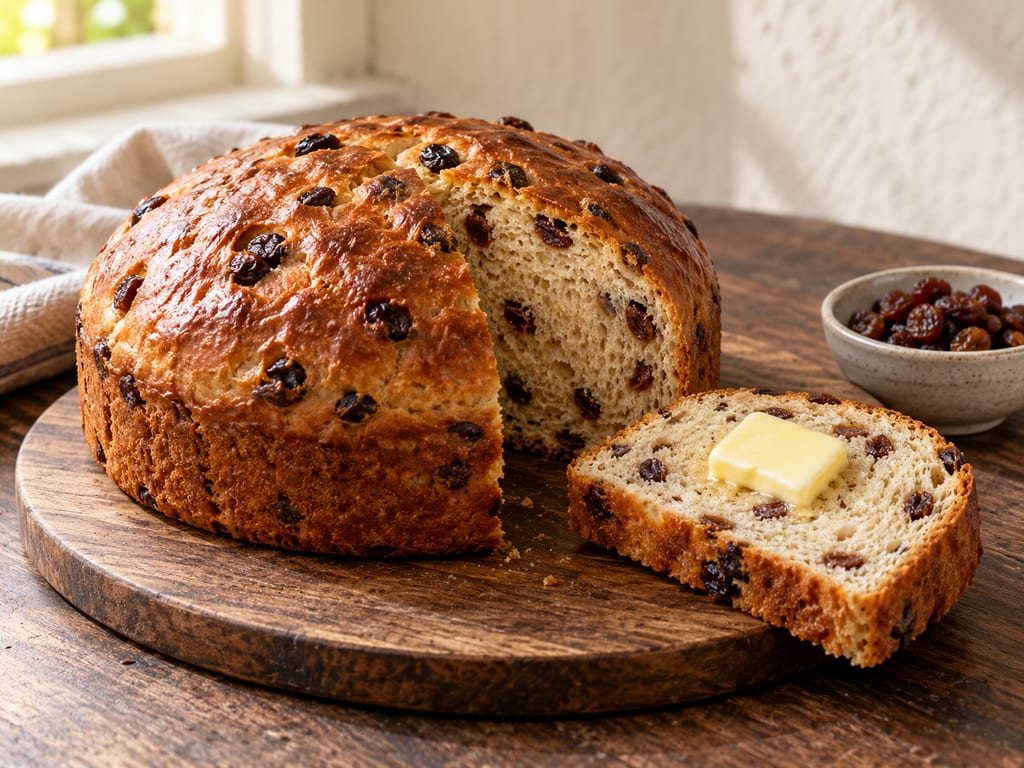
An Irish fruit-studded yeast loaf, associated in a contemporary cultural account with Halloween and often served fresh or toasted with butter.
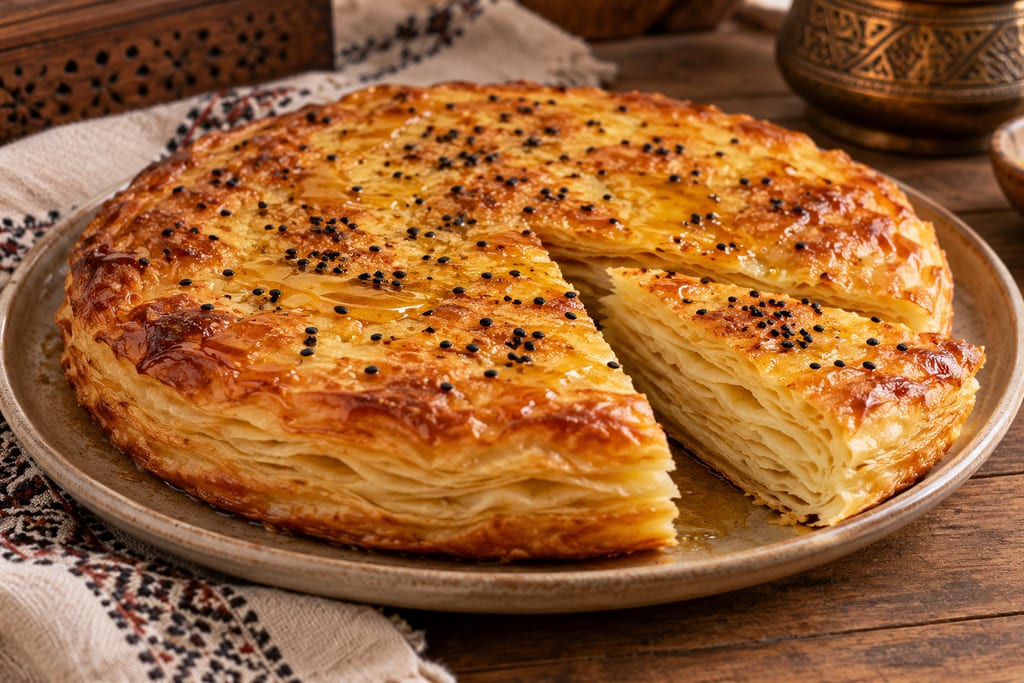
Bint al-sahn is a Yemeni celebration and home bread built from thin, egg-rich yeast dough layers brushed with ghee or butter. This source-specific version makes one round cake, baked until golden and served warm with honey.
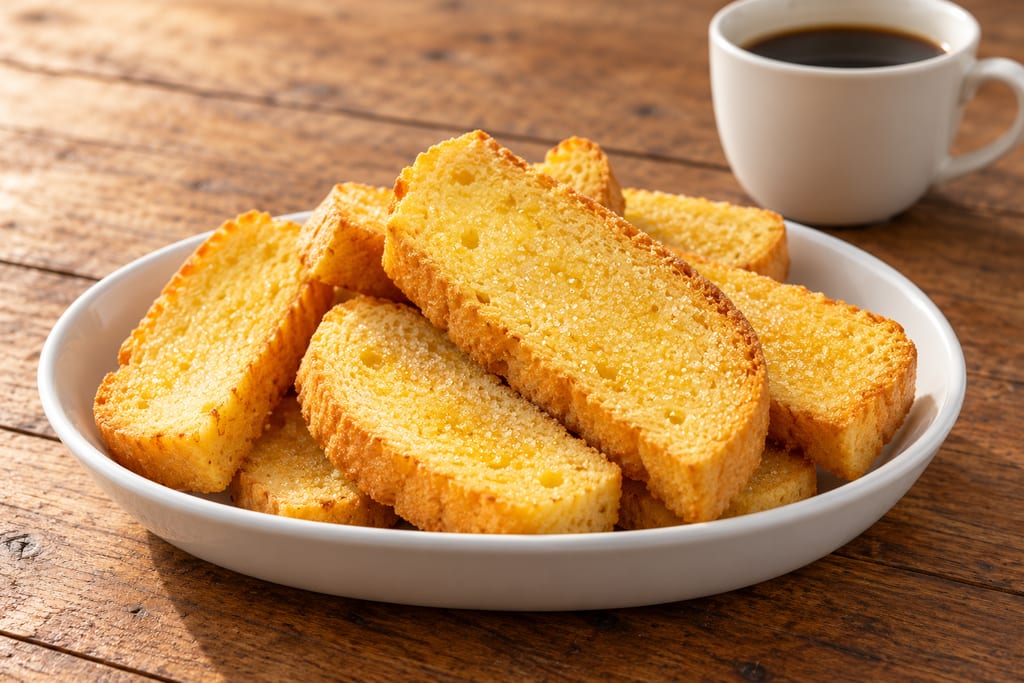
PagkainPinoy’s 24–30 piece version twice-bakes day-old soft bread with a thin butter-and-sugar coating.
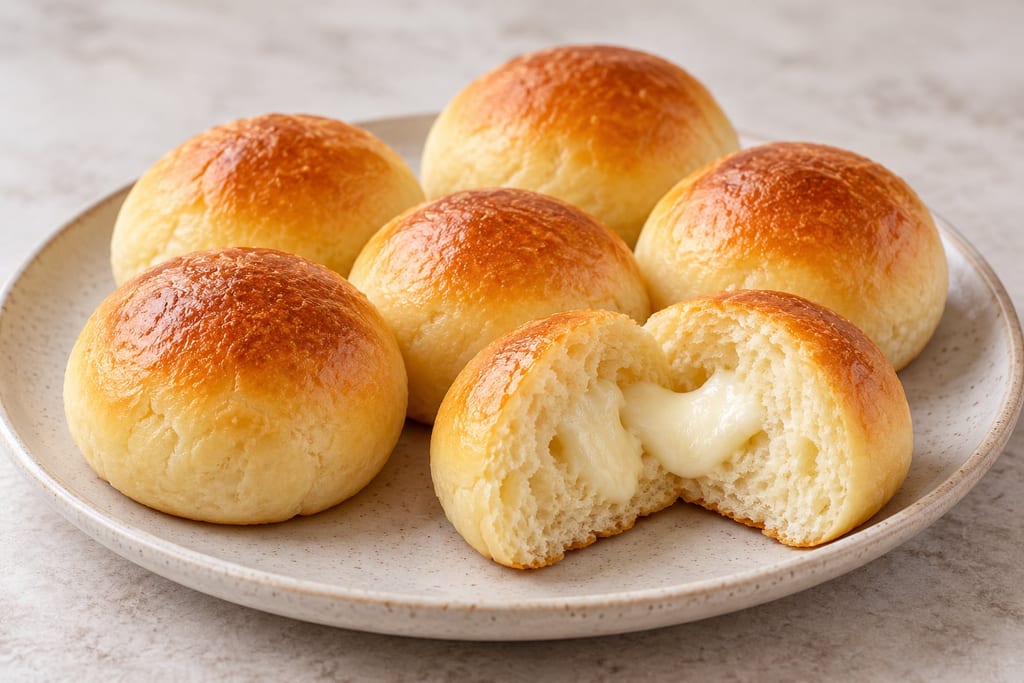
Soft Brazilian yeast rolls use cooked mashed potato in an enriched dough, with mozzarella cubes enclosed before baking.
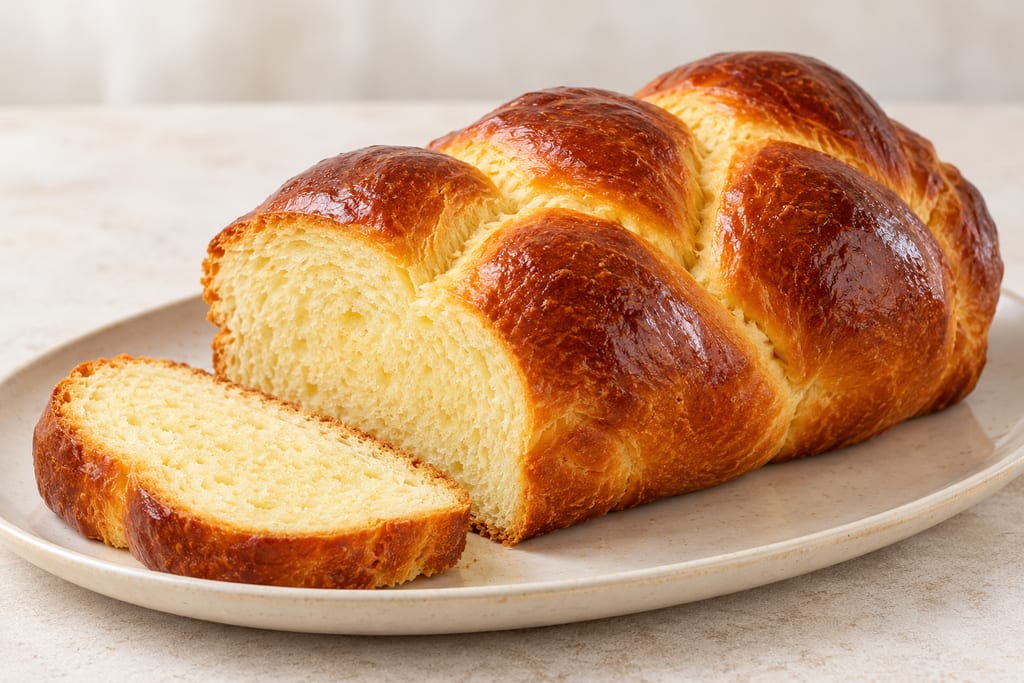
An egg-and-butter-rich yeast dough shaped as one round loaf, two loaves or twelve small brioches, with baking paths that vary by shape.
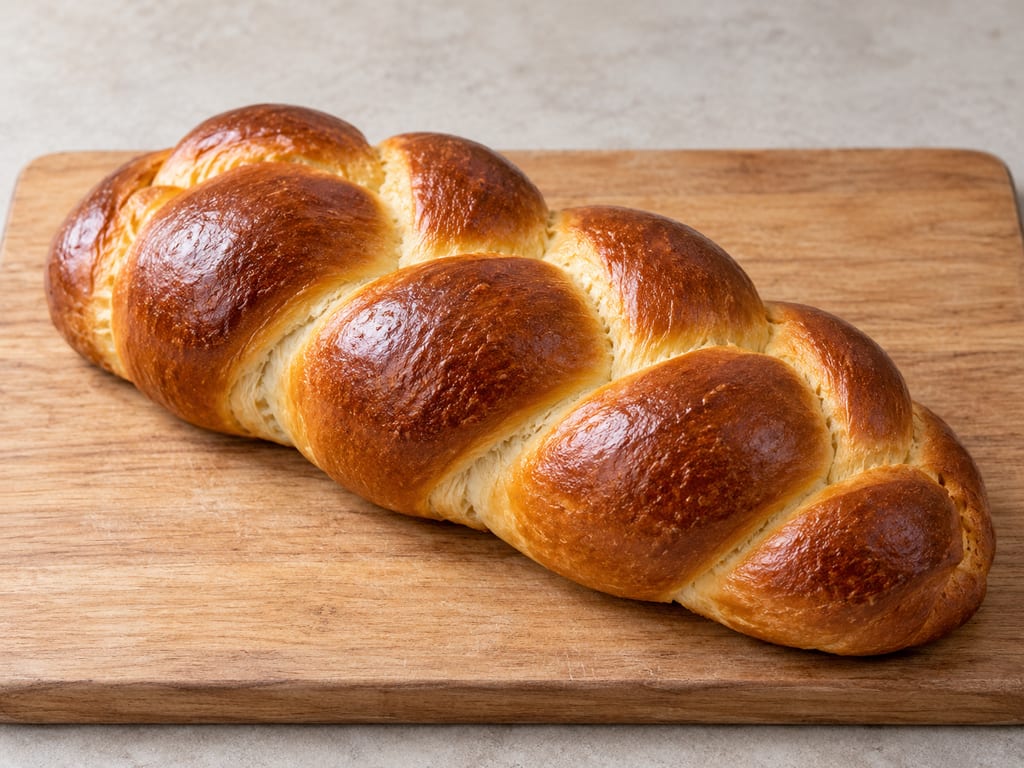
A three-strand yeast-raised challah with flour, salt, yeast, water, neutral oil, honey and egg, based on a Jewish Museum Vienna home recipe.
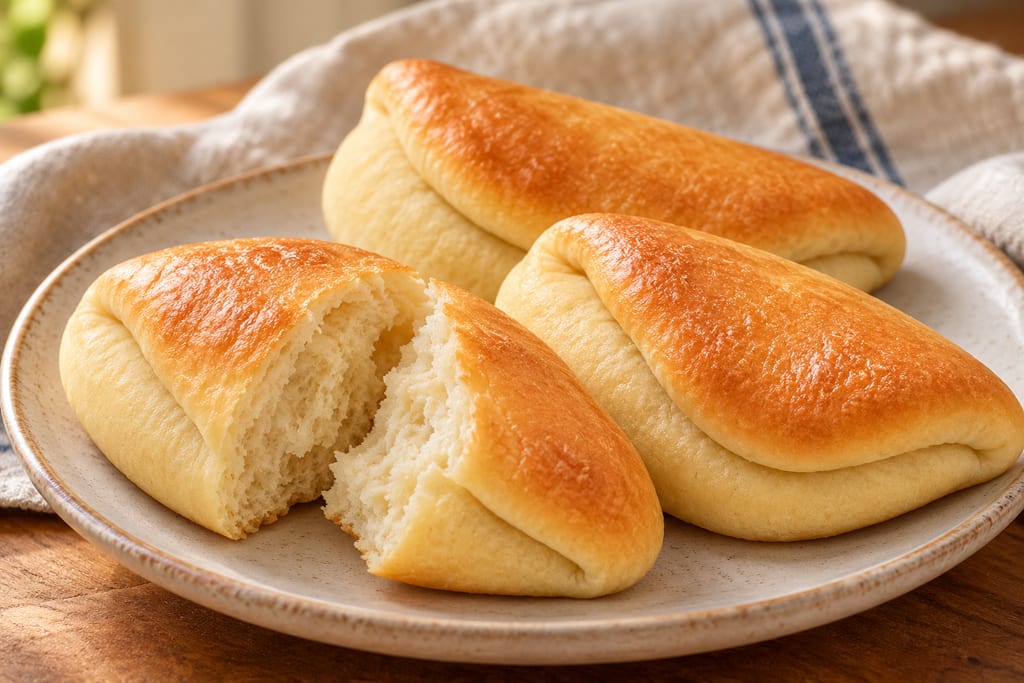
Jamaican-style folded rolls made from sweet coconut-milk yeast dough and brushed with butter.
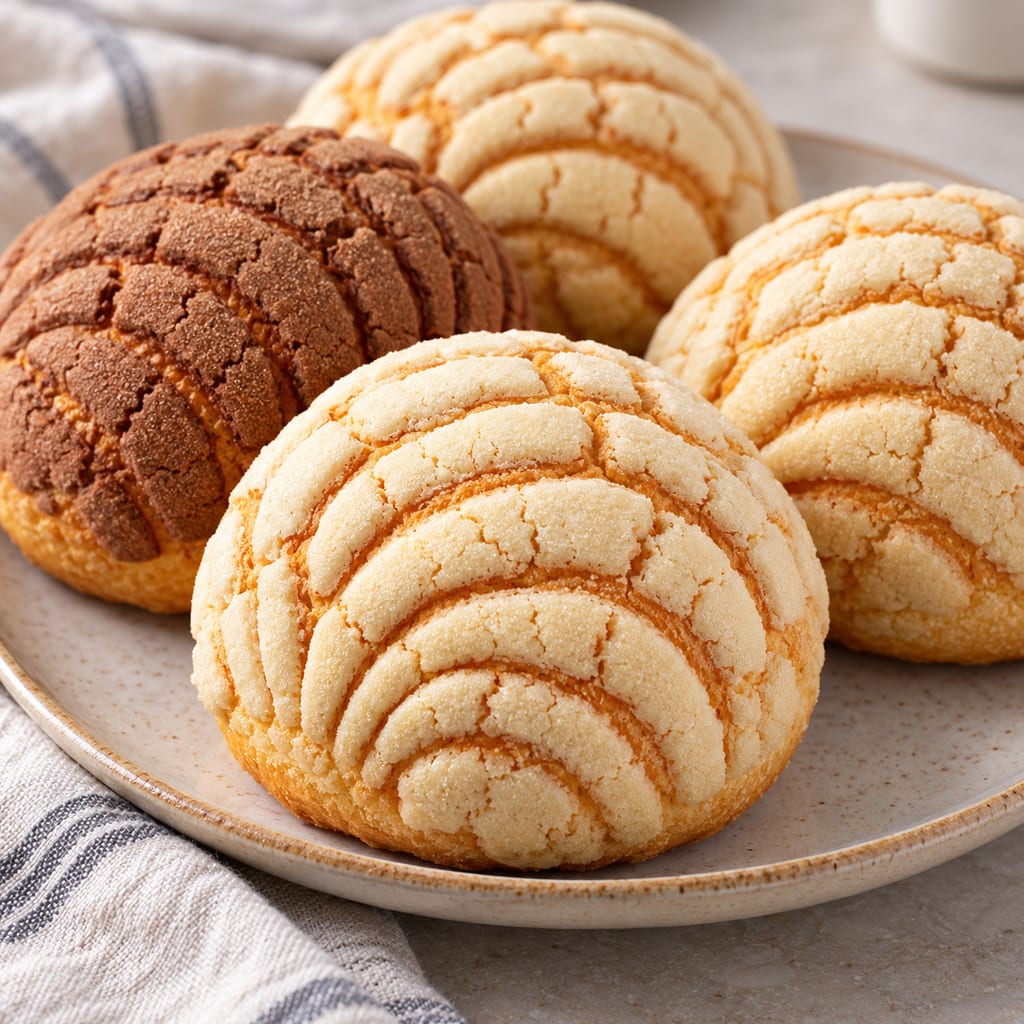
Mexican sweet rolls with a soft enriched yeast dough and a separate scored sugar-flour topping shaped like a shell. This version makes 15 rolls and uses a chilled dough rest before final proofing.
No community contributions have been published for this entry yet.
Sign in to contribute. Published comments and photos are free to read.
My Cooking JourneyInspiration
Himbasha | H'mbasha | Ambasha | Ethiopian FlatbreadOne 9-inch formula: flour, sugar, instant yeast, salt, olive oil, water, raisins, black sesame, cardamom and milk wash.
Knead 7–10 minutes; first rise about 1.5 hours; shaped rest 30–45 minutes; bake at 350°F for 25–35 minutes.
The author describes flavor variations and wheel-pattern scoring.
Cited in: A round bread with a scored wheel; What this batch makes; Mixing, rising and shaping; Baking and serving; Fermentation, limits and food safety
EthiopiaidContext
How to host an Ethiopian coffee ceremonyPages 8–9 give a distinct formula for two 30 cm rounds with wheat flour, yeast, sugar, sesame, cardamom and oil.
The guide places Himbasha among snacks for an Ethiopian coffee ceremony; this context does not make the modern measured formula identical to the selected batch.
Cited in: A round bread with a scored wheel; Baking and serving
Journal of Ethnic FoodsHistory
Traditional foods and beverages in Eastern Tigray of EthiopiaThe study records ambasha as a relatively thin circular bread, triangularly sliced, and one of two fermented traditional wheat-flour breads in its East Tigray survey.
The regional survey documents East Tigray and does not give an origin date.
Cited in: A round bread with a scored wheel; Baking and serving; Fermentation, limits and food safety
UK Food Standards AgencySafety
Raw flour and doughRaw flour and uncooked dough should not be eaten; baking is required.
Centers for Disease Control and PreventionSafety
Raw Flour and DoughUncooked flour and raw dough can contain germs; do not eat raw dough and bake it before eating.
Wash hands, bowls, utensils and countertops after handling raw flour or dough; keep raw flour and dough away from ready-to-eat foods.
Cited in: Fermentation, limits and food safety