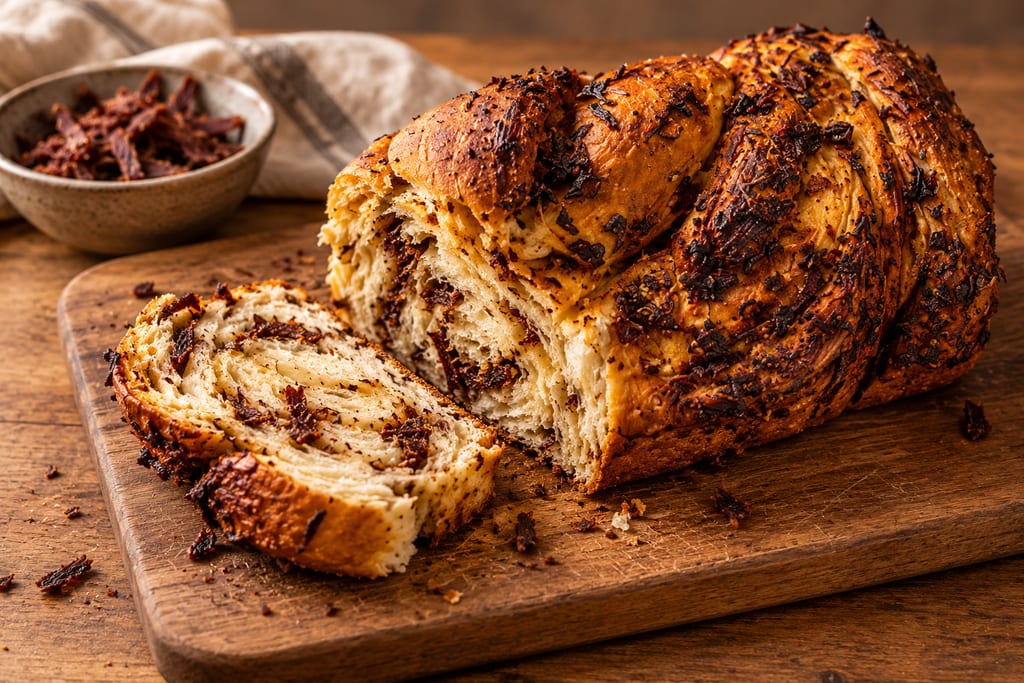
Braided biltong loaf
Yeasted bread wrapped around biltong, tomato pesto, Cheddar and feta, split lengthwise into a braid and baked; served with chilli-biltong butter.
 FermenteaWhere food goes to change
Fat or oil
Oil extracted from olive fruit serves as cooking fat, flavouring and, in some cheese methods, an exterior treatment. Grade, cultivar, processing and storage shape its character.
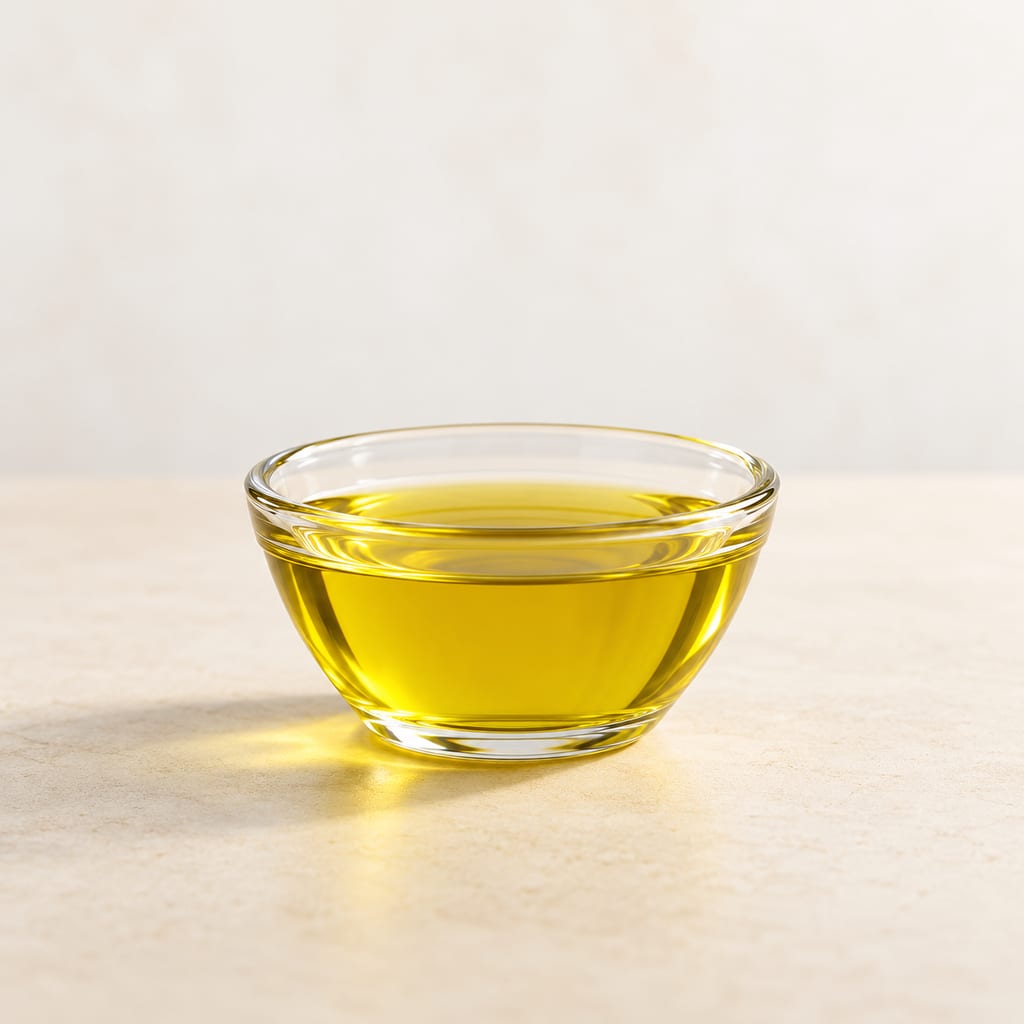
Olive oil is oil obtained from the fruit of the olive tree, Olea europaea. In the kitchen it can be both a cooking medium and a flavouring: a quiet base beneath other ingredients or a conspicuous part of a dressing, sauce or finished dish. Virgin oils may carry fruity, green, bitter or pungent characteristics that make their choice part of the seasoning rather than merely a choice of fat.
The oil is already present within the fruit. Milling releases it and separates it from the olive's water and solid tissues. This is a useful starting point for understanding the ingredient: making virgin olive oil is primarily a physical extraction, while the fruit's chemistry and enzymes influence the character of the oil recovered. It is not a fermented olive liquid or a live starter culture.
The generic name includes more than one commercial category. Extra virgin, virgin, refined olive oil and blends do not describe identical processing histories. Olive-pomace oil is another named category. A recipe that says only olive oil leaves some of that choice open, while a bottle's full designation tells the cook more about the material being purchased.
The olive's history joins wild trees, cultivated groves and the movement of people around the Mediterranean. Cultivation did not simply replace a wild ancestor with a completely separate plant. Long-lived trees can be propagated from selected material, and cultivated olives have continued to encounter local wild and feral forms. Their ancestry records repeated selection and exchange.
This makes olive domestication a different historical problem from the selection of an annual seed crop. A useful tree can be kept through vegetative propagation, preserving desirable characteristics over time. New groves, movement of planting material and contact with local populations add further complexity. The spread of olive cultivation was a continuing agricultural relationship, rather than one invention carried unchanged into every later orchard.
The long history of using olives is also broader than a precise date for fully domesticated trees. Evidence of collecting fruit, extracting oil and cultivating selected trees answers related but different questions. Those distinctions leave room for a substantial Mediterranean history without assigning every modern bottle a single ancient birthplace. Cultivar, growing location and harvest remain concrete parts of an oil's identity today.
An Athenian prize amphora makes the oil's cultural value tangible. Victors in the Panathenaic contests received decorated vessels containing olive oil from sacred groves in Attica. A surviving amphora associated with a chariot-race victory carries Athena on one side and the contest on the other. The container celebrated an achievement while holding a valuable agricultural product.
That pairing of crop, vessel and public occasion shows a role beyond ordinary seasoning. Olive oil could embody the work of groves and presses as well as a civic and religious setting. The history belongs to a particular Greek institution; it does not imply that every Mediterranean oil had the same ritual use. It does show why the material deserves a place in food history alongside the dishes that contained it.
The bottle on a modern kitchen shelf has a different commercial setting, but it still represents the coordination of harvesting, transport, milling, storage and distribution. Oil quality depends on decisions across that chain. The agricultural origin and the treatment of the fruit are therefore useful information, rather than decorative background to a product whose only distinguishing feature is its colour.
A mill receives fruit with a particular condition and maturity. Those characteristics influence how the olives are processed and the oil that can be recovered. Cultivar and growing environment matter too: their interactions with the fruit's stage of maturity affect both volatile and non-volatile composition. The resulting oil carries differences associated with the selected fruit as well as the work performed in the mill.
Crushing breaks the fruit's cells and releases oil into a paste containing water and solids. The next mixing stage, called malaxation, helps prepare that paste for separation. Milling is therefore more than pressing intact olives until a clear liquid appears. It manages a mixture in which oil droplets, water and pieces of fruit tissue must be separated.
Modern plants commonly use centrifugal equipment for that separation, while pressing and other extraction systems have their own histories. The recovered oil may undergo settling, centrifugation or filtration as appropriate to the process. Different equipment does not by itself identify the grade. The fruit, operating choices and resulting chemical and sensory characteristics all contribute to the finished category.
Virgin olive oils are defined by extraction through mechanical or other physical means under conditions that do not alter the oil. Washing, decantation, centrifugation and filtration belong within that category's permitted treatments. The word virgin thus concerns production as well as the fruit source. It does not mean that no equipment or careful processing has been involved.
Extra virgin is a classification within virgin oils, with chemical and sensory requirements. Free acidity is one criterion, but a laboratory value alone does not describe every requirement for the category. It is also different from the sourness a person tastes in a food. A bottle cannot be graded simply by looking at its green or golden appearance.
Refined olive oil has undergone refining, and the category sold as olive oil composed of refined and virgin oils is a blend of those materials. Olive-pomace oil starts from the remaining olive pomace and has a separate extraction and refining pathway. Keeping these names distinct helps the reader choose by production category and intended flavour, instead of treating the front-label word olive as the complete specification.
Crushing changes more than the physical size of the olives. Breaking cells brings fruit components and enzymes into new contact, and many aroma compounds form rapidly during this stage. Further formation can continue during malaxation. Part of a virgin oil's sensory character is therefore created as the fruit is processed, rather than simply transferred unchanged from an intact olive.
The lipoxygenase pathway is especially important to this development. It acts on unsaturated fatty acids and leads through several enzymatic reactions to volatile compounds associated with the oil's aroma. Lipoxygenases, hydroperoxide lyases and other enzymes participate in that chain. Their activity depends on the plant material and processing environment, helping explain why different oils have different sensory profiles.
This is plant-enzyme chemistry, not a beneficial fermentation added to the oil. Microbial activity in deteriorating fruit or sediment can produce quite different compounds and sensory defects. A winey or musty character belongs to another set of changes from the fresh-fruit aroma sought in a sound virgin oil. Naming those differences makes the word flavour more informative than treating every change during storage as maturation.
The substances that reach the nose are not the only contributors to the experience of olive oil. Phenolic compounds contribute to bitterness and pungency, while the volatile fraction supplies many aromatic impressions. The balance varies with cultivar, fruit maturity and the extraction process. A stronger bitter or peppery impression is consequently a sensory characteristic, rather than a universal measure of whether an oil suits a particular dish.
Phenolic compounds also contribute to resistance to oxidation. That chemical function sits alongside the effects of the oil's fatty-acid composition and storage conditions. It does not make an oil immune to deterioration, nor does a pungent taste establish a medical benefit. The useful kitchen consequence is that oils differ in both flavour and how their composition responds to their environment.
Oxidation changes oil during storage. Oxygen, light and heat can accelerate the loss of desirable characteristics and the development of rancidity. This is a different process from the controlled plant-enzyme reactions during milling. A bottle is not improved indefinitely by age, and protecting it after purchase helps retain the character for which it was selected.
In the linked Graviera preparation, olive oil has a specific place: it may coat the rind after the cheese has been surface salted. Diluted brine is an alternative surface treatment before ripening. The oil meets the outside of the cheese at this stage, rather than entering the milk with the culture. Acidification and eye formation belong to the cheese-making system within the curd.
Curd formation, pressing and salting have already shaped the cheese before this exterior treatment. Spreading oil over the rind is a surface operation, distinct from those earlier changes within the curd. Its optional position also leaves a choice between the two named treatments in this Graviera method. The sequence identifies where the oil is used without making it a replacement for the cheese's ripening conditions or subsequent storage.
Other cheese traditions also use olive oil around or over a finished or ripening cheese. These uses illustrate the material's place beside fermented foods, but they are not all the same method. An ingredient can have an important physical or culinary role in a ferment without itself being fermented. The individual cheese preparation carries the treatment, quantities and subsequent storage that belong to it.
Read the complete category and the producer's information. A virgin oil selected for a dressing may be chosen partly for its own aroma, bitterness and pungency. A recipe that does not specify a grade allows a different degree of choice. The most helpful decision is to match the documented ingredient and desired flavour rather than assume that a darker colour or an evocative label identifies the better material.
The same care applies to provenance. A named cultivar or production region gives information when the bottle actually documents it. An ingredient used in a Cypriot cheese method does not thereby become oil grown or milled in Cyprus. The food's tradition and the supplier's agricultural origin are separate associations, both worth preserving when known.
An intact, properly closed package protects the product before use. Once it is opened, retaining the label keeps the category, producer and date information with the oil. Decanting can be convenient, but an anonymous bottle loses that context. This is especially relevant when several oils with different sensory characters or processing categories share the same kitchen.
Store the oil away from strong light and excessive heat, with the container closed. A clear bottle needs protection from its surroundings; a dark cupboard or an opaque cover can help limit light exposure. The aim is to slow degradation, not to create a new ripening stage. Leaving a decorative bottle beside a hot cooker works against that purpose.
Air space in an opened container matters because it brings oxygen into contact with the oil. Buying a quantity that will be used at a sensible pace and limiting unnecessary headspace are practical ways to manage that exposure. The appropriate package size depends on household use. A large container is not automatically economical if much of its contents deteriorates before being used.
Follow the bottle's own storage and date information. Composition, packaging, production and previous handling all influence quality, so a single interval cannot guarantee that every oil behaves alike. For dietary needs, check the actual ingredient and cross-contact declarations, particularly for flavoured oils or blends. The broad name olive oil does not replace product-specific information about added ingredients.
King Arthur Baking's Pan de Cristal formula uses 15 g of olive oil to coat the dish for the dough's covered rests. The oil oils the dish; it is not mixed into this dough.
At the table, olive oil can become part of a dressing, a sauce, a dip or a finishing addition. In cooking it supplies a fat medium, while its own sensory character interacts with the ingredients around it. A green, bitter oil and a milder oil can make different contributions even when the same quantity is used.
Its use on a cheese rind is another expression of that versatility, but remains a separate application from pouring it over a finished dish. Extraction, grade, aroma, condition and the food being made all shape the choice. Understanding those connections makes the bottle more useful: it is a defined material with a history and a changing chemistry, not simply a generic gloss added at the end.
The linked cheese method does not identify the oil's grade, cultivar, supplier, harvest or milling location. No coating mechanism or universal household shelf life is inferred for that unnamed product.
Read the exact bottle’s ingredient and cross-contact declarations, particularly for flavoured oils or blends. No universal allergy-free claim is established.
Documented Panathenaic oil-prize cultural association, not earliest olive domestication or origin of every bottle.
The linked Graviera procedure does not identify the oil cultivar, grade, growing country or mill; cheese-production place is not oil sourcing.
Yeasted bread wrapped around biltong, tomato pesto, Cheddar and feta, split lengthwise into a braid and baked; served with chilli-biltong butter.
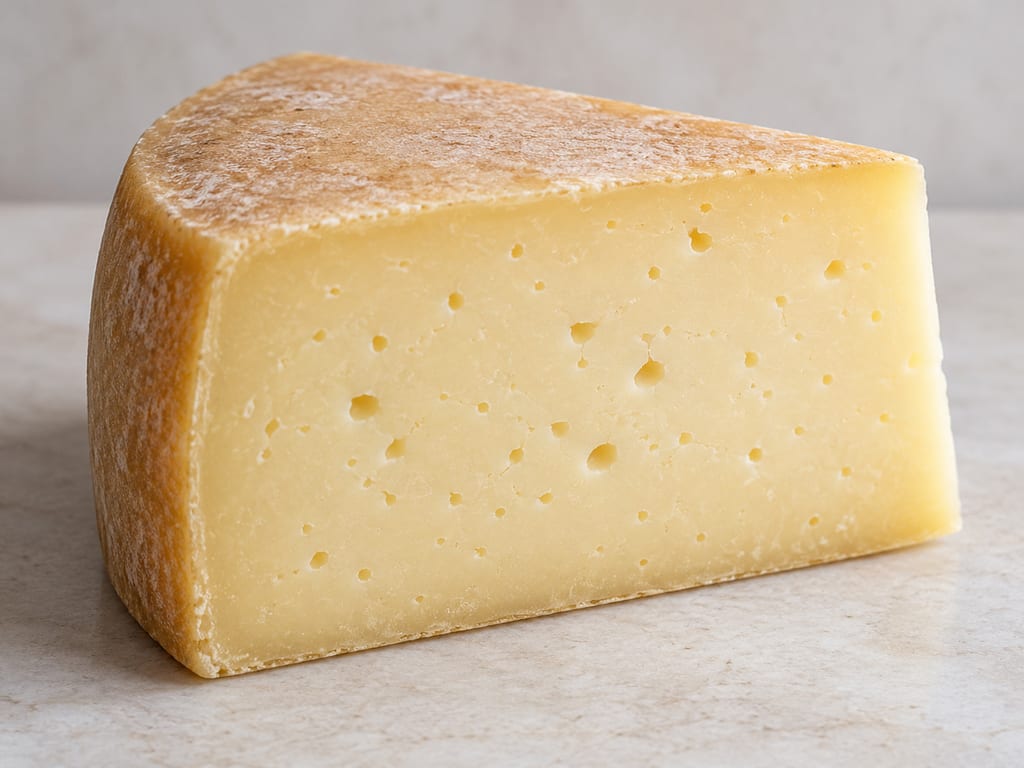
This Cypriot graviera is a hard sheep-milk cheese with a dry rind and round eyes. Its curd is heated, pressed and dry-salted before a long cool ripening.
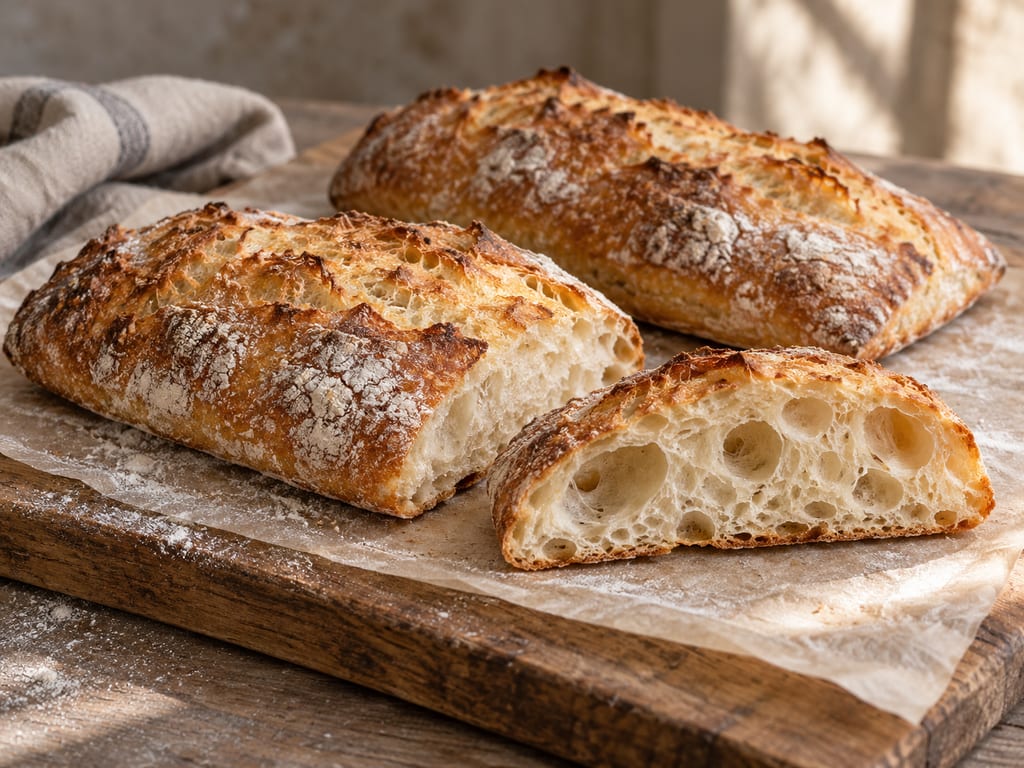
A Catalan-associated wheat loaf with a very wet dough, pan de cristal develops an open crumb through repeated folds and careful handling.
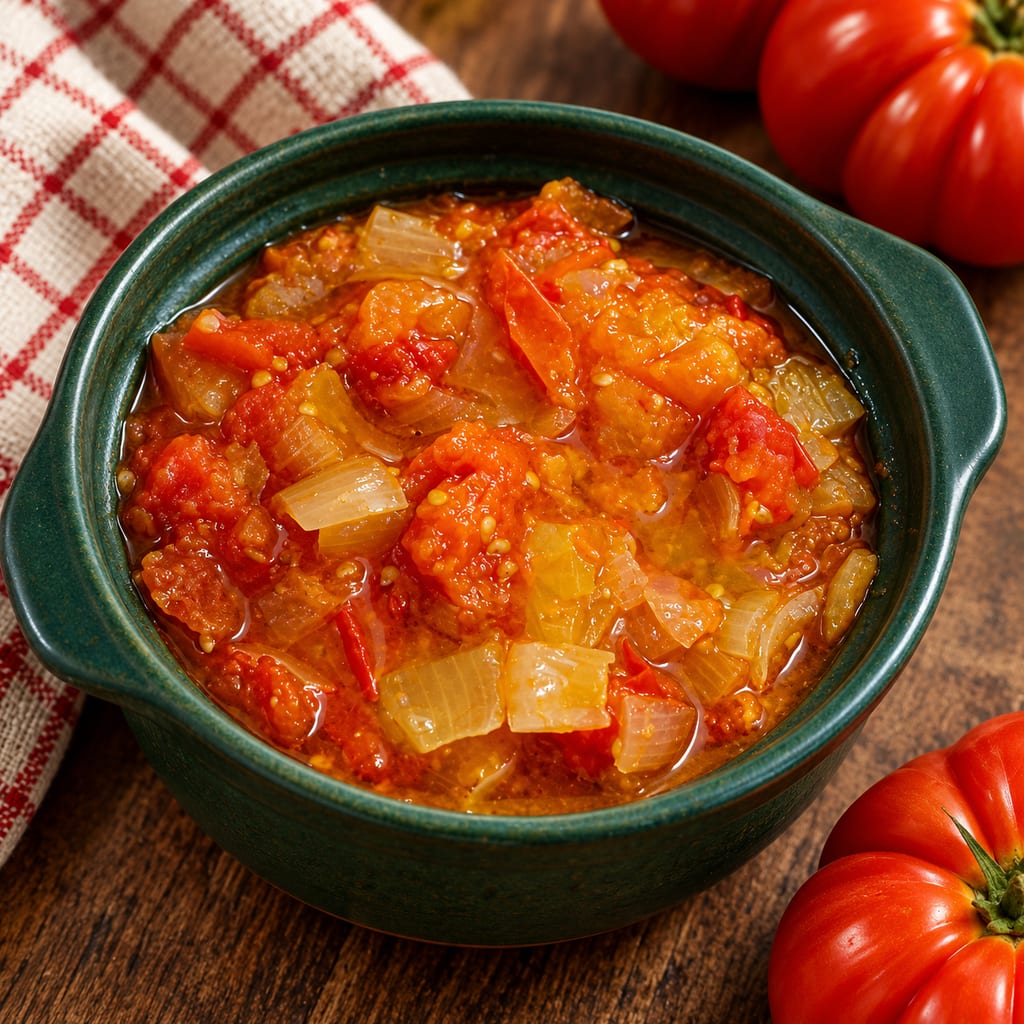
A thick South African tomato-and-onion relish simmered slowly and served warm with boerewors, pap or bread.
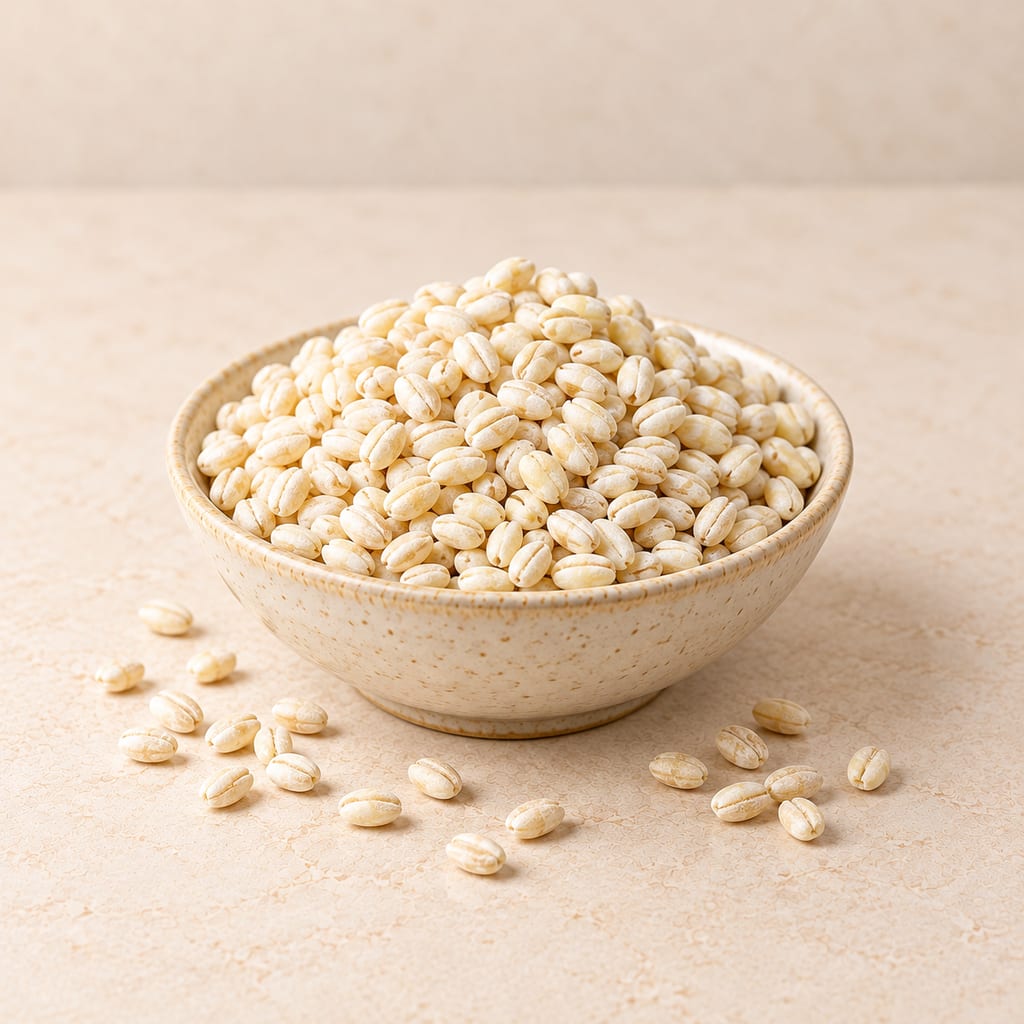
Barley is a hardy cereal, domesticated in the Middle East over 10,000 years ago, eaten whole, pearled or milled, malted for brewing, and grown with koji mold for barley miso.
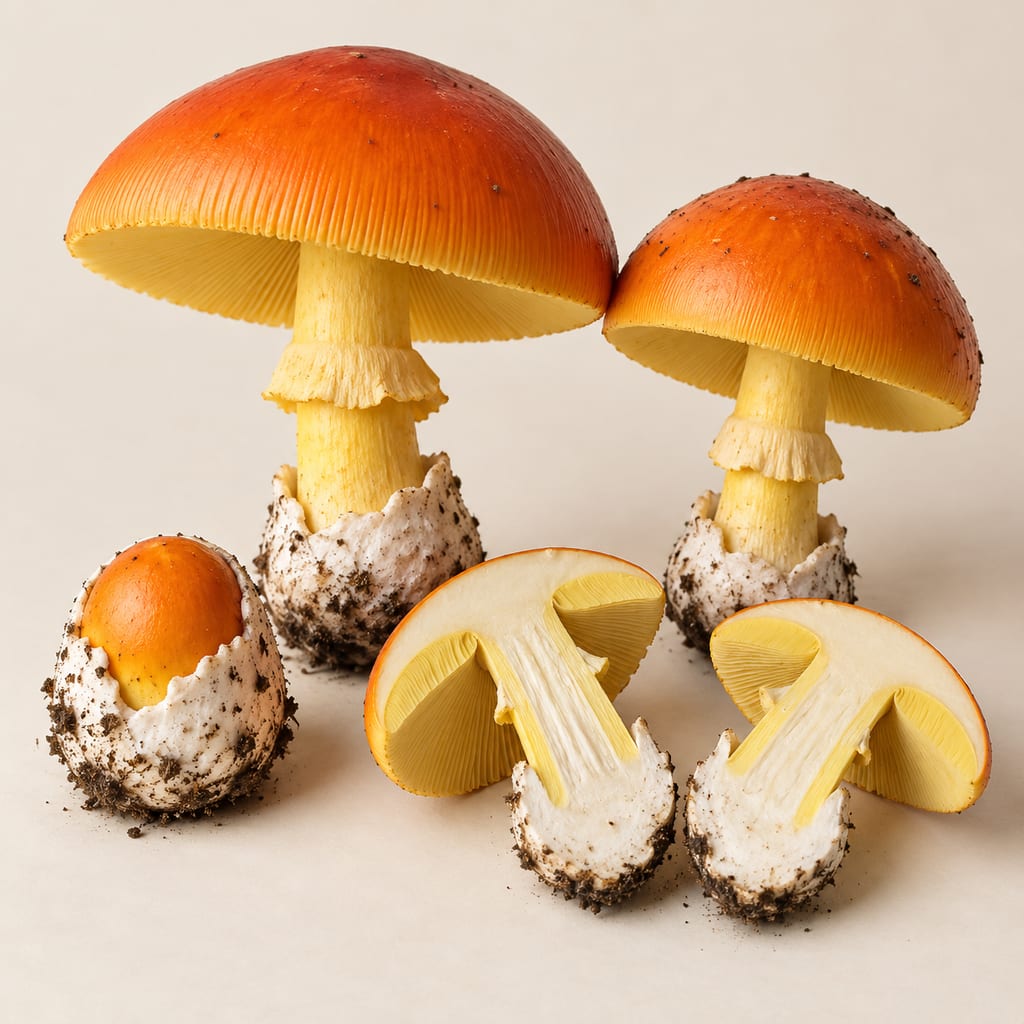
Caesar’s mushroom, Amanita caesarea, is a prized wild, tree-associated fungus of Mediterranean Europe, gathered seasonally for regional dishes. Its celebrated name and food traditions sit beside serious identification risks.
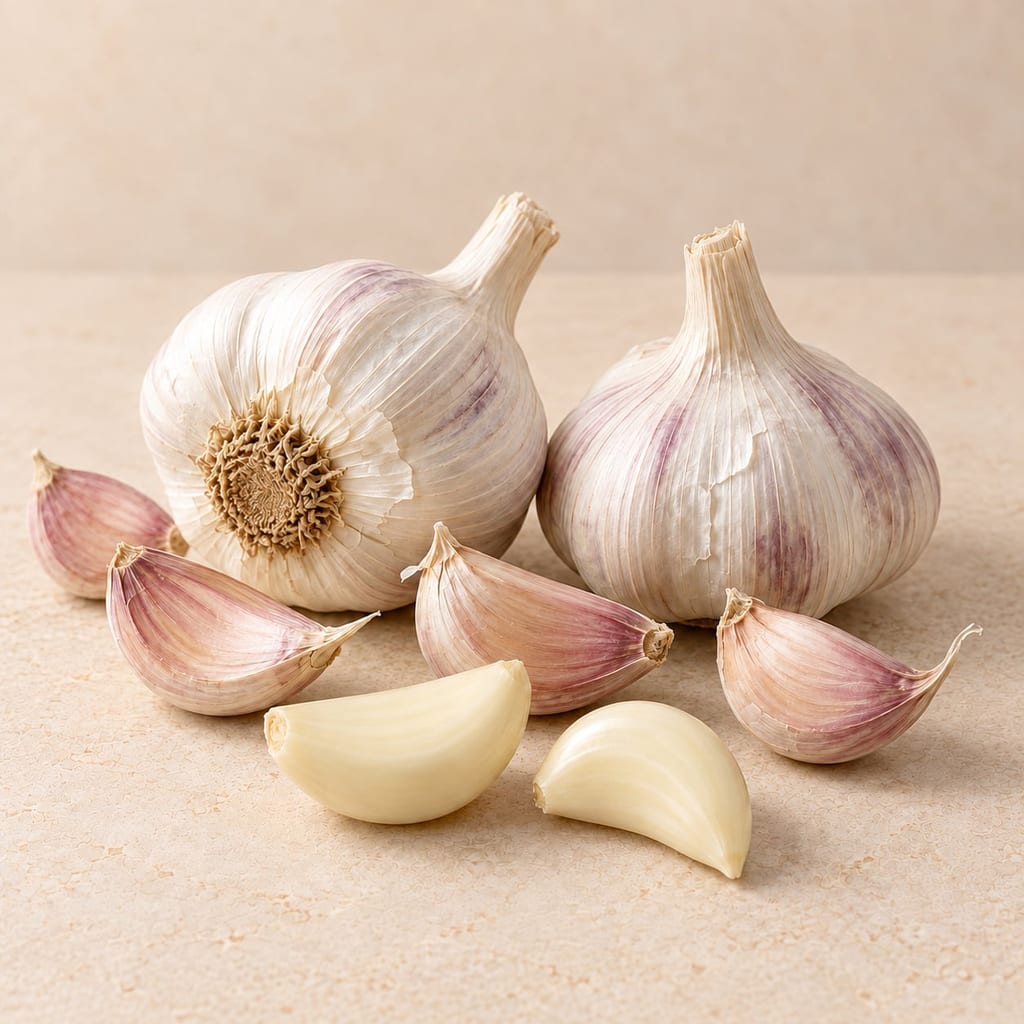
Garlic cloves are the separate bulblets of Allium sativum, pungent only once cut. They flavour herb salts, ferments such as Thai som-fak, and countless cooked dishes.
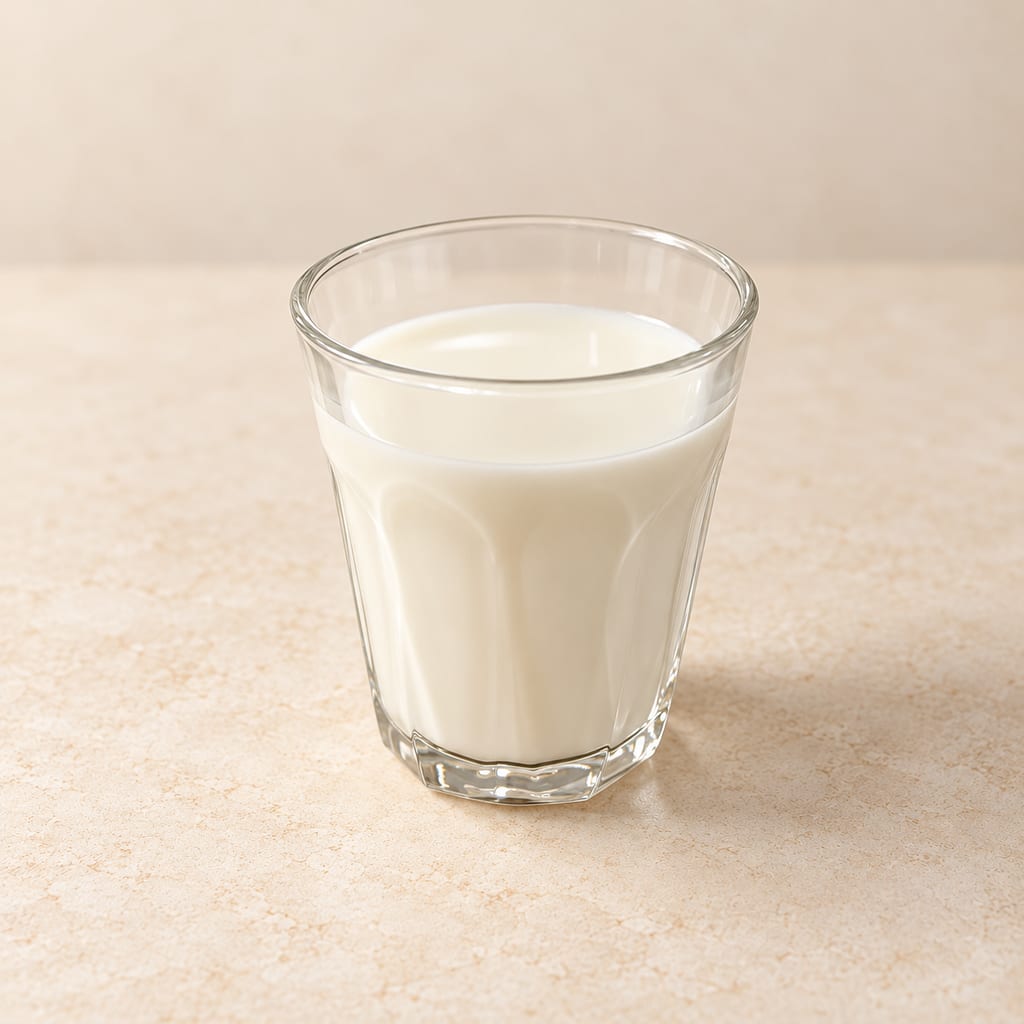
Milk supplies protein, fat and lactose for cultured drinks and cheese. Animal species, composition and processing each affect how it behaves.
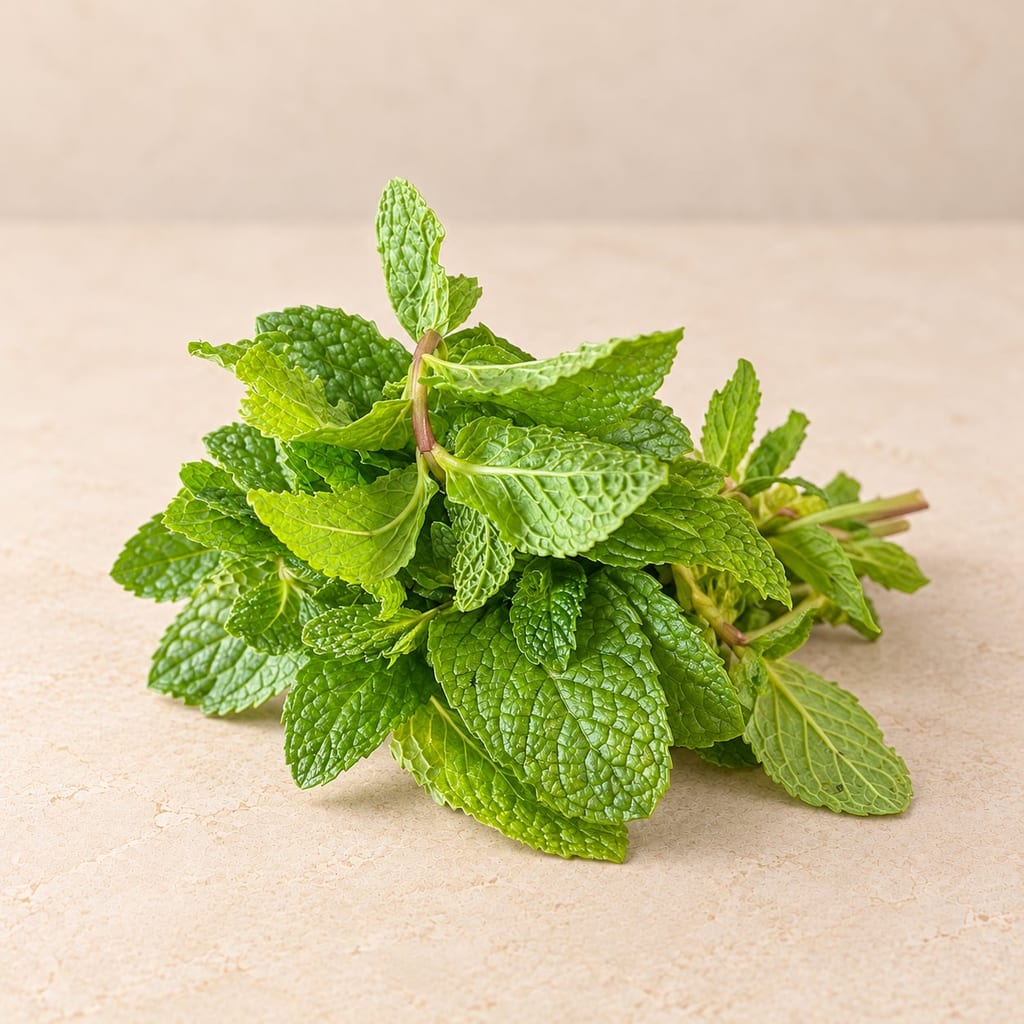
Mint is the fresh leaf of aromatic Mentha plants, chiefly spearmint and peppermint. It gives chutneys, yoghurt sauces and fermented drinks a cool, sweet, green note.
MT1 is a named dairy starter in a home Feta-style method. The brief recipe name does not establish its manufacturer or exact strains; a documented commercial MT1 product is one distinct example.
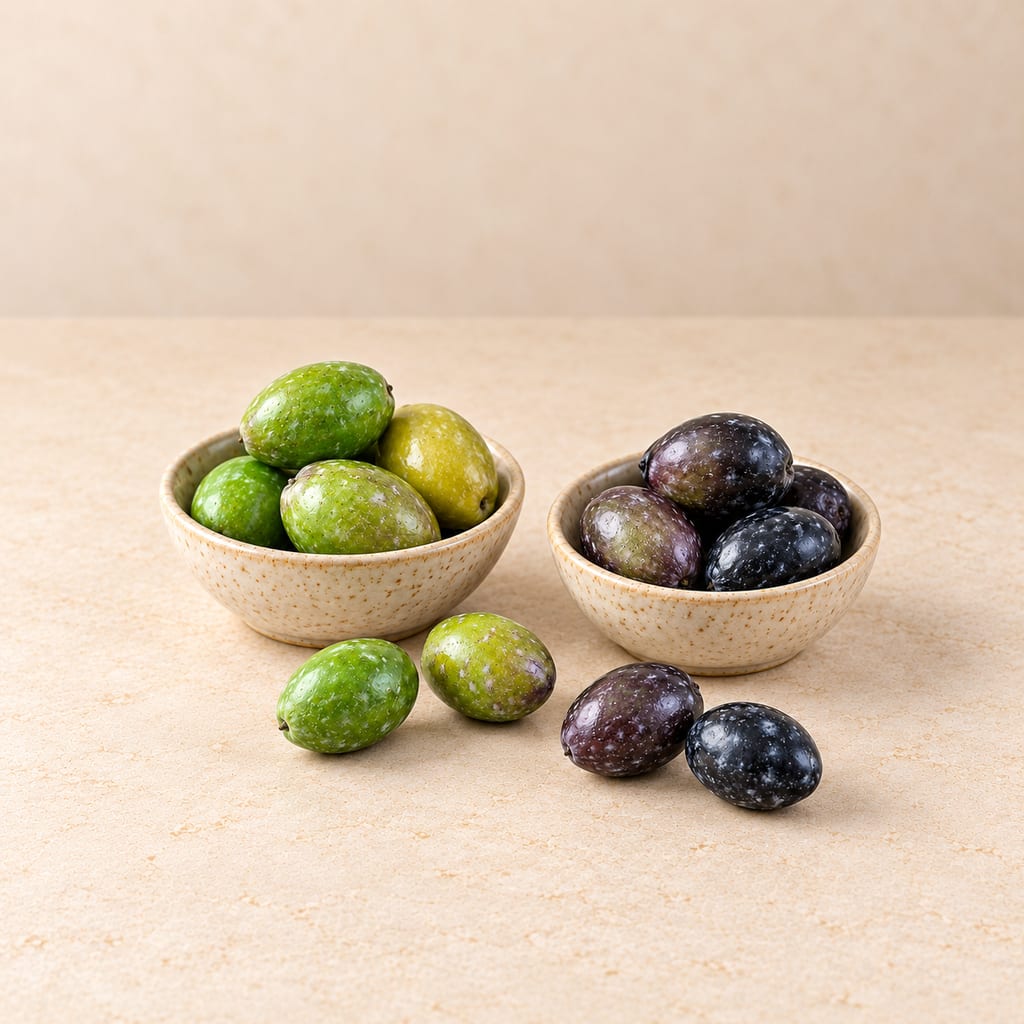
Olives are the bitter fruit of Olea europaea, made edible by lye, brine or salt, and the raw material of the table olives that are cured and fermented around the Mediterranean.
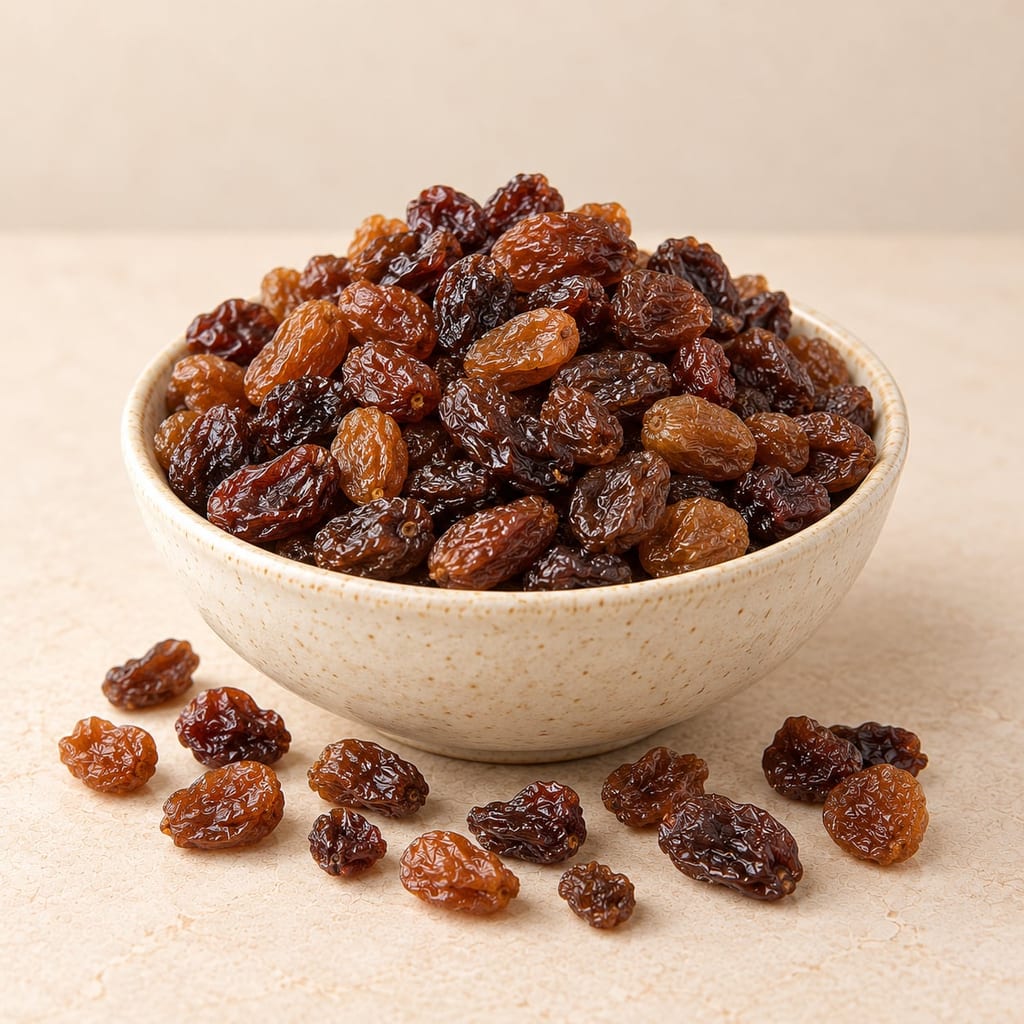
Raisins are dried grapes whose variety and drying method shape their size, colour and flavour. In a documented 1861 ginger wine they are stoned, chopped and added to the cask after yeast.
No community contributions have been published for this entry yet.
Sign in to contribute. Published comments and photos are free to read.
International Olive CouncilIdentity · History · Production · Science · Uses
Trade Standard Applying to Olive Oils and Olive Pomace Oils, Rev.22Olive oil is extracted from Olea europaea fruit. Virgin, extra virgin, refined, blended and pomace oils have distinct production and grade definitions.
Cited in: Fruit becomes a liquid ingredient; Why virgin and refined are different names; Choosing a bottle for its work
Annals of Botany / Besnard, Terral and CornilleIdentity · History · Production · Science · Uses
On the origins and domestication of the olive: a review and perspectivesOlive domestication involved selection, clonal propagation and exchange with wild and feral trees; the precise history remains complex.
Cited in: A tree shaped by cultivation and exchange
The Metropolitan Museum of ArtIdentity · History · Production · Science · Uses
Terracotta Panathenaic prize amphora (jar),56.171.4The Panathenaic prize amphora held oil from sacred Attic olive groves and connects an athletic prize with Athenian agricultural and religious life.
Cited in: Oil as a valuable product
UC Davis Food Quality / Wang LabIdentity · History · Production · Science · Uses
Olive Oil ProcessingOlive-oil processing includes fruit preparation, crushing, malaxation, separation and clarification. Processing influences the oil’s aroma.
Cited in: Fruit becomes a liquid ingredient; Oil as a valuable product; Harvesting and milling preserve choices; Aroma begins when the fruit is broken; A flavouring as well as a medium
AOCS Lipid LibraryIdentity · History · Production · Science · Uses
Olive OilMalaxation helps small oil droplets coalesce before separation. Modern extraction systems differ from historical presses.
Cited in: Harvesting and milling preserve choices
MoleculesIdentity · History · Production · Science · Uses
The Compounds Responsible for the Sensory Profile in Monovarietal Virgin Olive OilsPlant lipoxygenase-pathway enzymes act after crushing and during malaxation. Phenolics contribute bitterness and pungency; microbial defects have a different origin.
Cited in: Fruit becomes a liquid ingredient; Aroma begins when the fruit is broken; Bitterness, pungency and oxidation; A flavouring as well as a medium
Journal of the Science of Food and Agriculture / Greco and colleaguesIdentity · History · Production · Science · Uses
Identifying volatile and non-volatile organic compounds to discriminate cultivar, growth location, and stage of ripening in olive fruits and oilsCultivar, growing location and fruit maturity interact in the volatile and non-volatile composition of the tested olives and oils.
Cited in: Harvesting and milling preserve choices; Choosing a bottle for its work
Journal of Agricultural and Food ChemistryIdentity · History · Production · Science · Uses
Oxidative stability and phenolic content of virgin olive oil: an analytical approach by traditional and high resolution techniquesFatty acids and phenolic compounds affect oxidative stability; cultivar, maturity and extraction influence phenolic content.
Cited in: Bitterness, pungency and oxidation
International Olive CouncilIdentity · History · Production · Science · Uses
Consumer guidelines on the best storage conditions for olive oils and olive pomace oilsLight, oxygen and heat affect olive-oil quality. Suitable packaging, a closed container and sensible purchase quantities help protect it.
Cited in: Bitterness, pungency and oxidation; Choosing a bottle for its work; Light, air and the opened container
Food and Agriculture OrganizationIdentity · History · Production · Science · Uses
The technology of traditional milk products in developing countries: Graviera and related cheesesThe Graviera method includes an optional olive-oil or diluted-brine rind treatment after surface salting.
Cited in: An exterior treatment on cheese; Choosing a bottle for its work; A flavouring as well as a medium; Product details still needed
U.S. Food and Drug AdministrationIdentity · History · Production · Science · Uses
Food Allergies: What You Need to KnowThe exact bottle’s ingredients and supplier declarations are relevant to individual dietary needs, including oils with added flavourings or blends.
Cited in: Light, air and the opened container
LibellulaIdentity · History · Production · Science · Uses
Become a Grove AdopterLibellula’s grove-adoption page identifies its olive oil and shows a small clear glass of oil in a grove.
King Arthur BakingUses · Bread
Pan de CristalThe formula lists 15 g olive oil for the pan and directs the baker to oil the dough-rest dish.
Cited in: A flavouring as well as a medium