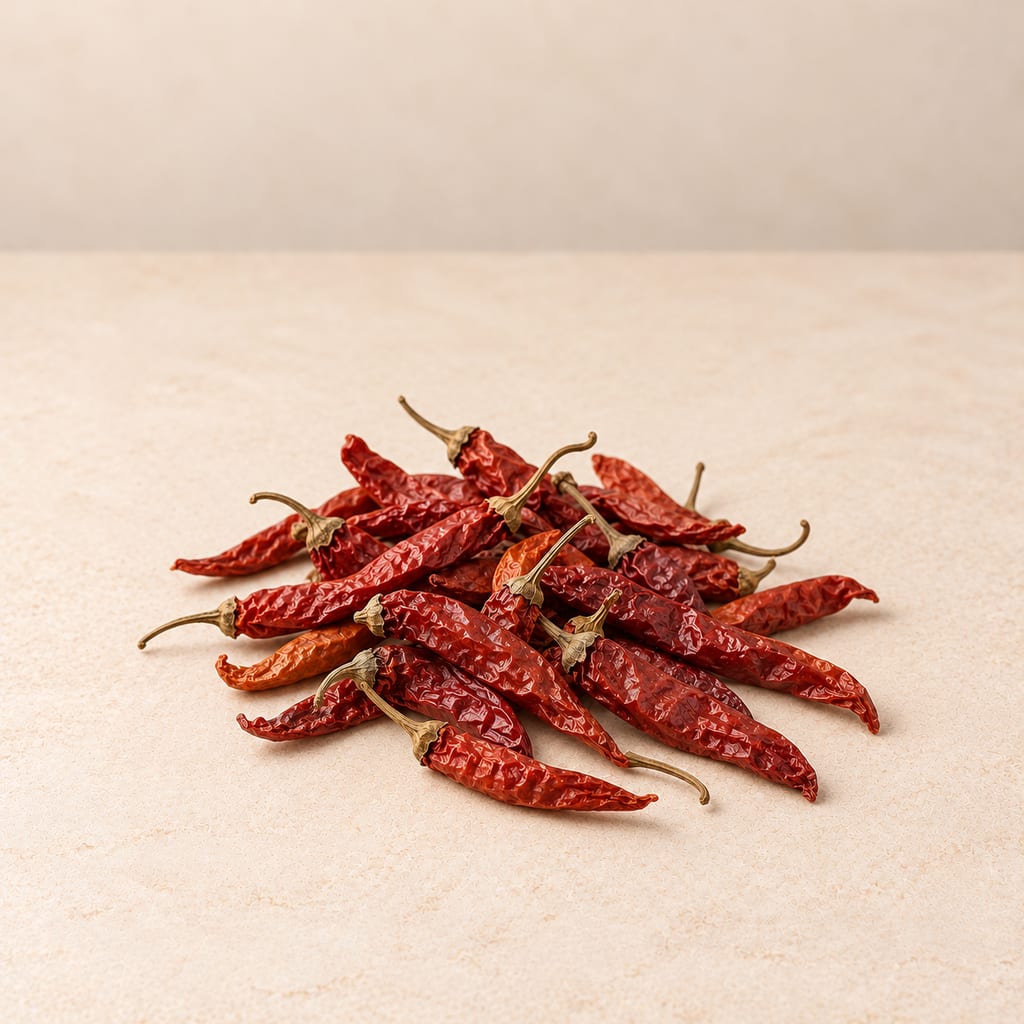
Dried red chillies
Dried red chillies are ripe chilli pods, mostly Capsicum annuum, preserved by drying and used whole, soaked, flaked or ground in pastes such as harissa and in spice blends.
 FermenteaWhere food goes to change
A Tunisian hot chilli paste from Cap Bon and Nabeul: red peppers pounded with garlic, caraway, coriander, cumin and olive oil, with many household and commercial variants.
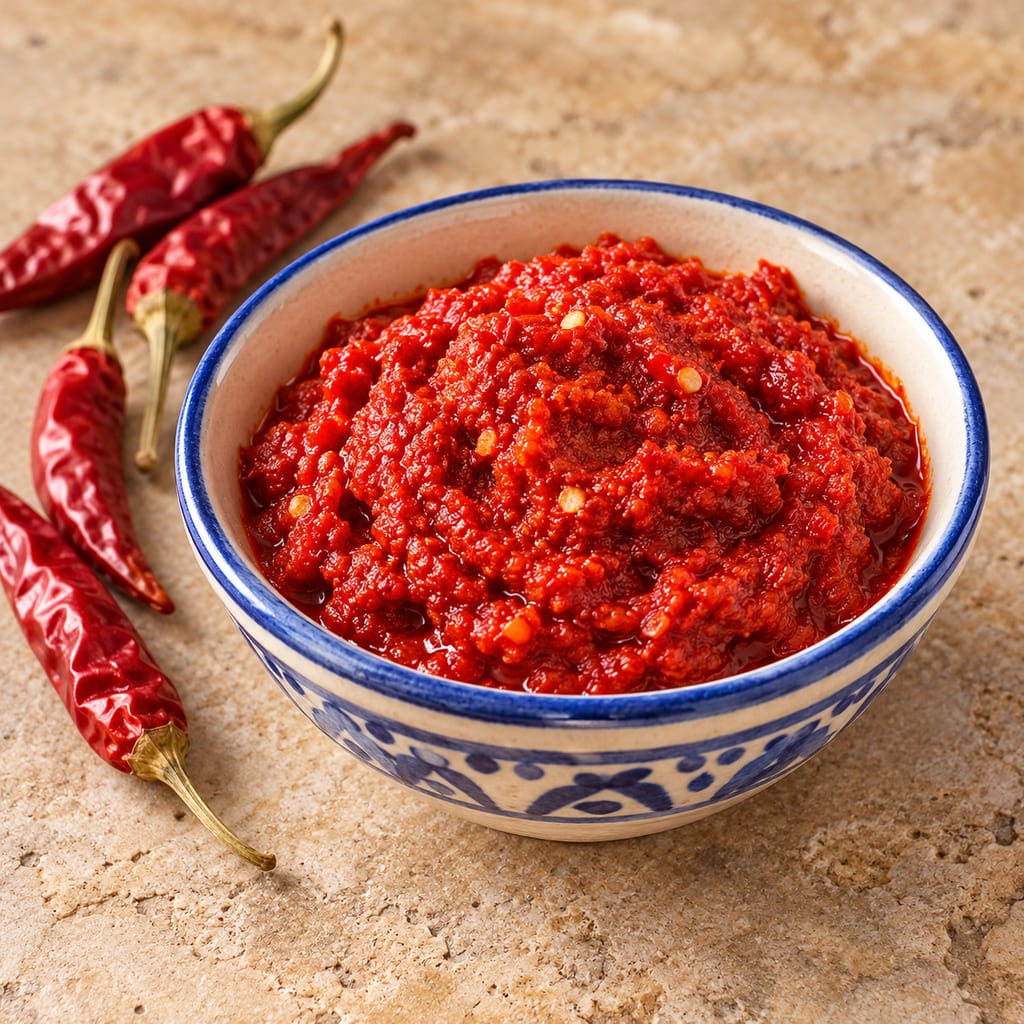
Harissa is a hot chilli paste from Tunisia. Wikipedia traces the name to the Arabic root harasa, meaning to pound or break into pieces, a reference to the mortar used to crush chillies. The same root gives the older Arabic word harisa, a dish of pounded grain and meat, but the chilli paste is the one the Tunisian name refers to today.
The paste follows the arrival of chillies in North Africa. Wikipedia connects its origin to chillies reaching Tunisian cooking through the Columbian exchange, probably during the Spanish occupation of Hafsid Tunisia between 1535 and 1574. That is a presumed date, not a documented first recipe, and other sources give later dates for cultivation, so the origin period is best treated as uncertain.
Cap Bon is the traditional centre. Wikipedia says peppers were first grown there and names Nabeul as the main production centre. Chillies grown around Nabeul and Gabes, including the Baklouti variety, are often used. The Nabeul Harissa Festival is usually held in October.
Modern production is large. Tunisian production was about 22,000 tonnes in 2006, using about 40,000 tonnes of peppers, according to a figure cited in the Wikipedia article. In December 2022 UNESCO added harissa to Tunisia's Intangible Cultural Heritage list.
The base is red pepper. Traditional Tunisian recipes use sun-dried peppers, picked when red, threaded and dried in the sun over the summer. Modern recipes often use roasted red peppers instead, so the paste can be made without a drying step.
Spices are added after the peppers are pounded. Caraway, coriander and cumin are the most often named, with garlic and salt as standard. Olive oil binds the paste and carries its oil-soluble flavour. Recipes differ by household and region, and some add fermented onions or lemon juice.
UNESCO's nomination describes the household practice as peppers dried in the sun, split, destemmed and deseeded, then washed, ground with salt, garlic and coriander, and stored in glass or pottery. It places the work in family and neighbourhood knowledge-sharing, and the listing recognises that practice rather than any one recipe. The process passage was available only as an indexed excerpt, so it gives no pepper mass, salt ratio, drying time or storage validation.
An Associated Press report from Nabeul describes one cook's Baklouti-pepper harissa that includes vinegar. That differs from the UNESCO excerpt, which names no vinegar. Neither should be read as a universal recipe.
The Tunisian canning industry body GICA describes canned harissa as concentrated fresh red pepper with garlic and spices. A 2015 UNIDO and CITET technical assessment of one SICAM product quotes a five-part composition: 87% pepper puree, 4% garlic, 4% coriander, 3% salt and 2% caraway, and describes industrial concentration, heating, filling and canning. That is a product-specific report and a secondary quotation of a standard, not instructions for home canning, and its figures do not transfer to a household paste made from dried peppers.
Harissa souri, a commercial style, uses fresh chillies and is looser, closer to a sauce. The home version is called harissa diari. Libyan maseer, made from powdered sweet and hot peppers and crushed garlic, is a related paste that sometimes includes caraway, cumin, lemon juice and salt. In Israel and Libya, filfel chuma is described as very similar to harissa.
Commercial harissa is sold in jars, cans, bottles and tubes, and its heat, texture and spicing differ between brands. Some Moroccan cooks prefer a milder paste that suits the dishes they serve.
Harissa is stirred into stews, couscous and grilled dishes, or spread on bread with olive oil. PAMPAT, the Tunisian promotion body, describes it stirred with olive oil and served with bread and used in soups, pasta, grilled meat and sandwiches. A small amount brings heat without a long cooking step. Keep it cool and covered.
Home-made harissa has no established shelf life, and the oil-bound paste is not a validated preserve. Keep it refrigerated and use it within a short time. Sun drying, a layer of oil or the name harissa does not establish an ambient-stable process.
Scaling: not stated
Garlic in oil is a recognised botulism risk when stored without acidification or refrigeration. No validated preserving method is recorded here.
Hazard sourceKeep home-made harissa refrigerated and use it within a short period. This page is not a validated preserving method.
Sun drying, a layer of oil or the name harissa cannot establish an ambient-stable process.
Wikipedia identifies the Cap Bon Peninsula as where peppers were first grown for the condiment, and names Nabeul as the main production centre.
Dried red chillies are ripe chilli pods, mostly Capsicum annuum, preserved by drying and used whole, soaked, flaked or ground in pastes such as harissa and in spice blends.

In Tunisia chermoula is a cooked sweet-sour dish: floured fried fish returned briefly to a sauce of onions cooked in oil with harissa, vinegar, water, honey and raisins.

From sour breads and milk to savoury seeds, cassava staples and living beers, African fermentation follows the crop, the community and the work of transformation.
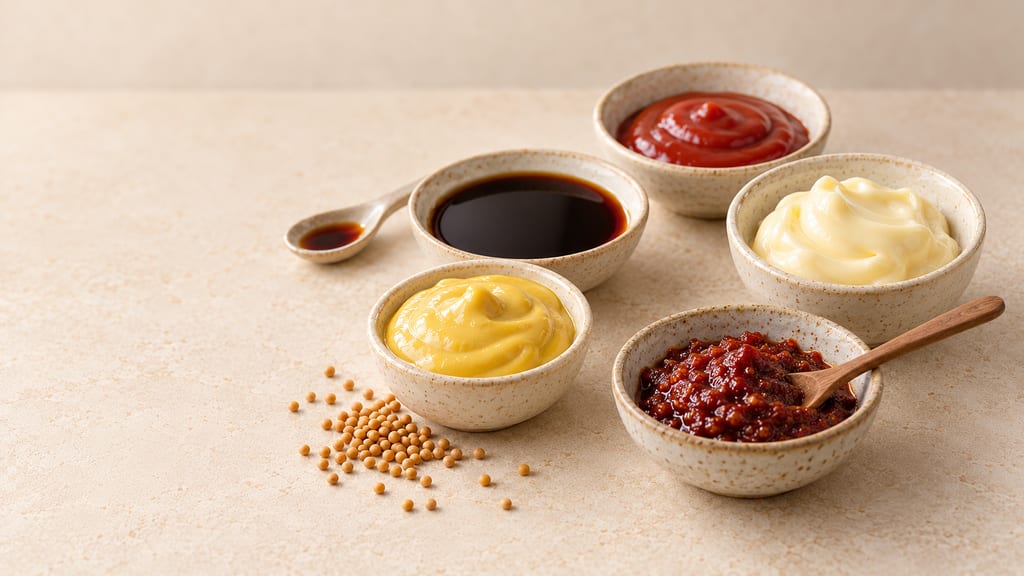
Ketchup, mayonnaise and mustard are three kinds of kitchen engineering. This guide shows how each works, compares real bottles instead of national clichés, then follows the sauces of Asia, the Caucasus, Europe, the Americas and Africa.
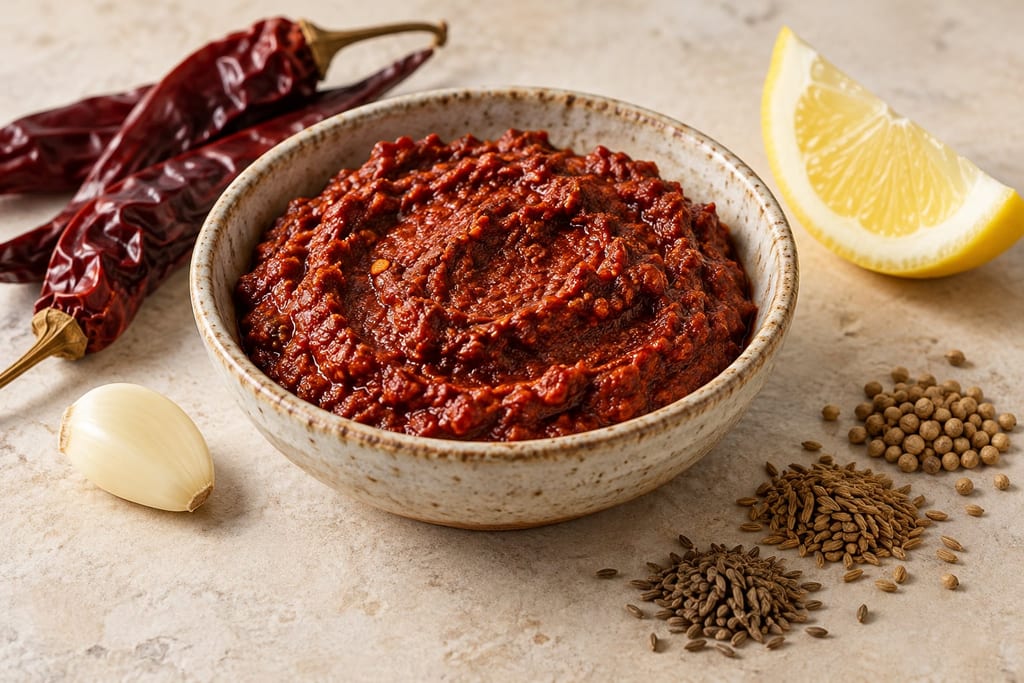
A fresh chilli paste made from rehydrated dried red peppers, garlic, olive oil, lemon and warm spices; this small-batch formula adapts the harissa family rather than reproducing a tested Tunisian method.
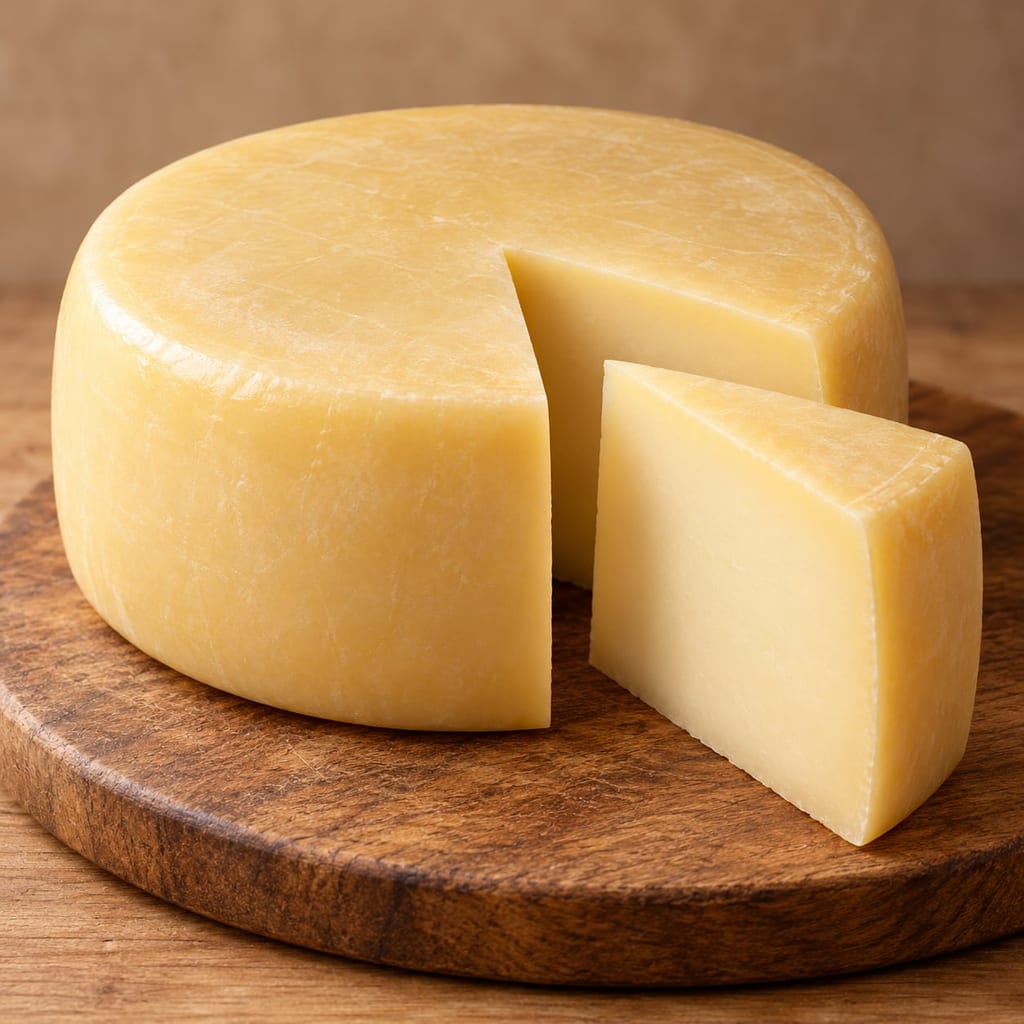
Kashkaval is a firm sheep-milk cheese whose acidified curd is worked in hot brine. This large-batch method finishes with repeated dry salting, wax coating and cool ripening.
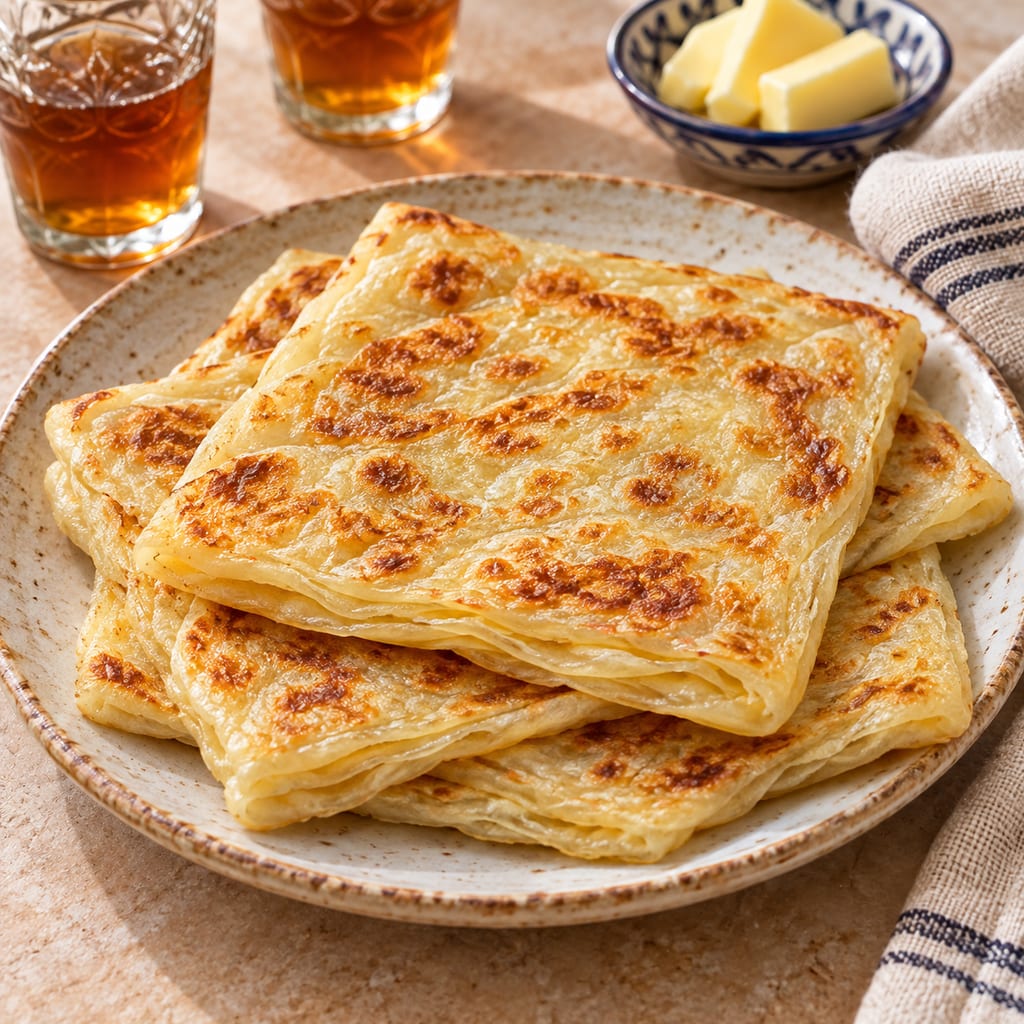
A square Moroccan layered griddle bread made from lightly yeasted wheat dough, stretched thin, folded with semolina and butter, and cooked until crisp and golden.
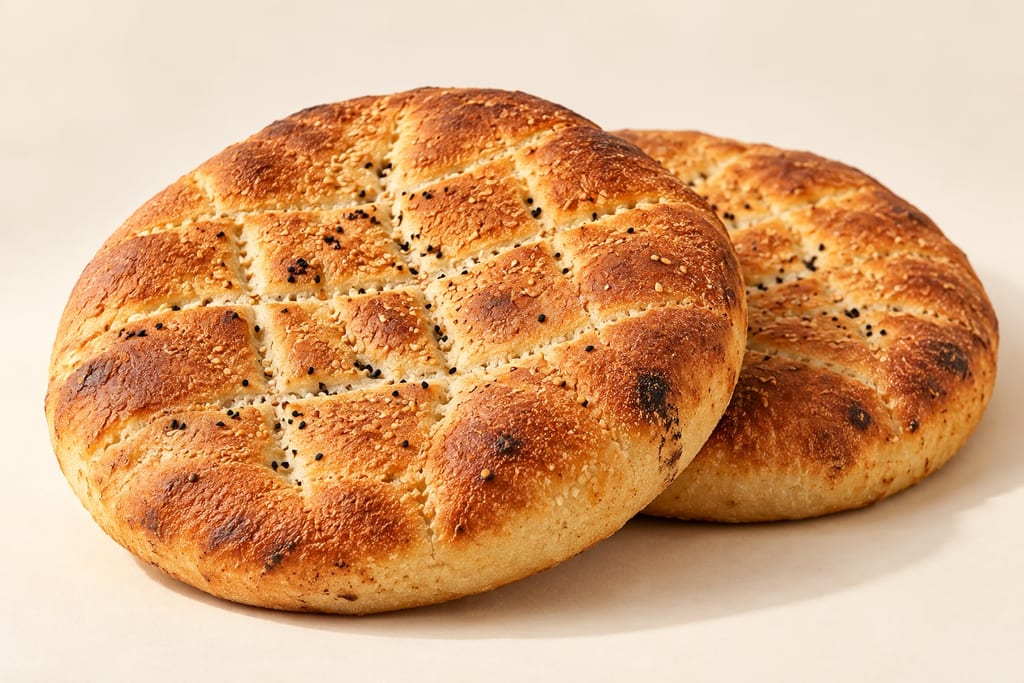
A Tunisian round semolina bread named for the clay oven in which it is traditionally baked, recorded here through one home-oven recipe.
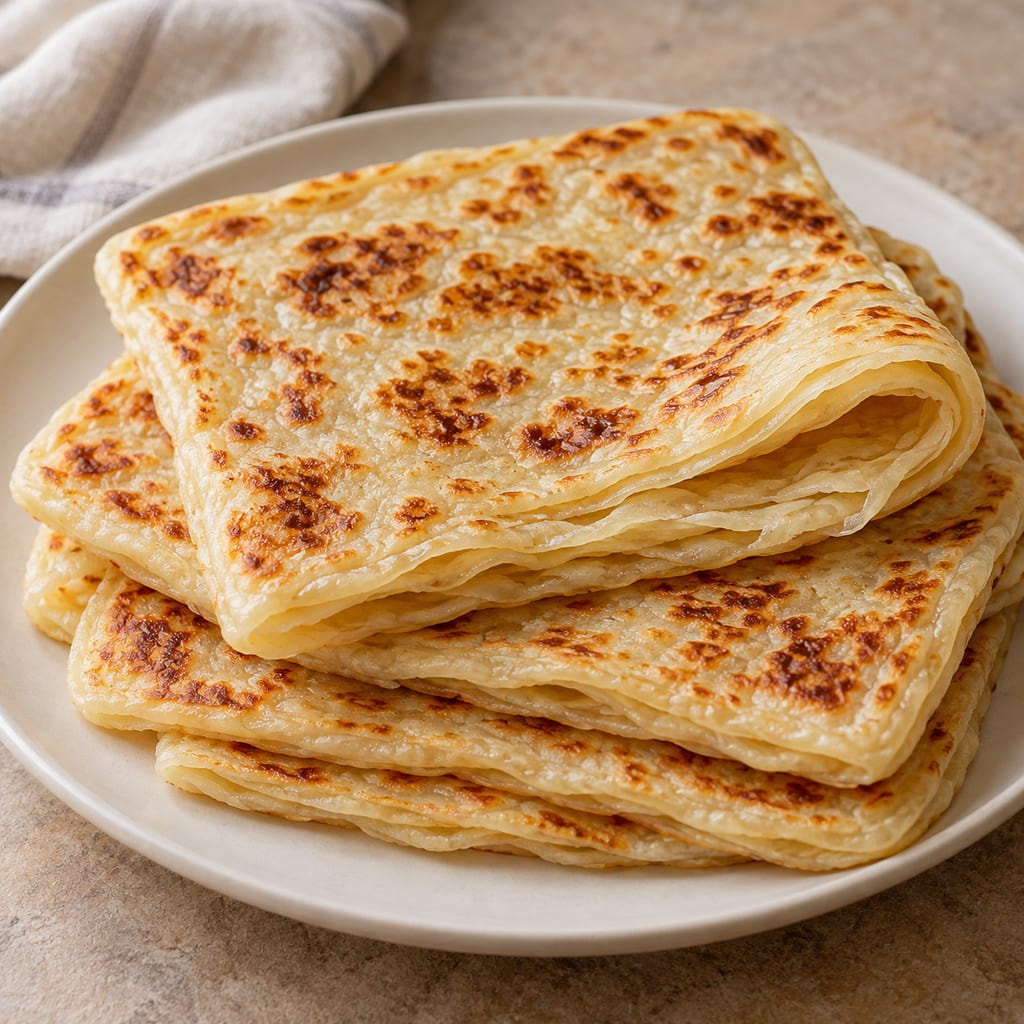
A Tunisian semolina flatbread, stretched with oil, folded into layers and cooked in a pan.
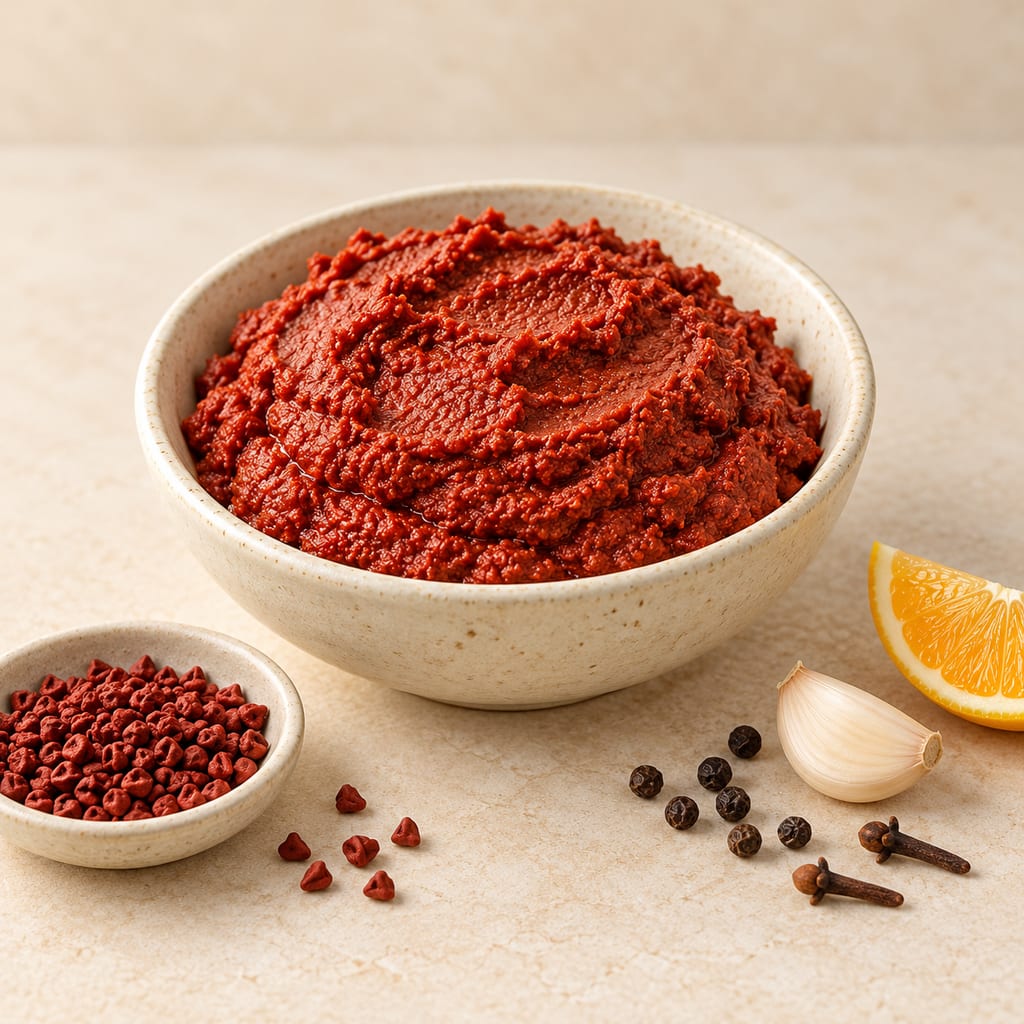
A Yucatecan recado rojo is a brick-red seasoning paste built on annatto seed, garlic and sour orange. This measured home version shows one route into a much wider family of market and household recados.
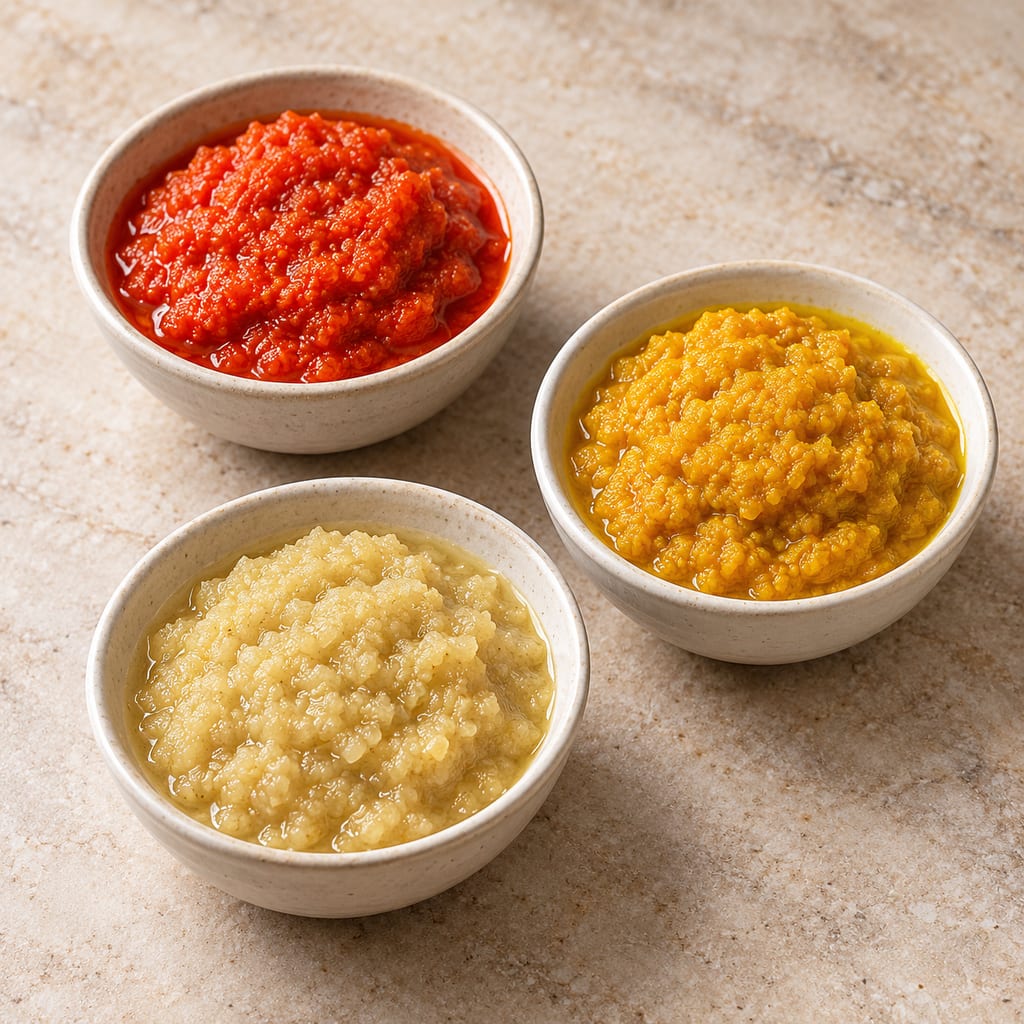
Bumbu dasar are the ground spice bases of Indonesian cooking: a white paste of shallot, garlic and salt, with chile added for red and turmeric for yellow, cooked into dishes.
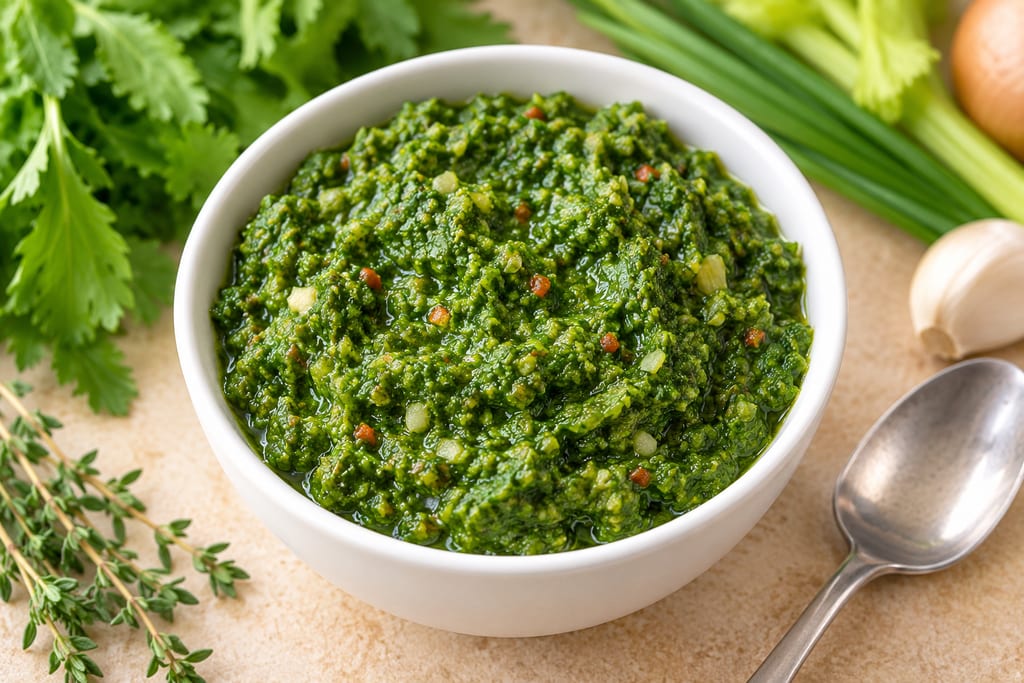
A fresh herb and aromatic paste of chadon beni (culantro), thyme, chives, celery, onion, garlic and peppers, blended with vinegar and water and used as the base for Trinidadian cooking.
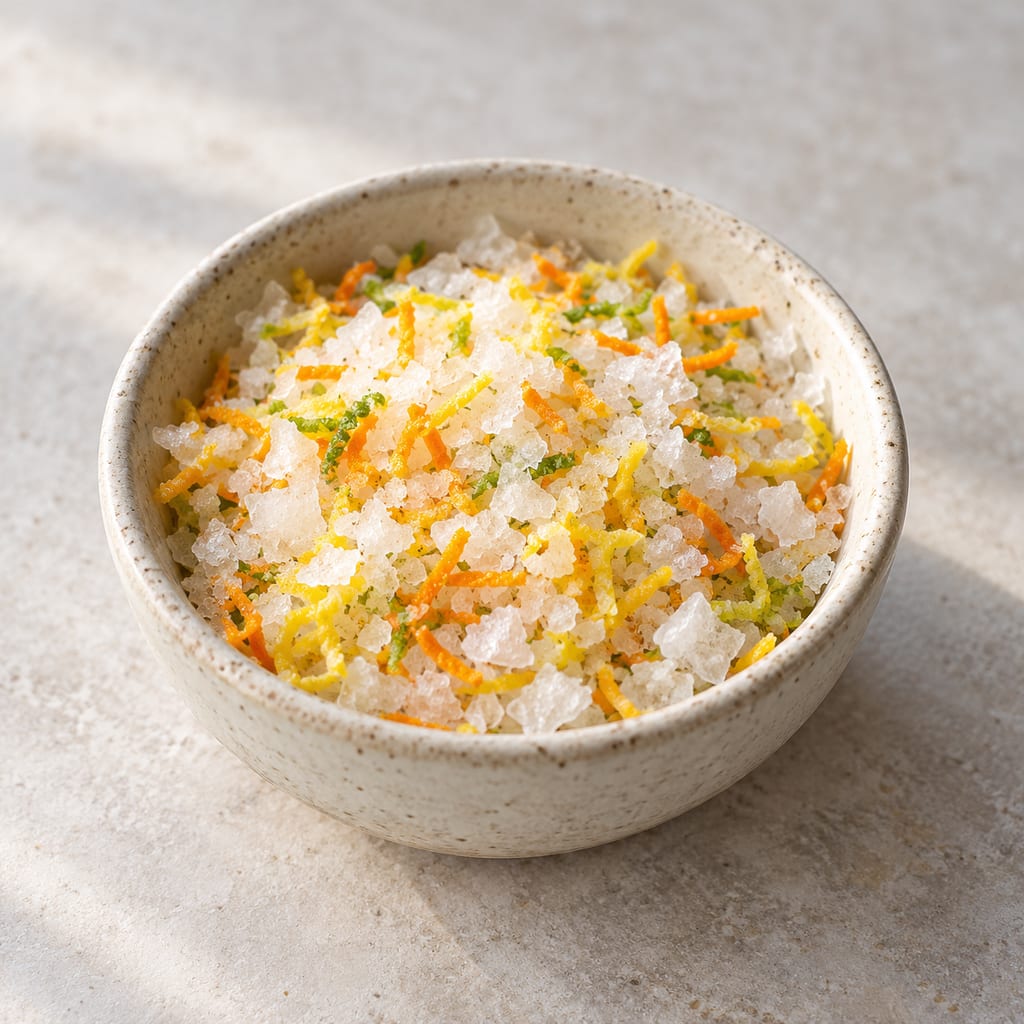
Citrus zest is rubbed into coarse or flake salt and dried on a tray. This peel-based seasoning preserves the chosen citrus aroma without adding juice.
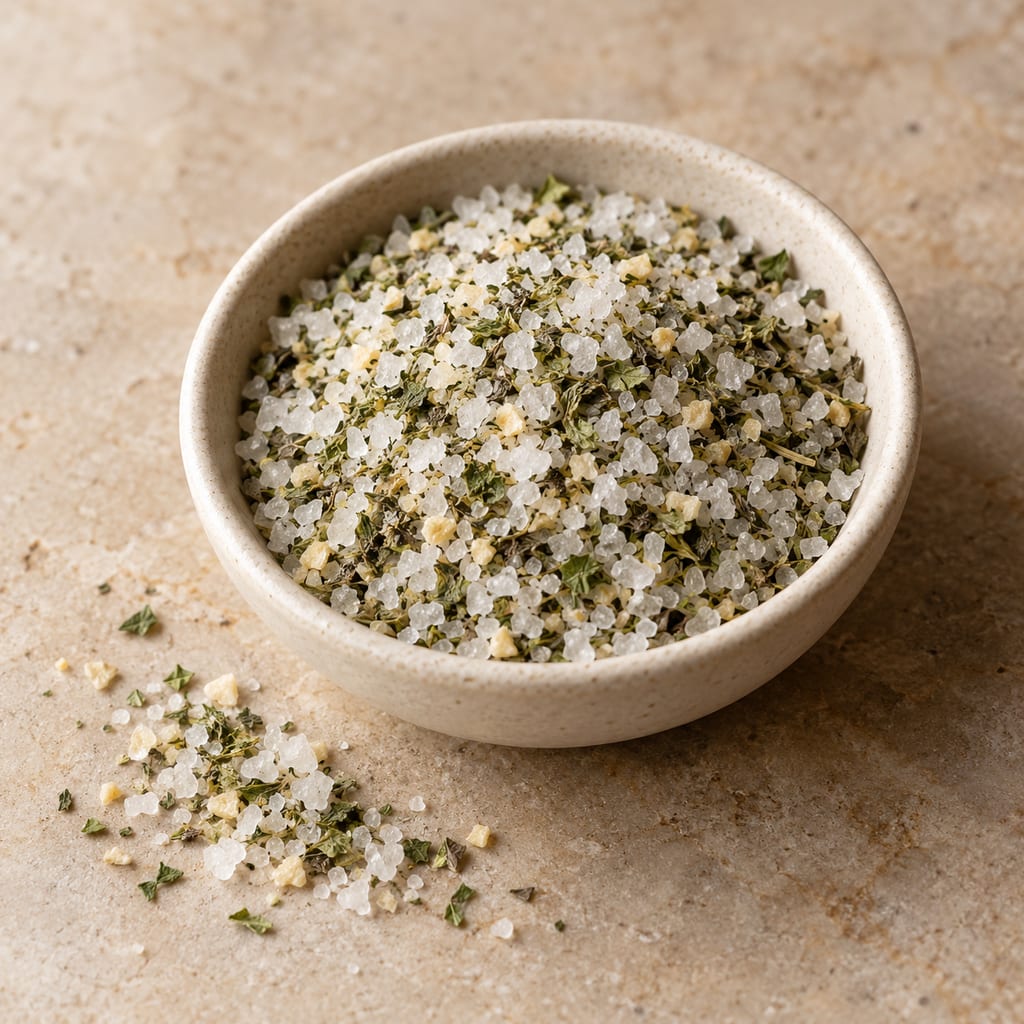
Fresh garlic and pungent herbs are chopped with kosher salt, then dried in the warmth of a switched-off oven. The blend keeps the selected herbs together in one seasoning.
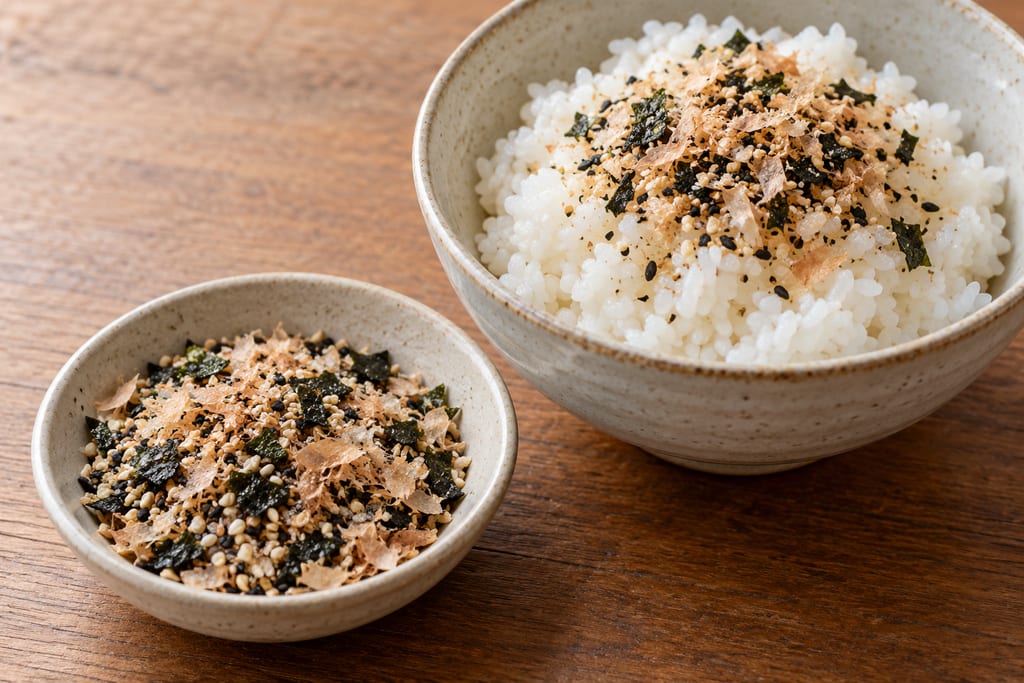
A dry Japanese rice seasoning of sesame, bonito, nori, sugar and salt. This documented home blend is one specific formula within a varied category with several early product histories.
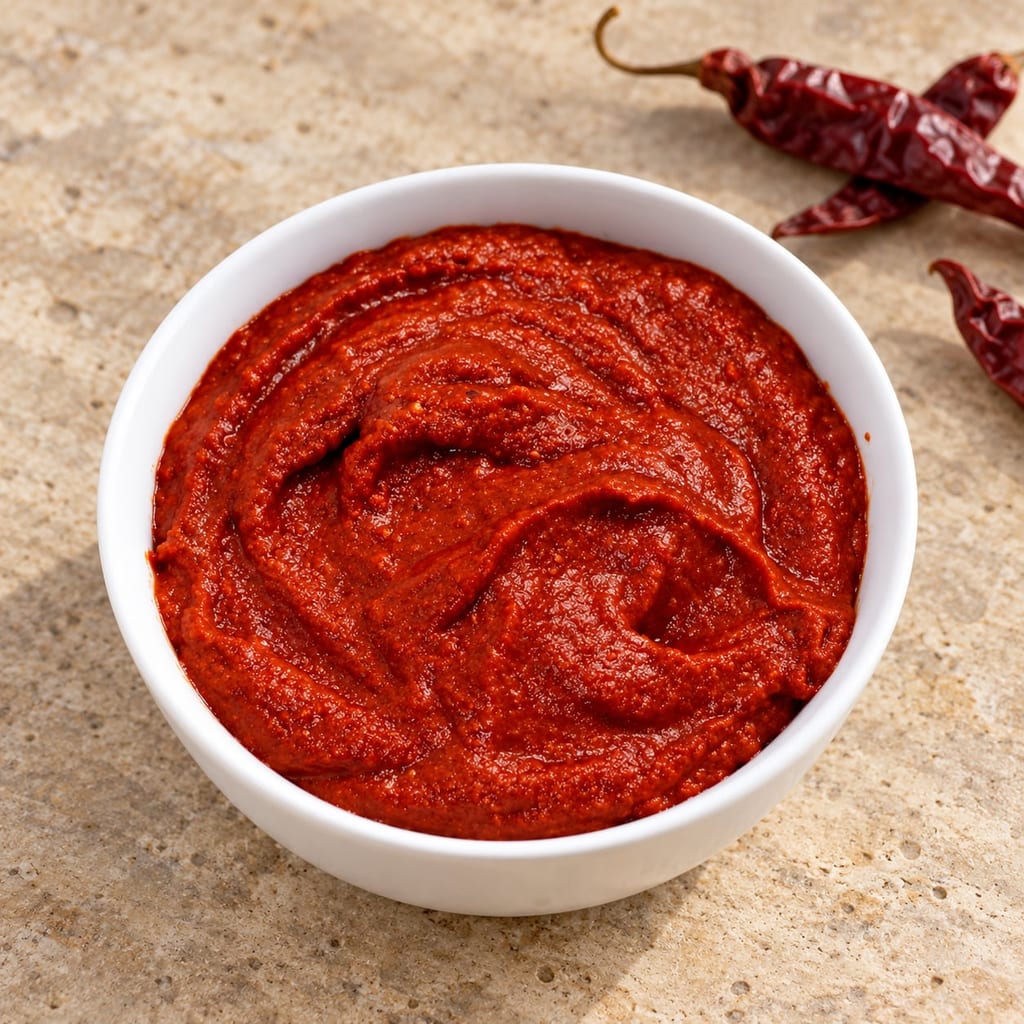
Recheado is a red Goan spice paste of Kashmiri chillies, garlic and spices ground in vinegar, best known as the stuffing for fried fish such as mackerel.
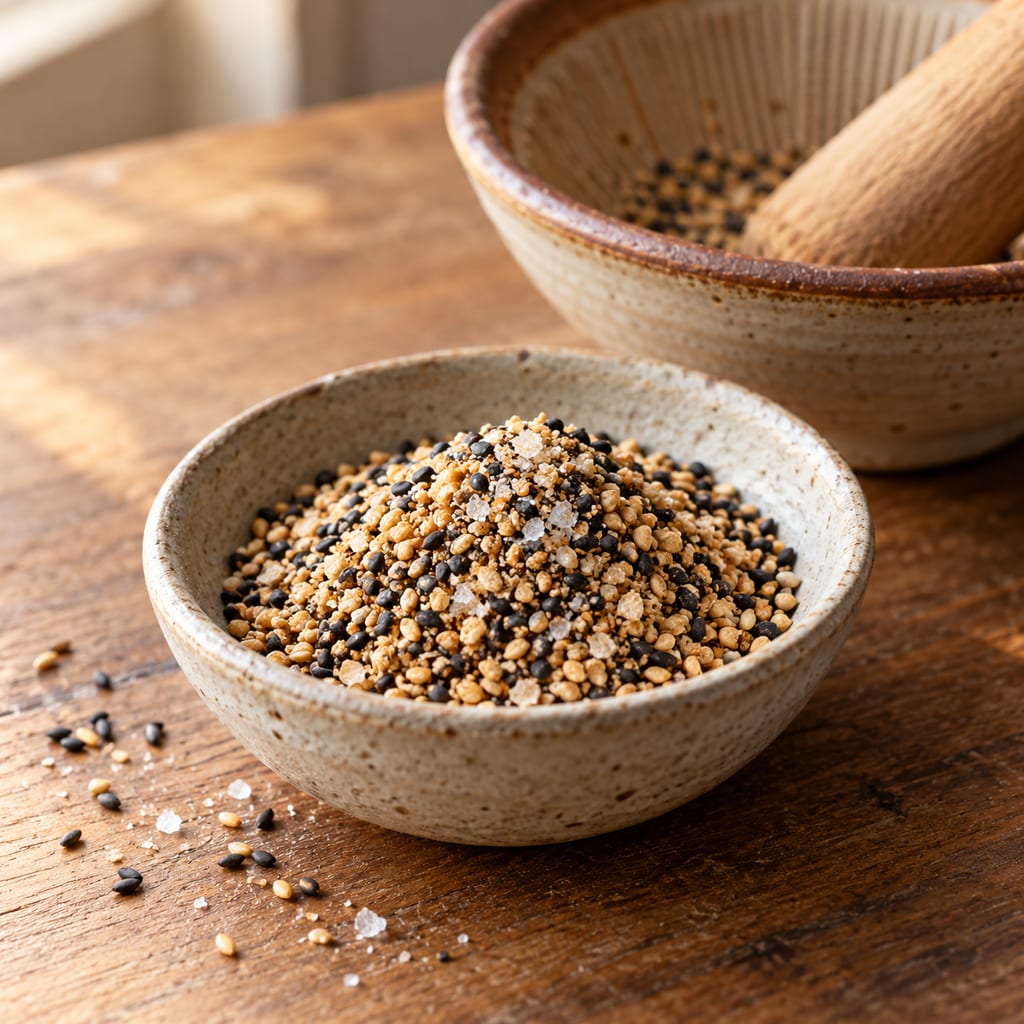
Toasted sesame seeds and sea salt are ground together into a coarse seasoning for rice. This small pan-roasted batch keeps most of the seed texture.
No community contributions have been published for this entry yet.
Sign in to contribute. Published comments and photos are free to read.
WikipediaHistory · Method · Regional variation
HarissaArabic root harasa, to pound
Cap Bon origin and Nabeul production centre
Columbian exchange and 1535-1574 presumed date
Baklouti peppers, Nabeul and Gabes
Caraway, coriander and cumin; olive oil; fermented onions or lemon juice
Harissa souri and harissa diari variants
Filfel chuma and Libyan maseer
2006 production figures and 2022 UNESCO listing
Cited in: A paste named for pounding; Where it is made; How the paste is built; Variants
My ChakchoukaMethod
Harissa Tunisia: The Ultimate Guide to Tunisia's Fiery CondimentSun-dried chillies picked when red in summer, threaded and dried; caraway, coriander and cumin named; olive oil binds (taken from a search summary, not a full read)
Cited in: How the paste is built
FoodSafety.govSafety
Bacteria and virusesGeneral reference for the botulism hazard of oil-bound garlic stored without refrigeration; page not read in full in this run
Cited in: Using it and keeping it
UNESCO Intangible Cultural HeritageMethod · History
Harissa, knowledge, skills and culinary and social practicesPeppers dried in the sun, split, destemmed and deseeded, washed, ground with salt, garlic and coriander, and stored in glass or pottery; family and neighbourhood knowledge-sharing. Seen as an indexed excerpt only; no pepper mass, salt ratio, drying time or storage validation.
Cited in: The household tradition
GICAIdentity
The Tunisian canned food industryCanned Tunisian harissa is concentrated fresh red pepper with garlic and spices.
Cited in: Canned harissa is another product
UNIDO / CITETIdentity · Method
Rapport technique d'evaluation de l'impact environnemental d'un produit de conserve alimentaire HARISSA de l'entreprise SICAMOne SICAM product quoted at 87% pepper puree, 4% garlic, 4% coriander, 3% salt and 2% caraway; industrial concentration, heating, filling and canning. A product-specific report and a secondary quotation of a standard.
Cited in: Canned harissa is another product
PAMPAT TunisiaUse
Recipes based on harissaHarissa stirred with olive oil and served with bread; used in soups, pasta, grilled meat and sandwiches.
Cited in: Using it and keeping it
Associated PressRegional variation
Tunisia's fiery harissa gets a home-cooking showcaseOne Nabeul cook's Baklouti-pepper practice that includes vinegar.
Cited in: The household tradition