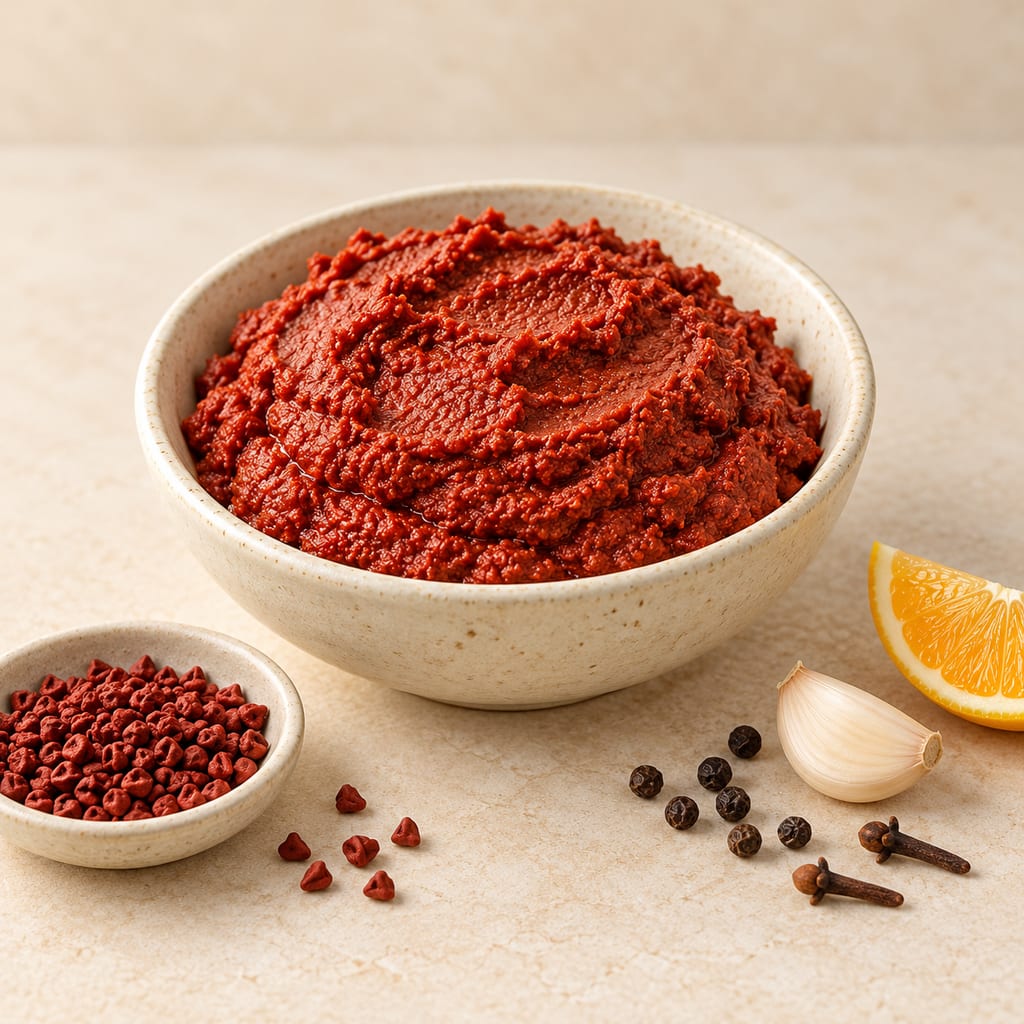
Achiote paste
A Yucatecan recado rojo is a brick-red seasoning paste built on annatto seed, garlic and sour orange. This measured home version shows one route into a much wider family of market and household recados.
 FermenteaWhere food goes to change
Modern adaptation
ふりかけ · Japanese rice seasoning
A dry Japanese rice seasoning of sesame, bonito, nori, sugar and salt. This documented home blend is one specific formula within a varied category with several early product histories.
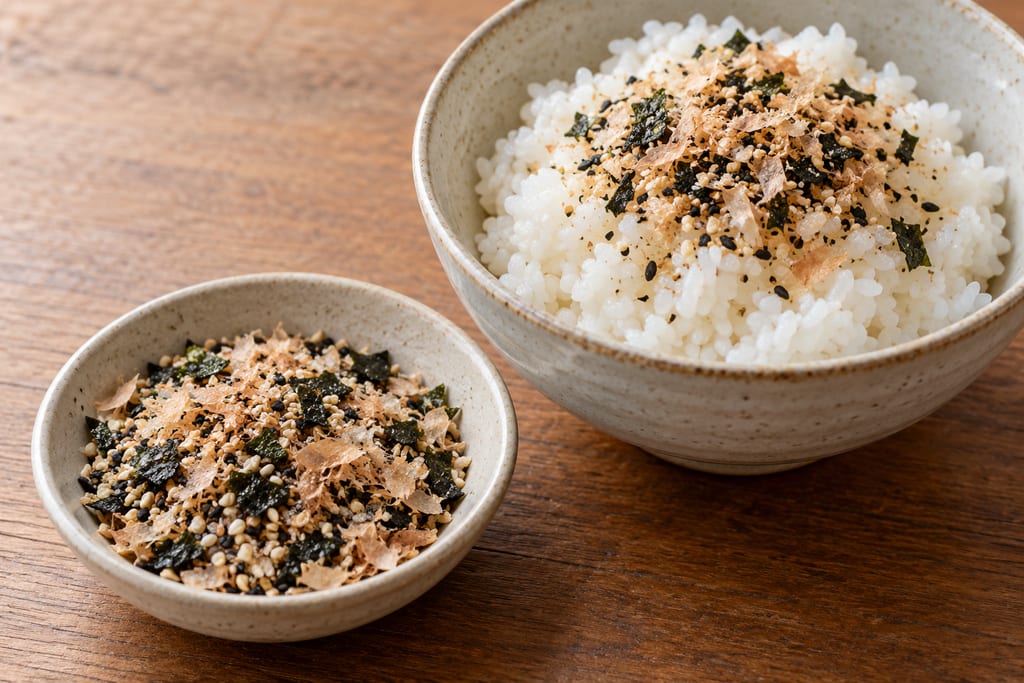
Furikake is a dry Japanese seasoning scattered over cooked rice or mixed through it. The Japanese word is built from furikakeru, “to sprinkle over,” and describes how the seasoning is used more than one fixed list of ingredients. Sesame, nori and dried fish flakes are familiar elements, but makers add or substitute other ingredients and adjust texture, salt and sweetness. A small amount gives plain rice a concentrated savory finish.
The recipe below is one dry home blend, published by McCormick Kitchens. It combines white and black sesame, bonito flakes, unseasoned nori, sugar and sea salt, then stores the blend in a jar. It is intentionally one specific formula rather than a claim that every furikake uses these ingredients or proportions. The topic arose in a research inventory as a named Japanese seasoning; this account verifies its culinary identity and selects a complete, reproducible preparation.
Furikake is not a single protected recipe or a uniform seasoning blend. A manufacturer might sell a fine powder, crisp flakes, granular seasoning or a soft, moist mixture. Some versions are sprinkled on at the table; others are mixed into warm rice to make onigiri. Kikkoman’s overview groups them by use and texture, and notes that a dry blend and a moist, soft blend have different storage needs.
The Ministry of Agriculture, Forestry and Fisheries of Japan includes furikake among seasoned-and-dried products in its overview of processed seafood and seaweed foods. That classification helps place fish and seaweed versions within a wider preservation tradition, but it does not imply that every contemporary jar contains fish or follows one traditional recipe. The dry sesame-nori-bonito version here is a seasoning to keep separate until serving.
Furikake’s familiar commercial history belongs to the early twentieth century, but accounts identify different early products and dates. Kikkoman’s food-culture article places early market introductions in Japan’s Taisho era, 1912–1926, and describes blends of crushed dried fish with aonori and sesame, as well as fish seasoned with soy sauce, seaweed, sesame and dehydrated egg. The article links their appeal to adding flavor and nutrients to modest meals, while this product story should not be reduced to a single inventor’s legend.
Two producer histories document distinct early products. Futaba says Gohan no Tomo was created in Kumamoto in 1913; Tanaka Foods’ chronology dates the launch of Ryoko no Tomo to 1916. A Hiroshima Prefecture company profile recounts an earlier development account for Tanaka’s product, around 1904–05, before the commercial date in the company chronology. These dates describe different kinds of evidence—development, local product history and market launch—not necessarily the same event.
The National Furikake Association recognized Gohan no Tomo as the origin product in 1994. Japan Food Journal reported that the association withdrew that recognition at its June 2022 meeting and began gathering evidence for a new examination; the report explicitly says the withdrawal did not negate Gohan no Tomo’s own history. Hiroshima Prefecture later summarized the review as recognizing the documentary evidence for Ryoko no Tomo as the oldest among material examined.
Those records make a more careful account possible: multiple early furikake products emerged in Japan, and their local histories are important even while trade-association origin claims changed. The record does not require choosing a single inventor or flattening different dates into a tidy origin myth. Kumamoto and Hiroshima each have a documented early product history; that does not mean either city alone defines the whole seasoning or all its modern forms.
McCormick’s formula uses 1/4 cup sesame seeds, 2 tablespoons black sesame seeds, 2 tablespoons bonito flakes, 3 sheets unseasoned nori, 2 teaspoons sugar and 2 teaspoons sea salt. Those measures belong to that recipe. The source lists 96 servings but does not explain a serving weight, so the count should be read as its own label rather than a guarantee of a precise amount per bowl.
Every ingredient is dry and ready to use. The nori is unseasoned; that keeps the flavor of this particular formula from quietly absorbing extra salt or sugar from a seasoned seaweed sheet. Bonito is the fish element, while sugar softens the sharp saltiness. This recipe does not use soy sauce, egg, dried shrimp or kombu, though other furikake formulas may. Do not add damp leftovers or wet seasonings to this dry blend without a separate, tested method.
Sesame brings a nutty aroma and a small, crisp seed texture. Using both pale and black seeds gives the blend a visual contrast as well as a sesame-forward flavor. A short dry toast releases aroma, but the seeds should be cooled before grinding so that residual heat does not soften or clump the mixture. The cited method uses a skillet and medium heat, not oil.
Bonito flakes contribute the savory fish note associated with many furikake blends. Nori adds seaweed aroma and breaks into dark, light pieces when pulsed. Salt sharpens the overall taste, while a modest amount of sugar rounds it. The recipe is therefore a seasoning, not a complete meal or a substitute for rice. Its concentration means it is normally shaken or sprinkled in a small amount, then adjusted at the table.
Toast the two kinds of sesame seeds together in a dry skillet over medium heat for about two minutes, stirring from time to time, until they are lightly toasted. Move them to a bowl and let them cool completely. The short toast is an aroma-building step; it is not a roast of the fish or seaweed, and the recipe gives no measured pan temperature. Stirring keeps the seeds moving across the hot surface so they color more evenly.
Put the cooled sesame, bonito flakes, nori, sugar and salt in a food processor. Pulse about twelve times, or until the pieces are evenly blended but still distinct enough to sprinkle. The source’s instruction is by pulse count and appearance, not by a fixed grind size. Stop and check rather than running the motor continuously: a long grind can turn the seeds into a dense meal and heat or compress the mixture. The desired result is loose, dry flakes and seeds.
Furikake ranges from crisp, dry blends to soft or moist products. The latter may be simmered, glazed or otherwise made with ingredients that retain more moisture. Kikkoman notes that dry varieties keep longer, while soft and moist types typically need refrigeration after opening. That distinction matters because a jar of dry sesame and nori is not interchangeable with a moist salmon or kelp condiment, even if both are sold under the same name.
Other formulas change ingredients and texture rather than merely changing garnish. Cookidoo’s version includes dried shrimp alongside bonito, sesame and nori, with sugar optional. Kikkoman describes blends with soy seasoning, egg granules, vegetables, meats, wasabi, natto or seafood. The differences are meaningful for flavor, allergens and storage. This dry formula keeps one clear identity; it should not be amended with wet or oily ingredients unless using a separate source-specific method.
Sprinkle furikake over freshly cooked rice, or stir it into rice before shaping onigiri. Kikkoman distinguishes those sprinkle-on and mix-in uses, and notes that mixed rice can remain appealing after it cools in a bento. The Koda Farms rice-bowl example pairs furikake with sesame and sliced nori on medium-grain rice, while other Japanese household recipes use it on udon, salad or popcorn.
The seasoning is meant to finish a dish rather than cook as a base ingredient. A little scattered over warm rice gives the seeds, seaweed and fish flakes a clear presence; mixing it in distributes them more evenly through onigiri. It can also add salt and savory flavor to vegetables or noodles, but the recipe is not a universal seasoning ratio for those foods. Taste the prepared dish and add the blend gradually, since salt levels differ between furikake products.
After pulsing, transfer the completely cooled seasoning to a tightly covered, clean jar. McCormick recommends a cool, dry place and gives a one-month storage period for this home blend. Keep the jar away from steam and wet spoons: moisture softens seaweed and can make the mixture clump. The storage advice belongs to this recipe, not to every furikake product.
Commercial packages have different ingredients, moisture levels and packaging barriers. Kikkoman describes dry products as longer lasting and says soft, moist products typically require refrigeration after opening; the package’s own instructions should guide those products. If this homemade blend smells stale, has absorbed moisture, or shows any unexpected change, discard it rather than trying to dry or cook it back into condition. No universal shelf life can be assigned to every blend from the word furikake alone.
This particular formula contains sesame and fish. Bonito flakes are a fish ingredient, and sesame seeds are a major component; anyone avoiding either should not use the recipe as written. Commercially sourced nori and bonito can also be seasoned or processed with other ingredients, so check package labels if you need to avoid additional allergens or additives.
Furikake products vary more widely than this six-item blend. Other formulas may contain soy sauce, egg, dried shrimp, salmon, roe, nuts or fermented soybeans. A product name or color alone is not enough to establish its ingredients. Keep a homemade jar clearly identified, use clean dry utensils, and prevent cross-contact with other pantry ingredients.
Furikake remains recognizable because it is used as a sprinkle or mix-in, not because every maker follows one formula. Packaged products can be tailored for children’s lunches, made in single-serving sachets, or sold in larger tabletop dispensers. Flavors may stay close to salt, soy and seaweed or move toward curry, taco-style blends and other modern tastes. Those products belong to a living seasoning category, not a fixed historic recipe.
Japanese product histories and overseas kitchens also show how furikake travels. Rice remains its clearest home, but Kikkoman’s account describes use on noodles, pasta, salads, vegetables and toast, and Hawaiian and North American cooks have adapted it to local meals. A modern adaptation can still be called furikake when the maker preserves the recognizable use and character, while the exact ingredients and balance remain product-specific.
The method here is a small, dry pantry preparation with a published ingredient list, not the origin formula for furikake. It is useful for understanding how toasted sesame, fish flakes and seaweed can be combined into a sprinkleable seasoning, and the measurements remain the ones given by the recipe publisher. The historical sections describe several early product stories and leave the broader origin question open.
Keep the category’s range in view when you compare a homemade blend with a shop-bought packet. A moist product, a soy-seasoned fish mixture, an egg-based furikake and this dry sesame-nori-bonito blend may share a name and a serving role while needing different ingredients, storage and allergen checks. Reading the specific label and method is the reliable way to understand a particular jar.
Furikake has multiple documented early product histories. Dates for development, market launch and recognition as the first product differ; no single undisputed inventor is asserted.
Yield 96 servings · Scaling: source batch only
The recipe contains bonito flakes and sesame seeds.
Hazard sourceCheck ingredient packaging and avoid cross-contact if fish or sesame must be excluded.
Control sourceContains fish (bonito) and sesame; check labels on packaged ingredients for additional allergens.
No source in this record establishes a place.
A Yucatecan recado rojo is a brick-red seasoning paste built on annatto seed, garlic and sour orange. This measured home version shows one route into a much wider family of market and household recados.
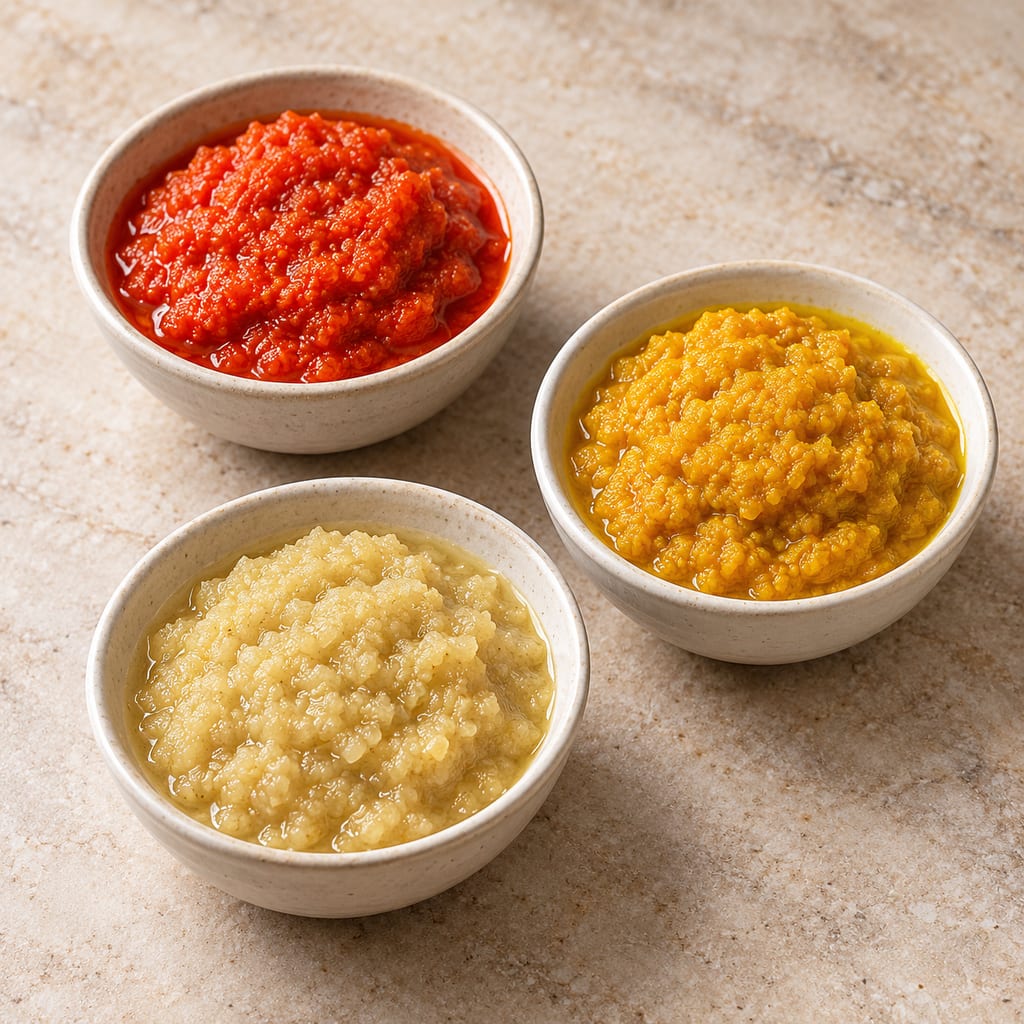
Bumbu dasar are the ground spice bases of Indonesian cooking: a white paste of shallot, garlic and salt, with chile added for red and turmeric for yellow, cooked into dishes.
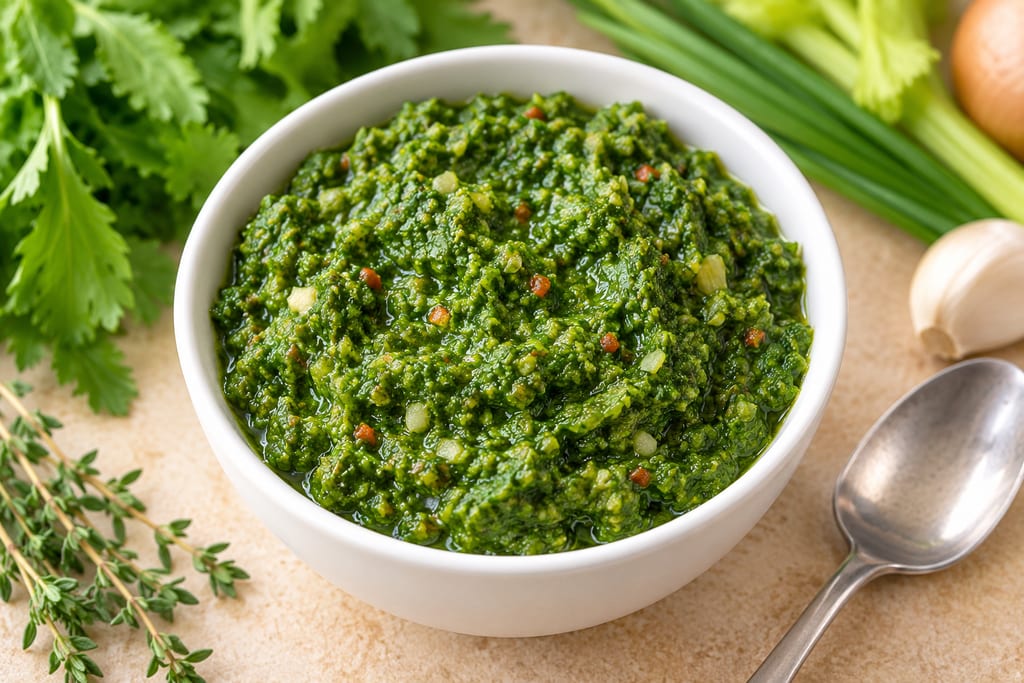
A fresh herb and aromatic paste of chadon beni (culantro), thyme, chives, celery, onion, garlic and peppers, blended with vinegar and water and used as the base for Trinidadian cooking.
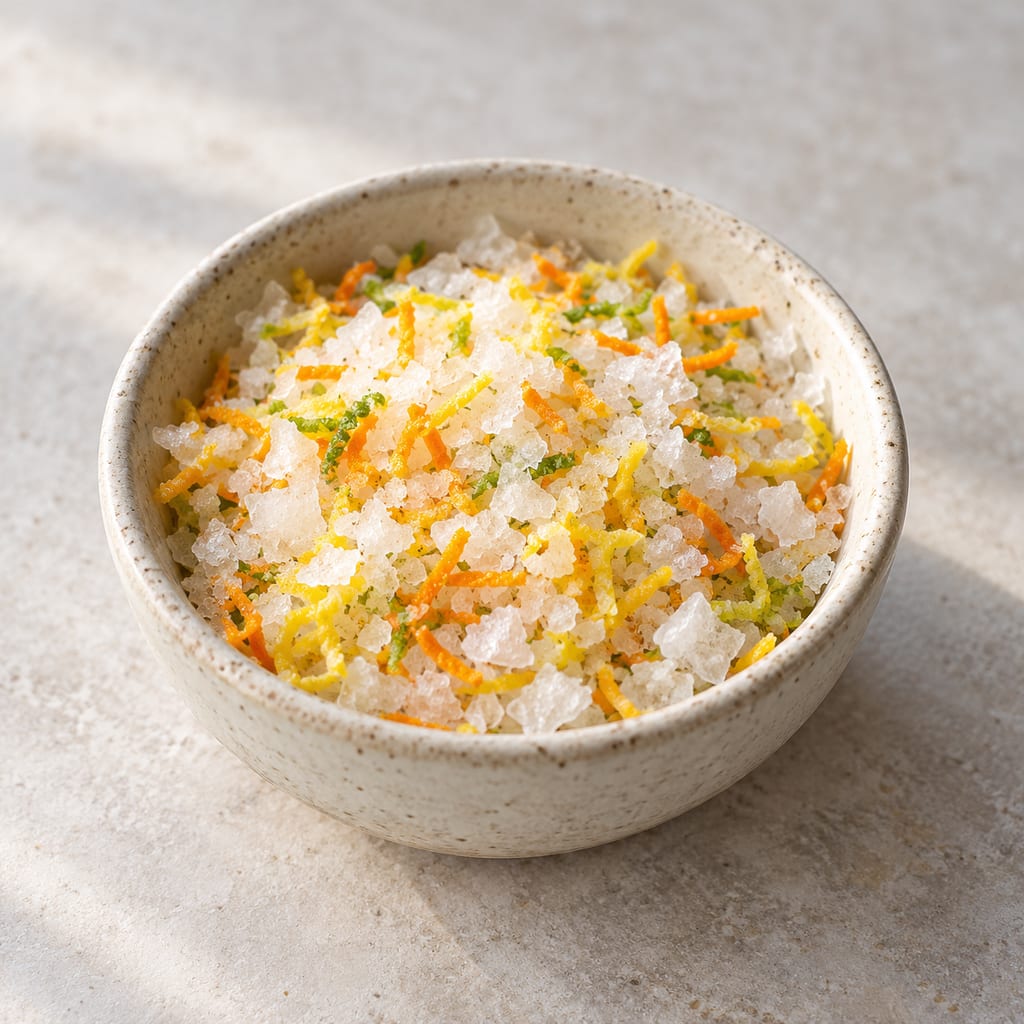
Citrus zest is rubbed into coarse or flake salt and dried on a tray. This peel-based seasoning preserves the chosen citrus aroma without adding juice.
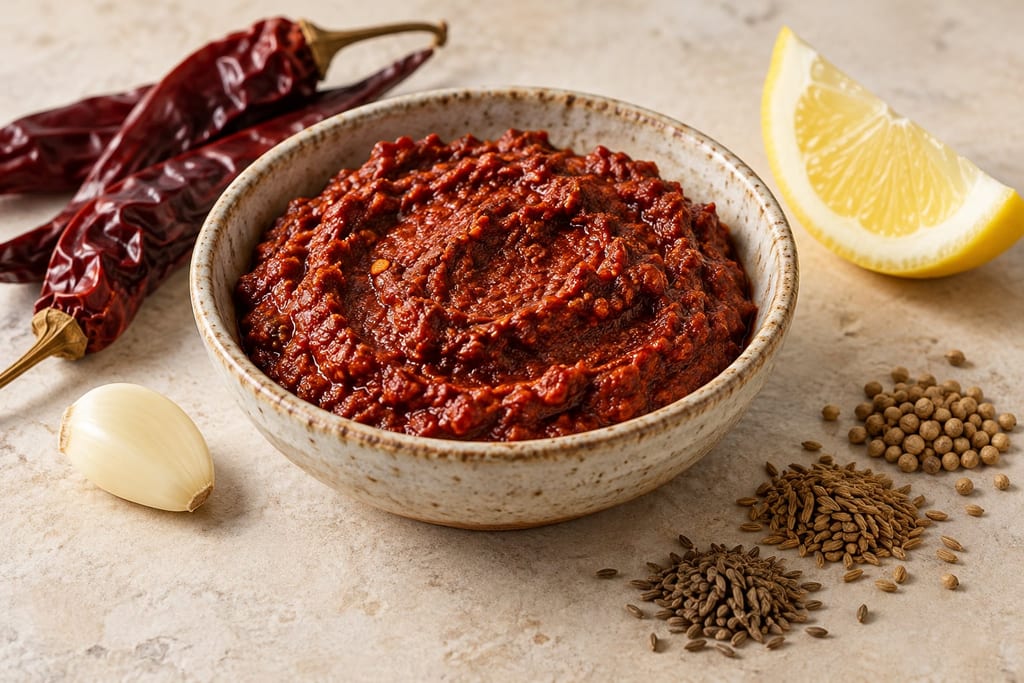
A fresh chilli paste made from rehydrated dried red peppers, garlic, olive oil, lemon and warm spices; this small-batch formula adapts the harissa family rather than reproducing a tested Tunisian method.
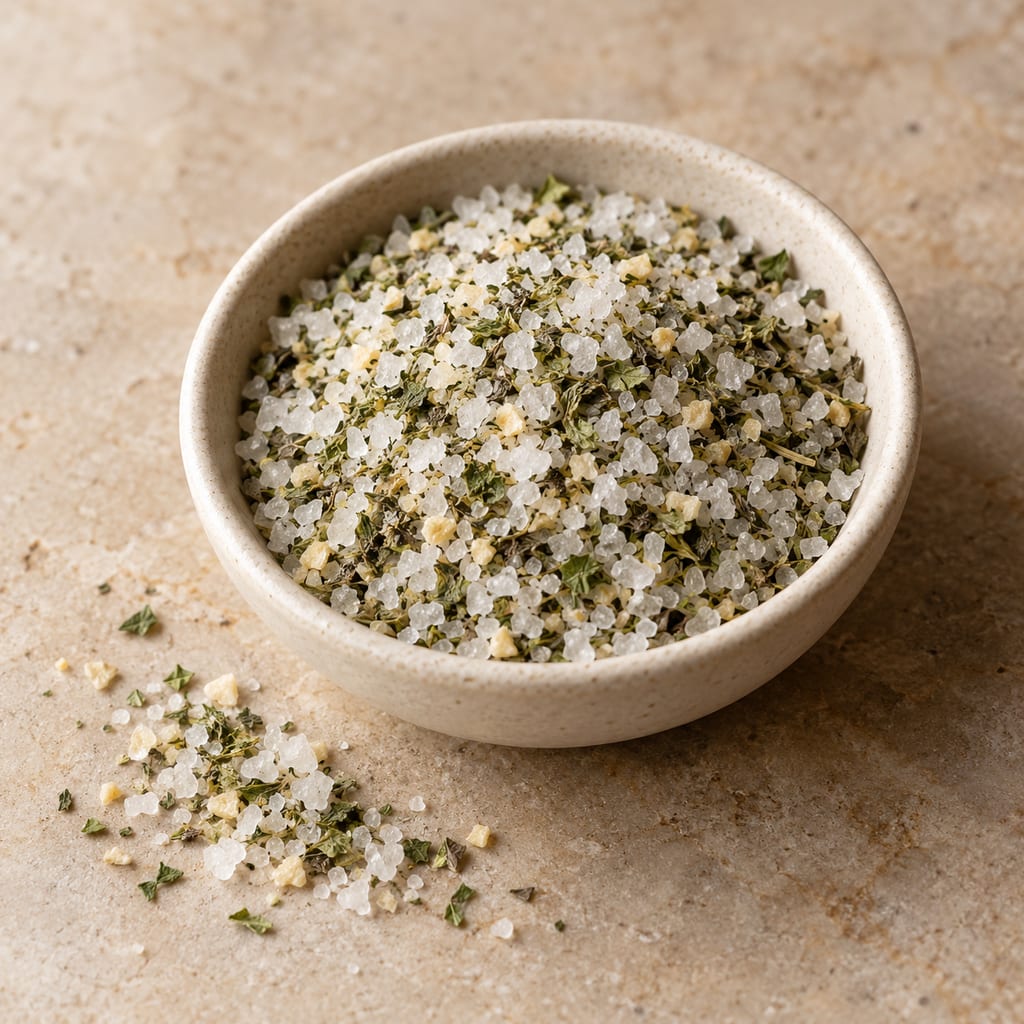
Fresh garlic and pungent herbs are chopped with kosher salt, then dried in the warmth of a switched-off oven. The blend keeps the selected herbs together in one seasoning.
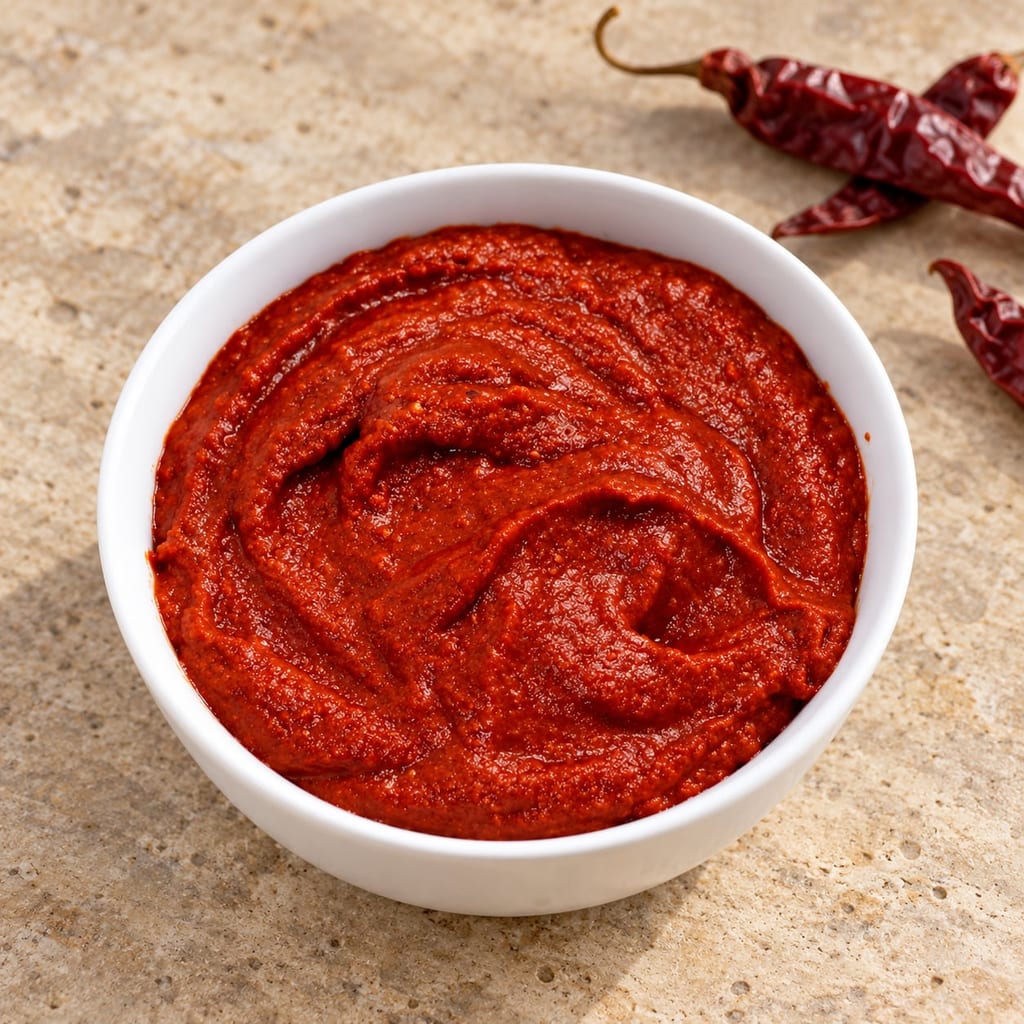
Recheado is a red Goan spice paste of Kashmiri chillies, garlic and spices ground in vinegar, best known as the stuffing for fried fish such as mackerel.
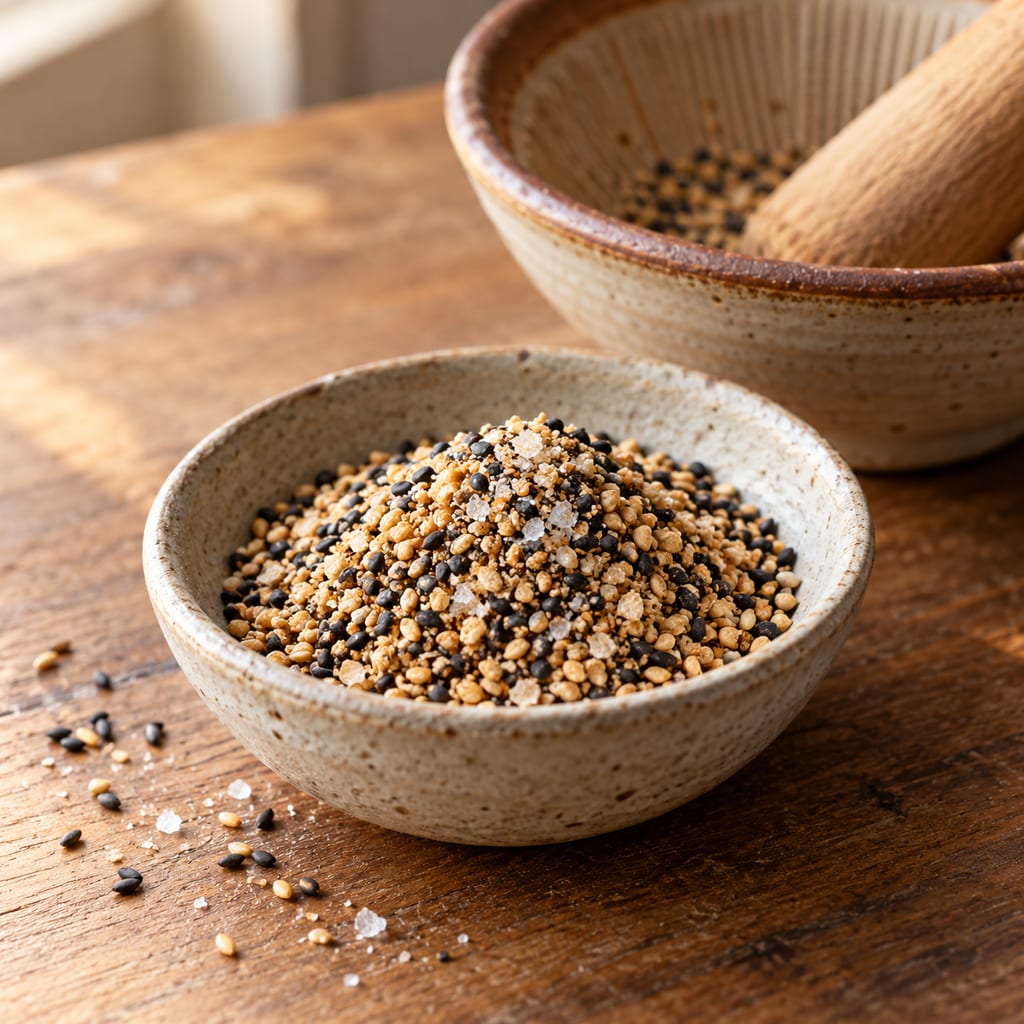
Toasted sesame seeds and sea salt are ground together into a coarse seasoning for rice. This small pan-roasted batch keeps most of the seed texture.

Soft, spreadable Calabrian pork sausage made with a great deal of red chilli and fatty pork, stuffed into natural casings, sometimes smoked and matured while staying soft.

A way to add independent temperature logging to an existing food dehydrator without changing its built-in controls or protections. It is a monitoring method, not a rewiring plan.

Pleurotus cystidiosus is the abalone mushroom, a cultivated oyster-type fungus with dark brown caps that grows more slowly and is more demanding than other Pleurotus species.

A dark, balanced vinegar from Emilia-Romagna made by combining cooked or concentrated grape must with wine vinegar, then acetifying and refining it in wood under a protected specification.

A living dairy inoculum that starts controlled cream fermentation, developing acidity and aroma before sour cream or cultured butter is finished.

A small electric incubator holds jars at a selected temperature for yogurt and other documented warm food preparations. Controls, capacity and vessel arrangement vary by model.

Adygean salt is a seasoned table salt associated with Adygea and the wider North Caucasian culinary tradition. Salt is blended with garlic and a variable selection of herbs and spices; the exact mix depends on the named style and maker.

The African Caesar-group mushroom, Amanita masasiensis, is a wild ectomycorrhizal species of central and southern African woodlands, eaten locally. The genus contains deadly poisonous species, so identification needs care.
No community contributions have been published for this entry yet.
Sign in to contribute. Published comments and photos are free to read.
Kikkoman Corporation, Trends in Taste 37.3History · Identity · Uses · Variations
Furikake Rice SeasoningFurikake is a Japanese rice seasoning; the word means sprinkle over. The article describes early commercial blends in the Taisho era, sprinkle-on and mix-in uses, dry and moist varieties, and use beyond rice.
Cited in: A seasoning to sprinkle; The name and the category; A short history with more than one beginning; What each ingredient contributes; Dry and soft versions are different products; At the table; Packaging, humidity and storage; Ingredients and allergen awareness; A seasoning that keeps changing; How to read this recipe
Ministry of Agriculture, Forestry and Fisheries of JapanContext · Technique
Seasoned preserved foodsClassifies furikake among seasoned-and-dried products in its overview of processed seafood and seaweed foods.
Cited in: The name and the category; Dry and soft versions are different products
McCormick KitchensMethod · Ingredients · Storage
Homemade Japanese Furikake Seasoning RecipeFormula: 1/4 cup sesame seeds, 2 tablespoons black sesame seeds, 2 tablespoons bonito flakes, 3 sheets unseasoned nori, 2 teaspoons sugar, and 2 teaspoons sea salt. Toast sesame about 2 minutes over medium heat, cool, pulse mixture about 12 times; store tightly covered in a cool dry place for up to one month.
Cited in: A seasoning to sprinkle; The documented blend; What each ingredient contributes; Toast, cool and pulse; Packaging, humidity and storage; Ingredients and allergen awareness; How to read this recipe
Tanaka Foods Co., Ltd.History · Geography
Company historyCompany chronology records launch of Ryoko no Tomo furikake in 1916 and later company milestones.
Cited in: A short history with more than one beginning; Why the origin story remains contested
Futaba Co., Ltd. (Gohan no Tomo Honpo)History · Geography
History of Gohan no Tomo and company profileProducer locates Gohan no Tomo in Kumamoto in 1913 and describes its own early fish-bone-based product history; this is a product account, not proof of one undisputed invention of all furikake.
Cited in: A short history with more than one beginning; Why the origin story remains contested
Hiroshima PrefectureHistory · Geography · Ingredients
Tanaka Foods Co., Ltd.Prefectural profile describes Ryoko no Tomo as a small-fish seasoning with soy sauce, sesame, seaweed and egg; it recounts early product development and notes a later association review of the oldest documentary evidence.
Cited in: A short history with more than one beginning; Why the origin story remains contested; How to read this recipe
Japan Food JournalHistory
National Furikake Association withdraws origin recognition for re-examinationReports that the association withdrew its 1994 recognition of Gohan no Tomo as the origin product in 2022 and began collecting evidence for renewed examination; withdrawal did not erase that product's history.
Cited in: Why the origin story remains contested; How to read this recipe
Cookidoo, ThermomixVariations · Ingredients
FurikakeA separate version combines sesame, salt, nori, bonito flakes, dried shrimp and optional sugar, illustrating formula variation.
Cited in: The documented blend; Dry and soft versions are different products; Ingredients and allergen awareness
Just One CookbookUses · Variations
Furikake (Japanese Rice Seasoning)Describes furikake with sesame, dried fish and nori and use on rice, onigiri, udon, salad and popcorn; presents a household recipe using leftover bonito and kombu.
Cited in: At the table; A seasoning that keeps changing
Koda FarmsUses
Simple Japanese Rice Bowl with Organic Kokuho Rose Medium Grain RiceShows furikake as a rice-bowl topping with sesame and sliced nori.
Cited in: At the table