
African locust bean seeds (Parkia biglobosa)
Parkia biglobosa seeds are fermented into regional West African seasonings, including nététou, iru, dawadawa and soumbala. The yellow fruit pulp is a separate food, and names and methods vary by place.
 FermenteaWhere food goes to change
Mushrooms
The African Caesar-group mushroom, Amanita masasiensis, is a wild ectomycorrhizal species of central and southern African woodlands, eaten locally. The genus contains deadly poisonous species, so identification needs care.

Amanita masasiensis is a wild ectomycorrhizal fungus of the woodlands of central and southern Africa. It grows in partnership with trees such as Uapaca and Julbernardia, and the supplied catalogue gives its supply as wild.
The species was described as new from Tanzania in 1994, together with two related species from the same work. It is one of the Caesar-group Amanitas, a group that the catalogue ties to African woodland use.
The supplied catalogue records the species as a locally used Caesar-group mushroom in Benin, the DR Congo, Tanzania, Zambia and Zimbabwe.
A local name, the part eaten, a preparation and a market price for this species are not given, so how it is cooked is not known.
The genus Amanita includes deadly poisonous species. The catalogue says that this species must be identified to the regional species with expert support, and that rule applies before any use.
The sources read here give no toxicity data for this species specifically, and a local food record does not establish that it is safe to eat. Mushrooms of this genus should never be gathered for food on the basis of a photograph or a general resemblance to an edible Caesar's mushroom.
Listed in the supplied catalogue as a locally used Caesar-group mushroom. The catalogue gives no preparation.
The species was described from Tanzania. The catalogue lists it in Tanzania among its regional records.
The supplied catalogue lists the species in these three countries. The sources read here give no food detail for them.
Parkia biglobosa seeds are fermented into regional West African seasonings, including nététou, iru, dawadawa and soumbala. The yellow fruit pulp is a separate food, and names and methods vary by place.
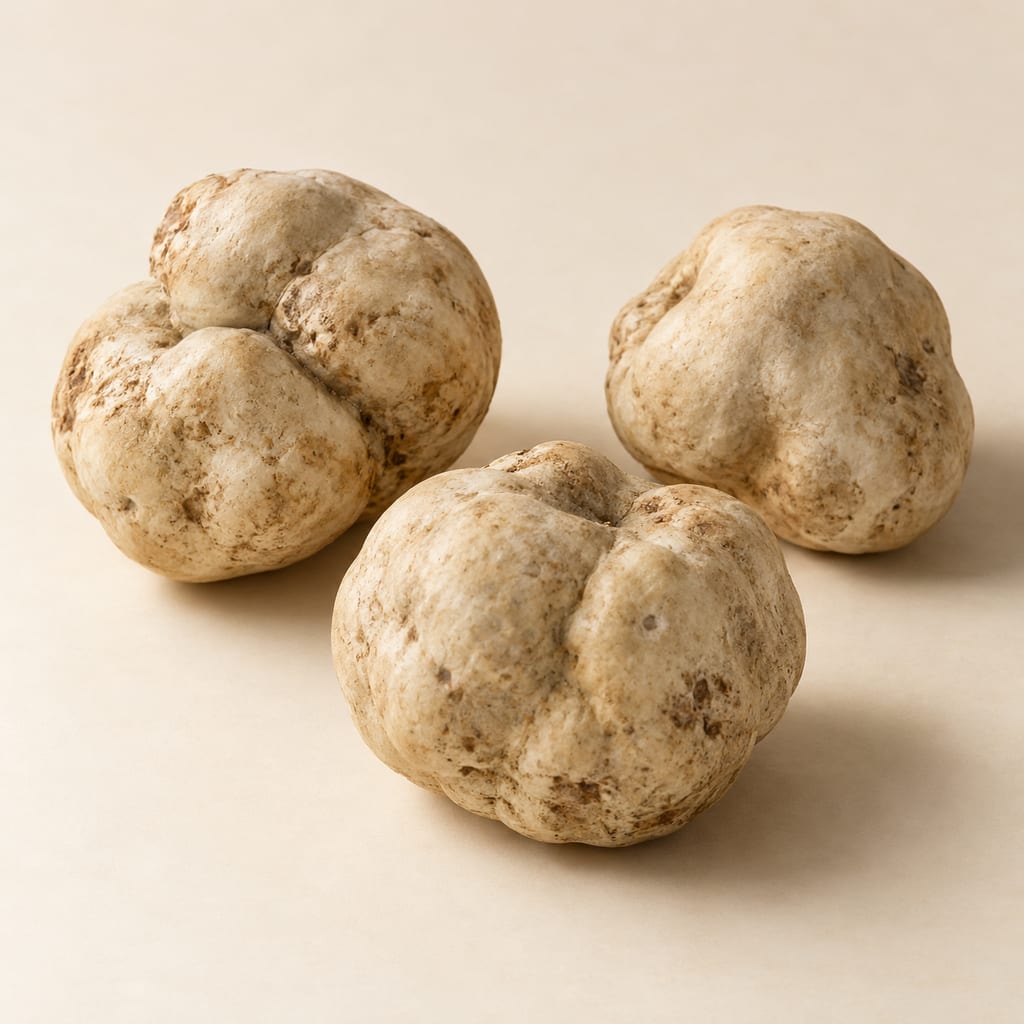
Afrocastellanoa ivoryana is a truffle-like false truffle of African woodlands, ectomycorrhizal with woodland trees and recorded as a regional wild food in West and Central Africa.
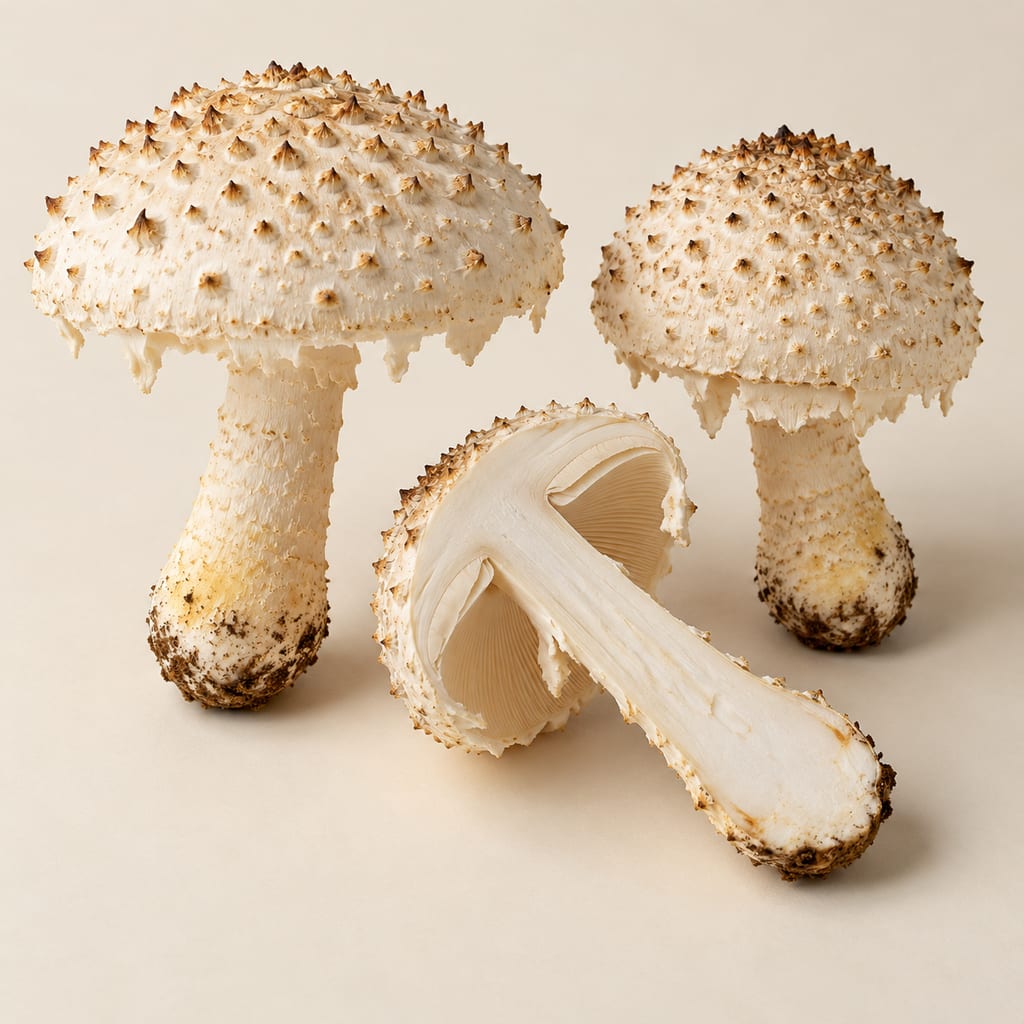
Amanita afrospinosa is a white, warted Amanita of miombo woodland in southern and central Africa. A regional food-use record exists, but the Amanita genus includes deadly species, so no safe use is established here.
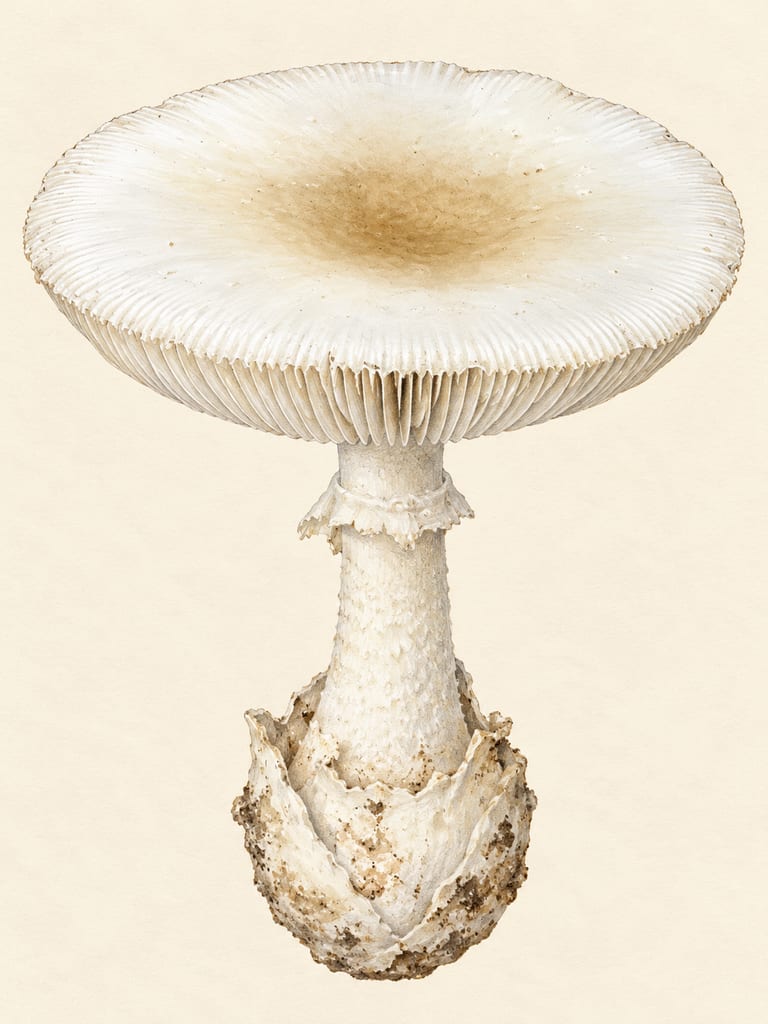
Amanita loosei is a large wild Amanita of tropical African miombo and open woodland, gathered and sold as a valued seasonal food. Regional food-use evidence is not a guide to identifying wild mushrooms.
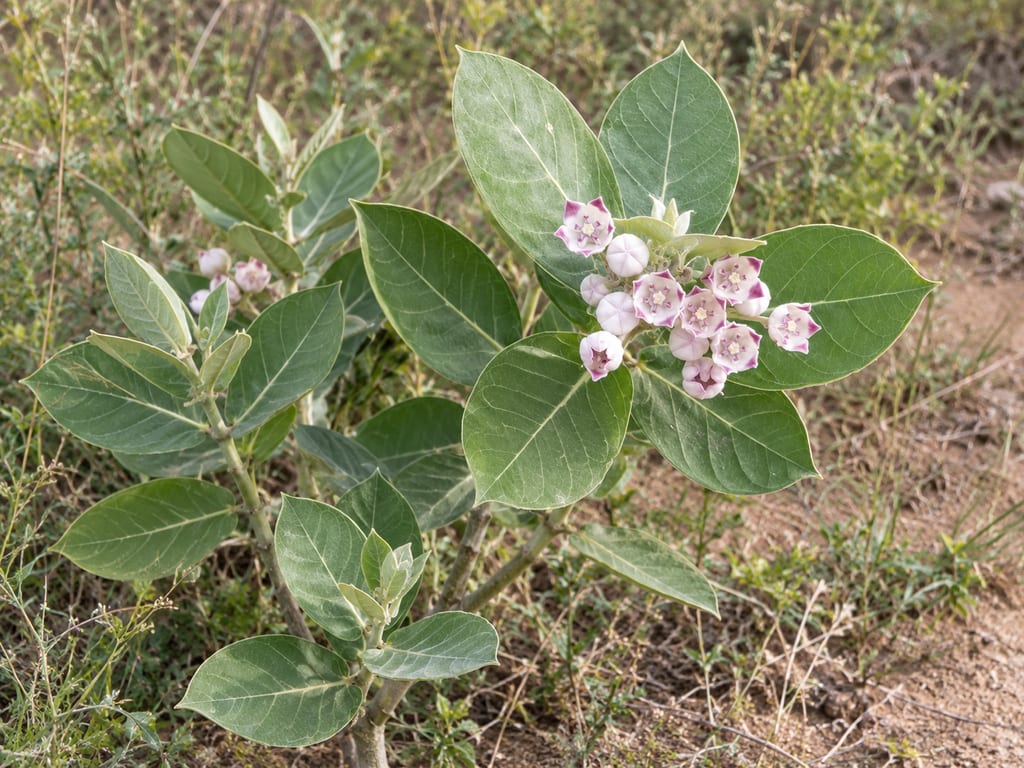
Calotropis procera preparations are documented as coagulants for wagashi gassirè in Benin and wara in Nigeria. Crude plant materials differ from purified research enzymes, and current evidence does not support a general home preparation.
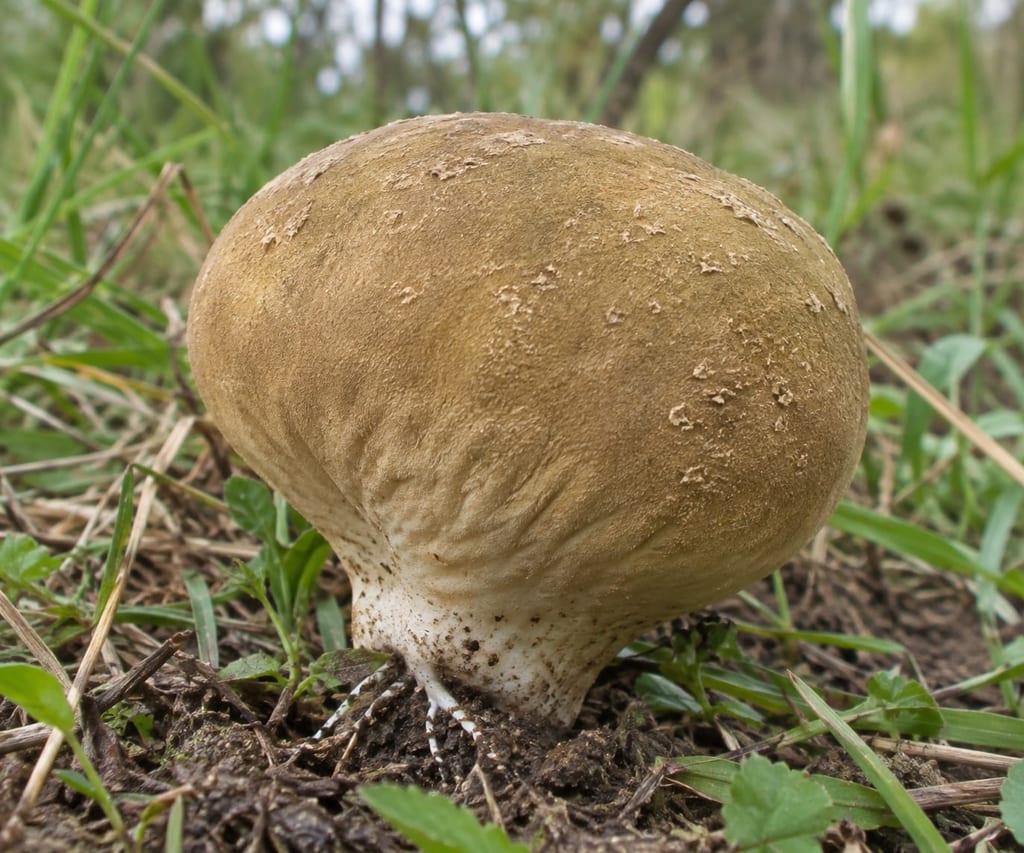
A tropical African puffball recorded in West African range accounts and Ethiopian edible-mushroom studies. Ethiopian use evidence is qualified; Benin identification and safety remain unresolved.
A defined Saccharomyces cerevisiae strain, 2Y48P22, was screened in 2010 for softening cassava in lafun experiments. It is an experimental candidate, not a household starter with a verified method.
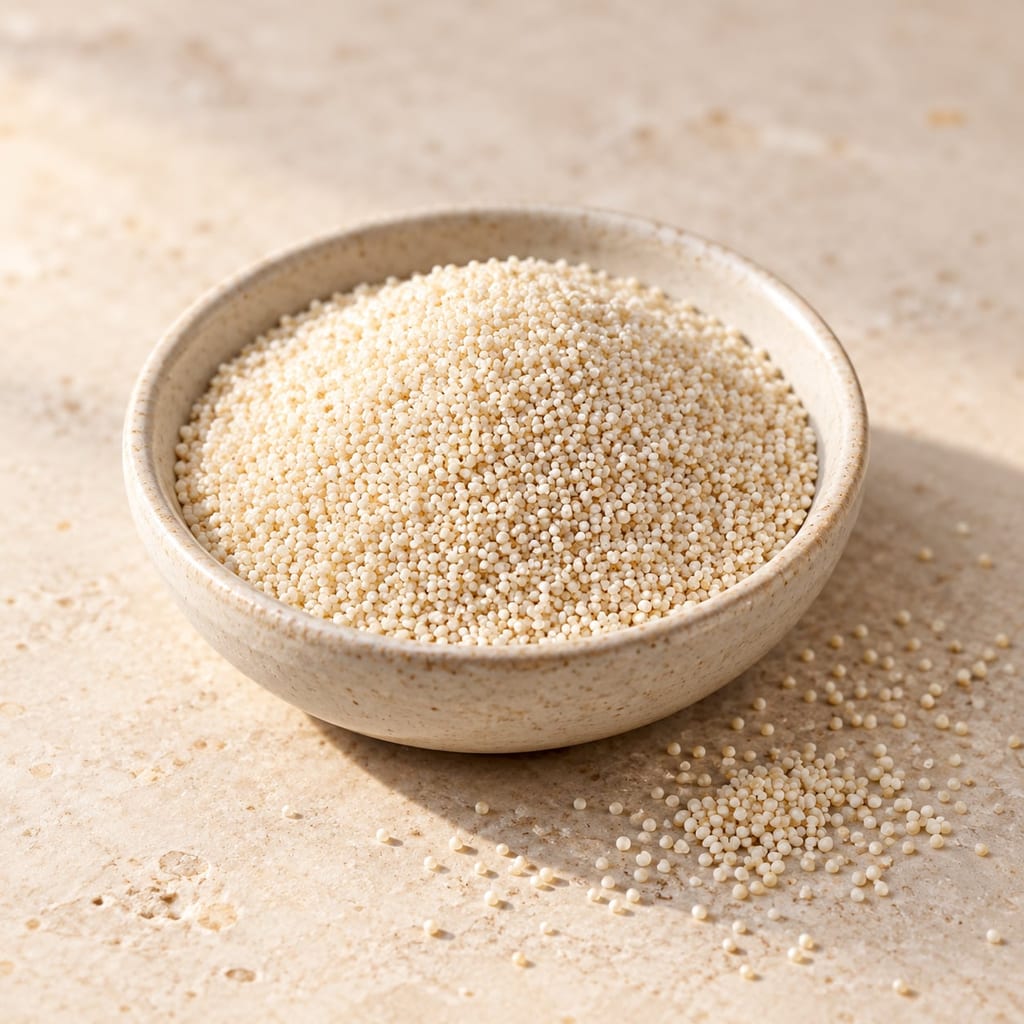
Fonio covers two distinct West African cereals: white fonio (Digitaria exilis) and black fonio (D. iburua). Both are eaten in cooked dishes; sources also document fermented drinks and controlled fonio fermentations.

Soft, spreadable Calabrian pork sausage made with a great deal of red chilli and fatty pork, stuffed into natural casings, sometimes smoked and matured while staying soft.

A way to add independent temperature logging to an existing food dehydrator without changing its built-in controls or protections. It is a monitoring method, not a rewiring plan.

Pleurotus cystidiosus is the abalone mushroom, a cultivated oyster-type fungus with dark brown caps that grows more slowly and is more demanding than other Pleurotus species.

A dark, balanced vinegar from Emilia-Romagna made by combining cooked or concentrated grape must with wine vinegar, then acetifying and refining it in wood under a protected specification.

A living dairy inoculum that starts controlled cream fermentation, developing acidity and aroma before sour cream or cultured butter is finished.

A small electric incubator holds jars at a selected temperature for yogurt and other documented warm food preparations. Controls, capacity and vessel arrangement vary by model.

Adygean salt is a seasoned table salt associated with Adygea and the wider North Caucasian culinary tradition. Salt is blended with garlic and a variable selection of herbs and spices; the exact mix depends on the named style and maker.
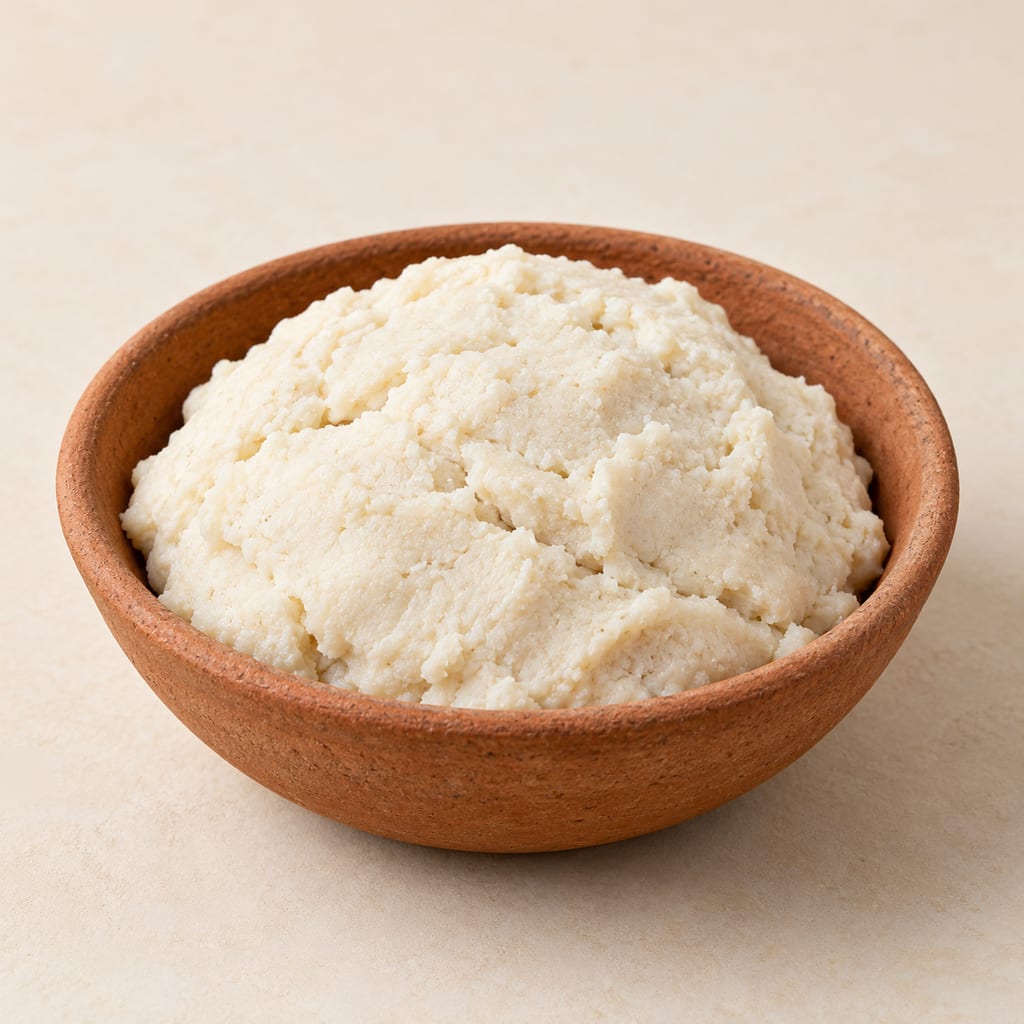
Ghanaian sour cassava dough fermented with traditional inoculum and drained during fermentation. It is used as a base for cooked foods such as banku and akple; process variants and safety outcomes differ.
No community contributions have been published for this entry yet.
Sign in to contribute. Published comments and photos are free to read.
EFTA (via supplied fungi catalogue)Food use · Distribution · Safety
Amanita masasiensis, European Fungal Taxonomy and Advice (EFTA) species pageCatalogue: locally used Caesar-group mushroom in Benin, DR Congo, Tanzania, Zambia and Zimbabwe; ectomycorrhizal with Uapaca, Julbernardia and other woodland trees; the genus includes deadly poisonous lookalikes
Cited in: Identity and habitat; Local use; Safety
KarsteniaHistory · Taxonomy · Food use · Safety
Tanzanian mushrooms and their uses 4. Some reddish edible and poisonous Amanita speciesAmanita masasiensis was described as new from Tanzania in 1994, alongside two related species; the paper contrasts edible and poisonous reddish Amanita species
Cited in: Identity and habitat; Local use; Safety