
African locust bean seeds (Parkia biglobosa)
Parkia biglobosa seeds are fermented into regional West African seasonings, including nététou, iru, dawadawa and soumbala. The yellow fruit pulp is a separate food, and names and methods vary by place.
 FermenteaWhere food goes to change
Cultures
A defined Saccharomyces cerevisiae strain, 2Y48P22, was screened in 2010 for softening cassava in lafun experiments. It is an experimental candidate, not a household starter with a verified method.
The strain code 2Y48P22 names a Saccharomyces cerevisiae isolate that a 2010 screening study found promising for softening cassava in lafun experiments. Lafun is the food and process context, not the name of the strain. The 2010 abstract screened 22 cultures, and the strain produced pectinase in a model system. An archive row describes a pectin-degrading S. cerevisiae strain selected for submerged cassava fermentation, possibly with lactic acid bacteria. That wording is preserved from the archive and has not been independently verified.
Four things need to be kept apart: the traditional lafun communities sampled in production, the individual laboratory isolates from them, the experimental 2Y48P22 candidate, and the dried cassava flour that is the finished food. The isolates named in other studies are not interchangeable with this yeast.
FAO describes lafun as an important Yoruba staple in western Nigeria. Separately, the 2009 microbiota study examined traditional production sites in Kétou, Benin, and a later project tested isolates with a Benin processor. These are distinct records of food practice and research. They do not establish one birthplace, identical Nigerian and Beninese methods, or the origin of 2Y48P22.
The earliest technical papers reviewed date from 2009 and 2010. Those dates are the earliest surviving records, not the start of the tradition. No source reviewed gives an oral history, a local starter name or a production season for this culture.
In the 2010 study, the experimental outcome was softening measured by compression profile and fracture stress in tested cassava fermentation. The abstract reports softer roots after 48 hours with yeast alone or with B. cereus, and it reports that lactic acid bacteria combinations were also tested. These are experimental results. They are not a recommendation to introduce B. cereus into any food process.
The 2009 study found lactic acid bacteria, yeasts and B. cereus group isolates in sampled lafun. Some of the B. cereus isolates carried toxin-associated genes, but the study does not establish toxin production in the finished food. A 2018 project report identifies LP1 with Km3 as the best preliminary combination; a larger trial was still being analysed.
A detected organism, a strain that changes texture in one trial and a culture recommended for use are three different kinds of evidence. The studies cannot be combined into one culture formulation.
No executable household method is given. The 2010 abstract does not give a complete batch procedure, and the 2018 report concerns a processor pilot with different isolates. The sources do not establish household access to 2Y48P22, identity checks for a retained culture, or how to maintain it. No source reviewed states that the strain was kept as a traditional starter.
Before any adaptation could be considered, the full study method, the strain's provenance and access, batch-level details and a qualified cassava-process review would be needed. A research result is not a home recipe.
No source reviewed gives storage or propagation conditions for 2Y48P22, an activation test, an acceptable fermentation endpoint, a failure response or a storage limit for dried flour. Cassava contains cyanogenic glycosides that can release hydrogen cyanide, and the general guidance does not supply a validated endpoint for this culture. The reported softening, sensory preference and any other measurements come from experiments and cannot show that a batch is safe.
Smell, taste, bubbles, appearance or a single home measurement do not establish safety. Gene detection in B. cereus isolates does not prove toxin production, and that question needs specialist review.
In the 2010 experiment, the panel preferred a stiff porridge made from cassava fermented with S. cerevisiae. That is a sensory result from one trial. Lafun itself is a fermented and dried cassava flour that is cooked into a thick paste. An IITA market caption records dried fermented chips used to make white amala in southwestern Nigeria. These descriptions concern the finished food, not a separate use for the culture.
FAO describes lafun as a Yoruba staple in western Nigeria. The sources do not connect the defined strain with that region.
The 2009 microbiota study examined traditional production sites here. It sampled organisms in lafun; it did not establish the origin of the 2Y48P22 strain.
Parkia biglobosa seeds are fermented into regional West African seasonings, including nététou, iru, dawadawa and soumbala. The yellow fruit pulp is a separate food, and names and methods vary by place.
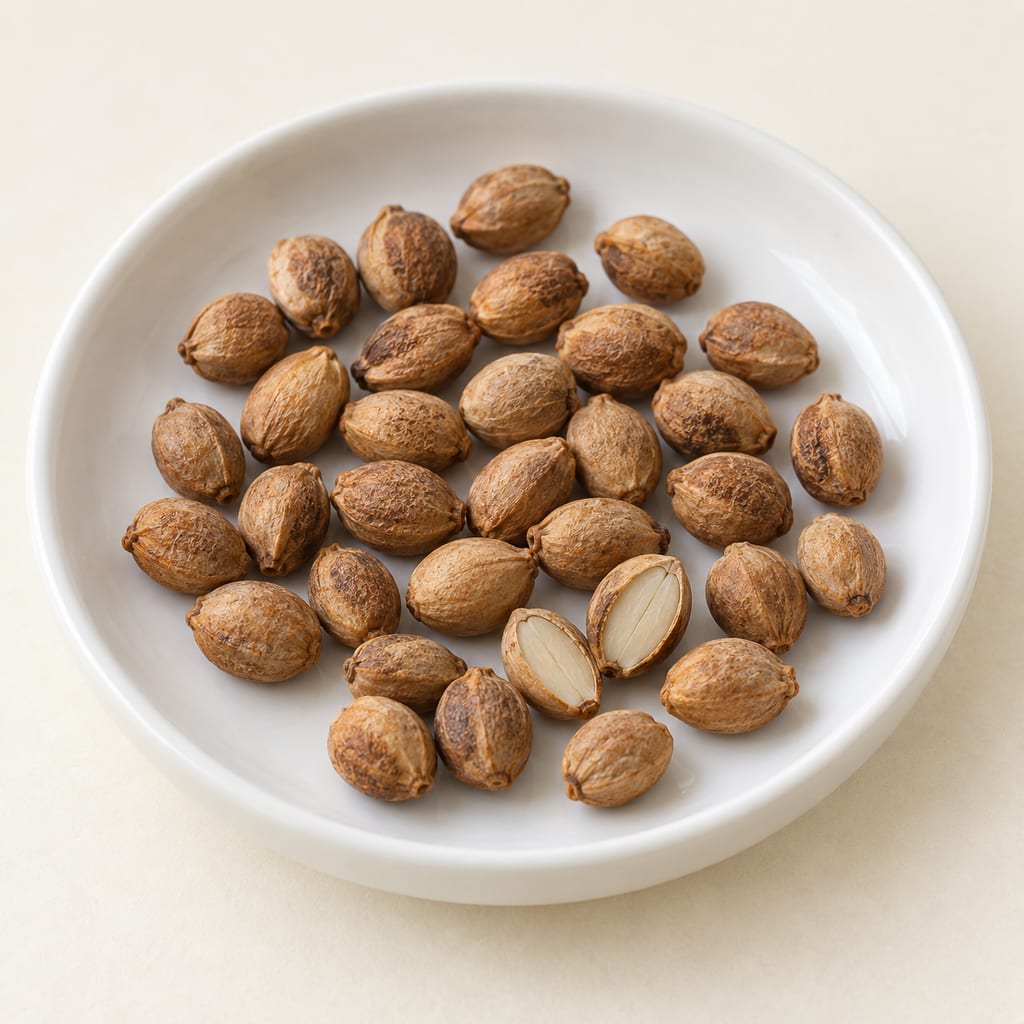
The seeds of the African breadfruit, Treculia africana, are cooked, dried and milled into flour in West and Central Africa, and the fruit is heaped and fermented before the seeds are washed out.
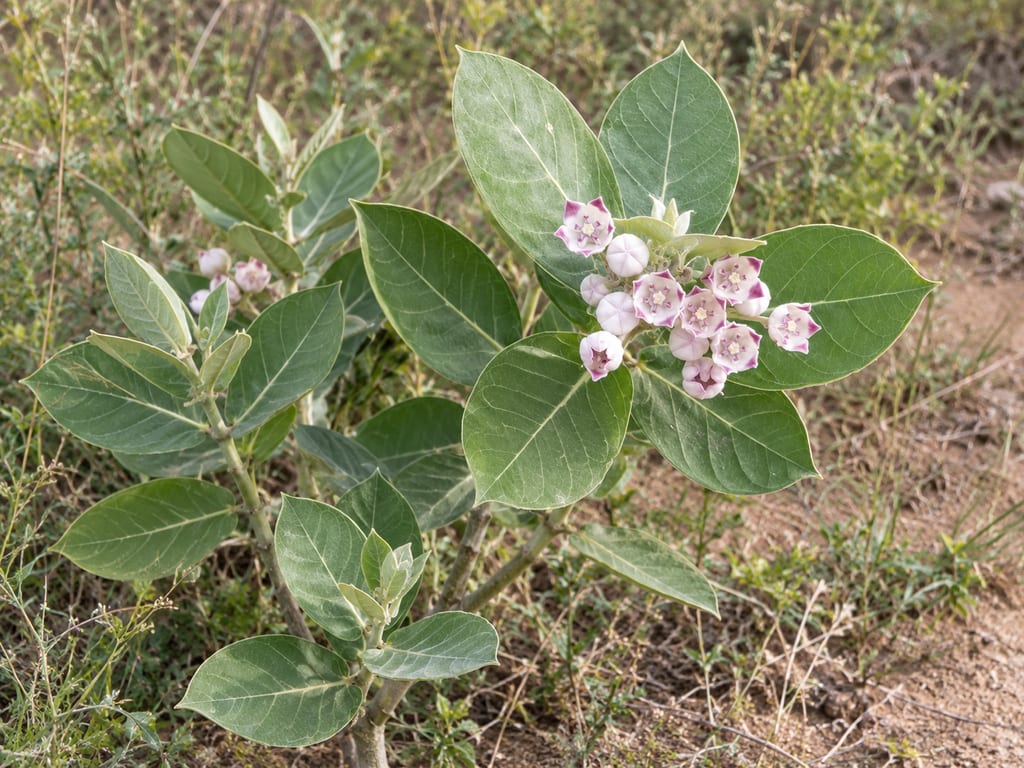
Calotropis procera preparations are documented as coagulants for wagashi gassirè in Benin and wara in Nigeria. Crude plant materials differ from purified research enzymes, and current evidence does not support a general home preparation.
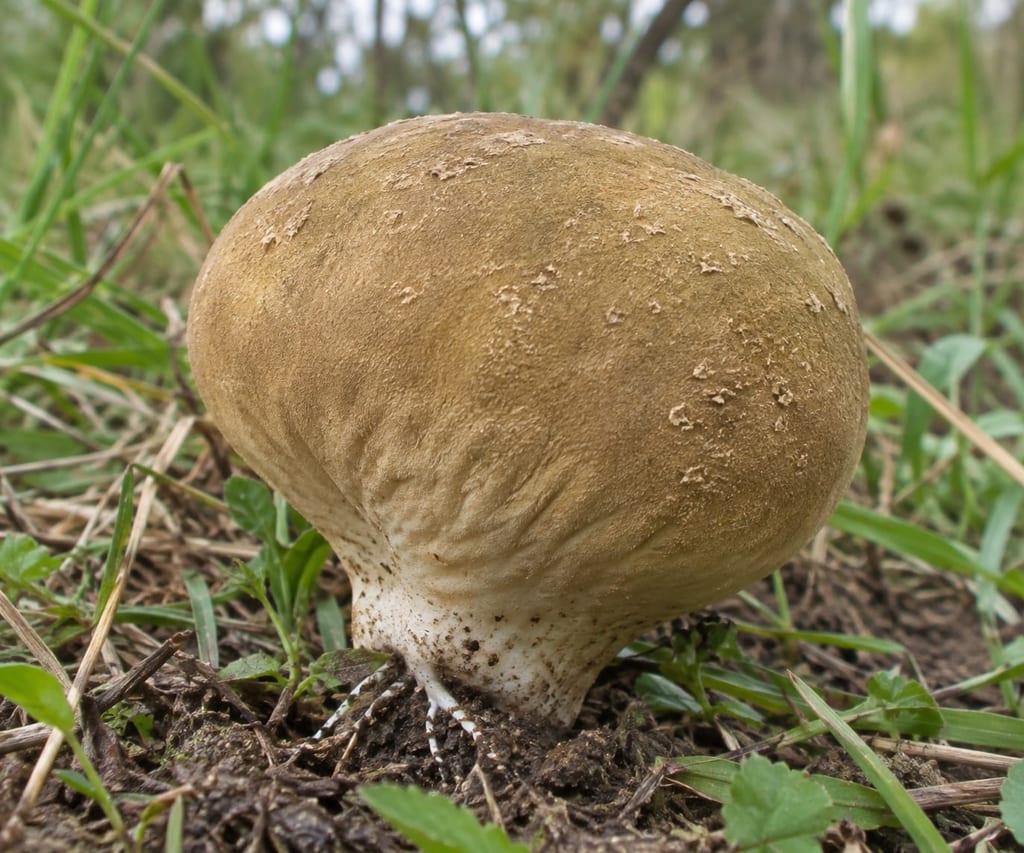
A tropical African puffball recorded in West African range accounts and Ethiopian edible-mushroom studies. Ethiopian use evidence is qualified; Benin identification and safety remain unresolved.
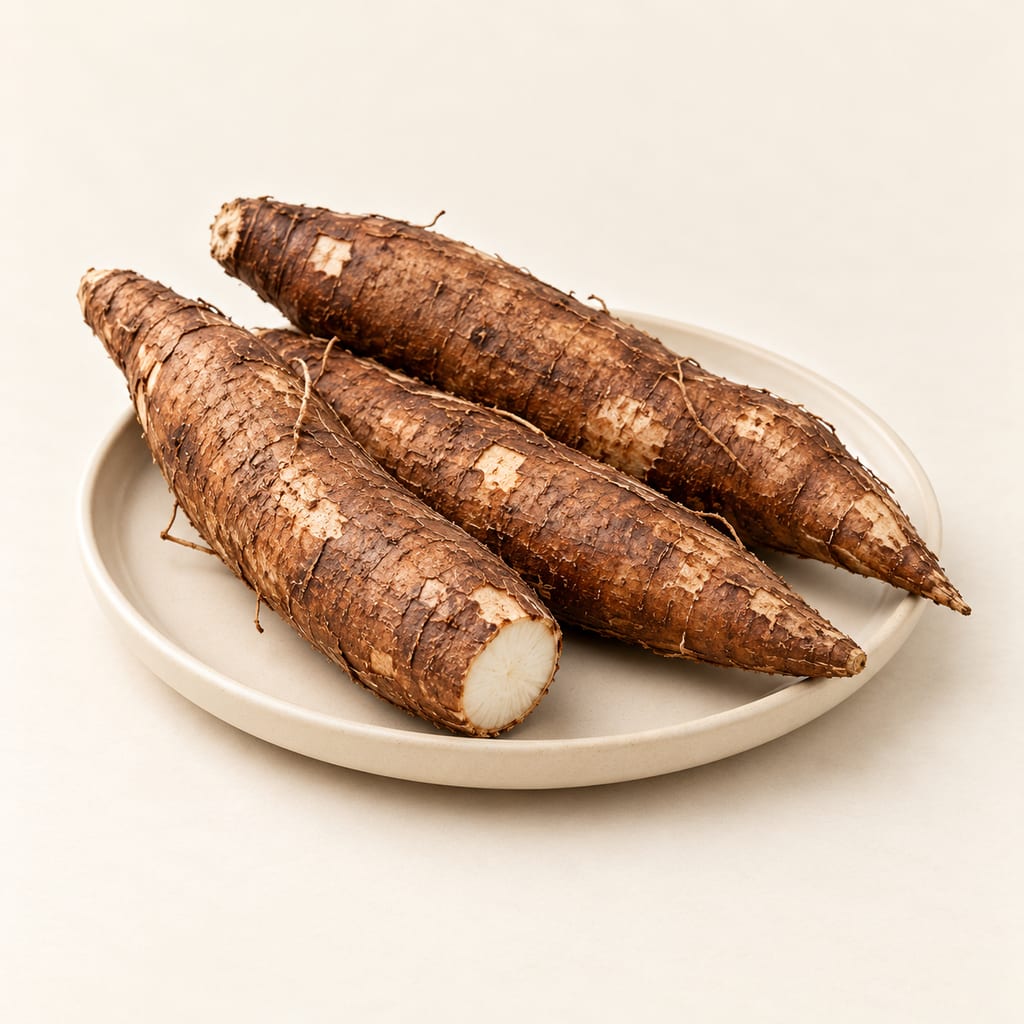
Cassava is the starchy root of Manihot esculenta, transformed across Africa into fermented doughs, granules and flours through distinct processes whose safety depends on thorough cyanogen removal.
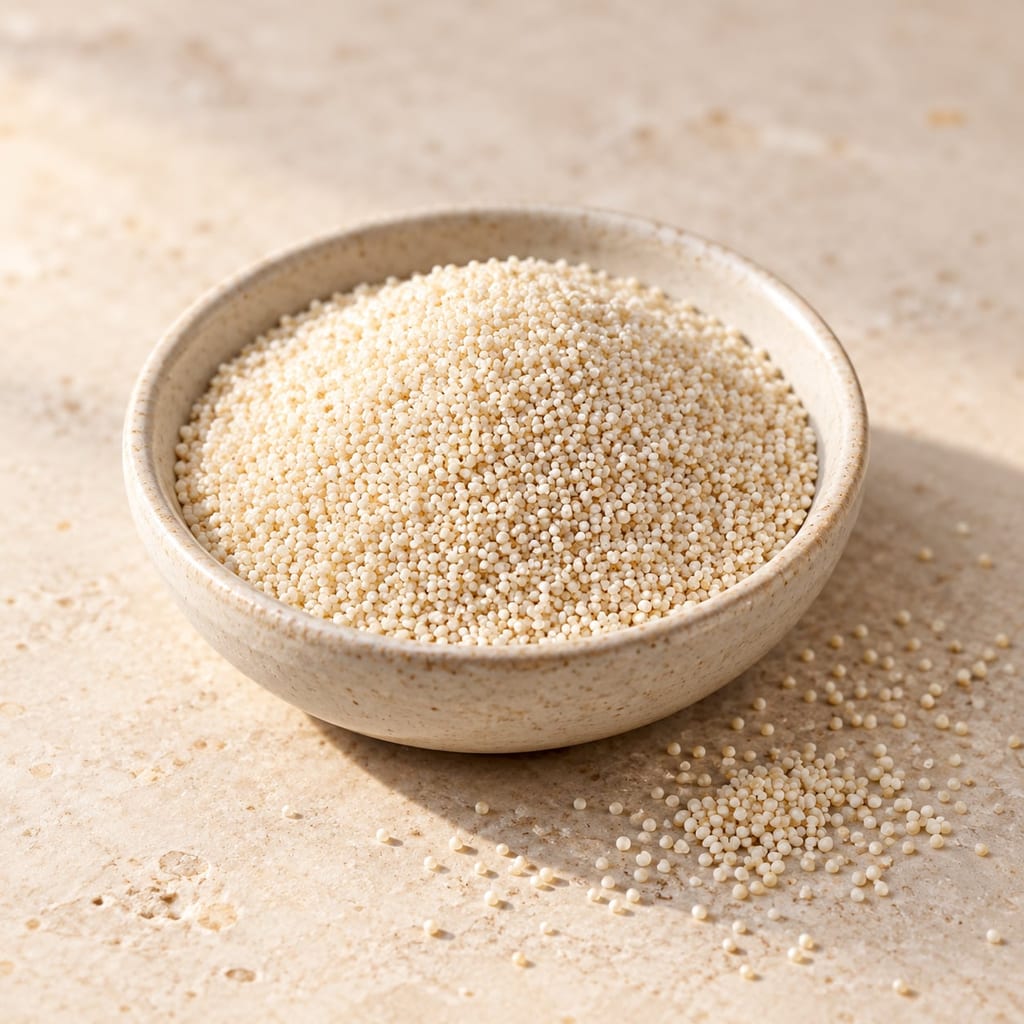
Fonio covers two distinct West African cereals: white fonio (Digitaria exilis) and black fonio (D. iburua). Both are eaten in cooked dishes; sources also document fermented drinks and controlled fonio fermentations.
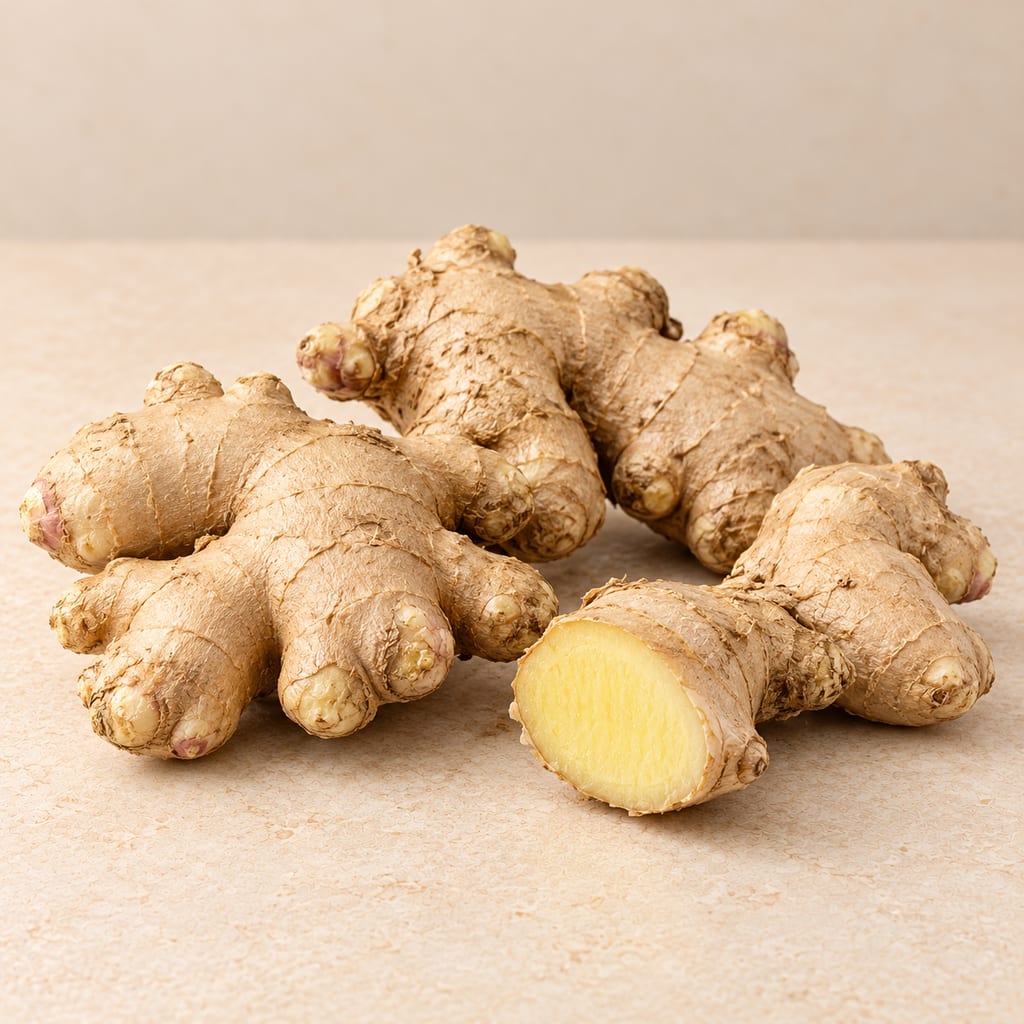
Ginger is the aromatic rhizome of Zingiber officinale, used fresh, dried and preserved. Historical ginger wines sliced or bruised it to flavour a sugar-based ferment.
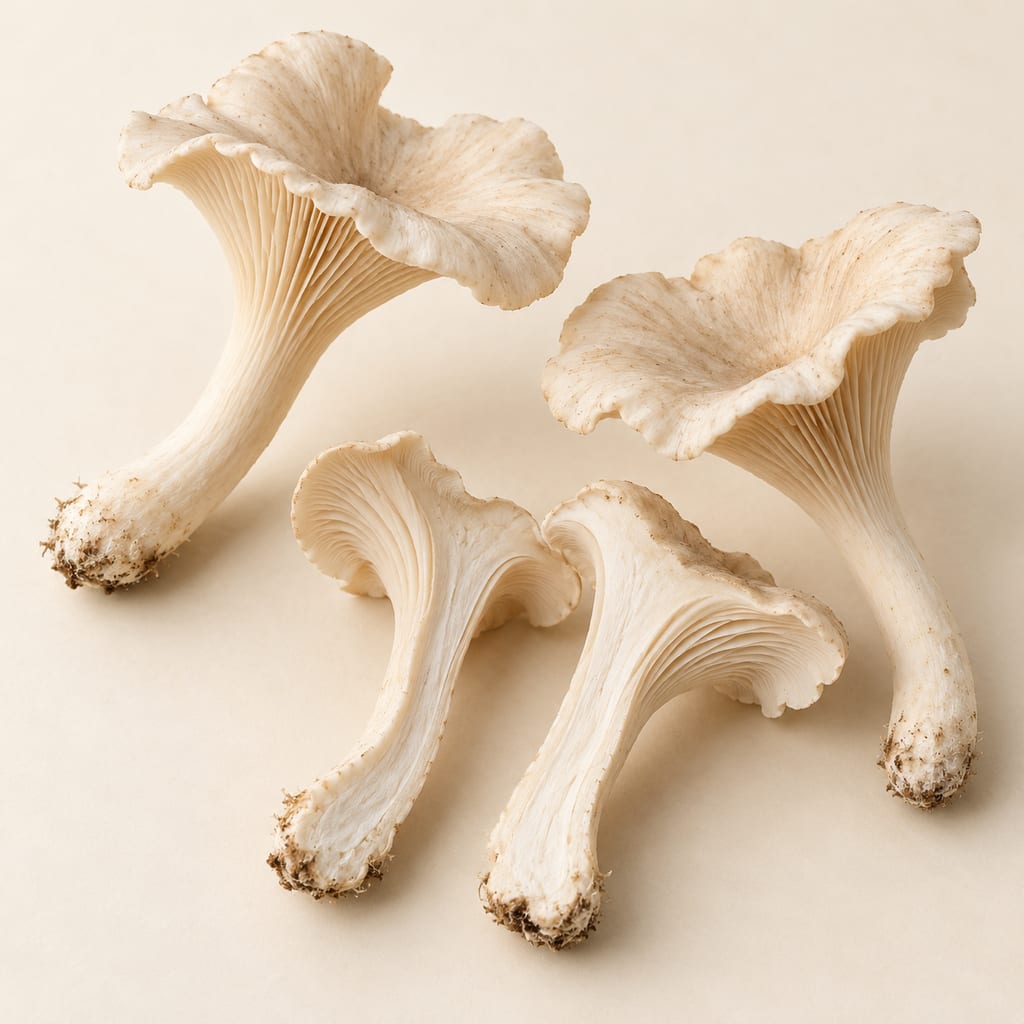
Pleurotus tuber-regium is a tropical fungus whose underground sclerotium is a staple and soup thickener in south-eastern Nigeria. It is also recorded as a food in Tshopo province, Democratic Republic of the Congo.

Soft, spreadable Calabrian pork sausage made with a great deal of red chilli and fatty pork, stuffed into natural casings, sometimes smoked and matured while staying soft.

A way to add independent temperature logging to an existing food dehydrator without changing its built-in controls or protections. It is a monitoring method, not a rewiring plan.

Pleurotus cystidiosus is the abalone mushroom, a cultivated oyster-type fungus with dark brown caps that grows more slowly and is more demanding than other Pleurotus species.

A dark, balanced vinegar from Emilia-Romagna made by combining cooked or concentrated grape must with wine vinegar, then acetifying and refining it in wood under a protected specification.

A living dairy inoculum that starts controlled cream fermentation, developing acidity and aroma before sour cream or cultured butter is finished.

A small electric incubator holds jars at a selected temperature for yogurt and other documented warm food preparations. Controls, capacity and vessel arrangement vary by model.

Adygean salt is a seasoned table salt associated with Adygea and the wider North Caucasian culinary tradition. Salt is blended with garlic and a variable selection of herbs and spices; the exact mix depends on the named style and maker.

The African Caesar-group mushroom, Amanita masasiensis, is a wild ectomycorrhizal species of central and southern African woodlands, eaten locally. The genus contains deadly poisonous species, so identification needs care.
No community contributions have been published for this entry yet.
Sign in to contribute. Published comments and photos are free to read.
Journal of Applied MicrobiologyIdentity · Method
Development of starter culture for improved processing of Lafun, an African fermented cassava food productThe 2010 abstract screened 22 cultures and reports S. cerevisiae 2Y48P22 as promising for cassava softening; it produced pectinase in a model system.
The abstract reports softer roots after 48 hours with yeast alone or with B. cereus, and tested lactic acid bacteria combinations.
Cited in: What the candidate is; What the screening found; Why there is no home method; Where it appears in use
International Journal of Food MicrobiologyIdentity · Geography
The microbiota of Lafun, an African traditional cassava food product (2009)Traditional production sites in Kétou, Benin, yielded lactic acid bacteria, yeasts and B. cereus group isolates.
Some B. cereus isolates carried HBL and NHE toxin-associated genes; gene detection does not establish toxin expression in the finished food.
Cited in: What the candidate is; Where it was studied; What the screening found; Handling and safety limits
University of Abomey-Calavi / GreenGrowth project reportMethod · Limits
The use of starter cultures from the UAC culture collection to ferment cassava for lafun production by Alitech IndustriesThe project report tested different isolates with a Benin processor; its methods table lists codes other than 2Y48P22, so the report cannot be assigned to that strain.
The report identifies LP1+Km3 as the best preliminary combination and says a larger trial was still being analysed.
Cited in: Where it was studied; What the screening found; Why there is no home method
Food and Agriculture Organization of the United NationsHistory · Geography
FAO post-harvest operations: cassavaLafun is described as an important Yoruba staple in western Nigeria.
Cited in: Where it was studied; Where it appears in use
Food Standards Australia New ZealandSafety
CassavaCassava contains cyanogenic glycosides that can release hydrogen cyanide; general hazard context only.
Cited in: Handling and safety limits