A puffball of tropical Africa
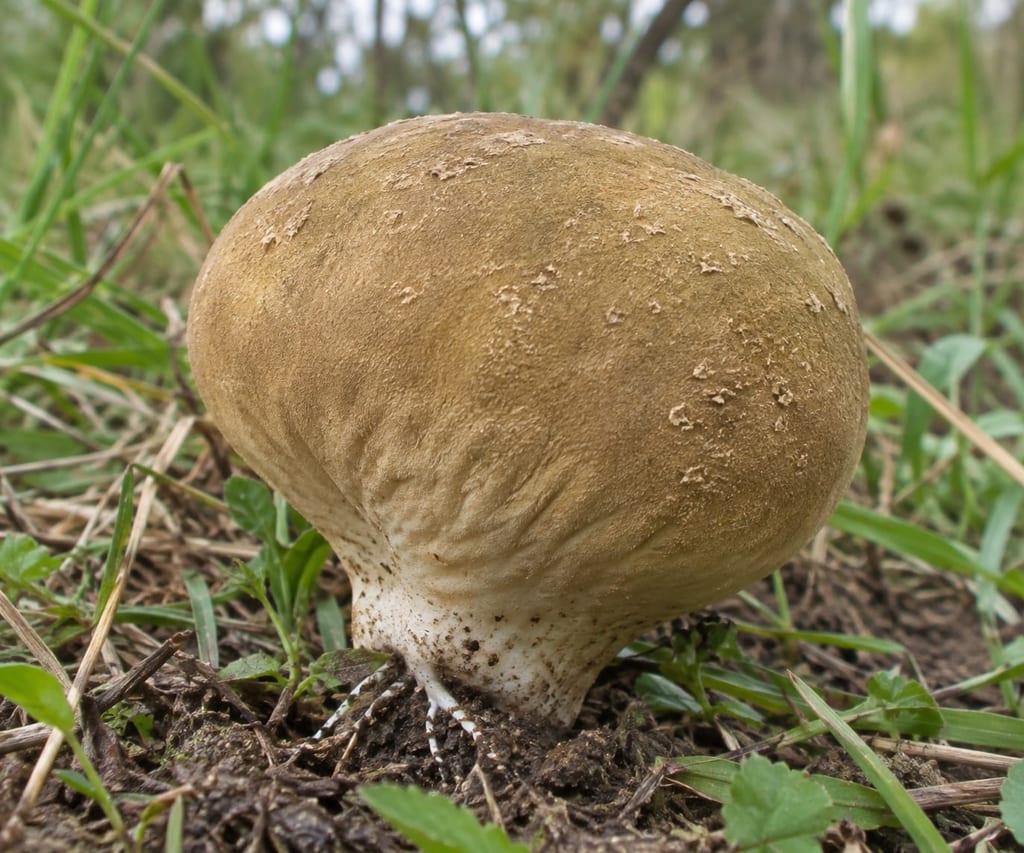
Calvatia subtomentosa Dissing & M. Lange is an accepted species in the puffball genus Calvatia. The West African account describes a short pear-shaped to depressed round fruit body, generally 4–8(9) cm wide and 4–7 cm high. Its matte outer skin is subtly velvety, light brown or ochre and paler near the base. Inside, soft spongy tissue begins white, becomes yellowish and then olive-brown as it matures. Identification also uses microscopic characters: globose, spiny spores without a pedicel and a pale, branched capillitium. These characters matter because visible shape alone does not securely separate it from related puffballs.
Where it is recorded
Taxonomic treatments place the species in tropical Africa and record its type from Zaire, now the Democratic Republic of the Congo. A recent West African account lists Benin, Nigeria and Togo and describes grassy places—including parks, pastures, gardens, forest margins and runway edges—and plantations. These country-level range records are not all food-use records.
In Ethiopia, edible-macrofungus studies recorded the species in forest plantations. A 2020 study lists it from Pinus patula and Pinus radiata stands at Menagesha Suba and Wondo Genet. A separate field survey sampled weekly during July and August 2019 and also listed the species among edible collections. Those dates describe two study windows, not a dependable fruiting calendar across Africa.
Food-use evidence and its limits
The most substantial food-use evidence found here is Ethiopian. A review of Ethiopian wild mushrooms cites local-use literature for Calvatia subtomentosa, and later field studies classified collected specimens as edible. The 2020 study photographed fruit bodies, dried specimens and examined tissues and spores microscopically; its edible category followed a review of the literature. A 2019 study also recorded the species in edible-mushroom plots. This supports a qualified Ethiopian food-use record, but not a species-specific dish, preparation method, edible maturity stage or validated safety assessment.
The older Benin report is less certain. FAO lists the species as food with a source key pointing to a 2002 personal communication. The Benin guide’s preliminary vernacular index gives Calvatia cf. subtomentosa beside a local name and marks it as considered edible, while warning that some taxa in the list lacked enough confirmation for detailed accounts. The same guide describes local rejection of puffballs that release spore clouds, including Calvatia. The qualified identification and differing statements do not establish a clear Benin preparation practice.
No fermented preparation using this mushroom, recipe, storage life, nutritional profile or culinary technique was located. The research supports a carefully qualified ingredient record, not a method to reproduce.
Identification and safety
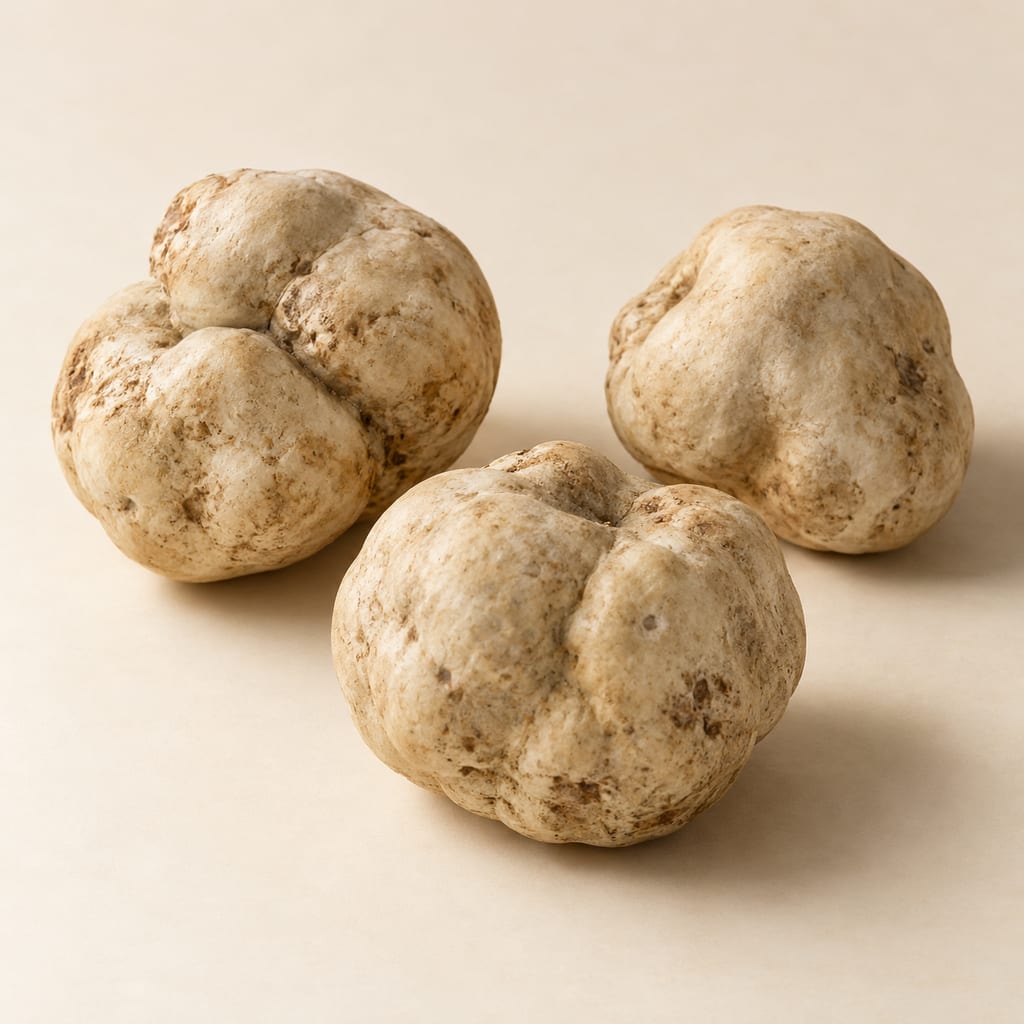
Calvatia cyathiformis is a close lookalike. The West African account says young specimens and field observations can be difficult to separate; microscopic spore measurement is used to distinguish them. Edibility reported for C. cyathiformis does not transfer to C. subtomentosa, and photographs or puffball shape alone are not a safe identification method.
The sources reviewed do not amount to a toxicological or consumer-safety assessment. This page preserves the reported Ethiopian edible classification without turning it into advice to harvest or eat wild specimens. No harvest, preparation or serving instructions are offered.
Places
Benin
Historical attestation · Country evidenceFAO reports food use, but source is personal communication and the Benin guide identifies only Calvatia cf. subtomentosa in a preliminary list; not a confirmed species-specific preparation.
Ethiopia
Documented use · Country evidenceStudies classify collected material as edible; cited review reports rural local use. This does not give a preparation method or safety validation.
Menagesha Suba
Documented use · Locality evidenceC. subtomentosa is listed among edible collections from Pinus patula stands; no harvest or preparation method reported.
Wondo Genet
Documented use · Locality evidenceC. subtomentosa is listed among edible collections from Pinus radiata stands; no harvest or preparation method reported.
Nigeria
Relationship not established · Country evidenceCountry appears in a West African range account; no species-specific food-use locality or season supplied.
Togo
Relationship not established · Country evidenceCountry appears in a West African range account; no species-specific food-use locality or season supplied.
Democratic Republic of the Congo
Historical attestation · Country evidenceTaxonomic type provenance only; not a current distribution or food-use record.