What it is
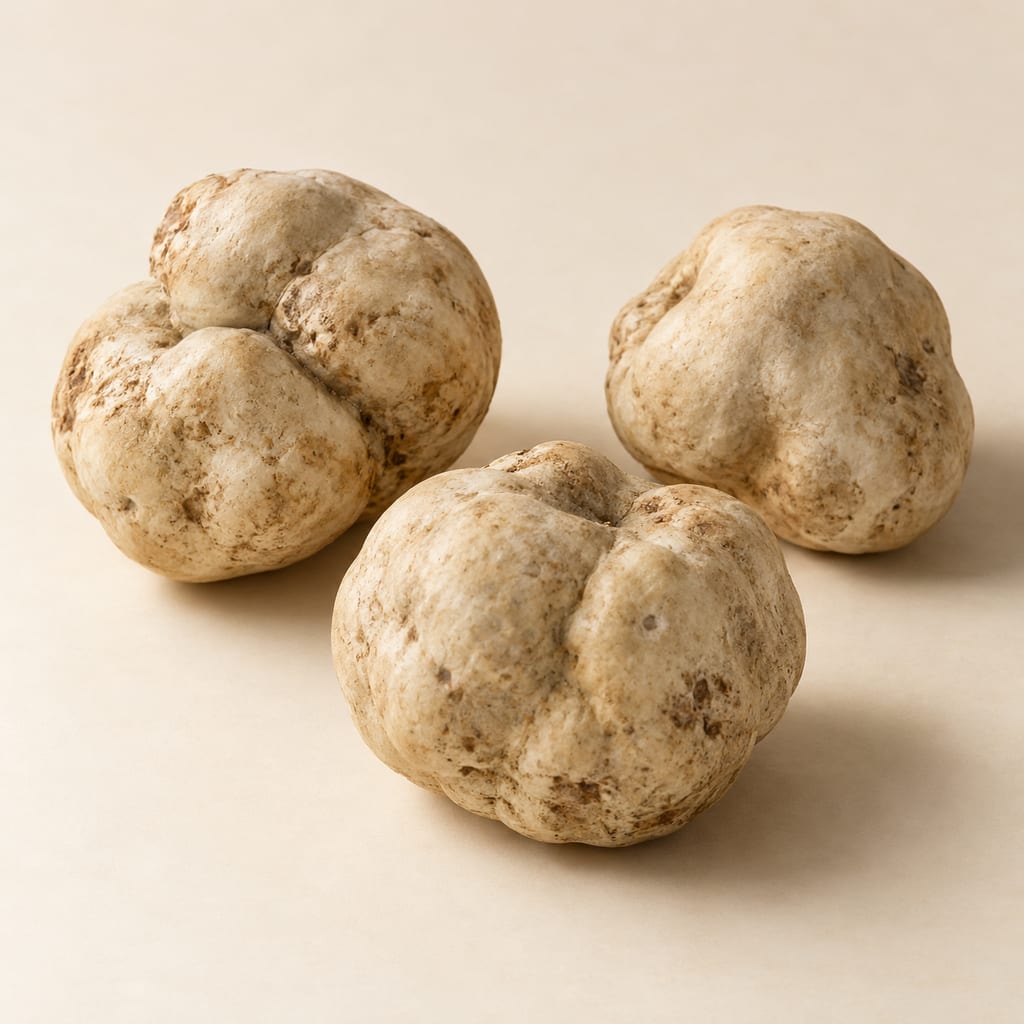
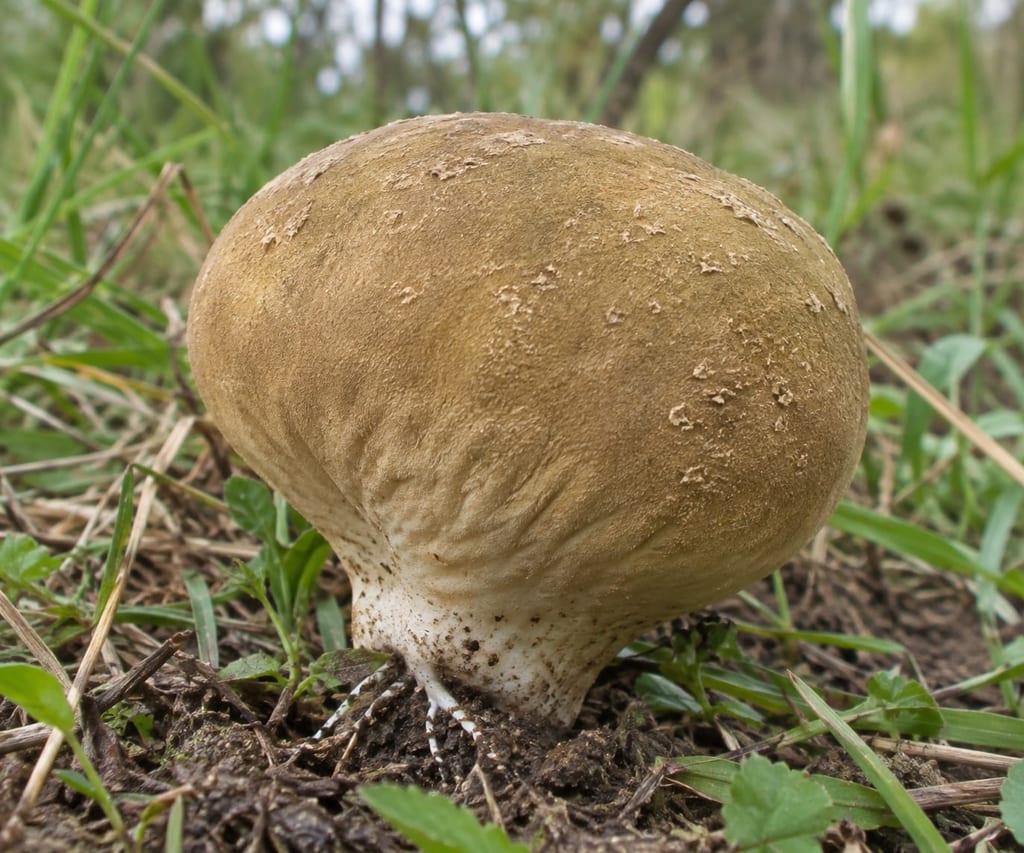
Afrocastellanoa ivoryana is a hypogeous, truffle-like fungus, a false truffle that grows below ground and is dug up rather than picked. It was first described in 2000 as Octaviania ivoryana from collections made in Zimbabwe, Kenya, Guinea and Senegal. In 2017 Orihara and Smith moved it to the new genus Afrocastellanoa, because it differs from true Octaviania in its multi-layered peridium and in the absence of a distinct hymenium within the gleba.
Molecular work places it apart from true Octaviania. It falls in a clade with the epigeous bolete genus Porphyrellus. The catalogue treats the name as a research label, not a reconciled current name, so this record keeps the name it was supplied under.
Ecology and where it grows
The species is ectomycorrhizal, so it lives in association with the roots of trees. The EFTA species record lists associations with Afzelia, Anthonotha and Uapaca, among other trees, in African woodland.
The catalogue records it from Benin, the Democratic Republic of the Congo, Côte d'Ivoire, Guinea, Kenya, Senegal, Togo and Zimbabwe, and supply as wild.
Use as food
The EFTA pages cite the species in field guides to edible mushrooms for Benin, Haut-Katanga and West Africa. They describe its taste as mild and pleasant and its smell as strong, with one comparison to liver pâté. That points to local use as food.
None of the sources reviewed states how it is prepared, how much is eaten, or how commonly it is gathered and sold. The catalogue's own review label marks the species as food, market and specialist evidence, and says that preparation, identity and current safety still need separate validation.
Cautions
This page does not establish that the species is safe to eat, and it is not an identification guide. Truffle-like false truffles are often difficult to tell apart from one another and from other hypogeous fungi, and the sources give no lookalike assessment for this species. Anyone gathering it should identify it with an expert and should not treat a regional food record as a safety finding.
Places
Benin
Documented use · Country evidenceRecorded in an edible-mushroom field guide for Benin cited by the EFTA species page.
Democratic Republic of the Congo
Documented use · Country evidenceCatalogue country record; the EFTA page cites Haut-Katanga field guidance.
Côte d'Ivoire
Documented use · Country evidenceCatalogue country record; the sources do not describe local preparation.
Guinea
Historical attestation · Country evidenceOne of the collection sites of the original 2000 description.
Kenya
Historical attestation · Country evidenceOne of the collection sites of the original 2000 description; no food use recorded for Kenya in these sources.
Senegal
Historical attestation · Country evidenceOne of the collection sites of the original 2000 description.
Togo
Documented use · Country evidenceCatalogue country record; the sources do not describe local preparation.
Zimbabwe
Historical attestation · Country evidenceOne of the collection sites of the original 2000 description.