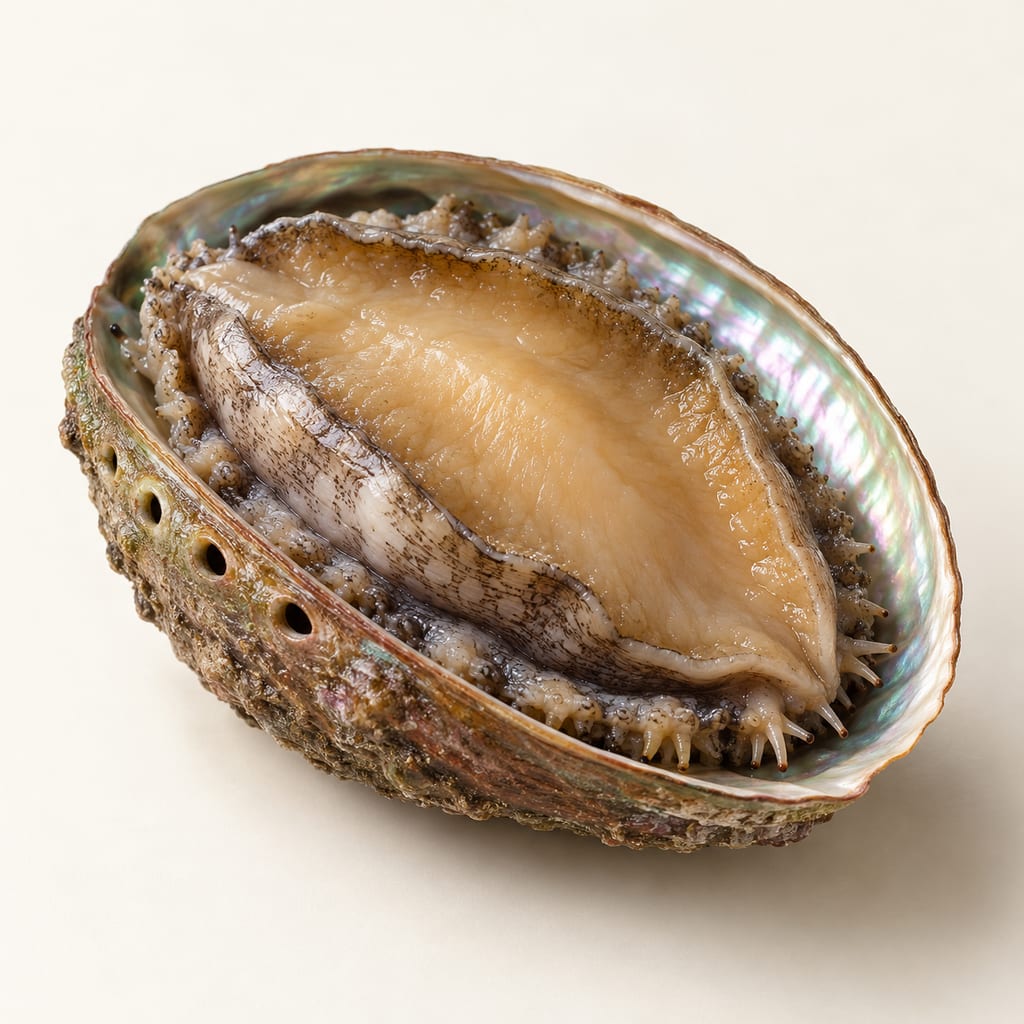
Abalone
Abalone are marine snails valued for their broad muscular foot and distinctive shell. They are eaten fresh or dried and appear in documented Korean dishes and preserved seafood traditions.
 FermenteaWhere food goes to change
Mushrooms
Pleurotus cystidiosus is the abalone mushroom, a cultivated oyster-type fungus with dark brown caps that grows more slowly and is more demanding than other Pleurotus species.

The abalone mushroom, Pleurotus cystidiosus, is a cultivated oyster-type fungus. Its fruiting bodies have dark brown caps, and the Korean study reports caps of roughly 7.6 to 9.8 cm across with an average fruiting-body weight of about 25 g. It grows on wood and straw substrates in the same way as other oyster mushrooms.
Its name in trade and in the catalogue is the abalone mushroom. A 1993 Japanese study used the name Pleurotus abalonus for a sawdust-grown strain, but the sources do not confirm that it is the same species, and this page does not treat the names as one.
The Korean study found that mycelial growth was best on compost dextrose agar at 25 to 30 C and pH 7 to 9. A recent review notes that, unlike other Pleurotus species, this one grows mycelium much more slowly and is more sensitive to environmental conditions, and a hybrid-strain trial ran for 90 days at 25 to 30 C in a cultivation room.
Strain breeding has been used to raise yield. A Thai study crossed strains by di-mon mating, a method that combines the nuclei of two parent strains, and the best hybrid gave 150.7 g per bag against 126.3 g for the parent. Some hybrids also had higher protein and carbohydrate and lower fat. An Argentine comparison of wild strains on sawdust and wheat straw found that this species was not among the fastest growers.
The catalogue records the abalone mushroom as a cultivated food with a supplied food-use label. The sources reviewed give no traditional culinary practice for this species, and no preparation method is recorded here. Its value as a cultivated crop, with breeding that improves yield and composition, is what the research sources establish.
The cultivation studies do not include a safety assessment. Cultivated mushrooms are grown on controlled substrates, which lowers some wild-collection risks, but the sources do not record contamination or toxicity data for this species.
The catalogue flags the food-use label for specialist review and does not treat it as an edibility verdict. Growers and cooks should source spawn from a reliable supplier and follow standard food-hygiene practice for cultivated fungi.
The relationship between Pleurotus cystidiosus and the older name Pleurotus abalonus is not established. Traditional culinary use, and composition data beyond the Thai hybrid study, are also not established.
The Korean cultivation study places the species' cultivation research in Korea. It does not define the species' native range.
Strain breeding research on this species is recorded from Thailand.
Abalone are marine snails valued for their broad muscular foot and distinctive shell. They are eaten fresh or dried and appear in documented Korean dishes and preserved seafood traditions.
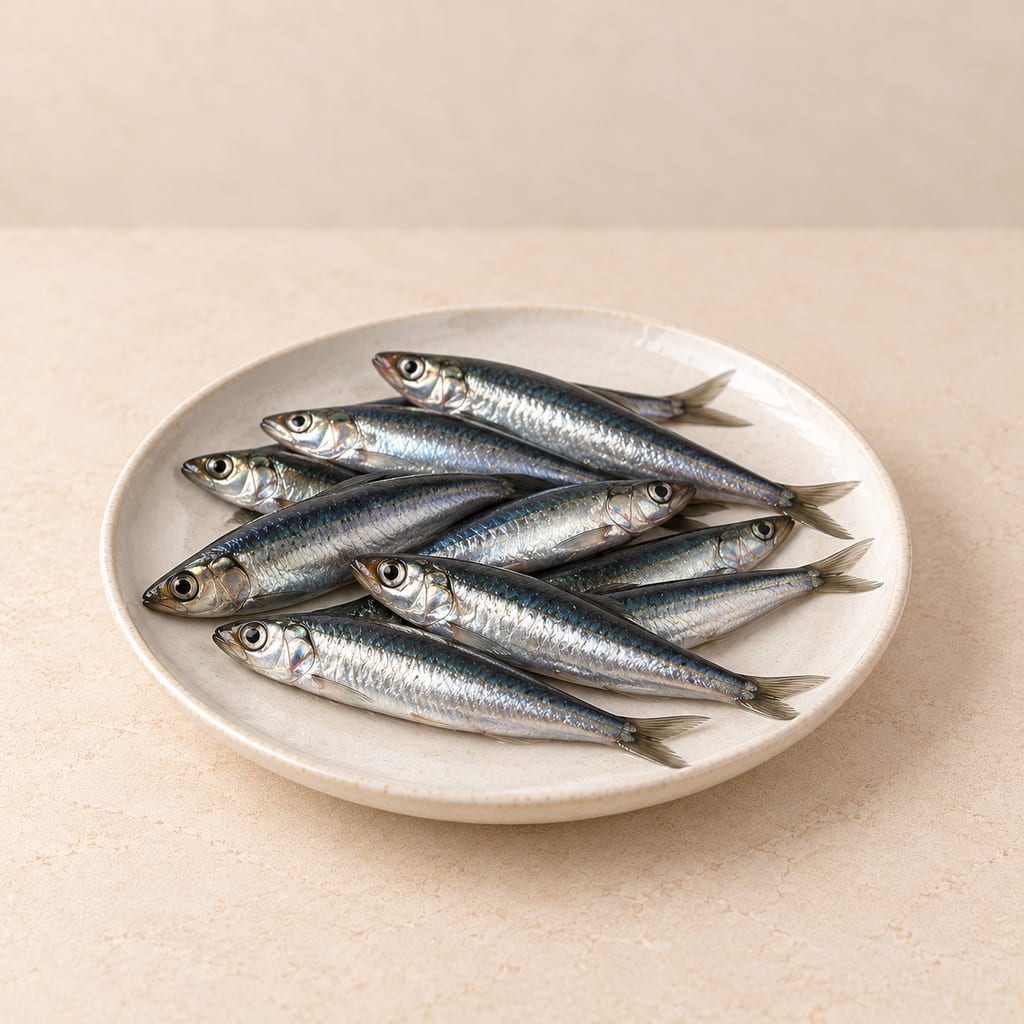
Anchovies are small schooling sea fish of the family Engraulidae, eaten fresh or dried and above all salted: as fillets in oil, whole salted fish or fish sauce.
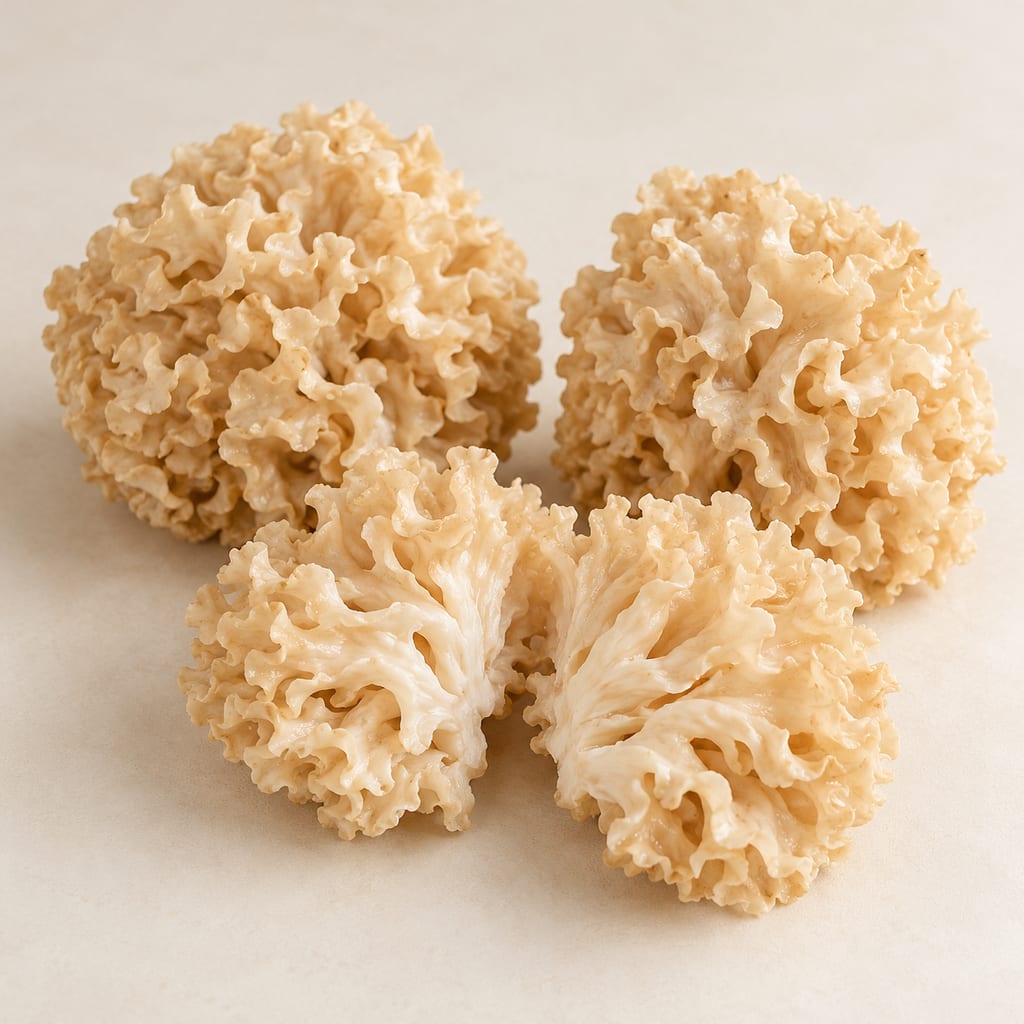
The Asian cauliflower mushroom, Sparassis latifolia, is a cultivated fungus with a frilled, fronded form that is eaten in China, Japan and Korea. Many Asian records under the name Sparassis crispa refer to this species.
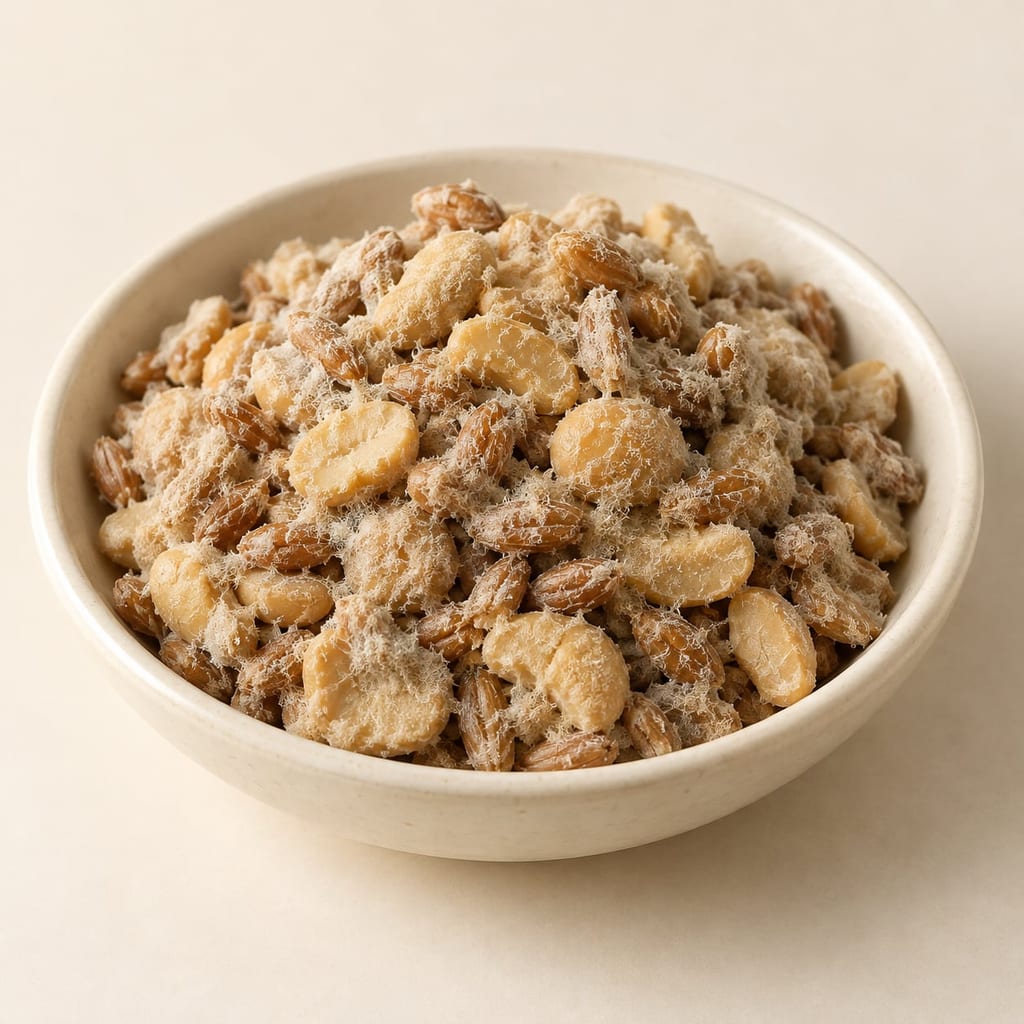
Aspergillus sojae is a koji mould of the Aspergillus flavus group, closely related to A. oryzae, used as a starter in soybean fermentations such as Korean meju, doenjang and ganjang.
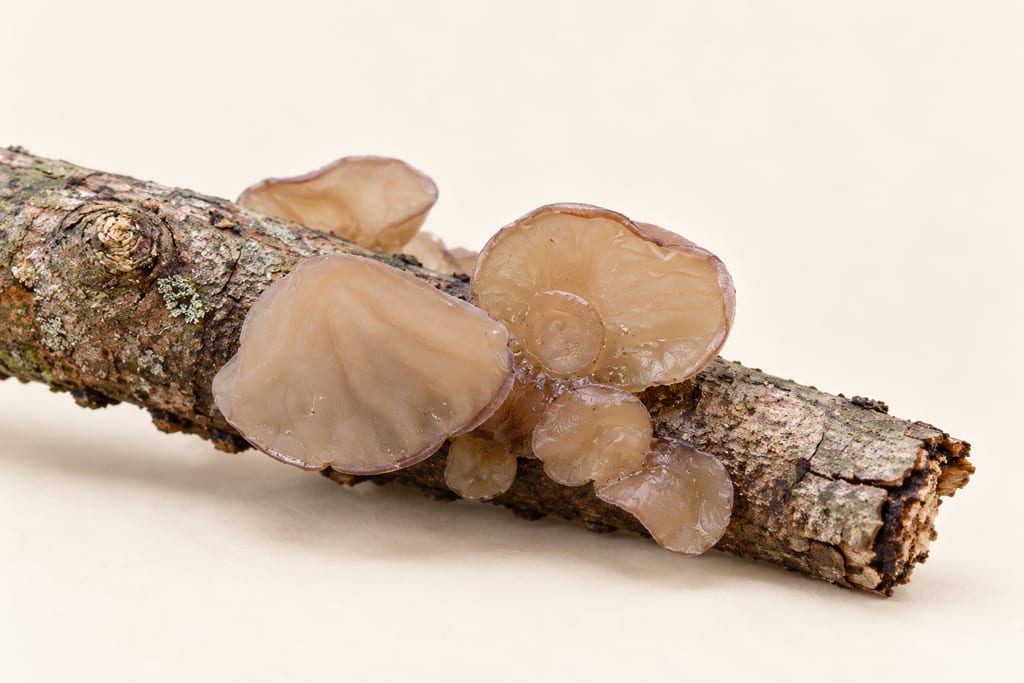
A small wood-decaying jelly fungus recognized as a distinct East Asian species. A Chinese edible-fungi catalogue lists it as edible, but species-specific preparation and safety evidence remain limited.
Animal blood is a perishable food material used fresh, coagulated, cooked, dried or processed into ingredients. Its uses range from grain-filled puddings to functional protein ingredients, each with distinct history and handling needs.
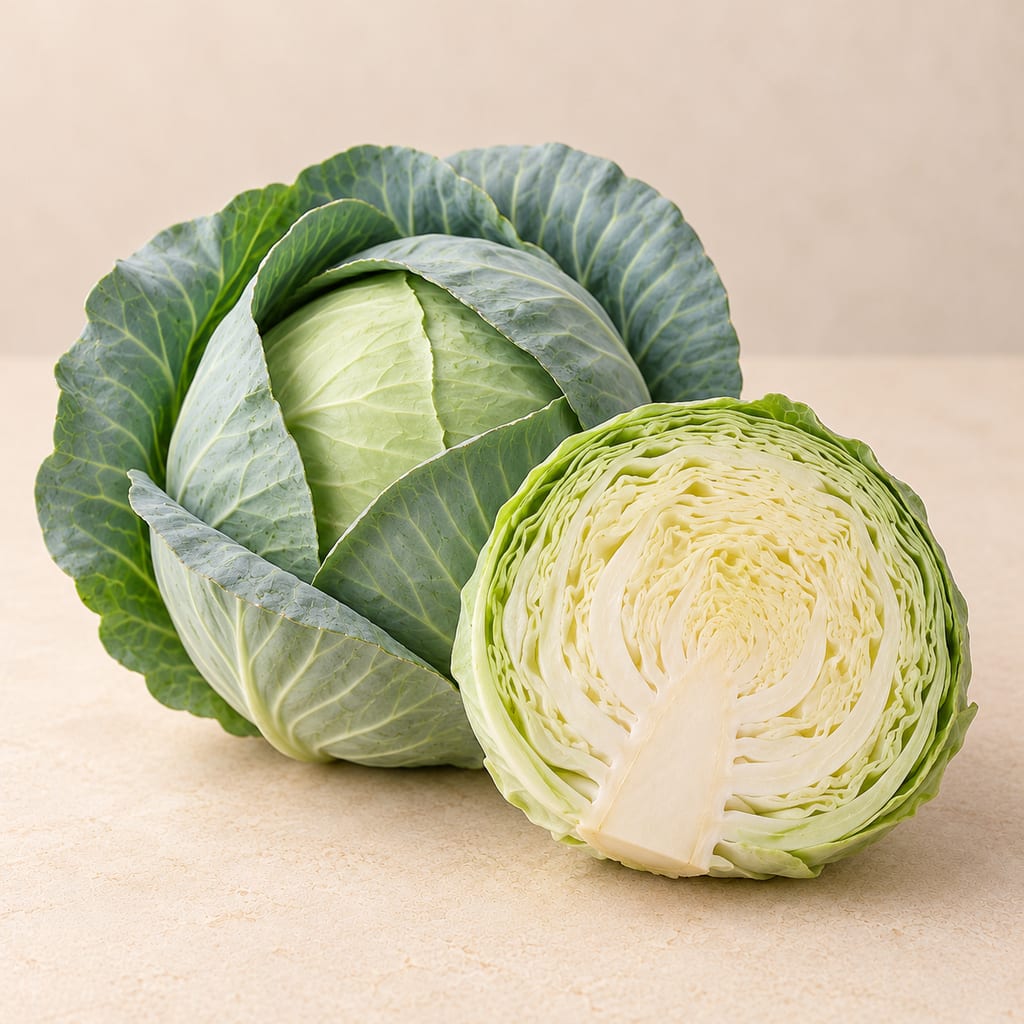
Cabbage is the dense leafy head of Brassica oleracea, a European vegetable that keeps for months and is the classic raw material for sauerkraut, with napa cabbage the base of kimchi.
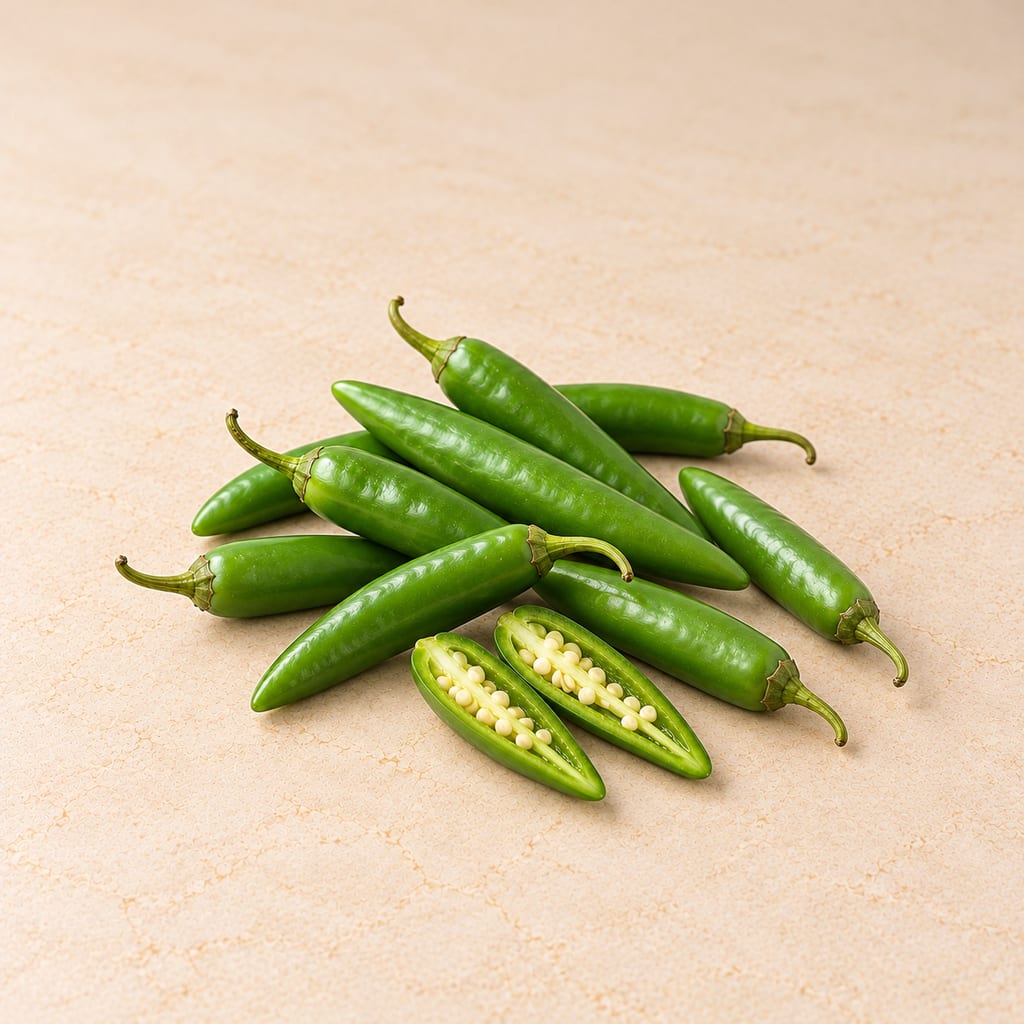
Chilli is the pungent fruit of Capsicum plants, native to the Americas and eaten fresh, dried, ground or fermented in cuisines around the world.

Soft, spreadable Calabrian pork sausage made with a great deal of red chilli and fatty pork, stuffed into natural casings, sometimes smoked and matured while staying soft.

A way to add independent temperature logging to an existing food dehydrator without changing its built-in controls or protections. It is a monitoring method, not a rewiring plan.

A dark, balanced vinegar from Emilia-Romagna made by combining cooked or concentrated grape must with wine vinegar, then acetifying and refining it in wood under a protected specification.

A living dairy inoculum that starts controlled cream fermentation, developing acidity and aroma before sour cream or cultured butter is finished.

A small electric incubator holds jars at a selected temperature for yogurt and other documented warm food preparations. Controls, capacity and vessel arrangement vary by model.

Adygean salt is a seasoned table salt associated with Adygea and the wider North Caucasian culinary tradition. Salt is blended with garlic and a variable selection of herbs and spices; the exact mix depends on the named style and maker.

The African Caesar-group mushroom, Amanita masasiensis, is a wild ectomycorrhizal species of central and southern African woodlands, eaten locally. The genus contains deadly poisonous species, so identification needs care.

Ghanaian sour cassava dough fermented with traditional inoculum and drained during fermentation. It is used as a base for cooked foods such as banku and akple; process variants and safety outcomes differ.
No community contributions have been published for this entry yet.
Sign in to contribute. Published comments and photos are free to read.
KoreaScience (Korean Society of Mycology record)Cultivation · Identity
Korean study on mycelial growth and fruiting of Pleurotus cystidiosus, KoreaScienceMycelial growth best on compost dextrose agar; optimum 25-30 C and pH 7-9.
Caps roughly 7.6-9.8 cm, dark brown; average fruiting-body weight 25.4 g.
Cited in: What it is; Cultivation and why it is slow; Safety and limits
Thai Agricultural Research JournalCultivation · Nutrition
Strain Improvement of Abalone Mushroom (Pleurotus cystidiosus) Using Di-mon MatingBest hybrid produced 150.7 g per bag against 126.3 g for the parent; some hybrids had higher protein and carbohydrate and lower fat.
Cited in: Cultivation and why it is slow; Food use
Universidad Nacional de Cuyo library catalogueIdentity · Cultivation
Sawdust-based cultivation of the edible mushroom Pleurotus abalonus, Argentine catalogue recordA 1993 Japanese sawdust study uses the name Pleurotus abalonus; the record does not confirm that this is the same species.
Cited in: What it is; Notes
PubMed Central, as suppliedFood use
Food-use record supplied in the fungi catalogue (entry F-4a7766340c18)Catalogue entry for Pleurotus cystidiosus; a cultivated record with a supplied food-use label pending specialist review.
Cited in: Food use; Safety and limits