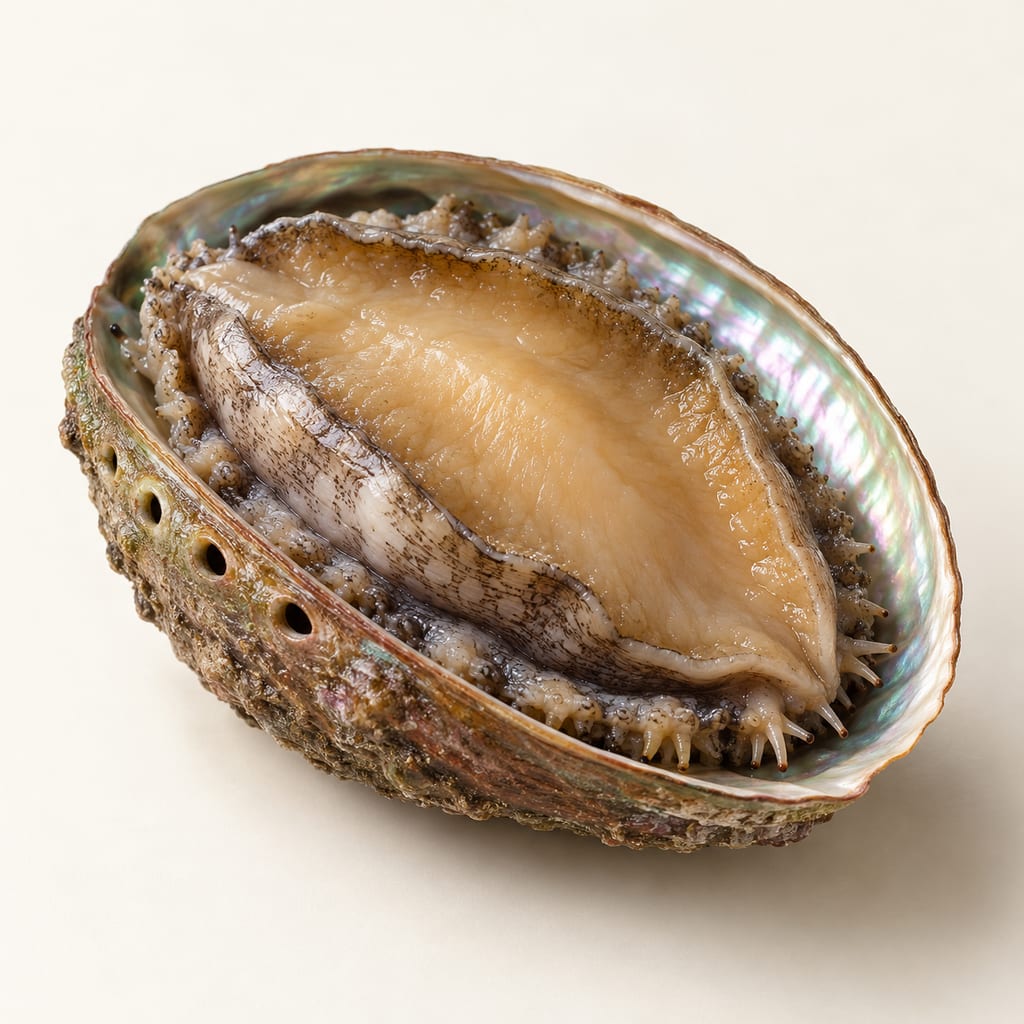
Abalone
Abalone are marine snails valued for their broad muscular foot and distinctive shell. They are eaten fresh or dried and appear in documented Korean dishes and preserved seafood traditions.
 FermenteaWhere food goes to change
Cultures
Aspergillus sojae is a koji mould of the Aspergillus flavus group, closely related to A. oryzae, used as a starter in soybean fermentations such as Korean meju, doenjang and ganjang.
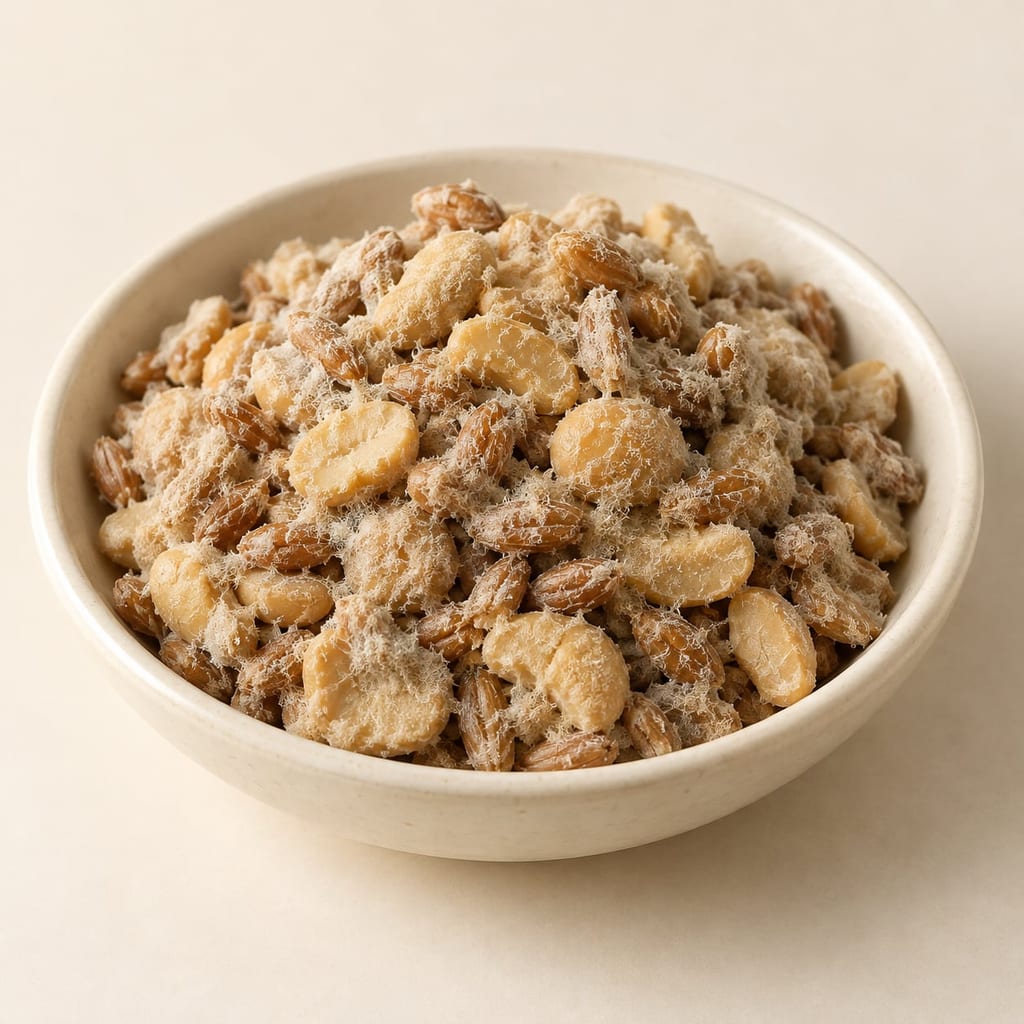
Aspergillus sojae is a filamentous fungus grown as a starter, or koji, on cooked soybeans, wheat or other substrates in the making of fermented soy foods. As a starter it is bought or kept as a culture and used to inoculate the substrate, where it grows as a mould and produces enzymes that break the substrate down.
It belongs to the Aspergillus section Flavi, the same group as A. flavus and A. oryzae. Its taxonomy is contested: a 2023 study describes A. sojae as a domesticated relative of the aflatoxin-producing A. parasiticus, and it is not a close sibling of A. oryzae in every framing. Older safety assessments put it at about 92 per cent DNA homology with A. parasiticus. Its strains form a single clonal clade in that study, which supports treating it as a stable species.
The supplied catalogue lists it as a soy-sauce and soybean koji mould. A. sojae is not simply another trade name for A. oryzae: commercial selections differ in protease, glutaminase, aroma and colour, according to the catalogue note.
In Korean meju, doenjang and ganjang, a 2017 study of fourteen confirmed A. sojae isolates from meju reports protease activity of 2.66 to 10.64 U per gram of initial dry substrate and alpha-amylase activity of 21.53 to 106.73 U per gram. The authors describe these levels as comparable to Japanese soy-sauce koji strains. Protease and amylase break soybean proteins and starch into smaller molecules, which feed the flavour and texture of the finished paste or sauce.
The same study singles out two strains, SMF 127 and SMF 131, for high leucine aminopeptidase activity, 6.00 and 6.06 U per gram of initial dry substrate. The authors link leucine aminopeptidase to flavour development and reduced bitterness. They recommend the strains as starters for soybean fermentations, including meju, doenjang and ganjang, while framing that as a recommendation rather than a demonstrated fermentation outcome, because the abstract reports enzyme activity and not fermentation trials.
A genome study of A. sojae NBRC4239 found that about 81.7 per cent of its well-characterised proteins are highly similar to A. oryzae genes. It also found one copy of an alpha-amylase gene where A. oryzae has three. These differences are one reason why commercial A. sojae and A. oryzae koji are treated as separate starter choices.
Aflatoxin is the main safety concern in this group. The 2017 Korean study reports that SMF 127 and SMF 131 appear to be non-aflatoxigenic, based on an aflR termination mutation and the absence of a polyketide synthase gene. It also reports that they do not produce cyclopiazonic acid, due to deletions in maoA, dmaT and pks/nrps genes. These results come from genetic markers and not from a direct toxin test, and they describe those two strains only. They are not a safety verdict on the species or on any other strain.
A 1997 EPA risk assessment, which the 2023 literature summary also cites, treats A. sojae as a domesticated organism with a long record of safe food use, and it judges its hazard comparable to that of A. flavus and A. oryzae. A safety assessment of this kind does not establish the safety of a particular culture supplied by a particular producer, which the reader should check with the producer.
The sources do not give a shelf life, storage temperature or inoculation rate for A. sojae cultures, and this page does not supply them. A reader who buys or keeps a culture should follow the producer's storage and handling instructions and the process the culture was selected for.
Where the sources differ, the difference matters for the result. A strain chosen for protease and flavour activity behaves differently from one chosen for its amylase profile, so a species name alone does not identify the culture a recipe needs.
The supplied catalogue lists A. sojae for soy sauce and protein-rich soybean fermentations in Japan, Korea and other East Asian food systems. A Korean study tests A. sojae directly in a food, while a Japanese reference compares it with koji strains rather than documenting a Japanese culture.
Isolated from meju and tested as a starter for meju, doenjang and ganjang; the study is laboratory-based.
Japanese soy-sauce koji strains serve only as the comparison in the Korean study; the abstract does not document A. sojae as a Japanese culture.
Abalone are marine snails valued for their broad muscular foot and distinctive shell. They are eaten fresh or dried and appear in documented Korean dishes and preserved seafood traditions.

Pleurotus cystidiosus is the abalone mushroom, a cultivated oyster-type fungus with dark brown caps that grows more slowly and is more demanding than other Pleurotus species.
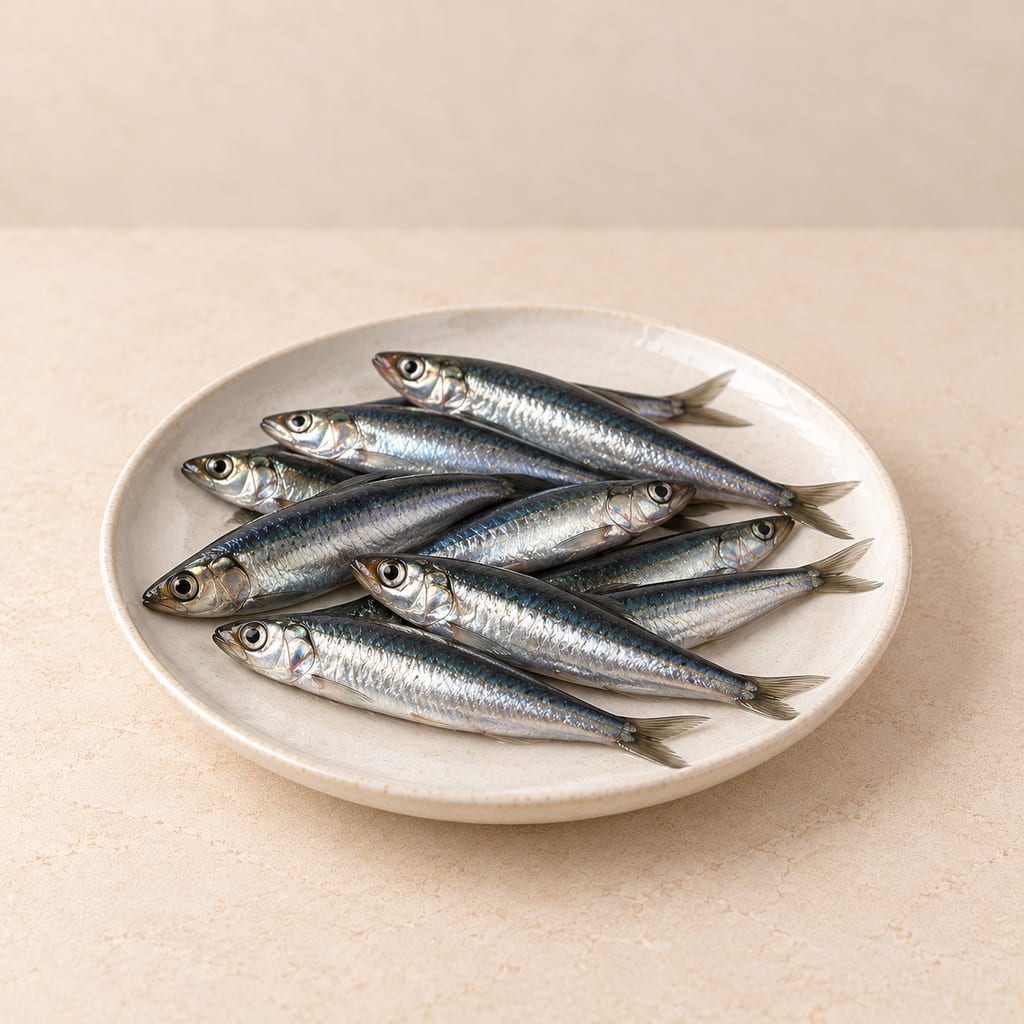
Anchovies are small schooling sea fish of the family Engraulidae, eaten fresh or dried and above all salted: as fillets in oil, whole salted fish or fish sauce.
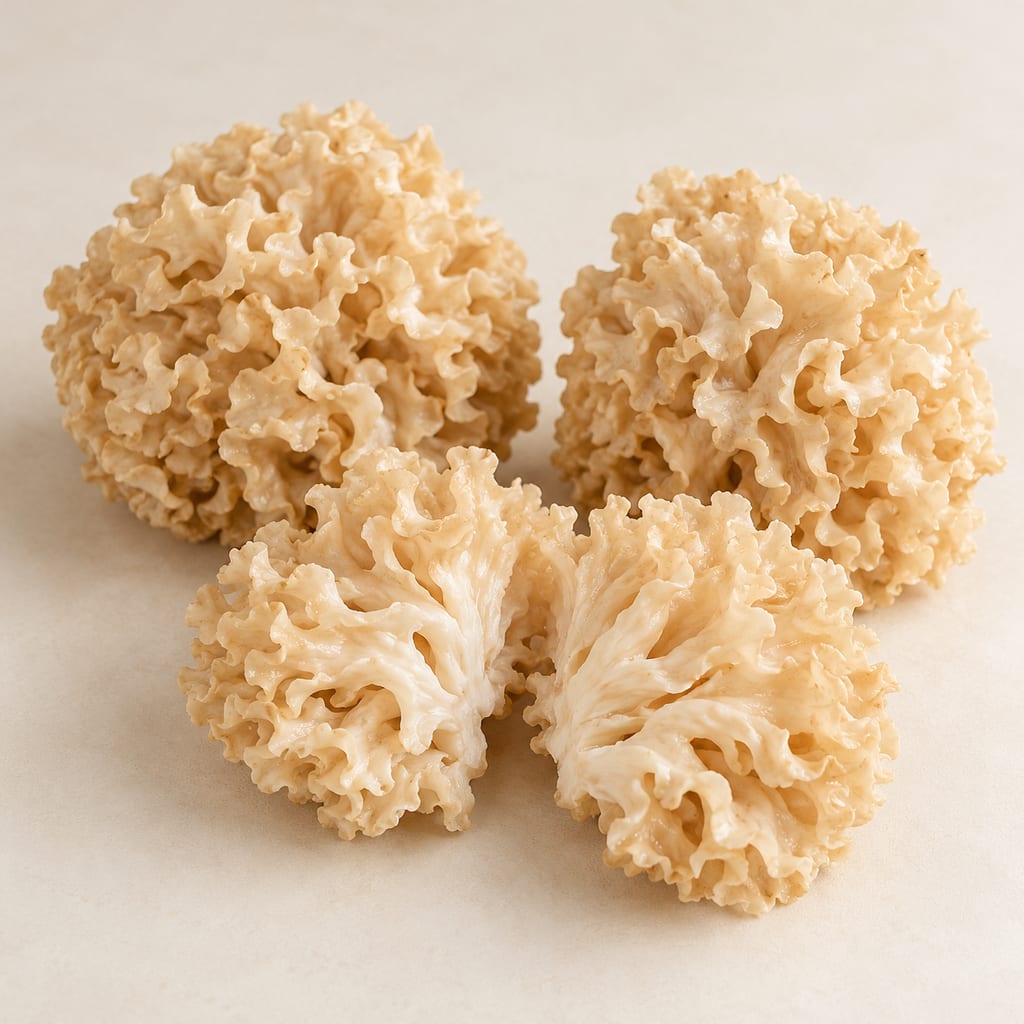
The Asian cauliflower mushroom, Sparassis latifolia, is a cultivated fungus with a frilled, fronded form that is eaten in China, Japan and Korea. Many Asian records under the name Sparassis crispa refer to this species.
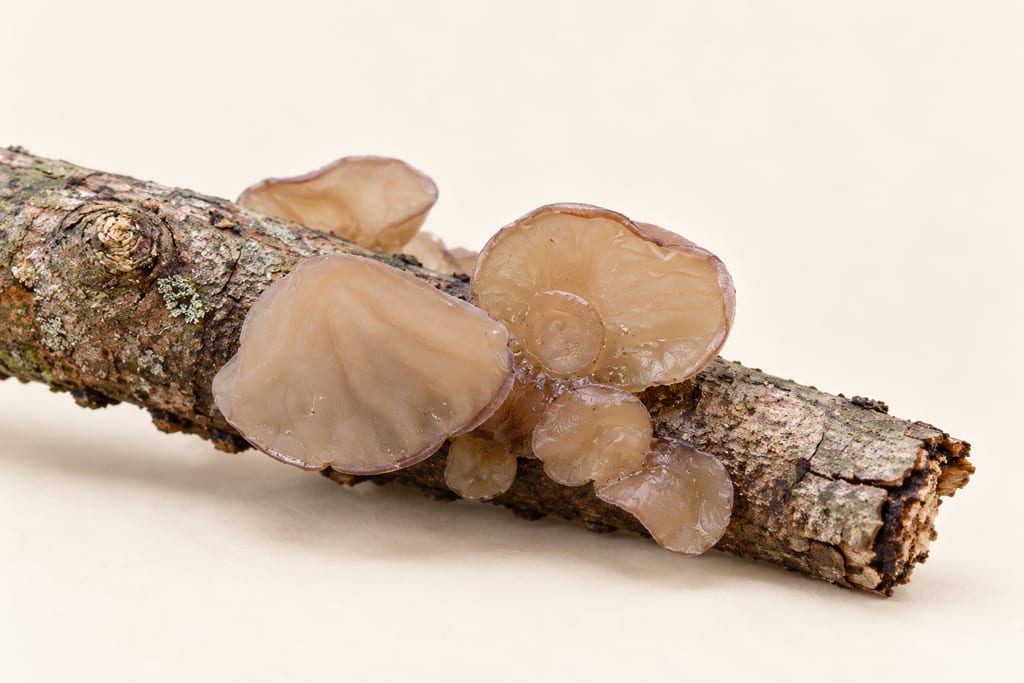
A small wood-decaying jelly fungus recognized as a distinct East Asian species. A Chinese edible-fungi catalogue lists it as edible, but species-specific preparation and safety evidence remain limited.
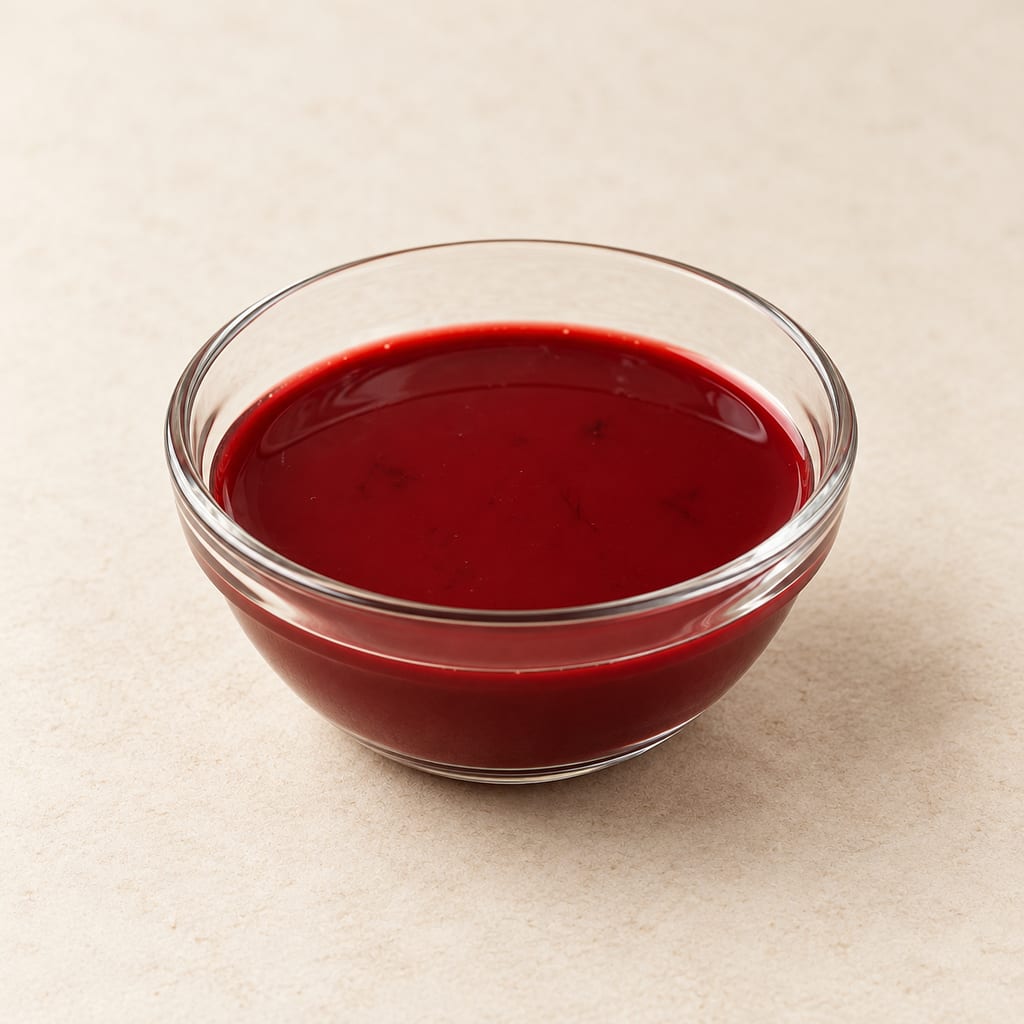
Animal blood is a perishable food material used fresh, coagulated, cooked, dried or processed into ingredients. Its uses range from grain-filled puddings to functional protein ingredients, each with distinct history and handling needs.
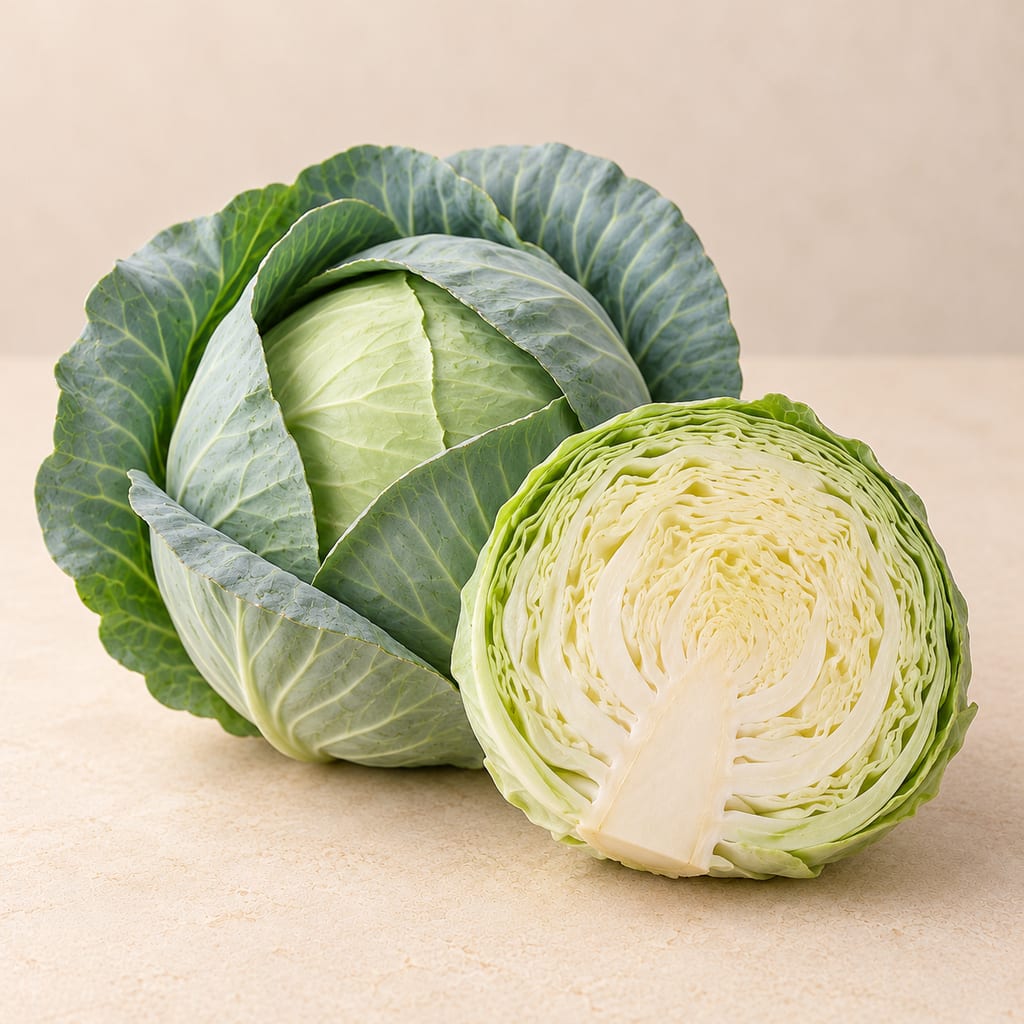
Cabbage is the dense leafy head of Brassica oleracea, a European vegetable that keeps for months and is the classic raw material for sauerkraut, with napa cabbage the base of kimchi.
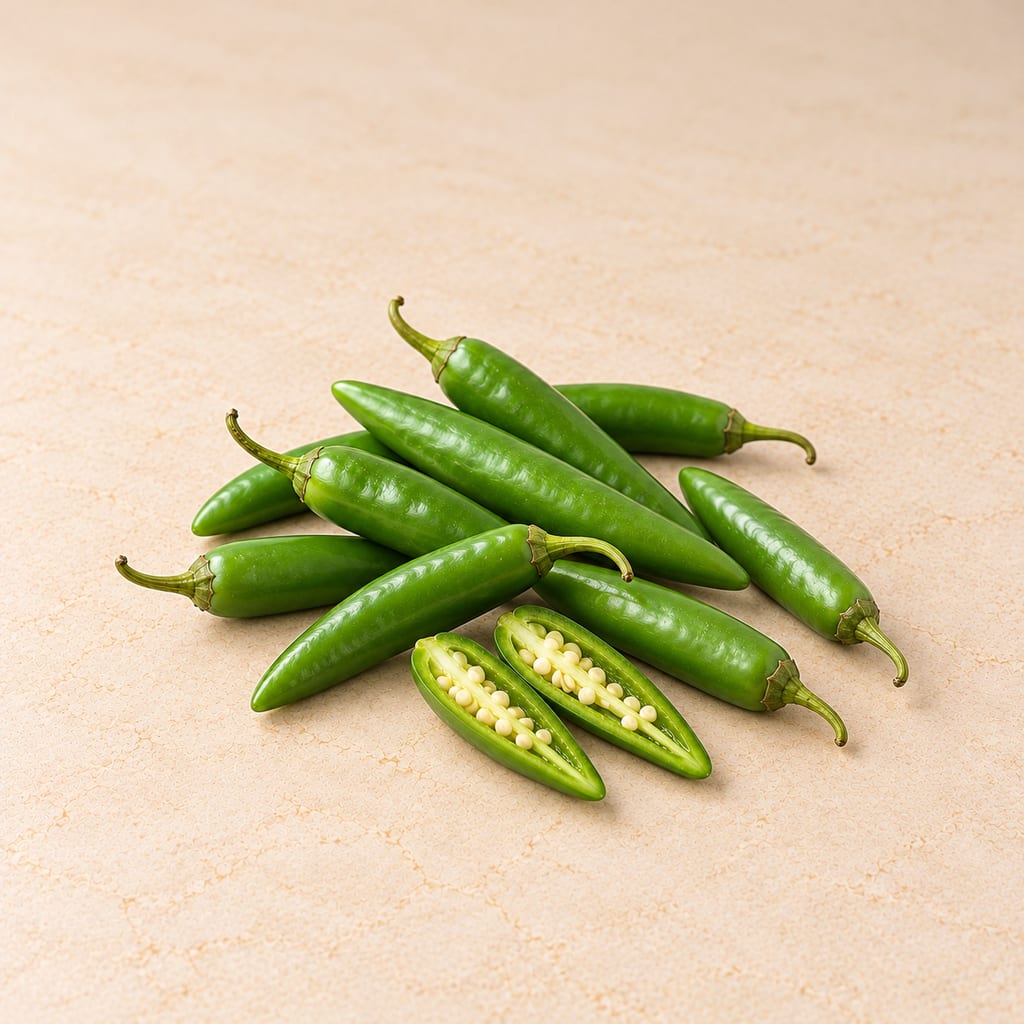
Chilli is the pungent fruit of Capsicum plants, native to the Americas and eaten fresh, dried, ground or fermented in cuisines around the world.
No community contributions have been published for this entry yet.
Sign in to contribute. Published comments and photos are free to read.
Journal of Microbiology and BiotechnologyMethod · Safety · History
Characterization of Aspergillus sojae Isolated from Meju, Korean Traditional Fermented Soybean BrickFourteen of eighteen screened isolates confirmed as A. sojae
Protease 2.66-10.64 and alpha-amylase 21.53-106.73 U/g initial dry substrate, comparable to Japanese soy-sauce koji strains
SMF 127 and SMF 131 have highest leucine aminopeptidase (6.00, 6.06 U/g), linked to flavour and reduced bitterness
SMF 127 and SMF 131 appear non-aflatoxigenic by genetic markers; no cyclopiazonic acid production
Recommended as starters for meju, doenjang and ganjang (recommendation, not fermentation trials)
PubMed CentralTaxonomy
Genome sequence of Aspergillus sojae NBRC4239About 81.7 per cent of well-characterised proteins highly similar to A. oryzae genes
One alpha-amylase gene copy versus three in A. oryzae
Mycobiology (DOAJ)Taxonomy
Mycobiology, May 2023 study of Aspergillus sojae strainsA. sojae long considered a domesticated strain of A. parasiticus
A. sojae strains form a single clonal clade, supporting species status
US Environmental Protection AgencySafety · Taxonomy
EPA risk assessment on Aspergillus species used in food productionAbout 92 per cent DNA homology with A. parasiticus (older assessment)
A. sojae treated as domesticated with long safe food use; hazard comparable to A. flavus/oryzae (1997 assessment)