
Abalone mushroom
Pleurotus cystidiosus is the abalone mushroom, a cultivated oyster-type fungus with dark brown caps that grows more slowly and is more demanding than other Pleurotus species.
 FermenteaWhere food goes to change
Substrates
Abalone are marine snails valued for their broad muscular foot and distinctive shell. They are eaten fresh or dried and appear in documented Korean dishes and preserved seafood traditions.
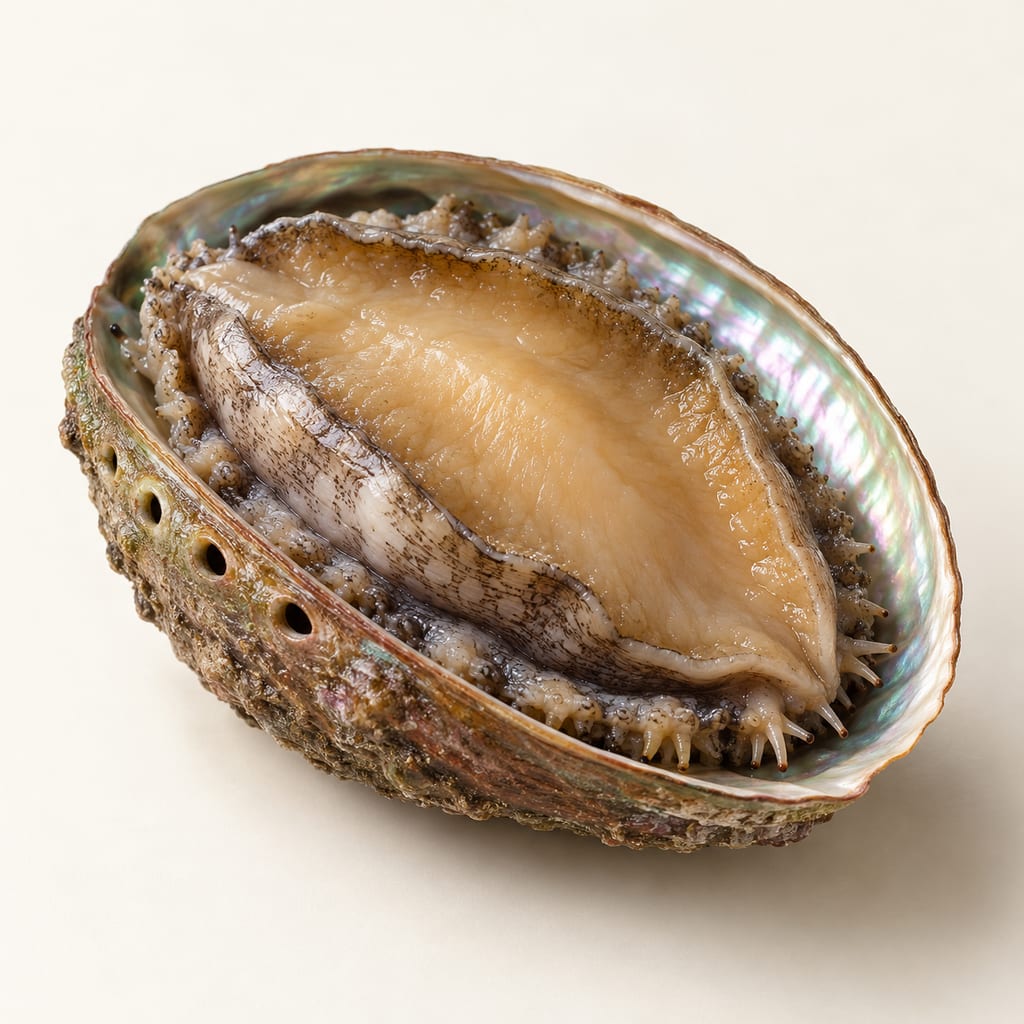
Abalone is the common name for marine gastropods in the genus Haliotis, family Haliotidae. Its low, ear-shaped shell has a line of openings along one edge; beneath it is a large muscular foot that grips rock as the animal moves and feeds. The inner shell is often iridescent. Abalone are single-shelled snails, unlike clams and oysters, which are bivalves. Shell colour and shape vary among species, and the number and arrangement of shell holes are too variable to identify a species by themselves.
The genus contains many species, so the market name alone does not establish which one is being sold. Korea’s National Institute of Fisheries Science lists Haliotis discus hannai, northern abalone, as a particular species; that identification should not be assumed for unspecified abalone. Food products include live animals in shell, raw chilled or frozen meat, and dried abalone. These forms are not interchangeable in a recipe: the shell, viscera and dried flesh call for different preparation and have different textures.
Abalone live on rocky marine coasts. Their flattened shell and muscular foot suit wave-exposed reefs; adults graze algae, including kelp. Diet and habitat vary by species. An FAO manual on artificial breeding of Haliotis discus hannai describes young animals shifting from microscopic algae and diatoms toward seaweeds as they grow. That is evidence about this species and culture setting, not a universal feeding schedule for all abalone.
Wild-caught and farmed animals both enter food markets. Codex describes live abalone as animals alive immediately before consumption, presented with shell, and also covers raw fresh chilled or frozen abalone, whole or shucked. It calls for freshness characteristics associated with the species. The standard notes that animals from some areas may accumulate marine biotoxins; competent authorities assess local risk and apply controls. Follow local harvest closures and official advisories. Appearance alone cannot establish whether a harvest area is safe.
The National Folk Museum of Korea’s account of jeonbokjuk describes abalone remains and a half-moon tool from the Gwakji shell mound on Jeju, and a wooden slip found at the Heijō Palace site that records Tamna abalone. It interprets the recorded product as dried abalone. The same account discusses intensive extraction from Jeju waters in the late nineteenth century and during Japanese colonial rule. These are archaeological and historical records, not a single origin date for abalone eating.
A study of 17 Joseon royal protocols reports 273 abalone dishes, including soups, stir-fries, raw preparations, skewers, steamed dishes and other forms. The count documents variety in those court records; it does not mean all Korean abalone cooking was court food. Jeju jeonbokjuk combines rice with abalone flesh and, in the folk account, viscera that give the porridge a green-brown colour. The supplied Korean food atlas also records Jeonbok-kimchi, an abalone-containing kimchi, and geu-jeot, a Jeju ferment made with abalone viscera. These are specific uses of the ingredient, not general preservation methods.
Keep the form named by the recipe. Live abalone is presented in shell; raw chilled or frozen products may be whole or shucked, and Codex permits the viscera, epithelium, mucus or radula to be removed in those covered forms. Dried abalone is a distinct product. The live/raw Codex standard points to established fishery hygiene codes and competent-authority controls, but it does not provide a complete home storage guide or validate a dried or fermented product. Use supplier instructions and local advisories; no shelf life or home-fermentation limit is inferred here.
Abalone is a mollusc. Species and harvest area matter for identification and local safety advice. A generic market label does not establish either. Jeju jeotgal and abalone kimchi each need their own source-based recipe page for quantities and process controls; the ingredient record does not supply those details.
Mollusc; abalone is a gastropod mollusc.
Documents Jeju harvesting and food uses; it does not claim Jeju as the species’ origin.
The cited study reviews abalone dishes in Joseon royal protocols; it does not claim exclusive royal use.
Pleurotus cystidiosus is the abalone mushroom, a cultivated oyster-type fungus with dark brown caps that grows more slowly and is more demanding than other Pleurotus species.
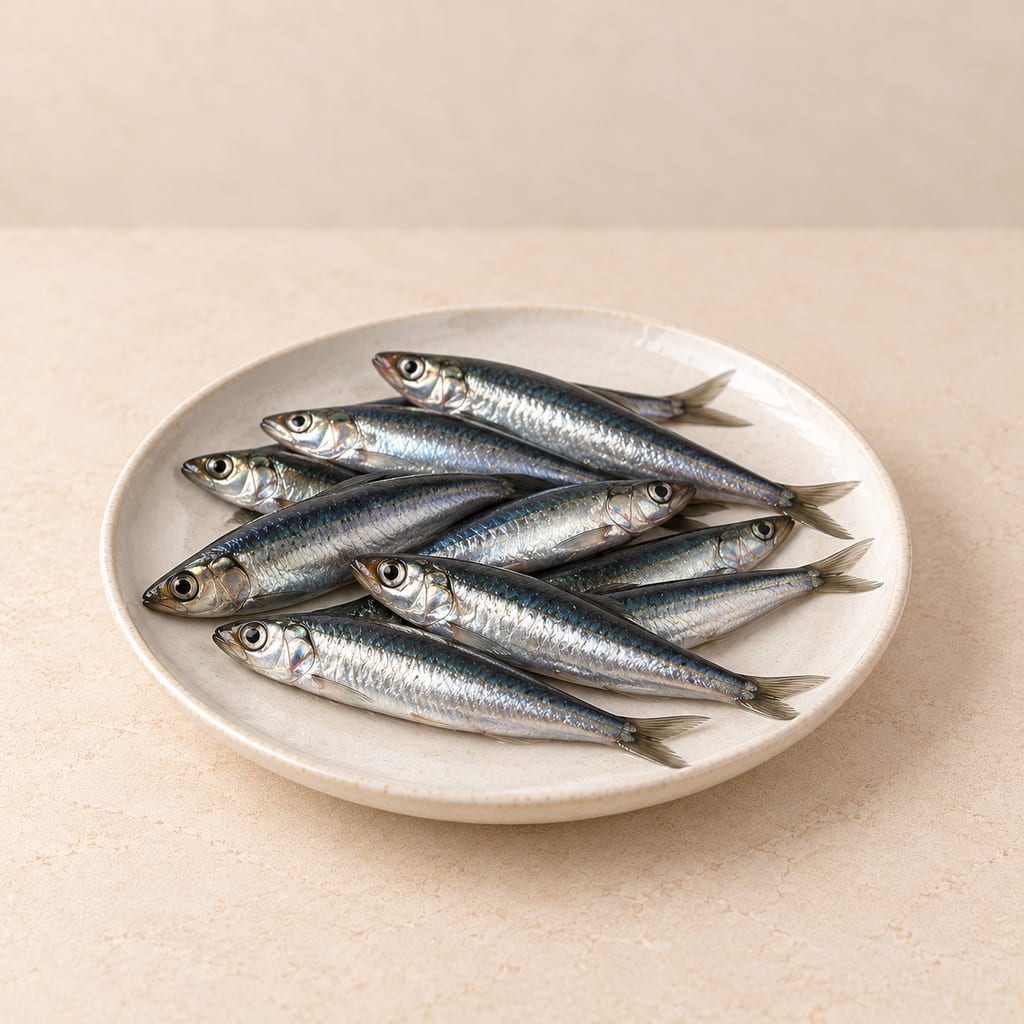
Anchovies are small schooling sea fish of the family Engraulidae, eaten fresh or dried and above all salted: as fillets in oil, whole salted fish or fish sauce.
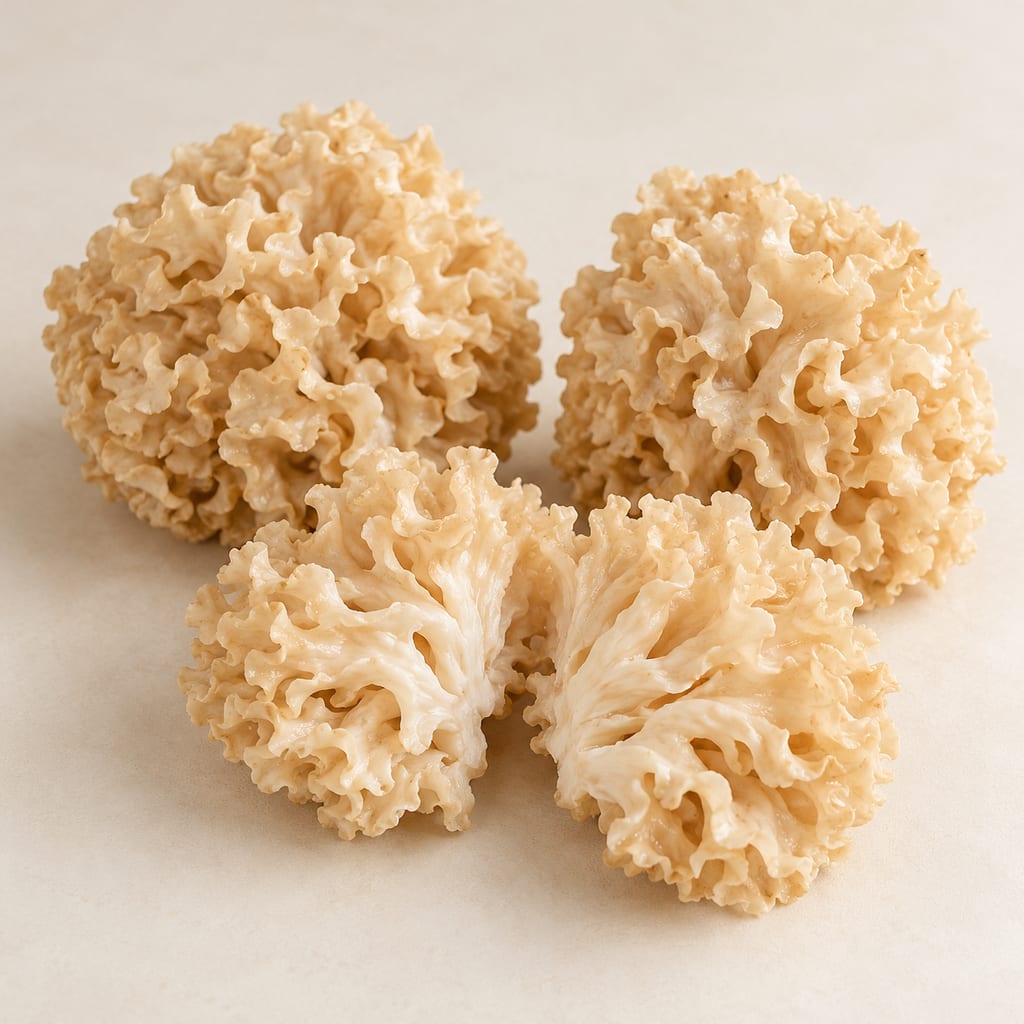
The Asian cauliflower mushroom, Sparassis latifolia, is a cultivated fungus with a frilled, fronded form that is eaten in China, Japan and Korea. Many Asian records under the name Sparassis crispa refer to this species.
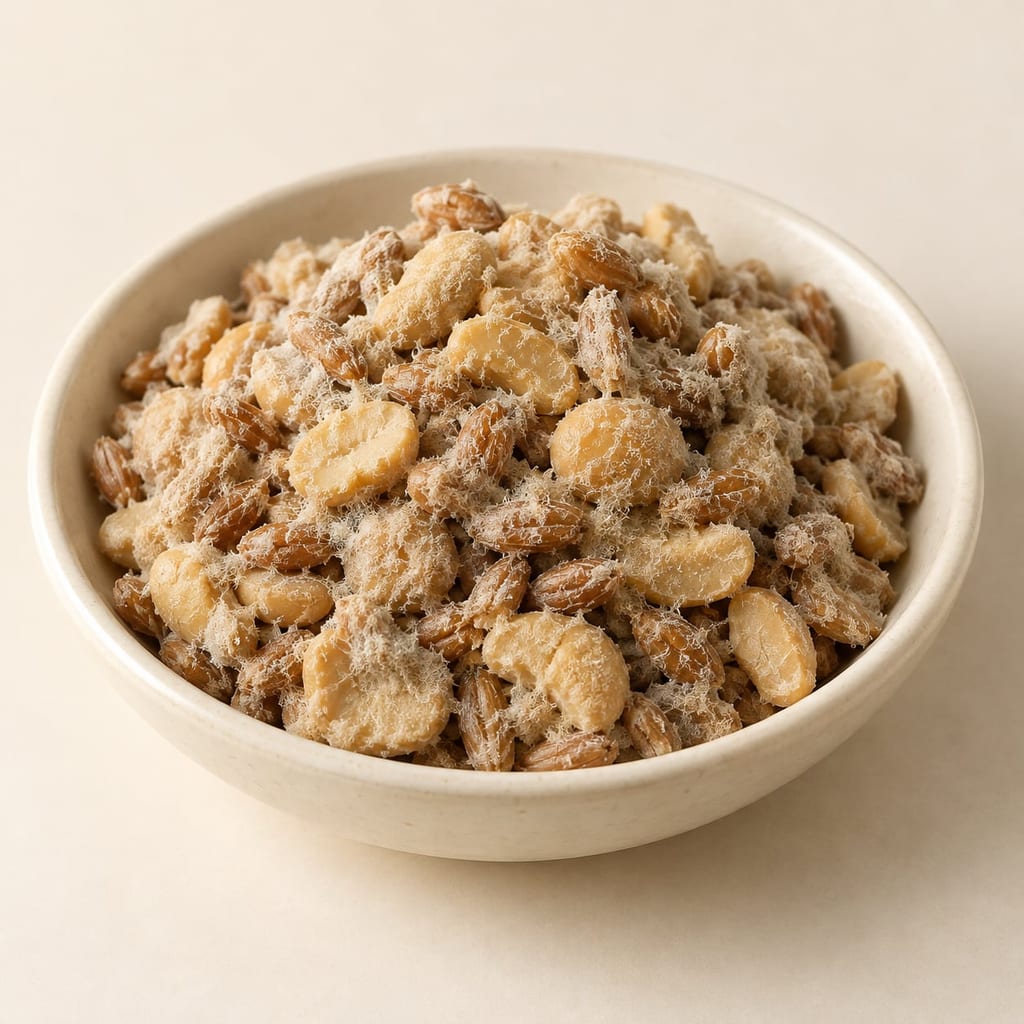
Aspergillus sojae is a koji mould of the Aspergillus flavus group, closely related to A. oryzae, used as a starter in soybean fermentations such as Korean meju, doenjang and ganjang.
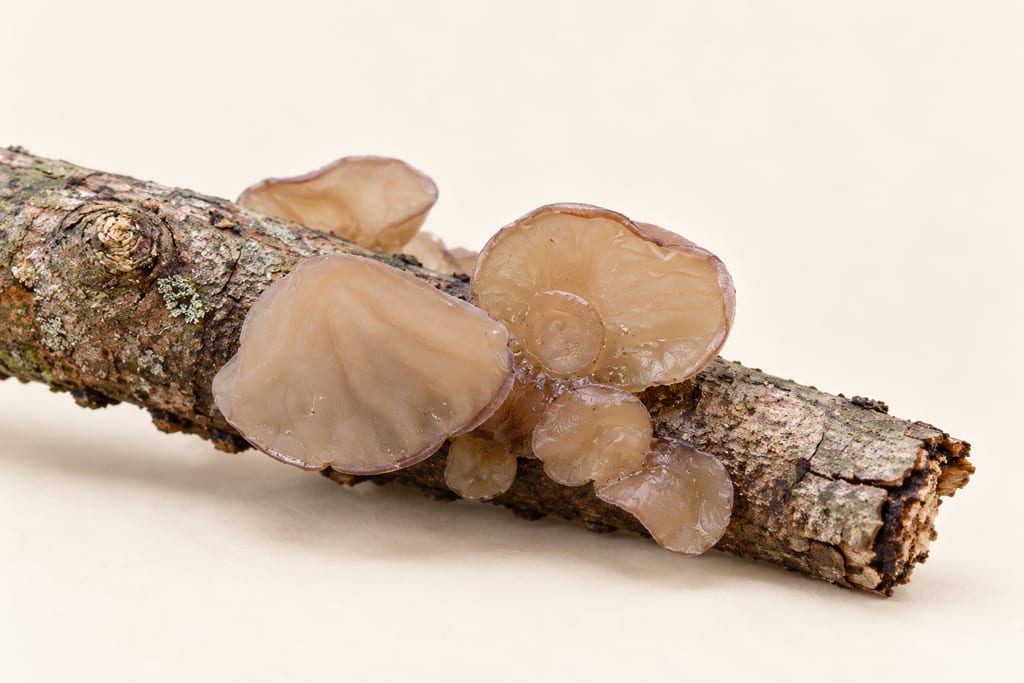
A small wood-decaying jelly fungus recognized as a distinct East Asian species. A Chinese edible-fungi catalogue lists it as edible, but species-specific preparation and safety evidence remain limited.
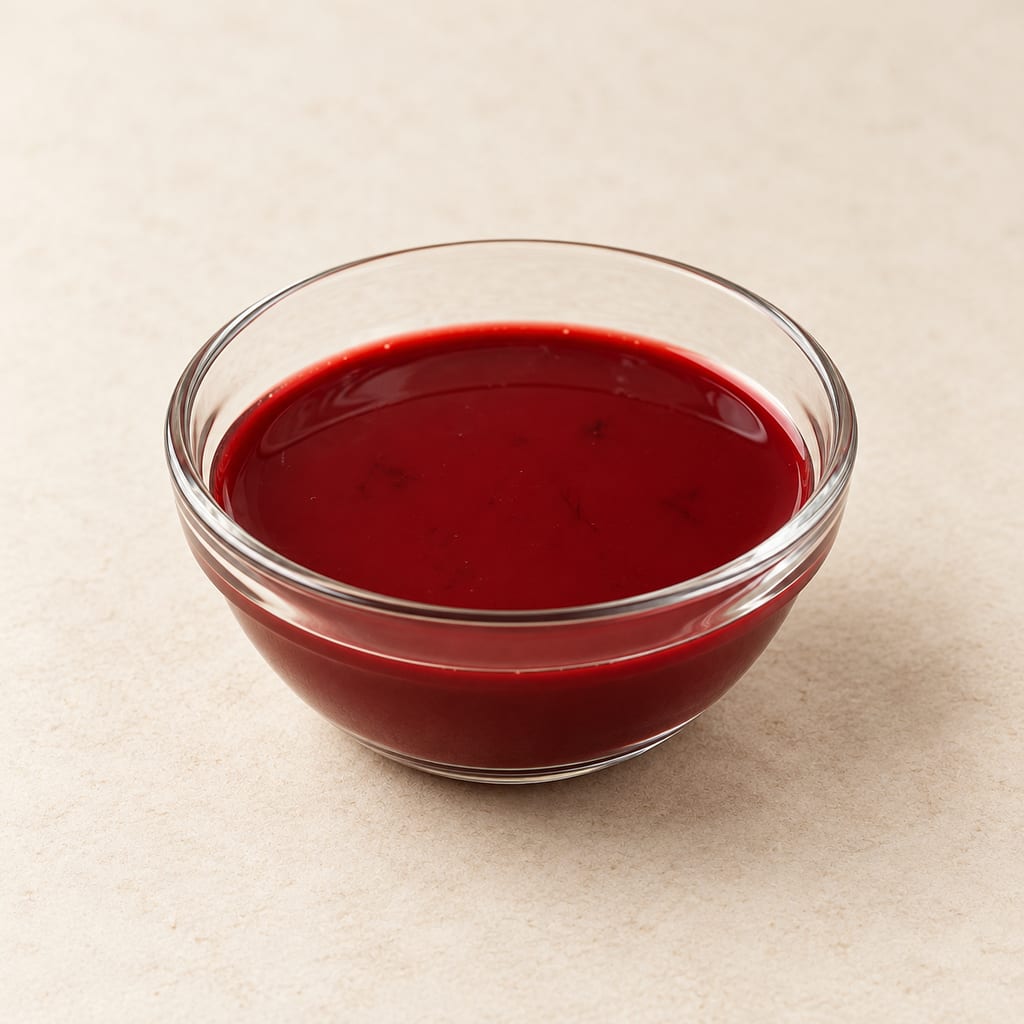
Animal blood is a perishable food material used fresh, coagulated, cooked, dried or processed into ingredients. Its uses range from grain-filled puddings to functional protein ingredients, each with distinct history and handling needs.
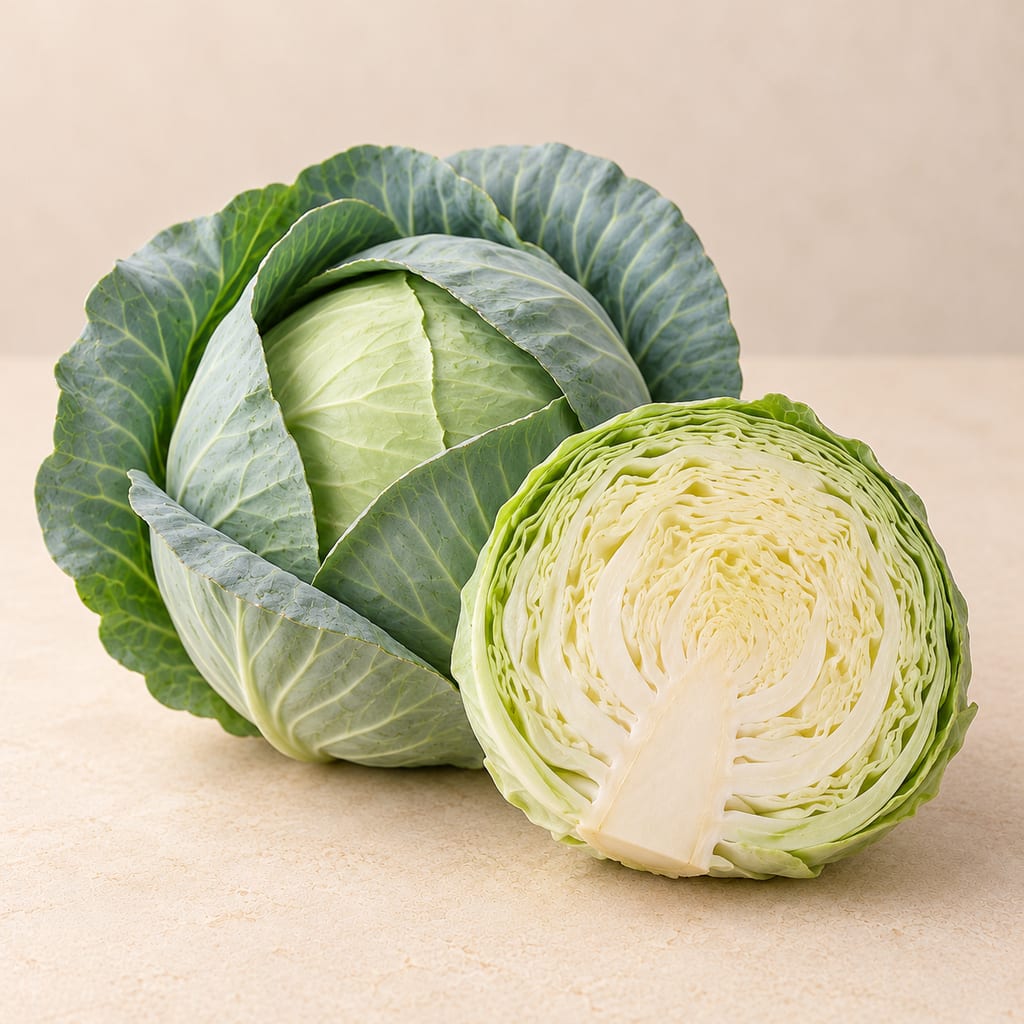
Cabbage is the dense leafy head of Brassica oleracea, a European vegetable that keeps for months and is the classic raw material for sauerkraut, with napa cabbage the base of kimchi.
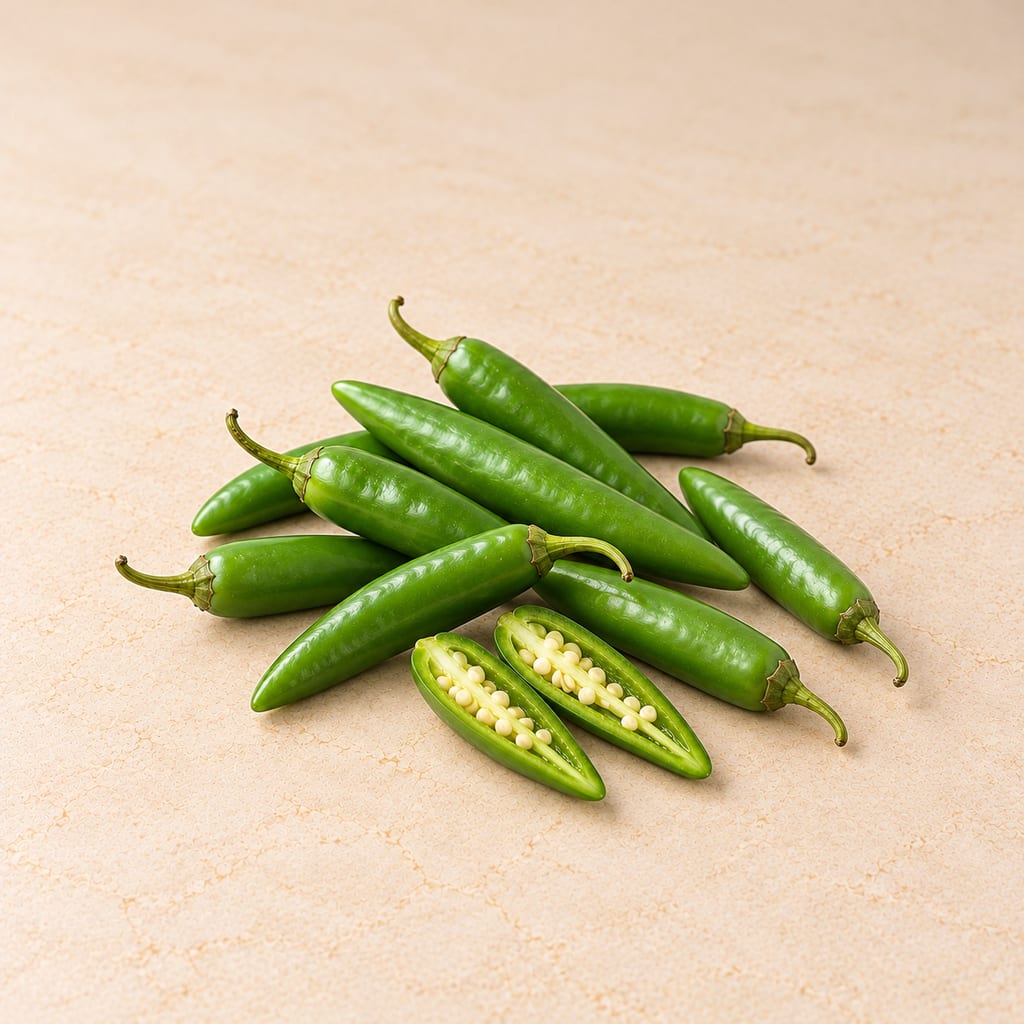
Chilli is the pungent fruit of Capsicum plants, native to the Americas and eaten fresh, dried, ground or fermented in cuisines around the world.
No community contributions have been published for this entry yet.
Sign in to contribute. Published comments and photos are free to read.
ElsevierIdentity · Biology
Introduction, taxonomy, and general biology of abaloneAbalone are marine gastropods in genus Haliotis, family Haliotidae.
Their flattened shells and muscular feet suit rocky coasts; adults graze algae.
Shell openings vary and are not reliable alone for species identification.
Cited in: A marine snail, not a clam; Coastal animal and food source
National Institute of Fisheries Science, Republic of KoreaTaxonomy
Haliotis discus hannai (북방전복)The Korean marine bio-resource catalogue identifies Haliotis discus hannai as northern abalone.
Cited in: A marine snail, not a clam
Food and Agriculture Organization of the United NationsAquaculture
Training Manual on Artificial Breeding of Abalone (Haliotis discus hannai) in Korea DPRFor this species and culture setting, the manual describes young abalone shifting from microscopic algae and diatoms toward seaweeds.
Cited in: Coastal animal and food source
Codex Alimentarius Commission / FAO and WHOIdentity · Handling · Safety
Standard for Live Abalone and for Raw Fresh Chilled or Frozen Abalone for Direct Consumption or for Further Processing (CXS 312-2013)Covers live Haliotis and raw fresh chilled or frozen abalone, whole or shucked; live abalone are alive immediately before consumption and presented with shell.
Requires freshness characteristics and notes that competent authorities assess marine biotoxin risk in some geographical areas.
Cited in: Coastal animal and food source; Choosing and handling
National Folk Museum of KoreaHistory · Uses
전복죽(全鰒粥) [Jeonbokjuk (abalone porridge)]Describes abalone remains and a half-moon tool at Gwakji shell mound, a Heijō Palace wooden slip naming Tamna abalone, and Jeju porridge made with flesh and viscera.
Discusses late nineteenth-century and colonial-era pressure on Jeju fisheries.
Cited in: Korean records and dishes; Choosing and handling
The Journal of Convergence on Culture TechnologyHistory · Uses
A Literature Review of on the Abalone in the Royal Palace of Joseon DynastyExamines 17 Joseon royal protocols and reports 273 abalone dishes.
Lists soups, stir-fries, raw preparations, skewers, steamed dishes, jeotgal and dumplings among documented uses.
Cited in: Korean records and dishes
Rural Development Administration, Republic of KoreaUses
Kimchi varieties and regional traditionsThe supplied Korean food atlas cites this source for Jeonbok-kimchi, including recorded preparations with rehydrated dried abalone.
Cited in: Korean records and dishes
National Assembly Library of the Republic of KoreaUses
Jeju policy and industry report on traditional fermentationThe supplied Korean food atlas cites this report for geu-jeot, a Jeju ferment made with abalone viscera.
Cited in: Korean records and dishes