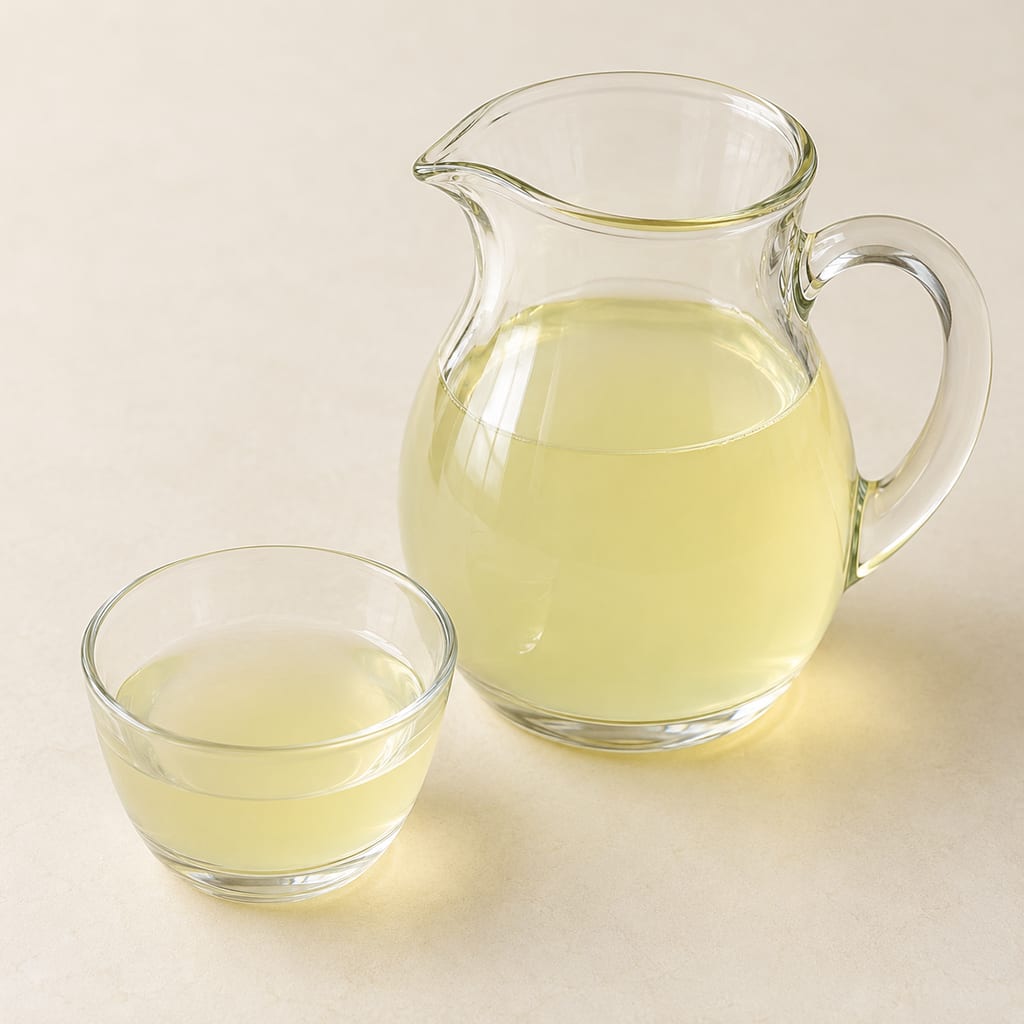
Acid whey
Acid whey is liquid left after acid coagulation of milk, including cultured dairy. Its composition and uses vary. Icelandic sour skyr-whey is related, but not automatically the same material.
 FermenteaWhere food goes to change
Substrates
Animal blood is a perishable food material used fresh, coagulated, cooked, dried or processed into ingredients. Its uses range from grain-filled puddings to functional protein ingredients, each with distinct history and handling needs.
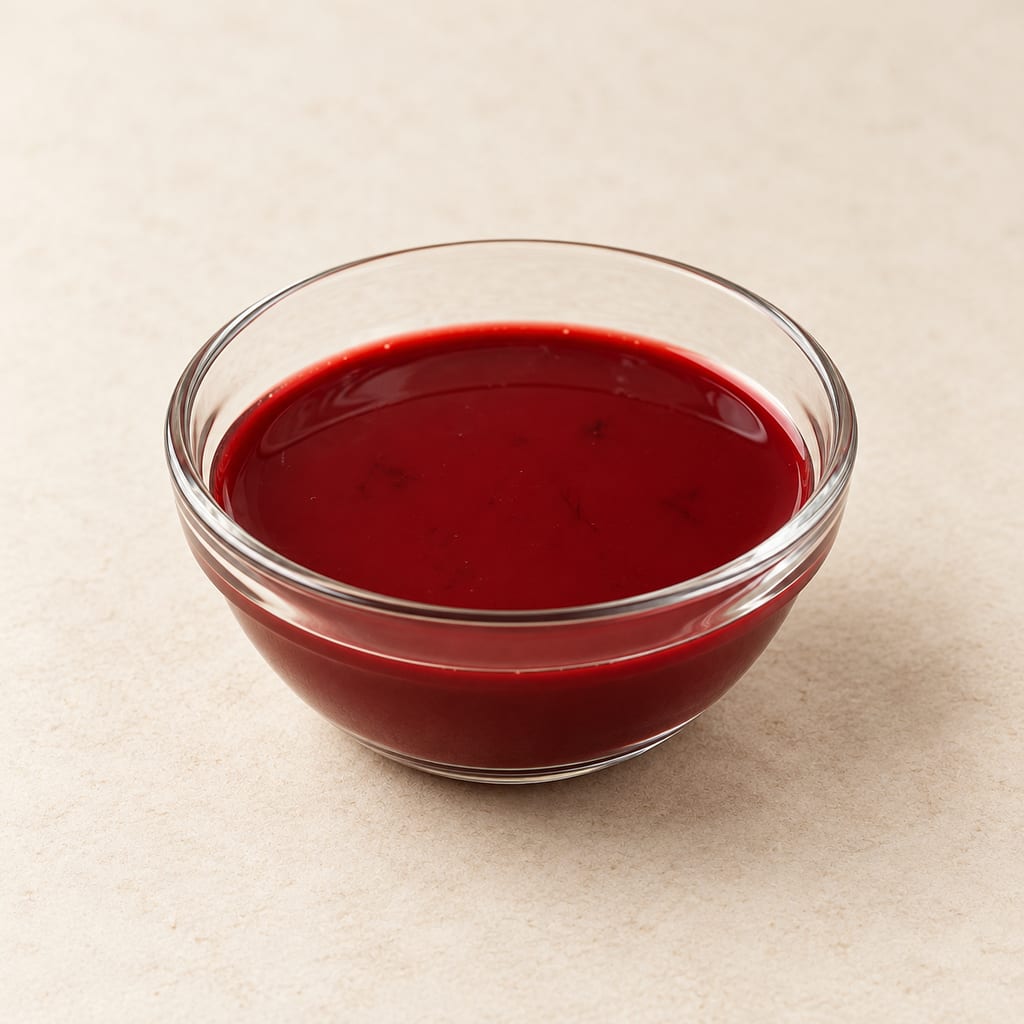
Animal blood is a food material collected from an animal, usually at slaughter, then used in a form that depends on the product: liquid and fresh, strained, defibrinated, coagulated, cooked, dried, or separated into plasma and cellular fractions. The phrase is broad. Pig, cattle, sheep, goat and poultry blood are not interchangeable by default, and commercial ingredients such as dried blood or plasma powders are processed materials with their own specifications. A package labelled simply “blood” leaves important questions unanswered: species, processing, food-grade status and intended use.
Fresh blood is dark red and fluid before it coagulates. Once clotted, it becomes a soft solid that can be crumbled, cut, simmered, baked or incorporated into a mixture. Blood foods may retain that clot structure or combine blood with grain, flour, rice, fat, meat, aromatics or other ingredients. Some mixtures are cooked in casings or moulds; others form part of a soup or stew. The finished food is not the same thing as the raw ingredient, and the casing, cereal and seasonings are separate materials.
Blood collection begins with the animal and the slaughter context, not with the recipe. The Irish authority’s guidance ties fresh blood for human food to inspection of the animal and hygienic collection at an approved slaughterhouse. This is a food-chain requirement and a control against contamination; it is not a suggestion to collect blood at home. The source also explains why prompt handling matters: blood can support bacterial growth and does not acquire the protective post-mortem acidity change associated with muscle.
Blood has been part of food in many distinct communities, but the available evidence does not support naming one birthplace or a single continuous tradition. The documented examples here are specific: Icelandic slátur combines sheep blood with grain and fat in prepared sheep stomachs; Swedish accounts describe batters made with grain, flour, potato or groats and both cased and moulded forms; a Norwegian source distinguishes pig-intestine or cloth-bag blood sausages from blood pudding baked in a form. These records show variation rather than one standard recipe.
In Guyana, a first-person account describes black pudding made with seasoned rice and blood in intestinal runners, while a Korean tourism source describes sundae using pig blood, noodles, vegetables and rice within pig intestine. These are particular named preparations, not evidence that every product called black pudding or sundae shares the same composition. In Vietnam, researchers documented fresh uncooked pig blood mixed with cooked pork tissues in tiết canh. Its raw form makes it categorically different from the cooked sausages and puddings described in northern European product accounts.
Earlier household food systems often used blood soon after slaughter because it was both perishable and valuable. The Swedish food-heritage account records that blood from several domesticated animals and some hunted animals was collected first, then cooked in batters, breads or sausages; one recorded practice dried reindeer blood inside a reindeer stomach for later use. This account documents particular regional practice and should not be turned into a general method for modern food preparation.
Stored forms require their own evidence. Swedish records describe paltbröd that was dried after baking and rehydrated for serving, whereas other preparations were eaten freshly cooked. The same source notes that a blood pudding has documentary references from the eighteenth century and became easier to bake in an oven as iron stoves became common. These are clues about that named Swedish food’s history, not a date for the first use of blood as food.
Blood supplies water, proteins, pigments and minerals, as well as a characteristic savoury, metallic note. Its proteins can bind water and form gels when heated, although the result depends on the blood fraction, pH, concentration and other ingredients. It can darken and set a pudding or sausage mixture, while grain or starch changes the body and fat changes richness and texture. These effects explain why blood is useful in more than one kind of food, but they do not make all blood products behave alike.
Food researchers also study blood as a source of functional proteins. Processing can concentrate or separate components and change properties such as solubility, emulsification and gel formation. That industrial ingredient work is distinct from household blood dishes: a protein isolate is not fresh blood, and a functional-property result in a laboratory does not validate a recipe, preservation method or safety claim. Blood’s potential as a food ingredient does not by itself mean that a product is nutritionally complete or beneficial for health.
Some blood foods are cooked directly after mixing. Icelandic slátur, Swedish puddings and Norwegian blood-pudding examples include cooked products, while Korean sundae is described as steamed or boiled. In these foods, the blood is one part of a preparation that has its own ingredients, vessel or casing, and cooking method. A sausage containing blood is not automatically fermented: the cited sources document boiled, steamed or baked preparations, and fermentation should be named only when the particular product and process are supported by evidence.
Preservation is equally product-specific. The Icelandic heritage account describes pickling as an older preservation practice associated with slátur; this does not establish a universal method or storage life for blood. Drying, salting, acidification, cooking and refrigeration cannot be treated as interchangeable controls. In particular, the presence of blood in a fermented or cured meat does not prove that the process makes the product safe, shelf-stable or suitable for room-temperature storage. No universal salt, acidity, time, temperature or storage limit applies to every blood preparation.
The distinction between a cooking operation and a preservation claim matters for blood because many familiar forms are cooked foods. A recipe’s baking or simmering step describes how that particular mixture is prepared; it does not, by itself, specify how long it can be kept afterward. For an item sold chilled, frozen or shelf-stable, the relevant storage directions must come from the producer or a validated product standard. No general page about the ingredient can infer those directions from another region’s dish.
Fresh blood is perishable and is a favourable medium for bacterial growth. The Food Safety Authority of Ireland explains that fresh blood intended for food must come from animals passed fit for human consumption after veterinary examination and must be collected and handled hygienically. Its guidance is written for regulated food businesses and one national context; it is not a home collection method. Consumers should use blood sold through an approved food supply and follow the product’s label and the competent local food authority’s instructions. Do not collect blood from an animal outside an inspected food chain or assume that appearance, smell or a healthy-looking animal demonstrates safety.
Raw or undercooked animal blood carries hazards that depend on species and setting. The US Centers for Disease Control and Prevention warns travellers in Vietnam against dishes containing uncooked blood or meat from pigs, wild boar or other animals because of trichinellosis and Streptococcus suis infection. Its example, tiết canh, contains coagulated fresh raw blood with cooked meat; cooking only the accompanying meat does not cook the blood. The CDC-linked study describes raw pig blood consumption and disease risks in its Vietnamese study sites. This evidence is specific to uncooked animal products and does not mean that every properly sourced, cooked blood food presents the same risk.
Dried blood or a packaged plasma ingredient has different handling characteristics from fresh liquid blood, but it is still a food ingredient whose safety and use depend on its supplier, processing and instructions. The cited Irish authority notes that dried food-grade blood is used by some manufacturers because it is easier to handle and store than fresh blood. That observation does not provide a shelf life for every powder or opened package; use the manufacturer’s directions and do not infer a safe duration without product-specific evidence.
Freshness is not a reliable safety test. Odour, colour, clots or a seller’s assurance about a healthy animal cannot establish the absence of pathogens or parasites. The Vietnamese study discusses how respondents’ confidence in animal source and appearance shaped risk perception, while the public-health evidence identifies risks associated with uncooked blood and meat. The practical distinction is between documented risk and cultural value: naming a food accurately and respectfully does not require describing it as safe to eat raw.
Named blood preparations differ in the blood species, the state of the blood, the grain or starch, the amount and kind of fat, and the way the mixture is held and cooked. The documented Icelandic, Swedish and Norwegian examples alone show sheep versus pig blood, sheep stomach versus coarse gut or cloth, and cased sausages versus moulded puddings. In Guyana the casing animal is not specified and should not be filled in by analogy. Elsewhere, a name may cover a local version or a modern product whose ingredients differ from an older account.
Blood is also used beyond cooked sausages and puddings. Slaughter by-products can be separated into protein ingredients for food manufacture, which makes blood relevant to food engineering as well as culinary history. The available sources do not establish one globally dominant species, one shared flavour profile, a universal preservation process, or the first time blood entered human diets. The linked preparations on this page show where Fermentea has evidence for specific uses; they remain distinct entries rather than interchangeable instructions for handling blood.
Blood foods can also be avoided for religious or other dietary reasons. Matkult notes that some religions prohibit blood foods; the specific rules and their interpretation belong to the communities and authorities that maintain them. Because a product name may not disclose its species or all ingredients, people with a religious, ethical, medical or personal restriction should check the supplier and applicable labelling rather than infer suitability from the dish name.
In production, the blood fraction can affect how an ingredient dissolves, binds water or forms a gel, so processors specify the material they buy and how it has been treated. These functions explain why blood-derived ingredients appear in food technology research, but research on isolates does not establish consumer nutrition claims. A product’s actual nutritional contribution depends on the entire recipe and serving, and cannot be read from the word blood alone.
The Icelandic food-heritage account documents slátur made with sheep blood, grain and fat in prepared sheep stomachs; this is one named use, not the origin of blood foods.
The Swedish folklore and food-heritage account describes several blood foods and fillings; it does not represent every Swedish household or recipe.
The cited food-information source documents Norwegian blood-pudding forms; the page does not claim a Norwegian origin for the wider ingredient.
A study at sites in Hanoi Province documented consumption of fresh uncooked pig blood in tiết canh; the source describes one practice and also reports infection risks.
The Korea Tourism Organization describes sundae with pig blood among its ingredients; formulations vary and this is not a claim of national uniformity.
A first-person culinary account describes seasoned rice and blood in intestinal runners; it does not identify a universal casing species or prove an origin.
Acid whey is liquid left after acid coagulation of milk, including cultured dairy. Its composition and uses vary. Icelandic sour skyr-whey is related, but not automatically the same material.
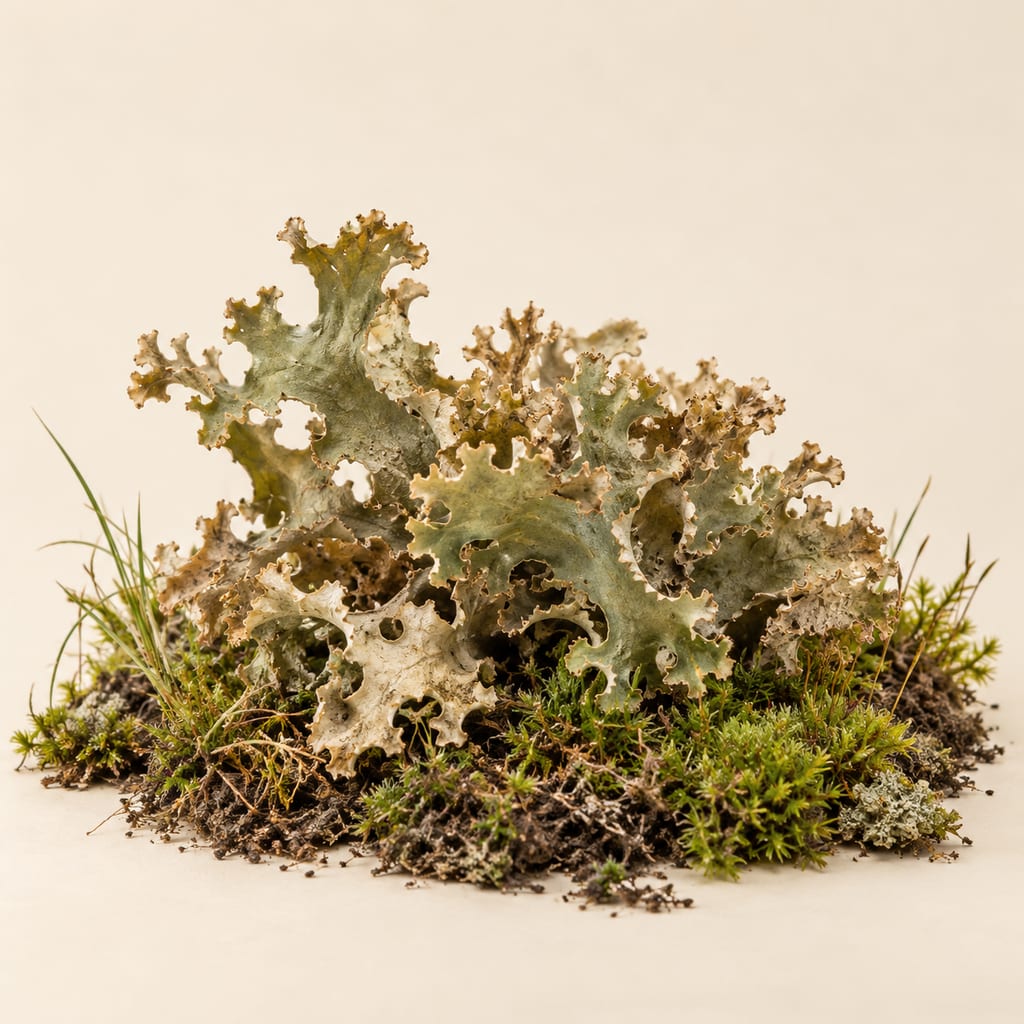
Iceland moss, Cetraria islandica, is an Arctic-alpine lichen, not a moss or a mushroom. It was boiled to remove its bitterness and used in breads, porridges and soups, and now survives mainly in folk remedies.
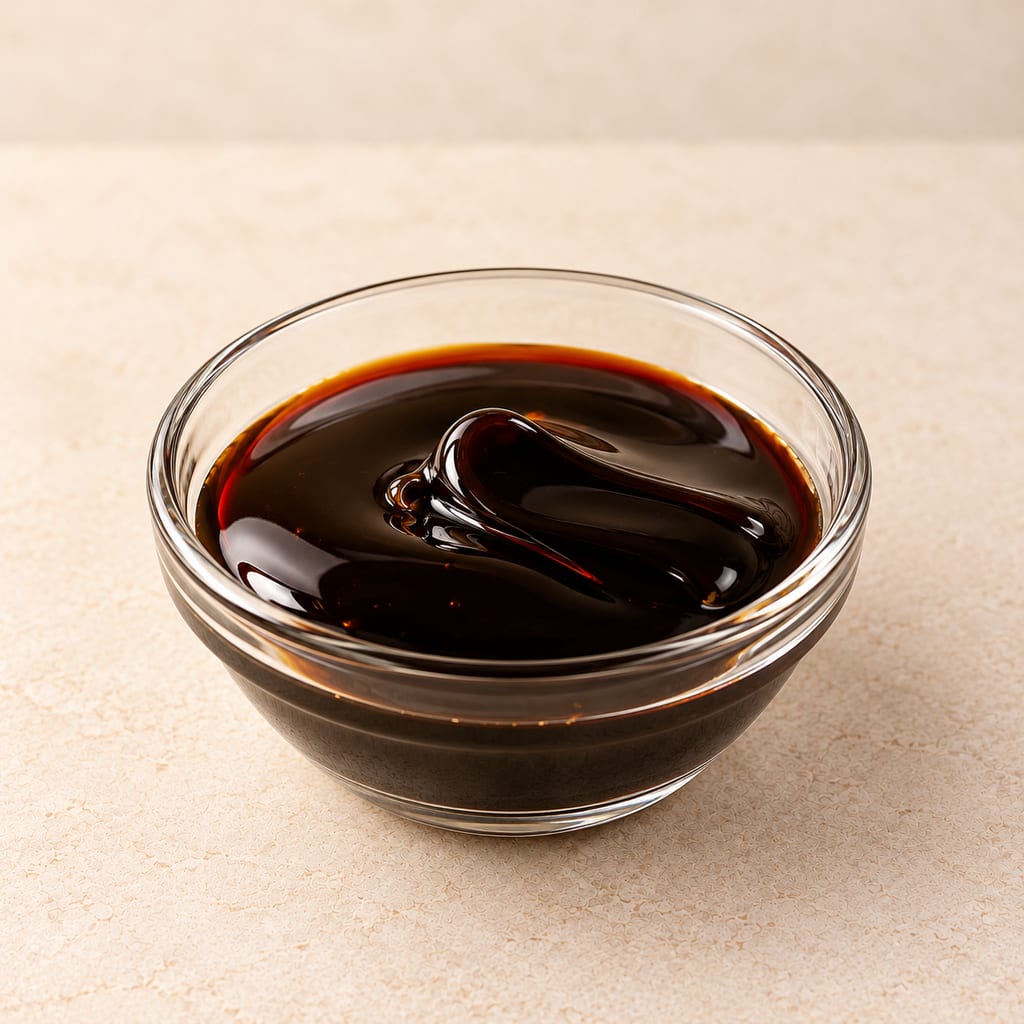
Molasses is the syrup separated as sugar crystallises from cane or beet; its grades and food uses vary, from Anadama and steamed brown bread to fermentation.

Milk with most of its fat separated into cream, retaining lactose and proteins used in cultured curds, starter media and other dairy foods.
No community contributions have been published for this entry yet.
Sign in to contribute. Published comments and photos are free to read.
Comprehensive Reviews in Food Science and Food SafetyFood science · Processing
Harnessing the Potential of Blood Proteins as Functional Ingredients: A Review of the State of the Art in Blood ProcessingReviews blood collection and processing to protein isolates and food applications; discusses how processing affects functional properties.
Cited in: A food material without one single form; What blood contributes to a mixture; Fresh, cooked and preserved are different stages; Buying and handling require a known food supply; A family of foods, not a standard recipe
Food Safety Authority of IrelandFood safety · Handling
Harvesting Blood for Making Black PuddingFresh blood for human consumption must come from animals passed fit for consumption and be collected and handled hygienically; blood supports bacterial growth and fresh blood is perishable.
Cited in: Buying and handling require a known food supply; A family of foods, not a standard recipe
Centers for Disease Control and Prevention, Yellow BookFood safety
VietnamCDC advises against dishes containing uncooked blood or meat from pigs, wild boar or other animals because of risks including trichinellosis and Streptococcus suis; describes tiết canh as fresh uncooked coagulated blood mixed with cooked meat.
Cited in: Buying and handling require a known food supply
Emerging Infectious Diseases, Centers for Disease Control and PreventionDocumented food use · Food safety
Raw Pig Blood Consumption and Potential Risk for Streptococcus suis Infection, VietnamDocuments fresh uncooked pig blood mixed with cooked pork tissues in tiết canh and reports a 2012–2013 study at rural Ba Vi and urban Dong Da sites in Hanoi Province; its hazard findings concern raw pig products in that context.
Cited in: No single origin is established; Buying and handling require a known food supply
Matarauður Íslands (Icelandic food heritage)Food history · Documented preparation
SheepDescribes Icelandic slátur as blood sausage and liver sausage with grain and fat in prepared sheep stomachs, made collectively around autumn slaughter; pickling is described as a preservation practice.
Cited in: A food material without one single form; No single origin is established; Fresh, cooked and preserved are different stages; A family of foods, not a standard recipe
Institutet för språk och folkminnen (Isof), MatkultFood history · Documented preparation
BlodmatDocuments Swedish blood batters using grain, flour, potato or groats, stuffed into coarse casings or rumen, as well as a moulded calf-blood pudding recollection.
Cited in: A food material without one single form; No single origin is established; Fresh, cooked and preserved are different stages; A family of foods, not a standard recipe
MatPrat (Opplysningskontoret for egg og kjøtt)Documented preparation
BlodpuddingDocuments Norwegian blodpølse filled into pig intestine or cloth bags, and blodpudding baked in a form; these are distinct preparations.
Cited in: A food material without one single form; No single origin is established; Fresh, cooked and preserved are different stages; A family of foods, not a standard recipe
Korea Tourism Organization (VisitKorea)Documented preparation
Sundae (Korean sausage)Describes a pig-intestine preparation with pork blood, glass noodles, mung bean sprouts, kimchi cabbage and sweet rice, steamed or boiled.
Cited in: No single origin is established; A family of foods, not a standard recipe
Stabroek NewsDocumented preparation
Making Black PuddingFirst-person Guyanese account distinguishes black pudding with seasoned rice and blood in intestinal runners from white pudding; the source does not establish a casing animal.
Cited in: No single origin is established; A family of foods, not a standard recipe