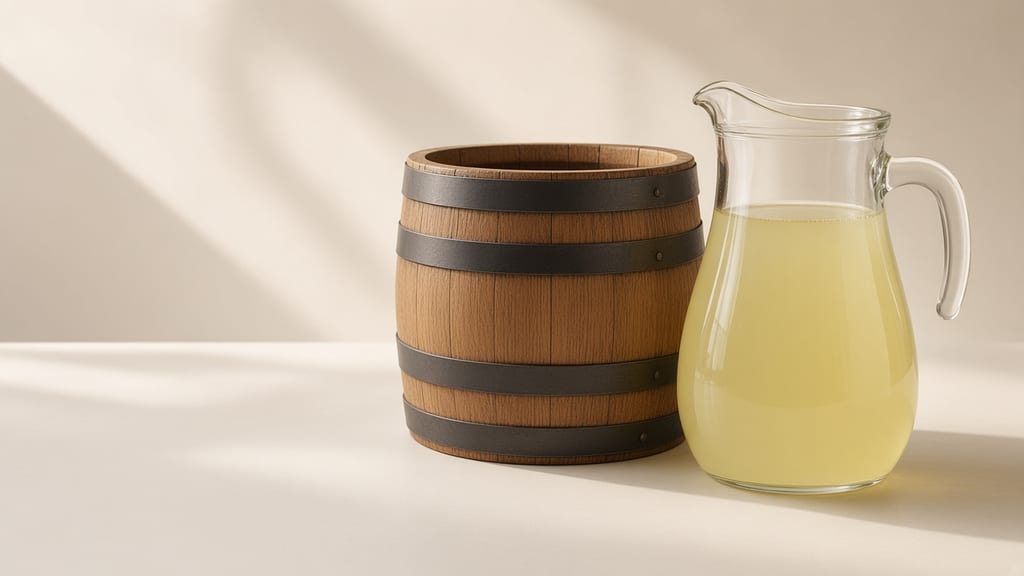
The whey cellar
Iceland kept cooked food in soured skyr whey when salt was scarce. Archaeology puts the cask in the pantry floor; modern Matís writing still describes the acid bath.
 FermenteaWhere food goes to change
Substrates
Acid whey is liquid left after acid coagulation of milk, including cultured dairy. Its composition and uses vary. Icelandic sour skyr-whey is related, but not automatically the same material.
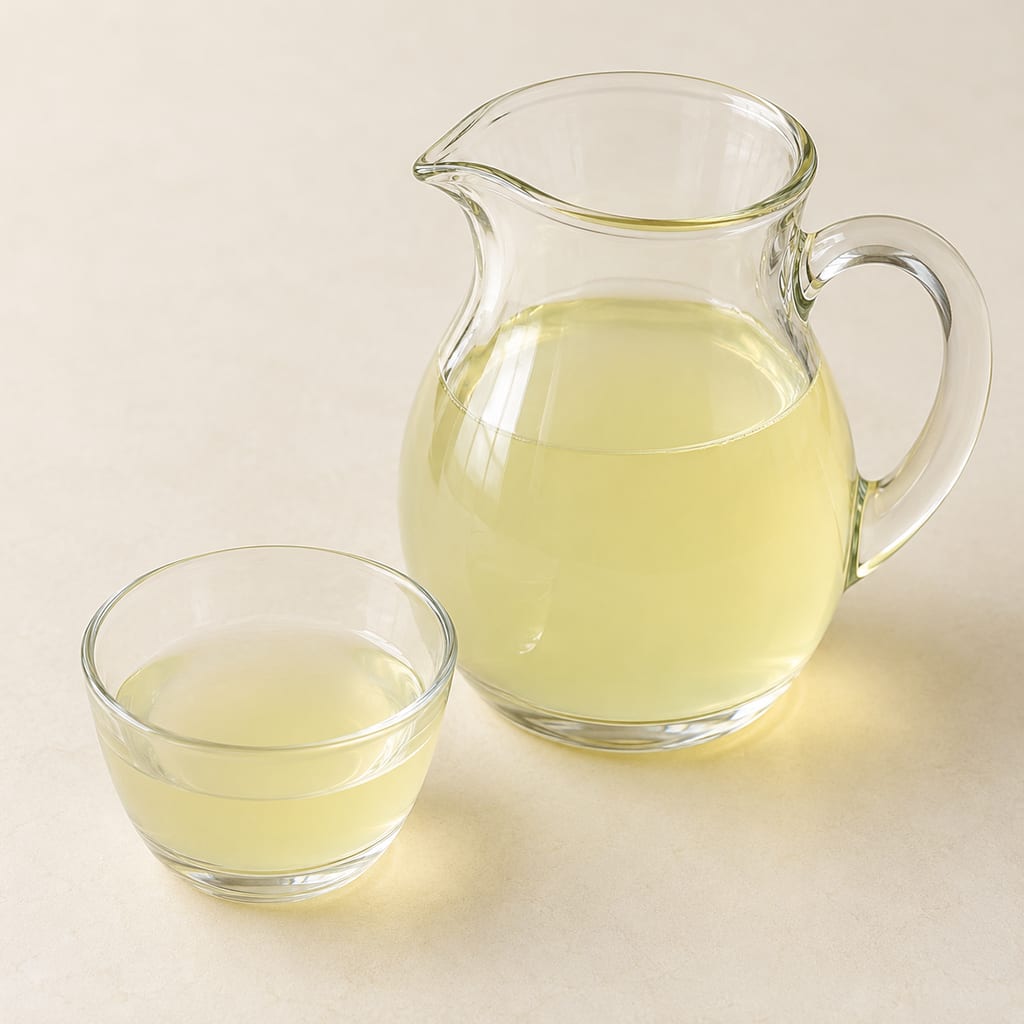
Whey is the liquid separated from casein curd. Dairy sources distinguish sweet whey, usually from rennet-set cheese, from acid whey, which remains after acid coagulation such as cultured fresh cheese or strained yogurt. Acid whey is not a single fixed formulation: the milk, culture, acidification and separation method affect its acidity and composition.
This technical category should not be collapsed into every sour or fermented whey. In Icelandic food sources, skyrmysa is whey from skyr-making that is soured further to make sýra. That is an important use of dairy whey, but the sources do not establish that every such batch is equivalent to acid whey produced during acid coagulation.
A 2025 Journal of Dairy Science study adapted a kombucha culture containing Brettanomyces anomalus through repeated batches of both sweet and acid whey. The whey-adapted communities changed, with the main fungal group shifting from B. bruxellensis to B. anomalus; the measured major products included acetic acid and ethanol. This is laboratory evidence for a particular culture and fermentation study, not a general whey-beverage recipe or proof that an arbitrary kombucha culture will work in dairy.
Reviews describe research into whey beverages, fermentation media and recovery of lactose, minerals or proteins. Those are different routes for using the stream. The intended product and its process matter; the fact that whey contains fermentable material does not specify a safe or desirable fermentation.
Icelandic sources describe skyr whey being soured with lactic-acid bacteria and kept in a household souring vessel. The resulting sýra served as a medium for preserving cooked meat and offal; diluted soured whey was also drunk, sometimes with herbs or berries. The dairy atlas distinguishes these practices from skyr itself and from technical acid whey.
Matís notes that traditional and current souring methods, whey composition and outcomes vary. Its account stresses refrigeration and monitoring the acidity of the specific souring medium. These sources document a food tradition; they do not validate an interchangeable home process or establish that acidity alone controls every hazard.
Acid whey may carry milk proteins and lactose, and its composition varies. Fermentation trials that produce acid or alcohol are not automatically suitable for consumption. The studies and heritage sources cited here do not provide one validated preparation, endpoint or storage period for all acid whey. Do not infer safety, shelf life or a universal pH target from the ingredient name.
This row records Icelandic uses of soured skyr-whey (sýra) as a drink and preservation medium. It does not claim that this tradition's whey is identical to every technical acid-whey stream or that Iceland is the origin of acid whey.
Iceland kept cooked food in soured skyr whey when salt was scarce. Archaeology puts the cask in the pantry floor; modern Matís writing still describes the acid bath.
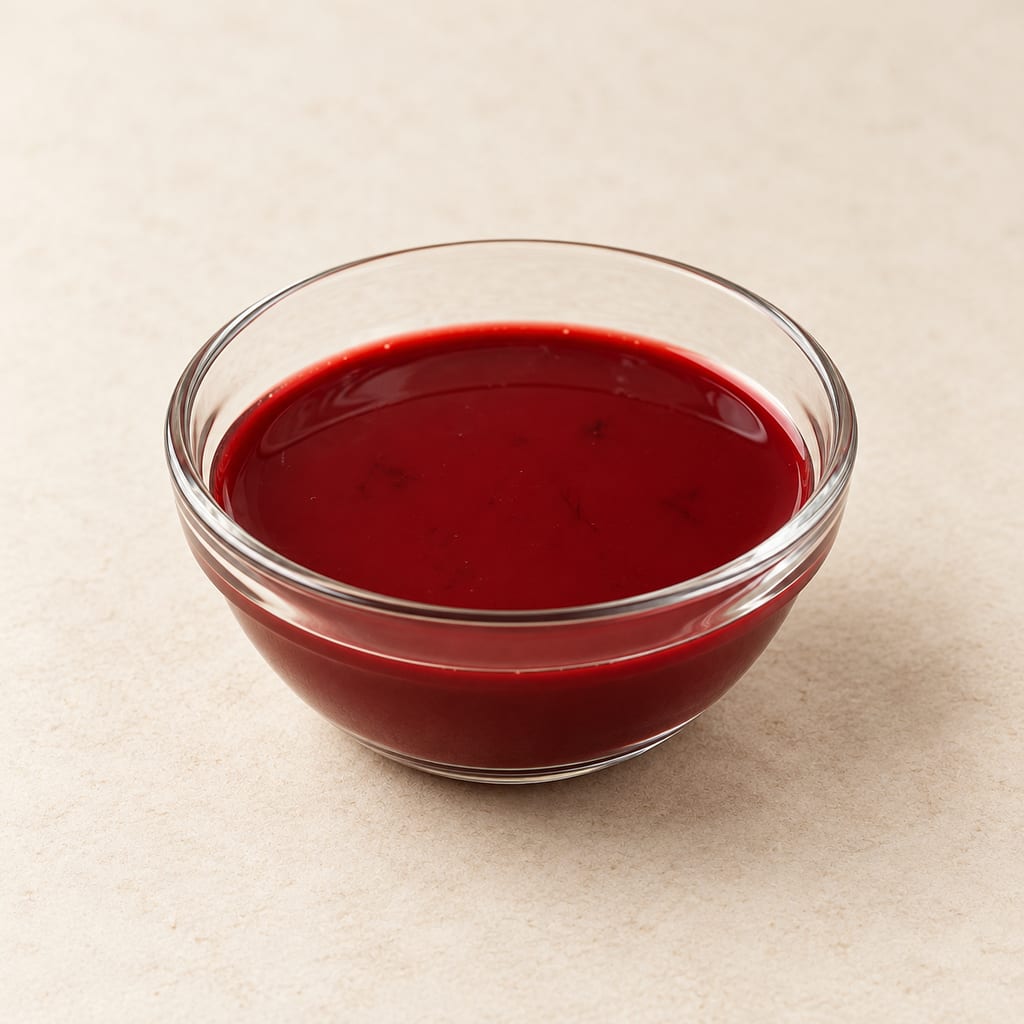
Animal blood is a perishable food material used fresh, coagulated, cooked, dried or processed into ingredients. Its uses range from grain-filled puddings to functional protein ingredients, each with distinct history and handling needs.
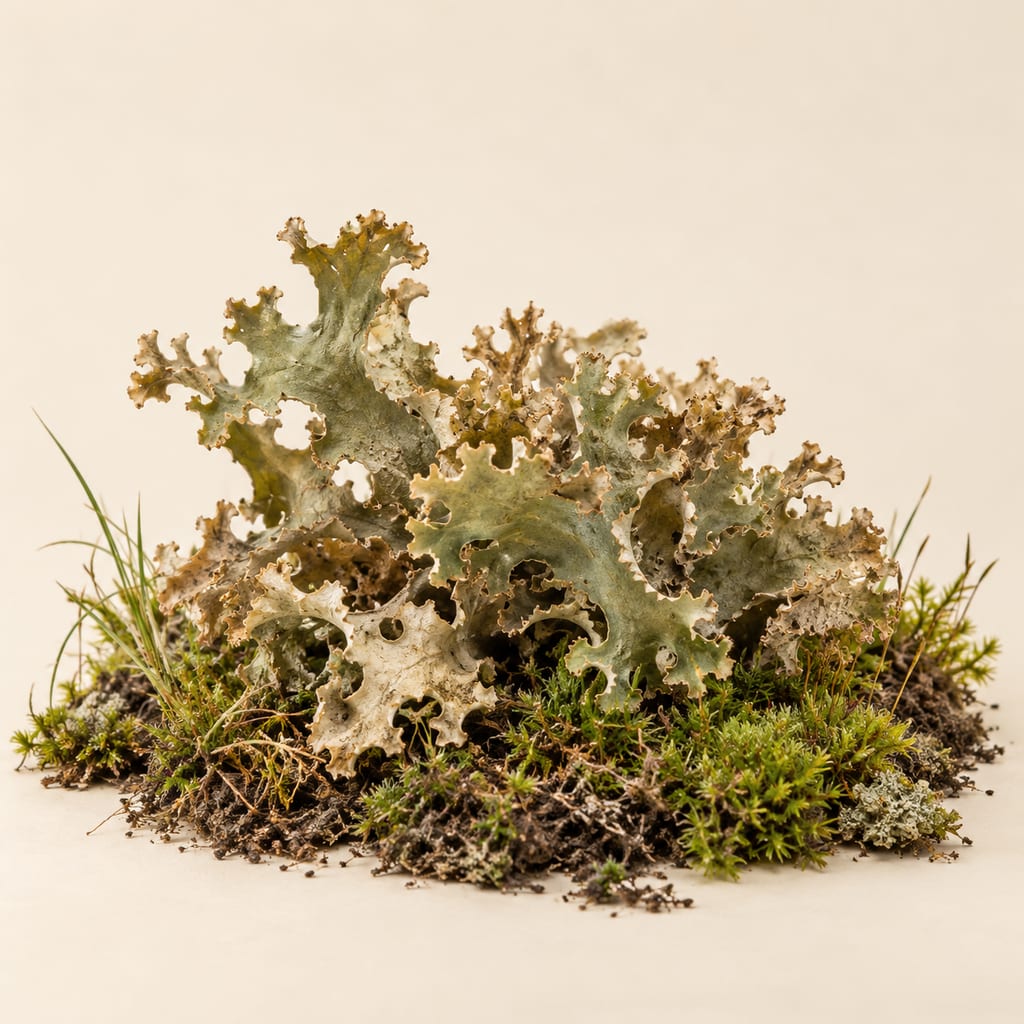
Iceland moss, Cetraria islandica, is an Arctic-alpine lichen, not a moss or a mushroom. It was boiled to remove its bitterness and used in breads, porridges and soups, and now survives mainly in folk remedies.
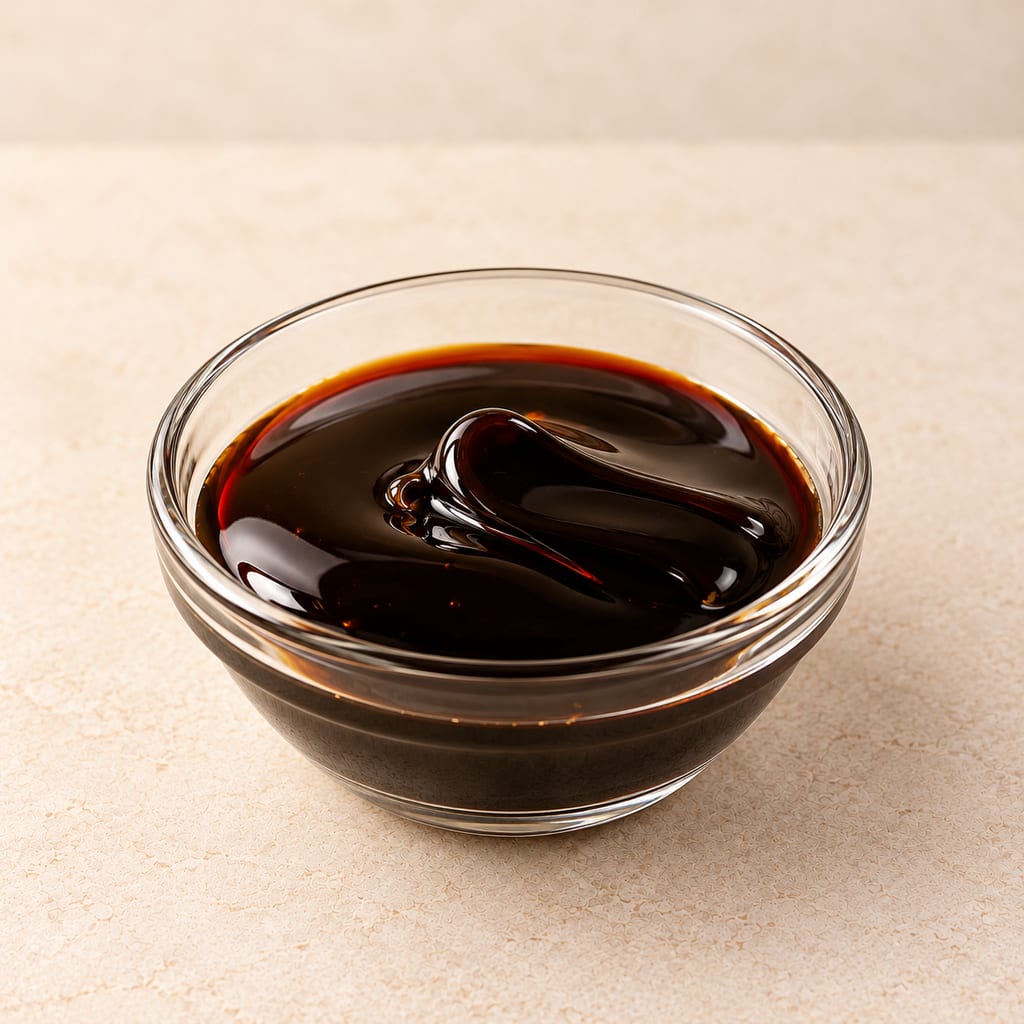
Molasses is the syrup separated as sugar crystallises from cane or beet; its grades and food uses vary, from Anadama and steamed brown bread to fermentation.
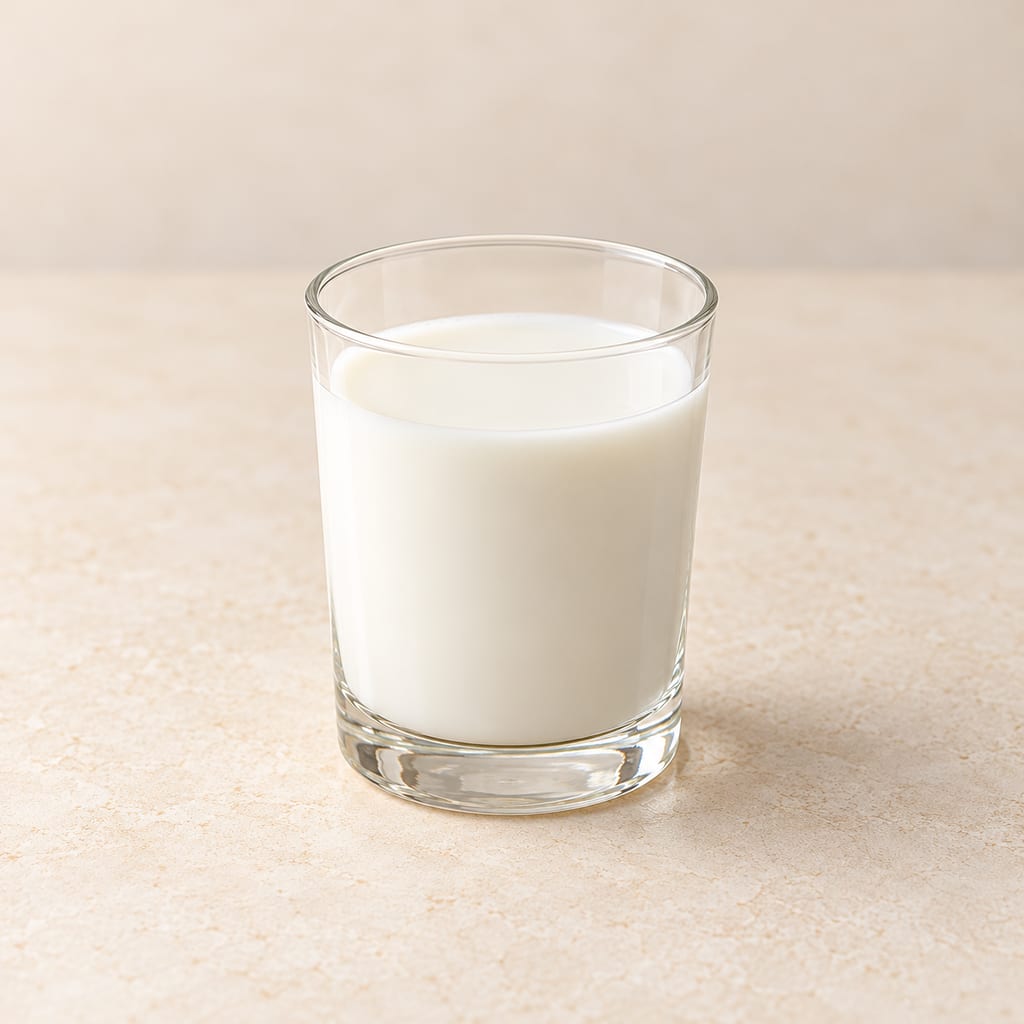
Milk with most of its fat separated into cream, retaining lactose and proteins used in cultured curds, starter media and other dairy foods.
No community contributions have been published for this entry yet.
Sign in to contribute. Published comments and photos are free to read.
Journal of Dairy ScienceIngredient context · Uses
Invited review: Acid whey trends and health benefitsThe review describes acid whey associated with Greek yogurt and acid-coagulated cheese production, and discusses research uses including fermented beverages, culture media and recovery of lactose and minerals. These are potential applications, not a validated household process.
Cited in: A process-defined whey stream; Research and food uses; Limits
Journal of Dairy Science 108(5), 4761–4784Research · Ingredient context
Changes in microbial community structure during adaptation of kombucha symbiotic culture of bacteria and yeast to fermentation of sweet and acid wheyA B. anomalus-containing kombucha SCOBY was sequentially adapted to sweet and acid whey; microbial community composition changed during the study.
Acetic acid and ethanol were major products in the whey fermentations; findings apply to the studied culture and experimental conditions, not a general home recipe.
Cited in: Research and food uses; Limits
Vísindavefurinn, University of IcelandHistory · Use · Safety
Hvernig er súrmatur búinn til og hvernig eykur súrsun geymsluþol matvæla?The Icelandic account describes fermenting skyr whey with lactic-acid bacteria from sour skyr and using the soured whey to preserve cooked foods.
Its stated acidity, cooking, cooling and refrigeration instructions refer to the described traditional sour-meat process and are not universal limits for every whey or fermentation.
Cited in: A process-defined whey stream; Icelandic sour-whey traditions
MatísHistory · Use · Safety
Súrmatur: Hollusta og möguleikarThe Matís account describes Icelandic skyr-whey preservation of meat and offal and notes differences among household methods and whey types.
It emphasizes refrigeration and monitoring acidity; this historical/technical account does not establish a single universal home process.
Cited in: A process-defined whey stream; Icelandic sour-whey traditions; Limits
Matarauður ÍslandsHistory · Use
Whey, Ale & moreThe Icelandic food-heritage account describes diluted soured whey as an everyday drink, sometimes flavored with herbs, berries or sorrel, and mentions modern whey drinks.
Cited in: Icelandic sour-whey traditions