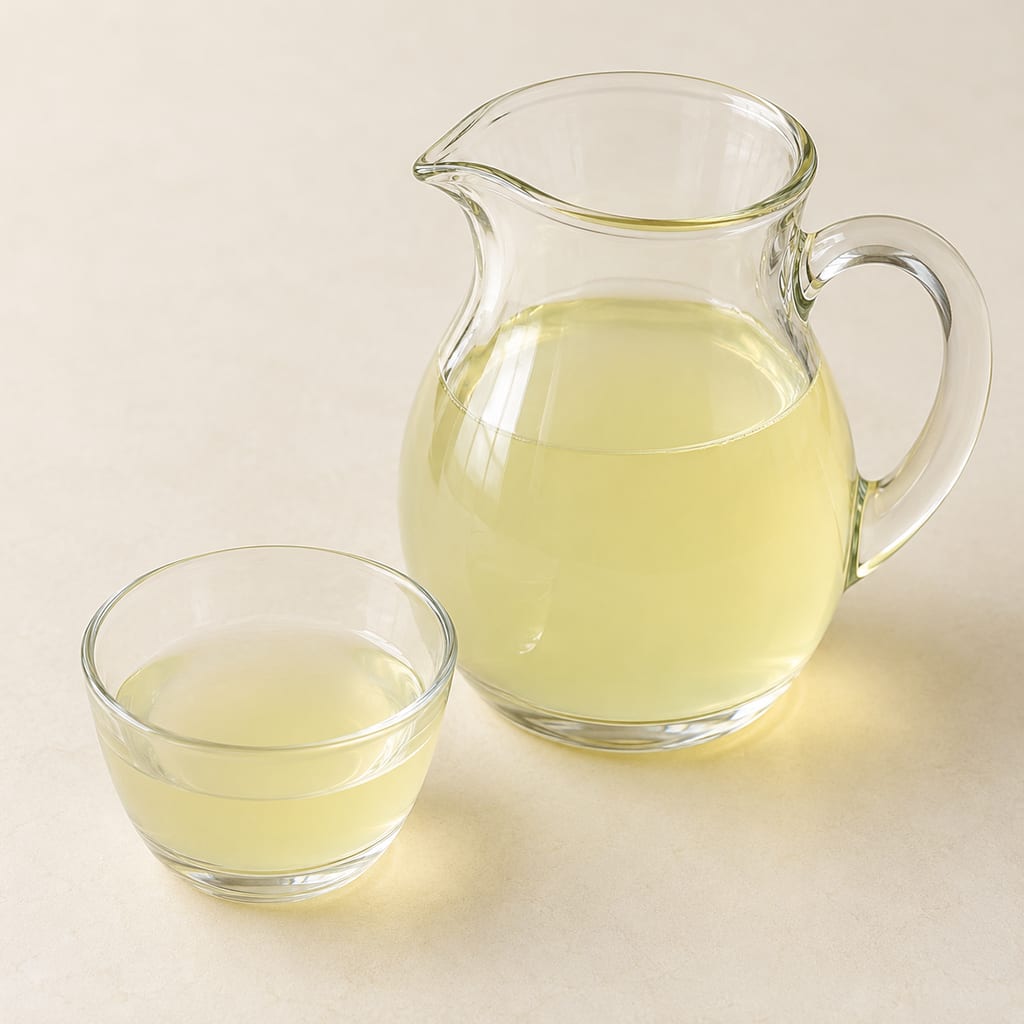
Acid whey
Acid whey is liquid left after acid coagulation of milk, including cultured dairy. Its composition and uses vary. Icelandic sour skyr-whey is related, but not automatically the same material.
 FermenteaWhere food goes to change
Substrates
Iceland moss, Cetraria islandica, is an Arctic-alpine lichen, not a moss or a mushroom. It was boiled to remove its bitterness and used in breads, porridges and soups, and now survives mainly in folk remedies.
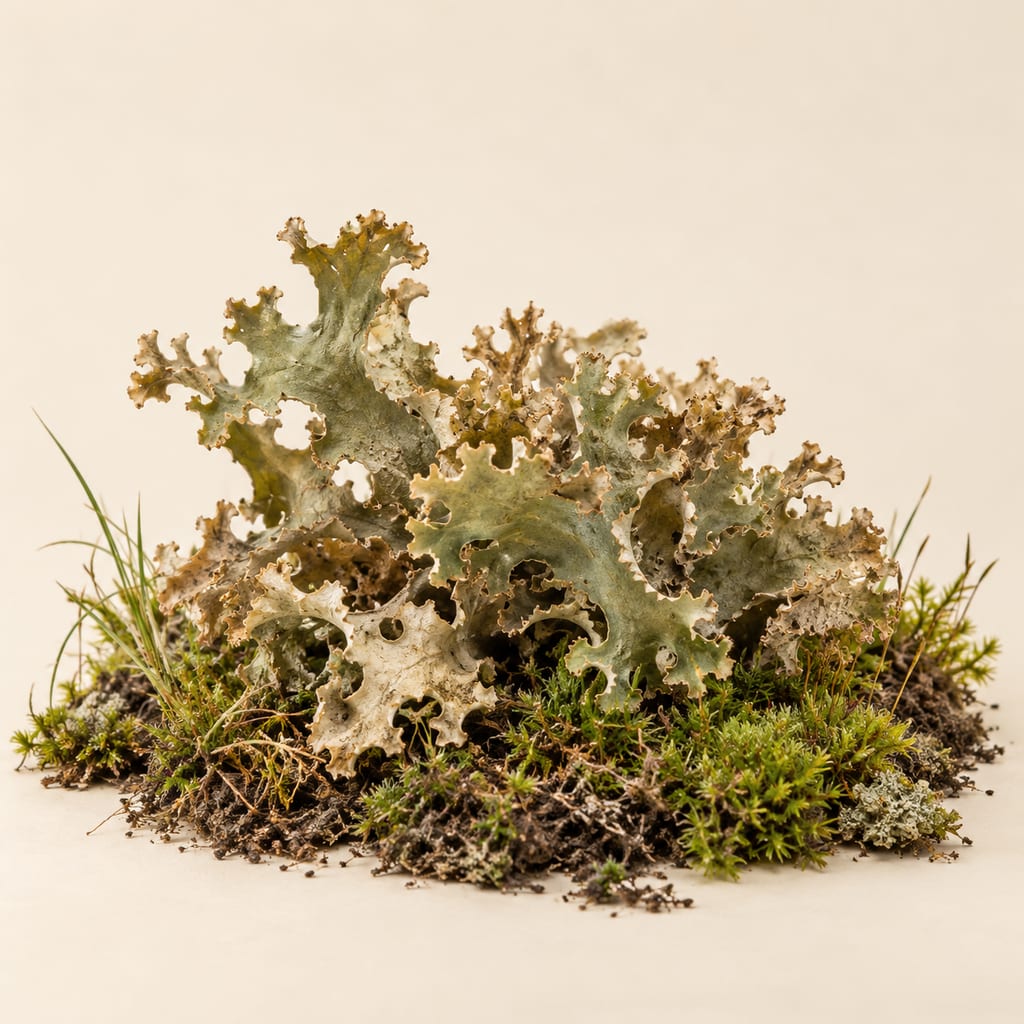
Iceland moss, Cetraria islandica, is an upright, leaf-like lichen that resembles a moss. It is a lichen, a partnership of a fungus and an alga, and not a moss or a mushroom. Lichen taxonomy places it in the Parmeliaceae. Carl Linnaeus described it as Lichen islandicus in 1753, and Erik Acharius placed it in Cetraria in 1802.
It is pale chestnut in colour, sometimes greyish-white, and grows to about 7.6 to 10 cm, with flattened, fringed lobes. It is an Arctic-alpine species found in northern mountains and on the lava slopes of western and northern Iceland, and it also grows in northern Britain and Ireland and across the Arctic of North America.
Lichenin, a starch-like polysaccharide, makes up about 70 per cent of commercial material and is the reason the lichen thickens liquids. The bitter taste comes mainly from cetraric acid. Other constituents include fumaric acid, lichenostearic acid, lichesterinic acid and protolichesterinic acid, with thallochlor, a modified chlorophyll, giving the colour.
All parts of the lichen are edible, according to Wikipedia. The dried lichen is soaked before use, and boiling reduces the bitterness. As a thickener it can be added to milk or grain dishes, and it can be dried and stored for later use.
For centuries it was used widely in breads, porridges and soups in Iceland and other northern countries. Its use has since declined, and it now appears mostly in folk remedies and in a few Icelandic dishes. The catalogue records the historical use as processed for breads, porridges and soups, and it marks the individual record for inspection because the traditional processing and the compound exposure both need separate research.
The sources read here do not establish a safety assessment for regular food use of Iceland moss. Wikipedia gives no explicit safety warning, and the catalogue asks for the traditional processing and compound exposure to be researched before any use is recommended. Medicinal use, which the sources connect with cetraric acid as a bitter tonic, is outside the scope of this food record.
This page does not give a dose, a preparation for daily eating, or a verdict that the lichen is safe to eat.
The catalogue names Iceland and northern Europe. The country-level row records Iceland only; the wider northern European use is not given a finer place.
Acid whey is liquid left after acid coagulation of milk, including cultured dairy. Its composition and uses vary. Icelandic sour skyr-whey is related, but not automatically the same material.
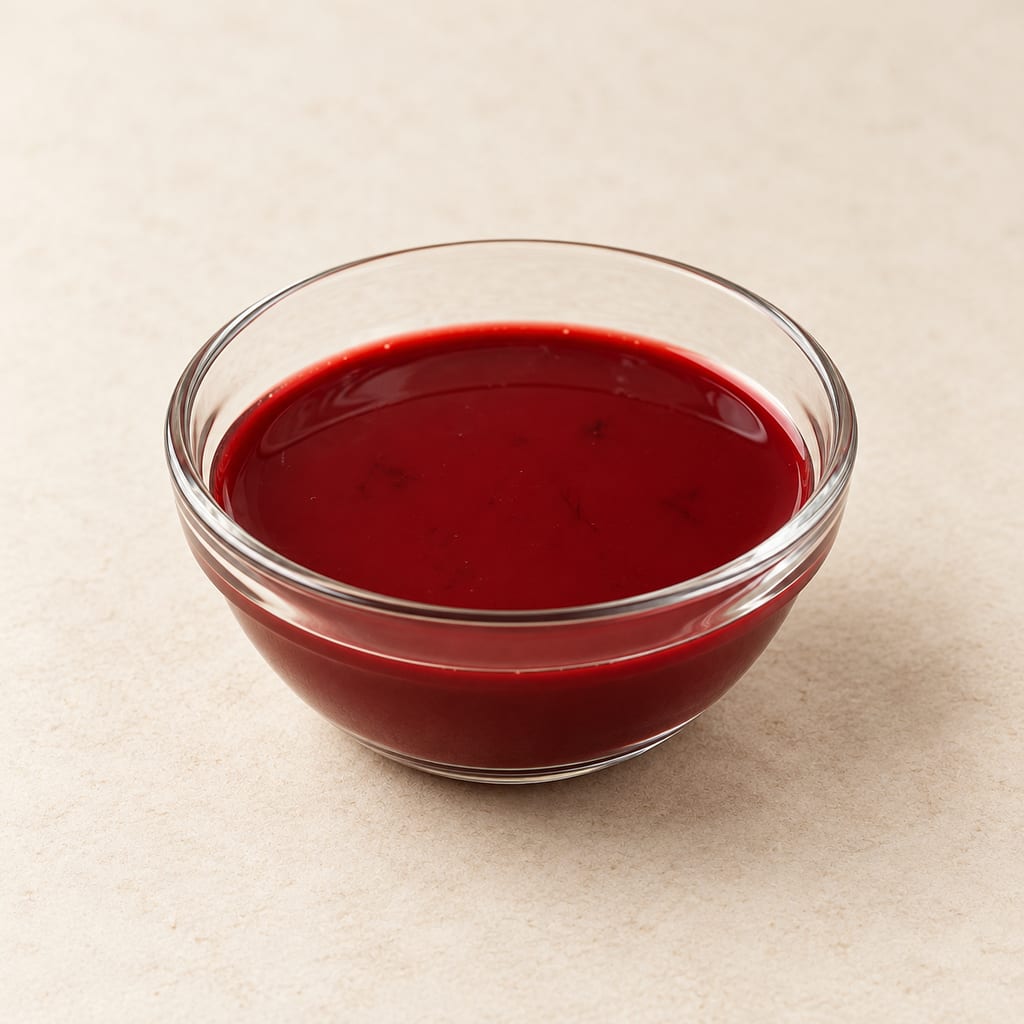
Animal blood is a perishable food material used fresh, coagulated, cooked, dried or processed into ingredients. Its uses range from grain-filled puddings to functional protein ingredients, each with distinct history and handling needs.
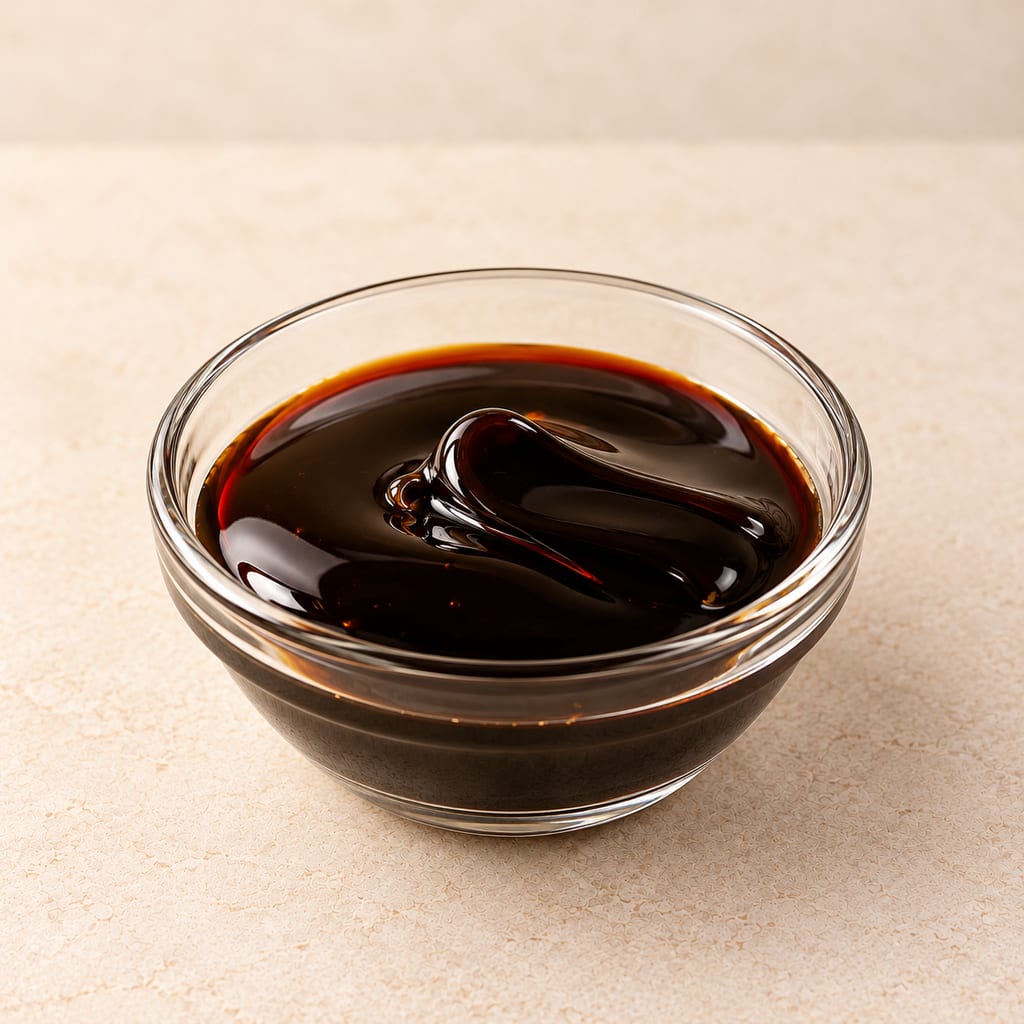
Molasses is the syrup separated as sugar crystallises from cane or beet; its grades and food uses vary, from Anadama and steamed brown bread to fermentation.
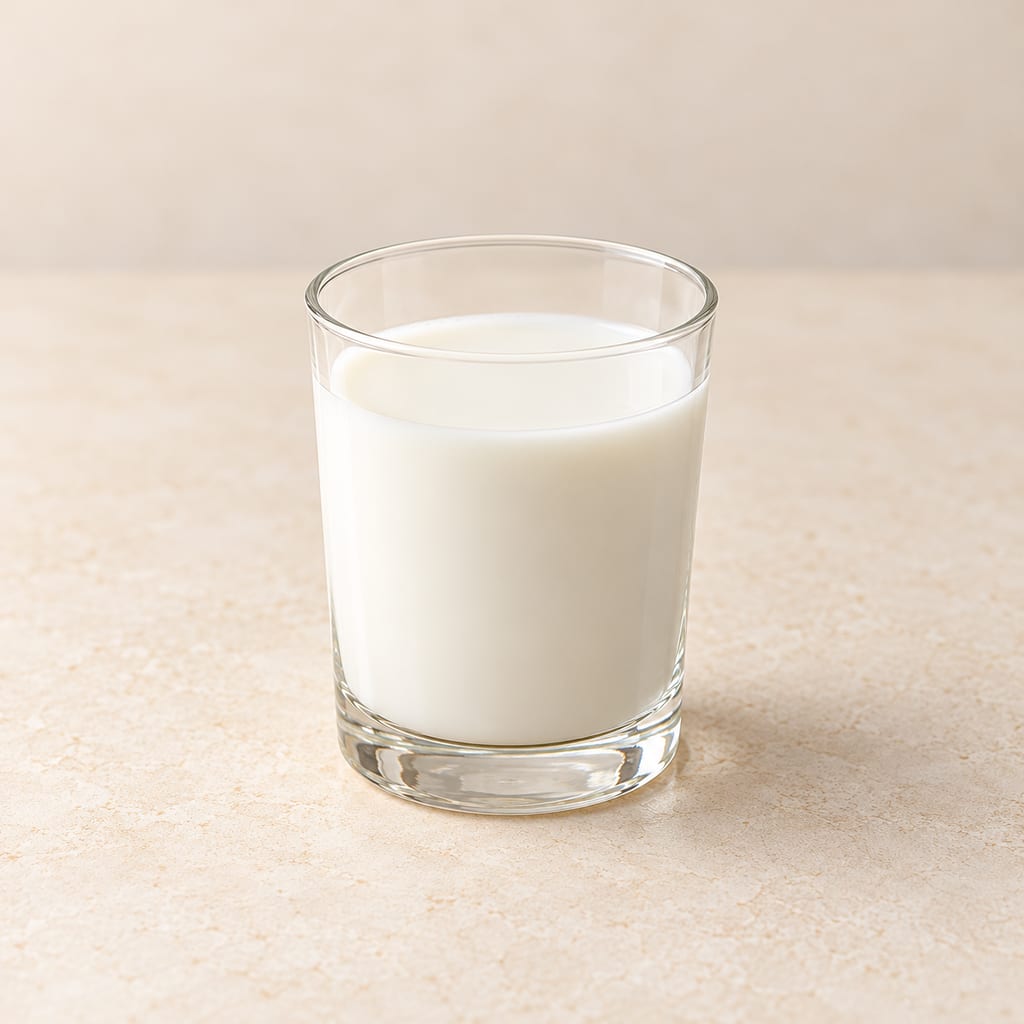
Milk with most of its fat separated into cream, retaining lactose and proteins used in cultured curds, starter media and other dairy foods.
No community contributions have been published for this entry yet.
Sign in to contribute. Published comments and photos are free to read.
WikipediaIdentity · Method · History
Cetraria islandicaCetraria islandica (L.) Ach. 1802; basionym Lichen islandicus L. 1753
Lichenin about 70 per cent of commercial material; cetraric acid gives the bitter taste
All parts are edible; dried lichen can be soaked; boiling reduces bitterness
Once widely used in breads, porridges and soups; now mostly in folk remedies and a few Icelandic dishes
The article gives no explicit safety warning
Cited in: Overview; Constituents; Food use; Safety
PubMed CentralCatalogue source
Catalogue source paper (PMC5320728)Named in the supplied catalogue as the historical food-use source; the page returned a browser check in this pass, so its claims are not relied on here
Cited in: Food use; Safety