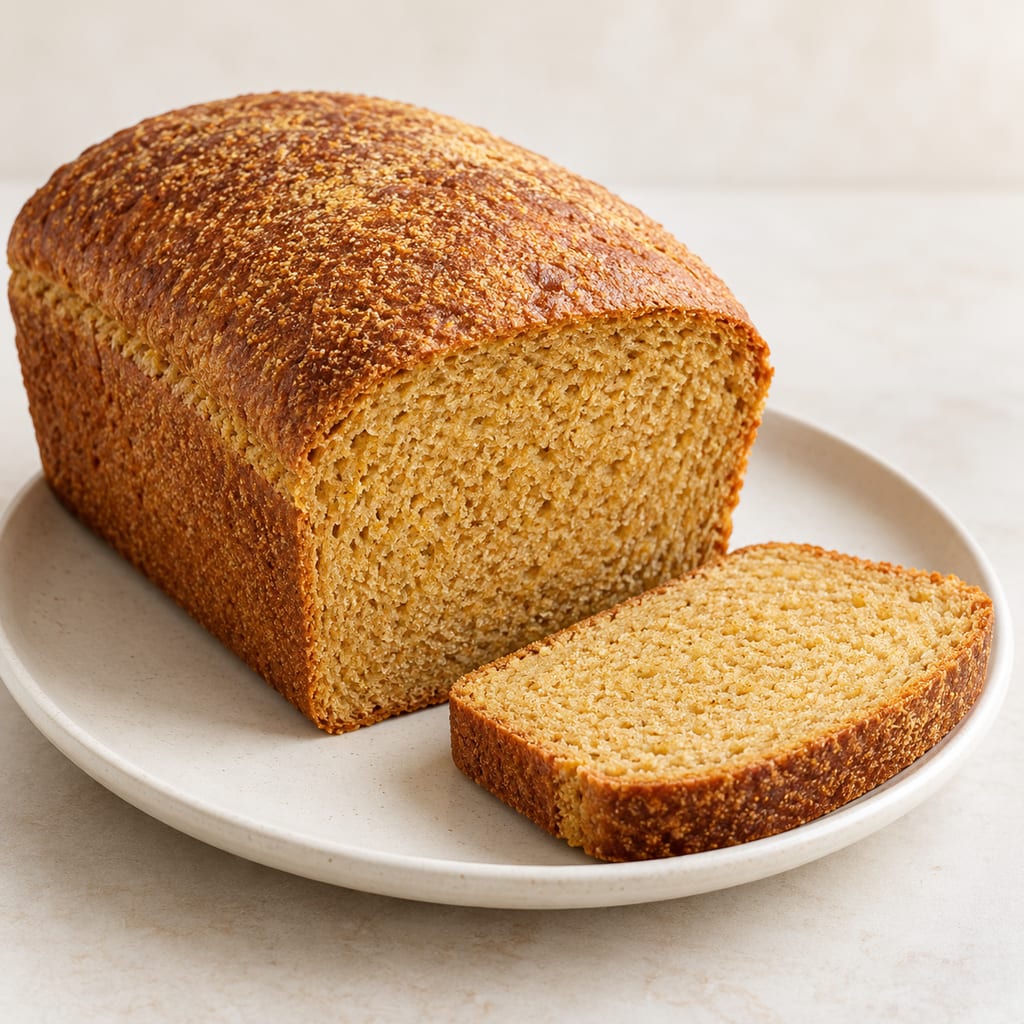
Anadama
Anadama is a New England yeast loaf made with wheat flour, cornmeal and molasses. Scalded cornmeal enriches the dough, while molasses lends sweetness and a dark crust; it is especially good toasted or beside soup and baked beans.
 FermenteaWhere food goes to change
Sugar sources
Molasses is the syrup separated as sugar crystallises from cane or beet; its grades and food uses vary, from Anadama and steamed brown bread to fermentation.
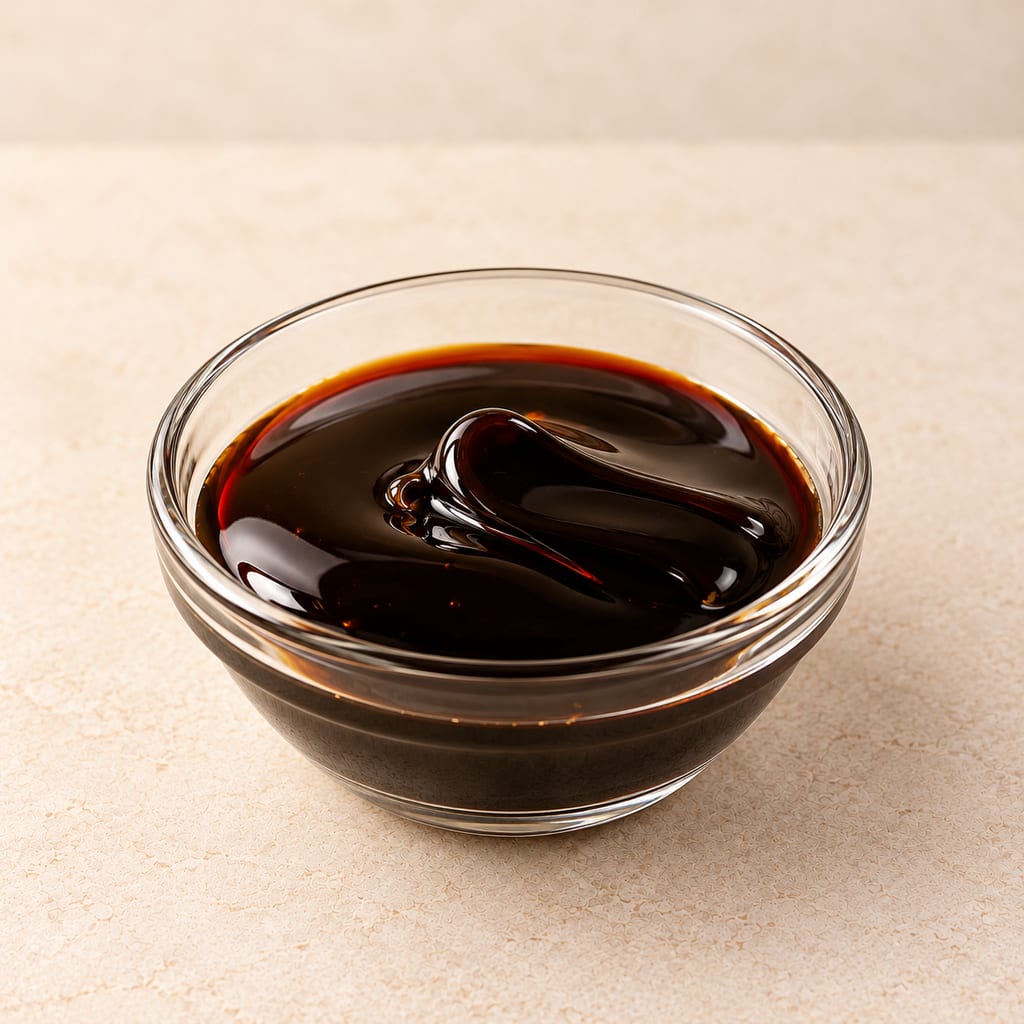
Molasses is a concentrated syrup separated as sugar crystals are recovered from sugarcane or sugar beet. Sugar production first extracts and concentrates juice, then crystallises sucrose and separates the crystals from the remaining liquid. The residual syrup is a sugar-industry co-product; its source crop and stage of processing affect its composition and flavour. Molasses is not simply another name for brown sugar, cane syrup or a sweetened sauce.
The word covers more than one commercial material. Cane molasses and beet molasses come from different crops. Sugar processors also produce distinct syrup streams at different stages, and labels may use terms such as light, dark, robust, blackstrap, treacle or cane molasses. Those names do not give a universal grade across every country or manufacturer. Check the ingredient statement and product specification when a recipe names a particular kind.
British treacle is a dark syrup used in baking and puddings. Some labels use black treacle for a molasses-like product, but treacle is not a precise synonym for every cane or beet molasses. Blackstrap is a specific dark cane-molasses product associated with the final sugar-recovery stage. The separate first-run cane syrup and the syrup left after repeated crystallisation should not be merged merely because a source or recipe uses molasses loosely.
In a cane mill, stalks are cut and crushed for juice. The juice is clarified, concentrated by evaporation and put through crystallisation and centrifugation; the crystals separate from a dark syrup. Refining separates more sugar from raw crystals and produces additional syrup streams. Beet factories slice the roots, extract sucrose into water and crystallise it from a concentrated juice, leaving beet molasses behind. These are industrial operations, and no tested home procedure for making refinery molasses appears in the sources consulted.
Molasses from each process differs. The U.S. International Trade Commission describes cane blackstrap as a by-product that is sold mainly for animal feed, and describes beet molasses as a feed ingredient and a source for industrial products such as baker's yeast. Sugar-industry sources also record molasses in food, baking and fermentation. An ingredient must be labelled and sold for human food before a cook treats it as edible; feed-grade material is not interchangeable with food-grade molasses.
Consumer baking terms describe flavour and recipe behaviour as much as an exact factory stage. Lighter molasses tends to taste milder, while dark or blackstrap products are stronger and more bitter. Regional names such as treacle add another layer. A recipe that specifies molasses may be written for its own local jar; a dark blackstrap product can change bitterness, colour and moisture. Use the grade a tested formula names instead of assuming all syrups swap in equal amounts.
The historical record consulted documents molasses as a traded food in New England by the early eighteenth century. Boston merchants and householders bought it from the West Indies, where sugar plantations produced the cane and molasses. The West End Museum describes molasses as a less expensive sweetener that became a staple food in the region, as well as a raw material for rum distilling. This attests to use and trade, not to a New England invention or the first production of molasses.
That trade depended on slavery. Enslaved Africans and their descendants produced sugar on Caribbean plantations, while Boston and other New England ports moved molasses and rum through a wider Atlantic economy. The Molasses Act of 1733 tried to tax imports from non-British islands; New England merchants continued to trade molasses from French Caribbean colonies as well as British islands. The food history should keep the forced labour behind the commodity in view rather than present the sweetener as an isolated local tradition.
The sources do not establish one person, country or date as molasses's origin. Sugarcane and beet have long and different histories, but a crop's history does not by itself date the syrup left by crystallisation. The earliest dated use in this entry is an early eighteenth-century New England account. It is a limit of the evidence consulted, not a worldwide first-use date.
In New England Anadama bread, molasses appears with cornmeal, wheat flour and yeast. Yankee Magazine's current two-loaf formula uses half a cup of molasses, and describes the ingredient as part of the bread's sweet, nutty aroma and flavour. The magazine says the name first appeared in print in 1915. It presents the story of a Gloucester fisherman and his wife as a local legend, so that story is not evidence of a settled date or inventor.
Molasses also appears in a Maine Historical Society record for steamed brown bread dated circa 1870. The museum describes cornmeal and molasses as features of New England brown bread, often steamed and served with baked beans. Historical versions differ in their grain blends and methods; this one recipe record should not stand for every New England loaf. The archive page is used as evidence for the recipe and place only. The institution restricts image reuse, so its photograph is not included.
A contemporary King Arthur Baking version of Icelandic rye bread combines honey and molasses. Its own note says golden syrup is the traditional sweetener and that the honey-molasses blend is the test kitchen's adaptation. That page documents a modern way to use the ingredient in a recipe named for Iceland; it does not establish historical Icelandic use. Other baking sources describe molasses in gingerbread, fruit cakes and dark sauces, where its strong flavour and colour are chosen deliberately.
Molasses brings dissolved sugars, water and a distinctive cooked flavour to a dough. Its dark colour deepens the loaf's crumb and crust, while its syrup consistency changes the liquid balance. A food-grade blackstrap specification describes its product as adding humectancy, colour and viscosity in formulated foods. That statement belongs to the specified product; it does not mean that every jar has the same moisture, sweetness or bitterness.
In a yeast-raised Anadama formula, molasses is mixed into the dough along with the other ingredients. It sweetens and colours the loaf, but it is not the leavening organism. Yeast ferments available sugars and produces gas; a commercial molasses stream may also be used in fermentation industries. In bread, molasses can feed yeast as one source of sugar, but it does not replace the yeast or specify a safe proofing time.
A formula's flour, cornmeal, liquid, yeast, salt and pan all shape the result. The molasses quantity in one loaf cannot be transplanted as a universal amount for another recipe. If a source formula uses a lighter syrup, using a bitter blackstrap can change the taste. Preserve the specified ingredient and method when repeating a published bread, or test changes as a separate adaptation.
Molasses is a versatile sugar ingredient beyond bread. Sugar-industry sources list gingerbread and fruit cakes; dark treacle also appears in puddings, sauces and glazes. Commercial blackstrap specifications describe use in beverages, dairy products, coatings and other food formulations. Those broad uses do not mean every grade is appropriate for each dish. A recipe may depend on the strength, colour and moisture of its named product.
In the early New England trade, molasses was fermented and distilled into rum. In modern sugar industries, molasses also feeds yeast production and other fermentation processes. It supplies substrate; it is not a starter culture, and the molasses itself does not establish the microorganisms or controls required for a fermentation. Use a specific, researched preparation for any alcoholic or fermented product rather than inferring a process from the ingredient.
Molasses is also used outside food, especially for animal feed and industrial fermentation. This matters when buying bulk material: a product called molasses may be produced for livestock or factory use, not for a kitchen. Read the product label for food-grade status, source crop and added ingredients. This page's bread examples refer to food molasses in the cited formulas.
Match the jar to the recipe. If the formula names light, dark, unsulphured, blackstrap or treacle, follow that wording and check the ingredient list. The names are regional and commercial, and beet molasses, feed molasses and cane molasses are not automatically the same product. A baker choosing a substitute should compare the product's flavour and instructions; the consulted sources do not support one universal replacement ratio for every molasses grade.
For Anadama or brown bread, the documented home use is to add food-grade molasses as the recipe directs. The Yankee Magazine and King Arthur formulas mix the sweetener into the dough or batter with the other ingredients; their quantities and timings belong to those exact recipes. The sources consulted do not give a safe home process for boiling sugar juice into refinery molasses. Home blending or evaporation instructions should not be invented from the factory description.
Commercial handling instructions vary. One U.S. edible blackstrap data sheet recommends an odour-free storage environment at 75–100°F and use within 12 months. Those numbers apply to that named bulk product. For a retail jar, follow its label and closure directions; this entry does not assign a shelf life or storage temperature to every molasses.
Some molasses products contain sulfites, whether present from processing or added under a product-specific method. In the United States, the FDA requires sulfites to appear on a food label at 10 parts per million or more. The agency does not list sulfites among the major allergens, but notes that some sensitive people can have hypersensitivity reactions. Anyone who avoids sulfites should check the package label and use the information for that exact product.
A supplier's statement about one edible blackstrap product cannot establish the composition or dietary suitability of every other molasses. Cane and beet products, grades and processing aids differ. Do not assume that a jar is free of sulfites, suitable for a particular diet or safe for every sensitive person from its colour alone. Follow the manufacturer label and seek appropriate medical advice for a personal dietary concern.
The West End Museum records molasses as an affordable food sweetener and trade commodity in New England; the trade depended on enslaved labour in the Caribbean sugar economy. This does not place the origin of molasses in New England.
Yankee Magazine's Anadama formula includes molasses with cornmeal and yeast. Its local origin story is explicitly presented as legend; the formula documents use, not a settled invention date.
Maine Historical Society describes molasses in a New England steamed brown bread recipe. Its image rights are restricted by the holding institution, so only its factual record is used.
This contemporary U.S.-published version combines honey and molasses; its source says golden syrup is the traditional sweetener. It does not establish a historic Icelandic molasses tradition.
Anadama is a New England yeast loaf made with wheat flour, cornmeal and molasses. Scalded cornmeal enriches the dough, while molasses lends sweetness and a dark crust; it is especially good toasted or beside soup and baked beans.
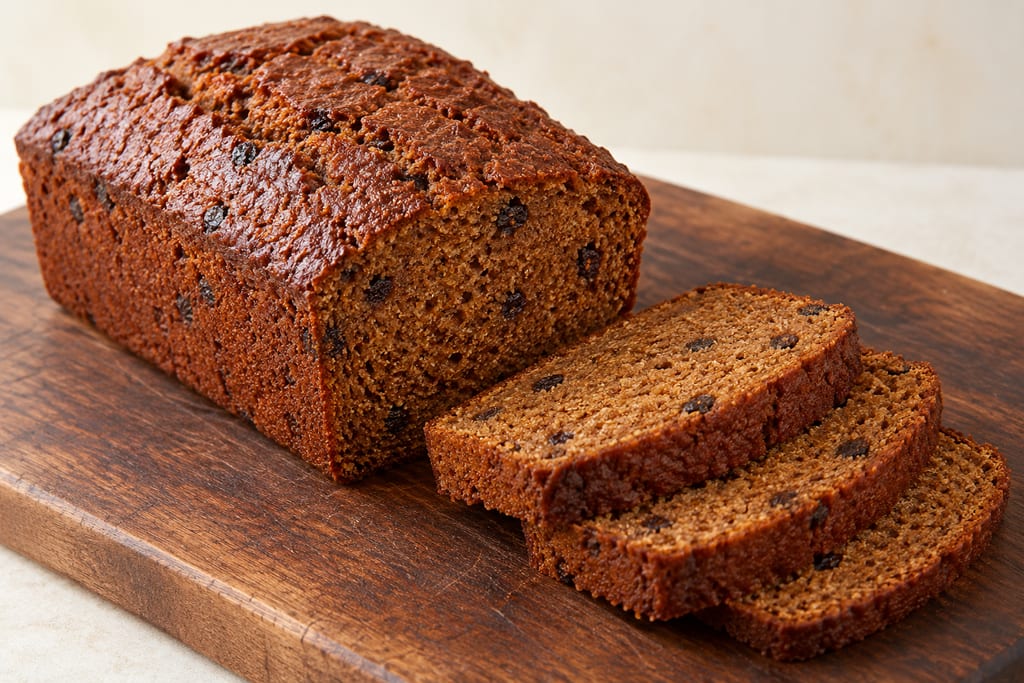
A molasses-sweetened rye, wheat and cornmeal batter that can be steamed on the stovetop or baked in a covered pan.
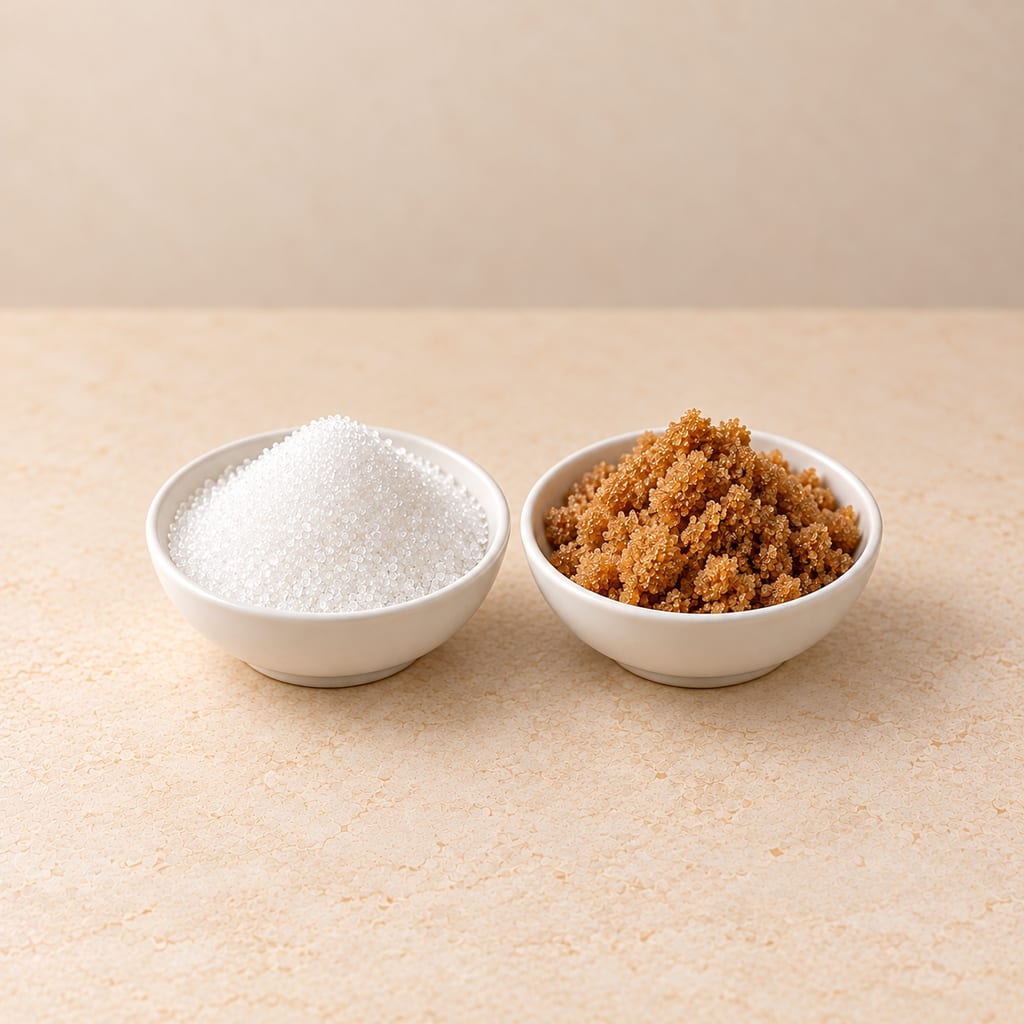
White sugar is refined sucrose, almost pure; brown sugar is sucrose with molasses, left in or added back. Molasses makes brown sugar moister, darker and more strongly flavoured.
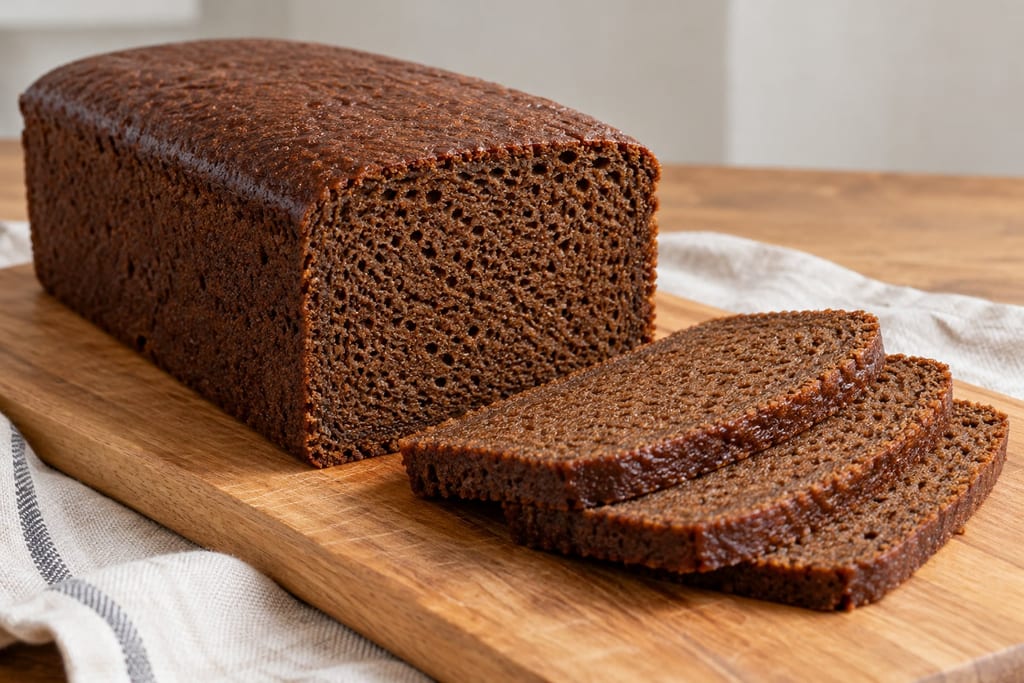
A dense, gently sweet Icelandic rye loaf leavened with baking powder and baking soda, mixed with buttermilk, honey and molasses, then baked under a lid in a Pullman pan.
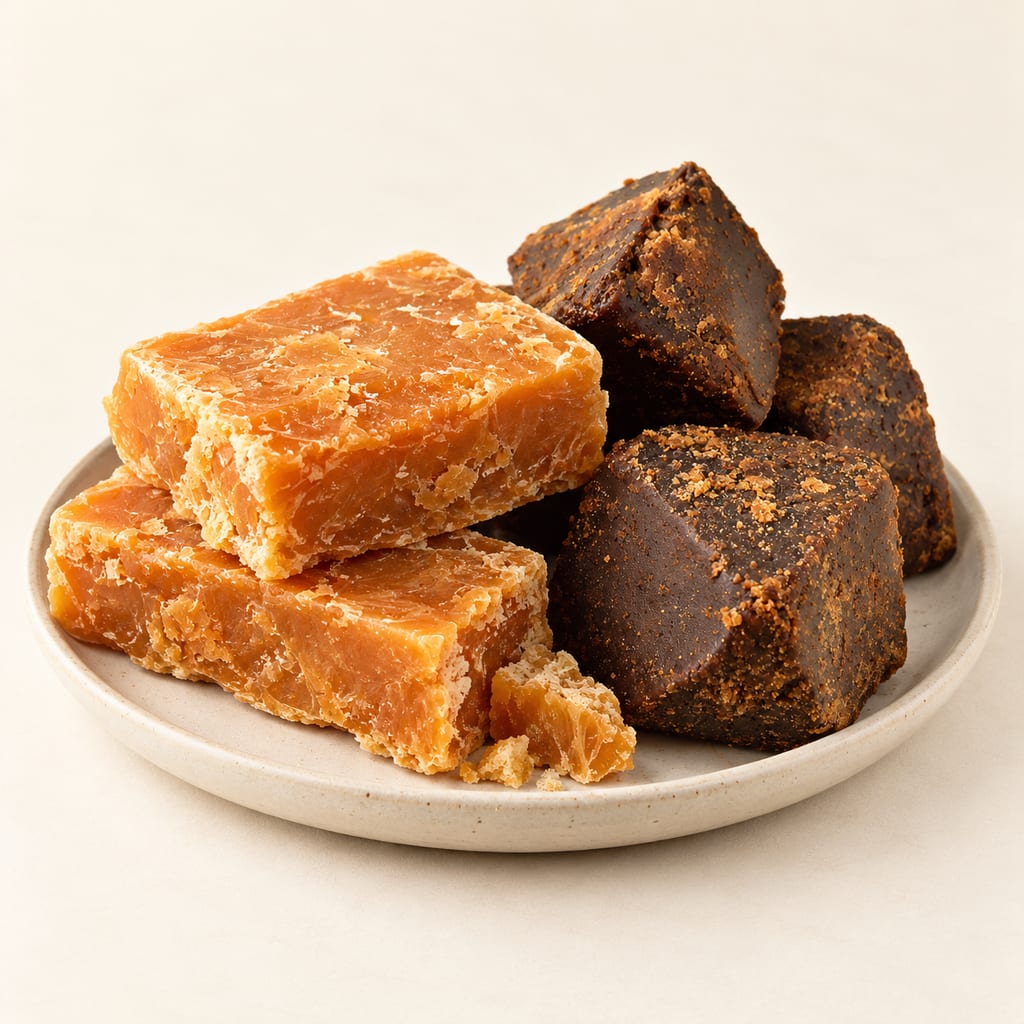
Jaggery is a family of concentrated, non-centrifugal sweeteners made from cane juice or palm sap. Plant source and form shape its flavour and use.
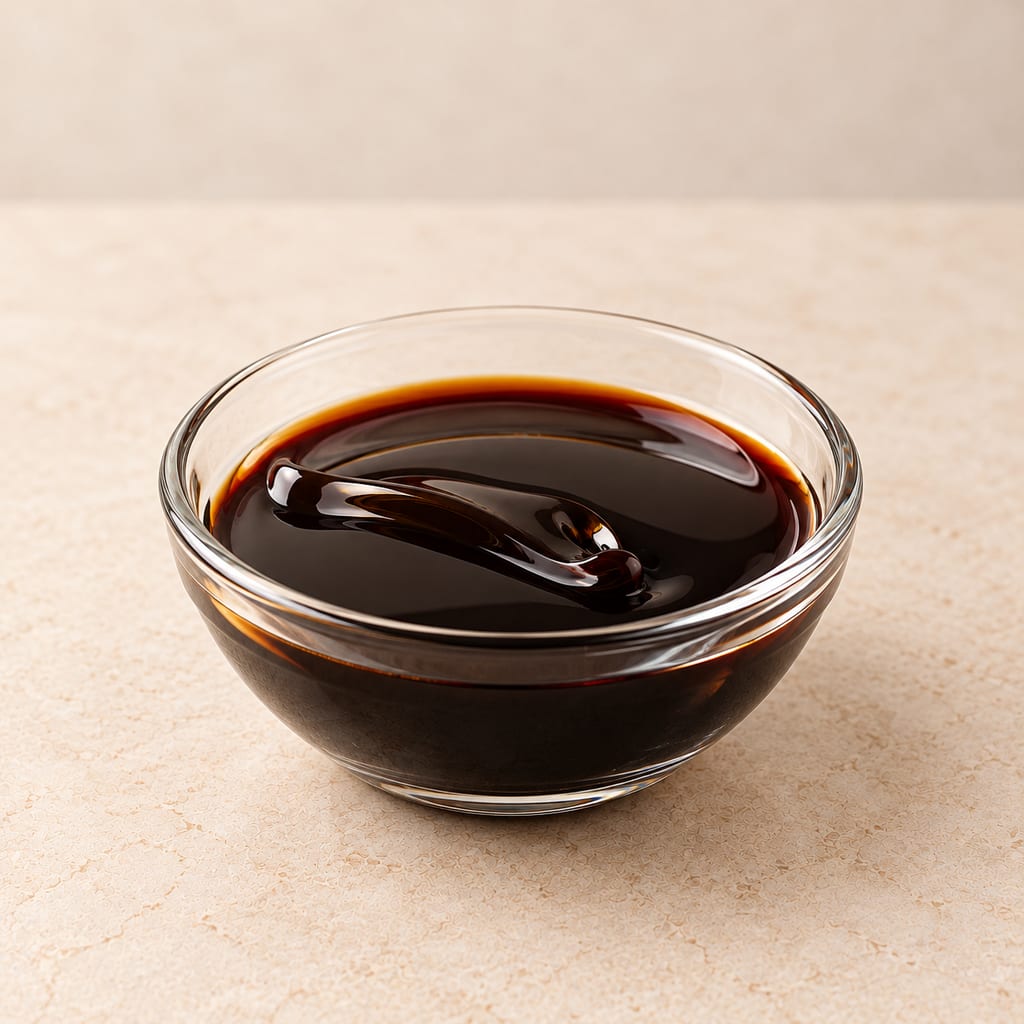
Cane syrup is sugarcane juice boiled down until it is thick and sweet, or the first syrup left after sugar is crystallised. Historical American recipes used it as a sweetener in ham cures.
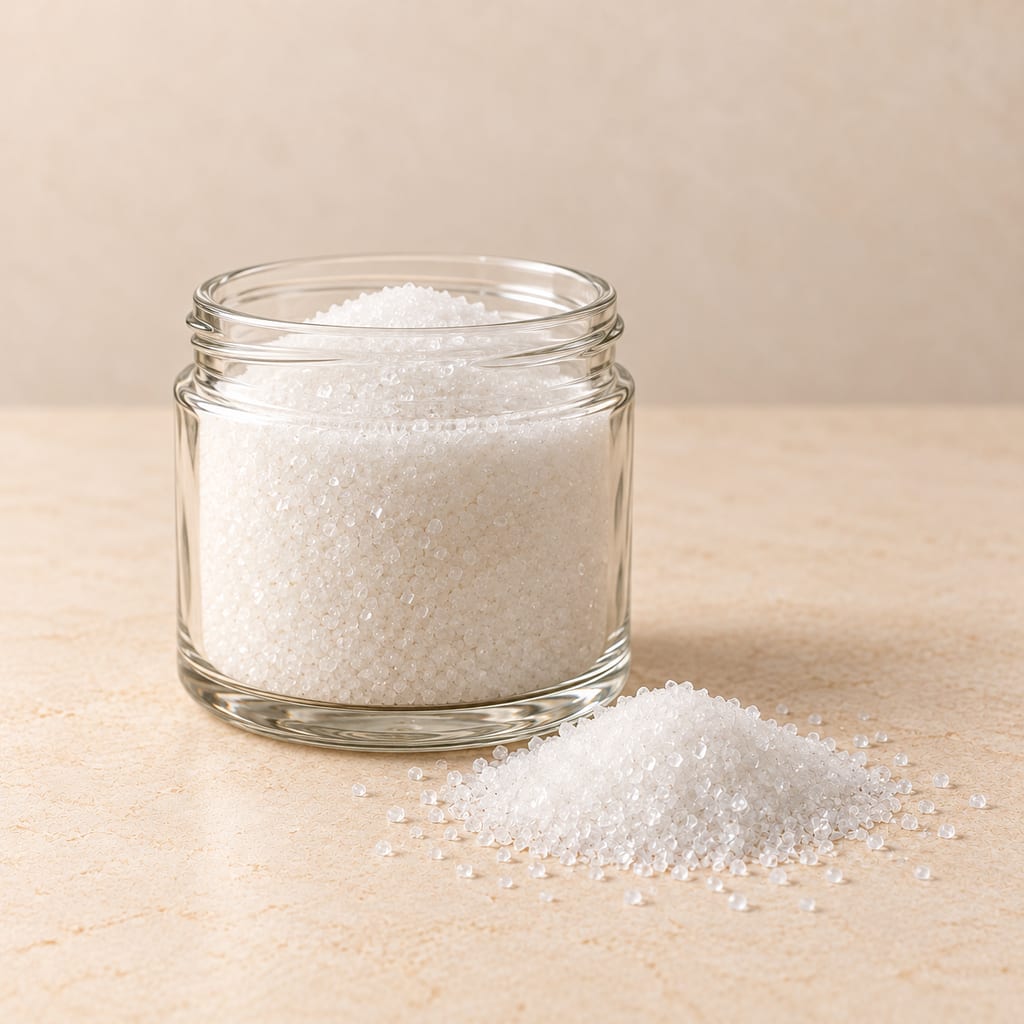
Sugar is a family of sweeteners with different forms and food roles; refined white sucrose may come from cane or beet, while less refined forms add other flavours and moisture.
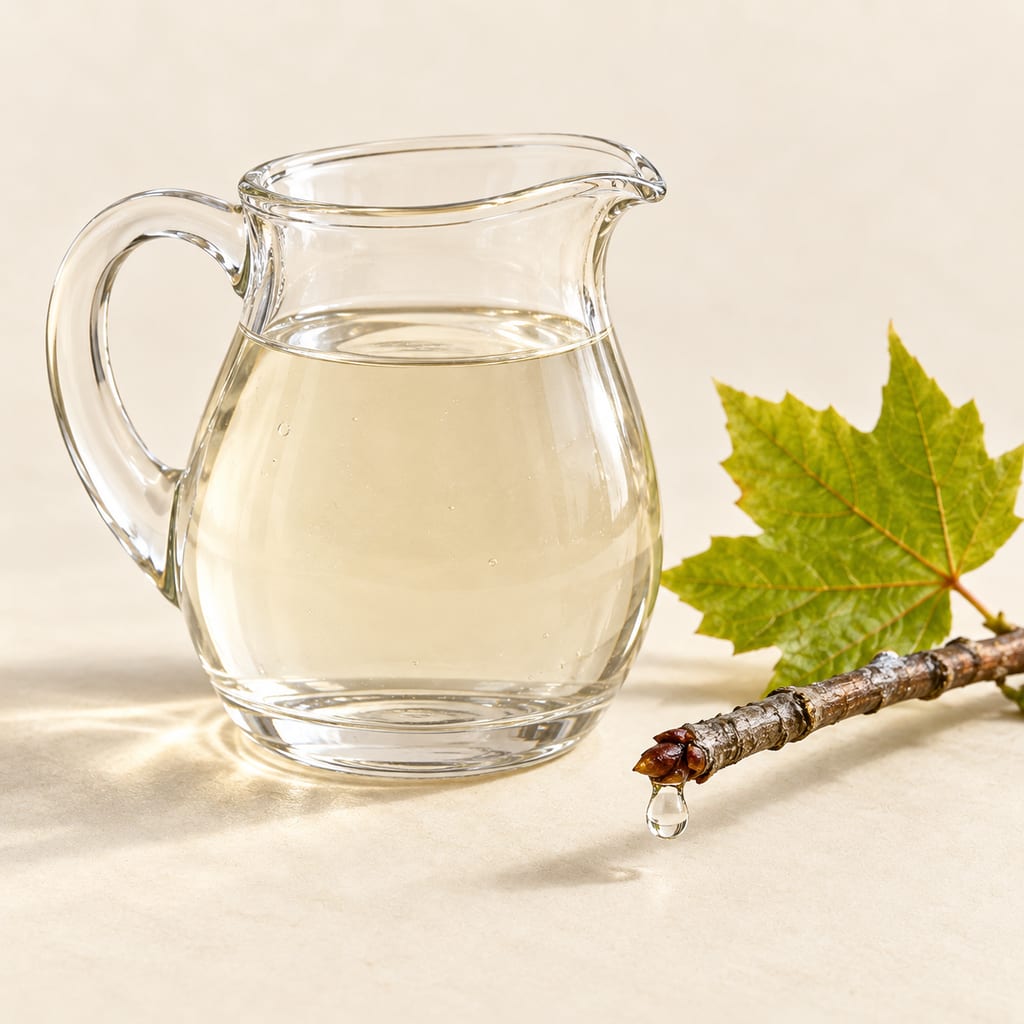
Maple sap is the dilute, mildly sweet liquid gathered from maple trees in late winter and early spring, before heat concentrates it into syrup or sugar.
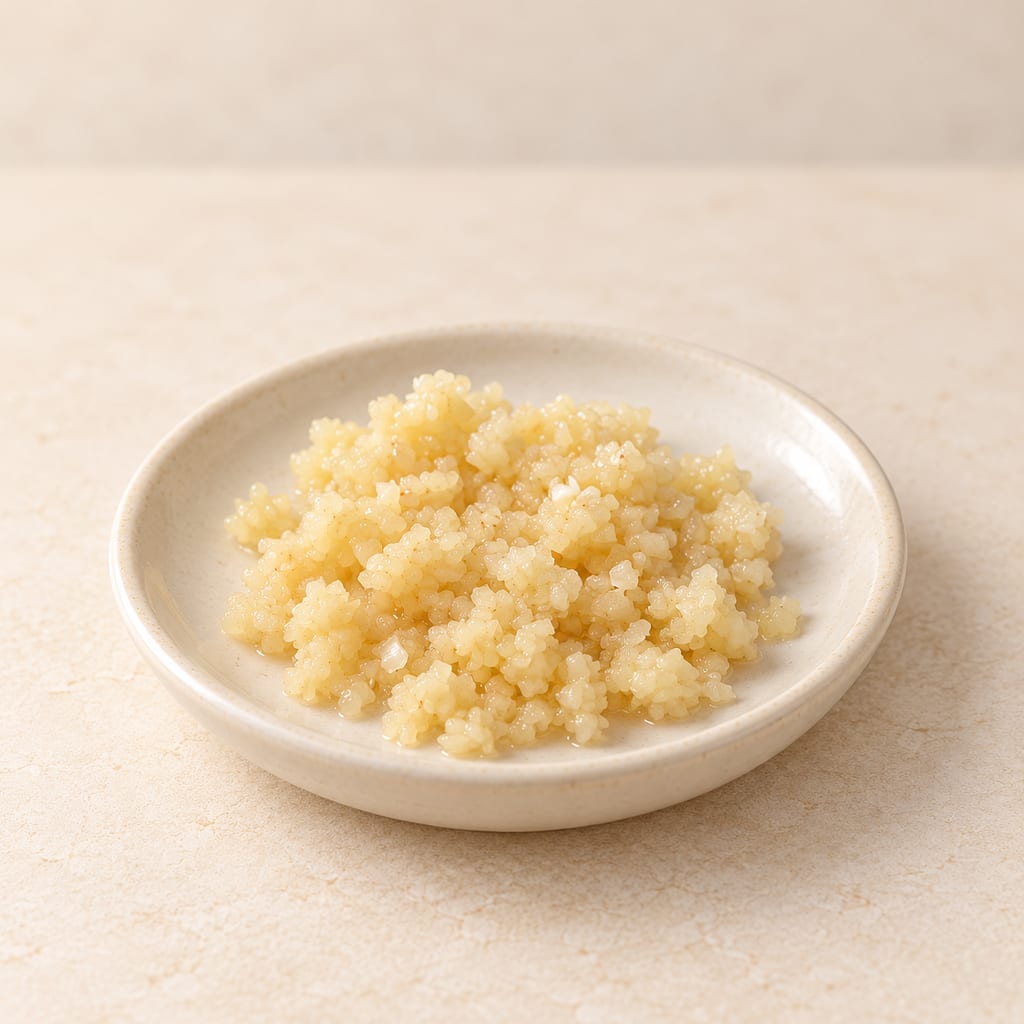
Minced garlic is peeled Allium sativum cut into small, moist pieces, releasing the pungent sulfur aromas that season sauces, vegetables and meat preparations.

A gelling polysaccharide extracted from red seaweeds, sold as kanten strips or powder; it sets firm at a low concentration and stays solid until about 85 °C.

A Dominican table and seasoning condiment of sour orange juice, mixed with lime and salt and bottled raw; garlic, oregano or a hot pepper may be added for meat or a spicier bottle.

Cicerbita alpina is an alpine perennial whose tender shoots and leaves have been eaten raw or cooked. Sámi milk preparations and modern Carnian dishes are distinct uses, with serious identification and preservation limits.

Japanese skipjack tuna cooked, then repeatedly smoked and dried over a wood fire by the hand-fired tebiyama method into a hard block for shaving into dashi: the first stage of katsuobushi.

A Swedish-style spirit vinegar made by fermenting neutral alcohol with live vinegar bacteria, with a separate guide to commercial ättika strengths.

A yeast-raised wheat ring shaped from a firm dough, briefly boiled and baked. This source-batch formula gives a gently malted crust and a chewy crumb.

A warm dip of garlic, anchovy and olive oil, often enriched with butter, that Piedmont serves over a flame with raw and cooked vegetables and bread.

Bechamel is a white sauce of milk thickened with a butter and flour roux, one of the French mother sauces, and the base from which Mornay and other cheese and cream sauces are made.
No community contributions have been published for this entry yet.
Sign in to contribute. Published comments and photos are free to read.
U.S. International Trade Commission, Publication 4467Identity · Processing · Production · Fermentation
Sugar from MexicoDescribes cane molasses separated during sugar crystallisation and beet molasses separated after beet juice is concentrated and crystallised.
Describes blackstrap as a cane-mill by-product sold mainly as animal feed, and beet molasses as an ingredient for feed and industrial products including baker's yeast.
Shows that commercial molasses arises within the sugar-production process; it is not a household ingredient made by a validated simple home process.
Cited in: The syrup left after sugar crystals; Cane, beet and the refinery; A New England sweetener and its trade; Other food and fermentation uses
World Sugar Research OrganisationIdentity · Processing · Uses
Sustainable sugar productionDefines molasses as runoff syrup from the final sugar-crystallisation stage for cane and beet sugar.
Records uses in animal feed, fermentation industries and baking, including gingerbread and fruit cakes.
Cited in: The syrup left after sugar crystals; Cane, beet and the refinery; Molasses in Anadama and brown bread; What it contributes to a dough; Other food and fermentation uses
World Sugar Research OrganisationIdentity · Uses
Types of sugar from cane and beetDescribes treacle as a darker, very thick syrup with a deep flavour, used in baking, traditional puddings, sauces and glazes.
Cited in: The syrup left after sugar crystals
The West End MuseumHistory · Geography · Uses
Rum, Molasses, and Slavery in BostonDocuments early eighteenth-century New England trade in molasses from the sugar-producing West Indies and its use as an affordable household sweetener.
Explains that the sugar and molasses trade was built on the enslavement of Africans and the labour of enslaved people in Caribbean plantations.
Describes molasses as a feedstock for colonial rum distillation; this supports a fermentation and distilling role, not a claim that molasses is itself a culture.
Cited in: A New England sweetener and its trade; Other food and fermentation uses
Yankee MagazineHistory · Geography · Baking · Uses
Anadama BreadThe current New England formula lists molasses with cornmeal, flour and yeast; the recipe uses molasses for a sweet, nutty bread.
The magazine says the name first appeared in print in 1915 and labels the fisherman etymology as local legend rather than settled history.
The source gives a modern two-loaf formula; it does not establish the bread's first preparation date.
Cited in: Molasses in Anadama and brown bread; What it contributes to a dough; Choosing and using it at home
Maine Historical Society / Vintage Maine ImagesHistory · Geography · Baking · Uses
Steamed Brown Bread recipe, ca. 1870Maine Historical Society dates its New England steamed brown bread recipe record to circa 1870 and identifies cornmeal and molasses as regional features.
The record describes a historical text. Its image use is restricted by the holding institution, so no copy of the image is included.
Cited in: Molasses in Anadama and brown bread
King Arthur BakingModern adaptation · Baking · Uses
Icelandic Rye Bread (Rúgbrauð)The contemporary recipe combines honey and molasses in a chemically leavened rye bread, and notes that golden syrup is the traditional sweetener; it is not evidence of historical molasses use in Iceland.
Cited in: Molasses in Anadama and brown bread; Choosing and using it at home
King Arthur BakingGrades · Baking · Selection
Light, dark, and blackstrap: breaking down the different types of molassesExplains consumer terms for lighter, darker and blackstrap grades, sulphured and unsulphured products, and how grade choices affect baking flavour.
Notes that molasses labels and regional names do not map neatly onto a single universal classification; product instructions and recipe wording matter.
Cited in: The syrup left after sugar crystals; Cane, beet and the refinery; What it contributes to a dough; Choosing and using it at home
United States Sugar Savannah Refinery, LLCComposition · Handling · Storage
Edible Blackstrap Molasses: Product Data SheetIdentifies this named edible product as cane molasses and lists food formulation uses; this specification is product-specific, not a universal blackstrap composition.
Recommends an odour-free storage environment at 75–100°F and use within 12 months for this product; these directions are not generalized to all retail jars.
Cited in: What it contributes to a dough; Other food and fermentation uses; Choosing and using it at home; Sulfites and the label
U.S. Food and Drug AdministrationSafety · Handling
Food AllergiesSulfites can cause nonallergic hypersensitivity reactions in some people; U.S. food labels must declare sulfites at concentrations of 10 ppm or higher.
Sulfites are not one of the major food allergens, so readers sensitive to them should read the product's ingredient label.
Cited in: Sulfites and the label