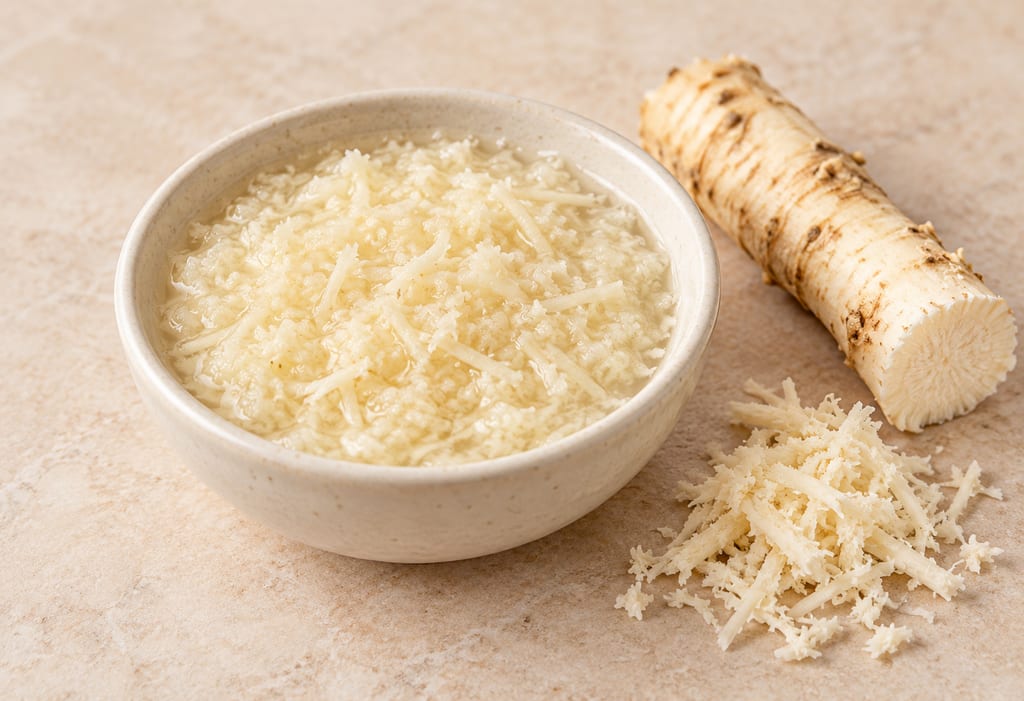
Prepared horseradish
Prepared horseradish is freshly grated horseradish root mixed with vinegar and salt. This refrigerated relish holds the root’s sharp, nasal pungency in a spoonable form.
 FermenteaWhere food goes to change
Modern adaptation
Süßer Senf · Sweet Bavarian mustard · Bavarian sweet mustard · Süßer Senf · Süßer Hausmachersenf-style mustard
A coarse, sweet Bavarian-style mustard of yellow and brown seed in a cooked brown-sugar and vinegar base, made to eat with Weisswurst; an original refrigerated formula.
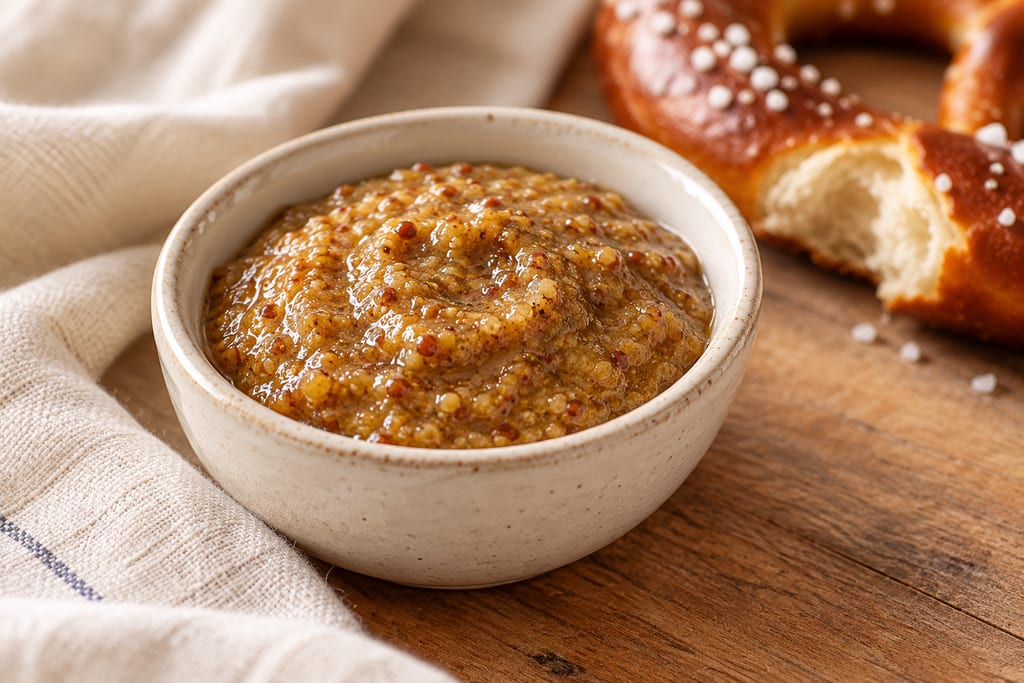
Sweet Bavarian mustard is a coarse, brown-sweet condiment, eaten with Weisswurst and other Bavarian sausages. Its texture comes from the seeds, which are left coarse, and its sweetness comes from a large share of sugar in the mix. It differs from hot smooth mustard in both respects, and sweetness is not in itself a sign of how long the mustard keeps.
This page covers an original formula written in that direction. It is not a copy of a commercial product.
Händlmaier's sweet mustard is the reference point for the style. The producer's page lists its ingredients as water, brown sugar (sugar, glucose syrup and sugar beet molasses), mustard seeds, spirit vinegar and spices. The nutrition table on the same page gives 38.2 g of sugar per 100 ml. The page also calls the mustard Europe's number one among sweet mustards, a claim from the producer rather than an independent measure.
The producer does not disclose its seed mix, spice formulation or processing, so this formula is not a numerical clone of it. The formula uses sugar, molasses, cider or distilled vinegar and water, and it is cooked briefly.
The seeds are coarsely ground rather than milled to a flour, so the mustard keeps visible seed pieces. The sugar, molasses and vinegar are combined with the seeds in a saucepan and heated gently until the sugar dissolves. The mixture is then simmered and stirred for about ten minutes,.
Cooling is the last step. If the mass has fallen below 250 g, boiled water restores it. The mustard is then refrigerated. The source formula gives no time for the mustard to rest before tasting, so judge it after chilling, as the formulation suggests, with a sausage or a pretzel.
The formulation says that a sweeter result comes from more brown sugar in a new trial. The extra sugar must be recorded, and the final mass must stay at 250 g by reducing the water. Each change is a new trial, not a validated variant.
Refrigerate the mustard promptly in small clean containers. The formulation uses a 48-hour working window counted from the first mixing, as a planning convention. It is not a measured shelf life, and the mustard is not authorised for room-temperature storage or home canning.
Freezing suitable portions while fresh is an option the formulation gives for keeping the mustard longer. Its effect on the texture is not tested here.
Händlmaier, the Bavarian producer whose sweet mustard the formula is aimed at, says on its product page that the mustard has been known for well over 100 years, and that it is sold beyond the Alps. The page does not give a year for the original recipe or say where the mustard is made.
The formula here is a modern development, and the sources give no documented history for this exact mix of seeds, sugar and spices.
Yield 250 g · Scaling: weigh every ingredient; scale by mass
The recipe contains mustard seed. People with mustard allergy need it identified clearly.
Hazard sourceThis is a refrigerated culinary formula. No shelf life has been established, and it is not authorised for room-temperature storage or home canning.
The 48-hour working window in the formulation is a planning convention borrowed from general leftovers advice. It is not a measured shelf life.
The Bavarian sweet mustard style is documented through a commercial Bavarian product. This formula is an original adaptation in that direction, not a copy of it.
Prepared horseradish is freshly grated horseradish root mixed with vinegar and salt. This refrigerated relish holds the root’s sharp, nasal pungency in a spoonable form.
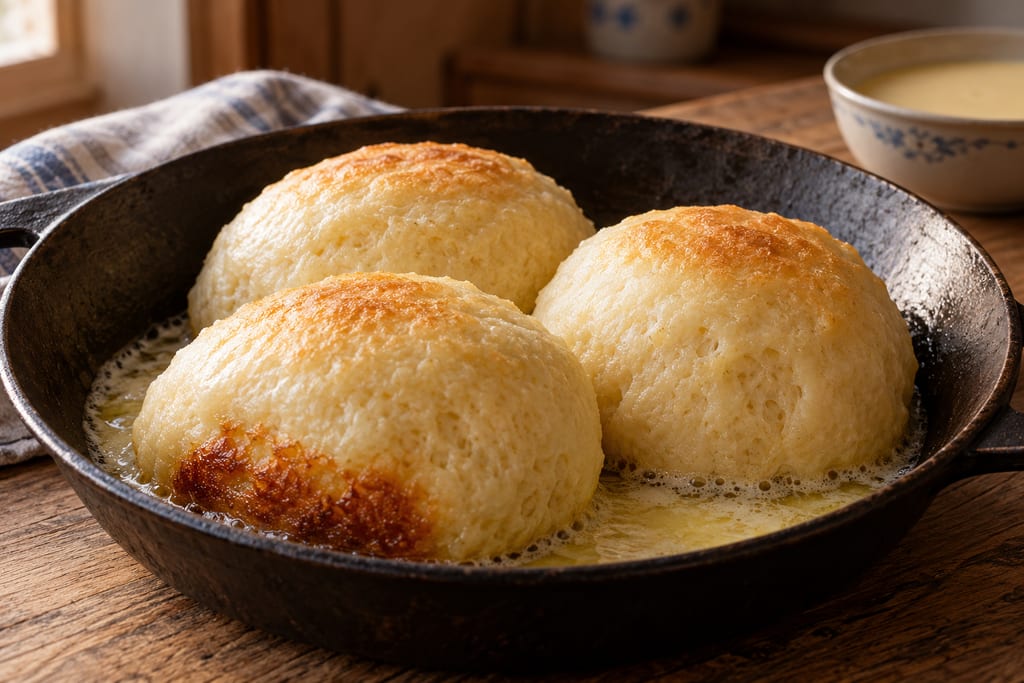
Allgäu Dampfnudeln are enriched wheat buns proofed in a covered casserole and cooked in milk and butter until the liquid nearly cooks away.
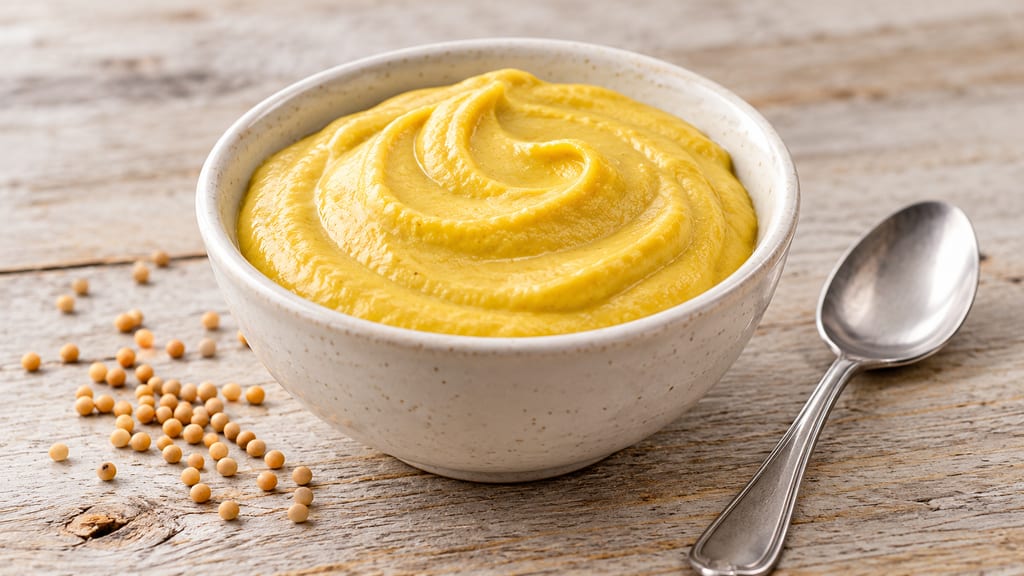
A mild, creamy Czech-style table mustard made from ground seed, vinegar, water, salt and a little sweetness. This home version follows a Czech Television formula and is not a copy of SPAK’s proprietary product.
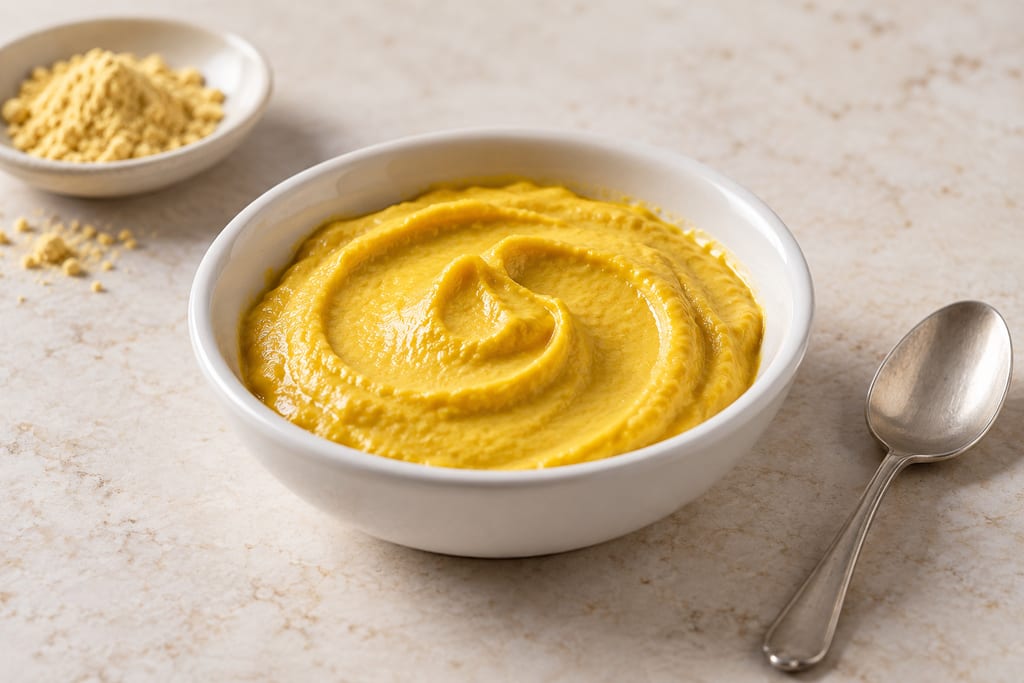
Ten grams of English mustard powder stirred with cool water into a thick cream: the plainest, sharpest mustard there is, mixed just before the meal.
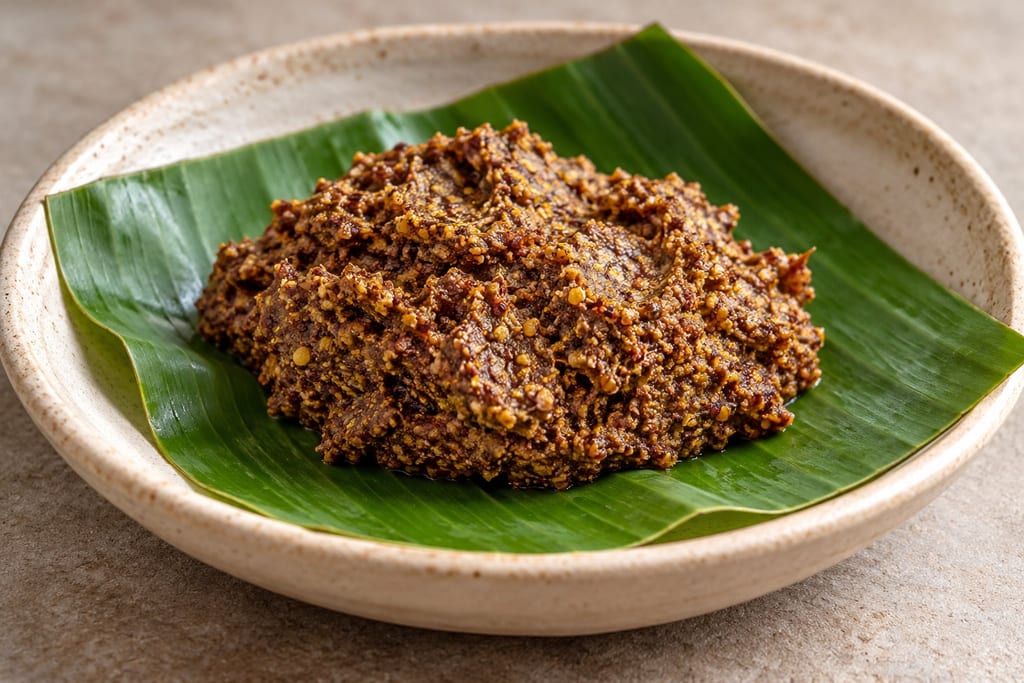
Kahudi is an Assamese mustard-seed condiment fermented with sour Thekera fruit into a strong mash; household methods and study results differ, and no validated home schedule exists.
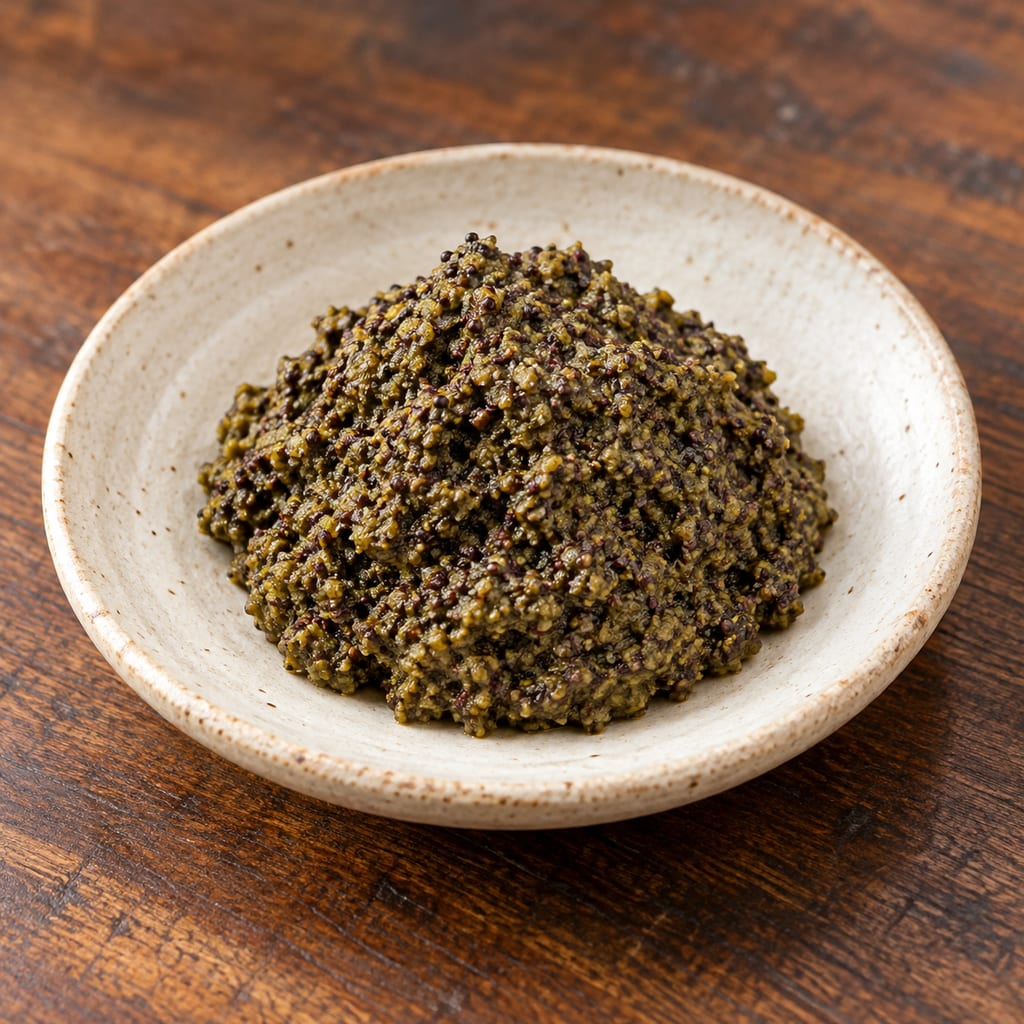
A strong Assamese condiment of mustard seed mixed with khar, an alkaline banana-ash filtrate, wrapped in leaves and fermented in bamboo over a fire or in a kitchen pot.
No community contributions have been published for this entry yet.
Sign in to contribute. Published comments and photos are free to read.
HändlmaierInspiration · History · Allergen
Händlmaier Süßer HausmachersenfIngredients as printed: water, brown sugar (sugar, glucose syrup, sugar beet molasses), mustard seeds, spirit vinegar, spices
Known for well over 100 years; sold beyond the Alps; no production place or recipe year stated
38.2 g sugar per 100 ml (nutrition table)
Calls itself Europe's number one among sweet mustards (producer claim)
Cited in: Overview; The commercial style; Method and what it does; Adjusting the sweetness; Keeping it