
Braided biltong loaf
Yeasted bread wrapped around biltong, tomato pesto, Cheddar and feta, split lengthwise into a braid and baked; served with chilli-biltong butter.
 FermenteaWhere food goes to change
Water
Water carries dissolved ingredients, transfers heat and forms the liquid environment of many ferments; its minerals and treatment influence how it behaves.

Water can be the largest ingredient in a drink, the liquid around a fermenting vegetable, a small carrier for rennet or a material that mostly leaves the food during cooking. Its lack of colour makes these roles easy to overlook. Yet water brings its own dissolved substances, supplies the medium in which other ingredients meet, and carries heat into and out of food. Different waters can make different contributions before the starter or seasoning is added.
People distinguished waters long before they could describe dissolved ions. The ancient medical work On Airs, Waters, and Places asks an observer to consider the waters used in a town, including differences in taste, their surroundings and whether they are suitable for cooking. Its explanation belongs to the medicine of its period, but the practical observation is recognizable: the water available in one place may differ from the water available in another. It is evidence of historical attention to water, not a birthplace or invention date for the ingredient.
Modern public supplies added another layer to that choice. In the United States, utilities began using chlorine for drinking-water disinfection in 1908 and chloramine in 1929. These dates describe a particular national history of treatment. Disinfectant remaining in the supply helps protect water as it moves through distribution pipes. Thus water arriving at a modern kitchen can have a treatment history quite different from water drawn directly from a spring or well, even where the original source was similar.
Brewing offers a separate history of adaptation. Local raw water once constrained how a brewery could work; reliable treatment methods later gave breweries more freedom to condition available supplies. The resulting beer depends on the malt, process and intended style as well as on the source water. A famous brewing town therefore cannot supply a complete water specification for every beer bearing its name. The actual water and the treatment used remain practical ingredients of the method.
The chemical formula H₂O identifies water. Ice and water vapour are physical forms of the same substance. A kitchen supply, however, is more than that formula: it can contain dissolved minerals, gases and other material, while suspended particles may also be present. Clear appearance does not distinguish these components. Water that looks identical in two glasses can behave differently in a kettle or mash.
Hardness is chiefly associated with dissolved calcium and magnesium. As water moves through soil and rock, it can dissolve minerals and carry them into a groundwater supply. Heating hard water can produce calcium carbonate deposits, visible as scale in equipment. The source geology helps explain the composition, but a broad map cannot determine the chemistry at an individual tap. The useful information comes from the supply itself and its current analysis.
Alkalinity describes a different property: the capacity of the dissolved material to resist acidification. Bicarbonate is particularly relevant in brewing water. Hardness and alkalinity can interact, but they do not mean the same thing, and neither is simply the water's measured pH. A water can have a particular starting pH yet respond differently from another water when malt or acid is introduced. Understanding that response is more useful than treating hard and soft as complete descriptions.
The distinction also separates different quality questions. Scale may be an equipment problem; a flavour may be a product-quality problem; contamination is a different concern requiring appropriate water-supply information and controls. A water suitable for drinking can still need adjustment for a specific technical operation. Conversely, an attractive taste or absence of scale does not by itself establish the microbiological or chemical condition of an unfamiliar supply.
In food processing, water dissolves and disperses ingredients, carries material, dilutes mixtures and supports separation. The amount added changes the concentration of the whole mixture. A salt dissolved in a measured quantity of water creates a brine with a different purpose from a small splash used to carry rennet. The food and its later stages determine whether that water remains, drains away or evaporates.
A fermented vegetable illustrates the movement within a liquid system. In a wet brine, water surrounds the produce and carries dissolved salt and substances released from the tissue. During lactic fermentation, bacteria use sugars and produce acid, which moves through the surrounding liquid and into the produce. The water is the medium for these changes; the bacteria and their metabolism produce the acid. Describing the roles separately makes the purpose of a brine clearer.
A dry-salted vegetable begins differently. The preparation uses water already present in the produce to form its brine. Thus the absence of an added-water line does not mean fermentation takes place without water. The distinction between added water and naturally present moisture matters when interpreting a recipe's quantities. A wet-brine calculation and a dry-salting calculation can have different bases, even if both eventually surround vegetables with salty liquid.
Fruit wines show another use of deliberate dilution. Some fruits and vegetables have flavours or acidity that require balancing in a wine must, and the quantity of water depends on the juice obtained and water already used during preparation. Adding water changes more than the final volume: it changes the concentration of sugars, acids and flavour material available to the yeast. A wine formulation therefore keeps its water addition connected to the particular fruit preparation and the intended balance.
During all-grain brewing, water meets malt in the mash, where enzymes work on grain components. Calcium can influence mash acidity through reactions with malt phosphates and can support enzyme activity, including alpha-amylase. Bicarbonate can resist the desired acidification. The water's contribution and the malt's own composition act together, which explains why one mineral measurement cannot predict the whole mash result.
These interactions continue into later operations. Calcium participates in protein precipitation during wort boiling, while dissolved ions can affect the character of the finished beer. Sulfate and chloride contribute differently to sensory balance. Their presence is a reason to know the starting water, not a reason to add mineral salts indiscriminately. Each addition changes the existing mixture, and the grist and process still shape the result.
Malt-extract brewing begins after the extract producer has already performed a mash. The home brewer's water is still part of the finished drink, but its role differs from the water that originally contacted the grain and its enzymes. That is why an instruction intended for all-grain mash chemistry cannot be transferred unchanged to every extract beer. Water adjustments have a stage and a purpose, just as hop additions and cooling do.
Disinfectants introduce a further brewing-quality issue. Chlorine can react with wort or beer components to form chlorophenols with a medicinal character. This sensory concern is separate from the reason a utility maintains disinfectant in drinking water. A brewer who investigates treatment needs information about the actual supply and the method being used. Removing a known flavour risk is a defined brewing operation, rather than a general claim that compliant tap water is unsuitable for food.
Cheesemaking makes the movement of water tangible. A casein network forms a curd that traps fat and water. Cutting and subsequent handling promote whey separation; the whey carries much of the original water along with dissolved components. Washing certain curds changes their liquid surroundings and can change the moisture and acidity of the cheese. These operations help create differences in texture, rather than merely removing an unwanted excess of liquid.
Milk already supplies water before any separate water addition is made. A cheese method may then use additional water for dilution, washing, brine or temperature control, with different consequences. Water mixed into a food and water circulating outside a vessel are not equivalent ingredient additions. Reading the process stage explains which liquid will enter the food, which will leave it and which simply transfers heat across a barrier.
Water activity describes another aspect of food moisture. It compares the vapour pressure above a food with that above distilled water under identical conditions. Some water is held by the food's structure and dissolved substances in ways that change its availability. Consequently, total moisture content and water activity answer different questions. A wet-looking food and a dry-looking food cannot be assigned a safety conclusion from appearance, and a salt amount alone does not establish the water activity of every formulation.
Water also carries energy. Heating a liquid raises its temperature; evaporation requires a further input of energy to change liquid water into vapour. When steam condenses on a cooler surface, it releases energy. Food processors use this property for heating, including through jackets and heat exchangers where the heating water or steam stays separate from the food. The equipment determines the path of heat and whether any water becomes an ingredient.
Direct-contact steam is different. As steam condenses within a food, the collected water becomes part of that food, so the steam must be suitable for the intended food contact. In indirect heating, a physical wall keeps the heating medium apart. These distinctions explain why a process diagram may include several water streams with different requirements. They are not several unrelated substances; they are the same familiar material assigned different duties.
Start with water appropriate for food use and information about its supply. A public utility's water-quality report can identify the disinfectant used and the results of monitoring. Some utilities change between chlorine and chloramine, while some tested groundwater supplies operate without an added disinfectant. A recipe's phrase non-chlorinated water therefore leaves questions about the actual treatment and residual. It should retain its meaning within that recipe rather than become a guess based on smell.
Distillation, reverse osmosis, filtration and softening perform different operations. Distillation collects condensed vapour; reverse osmosis separates through a membrane; filters have particular removal capabilities; softening principally addresses hardness minerals. A method's name alone does not establish that it removes every concern. Selection should follow the specific substance or organism to be addressed and the documented performance of the actual system.
Boiling and disinfection likewise have limits. Emergency drinking-water guidance explains that they can address disease-causing microorganisms but do not destroy heavy metals, salts or most other chemicals. During a supply incident, follow the local authority's current directions for the affected water. An everyday fermentation recipe is not a substitute for that guidance, and a later fermentation stage should not be assumed to correct an unsuitable starting supply.
Once water has been collected or treated, its containers and food-contact surfaces still matter. Keep the water in clean, covered containers and follow applicable product or supply instructions. Preserve labels where a method depends on a particular packaged water or treatment. There is no general storage duration that can be inferred from clear appearance or from the fact that water was previously treated.
Plain water is not one of the United States' named major food allergens. Added ingredients in a water beverage and cross-contact in a particular product remain separate questions. In a recipe, water may carry milk, culture, salt or another ingredient, so the whole preparation must still be understood from its actual composition. The ingredient's simplicity is chemical; its work in food comes from the many different mixtures and stages in which it is used.
Water supplies have many sources and treatments. None of the linked recipe records establishes one shared ingredient sourcing place; recipe geography does not identify the water supply.
Yeasted bread wrapped around biltong, tomato pesto, Cheddar and feta, split lengthwise into a braid and baked; served with chilli-biltong butter.
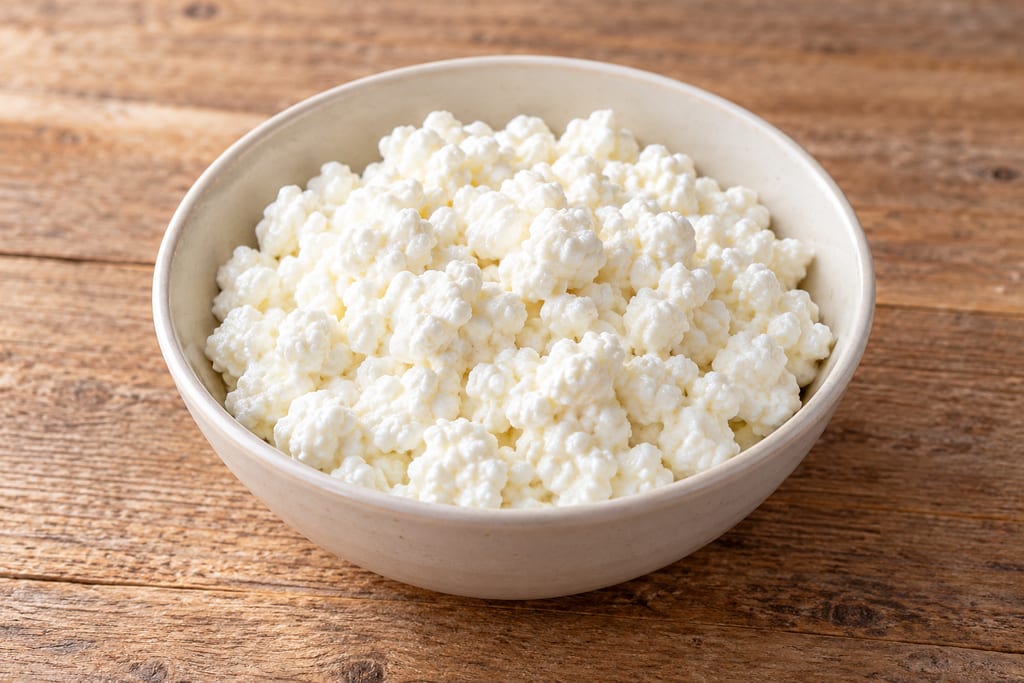
Skim milk is cultured slowly, cut into curds, warmed and drained to make fresh cottage cheese. Cold-water washing softens its flavour before cream and salt are added.
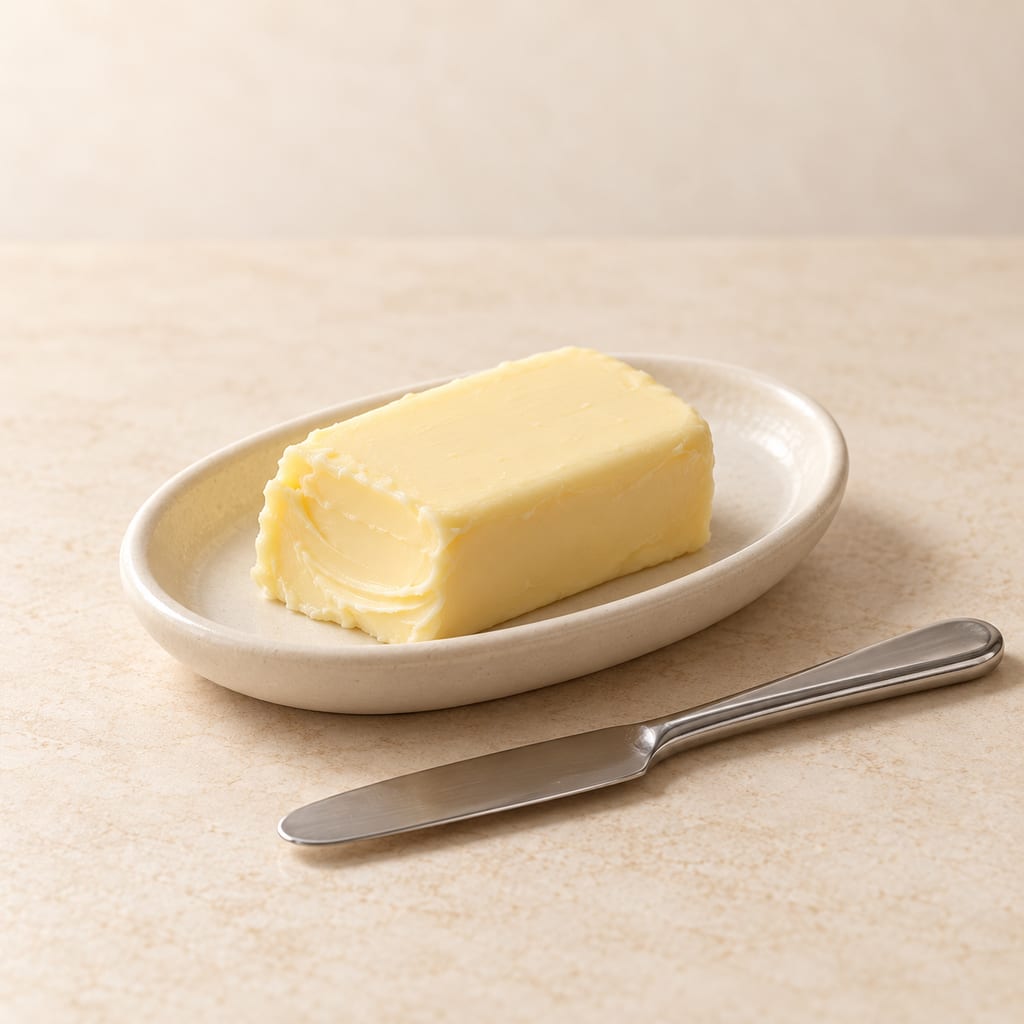
Cultured butter is churned from cream soured with lactic cultures. Its lightly tart flavour comes from the cultured cream, which separates into butter grains and buttermilk.

A clear Korean rice wine made with aromatic Dahyangheukmi pigmented rice, matching rice-flour nuruk and takju yeast.

An all-grain imperial stout with pale malt, roasted barley, dark malts and oats, fermented with an American ale-yeast starter.
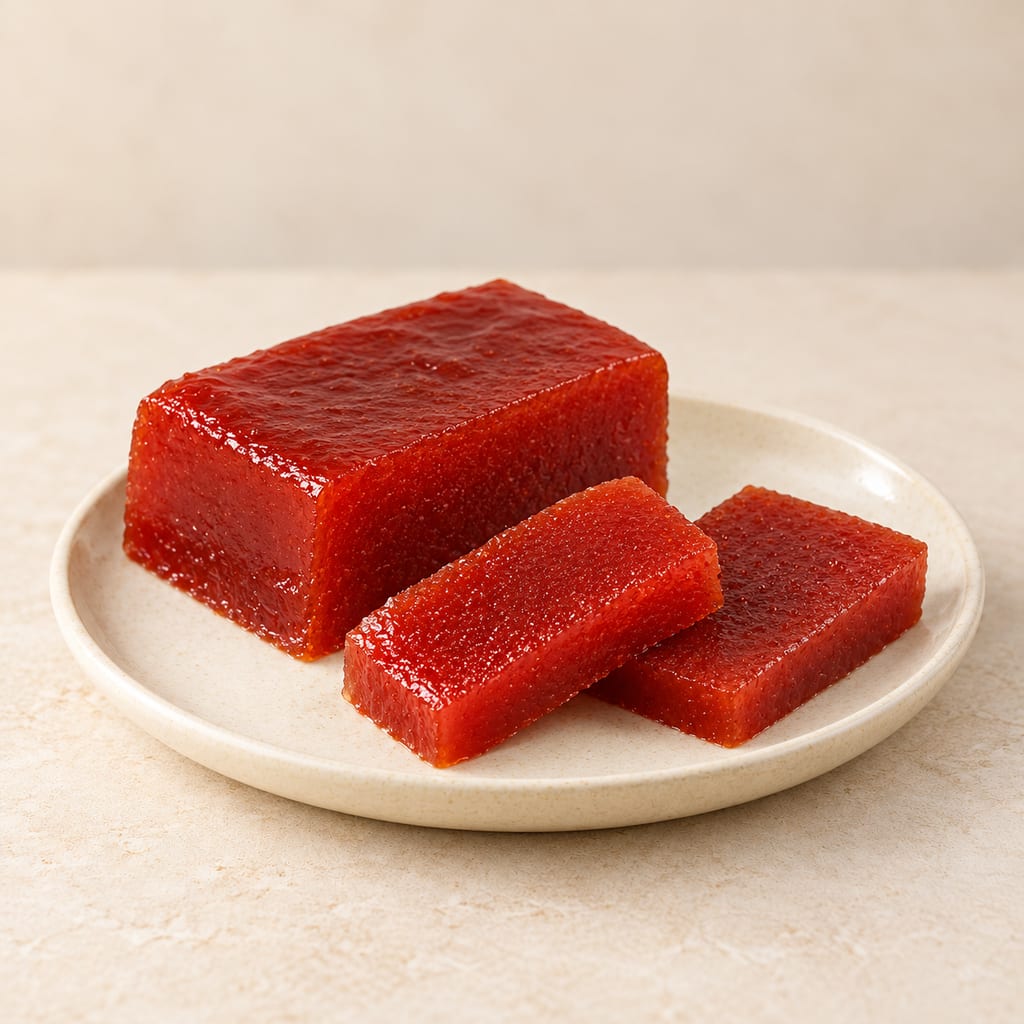
Dulce de membrillo is quince cooked with sugar into a firm paste for slicing. This family method softens the fruit in a pressure cooker, then blends it and leaves it to set.
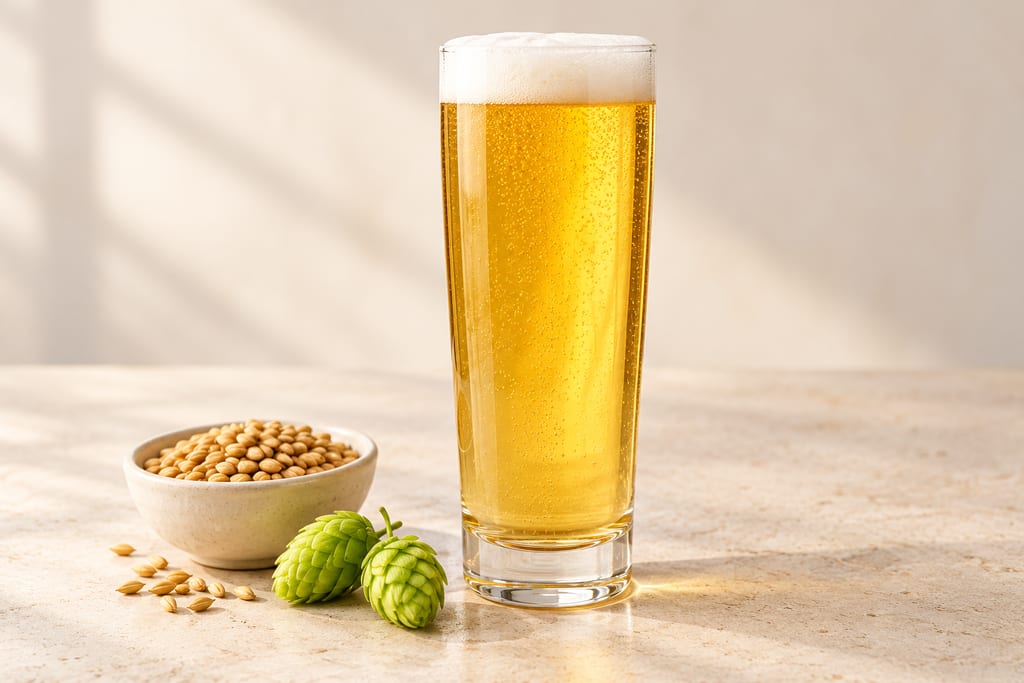
A pale, dry lager with Pilsner malt, Magnum bittering hops and Hallertau Mittelfrüh and Tettnang additions, followed by cold maturation.
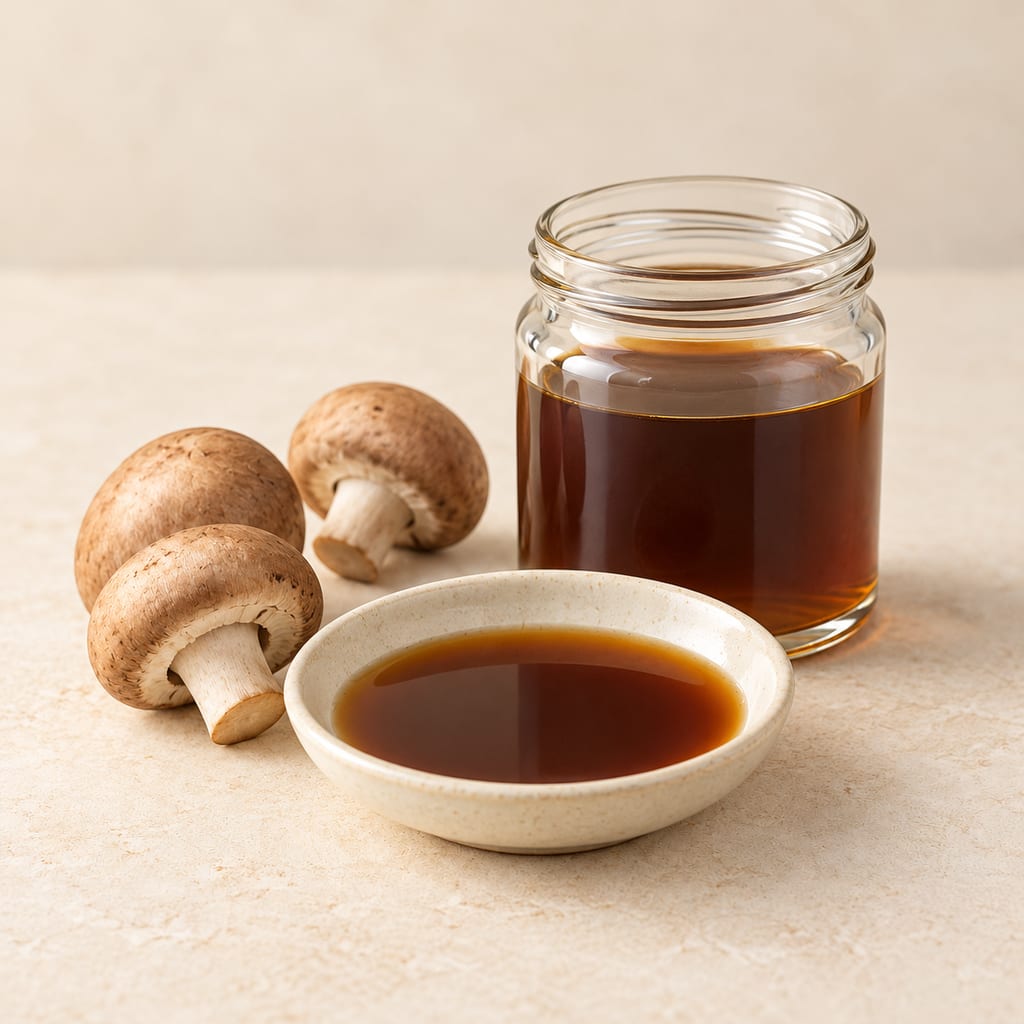
Mushroom garum turns mushrooms, rice koji, salt and water into a dark savoury seasoning. A sustained warm hold lets koji enzymes break down the mixture before straining.
A Museums Victoria catalogue documents a Wangkangurru lukomb or kowapp, a rabbit-skin bag used to carry water around Lake Eyre. Its account describes skin preparation and tanning, while dating and image rights require care.
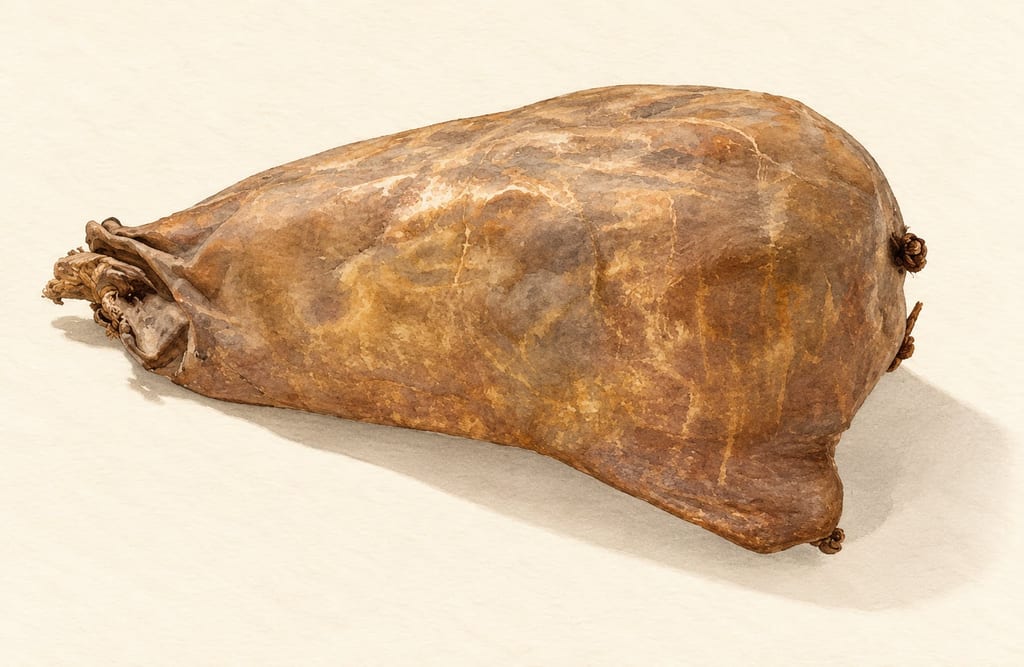
A surviving Australian Museum wallaby-skin water carrier made from a single hide, with a knotted, resin-tanned base and tied neck. Purchased in 1885; its maker, specific community and making date are not recorded.

From sour breads and milk to savoury seeds, cassava staples and living beers, African fermentation follows the crop, the community and the work of transformation.
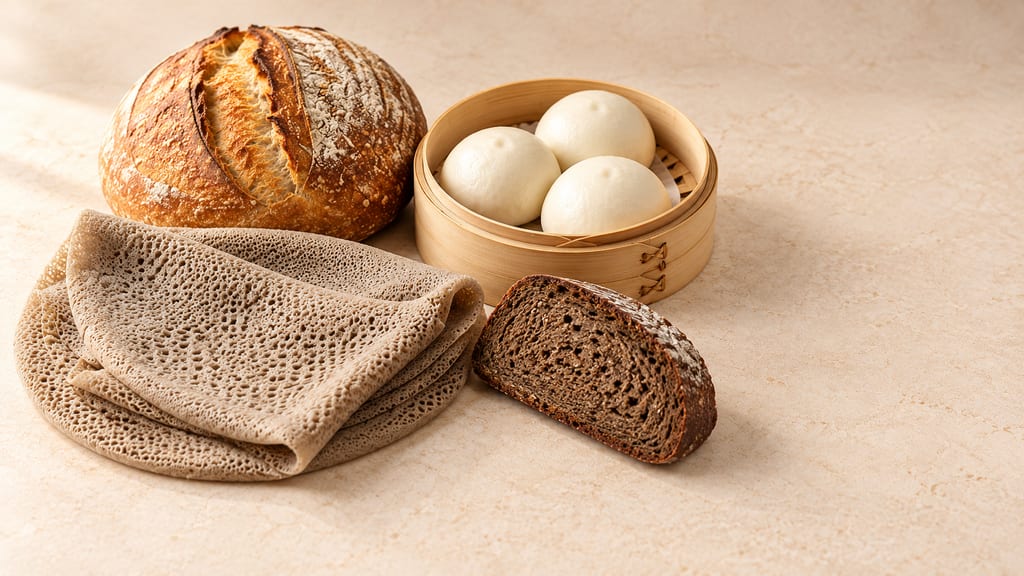
From the baguette and the steamed bun to injera, titiyas, Finnish rye and cassava bread: how grain, microbes and heat answer the question of what bread is for.
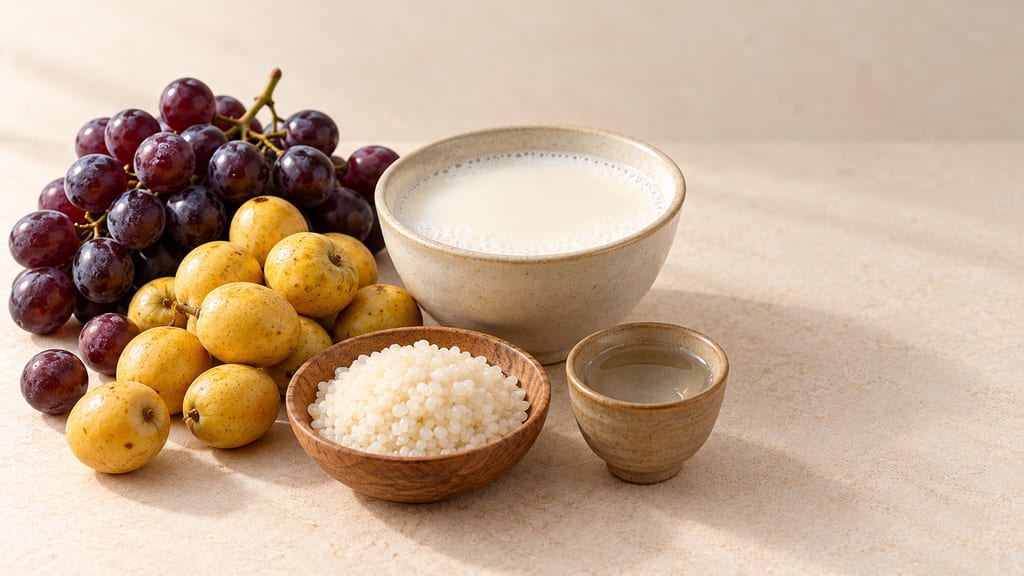
A marula harvest, a rice mash and a bowl of fermented mare’s milk reveal different ways to make alcohol, and different kinds of knowledge behind the drink.
No community contributions have been published for this entry yet.
Sign in to contribute. Published comments and photos are free to read.
Internet Classics Archive, Massachusetts Institute of TechnologyIngredient context
On Airs, Waters, and Places, Part 1; Francis Adams translationHistorical discussion of the taste, surroundings and cooking suitability of different waters; an attestation of attention to water quality rather than modern medical guidance.
Cited in: A familiar ingredient with a long history of choice
Centers for Disease Control and PreventionIngredient context
About Water Disinfection with Chlorine and ChloramineU.S. drinking-water disinfection history includes chlorine use in 1908 and chloramine in 1929. The guidance covers distribution risks, persistent disinfectant residuals and utility water reports.
Cited in: A familiar ingredient with a long history of choice; Choosing a supply and a treatment
Journal of the Institute of Brewing; Michael Eumann and Stefan SchildbachIngredient context
125th Anniversary Review: Water sources and treatment in brewingBrewing-water history and chemistry: treatment and local supply, calcium and phosphate, alpha-amylase, bicarbonate, protein precipitation and chlorophenol formation.
Cited in: A familiar ingredient with a long history of choice; Water and the enzymes of brewing
National Institute of Standards and TechnologyIngredient context
Water: NIST Chemistry WebBook, SRD 69Water’s chemical formula and names, including its liquid, ice and vapour forms.
Cited in: What is in clear water
U.S. Geological SurveyIngredient context
Hardness of WaterHardness from dissolved calcium and magnesium, the influence of geology and calcium-carbonate scale during heating. Broad regional maps do not describe every individual supply.
Cited in: What is in clear water
Beer Judge Certification ProgramIngredient context
WaterBrewing distinctions among hardness, alkalinity and pH; mineral ions and the sensory roles of sulfate and chloride.
Cited in: What is in clear water; Water and the enzymes of brewing
Oklahoma State University; Tim BowserIngredient context
Water Use in the Food IndustryWater’s roles in food processing, source types, treatment selection and different aspects of water quality.
Cited in: Dissolving, dispersing and carrying
University of Minnesota ExtensionIngredient context
Preserving food at home: FermentationWater in fermented produce: wet and dry salting, the emergence of liquid during dry salting, salt and acid movement, and source-specific soft/distilled-water advice.
Cited in: Dissolving, dispersing and carrying
Virginia Cooperative ExtensionIngredient context
Wine Making for the Home GardenerWater additions and dilution in fruit wine, with trace elements and yeast nutrition explaining its process-specific caution about distilled water.
Cited in: Dissolving, dispersing and carrying
American Homebrewers AssociationIngredient context
How Malt Extract is MadeMashing, wort separation and dehydration in malt-extract production explain the different role of added water in extract and all-grain brewing.
Cited in: Water and the enzymes of brewing
New Mexico State University Cooperative Extension; Nancy C. FloresIngredient context
Making Homemade CheeseCasein-gel formation, trapped water and fat, curd cutting, drainage and washing explain water’s role in cheese structure and processing.
Cited in: Moisture and structure in other foods
U.S. Food and Drug AdministrationIngredient context
Water Activity (aw) in FoodsWater activity and the distinction between bound water and water available as a solvent. Food composition affects the measured property; this is a historical 1984 inspection guide.
Cited in: Moisture and structure in other foods
Oklahoma State University; Timothy J. BowserIngredient context
Steam Basics for Food ProcessorsSteam generation, heat and phase change, condensation, and the distinction between direct and indirect contact in food heating.
Cited in: Heat, steam and physical change
U.S. Food and Drug AdministrationIngredient context
Bottled Water Everywhere: Keeping it SafeBottled-water identities and source/treatment terms, including distilled and purified water, sanitary manufacture and sampling.
Cited in: Choosing a supply and a treatment
Centers for Disease Control and PreventionIngredient context
About Home Water Treatment SystemsFiltration, reverse osmosis, distillation and softening are different treatments. Distillation involves boiling and condensation, with limitations for volatile compounds and a need to maintain cooling equipment.
Cited in: Choosing a supply and a treatment
U.S. Environmental Protection AgencyIngredient context
Emergency Disinfection of Drinking WaterEmergency-water guidance distinguishes microorganism treatment from chemical-contaminant problems and addresses clean, covered storage.
Cited in: Choosing a supply and a treatment; Keeping its identity through handling
U.S. Food and Drug AdministrationIngredient context
Food AllergiesThe U.S. major-food-allergen groups and cross-contact context. Water is not one of the named groups; an individual product’s other ingredients remain relevant.
Cited in: Keeping its identity through handling
Oklahoma Cooperative Extension Service; Timothy J. BowserIngredient context
Steam Basics for Food Processors, FAPC-142 (July 2017), official print publicationSteam Basics explains sensible and vaporization heat, energy release during condensation, the separating surface in indirect heating and the incorporation of steam condensate during direct heating.
Cited in: Heat, steam and physical change