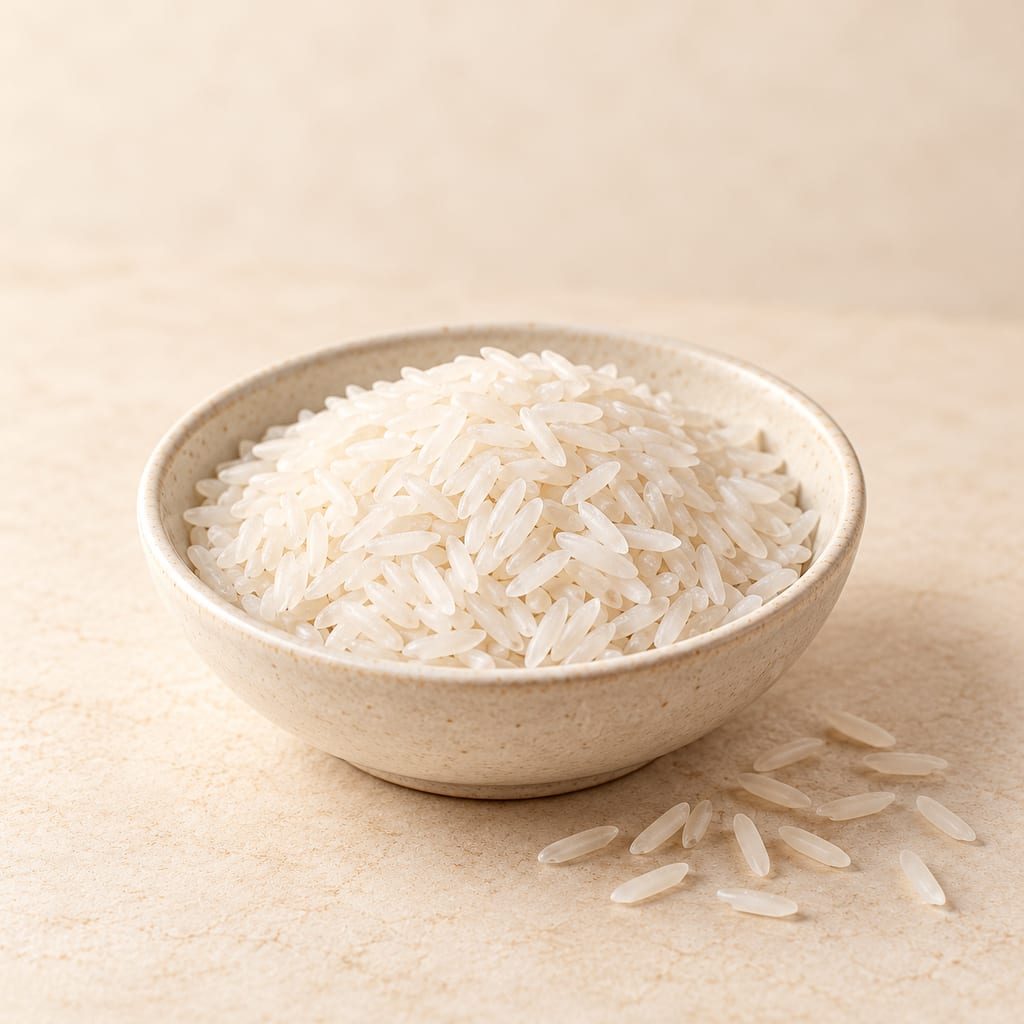
Rice
Rice contributes starch to flatbreads, steamed breads, batters and many distinct fermentations. Its species, milling and starch character shape how it cooks, binds, expands and feeds enzymes.
 FermenteaWhere food goes to change
Traditional method
안동소주 (Andong soju) · 安東燒酒
Andong soju is a rice spirit from North Gyeongsang, distilled from steamed rice and wheat nuruk. This method makes the starter before fermenting the rice mash in a jar.
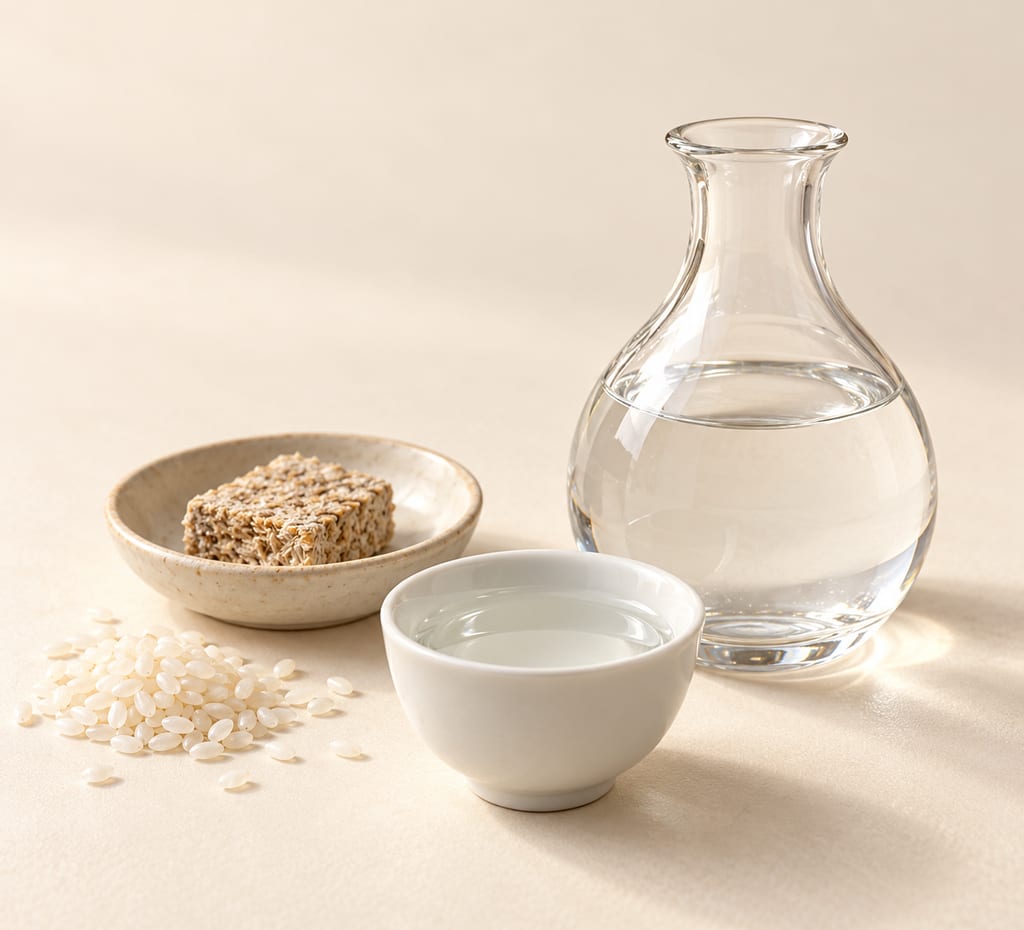
Andong soju (안동소주) names a family of distilled grain spirits associated with Andong in North Gyeongsang, South Korea. The word soju is shared by spirits made in many places and by very different processes. In the Andong tradition, one defining approach is to ferment a grain mash and then distil it in a pot with a soju-gori, a traditional still whose cooler condenses alcohol-bearing vapour. The finished drink is clear, but its strength, cereal character, aging and method depend on the maker.
The name does not identify one universal formula. Sources distinguish Minsokju Andong Soju, the household tradition associated with Jo Ok-hwa and later Kim Yeon-bak, from Myeongin Andong Soju, associated with Park Jae-seo and the Banam Park clan. Later wheat-based products add further variation. These records describe different producers and periods; their ingredients and stage timings should not be averaged into a composite recipe.
This page follows Jo Ok-hwa’s method as recorded in the Rural Development Administration’s 1997 Traditional Knowledge Collection. The Korean entry preserves quantities in the traditional unit mal; its English display renders them in litres without explaining the conversion. It is not a modern batch sheet: it does not allocate water between stages, describe fermentation conditions or explain how the final 45° notation was measured. The account below keeps those facts visible without treating the translated volumes as independently verified measurements.
Andong is the region with which the tradition is associated; the evidence does not identify an exact birthplace or first batch. Published accounts often connect Korean distillation with Goryeo-period contact with Yuan or Mongol practices. Some retellings place the story in Andong through King Chungnyeol’s visit, but this remains an attributed origin narrative rather than proof of when a specific household first distilled the drink. The available sources do not establish a single inventor or uninterrupted continuity of one recipe.
The 1997 RDA entry names Jo Ok-hwa as the skill-holder for the method and identifies a local extension-office worker as the information provider and researcher. A later account reports that her preparation was designated an intangible cultural property of Gyeongsangbuk-do in 1987 and that licensed production began in 1990. These milestones document public recognition and commercial production; they do not date the origins of every Andong soju method.
The tradition also belongs to the work of named households and producers. A 2009 newspaper visit describes Jo Ok-hwa demonstrating her practice while declining to disclose ratios and heat control. A 2023 interview with her successor Kim Yeon-bak discusses the producer’s wheat nuruk, maturation and later product development. These are useful records of craft and change, but neither should be mistaken for a complete or independently validated operating specification.
In this recorded method, non-glutinous rice supplies the grain base and wheat is made into nuruk, a mixed-culture fermentation starter. Water is used in shaping the starter and in the rice mash, though the entry gives one total quantity and does not divide it between those jobs. The ingredients are not interchangeable: the source places wheat in the starter and rice in the cooked mash. It does not describe a glutinous-rice version or authorize replacing the wheat starter with a different culture.
Nuruk is made by moistening and shaping grain so that it develops a community of molds, yeasts and bacteria. Research on Korean nuruk identifies starch-degrading enzyme activity, including amylases. These enzymes break large starch molecules into smaller sugars. In separate Korean rice-brewing experiments, changing how rice is prepared changed the sugars released by nuruk enzymes. That evidence explains why steaming and cooling the rice are meaningful stages, but it does not measure the 1997 Andong batch or tell us which organisms dominated Jo Ok-hwa’s nuruk.
Yeasts can ferment available sugars into ethanol and carbon dioxide; lactic-acid bacteria have also been isolated from nuruk and Andong-soju fermentation samples. The 2007 study establishes those isolates in the samples it examined, not a universal microbial recipe. The 1997 entry names natural fermentation but no species, strains, inoculation rate, temperature or acidity. It would therefore be misleading to assign a precise culture or claim that one microbe alone creates the character of all Andong soju.
Rice cookery also changes the physical substrate. Steaming produces the cooked rice called godubap in Korean, making the grain part of the mash described by the source. Cooling before mixing separates cooking from fermentation: it lets the cooked grain be handled and combined with the prepared starter without treating heat as a fermenting step. The original record gives no measurable cooling endpoint, so the explanation is about the sequence, not an invented temperature.
The Korean entry lists three mal of non-glutinous rice, one mal of wheat nuruk and six mal of water. Its English display renders these as 54 L, 18 L and 108 L respectively, without documenting the conversion basis. Neither version explains whether the water is all used to shape the nuruk, all added to the mash or split between them. The ingredient list retains the English display values as reported; they are not independently standardized or a basis for scaling.
The recorded order begins with wheat: steam and dry it, grind or break it down, mix it with water by hand, and press it into a round cloth-lined mold. The mold gives the starter a shaped mass; the source then describes removing it and letting the nuruk develop for about 20 days. After this period it is broken into bean-sized pieces, dried and exposed to dew overnight. These are the collection’s reported stages, not environmental controls. It offers no humidity, temperature, airflow, moisture target or endpoint for the starter.
The rice is washed and soaked, then steamed and spread out to cool. The cooled rice is mixed by hand with crushed nuruk and an appropriate amount of water, moved to an earthenware jar and left to mature naturally for about 15 days or more. The source does not define what a finished mash looks or measures like. Its wording records a time and sequence, not a validated fermentation endpoint.
The fermented material is transferred to a pot fitted with a soju-gori and cooling apparatus. The entry describes sealing named joints and heating the pot so vapor passes through the cooler and condenses as spirit. Distillation is a physical separation by vaporization and condensation, not an additional fermentation. The account ends with a sensory judgment tied to “45°,” but it gives no instrument or scale. The number cannot safely be relabeled as a measured alcohol-by-volume result.
The separated starter stage gives the nuruk time to develop before it is mixed with rice. In general, a mixed starter can bring enzymes that release sugars from grain starch and microorganisms that can transform those sugars. The source-specific entry does not record assays or a microbial count, so those mechanisms explain the kind of work nuruk performs without claiming a measured result for this batch.
Steaming the rice is a cooking operation. It changes the grain before the mash is assembled; the later cooling step is also physical handling, not fermentation. Mixing the prepared rice, crushed nuruk and water brings the starter into contact with the grain. During the following natural maturation, enzymes and microbes may act together, but the record supplies no temperature, pH, sugar reading or other objective indicator. The reported 15 days or more must stay a historical duration, not a guarantee that any modern batch is ready.
The pot and cooler mark a transition from fermentation to distillation. Vapor condenses into a liquid product, and the source names a traditional soju-gori rather than a modern still specification. It provides no dimensions, pressure limits, heat schedule, collection fractions, proofing procedure or quality-control plan. A sketch of the apparatus or a description of its parts cannot substitute for engineering guidance.
The process record is therefore useful for understanding sequence and household knowledge, but it does not establish safe contemporary operating conditions. Ethanol vapor can ignite, and pressure or equipment failure can release hot vapor. Industrial safety guidance emphasizes preventing leaks and accumulation, controlling ignition sources and providing safe pressure relief. Those principles do not validate this historical apparatus or supply a lawful home-distillation procedure.
A 2016 Yeongnam Ilbo account gives a separate Minsokju description with nuruk, steamed rice and water in a 1:3:2 ratio, about 15 days of fermentation, pot and soju-gori distillation, and a 45-degree finish. It does not state the ratio units or basis. Those figures differ from the RDA collection’s 3:1:6 rice, nuruk and water list; they cannot be reconciled by assuming that one source meant weight and another volume.
The same newspaper describes the Myeongin method as a staged mash: an initial ferment, later grain additions, separation of clear liquid, distillation and maturation. Its account gives approximate durations and a nuruk blend described as 70% rice nuruk and 30% wheat nuruk, without saying what the percentages measure. This is a separate producer tradition, not a substitute starter formula for the Jo Ok-hwa record.
The Korean Tourism Organization distinguishes atmospheric distillation for Minsokju from vacuum distillation for Myeongin and describes both as Andong-related products. A later Minsokju interview reports separate 20-day wheat-nuruk and mash stages and describes a 45% undiluted product, while also discussing a distinct lower-strength product blended from later distillate. These reports illustrate how a regional name can cover producer-specific equipment, maturation and commercial variants.
A 1994 case-study excerpt adds another formula with rice, wheat nuruk and water measured in mal and doe, seven days to takju, one day of distillation and a reported output. Its accessible excerpt does not define those unit bases or establish which contemporary variant the formula represents. Keeping these records separate preserves what each author actually reported.
Andong soju is presented in the sources as a drink, not only as a preserved product or an ingredient. Tourism and regional accounts connect it with serving valued guests and ancestral rites, while current producers also present it through museum visits, tastings and retail bottles. The Korea Tourism Organization describes the drink as enjoyed year-round; the inspected sources do not establish a universal seasonal brewing calendar or a single customary serving quantity.
The sources do not define one obligatory food pairing or cup. One producer’s preference for a clean palate at a stated strength is evidence of that maker’s view, not a required flavor profile. Modern Andong tourism also presents tastings and cocktails, which are contemporary uses and should not be mistaken for the historical method or for a shared tradition among all households.
Distinguishing the family name from individual products helps readers understand what they are drinking. A bottle labelled Andong soju may represent a particular producer, grain base, distillation method and strength. The name alone does not tell a reader whether the spirit was aged, diluted, blended or made with rice nuruk instead of wheat nuruk. Producer and label information carries those details more reliably than a generalized recipe.
The 1997 entry’s mal quantities, the other accounts’ ratios, the source’s fermentation durations and its 45° notation are historical measurements as reported. They should not be treated as interchangeable values or silently translated into standardized weights, volumes, days at a controlled temperature, or alcohol percentages. In particular, 45° is not a safety endpoint and does not establish which fractions were collected.
The documents leave important practical questions unanswered: the starter’s moisture and environment, the jar’s capacity, the mash temperature and endpoint, the still design and operating envelope, the collection method, the finished yield, and the lawful conditions for distillation. No storage life is established for the spirit in this recorded method. The producer’s reported aging periods apply to specific commercial contexts, not to a universal shelf-life claim.
Distilling concentrated alcohol carries fire and equipment hazards. The available recipe source does not give an adequate safety procedure, and industrial guidance is not a household-still manual. This historical record is best read as evidence of a named tradition and its documented sequence, not as a complete contemporary production specification. Nothing about taste, aroma, clarity or the passage of a stated number of days demonstrates safety.
Andong soju is the distilled rice spirit associated with Andong in North Gyeongsang. Jo Ok-hwa maintained a household tradition based on handmade wheat nuruk, steamed rice and a pot fitted with a soju gori. Her method was recorded in the Rural Development Administration's 1997 collection. The starter is made separately before the jar of rice mash is fermented and distilled. The modern cultural-product listing continues to identify her family's spirit with handmade whole-wheat nuruk and non-glutinous rice.
Scaling: source batch only
Concentrated ethanol vapour can ignite when it mixes with air near an ignition source; leaks and inadequate venting increase the risk.
Hazard sourceOverpressure or mechanical damage can release hot ethanol vapour from distillation equipment.
Hazard sourcePrevent unintended vapour releases and keep ignition sources away from ethanol vapour; provide ventilation that prevents vapour accumulation.
Control sourceUse distillation equipment designed to manage pressure and process upsets, with a safe pressure-relief path.
Control sourceAlcohol vapour can ignite or explode. Prevent vapour leaks and accumulation, and keep flames, sparks and other ignition sources away from released vapour.
Overpressure can release hot alcohol vapour. Distillation equipment needs a safe pressure-relief path; sealing the joints is not a substitute for pressure control.
Wheat nuruk — The separately fermented wheat starter converts the rice mash before distillation; the entry identifies no microbial species or strains.
The recipe provider's address is Sinan-dong, Andong; this is a documented practitioner association, not an exclusive birthplace claim.
Rice contributes starch to flatbreads, steamed breads, batters and many distinct fermentations. Its species, milling and starch character shape how it cooks, binds, expands and feeds enzymes.
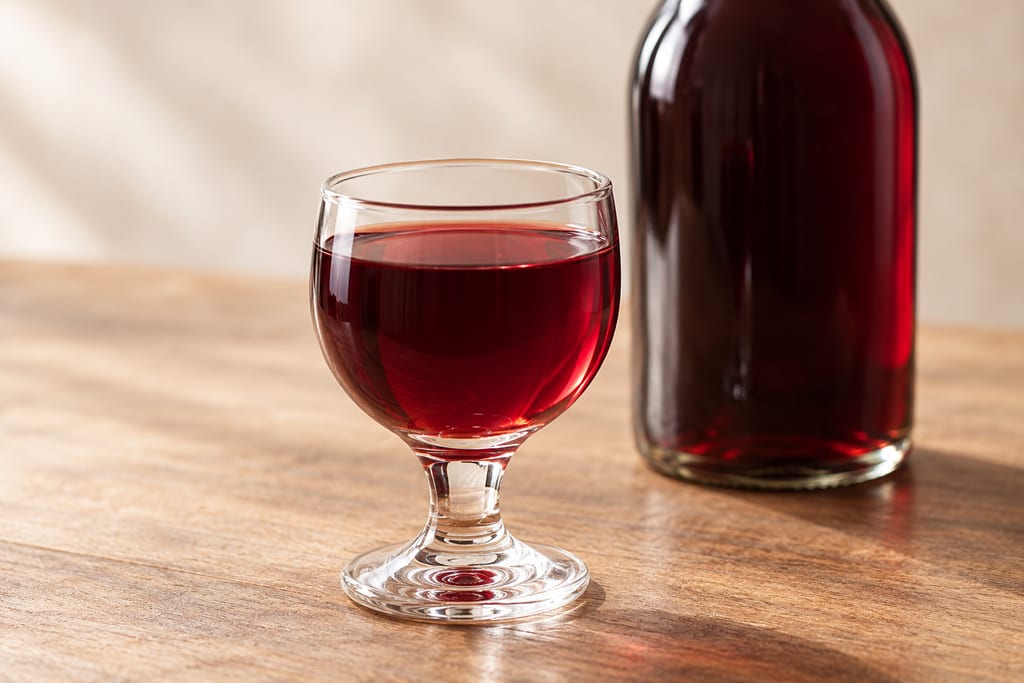
Korean black raspberry wine: crushed bokbunja berries with their seeds, sweetened to 20 °Brix, fermented 15 days at 25 °C with wine yeast, filtered and matured three months.
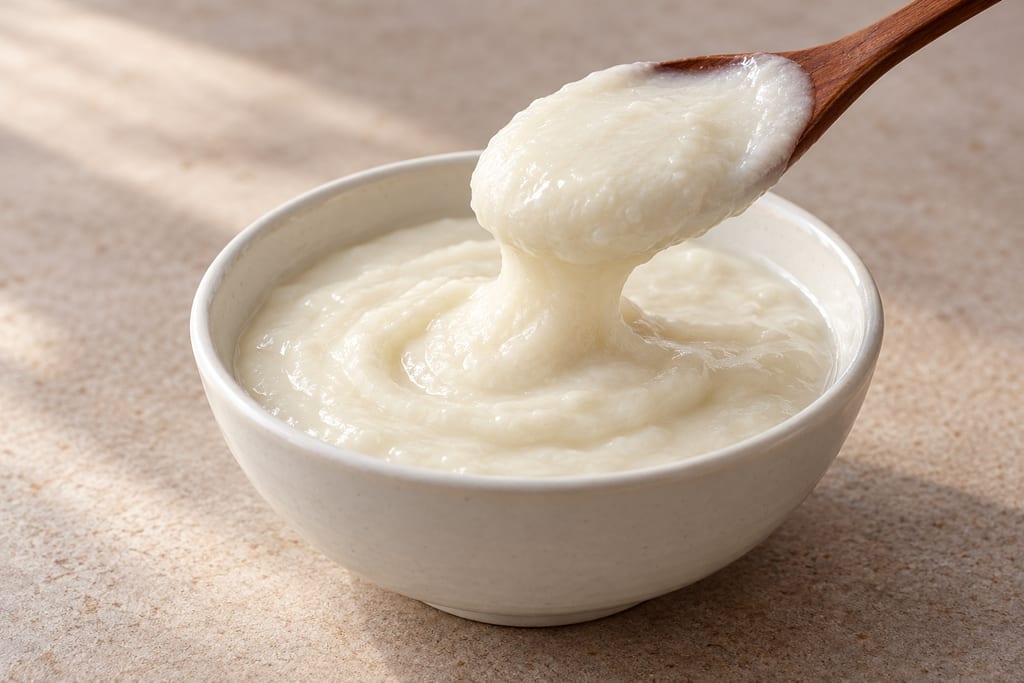
Thick, sweet Korean rice wine made with a rice-based starter called ihwagok and almost no added water, fermented into a paste that is eaten with a spoon or thinned with cold water.
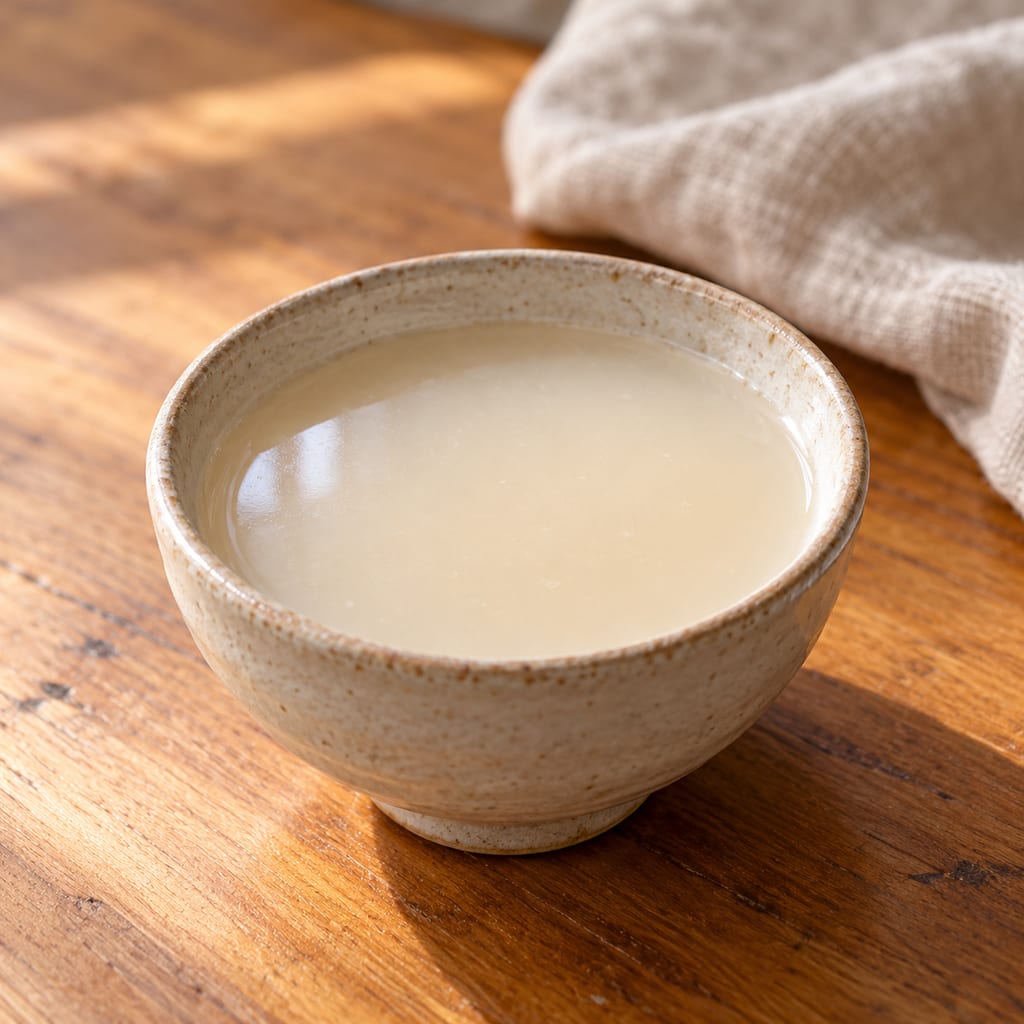
An alcoholic Korean rice drink of steamed glutinous rice and nuruk, mashed in a single stage and fermented for 7 to 14 days.
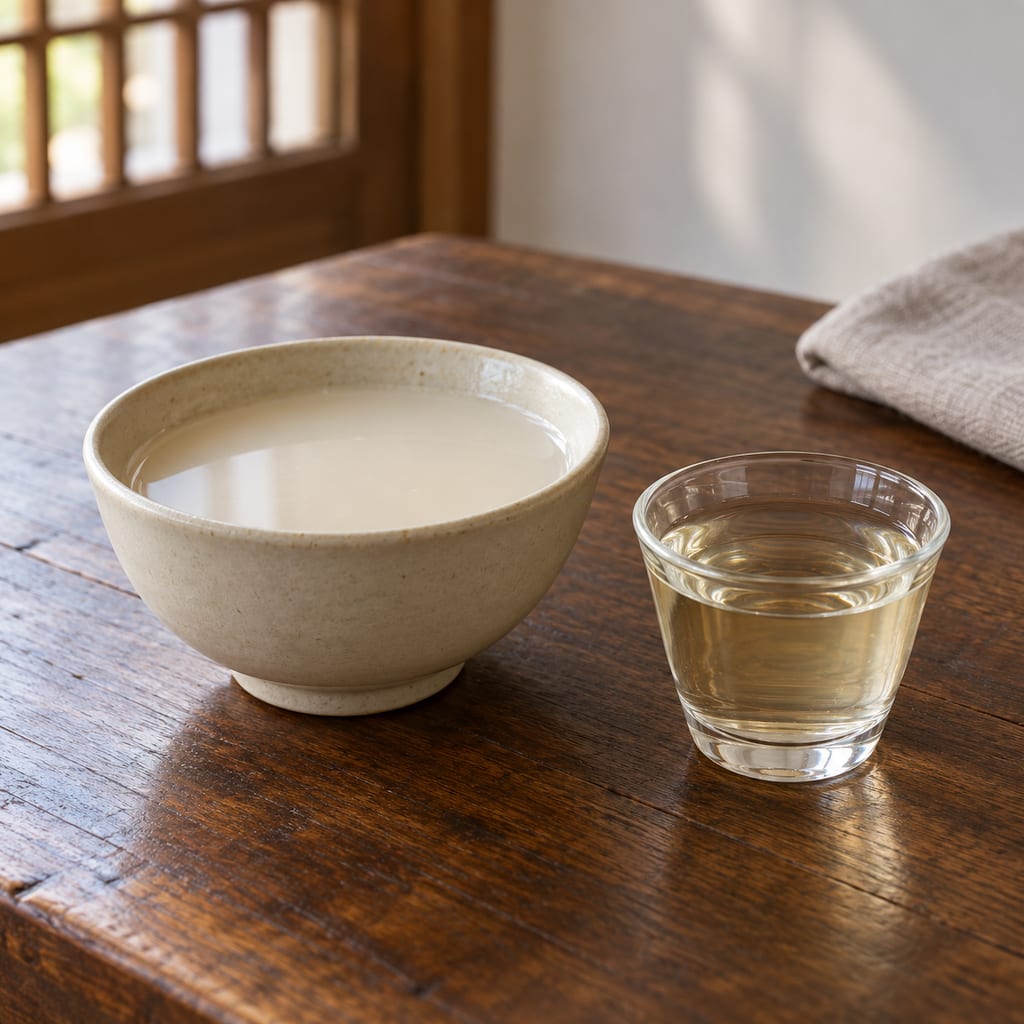
A Korean grain wine fermented from steamed rice, nuruk and yeast in two mash additions, drawn off clear as yakju or blended cloudy with rice solids and water as makgeolli.
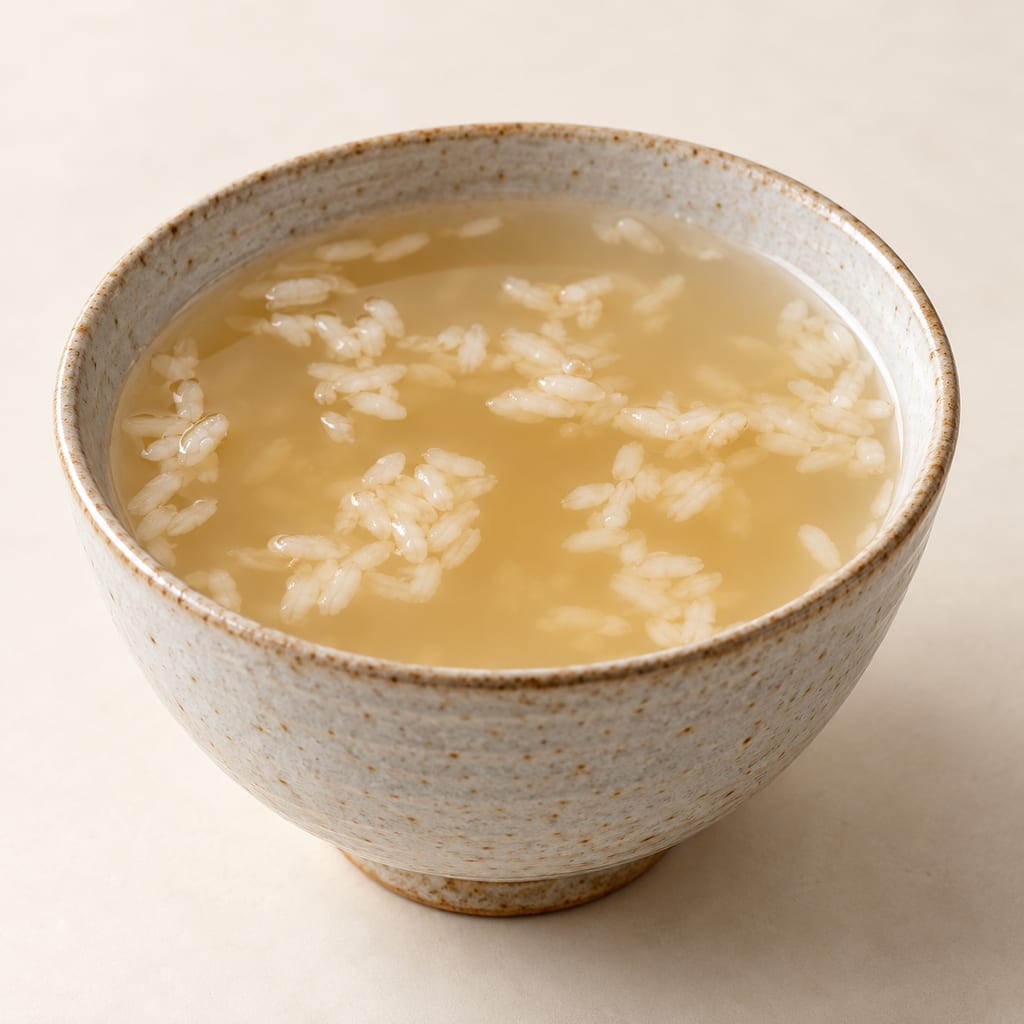
A Korean sweet rice drink made by holding cooked rice in water drawn off barley malt until the grains float, then boiling and chilling it.
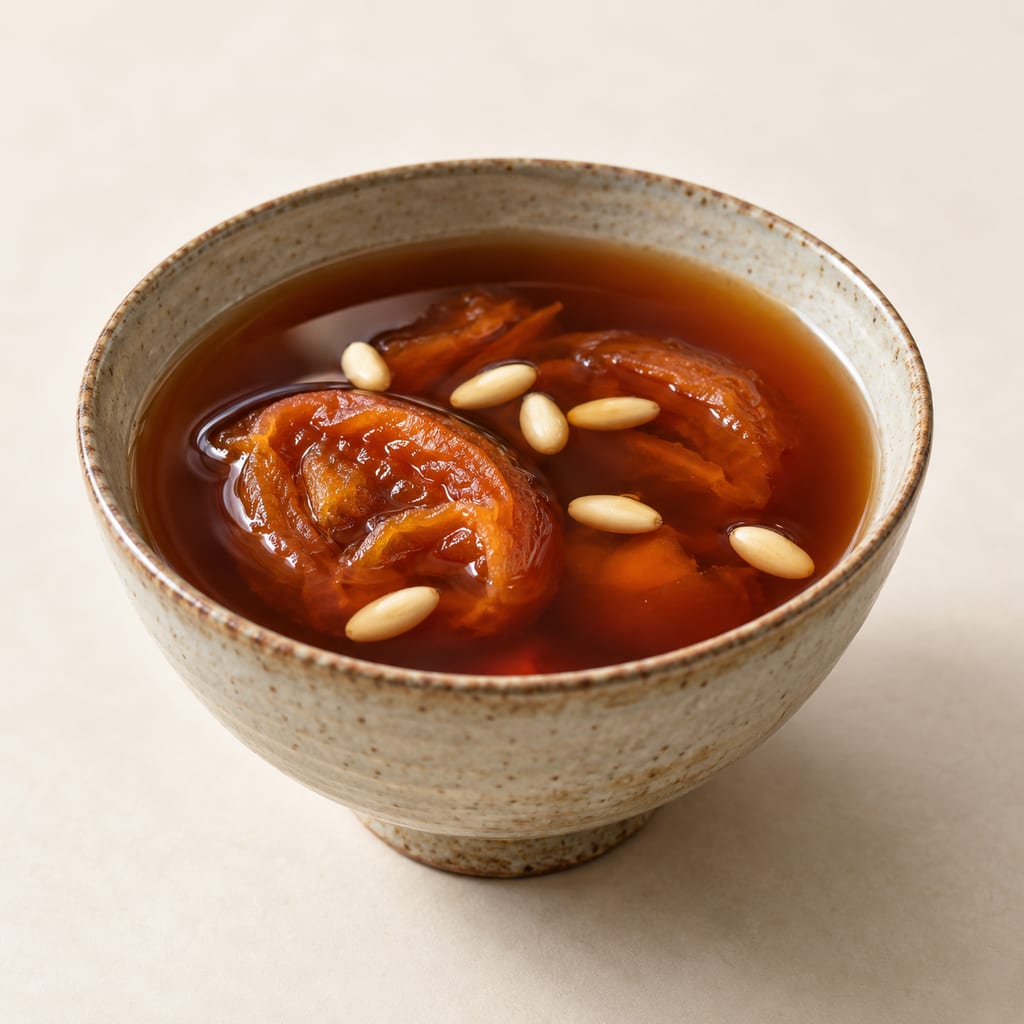
A chilled Korean dessert punch of cinnamon and ginger boiled in water, sweetened and poured over dried persimmons.
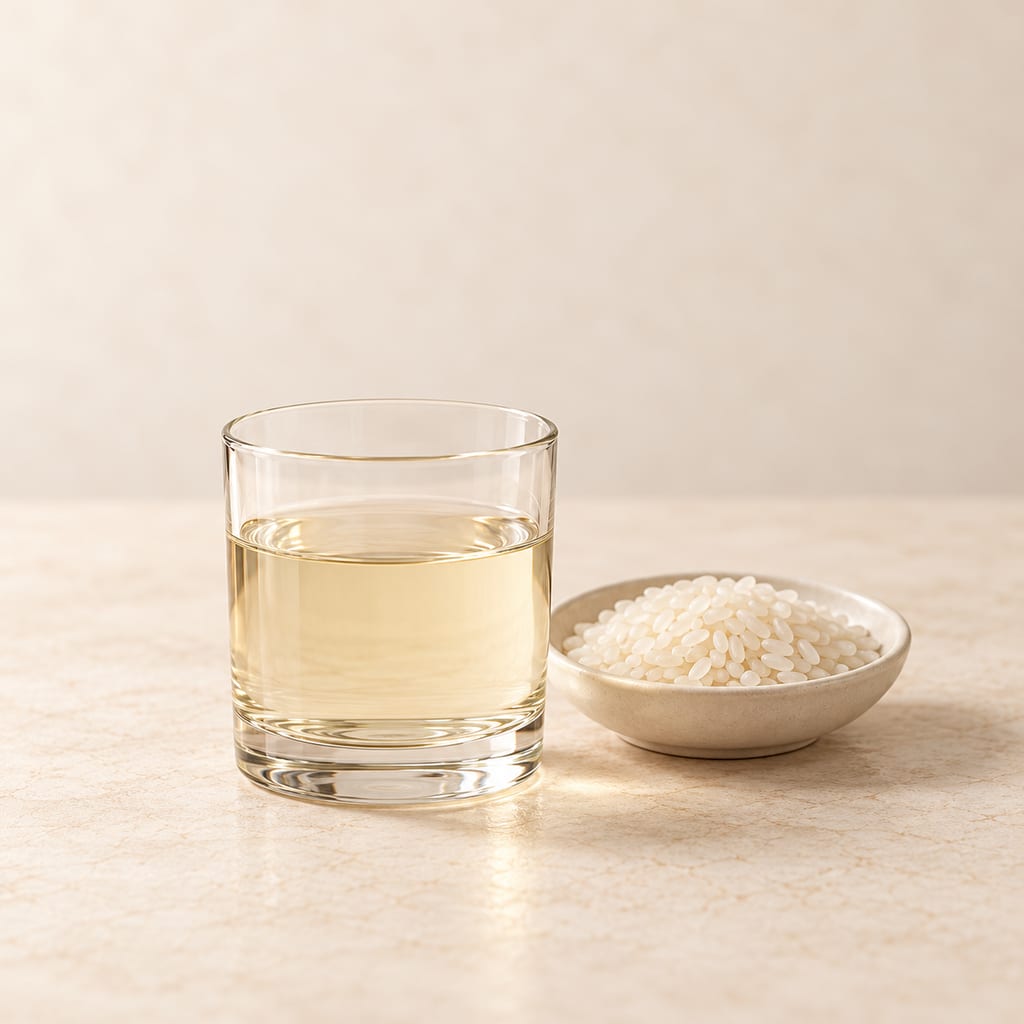
A 2021 study's white-rice yakju: steamed Hanareum rice ferments with rice-flour nuruk and takju yeast for 11 days, then the clear upper liquid is filtered and centrifuged.
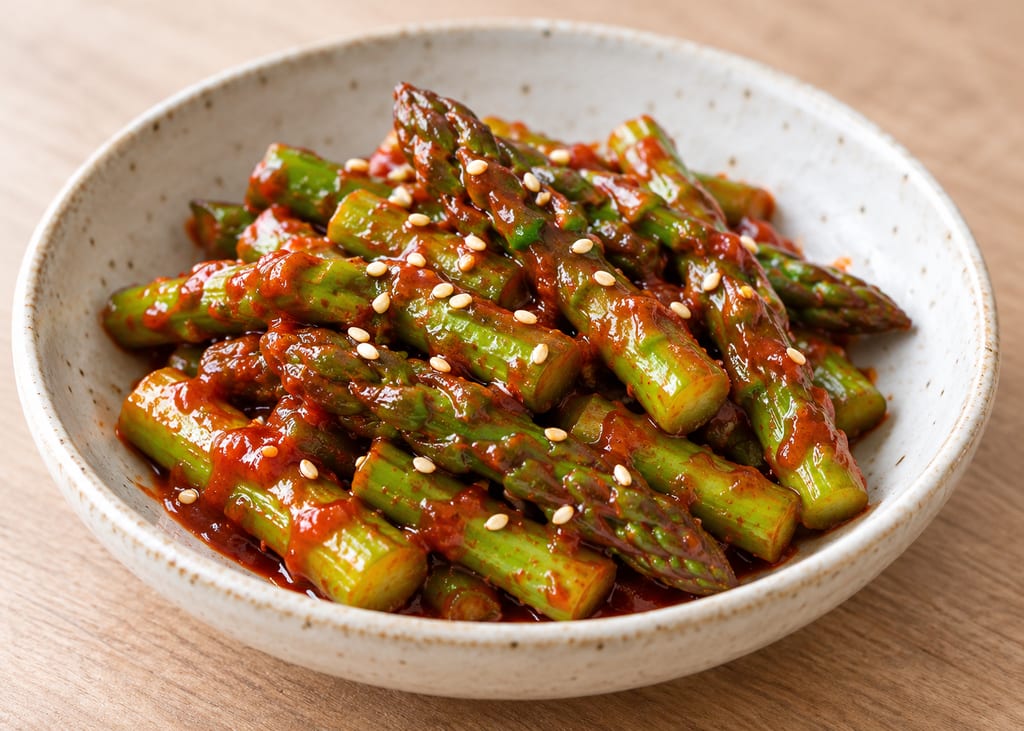
A Korean banchan of blanched asparagus dressed with a sweet-sour cho-gochujang sauce; Hyosun's version cools the spears in ice water before tossing.
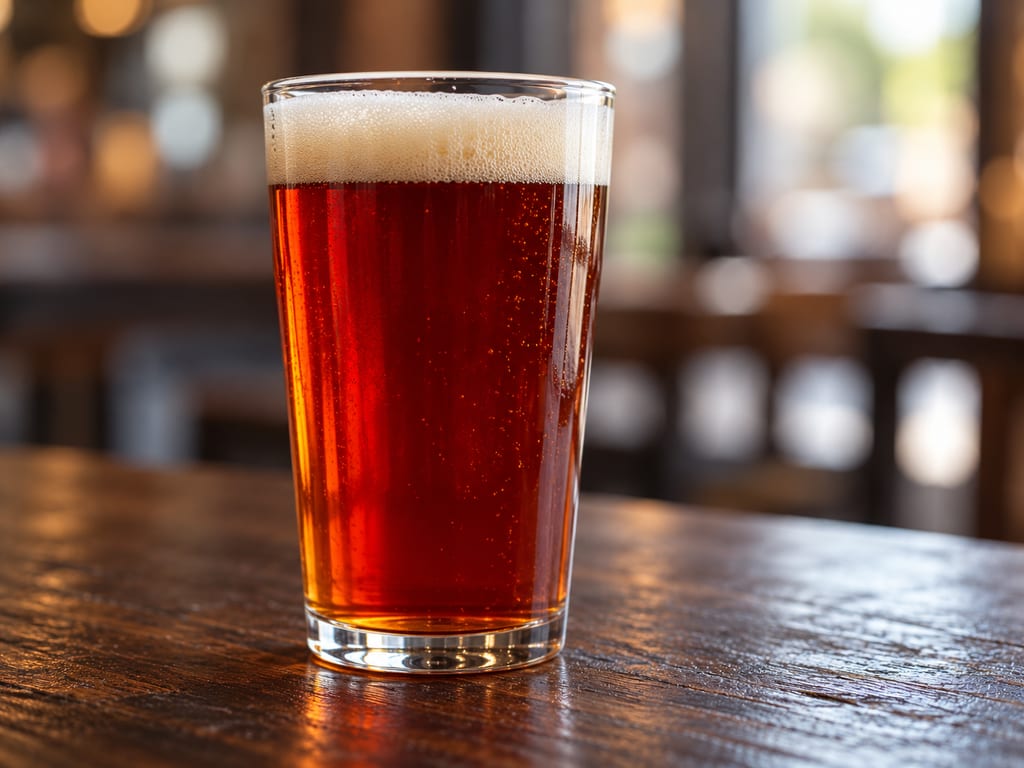
A deep amber-red American ale brewed from pale, Munich, CaraVienne and chocolate malts, bittered with Columbus hops and finished with Amarillo.
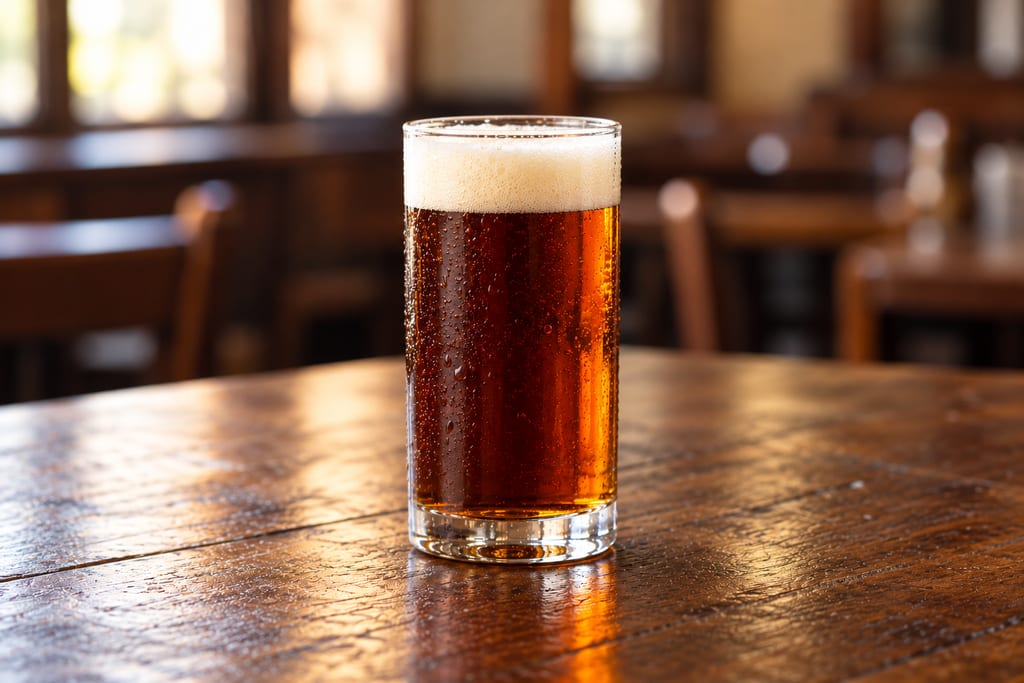
A source-specific modern extract adaptation of Düsseldorf Altbier, with specialty malts, two hop additions and an ale yeast. It is distinct from a brewery's commercial Altbier process and from Kölsch.
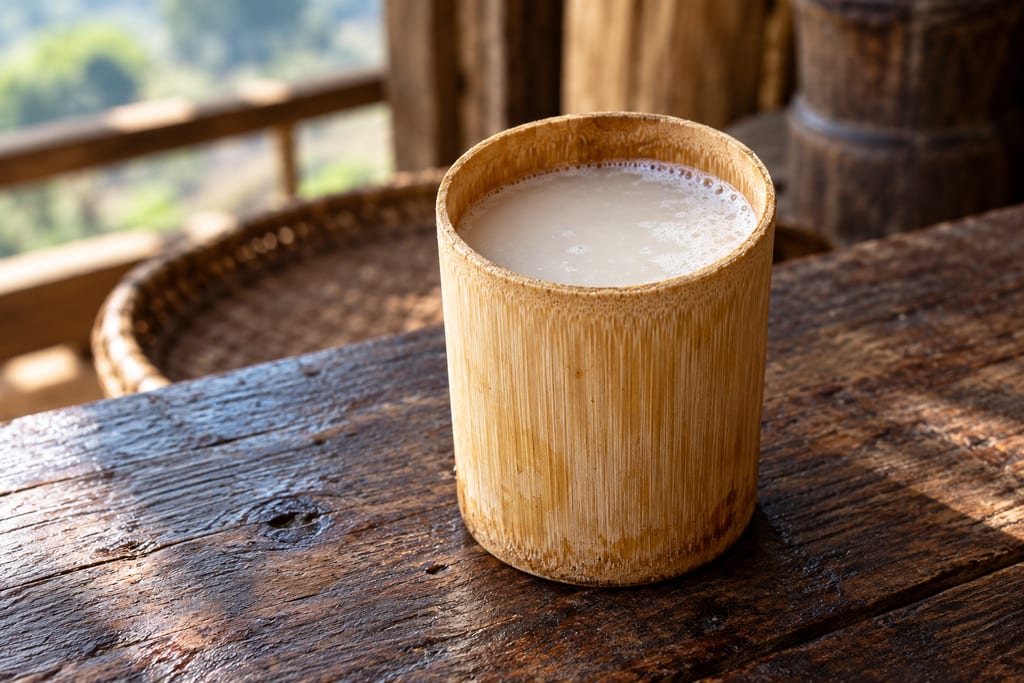
Angami rice beer from Nagaland. A surveyed method mixed cooked rice with piazu, fermented it for about four days in summer or a week in winter, then added water and filtered it. The starter ratio leaves the rice-weight basis unclear.
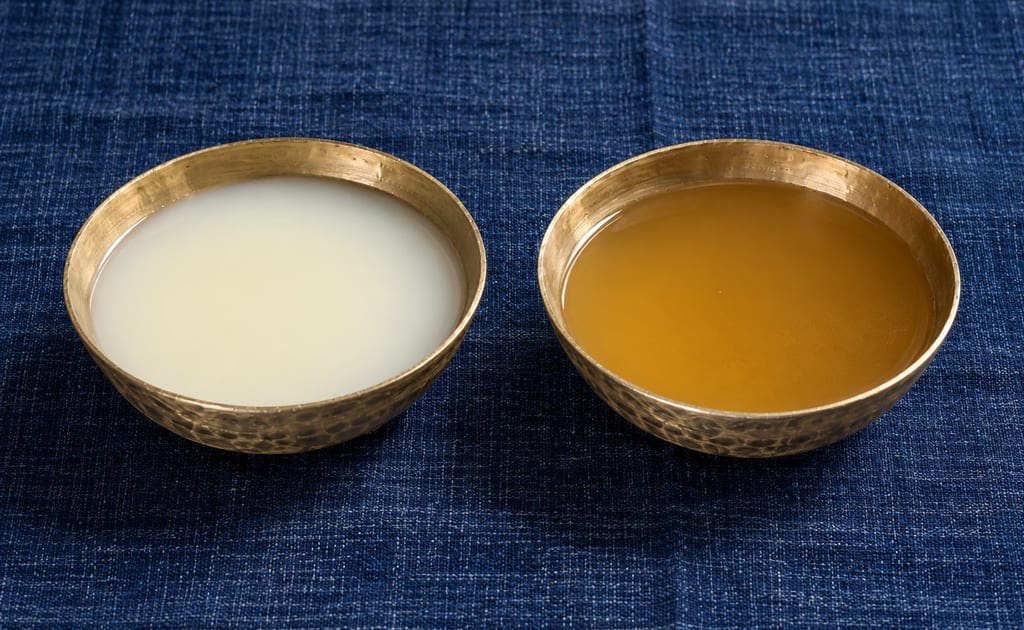
Apong names Mising rice beverages in Assam, including pale Nogin and ash-associated Po:ro. Sources describe distinct preparations and do not establish one unified household recipe or validated safety endpoint.
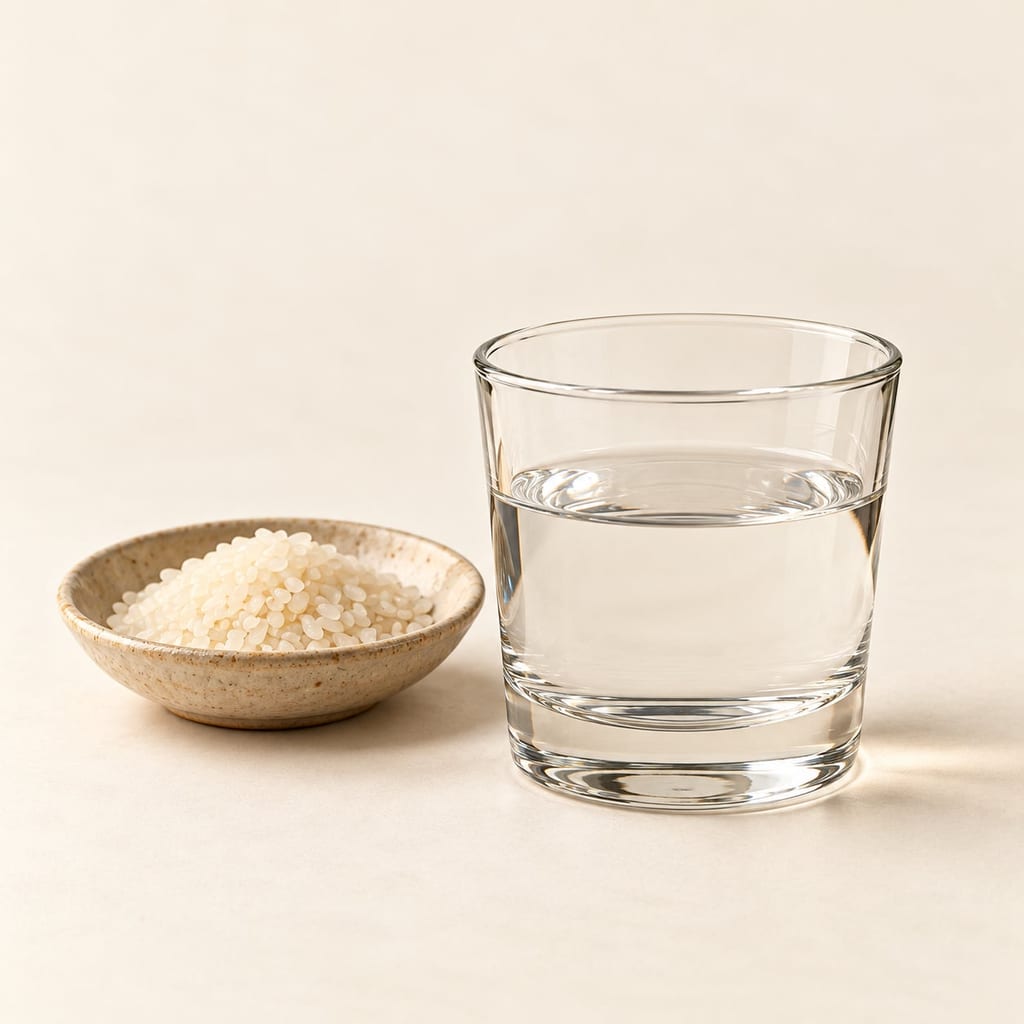
An Okinawan rice spirit made by turning all the rice into black koji, fermenting it with water and yeast, then pot-distilling and maturing the spirit.
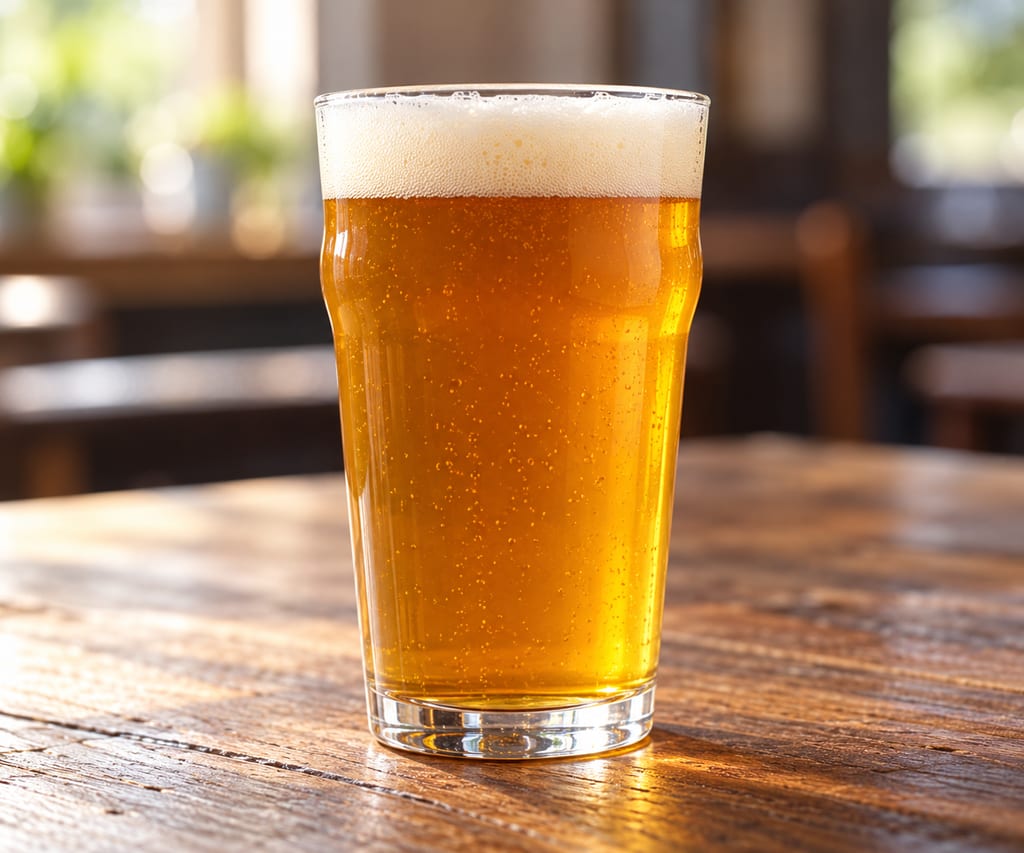
This is a process overview, not a complete batch recipe: key quantities, yield and packaging directions are absent. The AHA tutorial uses Hop Hammer Imperial IPA as an example; this page is not that full formulation.
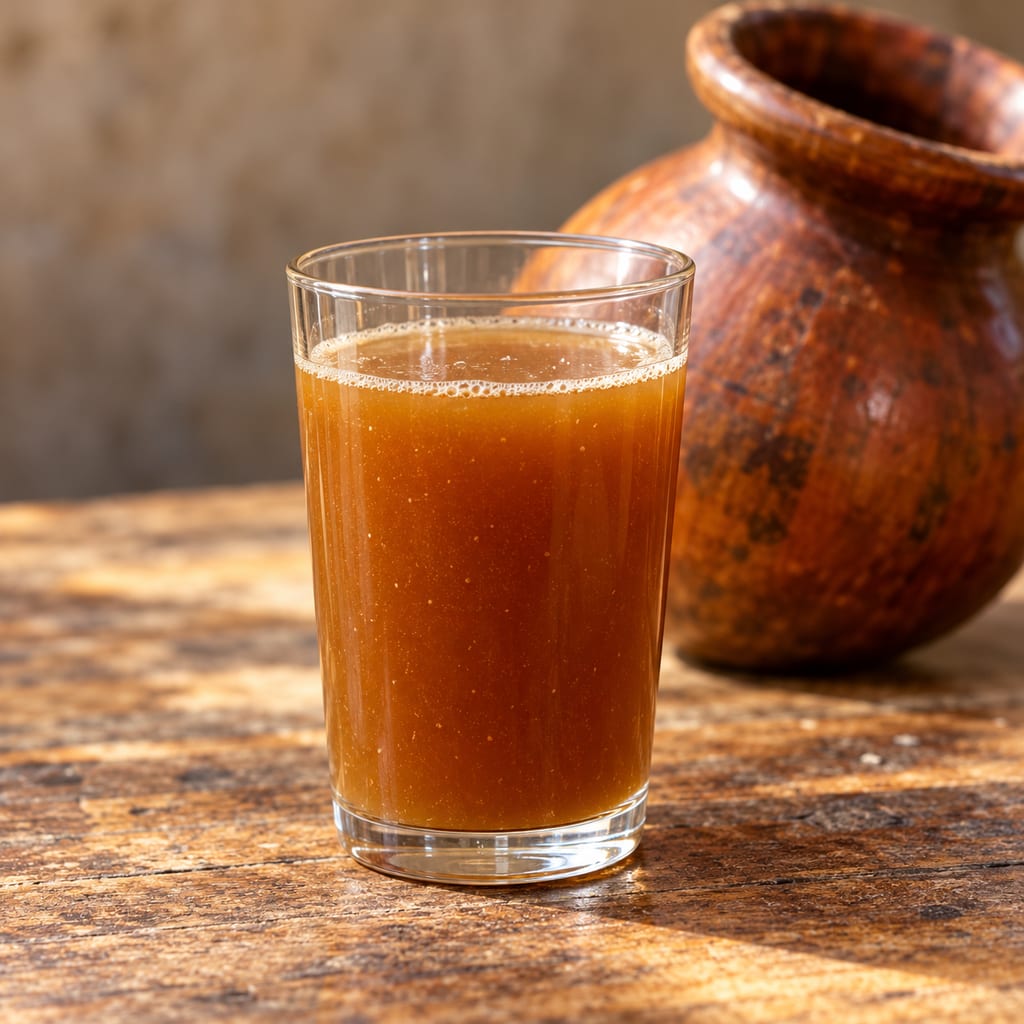
A darker Ethiopian maize tella, brewed from maize baked into a hot, dry kita pancake and then fermented in three stages with barley malt, gesho and water.
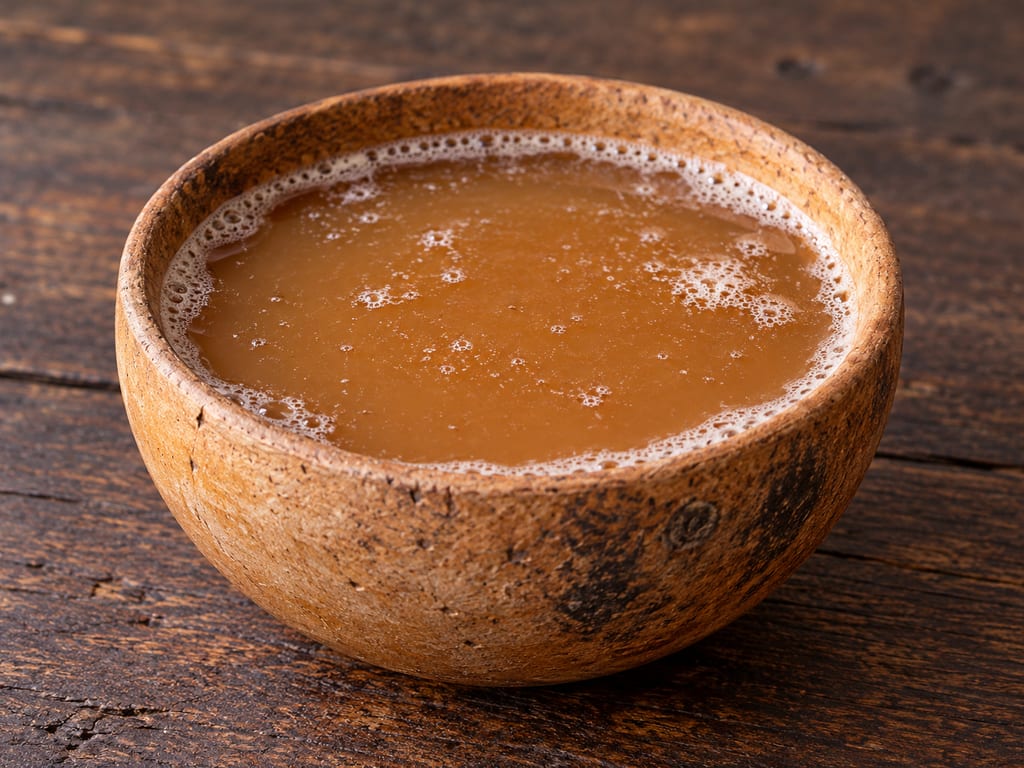
A Burkina Faso sorghum beer brewed from malted grain, soured by a spontaneous lactic stage and then fermented with a traditional yeast leaven.
No community contributions have been published for this entry yet.
Sign in to contribute. Published comments and photos are free to read.
Korean Traditional Knowledge Portal; Rural Development Administration collectionIngredients · Method · History
Andong soju, Traditional Knowledge Collection: Living Culture (1997), entry attributed to Jo Ok-hwaRetained original-language entry link. It timed out during this audit; this version's method was checked against the same entry's English text, with ingredient identity corroborated by the Korean KCDF listing.
WikipediaHistory
Andong sojuRetained legacy reference; no reader-facing claim in this version relies on this tertiary page.
WikipediaSafety
Moonshine, Safety sectionRetained legacy reference; no reader-facing claim in this version relies on this tertiary page.
Rural Development Administration of Korea / Korean Traditional Knowledge PortalMethod · Ingredients · History · Location
Andongsoju, Traditional Knowledge Collection books – Living culture (1997)English entry p648: rice 54L,nuruk18L,water108L; starter20days and overnight dew exposure; rice mash15days; gori/cooler and45° endpoint with no scale specified; Jo Ok-hwa and Andong association.
Cited in: A regional spirit with several methods; Andong, its makers and the historical record; Rice, wheat nuruk and the logic of the mash; What the 1997 method records; Why the stages matter, and what they do not tell us; Reading the measurements and keeping the limits clear
Korea Craft and Design Foundation, K-Ribbon SelectionIdentity · Ingredients · History
Minsokju Andong SojuKorean product listing identifies Jo Ok-hwa's family tradition, handmade wheat starter, non-glutinous rice and whole-wheat nuruk.
Occupational Safety and Health AdministrationSafety
OSHA Technical Manual, Section IV: Chapter 5, Ethanol ProcessingRetained federal source link; full page returned HTTP 403 during audit. This version's safety claims rely on the directly downloaded Oregon OSHA ethanol-processing manual instead.
Oregon Occupational Safety and Health DivisionSafety
Oregon OSHA Technical Manual, Section IV: Chapter 5, Ethanol ProcessingDirectly downloaded and text-read PDF pages 39–40: ethanol vapour/air ignition, accumulation, leaks and distillation overpressure; pages52–55: release prevention, ignition-source control and ventilation; pages53 and62: safe pressure relief to prevent equipment failure. Industrial engineering guidance, not an operating procedure for the historical pot-and-gori apparatus.
Cited in: Why the stages matter, and what they do not tell us; Reading the measurements and keeping the limits clear
Food Science and Biotechnology; Korean Society of Food Science and TechnologyScience · Fermentation
Quality Characteristics of Andong Soju Type Mashes Produced by the Co-culture of Wild Microorganisms Isolated from Nuruk and Mashes for SojuResearchers recovered alcohol-producing yeasts and saccharifying molds from nuruk and Andong soju mashes and tested a selected laboratory co-culture; this describes an experimental mash, not the 1997 household batch.
Lampcook, K-Food Archive (citing a regional specialisation report)Method · Ingredients
Andong sojuThe reproduced Minsokju sequence names wheat for nuruk, non-glutinous rice, water, about 20 days for shaped nuruk, 10–12 days for mash fermentation, and pot/soju-gori distillation; the cited underlying regional report was not retrieved and the page gives no quantities.
The Dong-A IlboHistory · Producer context
[Traditional-liquor masters’ stories] (4): Jo Ok-hwa of Minsokju Andong SojuA reporter's visit and interview documents Jo Ok-hwa's account of her method and product preference; it is not a batch sheet and explicitly leaves ratios and heat control undisclosed.
Cited in: Andong, its makers and the historical record; Serving, hospitality and a living tradition
Yeongnam IlboHistory · Variants · Use · Method
Liquor and food at clan houses (43, final): Andong sojuThe article separately describes a Minsokju 1:3:2 ratio and a three-stage Myeongin method, ritual and hospitality uses, and maturation; quantities and method details remain source-specific and incomplete.
Cited in: Other Andong methods remain distinct; Serving, hospitality and a living tradition
ChosunBizProducer context · Variant · Maturation
Park Sun-wook’s Korean liquor tour: Minsokju Andong Soju CEO Kim Yeon-bak on a new undiluted 25-degree productProducer interview reports handmade wheat nuruk, separate 20-day starter and mash stages, a traditional undiluted 45-degree line, and a distinct lower-strength product blended from later distillate; not a full batch sheet or safety validation.
Cited in: Andong, its makers and the historical record; Other Andong methods remain distinct; Reading the measurements and keeping the limits clear
Journal of Microbiology and Biotechnology Letters, Korean Society for Microbiology and Biotechnology, 45(4), 277–283Science · Mechanism
Effect of Rice Pre-treatment on Enzymatic Saccharification in the Brewing ProcessThe study compares eight traditional rice preparations with nuruk saccharification enzymes and reports that rice preparation changes maltose and glucose production; this is adjacent rice-brewing evidence, not a measurement of the 1997 Andong batch.
Cited in: Rice, wheat nuruk and the logic of the mash; Why the stages matter, and what they do not tell us
Journal of Microbiology and BiotechnologyScience · Fermentation
Characterization of yakju brewed from glutinous rice and wild-type yeast strains isolated from nuruksThe study describes nuruk as a source of saccharogenic enzymes in natural yakju fermentation and tests yeast strains isolated from nuruk; its findings concern experimental yakju, not the specific Andong soju batch.
Cited in: Rice, wheat nuruk and the logic of the mash
VISITKOREA, Korea Tourism OrganizationIdentity · History · Geography · Variants · Uses
Andong Soju: The Premium Soju Representing KoreaTourism overview distinguishes producers, notes regional association, describes ancestral rites and hospitality contexts, museum/tasting, reported distinctions between atmospheric and vacuum distillation; not a recipe specification.
Cited in: A regional spirit with several methods; Andong, its makers and the historical record; Other Andong methods remain distinct; Serving, hospitality and a living tradition
Microbiology and Biotechnology Letters, 35(4), 310–315; Korea Citation IndexScience · Microbiology
Identification and fermentation characteristics of lactic acid bacteria isolated from the fermentation broth of Korean traditional liquor, Andong-SojuBibliographic metadata and indexed Korean abstract report lactic-bacteria isolates from producer nuruk and Andong-soju fermentation broth; the paper body was not accessed and the finding is not generalized to all batches.
Cited in: Rice, wheat nuruk and the logic of the mash
Mycobiology, 39(4), 278–282; PubMed CentralScience · Enzymes
Identification and Characterization of Useful Fungi with α-Amylase Activity from the Korean Traditional NurukStudy collected 165 nuruk samples and measured fungal α-amylase and starch hydrolysis activity; results support general description of nuruk enzymatic potential, not the species or outcomes in the 1997 recipe.
Cited in: Why the stages matter, and what they do not tell us
Korea Rural Economic Institute, Nongchon Gyeongje 17(2), 1–16Historical variant
Institutional improvement measures for the traditional folk-liquor industry: A case study of Minsokju Andong sojuMetadata and indexed p. 9 excerpt report quantities and duration in mal/doe and a reported yield; full paper not retrieved and current producer variant remains unclear.
Cited in: Other Andong methods remain distinct