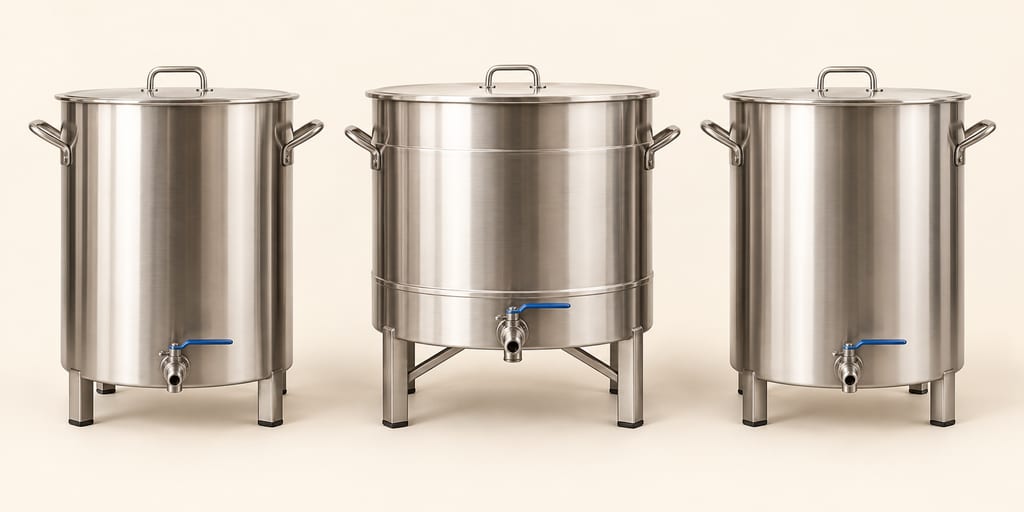
Three-vessel all-grain homebrewing system
A three-vessel all-grain setup separates heated water, mashing and lautering, and wort boiling into an HLT, mash/lauter tun, and boil kettle. Other methods may combine vessels.
 FermenteaWhere food goes to change
Modern method
Oak Hall Red Ale
A deep amber-red American ale brewed from pale, Munich, CaraVienne and chocolate malts, bittered with Columbus hops and finished with Amarillo.
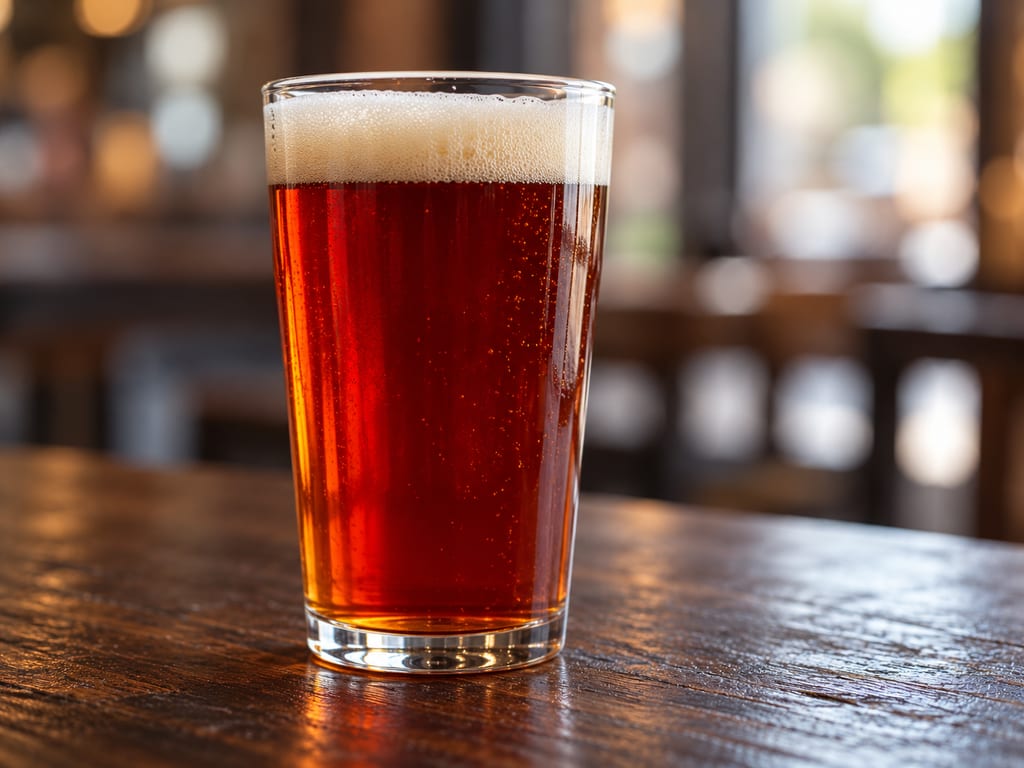
American red ale is a malt-forward beer whose colour usually ranges from copper to reddish amber. Its flavour balances cereal sweetness, toasted or caramel-like malt character and the bitterness and aroma of hops.
The terms American red ale and American amber ale overlap considerably. They are not always separate styles. In some markets, red ale is a commercial description of a particularly reddish amber beer.
The documented recipe is Oak Hall Red Ale, a modern all-grain formulation published by Maryland Home Brew in its Guide to All-Grain Brewing, copyrighted 2010.
It uses malted barley, American hop varieties and a California ale yeast. Unlike an extract-based homebrew, its fermentable wort is prepared from grain through mashing and sparging.
The main cereal is barley, Hordeum vulgare L. The hops come from Humulus lupulus L., while the fermentation organism is a brewing strain of Saccharomyces cerevisiae.
The recipe uses Columbus hops for bitterness and flavour, Amarillo hops for later aroma additions and White Labs California Ale Yeast WLP001 for fermentation.
This is a specific contemporary American recipe, not a claim about the original invention of red beer.
Amber, brown and reddish beers have existed in multiple brewing traditions, but the modern American amber ale category developed within the American craft-brewing movement.
Brewers combined malt character reminiscent of some British ales with American hop varieties and fermentation practices.
As American craft breweries grew during the late twentieth century, amber ale became a familiar commercial designation.
The Maryland Home Brew publication categorised Oak Hall Red Ale as American Amber Ale (6B) under the style terminology used at the time. Style numbering changes between editions of judging guidelines; the historical number should not be treated as a permanent definition.
The recipe's precise ingredients are more informative than the style label. They explain how its colour, malt profile and bitterness are developed.
Original formulation — nominal five-US-gallon batch
The original water quantities are specified separately in the mashing procedure.
The source does not give a measured finished-beer volume, final gravity, achieved ABV, bitterness value or packaged-beer shelf life.
The five-US-gallon description is a recipe batch designation, not a guarantee that exactly five gallons will remain after kettle, fermentation and packaging losses.
Pale ale malt — 10 lb — Main source of extract and enzymes
Munich malt — 1 lb — Adds malty, bready and toasted character
CaraVienne malt — 0.75 lb — Contributes colour and caramel-like flavour
Chocolate malt — 0.25 lb — Deepens colour and contributes roasted character
Columbus hop pellets, 12.2% alpha acids — 0.50 oz — Bittering addition
Columbus hop pellets, 12.2% alpha acids — 0.50 oz — Flavour addition
Amarillo hop pellets, 8% alpha acids — 0.50 oz — Late aroma addition
Amarillo hop pellets, 8% alpha acids — 0.50 oz — Knockout addition
Amarillo hop pellets, 8% alpha acids — 0.50 oz — Dry hopping
Irish moss — 1 teaspoon — Kettle fining
White Labs California Ale Yeast WLP001 — A starter — Alcoholic fermentation; exact cell count unspecified
Pale ale malt provides most of the starch and enzymes needed to produce fermentable wort.
During malting, barley undergoes controlled germination and drying. Germination develops enzymatic systems that become important during mashing.
Munich malt is kilned more intensively and contributes deeper malt flavour.
CaraVienne is a caramel-type malt. Its processing creates compounds associated with sweetness, colour and caramelised flavours.
Chocolate malt is substantially darker. In this recipe it makes up a relatively small proportion of the grist, so its main role is to strengthen the colour and introduce limited roasted character rather than turn the beer into a stout.
The proportions matter. Increasing chocolate malt substantially would change the beer's flavour and appearance.
Likewise, replacing all the specialty malts with pale malt would remove much of the intended red-amber character.
Barley starch is composed largely of amylose and amylopectin.
During mashing, water and heat allow starch to become accessible to enzymes.
Alpha-amylase and beta-amylase contribute to the breakdown of starch into smaller carbohydrates.
Some of these sugars, especially maltose and related fermentable carbohydrates, can be consumed by yeast.
Other dextrins remain and contribute to body.
The original mash rests at 152°F (approximately 66.7°C) for 90 minutes.
This is a single-infusion mash, meaning the main conversion stage is conducted at one temperature rather than through several deliberately programmed temperature rests.
The mash-out and sparging steps subsequently help separate wort from the spent grains.
The exact extract obtained depends on malt quality, milling, water chemistry, equipment and lautering efficiency.
Therefore, the original gravity target cannot be guaranteed merely by weighing the listed grains.
Hop cones contain bittering compounds, aromatic oils and many other substances.
During boiling, alpha acids can undergo isomerisation, producing compounds responsible for much of the bitterness in conventional beer.
Longer hot exposure generally promotes more bittering extraction, although the result depends on wort conditions and hop composition.
Late hop additions preserve a different balance of aromatic compounds.
Dry hopping introduces hop material after the main boiling stage. It can add aroma without undergoing the same full kettle treatment.
The recipe uses Columbus and Amarillo at different stages precisely because the brewer wants different effects.
Columbus provides a firm bittering component and flavour.
Amarillo contributes late and dry-hop aroma.
The actual intensity varies with the hop lots and their storage.
The percentages printed in the recipe are the alpha-acid contents of the original hop ingredients, not universal values for every later crop.
This method requires an all-grain brewing system with a mash vessel, means of separating wort from grain, a kettle, a cooling method and a fermentation vessel.
A thermometer and hydrometer or equivalent gravity-measuring equipment are important.
The original instructions assume the brewer can control liquid temperature during the mash and fermentation.
Equipment that contacts cooled wort or beer must be appropriately cleaned and sanitised.
A pressure-rated packaging system is needed if the beer is to be carbonated and packaged, but the original recipe does not provide a validated packaging procedure.
Mash: 90 minutes at 152°F · Boil: 60 minutes · Primary fermentation: 6 days at 66°F · Dry-hop stage: 5–7 days at 55°F
The fermentation timetable describes the original brewer's plan. It does not establish that every batch will have finished fermenting after six days.
Saccharomyces cerevisiae uses fermentable carbohydrates to produce ethanol, carbon dioxide and other metabolites.
The strain also contributes to the beer's flavour through the production and transformation of esters, higher alcohols and other compounds.
WLP001 is a widely used California ale strain associated with relatively clean fermentation.
A comparatively clean yeast profile allows the malt and hops to remain prominent.
Fermentation performance nevertheless depends on pitch rate, wort composition, oxygen availability and temperature.
The original recipe provides no calculated starter-cell requirement.
Because original gravity is relatively substantial, a suitable pitching rate matters, but selecting a specific number of cells without supporting process data would violate the recipe's source-based approach.
Beer colour comes largely from compounds produced during malt kilning and roasting.
Maillard reactions occur when sugars and amino compounds react under heating.
Some reaction products contribute brown and reddish colour.
Roasted malts contain additional dark compounds.
The combination of pale, Munich, CaraVienne and chocolate malt gives this beer its intended reddish appearance.
However, the recipe does not report an actual colour measurement.
A finished pint's shade also depends on wort concentration, fermentation losses and the optical conditions in which it is viewed.
It is therefore better to describe the beer as amber-to-red than assign an invented SRM number.
American red ale is commonly served as an everyday drinking beer.
Its malt character can complement grilled foods, burgers, roasted vegetables and moderately seasoned meat.
The balancing hop bitterness can contrast with rich or fatty dishes.
The beer is generally less dark and heavily roasted than a porter or stout.
A suitable serving temperature depends on the finished beer and personal preference; the original source does not give a numeric serving temperature.
The name Oak Hall Red Ale refers to this specific homebrewing formulation, not a protected regional beer style.
A successful batch should demonstrate appropriate fermentation, acceptable flavour and an absence of signs of contamination.
Poor temperature control may create unexpected fermentation character.
Diacetyl can contribute buttery flavours, while oxidation during inappropriate handling may lead to stale or papery notes.
Insufficient sanitation after boiling can introduce unwanted microorganisms.
A stalled fermentation can leave more fermentable sugar than expected.
That is particularly serious if a brewer proceeds to bottle the beer without establishing fermentation completion.
The original recipe's six-day schedule should not replace repeated gravity measurements.
This is an alcoholic beverage.
The exact finished alcohol percentage is not documented.
The wort's original gravity target alone is insufficient to calculate the actual ABV without a final gravity.
Equipment contacting cooled wort needs adequate sanitation.
Uncontrolled bottle conditioning can cause excessive pressure and bottle breakage.
The source does not provide priming-sugar quantities, bottle-pressure limits, kegging instructions or shelf-life validation.
For that reason, this page preserves the complete documented brewing sequence through dry hopping, while treating packaging as an unresolved section rather than inventing a process.
An American homebrewing recipe published in a brewing equipment guide. It documents one contemporary red-ale formula and does not represent historic beer practice.
Scaling: source batch only
Clemson Extension explains that dirty or unsanitized equipment can contaminate homebrew and that excess fermentation can over-carbonate or rupture bottles.
Hazard sourceBrewer's yeast converts sugars into ethanol; the final alcohol level is not specified by the recipe.
Hazard sourceClean equipment before sanitizing; sanitize all items that contact cooled wort or beer and follow sanitizer label directions.
Control sourceThis is an alcoholic beverage. The source does not provide an alcohol percentage or bottle-conditioning endpoint; do not package by guessing at fermentation completion.
Modern US homebrew formula; Maryland is the publisher's location, not a claim of style origin.
A three-vessel all-grain setup separates heated water, mashing and lautering, and wort boiling into an HLT, mash/lauter tun, and boil kettle. Other methods may combine vessels.
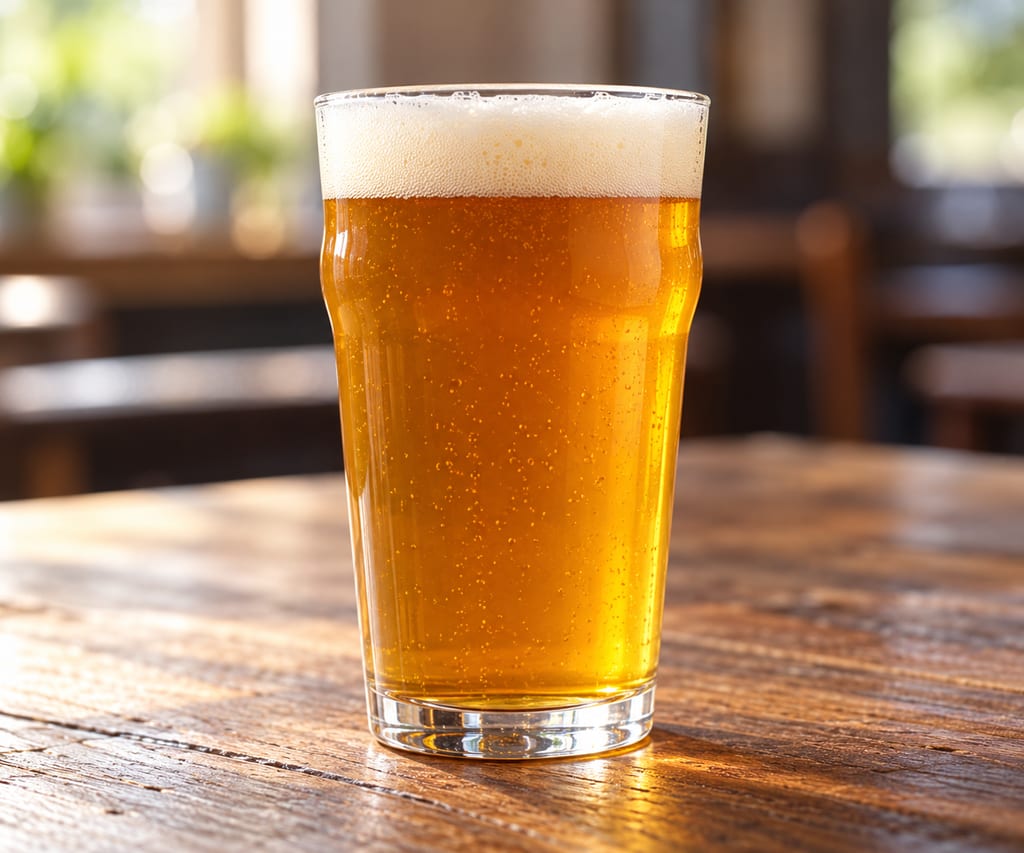
This is a process overview, not a complete batch recipe: key quantities, yield and packaging directions are absent. The AHA tutorial uses Hop Hammer Imperial IPA as an example; this page is not that full formulation.
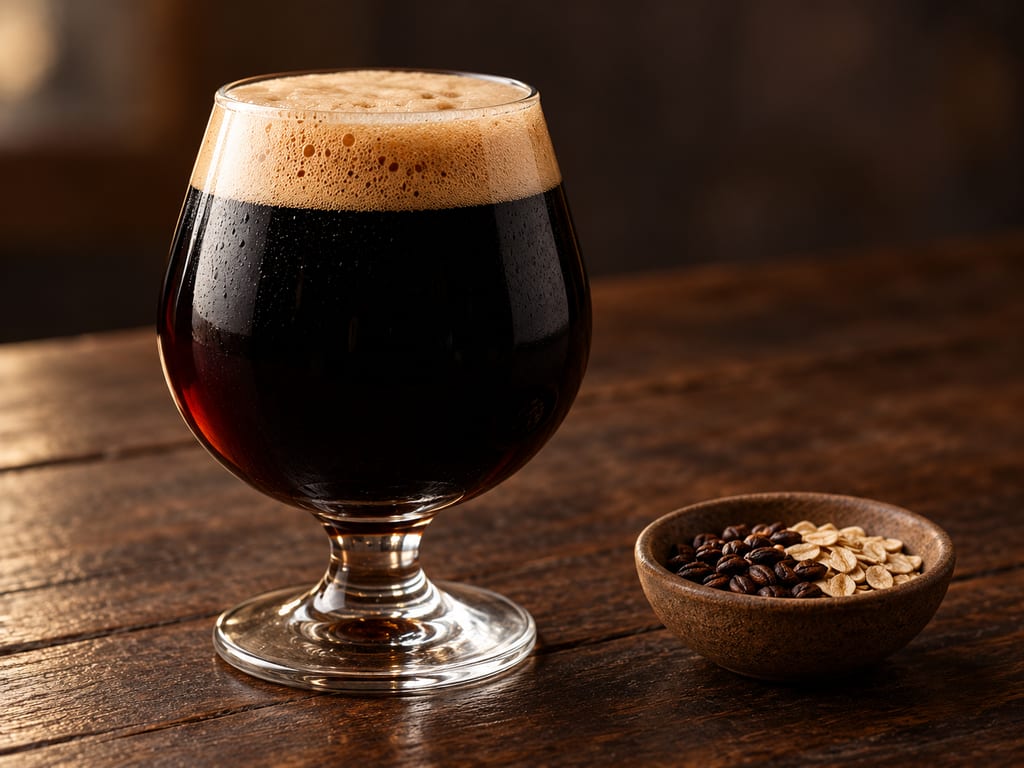
An all-grain imperial stout with pale malt, roasted barley, dark malts and oats, fermented with an American ale-yeast starter.
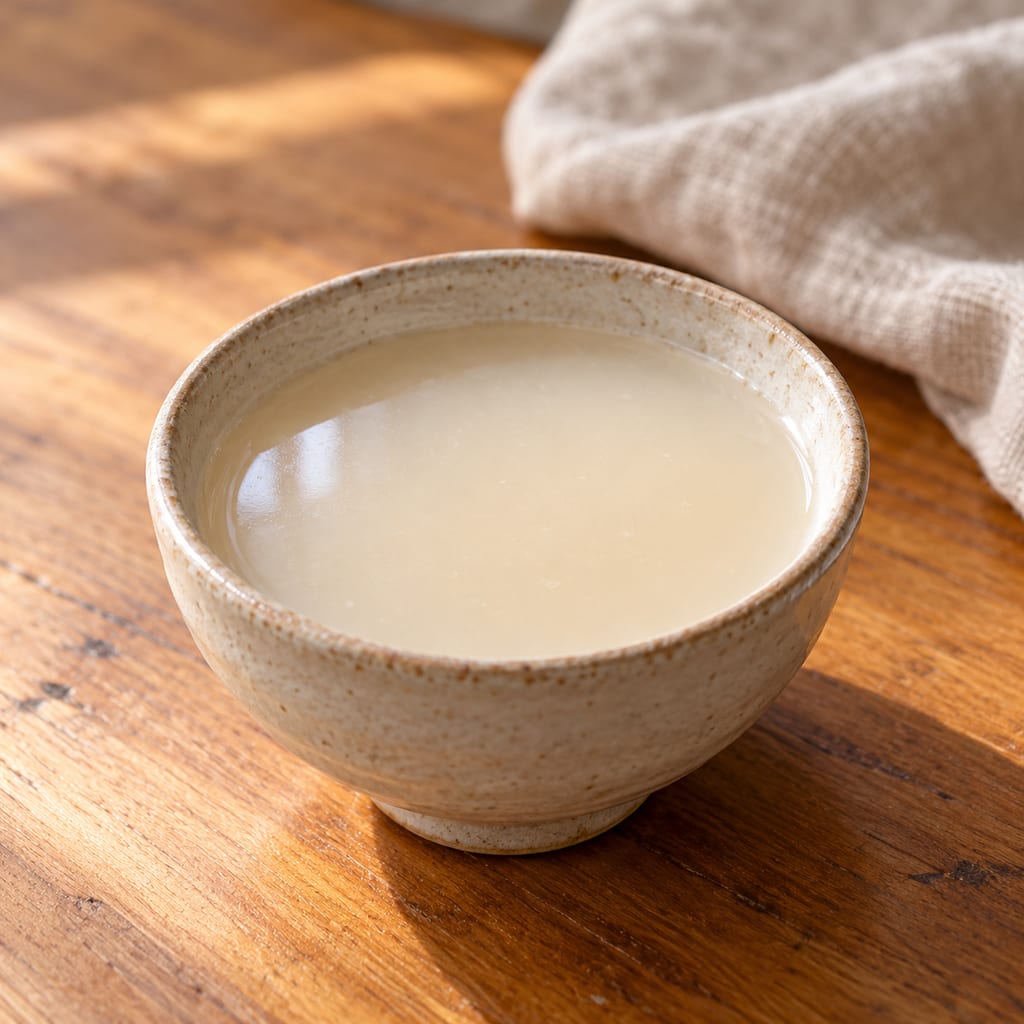
An alcoholic Korean rice drink of steamed glutinous rice and nuruk, mashed in a single stage and fermented for 7 to 14 days.
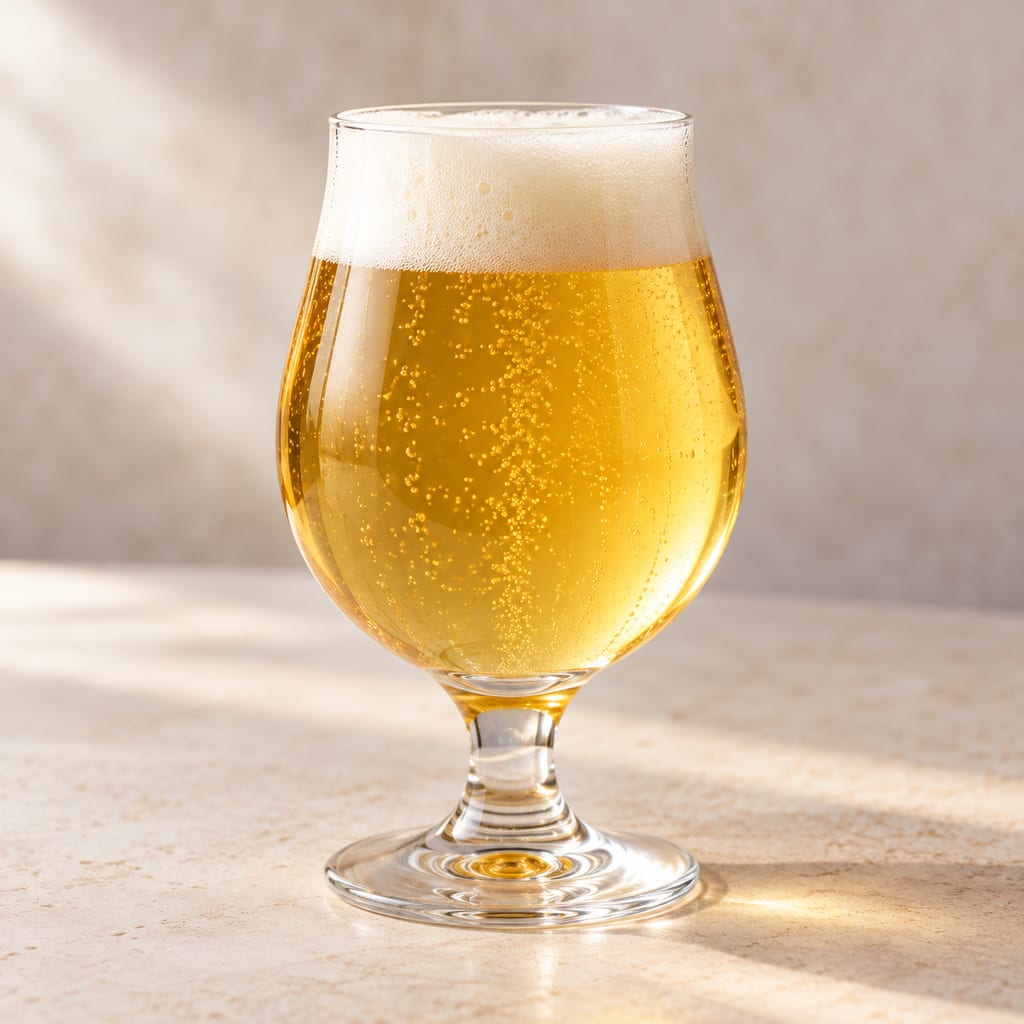
A pale Belgian-style ale with Pilsner and aromatic malts, cane sugar and Saaz hops, fermented under loose foil before an airlock is fitted.
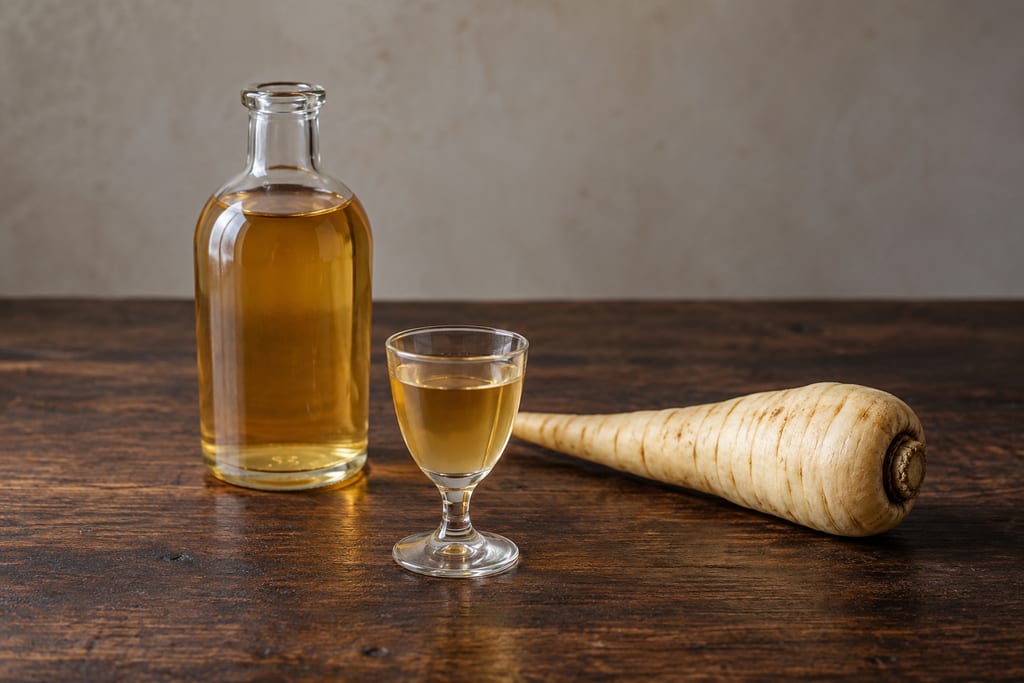
Wright's 1909 compilation records a parsnip wine made from boiled roots, sugar and a little yeast. The liquor spends ten days in a tub, then twelve months in a cask topped up daily only while the wine works over.
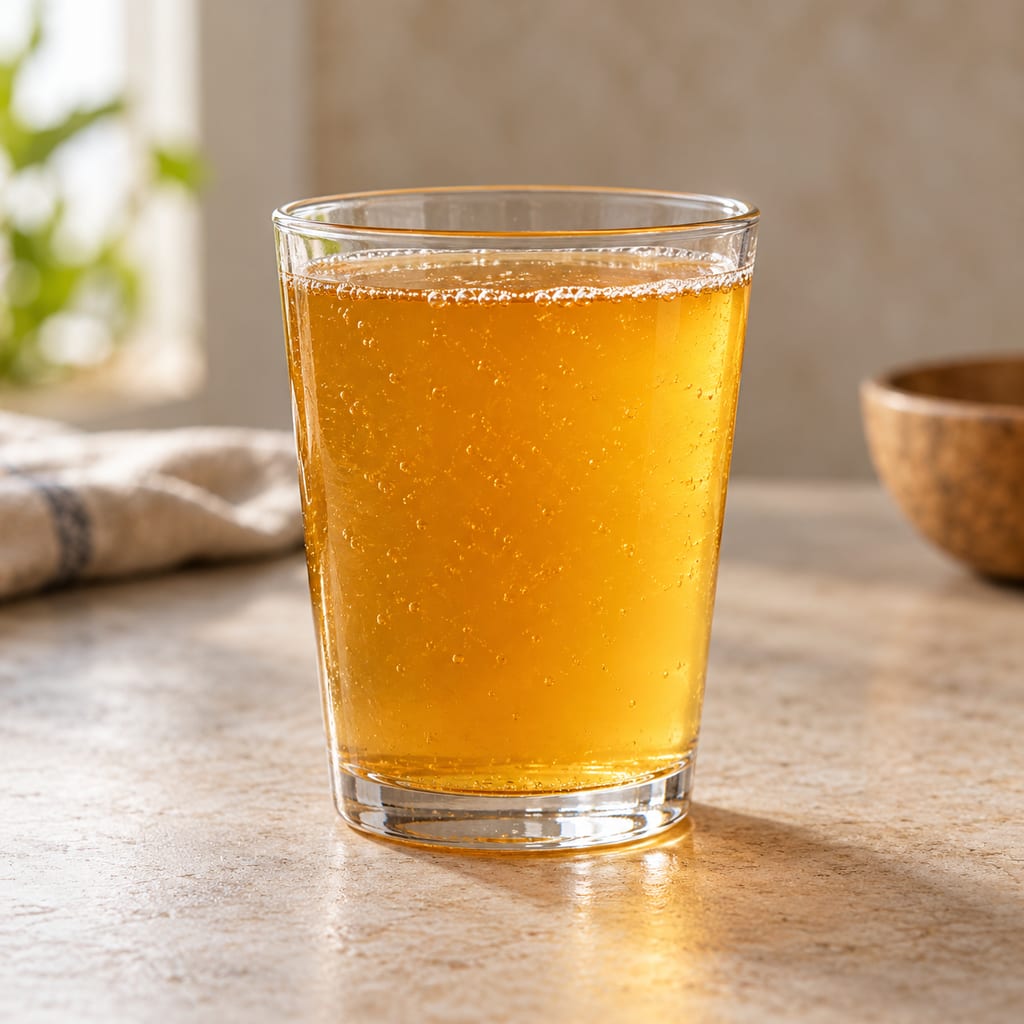
An Oregon State food-science lab formula ferments pineapple skin and piloncillo with jalapeño and warm spices for three to five days, then strains and refrigerates it. The handout reports wide alcohol variability.
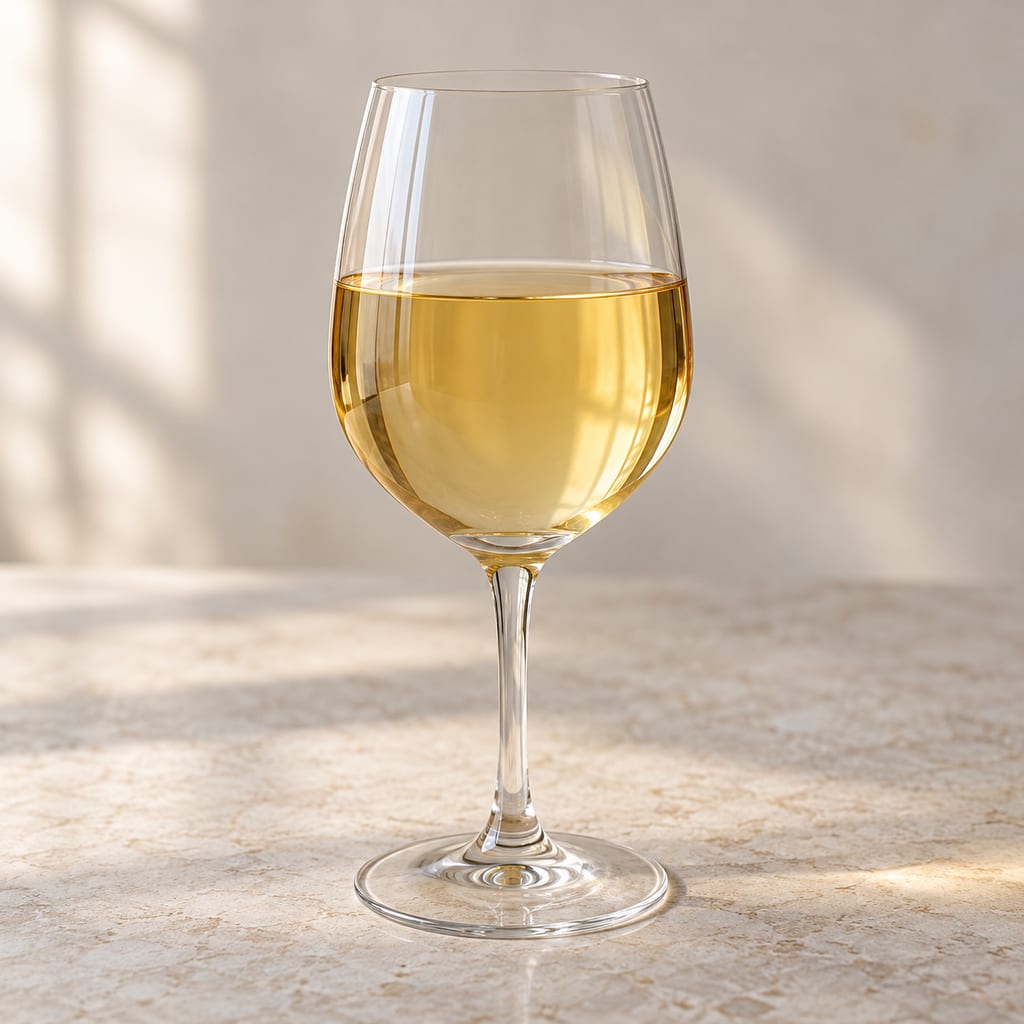
A still, dry honey wine fermented from varietal honey and water with a single wine yeast, carrying no residual sweetness and no added carbonation.
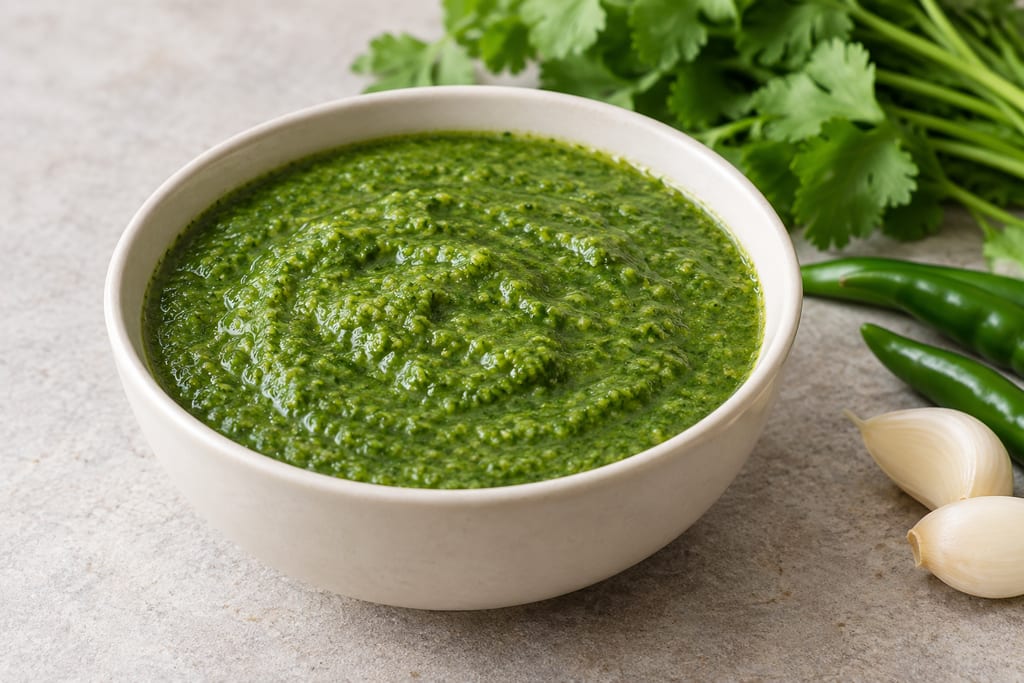
Afghan coriander chatni is a sharp, hot herb sauce with garlic and vinegar. A 2008 Afghanistan manual records green or red pepper and optional walnut; heat and household versions vary.
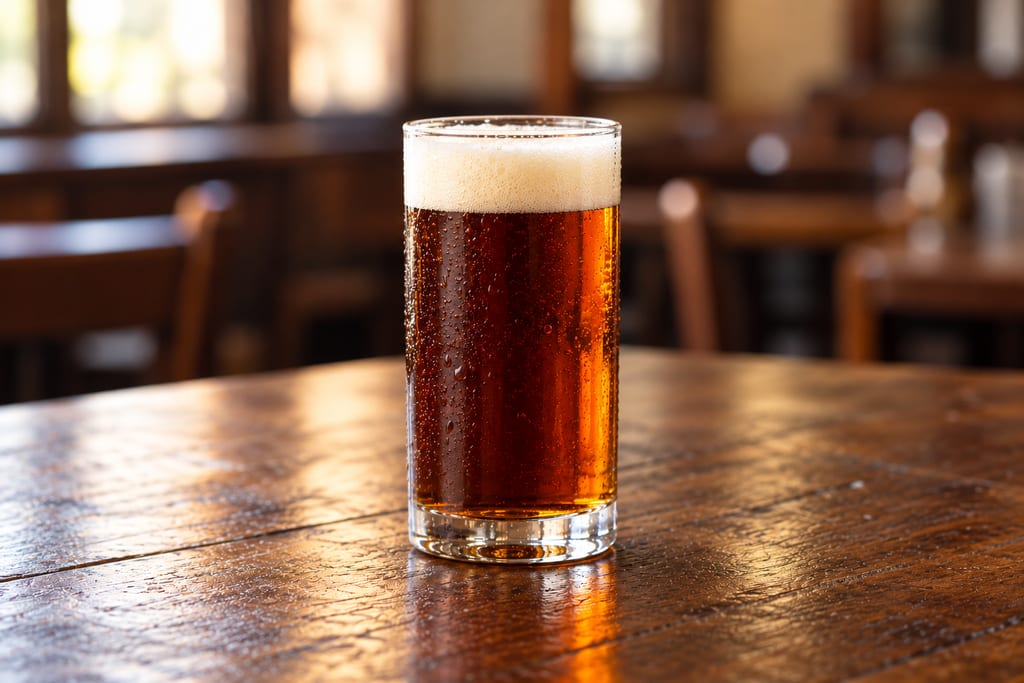
A source-specific modern extract adaptation of Düsseldorf Altbier, with specialty malts, two hop additions and an ale yeast. It is distinct from a brewery's commercial Altbier process and from Kölsch.
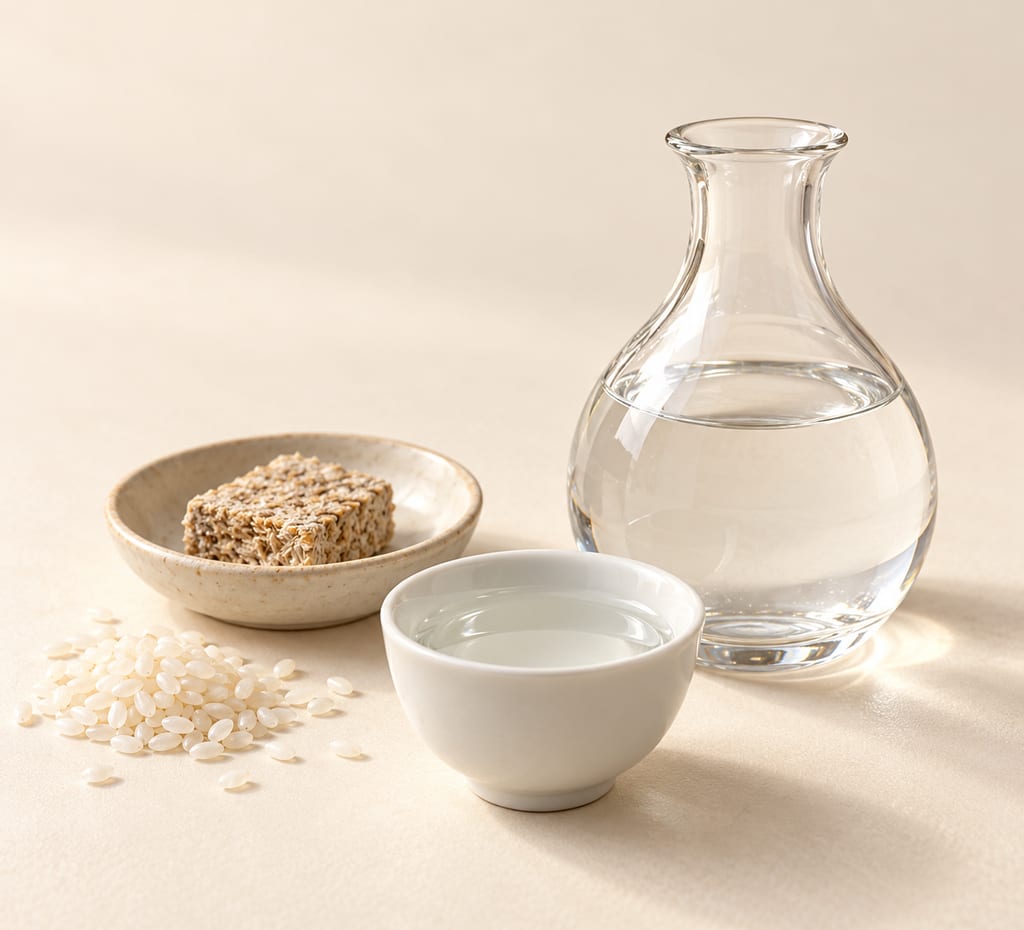
Andong soju is a rice spirit from North Gyeongsang, distilled from steamed rice and wheat nuruk. This method makes the starter before fermenting the rice mash in a jar.
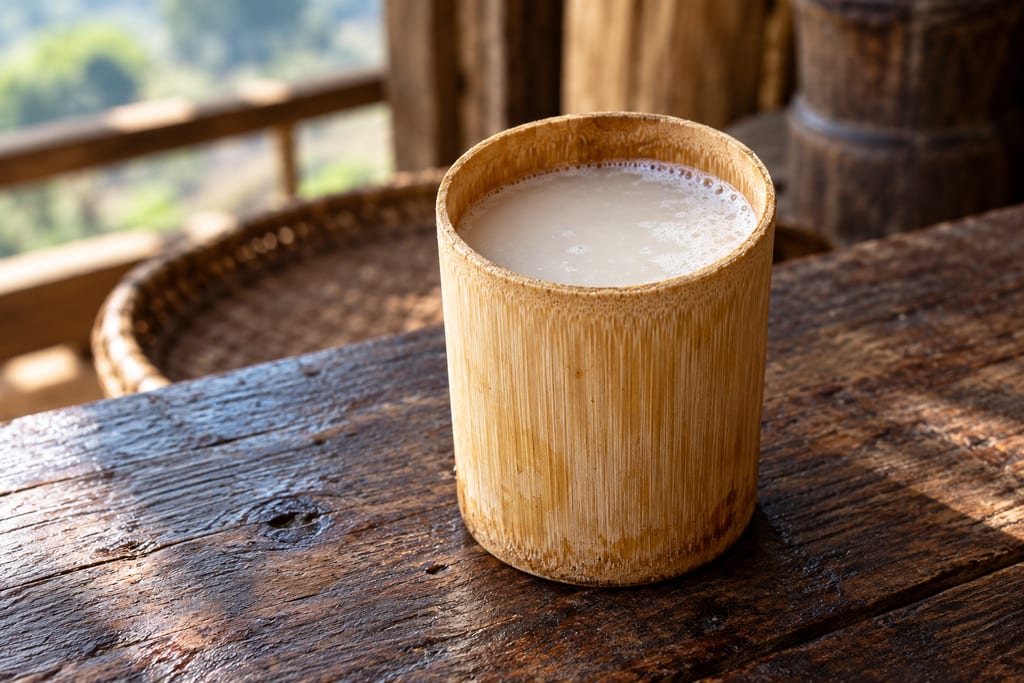
Angami rice beer from Nagaland. A surveyed method mixed cooked rice with piazu, fermented it for about four days in summer or a week in winter, then added water and filtered it. The starter ratio leaves the rice-weight basis unclear.
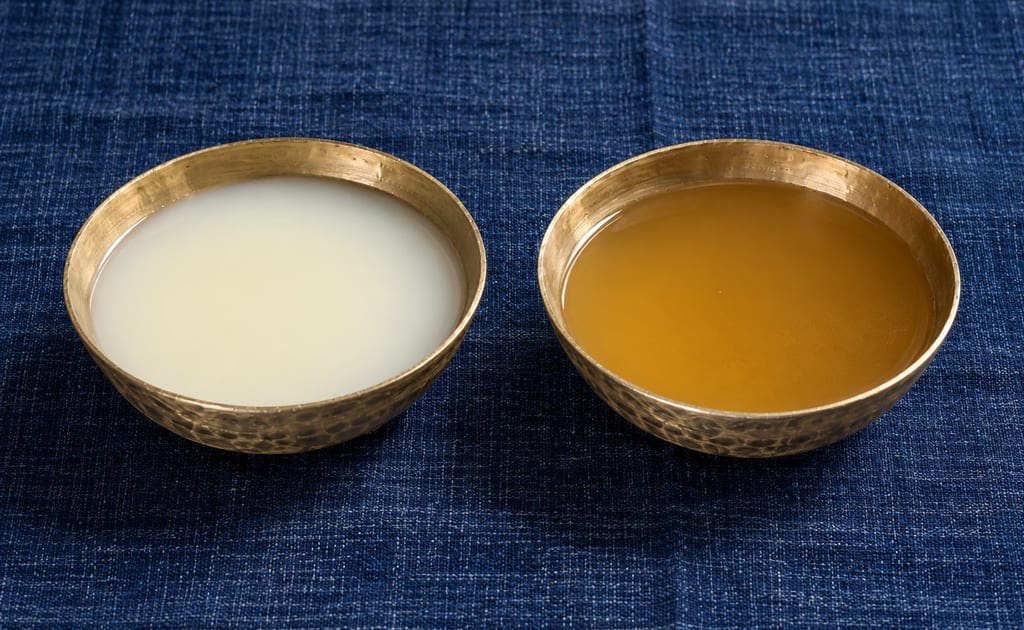
Apong names Mising rice beverages in Assam, including pale Nogin and ash-associated Po:ro. Sources describe distinct preparations and do not establish one unified household recipe or validated safety endpoint.
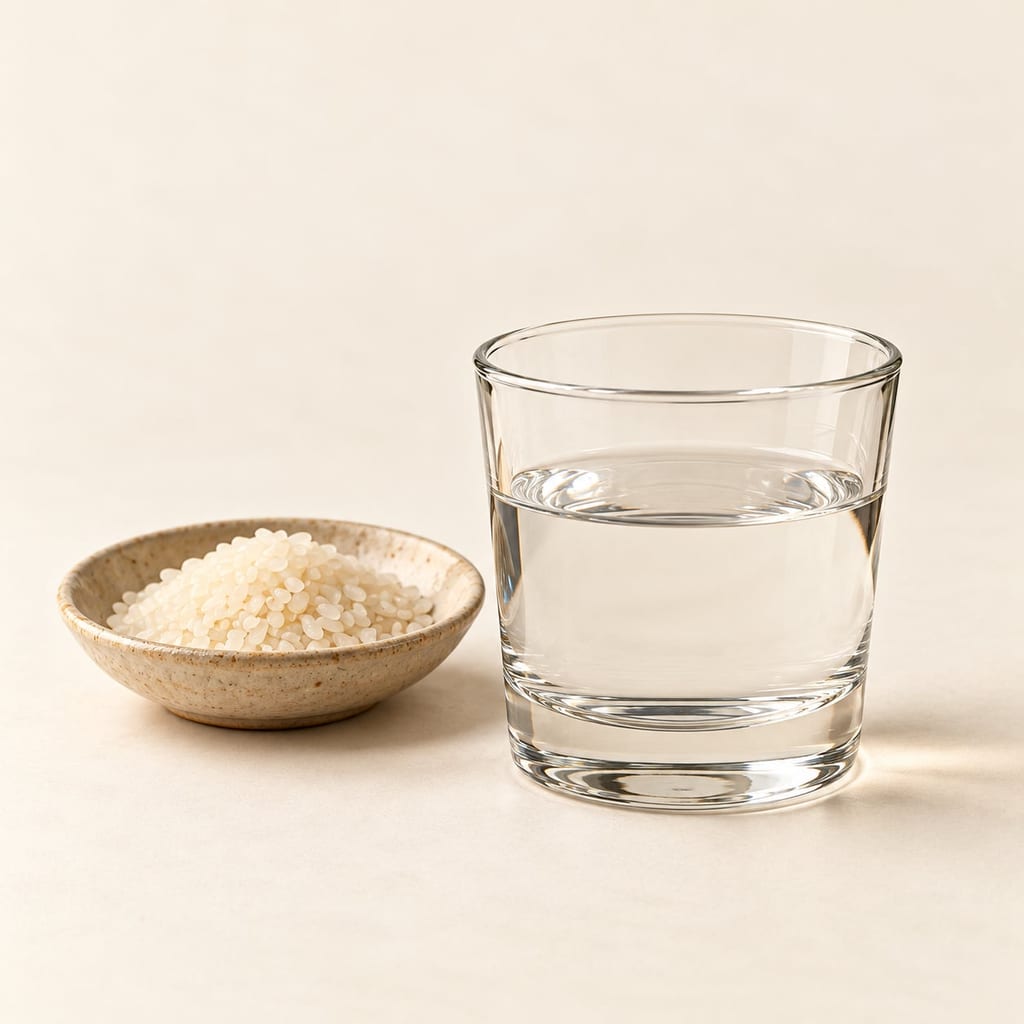
An Okinawan rice spirit made by turning all the rice into black koji, fermenting it with water and yeast, then pot-distilling and maturing the spirit.
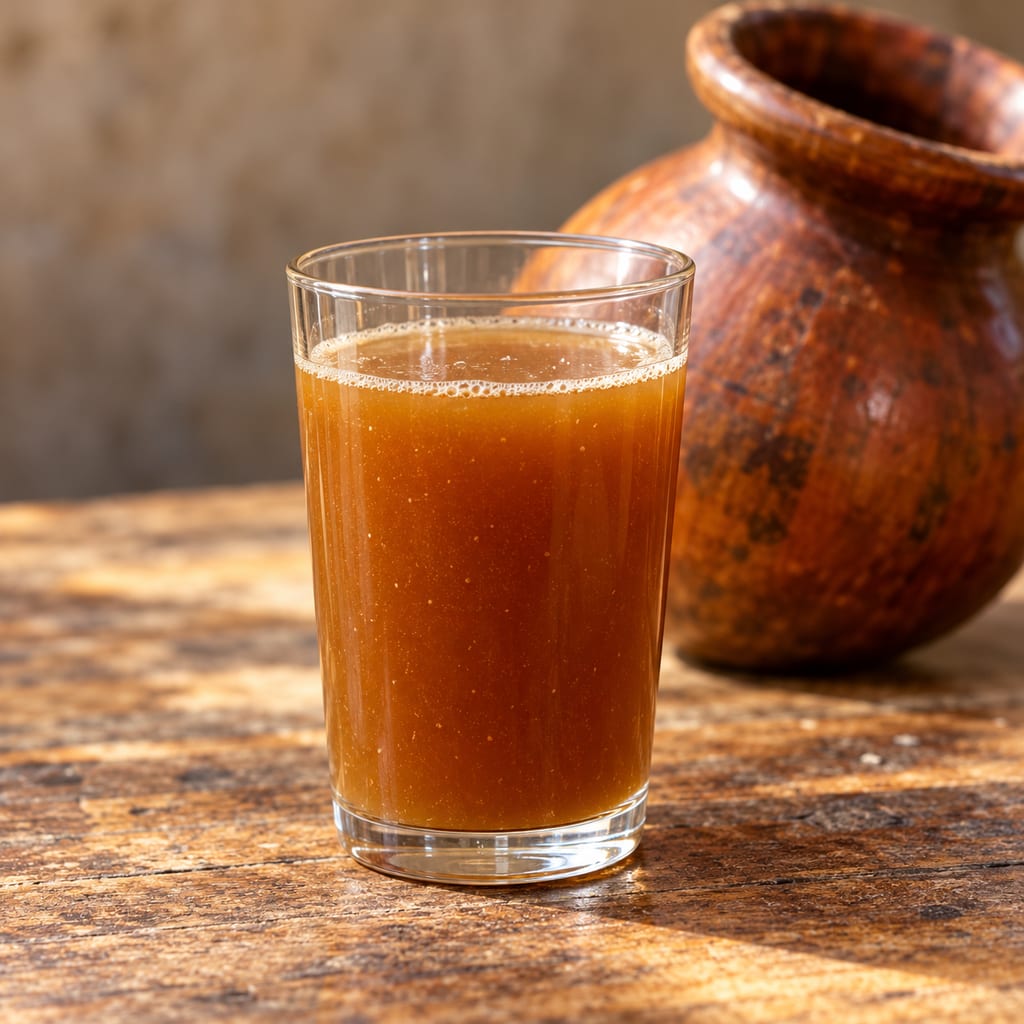
A darker Ethiopian maize tella, brewed from maize baked into a hot, dry kita pancake and then fermented in three stages with barley malt, gesho and water.
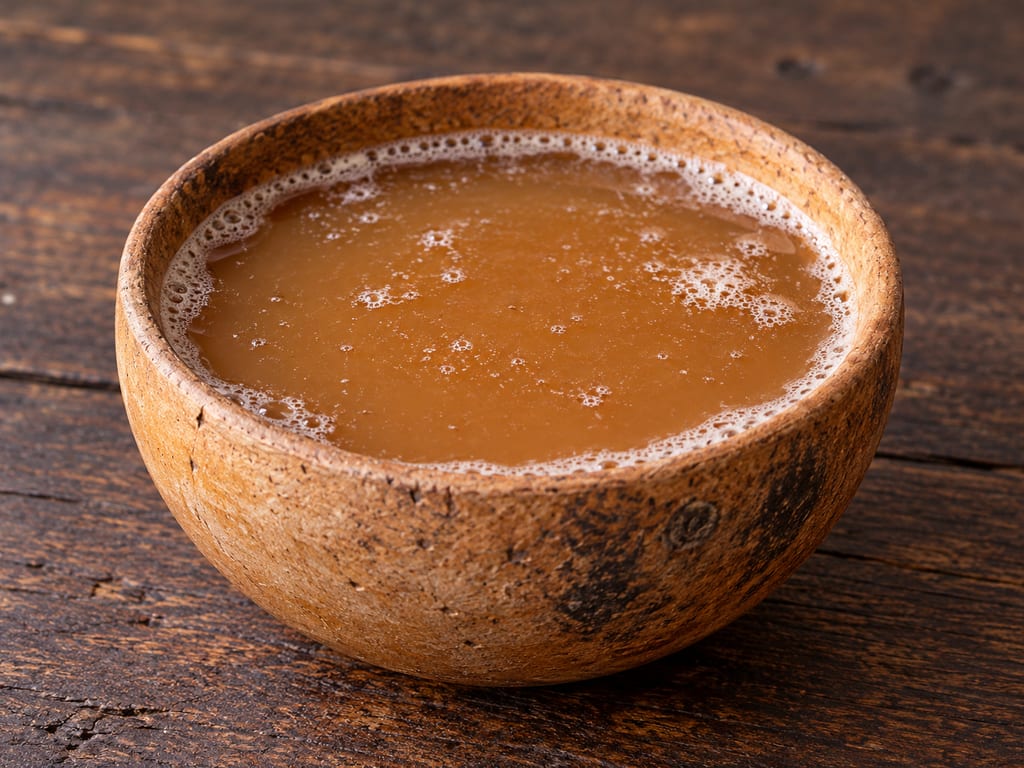
A Burkina Faso sorghum beer brewed from malted grain, soured by a spontaneous lactic stage and then fermented with a traditional yeast leaven.
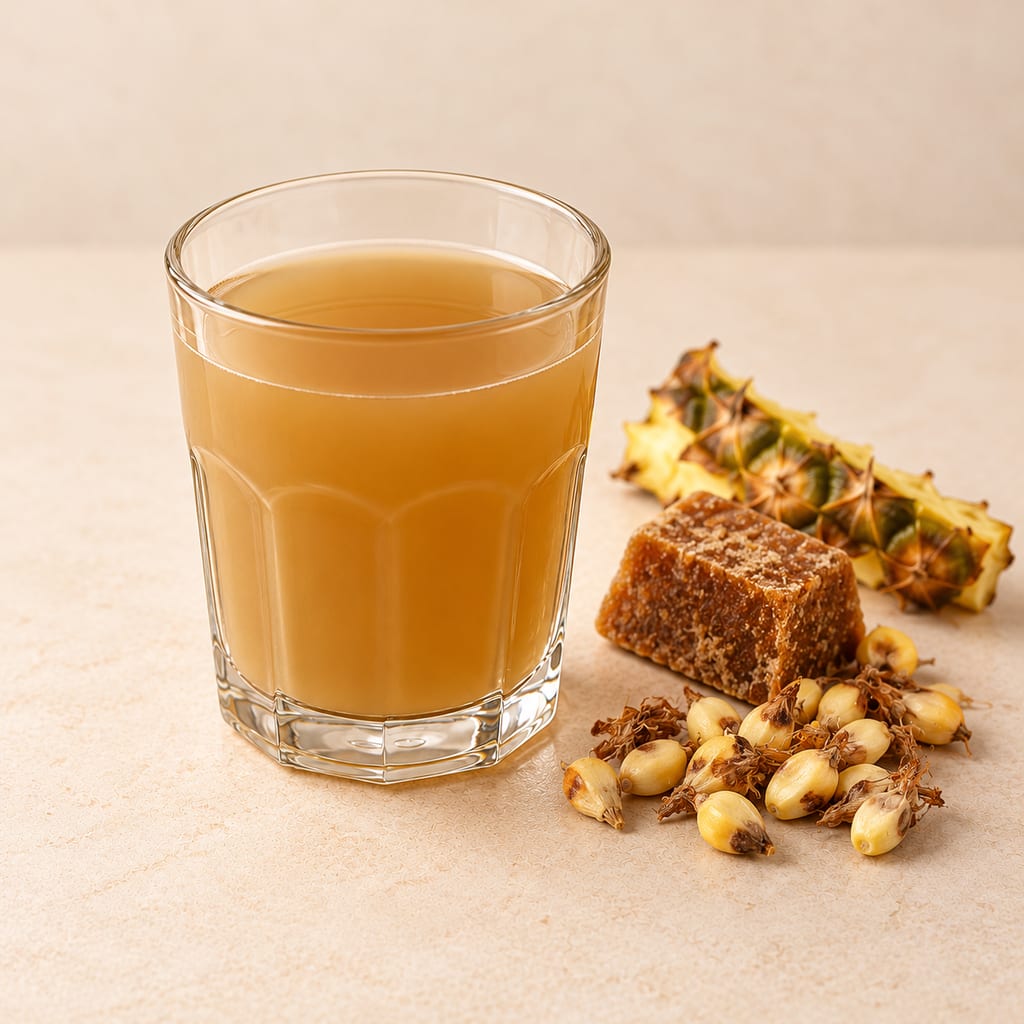
A contemporary Ecuadorian recipe simmers jora flour with spices, then adds panela and pineapple peel before a short spontaneous ferment. Its particular aromatics and measurements belong to this published adaptation.
No community contributions have been published for this entry yet.
Sign in to contribute. Published comments and photos are free to read.
Maryland Home Brew, Inc.Inspiration
Guide to All-Grain Brewing: Oak Hall Red Alefive-gallon grist and hops; 90-minute mash; mash, sparge, boil and fermentation schedule
Cited in: What is American red ale?; Historical context; Ingredients; What the different malts do; Mashing chemistry; Hops and their chemistry; Equipment; Method; Yeast fermentation; The colour of red ale; Serving and food pairings; Quality and problems; Safety and storage
Clemson Cooperative ExtensionSafety
Cleaning and Sanitation for the Homebrewerclean before sanitizing; contamination and bottle over-carbonation hazards
Cited in: Quality and problems; Safety and storage
British Columbia Centre for Disease ControlSafety · Fermentation function
Fermented Foods Guideline, Section 1: Introductionbrewing yeast ferments sugars to ethanol and carbon dioxide