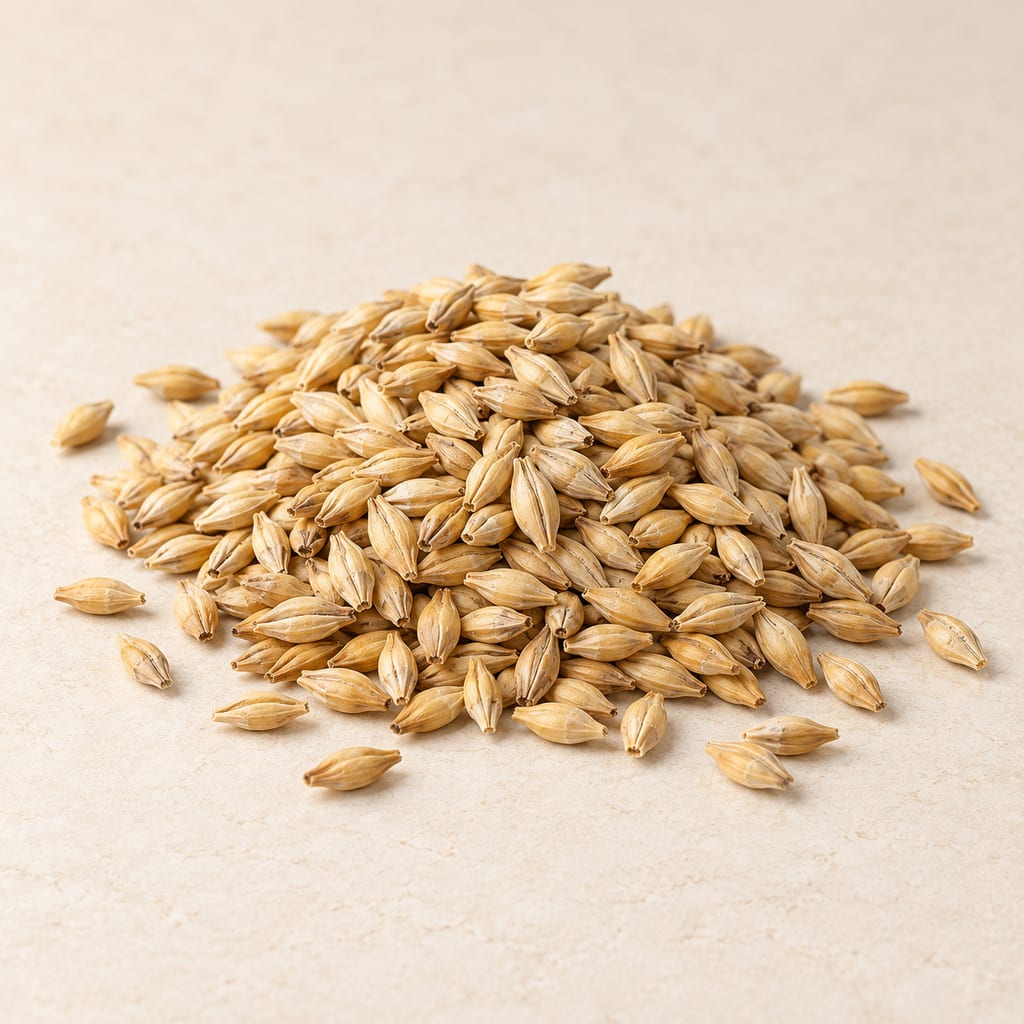
American two-row pale malt
A lightly kilned brewing base made from two-row barley. It supplies starch and enzymes for the mash, with the maltster’s product and lot analysis defining its brewing properties.
 FermenteaWhere food goes to change
Modern method
Dark Cellar Imperial Stout · Dark Cellar · Russian-style imperial stout
An all-grain imperial stout with pale malt, roasted barley, dark malts and oats, fermented with an American ale-yeast starter.
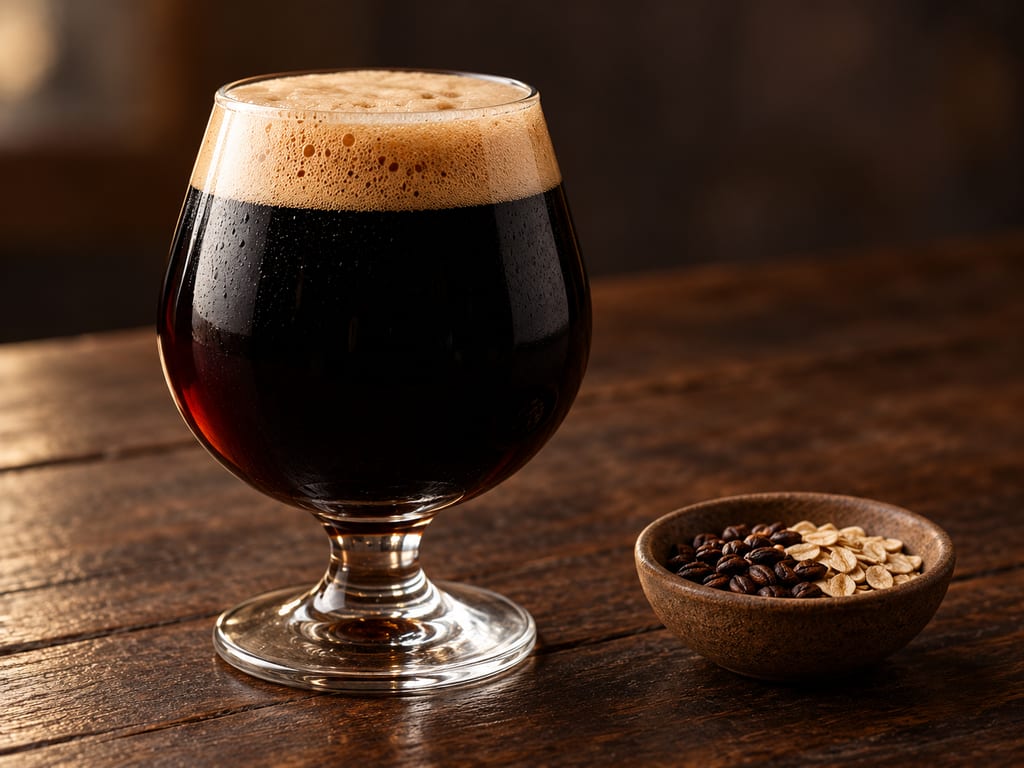
Dark Cellar is Joel McGormley's imperial stout, a strong, dark homebrew associated with Zionsville, Indiana. The American Homebrewers Association records its gold medal in the 2024 National Homebrew Competition and includes it in the official Big Brew recipes for 2026. Those dates describe a competition result and a later publication. They place this particular beer in contemporary American homebrewing, even though its style name reaches back to British brewing and overseas trade.
Its defining feature is a large pale-malt foundation carrying an unusually varied collection of dark grains. Chocolate malt, roast barley, Carafa III, caramel malt, coffee malt and black patent malt appear together, with oats alongside them. These names identify ingredients; they do not mean chocolate or brewed coffee has been poured into the kettle. The beer takes its dark identity from the treatment of grain before brewing and from the way that grain is used in the wort.
Imperial stout gives a useful expectation of a substantial beer: dark roast, considerable malt intensity, bitterness and alcoholic strength. The modern style includes many balances within that description. Some examples emphasize hops, others dried-fruit impressions or softer malt richness. Dark Cellar's published formula is one brewer's expression of that range. Its medal does not supply a laboratory analysis or an independent account of every aroma a future batch will produce.
Strong stout and porter travelled from Britain to Russia before the modern American homebrewing movement existed. Brewery historian Martyn Cornell traces the export trade through merchants, surviving labels and commercial records. Albert Le Coq's business shipped beer from London to Baltic markets and St Petersburg; the later business also became associated with brewing in what is now Estonia. The history involves exporters and local producers as well as famous London breweries.
That commercial story is more useful than a simple claim that one emperor or empress caused the style to be invented. Cornell discusses an account of porter said to have been specially brewed for the Russian empress, but the account is a reported conversation. It is not an opened commission or a surviving first recipe. The association with Russia is real; a precise invention story is much less secure.
The trade also changed with freight charges, tariffs, imitation products and decisions about where to bottle or brew. Beer could carry a London producer's identity, a merchant's name and a destination-market reputation at once. A style label therefore cannot be read as a reliable map pin for every beer bearing it. Dark Cellar's Indiana association belongs to its documented brewer; the imperial-stout family supplies a wider historical context.
Modern imperial stout is international. Its modern interpretations differ in hop expression, roast character and fermentation character. This allows the reader to connect Dark Cellar with an older strong dark-beer family without pretending that its American pale malt, named American yeast and particular grain bill reproduce an export stout from an earlier century.
The largest ingredient is American two-row pale malt. It provides the bulk of the grain bill and the base on which the specialty grains act. Its paleness does not make it unimportant to a black beer. A recipe can obtain much of its extract from pale malt while a smaller, highly coloured portion determines how dark the wort looks and how strongly it tastes of roast.
The dark-grain list should be read as several distinct materials. Roast barley is separately named from the malts; chocolate, coffee and black patent describe particular brewing ingredients. Caramel 60 is another named malt, rather than a direction to add caramel sauce. Keeping the ingredient names intact matters because colour alone does not make these materials interchangeable. A replacement selected only to make the liquid equally dark may change its flavour and the balance of the grist.
Research on commercial barley and malt roasting helps explain this variety. Yahya, Linforth and Cook followed roasted barley, crystal malt and black malt through manufacture. They found that temperature, moisture and the course of roasting shaped both colour and aroma compounds. Different products shared compounds while retaining distinct flavour characteristics. This is evidence about the manufacture of roasted ingredients, not an analysis of the grains in McGormley's batch.
Much of the eventual roast character therefore begins before the homebrewer heats the mash. Brewing extracts and combines properties created during malting and roasting; fermentation does not manufacture every dark flavour from an initially neutral liquid. The source gives no malt analyses or roasting schedules, so a precise chemical explanation for each named grain would go beyond what is known about this formulation.
Oats are a smaller but conspicuous part of the bill. They invite an expectation of texture, yet their form matters. The recipe names oats without saying whether they are malted, flaked or otherwise processed. That omission prevents a fully specified account of their preparation. It should remain visible when ingredients are purchased rather than being silently resolved by choosing whichever oats happen to be available.
Experimental work comparing malted and unmalted oats in brewing found differences in wort and beer properties, including viscosity and haze. Those results show why the form of a cereal deserves attention. They do not demonstrate how the unspecified oats behave among Dark Cellar's much larger barley-based bill, nor establish that this finished beer must be silky, oily or unusually thick.
Body also cannot be assigned to oats alone. The original recipe lists a high starting gravity and a substantial final gravity. These are recipe specifications, rather than measurements of a reader's beer, but they show that the formulation is intended to retain considerable extract after fermentation. Grain composition, mash conversion and yeast performance meet in the finished texture. A single ingredient slogan cannot describe that whole relationship.
The all-grain method holds the mash at 155°F, or 68°C, for an hour. Mashing brings crushed grain and water together under conditions in which malt enzymes act on starch. The result is wort containing soluble material, including sugars that brewing yeast can use. This is distinct from alcoholic fermentation: the mash is preparing the yeast's food rather than asking yeast to ferment intact grain starch.
Alpha-amylase and beta-amylase are important starch-converting enzymes in malt. Their activity depends on conditions, including temperature and pH, and heating can inactivate them. A mash rest is therefore a controlled biochemical stage, rather than simply a convenient way to soften grain. The stated rest belongs to this formula; it should not be replaced by a hotter steep or a schedule borrowed from another stout solely because both drinks are dark.
The source does not specify mash-water volume, sparging or the equipment used to separate wort from grain. Its published efficiency is a formulation assumption, not a promise that all brewing systems will extract the same amount. The large grain load makes that distinction practical: a brewer must understand the capacity and operation of the chosen system before treating a five-gallon finished batch as a small equipment demand.
The next stated stage is a one-hour boil. The mash and boil serve different purposes. Enzyme conversion belongs to the mash; the boiling wort receives timed hops and the Irish moss addition. The recipe's short brewing notes leave several operations unstated, including chilling and the construction of the yeast starter. A complete brewing plan needs those operations without disguising invented details as McGormley's instructions.
A separate extract adaptation offers another route to the wort. It replaces the pale base malt with pale malt extract syrup while retaining the specialty-grain contribution. The remaining grains are milled, steeped in water at 160°F, or 71°C, for 30 minutes, then removed and rinsed. Their liquid joins the dissolved extract before the boil proceeds.
That adaptation changes where the base wort is made. In malt-extract manufacture, a producer has already mashed grain and concentrated the resulting wort. Dissolving extract restores a brewing liquid containing that prepared extract. It does not require the homebrewer to perform the missing pale-malt mash inside the kettle. The specialty-grain steep is a separate operation with its own stated temperature and duration.
The two routes should remain recognizable. Adding the extract quantity to the full all-grain bill would create another formula; using the extract steep as the all-grain mash would also change the method. The published alternative is useful because it allows a different brewing system to approach the recipe, but the source gives no independent tasting comparison proving the two versions identical.
Warrior enters with 60 minutes of boiling remaining. Willamette follows at 30 minutes and again at five minutes. This sequence gives the hop additions different exposures to heat. Boiling converts hop alpha acids into more soluble bitter compounds, while many hop aroma compounds are volatile and are lost during prolonged boiling. Timing consequently matters alongside variety and weight.
The early addition is positioned to contribute bitterness, with the later additions giving more opportunity for hop character to survive. This is a broad explanation of kettle hopping, not a calculation of Dark Cellar's aroma or measured bitterness. The recipe's alpha-acid percentages describe its assumed ingredients. They are not permanent properties of every crop sold under those hop names.
In a strong roasted beer, hops meet several other sources of intensity. Roast character, residual extract and alcohol all contribute to the balance perceived in the glass. The published 62 IBU should be retained as the recipe's stated figure, rather than translated into a guarantee that the beer will taste a particular degree of bitter. Its very dark colour likewise does not establish how sweet or dry it will seem.
The culture is Wyeast 1056 American Ale, supplied here as a decanted starter. Wyeast identifies the product as Saccharomyces cerevisiae and describes a comparatively clean fermentation character that allows malt and hops to show. That manufacturer description explains the choice within the recipe; it does not mean the yeast contributes no flavour or that every fermentation finishes at the listed final gravity.
The beer ferments at 65°F, or 18°C, with a blow-off device fitted. An actively fermenting beer releases carbon dioxide and can carry foam out of the fermenter. A blow-off arrangement provides an appropriate escape route for that activity. It must be understood as part of the vessel setup, not as permission to seal a fermentation in an unsuitable container.
The brewing notes give no fermentation duration or packaging procedure. A quiet airlock is not a verified endpoint, and the name Dark Cellar establishes no storage temperature or ageing requirement. Packaging introduces its own pressure question if fermentable material remains or priming sugar is added. The recipe cannot supply a priming dose by implication when no such dose is printed.
The style offers ways to think about serving without inventing a custom for this particular beer. Powerful stouts can be paired with richly flavoured stews or barbecued meat, while coffee and chocolate impressions offer a bridge to desserts. These are suggestions based on intensity and shared flavours. They are not documented accompaniments chosen by McGormley or historical requirements for imperial stout.
An imperial stout can be approached by noticing how roast, sweetness, bitterness and alcohol interact rather than judging darkness alone. A beer may look opaque while differing greatly from another stout in hop character or finish. Comparing those qualities in the glass gives a fuller account of a particular batch than its colour alone.
The unusually high colour estimate belongs to this formulation alongside its other specifications. Its numerical colour target differs from the modern style range, which describes the family rather than measuring an individual beer. Equally, neither a pleasant aroma nor an expected colour proves safety. Handling hot concentrated wort, providing fermenter gas release and selecting an appropriate packaging process remain distinct practical tasks, each requiring more than a successful-looking glass of beer.
Dark Cellar is Joel McGormley’s imperial stout, made with a large pale-malt base and several roasted grains. McGormley, of Zionsville, Indiana, won gold with it in the 2024 National Homebrew Competition. It was selected for the American Homebrewers Association’s 2026 Big Brew recipes.
Yield 5 gal · Scaling: source batch only
Yeast releases carbon dioxide during this beer fermentation; a sealed vessel can build pressure.
Hazard sourceResidual fermentation and priming sugar can increase pressure beyond the bottle or can rating.
Hazard sourceUnwanted yeasts and bacteria on equipment can contaminate cooled wort and beer.
Hazard sourceThe hop additions and boiling wort can foam over; hot wort sticks to skin and can cause severe burns.
Hazard sourceKeep a gas escape path through an airlock or blow-off system.
Control sourceEstablish fermentation completion and match any priming calculation to the beer, package and intended carbonation.
Control sourceClean equipment, then sanitize surfaces that contact cooled wort and beer; follow the sanitizer label.
Control sourceMonitor the boil and be able to reduce heat from a safe position. Add hops gradually and stay clear of overflow.
Control sourceDo not seal an actively fermenting beer without a gas escape path.
Packaging unfinished beer or adding too much priming sugar can rupture bottles. Confirm completion and the package’s pressure suitability before conditioning.
Clean and sanitize equipment that will touch cooled wort or beer.
Hot wort can cause severe burns. Watch the boil, add hops gradually and reduce heat before foam overflows.
Wyeast 1056 American Ale yeast — Saccharomyces cerevisiae ferments the wort. The named strain is supplied as a decanted starter.
The AHA identifies brewer Joel McGormley as being from Zionsville and gives this as his competition recipe; the place is not claimed as the style's origin.
A lightly kilned brewing base made from two-row barley. It supplies starch and enzymes for the mash, with the maltster’s product and lot analysis defining its brewing properties.
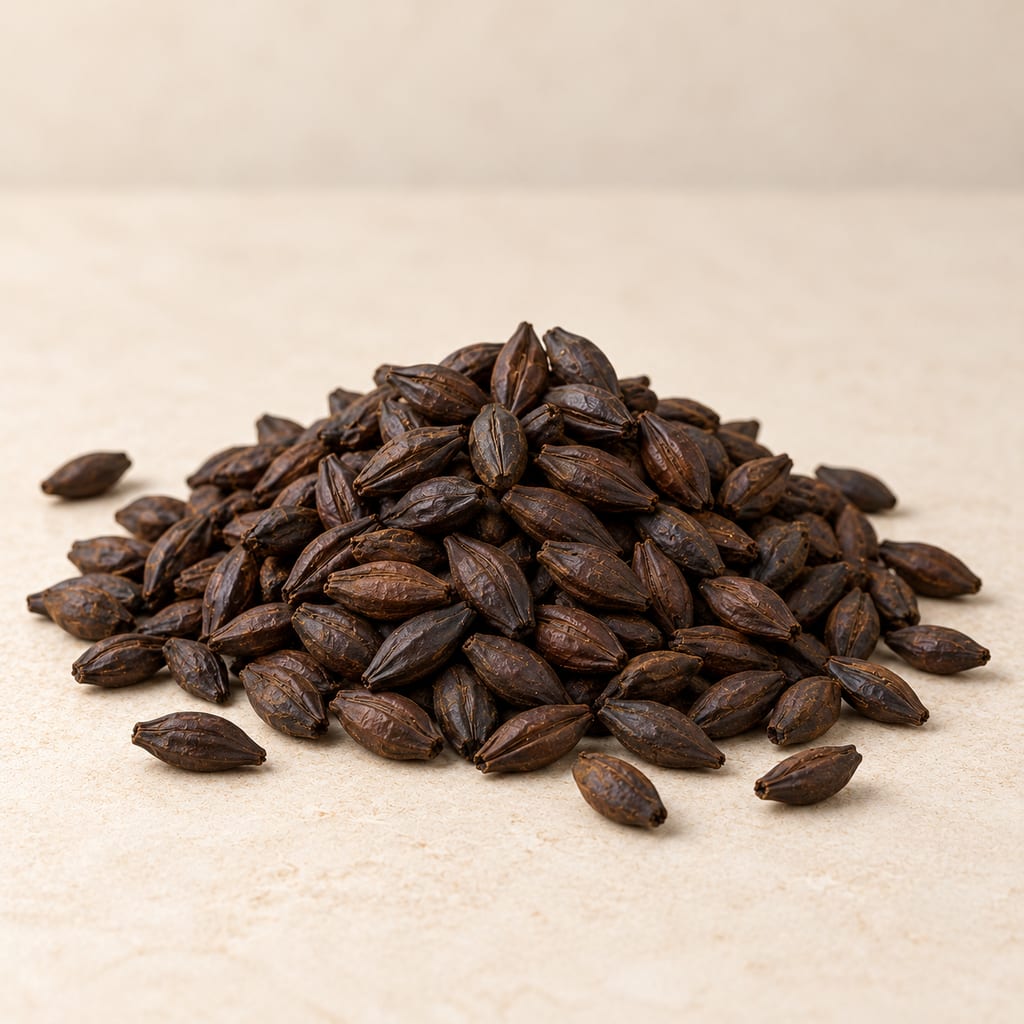
An intensely roasted malt used for dark colour and dry roasted flavour in beer, with a nineteenth-century patent name and distinct whole, milled and flour forms.
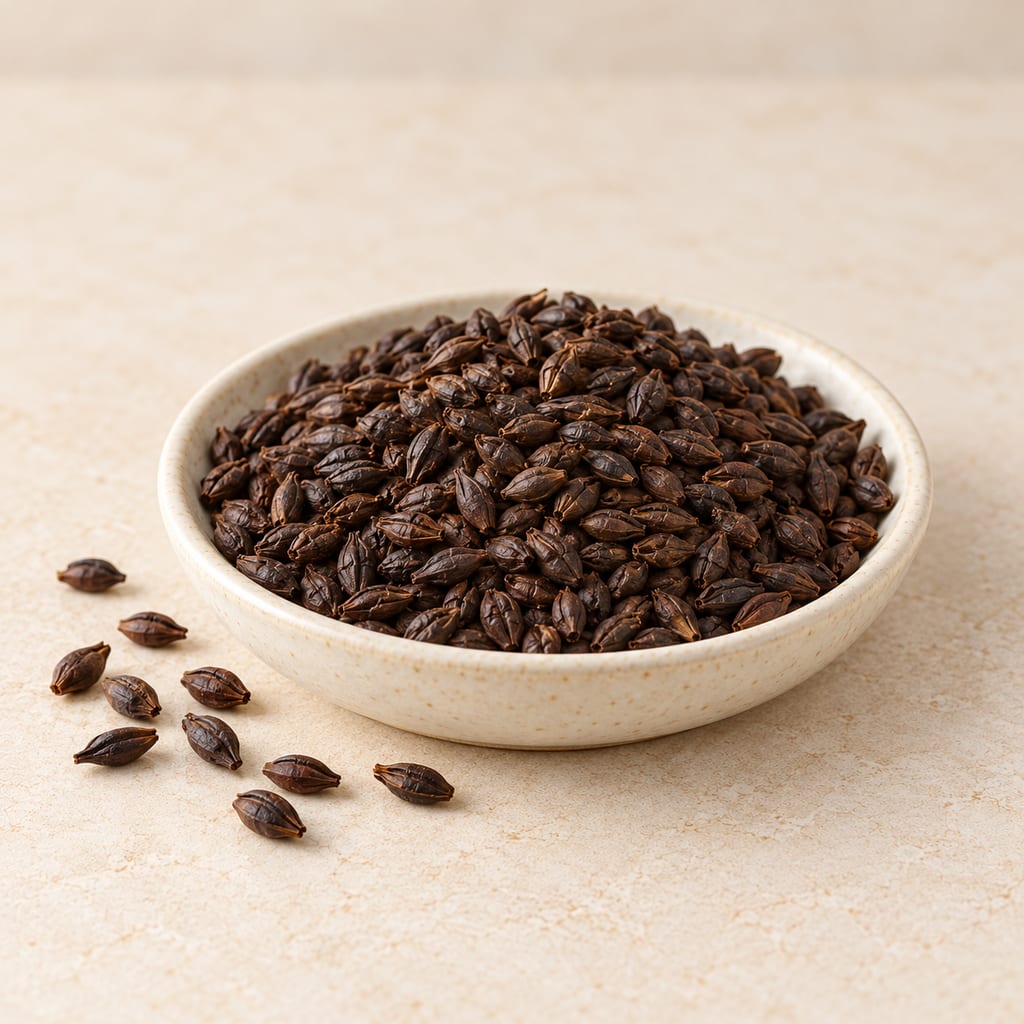
A dark roasted barley malt grade used for strong colour and coffee-to-chocolate roast character; standard Type3 differs from the husk-reduced Special line.
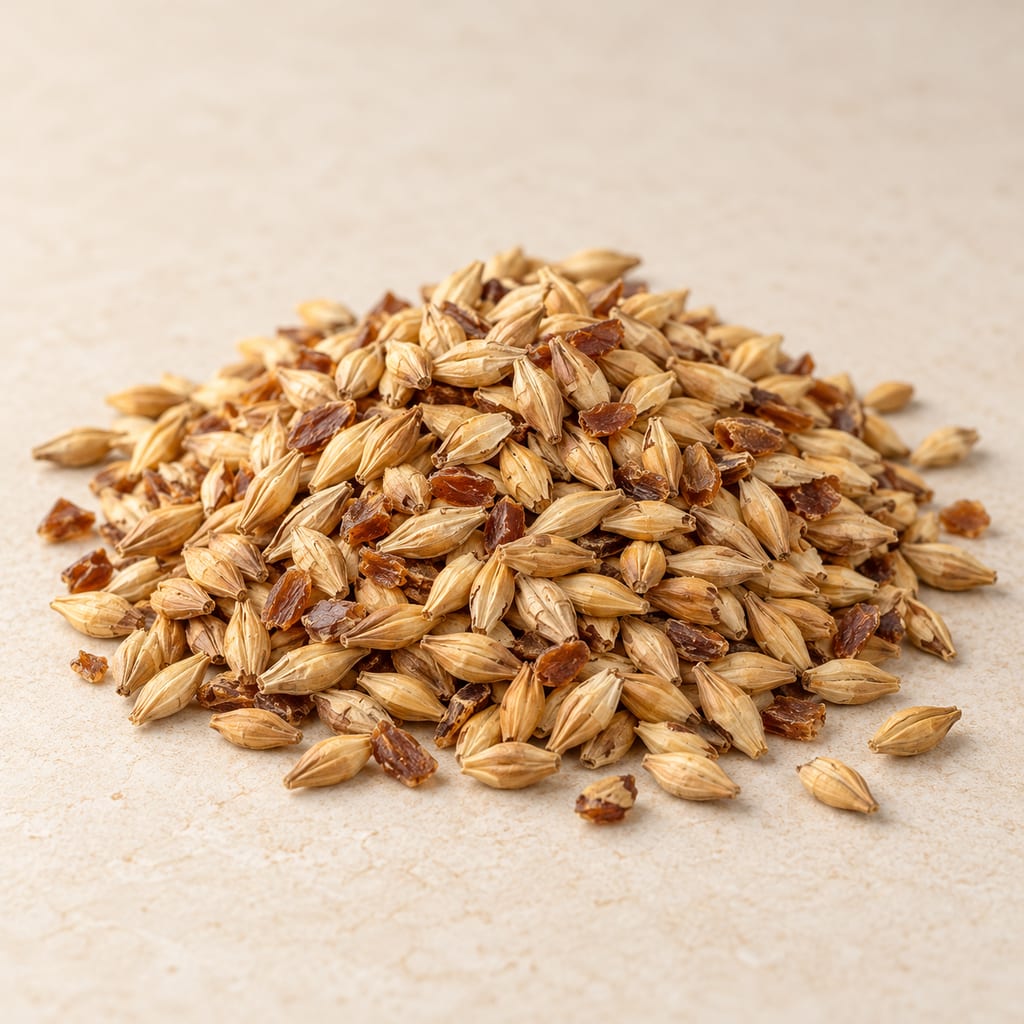
A caramel/crystal barley malt colour grade that supplies caramel-like flavour, colour and extract; producer and process refine what the 60 label means.
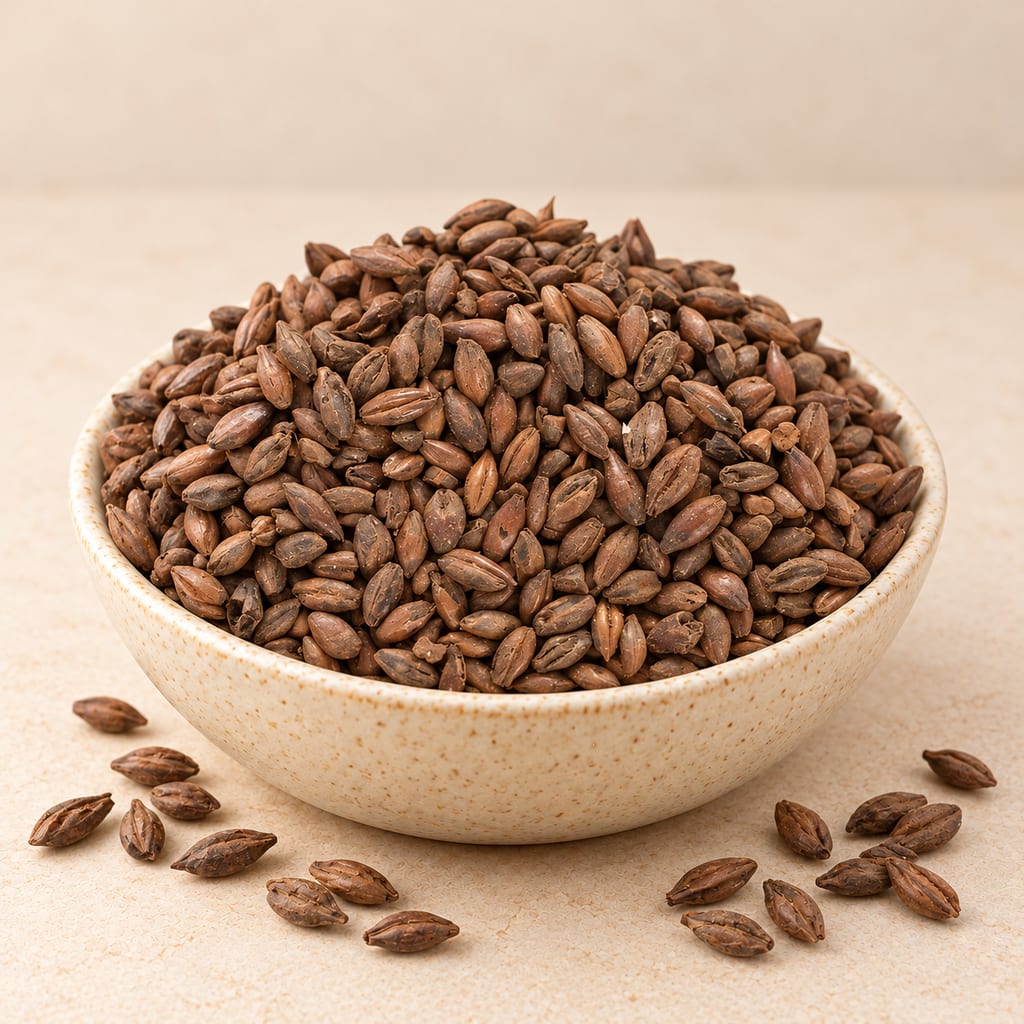
Chocolate malt is barley that has been malted and then roasted to a dark brown, used in porters, stouts and brown ales for colour and a bitter-cocoa, roasted-coffee flavour. It contains no cocoa.
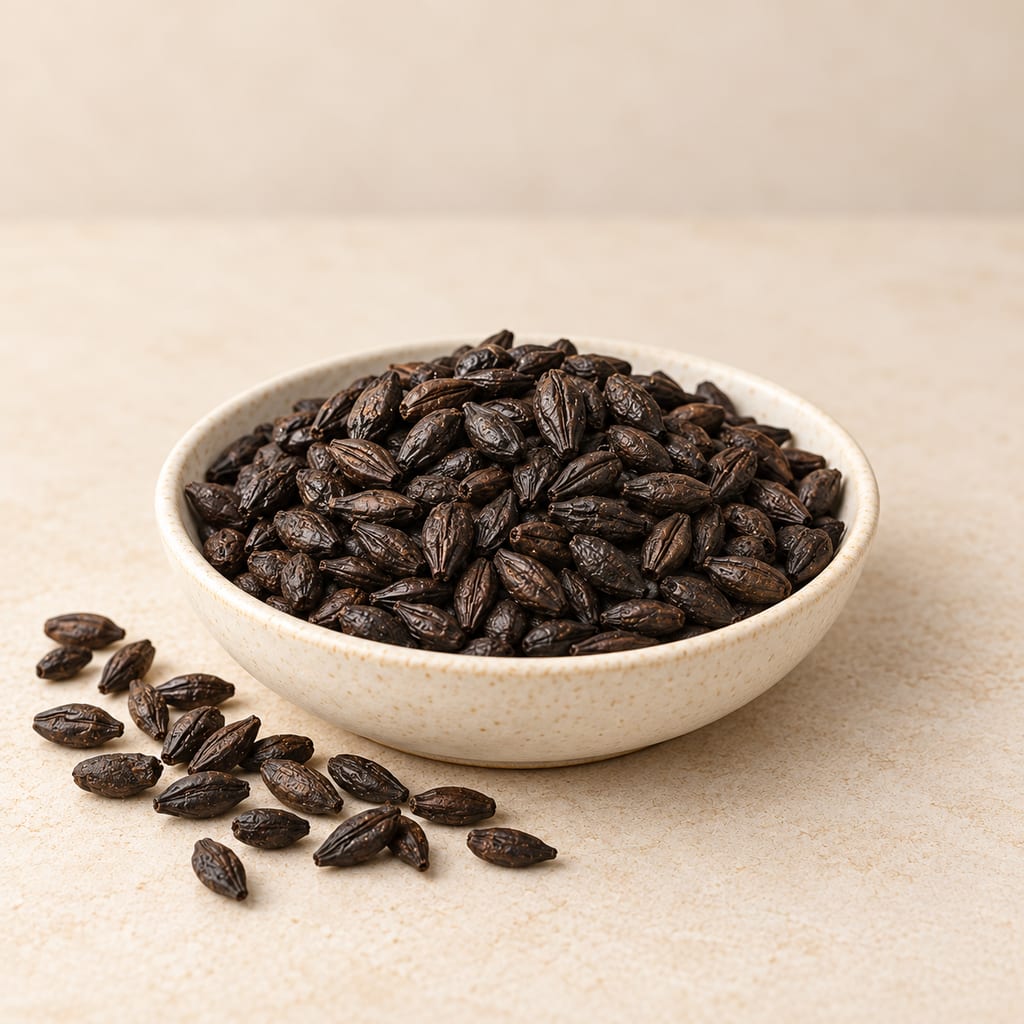
Roasted specialty malt named for coffee-like aroma, with the exact roast grade and colour varying by maltster; it is distinct from added coffee beans.
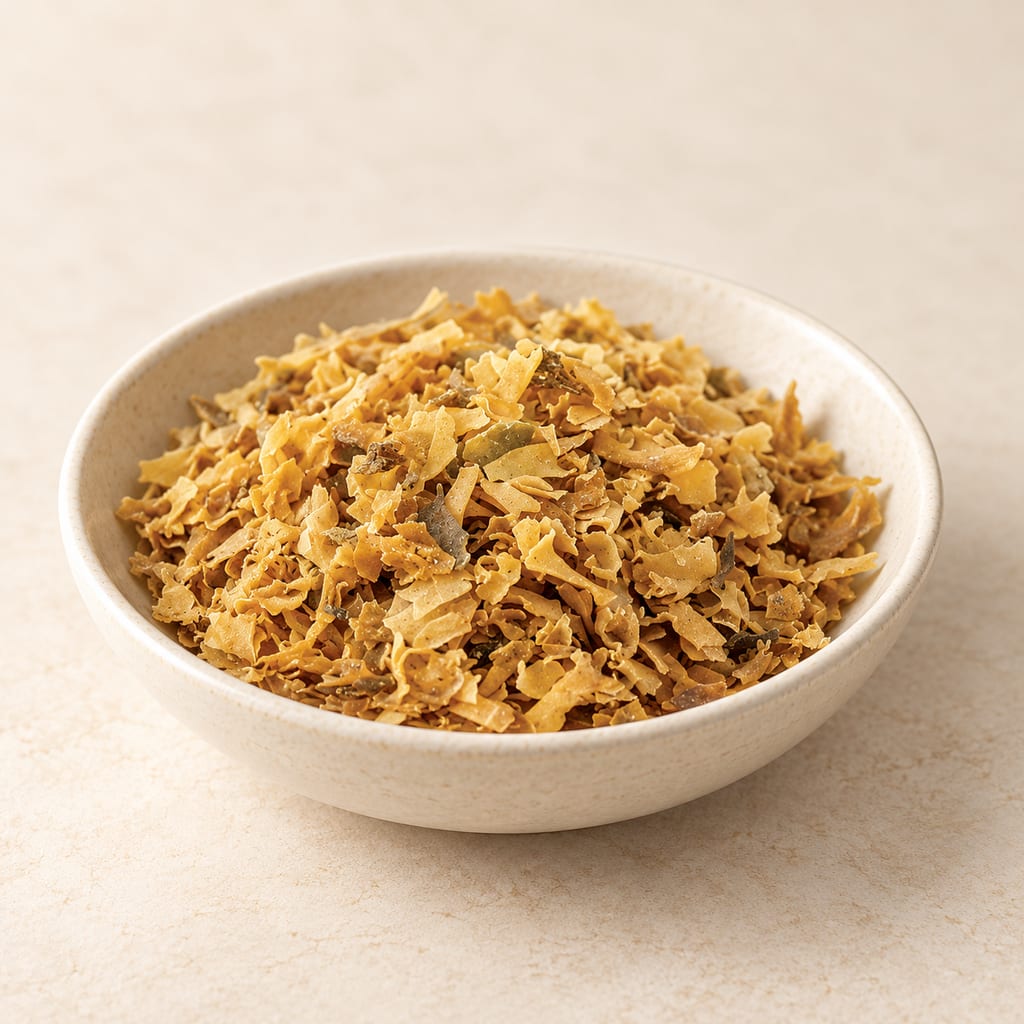
Red seaweed sold as dried material or a concentrated fining, connecting carrageen desserts and coastal trade with the separation of protein material in brewing wort.
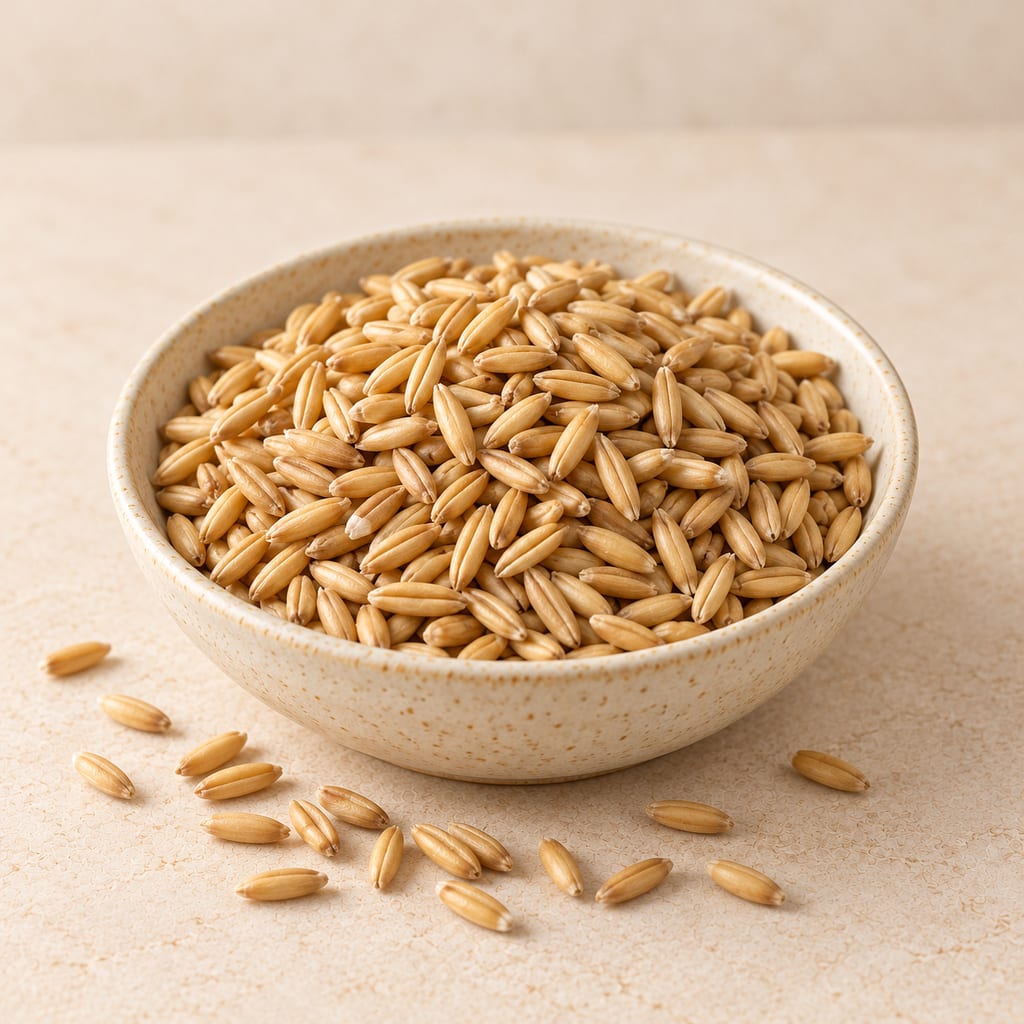
A cereal grain sold as groats, cut pieces, flakes, flour and malt. Oats shape porridge, bread and brewing differently as processing changes hydration, texture, starch, beta-glucan, protein and oil.
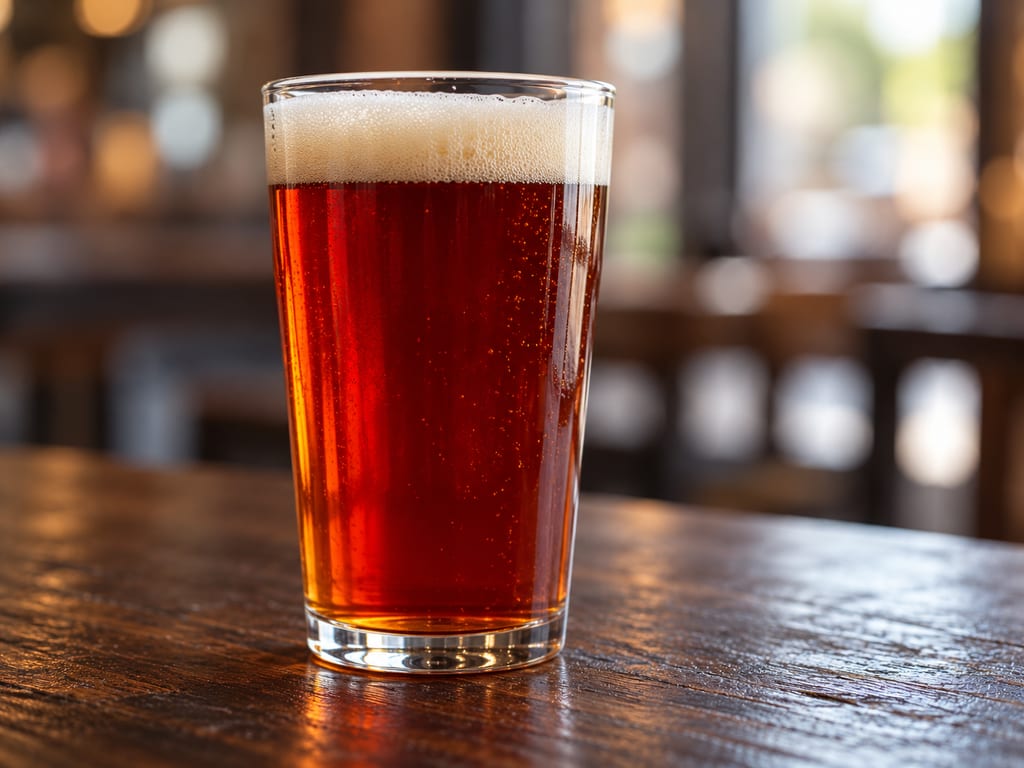
A deep amber-red American ale brewed from pale, Munich, CaraVienne and chocolate malts, bittered with Columbus hops and finished with Amarillo.
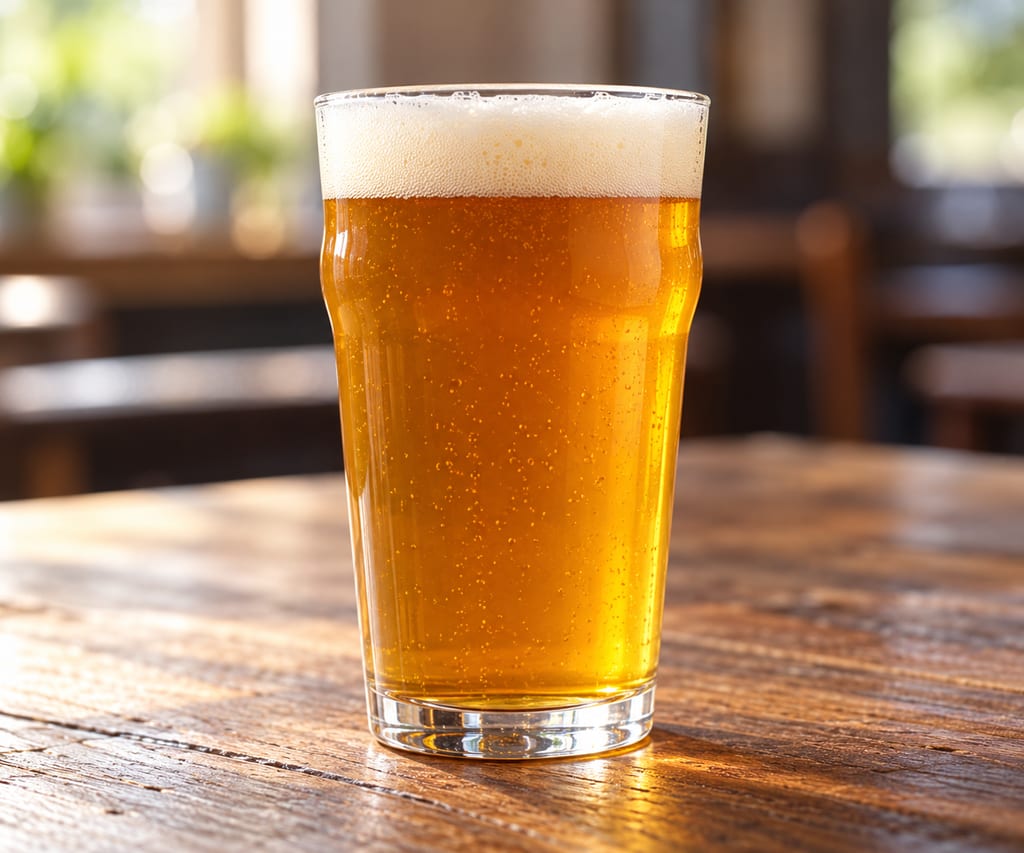
This is a process overview, not a complete batch recipe: key quantities, yield and packaging directions are absent. The AHA tutorial uses Hop Hammer Imperial IPA as an example; this page is not that full formulation.
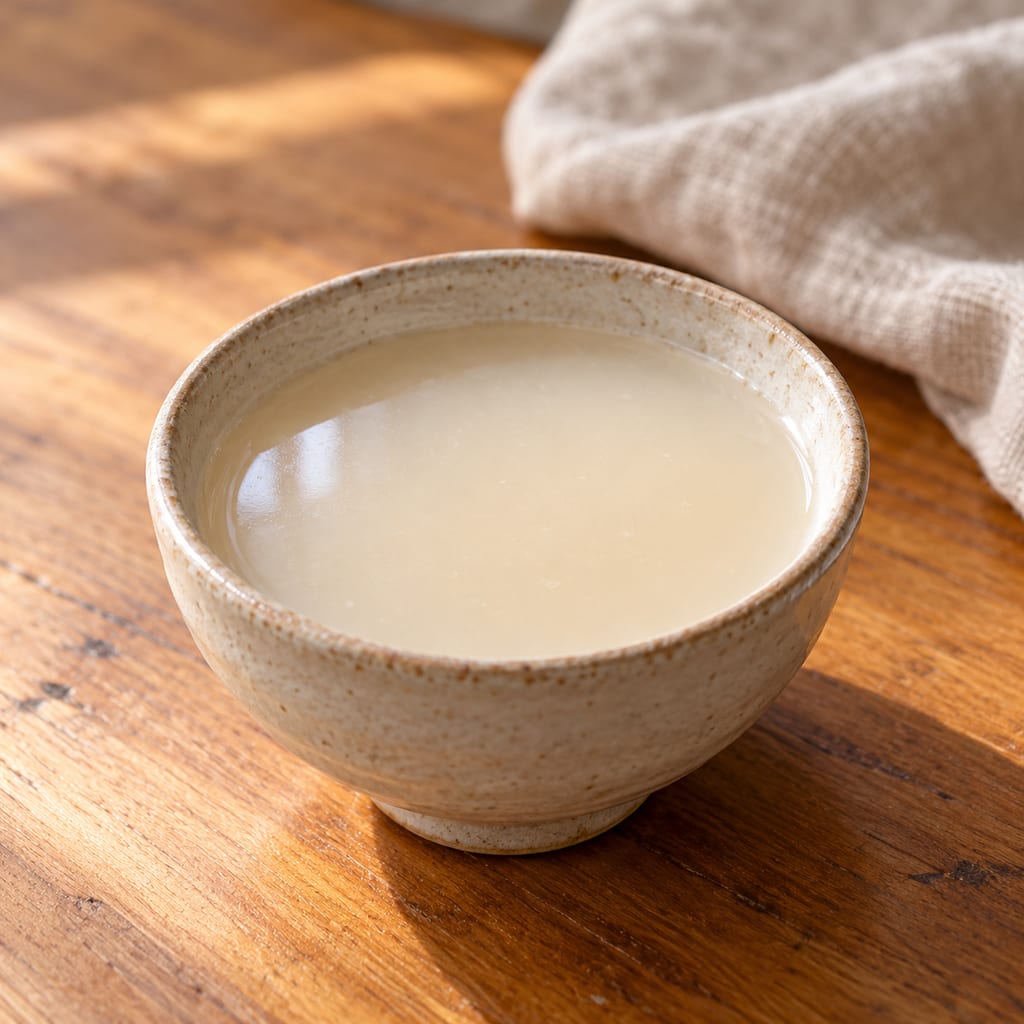
An alcoholic Korean rice drink of steamed glutinous rice and nuruk, mashed in a single stage and fermented for 7 to 14 days.
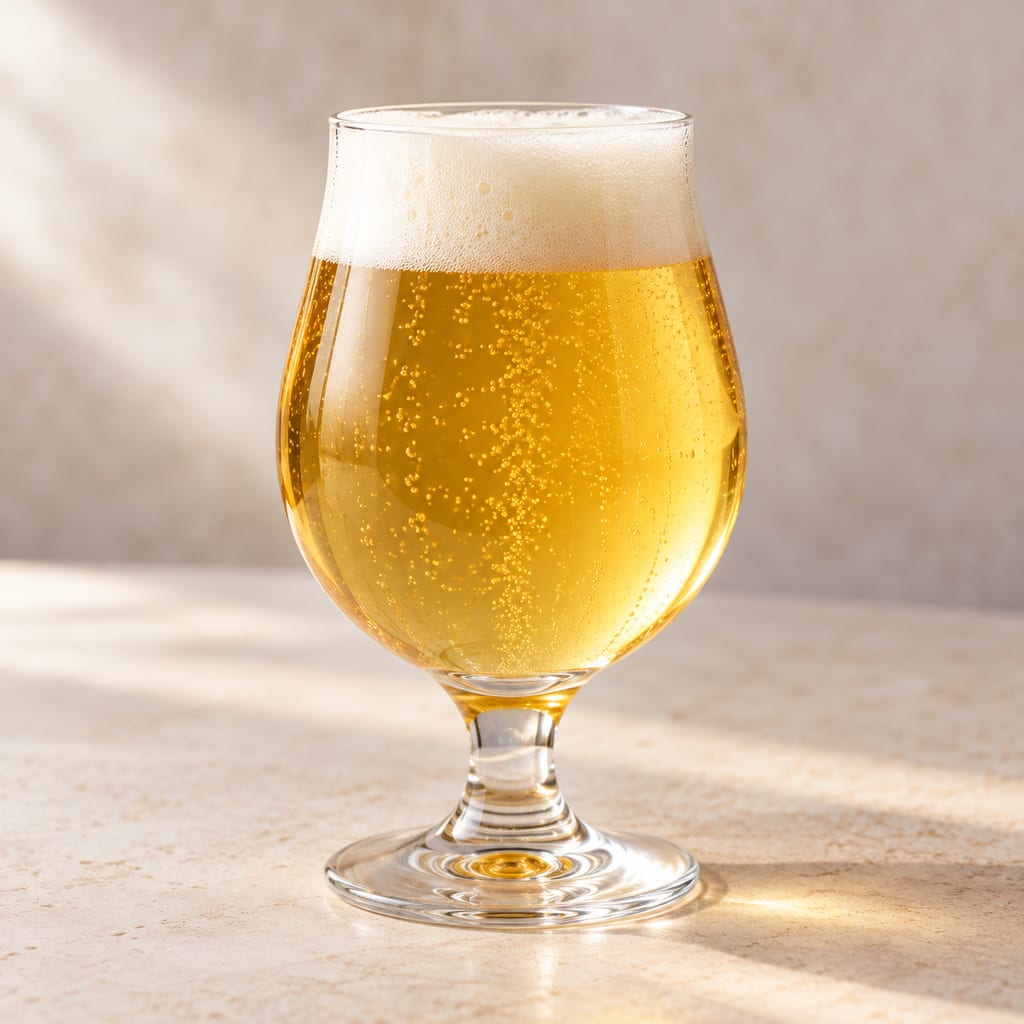
A pale Belgian-style ale with Pilsner and aromatic malts, cane sugar and Saaz hops, fermented under loose foil before an airlock is fitted.
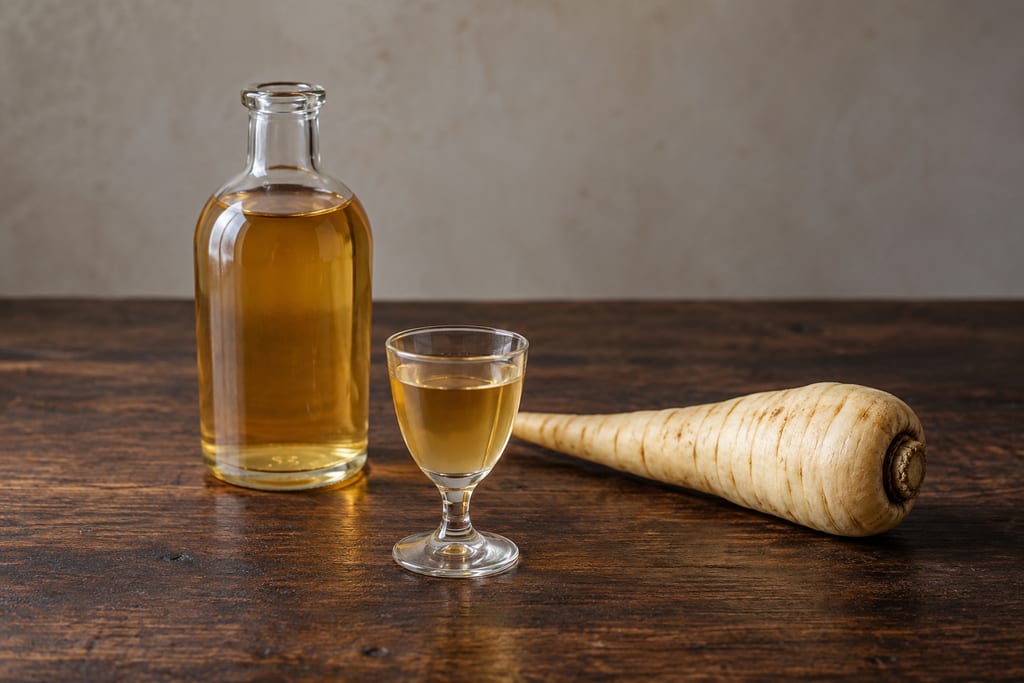
Wright's 1909 compilation records a parsnip wine made from boiled roots, sugar and a little yeast. The liquor spends ten days in a tub, then twelve months in a cask topped up daily only while the wine works over.
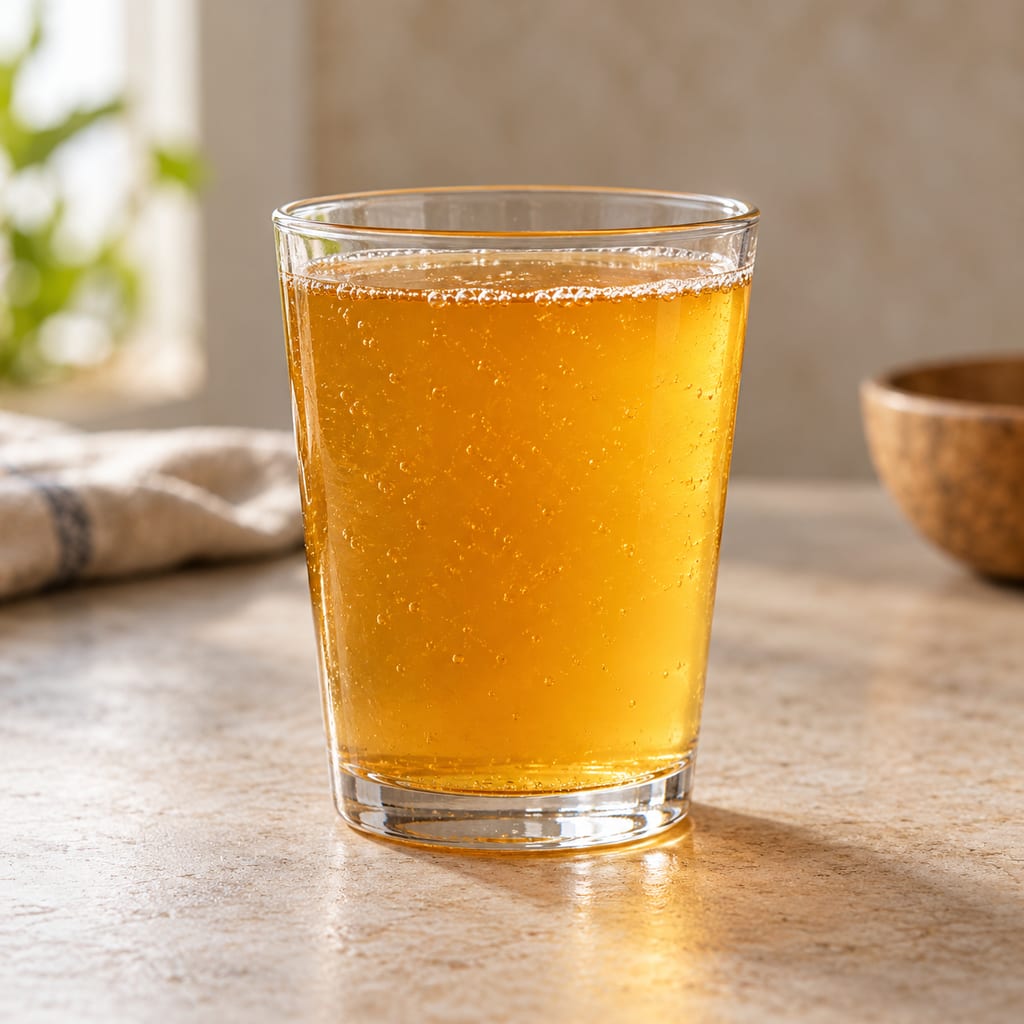
An Oregon State food-science lab formula ferments pineapple skin and piloncillo with jalapeño and warm spices for three to five days, then strains and refrigerates it. The handout reports wide alcohol variability.
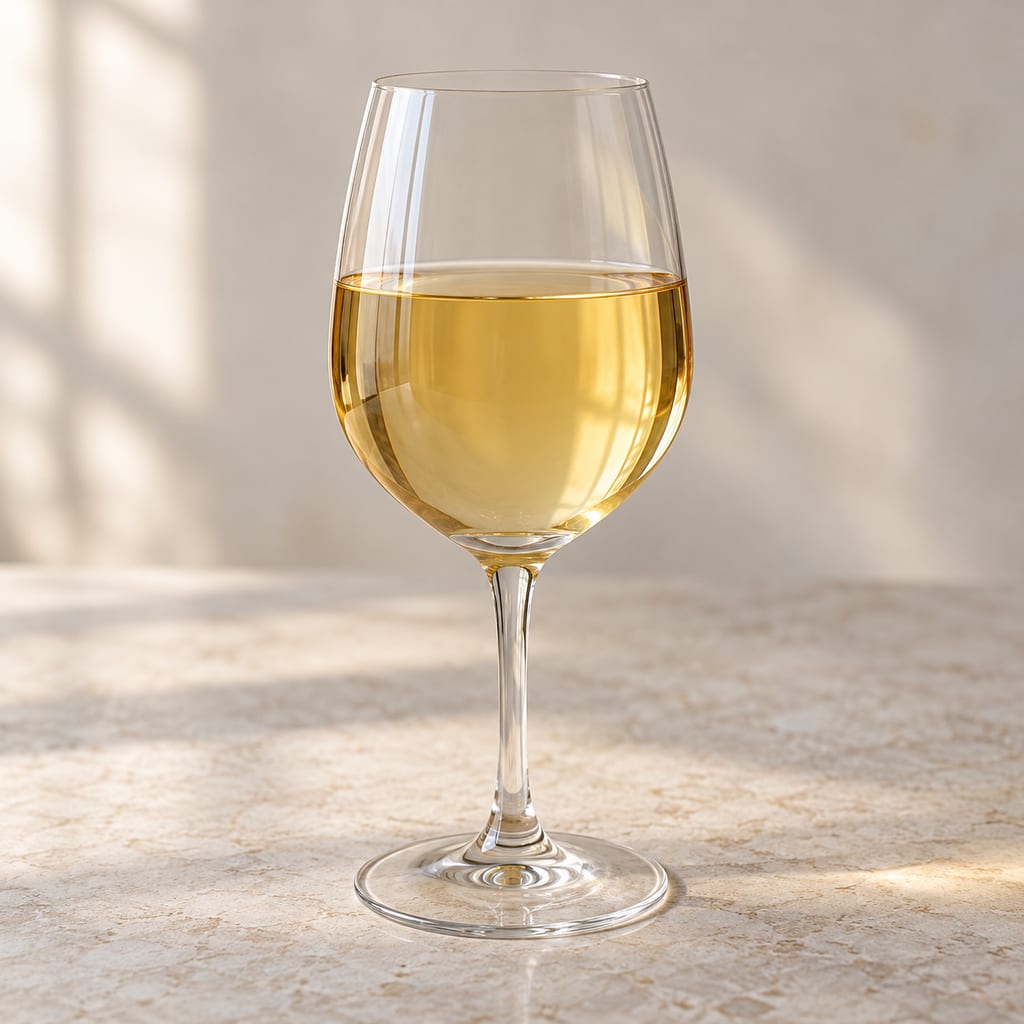
A still, dry honey wine fermented from varietal honey and water with a single wine yeast, carrying no residual sweetness and no added carbonation.
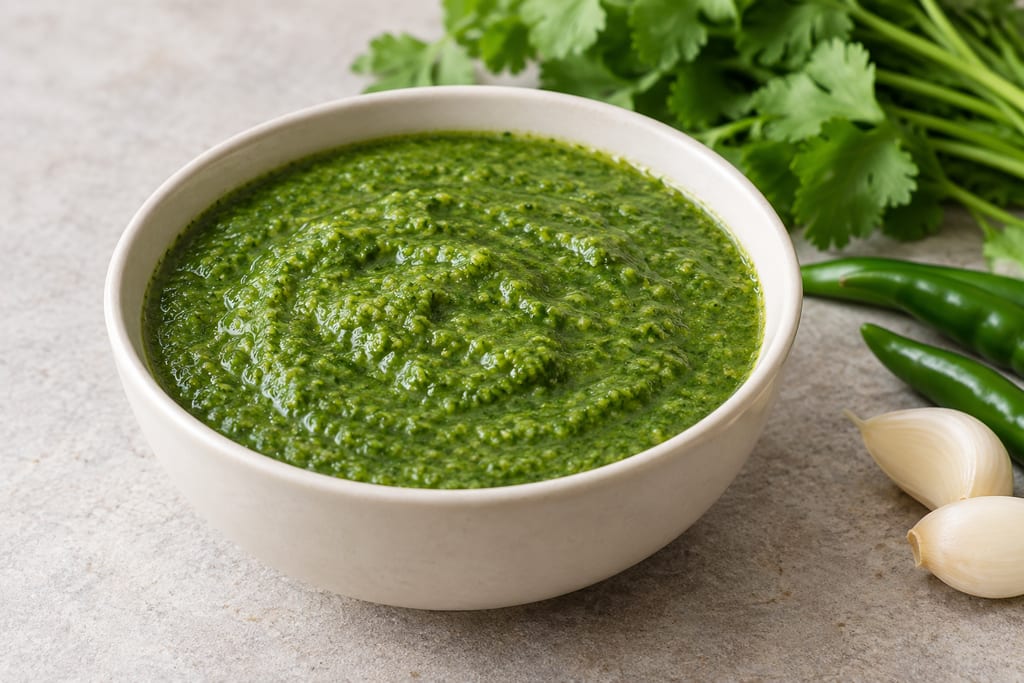
Afghan coriander chatni is a sharp, hot herb sauce with garlic and vinegar. A 2008 Afghanistan manual records green or red pepper and optional walnut; heat and household versions vary.
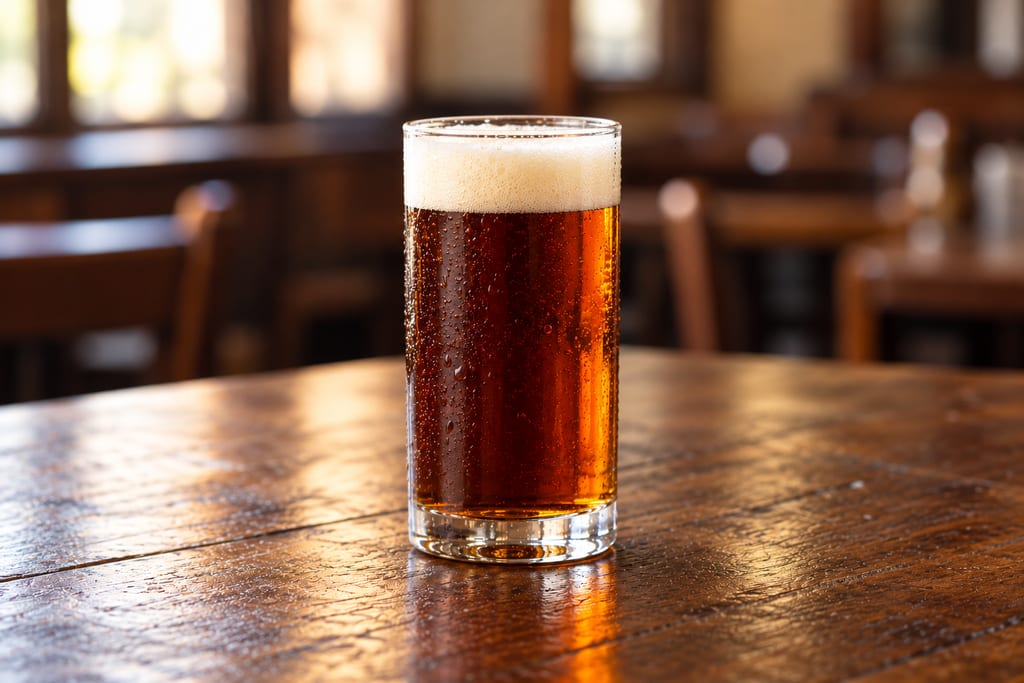
A source-specific modern extract adaptation of Düsseldorf Altbier, with specialty malts, two hop additions and an ale yeast. It is distinct from a brewery's commercial Altbier process and from Kölsch.
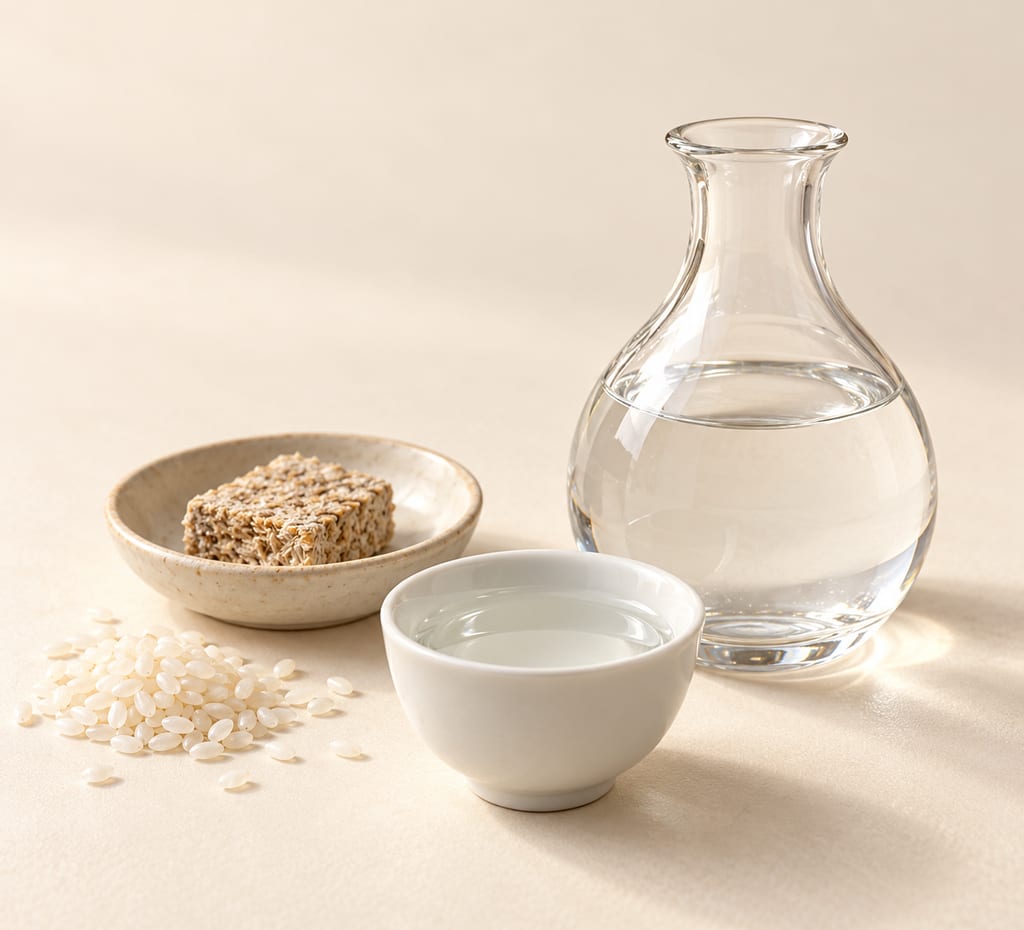
Andong soju is a rice spirit from North Gyeongsang, distilled from steamed rice and wheat nuruk. This method makes the starter before fermenting the rice mash in a jar.
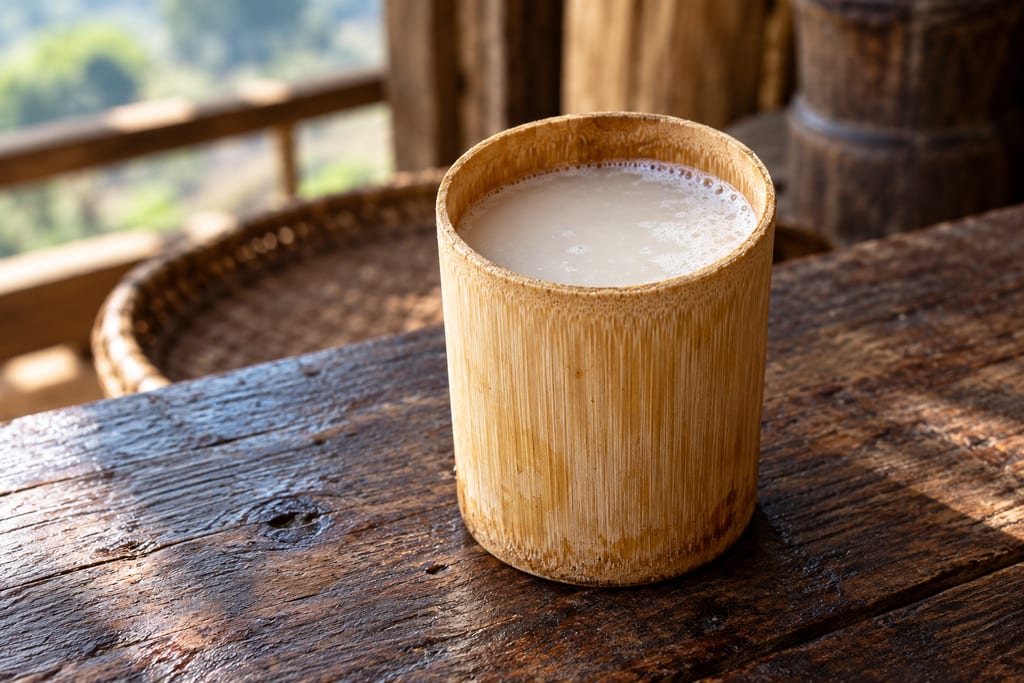
Angami rice beer from Nagaland. A surveyed method mixed cooked rice with piazu, fermented it for about four days in summer or a week in winter, then added water and filtered it. The starter ratio leaves the rice-weight basis unclear.
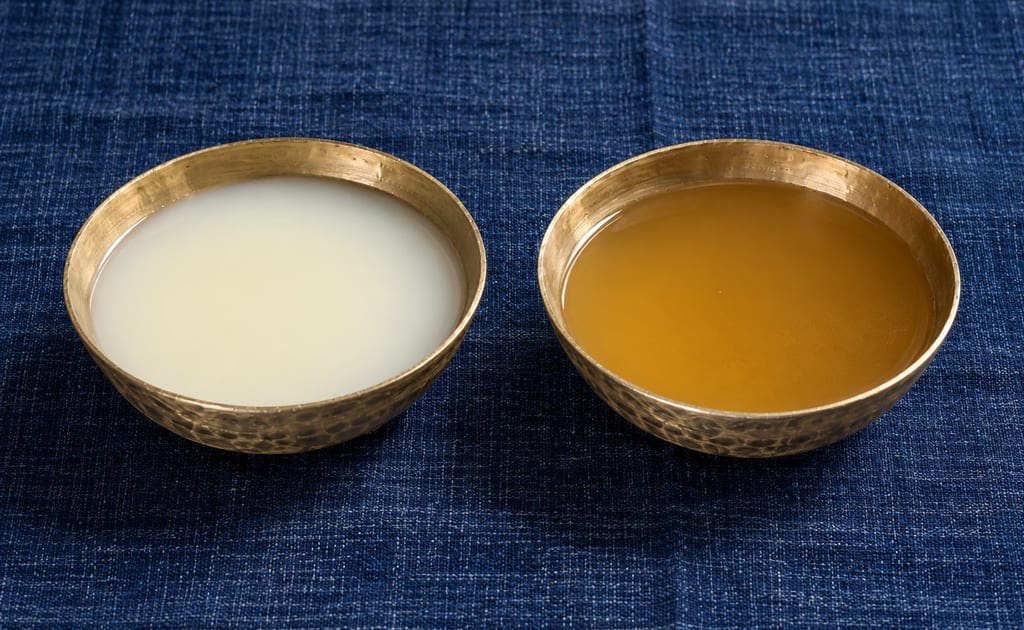
Apong names Mising rice beverages in Assam, including pale Nogin and ash-associated Po:ro. Sources describe distinct preparations and do not establish one unified household recipe or validated safety endpoint.
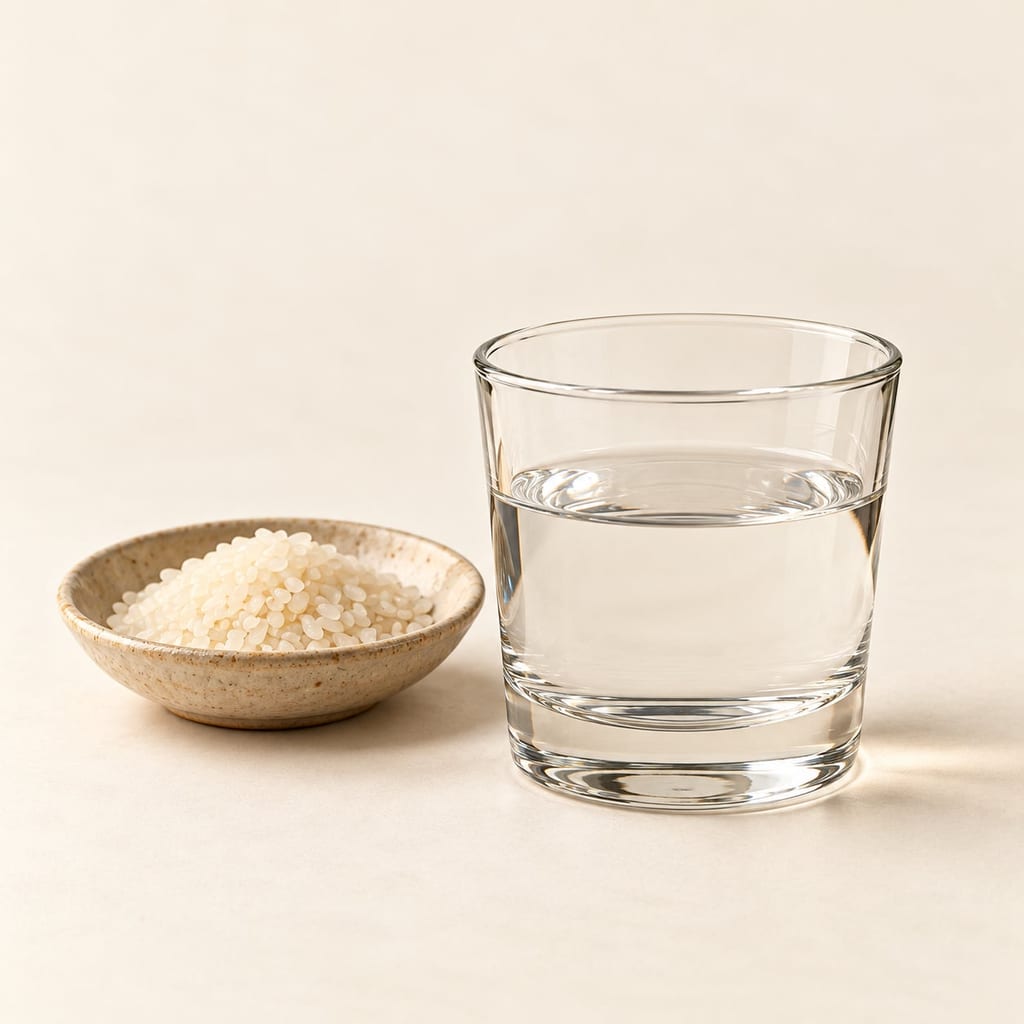
An Okinawan rice spirit made by turning all the rice into black koji, fermenting it with water and yeast, then pot-distilling and maturing the spirit.
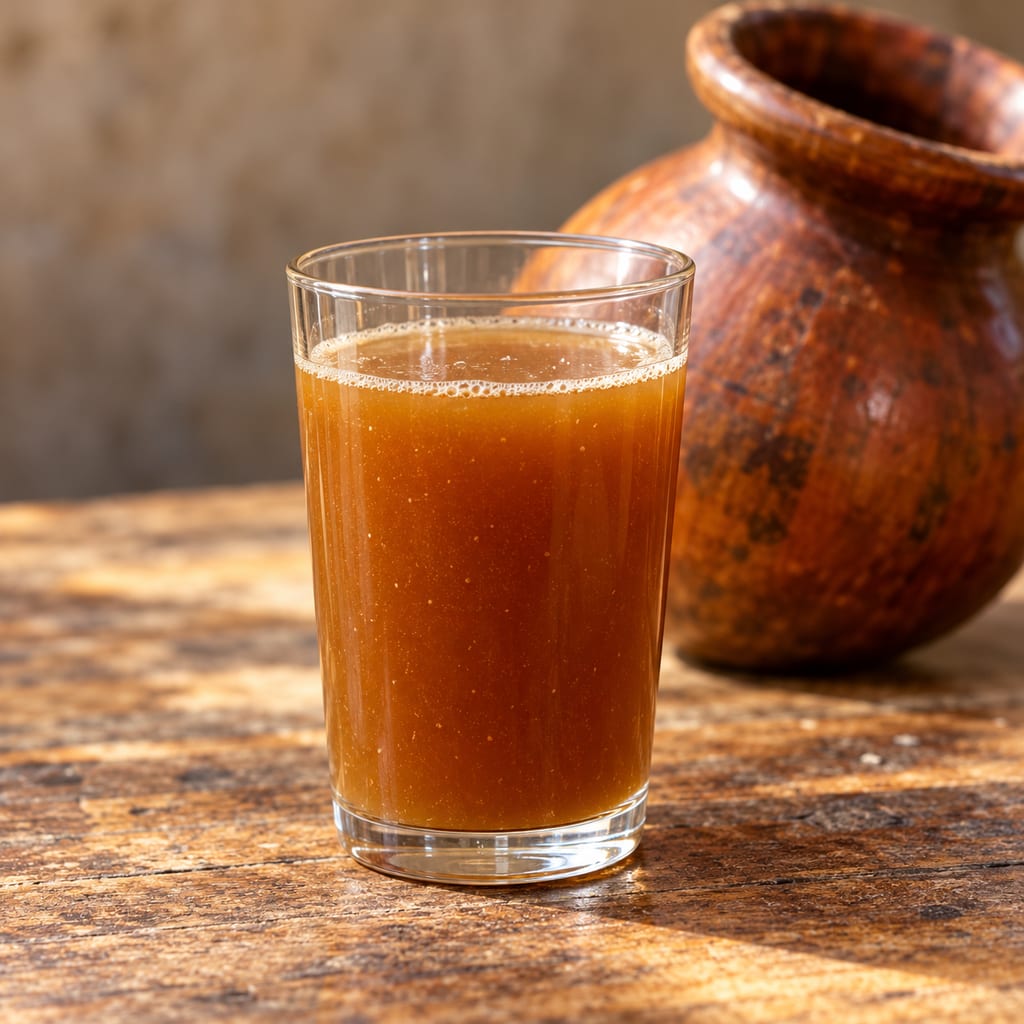
A darker Ethiopian maize tella, brewed from maize baked into a hot, dry kita pancake and then fermented in three stages with barley malt, gesho and water.
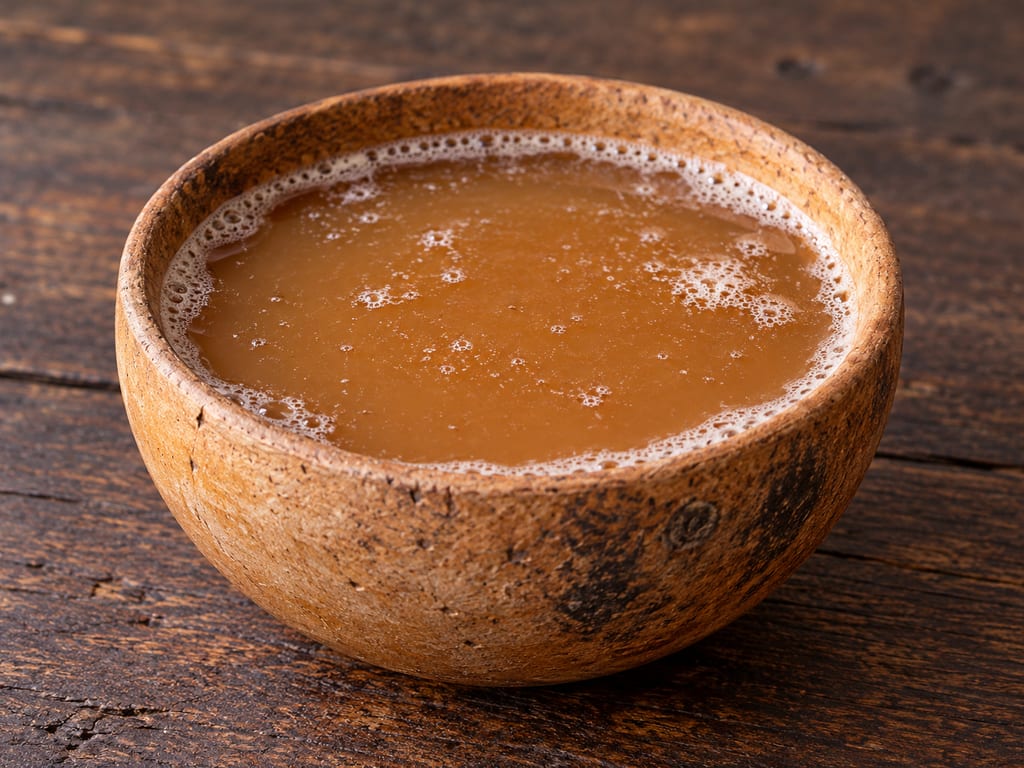
A Burkina Faso sorghum beer brewed from malted grain, soured by a spontaneous lactic stage and then fermented with a traditional yeast leaven.
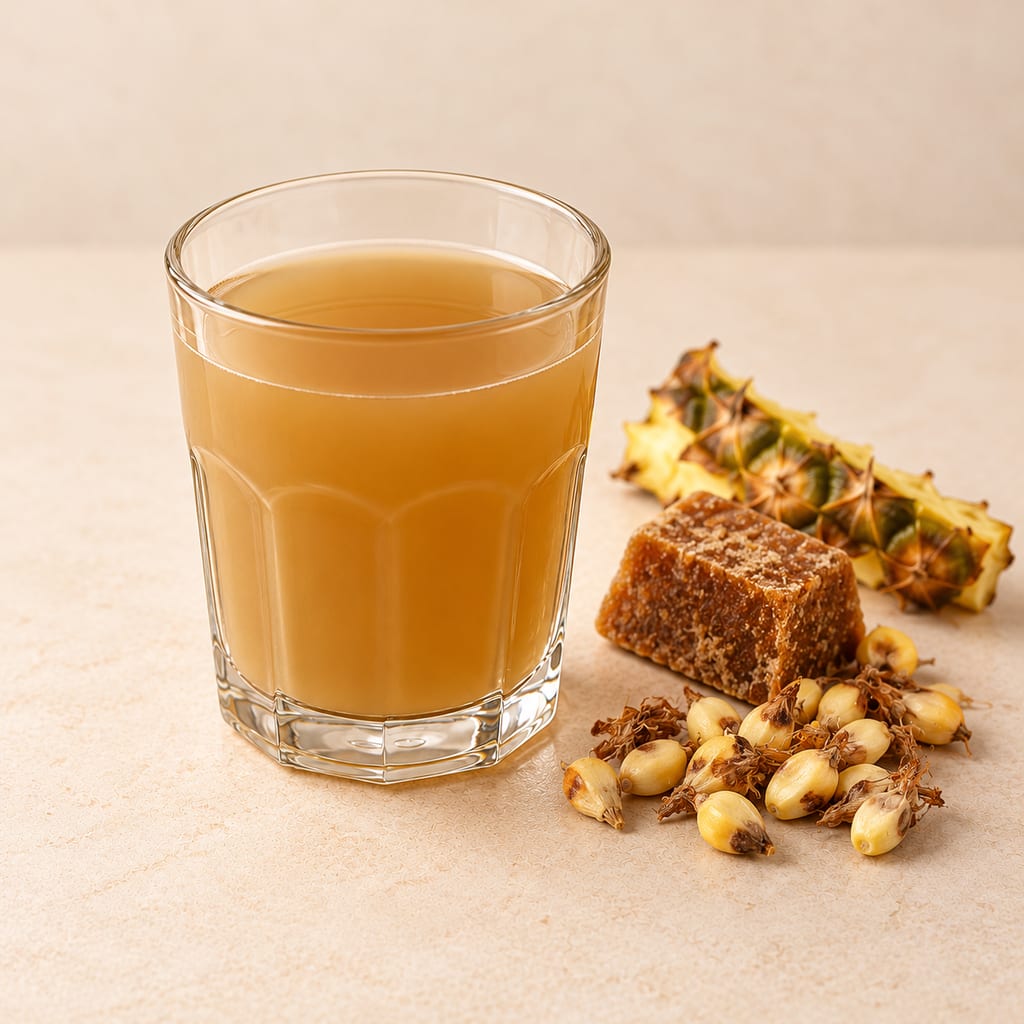
A contemporary Ecuadorian recipe simmers jora flour with spices, then adds panela and pineapple peel before a short spontaneous ferment. Its particular aromatics and measurements belong to this published adaptation.
No community contributions have been published for this entry yet.
Sign in to contribute. Published comments and photos are free to read.
American Homebrewers AssociationInspiration · Process · History · Location
2026 Official Big Brew Recipes: Dark Cellar Imperial StoutPhysical page 3, Dark Cellar: five-US-gallon all-grain ingredients, 2 L Wyeast 1056 starter and timed additions
Physical page 3, Brewing Notes: one-hour mash at 155°F (68°C), one-hour boil, starter decant/pitch, blow-off device and fermentation at 65°F (18°C)
Physical page 3: brewer's Zionsville association and 2024 competition account; no fermentation-duration or packaging instructions
American Homebrewers AssociationSafety
Homebrew EquipmentAirlock and blow-off sections: gas escape and foam overflow; fermenter pressure without a vent.
The named yeast and an active fermenter: 1056starter,65F/18C,blowoff, no duration/package; manufacturer species and pressure context.
Cited in: The named yeast and an active fermenter
Brewers AssociationSafety
Preventing Package Over-PressurizationUnintended refermentation can rupture packages; package pressure ratings, completion and calculated priming additions.
American Homebrewers AssociationSafety
Brewing with ExtractGeneral brewing sanitation: clean equipment and sanitize surfaces that contact cooled wort and beer; follow sanitizer directions.
Brewers AssociationSafety
Best Practice Guidance: Preventing Kettle BoiloversHot wort burn hazard; monitor heating and boil conditions, reduce heat from a safe position, add ingredients gradually.
At the table and in the glass: Contemporary rich-food/dessert pairing suggestions; style comparison, source stats and hot-wort/package hazards.
Cited in: At the table and in the glass
Wyeast LaboratoriesCulture · Identity
Strain 1056 American AleThe manufacturer identifies American Ale 1056 as Saccharomyces cerevisiae. The recipe uses a 2 L starter of this named strain.
The named yeast and an active fermenter: 1056starter,65F/18C,blowoff, no duration/package; manufacturer species and pressure context.
Cited in: The named yeast and an active fermenter
American Homebrewers AssociationBackground
2026 Official Big Brew RecipesA modern stout with several kinds of darkness: Modern named formula, brewer, grain composition and flavouring-name distinction; competition/modern style context.
Reading the grain bill: Distinct grist ingredients; roasting abstract explains manufacture-driven differences, not batch analysis.
Oats and the texture question: Oats form unspecified, gravity targets; experimental oat-form/viscosity/haze context.
The mash makes wort; yeast makes beer: 155F/68C1hour mash,1hour boil, omissions; enzyme conversion context.
A separate route through malt extract: Separate10lb extract alternative,160F30min specialty steep; manufacture explanation.
Hops against a large malt background: Warrior/Willamette timing,62IBU specification; alpha-acid isomerization versus volatile oils.
The named yeast and an active fermenter: 1056starter,65F/18C,blowoff, no duration/package; manufacturer species and pressure context.
At the table and in the glass: Contemporary rich-food/dessert pairing suggestions; style comparison, source stats and hot-wort/package hazards.
Cited in: A modern stout with several kinds of darkness; Reading the grain bill; Oats and the texture question; The mash makes wort; yeast makes beer; A separate route through malt extract; Hops against a large malt background; The named yeast and an active fermenter; At the table and in the glass
American Homebrewers AssociationBackground
Dark Cellar Imperial Stout Recipe | National Homebrew CompetitionA modern stout with several kinds of darkness: Modern named formula, brewer, grain composition and flavouring-name distinction; competition/modern style context.
Cited in: A modern stout with several kinds of darkness
Beer Judge Certification ProgramBackground
20C. Imperial Stout, 2021 Beer Style GuidelinesA modern stout with several kinds of darkness: Modern named formula, brewer, grain composition and flavouring-name distinction; competition/modern style context.
The trade behind the imperial name: Export geography/merchant history, secondhand empress story and later tariffs/imitations; broad current style.
At the table and in the glass: Contemporary rich-food/dessert pairing suggestions; style comparison, source stats and hot-wort/package hazards.
Cited in: A modern stout with several kinds of darkness; The trade behind the imperial name; At the table and in the glass
Brewery History Society; Martyn Cornell, Brewery History172, pp2–8Background
Albert Le Coq and the Russian Imperial Stout TradeThe trade behind the imperial name: Export geography/merchant history, secondhand empress story and later tariffs/imitations; broad current style.
Cited in: The trade behind the imperial name
Elsevier, Food Chemistry145, 378–387; author abstract deposited in PubMedBackground
Flavour generation during commercial barley and malt roasting operations: A time course studyReading the grain bill: Distinct grist ingredients; roasting abstract explains manufacture-driven differences, not batch analysis.
Cited in: Reading the grain bill
Journal of the Institute of Brewing120(4),390–398Background
Malted and unmalted oats in brewingOats and the texture question: Oats form unspecified, gravity targets; experimental oat-form/viscosity/haze context.
Cited in: Oats and the texture question
American Homebrewers AssociationBackground
Enzymes in Beer: What’s Happening In the MashThe mash makes wort; yeast makes beer: 155F/68C1hour mash,1hour boil, omissions; enzyme conversion context.
Cited in: The mash makes wort; yeast makes beer
Briess Malt & IngredientsBackground
ExtractsA separate route through malt extract: Separate10lb extract alternative,160F30min specialty steep; manufacture explanation.
Cited in: A separate route through malt extract
Beer Judge Certification Program; Peter Garofalo, updated Scott BickhamBackground
HopsHops against a large malt background: Warrior/Willamette timing,62IBU specification; alpha-acid isomerization versus volatile oils.
Cited in: Hops against a large malt background
Brewers AssociationBackground
Best Practice Guidance: Preventing Package Over-PressurizationThe named yeast and an active fermenter: 1056starter,65F/18C,blowoff, no duration/package; manufacturer species and pressure context.
At the table and in the glass: Contemporary rich-food/dessert pairing suggestions; style comparison, source stats and hot-wort/package hazards.
Cited in: The named yeast and an active fermenter; At the table and in the glass
Wine & Spirit Education TrustBackground
Mastering the art of beer and food pairingAt the table and in the glass: Contemporary rich-food/dessert pairing suggestions; style comparison, source stats and hot-wort/package hazards.
Cited in: At the table and in the glass