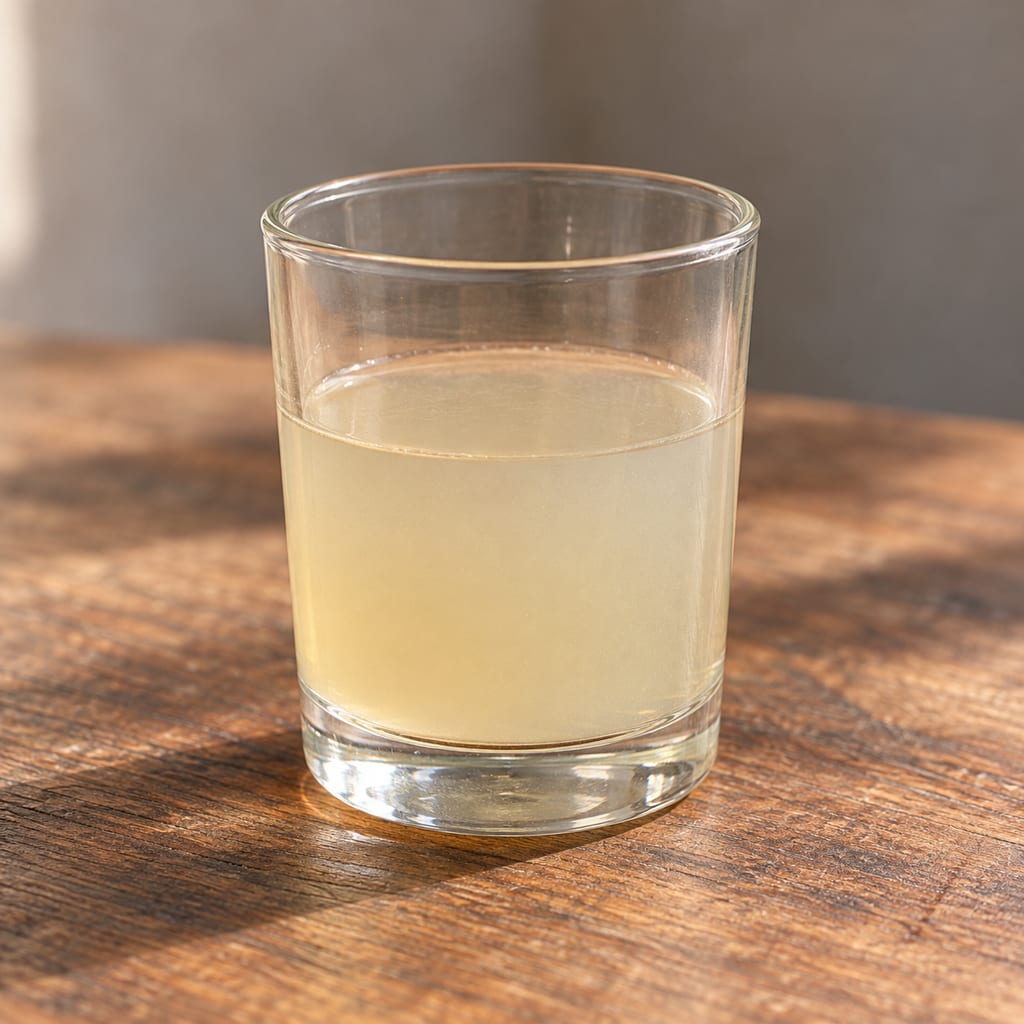
Judima
Judima is a Dimasa fermented rice drink from Assam. A 2022 Dhansiri account describes humao starter and rice fermentation, but sources disagree on the thembra bark species and do not provide a complete or validated home batch.
 FermenteaWhere food goes to change
Apon · Mising Apong · Mishing Apong · Mising rice beer · Mishing rice beer · Assamese rice beer · Nogin Apong · Noggin Apong · Nagin Apong · Nongzin Apong · Po:ro Apong · Poro Apong · Por Apong · Po:ro Apon · Saimod · Sai mod · Chai mod
Apong names Mising rice beverages in Assam, including pale Nogin and ash-associated Po:ro. Sources describe distinct preparations and do not establish one unified household recipe or validated safety endpoint.
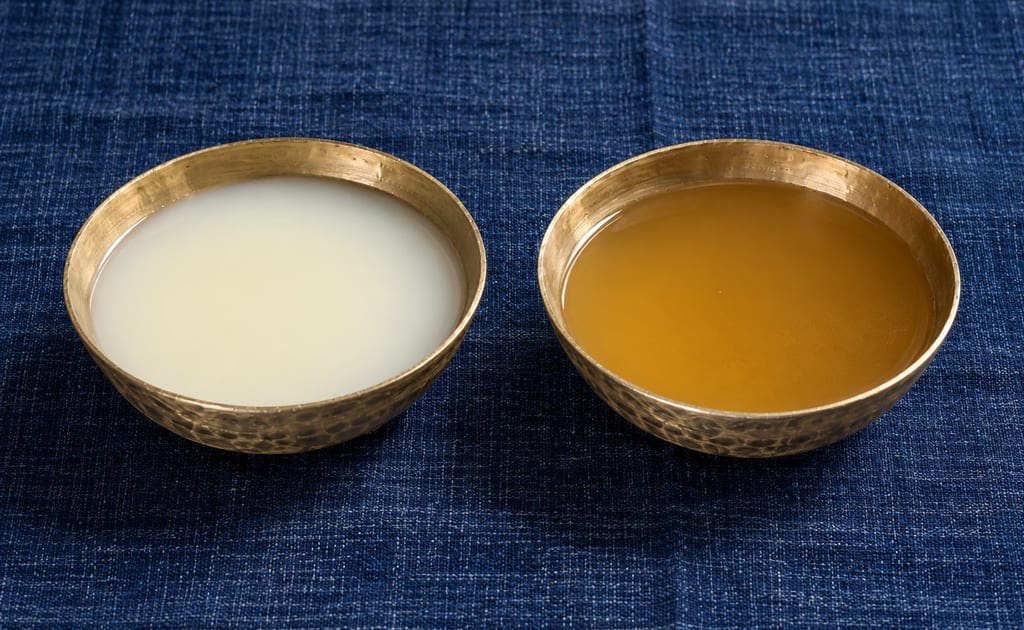
Apong is associated with Mising communities of Assam. The sources distinguish pale Nogin from dark Po:ro, also called Saimod in some accounts. These are related rice beverages, not one interchangeable process. Other nearby communities have their own rice drinks; shared ingredients or broad English labels do not make those drinks the same preparation.
Kardong and colleagues' 2012 Po:ro study describes warm cooked rice mixed with ash from rice straw and husk, inoculated with Épop, fermented in a clean dry vessel, then filtered through a bamboo cone while warm water is poured over the mash. The account records about 3 kg cooked rice, about 100 g starter and fermentation for about 20 days at 30–35 °C. It does not report the ash amount, rinse-water volume or yield, and it warns that microbial characterization and process standardization are needed.
A 2010 field survey published in 2012 describes a different Lakhimpur account and separates pale Apong from ash-associated Saimod. A 2024 review also reports seasonal timings that differ from the 2012 study. Keep these accounts attached to their sources; they are not one combined schedule.
The mSystems study describes Nogin as a pale form made from steamed rice and distinguishes it from ash-associated Po:ro. The 2024 review supplies a longer account with Épop starter, an earthen pot and liquid extraction, with seasonal durations. Those descriptions do not supply one matched batch with a validated endpoint, yield, storage method or safety controls. The held Nogin research record keeps this evidence separate from Po:ro.
The primary preparation accounts describe fermentation followed by water extraction through a filter or basket. They do not describe boiling and condensing the collected drink. A 2023 Épop article calls Po:ro distilled in its introductory summary, which conflicts with those detailed fermentation and filtration accounts. The reviewed sources do not explain the discrepancy, so this note does not treat that word as proof of a distillation step or provide still instructions.
The 2012 Po:ro paper reports that the consumable filtrate can contain substantial alcohol and says contamination is a concern; it calls for characterization of microbes and process standardization. Those measurements describe analyzed samples, not a predictable strength or safe target. FoodSafety.gov notes that Bacillus cereus spores can survive cooking and grow in cooked food held unsafely. The sources give no validated home control for the starter, cooked-rice holding, ash composition, fermentation endpoint, alcohol, extraction water or storage. No sensory sign or reported duration proves a batch safe.
J. Mipun's 1993 book The Mishings (Miris) of Assam describes Nagin and Po:ro Apong in Mising food, hospitality and ritual. Field surveys and lab studies from 2010 onward record the starters, the brewing and the microbes. No dated ancient or medieval recipe, and no defensible century of origin, has been found.
No reproducible ingredient list is recorded.
The published accounts describe warm fermentation of cooked rice but give no validated pathogen controls or endpoint. Bacillus cereus spores can survive cooking and grow in improperly held cooked rice.
Hazard sourceÉpop is prepared with locally gathered plant materials and varies among households and field studies; the sources do not establish one standardized microbial composition or universal formula.
Hazard sourcePo:ro accounts describe rice-straw or rice-husk ash, but the reviewed sources do not establish a validated ash specification, safe dose or contaminant limit.
Hazard sourceThis is a source-comparison note, not a household batch recipe.
Po:ro and Nogin are distinct source-described forms; do not transfer ingredients or process details between them.
The sources do not establish a validated safe endpoint, alcohol range for every batch, ash dose, storage method or shelf life.
Colour, smell, taste, bubbling and reported fermentation duration do not prove safety.
A 2023 starter-culture article calls Po:ro distilled, while primary preparation accounts describe fermentation followed by water filtration. The reviewed evidence does not resolve that terminology conflict; this record gives no distillation instructions.
The sources do not give enough detail for preparation directions.
A field survey of Mising brewing, with a pale Apong method of about five days and a dark Saimod method of about fifteen days.
Starter plants recorded among Mising households in Barmukuli, and biochemical work on Po:ro Apong.
A household brewer makes Po:ro Apong for her family and for sale.
Starter making recorded here, in a survey of fifteen villages in Sivasagar District.
A regional association drawn from the starter surveys.
The home community of the drink; the studies sampled villages across several Assam districts.
Mising communities live here too; the neighbouring Adi and Galo brew related drinks that are not the same thing.
Judima is a Dimasa fermented rice drink from Assam. A 2022 Dhansiri account describes humao starter and rice fermentation, but sources disagree on the thembra bark species and do not provide a complete or validated home batch.
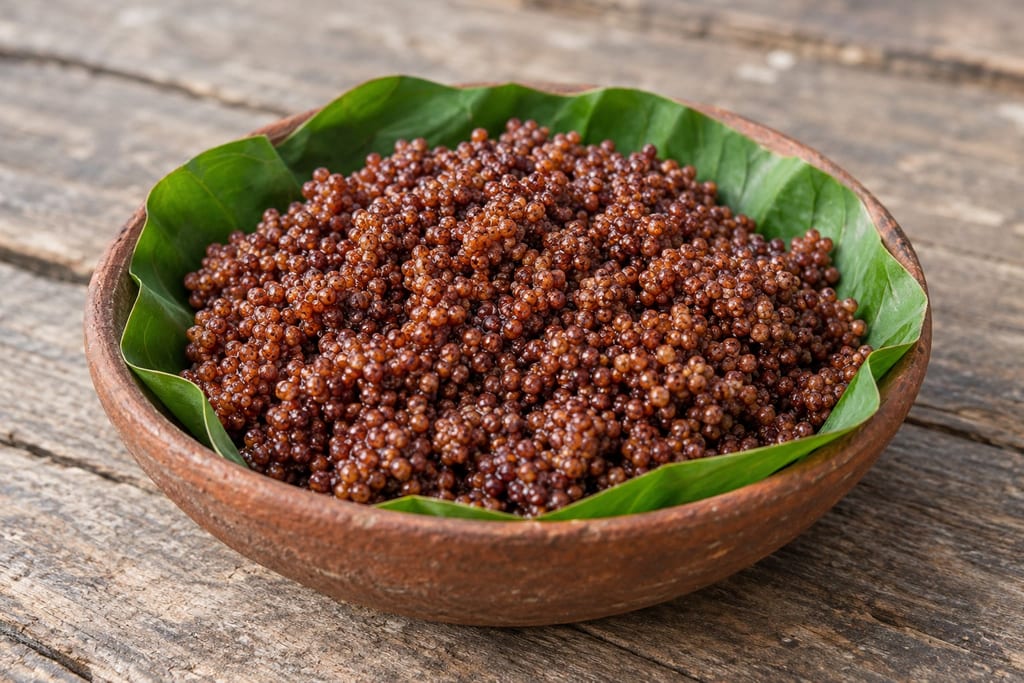
Finger millet fermented with marcha in surveyed Darjeeling and Sikkim communities. Tongba is the later warm-water extraction from the fermented grain. The cited accounts do not establish a complete or validated home batch.
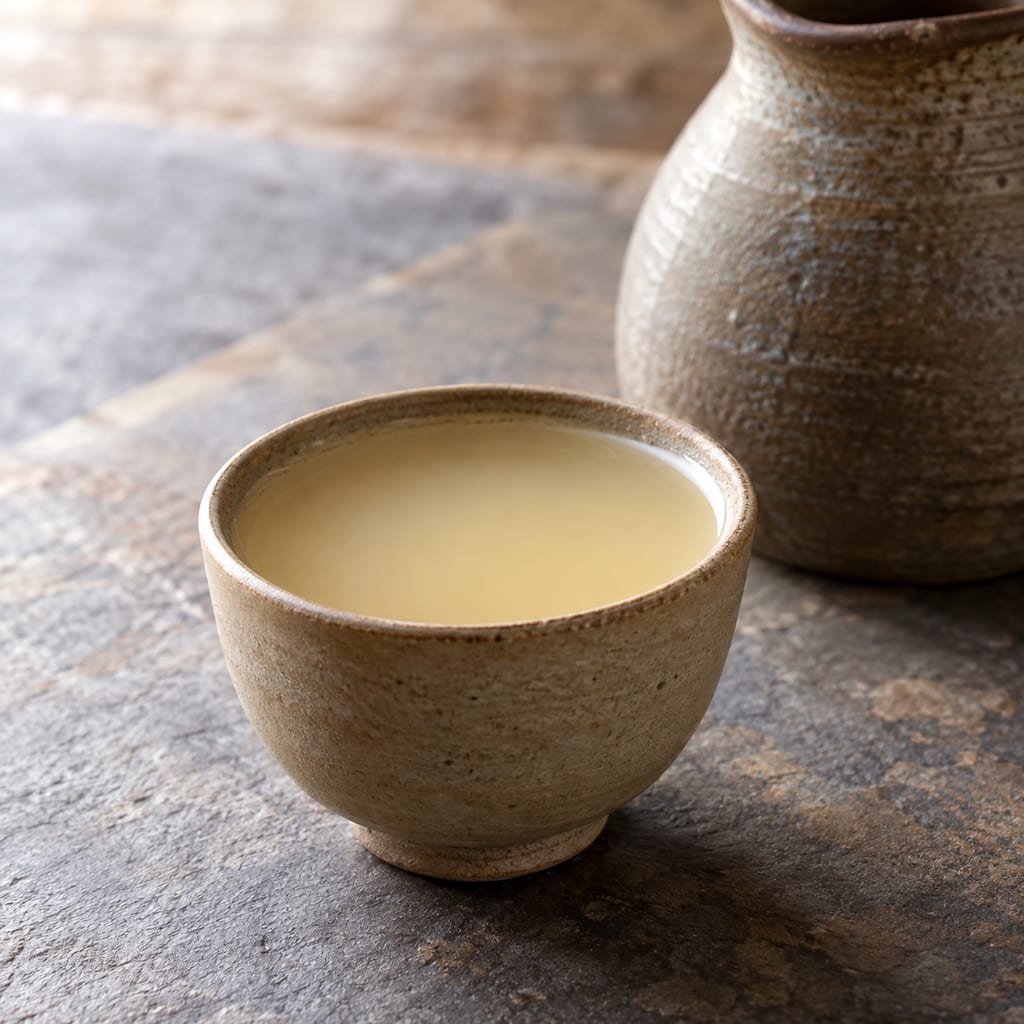
A 2005 Tibetan account describes cooked barley mixed with changdzi, fermented as moist grain, then steeped in water for an alcoholic drink. Grain and water amounts, starter dose and a verified safety endpoint are absent.
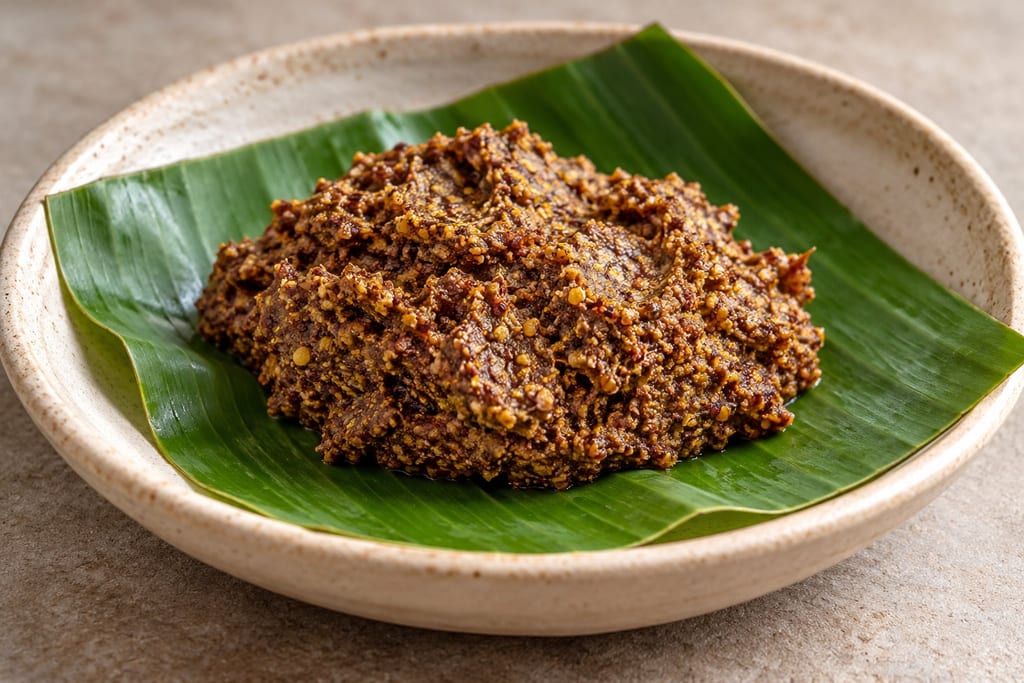
Kahudi is an Assamese mustard-seed condiment fermented with sour Thekera fruit into a strong mash; household methods and study results differ, and no validated home schedule exists.
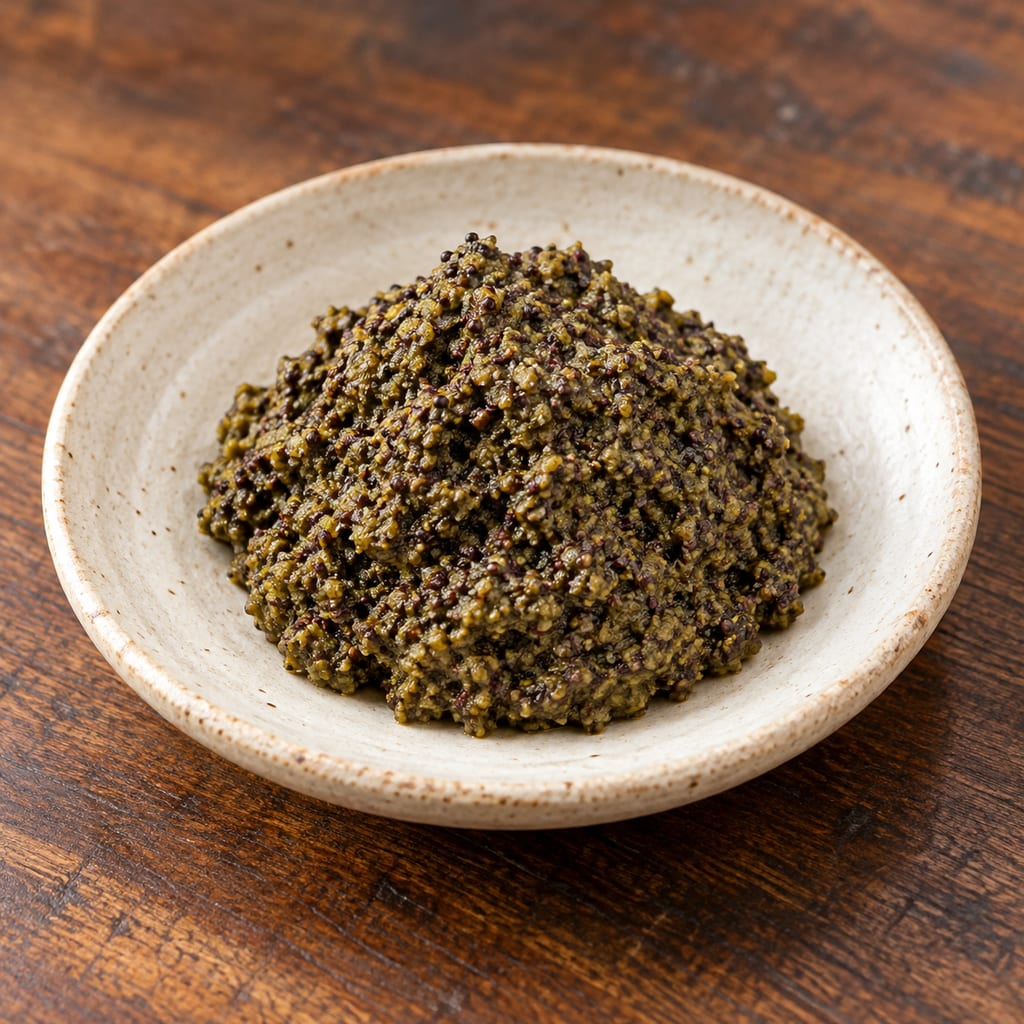
A strong Assamese condiment of mustard seed mixed with khar, an alkaline banana-ash filtrate, wrapped in leaves and fermented in bamboo over a fire or in a kitchen pot.
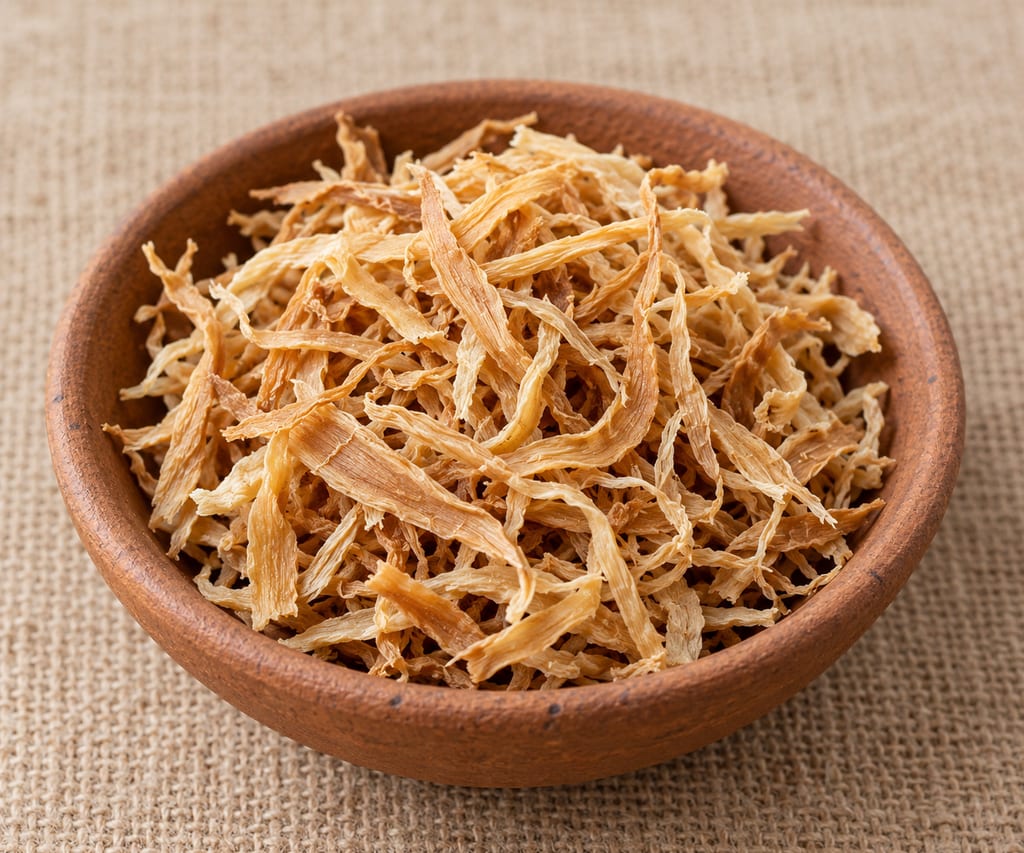
Khorisa is an Assamese fermented bamboo-shoot food. This page records cultural and lab accounts, not a validated home method. FSANZ says shoots must be fully cooked before eating; it does not validate Khorisa or set its cooking time.

A deep amber-red American ale brewed from pale, Munich, CaraVienne and chocolate malts, bittered with Columbus hops and finished with Amarillo.

A source-specific modern extract adaptation of Düsseldorf Altbier, with specialty malts, two hop additions and an ale yeast. It is distinct from a brewery's commercial Altbier process and from Kölsch.
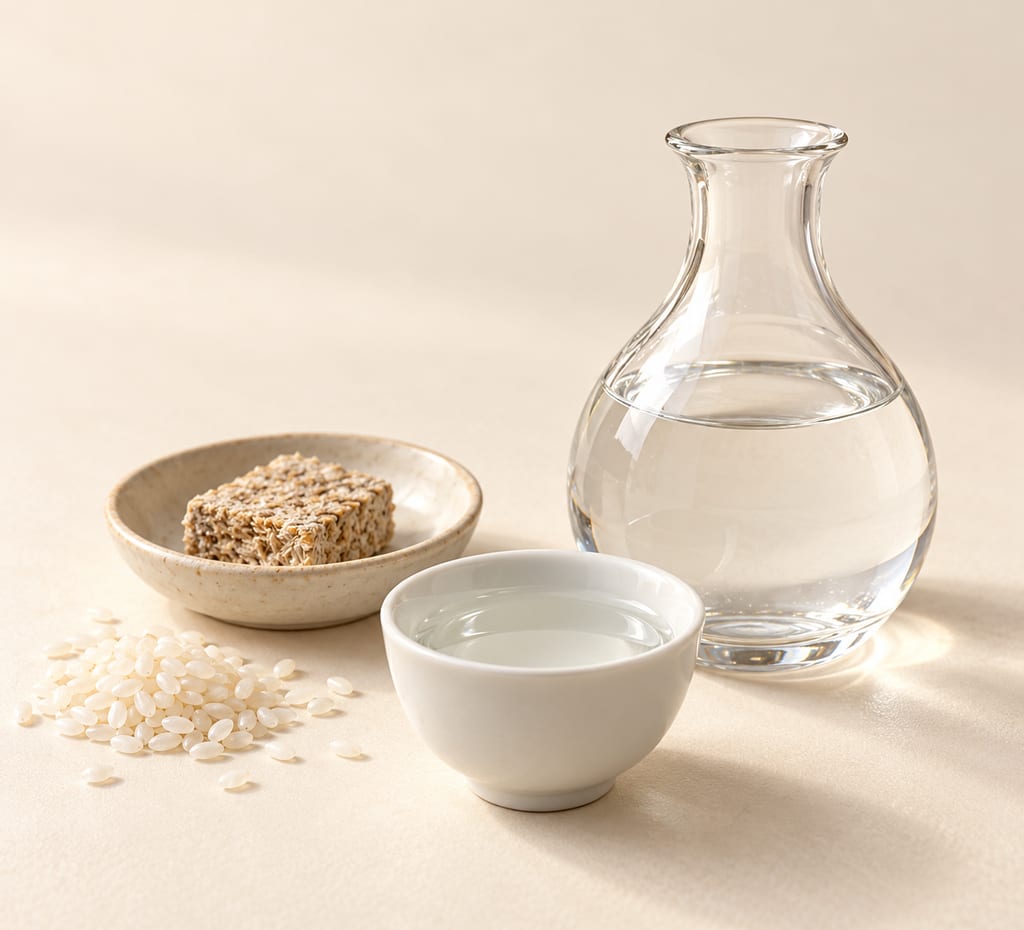
Andong soju is a rice spirit from North Gyeongsang, distilled from steamed rice and wheat nuruk. This method makes the starter before fermenting the rice mash in a jar.
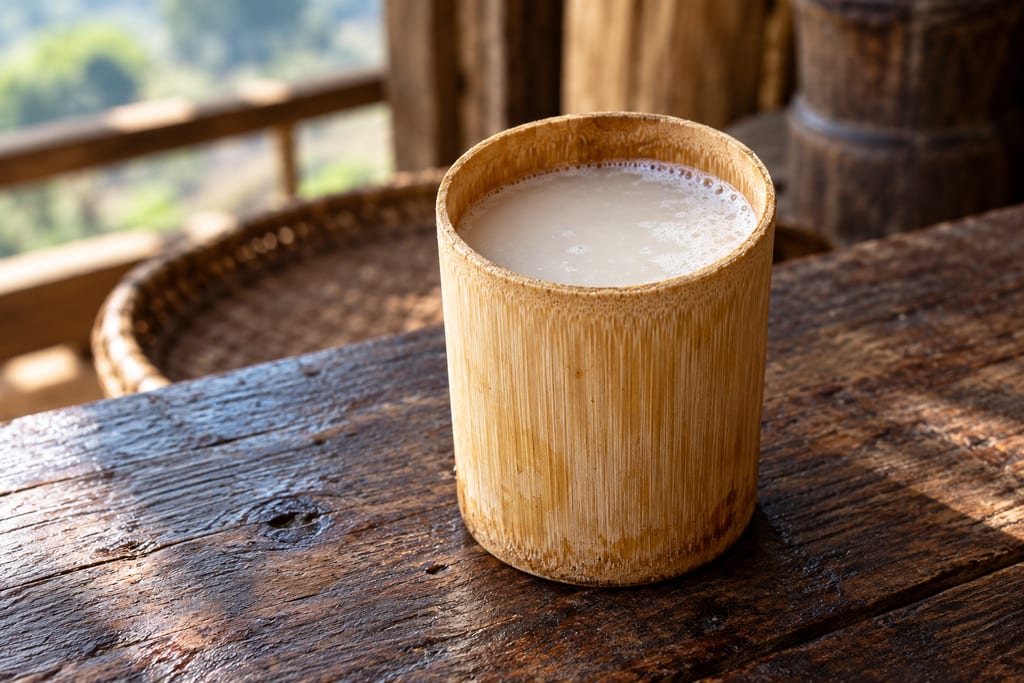
Angami rice beer from Nagaland. A surveyed method mixed cooked rice with piazu, fermented it for about four days in summer or a week in winter, then added water and filtered it. The starter ratio leaves the rice-weight basis unclear.
An Okinawan rice spirit made by turning all the rice into black koji, fermenting it with water and yeast, then pot-distilling and maturing the spirit.

This is a process overview, not a complete batch recipe: key quantities, yield and packaging directions are absent. The AHA tutorial uses Hop Hammer Imperial IPA as an example; this page is not that full formulation.
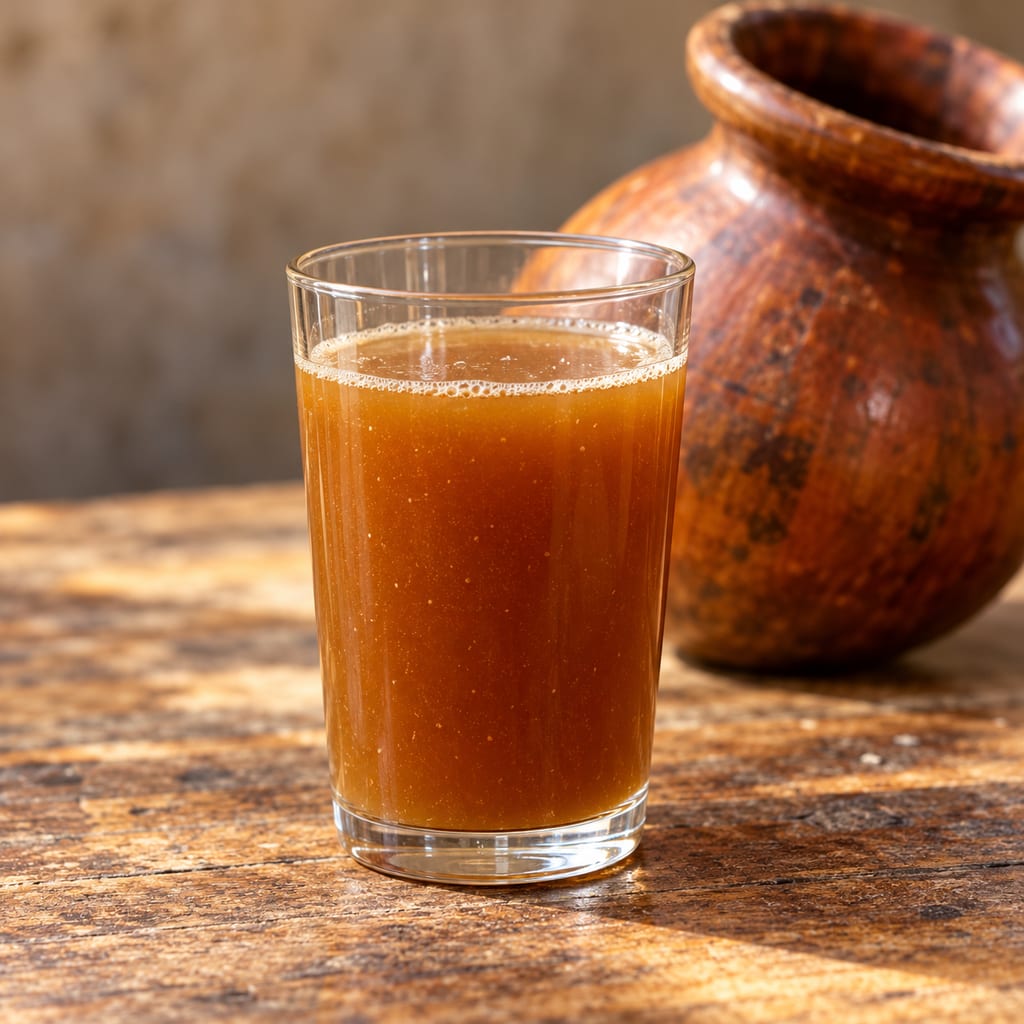
A darker Ethiopian maize tella, brewed from maize baked into a hot, dry kita pancake and then fermented in three stages with barley malt, gesho and water.
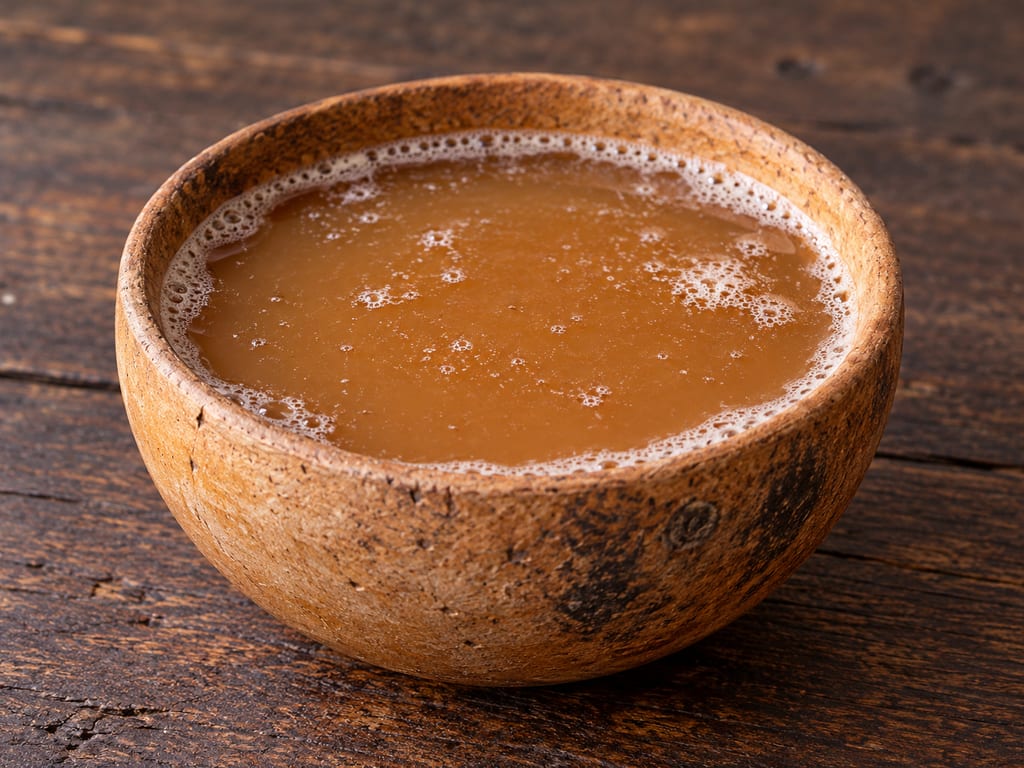
A Burkina Faso sorghum beer brewed from malted grain, soured by a spontaneous lactic stage and then fermented with a traditional yeast leaven.

Soft, spreadable Calabrian pork sausage made with a great deal of red chilli and fatty pork, stuffed into natural casings, sometimes smoked and matured while staying soft.

A way to add independent temperature logging to an existing food dehydrator without changing its built-in controls or protections. It is a monitoring method, not a rewiring plan.

Pleurotus cystidiosus is the abalone mushroom, a cultivated oyster-type fungus with dark brown caps that grows more slowly and is more demanding than other Pleurotus species.

A dark, balanced vinegar from Emilia-Romagna made by combining cooked or concentrated grape must with wine vinegar, then acetifying and refining it in wood under a protected specification.

A living dairy inoculum that starts controlled cream fermentation, developing acidity and aroma before sour cream or cultured butter is finished.

A small electric incubator holds jars at a selected temperature for yogurt and other documented warm food preparations. Controls, capacity and vessel arrangement vary by model.

Adygean salt is a seasoned table salt associated with Adygea and the wider North Caucasian culinary tradition. Salt is blended with garlic and a variable selection of herbs and spices; the exact mix depends on the named style and maker.

The African Caesar-group mushroom, Amanita masasiensis, is a wild ectomycorrhizal species of central and southern African woodlands, eaten locally. The genus contains deadly poisonous species, so identification needs care.
No community contributions have been published for this entry yet.
Sign in to contribute. Published comments and photos are free to read.
Indian Journal of Traditional Knowledge, Volume 11, Issue 3, pages 499-504, CSIR-NISCAIR, July 2012; author-uploaded journal articleMethod · Science · Safety
Evaluation of Nutritional and Biochemical Aspects of Po:ro Apong (Saimod): A Home Made Alcoholic Rice Beverage of Mising Tribe of Assam, IndiaThe source-specific Po:ro Apong method reported in the study: 3 kg of cooked rice, about 100 g of powdered E'pob, ash from burned rice straw and husks mixed in as a thin coat, a clean dry earthenware container covered with straw or fern leaves.
About 20 days of fermentation at a reported 30 to 35 C; the mash is called Po:ro Arouk.
Rinsing through a cone-shaped split-bamboo basket called Ta:suk lined with banana or Canna leaves, using warm water; the drink is reddish-brown and semi-transparent.
Po:ro Apong and Saimod are names for the dark Mising rice beer.
Alcohol of 7.52 to 18.5% by volume across the products analysed.
Microbes counted in the starter, the fermented mash and the finished drink.
Spent rice used as animal fodder.
Flies and larvae reported in some ferments; no starter formula, ash amount, rinse water or yield given.
Cited in: Po:ro source accounts; Fermentation, extraction and a terminology conflict; Safety and research limits
International Food Research Journal, Volume 19, Issue 1, pages 101-107, 2012Method · History
Methodology of Rice Beer Preparation and Various Plant Materials Used in Starter Culture Preparation by Some Tribal Communities of North-East India: A SurveyField survey in Northeast India in 2010, with Mising brewing recorded in Lakhimpur District.
The starter apop pitha: twelve plants, soaked rice ground with the plants, cakes dried.
Pale Apong: rice boiled, cooled on banana leaves, mixed with powdered apop pitha at one cake per kilogram of rice, fermented in a fumigated earthenware pot under leaves for about five days, then water added and the liquid filtered.
Dark Saimod: partly burned hay and rice husks added to cooked rice, more starter, about fifteen days.
Starter plants include Centella asiatica, Hydrocotyle sibthorpioides and Scoparia dulcis.
Different communities keep different starter formulae.
Cited in: Po:ro source accounts
Journal of Ethnic Foods, Volume 10, Article 47, Springer Nature, 6 December 2023Method · History · Science
ÉPOP (Traditional Starter Culture): A Complex Composition of Plant Resources Prepared by the Misings of Assam, Northeast IndiaSurvey of fifteen villages in Sivasagar District, with further work in Majorbari and Ligiribari.
Thirty-one plant species in twenty-two families used in E'pob, from forests, fallow land and cultivated land.
Plants dried in the sun for three to four days, pounded, and combined with rice soaked two to three hours and ground, at a plant-to-rice ratio of 1:5.
Cakes of about 20 to 25 g, inoculated with powdered mature starter and dried for at least seven days; larger cakes kept to start later batches.
Women's knowledge of collecting, mixing, shaping, inoculating and drying, including restrictions on collection days.
Po:ro and Nogin recognised as distinct forms of Apong; starter plants vary between households.
Cited in: Fermentation, extraction and a terminology conflict; Safety and research limits
People's Archive of Rural India, 15 March 2023Method · History
Making the Mising Brew in MajuliJunali Risong of Majuli makes Po:ro Apong from about 25 kg of rice with ash from burned paddy stalks and a household herbal starter.
About 10 to 15 kg of paddy stalks burned for three to four hours; rice cooked for about thirty minutes; about fifteen to sixteen starter balls.
Fermentation of about fifteen to twenty days, then rinsing through a banana-leaf-lined cone; about 30 to 34 L of beer.
She learned from her mother-in-law and sells the drink locally.
Pale Nongzin is distinguished from dark Po:ro.
3 Biotech, Volume 9, Article 174, Springer, April 2019Science · Safety
Exploring the Microbiota and Metabolites of Traditional Rice Beer Varieties of Assam and Their FunctionalitiesPo:ro Apong, Nogin Apong, Ahom Xaaj and Bodo Joubishi compared in 27 samples from nine Assam villages.
Differences in bacterial communities between the drinks; lactic acid bacteria (Lactobacillus, Weissella, Pediococcus) prominent.
Alcohol of 10.67% in a Po:ro sample and 9.99% and 10.37% in two Nogin samples.
More bacterial diversity in one Nogin sample; organic acids, sugars and amino acids measured.
Sequencing shows relative abundance, not the number of living microbes, and does not prove health benefit.
Cited in: Mising beverage names; Nogin remains distinct
mSystems, Volume 8, Issue 6, American Society for Microbiology, December 2023Science
A Single Dietary Factor, Daily Consumption of a Fermented Beverage, Can Modulate the Gut Bacteria and Fecal Metabolites within the Same Ethnic CommunityPo:ro described as an ash-containing solid-state fermentation, Nogin as steamed rice.
Different microbe mixes in the two drinks.
Drinkers compared with non-drinkers for gut bacteria, stool metabolites and blood chemistry.
Higher blood pressure in Po:ro drinkers than in the control group.
Observational design, so it cannot show cause or benefit.
Cited in: Mising beverage names; Nogin remains distinct; Fermentation, extraction and a terminology conflict
Journal of Biological Sciences, Volume 17, Issue 2, pages 91-105, 2017Science
Exploring the Genealogy and Phenomic Divergences of Indigenous Domesticated Yeasts Cultivated by Six Ethnic Communities of Assam, IndiaYeasts isolated from starters of six Assam communities: sixty-four isolates in thirty-one variants.
Saccharomyces cerevisiae, Wickerhamomyces anomalus, Saccharomycopsis fibuligera and Rhodotorula taiwanensis detected across the starters.
Starters differ between traditions, and detection of a species does not show it does the fermenting.
Journal of Food Biochemistry, Wiley, Volume 2024, Article 7769743, January 2024Method · Science
Rice-Based Alcoholic Fermented Beverages of North-East India: Insight into Ethnic Preparation, Microbial Intervention, Ethnobotany, and Health BenefitsReview of Northeast Indian rice beers and their community names, including pale and ash-containing Apong.
Different fermentation periods by place and season, and different starter-cake methods.
Gaps in starter safety, standardisation and clinical evidence.
Cited in: Po:ro source accounts; Nogin remains distinct
Drug Invention Today, Volume 5, Issue 4, pages 335-341, Elsevier, December 2013Science · History
Ethno Medicinal Value of Various Plants Used in the Preparation of Traditional Rice Beer by Different Tribes of Assam, IndiaPlants used in the Apong starter among Mising households in Barmukuli, Dhemaji District.
Starter plants differ between Bodo, Karbi, Ahom, Deori, Rabha, Sonowal Kachari and Mising traditions.
Medicinal claims are inherited belief, not shown food-safety or clinical properties.
Walsh Medical Media, 2013History
Apong: An Alcoholic Beverage of Cultural Significance of the Mising Community of Northeast IndiaApong in Mising religious and social occasions.
J. Mipun's 1993 book The Mishings (Miris) of Assam describes Nagin and Po:ro Apong with meals and for guests, and with meat, fish and edible leaves at festivals and rituals.
Cited in: Mising beverage names
World Health OrganizationSafety
Food SafetyGeneral need to prevent microbial and chemical contamination, with safe raw materials, clean equipment and hygienic handling.
A general food-safety reference, not a specification for Apong.
FoodSafety.govSafety
Bacillus cereusCooked rice held at room temperature can allow Bacillus cereus growth; cooking may not eliminate spores. This is a general hazard reference, not an Apong-specific process validation.
Cited in: Safety and research limits