Apong
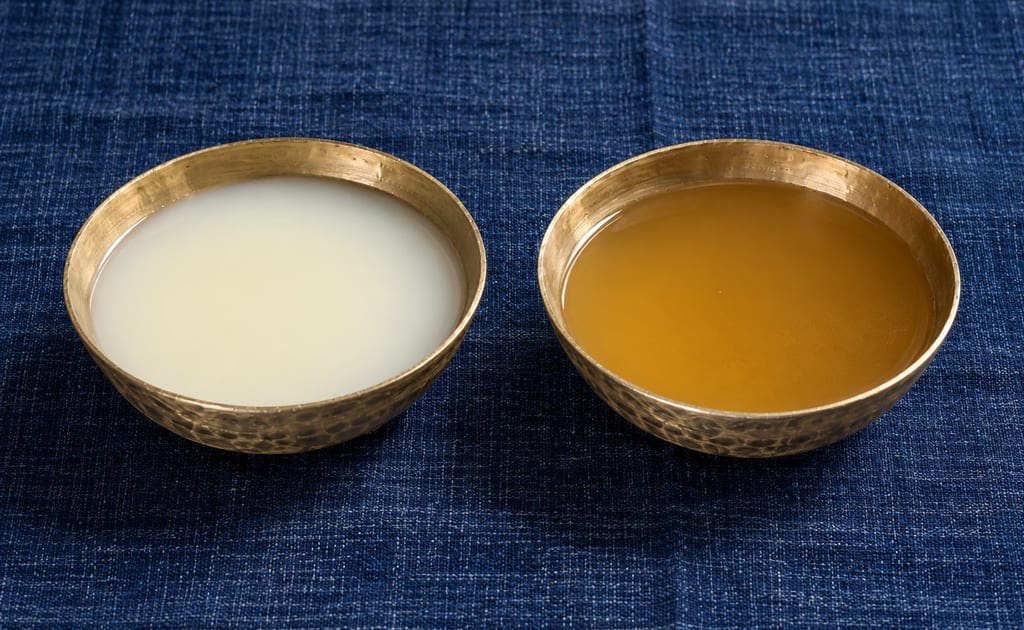
Apong names Mising rice beverages in Assam, including pale Nogin and ash-associated Po:ro. Sources describe distinct preparations and do not establish one unified household recipe or validated safety endpoint.
 FermenteaWhere food goes to change
Poka khorisa · Khorisa tenga · Khorisa pani
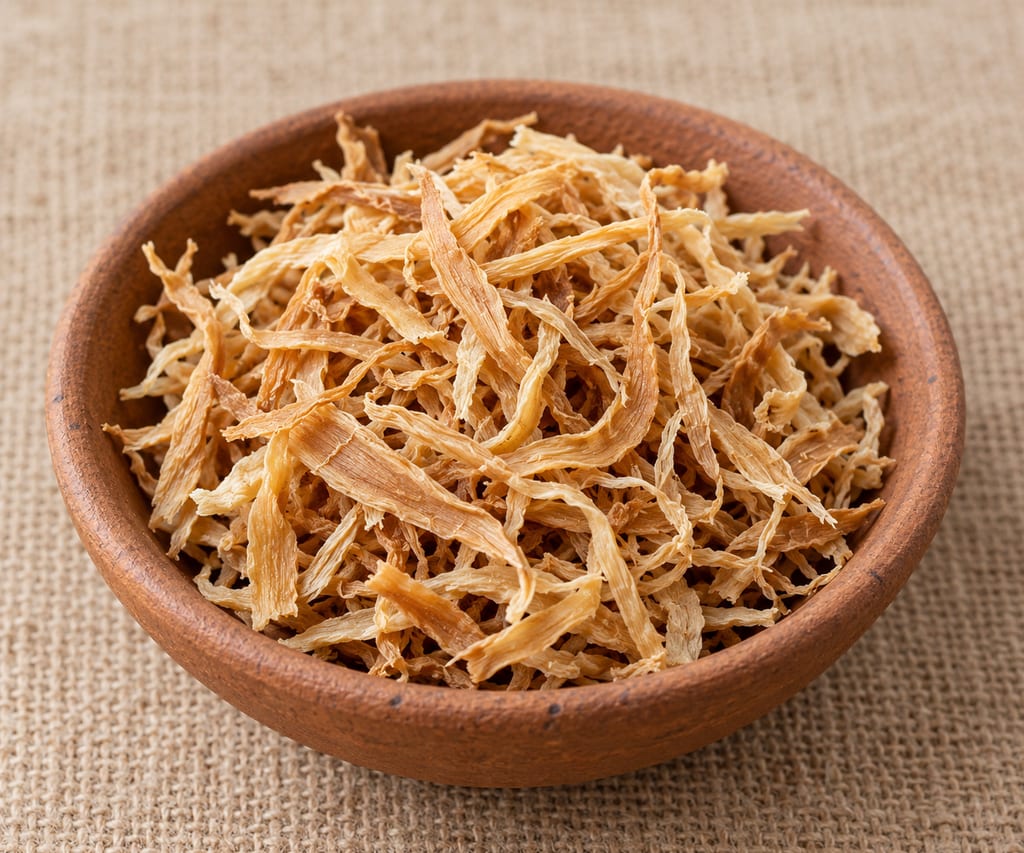
Khorisa is an Assamese fermented bamboo-shoot food. This page records cultural and lab accounts, not a validated home method. FSANZ says shoots must be fully cooked before eating; it does not validate Khorisa or set its cooking time.
Food Standards Australia New Zealand reports that fresh, unprocessed bamboo shoots contain cyanogenic glycosides and says bamboo shoots must be fully cooked before eating. This is general bamboo-shoot consumer guidance; it does not validate Khorisa fermentation or establish a cooking time for fermented Khorisa.
The cited Khorisa accounts do not document a post-fermentation cooking step. Traditional sourness, smell and elapsed days are not proof that cyanogenic compounds have been reduced to a safe level. This record does not support serving fermented bamboo shoots uncooked.
Traditional accounts record grated or pounded bamboo shoots fermented into a sour food, alongside a distinct drier form. Khorisa is associated with Assam.
Its use is recorded with meat and fish dishes and with pickles. The 2015 synthesis also mentions meals with fish, meat and sweets. These are use contexts, not complete recipes.
In the traditional account of Sharma and Barooah, shoots are pounded with a dheki and packed in earthen pots or hollow bamboo, covered with banana leaves, for seven to fifteen days. The same authors report a laboratory batch run for seven to twelve days.
The 2014 laboratory study used grated Bambusa balcooa shoots from Nagaon in 500 g glass jars under anaerobic conditions at a controlled 32 degrees C for twelve days. The second batch added one per cent dried Garcinia pedunculata. Samples were taken every 48 hours. Its results describe those jars, not a household method.
Swain and colleagues describe dry Khorisa as fermented in a smoked earthen pot, with optional dried bor-thekera and dried chilies, lightly pressed for four to twelve days, then pressed and drained and sun-dried for two to three days.
The 2017 microbiology study of Khorisa reports lactic acid bacteria in the product and tests their probiotic potential. These are results for the sampled product, not a starter specification.
A 2015 synthesis places traditional production in the monsoon, when shoots are available. The 2017 microbiology paper describes the food as traditional to Assam. No source gives an origin date.
Scaling: source batch only
Fresh, unprocessed bamboo shoots contain cyanogenic glycosides. The general guidance requires full cooking before eating but does not validate this fermentation process.
Hazard sourceTraditional accounts judge the product by sensory signs, and the sources give no objective acidity or pH limit for home batches.
Hazard sourceNo validated household process or cyanogen endpoint is established here. Sourness, smell, and elapsed days are not proof of safe processing; FSANZ guidance is general and does not set a Khorisa cooking time.
Control sourceFSANZ says bamboo shoots must be fully cooked before eating; its general guidance does not validate Khorisa fermentation or any cooking duration for this product.
The cited Khorisa sources do not state a post-fermentation cooking step or a validated home safety endpoint.
The laboratory results describe specific study batches only, not home batches.
Wet and dry Khorisa are distinct forms; details for one are not instructions for the other.
State-level association. The laboratory shoots were collected at Nagaon, Assam; this does not establish origin or exclusive distribution.
Apong names Mising rice beverages in Assam, including pale Nogin and ash-associated Po:ro. Sources describe distinct preparations and do not establish one unified household recipe or validated safety endpoint.
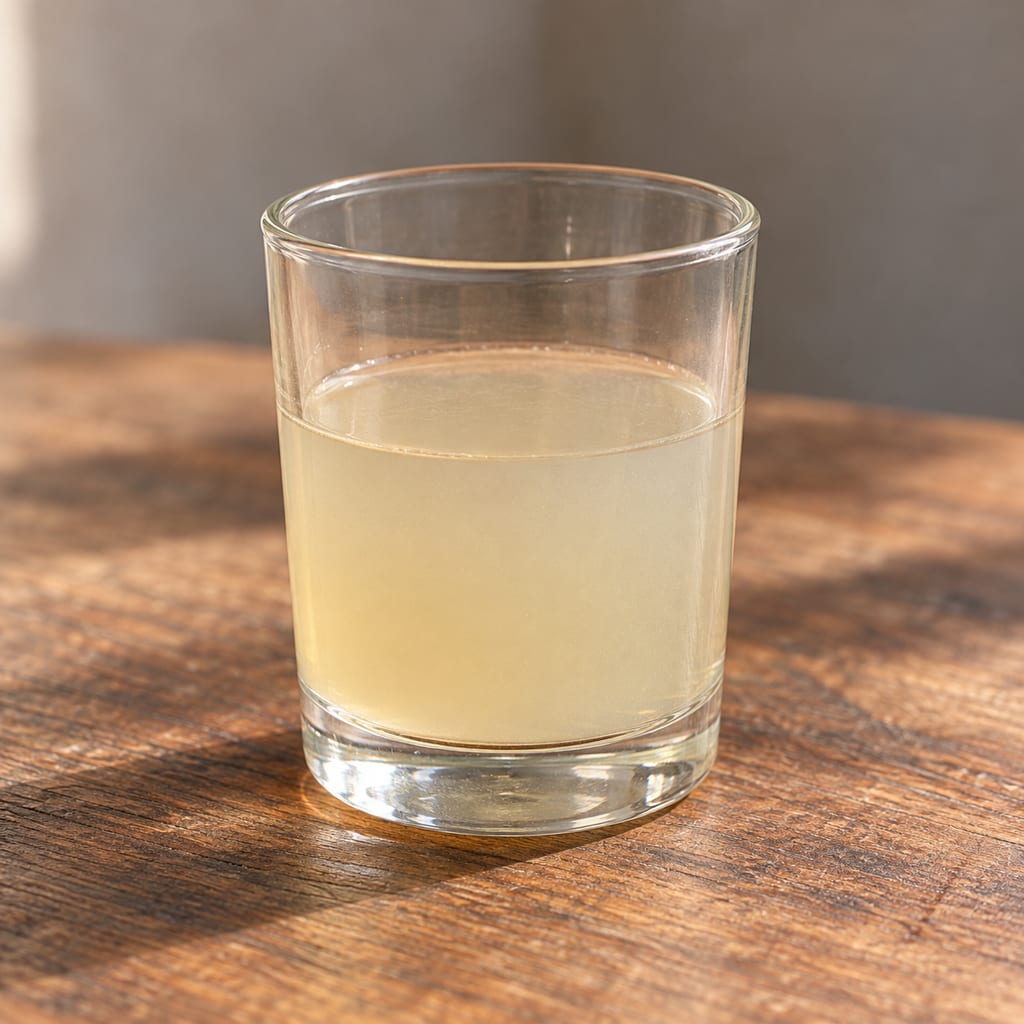
Judima is a Dimasa fermented rice drink from Assam. A 2022 Dhansiri account describes humao starter and rice fermentation, but sources disagree on the thembra bark species and do not provide a complete or validated home batch.
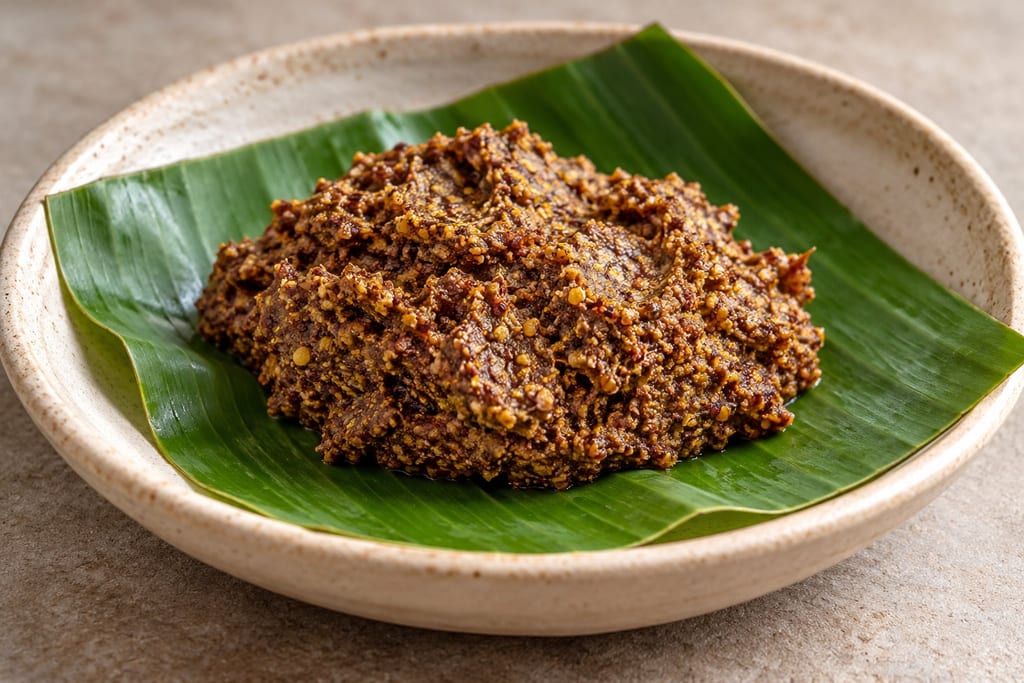
Kahudi is an Assamese mustard-seed condiment fermented with sour Thekera fruit into a strong mash; household methods and study results differ, and no validated home schedule exists.
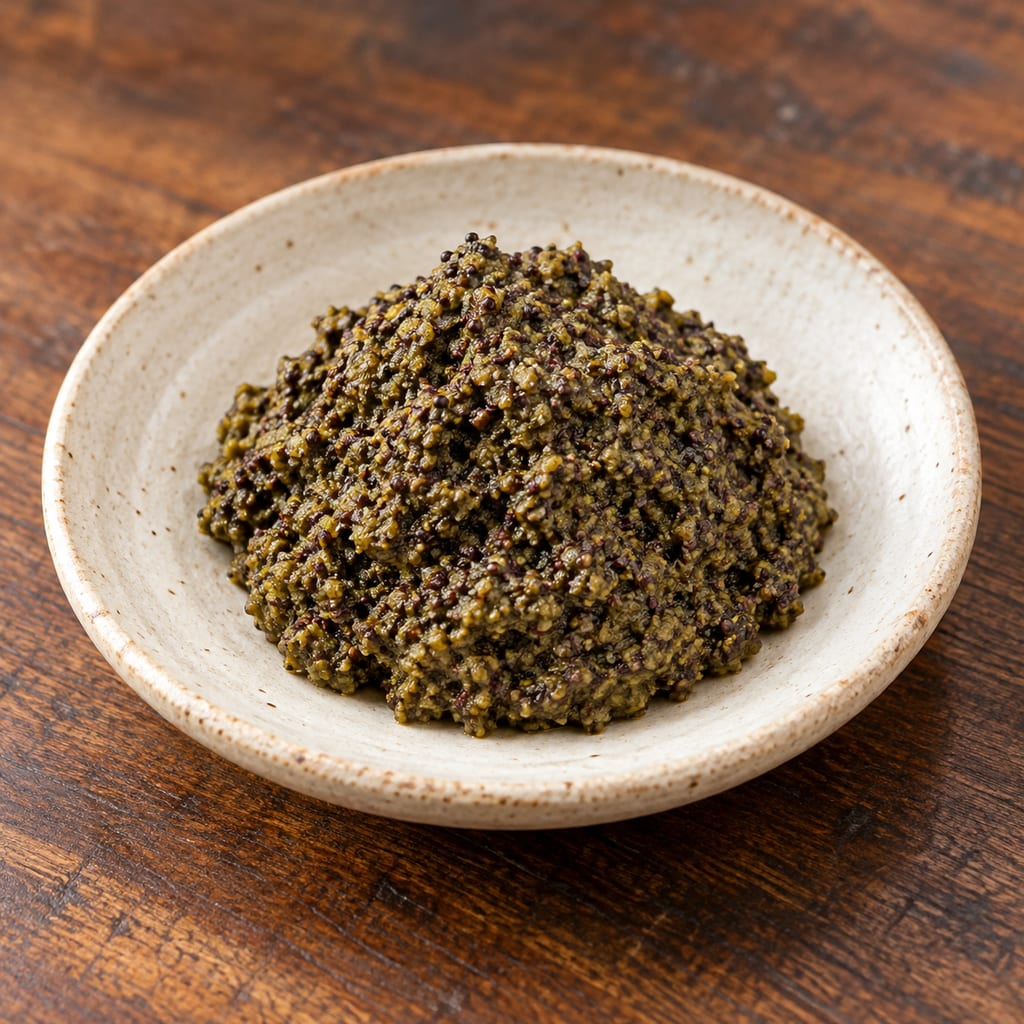
A strong Assamese condiment of mustard seed mixed with khar, an alkaline banana-ash filtrate, wrapped in leaves and fermented in bamboo over a fire or in a kitchen pot.
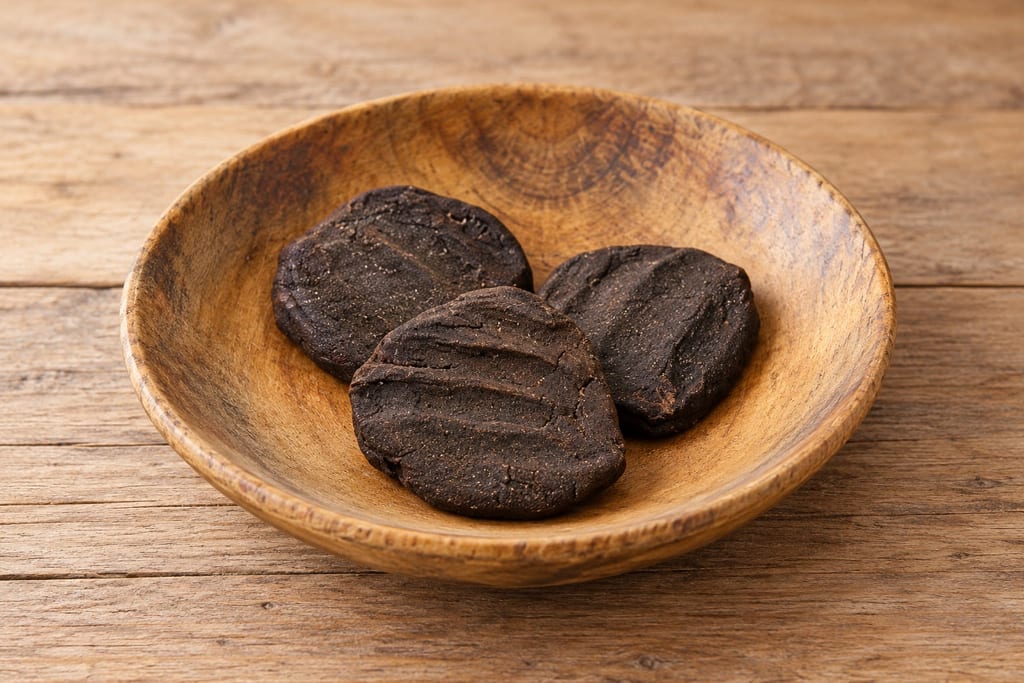
Dried cakes of pounded taro leaves from the Ao Naga in Nagaland, yellowed in a bag, then dried by hot ash or sun and used to flavour meat dishes.
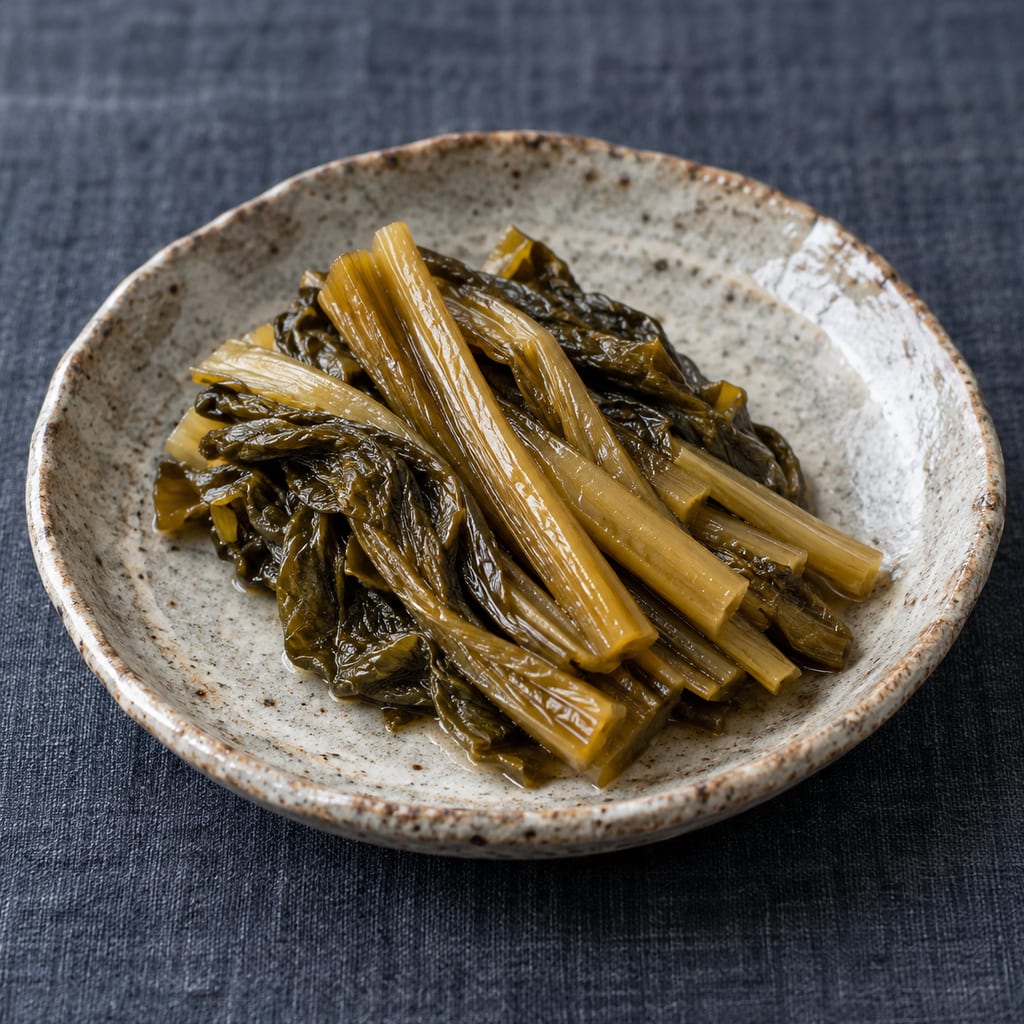
Takana mustard greens from Aso in Kumamoto are salted and pressed into a fresh spring pickle, or aged into a sour furuzuke that is fried and mixed into takana rice.
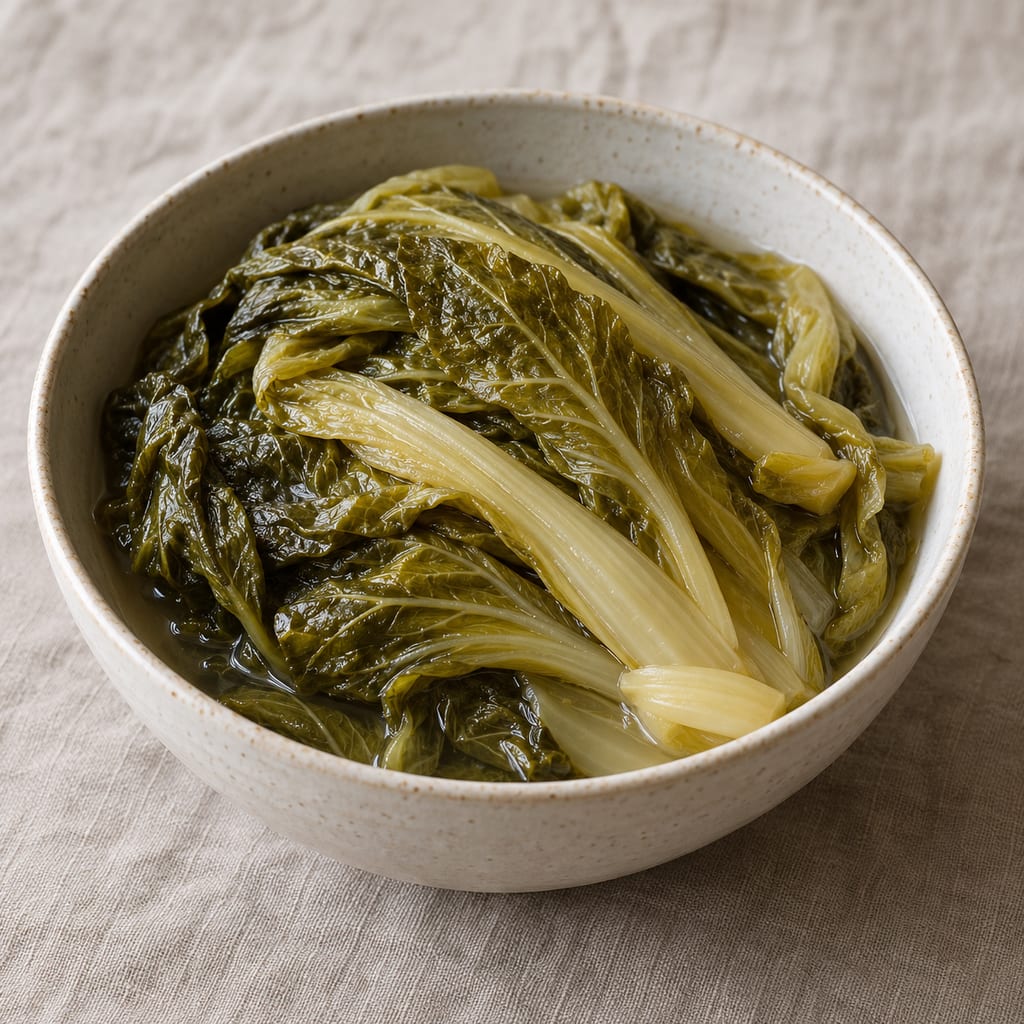
Wilted flat mustard leaves ferment with rice water and salt as a Filipino appetizer and cooking ingredient.
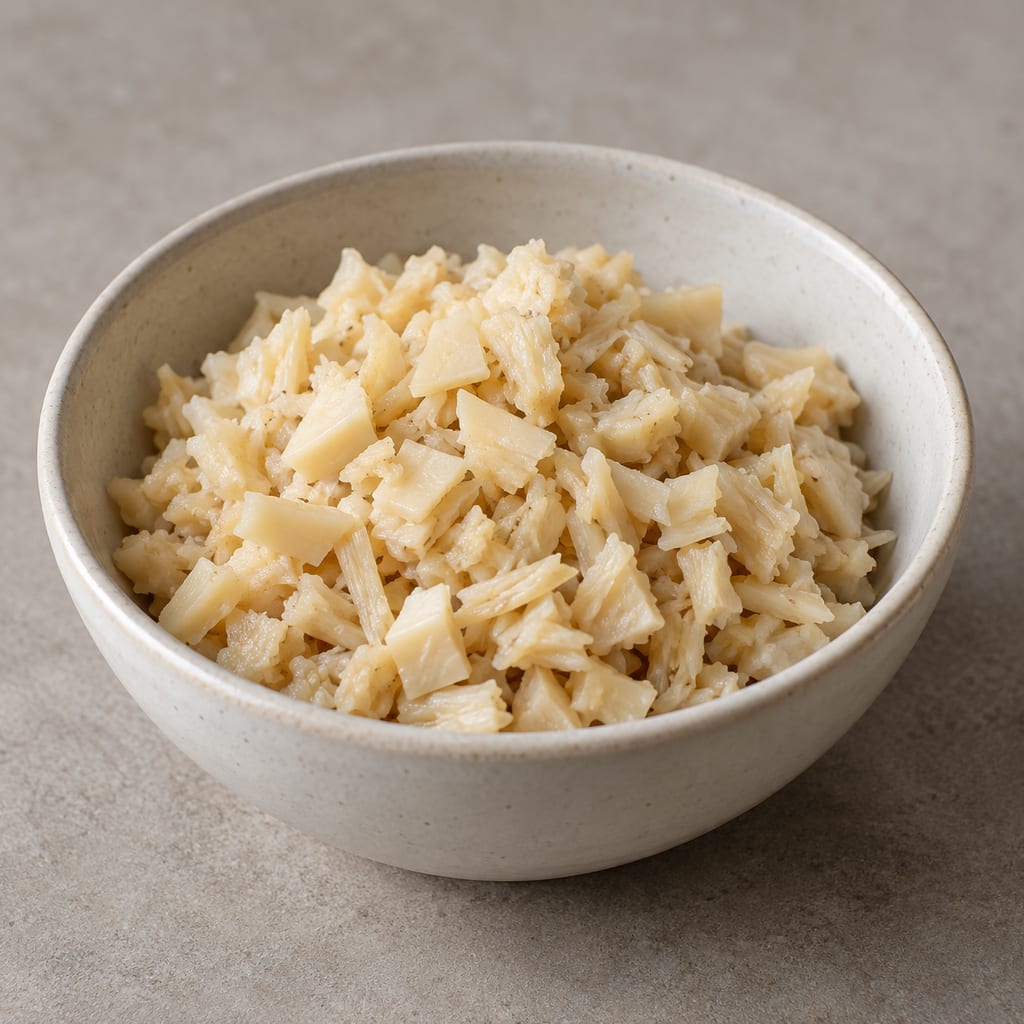
Finely chopped young bamboo shoots packed in leaf-lined baskets, sealed in a forest pit and weighted for one to three months, from Arunachal Pradesh.

Pit-fermented bamboo shoots from Arunachal Pradesh, cut smaller and sun-dried for five to ten days, used in curries.
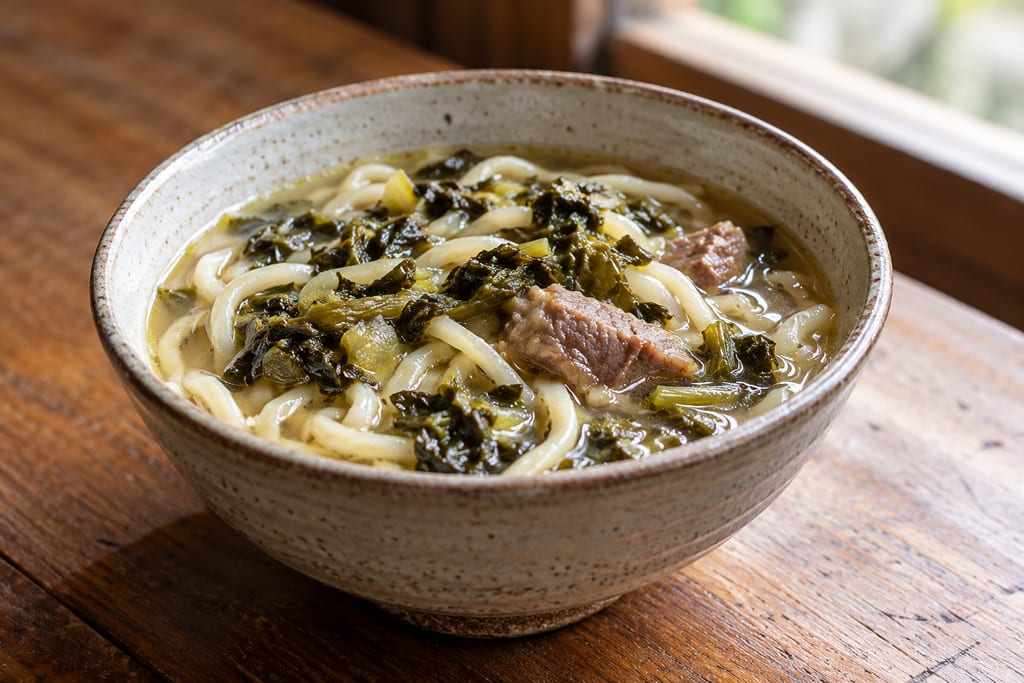
Goyang is a Sherpa fermented wild leafy food of the Darjeeling hills and Sikkim. Rainy-season magane-saag leaves are packed in a bamboo basket, held at room temperature for about a month, then eaten fresh or dried and used in soup.
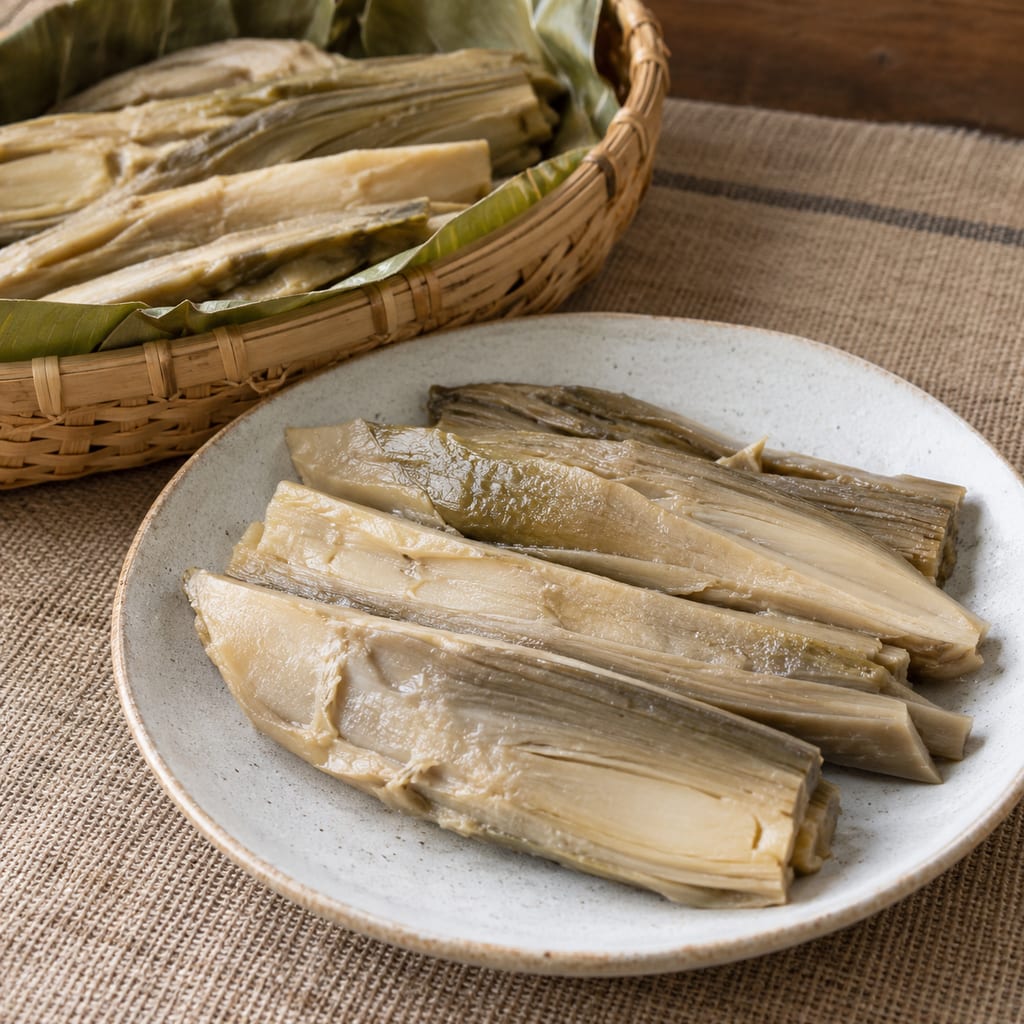
Upper tender bamboo-shoot tips, split or flattened, pit-fermented one to three months in Arunachal Pradesh and eaten in curries.
The original Polish barszcz: young hogweed leaves soured in warm water for a few days, then boiled into soup with egg, butter, cream or millet. Recorded from 1595, with warnings about the sap and lookalikes.
No community contributions have been published for this entry yet.
Sign in to contribute. Published comments and photos are free to read.
Indian Journal of Traditional Knowledge, 8(1), 89–95 (2009); author-uploaded full text on ResearchGateResearch
Traditional knowledge of biopreservation of perishable vegetable and bamboo shoots in Northeast India as food resourcesFood Science and Technology Research 20(2), 255–262 (2014), Japanese Society for Food Science and Technology; Tezpur University and Sant Longowal InstituteResearch
Influence of Fermentation on Nutritional Compositions, Antioxidant Activity, Total Phenolic and Microbial Load of Bamboo ShootCited in: Overview; Traditional and laboratory methods
Indian Journal of Natural Products and Resources 8(1), 78–88 (2017); authors affiliated with JNU and Assam Agricultural UniversityResearch
Microbiology of khorisa, its proximate composition and probiotic potential of lactic acid bacteria present in Khorisa, a traditional fermented Bamboo shoot product of AssamCited in: Safety before use; Overview; Traditional and laboratory methods; Microbiology
Chapter 8 in Indigenous Fermented Foods of South Asia, CRC Press (2015), editor V.K. Joshi; author-uploaded full text on ResearchGateResearch
Indigenous Fermented Foods Involving Acid FermentationCited in: Safety before use; Overview; Dry Khorisa
Food Standards Australia New ZealandSafety
Cassava and bamboo shootsFresh, unprocessed bamboo shoots contain cyanogenic glycosides; FSANZ says bamboo shoots must be fully cooked before eating.
This is general bamboo-shoot guidance and does not validate the Khorisa fermentation process or establish a cooking duration for it.
Cited in: Safety before use