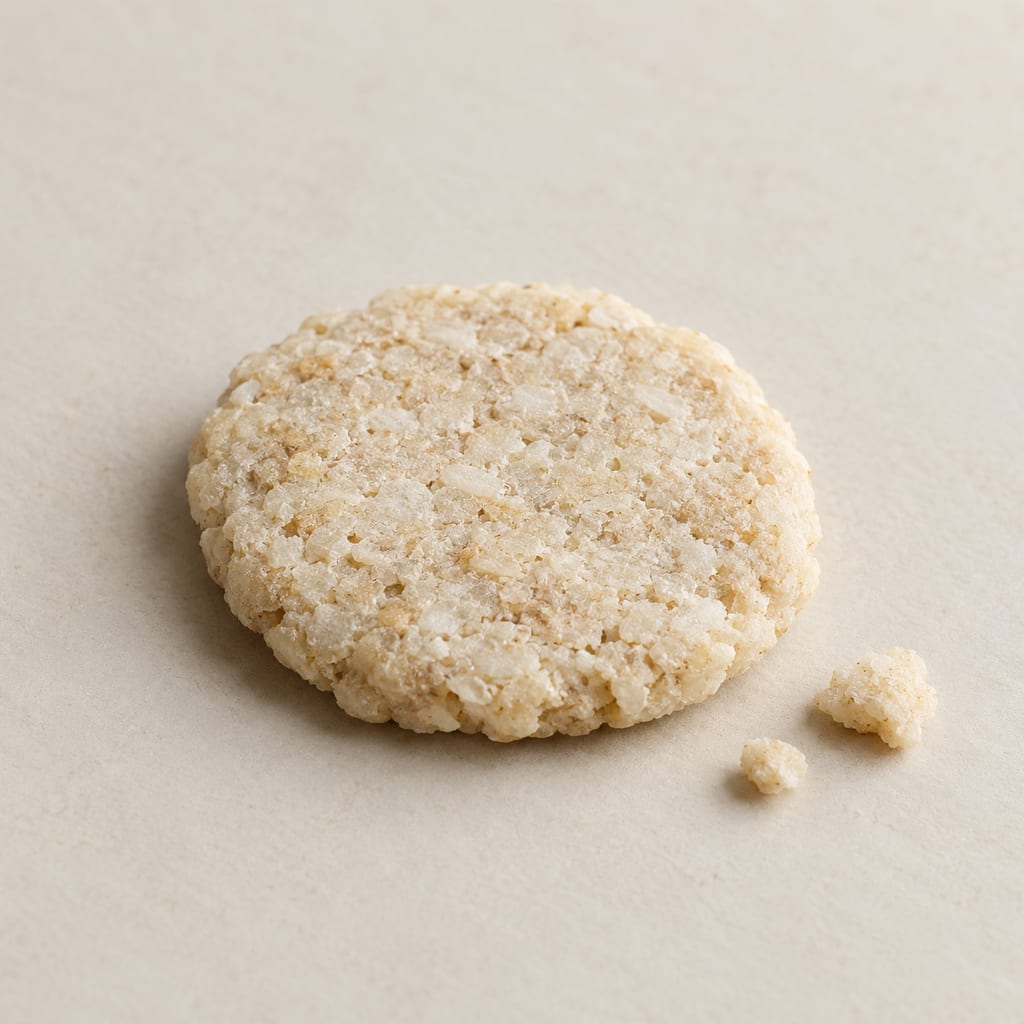
Humao
Humao is a sun-dried cereal starter of the Dimasa in Assam, used for Judima rice beer. Accounts of its making are single-household reports and microbial studies describe single sample sets, not a standard.
 FermenteaWhere food goes to change
Traditional method
Ju Dima · Judima rice wine · Dimasa Judima · Dimasa rice wine · Dimasa rice beer · Dimasa traditional rice wine · Judima wine · Judima rice beer
Judima is a Dimasa fermented rice drink from Assam. A 2022 Dhansiri account describes humao starter and rice fermentation, but sources disagree on the thembra bark species and do not provide a complete or validated home batch.
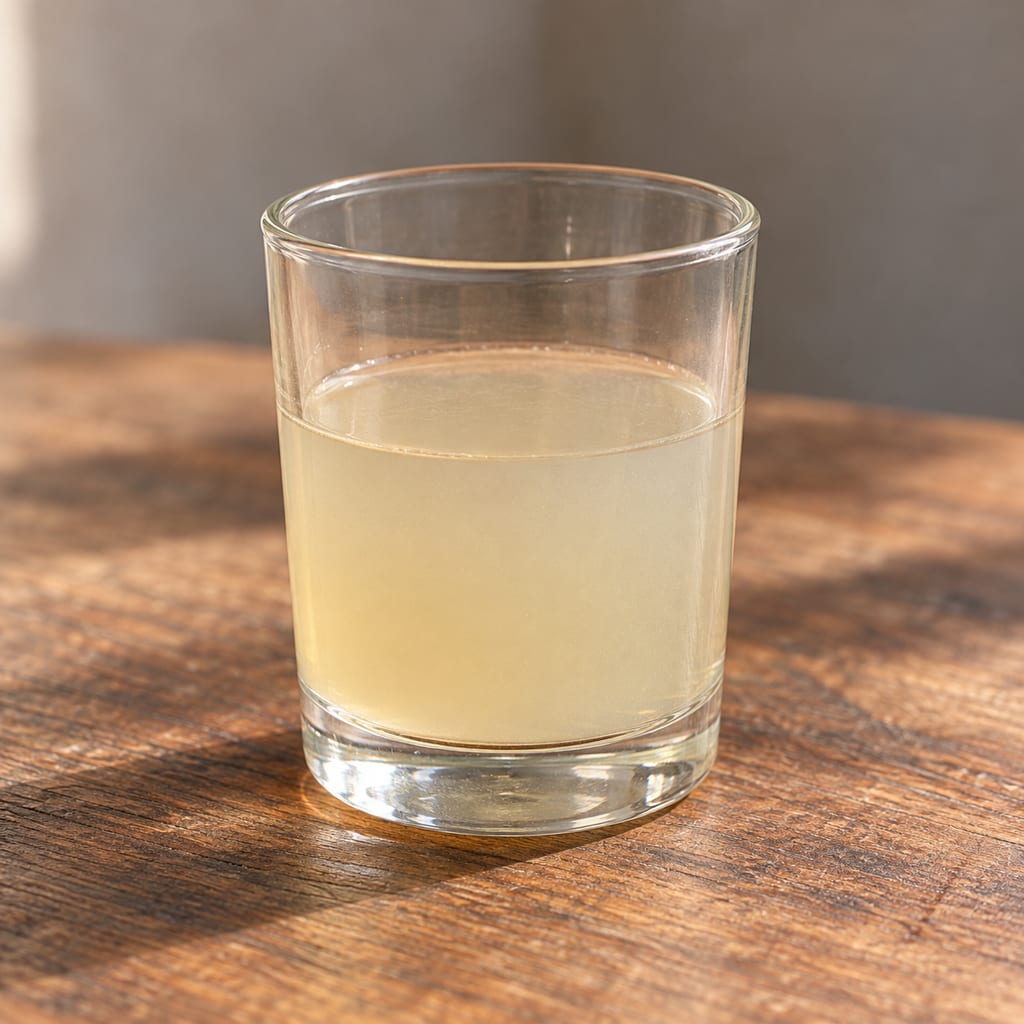
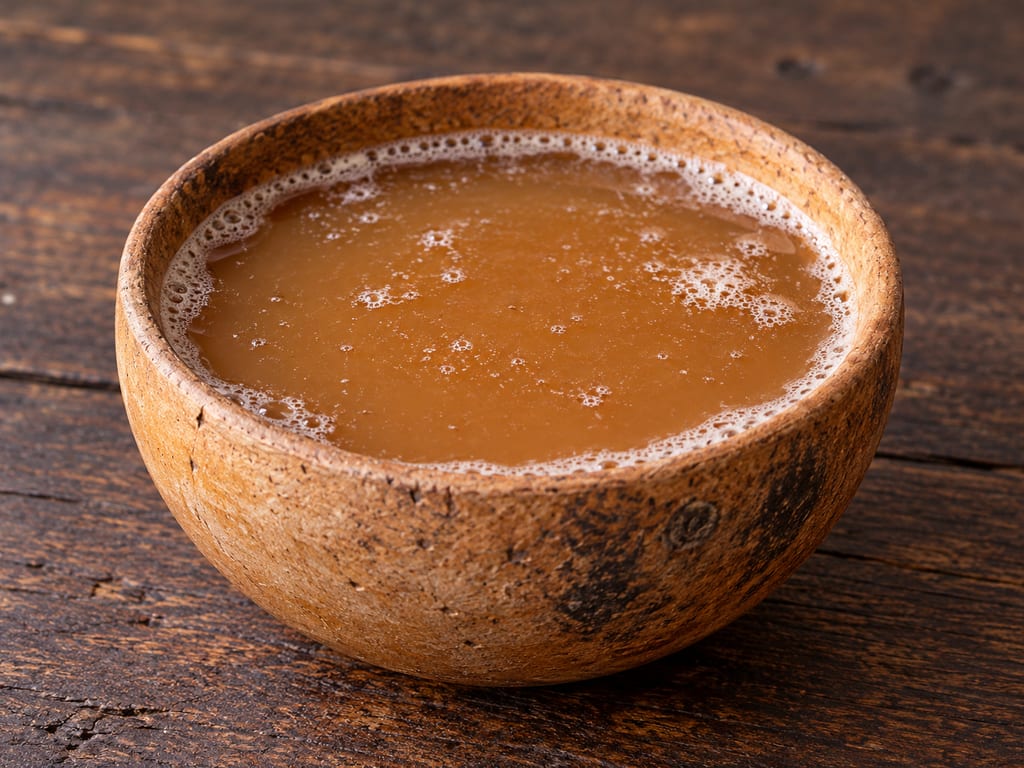
Judima is a rice wine made by the Dimasa people of north-east India, mainly in the Dima Hasao district of Assam. Cooked rice is mixed with a dried starter called humao and left to ferment. After about a week a sweet, alcoholic liquid separates from the grain. It is collected, and it may be strained or diluted with water. Fresh Judima is usually pale yellow to golden and sweet, with an aroma that some compare to honey. Honey is not an ingredient. Some batches come out slightly reddish or cloudy, depending on the rice and the method. Judima is fermented, not distilled.
Government geographical indication papers explain the name: ju means alcoholic liquor and dima refers to the Dimasa people. The name marks a drink that belongs to one community, not any rice wine made in Assam. Bodo, Karbi, Ahom, Zeme Naga and other communities make rice drinks of their own, each with its own starter, ingredients and identity.
Humao, written umhu in some accounts, is made from rice and the bark of a local plant called thembra, thempra or themphra. The bark is dried and powdered, mixed with ground rice into cakes, and the cakes are inoculated from an older starter. What the plant is has not been settled. The geographical indication papers and the 2022 Dhansiri field study call it Acacia pennata, which Kew now accepts as Senegalia pennata. Slow Food and a Dimasa ethnobotanical study call it Albizia myriophylla. Kew lists these as two different species, and they should not be swapped without botanical identification.
Several rice types are used. Maisa is a non-glutinous rice, maiju a glutinous one, and bairing or bairing maiju a glutinous variety linked especially to Judima. Some brewers combine them and others use mostly sticky rice. The Dhansiri study names bairing or bora rice as preferred. The rice supplies starch, which enzymes from the starter turn into sugar. Yeasts ferment part of that sugar into alcohol, and other organisms add acidity and flavour.
Academic papers usually call Judima rice beer, while government, community and commercial descriptions call it rice wine. Neither term fits well. It is not brewed from barley malt, and it is not pressed and aged like grape wine. What defines it is the sequence: cooked rice, mature humao, fermentation, and collection of the sweet liquid. A stronger distilled liquor, Juhan or Juharo, can be made from it, but that is a separate product.
Judima belongs to an inherited Dimasa tradition. Households, and women in particular, pass the knowledge on in practice. Community accounts place it in everyday hospitality and in the major ceremonies of life. When it began is not known. Calling it ancient does not give a dated recipe, and the long history of rice growing in Assam does not date this particular combination of humao, thembra and fermented rice.
The Dhansiri study records an origin story. An ancestor working in the fields carried cooked rice wrapped in banana leaves and put the packet in a tree. When he took it down, a sweet liquid had formed. The story credits the bark of thembra. It shows why the plant matters in local brewing knowledge, but it is an oral tradition and not a dated record of the first fermentation.
In 2016 Jupi Gogoi wrote about Judima in the Journal of Intellectual Property Rights. She presented it as traditional knowledge of the Dimasa community and argued for geographical indication protection, stressing community ownership, local ingredients and inherited techniques. Gogoi’s 2016 article documents Judima as Dimasa traditional knowledge before the later GI registration. It does not give a century of origin.
India's Geographical Indications Registry received application 643 for Judima on 16 January 2019. It was published in GI Journal 131 on 11 March 2020, and registration certificate 376 was issued on 14 September 2021. The entry lists a manufactured product in class 33 with Assam as the geographical area. Registration is a legal and commercial milestone. It is not the date the Dimasa began making rice wine.
Puja Sarmah, Bhaba Kumar Pegu and James Sanong worked in Dhansiri village in February 2022. They interviewed 100 people, 65 women and 35 men, and collected fresh and preserved Judima from a family known locally for brewing. Their study describes the rice, the bark, how the starter is made, the fermentation and some of the wine's chemistry.
Since registration, cooperative bottling, commercial production and festivals have become more visible. They help producers protect and sell the name. Slow Food warns that commercial standardisation could erode traditional methods, and it is an open question how well starter quality and household methods survive in bottled production.
Judima is made by saccharification and alcoholic fermentation running together. Rice holds a lot of starch but little sugar that yeast can use at once. Cooking swells and gelatinises the starch, so that microbial enzymes can reach it. The humao supplies organisms that can break starch down and ferment what is released. Alpha-amylase cuts the starch chains into shorter carbohydrates, and glucoamylase frees glucose from them. Yeasts then turn the glucose into ethanol and carbon dioxide.
In the yeast, glucose becomes pyruvate through glycolysis. Pyruvate decarboxylase turns pyruvate into acetaldehyde and carbon dioxide, and alcohol dehydrogenase reduces acetaldehyde to ethanol, which regenerates the NAD+ that glycolysis needs. Yeasts also make small amounts of higher alcohols and esters that shape the aroma. Because starch keeps breaking down while the yeast uses the sugar, Judima can stay sweet and still be strong.
Which fungi and yeasts live in humao across Dimasa households has not been established. A study of eight dried starters from north-east India, humao among them, found yeasts such as Saccharomyces, Saccharomycopsis and Wickerhamomyces and moulds such as Rhizopus and Aspergillus. That list covers all eight starters together. It cannot be read as the contents of every humao cake, and a starter cannot be rebuilt from it. What counts in the traditional method is a mature, active starter.
A 2024 study looked at Judima and four other rice drinks from ethnic communities in southern Assam. Three samples were taken from each community and the bacterial DNA was sequenced. Genera including Lactobacillus, Pediococcus, Bacillus, Leuconostoc and Acetobacter turned up, among others, and the Dimasa samples showed fairly high bacterial diversity. The authors' genus list covers all the drinks, so it does not show that every organism was in every Judima sample.
Lactic acid bacteria turn sugar into lactic acid, which adds acidity and affects which microbes compete. Some bacteria and yeasts turn amino acids and other rice components into flavour compounds, and acetic acid bacteria can make acetic acid where oxygen and ethanol are present. This helps explain why Judima can taste sweet, mildly sour and aromatic. How much each group contributes depends on the starter, the time and the conditions.
The 2024 study predicted microbial functions from DNA profiles; those are predictions, not measurements of active enzymes. A name alone shows neither safety nor danger: strain, viability, numbers and toxin production each need separate testing.
Judima has two stages: making or keeping the humao, and fermenting the cooked rice. The ingredients are rice, water and mature humao containing the local thembra material. Rice gives starch, and water is used for soaking and cooking. The starter brings the organisms that make enzymes and ferment. The bark is part of the local starter tradition, but how it changes the microbes, flavour or chemistry has not been shown for every preparation.
In the Dhansiri method, thempra bark is dried in the sun, chopped and crushed to powder. Rice is soaked and ground in a mortar and pestle called rimin. The bark powder, the ground rice and a little water are mixed into a dough. The cakes weigh about 80 to 100 g, and about 15 to 20 g of older rice material is sprinkled over the new cakes. What that material is, and whether the amount is per cake or per batch, is not clear. The unidentified material cannot be reproduced from this account.
The cakes are dried in sunlight for four to five days and then kept in a cool place. The geographical indication booklet describes something different: drying mature cakes for three to five days in a cool, dry place, with a belief that direct sunlight weakens the starter. The two accounts should stay separate. Drying lowers water availability and microbial activity. Neither account is a tested starter-making protocol.
For the wine, the Dhansiri study prefers bairing or bora rice. It is boiled, then spread on bamboo mats to cool. Cooking opens up the starch, and cooling stops the heat from killing the starter organisms. One large humao cake is crushed and mixed into about 5 kg of rice. The mixture goes into an earthenware or bamboo vessel, is covered with jute sacks and is left to ferment. Yellowish liquid appears after about five to seven days, sooner in summer. It is collected in a separate vessel and may be strained or diluted.
The geographical indication booklet describes a slightly different route. Maisa, maiju and bairing maiju are combined in whatever proportions the brewer chooses, cooked and cooled on bamboo mats, and powdered mature humao is worked through them. The mash goes into a dihu, an earthenware container, or into a ju-khulu, a conical bamboo vessel. In a dihu a bamboo strainer called yenthi collects the liquid inside the vessel. A ju-khulu is lined with banana leaves and the liquid drains into a container below. The vessel decides how the liquid separates from the rice.
A 2025 review gives another formulation, with about 1 kg of cooled cooked rice and one 10 g starter sphere, fermented for five to seven days. It is a secondary account and differs from the Dhansiri method. Neither dose should be used to replace the other, or to build one universal recipe. Field accounts leave out exact water quantities, safe temperatures for adding the starter, and tested fermentation endpoints.
Judima is tied to Dima Hasao, once called North Cachar Hills, but Dimasa communities also live in Karbi Anglong and neighbouring areas. No single old written formula governs it. The geographical indication papers name maisa, maiju and bairing maiju as the main rice types, and brewers choose their proportions for the taste, strength and amount they want. The Dhansiri study names sticky bora rice and a non-sticky rice. No single compulsory rice blend has been established.
The biggest variation is in the thembra plant. The geographical indication papers and the Dhansiri study call it Acacia pennata, which Kew treats as a synonym of Senegalia pennata. Slow Food and a Dimasa ethnobotanical study call it Albizia myriophylla, a distinct species in Kew's list. No authenticated voucher specimens are available to say whether brewers use different plants or whether some records are misidentifications. The ethnobotanical study adds that the plant is reported to be scarce locally.
The plant part is reported differently too. The Dhansiri study and the booklet describe dried bark, while a 2025 review describes leaves. Some field accounts add other plants, such as Piper betle, Buddleja asiatica and Hedyotis scandens. The booklet names only rice and thembra as the defining ingredients. These differences should be read as variants of particular starters, not combined into one list of required botanicals.
Fermentation times differ. The Dhansiri study reports yellowish liquid after five to seven days, faster in summer. The booklet says liquid can start to appear within about 24 hours in summer and describes drinking the wine after four or five days. Early liquid does not mean alcoholic fermentation has finished. A 2023 account of a household in Tereh village describes a collection and maturation process of about one month, which differs a great deal from the Dhansiri method and stays a separate household variant.
Collection also varies. The liquid may gather inside an earthenware dihu with a bamboo strainer, or drain from a banana-leaf-lined bamboo kulu into a metal vessel below. In the Tereh household the vessel is called midik. Some wine is drunk fresh and some is kept. The 2022 study compared fresh and old Judima but did not set a reliable storage time.
Judima is drunk. Fresh wine is pale yellow or golden, sweet and aromatic, with an acidity that depends on the fermentation and storage. It can be served as it is, strained, or diluted with water, and served from dried gourd or bamboo vessels. No standard dilution is given. Slow Food records it being drunk at family and ceremonial gatherings, alongside meals. No required serving temperature, food pairing or vessel is established for all Judima traditions.
Hospitality is central to the drink. The Dhansiri study describes offering it to guests as a sign of affection and respect, and serving it at marriages, births and times of mourning. Community accounts also place it at engagements, funerals, religious occasions and festivals, among them the Bushu post-harvest festival. Details and meanings vary between families and settlements. In Gogoi's 2016 paper, rice wine has a symbolic part in marriage arrangements, including taking it to the prospective bride's family.
Slow Food records a Dimasa birth custom of placing a drop of Judima on a newborn's lips in a ceremony against misfortune. This is a cultural practice, not advice. Do not give alcohol to infants.
Judima also brings in income. The Dhansiri researchers report that women both brew and sell it, and cooperatives have added bottling and product screening. Commercial sale may support producers, but it raises the question of how to protect inherited knowledge and the character linked to the regional name.
A stronger distilled liquor, Juhan or Juharo, can be made from fermented Judima. That needs a separate distillation and is a different preparation. Traditional claims that Judima treats illness or aids health have not been shown by the food-chemistry studies, and the rice and botanical ingredients do not remove the health risks of alcohol.
In the Dhansiri account, yellowish liquid appeared after roughly five to seven days, faster in summer. Rice softening, colour, sweetness and smell are observations, not tested signs that a ferment is complete or safe.
The study measured fresh and preserved Judima from one household. The pH was 4.7 plus or minus 0.3 for fresh wine and 4.9 plus or minus 0.2 for preserved wine. Carbohydrate was 18 plus or minus 1.8 mg/mL and 19.6 plus or minus 2.7 mg/mL. Protein and free amino acids were measured as well. This is a small study from one household and does not set a standard composition.
The alcohol figures are unreliable. The abstract gives 20 plus or minus 2 and 21.5 plus or minus 2 in mg/mL, while the results table gives the same numbers as percent by volume. The authors used a sodium-dichromate colorimetric method, not a fully described distillation or chromatographic analysis. The apparent 20 and 21.5 percent cannot be taken as the strength of Judima. These figures cannot be used as a batch target.
The authors found no statistically secure difference between fresh and preserved wine in most properties. Local people prefer older Judima as smoother and better blended, and the measurements do not say why. The booklet mentions storage of more than seven years, but that is a claim about the product, not a tested shelf life. Do not recommend long storage without microbial and chemical stability data.
Microbial quality needs care. The 2024 southern Assam study found genera that include both useful fermenting organisms and possible pathogens. Genus-level DNA cannot show whether a pathogen was alive, making toxins or present in a harmful amount, and lactic acid bacteria do not prove a probiotic benefit. Clean production matters, and a real safety assessment needs organism identification, viability and contaminant measurements.
The starter and the bark carry their own risks. Unknown moulds, contaminated bark and badly handled cooked rice are not harmless because a ferment is traditional. Senegalia pennata and Albizia myriophylla are different plants, so a recipe should not tell readers to swap one for the other or gather unidentified bark. A plant used in tradition is not safe in any amount. Too little starch conversion, weak yeast, too much acid and fermentation that carries on after collection can all change the sweetness, alcohol, aroma and gas. The traditional accounts give no temperature schedule, minimum alcohol, safe pH, packaging method or refrigeration time, and a pH of 4.7 to 4.9 does not show that the wine is stable.
For a recipe someone could rely on, the missing pieces are authenticated rice and bark, a characterised food-grade humao, tested starter amounts, controlled handling of the cooked rice, monitored fermentation, proper collection and filtering, and validated storage. The method is well documented as a living cultural practice, but the field studies do not add up to a safe home-production protocol.
Jupi Gogoi's 2016 paper treats Judima as long-established Dimasa traditional knowledge. India's Geographical Indications Registry recorded application 643 on 16 January 2019 and issued certificate 376 on 14 September 2021. A field study in Dhansiri village in February 2022 documented the starter and the wine. No dated early recipe has been found.
Scaling: source batch only
The field study and the geographical indication papers name the plant Acacia pennata, now accepted as Senegalia pennata. Slow Food and a Dimasa ethnobotanical study name Albizia myriophylla. These are different species, so unidentified bark cannot be swapped into the starter safely.
Hazard sourceHumao is a mixed culture made from rice, plant material and an earlier starter. The method gives no strain identities, no way to check that a cake is active and clean, and no contamination screening. Studies of dried starters in India show wide variation in yeasts and moulds.
Hazard sourceRice can carry bacterial spores, including Bacillus cereus. Cooking does not always remove them, and warm, poorly controlled handling of cooked rice can let unwanted organisms grow. The method sets no limits for controlling pathogens.
Hazard sourceA 2024 sequencing study of rice drinks from southern Assam found diverse bacteria in Judima and related drinks. Some of the genera detected include both useful fermenting organisms and possible pathogens. DNA detection does not show whether they were alive, making toxins or present in a harmful amount.
Hazard sourceThe 2022 paper gives alcohol values as mg/mL in the abstract and as percent by volume in its results table, and measured them with a colorimetric method. The figures of 20 and 21.5 cannot be taken as the strength of Judima.
Hazard sourceWine that still holds sugar and living yeast can keep making alcohol and carbon dioxide after the liquid is collected. Nothing in the traditional method gives a safe pressure limit for a sealed bottle.
Hazard sourceGeographical indication material describes Judima kept for years, but no controlled shelf-life study backs this. The comparison of fresh and preserved wine does not show that long storage is safe.
Hazard sourceThe Dhansiri account provides no validated household limits for bark identity and dose, humao starter quality, cooked-rice handling, fermentation, alcohol, pressure or storage.
Control sourceThis is a documented Dimasa method, not a tested home-fermentation safety protocol.
The 5 kg of rice is not stated to be dry or cooked.
The mass and microbes of the humao cake are not known, even though new cakes are reported at 80 to 100 g.
The 15 to 20 g of older rice material is not defined well enough to use as a dose.
The 4 to 5 days of drying and 5 to 7 days of fermentation are observations, not tested limits for controlling pathogens.
Do not take a sweet taste as a sign that the wine is low in alcohol or safe.
No safe final pH, microbial limit, packaging or refrigerated shelf life is given. A measured pH of 4.7 to 4.9 does not show that the wine is stable.
Do not assume years of storage are safe because geographical indication material reports them.
This recipe is for fermented Judima, not the distilled spirit Juhan or Juharo.
The traditional health claims, and the custom of placing a drop of Judima on a newborn's lips, are not health advice. Do not give alcohol to infants.
Neither bark identification nor a sweet or yellowish result proves a batch safe. Published sources disagree on the bark species, and no safe pressure or storage method is supplied.
The home district of the drink and the area named in its geographical indication.
Field study of the starter and the wine; the method in the recipe comes from here.
Dimasa communities also live here.
Judima samples were collected here for bacterial DNA sequencing.
Dimasa communities in Nagaland also make and drink Judima.
Cooperatives bottle the wine and sell it under the registered name.
Humao is a sun-dried cereal starter of the Dimasa in Assam, used for Judima rice beer. Accounts of its making are single-household reports and microbial studies describe single sample sets, not a standard.
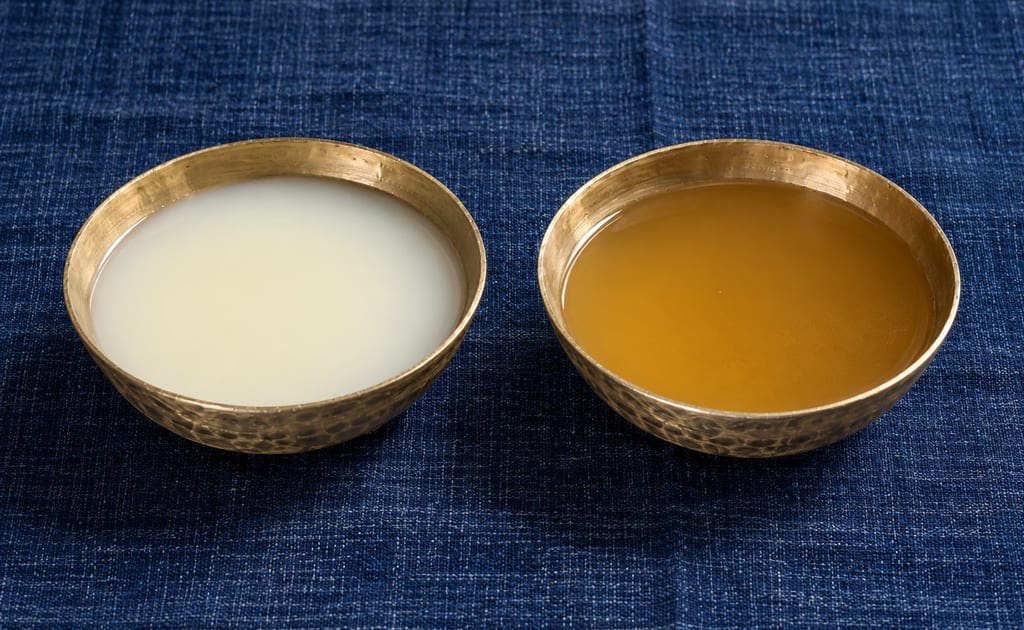
Apong names Mising rice beverages in Assam, including pale Nogin and ash-associated Po:ro. Sources describe distinct preparations and do not establish one unified household recipe or validated safety endpoint.
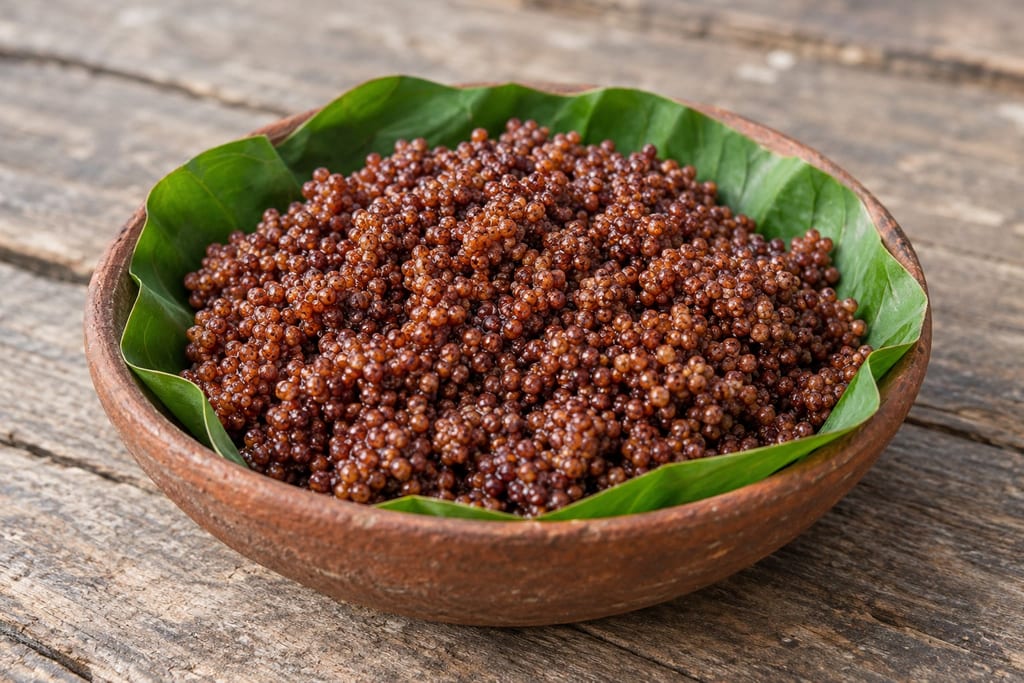
Finger millet fermented with marcha in surveyed Darjeeling and Sikkim communities. Tongba is the later warm-water extraction from the fermented grain. The cited accounts do not establish a complete or validated home batch.
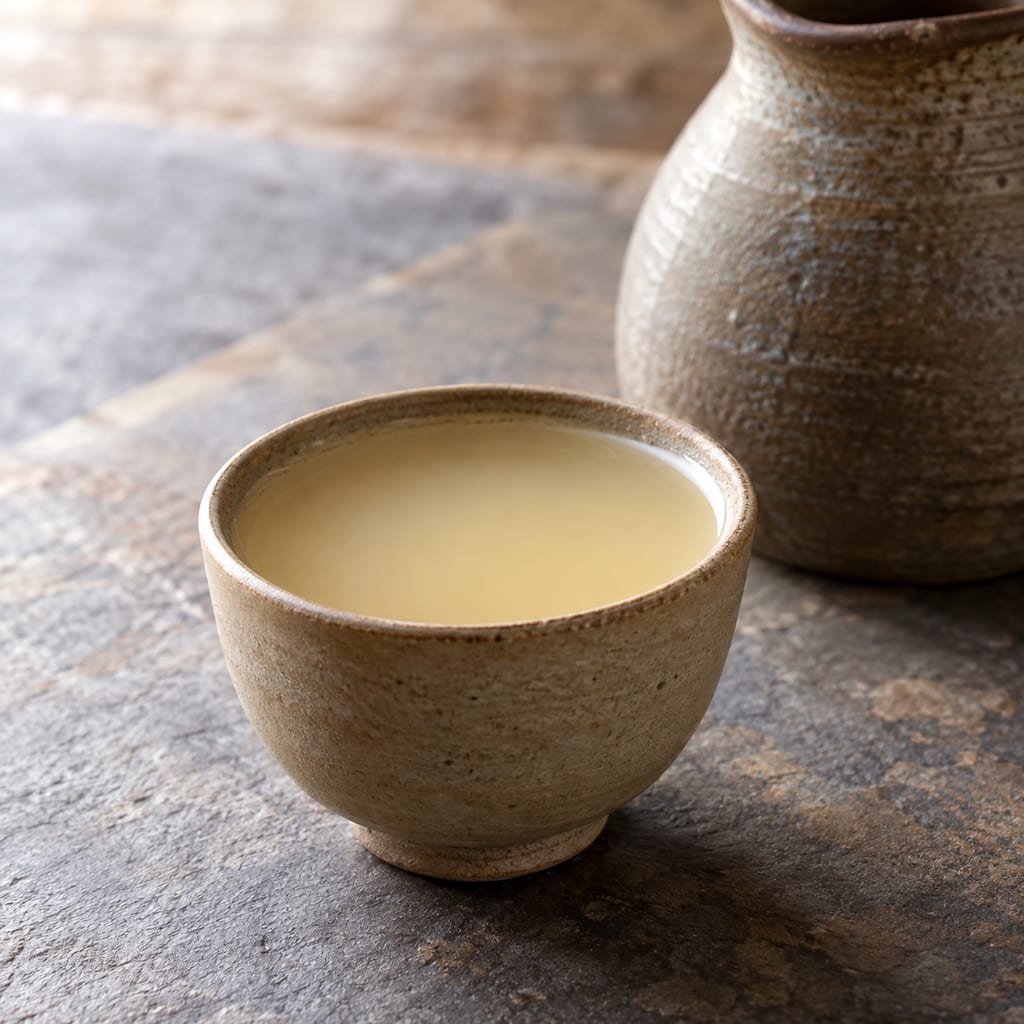
A 2005 Tibetan account describes cooked barley mixed with changdzi, fermented as moist grain, then steeped in water for an alcoholic drink. Grain and water amounts, starter dose and a verified safety endpoint are absent.
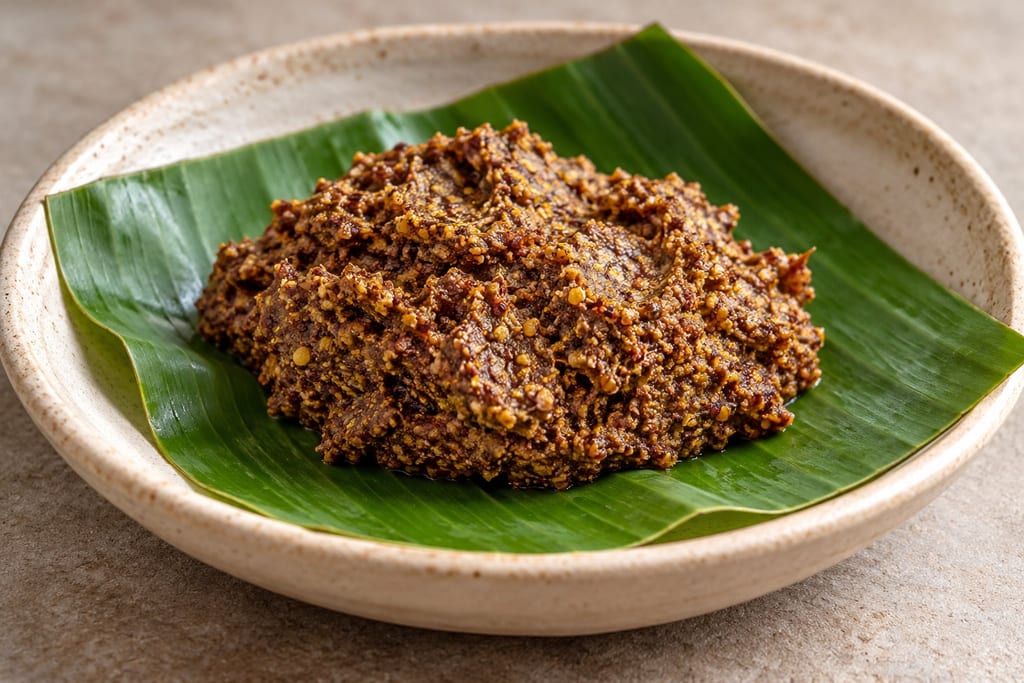
Kahudi is an Assamese mustard-seed condiment fermented with sour Thekera fruit into a strong mash; household methods and study results differ, and no validated home schedule exists.
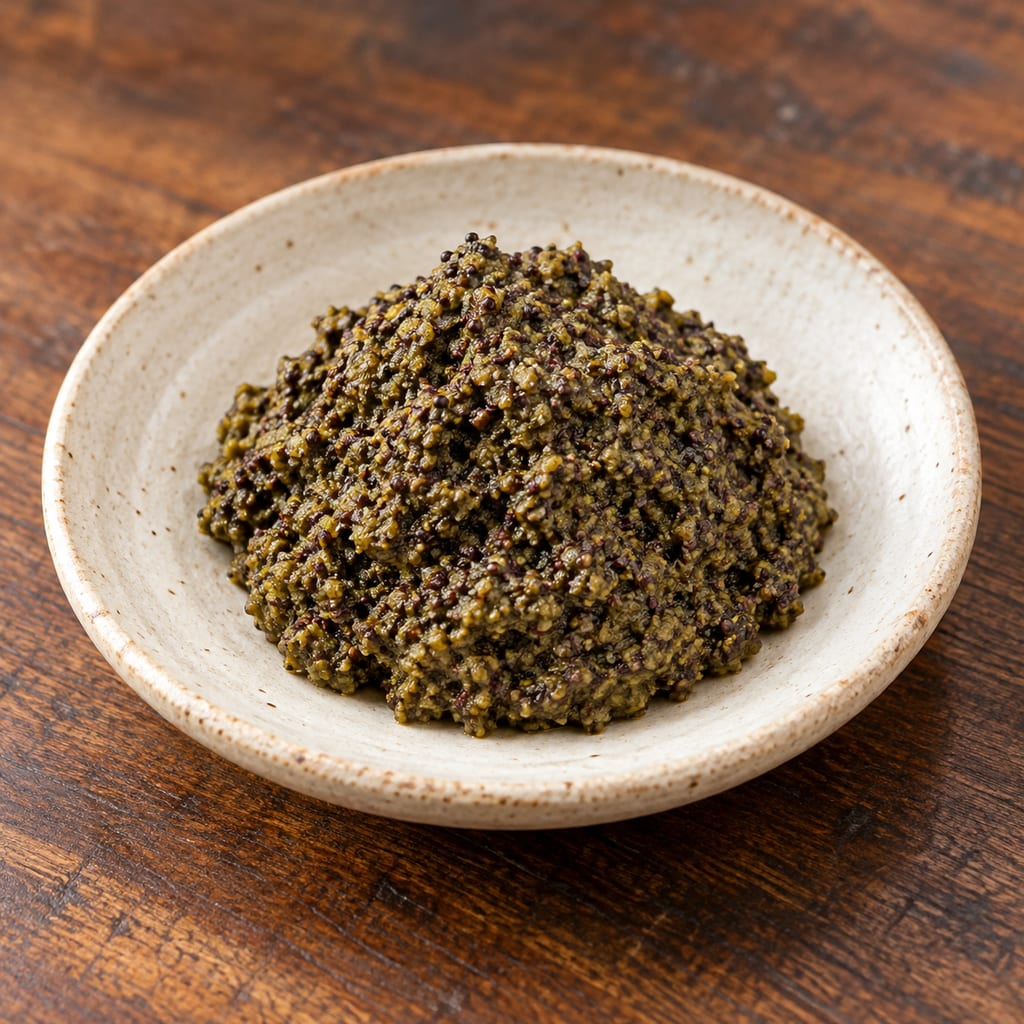
A strong Assamese condiment of mustard seed mixed with khar, an alkaline banana-ash filtrate, wrapped in leaves and fermented in bamboo over a fire or in a kitchen pot.
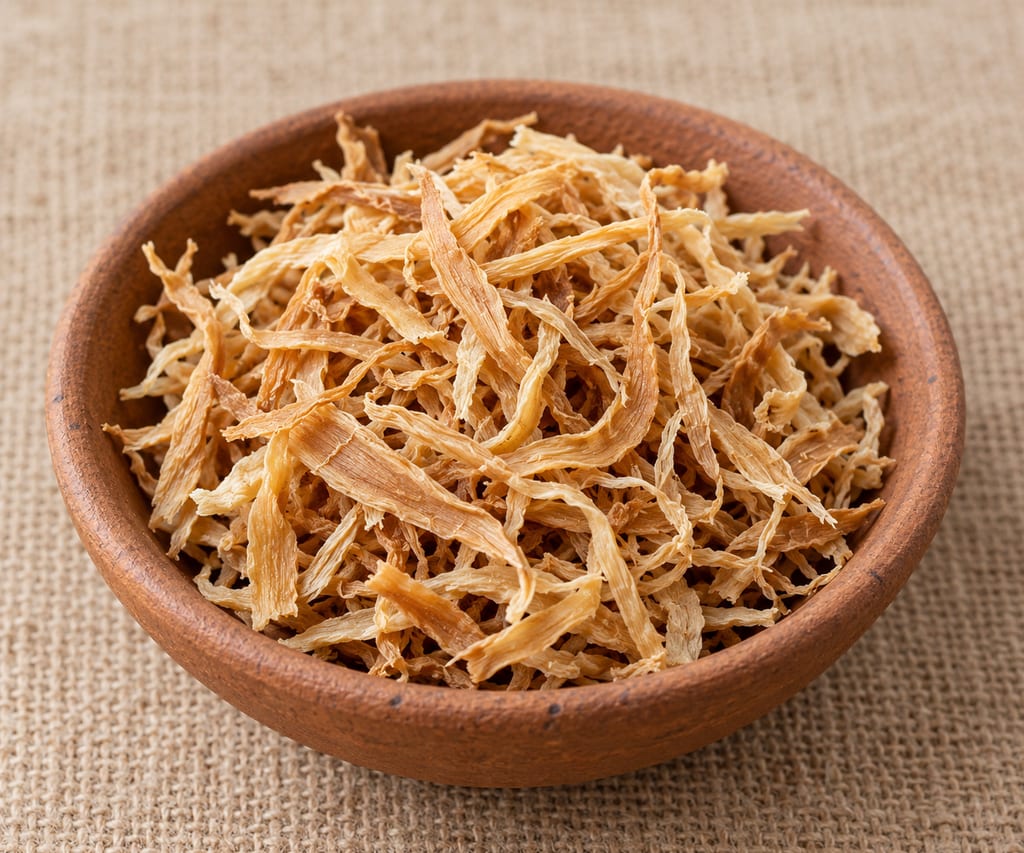
Khorisa is an Assamese fermented bamboo-shoot food. This page records cultural and lab accounts, not a validated home method. FSANZ says shoots must be fully cooked before eating; it does not validate Khorisa or set its cooking time.

A deep amber-red American ale brewed from pale, Munich, CaraVienne and chocolate malts, bittered with Columbus hops and finished with Amarillo.

A source-specific modern extract adaptation of Düsseldorf Altbier, with specialty malts, two hop additions and an ale yeast. It is distinct from a brewery's commercial Altbier process and from Kölsch.
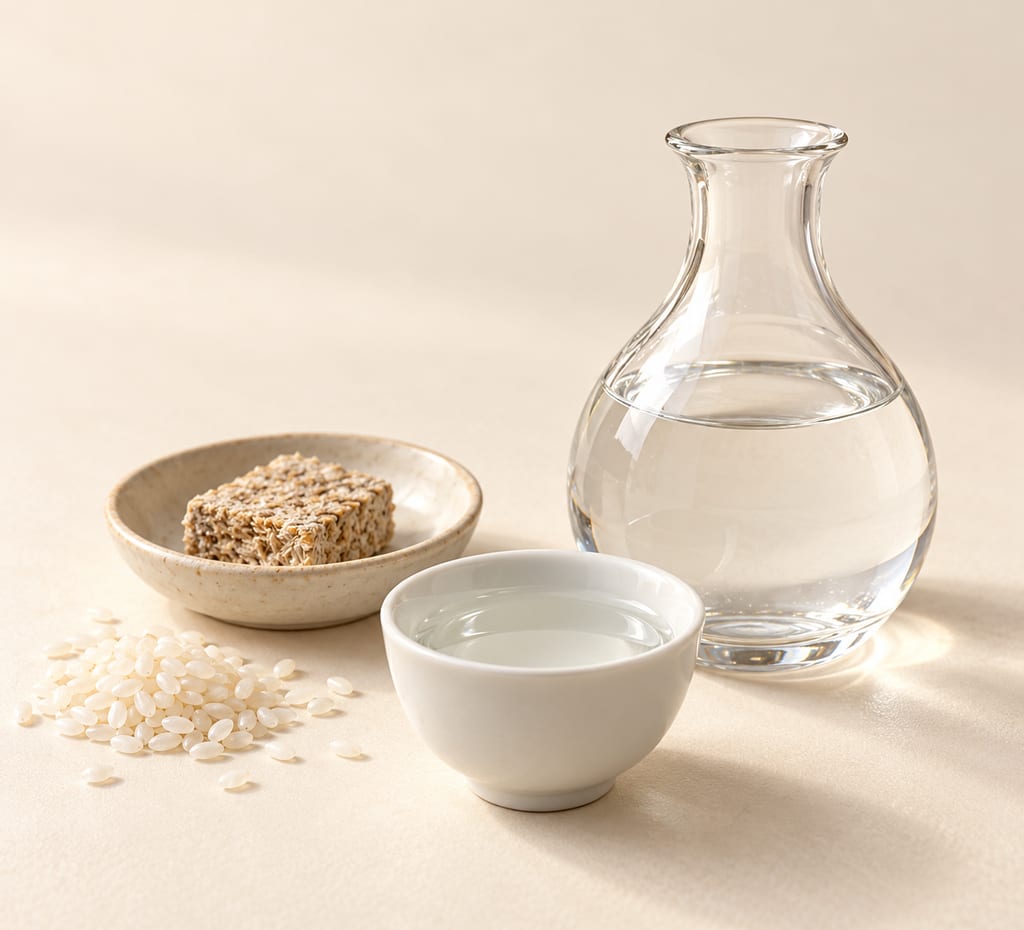
Andong soju is a rice spirit from North Gyeongsang, distilled from steamed rice and wheat nuruk. This method makes the starter before fermenting the rice mash in a jar.
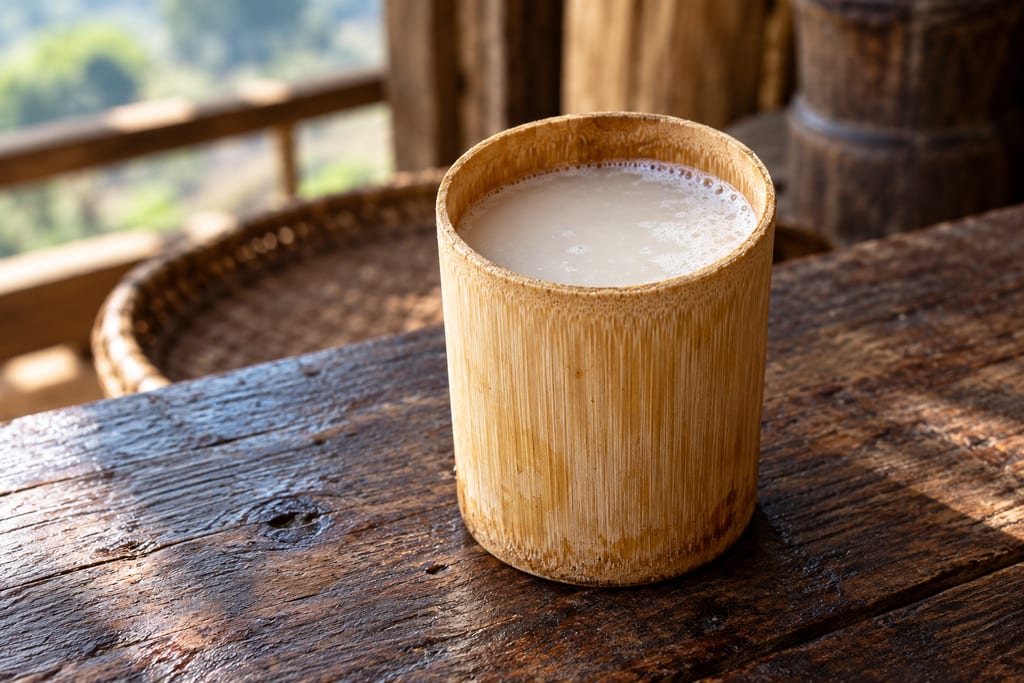
Angami rice beer from Nagaland. A surveyed method mixed cooked rice with piazu, fermented it for about four days in summer or a week in winter, then added water and filtered it. The starter ratio leaves the rice-weight basis unclear.
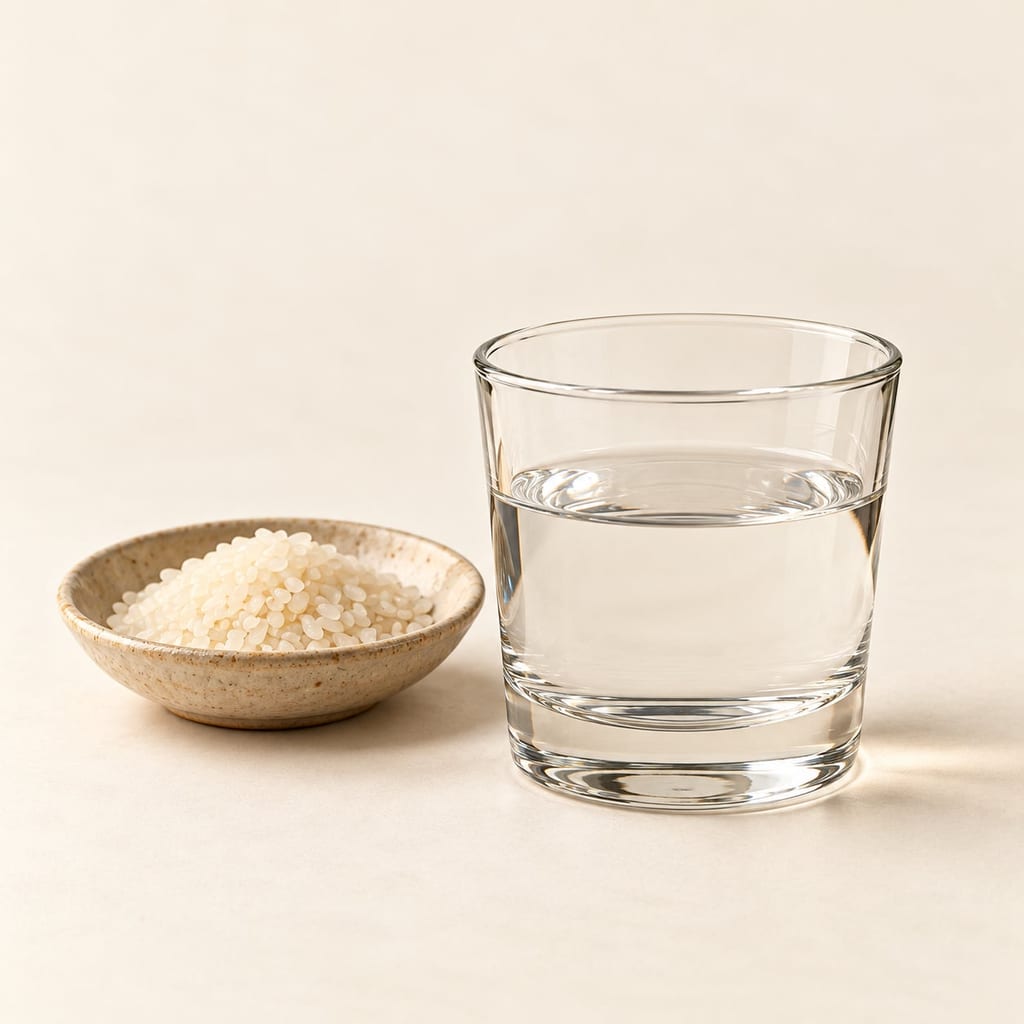
An Okinawan rice spirit made by turning all the rice into black koji, fermenting it with water and yeast, then pot-distilling and maturing the spirit.

This is a process overview, not a complete batch recipe: key quantities, yield and packaging directions are absent. The AHA tutorial uses Hop Hammer Imperial IPA as an example; this page is not that full formulation.
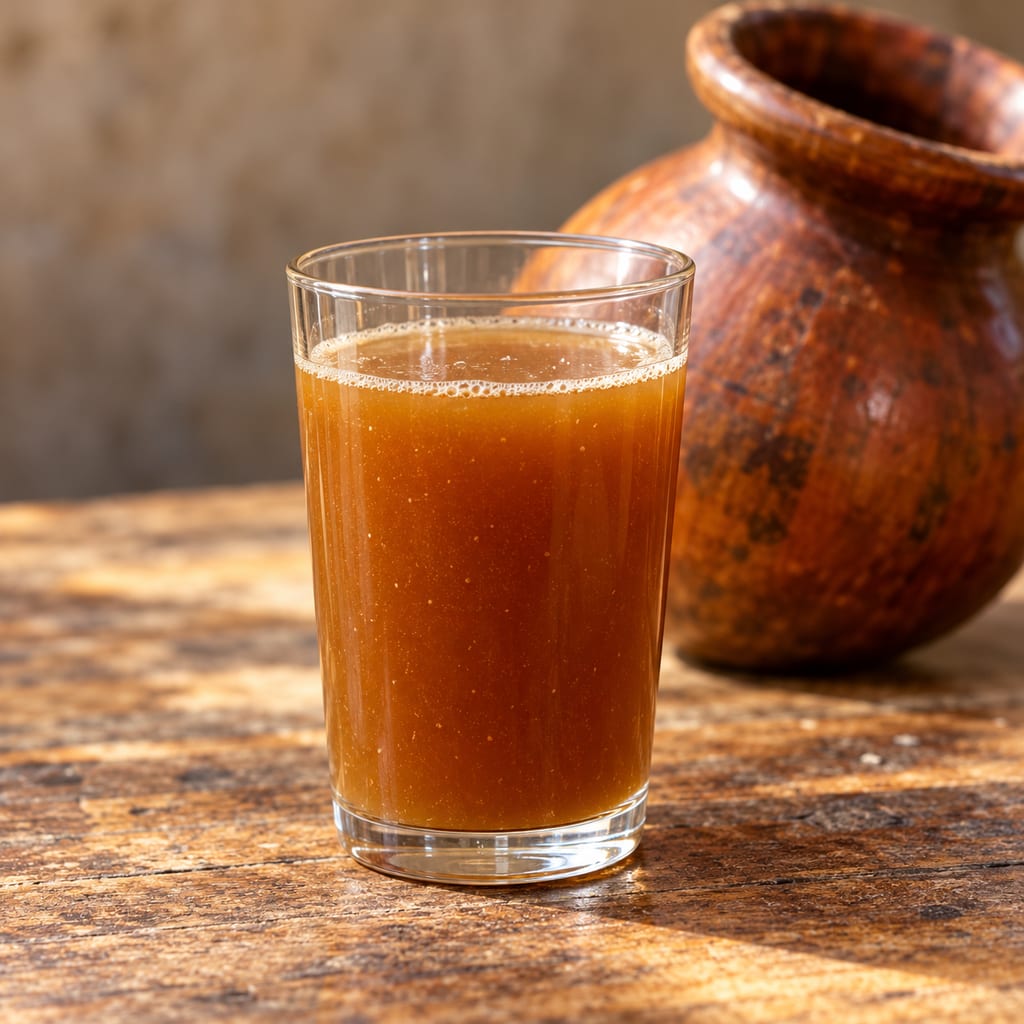
A darker Ethiopian maize tella, brewed from maize baked into a hot, dry kita pancake and then fermented in three stages with barley malt, gesho and water.
A Burkina Faso sorghum beer brewed from malted grain, soured by a spontaneous lactic stage and then fermented with a traditional yeast leaven.

Soft, spreadable Calabrian pork sausage made with a great deal of red chilli and fatty pork, stuffed into natural casings, sometimes smoked and matured while staying soft.

A way to add independent temperature logging to an existing food dehydrator without changing its built-in controls or protections. It is a monitoring method, not a rewiring plan.

Pleurotus cystidiosus is the abalone mushroom, a cultivated oyster-type fungus with dark brown caps that grows more slowly and is more demanding than other Pleurotus species.

A dark, balanced vinegar from Emilia-Romagna made by combining cooked or concentrated grape must with wine vinegar, then acetifying and refining it in wood under a protected specification.

A living dairy inoculum that starts controlled cream fermentation, developing acidity and aroma before sour cream or cultured butter is finished.

A small electric incubator holds jars at a selected temperature for yogurt and other documented warm food preparations. Controls, capacity and vessel arrangement vary by model.

Adygean salt is a seasoned table salt associated with Adygea and the wider North Caucasian culinary tradition. Salt is blended with garlic and a variable selection of herbs and spices; the exact mix depends on the named style and maker.

The African Caesar-group mushroom, Amanita masasiensis, is a wild ectomycorrhizal species of central and southern African woodlands, eaten locally. The genus contains deadly poisonous species, so identification needs care.
No community contributions have been published for this entry yet.
Sign in to contribute. Published comments and photos are free to read.
Biosciences Biotechnology Research Asia, Volume 19, Issue 4, pages 1133-1138, Oriental Scientific Publishing Company, December 2022Method · Science · Safety · History
Documentation of Traditional Method of Preparation and Characterization of Judima, a Traditional Rice Beer of Dimasa Tribe of Assam and its Comparison with Old Preserved JudimaA 2022 field account from Dhansiri village, Dima Hasao, documenting one local humao-starter and rice-fermentation sequence; it omits the bark dose, older-material identity, cake mass for the beverage, water volumes, yield and validated safety controls.
Thempra bark dried in the sun, cut and ground; soaked rice ground in a rimin mortar and pestle; dough of rice, bark powder and water.
Starter cakes of about 5 to 7 cm radius and 80 to 100 g, with 15 to 20 g of older rice material sprinkled over them, dried in the sun for 4 to 5 days.
Bairing or bora rice boiled and cooled on bamboo mats; one large humao cake for about 5 kg of rice; earthenware or bamboo vessel covered with jute sacks.
Yellowish liquid after about 5 to 7 days, faster in summer; liquid collected, then strained or diluted.
Fresh and preserved wine: pH 4.7 and 4.9, carbohydrate, protein and amino acids, and alcohol figures with conflicting units.
Origin story of rice wrapped in banana leaves and left in a tree.
No full starter specification, yield or storage conditions.
Cited in: What it is; History; How it works; Recorded Dimasa process and unresolved details; Regional and historical variations; How it's eaten and used; Reading results and problems
Geographical Indications Registry, Office of the Controller General of Patents, Designs and Trade Marks, Government of IndiaHistory
Judima - Geographical Indication Application 643Application 643 filed 16 January 2019; published in GI Journal 131 on 11 March 2020; certificate 376 dated 14 September 2021.
Class 33, manufactured goods; geographical area Assam.
The registration date is not the date the tradition began.
Cited in: What it is; History
Confederation of Indian Industry, 2024, pages 74-75Method · History
A Booklet on Geographical Indications of Northeast States of India - Judima EntryJudima in Dima Hasao and Karbi Anglong; meaning of ju and dima.
Pale yellow, sweet rice drink; rice types maisa, maiju and bairing maiju; humao starter with thembra, named as Acacia pennata.
Starter cakes made in odd numbers, dried 3 to 5 days in a cool, dry place; belief that direct sunlight weakens the starter; powdered mature starter used to inoculate.
Rice cooled on bamboo mats; fermentation in a dihu or a ju-khulu with a yenthi strainer or banana leaves.
Liquid may appear within about 24 hours in summer; drinking after 4 to 5 days; storage for more than seven years claimed but not tested.
Cited in: What it is; Recorded Dimasa process and unresolved details; Regional and historical variations; How it's eaten and used; Reading results and problems
Journal of Intellectual Property Rights, Volume 21, pages 238-242, CSIR-NISCAIR, July 2016History
'Judima' The Traditional Rice Wine of Dimasa Community of Assam: A Potential Candidate for GI RegistrationJudima as Dimasa traditional knowledge before GI registration, tied to Dima Hasao.
Role in celebrations, religious occasions, marriage arrangements and social duties.
Rice types including bora and maiju; thembra named as Acacia pennata.
Link between community knowledge and GI protection.
Cited in: History; How it's eaten and used
Frontiers in Microbiology, Volume 9, Article 2237, 26 September 2018Science · Safety
Diversity of Yeasts and Molds by Culture-Dependent and Culture-Independent Methods for Mycobiome Surveillance of Traditionally Prepared Dried Starters for the Production of Indian Alcoholic BeveragesHumao from Assam was one of eight regional dried starters studied.
Yeasts including Saccharomyces, Saccharomycopsis and Wickerhamomyces, and moulds including Rhizopus and Aspergillus, found across the starters.
Dried starters are mixed cultures that differ by place; a combined list of organisms cannot be used to rebuild one starter.
Cited in: How it works
Frontiers in Microbiology, Volume 15, Article 1410098, 11 September 2024Science · Safety
Metagenomic Insights into Traditional Fermentation of Rice-Based Beverages among Ethnic Tribes in Southern Assam, Northeast IndiaJudima from Dimasa Kachari communities compared with rice drinks of four other communities; three samples per community; 16S rRNA sequencing.
Lactobacillus, Pediococcus, Leuconostoc, Bacillus, Acetobacter and other genera across the drinks; the Dimasa samples had relatively high bacterial diversity.
The combined genus list does not apply equally to every Judima sample.
Some genera include both useful and possibly harmful species; DNA detection does not show viability, toxin production or health benefit.
Cited in: How it works; Reading results and problems
Journal of Plant Science and Research, 16 June 2021Method · Science
Ethnobotany: The Ethnicity of the Dimasa Kachari, Dima Hasao, Assam, IndiaThe plant themra identified as Albizia myriophylla.
Dried, powdered bark mixed with rice powder and shaped into starter biscuits; cooked rice fermented with it.
Dried bottle gourds used as serving vessels.
The plant is reported to be scarce locally; botanical identity cannot be inferred from a local name.
Cited in: What it is; Recorded Dimasa process and unresolved details; Regional and historical variations; How it's eaten and used; Reading results and problems
Slow Food Foundation for Biodiversity, Ark of TasteHistory · Method
JudimaTraditional Dimasa drink in Assam and Nagaland; glutinous rice as an important raw material; the rice cultivar Maiju Walao.
Humao as a starter of rice flour and bark, with the bark identified as Albizia myriophylla.
Cooked rice cooled on bamboo mats or banana leaves; conical khulu used to collect the liquid.
Served straight or diluted with water; used at marriages, funerals and religious events; a drop placed on a newborn's lips.
Distinct from the distilled Juhan; concern that commercial standardisation will erode traditional methods.
Cited in: What it is; History; Recorded Dimasa process and unresolved details; Regional and historical variations; How it's eaten and used; Reading results and problems
The Locavore, 23 May 2023Method · History
Following Judima in Dima Hasao: A Rice Wine StoryHousehold brewing in Tereh village, Dima Hasao, by Khimkho Hojai.
Thembra bark gathered and dried, pounded with rice, and shaped by hand into starter cakes, made in odd numbers with distinct male and female cakes.
Powdered starter used on cooked rice; fermented liquid drained through a bamboo kulu into a metal vessel called midik; a collection and maturation process of about one month.
Served from dried gourd and bamboo vessels; role at the Bushu post-harvest festival.
Cooperative and commercial adaptations.
Cited in: History; Regional and historical variations; How it's eaten and used
Journal of Ethnic Foods, Springer Nature, 2025Method
Methodology of Ethnic Cereal-Based and Fruit-Based Beverages of Bodo Community of AssamStarter names humao and umhu; rice and thempra in the starter; leaves rather than bark in this account; extra plants in some preparations.
A different formulation of about 1 kg of cooled cooked rice with one 10 g starter sphere, fermented 5 to 7 days.
Published quantities differ between accounts and are not interchangeable.
Cited in: What it is; How it works; Recorded Dimasa process and unresolved details; Regional and historical variations
Plants of the World Online, Royal Botanic Gardens, KewScience · Safety
Senegalia pennata (L.) MaslinSenegalia pennata is the accepted name; Acacia pennata is a synonym.
Treated separately from Albizia myriophylla.
Cited in: What it is; Regional and historical variations; Reading results and problems
Plants of the World Online, Royal Botanic Gardens, KewScience · Safety
Albizia myriophylla Benth.Albizia myriophylla is a distinct accepted species, not a synonym of Senegalia pennata.
Cited in: What it is; Regional and historical variations; Reading results and problems
World Health OrganizationSafety
Food SafetyGeneral need for safe raw materials, clean equipment and hygienic handling.
A general food-safety reference, not a specification for Judima.
U.S. Food and Drug AdministrationSafety
Bacteriological Analytical Manual Chapter 14: Bacillus cereusBacillus cereus is a spore-forming foodborne organism and boiled or fried rice has been implicated after inadequate holding; this general hazard does not validate Judima's multi-day method.