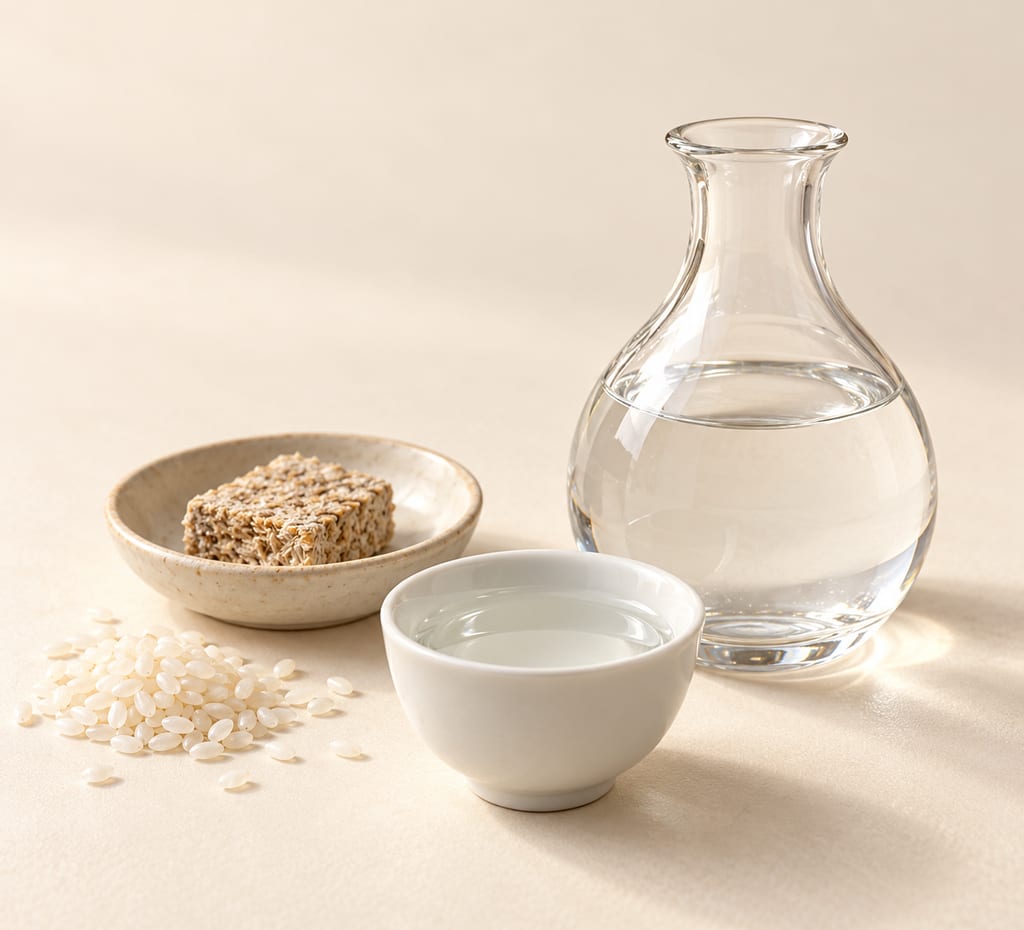
Andong soju
Andong soju is a rice spirit from North Gyeongsang, distilled from steamed rice and wheat nuruk. This method makes the starter before fermenting the rice mash in a jar.
 FermenteaWhere food goes to change
Substrates
Rice contributes starch to flatbreads, steamed breads, batters and many distinct fermentations. Its species, milling and starch character shape how it cooks, binds, expands and feeds enzymes.
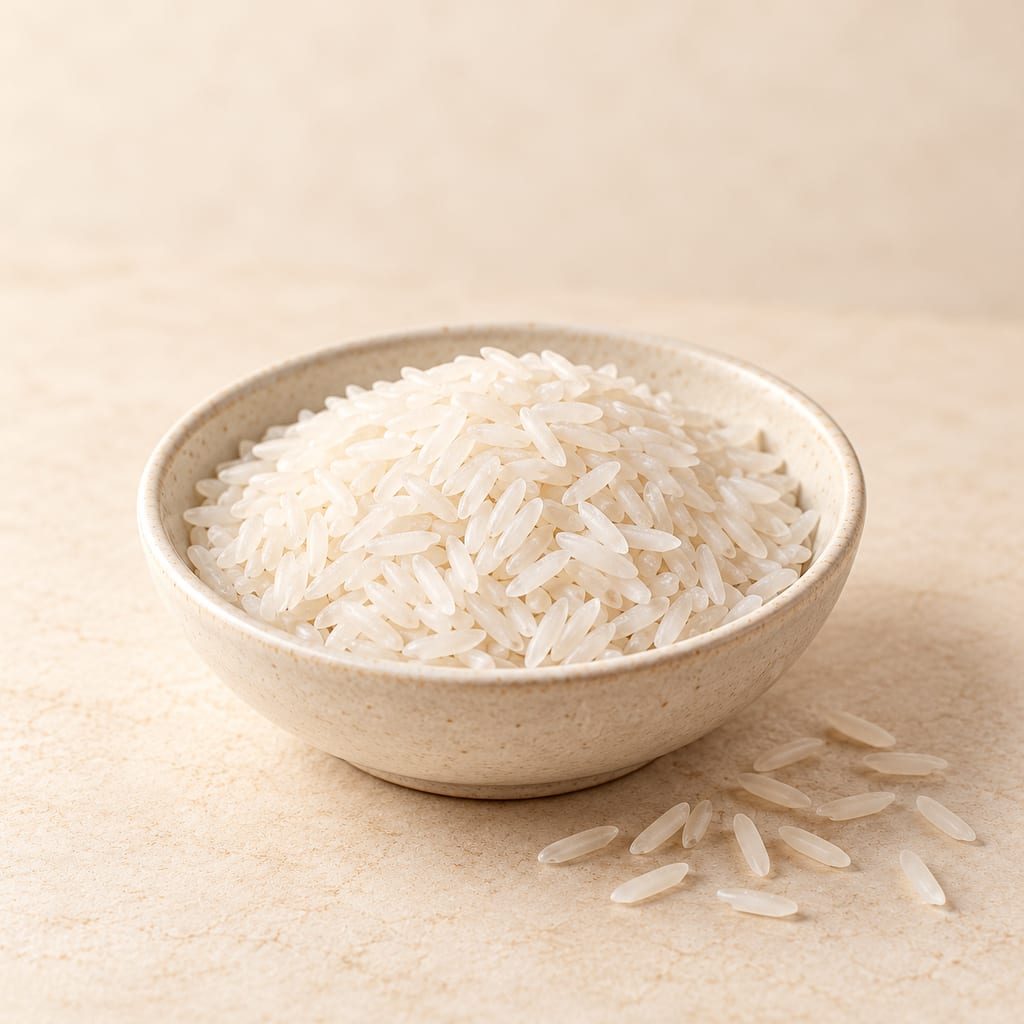
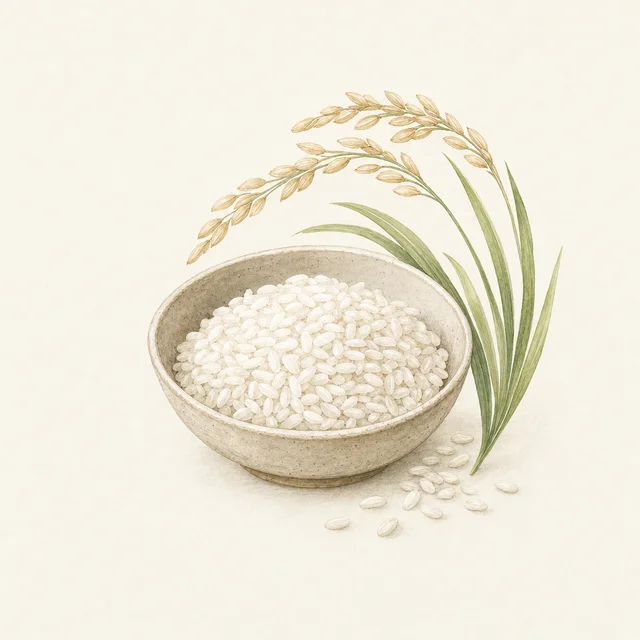
“Rice” can mean the crop in a field, the harvested grain still enclosed by its husk, the brown kernel after hulling, or a white kernel polished to a chosen degree. Those forms are not interchangeable in a recipe. The cultivated Asian rice most readers encounter is *Oryza sativa* L., a grass in the genus *Oryza*. West Africa also domesticated its own rice, *Oryza glaberrima* Steud., from the wild African species *O. barthii*. These are distinct cultivated species, not color or grain-length labels. “Wild rice” sold in North America usually refers to *Zizania* grasses, not a wild form of *Oryza*; a package that says rice may therefore need closer reading when a recipe depends on rice starch.
Rice has been gathered and grown for millennia, yet a grain in an ancient pot does not mark a single moment of domestication. In China's Lower Yangtze valley, remains at Shangshan and Hehuashan show people using rice in the early Holocene. Plant traces dated to about 9,400 and 9,000 calibrated years before present suggest that the crop was changing under human care, while wear on harvesting tools points to work in rice-growing landscapes. The ancient evidence is vivid because it joins food, tools and fields. It still leaves open exactly when cultivation became a fully domesticated crop.
Asian rice then diversified through cultivation, breeding and movement. Groups such as indica and japonica have different growing and cooking histories, but genetic work has not settled every early pathway among them. A cook meets that diversity less as a family tree than as differences in grain shape, aroma and cooked texture. “Glutinous” rice names a sticky cooking quality, not gluten; it is a culinary description rather than a separate species.
African rice has its own West African history. Genomic studies connect cultivated *O. glaberrima* to the wild *O. barthii* and place its domestication about three millennia ago, though they differ on its precise geography. Its existence matters when speaking of “rice” as one world crop: African rice is neither a color of Asian rice nor a late variety of it. Asian rice later reached West Africa, where both species became part of the region's agricultural history.
Rice does not need a continuously flooded paddy in every setting. In an irrigated lowland, growers can control shallow water; a rainfed lowland follows seasonal water; upland rice grows in aerobic soil without standing water; and deepwater rice lives with much higher floods. These fields ask different things of a variety and of the people tending it. The iconic terrace or watery paddy shows one way of managing the crop, while the dry upland field makes clear how far the cereal has adapted to distinct water, soil, labor and food traditions.
After harvest, the crop is threshed, dried and cleaned. The grain as harvested is paddy or rough rice: the edible kernel remains under a tough husk. Removing that husk yields brown or husked rice, whose bran layers and germ remain. Milling removes some or most of those outer layers to make white rice; further polishing removes loose bran from the surface. Codex standards distinguish degrees of milling and use length-to-width measures for long, medium and short grain, but the commercial names do not tell a cook everything about cultivar, starch composition or preferred texture. “Brown” and “white” describe processing, while “long grain” describes shape; these axes can combine in many ways.
Parboiling treats paddy rice, or sometimes rice already husked, with water and heat before final drying and milling. The familiar paddy route soaks grain in its husk, steams or boils it, then dries it. Moisture and heat move some water-soluble nutrients inward and change the starch structure. Parboiled grains commonly cook firmer and less sticky than untreated rice, although cultivar and processing still matter. This product is not the same as rice a cook has boiled at home, and a method that specifies untreated raw rice should not silently substitute it. Fermented foods may choose polished, brown, broken, glutinous or parboiled rice because each handles water and grinding differently.
The central cooking and fermentation material is starch, but starch is not a uniform powder. Rice varieties differ in their relative amylose and amylopectin, and the ratio affects swelling, firmness, stickiness, water uptake and the behavior of a cooked paste. In broad terms, amylose-rich rice tends toward separate, firmer grains, while low-amylose or waxy rice tends to be stickier; the relationship is not a complete prediction because grain structure, cultivar and processing also matter. When rice is cooked with water, starch granules hydrate and gelatinize, making the starch more available to enzymes. This is why the same raw grain can function as a fluffy table rice, a cohesive dough, a steamed substrate for a mold, or a fermentable base after enzymatic conversion.
For dosa and idli, rice enters a mixed batter with black gram, or urad, *Vigna mungo*. Soaked rice and pulse are ground, joined with water, and left to ferment. The rice is commonly ground finer for dosa than for idli: a thin dosa spreads across a hot surface and crisps at its edge, while idli batter keeps enough body to rise in a mold and become a soft steamed cake. Starch from the grain and the pulse’s proteins and other solids make a texture neither ingredient would supply in quite the same way alone. Lactic-acid bacteria and yeasts can develop in the batter, bringing acidity, gas and aroma. Raw materials, temperature and household technique alter the pace and rise, so the cook reads the batter as well as the clock.
Rice also supports mold-based fermentations, but the sequence differs. In Japanese sake, steamed rice is inoculated with *Aspergillus oryzae* to make rice koji. Enzymes from the koji break rice starch down, including through α-amylase and glucoamylase activity. Yeast then ferments released sugars to alcohol. In the sake mash these processes proceed together: starch dissolution, glucose production and alcohol production overlap in what brewing science calls parallel fermentation. The yeast does not directly consume intact rice starch. Rice polishing, steaming, koji cultivation, starter preparation and staged additions each shape the mash, and a sake method should not be reduced to the batter method used for dosa.
A brewer also chooses rice for the kind of sake it may yield. The Japan Sake and Shochu Makers Association describes sake rice as generally larger and lower in protein than table rice, often with a porous starch-rich core favorable to koji growth. Polishing removes outer layers carrying fats, minerals and proteins; more removal tends toward a lighter, more delicate profile, while less polishing can give a fuller body. That is a flavor choice, not a simple ladder of quality. The steamed grain must remain workable for koji and mash rather than become a bowl of soft table rice. This is a different reason to care about cultivar and milling from the reason an idli maker wants rice that can be ground into batter.
Korean makgeolli uses a different starter tradition. Nuruk, made from grain, supplies enzymes and a mixed microbial community to a rice drink that is commonly cloudy and unfiltered. A study of nuruk preparations compares one-stage and multistage mashes, including nuruk with added yeast, and finds that these choices change the result. The rice can be glutinous in a particular formula without that being a rule for all makgeolli. Chinese huangjiu offers another grain choice: documented versions use glutinous rice with wheat *qu*, while other huangjiu is made from millet. The name of the drink alone does not determine the cereal.
Amazake shows how a familiar name can cover two drinks. In rice-koji amazake, cooked rice meets rice koji and enzymes from *Aspergillus oryzae* turn its starch into sweetness. Sake-lees amazake instead begins with material left from brewing and is sweetened with added sugar. The former tastes of a cereal made sweet through enzymatic conversion; the latter carries the character of brewing lees. Accounts of amazake being sold as an Edo-era summer drink widen its place beyond today’s winter cup. Rice koji also seasons miso: with steamed soybeans and salt it can make a sweet or salty paste, according to the balance of koji and salt and the time allowed for maturation. Barley-koji and soybean-koji miso take different paths, so the word miso alone does not identify rice.
In Kyoto’s pale, sweet Saikyo miso, rice koji helps build a seasoning used in delicate soups and marinades; in the saltier, longer matured rice misos associated with Shinshu and Sendai, the balance shifts toward deeper savor. Color does not simply tell the cook which grain was used, because aging and recipe proportions also alter the hue. In a soup, sauce or glaze the original grain is no longer visible, yet its starch helped feed the koji stage that made the paste. Rice’s role here differs from its role as a steamed side dish or a drink base: it becomes part of an aromatic seasoning whose strength a cook adjusts spoon by spoon.
Indonesian tapé can be made by fermenting steamed glutinous rice with *ragi*. In this preparation the cooked grain remains the recognizable food as the starter changes its sweetness, texture and aroma. The rice form, starter and desired result are specific to tapé; they cannot be inferred from the name “rice ferment.” Across these foods, rice may remain a grain, become a drink, or supply koji for a paste. Its starch is the common material, while the organisms and handling determine very different ends.
At a shop, rice names answer different questions. Brown rice still carries bran and germ, while a polished white kernel has had them removed; the difference changes flavor, color and how the grain handles water. Long or short grain describes shape, not a promise of stickiness. A bag may also be parboiled, broken, glutinous or fortified. For a dosa batter, a sticky sweet rice, or a koji substrate, these words are practical choices rather than decoration. Keep dry grain closed against moisture and pests, and use the storage guidance for the particular product.
Plain rice is naturally free of gluten proteins. Seasoned mixes and shared equipment can change what a packaged product contains, so a person avoiding gluten needs its actual ingredient and allergen information.
Rice can absorb inorganic arsenic from soil and water. The FDA describes a cooking trade-off: boiling in six to ten parts water to one part rice and draining reduced inorganic arsenic by 40–60 percent in cited studies, but also removed 50–70 percent of some nutrients added to enriched rice. This is a choice about a particular product and diet, not a universal rule that all rice must be cooked by that method.
Cooked rice needs different care from a bag of dry grain. Serve it promptly, or cool it within one hour and refrigerate it; spores can survive cooking and grow if rice stands warm. The UK National Health Service advises eating refrigerated cooked rice within 24 hours and reheating it only once, until steaming hot throughout. A fermented batter or drink instead needs the controls of its own tested process. Smell and appearance alone cannot establish safety.
Rice can be the main flour in one bread, a cooked batter in another, or a small part on the outside of a wheat loaf. Those jobs use starch differently. Rice flour does not make the elastic gluten network found in wheat dough, so rice breads depend on their own shaping and cooking methods rather than a wheat loaf method with the flour swapped. A rice flatbread may use hot water to make a workable dough; a steamed rice bread begins as a moist batter; and a baked loaf needs a formulation that can hold its shape as it expands.
In Karnataka, akki roti is a griddle-cooked flatbread built around rice flour, with savory versions including vegetables. In Malabar, Kerala, pathiri is a thin rice-flour pancake associated with Mappila cooking and served with meat or fish curries. The names do not describe identical breads: the forms, doughs and cooking methods vary. Rice flour provides their body, while hydration, fineness of grind and handling shape whether a round can be patted, rolled or transferred without breaking.
In West Africa, ablo is a moist, lightly sweet and sour steamed bread-like food. Research describes maize, rice and mixed-cereal versions across Benin, Togo and Ghana, while a study of rice ablo focuses on southern Benin. Rice did not simply replace maize without a change in the bread: processors adapted the operation, and experiments show that precooking and rice starch properties affect dough fluidity and the texture of the steamed result. Those results are specific to the studied varieties and methods; they do not establish one formula for every ablo maker.
In the Philippines, bibingka belongs to the wider family of kakanin and uses ground rice with coconut milk and sugar. Rice flour also appears in current rice-flour bread research: Japan's NARO describes a yeast-raised loaf in which rice is the only flour. The structure of such a loaf depends on a rice-flour formulation and fermentation method suited to starch, rather than on gluten development. A different use appears in Dutch tijgerbrood: rice flour is mixed into a paste that forms the cracked top of a yeast-raised wheat loaf. There, rice flour changes the crust while wheat still forms the bread.
Archaeological studies report early rice use and cultivation in this region, not one established first-domestication point.
The Japanese agriculture ministry documents rice-koji amazake as one Japanese rice preparation.
A documented akki roti uses rice flour as a griddle-cooked flatbread; this association does not identify a single birthplace.
Kerala Tourism associates rice-flour pathiri with Mappila cooking in Malabar and describes its customary accompaniments.
A rice-ablo study investigates the product in southern Benin; it does not establish a single origin.
A research account describes rice- and maize-based ablo in Benin; the bread has distinct cereal variants.
A research account describes ablo, including rice-based production, as popular in Togo; this is not an origin claim.
A research account describes ablo, including rice-based production, as popular in Ghana; this is not an origin claim.
The cultural education entry identifies bibingka as a rice-based Filipino kakanin.
NARO documents a modern yeast-raised bread made with rice flour as its only flour.
A documented Dutch-style tijgerbrood uses rice flour in its crust paste while wheat flour forms the loaf.
Andong soju is a rice spirit from North Gyeongsang, distilled from steamed rice and wheat nuruk. This method makes the starter before fermenting the rice mash in a jar.
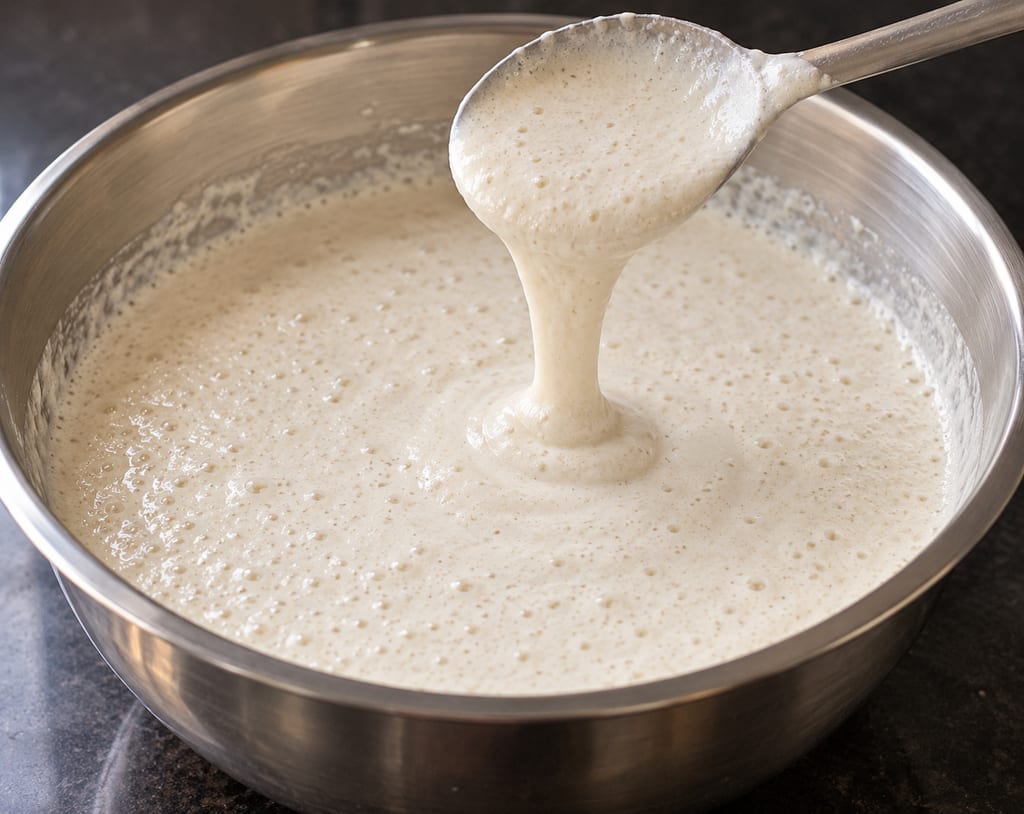
A naturally fermented South Indian rice-and-urad batter, ground fine and spread thin on a hot griddle. Fermentation lightens the batter and develops its gentle tang.
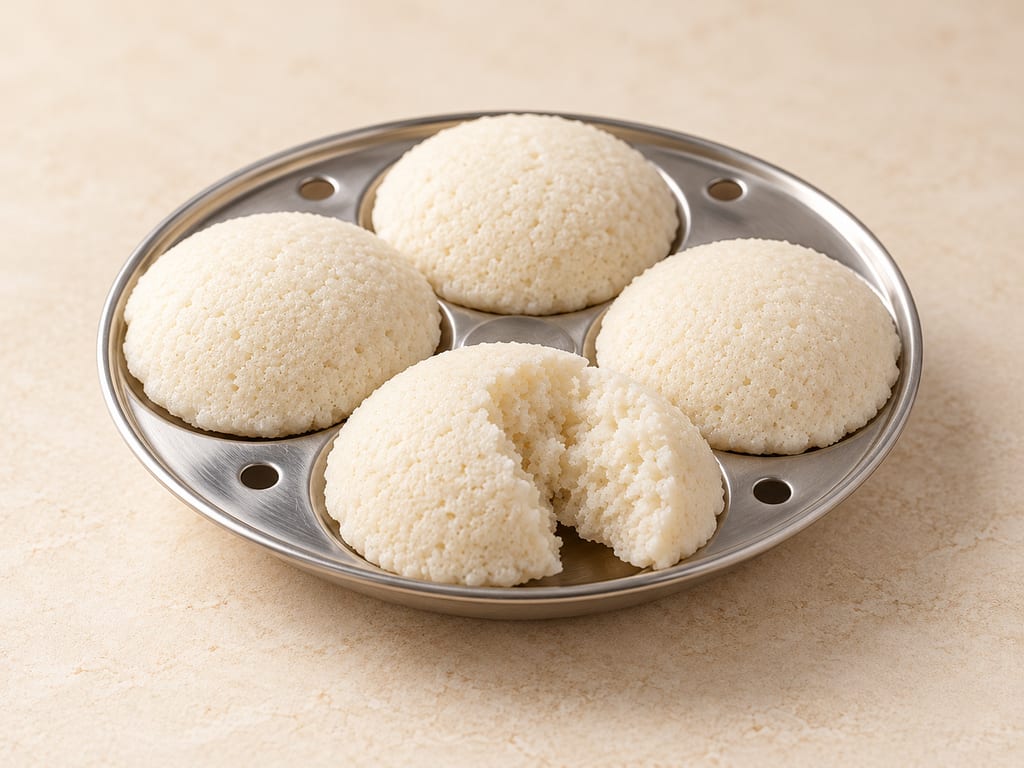
Rice and black gram are soaked separately, ground, salted and fermented into a thick batter for idli. The batter is portioned into moulds and steamed into soft savoury cakes.
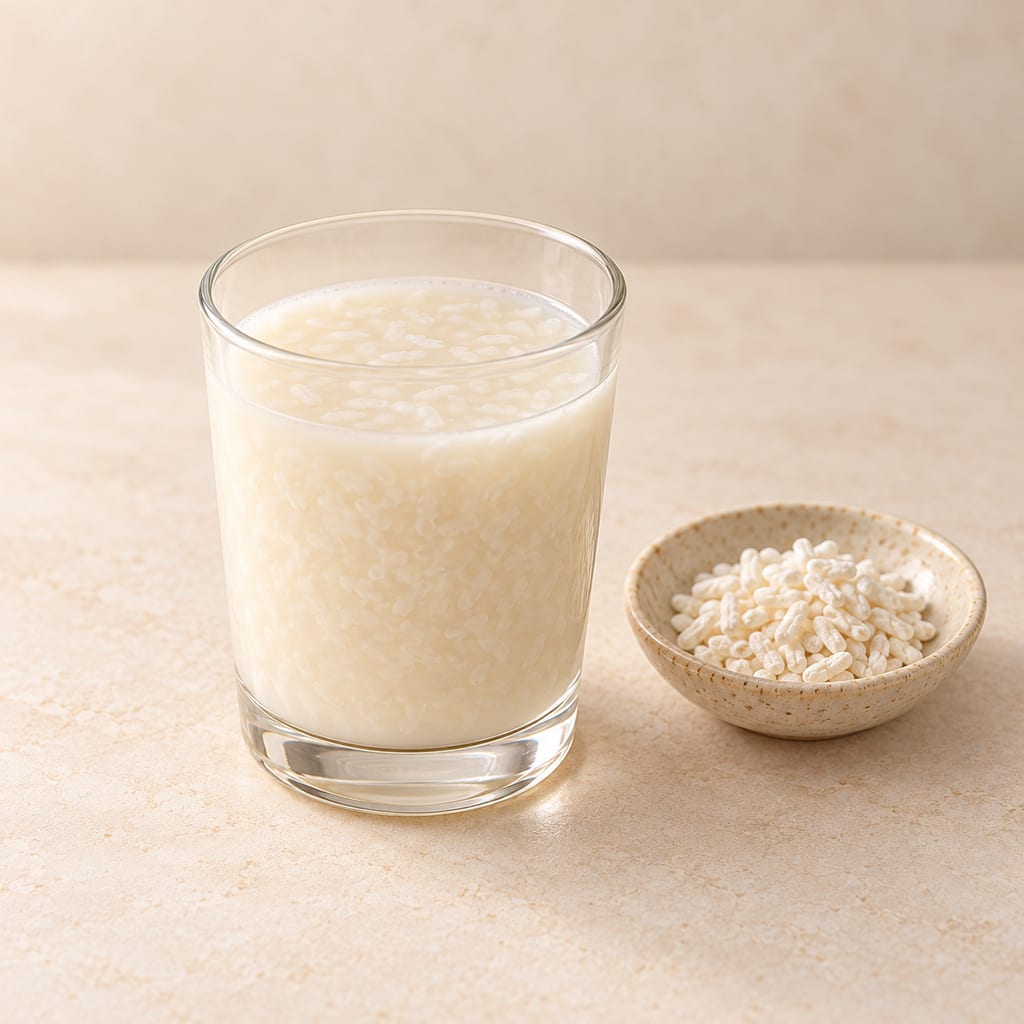
Cooked rice, rice koji and water are held warm for hours so koji enzymes turn the rice starch to sugars, giving a naturally sweet Japanese drink with no added sugar and no second fermentation.
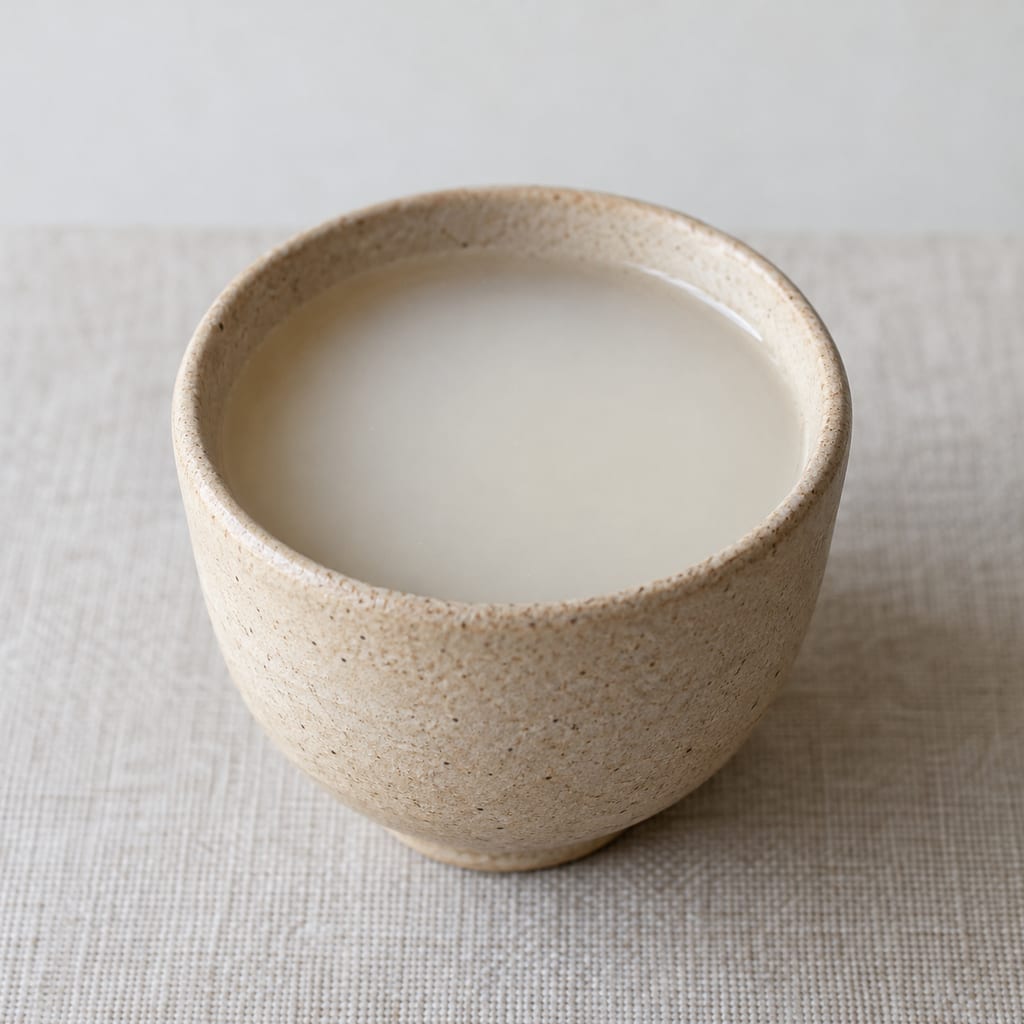
Tonoto is an Ainu ceremonial grain drink. This Saru River version ferments equal amounts of rice and egg millet with malted rice for about two to three days in summer or a week in winter.
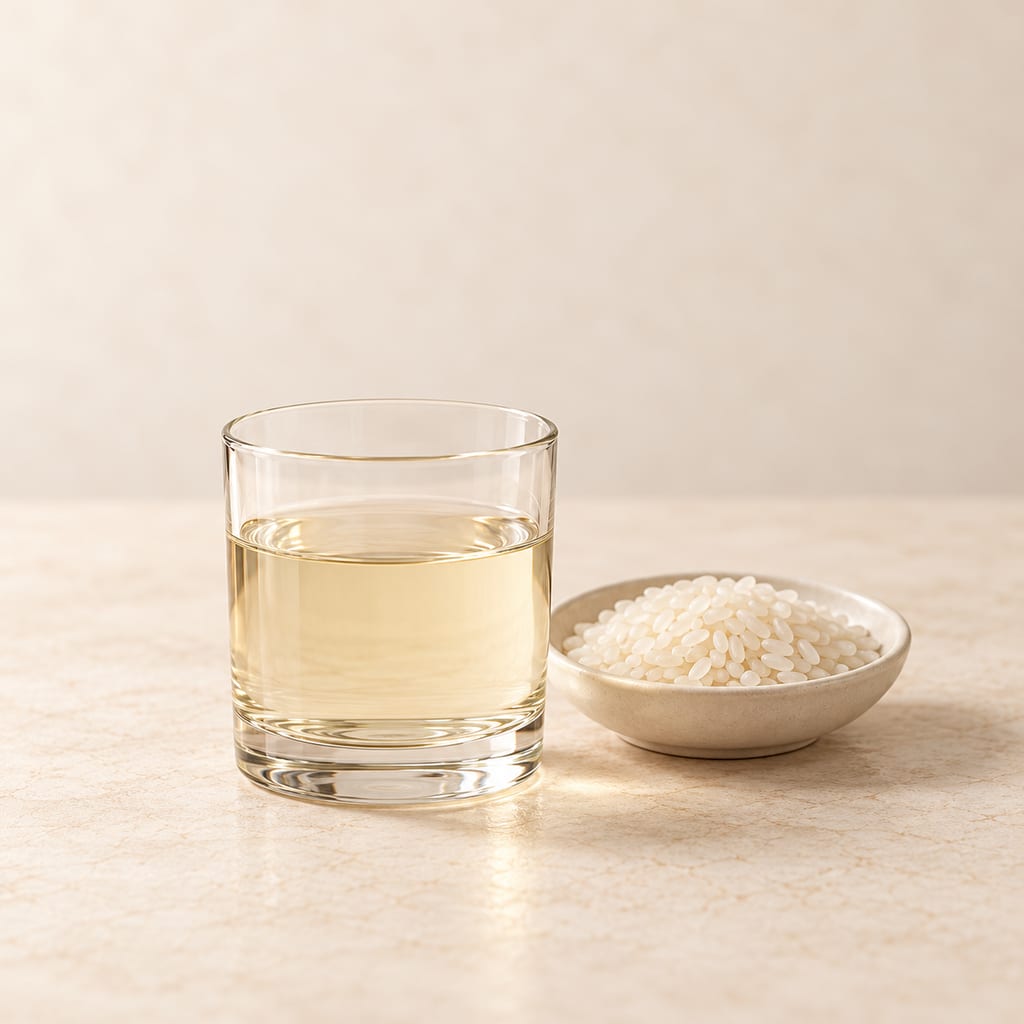
A 2021 study's white-rice yakju: steamed Hanareum rice ferments with rice-flour nuruk and takju yeast for 11 days, then the clear upper liquid is filtered and centrifuged.
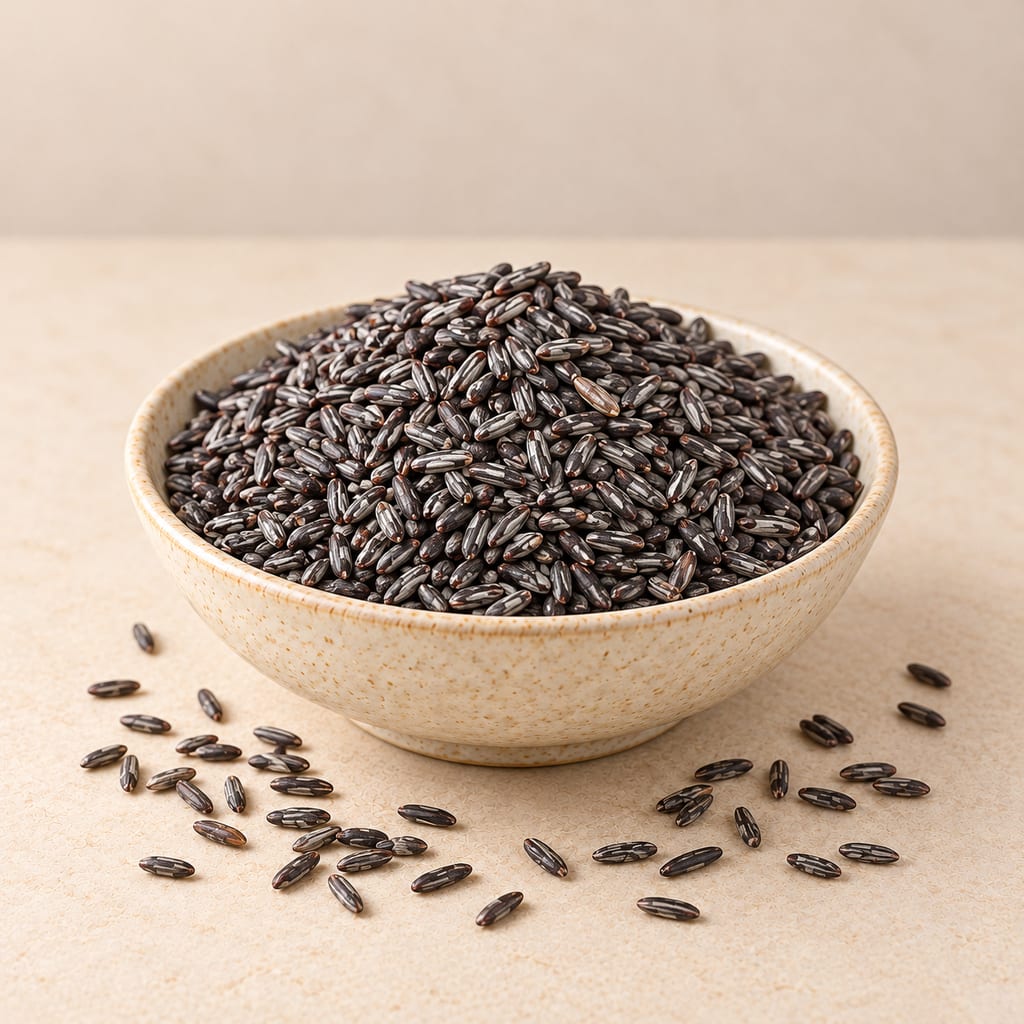
Dahyangheukmi (다향흑미) is a registered Korean black-rice cultivar with an aromatic, non-glutinous grain. It has been used to make rice-flour nuruk, yakju and gochujang in published studies.
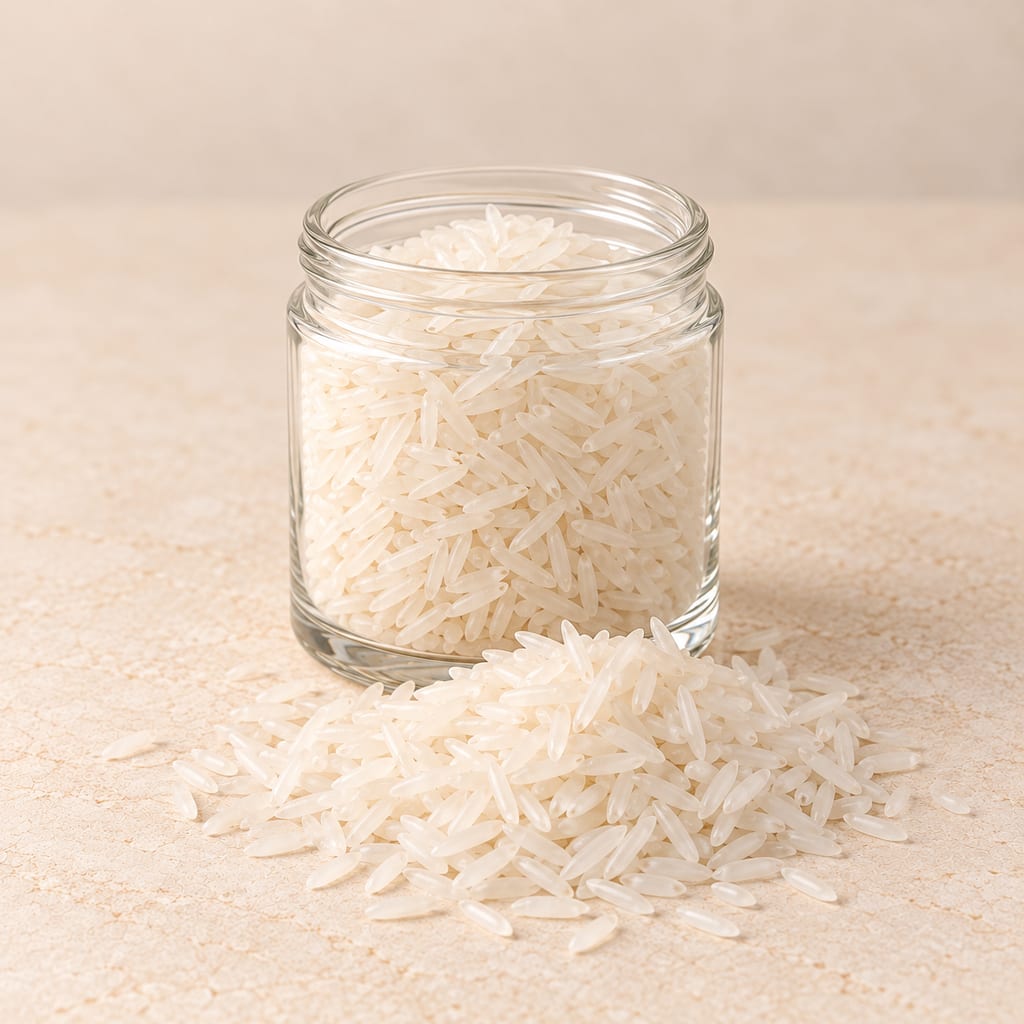
Thai indica rice is the starch-bearing grain Sakimoto steams for Yonaguni awamori koji. The producer names its origin and rice group, but no cultivar, lot or grain grade.
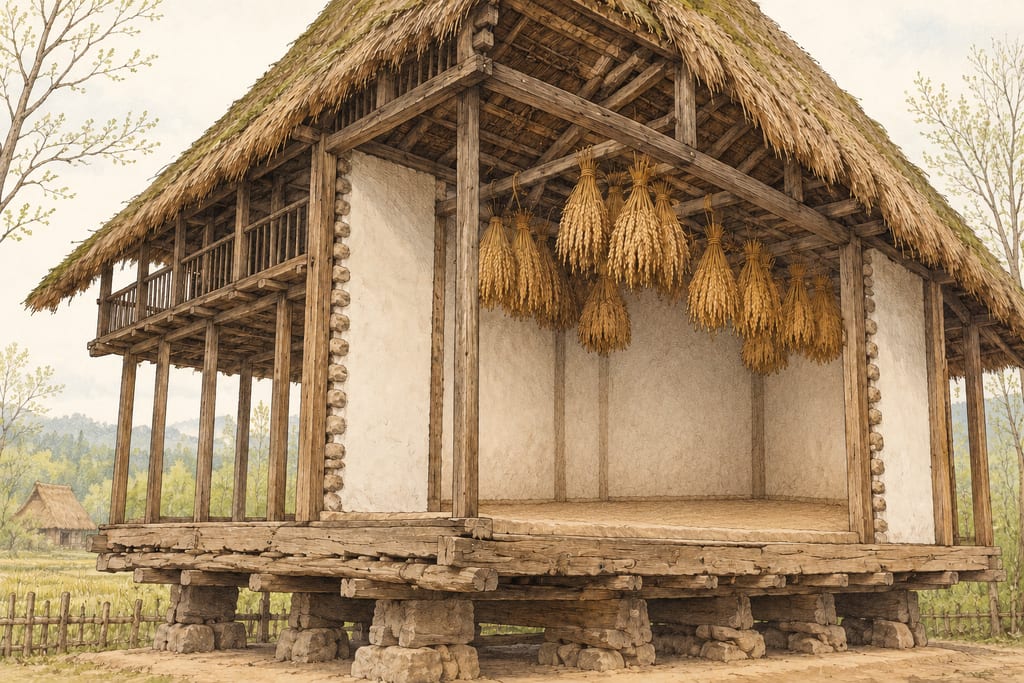
Bojkhāne names a rice-smoking room in some Gilan accounts. It was part of a flexible household room tradition, not a single standardized plan.
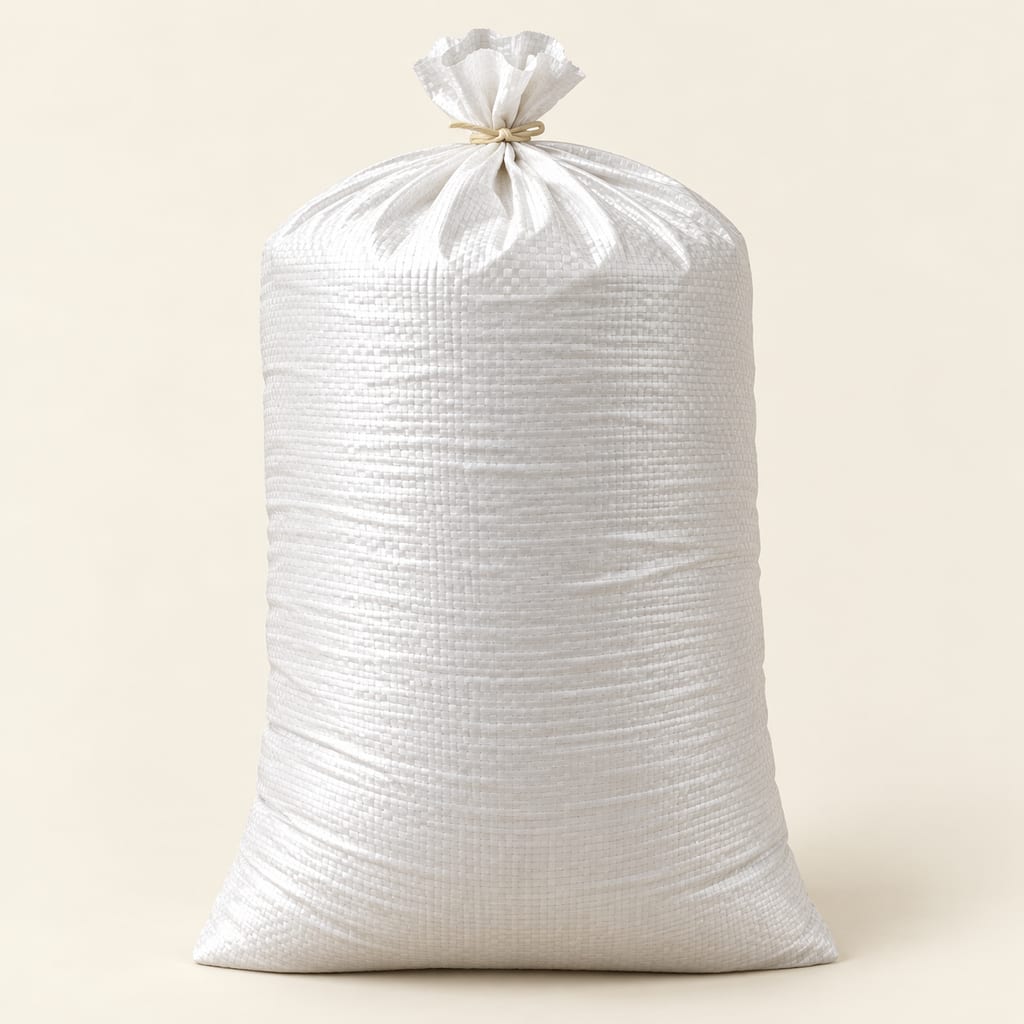
A hermetic grain bag stores suitably dried grain in an airtight, multilayer package. The PICS design pairs two inner liners with a woven outer sack; it is a storage tool, not a fermenter or dryer.
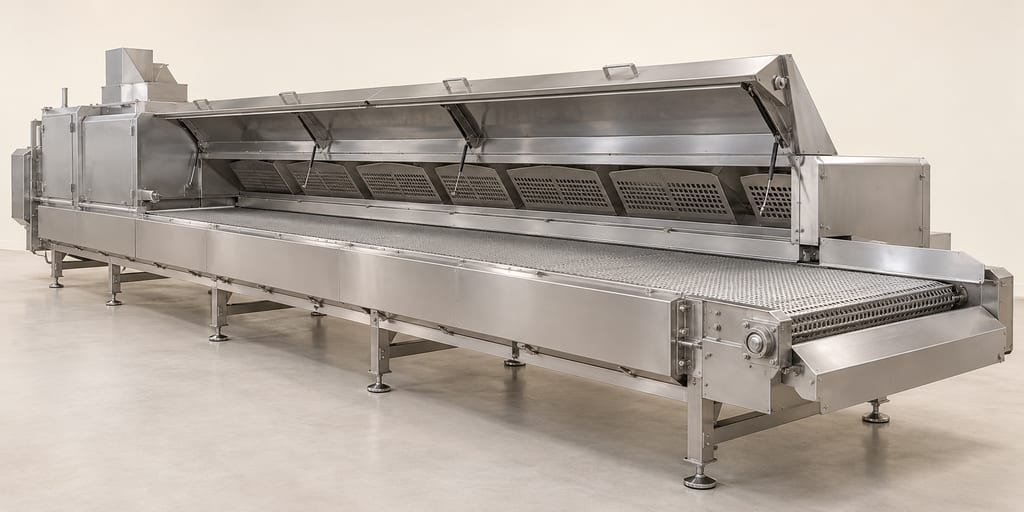
An industrial individual-quick-freezing system freezes small food pieces separately so they remain pourable and portionable. One commercial design moves product across a fluidized bed, where controlled air separates pieces during freezing.

A kundej is a raised rice barn documented in central and eastern Gilan, Iran. Its regional forms store harvested sheaves above damp ground while ventilation helps dry them.
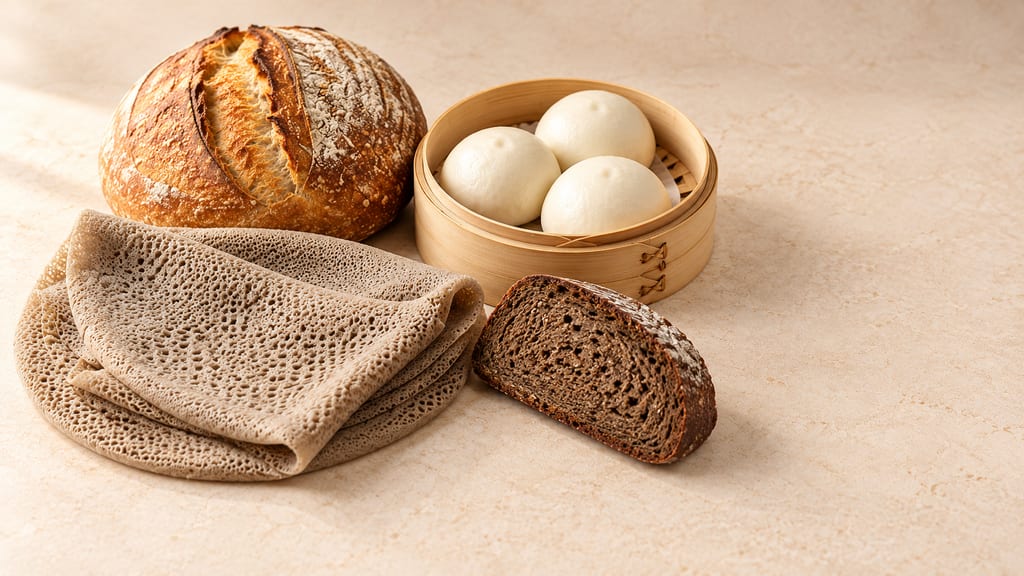
From the baguette and the steamed bun to injera, titiyas, Finnish rye and cassava bread: how grain, microbes and heat answer the question of what bread is for.
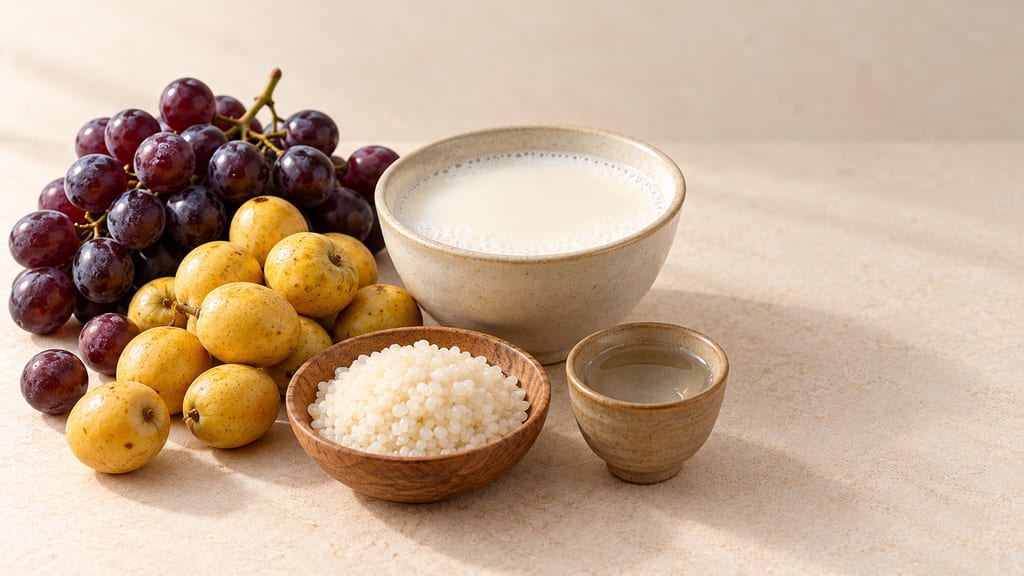
A marula harvest, a rice mash and a bowl of fermented mare’s milk reveal different ways to make alcohol, and different kinds of knowledge behind the drink.
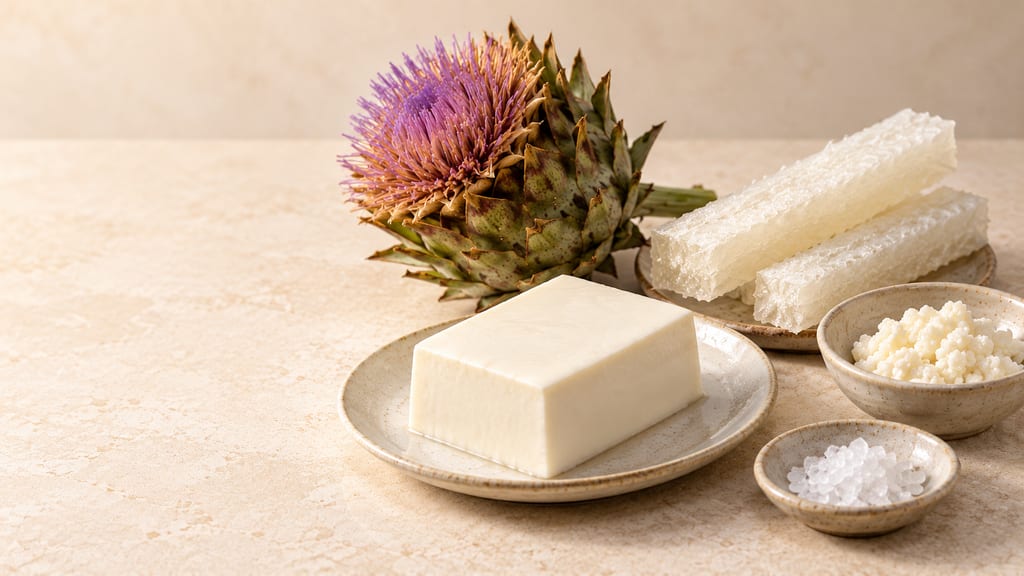
Cheese, tofu, agar, nixtamal and cured ham all begin with a liquid or soft food made to set, sour or keep. Rennet is one branch of that history, beside plant enzymes, acids, minerals, alkalis, gels, finings and curing salts.
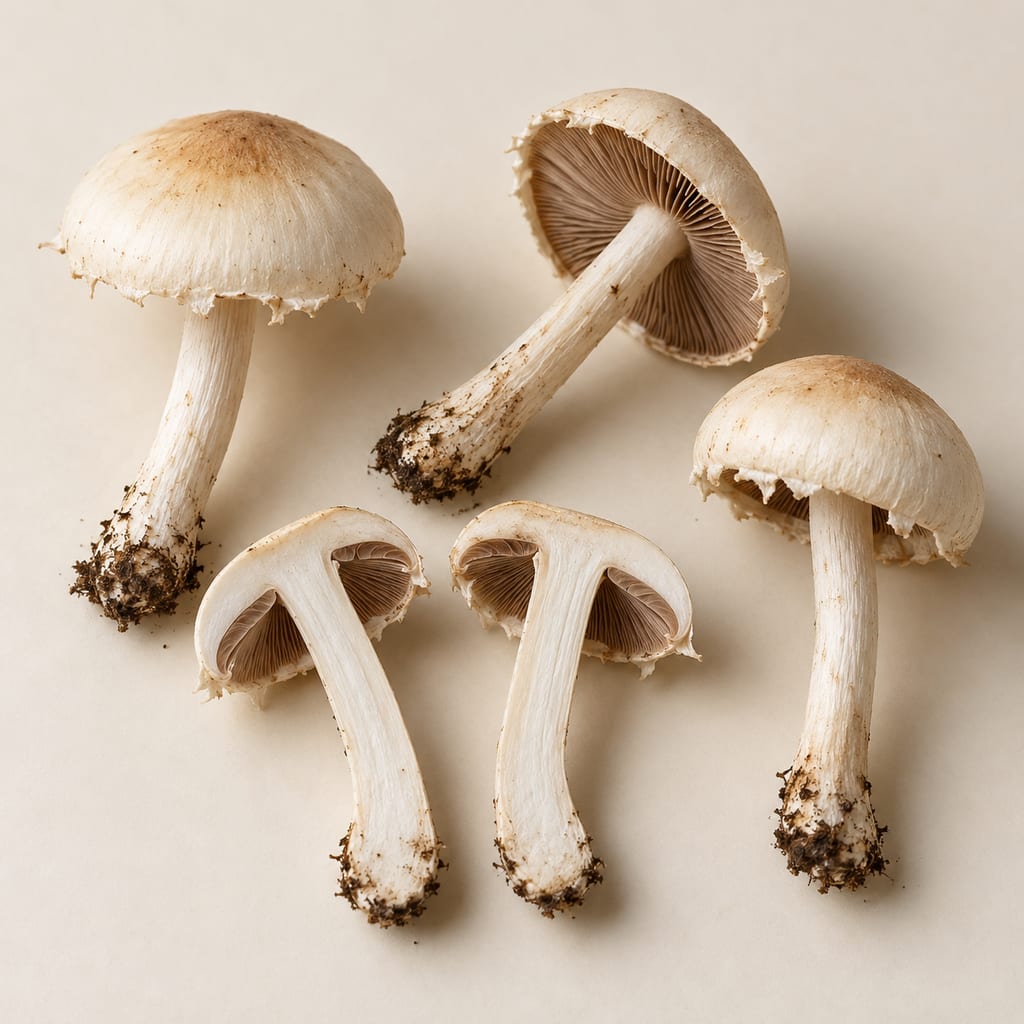
A grassland agaric listed as edible in historical and scientific catalogues for Hong Kong and China. Taxonomic concepts and practical food value vary; the listings do not establish safe identification or culinary practice.

Akahatsu, Lactarius akahatsu, is a wild milkcap of East Asian pine and mixed forests that is sold in Yunnan markets, with its edibility and identity still needing species-level review.
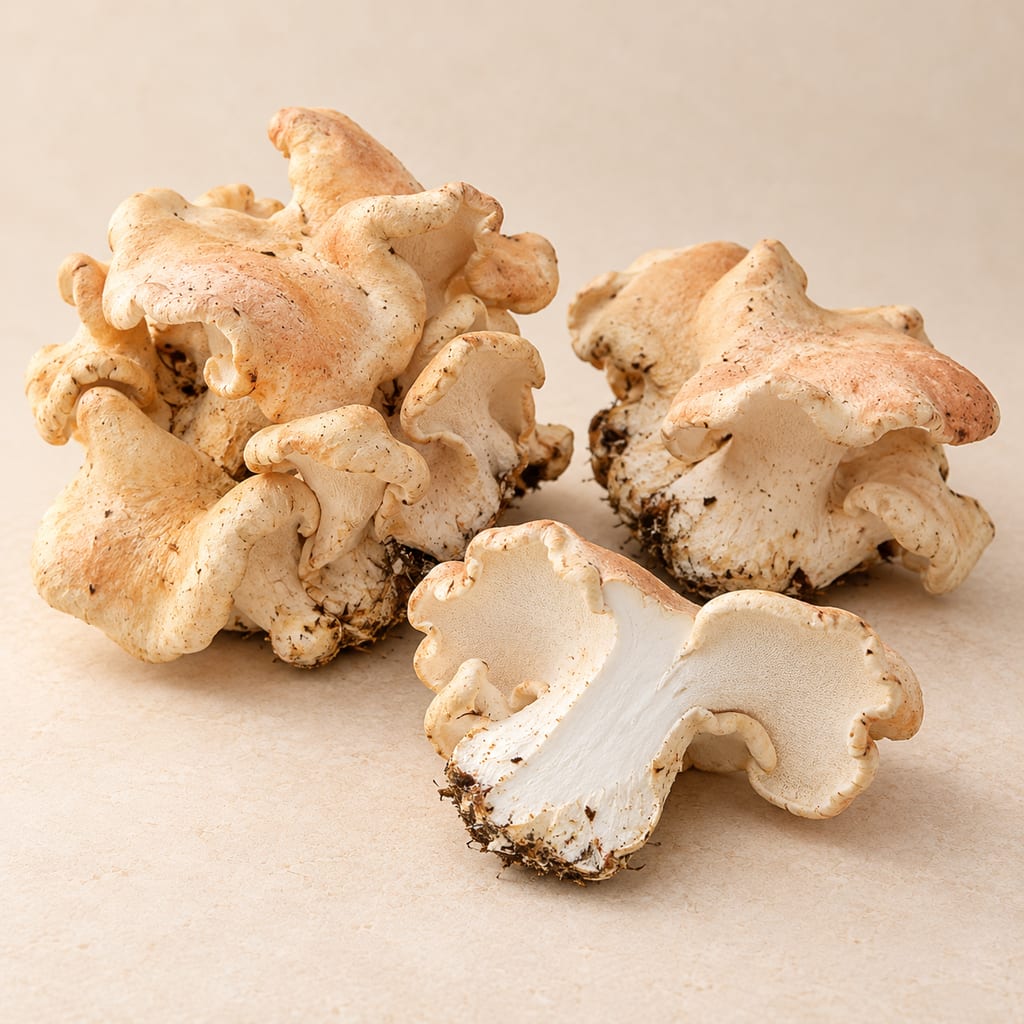
Albatrellus confluens is a ground-growing polypore with fused buff-orange caps. Sources document Chinese market use and regional edibility, but others reject it as too bitter; taxonomy also varies between Albatrellus and Albatrellopsis.
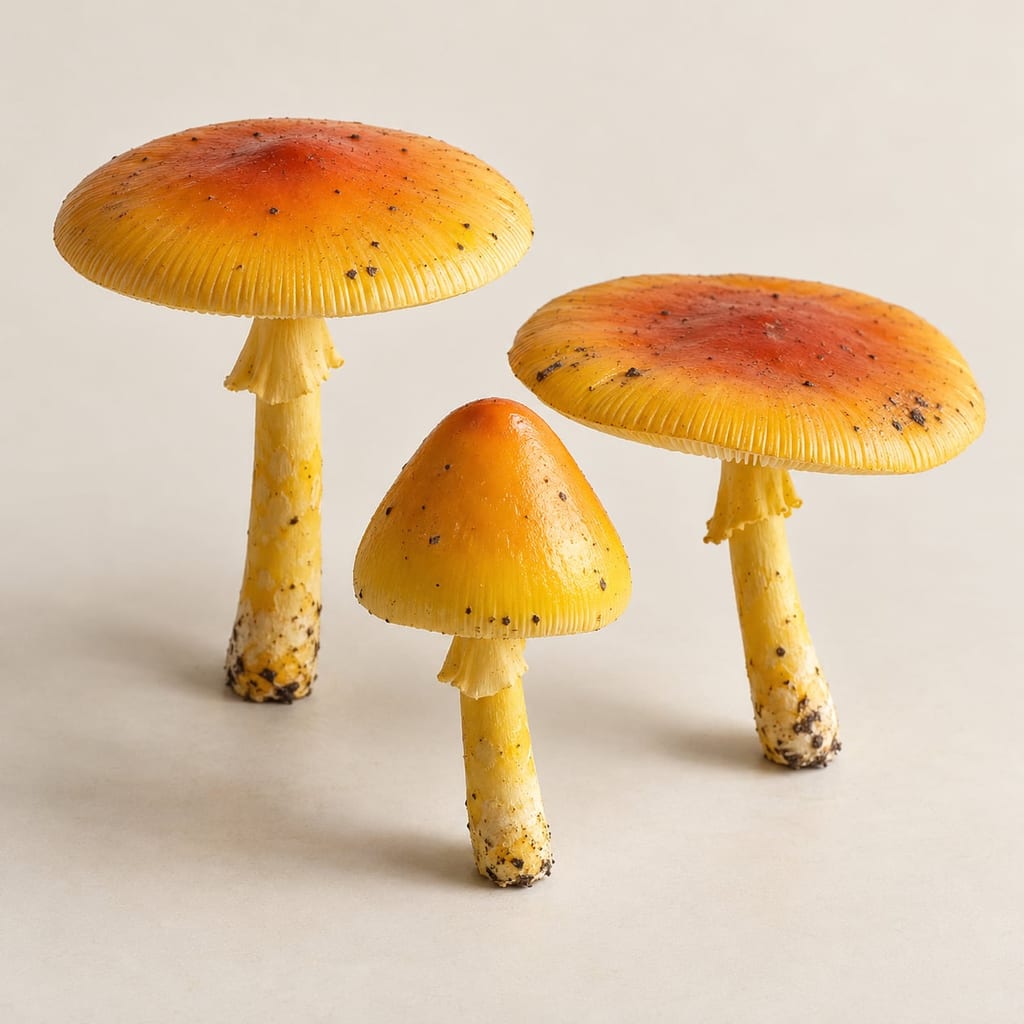
A wild Amanita recorded from China in a 2026 checklist of edible and medicinal fungi. The genus holds deadly species, so this page gives no identification or edibility verdict.
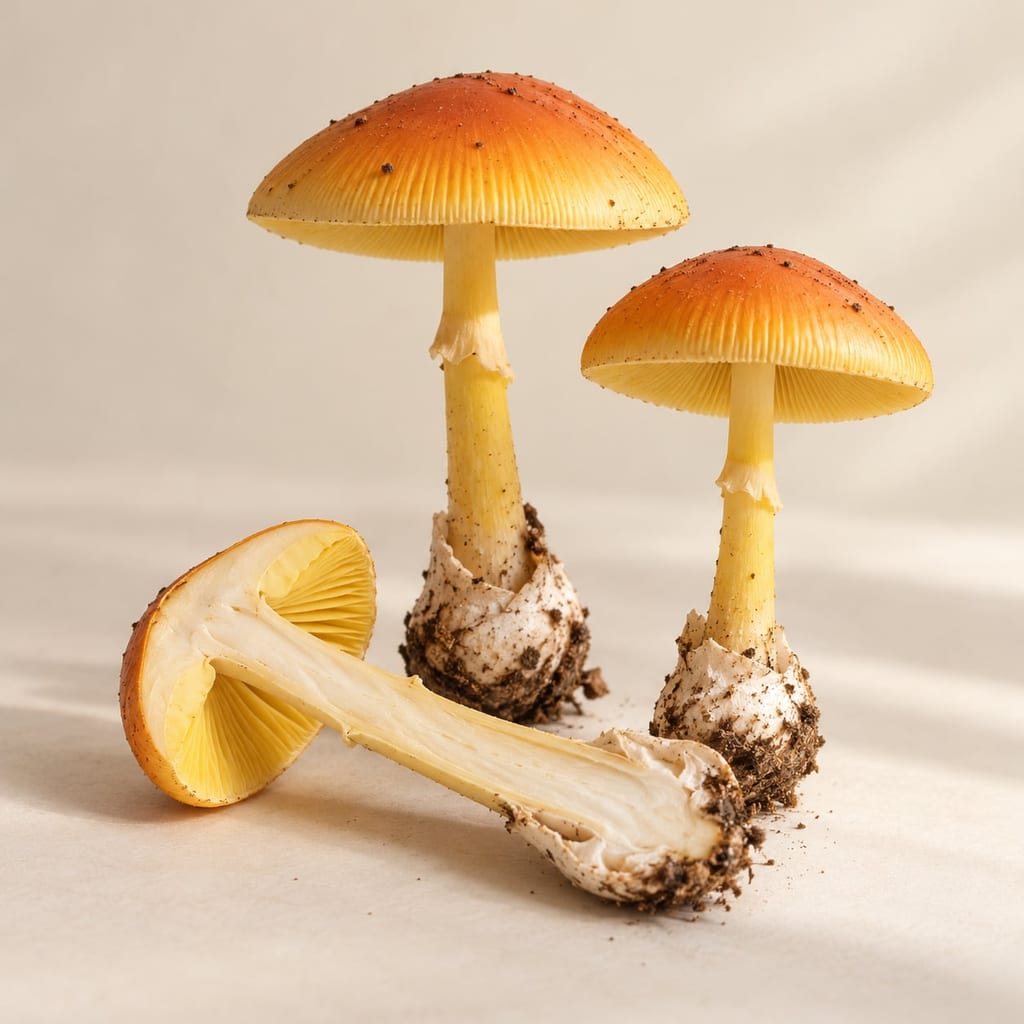
A wild Amanita of China, first reported there and listed as edible in a Yunnan ethnomycology study. The genus contains deadly species, so this page does not support identifying or eating it.
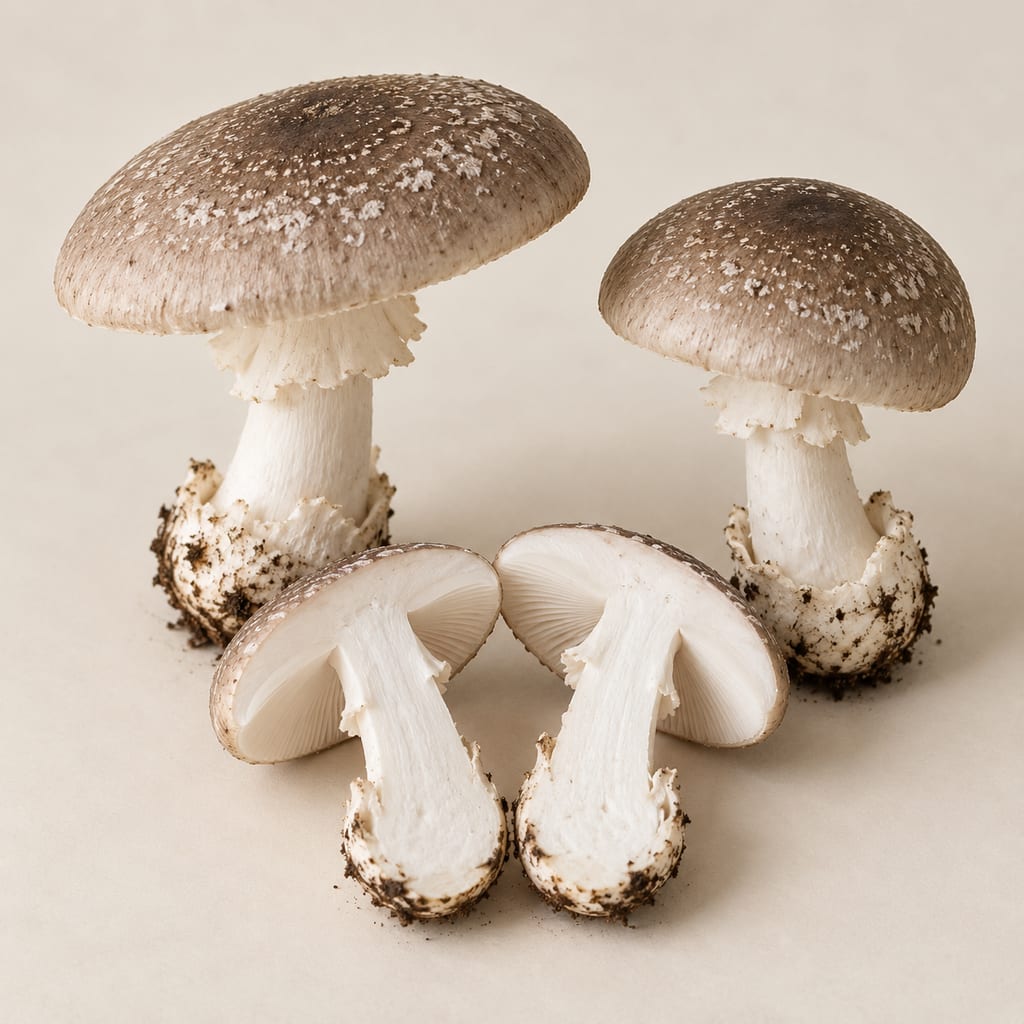
Amanita yuaniana is a Chinese Amanita that a 2023 Yanshan survey and a Yunnan ethnomycology survey list among edible species. No source tests it for safety, and the genus holds the most lethal mushrooms.
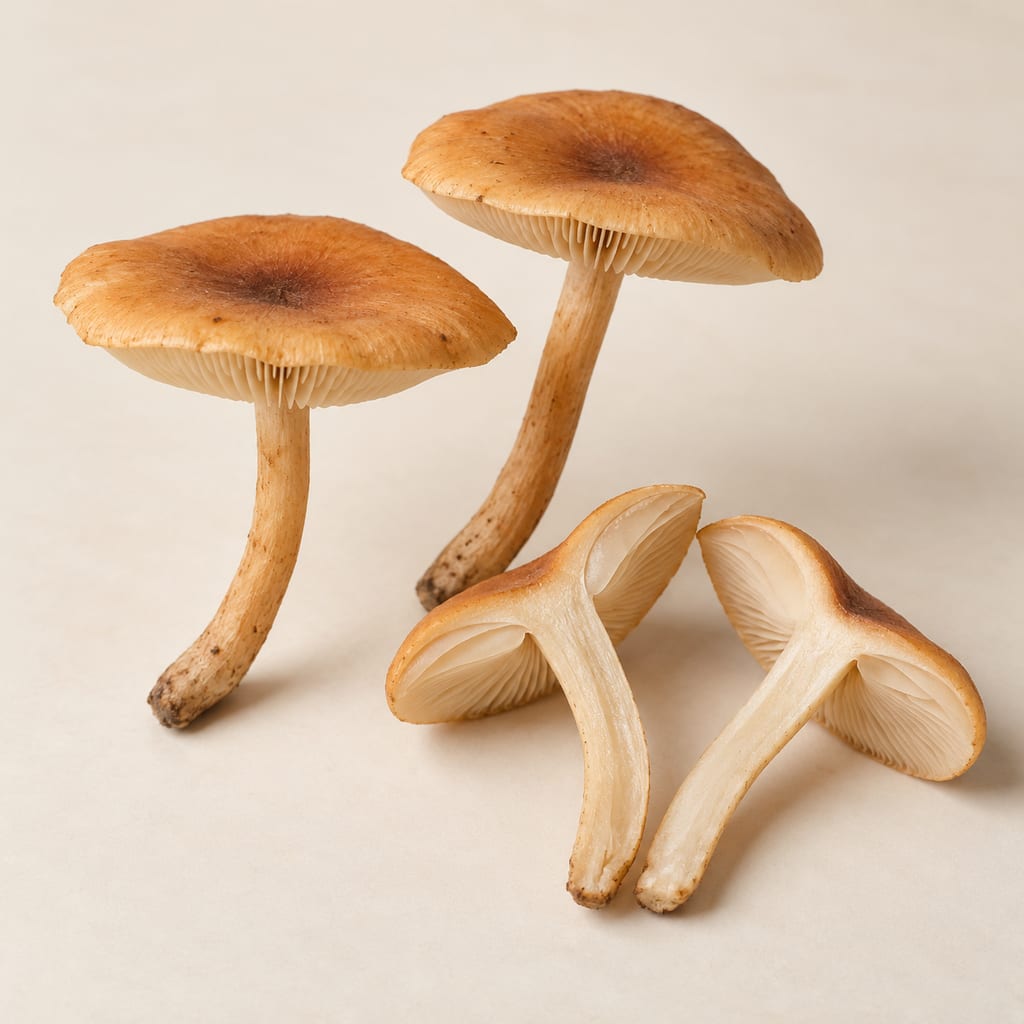
A wood-associated Armillaria recorded in Yunnan and Sichuan, China, and listed as edible in a 2026 Chinese catalogue.
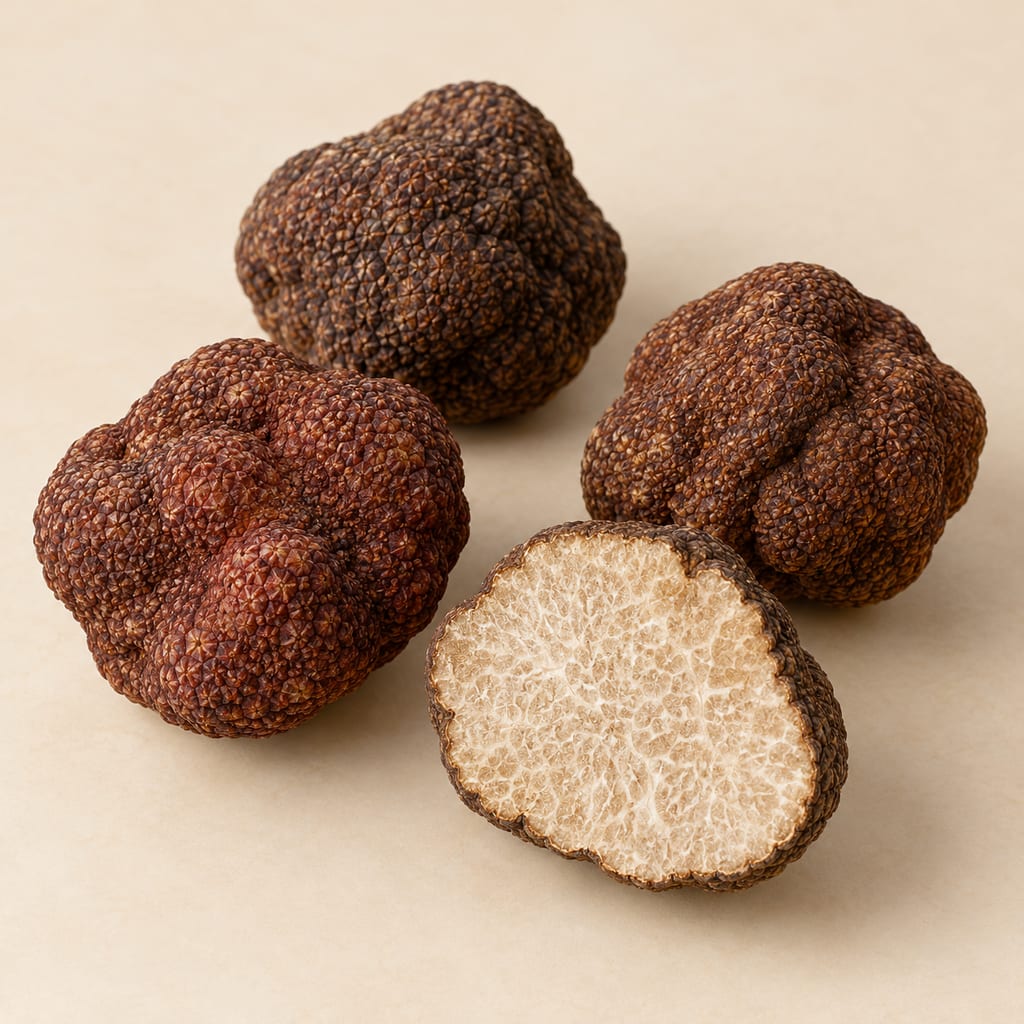
Tuber pseudohimalayense is a wild black truffle from Yunnan, China, listed as edible in a Chinese species catalogue. No independent assessment of its culinary use or safety is available.
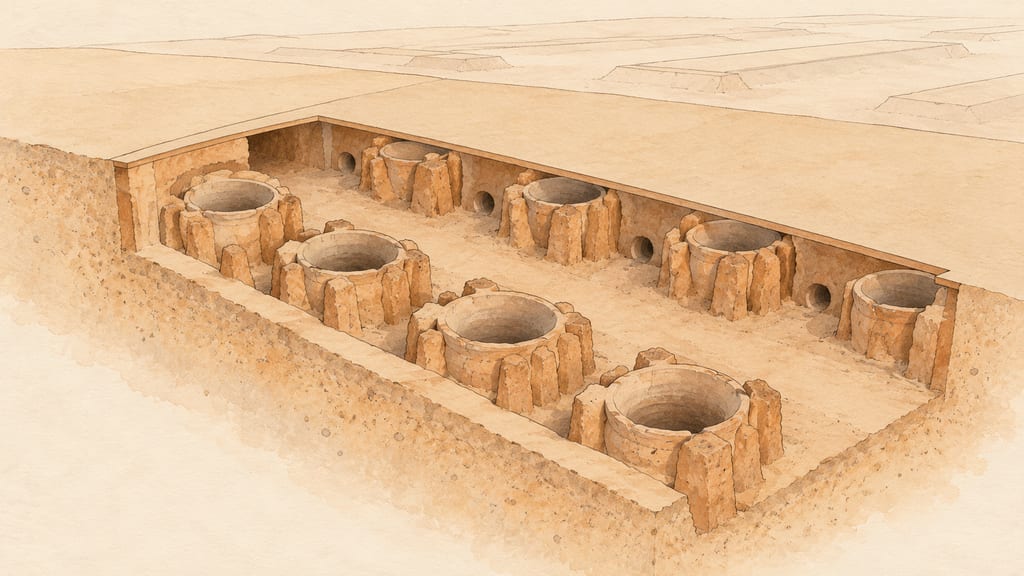
At North Abydos in Egypt, a fixed early Dynastic brewery comprised parallel semi-subterranean installations with rows of ceramic mash vats; excavation reports revise their number, scale and estimated batch capacity.
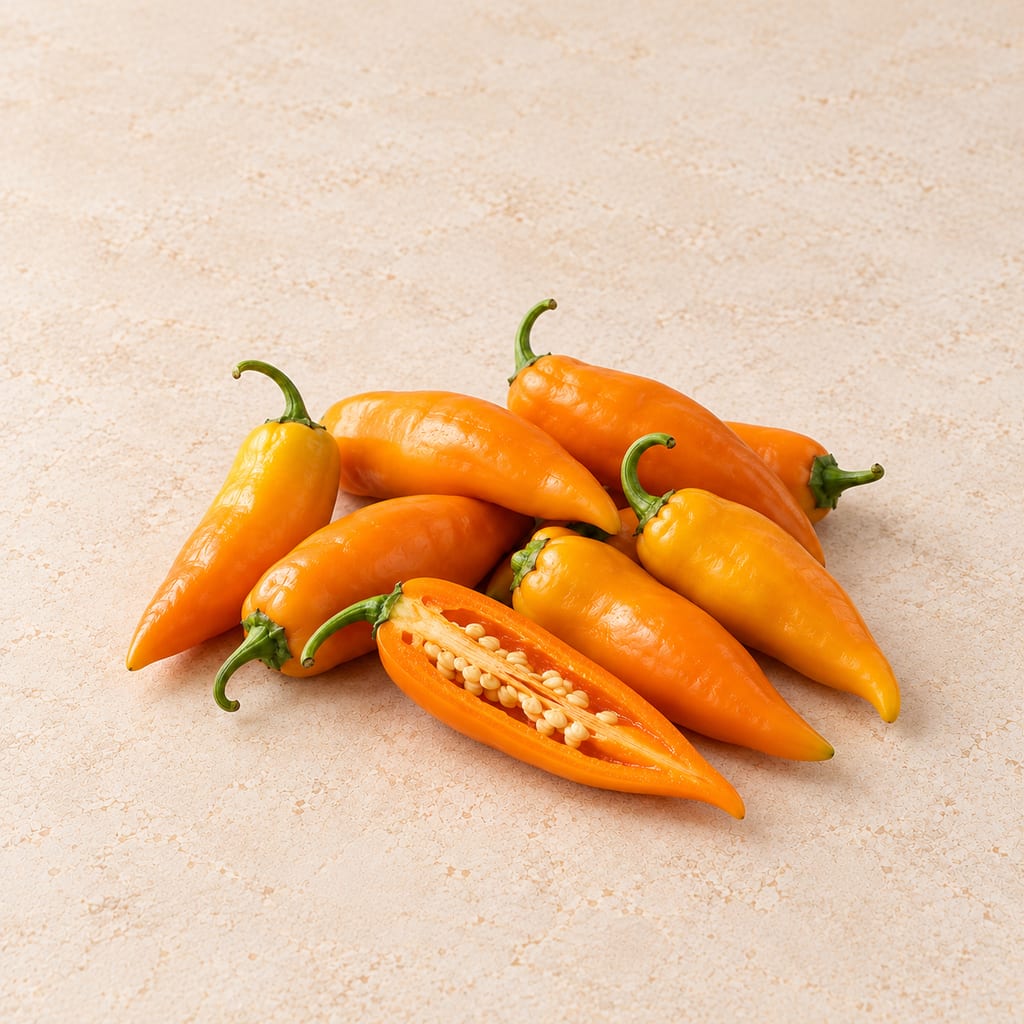
Ají amarillo is the orange-yellow Peruvian chilli cultivar group of Capsicum baccatum, used to colour and season huancaína sauce and ají de gallina. Published heat estimates do not establish one range for the named cultivar.

Toasted almonds are whole sweet almond kernels dry-roasted until golden to brown. Heat replaces their marzipan note with a roasted, nutty one; they thicken and flavour romesco.

Kodiak salmon, halibut and cod cut as seg'aq and hung on an initaq rack to become tamuuq, with kac'amaasaq and kupcuunaq named as different results.
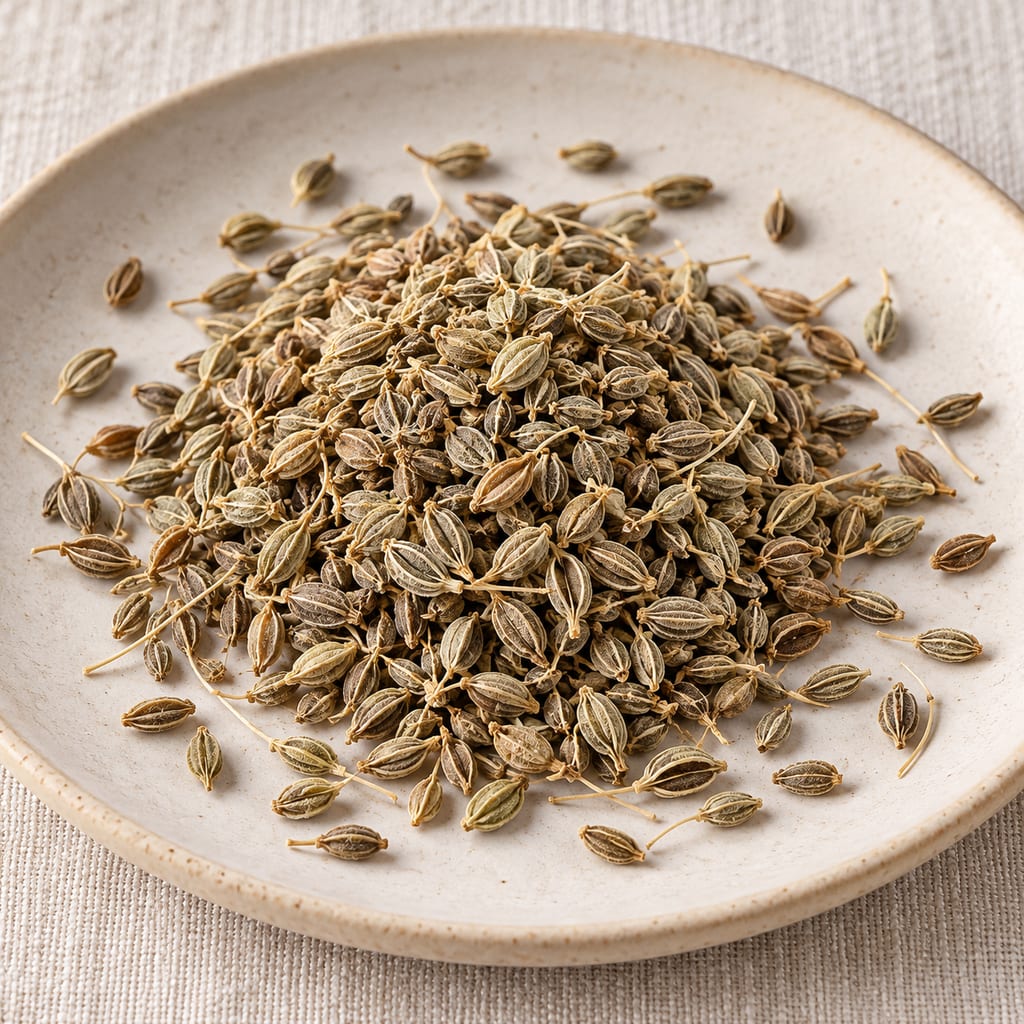
Aniseed is the dried ripe fruit of Pimpinella anisum, an aromatic Apiaceae spice commonly called a seed. It adds a sweet, warm aroma to breads such as Moroccan krachel and South African mosbolletjies, and is distinct from star anise.
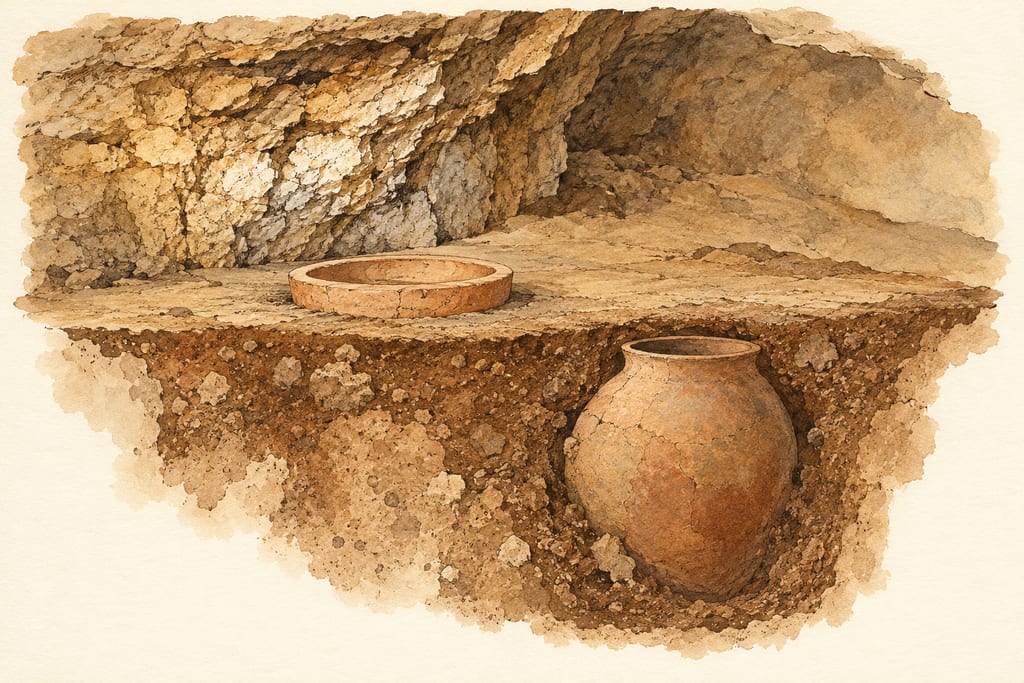
A fixed Late Chalcolithic installation in Areni-1 cave combined a shallow clay pressing basin with a large jar set into the cave floor and storage vessels nearby.

Ripe avocado flesh is the soft, buttery, fat-rich pulp of Persea americana, eaten raw. It is low in acid, so it is a fresh ingredient that needs care in chilled dishes.
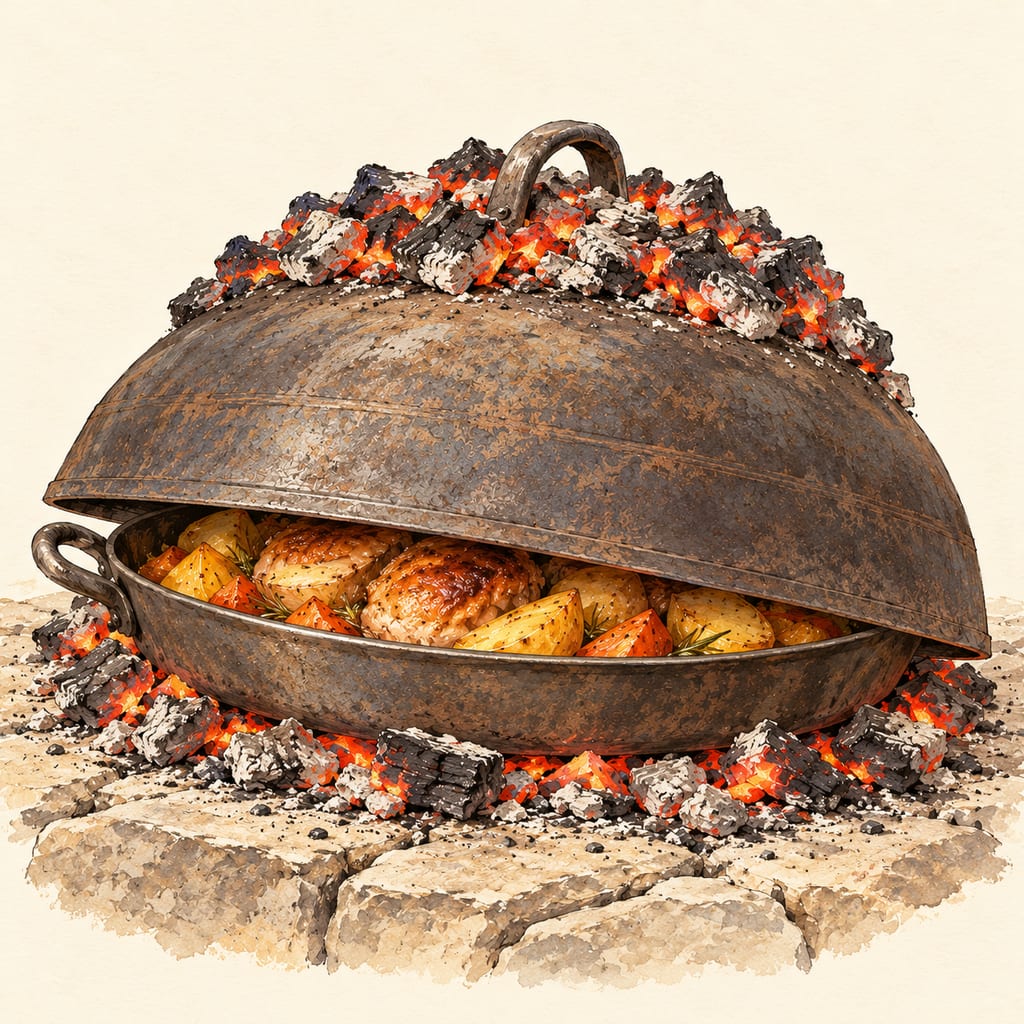
A portable dome and pan used over a hearth, with embers on the lid and heat from below. Regional peka and saç forms share this principle while differing in materials, pan shape and how the food is cooked.
No community contributions have been published for this entry yet.
Sign in to contribute. Published comments and photos are free to read.
Royal Botanic Gardens, KewEditorial
Oryza sativa L.Accepted Asian rice identity, distribution, wild-rice distinction
Cited in: A grain name that hides several different things
Wang et al. / Nature GeneticsEditorial
The genome sequence of African riceIndependent African rice domestication from O. barthii
Cited in: A grain name that hides several different things
Zuo et al. / PNASEditorial
Dating rice remains through phytolith carbon-14 studyShangshan and Hehuashan phytolith dates and qualified domestication interpretation
Cited in: A grain name that hides several different things
Research authors / PubMedEditorial
New evidence for rice harvesting in the early Neolithic Lower Yangtze RiverStone-tool wear and phytolith residues at Shangshan and Hehuashan
Cited in: A grain name that hides several different things
Annals of Botany / authorsEditorial
The Complex History of the Domestication of RiceCompeting Asian rice domestication models
Cited in: A grain name that hides several different things
Research authors / PubMed CentralEditorial
Origins and geographic diversification of African riceAfrican-rice genomic-history uncertainty
Cited in: A grain name that hides several different things
FAO and WorldFish CenterEditorial
Culture of Fish in Rice FieldsRice ecosystem diversity including upland and lowland
Cited in: From field ecology to grain on the shelf
Codex AlimentariusEditorial
Codex Standard for Rice, CXS 198-1995Paddy, husked, milled, parboiled and glutinous rice definitions
Cited in: From field ecology to grain on the shelf
FAOEditorial
Rice in Human Nutrition: Post-harvest ProcessingMilling, bran, parboiling, rancidity and qualified storage ranking
Cited in: From field ecology to grain on the shelf; Buying, storing and handling
Research authors / PubMed CentralEditorial
Molecular Structure and Physicochemical Properties of Soft Rice StarchAmylose and amylopectin and starch behavior
Cited in: From field ecology to grain on the shelf
BC Centre for Disease ControlEditorial · Preparation · Fermentation
Fermented Food Guidance 3.4: Dosa and IdliRice and black gram preparation; finer rice grind for dosa than idli
rice and urad batter ratios, soaking, and differing grind texture for dosa/idli
Cited in: What rice does in fermentation
Mandhania et al. / Applied and Environmental MicrobiologyEditorial
Diversity and Succession of Microbiota during Idli FermentationIdli mixed-batter bacterial succession and acidification
Cited in: What rice does in fermentation
Japan Sake and Shochu Makers AssociationEditorial
Professional Sake Brewing Processes and FlavorPolishing, steaming, koji and sake process stages
Cited in: What rice does in fermentation
National Research Institute of Brewing, JapanEditorial
Brewing TermsKōji and sake fermentation terminology
Cited in: What rice does in fermentation
Wong et al. / Current Research in Food ScienceEditorial
Characterisation of Makgeolli Prepared by Different Processing MethodsNuruk, rice form and process-route variation
Cited in: What rice does in fermentation
Kurahashi et al. / Journal of FungiEditorial · Fermentation function
Ingredients, Functionality, and Safety of AmazakeRice-koji enzymatic saccharification and amazake distinctions
rice-koji enzyme saccharification and distinctions in amazake production
Cited in: What rice does in fermentation
Japan Ministry of Agriculture, Forestry and FisheriesEditorial · Regional use · History
Traditional Foods in Japan: BeveragesJapanese rice beverage traditions
rice-based amazake and Japanese beverage context
Cited in: What rice does in fermentation
Japan Ministry of Agriculture, Forestry and FisheriesEditorial
Traditional Foods in Japan: Soy Sauce and MisoRice-koji use in certain miso styles
Cited in: What rice does in fermentation
Applied Microbiology research authorsEditorial
Tapé FermentationSteamed glutinous rice and ragi in a documented tapé process
Cited in: What rice does in fermentation
Yan et al. / PLOS ONEEditorial
The changes of microbial diversity and flavor compounds during the fermentation of millet HuangjiuMillet Huangjiu experiment and rice-type comparison
Cited in: What rice does in fermentation
Chen and Xu / Journal of the Institute of BrewingEditorial
Effect of wheat Qu on the fermentation processes and volatile flavour-active compounds of Chinese rice wineGlutinous-rice Huangjiu experiment using wheat Qu
Cited in: What rice does in fermentation
U.S. FDAEditorial
What You Can Do to Limit Exposure to ArsenicRice arsenic exposure, excess-water cooking trade-off and exact percentages
Cited in: Buying, storing and handling
UK National Health ServiceEditorial
Starchy Foods and Carbohydrates: Rice and GrainsCooked rice handling and cooling advice
Cited in: Buying, storing and handling
U.S. National Institute of Diabetes and Digestive and Kidney DiseasesEditorial
Eating, Diet, & Nutrition for Celiac DiseasePlain rice is naturally gluten-free; food additives and cross-contact require attention
Cited in: Buying, storing and handling
Houngbédji et al. / International Journal of Food Science and TechnologyEditorial
Role of dough viscoelastic properties and rice variety in the thermal expansion and the quality of unconventional rice-based bread: case of steamed-cooked ‘Ablo’Ablo is a rice-based steamed bread consumed in southern Benin; precooking and rice-starch properties affect dough fluidity and product structure.
Cited in: Rice in breads across forms
Houngbédji et al. / Journal of Cereal ScienceEditorial
The quality of steam-cooked rice bread is directly linked with the level of starch gelatinization and the fluidity of fermented doughAblo is a fermented steamed bread-like product popular in Benin, Togo and Ghana; rice, maize and rice-maize versions are documented; starch gelatinization, rice variety and process choices affect dough and bread properties.
Cited in: Rice in breads across forms
Kerala TourismEditorial · Regional use
PathiriPathiri is a rice-flour pancake associated with Mappilas of Malabar, served with meat and fish curries.
Cited in: Rice in breads across forms
Dassana Amit / Veg Recipes of IndiaEditorial · Regional use
Akki Roti Recipe (Spiced Rice Flour Roti)A Karnataka flatbread made from rice flour; the documented savory version can include vegetables and is cooked on a griddle.
Cited in: Rice in breads across forms
National Commission for Culture and the Arts, Philippine Cultural Education OnlineEditorial · Regional use
BibingkáBibingka is a Filipino kakanin made from ground rice and cooked with coconut milk and sugar; accompaniments and celebratory use are documented.
Cited in: Rice in breads across forms
National Agriculture and Food Research Organization (NARO)Editorial
Production of gluten-free 100% rice flour breadA Japanese research institute describes yeast-raised bread made with rice flour as its only flour, distinguishing it from formulations that use wheat gluten or added thickeners.
Cited in: Rice in breads across forms
Bake from ScratchEditorial · Regional use
TijgerbroodThe documented Dutch-style yeast loaf uses rice-flour paste as a cracking crust over wheat bread, not as its crumb flour.
Cited in: Rice in breads across forms