Yeast and the world's fermented drinks
People kept, traded and steered living ferments for thousands of years before anyone saw a yeast cell. This is that history, region by region, and a guide to what a yeast strain is today.
 FermenteaWhere food goes to change
Traditional method
Boza
A thick, pale Turkish winter drink of bulgur and rice cooked to a soft cereal base, sweetened with grape molasses and fermented for two days.
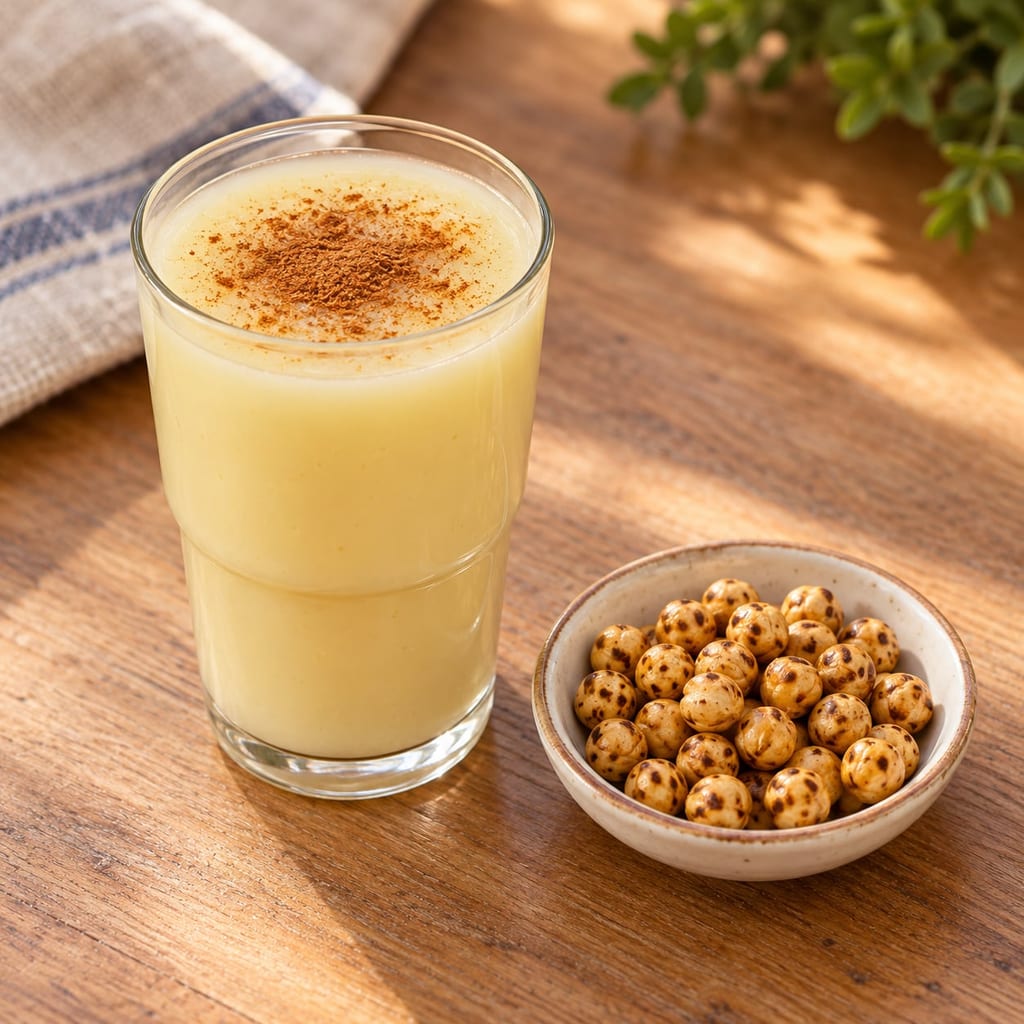
Boza is a thick, gently sour fermented cereal drink associated with Türkiye and a much wider region extending through the Balkans and parts of southeastern Europe.
Its defining qualities are a creamy, grain-based consistency, sweetness, mild acidity and the flavour of fermented cereals.
In Istanbul, it is especially associated with winter.
Boza is often served cold in a glass, sprinkled with ground cinnamon and accompanied by roasted chickpeas known as leblebi.
The preparation differs from beer in both its texture and consumption style. Much of the grain-derived body is retained instead of producing a clear, highly attenuated beverage.
The exact cereals vary by region.
This recipe uses bulgur and rice, with grape vinegar and either grape molasses or sugar.
It is based on a formula published in Türkiye's official cultural recipe collection.
The Turkish word boza refers to the beverage family, not to one specific grain.
The regional names demonstrate its geographical reach, although they do not prove that every version uses identical production methods.
Turkish — Boza
Bulgarian — боза
Serbian — боза (boza)
Greek — μπόζα
Albanian — Bozë
Romanian — Boza
Bulgur — Prepared cracked wheat, Triticum aestivum
Rice — Oryza sativa
Optional millet — Various millet species
Boza has a long history in the wider Turkic and Balkan world.
Cereal-based fermented beverages existed before the modern Istanbul formula, and the drink developed numerous regional forms.
The Ottoman period is particularly important to Istanbul's boza culture.
Boza could vary substantially in fermentation, sweetness and alcohol content.
Historical regulations and social attitudes were influenced partly by concerns about intoxicating versions of fermented drinks.
It is therefore misleading to assume that every historical boza was identical to the mild, sweet beverage now associated with Istanbul.
The Vefa neighbourhood became especially important in the nineteenth century.
Vefa Bozacısı traces its establishment to 1876, when Hacı Sadık Bey began the business that became one of Istanbul's best-known boza institutions.
The association with cool weather, cinnamon and roasted chickpeas remains strong.
Modern Istanbul boza is typically regarded as a seasonal refreshment rather than an ordinary table beer.
Official Istanbul cultural recipe · Final yield not specified
Cinnamon and roasted chickpeas are used for serving; the recipe does not specify exact quantities for those garnishes.
The sweetener alternatives should not be combined automatically. Use either the stated grape molasses quantity or the stated sugar quantity.
Bulgur — 300 g
Rice — 100 g
Water — 6 L
Grape vinegar — 2 tablespoons
White grape molasses, pekmez — 200 g
Alternatively, sugar — 250 g
Bulgur is wheat that has been processed, commonly by parboiling, drying and cracking.
Its starch provides body to the drink.
During prolonged cooking, the grain softens and releases material into the liquid.
The finished beverage's thick texture depends partly on this cooked cereal suspension.
Rice contributes additional starch and a relatively mild flavour.
It can help create a smoother, thicker base without introducing as much strong cereal aroma.
The ratio of rice to bulgur affects texture.
Water hydrates and cooks the grains, then becomes the liquid phase of the finished beverage.
The 6 L quantity is the starting amount.
The final yield is not specified because cooking and straining alter the volume.
Vinegar introduces acidity.
It changes the starting flavour and may influence the microbial environment.
However, adding vinegar does not guarantee safe fermentation, and it should not be described as a substitute for a defined starter culture or validated acidification process.
Grape molasses provides sweetness and grape-derived flavour.
Sugar provides sweetness without the same fruit character.
Both also supply fermentable carbohydrates.
The final residual sweetness depends on how much sugar is consumed during fermentation.
Wash the bulgur and rice thoroughly in cold water at least twice.
Transfer them to a large, deep pot.
Add the 6 L water.
Cover the pot with a clean cloth and leave the mixture overnight.
The recipe does not give an exact temperature or number of soaking hours.
This is a soaking stage, not a validated fermentation endpoint.
The following day, bring the mixture to a boil over moderate heat.
Boil for 4–5 minutes.
Remove foam from the surface with a skimmer.
Reduce the heat and cook for approximately one hour, stirring until the grains become very soft.
Stirring prevents the cereal from collecting on the bottom and scorching.
Pass the cooked mixture through a suitable strainer.
The aim is a thick but drinkable cereal liquid.
Strainer fineness determines how much grain material remains in suspension.
The official source does not specify a mesh size.
Incorporate 2 tablespoons grape vinegar.
Add either 200 g white grape molasses or 250 g sugar.
Mix until evenly distributed.
Leave the mixture for two days at room temperature.
The official recipe does not give a numerical fermentation temperature or a final pH.
The process is therefore documented as a traditional method, not as a microbiologically validated home-fermentation schedule.
After two days, place the boza in a refrigerator for five hours.
Cold storage slows further fermentation and helps produce the characteristic serving temperature.
It does not necessarily stop microbial activity completely.
Pour into glasses.
Sprinkle with cinnamon and serve with roasted chickpeas.
The final beverage should be thick, sweet-sour and recognizably cereal-based.
Boza production combines starch cooking and microbial fermentation.
During cooking, starch granules absorb water and gelatinize.
The mixture thickens as the grain structure breaks down.
Fermentation then alters the carbohydrate and acid balance.
Lactic acid bacteria can convert available sugars into lactic acid, contributing sourness and reducing pH.
Yeasts may consume sugars and produce carbon dioxide and ethanol.
The exact balance depends on the microorganisms present.
Traditional boza may be produced by spontaneous fermentation or with previous boza as a starter.
The Istanbul recipe presented here does not explicitly specify a starter culture.
Consequently, a particular organism or fermentation trajectory cannot be guaranteed.
Research on a particular Turkish boza sample found lactic acid bacteria and yeasts. That study does not establish the culture of every boza or of any single household batch.
Scientific studies of boza have identified both lactic acid bacteria and yeasts.
The bacterial component includes organisms that produce organic acids.
Yeasts contribute gas, flavour compounds and potentially alcohol.
Microbial activity changes the drink from a cooked, sweet cereal liquid into a fermented beverage.
Acidity can help inhibit some undesirable organisms, but the final pH must be measured if it is to be used as a process-control parameter.
The recipe gives no measured finished pH, titratable acidity or alcohol content.
Those numbers should not be inferred from other boza studies because recipes differ in cereal composition, fermentation time and inoculation method.
Vefa Bozacısı publishes a household-style recipe using:
3 glasses bulgur. 2 Turkish coffee cups rice. 3 glasses granulated sugar. 1 glass previously fermented boza or a small piece of yeast.
The cooked and sieved cereal mixture is inoculated after cooling.
Fermentation takes 2–3 days at 20–25°C.
The mixture is stirred occasionally.
Visible bubbling indicates activity.
This method differs materially from the official bulgur-and-rice recipe using vinegar.
The Vefa version introduces a defined inoculation choice through previous boza or yeast, while the cultural recipe relies on a different ingredient and process combination.
These are variants of one beverage, not different named drinks.
Vefa also gives commercial storage guidance for its own product at approximately 4°C. That guidance must not be transferred directly to an untested household batch.
A separate review of Turkish boza likewise describes a bulgur method that uses yeast. These published accounts are regional and household examples; they are not ingredients to combine into one method.
A Bilecik provincial culture page associates Pazaryeri boza with winter evenings, cinnamon, local helva and the opening of a selling season. It describes a named Turkish context rather than defining every drink called boza, and it does not turn the Istanbul formula into a Bilecik one.
A Bulgarian source describes a millet-flour version of boza, sometimes called millet ale. It is related regional evidence, not a variant to substitute into the Istanbul recipe: the grain, the way it is started and the serving customs differ.
The grain, sweetness, texture and fermentation method vary.
Some preparations may contain more residual fermentable sugar or different microbial communities.
These differences can influence shelf life and alcohol formation.
They should be documented as variants rather than assigned one universal formula.
A Turkish vocational module on beverage preparation describes kitchen-scale boza making with cooking and straining equipment and a covered vessel. That shows the tasks and ordinary tools the module reports. It does not validate equipment materials, cleaning performance or a controlled household process, and commercial production descriptions are a different scale that does not fill those gaps.
Boza is usually drunk rather than eaten with a spoon, although it can be substantially thicker than conventional drinks.
In Istanbul, cinnamon and leblebi are especially characteristic.
The roasted chickpeas provide a crunchy contrast to the soft, acidic drink.
Boza is also associated with winter outings and traditional beverage shops.
Modern bottled versions may be purchased chilled.
A freshly fermented household version should be treated differently from a commercially controlled, packaged product.
Good boza is opaque, smooth and thick.
The acidity should balance the sweetness.
A gently fermented aroma is expected.
The grain flavour should remain recognizable.
Some bubbles may form.
The final texture depends on cereal cooking and straining, so a very coarse preparation may feel gritty rather than creamy.
A thin beverage may indicate insufficient starch extraction or excessive dilution.
The precise desired viscosity is not numerically specified in the recipe.
Too thick: The cooked cereal suspension may contain too much starch or too little retained water.
Too thin: Inadequate cooking or heavy straining may have removed too much body.
Burnt flavour: The grains may have scorched during the one-hour cooking stage.
Weak fermentation: The microbial inoculum or fermentation conditions may be unsuitable.
Excessive sourness: Fermentation may have continued beyond the desired balance.
Unexpected alcoholic character: Yeast fermentation can produce ethanol, particularly when fermentable sugar remains available.
Visible mould or putrefaction: Discard the batch.
Boza should not automatically be labelled alcohol-free.
Its alcohol content varies with fermentation conditions and commercial production controls.
This recipe supplies no measured alcohol endpoint.
The official two-day room-temperature process also provides no validated final pH or pathogen-control limit.
Use clean equipment and potable water.
Do not seal actively fermenting boza in an airtight glass bottle without appropriate pressure controls.
Refrigerate promptly after the fermentation stage.
The historical and commercial status of boza does not make every spontaneous household fermentation safe.
The home accounts give no validated acidity or alcohol endpoint, package-pressure limit or finished-product shelf life. The Turkish vocational module also makes conflicting statements about alcohol and storage, so it cannot supply universal controls. Boza can keep producing gas and alcohol, and taste, bubbles or appearance do not show that fermentation is complete or that the drink is safe.
The Istanbul Provincial Directorate of Culture and Tourism publishes this recipe as a traditional Istanbul boza preparation. Boza also appears across the Balkans and nearby regions; this formula is not presented as universal.
Scaling: source batch only
A microbiology study found both lactic acid bacteria and yeasts in boza and measured alcohol formation during fermentation; those results came from a separate study batch, not this Istanbul recipe.
Hazard sourceUse clean brewing equipment and refrigerate after the source's two-day fermentation; neither the recipe nor the microbiology study validates a household endpoint or shelf life for this exact formula.
Control sourceBoza fermentation can produce alcohol; the cited measurement belongs to a different study formula and does not predict this batch's alcohol content.
The source gives no temperature or acidity endpoint. Two days of fermentation is not a validated safety test.
The recipe is published under the Istanbul provincial food entry; this denotes a documented preparation rather than a birthplace claim.
People kept, traded and steered living ferments for thousands of years before anyone saw a yeast cell. This is that history, region by region, and a guide to what a yeast strain is today.
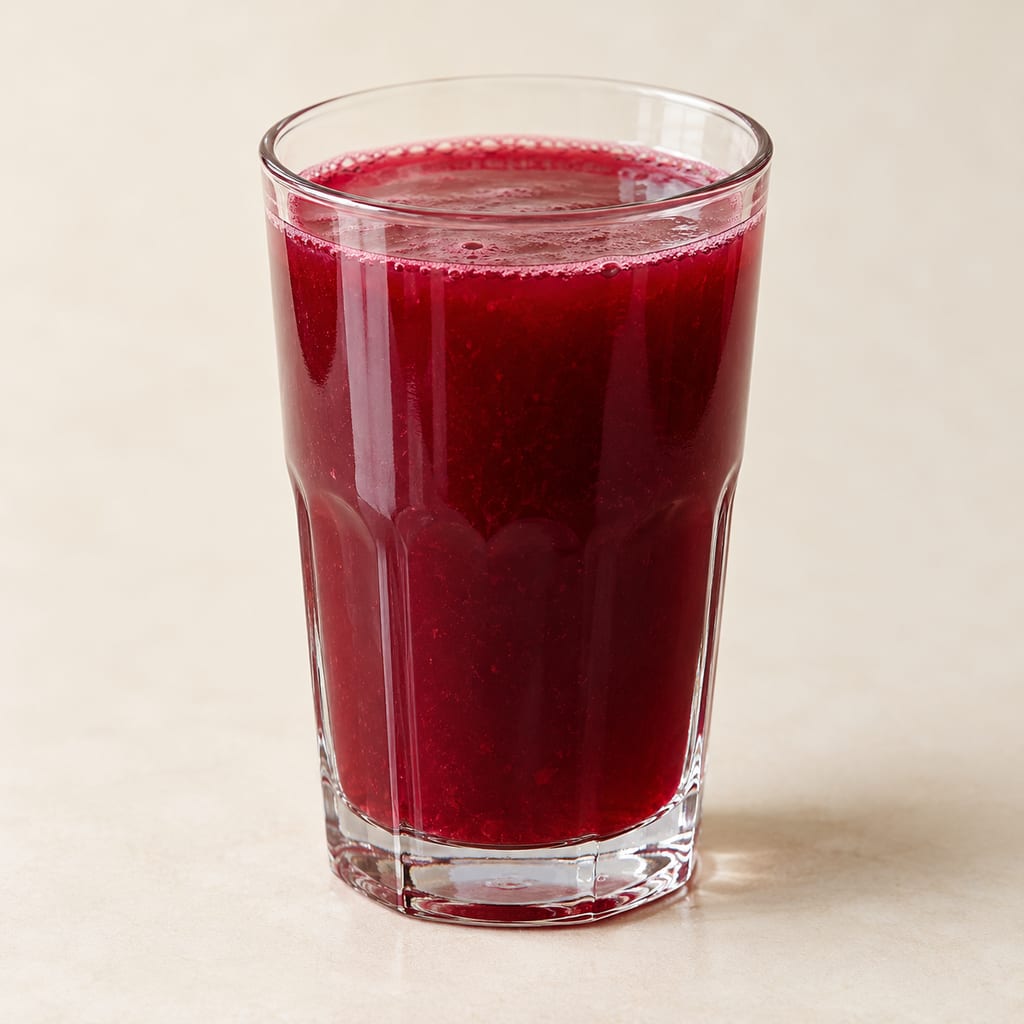
A sour, red Turkish drink of black carrot, rock salt and bulgur or sourdough, fermented in a traditional two-stage method or a direct one, and drunk with food in southern Turkey.

Ayran is Turkey’s cold, savoury yogurt drink: plain yogurt is loosened with water and lightly salted, then whisked smooth or aerated into a soft cap of foam.
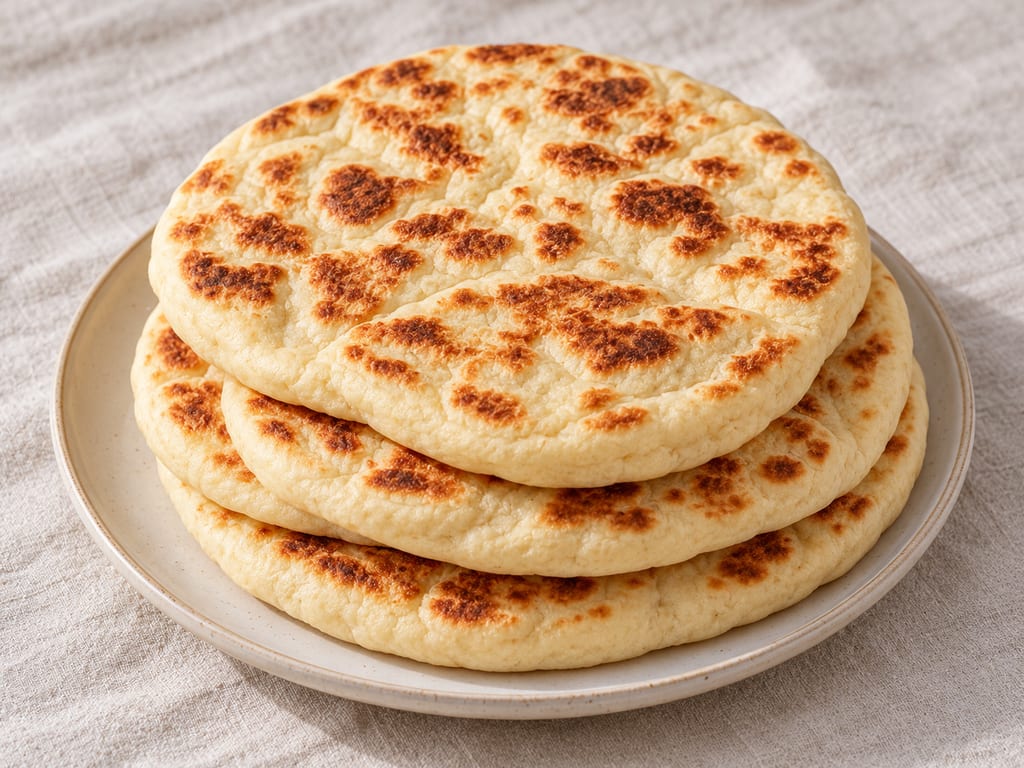
This Turkish bazlama uses yeast, plain yogurt and olive oil for a soft dough cooked in a skillet. Shape it into twelve small or six larger rounds, flip as bubbles appear, and wrap the breads to keep them soft.
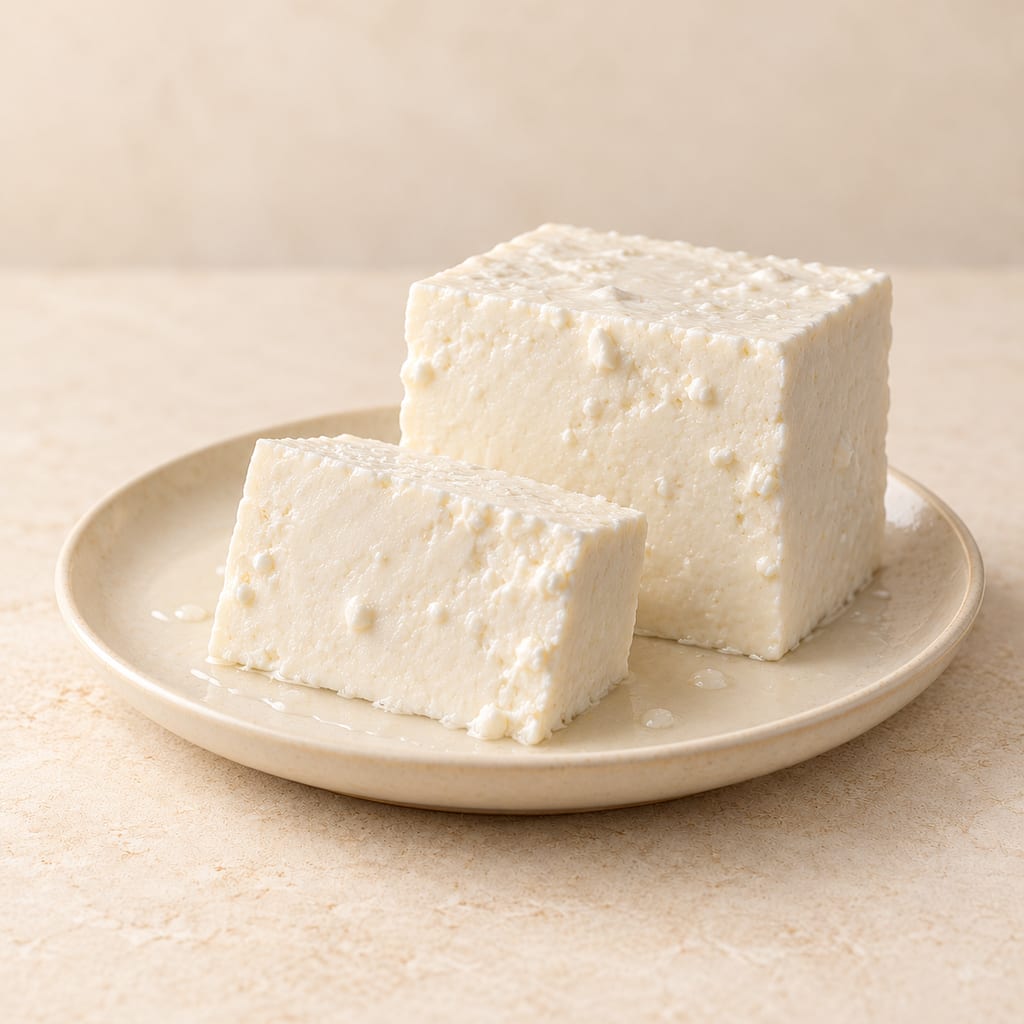
Beyaz peynir is a Turkish white cheese matured in brine. Sheep milk, alone or mixed with other milks, gives a close-textured cheese cut into blocks and packed in cans.
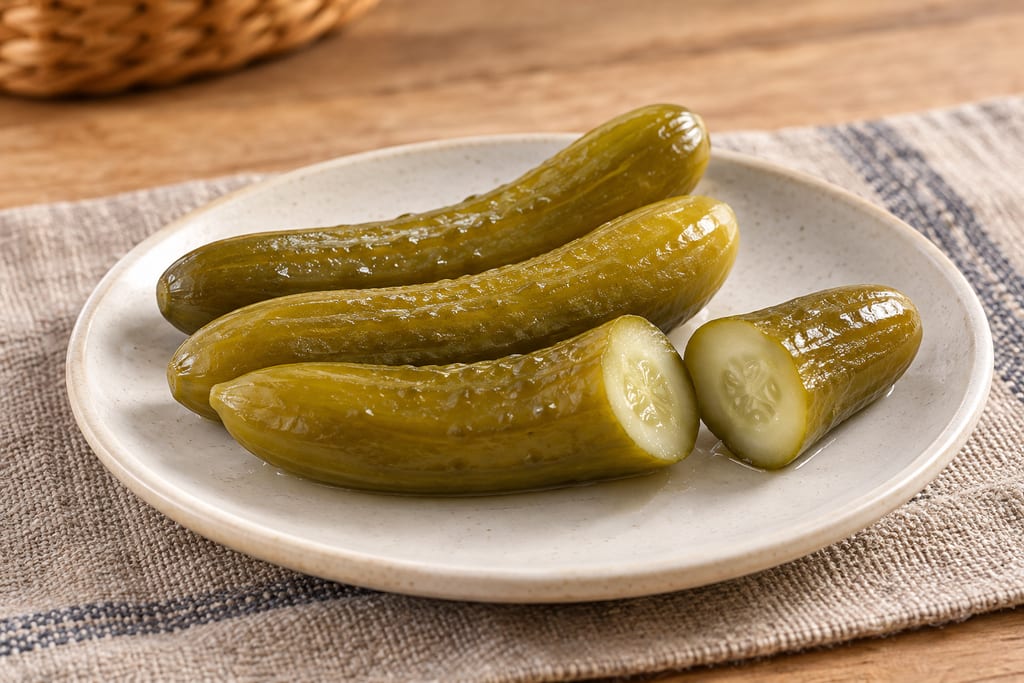
Çubuk turşusu is a registered pickle from Çubuk district in Ankara. Its cucumber variant is sold as Salatalık Turşusu, and a commercial specification sets its brine and room-temperature period.
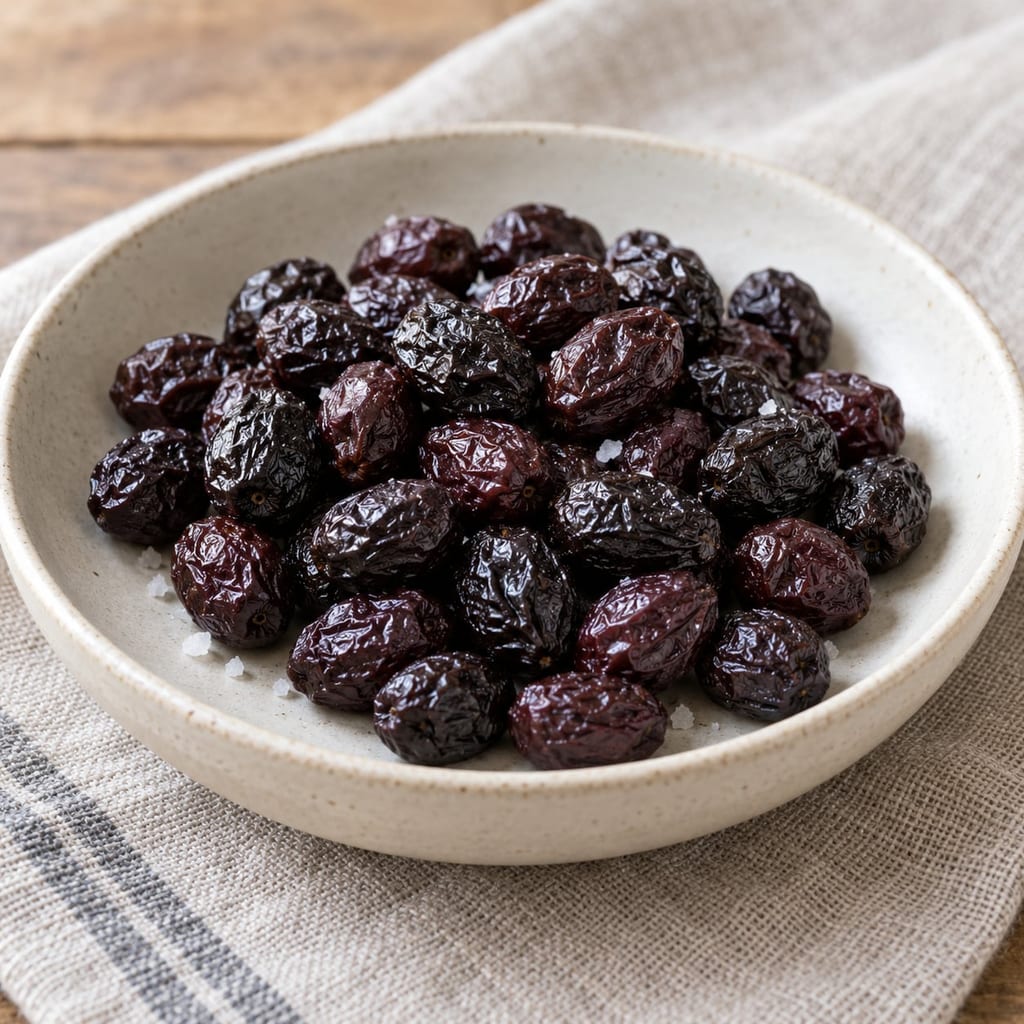
Fully ripe dark olives are mixed with salt and turned weekly as salt draws out moisture. Distinct from existing brine-fermented and lye-treated olives.
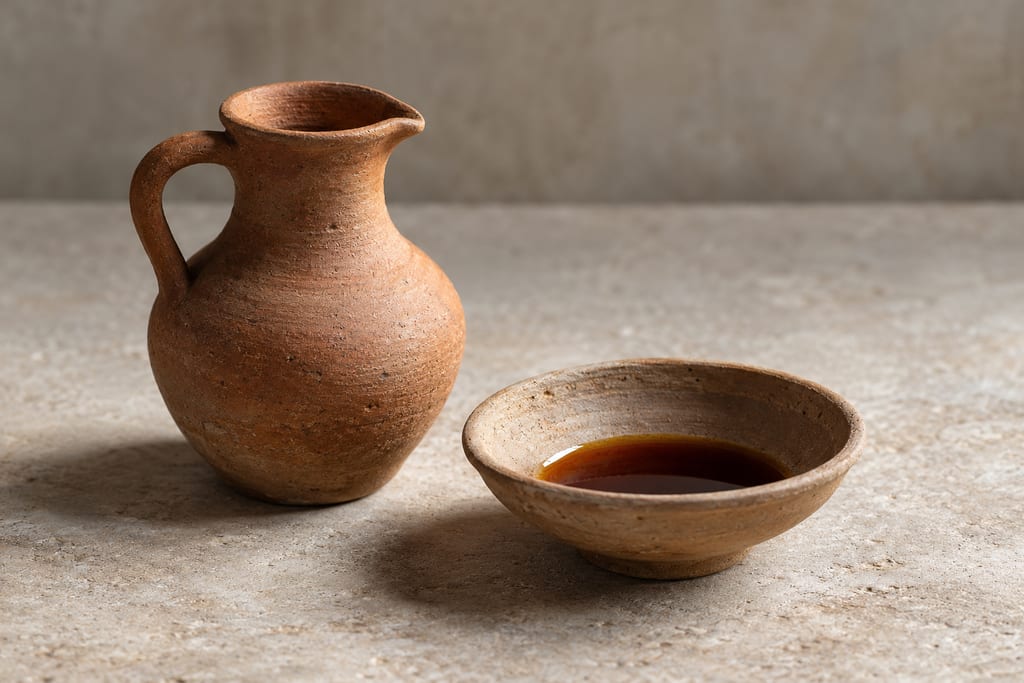
Garum, Greek garos and Latin liquamen, was the fish sauce of the ancient Mediterranean: fish and viscera salted and left in the sun, then drained off as a savoury liquid.
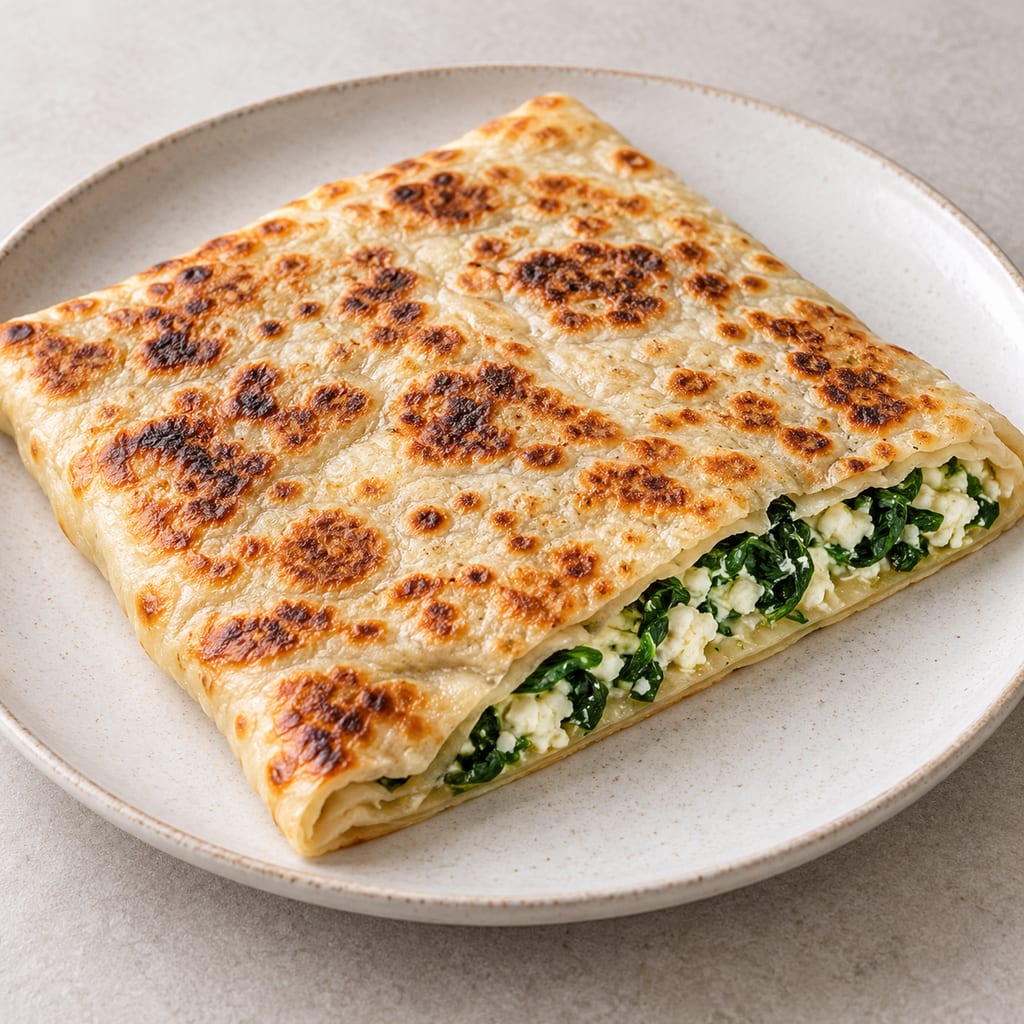
A yeast-and-yogurt dough is rolled into a large thin sheet, filled with spinach, onion and feta, folded closed, then cooked on an oiled griddle. This is Özlem Warren’s spinach-and-cheese family-style version.
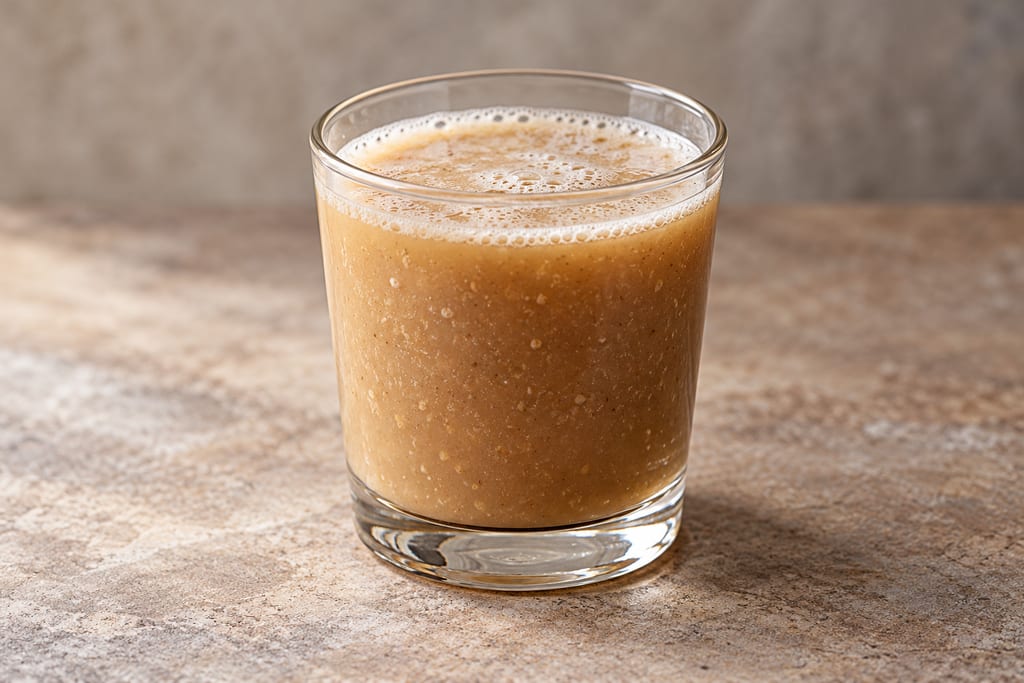
A thick, faintly fizzy Ethiopian cereal drink in which a wheat dough is fermented, roasted dark, then fermented a second time with barley malt into a drinkable slurry.

Hi-ire is the Japanese heat treatment of finished sake, about 65 °C, used to stop re-fermentation and souring. Brewers applied it from the Muromachi era.
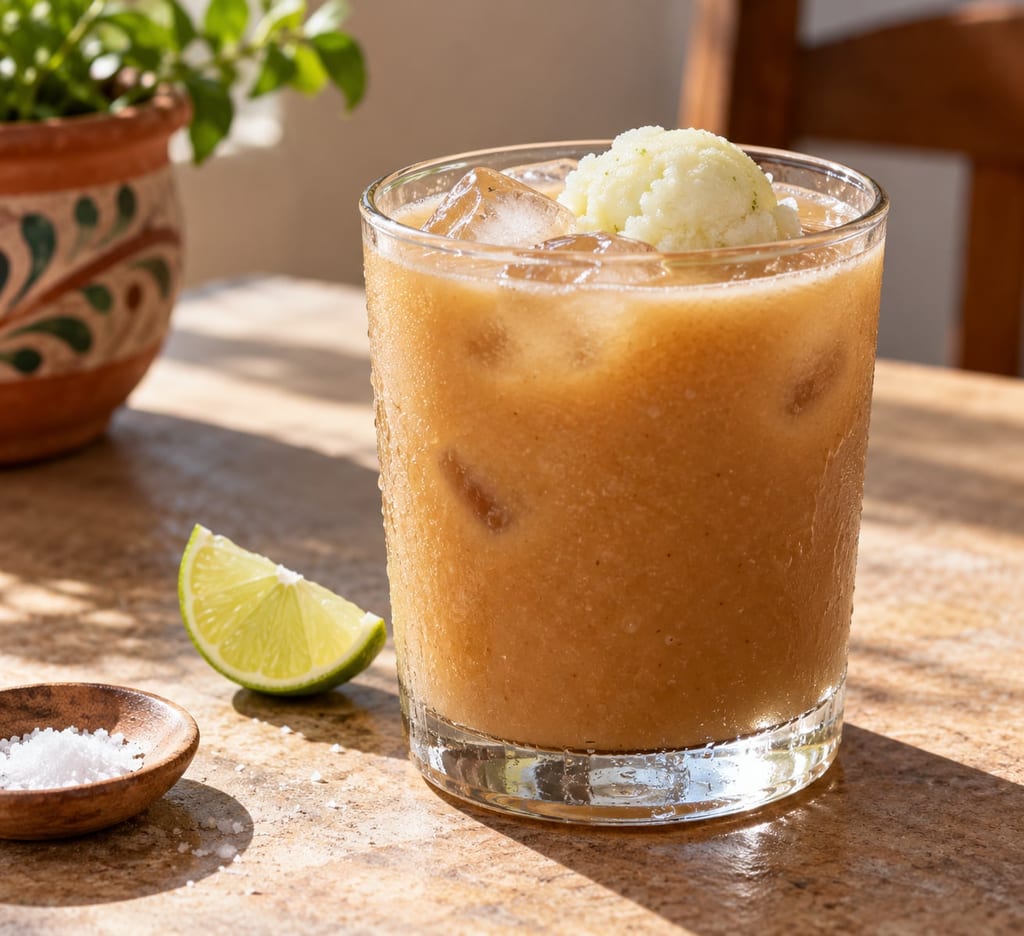
A tart, lightly fermented drink of Jalisco: nixtamalized maize masa cooked with piloncillo and limed, then diluted over ice and salted at serving.
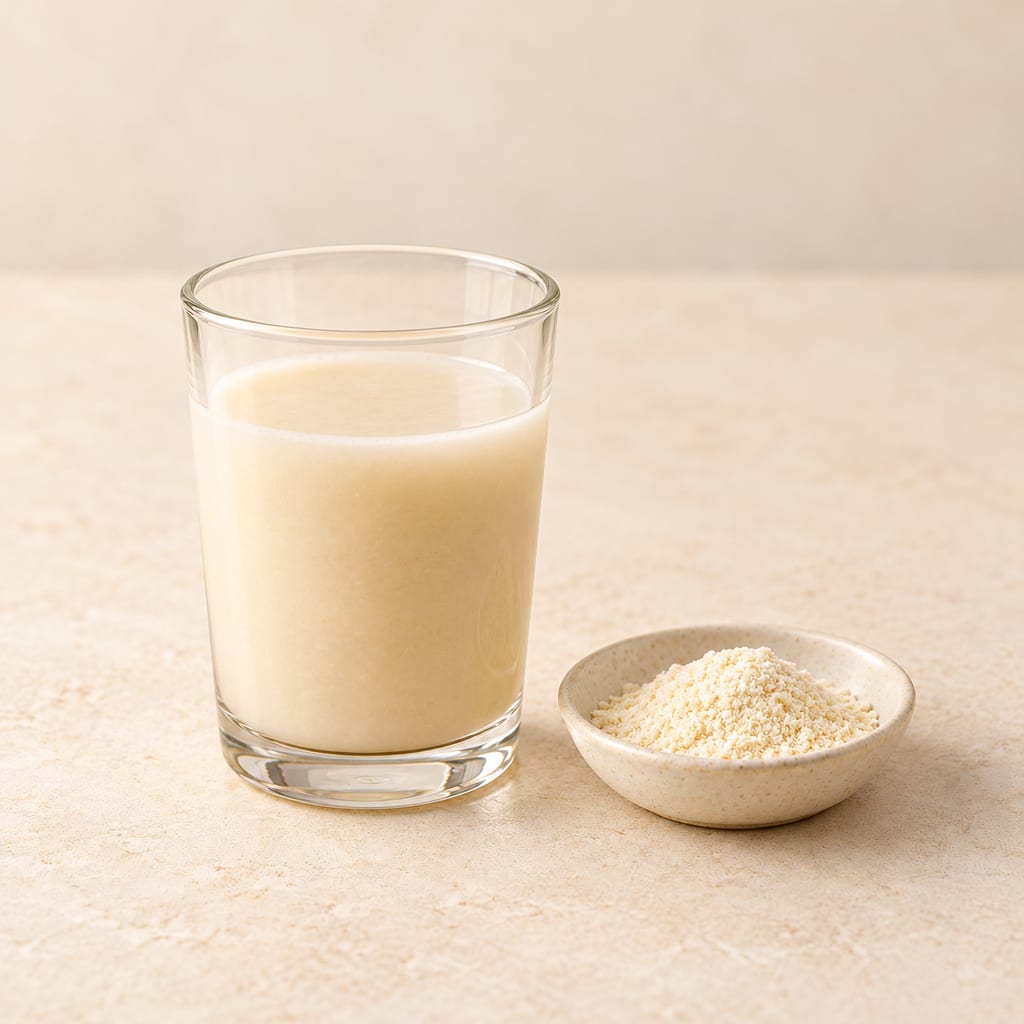
A Ugandan maize drink remade with a defined two-strain starter: roasted maize dough boiled to porridge, cooled and fermented under controlled conditions.
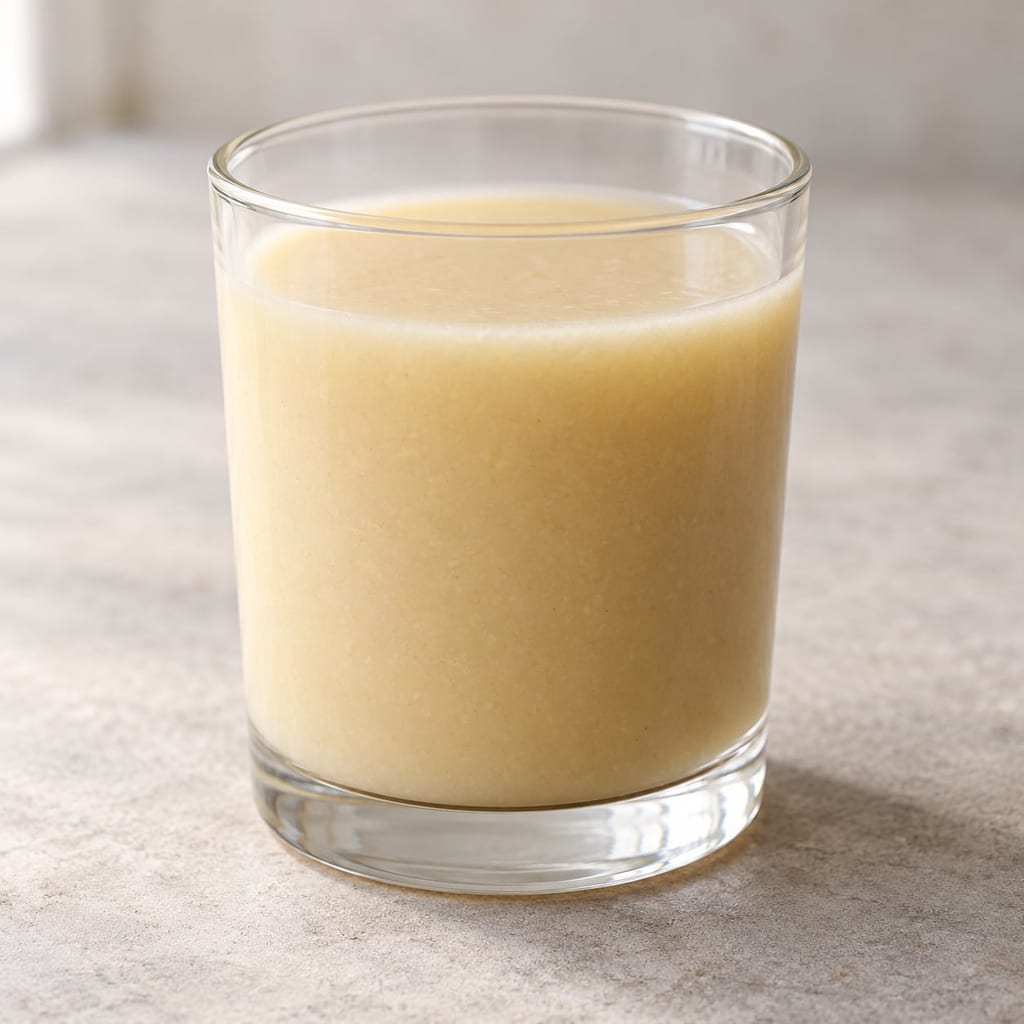
Kyrgyz Bozo is a mixed-fermented cereal drink made with ground grits, sprouted-wheat ugut and carried-over starter. This registry preparation leaves cereal selection, water and starter allocation unresolved.
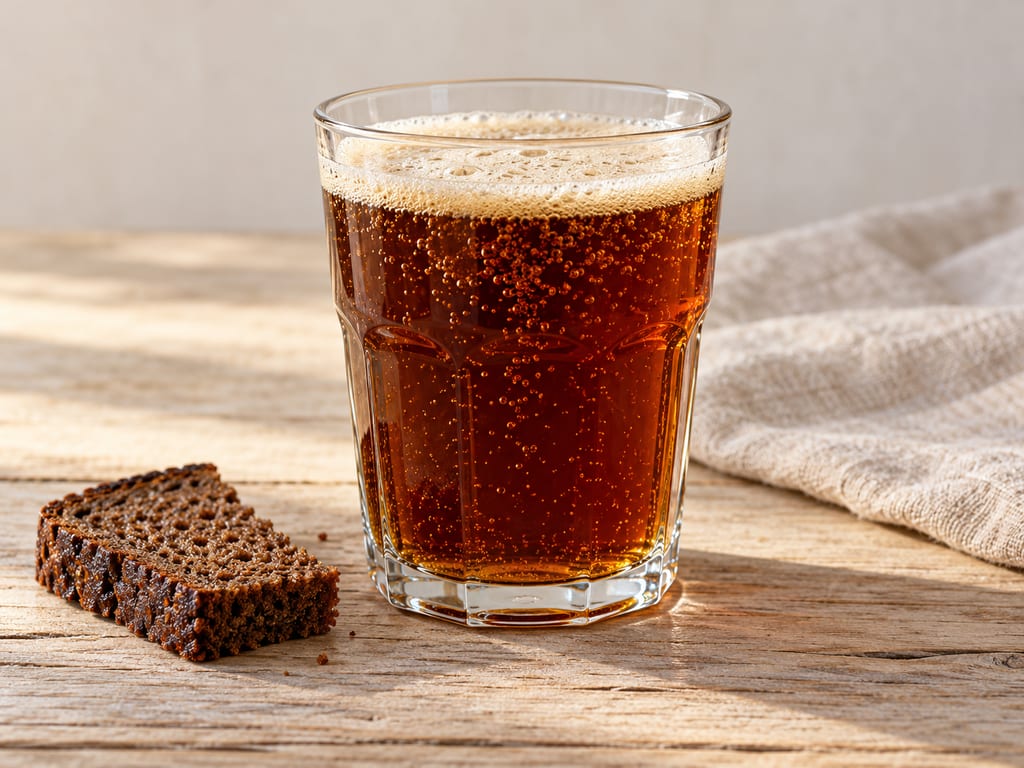
A documentary entry on Latvian rye-bread kvass, preserved from a modern Latvian rye collection. It records a food tradition, not a home-fermentation method.
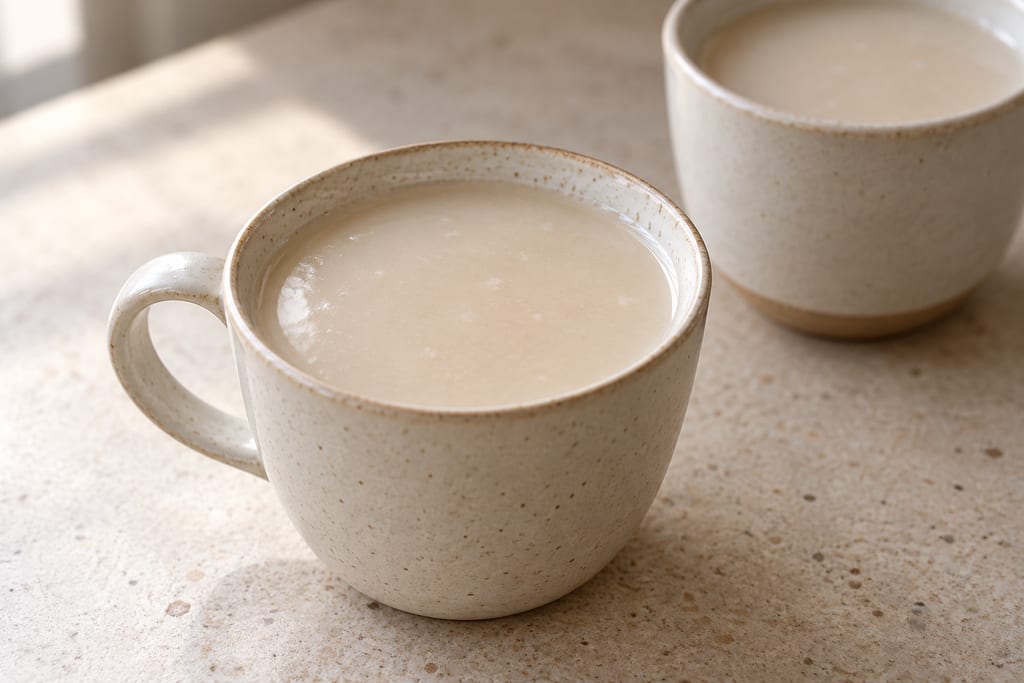
A documentary account of Zimbabwean mahewu and one producer's formula. Its quantities exceed the stated vessels, and research does not validate it as a safe home method.

A thick, sweet-sour Malawian drink of boiled maize flour into which sorghum flour is stirred before an overnight spontaneous fermentation.
No community contributions have been published for this entry yet.
Sign in to contribute. Published comments and photos are free to read.
Türkiye Kültür Portalı / Istanbul Provincial Directorate of Culture and TourismInspiration · Process · Location · History
Boza - İstanbulRecipe lists 300 g bulgur, 100 g rice, 6 L water, 2 tablespoons grape vinegar and either 200 g grape molasses or 250 g sugar
It calls for overnight soaking, cooking four to five minutes then one hour, followed by two days at room temperature and five hours refrigerated
Portal attributes this recipe to Asırlık Tariflerle Türk Mutfağı
Cited in: What is boza?; Names; History and Istanbul's boza culture; Ingredients; Bulgur; Rice; Water; Grape vinegar; Pekmez or sugar; Stage 1 — Wash the grains; Stage 2 — Soak overnight; Stage 3 — Initial boiling; Stage 4 — Prolonged cooking; Stage 5 — Strain; Stage 6 — Add acidity and sweetness; Stage 7 — Ferment; Stage 8 — Refrigerate; Stage 9 — Serve; How boza is eaten and served; Quality assessment; Common problems
International Journal of Food Microbiology / PubMedSafety · Process
Microflora of Boza, a traditional fermented Turkish beverageA separate boza study identified lactic acid bacteria and yeasts in mixed fermentation
The analyzed laboratory batch's alcohol rose to 0.79% over 24 hours; this result is not attributed to the Istanbul portal recipe
Cited in: What is boza?; Names; History and Istanbul's boza culture; Ingredients; Bulgur; Rice; Water; Grape vinegar; Pekmez or sugar; Stage 1 — Wash the grains; Stage 2 — Soak overnight; Stage 3 — Initial boiling; Stage 4 — Prolonged cooking; Stage 5 — Strain; Stage 6 — Add acidity and sweetness; Stage 7 — Ferment; Stage 8 — Refrigerate; Stage 9 — Serve; How boza fermentation works; Microbial ecology and acidity; Quality assessment; Common problems; Alcohol and food safety
Clemson Cooperative ExtensionSafety
Cleaning and Sanitation for the HomebrewerClean brewing equipment to limit contamination during home fermentation
Cited in: Alcohol and food safety
Turkish Ministry of Culture and TourismHistory · Method
Turkish Ministry of Culture and Tourism — Boza, another documented formulationBoza, another documented formulation
Cited in: What is boza?; Names; History and Istanbul's boza culture; Ingredients; Bulgur; Rice; Water; Grape vinegar; Pekmez or sugar; Stage 1 — Wash the grains; Stage 2 — Soak overnight; Stage 3 — Initial boiling; Stage 4 — Prolonged cooking; Stage 5 — Strain; Stage 6 — Add acidity and sweetness; Stage 7 — Ferment; Stage 8 — Refrigerate; Stage 9 — Serve
Vefa BozacısıMethod
Vefa Bozacısı — Production, ingredients and household methodProduction, ingredients and household method
Cited in: The Vefa method as a distinct variation
Vefa BozacısıMethod
Vefa Bozacısı — Turkish-language recipeTurkish-language recipe
Cited in: The Vefa method as a distinct variation
Türkiye Ministry of Culture and Tourism, Bilecik Provincial Culture and Tourism DirectorateHistory · Use
BozaPazaryeri boza in Bilecik is associated with winter evenings, cinnamon, local helva and the opening of a selling season
Cited in: Pazaryeri boza in Bilecik; Balkan variants; How boza is eaten and served
Gülşen Bayat and Gülçin Yıldız, Journal of Tourism and Gastronomy Studies 7(4)Method · Use
The Special Fermented Turkish Drink: BozaTurkish sources describe boza served cold, commonly with cinnamon and roasted chickpeas
A review describes a bulgur method using yeast, separate from the Istanbul vinegar-and-sweetener recipe
Cited in: The Vefa method as a distinct variation; Balkan variants; How boza is eaten and served
OMDA.bg; author not statedMethod · Use
Boza / Millet-AleA Bulgarian millet-flour version of boza
Cited in: Bulgarian millet-flour boza; Balkan variants
Türkiye Ministry of National Education, Family and Consumer ServicesMethod · Equipment · Safety
İçecek Hazırlama (Beverage Preparation), module 811ORK138Kitchen-scale boza preparation using cooking and straining equipment and a covered vessel
The module gives conflicting statements about alcohol and storage
Cited in: Household tools; Alcohol and food safety
TÜBİTAK Bilim ve TeknikMethod · Use
5. Elinizdeki Değerlerin Tadını ÇıkartınPopular-science account of boza as a Turkish fermented cereal drink