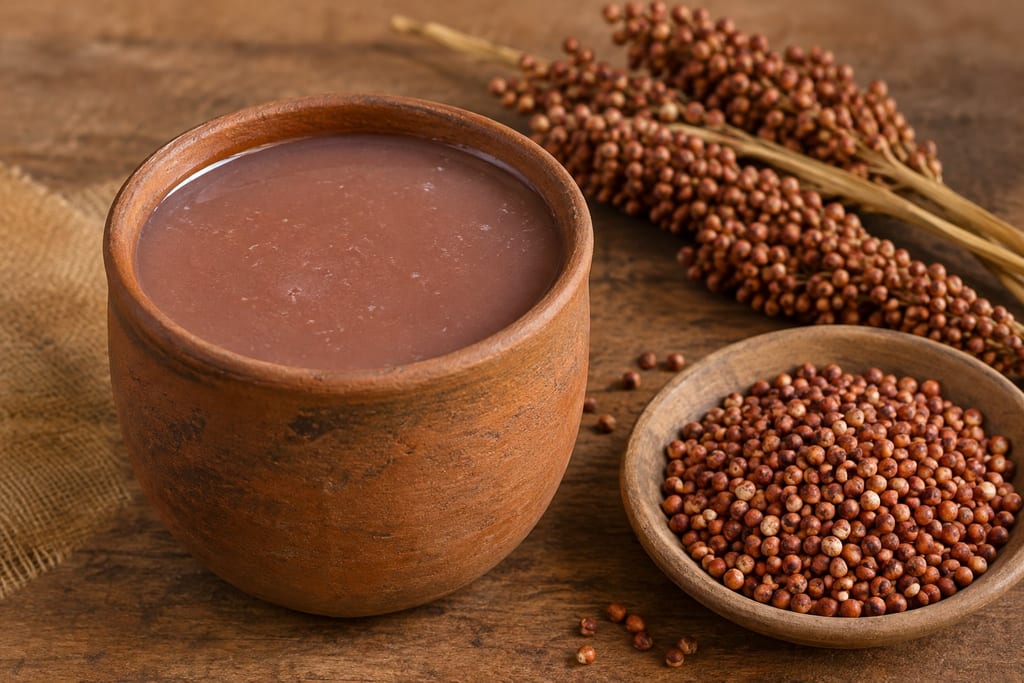
Zimbabwean chibuku from red sorghum malt
A cloudy Zimbabwean beer brewed from malted red sorghum, given a two-day lactic souring and then a longer alcoholic fermentation.
 FermenteaWhere food goes to change
Traditional method
Mahewu · Mahewu
A documentary account of Zimbabwean mahewu and one producer's formula. Its quantities exceed the stated vessels, and research does not validate it as a safe home method.
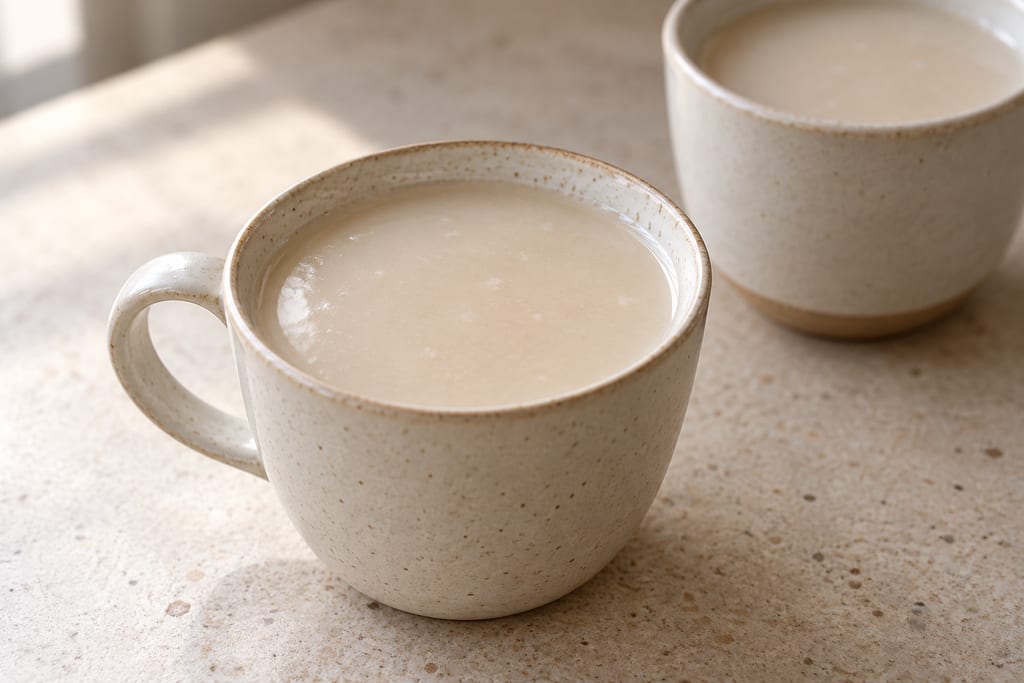
Mahewu is a fermented cereal beverage documented in Zimbabwe. Pswarayi and Gänzle describe household mahewu made from cooked maize porridge and millet or sorghum malt. Their 2019 study sampled five household products at three sites in Chekure village, Gutu, Masvingo Province. These sources do not establish a single origin or one uniform regional method.
Orsha Foods' published household account lists six 350 ml coffee mugs of straight-run Mugaiwa maize meal, five similar mugs of cold water, about 10 L boiling water, about 8 L cold water, and two mugs of a sprouted sorghum and finger-millet blend called Chimera. It records cooking the maize mixture, cooling it, adding malt, and leaving it covered outdoors on a folded sack for two or three days. This entry records the account; it is not a tested or recommended preparation method.
The source's capacity statements conflict with its quantities. The listed water totals about 19.75 L before the maize meal is added, but the source specifies a 12 L cooking pot and a 20 L bucket with about 5 cm headspace. No corrected batch size or split method is supplied. A larger vessel could resolve the arithmetic mismatch only; it would not supply the missing process validation.
In five household samples, researchers measured pH from 3.0 to 3.4 and found fecal coliforms below the assay's detection limit. They also detected lactic and acetic acids, glycerol, and ethanol. These findings describe those samples and are not safety limits, a guarantee for another batch, or evidence that the drink is alcohol-free.
The study identified millet malt as a major source of mahewu microbiota. The sampled malt carried Enterobacteriaceae, including Cronobacter sakazakii, and was added without a heat step. The authors describe safety concerns and the need to control fermentation microbiota. This identifies a hazard pathway; it does not prove that the separate Orsha batch is contaminated. The study's model fermentations and household observations do not validate Orsha's spontaneous method.
Orsha advises refrigeration and consumption over about five days, but the cited research does not validate that storage advice for this formula. Neither source establishes a product-specific fermentation endpoint, time-temperature control, safe batch-size correction, or storage period for the recipe described here. Because these essential controls are unresolved, the record is documentary and should not be followed as a home recipe.
Mahewu is documented as a Zimbabwean fermented cereal beverage. The cited study observed household preparation in Masvingo Province in 2016; the sources do not establish a first attestation or single origin.
Scaling: source batch only
The Zimbabwean study found millet malt was a major source of mahewu microbiota. It also found Enterobacteriaceae in malt, including Cronobacter sakazakii; controlled model fermentations are not a validation of the producer's household batch.
Hazard sourceThe producer provides no validated pH or time-temperature endpoint. The study's pH values and absence of fecal coliforms in five sampled products are specific observations, not limits for another batch. The producer's approximate five-day refrigerated consumption advice is not a validated shelf-life.
Hazard sourceThis documentary record is not a home preparation guide.
Pswarayi and Gänzle found Enterobacteriaceae, including Cronobacter sakazakii, in sampled millet malt and note that the malt enters mahewu without a heating step. This is evidence of a hazard pathway, not proof that Orsha's specific batch is unsafe.
Their five sampled mahewu products had pH values of 3.0–3.4 and fecal coliforms below the study assay's detection limit; those observations do not establish a target or guarantee another batch's safety.
Do not infer safety or alcohol-free status from sourness, a two-to-three-day duration, or a pH measured in another batch. The study detected ethanol among fermentation products.
The producer's approximately five-day refrigerated-use advice has not been validated as a safe storage period for this formula.
The source's liquid quantities exceed its named 12 L pot and 20 L bucket before headspace. Vessel arithmetic is only one limitation and does not validate the spontaneous fermentation.
The producer publishes a Zimbabwean home recipe and microbiota researchers observed household production in Zimbabwe; this does not claim a single origin.
Five samples came from households in Chekure village, Gutu, Masvingo Province; this is a research location, not the drink's sole place of preparation.
Named household sampling sites in the 2016 study; no coordinates are claimed.
A cloudy Zimbabwean beer brewed from malted red sorghum, given a two-day lactic souring and then a longer alcoholic fermentation.
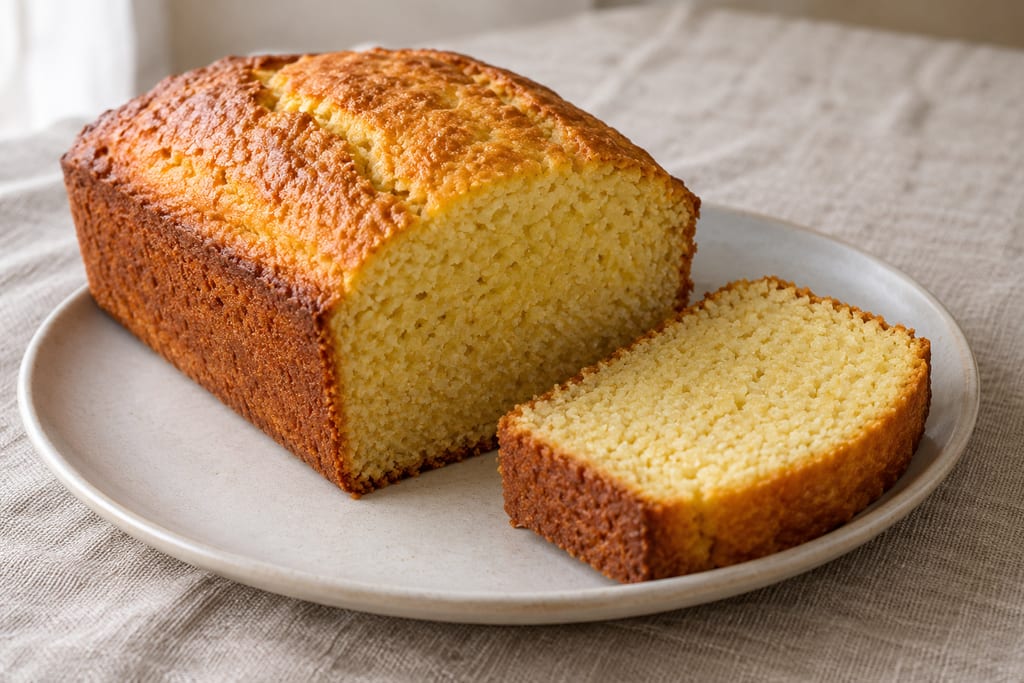
A Zimbabwean maize-meal bread, baked with buttermilk and served plain or with a spread.
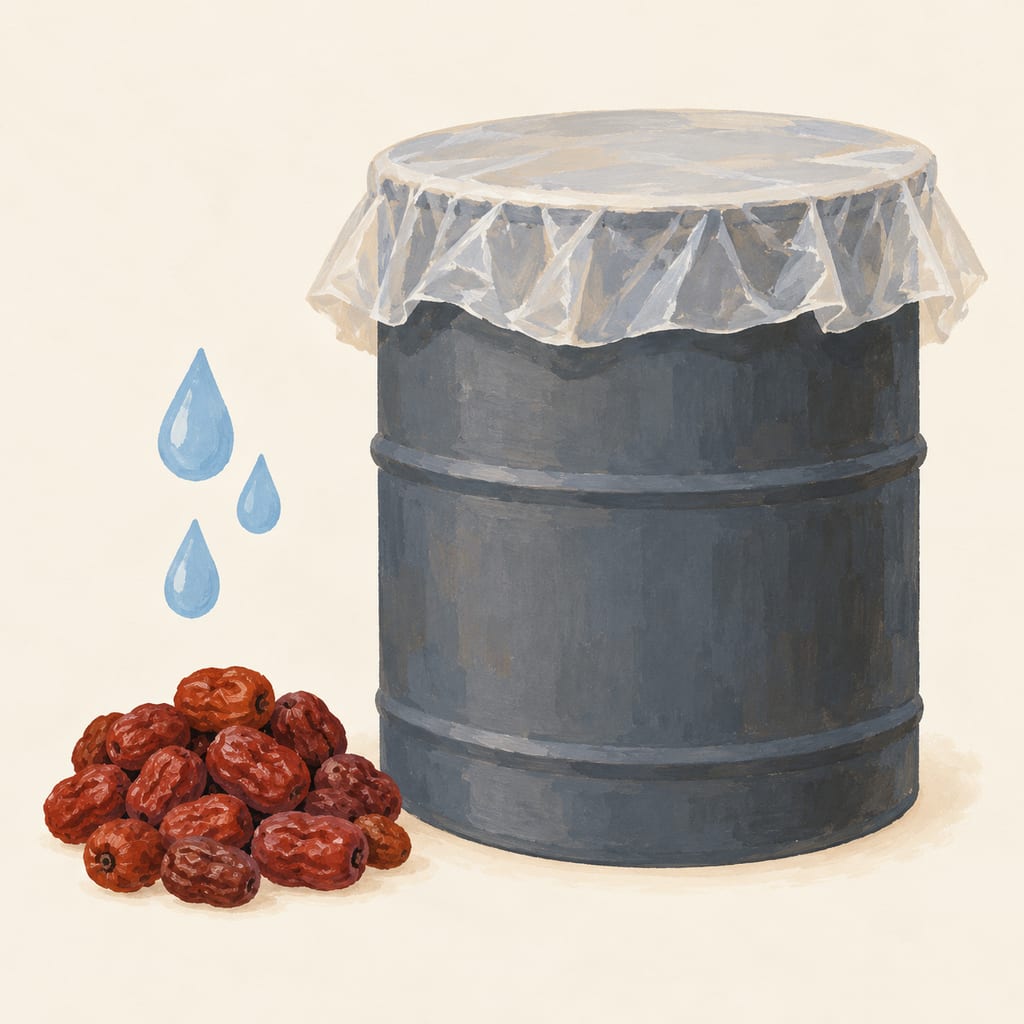
A Zimbabwean spontaneous ferment of dried masau fruit pulp used as a kachasu distillation base; the fermented pulp itself is not consumed.
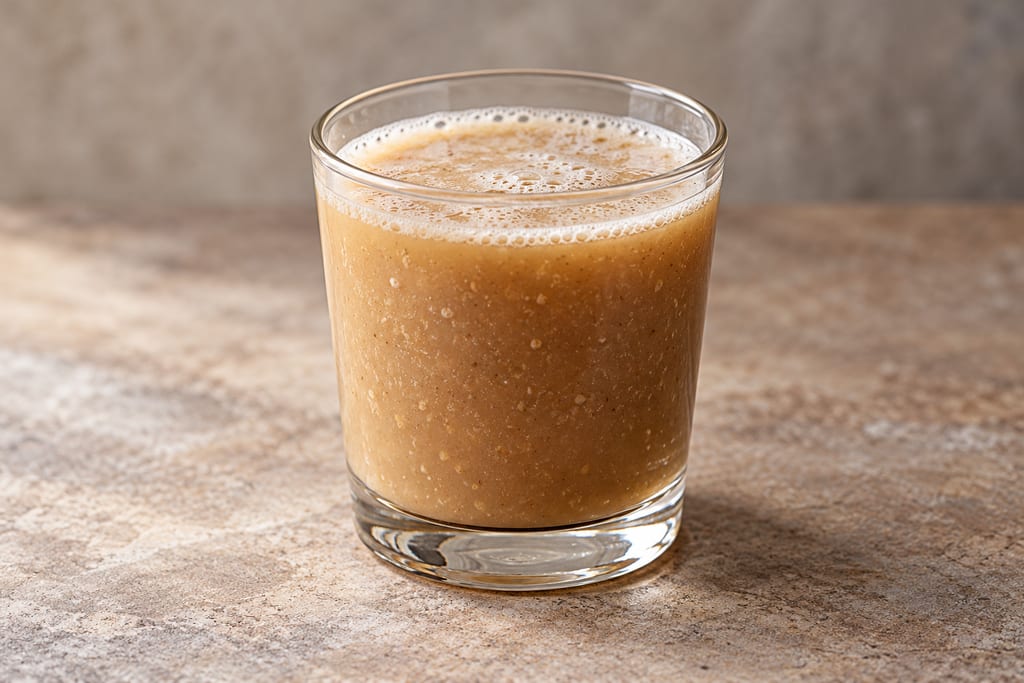
A thick, faintly fizzy Ethiopian cereal drink in which a wheat dough is fermented, roasted dark, then fermented a second time with barley malt into a drinkable slurry.

Hi-ire is the Japanese heat treatment of finished sake, about 65 °C, used to stop re-fermentation and souring. Brewers applied it from the Muromachi era.
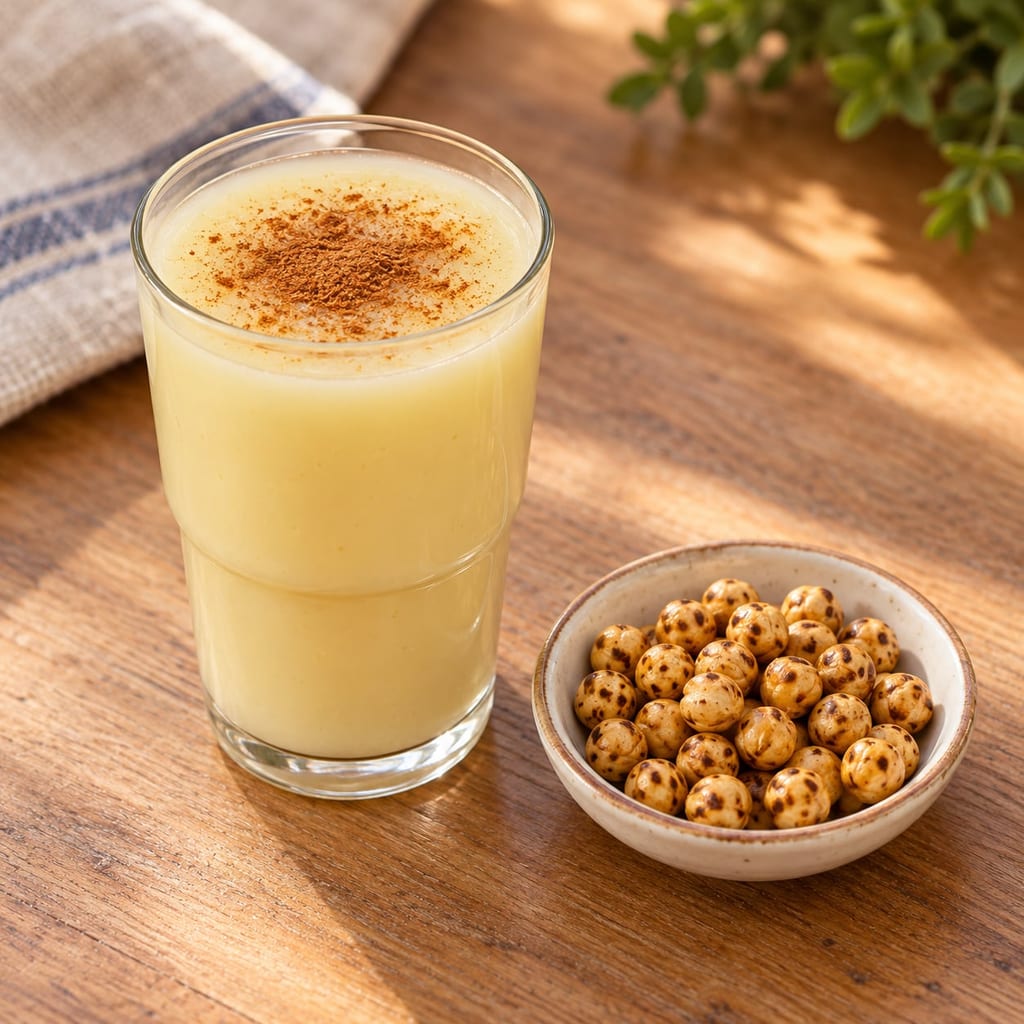
A thick, pale Turkish winter drink of bulgur and rice cooked to a soft cereal base, sweetened with grape molasses and fermented for two days.
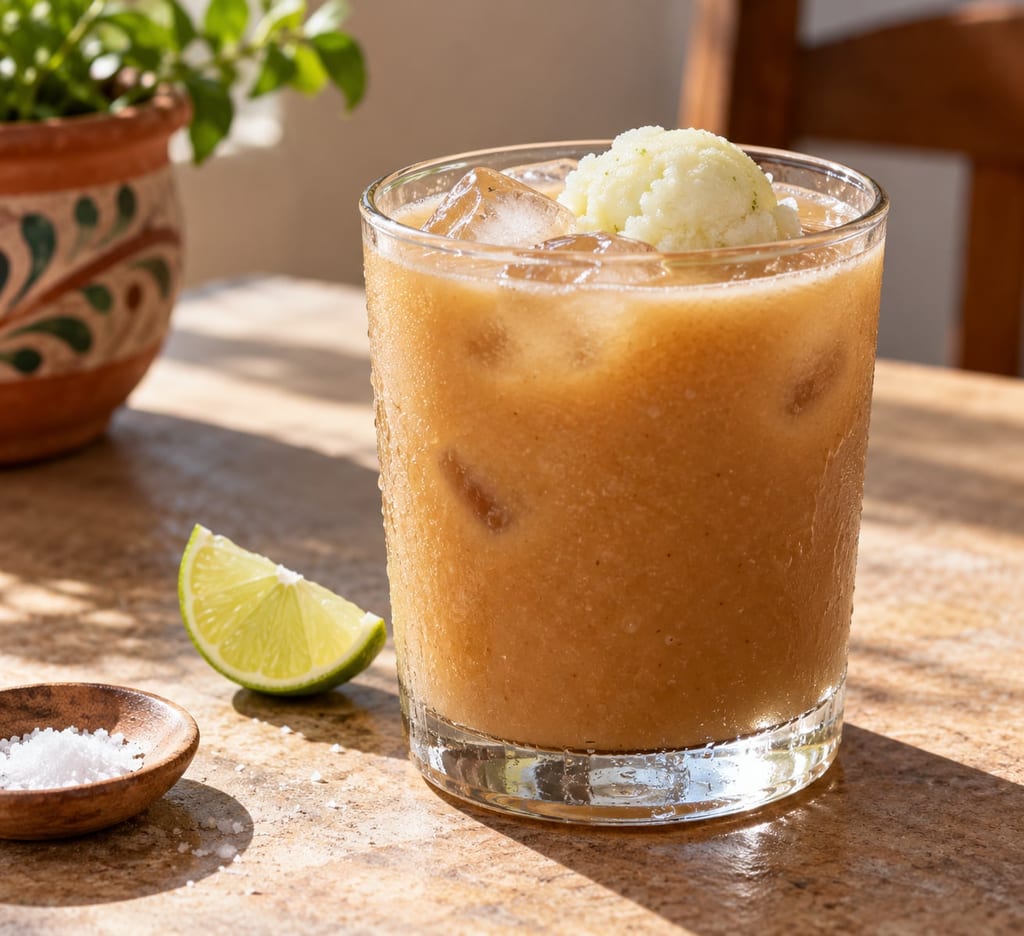
A tart, lightly fermented drink of Jalisco: nixtamalized maize masa cooked with piloncillo and limed, then diluted over ice and salted at serving.
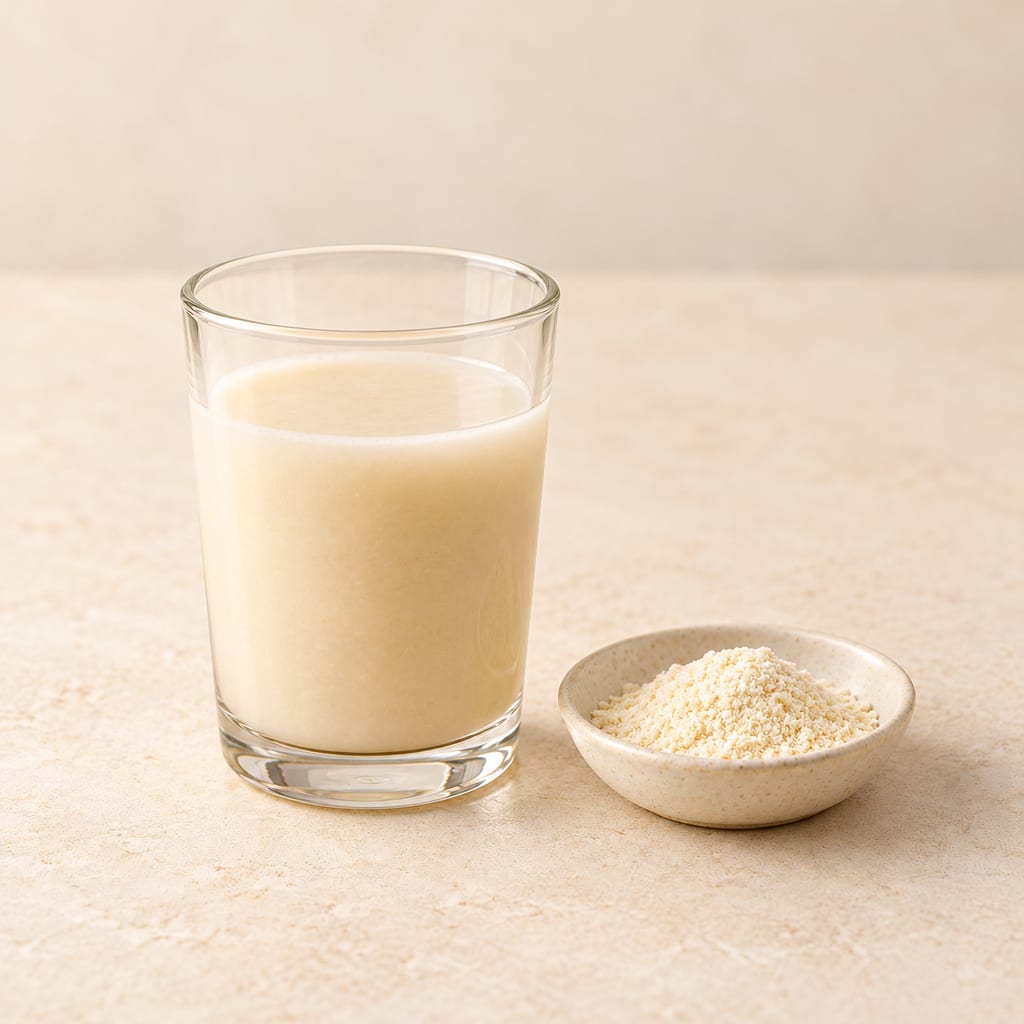
A Ugandan maize drink remade with a defined two-strain starter: roasted maize dough boiled to porridge, cooled and fermented under controlled conditions.
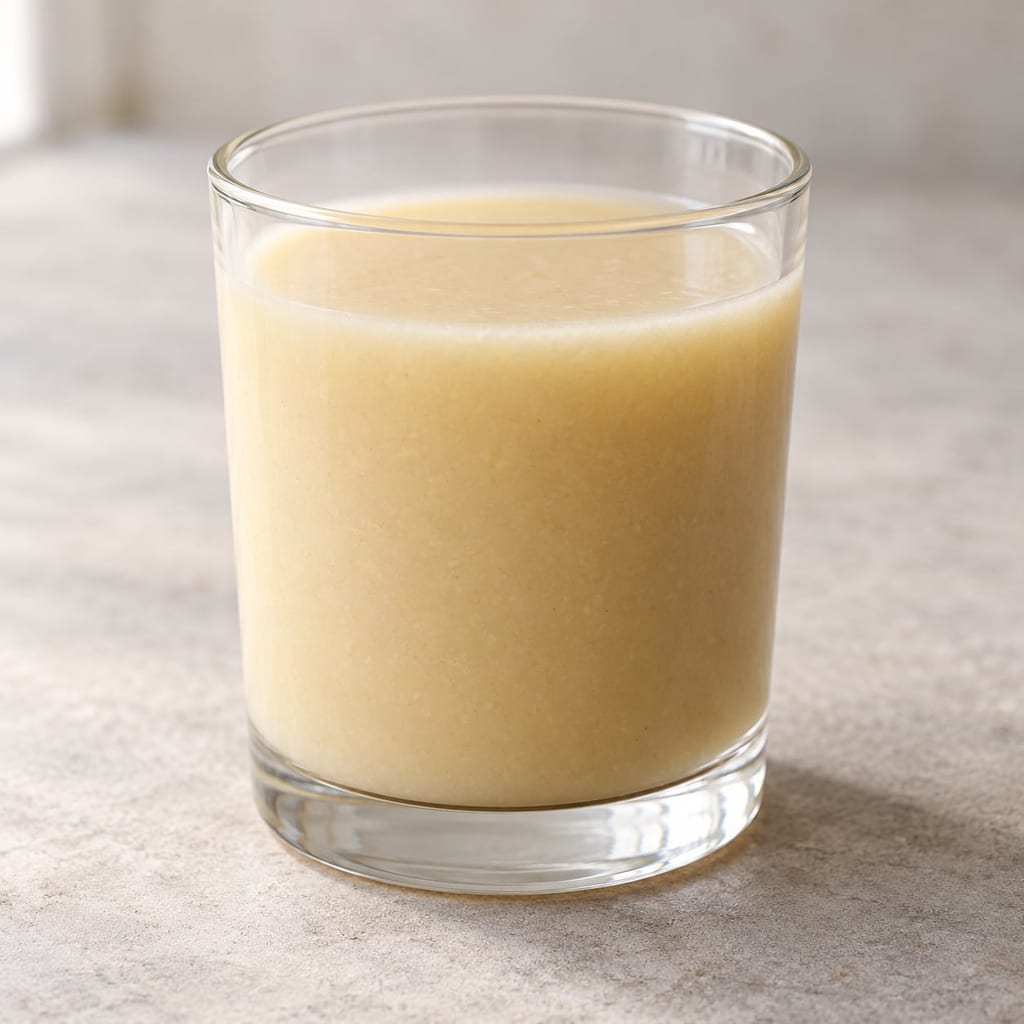
Kyrgyz Bozo is a mixed-fermented cereal drink made with ground grits, sprouted-wheat ugut and carried-over starter. This registry preparation leaves cereal selection, water and starter allocation unresolved.

A documentary entry on Latvian rye-bread kvass, preserved from a modern Latvian rye collection. It records a food tradition, not a home-fermentation method.
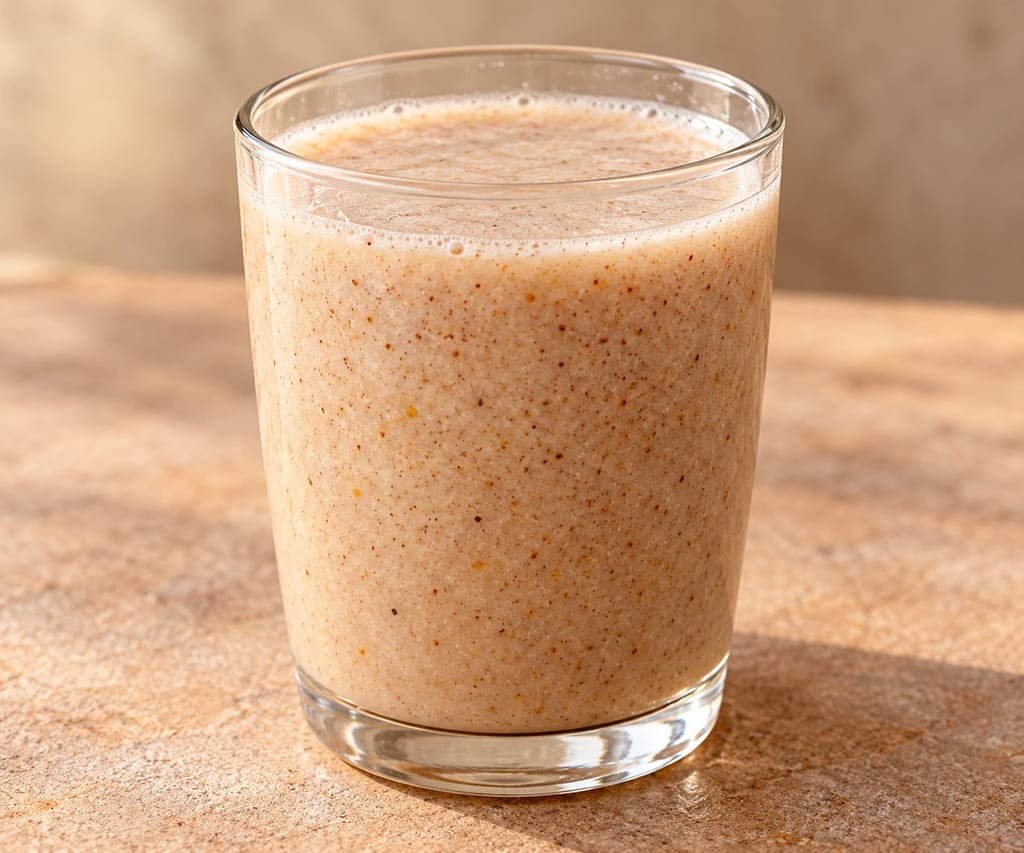
A thick, sweet-sour Malawian drink of boiled maize flour into which sorghum flour is stirred before an overnight spontaneous fermentation.
No community contributions have been published for this entry yet.
Sign in to contribute. Published comments and photos are free to read.
Orsha FoodsMethod · Quantities · Equipment · Geography
MahewuGives a Mugaiwa maize meal and sprouted sorghum/finger millet recipe, with 350 ml coffee-mug measures, 12 L Kango pot, 20 L bucket, cooking stages, cooling, malt addition, warm outdoor fermentation, and 2–3 day timing.
Advises refrigeration and consumption for about five days; this is producer advice, not a validated shelf-life.
The listed liquids total about 19.75 L before meal, which conflicts with the stated pot, bucket and headspace capacities.
Cited in: A producer's recorded formula; Limits of the source account
Applied and Environmental Microbiology / American Society for MicrobiologyMethod · Geography · Microbiology · Safety
Composition and Origin of the Fermentation Microbiota of Mahewu, a Zimbabwean Fermented Cereal BeverageDescribes Zimbabwean mahewu as cooked maize porridge fermented with millet or sorghum malt and reports household preparation without commercial ingredients.
Observed five household products from three sites in Chekure village, Gutu, Masvingo Province; households used clay pots or plastic buckets and well water.
Millet malt was a major source of mahewu microbiota; the study detected Enterobacteriaceae in malt and discussed safety concerns.
Five sampled mahewu products had pH values 3.0–3.4 and fecal coliforms below the study's detection limit; these are sample results, not safety limits.
Identified lactic and acetic acids, glycerol, and ethanol among fermentation products. Model fermentations and observed samples do not validate the separate producer formula.
Cited in: A Zimbabwean cereal drink; What the fermentation study found; Limits of the source account