
African fermented foods, drinks and preservation
From sour breads and milk to savoury seeds, cassava staples and living beers, African fermentation follows the crop, the community and the work of transformation.
 FermenteaWhere food goes to change
Traditional method
A Zimbabwean spontaneous ferment of dried masau fruit pulp used as a kachasu distillation base; the fermented pulp itself is not consumed.
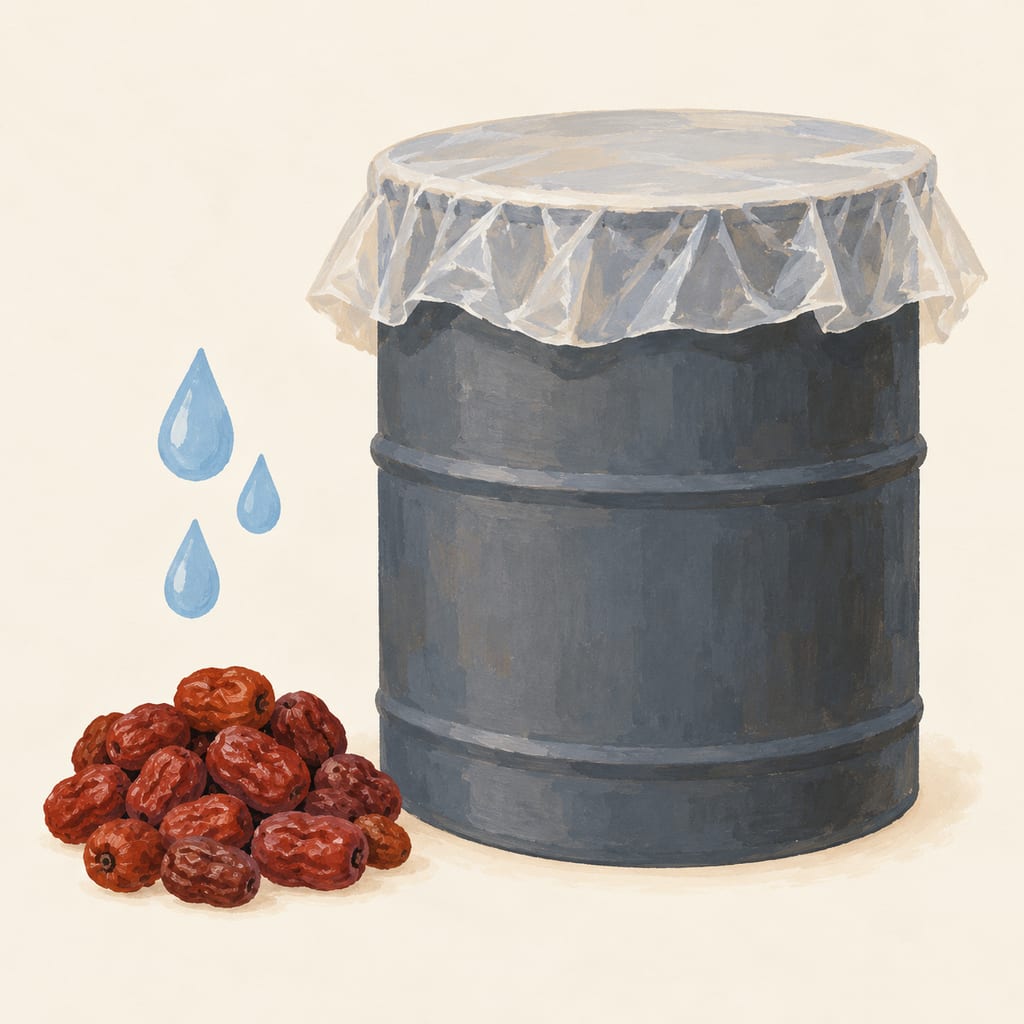
The 2008 survey records dried masau pulp fermented spontaneously in Zimbabwe and then transferred for distillation into kachasu. The authors state that the fermented pulp is not consumed as such. This entry therefore describes the pulp up to fermentation and keeps the distilled spirit as a separate preparation.
Masau is identified in the studies as Ziziphus mauritiana. The processing survey covered Muzarabani, Mudzi and Mt Darwin districts; it also used focus groups with women selling fruit in Harare. These are study locations, not a claim about the fruit's origin.
The survey diagram lists about 10 kg sour dried masau and 120 L water, a covered drum and fermentation at ambient 25°C for 6–7 days. In the prose, the authors instead describe an approximate pulp-to-water ratio of 1:10. Those amounts are not exact equivalents and remain distinct source statements.
The survey reported ethanol from 2.1 to 3.7 mL per 100 mL in fermented pulp samples from seven households. A separate study isolated yeasts and lactic acid bacteria from fruit and fermented pulp collected in Muzarabani. These sample findings do not validate a home process or make the fermented pulp safe to consume.
Nyanga et al. surveyed traditional masau processing in Zimbabwe in the 2000s. This documents practice in surveyed communities but does not date the first attestation.
Scaling: source batch only
The primary microbiota study describes spontaneous fruit fermentation as uncontrolled, with variable microbial populations and product quality. No validated household safety endpoint is supplied.
Hazard sourceThe field survey says the fermented pulp is not consumed as such and is instead transferred for kachasu distillation. It measured 2.1–3.7 mL ethanol per 100 mL in sampled pulp; these are observations, not serving or safety guidance.
Hazard sourceThe survey identifies the fermented pulp as a distillation intermediate and says it is not consumed as such. Do not serve it as a drink or food based on this record.
The 6–7-day period, approximate 25°C diagram temperature, and measured ethanol levels are source-specific observations, not validated safety controls or targets.
Kachasu distillation is outside this record; no distillation instructions or assurance about the downstream spirit are provided.
A 2008 survey documents this processing in Zimbabwe; it does not claim a single origin.
The survey sampled seven households brewing kachasu in Muzarabani; the microbiota study also collected fermented pulp there.
Included in the 2008 traditional-processing survey; this is a documented processing association, not an origin claim.
Included in the 2008 traditional-processing survey; this is a documented processing association, not an origin claim.
From sour breads and milk to savoury seeds, cassava staples and living beers, African fermentation follows the crop, the community and the work of transformation.
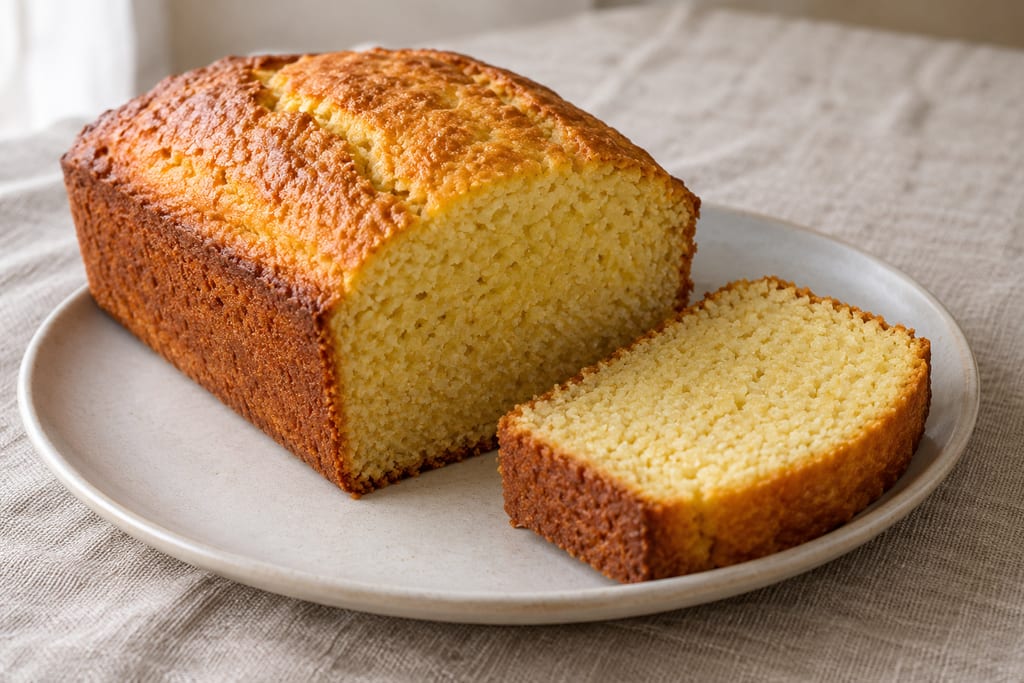
A Zimbabwean maize-meal bread, baked with buttermilk and served plain or with a spread.
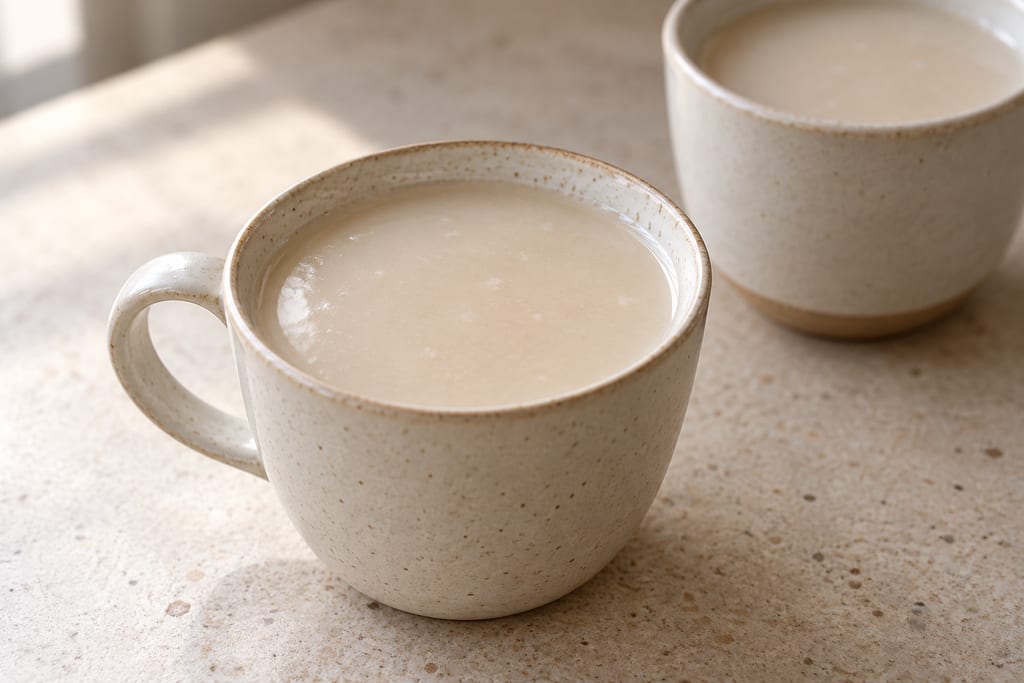
A documentary account of Zimbabwean mahewu and one producer's formula. Its quantities exceed the stated vessels, and research does not validate it as a safe home method.
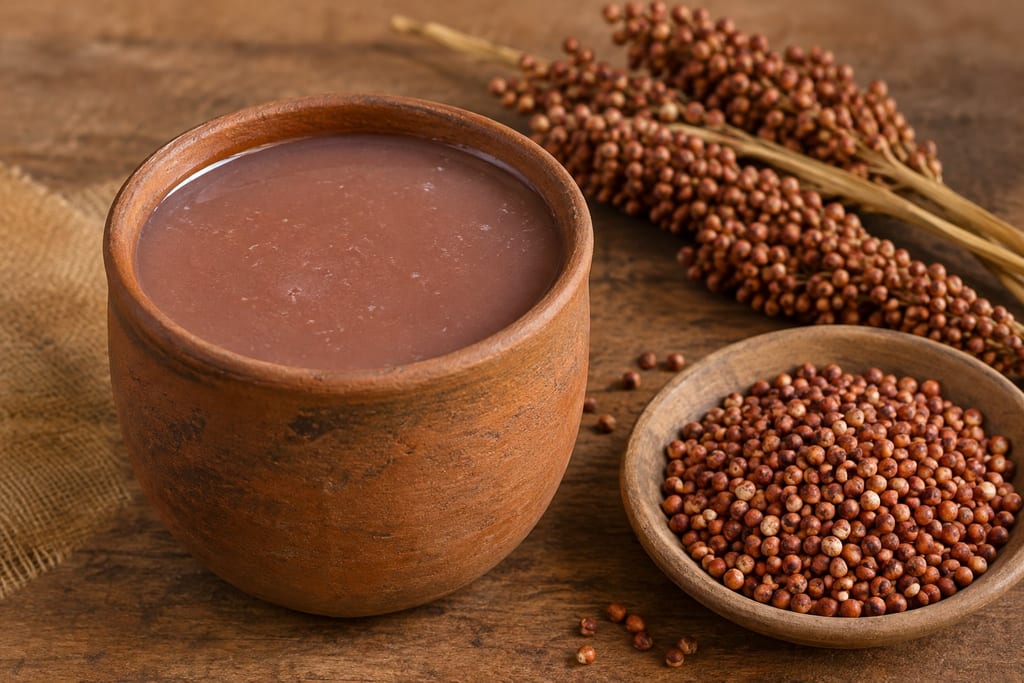
A cloudy Zimbabwean beer brewed from malted red sorghum, given a two-day lactic souring and then a longer alcoholic fermentation.
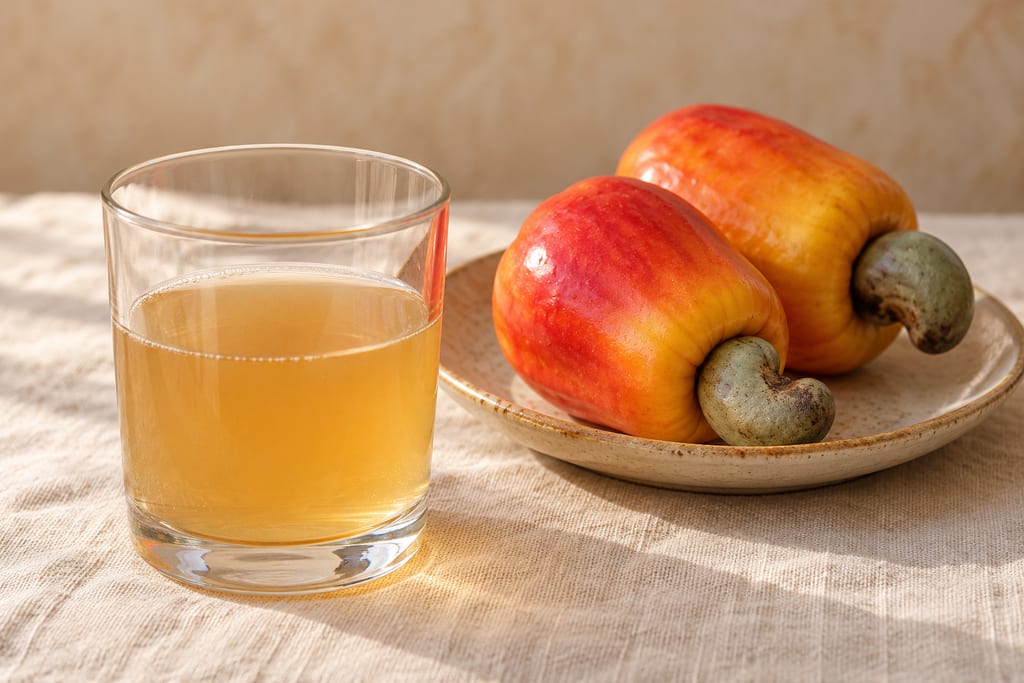
Vinho de caju is a seasonal alcoholic drink made from expressed cashew-apple juice. In southern Guinea-Bissau, an ethnographic account records a simple press-and-strain method, while harvest timing and local trade shape its place.
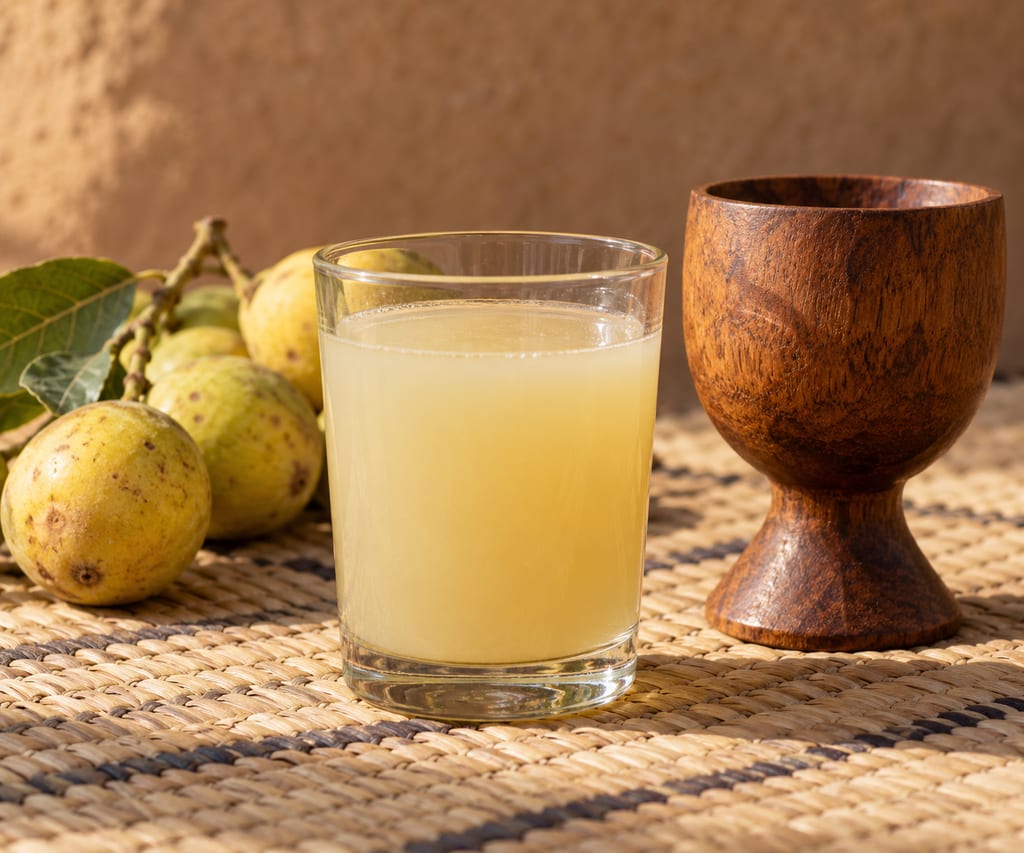
The fermented marula drink of northern Namibia's Aawambo communities, pressed from ripe Sclerocarya birrea fruit and left to the yeasts already on it, and drunk at the Oshituthi shomagongo festival.
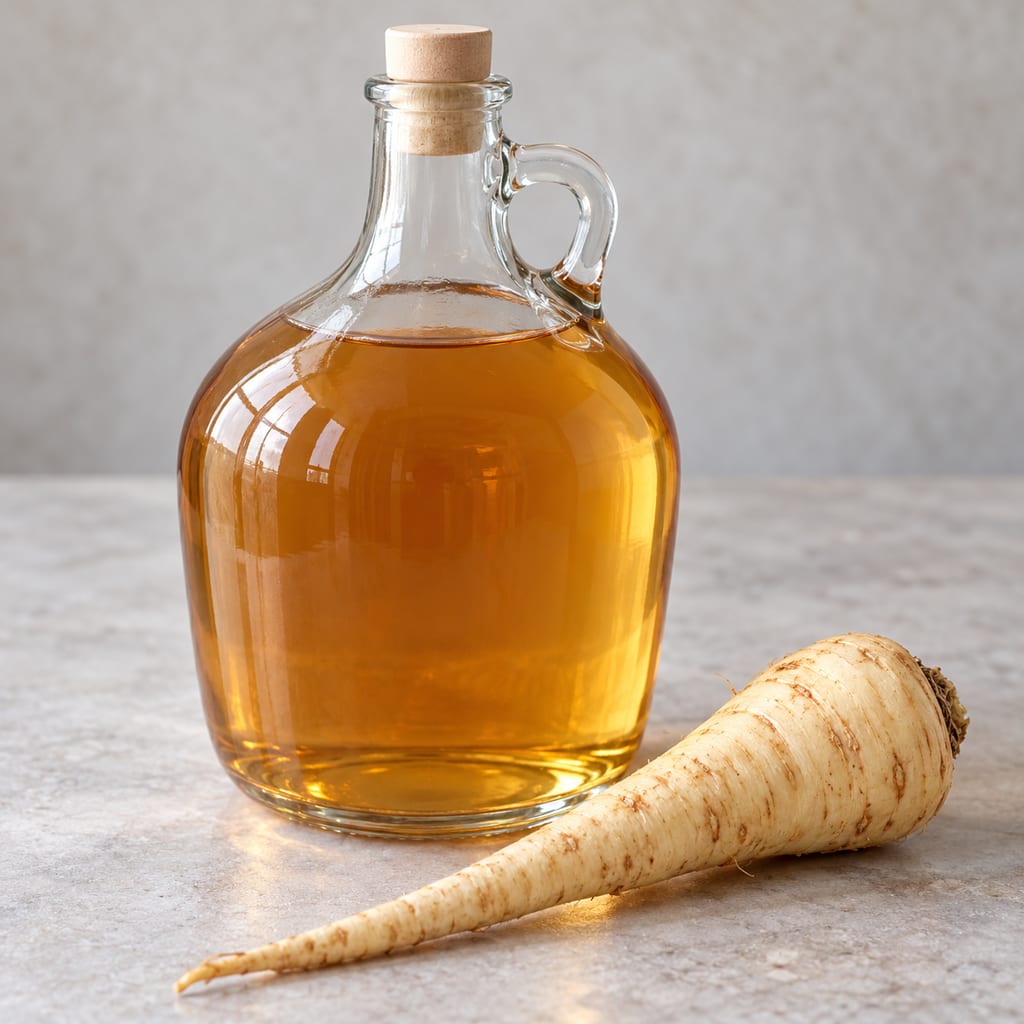
A root wine made from boiled parsnip liquor and lump sugar, fermented with yeast and finished with brandy before bottling.
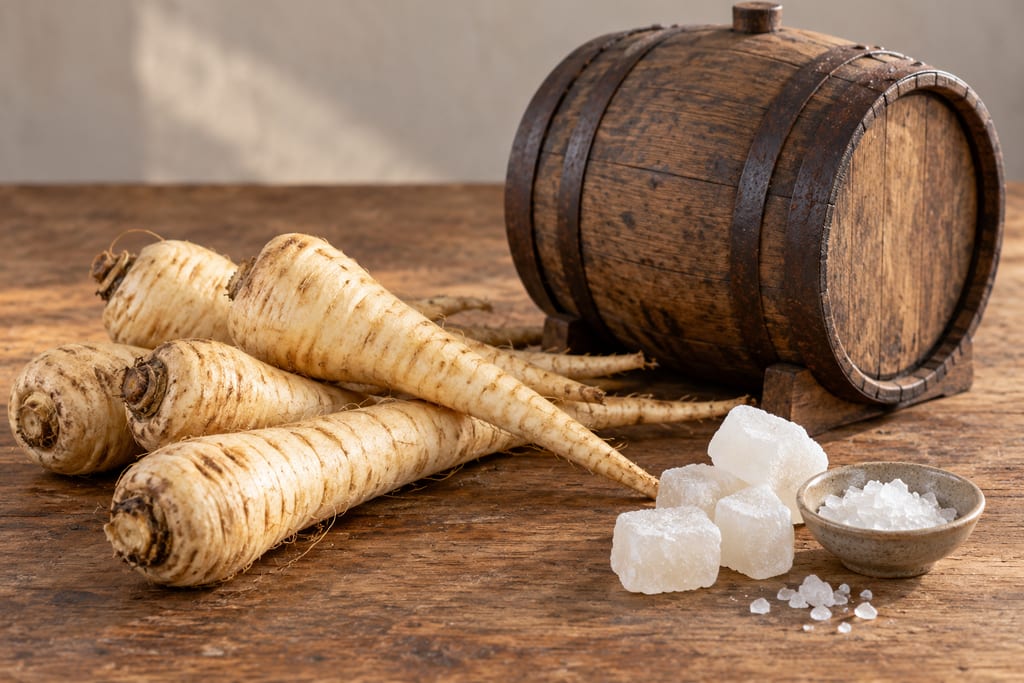
Parsnip liquor ferments with loaf sugar, crude tartar and fresh yeast, then matures in a cask for twelve months before bottling.
No community contributions have been published for this entry yet.
Sign in to contribute. Published comments and photos are free to read.
Ecology of Food and NutritionIdentity · Method · History · Geography · Safety
Traditional Processing of Masau Fruits (Ziziphus Mauritiana) in ZimbabweA questionnaire and focus groups surveyed processing in Muzarabani, Mudzi and Mt Darwin districts; the article also describes focus groups with sellers in Harare. The flow diagram shows sour dried masau, about 10 kg, soaked with 120 L water in a covered drum at ambient 25°C for 6–7 days. Article prose separately gives an approximate 1:10 pulp-to-water ratio. Fermented pulp was not consumed as such and was transferred for kachasu distillation. Measured ethanol in seven sampled pulps ranged from 2.1 to 3.7 mL/100 mL; these are observations, not controls.
Cited in: A fermentation intermediate, not a served food; What the field measurements establish
International Journal of Food MicrobiologyIdentity · Fermentation · Safety · Geography
Yeasts and lactic acid bacteria microbiota from masau (Ziziphus mauritiana) fruits and their fermented fruit pulp in ZimbabweThe study collected fermented pulp from Muzarabani and characterized yeasts and lactic acid bacteria associated with masau fruit and the fermented pulp. It describes the fermentation as spontaneous and uncontrolled with variable microbiota and product quality; findings from this sample study are not process validation.
Cited in: What the field measurements establish