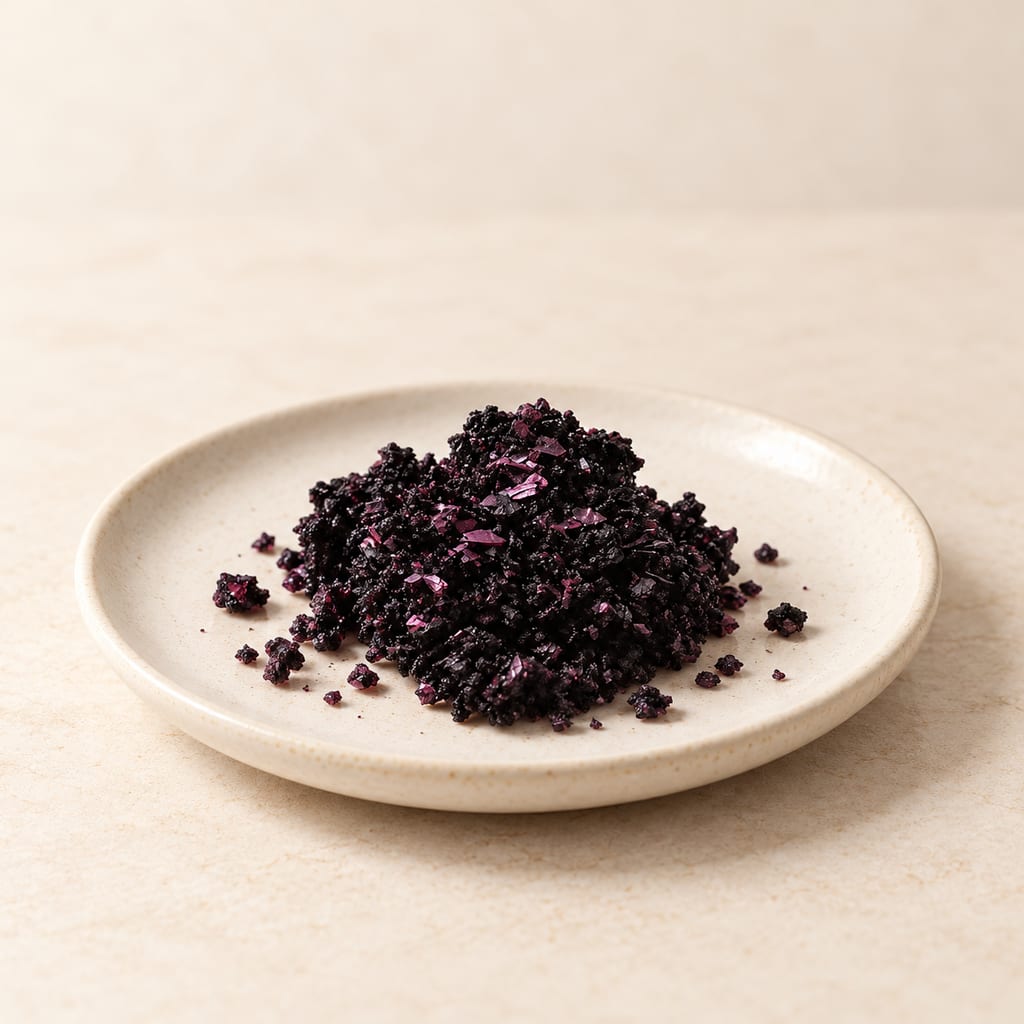
Crude tartar
A mixed crystalline wine-vessel deposit, chiefly potassium hydrogen tartrate, used historically in wine recipes and recovered for refining into purer products.
 FermenteaWhere food goes to change
Historical attestation
Parsnip Wine
Parsnip liquor ferments with loaf sugar, crude tartar and fresh yeast, then matures in a cask for twelve months before bottling.
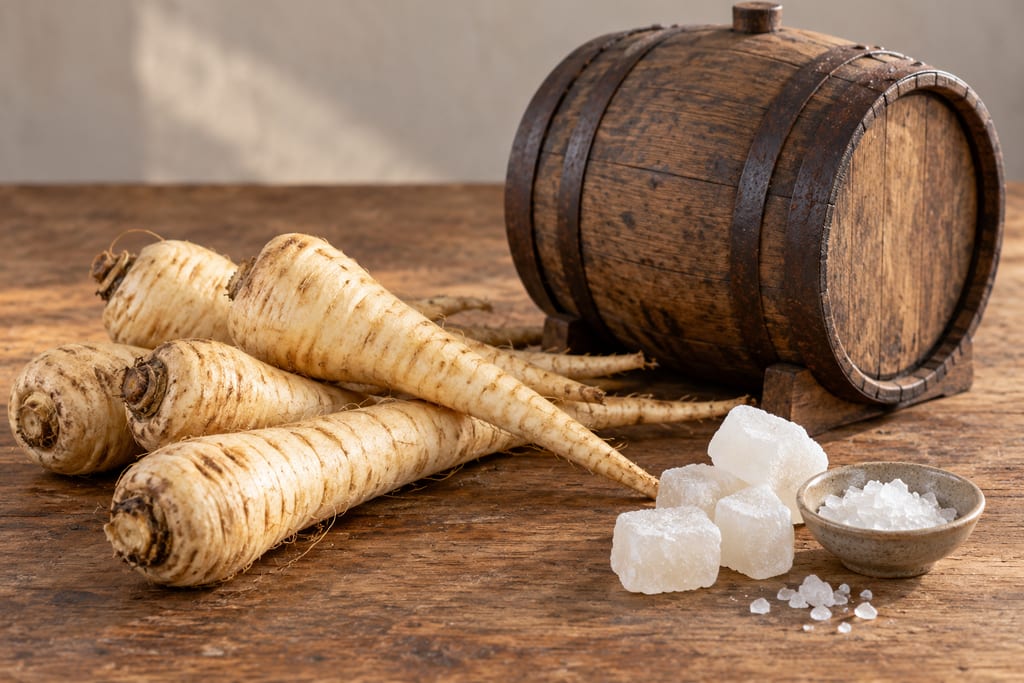
The instruction that gives this parsnip wine its character is unusually firm: drain the boiled roots without bruising them. Anne Cobbett connects that handling directly with the clarity of the wine. The desired drink is made from the liquor that leaves the roots, rather than from a mash of crushed parsnip carried into the ferment. The warning gives a glimpse of the appearance the household wanted, even though the recipe supplies no finished tasting description.
This is the second of two parsnip wines in The English Housekeeper. It combines peeled roots, water, loaf sugar, crude tartar and a little new yeast, followed by a substantial period in cask. The first alternative uses a bushel-scale boil and finishes with brandy. Here the distinctive choices are the gently drained liquor, tartar addition and delayed bottling. They deserve to remain together as a particular method.
The word 'wine' describes the intended alcoholic drink, but its starting material is a cooked vegetable liquor. There is no grape juice in the ingredient list, and no brandy waiting at the finish. The transformation depends on preparing the root liquor, adding sugar and yeast, and managing the wine through a tub and a cask before it reaches bottles. Those stages give the short historical receipt its shape.
The 1851 London printing provides a secure setting for the recipe. Cobbett's book presented itself as a manual of domestic management for readers supervising their own housekeeping. Its introduction describes a selection of receipts suited to families living in a moderate style and treats practical knowledge as part of household competence. Wine-making appears alongside other kinds of skilled provision, rather than as a novelty isolated from everyday management.
The manual's intended audience and the actual history of this wine are different kinds of evidence. A title page can tell us what an author promised readers; it cannot count how many households made a particular drink. Cobbett does not identify this preparation as her invention or describe the first household in which it appeared. London is the place of publication, while a birthplace for the method remains unestablished.
The compact wording also reveals the experience the author expected. A cook had to drain roots gently, measure liquor, handle yeast, interpret warmth, transfer into a cask and judge when to close it. Those assumed skills sit behind the printed directions. The household context helps explain why a recipe could be concise without being a complete modern specification of every ingredient and operating condition.
Cobbett's own first alternative offers the closest useful comparison. Its sliced roots, two one-hour boils and brandy finish belong to a separate method. This wine instead uses tender peeled roots, liquor-based additions and the long cask interval. Preserving both gives a clearer view of historical variety than selecting attractive details from each and calling the result the standard parsnip wine.
The first proportion belongs to the cooking pot: four pounds of washed, peeled parsnips for each gallon of water. That measure establishes how the roots meet their starting liquid. Once the roots are tender, the cook drains them and deals with a new material, the collected liquor. The volume of that liquor is the basis for what happens next.
For every gallon of drained liquor, Cobbett adds three pounds of loaf sugar and half an ounce of crude tartar. The repeated word 'gallon' can make the recipe look simpler than it is. One gallon belongs to the water before cooking; the other belongs to liquid after cooking and draining. They should not be collapsed into one assumed finished-batch measure. The book does not report that every gallon put into the pot comes back out as a gallon of liquor.
That distinction explains why measuring the drained liquid is a genuine operation, not just a descriptive detail. The cook needs to know how much liquor there is before determining the sugar and tartar additions. It also explains why the final quantity of wine remains unknown. Starting water, drained root liquor and bottled wine are successive materials, rather than interchangeable names for a single measured volume.
The historical gallon is kept in its own wording. Its size is not established by this recipe, so it is not silently treated as a modern US measure. The pounds and ounce retain the separate task of measuring ingredients by weight. Keeping both kinds of measurement visible preserves the recipe's useful precision without supplying a conversion or yield that its author did not give.
Cobbett asks for the washed and peeled parsnips to be boiled until tender. Unlike the first wine, this alternative does not attach an hour to the root boil and then call for another timed boil of the sweetened liquid. Tenderness belongs to the root preparation here. The distinction is easy to lose when two methods appear under one heading, but it changes the actual work the cook is told to do.
The next instruction is to drain without bruising. The author's explanation concerns clarity: she says that bruising would leave a wine that could not be made clear. It is a historical quality claim, not a chemical account of haze. It supports gentle handling as part of this method, but does not establish which compounds or particles caused the reported problem, or prove that a modern treatment would correct it.
The separation of roots and liquor also makes the process easier to understand. Boiling and draining are physical preparations before the yeast stage. They produce a liquid to which separately measured ingredients can be added. Neither the softened roots nor a clear-looking liquor is evidence that alcoholic fermentation has occurred. Clarity is a desired characteristic in the household account; it is not a test for fermentation completion or safety.
The chapter includes other approaches to clearing wine, and other recipes name fining agents. That surrounding repertoire makes Cobbett's uncompromising no-bruising instruction striking. She does not append one of those remedies to this parsnip method. It is therefore important to read the particular handling instruction on its own terms, rather than repairing the historical recipe with a treatment borrowed from another drink in the same book.
Crude tartar should not disappear into the familiar kitchen name 'cream of tartar'. Historical descriptions connect tartar with crystalline deposits formed in wine vessels. The 1911 Encyclopaedia Britannica distinguishes the deposited material called argol, roughly purified tartar and the further purified, decoloured cream of tartar. It describes a progression of separation and crystallisation, rather than treating all these names as one identical commercial material.
This is useful context for a vegetable wine. An ingredient associated with the making and storage of grape wine appears in a drink whose root liquor contains no grapes. It gives the household recipe a connection with the wider material vocabulary of wine-making without turning the parsnip drink into a grape wine. The relationship is through an added ingredient, not through the principal crop.
Cobbett's wording preserves the less refined name. Her half-ounce measure refers to crude tartar, not to an unnamed spoonful of modern baking powder or a product silently substituted by an editor. Historical terminology can be exact about an ingredient category while leaving its commercial purity and preparation uncertain. Keeping the old name protects that distinction without claiming the purity of a modern product.
Knowing what tartar was called does not establish why Cobbett chose it for this liquor. The recipe neither states an acidity target nor gives an experiment comparing the wine with and without it. Its presence and amount are documented; a claim that it corrected a measured pH, acted as a preservative or produced a particular taste would add a purpose that the text does not explain.
After the sugar and tartar are added, the liquor is cooled before a little new yeast goes in. The printed cooling figure is 75, with no temperature unit or degree mark attached. It is a real part of the historical text, but it cannot be translated into a modern scale by choosing the most convenient interpretation. The account is more exact about the order of operations than about the conditions under which yeast was expected to work.
Alcoholic fermentation is a biological change, distinct from boiling roots or dissolving sugar. Modern wine microbiology commonly describes Saccharomyces cerevisiae using sugar to produce ethanol, carbon dioxide and heat. That general explanation helps make sense of the yeast stage, while leaving the historical yeast's identity open. 'New yeast' is an ingredient description in the book, not a species, strain or named packet sold for present-day wine-making.
The liquid then stands in a tub in a warm room for four days. This is the short, explicitly timed vessel stage in the recipe. The wording supplies neither a stirring instruction nor a modern test, and those should not be added as though they had always been there. Other household wines do specify stirring, which makes the absence of that instruction here worth preserving rather than smoothing away.
The next move is expressed in the older cellar verb 'tun': put the wine into a cask. Cobbett says to bung it when fermentation has ceased. The transfer and the closing of the cask are therefore distinguishable operations in the written sequence. Four days in the tub is not automatically a statement that all fermentation is over, and the later year in cask is not a second name for that initial tub period.
March and October are named as the best seasons for the wine. The household manual treats food and drink as work arranged across the year, so the presence of a calendar is not incidental to its way of teaching. Elsewhere in the book Cobbett places parsnips in October and says they are not good until frost has touched them. That is her stated seasonal judgement about the vegetable.
The wine's two preferred months should still be kept as the recipe's own calendar, rather than expanded into a universal explanation. The seasonal vegetable entry makes an autumn association intelligible, but it does not tell us why March is named too, or exactly which root condition the wine required. The practical method says washed and peeled; it does not prescribe a cultivar, a storage history or a sweetness test for the roots.
The twelve months in cask give this preparation a different horizon from a drink made for immediate use. A batch occupies its vessel while the household continues its other work, and bottling is postponed until the stated interval has passed. That is a substantial commitment of space and equipment even in a receipt that takes only a few lines to print. It is one reason the cask stage belongs in the identity of this alternative.
Cobbett's surrounding wine recipes also arrange work around casks, bottles and seasons. The grape-wine entry on the same page names March and October in a different schedule involving racking and bottling. Such neighbouring instructions show a larger cellar calendar; they do not explain the parsnip wine's schedule or authorise combining the two. Each wine's operations still have to be followed as a separate account.
Wright's 1909 collection preserves three more parsnip wines. They share the broad idea of making a sweetened liquor from roots, but vary in extraction, additions, handling and time. One asks for daily stirring during its tub stage and topping up the cask; another brings in hops and discusses an actively working wine lifting and bursting a paper covering. These are their own preparations, not missing paragraphs of Cobbett's recipe.
The variation matters because a food name can carry several technical traditions. Pressing or not pressing the roots changes the written extraction method. Stirring or not specifying stirring changes what the maker is instructed to do. Adding tartar, hops or brandy changes the ingredient list. A year in one recipe and a different vessel schedule in another do not become interchangeable merely because each drink is called parsnip wine.
The books preserve choices rather than a measured taste comparison. They do not establish that every household obtained one colour, sweetness or aroma from its roots, and an opinion about one formulation cannot serve as a tasting note for all the others. Their strongest contribution is a record of how cooks arranged their ingredients and work. That is enough to make the differences useful without inventing a sensory consensus.
A year's maturation is a stated interval in this historical method, not a measured packaging-stability result. Modern wine guidance identifies a concrete danger when fermentation continues or restarts in a closed bottle: carbon dioxide cannot escape, pressure rises, and glass may break. That general hazard belongs beside the old procedure, while its modern controls remain distinct from the directions printed in 1851.
The Canadian guide Home Preparation of Juices, Wines, and Cider gives parsnip wine a different place in a later home-winemaking repertoire. It uses citrus and nutrient additions, followed by repeated racking. Cobbett's gentle draining and crude tartar remain features of her own method; the later recipe shows how the same root could be handled within a different set of ingredients and practices.
In the introduction to her 1909 collection, Helen S. Wright recalls that home-made wines were served with cake during visits to friends in a New England village, an experience that prompted her to gather wine recipes. This records a general setting for domestic wines decades after Cobbett's book; Wright does not say that Cobbett's parsnip wine was served on those visits.
Parsnip wine appears among the English wines and cordials in Anne Cobbett’s 1851 household manual. Two alternatives sit under the same name. This one ties sugar and crude tartar to the drained liquor and keeps the wine in a cask for twelve months; its companion uses a much larger root batch and finishes with brandy. The London printing documents the recipe’s circulation, rather than its place of origin.
Scaling: source batch only
Yeast can restart fermentation during storage and release carbon dioxide that cannot escape a sealed bottle.
Hazard sourceDo not bottle wine while fermentation continues or can restart; establish packaging stability before closing bottles.
Control sourceFermentation in a closed bottle can build pressure and shatter the glass. Do not bottle wine that is still fermenting or can ferment again.
Publication place of the 1851 sixth edition; the recipe’s birthplace is not established.
A mixed crystalline wine-vessel deposit, chiefly potassium hydrogen tartrate, used historically in wine recipes and recovered for refining into purer products.
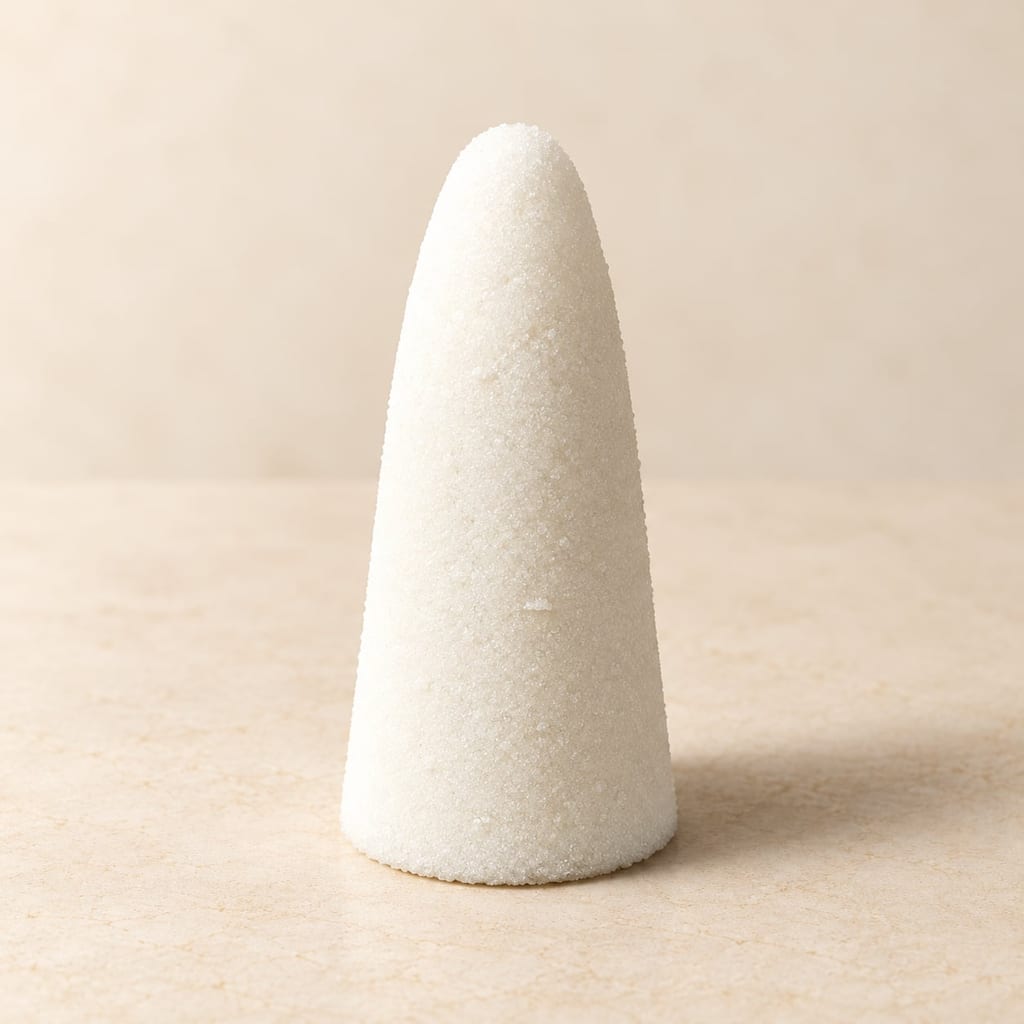
Refined sugar formed into a solid cone, historically cut or powdered for kitchen use and dissolved into wine liquor.
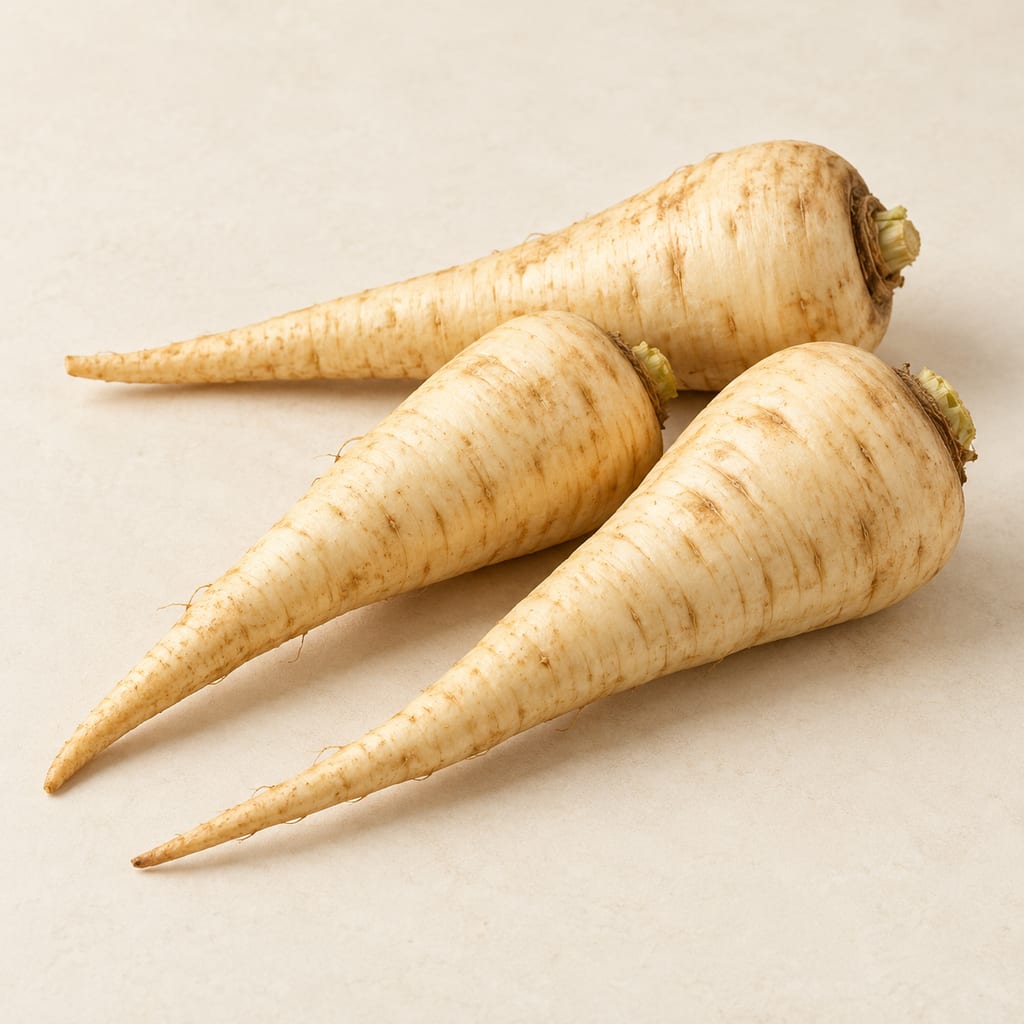
Sweet, aromatic storage roots used as a cooked vegetable and in household wines, with starch and soluble sugars that change as the roots grow and are stored.
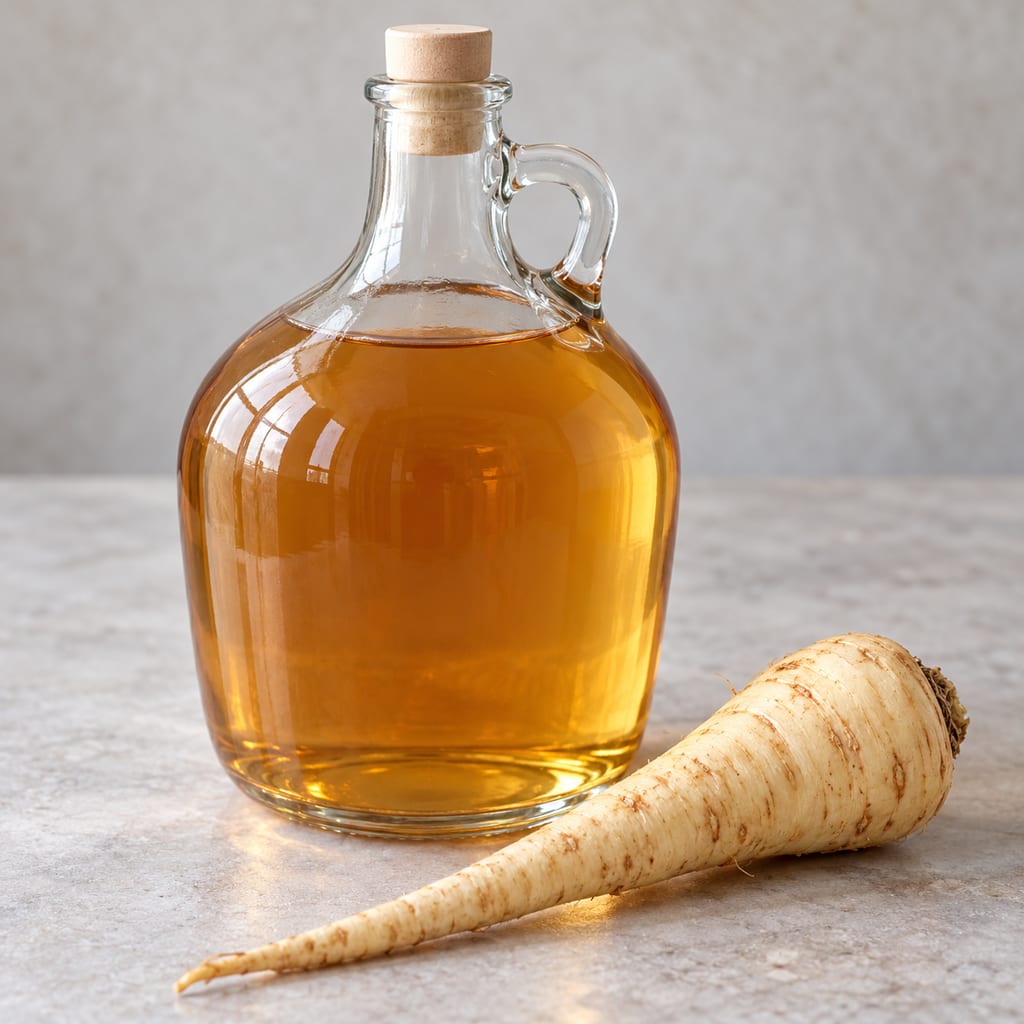
A root wine made from boiled parsnip liquor and lump sugar, fermented with yeast and finished with brandy before bottling.
Cider vinegar is made when acetic-acid bacteria use oxygen to turn the alcohol in dry apple cider into acetic acid. This historical cask method begins with fermented cider and differs from apple-scrap vinegar made with sugar and water.
Cumberland sauce is a British condiment of redcurrant jelly, mustard, blanched orange peel and port, traditionally served cold with ham, game and cold meats.
King Arthur’s six-piece English muffin batch uses a yeast preferment, two folds and a skillet or electric griddle; it is distinct from the sourdough-and-yeast version already catalogued.
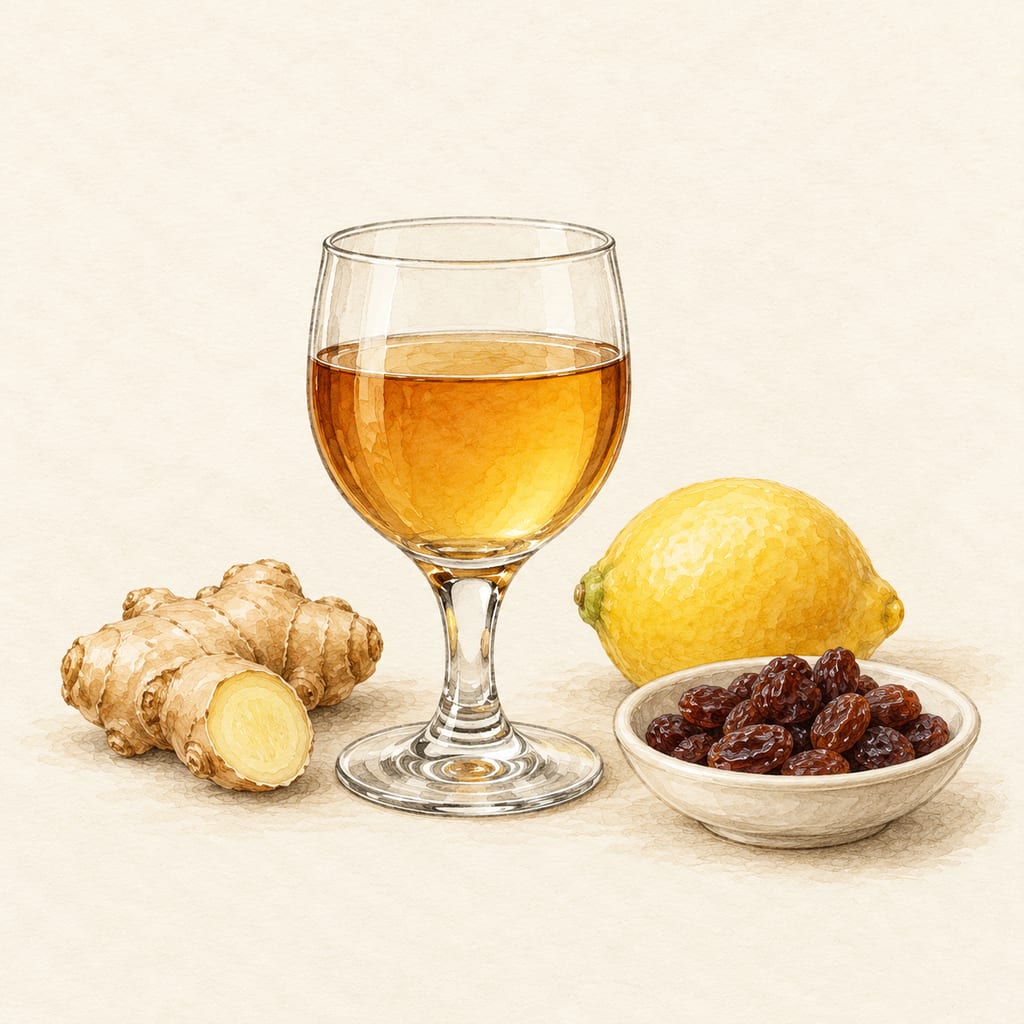
A Victorian household wine of boiled sugar, lemon and bruised ginger, worked on raisins in a cask for a fortnight and finished with brandy, made nine gallons at a time.
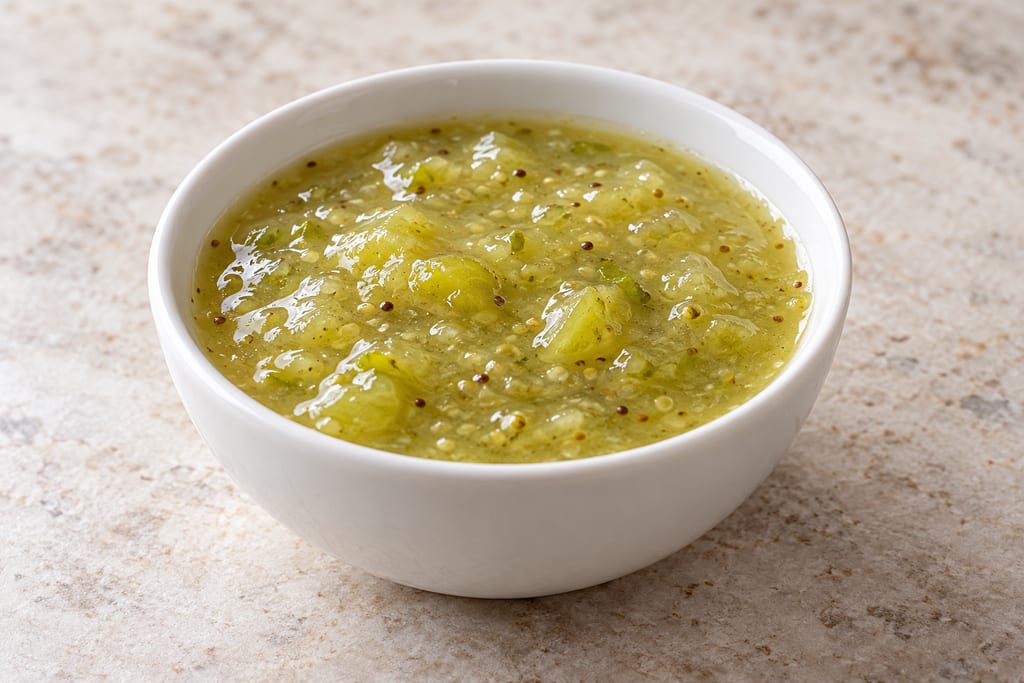
Gooseberry sauce is a soft, tart sauce of cooked green gooseberries, sharpened with wine or vinegar and lightly sweetened, traditionally served with mackerel.
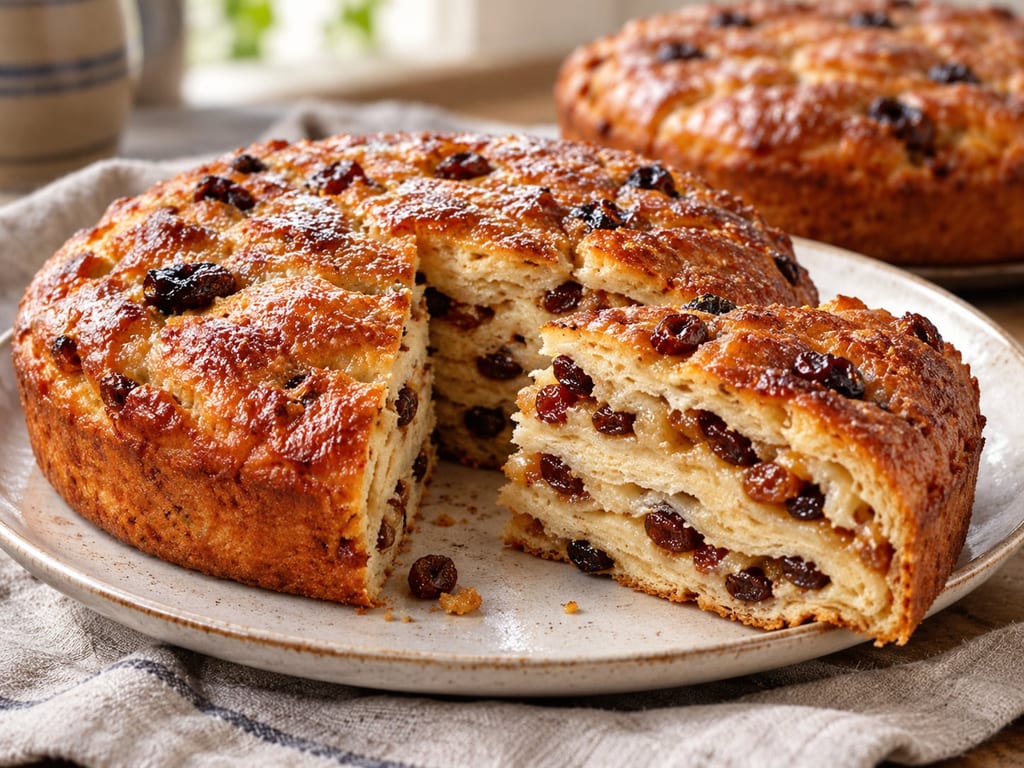
A yeast dough is folded around sweetened lard and dried fruit, then baked in tins until the bottom caramelizes.
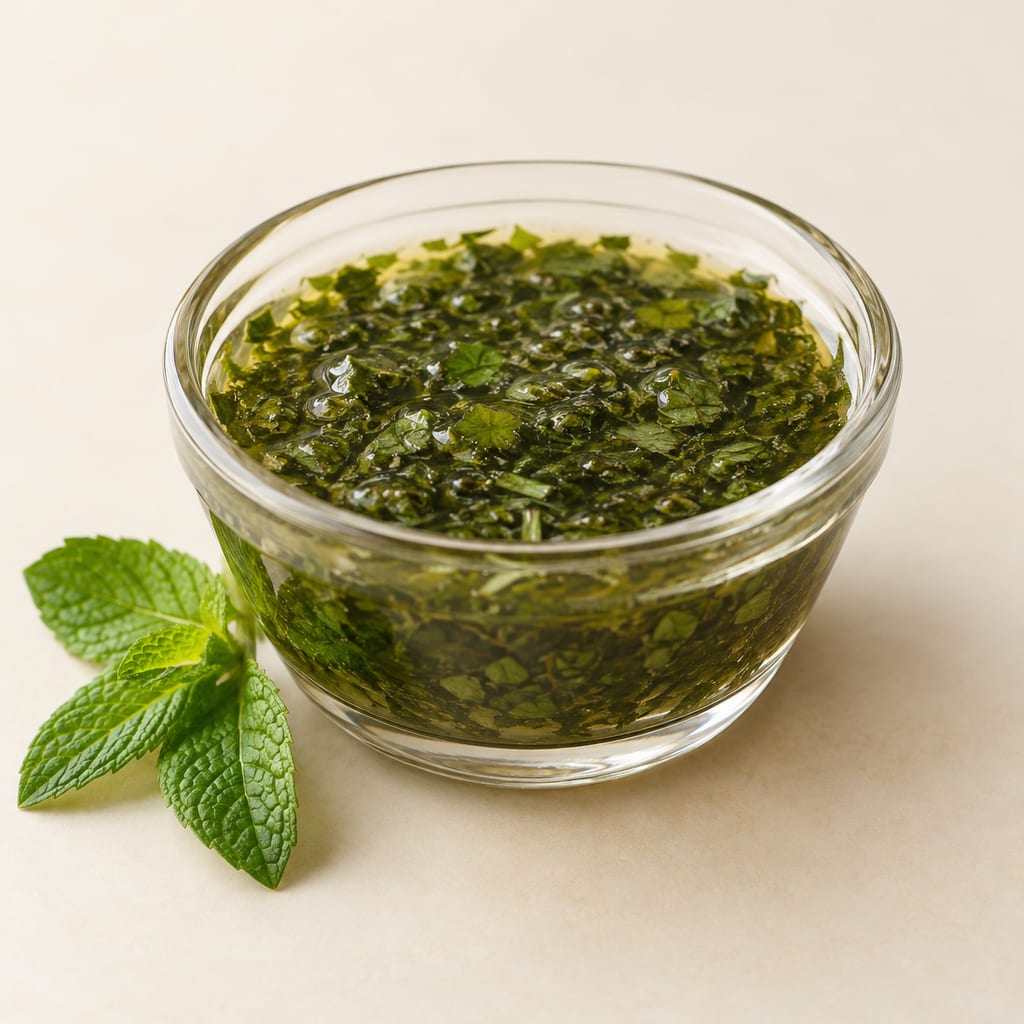
Finely chopped fresh mint steeped in a sweet and sharp liquid of white wine vinegar, sugar and water, the sauce traditionally served with roast lamb in Britain.
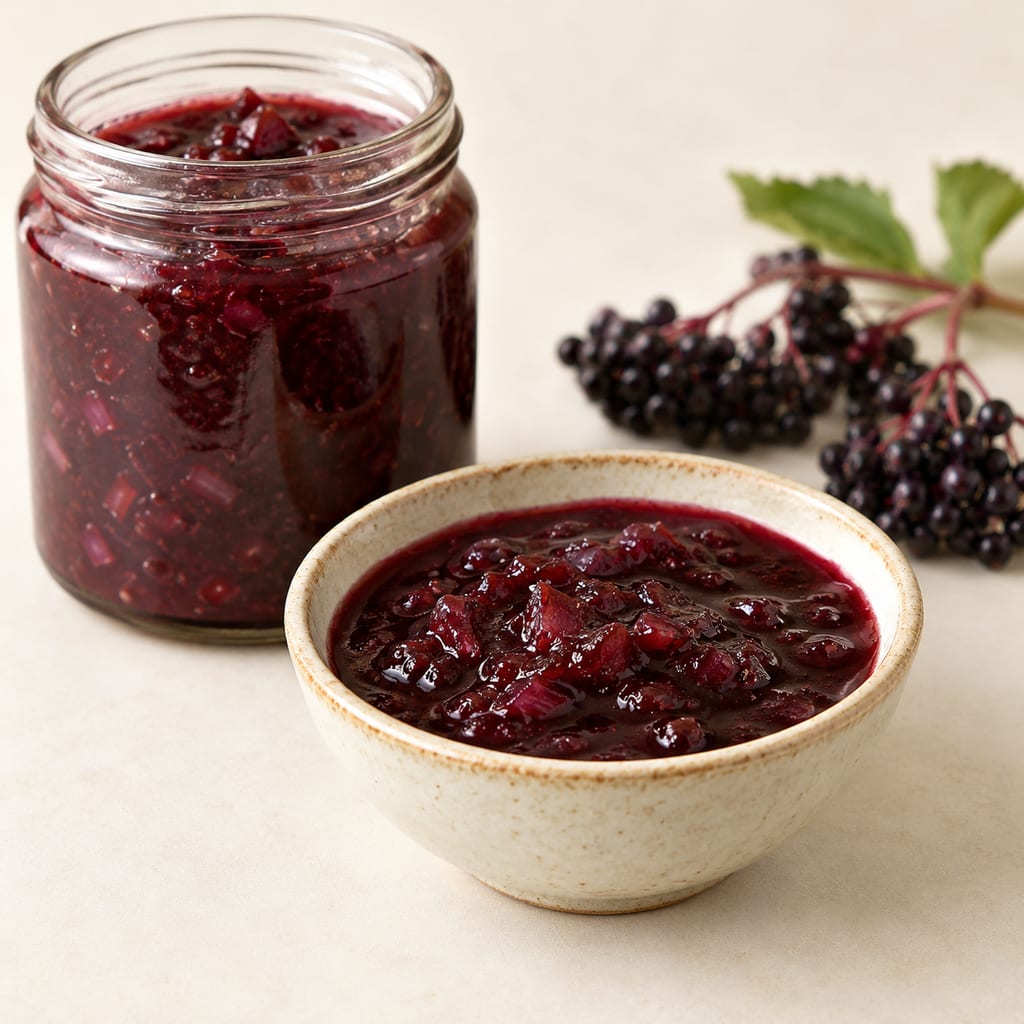
An English elderberry condiment of vinegar, shallots and warm spices, historically called a catsup and tied to Pontac's Head tavern in London.
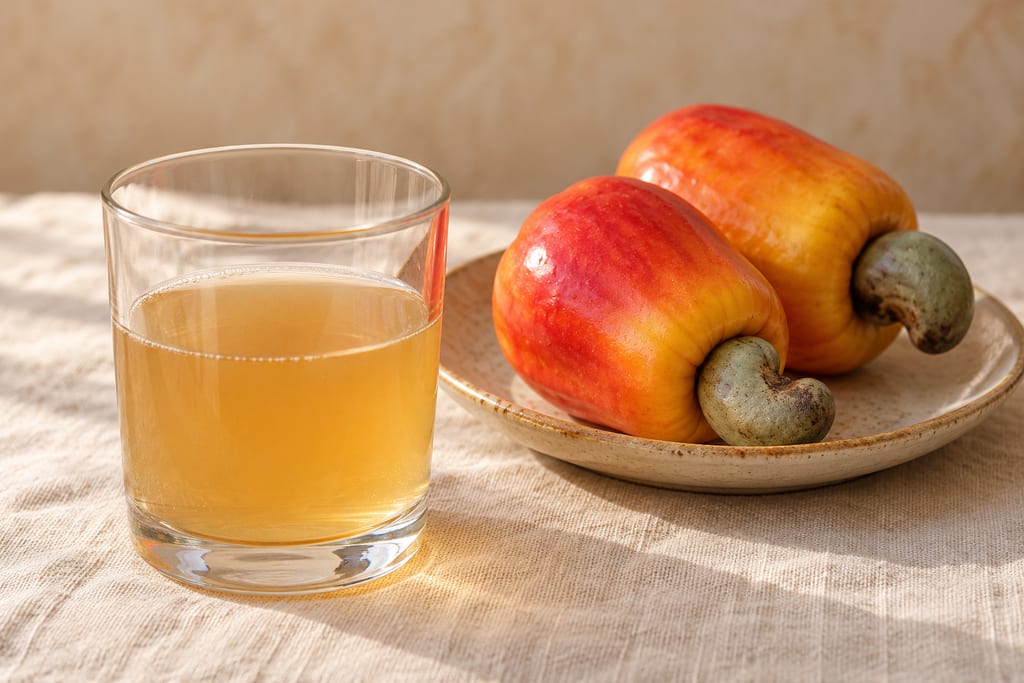
Vinho de caju is a seasonal alcoholic drink made from expressed cashew-apple juice. In southern Guinea-Bissau, an ethnographic account records a simple press-and-strain method, while harvest timing and local trade shape its place.
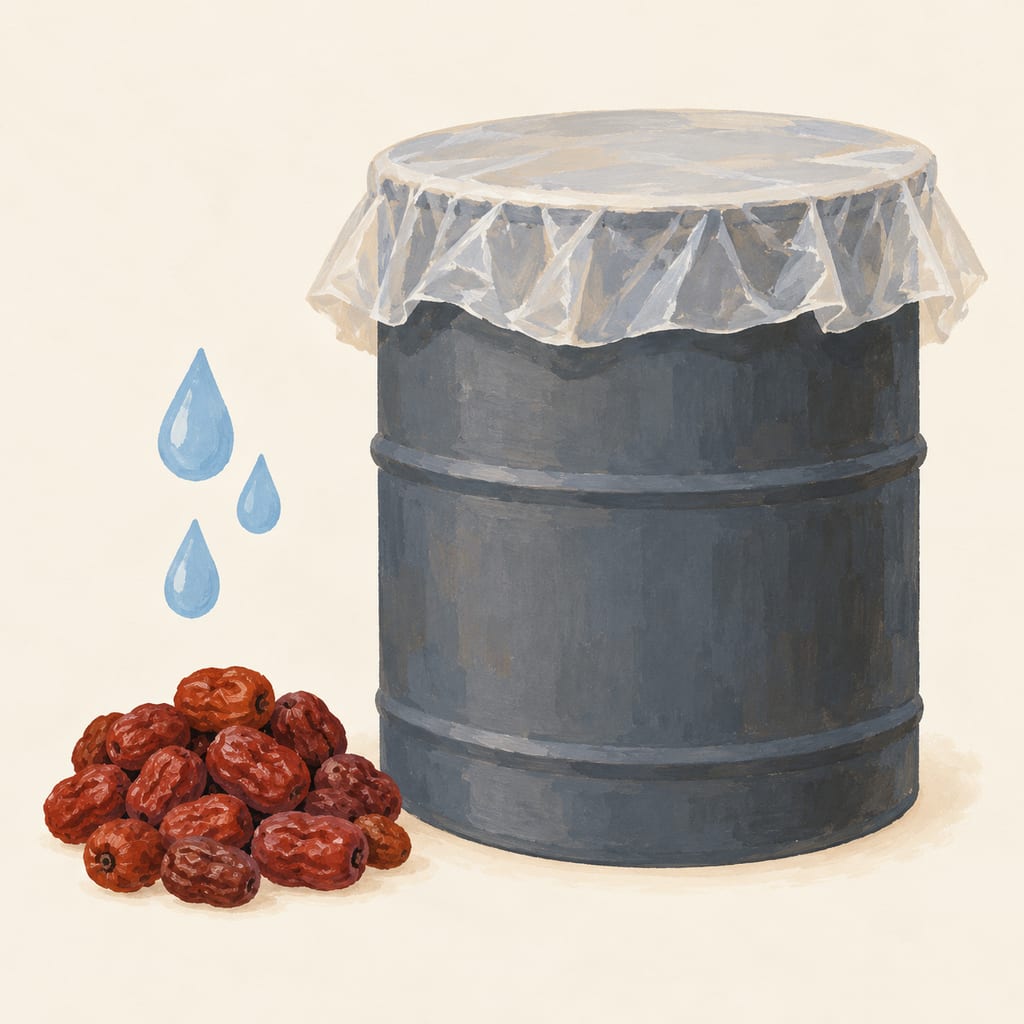
A Zimbabwean spontaneous ferment of dried masau fruit pulp used as a kachasu distillation base; the fermented pulp itself is not consumed.
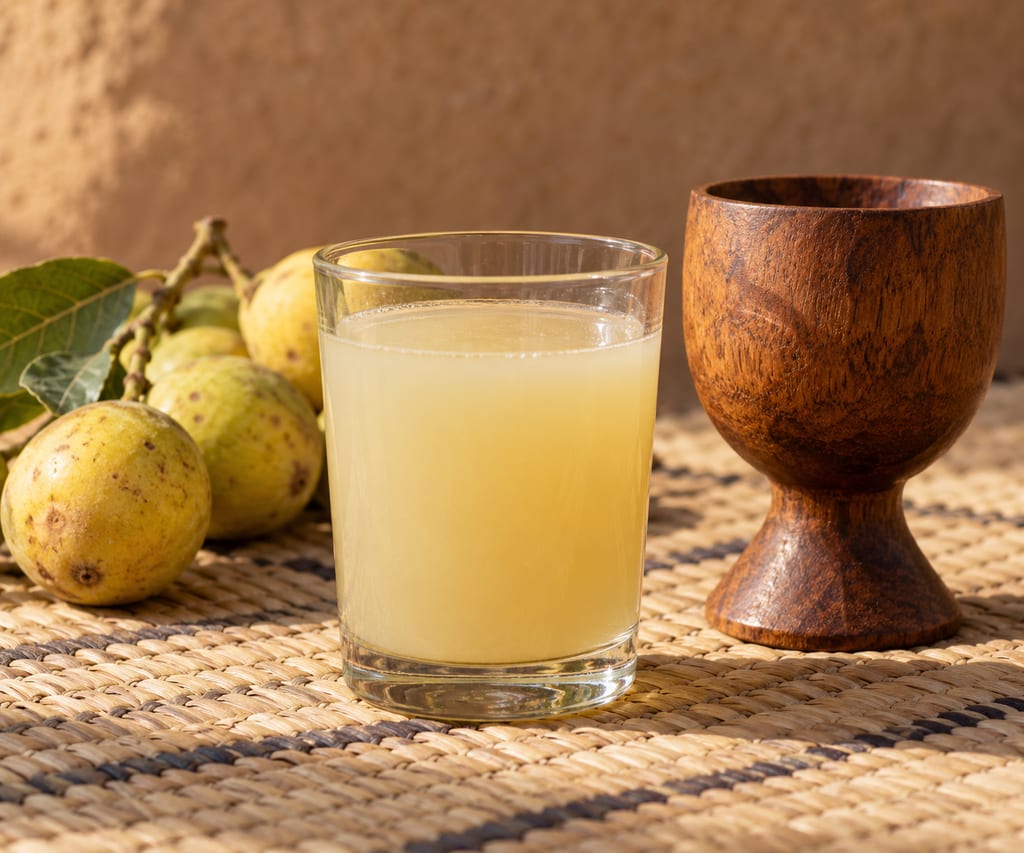
The fermented marula drink of northern Namibia's Aawambo communities, pressed from ripe Sclerocarya birrea fruit and left to the yeasts already on it, and drunk at the Oshituthi shomagongo festival.

A Cap-Pelé boucanière is an Acadian herring-smoking building. The documented Willie Niles example is a one-storey wood-frame structure with a ridge smoke vent and interior bays for hanging fish-bearing cannes.

Achcharu is a family of Sri Lankan vinegar pickles made with mixed vegetables or seasonal fruit and a piquant spice dressing. This version is a quick, refrigerated, non-fermented mixed-vegetable pickle.

The acocote is a long, hollowed and dried gourd used to draw aguamiel from a mature maguey. It is a harvesting tool: the sap is transferred to a separate vessel before it ferments into pulque.

Adrak murabba preserves young ginger in sugar syrup, a sweet South Asian preparation recorded in Indian cookery and food-processing sources.

Parkia biglobosa seeds are fermented into regional West African seasonings, including nététou, iru, dawadawa and soumbala. The yellow fruit pulp is a separate food, and names and methods vary by place.

Japanese reddish-brown vinegar from sake lees matured about three years, turned to vinegar by acetic bacteria; the vinegar of Handa and Edomae sushi rice.

A refined common-wheat flour blended for a broad range of baking; its protein and behavior vary with wheat, milling and market.

The almond mushroom, Agaricus subrufescens, was cultivated in eastern North America in the 1800s, lost its market, and returned as a cultivated mushroom from Brazil, where it is grown under several names.
No community contributions have been published for this entry yet.
Sign in to contribute. Published comments and photos are free to read.
A. Cobbett, LondonIngredients · Method · History
Anne Cobbett, The English Housekeeper, sixth edition (1851), printed page 341–342, second Parsnip Wine alternativeSecond alternative, printed page 341–342: distinct root-per-water and sugar/tartar-per-liquor ratios; no brandy in this version.
Cooling temperature of 75, with no printed unit; four days in a tub, cessation before cask closure, and twelve months in cask.
March and October are the source’s preferred months, not a universal calendar; selected pages visually inspected.
Clemson Cooperative Extension, Home & Garden Information CenterSafety
Basics of Home WinemakingStep 5: fermentation can restart during storage and carbon dioxide trapped in bottles can shatter them. General wine-packaging hazard; no parsnip-specific endpoint or validation of the historical formula.
Step5: renewed fermentation may trap carbon dioxide and shatter sealed bottles.
Cited in: Closing a bottle is a separate decision
A. Cobbett, London; Project Gutenberg transcriptionIngredients · Method · History
The English Housekeeper: Or, Manual of Domestic Management, sixth edition (1851), Chapter XXVIII, Parsnip Wine, pp. 341–342Second alternative: 4 lb roots per gallon water; 3 lb loaf sugar and half an ounce crude tartar per gallon drained liquor; a little new yeast after cooling to 75, with no unit; four days in a warm room; bung after fermentation ceases; twelve months in cask; March and October named as preferred seasons.
Title, stated audience and household-management introduction; English wines and cordials chapter and adjacent wines; both Parsnip Wine alternatives, printed pp.341–342; seasonal vegetable list and parsnip cookery p.219.
Cited in: A wine that begins with careful draining; A household manual, not a claim to invention; Two liquid measures, two different jobs; Tender roots, a clear liquor; Crude tartar has a history of its own; Cooking gives way to fermentation; A cellar calendar, with a year before bottles; Closing a bottle is a separate decision
Encyclopaedia Britannica; Wikisource transcription
Tartar, Encyclopaedia Britannica, eleventh editionArgol deposits; progressively purified tartar and cream of tartar; historical ingredient terminology.
Cited in: Crude tartar has a history of its own
University of California, Davis, Department of Viticulture and Enology
Saccharomyces cerevisiaeCommon role in wine alcoholic fermentation; sugar substrate and ethanol/carbon dioxide/heat products.
Cited in: Cooking gives way to fermentation
The Page Company, Boston
Old-Time Recipes for Home Made Wines, Cordials and Liqueurs from Fruits, Flowers, Vegetables, and ShrubsThe three distinct parsnip wines, printed pp.83–84; stirring, extraction, cask topping and paper-cover fermentation in their own methods.
In the introduction, Wright recalls homemade wines served with cake during visits to friends in a New England village; this is general domestic context and does not identify the service of Cobbett's parsnip wine.
Cited in: Later parsnip wines changed the choices; Home-made wine in a later domestic account
Canada Department of Agriculture, Summerland Research Station
Home Preparation of Juices, Wines, and Cider, publication1406, revised1975, 1976 printingTitle/revision/printing metadata; printed p.22 parsnip wine includes citrus, nutrient and Campden tablets, subsequent pulp separation and racking.
Cited in: A later kitchen took another route