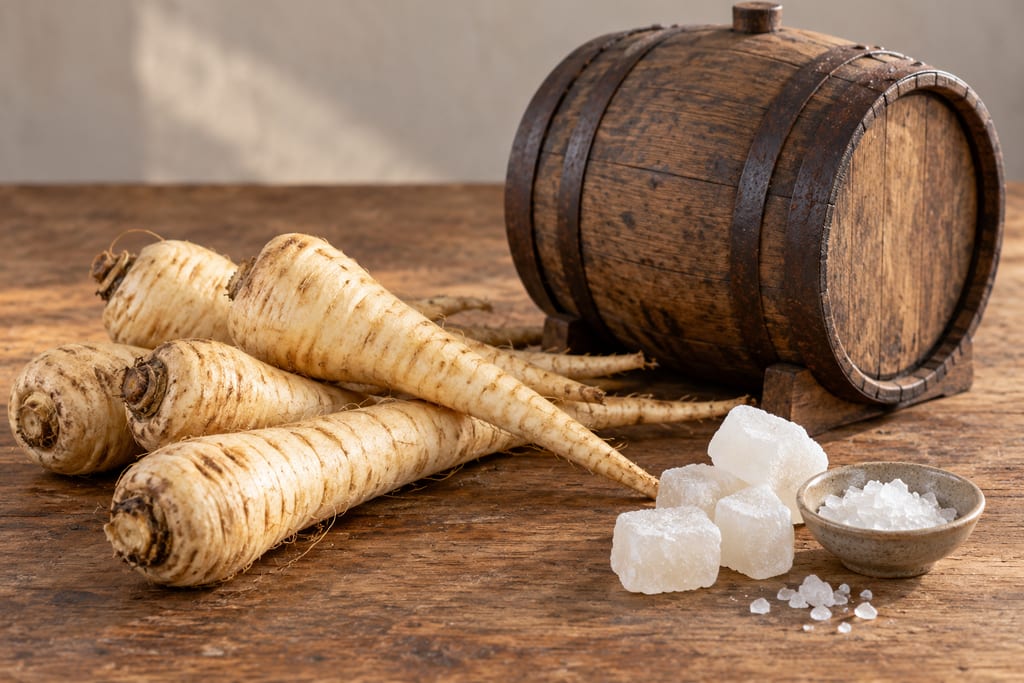
Parsnip wine with crude tartar
Parsnip liquor ferments with loaf sugar, crude tartar and fresh yeast, then matures in a cask for twelve months before bottling.
 FermenteaWhere food goes to change
Other
A mixed crystalline wine-vessel deposit, chiefly potassium hydrogen tartrate, used historically in wine recipes and recovered for refining into purer products.
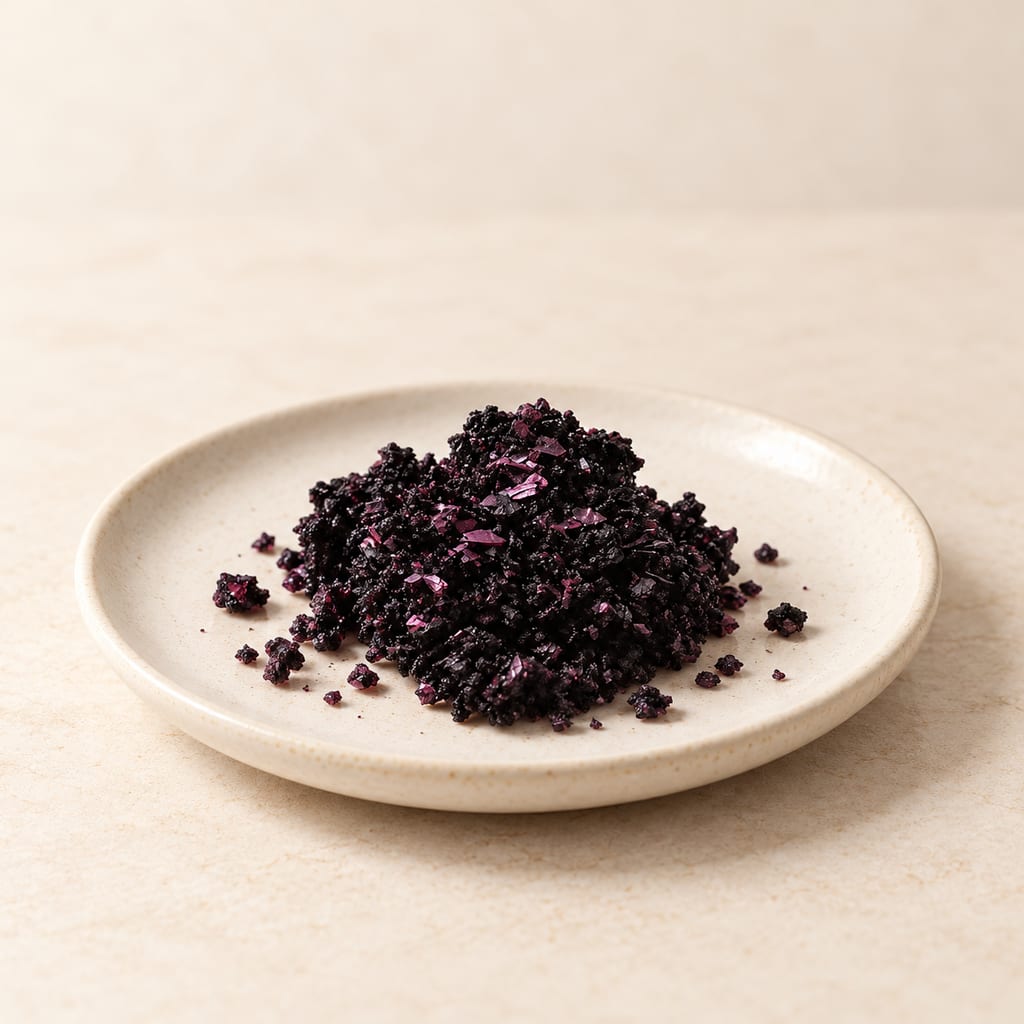
Crude tartar is a wine-making by-product: a crystalline crust or sediment collected from vessels, chiefly containing potassium hydrogen tartrate. Argol is another name for this material. A reddish crust from a wine cask and the fine white cream of tartar sold for baking can share a principal compound while remaining different materials.
The word crude matters. Wine pigments, calcium salts and other suspended material can accompany the crystals. A scraped deposit has not acquired a defined composition merely because much of it is a recognizable tartrate. Its colour and texture can retain something of the wine and vessel from which it came.
This is an ingredient with an unusual route into a household recipe. Its starting point is another food's production, rather than a crop harvested expressly as tartar. Grapes supply tartaric acid and potassium; wine-making changes the liquid environment and creates opportunities for crystalline material to separate. Collection and refining can then give that material another destination, including the manufacture of more purified products.
Potassium bitartrate has limited solubility in a mixture of water and ethanol. As the alcohol concentration increases, its solubility falls. Cooling also affects how much can remain dissolved. A wine can therefore contain material that subsequently separates as crystals, even though no additional tartar has been put into it.
The process is more complicated than pouring a salt into plain water. Wine contains proteins, polyphenols and polysaccharides that can interact with developing crystals and retard their growth. A liquid can remain supersaturated, holding more dissolved material than would persist at equilibrium, until suitable nuclei form or conditions change.
That distinction separates two kinds of change often placed under the broad word fermentation. Yeast produces alcohol from sugars. Crystal nucleation and growth are physical processes influenced by the resulting solvent and the rest of the wine's composition. The yeast is not being asked to manufacture pieces of crude tartar. Fermentation can help create the conditions for deposition while crystallization determines the material that actually separates from the liquid.
A wine deposit is not automatically all one substance. Lees include dead yeast cells, grape pulp, seeds and other grape matter. Argol more specifically refers to the crust associated with wine vessels, although historical usage of tartar and sediment can overlap. The distinction is useful because a yeast-rich sediment and a predominantly crystalline crust do not have the same composition.
Potassium hydrogen tartrate is the most common crystalline deposit identified in wine. Its crystals can have characteristic boat-like or lens-like shapes, but other morphologies occur. Calcium tartrate and other compounds can also produce crystalline deposits. Appearance alone cannot establish the composition of an unidentified collection of fragments.
Red-wine deposits can carry colour with them. Pigments associated with the wine may be retained by the material rather than disappearing when crystals form. That gives a physical reason for distinguishing a wine-coloured raw by-product from a purified white powder. The colour is part of its material history, while an actual purity specification requires more than a visual comparison.
Recovery takes advantage of a difference in solubility between hot and cold water. Hot-water extraction dissolves potassium acid tartrate from wine-making residues. Separating the liquid from insoluble material removes one part of the mixture; cooling the extracted liquid allows crystals to form again. Collection and drying complete another stage of handling.
These steps do different jobs. Dissolving moves a substance into solution. Filtration separates material that has not dissolved. Recrystallization selects material that returns to a solid under the changed conditions. A route that includes activated charcoal can also remove soluble coloured impurities before the crystals are recovered.
The starting residue and the recovered crystals should not be given the same ingredient specification. A process designed to produce a refined compound is meaningful precisely because the original mixture contains other material. Conversely, seeing crystals in a wine vessel does not show that the whole refinery sequence has occurred there. The cellar supplies a raw material; further processing determines the purity and form of the product sold onward.
Henry T. Jarrett's 1896 patent placed colour at the centre of an industrial refining problem. He described argols collected from wine casks as containing chiefly bitartrate of potash and tartrate of lime, with colouring matter that was difficult to remove when making a white product. The material had value, but it did not arrive as the finished substance the manufacturer wanted.
His proposed method used an alkaline dissolution stage followed by precipitation with an acid. The specification also addressed filtration and, when considered necessary, decolourizing treatment. This was a different chemical route from simply recovering crystals through hot-water extraction and cooling.
The distinction reveals what refiners were trying to accomplish. They were separating and transforming a variable wine residue into a more uniform commercial material. A claim about yield or whiteness in a patent belongs to the inventor's proposed process; it does not establish how widely the method was adopted. The patent nevertheless provides a concrete historical example of crude tartar as something collected, worked on and sold into another manufacturing sequence. It was more than a blemish on an emptied cask.
Historical terminology distinguishes several points along that route. Argol was the wine-derived crystalline crust; roughly purified material could be called tartar; further purification and removal of colour produced cream of tartar. The names describe related materials at different stages of treatment, rather than making every use of tartar an exact synonym for today's baking powder ingredient.
This helps explain why an old recipe's wording deserves attention. A writer who specifies crude tartar has named a less fully refined category. Replacing that name with the more familiar cream of tartar would erase information about the intended material, even if the principal salt in both products is related.
The vocabulary also connects the food kitchen with wine processing. The crust formed in a wine vessel becomes something that can be collected and purified, while the resulting name enters another recipe. That movement is a history of materials and trades. It does not establish that every country, merchant or household applied all the terms consistently, or that an old name supplies a modern product's purity and composition.
In Anne Cobbett's English Housekeeper of 1851, crude tartar appears in the second of two parsnip wines. The roots are washed, peeled and boiled until tender. The cook then drains them without bruising and measures the liquor before adding loaf sugar and crude tartar. The additions belong to the drained liquid, rather than to the volume of water that first entered the pot.
This is a direct culinary use of the material beyond grape wine. Something recovered from wine-making enters a preparation built from a garden root, water, sugar and yeast. The connection between the two drinks lies in the added ingredient; the parsnip liquor does not become grape wine through its presence.
Cobbett gives the addition a place in the sequence but does not explain its purpose. She supplies no acidity target or comparison of batches with and without tartar. The ingredient therefore should not be credited with a measured preservation effect, a particular flavour, or a known contribution to yeast nutrition. The documented facts are the named material, its measure and its place before yeast is introduced.
Modern wine stabilization can deliberately encourage the separation that once left a crust to be collected. Trials with Sauvignon Blanc and Malvasia examined cooling and the addition of potassium hydrogen tartrate crystals as seeds. Those seeds provide sites at which further crystal growth can proceed, rather than waiting for nuclei to develop without assistance.
Electrical conductivity was used to follow the process. As dissolved ions leave the liquid and become part of crystals, the electrical behaviour of the wine changes. The measurements offered a way to monitor crystallization alongside the handling of the wine itself.
The trials concern controlled stabilization of particular wines. Their seed amounts, temperatures and measured times do not define how crude tartar should be used in another food. The useful connection is the physical principle: dissolved material, nuclei and growth conditions all influence when crystals appear. A winemaker trying to keep deposits out of a finished bottle and a refiner collecting tartrate-bearing residues can be dealing with different ends of the same material's journey.
Grape juice already contains the constituents from which potassium acid tartrate can crystallize. The compound can therefore separate in unfermented juice as well as during wine-making. Alcohol is an important influence on its solubility in wine, but its presence is not a prerequisite for every tartrate crystal to exist.
Juice processors also remove tartrate deposits and recover material for further use. This is another source stream for refined potassium acid tartrate, alongside wine residues. The distinction helps identify what a product description is actually naming: a salt recovered from grape processing, a mixed wine-vessel crust, or a purified food ingredient. Those descriptions should not be flattened into one undifferentiated material merely because all are connected with grapes. The historical term crude tartar still points to the less refined wine-derived material in the recipe that uses it.
Refined potassium acid tartrate has uses that depend on its acidity. In a baking mixture with sodium bicarbonate, water allows the ingredients to dissolve and react, releasing carbon dioxide. The gas helps give the baked food an airy structure. This chemical leavening is distinct from a yeast fermentation, even though both can produce carbon dioxide in foods.
The salt also participates in acid-base equilibria. Potassium acid tartrate and dipotassium tartrate are different compounds, with different degrees of neutralization. The formula or an unambiguous ingredient name matters when identifying which substance a technical description concerns.
These uses explain why purity and naming carry practical consequences. A refined food ingredient can be specified for a particular function, while an undefined crude wine residue cannot inherit that specification by association. Baking powder is itself a formulated mixture, not another name for a scraped tartrate crust. Knowing what a refined derivative can do is useful context for crude tartar's later destinations, while leaving the historical parsnip-wine addition at the precision actually documented.
Wine residues continue to find uses outside the cellar. Reporting from Brazil's Serra region in 2022 described crystals collected when wineries emptied tanks, with material sold onward for industrial uses and other businesses experimenting with jewellery. The report followed a regional trade in something that might otherwise be treated only as a deposit to remove.
That is a contemporary example of recovery, rather than a specification for a culinary ingredient. A coloured collection of wine crystals can have commercial value without being a food-grade product, and its destination may be an industrial processor rather than a kitchen.
For a historical recipe that names crude tartar, provenance therefore remains a practical part of identity. Where the material came from, what was collected with it and what treatment it received cannot be replaced by an attractive appearance or a familiar chemical name. The ingredient is worth understanding as a wine-derived mixture with a history of recovery and refining; an unspecified collected deposit should not be represented as interchangeable with a defined modern food ingredient.
The historical material has no product-specific allergen declaration or defined composition.
Printed culinary use of crude tartar; the collection origin of that ingredient is not identified.
Wine-derived residues occur in different production settings; the provenance and composition of the material used in the historical recipe are unknown.
Parsnip liquor ferments with loaf sugar, crude tartar and fresh yeast, then matures in a cask for twelve months before bottling.
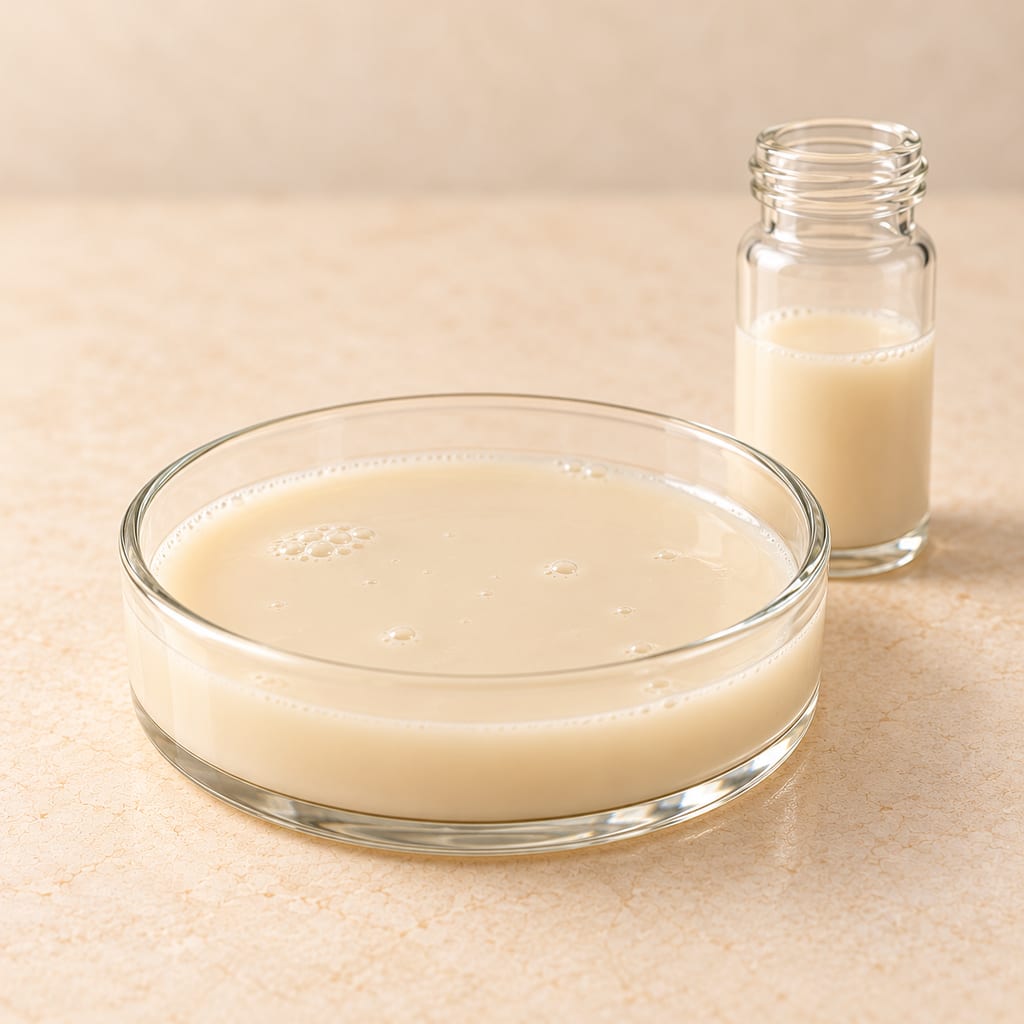
Brewer’s yeast is a working name for living cultures selected for brewing, not one strain or always one species. Ale and lager cultures differ, and older household books may use the term for foam or sediment from brewery beer.
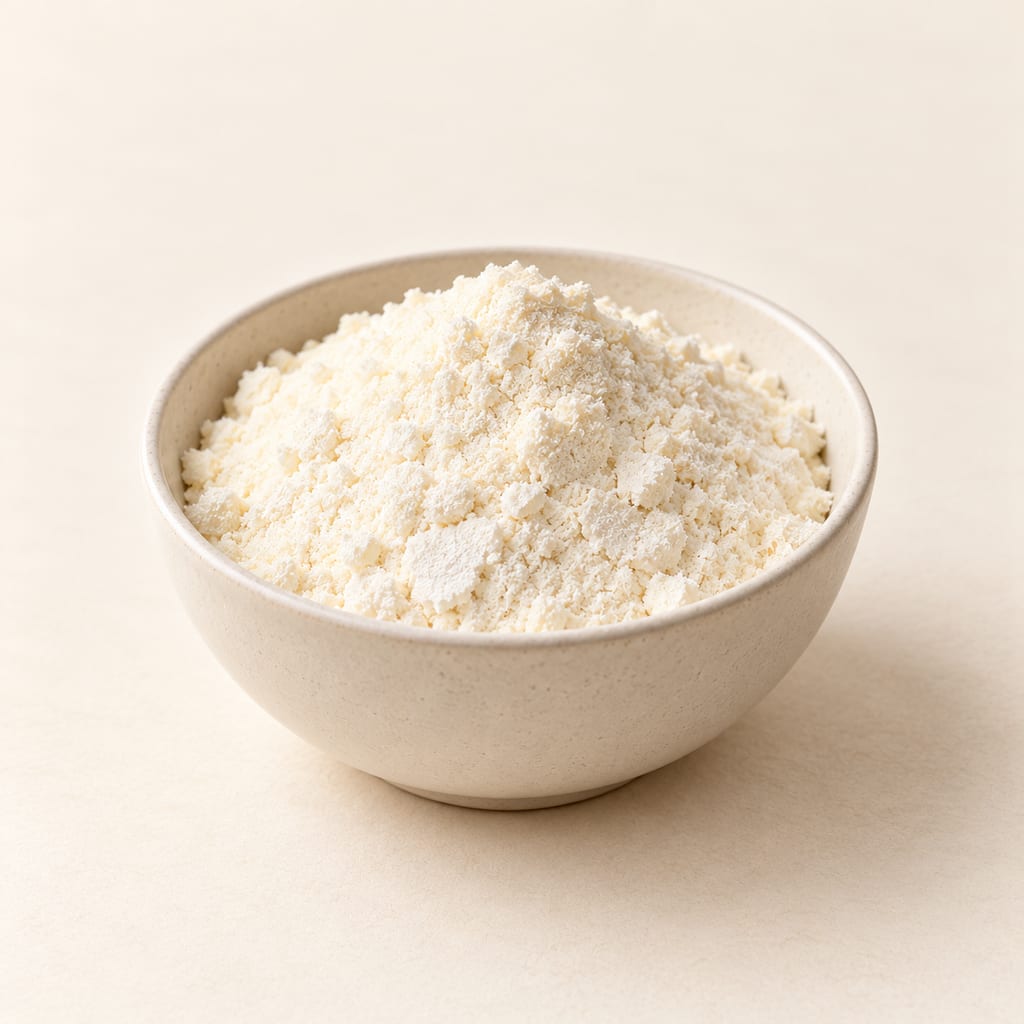
Dry milk is a family of dairy ingredients made by removing most water from milk or cream. The name includes distinct whole, partly skimmed and nonfat powders; fat level, heat treatment and particle form determine handling and use.
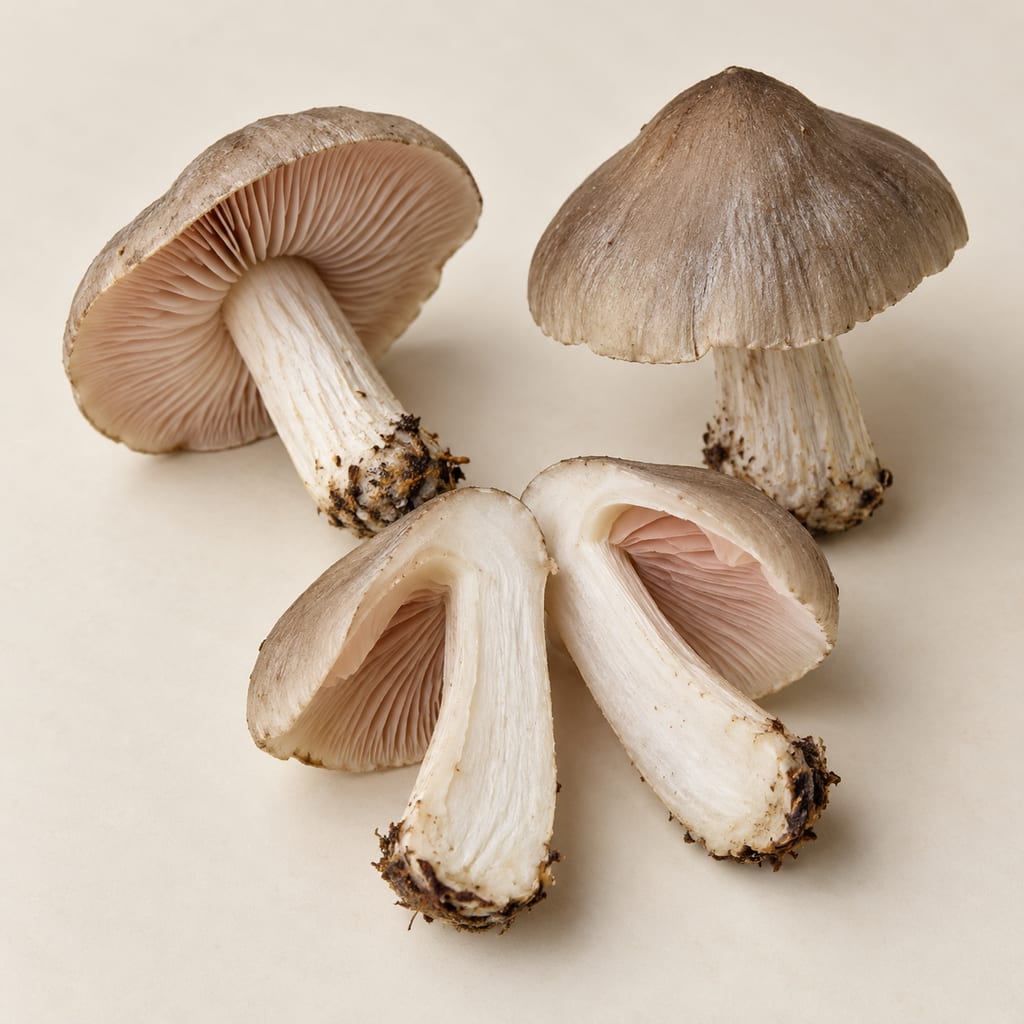
A woodland pinkgill reported as local food in Sikkim and parts of Italy, but difficult to identify and subject to strong regional warnings about confusion with toxic Entoloma species.
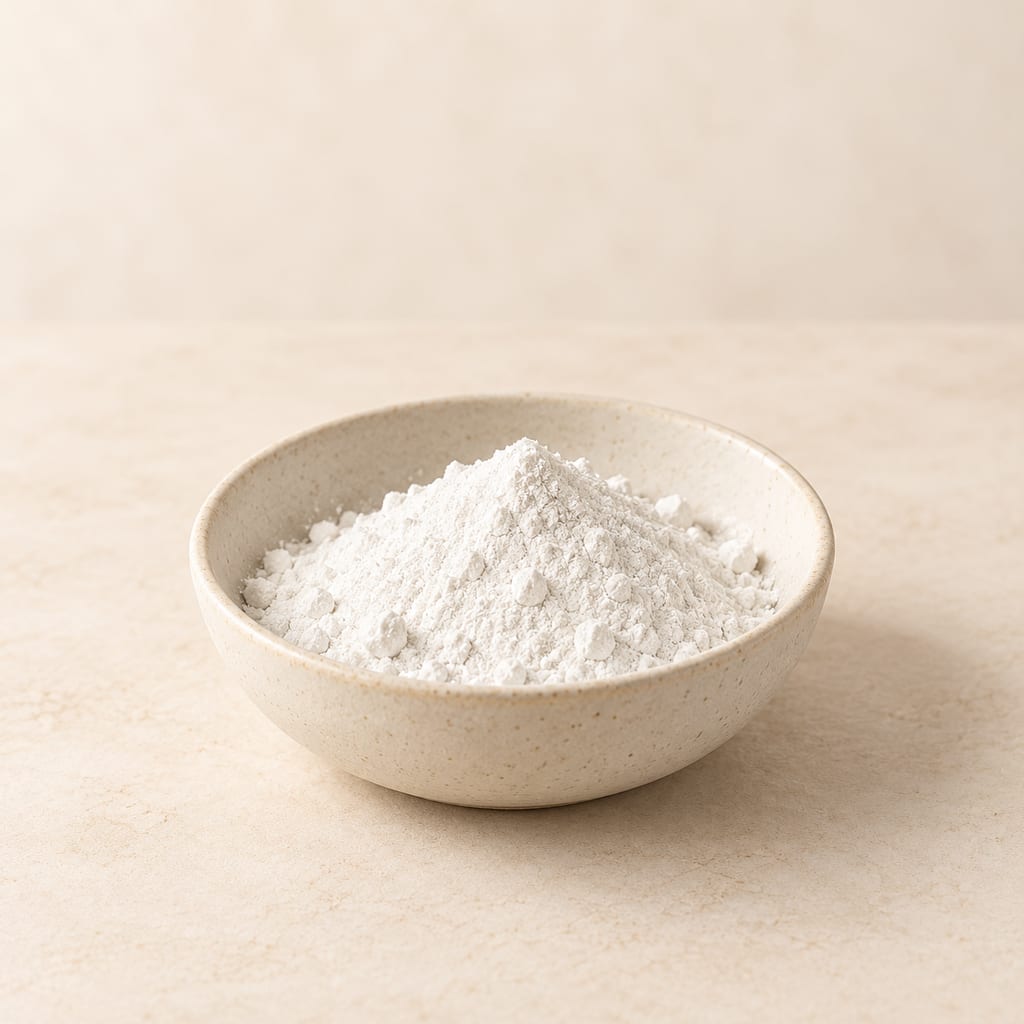
Gypsum is calcium sulfate dihydrate, a mineral salt that brewers dissolve in water for its calcium and sulfate and that tofu makers use to set soy curd.
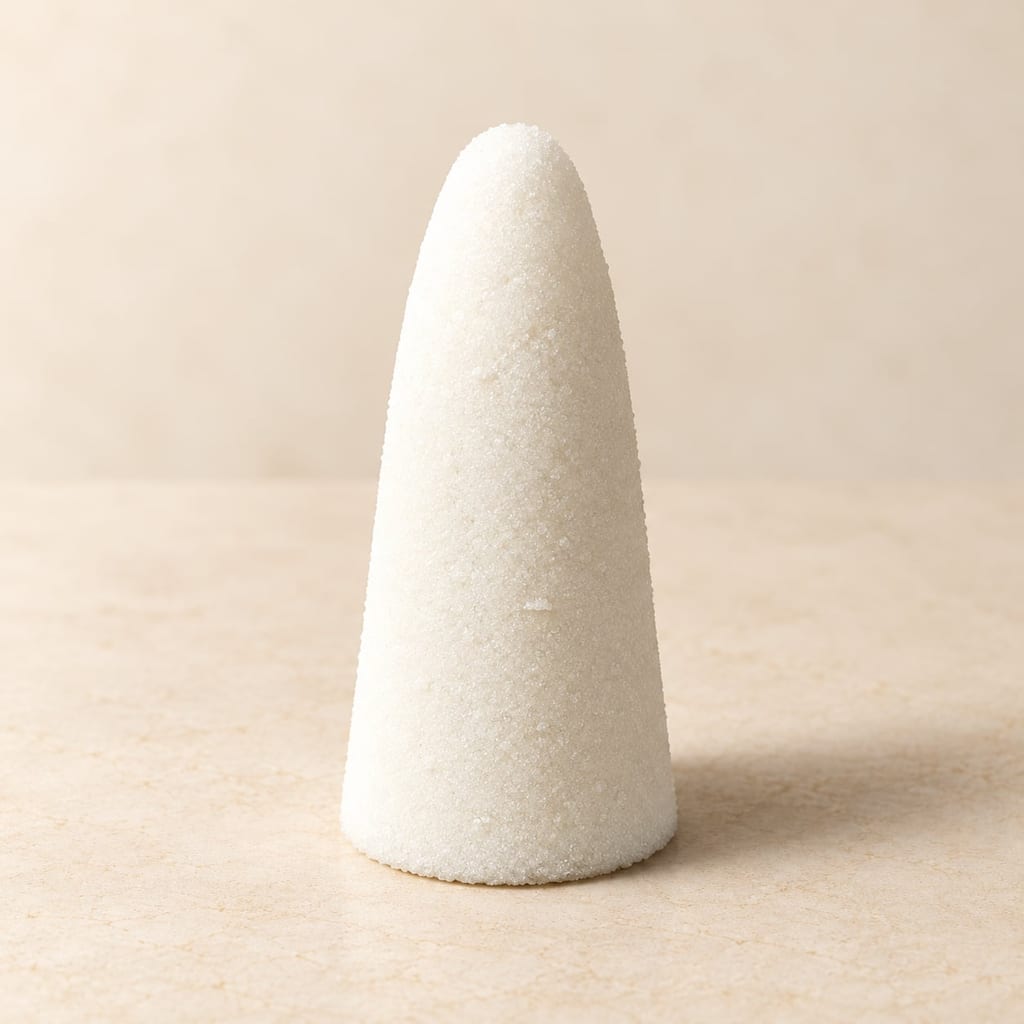
Refined sugar formed into a solid cone, historically cut or powdered for kitchen use and dissolved into wine liquor.
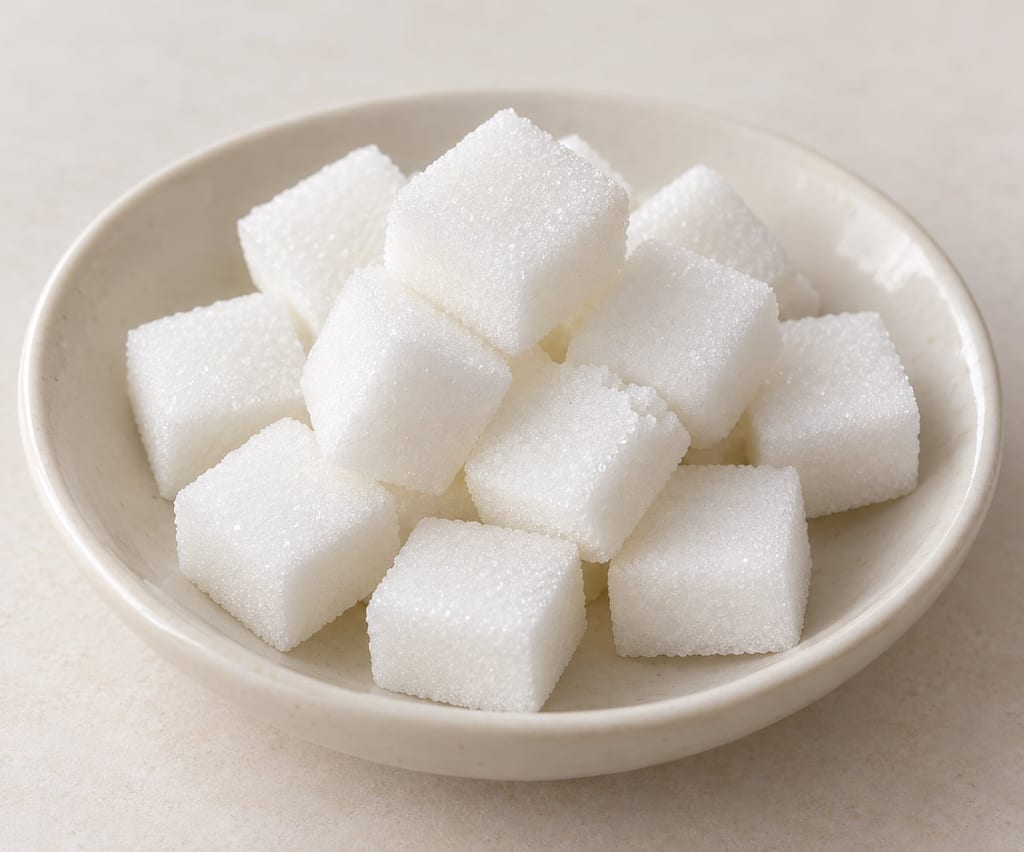
A historical refined-sugar form whose name has covered truncated cones and, in later usage, smaller pressed or cast pieces.
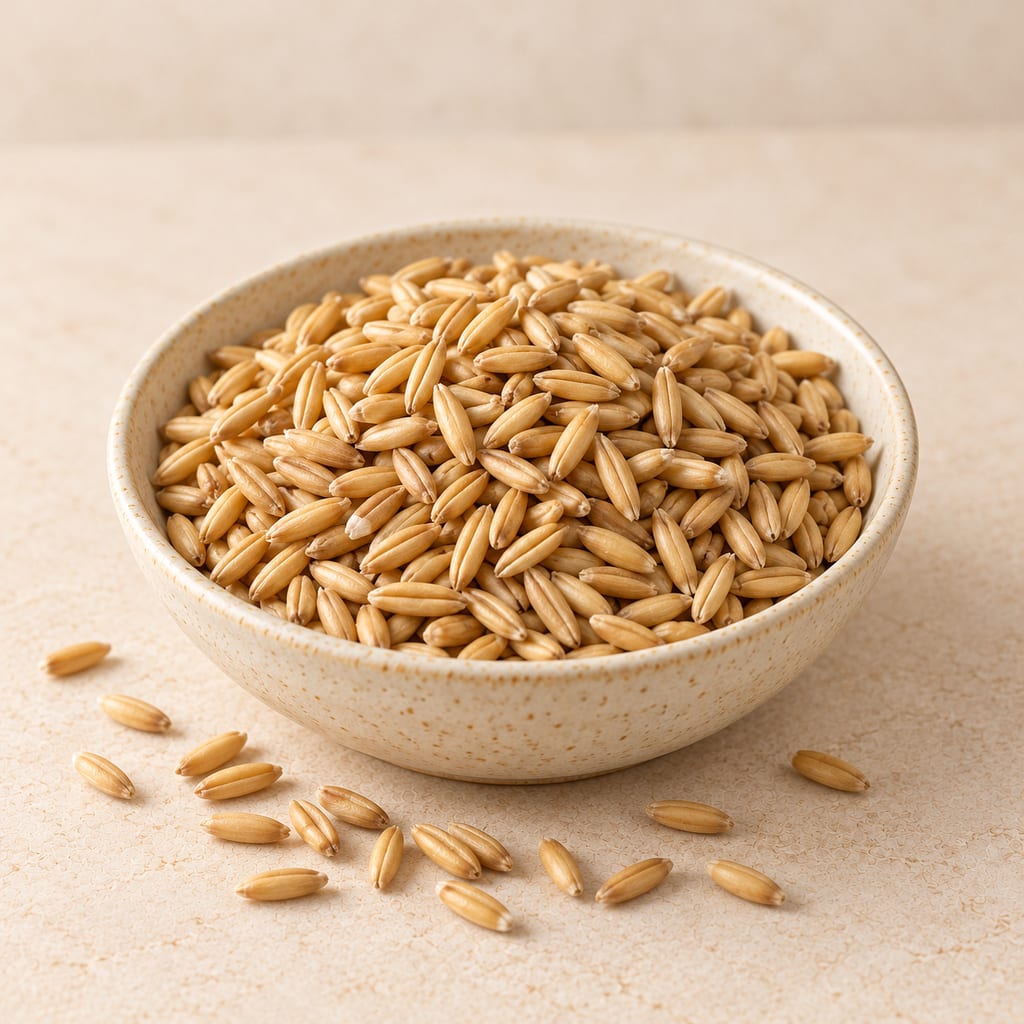
A cereal grain sold as groats, cut pieces, flakes, flour and malt. Oats shape porridge, bread and brewing differently as processing changes hydration, texture, starch, beta-glucan, protein and oil.
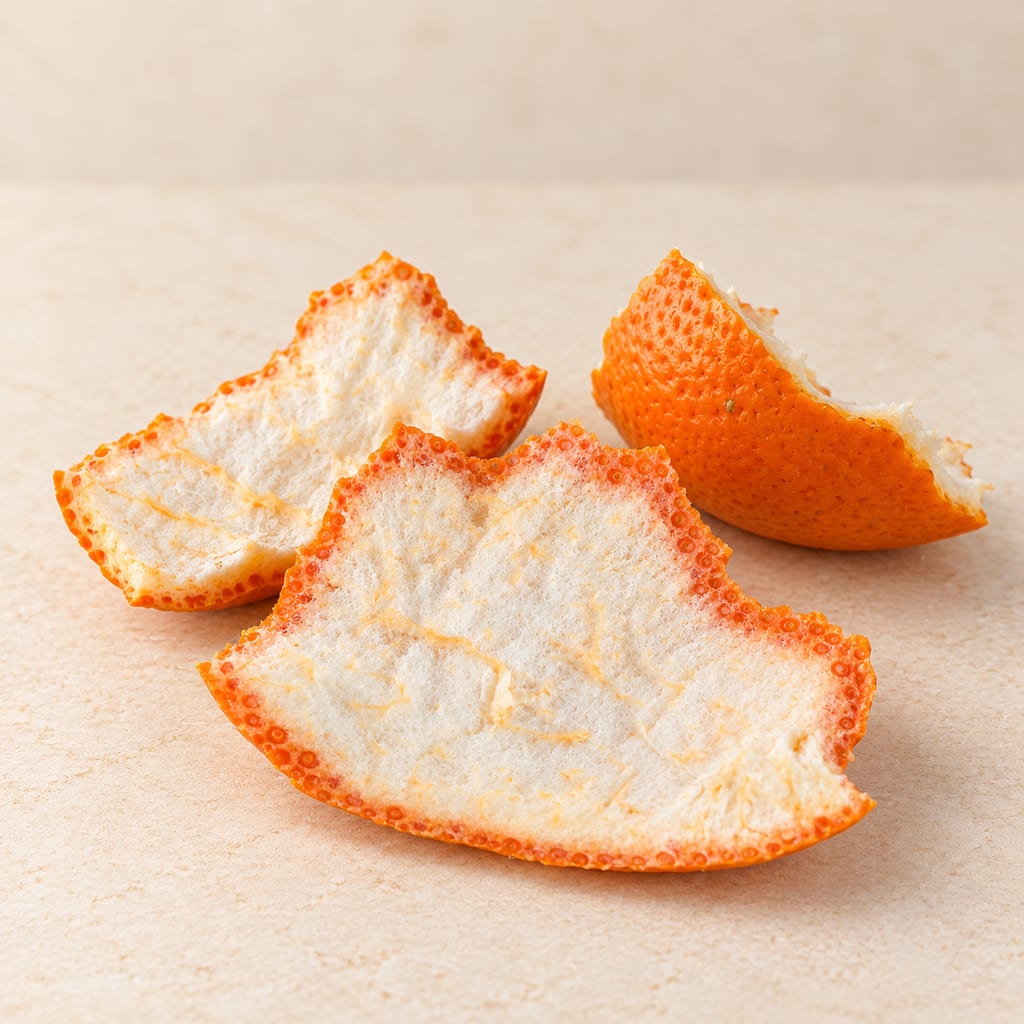
Orange rind retaining its white inner pith, combining aromatic outer peel with the body and pectin used in marmalade and other citrus preparations.
No community contributions have been published for this entry yet.
Sign in to contribute. Published comments and photos are free to read.
USDA National Organic Program
Potassium Acid Tartrate: Handling/Processing, Technical Evaluation ReportArgol/crust versus lees; variable crude residue versus refined food ingredient; hot-water extraction, filtration, recrystallization and drying; grape-juice recovery; purified acid tartrate chemistry and leavening.
p. 5, lines 233–240: wine fermentation converts grape sugars to alcohol through yeast activity.
p. 2, lines 60–64: wine-vessel tartrate crusts may be pale or dark reddish.
Cited in: The crust left by wine; Fermentation changes the liquid; crystallization makes the deposit; Crystals, lees and colour; From a mixed residue to a refined product; Tartrate can separate before alcoholic fermentation; The purified salt has other kitchen roles; A by-product that still has a market
Australian Wine Research Institute
Potassium InstabilityLimited KHT solubility in aqueous ethanol, alcohol/temperature effects, supersaturation, nuclei and wine-matrix interactions.
Cited in: Fermentation changes the liquid; crystallization makes the deposit; Crystals, lees and colour
Australian Wine Research Institute
Crystalline depositsCommon KHT wine crystals, possible morphologies and other crystalline deposits; appearance cannot establish chemical identity.
Cited in: Crystals, lees and colour
United States Patent Office
Process of Making Potassium Bitartrate, US Patent572345Raw argols, calcium tartrate/colouring matter and patented alkaline dissolution/acid precipitation route; proposal does not prove commercial adoption.
Cited in: A nineteenth-century problem of making it white
Encyclopaedia Britannica,11th edition
TartarPeriod distinction between argol, roughly purified tartar and more purified/decoloured cream of tartar.
Cited in: Tartar and cream were not always the same trade description
A.Cobbett, London
The English Housekeeper: Or, Manual of Domestic Management, sixth editionCrude tartar in second parsnip-wine alternative; additions keyed to drained liquor; purpose, purity and acidity endpoint not disclosed.
Cited in: A place in vegetable wine
Acta Chimica Slovenica55,535–540
Monitoring of Potassium Hydrogen Tartrate Stabilization by Conductivity MeasurementSauvignon Blanc/Malvasia cooling and seed-crystal trials monitored by conductivity; nucleation/growth context.
Cited in: Seeding crystals in modern wine work
Pioneiro / GZH
Saiba o que são os cristais do vinho e como eles são comercializados na SerraReported regional collection and sale of wine crystals for industrial and jewellery uses; photograph of collected coloured crystals.
Cited in: A by-product that still has a market
Merriam-Webster.com Dictionary
ArgalIdentifies argal as a variant spelling of argol. The separate adverb entry has a different meaning.