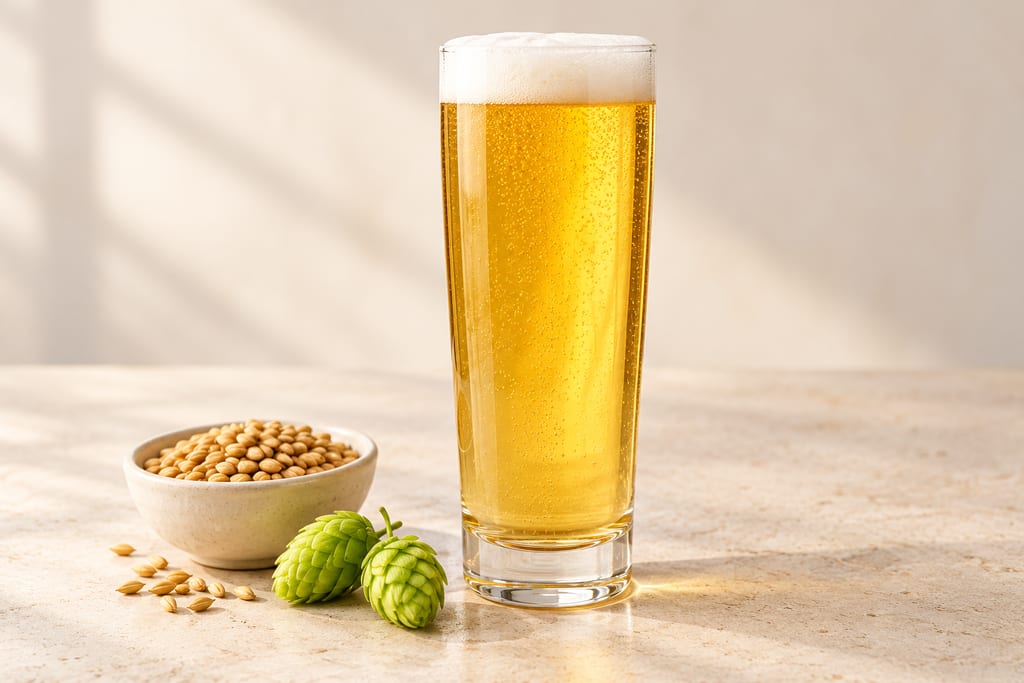
German pils, all-grain
A pale, dry lager with Pilsner malt, Magnum bittering hops and Hallertau Mittelfrüh and Tettnang additions, followed by cold maturation.
 FermenteaWhere food goes to change
Processing aids
Gypsum is calcium sulfate dihydrate, a mineral salt that brewers dissolve in water for its calcium and sulfate and that tofu makers use to set soy curd.
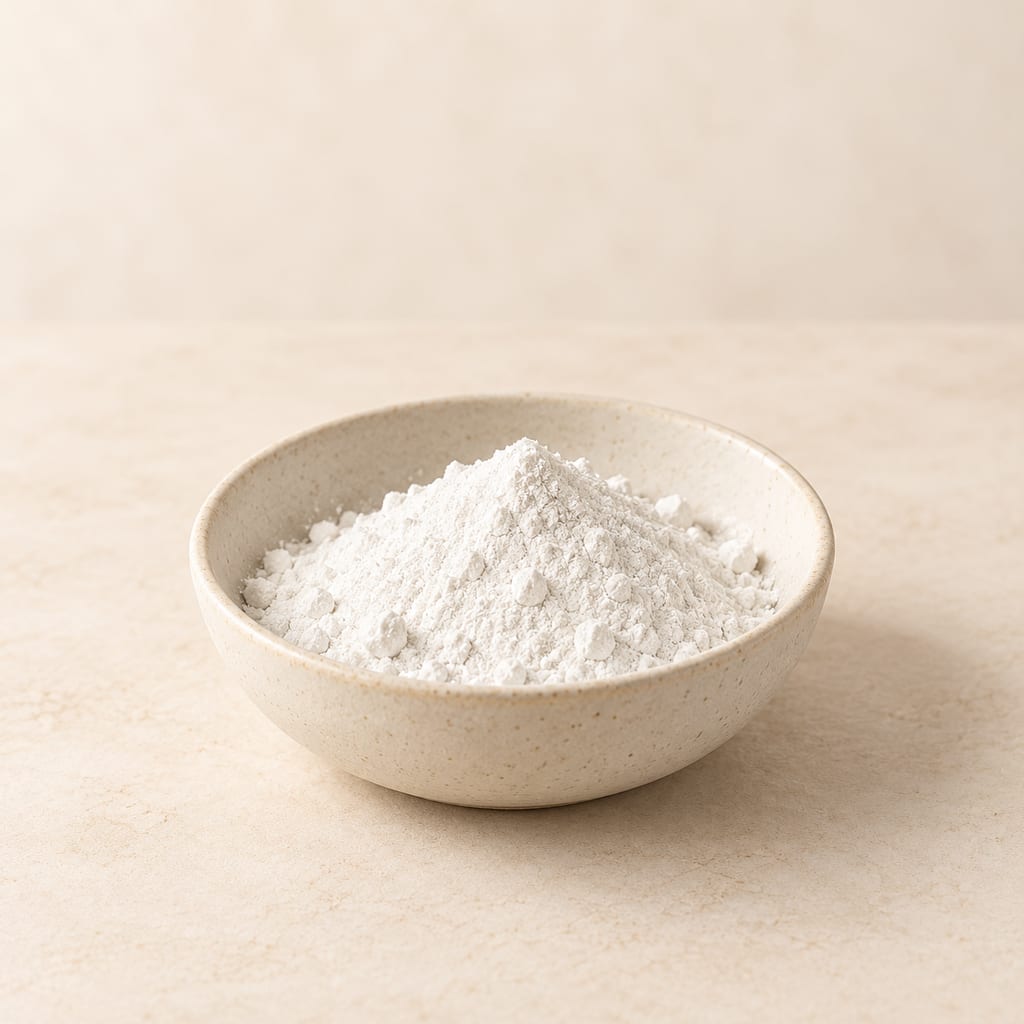
Gypsum is calcium sulfate dihydrate, CaSO4 2H2O, a soft white mineral that dissolves slowly in water. It gives a brewery no sugar to ferment and no organism to ferment with. What it supplies is dissolved calcium and sulfate, and each gram of pure gypsum carries about 0.23 g of calcium and 0.56 g of sulfate. Its work is done in the water in which malt enzymes, hop compounds and yeast later operate, so by the time the beer is finished the powder has gone and only the ions remain.
The two waters of crystallisation in the formula are part of the solid. Calcium sulfate also exists as a hemihydrate and as an anhydrous form, and heating gypsum drives off its bound water, which is how plaster is made; wetting suitable calcined material lets it hydrate and set again. A bag sold for food use is a manufactured ingredient with a stated form, and the declared form matters because the hemihydrate, the dihydrate and a building plaster behave differently.
Gypsum is the ingredient in a German-style pils whose recipe asks for soft water with a little calcium chloride and gypsum added, with reverse-osmosis water as the starting point when tap water is hard. It also sets soybean milk into tofu. These are two very different jobs for one salt, and they share only the chemistry of calcium acting on the food around it.
Gypsum forms where mineral-laden water evaporates and leaves crystals behind. White Sands in New Mexico shows the cycle plainly. Rain and snowmelt dissolve gypsum from the surrounding mountains and carry it into the closed Tularosa Basin, where there is no river outlet, so evaporation crystallises it again. At Lake Lucero, selenite crystals weather into the gypsum sand that makes the dunes white.
A food-grade supplier narrows the mineral to a specification. CASEA, a German gypsum producer, sells CS-Dihydrat FG as a finely milled natural dihydrate for use as the food additive calcium sulphate, E516, with no added aromas or auxiliary materials in that product. Its range also lists feed products, among them a burnt hemihydrate. Intended use decides which form is made and how it is described, and the name on the bag is the first thing to check.
By the 1870s gypsum was already a commercial brewing product. Dingler's Polytechnisches Journal printed an advertisement from Shutes and Company of Duke Street, Derby, for gypsum specially prepared for mixing with brewing water. The firm claimed the mineral let the water extract all the alcohol-forming principles of the malt without the unwanted colour. The journal did not accept that claim, and set it against the laboratory work of the day.
The experiments pointed the other way. Frank, working after a method of Leyser, mashed malt with distilled water and with a concentrated gypsum solution. The extract recovered from 100 parts of malt dry matter fell from 70.38 to 63.23 parts in Leyser's figures and from 67.99 to 60.23 in Frank's, a loss of 7.15 and 7.76 parts. Lintner summarised the work by saying that saturated gypsum solution lowers extract yield by about 6 to 7 percent. The phosphoric acid in the wort fell as well, from 0.61 to 0.33 parts per 100 parts of extract, nearly half, and Frank connected that loss to the harm a gypsum-heavy water can do to fermentation, because yeast needs phosphoric acid.
The scale of the test matters. A saturated gypsum solution is hardly ever used as brewing water, and the article says plainly that the loss in extract is nevertheless of real importance in large-scale brewing. Other results in the same article were milder. Geisler found that gypsum did not precipitate protein out of the wort: the proteinoid figures were 4.03 parts per 100 of extract with distilled water and 4.21 with gypsum. Tauber found that 63.9 percent of the gypsum in a saturated solution mashed with malt ended up in the spent grains. Thausing brewed with water carrying 2.6 g of gypsum per litre and found the gypsum in the mash water harmless, and Lintner reported that gypsum water helped the wort to clear. Fassbender saw a faster wort break and a slower fermentation with higher gypsum contents, and no disadvantage.
Colour was part of the sales pitch, and the article measures none for gypsum. Its only remarks on wort colour concern lime and chalk, which one authority said turn wort red; Russian brewers were reported to add lime at hopping to darken their beer. The findings it reports for gypsum concern extraction, phosphate and clarification.
The debate is useful because it separates an effect from an explanation. Adding a salt changes several things at once, and the brewer sees only an extract, a fermentation and a flavour. The 1876 authors argued over which comparison showed what, and over whether a concentrated laboratory solution said anything about the water in an ordinary brewhouse.
Dissolved gypsum brings calcium and sulfate together, and they do different jobs. In the mash, calcium reacts with phosphates from the malt, which releases hydrogen ions and lowers the pH; bicarbonate in the water works the other way and consumes acidity. The malt supplies its own buffering substances and acids, so mash pH is the outcome of the water, the grist and any treatment together. The target is a mash pH of 5.1 to 5.5, and calcium is described as essential for reaching it. Calcium also keeps oxalate in solution, reduces tannin extraction and helps proteins coagulate in the hot and cold breaks, and it supports malt enzymes. Gypsum does not carry a fixed pH correction that works for every batch.
Sulfate has a different effect, on taste. At high concentrations it accents hop bitterness and dryness, and the brewing world's favourite example is the water of Burton-on-Trent, the English town whose pale ales made its wells famous. Its water carries about 352 ppm of calcium and 820 ppm of sulfate. Brewers elsewhere add gypsum, together with Epsom salts, to bring their water towards Burton levels, a practice called Burtonising. The dry impression that sulfate gives is a sensory effect, not extra fermentation: attenuation, the amount of sugar the yeast consumes, and the perception of bitterness are separate matters.
Pilsen sits at the opposite end. The water of the Czech city that gave pilsner its name has about 10 ppm of calcium and 4 ppm of sulfate, with almost no bicarbonate, and a mellow hop bitterness is the result. A brewer making a pale lager from soft water adds a little calcium to bring the mash into range, and gypsum is one of two salts that can do it; calcium chloride is the other, and it adds chloride, which enhances the perception of sweetness at low concentration, in place of sulfate.
A modern pils recipe is a designed formulation, not a sample from an old well. Water treatment lets a brewer start from soft or reverse-osmosis water and build the mineral profile wanted, and the recipe in this entry takes exactly that route, adding calcium chloride and gypsum to soft water. The salts serve two purposes together: calcium for the mash and sulfate in measured amounts for the hop character of a crisp lager. The quantities depend on the starting water, which is why brewers analyse it before they adjust it.
Using two calcium salts gives the brewer two ways to tilt the same mash. Both supply calcium, but gypsum adds sulfate, which sharpens hop bitterness and dryness, while calcium chloride adds chloride, which enhances the perception of sweetness at low concentrations and, at high levels, can hamper yeast flocculation. Yeast also needs magnesium, 10 to 20 ppm of it, and more than that tastes harsh and mineral. A balanced pale lager water keeps all of these low and deliberate, which is why the starting point is soft water rather than a hard tap supply.
The useful way to think about a water addition is to begin with the water. The same gram of gypsum in a litre of Pilsen water and in a litre of Burton water gives very different results, because the calcium, sulfate and bicarbonate already there decide where the additions land.
Calcium sulfate is also a classic coagulant for soybean curd. Here it acts on soy proteins, not on a mash. Tofu making begins with soybeans soaked for 9 to 10 hours at 22 degrees C (or 4 to 6 hours at 32 degrees C), ground and cooked as a slurry at 100 to 110 degrees C for 3 to 10 minutes, which denatures the protein and drives off beany volatiles. The soymilk is separated from the okara, the solid pulp, and is coagulated at 60 to 90 degrees C with a coagulant at 1.5 to 5.0 g per kg, with a little stirring at the start. Calcium ions then bind and bridge the soy proteins into a gel, which is pressed for firm and extra-firm tofu.
Gypsum is the most traditional of the salt coagulants, and it does not mask the flavour of the bean. Nigari, a mixture of magnesium and calcium chlorides, is more soluble and gives a smoother tofu, but its composition varies, which complicates large-scale production. Glucono-delta-lactone, an acid-forming coagulant, sets so quickly that silken and soft tofu can coagulate inside their own package, with a slight sourness. Calcium sulfate used together with it gives soft, smooth tofu. The solids content of the soymilk largely decides the final texture.
J. M. deMan, L. deMan and S. Gupta compared five coagulants in 1986: calcium chloride, magnesium chloride, calcium sulfate, magnesium sulfate and glucono-delta-lactone. Calcium chloride and magnesium chloride set the milk quickly and gave coarse, granular, hard curds. Calcium sulfate, glucono-delta-lactone and magnesium sulfate worked more slowly, and the curd from calcium sulfate was smooth, soft and uniform. Concentration mattered as much as the coagulant: 0.75 percent calcium sulfate was the most suitable for tofu of high bulk weight and smooth texture. The calcium sulfate in that study was the hemihydrate, and the dihydrate sold as food-grade gypsum is a different form.
Texture is the culinary consequence. A soft, uniform curd and a hard, granular one eat differently and stand up differently in a dish, which is why tofu makers treat the coagulant as a decision about eating quality and not only about yield.
For food use the checks are a declared food-grade designation, a stated calcium sulfate form and the product specification. A retail tofu-making supplier sells fine white food-grade calcium sulphate powder in small packs, and its photograph shows what the dry ingredient looks like, a powder where a mineral specimen would be a lump of crystal and a block of curd would be wet and soft.
As a pure mineral salt it carries no protein, and the CASEA food grade lists no aromas or auxiliary materials; a blended product should be read against its own declaration for carriers or anti-caking agents. Gypsum for brewing, for tofu and for animal feed come from different specifications, and the food specification is the one that matters in a kitchen.
none known for the pure mineral; check blended products
Shutes and Company advertised prepared brewing gypsum from Duke Street, Derby.
Source of the gypsum-rich water that Burtonising imitates.
A natural gypsum deposit used here to illustrate how the mineral forms.
A pale, dry lager with Pilsner malt, Magnum bittering hops and Hallertau Mittelfrüh and Tettnang additions, followed by cold maturation.
Salt seasons a meal, shapes fermentation and preserves food. Its history follows the people who mine, harvest, trade and transform it, and the choices hidden inside an ordinary packet.
Cheese, tofu, agar, nixtamal and cured ham all begin with a liquid or soft food made to set, sour or keep. Rennet is one branch of that history, beside plant enzymes, acids, minerals, alkalis, gels, finings and curing salts.
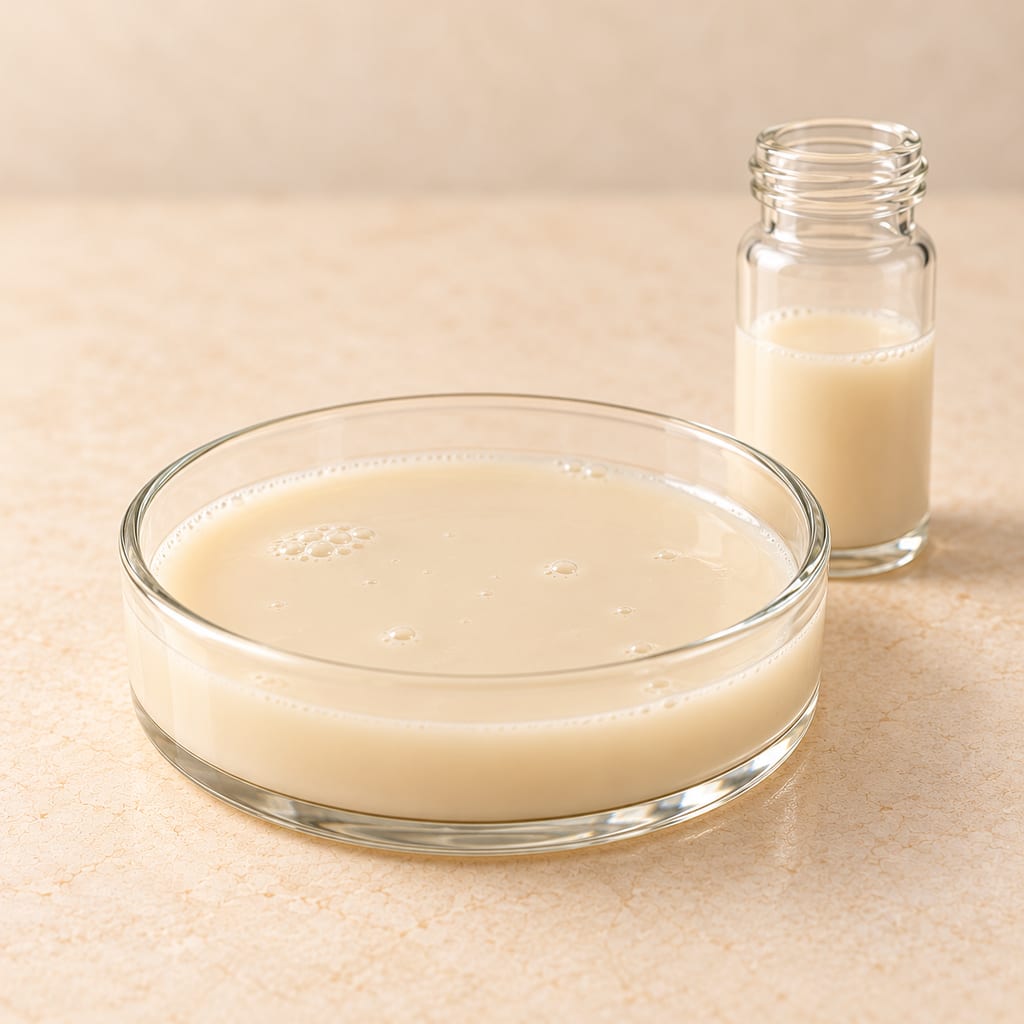
Brewer’s yeast is a working name for living cultures selected for brewing, not one strain or always one species. Ale and lager cultures differ, and older household books may use the term for foam or sediment from brewery beer.
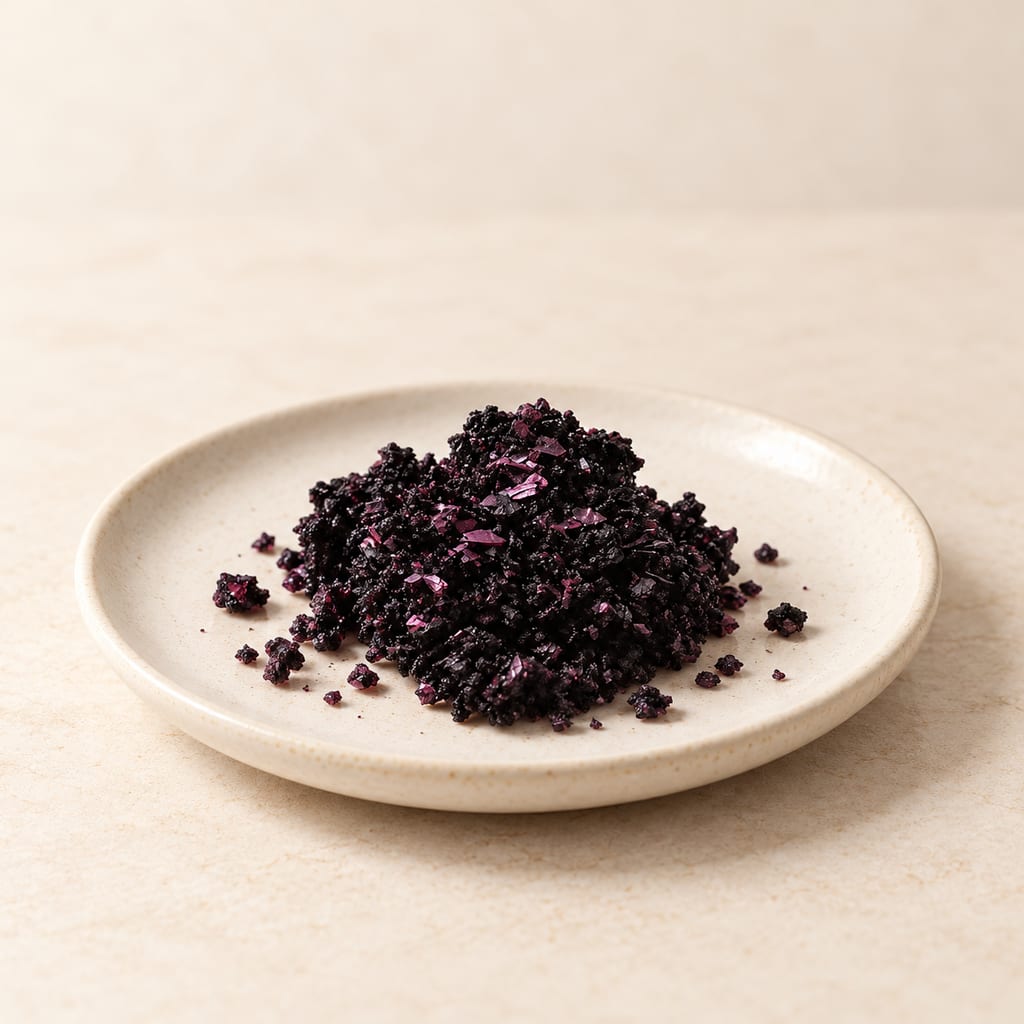
A mixed crystalline wine-vessel deposit, chiefly potassium hydrogen tartrate, used historically in wine recipes and recovered for refining into purer products.
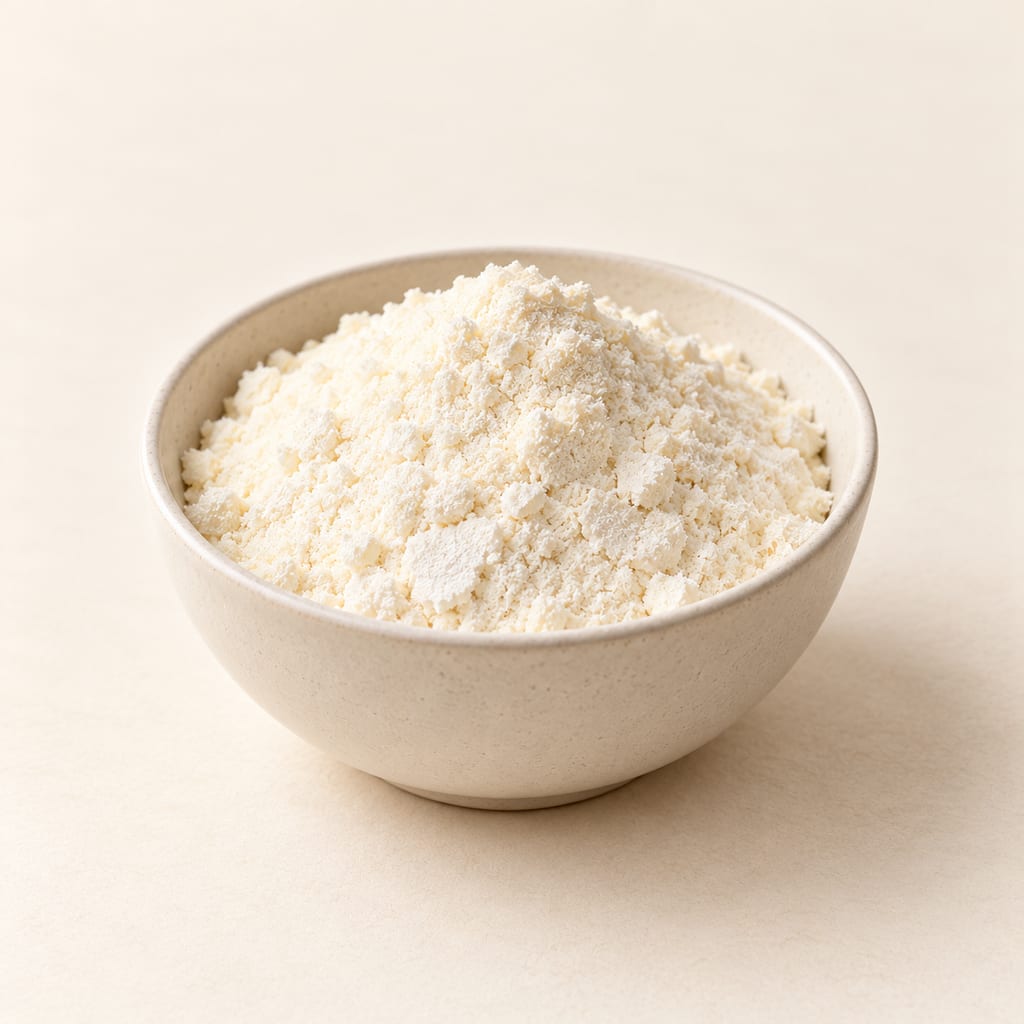
Dry milk is a family of dairy ingredients made by removing most water from milk or cream. The name includes distinct whole, partly skimmed and nonfat powders; fat level, heat treatment and particle form determine handling and use.
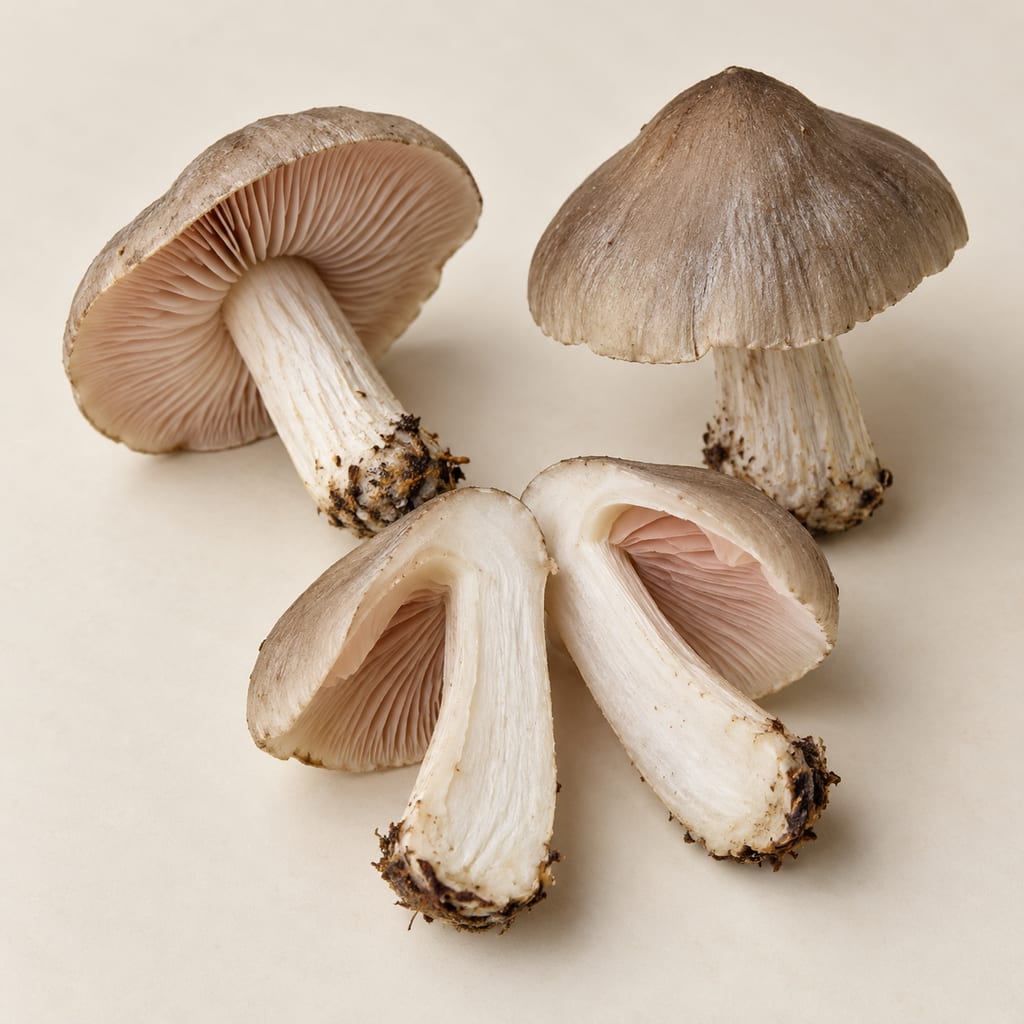
A woodland pinkgill reported as local food in Sikkim and parts of Italy, but difficult to identify and subject to strong regional warnings about confusion with toxic Entoloma species.
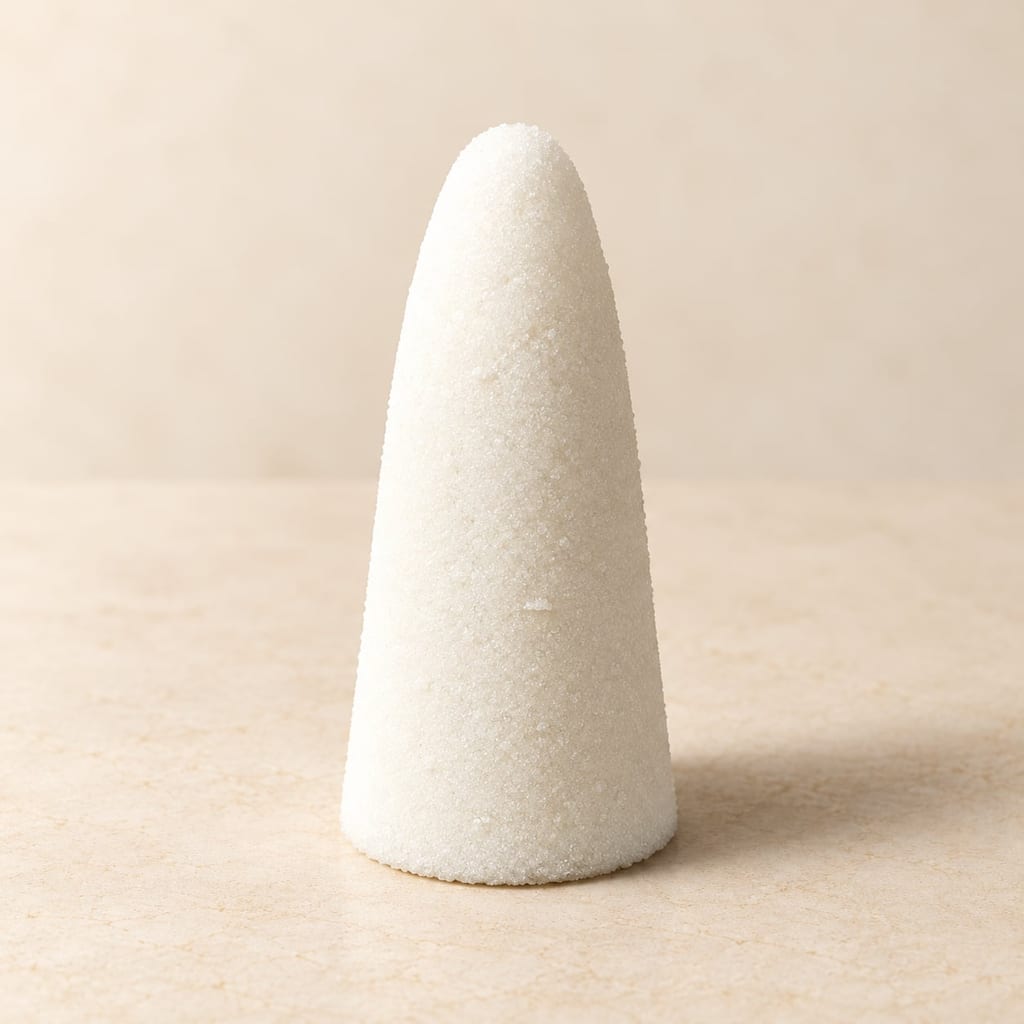
Refined sugar formed into a solid cone, historically cut or powdered for kitchen use and dissolved into wine liquor.
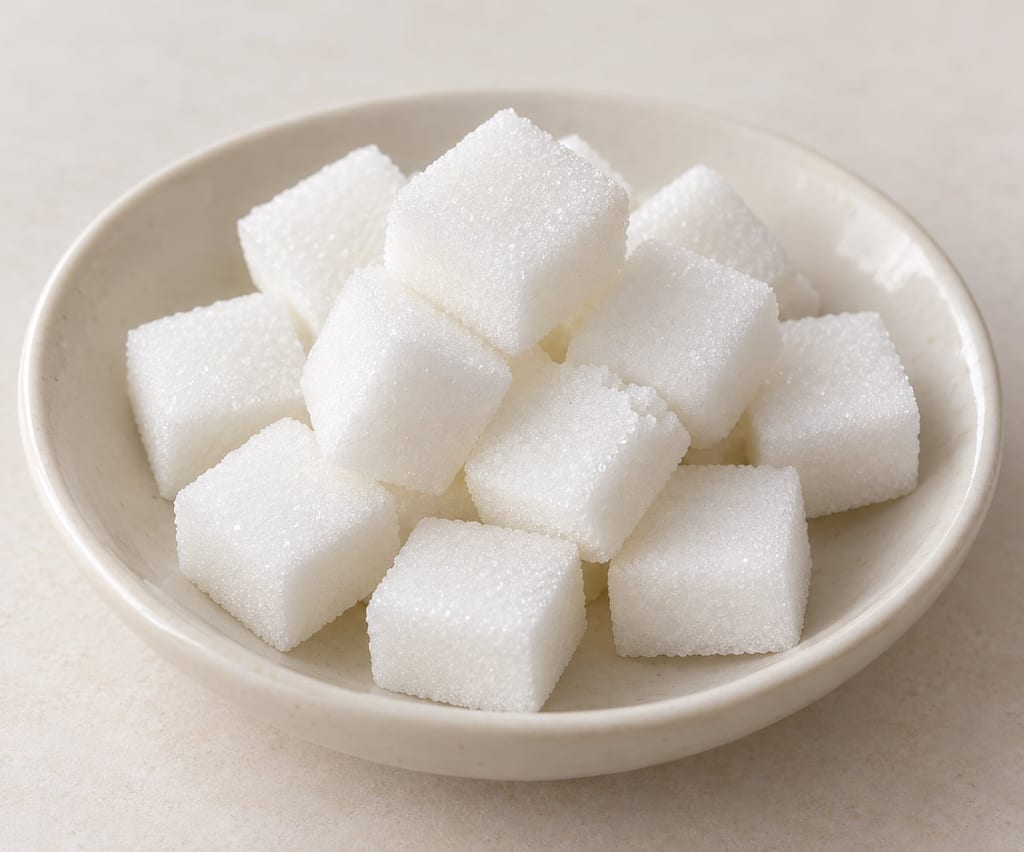
A historical refined-sugar form whose name has covered truncated cones and, in later usage, smaller pressed or cast pieces.
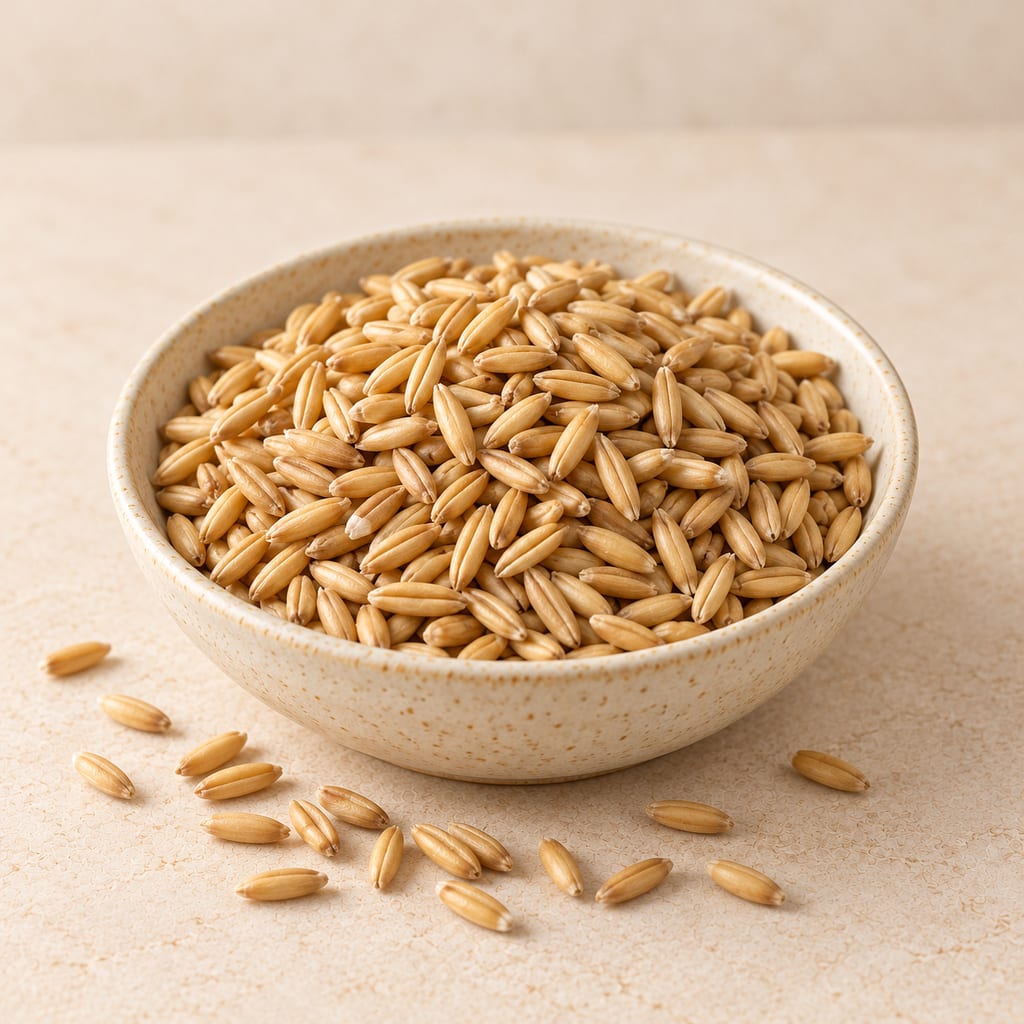
A cereal grain sold as groats, cut pieces, flakes, flour and malt. Oats shape porridge, bread and brewing differently as processing changes hydration, texture, starch, beta-glucan, protein and oil.
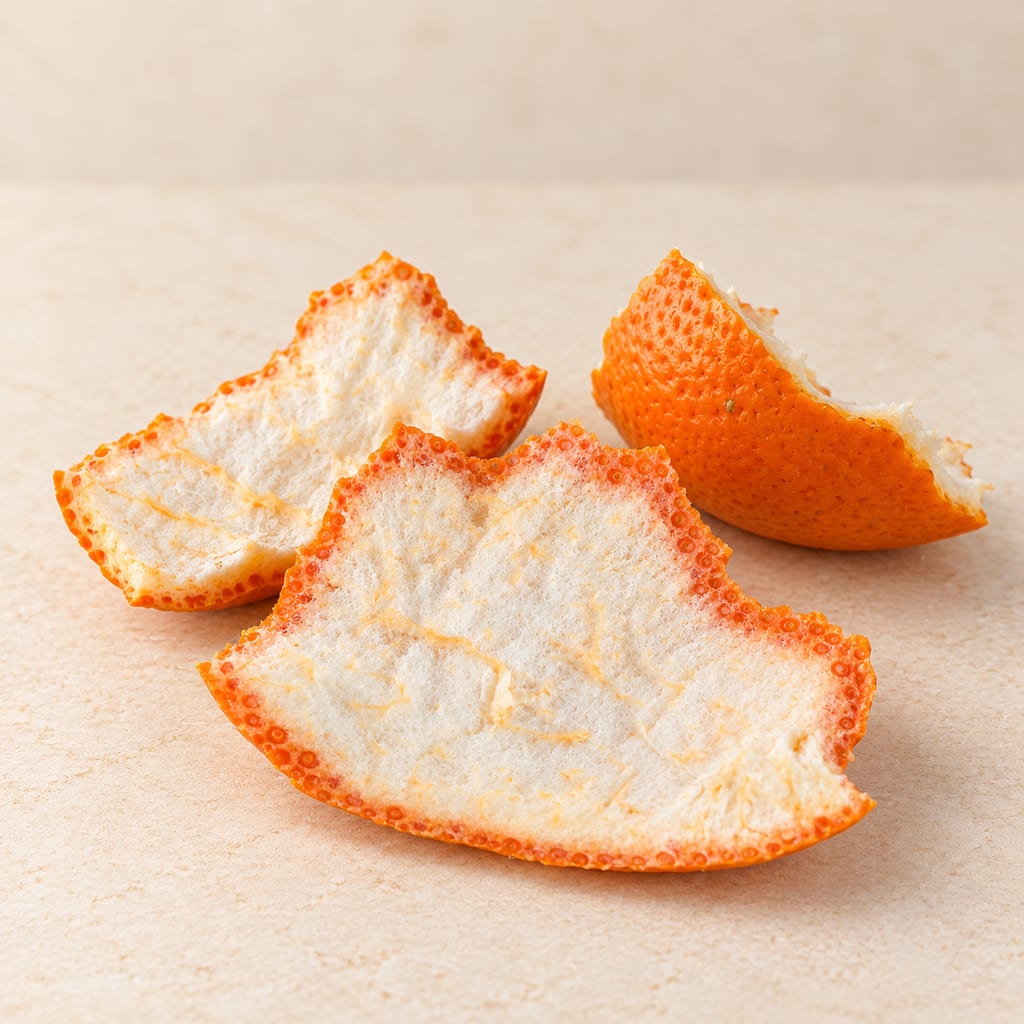
Orange rind retaining its white inner pith, combining aromatic outer peel with the body and pectin used in marmalade and other citrus preparations.
No community contributions have been published for this entry yet.
Sign in to contribute. Published comments and photos are free to read.
Bräu SupplyRecipe context · Water adjustment
German Pils Recipe, All-GrainA German pils uses soft water with calcium chloride and gypsum, and reverse-osmosis water where tap water is hard.
Cited in: A mineral that works through water; Calcium, sulfate and the mash; In the water of a German pils
National Park ServiceIdentity · Geology
GypsumGypsum is calcium sulfate dihydrate; at White Sands, rain and snowmelt dissolve gypsum, carry it into the closed Tularosa Basin, and evaporation crystallises it again, forming selenite at Lake Lucero.
Cited in: A mineral that works through water; From an evaporating basin to a food-grade powder
CASEAFood grade specification
Calcium sulphate for the feed and food processing industryCS-Dihydrat FG is a finely milled natural dihydrate for food use as calcium sulphate E516; the same range lists feed products, including a burnt hemihydrate.
Cited in: A mineral that works through water; From an evaporating basin to a food-grade powder; Choosing and handling gypsum
Dingler's Polytechnisches Journal, volume 222 (1876)History · Experiments
Ueber die Anforderungen, welche an ein fuer Bierbrauereien bestimmtes Wasser zu stellen sind.Shutes and Company (Derby) brewing-gypsum advertisement; Frank and Leyser extract yields from distilled water against saturated gypsum solution (70.38 to 63.23 and 67.99 to 60.23 parts per 100 of malt dry matter); Lintner: yield down 6 to 7 percent; wort phosphoric acid 0.61 to 0.33 per 100 extract; Geisler on protein; Tauber on gypsum in spent grains; Thausing, Lintner and Fassbender on mash water, clarification and fermentation.
Cited in: Brewing gypsum in 1876
Journal of the Institute of BrewingMash chemistry
125th Anniversary Review: Water sources and treatment in brewingCalcium reacts with malt phosphates and lowers mash pH; bicarbonate raises it; calcium supports enzymes; sulfate contributes to the sensory balance of bitterness.
Cited in: Calcium, sulfate and the mash; In the water of a German pils
Beer Judge Certification ProgramWater profiles · Sensory effect
WaterBurton-on-Trent water: calcium 352, sulfate 820 ppm; Pilsen: calcium 10, sulfate 4 ppm; mash pH target 5.1 to 5.5; calcium, oxalate, tannin and break formation; sulfate and hop bitterness; Burtonising with gypsum and Epsom salts.
Cited in: Calcium, sulfate and the mash; In the water of a German pils
Food StructureTofu coagulation
Texture and Microstructure of Soybean Curd (Tofu) as Affected by Different CoagulantsFive coagulants compared in 1986: chlorides coagulate quickly and give coarse hard curd; calcium sulfate hemihydrate acts slowly and gives smooth soft curd; 0.75 percent calcium sulfate recommended.
Cited in: Gypsum in tofu
Tofu Press AustraliaRetail form
Food Grade Gypsum Powder / Calcium SulphateA food-grade calcium sulphate powder sold for tofu-making, shown as a fine white powder.
Cited in: Choosing and handling gypsum
Institute of Food Technologists, Food Technology MagazineTofu process
How Tofu Is ProcessedSoaking, cooking, coagulation at 60 to 90 C with 1.5 to 5.0 g/kg coagulant; gypsum as the most traditional coagulant that does not mask bean flavour; nigari; GDL; gypsum with GDL gives soft, smooth tofu.
Cited in: Gypsum in tofu