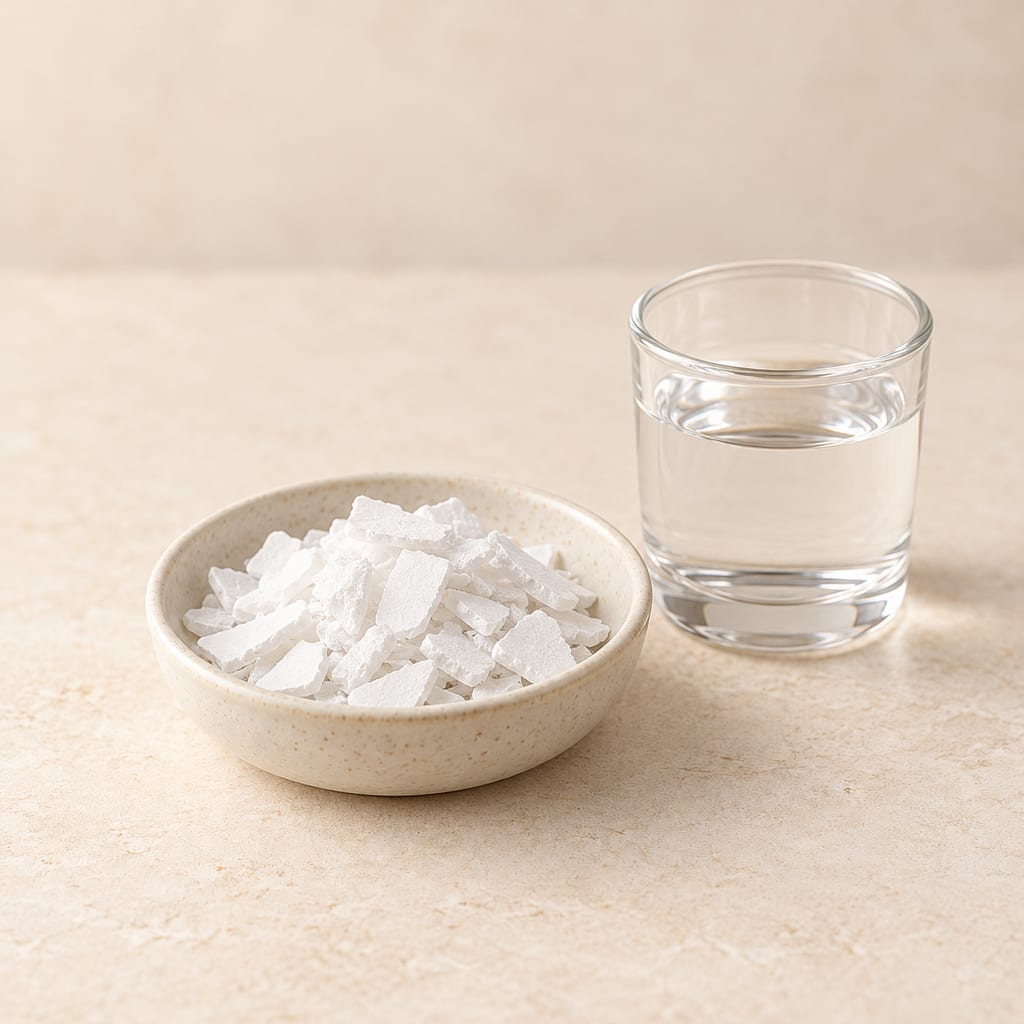
Calcium chloride
A soluble calcium salt used to support cheese curd formation, balance cheese brines, reinforce some plant tissues and adjust brewing water.
 FermenteaWhere food goes to change
Modern method
German Pils · German pilsner
A pale, dry lager with Pilsner malt, Magnum bittering hops and Hallertau Mittelfrüh and Tettnang additions, followed by cold maturation.
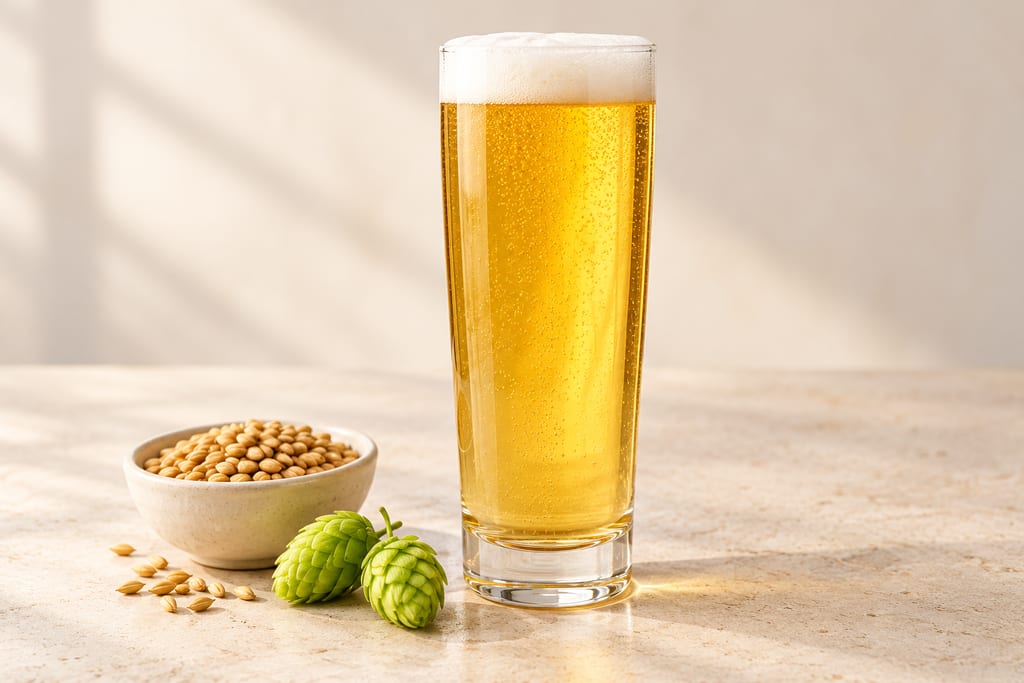
German pils is a pale lager whose apparent simplicity puts its balance in plain view. The modern style is dry and bitter, with a clean fermentation character, a white head and hop aromas commonly described as floral, spicy or herbal. Pale malt remains part of the flavour, but the finish gives hops a clear voice. It is a different proposition from a dark beer built around roast or a wheat beer whose yeast supplies a conspicuous banana-and-clove character.
This all-grain version is Steven Liesch's contemporary recipe for Bräu Supply, published in September 2026. It uses a mostly Pilsner-malt grist, three hop additions and a deliberately changing fermentation temperature. Its German identity describes the style being approached. The recipe page does not identify a German brewing site or establish where the formulation was first made.
The intended result is best understood as a relationship between stages. A pale, fermentable wort supplies the base; kettle hops provide bitterness and later hop character; lager yeast ferments it; a warmer rest precedes cold maturation. The short ingredient list leaves considerable work to temperature control, water interpretation and patient observation. These are active parts of the recipe, even when little appears to be happening in the fermenter.
The Pilsner name begins with Pilsen, now Plzeň in the Czech Republic. Plzeňský Prazdroj's brewery history dates Josef Groll's first brew at the Burghers' Brewery to 5 October 1842. The producer also records delivery to Prague the following year. This is a specific brewery chronology, rather than evidence that today's homebrew formula reproduces Groll's ingredients or equipment.
The movement of the beer matters as much as the first brew. A local preparation became a model that brewers elsewhere interpreted under different conditions. German Pils developed as an adaptation of Czech Pilsner to German brewing conditions, including domestic hops and different water. The family connection survives, while the finished balance can differ. The style name carries that relationship without demanding a single universal Pilsner recipe.
Modern judging descriptions distinguish German Pils from Czech Premium Pale Lager through a lighter, drier impression and a more lingering bitter finish. They distinguish it from Munich Helles by stronger hop character and bitterness. These are useful comparisons between modern styles. They should not be treated as proof that every German example is more bitter than every Czech example, or that all pale beers within one country share the same water.
Regional differences remain within Germany. Bavarian examples tend towards softer bitterness and more malt or late-hop emphasis, with drier, sharper tendencies farther north. Such tendencies offer a way to taste differences, rather than a rule for locating a brewery from a glass. Bräu Supply's recipe selects one approach through its own grain bill, hop schedule and fermentation plan.
Pilsner malt supplies nearly all the grist. That makes its role larger than its modest colour suggests. Mashing this grain produces the wort that yeast will ferment, while its restrained colour leaves the eventual gold appearance and delicate grain character exposed. There is no dark roast layer to dominate the beer's identity.
The smaller additions are Carapils and acidulated malt. They do different jobs. Briess describes its branded Carapils as a dextrin-style malt intended to support foam and mouthfeel with little added colour or flavour. Bräu Supply does not identify the maltster behind its ingredient, so that product description is context rather than a verified specification of this particular malt. The small line should still remain distinct in the ingredient list.
Acidulated malt has undergone additional acidification. Hannah Turner's Montana State University account explains that lactic acid associated with the malt can help adjust mash acidity, with the effect depending on water buffering and the other grains. Its presence does not make this pils a sour beer. Here it belongs to the composition of the mash, not to an added mixed-culture fermentation.
That distinction prevents a misleading shortcut: a stated grain weight does not predict a single mash pH in every kitchen or brewery. The same acidulated malt meets different starting waters and grain analyses. The source's quantity identifies the formulation, but cannot establish a measured acidity result that the source never reports.
The mash rests at 147°F, or 64°C, for 75 minutes before a hotter mash-out. Malt contains enzymes that break starch into soluble material, including fermentable sugars. Alpha-amylase and beta-amylase contribute to that conversion in different ways, and their activities depend on the mash conditions. Temperature affects both how quickly they work and how quickly they lose activity.
This makes the rest more than a timer attached to wet grain. The wort's balance of fermentable and less fermentable material begins to take shape before yeast is added. General homebrewing guidance associates cooler conversion rests with more fermentable wort, while emphasizing the joint action of enzymes and the influence of pH. It cannot calculate this recipe's actual sugar composition from its temperature alone.
The hotter mash-out at 168°F, or 76°C, comes at the end of this mash sequence. It is separate from the subsequent kettle boil. The recipe does not direct the brewer to boil and return a portion of the mash, so it should not be described as a decoction merely because some traditional lager methods use one. The documented contemporary method deserves its own identity.
Wort collection also depends on equipment and losses. The recipe gives a finished-batch basis and estimated efficiency, but no complete liquor-volume plan. Scaling the grain bill does not automatically scale kettle evaporation, grain absorption or the way a particular system separates wort from grain. Those system questions need a brewing plan alongside the preserved source quantities.
The 90-minute uncovered boil addresses dimethyl sulfide, usually shortened to DMS, and its precursor in pale malt. DMS can contribute an unwanted vegetal aroma. During wort boiling, heat can form DMS from precursor material while rising vapour carries free DMS away. Formation and removal occur together.
The brewing literature distinguishes the volatile compound from its precursor. Removing steam is not the same as removing all material that could later form DMS. A hot rest after boiling can continue precursor breakdown while changing the opportunity for removal. This helps explain why an open boil and the handling of hot wort are meaningful operations rather than interchangeable ways of spending 90 minutes.
Those mechanisms do not prove that every Pilsner malt or kettle requires exactly the same boiling time. The recipe supplies its own schedule; the chemistry explains its purpose. It does not establish a measured DMS concentration for this unbrewed batch, nor justify inventing an extra boiling stage or a numerical aroma threshold in the practical method.
Magnum enters with 60 minutes remaining, followed by Hallertau Mittelfrüh at 20 minutes and Tettnang at five minutes. These timings are measured backwards from the end of the boil. The kettle has already been boiling before the first of those additions, so the 90-minute total and the 60-minute hop entry are compatible instructions.
Boiling changes hop alpha acids into more soluble bitter compounds. Hop oils contribute aroma, but many are volatile and do not survive a long boil unchanged. The early and late additions therefore expose their ingredients to different conditions. The schedule gives a coherent reason for using several additions without implying that a hop variety can perform only one role.
The recipe's listed alpha-acid percentages belong to its formulation. They are not constant values for all Magnum, Mittelfrüh or Tettnang sold in every harvest. Likewise, the stated bitterness estimate is a recipe target rather than a laboratory result. A finished beer's perceived bitterness also meets malt flavour, dryness and carbonation, so its balance cannot be read from the hop weights alone.
The selected culture here is SafLager W-34/70. Fermentis identifies it as Saccharomyces pastorianus and associates it with Weihenstephan. That establishes the identity of the named commercial product. The original recipe also lists other lager cultures as alternatives; their names should remain alternatives rather than being blended into one imaginary culture.
Bräu Supply chills the wort to 48°F, or 9°C, before pitching and calls for fermentation at 50°F, or 10°C. The later rise in temperature is deliberate. At about three quarters of the expected fall in gravity, the beer is raised to 60–62°F for a diacetyl rest. In Celsius, that interval is about 16–17°C. The trigger describes fermentation progress, rather than simply a date on the calendar.
Diacetyl can give a buttery impression. Brewing yeast participates in its development through a precursor and can also remove it by converting it to less flavour-active compounds. A warmer rest near the end of fermentation encourages this maturation activity before the beer is made cold. It is a stage in managing flavour, not a separate organism being introduced into the beer.
The planned rest lasts two to three days, with the condition of the beer depending on its actual fermentation progress. Fermentation performance depends on the wort, culture and handling. This is why the gravity-related trigger is useful: it asks the brewer to follow the beer's progress rather than assume that a quiet vessel or elapsed interval means all relevant work has finished.
After the warmer rest, the recipe lowers temperature gradually towards 34°F, or 1°C, and holds the beer cold for about four weeks. This is its lagering period. It follows the warmer maturation stage; the two should not be collapsed into one instruction to ferment everything near freezing.
Cold conditioning helps clarification as yeast settles and protein-polyphenol material precipitates. Those are physical changes in what remains suspended in the liquid. The earlier yeast conversion of flavour compounds is biological activity. Both can influence the eventual beer, but describing everything as fermentation hides the reason for the changing conditions.
A clear appearance is part of the modern style expectation, yet the recipe gives no filtration step or measured clarity. Cold time also establishes no shelf life. The planned conditioning period describes production, while storage after packaging depends on a package and handling system that must be understood separately.
The formulation uses soft water, with reverse-osmosis water as the starting point when the supply is hard, and small additions of calcium chloride and gypsum. It gives no salt masses or target water analysis. These are real ingredients with unknown doses, rather than optional words that can be dropped or values that can be calculated from the word “soft.”
Water affects mash conditions and the balance in which malt and hops are perceived. That general relationship is one reason German Pils has varied across breweries and regions. It does not authorize copying a historic city's water profile into this particular recipe or treating a mineral description as a guarantee of flavour.
At the table, pilsner can accompany lighter foods such as salads, seafood or grilled chicken. These are contemporary pairing ideas: the point is to let a comparatively restrained beer and food retain their character. The modern pils profile gives the reader something to compare with the finished batch, rather than a requirement to serve a historically prescribed meal.
The recipe's estimated gravity, strength and colour remain useful planning information. Its carbonation target of about 2.6 volumes describes dissolved carbon dioxide, not an amount of priming sugar. Packaging needs an appropriate calculation and pressure-rated vessel. Neither clear beer nor a clean aroma proves safety, and a successful cold schedule does not replace sanitation or verification that fermentation has reached its intended endpoint.
This German-style pils is a contemporary all-grain formulation published by Bräu Supply in 2026. Pilsner malt supplies its pale base, while a long uncovered boil and cold maturation support a dry, bitter finish. The recipe’s style name describes the beer; the preparation site of this particular formulation is not recorded.
Yield 5 gal · Scaling: source batch only
Yeast releases carbon dioxide during this beer fermentation; a sealed vessel can build pressure.
Hazard sourceResidual fermentation and priming sugar can increase pressure beyond the bottle or can rating.
Hazard sourceUnwanted yeasts and bacteria on equipment can contaminate cooled wort and beer.
Hazard sourceThe hop additions and boiling wort can foam over; hot wort sticks to skin and can cause severe burns.
Hazard sourceKeep a gas escape path through an airlock or blow-off system during active fermentation.
Control sourceEstablish fermentation completion and match any priming calculation to the beer, package and intended carbonation.
Control sourceClean equipment, then sanitize surfaces that contact cooled wort and beer; follow the sanitizer label.
Control sourceMonitor the boil and be able to reduce heat from a safe position. Add hops gradually and stay clear of overflow.
Control sourceDo not seal an actively fermenting beer without a gas escape path.
Packaging unfinished beer or adding too much priming sugar can rupture bottles. Confirm completion and the package’s pressure suitability before conditioning.
Clean and sanitize equipment that will touch cooled wort or beer.
Hot wort can cause severe burns. Watch the boil, add hops gradually and reduce heat before foam overflows.
Unknown preparation location. The source labels the recipe German Pils but does not identify where this particular batch was brewed. The title is not treated as proof of a German birthplace.
A soluble calcium salt used to support cheese curd formation, balance cheese brines, reinforce some plant tissues and adjust brewing water.
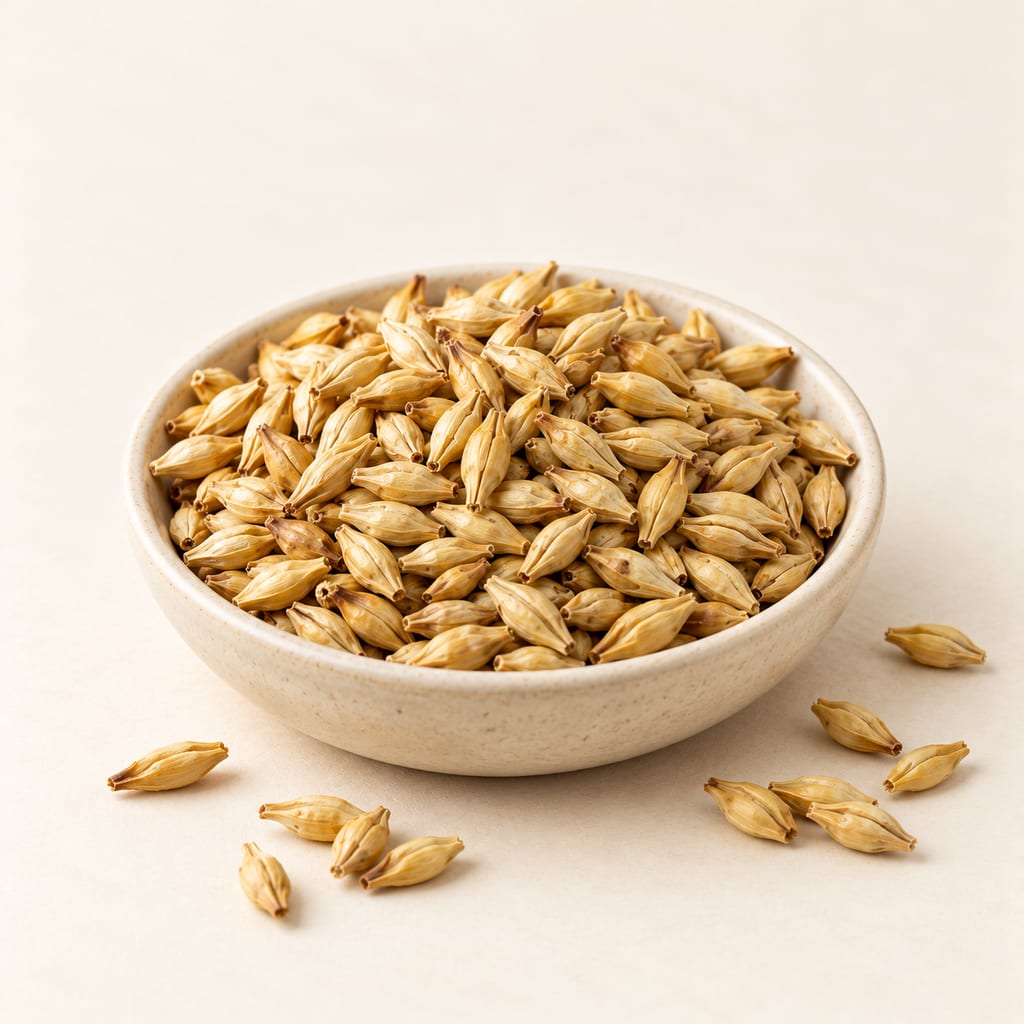
A pale specialty-malt name used for different commercial products. Briess Carapils and Weyermann CARAPILS have distinct specifications; an unbranded recipe does not identify either one.
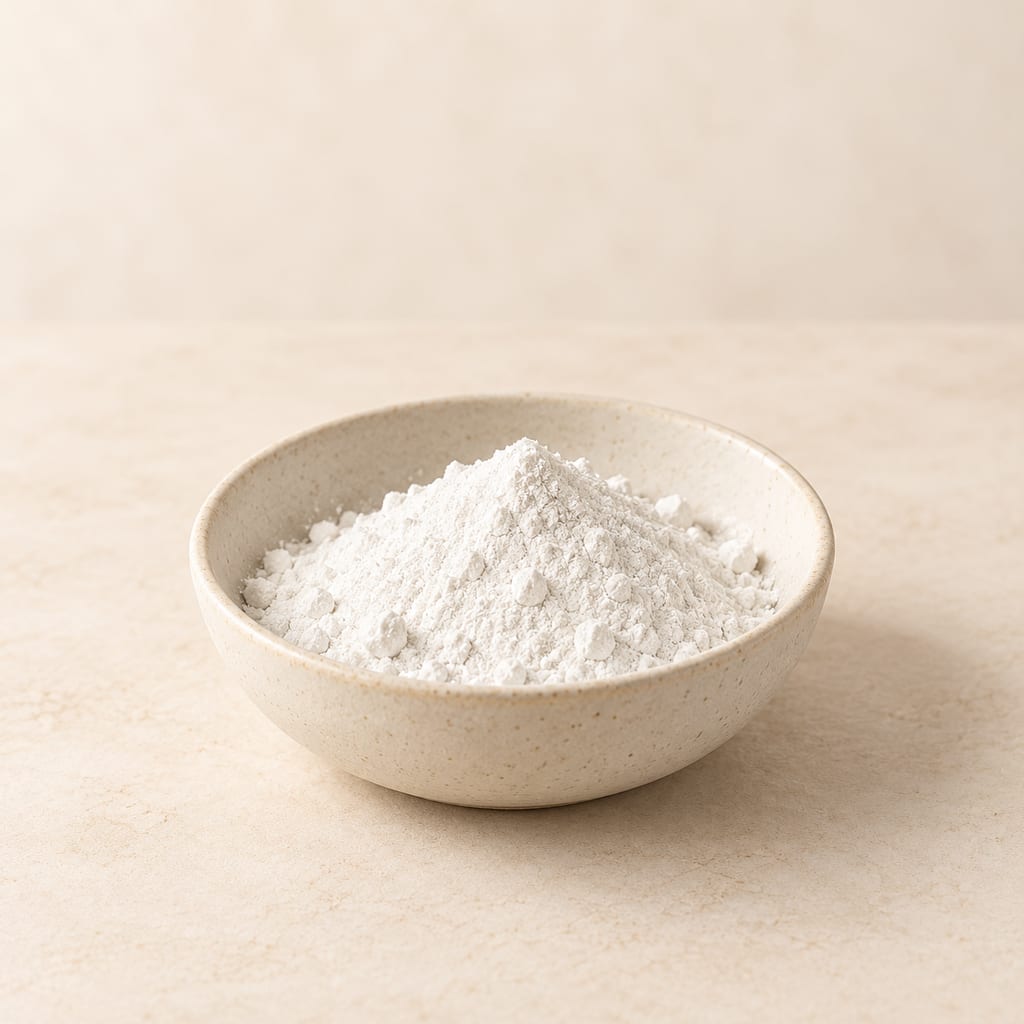
Gypsum is calcium sulfate dihydrate, a mineral salt that brewers dissolve in water for its calcium and sulfate and that tofu makers use to set soy curd.
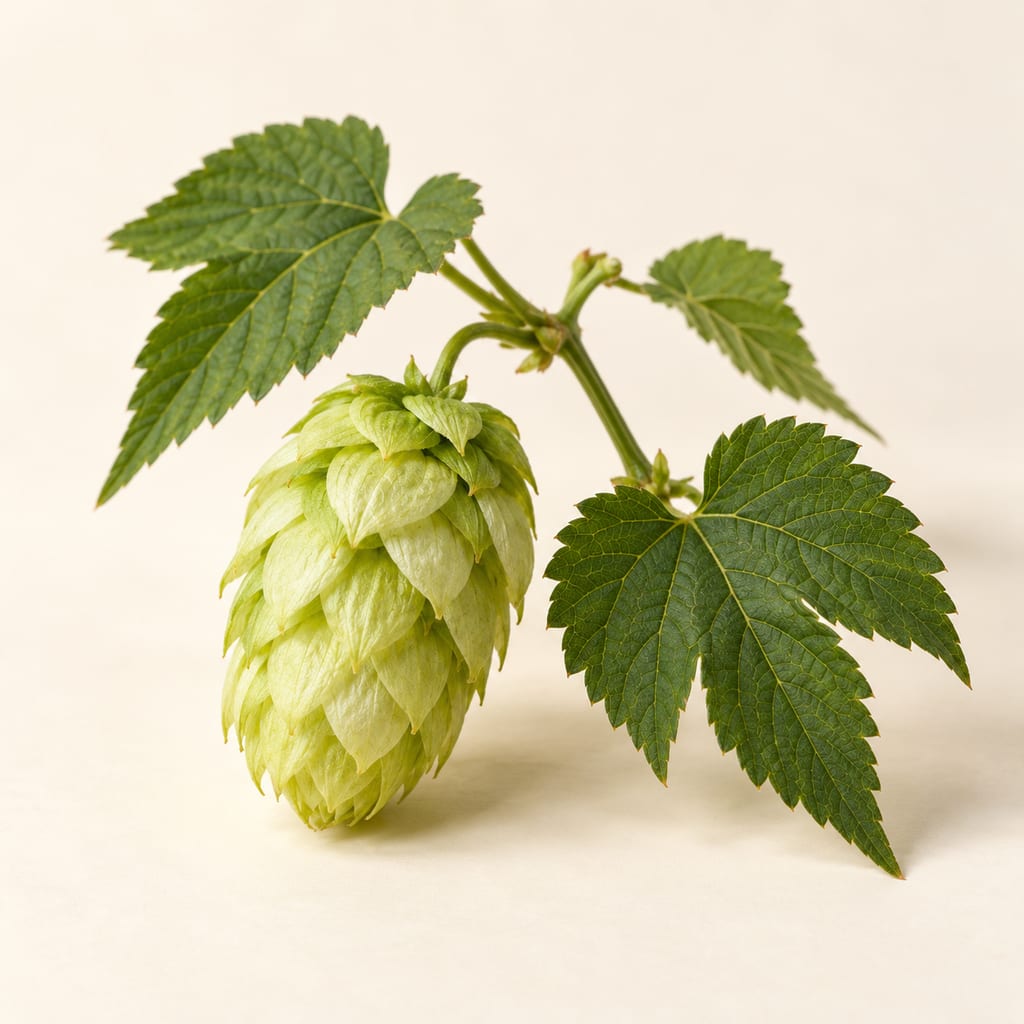
A traditional German aroma-hop land variety, associated with the Hallertau and described with herbal, spicy and floral notes. Cultivar identity, crop analysis and the growing place of a particular lot remain separate facts.
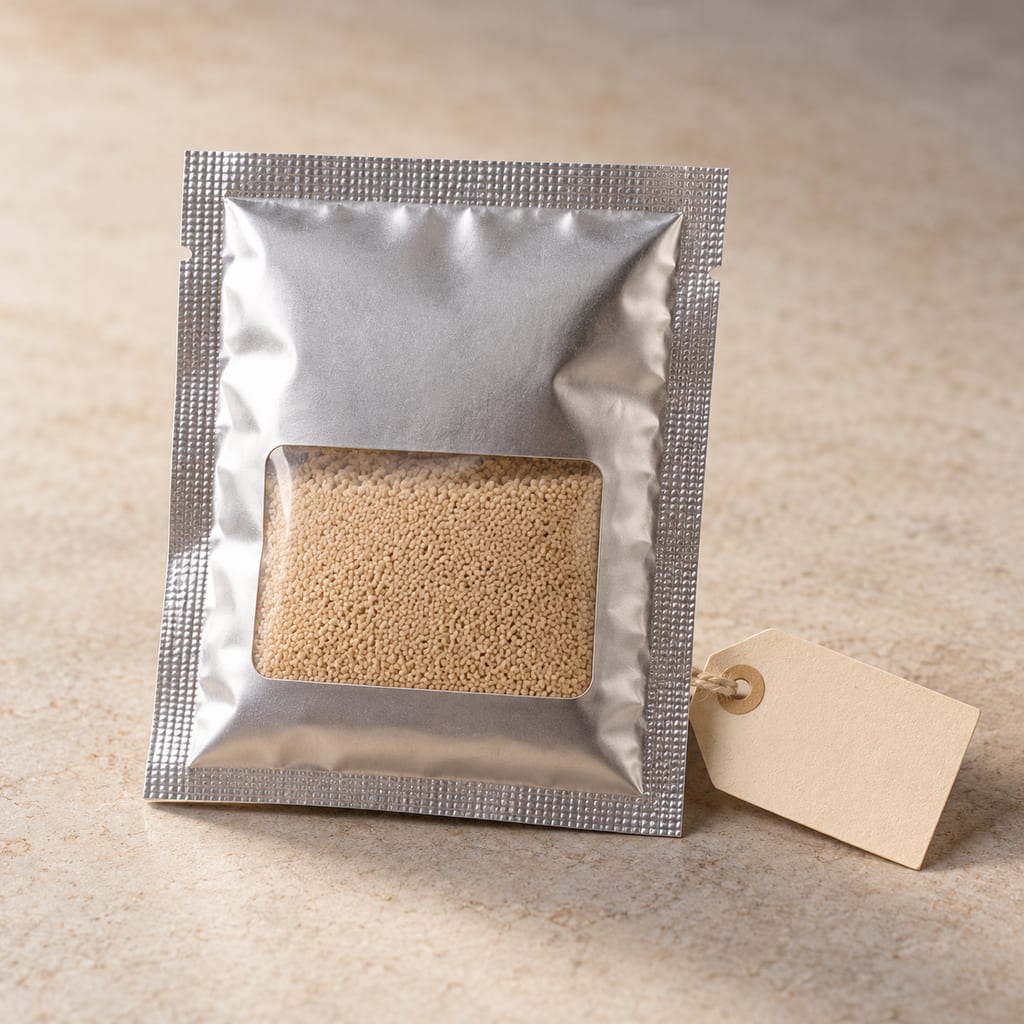
Lager yeast is the bottom-fermenting brewing yeast Saccharomyces pastorianus, a hybrid of S. cerevisiae and S. eubayanus, sold and kept as named strains that are not interchangeable.
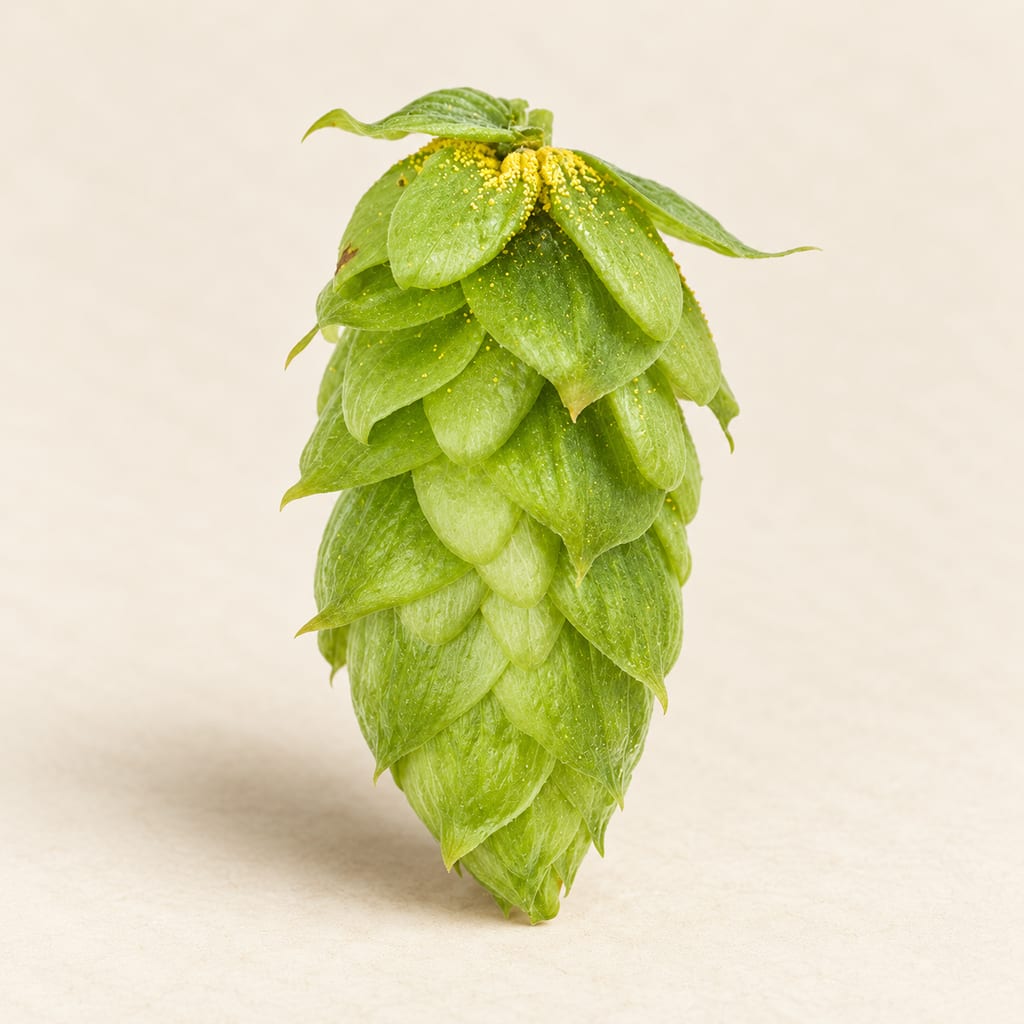
Hallertauer Magnum is a high-alpha hop cultivar used chiefly for bitterness in beer. Its crop form and lot analysis matter more than a variety name alone.
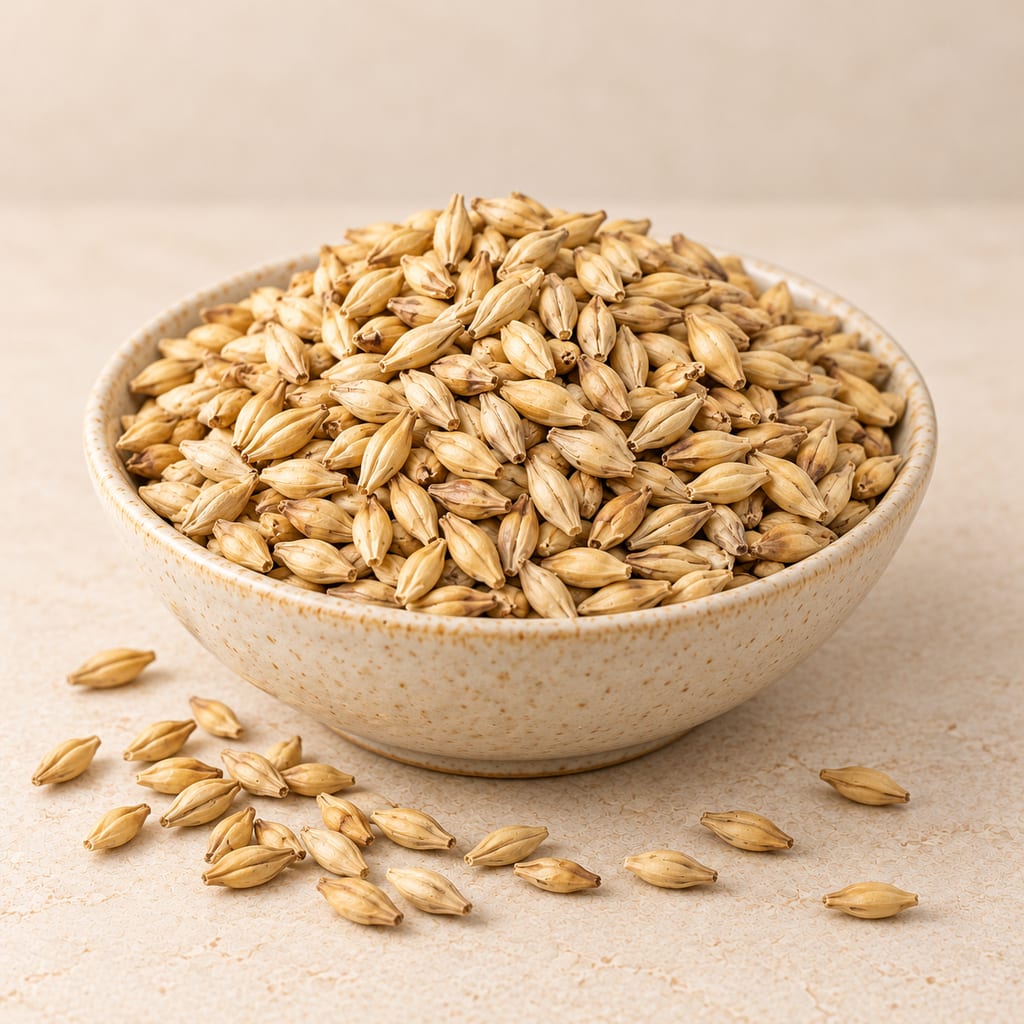
A pale, lightly kilned barley base malt that supplies wort material and brewing enzymes, with product-specific flavour, analysis and handling requirements.
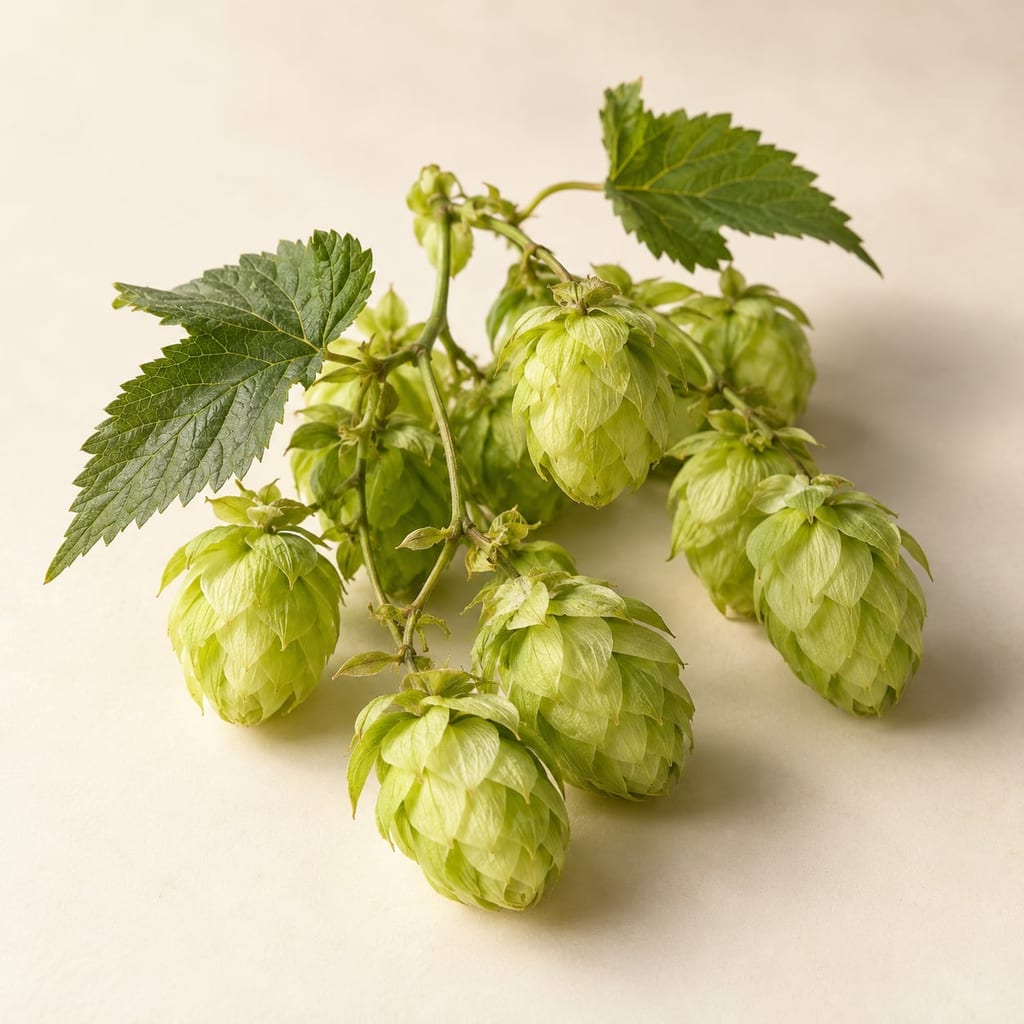
A brewing-hop name associated with the Tettnang district and the Tettnanger landrace. Regional designation, cultivar and historically confused US trade names need to be distinguished when identifying a lot.
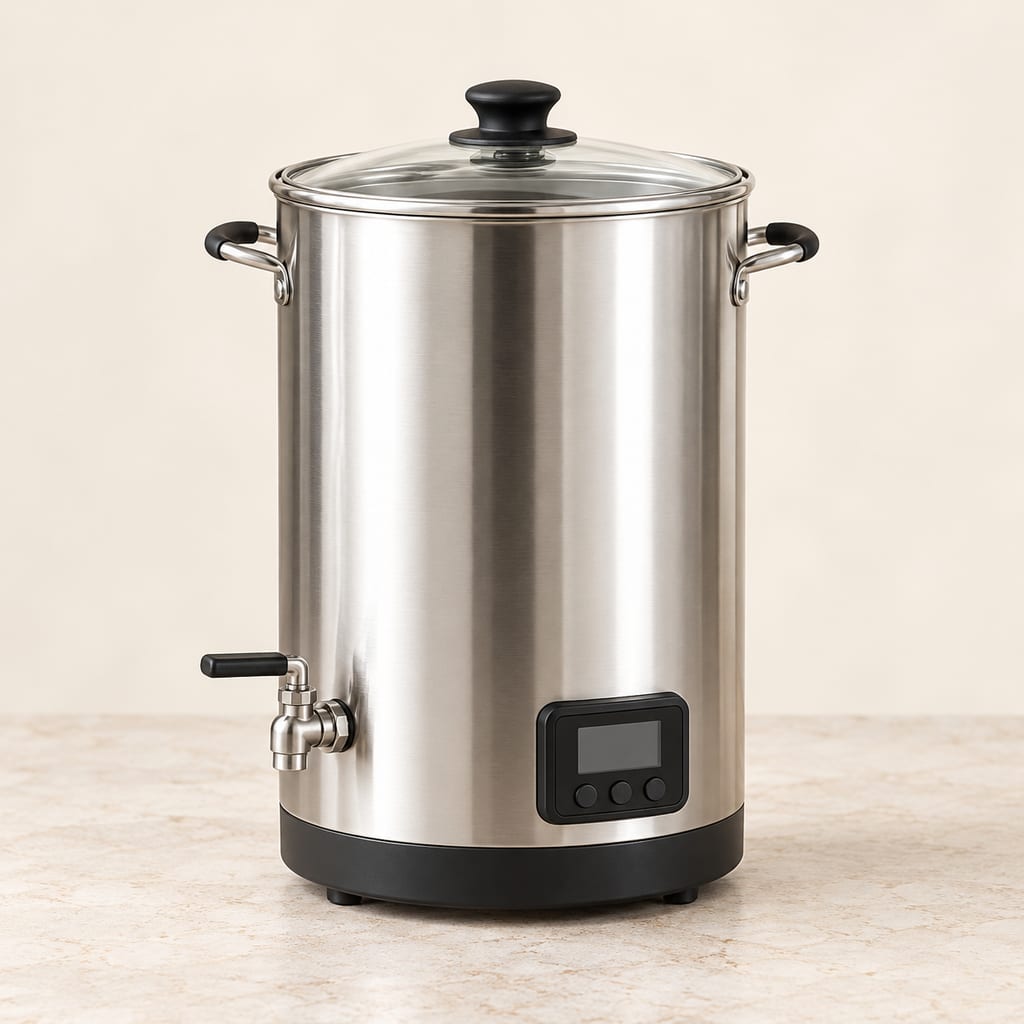
An electric brewing vessel that combines controlled heating with a removable grain basket and, on the documented models, a recirculation pump for mashing and boiling wort.
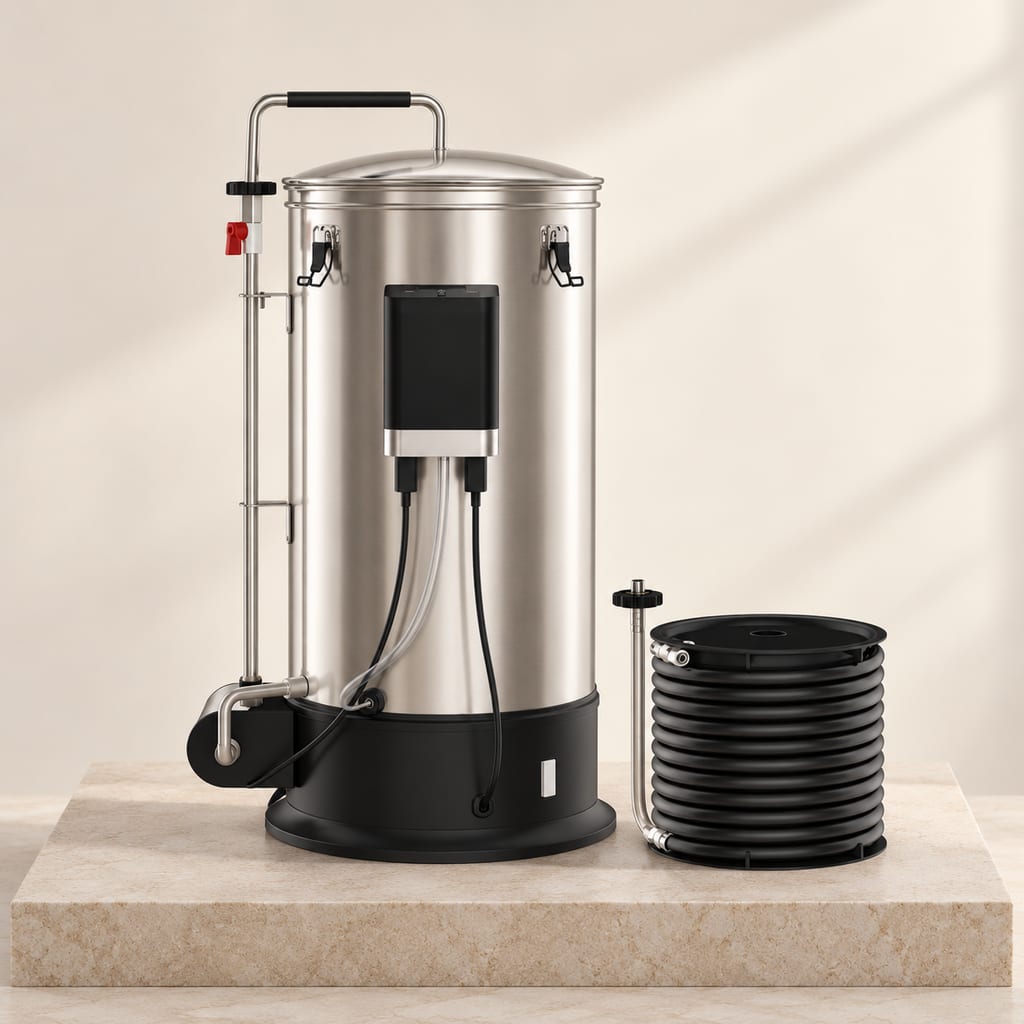
A 30-litre stainless electric all-grain brewing system with a removable grain basket, controlled heat, pump-driven wort recirculation and counterflow chilling. Electrical ratings and controls vary by revision.
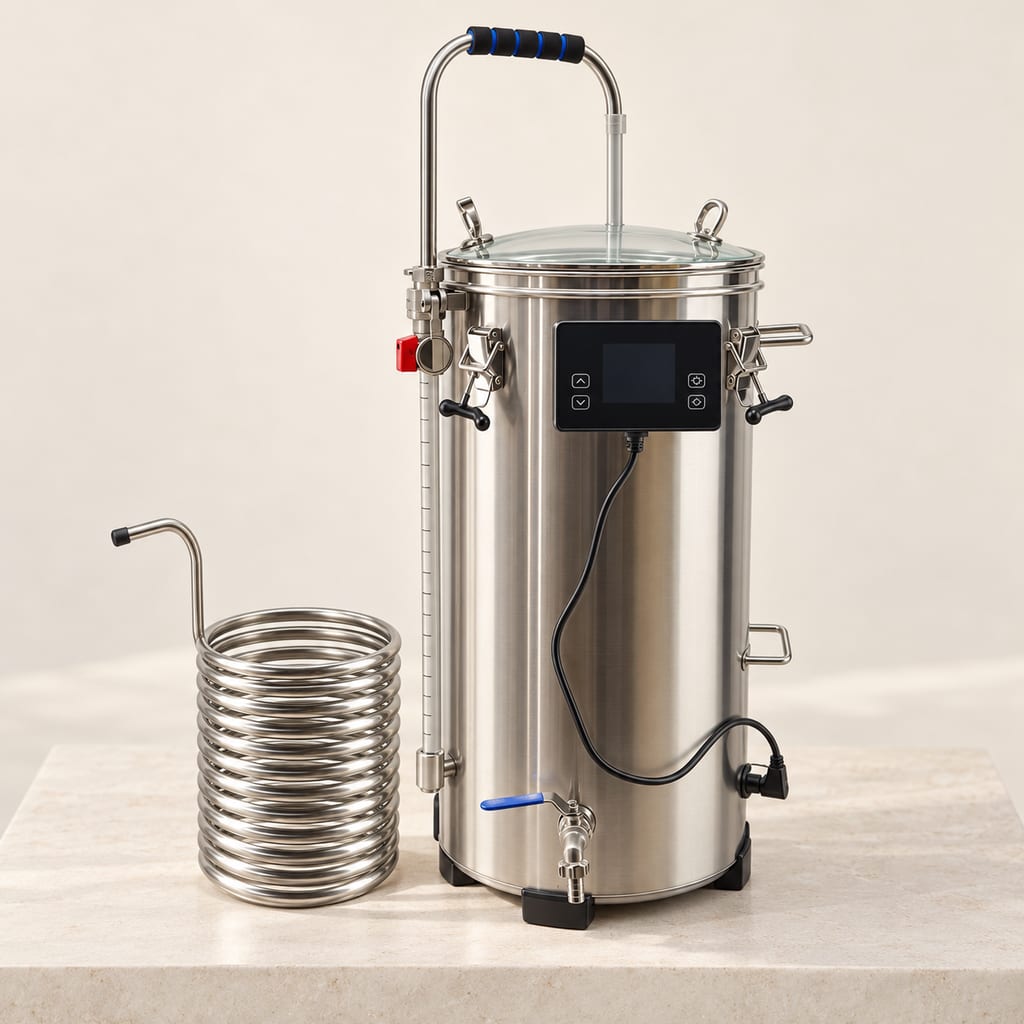
A 35-litre all-in-one electric brewing system with a malt pipe, pump, concave base and RAPT controller. KegLand lists 2,400 W and batches of about 25 litres; its manual specifies a 4-litre minimum fill.
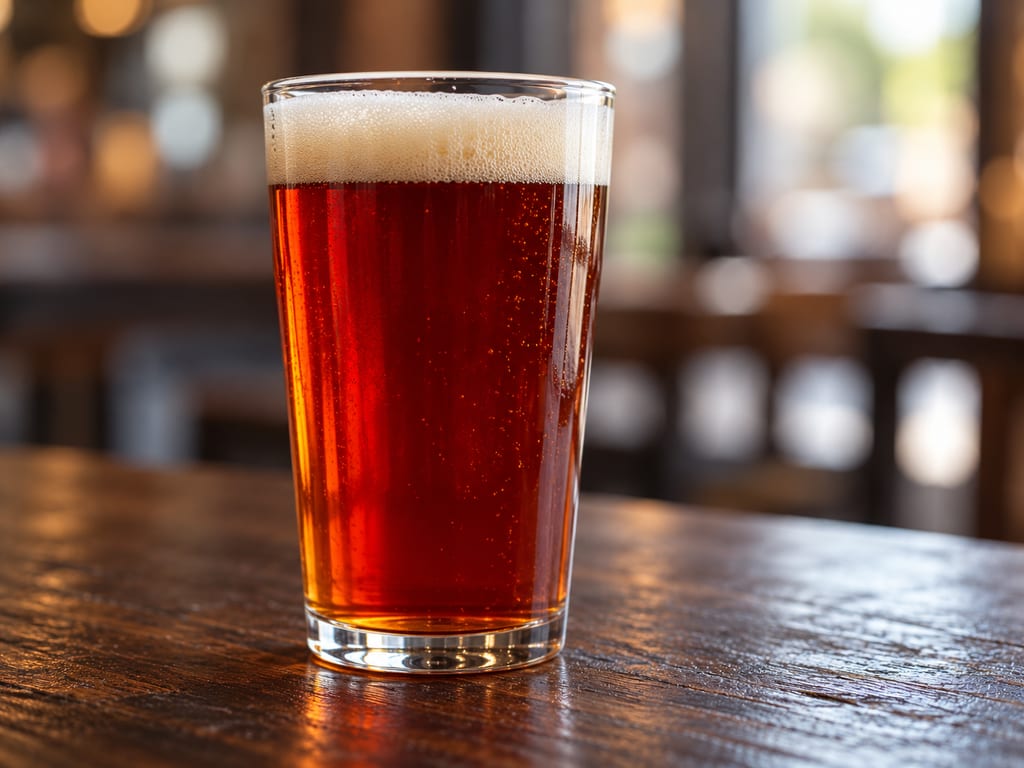
A deep amber-red American ale brewed from pale, Munich, CaraVienne and chocolate malts, bittered with Columbus hops and finished with Amarillo.
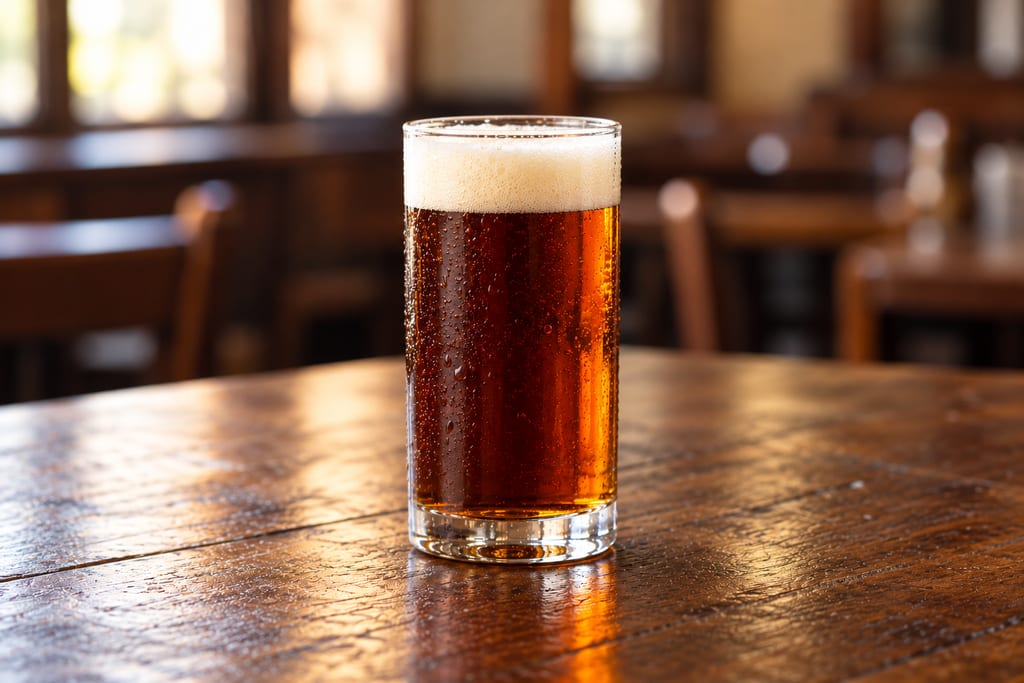
A source-specific modern extract adaptation of Düsseldorf Altbier, with specialty malts, two hop additions and an ale yeast. It is distinct from a brewery's commercial Altbier process and from Kölsch.
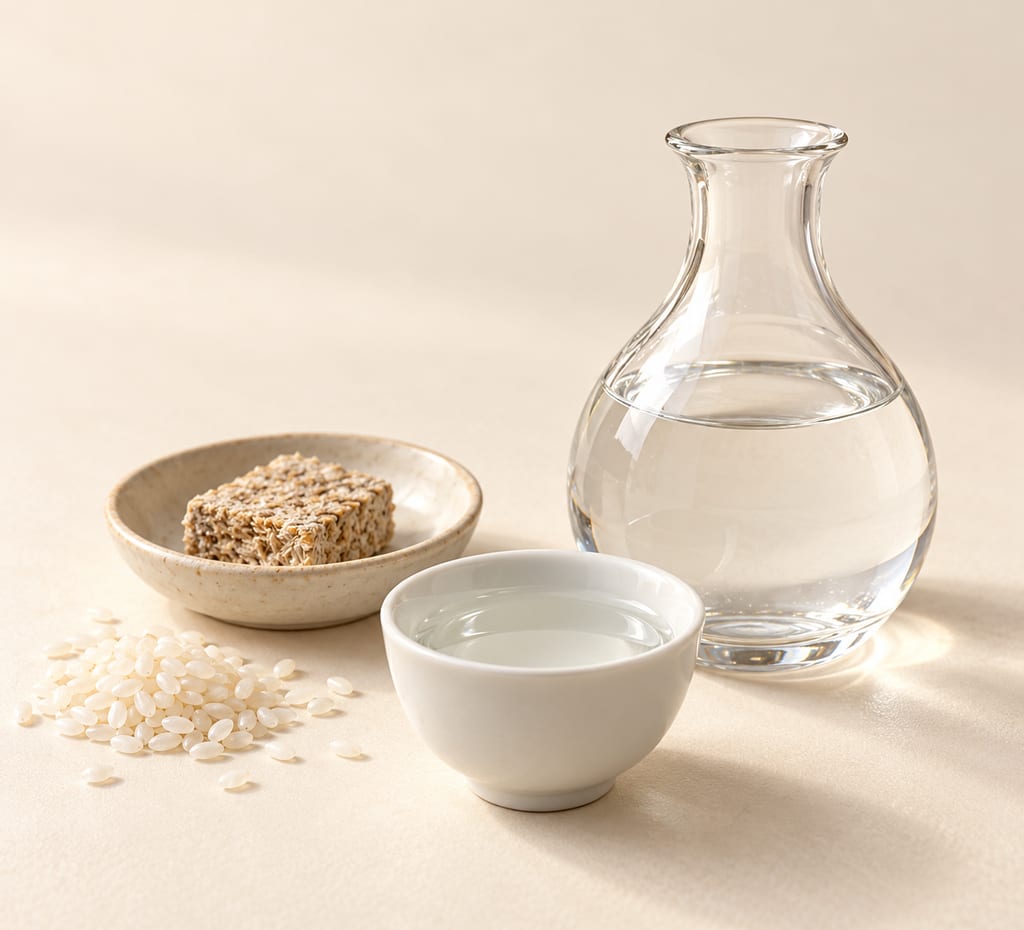
Andong soju is a rice spirit from North Gyeongsang, distilled from steamed rice and wheat nuruk. This method makes the starter before fermenting the rice mash in a jar.
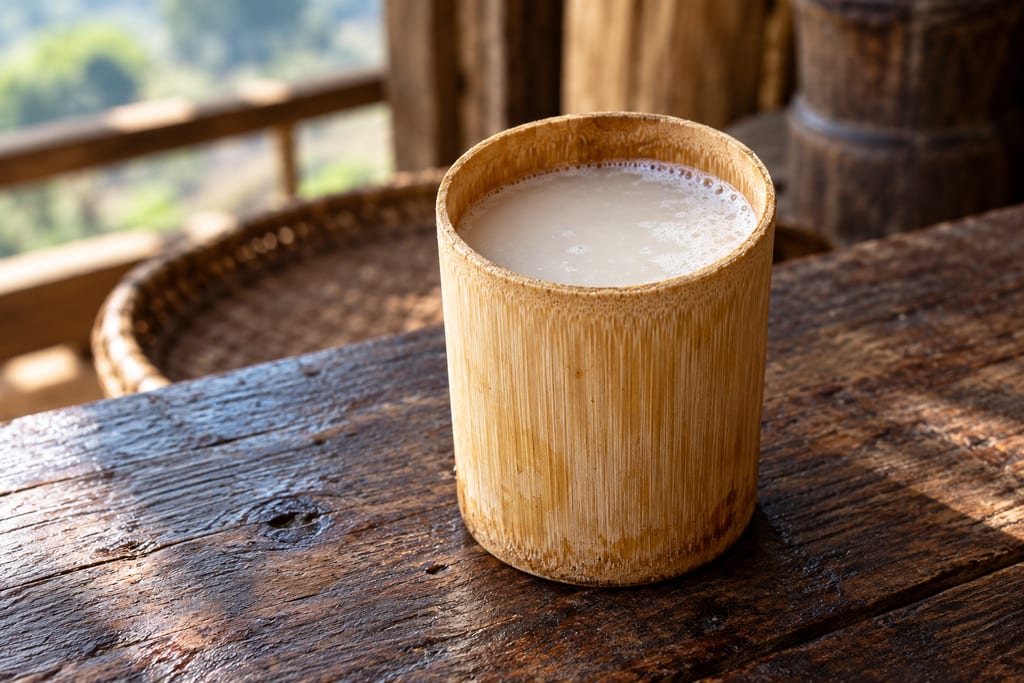
Angami rice beer from Nagaland. A surveyed method mixed cooked rice with piazu, fermented it for about four days in summer or a week in winter, then added water and filtered it. The starter ratio leaves the rice-weight basis unclear.
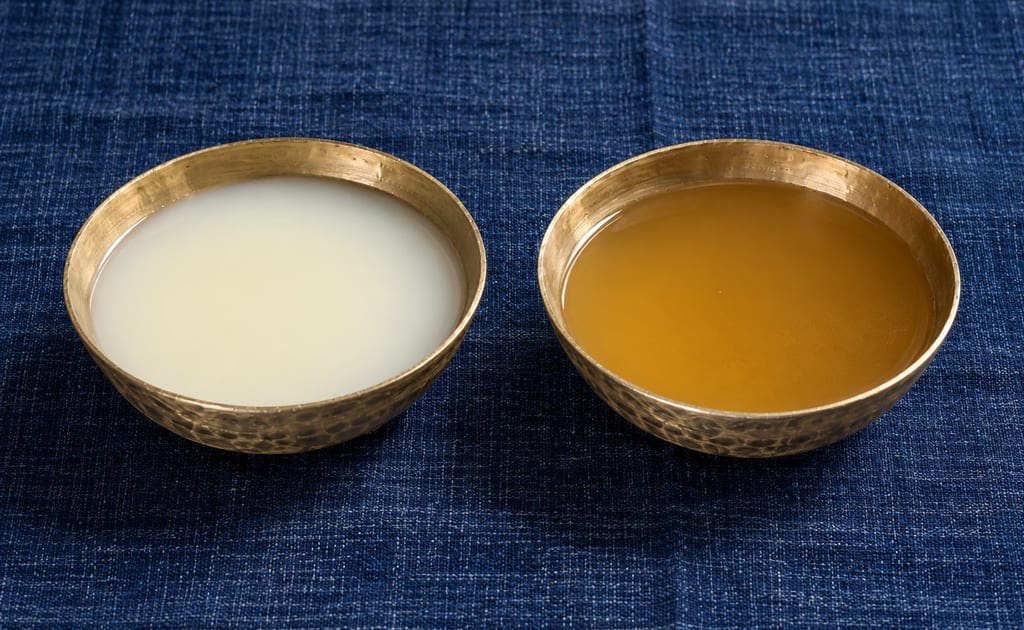
Apong names Mising rice beverages in Assam, including pale Nogin and ash-associated Po:ro. Sources describe distinct preparations and do not establish one unified household recipe or validated safety endpoint.
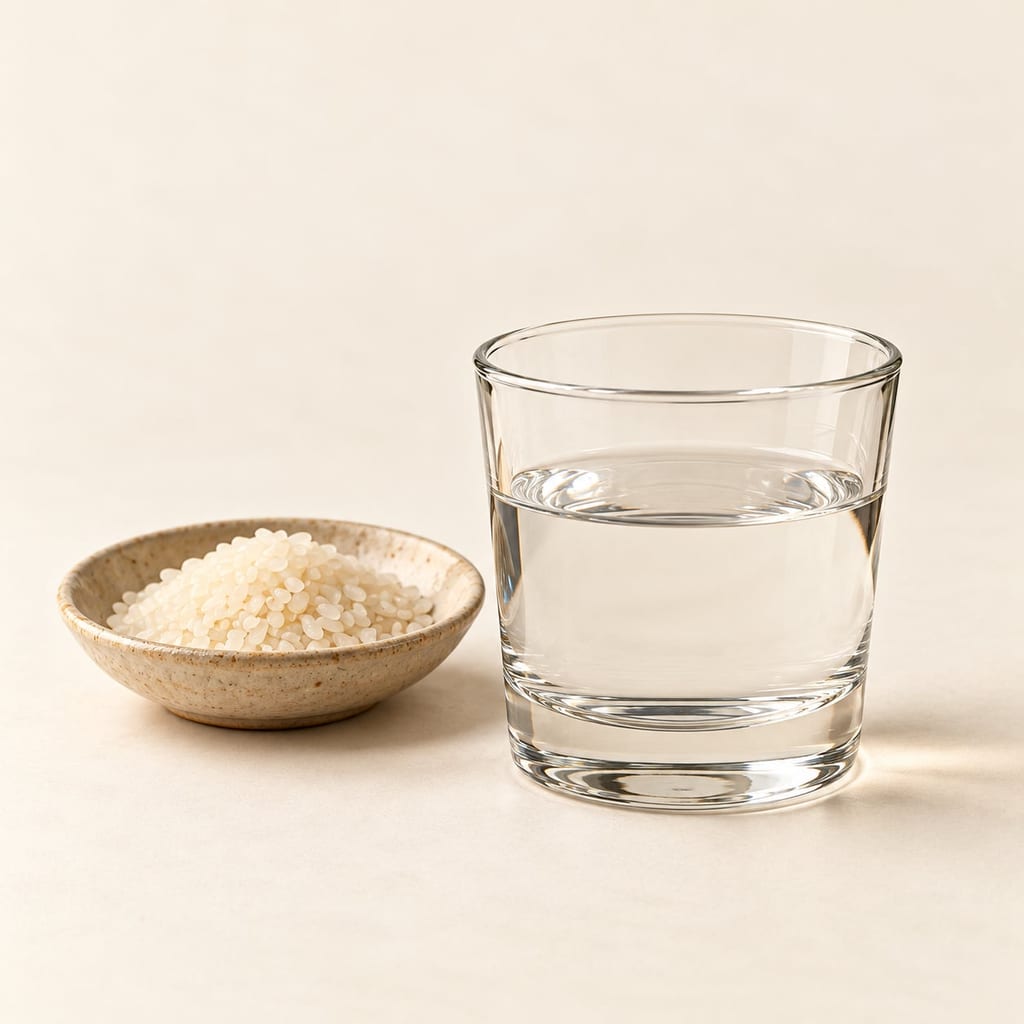
An Okinawan rice spirit made by turning all the rice into black koji, fermenting it with water and yeast, then pot-distilling and maturing the spirit.
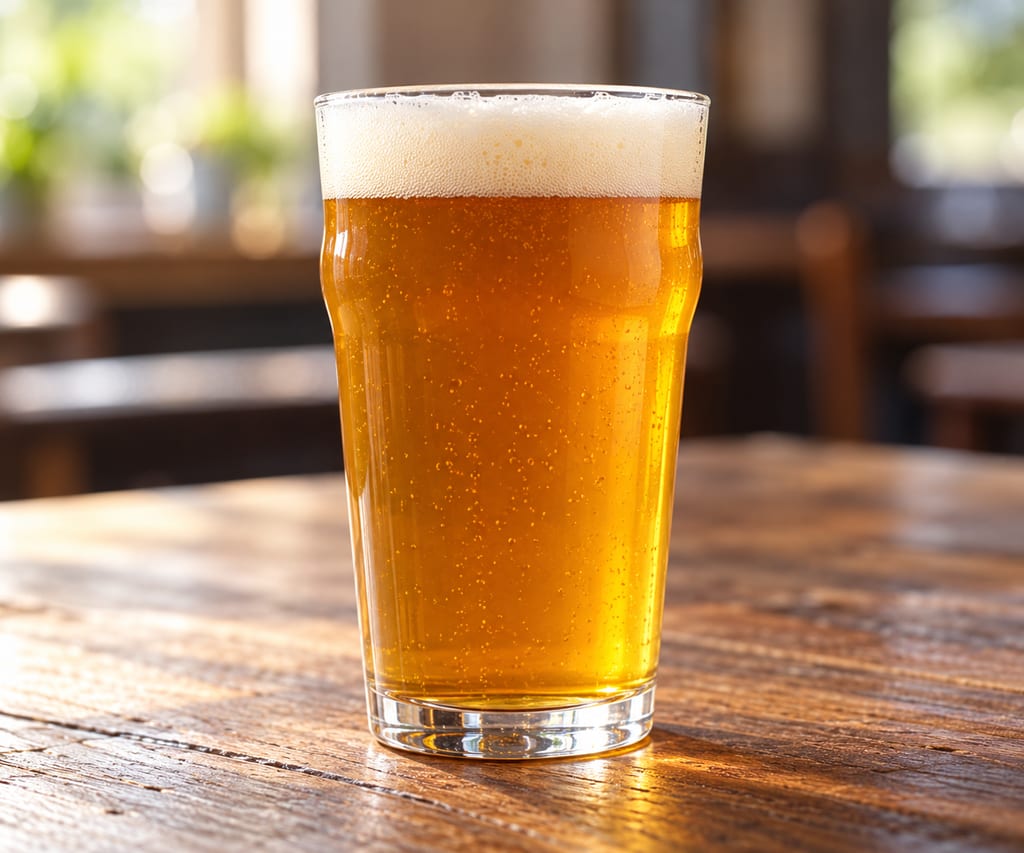
This is a process overview, not a complete batch recipe: key quantities, yield and packaging directions are absent. The AHA tutorial uses Hop Hammer Imperial IPA as an example; this page is not that full formulation.
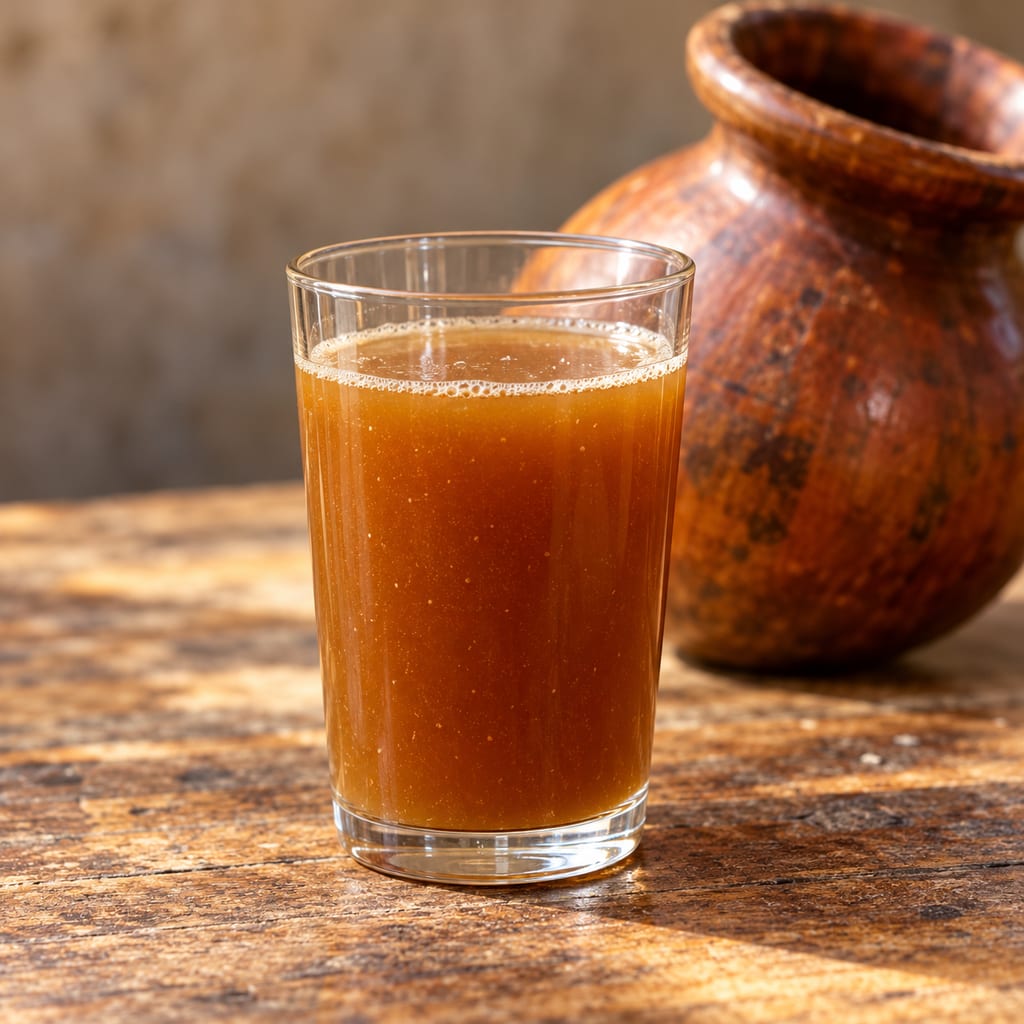
A darker Ethiopian maize tella, brewed from maize baked into a hot, dry kita pancake and then fermented in three stages with barley malt, gesho and water.

Soft, spreadable Calabrian pork sausage made with a great deal of red chilli and fatty pork, stuffed into natural casings, sometimes smoked and matured while staying soft.

A way to add independent temperature logging to an existing food dehydrator without changing its built-in controls or protections. It is a monitoring method, not a rewiring plan.

Pleurotus cystidiosus is the abalone mushroom, a cultivated oyster-type fungus with dark brown caps that grows more slowly and is more demanding than other Pleurotus species.

A dark, balanced vinegar from Emilia-Romagna made by combining cooked or concentrated grape must with wine vinegar, then acetifying and refining it in wood under a protected specification.

A living dairy inoculum that starts controlled cream fermentation, developing acidity and aroma before sour cream or cultured butter is finished.

A small electric incubator holds jars at a selected temperature for yogurt and other documented warm food preparations. Controls, capacity and vessel arrangement vary by model.

Adygean salt is a seasoned table salt associated with Adygea and the wider North Caucasian culinary tradition. Salt is blended with garlic and a variable selection of herbs and spices; the exact mix depends on the named style and maker.

The African Caesar-group mushroom, Amanita masasiensis, is a wild ectomycorrhizal species of central and southern African woodlands, eaten locally. The genus contains deadly poisonous species, so identification needs care.
No community contributions have been published for this entry yet.
Sign in to contribute. Published comments and photos are free to read.
Bräu SupplyInspiration · Process
German Pils Recipe, All-GrainFive-gallon grist and hop formula, two packages of German lager yeast, suggested soft-water profile
147°F (64°C) mash, 90-minute uncovered boil, 50°F (10°C) primary fermentation, gravity-timed diacetyl rest, four-week lager and 2.6-volume target
The recipe's stated 5.0% ABV and German Pils style label
Pale beer with a firm finish: Modern Liesch formula/date and stages; broad style appearance/balance and identity.
Most of the grain is pale malt: Pale/Carapils/acidulated grist; manufacturer-specific Carapils and water-dependent acidulated-malt roles.
The mash is a conversion stage: 147F75min/168Fmashout; enzymes/fermentability; no decoction or volume assumption.
What the uncovered boil changes: 90min uncovered boil and source rationale; DMS precursor/formation/removal/hot-rest mechanism.
Three additions within one boil: 90min total versus60/20/5min hop schedule, alphaacid recipe values; general hop chemistry.
Cold fermentation, then a warmer rest: SelectedW34/70,9C pitch/10C ferment, gravity-triggered60–62F rest; species and diacetyl mechanism.
Lagering is more than keeping beer cold: Gradual cool to1C/four weeks; biological maturation versus physical settling/precipitation.
Water, food and the practical result: Unknown-dose salts and2.6vol target; water roles, modern food guidance and pressure hazard.
Cited in: Pale beer with a firm finish; Most of the grain is pale malt; The mash is a conversion stage; What the uncovered boil changes; Three additions within one boil; Cold fermentation, then a warmer rest; Lagering is more than keeping beer cold; Water, food and the practical result
American Homebrewers AssociationSafety
Homebrew EquipmentAirlock and blow-off sections: gas escape and foam overflow; fermenter pressure without a vent.
Brewers AssociationSafety
Preventing Package Over-PressurizationUnintended refermentation can rupture packages; package pressure ratings, completion and calculated priming additions.
American Homebrewers AssociationSafety
Brewing with ExtractGeneral brewing sanitation: clean equipment and sanitize surfaces that contact cooled wort and beer; follow sanitizer directions.
Brewers AssociationSafety
Best Practice Guidance: Preventing Kettle BoiloversHot wort burn hazard; monitor heating and boil conditions, reduce heat from a safe position, add ingredients gradually.
FermentisIngredient identity
SafLager W-34/70Manufacturer identity of the W-34/70 option selected from the recipe; no manufacturer dosage or temperature range substituted into the recipe.
Cold fermentation, then a warmer rest: SelectedW34/70,9C pitch/10C ferment, gravity-triggered60–62F rest; species and diacetyl mechanism.
Cited in: Cold fermentation, then a warmer rest
Beer Judge Certification ProgramBackground
5D. German Pils, 2021 Beer Style GuidelinesPale beer with a firm finish: Modern Liesch formula/date and stages; broad style appearance/balance and identity.
Pilsen and the later German interpretation: Producer-reported1842brew/1843Prague delivery; modern German adaptation and regional/style comparison.
Cited in: Pale beer with a firm finish; Pilsen and the later German interpretation
Plzeňský PrazdrojBackground
HistoryPilsen and the later German interpretation: Producer-reported1842brew/1843Prague delivery; modern German adaptation and regional/style comparison.
Cited in: Pilsen and the later German interpretation
Briess Malt & IngredientsBackground
Carapils Dextrin MaltsMost of the grain is pale malt: Pale/Carapils/acidulated grist; manufacturer-specific Carapils and water-dependent acidulated-malt roles.
Cited in: Most of the grain is pale malt
Montana State University Barley Breeding Program; Hannah TurnerBackground
Dial your mash pH while sticking to Reinheitsgebot with acidulated maltMost of the grain is pale malt: Pale/Carapils/acidulated grist; manufacturer-specific Carapils and water-dependent acidulated-malt roles.
Cited in: Most of the grain is pale malt
American Homebrewers AssociationBackground
Enzymes in Beer: What’s Happening In the MashThe mash is a conversion stage: 147F75min/168Fmashout; enzymes/fermentability; no decoction or volume assumption.
Cited in: The mash is a conversion stage
Beer Judge Certification Program; David Houseman and Scott BickhamBackground
Wort ProductionThe mash is a conversion stage: 147F75min/168Fmashout; enzymes/fermentability; no decoction or volume assumption.
Cited in: The mash is a conversion stage
Journal of the Institute of Brewing122(1),181–190; Scheuren et al.Background
Evaporation behaviour of DMS in an aqueous solution at infinite dilution – a reviewWhat the uncovered boil changes: 90min uncovered boil and source rationale; DMS precursor/formation/removal/hot-rest mechanism.
Cited in: What the uncovered boil changes
Beer Judge Certification Program; Peter Garofalo, updated Scott BickhamBackground
HopsThree additions within one boil: 90min total versus60/20/5min hop schedule, alphaacid recipe values; general hop chemistry.
Cited in: Three additions within one boil
Journal of Industrial Microbiology & Biotechnology45,1103–1112; Gibson, Vidgren, Peddinti, KrogerusBackground
Diacetyl control during brewery fermentation via adaptive laboratory engineering of the lager yeast Saccharomyces pastorianusCold fermentation, then a warmer rest: SelectedW34/70,9C pitch/10C ferment, gravity-triggered60–62F rest; species and diacetyl mechanism.
Cited in: Cold fermentation, then a warmer rest
American Homebrewers AssociationBackground
Lager Brewing Made EasyCold fermentation, then a warmer rest: SelectedW34/70,9C pitch/10C ferment, gravity-triggered60–62F rest; species and diacetyl mechanism.
Lagering is more than keeping beer cold: Gradual cool to1C/four weeks; biological maturation versus physical settling/precipitation.
Cited in: Cold fermentation, then a warmer rest; Lagering is more than keeping beer cold
American Homebrewers AssociationBackground
Understanding Water for HomebrewingWater, food and the practical result: Unknown-dose salts and2.6vol target; water roles, modern food guidance and pressure hazard.
Cited in: Water, food and the practical result
Wine & Spirit Education TrustBackground
Mastering the art of beer and food pairingWater, food and the practical result: Unknown-dose salts and2.6vol target; water roles, modern food guidance and pressure hazard.
Cited in: Water, food and the practical result
Brewers AssociationBackground
Best Practice Guidance: Preventing Package Over-PressurizationWater, food and the practical result: Unknown-dose salts and2.6vol target; water roles, modern food guidance and pressure hazard.
Cited in: Water, food and the practical result