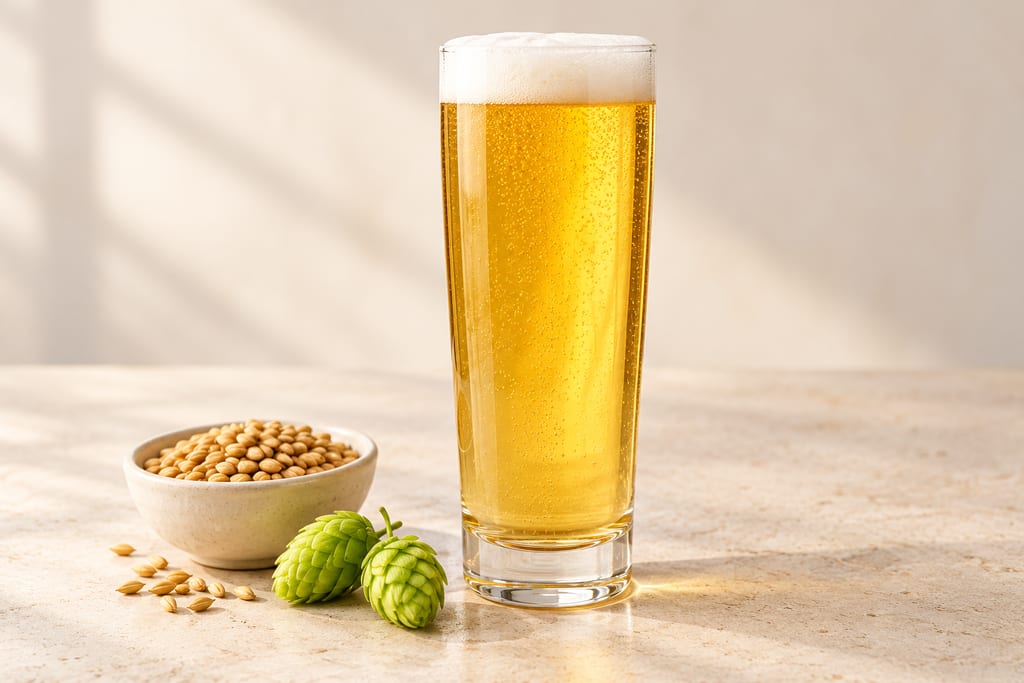
German pils, all-grain
A pale, dry lager with Pilsner malt, Magnum bittering hops and Hallertau Mittelfrüh and Tettnang additions, followed by cold maturation.
 FermenteaWhere food goes to change
Spices and aromatics
Hallertauer Magnum is a high-alpha hop cultivar used chiefly for bitterness in beer. Its crop form and lot analysis matter more than a variety name alone.
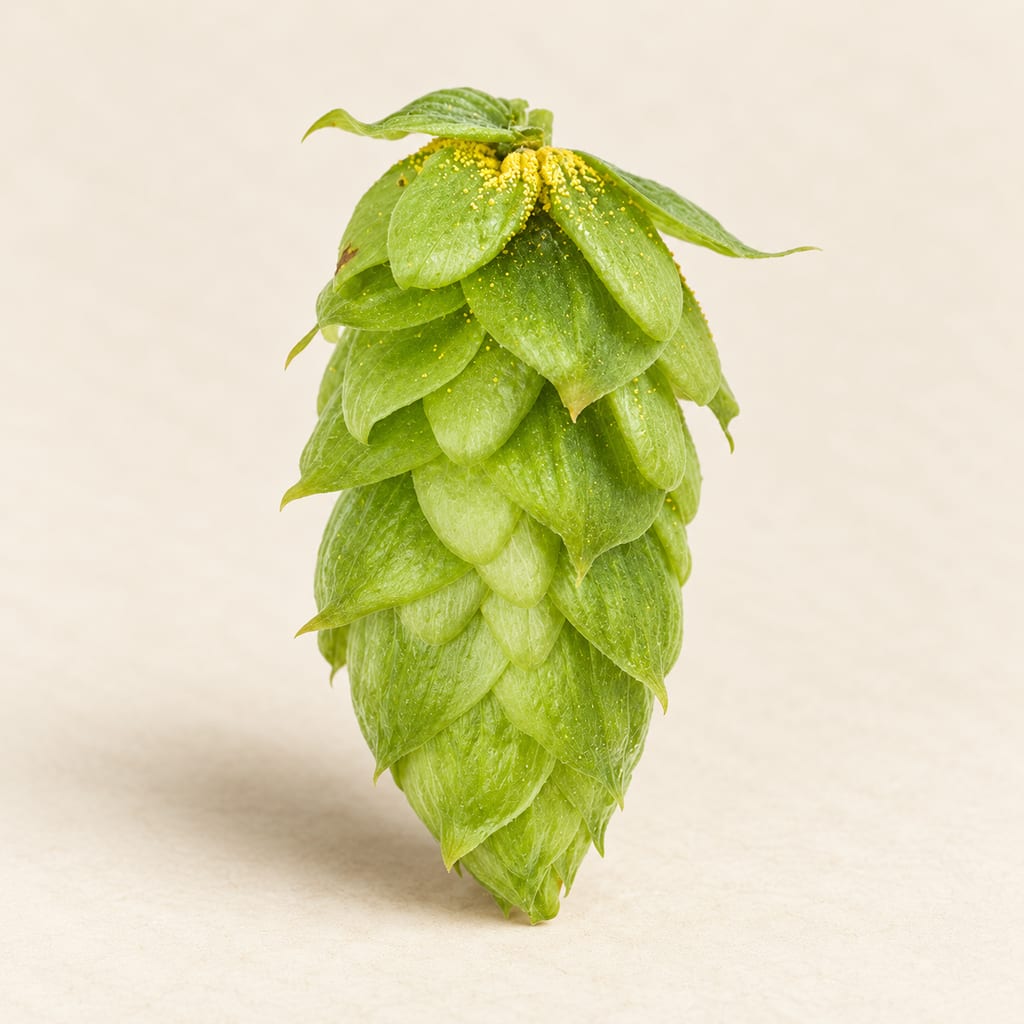
Magnum, also sold as Hallertauer Magnum or Hallertau Magnum, is a named female cultivar of common hop, Humulus lupulus L. It arose from a 1984 cross at the Hop Research Center at Hüll in Germany: the female parent was Galena and the male breeding line was 75/5/3. Hüll identifies the resulting selection as 85/059/003 and gives 1992 as its market launch. Hopsteiner gives 1993 for the release, a year later than Hüll's date. The USDA collection received rhizomes in spring 1992 and preserves the cultivar under the Hallertauer Magnum name. These records connect the hops in a brewer’s packet to a particular breeding line, not to every hop harvested near Hallertau. Its name names the plant variety even when a later crop grows in another region.
A USDA accession is a preserved example of the same cultivar, rather than evidence of a German and an American Magnum. The male parent’s partial Hallertauer Mittelfrüh ancestry likewise does not turn Magnum into that aroma cultivar. Growers can plant the named variety in different soils and climates, then pick, dry and pack it in different seasons. Those conditions help explain why one Magnum lot can differ from another in resin or oil analysis while retaining its cultivar identity. What reaches a brewer is both a plant with a documented pedigree and the result of a particular harvest and processing chain.
This cultivar is distinct from German noble aroma cultivars such as Hallertauer Mittelfrüh and from other high-alpha varieties such as Galena, Nugget, and Herkules. Magnum’s primary practical identity is a high-alpha, generally restrained bittering hop. The Hüll institute describes medium-intensity harmonious bitterness with understated floral, fruity, and hop-spicy impressions; producer sheets describe pepper, fruit, apple, and mild character. These are cultivar tendencies, not guaranteed sensory notes in every crop or beer.
The harvested material is the mature female hop cone, botanically a strobile: overlapping bracts enclose small yellow lupulin glands. Lupulin is a resin-and-oil-rich powder containing the bitter acids and volatile aroma compounds that make brewing hops useful. Magnum’s cones are described by USDA as very large; Hüll characterizes the variety as medium-late, while Hopsteiner lists it as late. Timing is region- and season-dependent, so the Hüll or supplier maturity classification should not be converted into a calendar date for a particular farm.
Magnum was selected as a productive cultivar as well as a high-alpha one. Hüll’s profile gives a yield potential of 2,000 kg/ha; Hopsteiner reports 1,700–2,100 kg/ha and late maturity. These are published variety profile values, not a promise for an individual site or year. Hüll lists cultivation in Germany, Austria, Belgium, Spain, France, Poland, Romania, Slovenia, Ukraine, and the United States, with German growing areas including Hallertau, Spalt, and Elbe-Saale. Hopsteiner identifies Germany as the main growing country. The “Hallertau” portion of the name is therefore a cultivar label and history, not a guarantee that every lot bearing Magnum was grown in the Hallertau.
In the field, hops grow as perennial climbing bines (they wrap around supports rather than using tendrils like a vine). Harvesters take mature female cones, dry them, and package them to protect their fragile resins and oils. OSU Extension describes mature cones as dry and papery to the touch, with golden-yellow lupulin and a pleasant hoppy aroma, where immature cones feel soft and vegetative with pale lupulin. Cut cones are dried in a shady place on mesh-bottomed trays; forced warm air speeds drying but should stay below 140°F (125°F or less gives better cones), because some oil components are lost above that. Dried cones are sealed in plastic bags or an airtight container and refrigerated. That is general home-garden hop guidance, not a Magnum-specific procedure. For commercial brewing, use the lot’s own crop-year certificate and supplier storage directions instead of inferring potency from the cultivar name or relying on smell alone.
The cultivar profile lists resistance to wilt and downy mildew, but susceptibility to powdery mildew; USDA’s earlier accession record describes downy mildew resistance to moderate resistance and powdery mildew susceptibility. These are agronomic susceptibility ratings, not proof that a particular crop was disease-free or residue-free. Hüll’s page also presents disease and climate scales that are qualitative, which makes immunity an inaccurate description.
Commercial variety sheets commonly report Magnum at roughly 11–16% alpha acids and 5–7% beta acids by hop weight, with cohumulone at about 21–29% of alpha acids. Hüll’s single profile lists 13.1% alpha acids, a beta/alpha ratio of 0.5, and cohumulone at 26% relative to alpha acids. The USDA accession profile gives an older broader alpha range of 12–17%, beta of 5–6%, and cohumulone of 26–28%. This spread is a reason to dose from the package’s lot analysis, not a reason to choose one source’s range as universal. Varietal summaries are descriptive aggregates, not a specification for every harvest.
Alpha acids (humulones, including cohumulone) are relatively poorly soluble in unboiled wort. Heating during the kettle boil rearranges them into iso-alpha acids, which dissolve more readily and are major contributors to classic beer bitterness. The conversion is incomplete and competing losses occur; utilization depends on time, temperature, wort gravity and pH, equipment, hop form, and other process conditions. A brewer cannot turn the cultivar name alone into a predicted bitterness: the wort and time in heat matter as much as the acids on a packet.
Beta acids (lupulones and related compounds) do not isomerize into the same iso-alpha acids in the kettle. Their contribution is more dependent on oxidation products and beer context. Hop bitterness is chemically broader than one acid family: research reviews discuss iso-alpha acids, oxidized alpha-acid products such as humulinones, beta-acid oxidation products, hard resins, and polyphenols. Humulinones formed as hops oxidize can contribute bitterness, particularly in dry-hopped beer, but they are not interchangeable with fresh alpha-acid content. Freshness and storage history therefore matter to bitterness quality as well as aroma.
Magnum is often described as delivering a rounded, smooth bitterness. Its comparatively modest cohumulone share may help characterize a lot, but the drinker perceives a whole beer: wort composition, boil, other hops, fermentation and the mixture of bitter compounds all affect the impression. An intensely bitter beer made with Magnum is still possible, just as a measured alpha-acid percentage does not specify the texture of bitterness on the tongue. The cultivar’s reputation is most useful as a guide to its common role early in the kettle, followed by tasting the actual beer.
Hopsteiner lists total oil for Hallertauer Magnum at 1.9–2.8 mL per 100 g; Hüll reports 2.5 mL per 100 g, while an older USDA four-year range is 1.2–3.7. The figures describe the samples and reporting periods behind those records, so the sealed crop lot remains the practical unit for brewing. Myrcene and humulene are prominent components in many hop analyses. Many volatile oil compounds leave with steam during a long boil, while bitter alpha acids can form more soluble iso-alpha acids. That is why an early Magnum addition is usually counted for bitterness, whereas a later addition can leave more hop aroma. The aroma descriptions—pepper, fruit, apple or a mild spice—suggest possibilities in raw hops, not a fixed flavour that survives every kettle and yeast fermentation.
Whole or leaf hops are dried cones, used as harvested material after drying. Fresh/wet hops are a distinct seasonal product with much higher moisture and a different handling profile; do not treat them as equivalent to a dried Magnum lot. Pellets are made by mechanically processing dried hops. Type 90 pellets retain most of the processed hop material; Type 45 pellets are enriched in lupulin and concentrate bitter acids and oils relative to the original plant mass. A hop-processing producer notes that type numbers originated as approximate product yield from raw hop mass, but are now maintained as product designations. These forms are not simply “more bitter” or “more aromatic” at equal weight: compare the actual analysis and dosing basis on the product label.
CO₂ extract is produced by extracting hop pellets with food-grade carbon dioxide into a viscous, concentrated product. Hopsteiner describes high alpha- and beta-acid and oil concentration, with less plant material entering the kettle; it can partly or wholly replace pellets in a kettle process when dosed by alpha-acid content and expected utilization. Extract changes the physical dosing and solids burden, not the cultivar’s identity. Its exact composition depends on cultivar and extraction process. An extract made from Magnum still needs its own product analysis before it can be measured in place of a cone or pellet addition.
Magnum’s high alpha-acid content makes it useful where a brewer wants bitterness without loading the kettle with as much hop plant matter as a low-alpha variety would require. The balance still depends on the actual lot percentage and the beer being brewed. In a German pils, a long-boiled Magnum charge can build a bitter foundation while later Hallertauer Mittelfrüh and Tettnang additions contribute their own timing and aroma. In a Belgian-inspired single, the same named cultivar enters a different malt-and-yeast setting. The hop is one part of those beers, not the source of their fermentable sugar or the organism that ferments it.
The kettle changes Magnum in stages. Early heat is useful for isomerizing some of its alpha acids; prolonged boiling also carries away much of the cone’s most volatile aroma. Pellets and whole dried cones bring different amounts of plant matter into the wort, while CO₂ extract concentrates hop constituents with fewer solids. Each form must be measured according to its own package analysis and the brewer’s kettle schedule. A switch of form can change extraction and handling even when the cultivar name remains Magnum.
Later kettle additions shift the balance toward retained volatile character. Dry hopping happens after the hot kettle stage, so fresh alpha acids there do not undergo the same boil-driven isomerization; extracted humulinones and polyphenols can nevertheless alter perceived bitterness. A brewer choosing late or dry Magnum is asking something different of the crop from a sixty-minute bittering charge. Its restrained aroma reputation may suit a beer whose malt and yeast character should remain prominent, but the actual effect depends on the crop lot and the rest of the recipe.
Bräu Supply’s German pils uses Magnum stated at 13% alpha acids for the 60-minute part of a 90-minute boil, followed by later Hallertauer Mittelfrüh and Tettnang. Phil LaFleur’s Monk’s Ration single, printed in the American Homebrewers Association’s 2026 Big Brew sheet, calls for Magnum stated at 12% alpha acids at the start of a 60-minute boil. Those two percentages are recipe inputs for their respective batches, not competing definitions of the cultivar. They show the same bittering role in distinct beers: one crisp and hop-framed, the other fermented in a Belgian-inspired malt-and-yeast context. Following either formula means retaining its own hop amount and timing rather than borrowing a dose from the other.
A useful Magnum packet identifies cultivar, origin, crop year, physical form and lot analysis. Alpha-acid percentage matters when calculating a bittering addition, while storage and package integrity matter because hop resins and oils change with exposure to oxygen, warmth and light. Dried hops are best kept sealed and cold according to their supplier’s directions. Oregon State University’s advice to seal dried homegrown cones airtight and refrigerate them speaks to the same fragility, although it gives no shelf life for a commercial pellet. With a hop bought for a specific beer, the crop-year and lot figures serve the recipe more closely than the cultivar’s average profile.
Magnum’s plant origin and its high-alpha brewing role say little by themselves about a finished beer’s diet or composition. Barley or other malts, yeast, finings, fruit and later additions belong to the complete formula. A brewer buying cones, pellets or extract also needs that form’s handling and ingredient information: concentrated extract occupies far less volume than dried cones, and pellet labels can report lot-specific acids. The named hop provides a traceable starting point, while the packet and beer recipe explain the actual material used.
The cone is a living plant’s seasonal harvest before it becomes a dry, packaged brewing input. Its glands carry both bitter resins and aroma oils; the kettle, fermenter and storage conditions determine how much of each reaches the glass. That path from Hüll’s named cultivar to a particular pils or single is why Magnum is valued for dependable bittering character while still calling for a fresh calculation from each packet. Yeast, rather than the hop, makes the beer’s alcohol from wort sugars.
Hüll breeding origin, not the growing location of every current lot.
A pale, dry lager with Pilsner malt, Magnum bittering hops and Hallertau Mittelfrüh and Tettnang additions, followed by cold maturation.
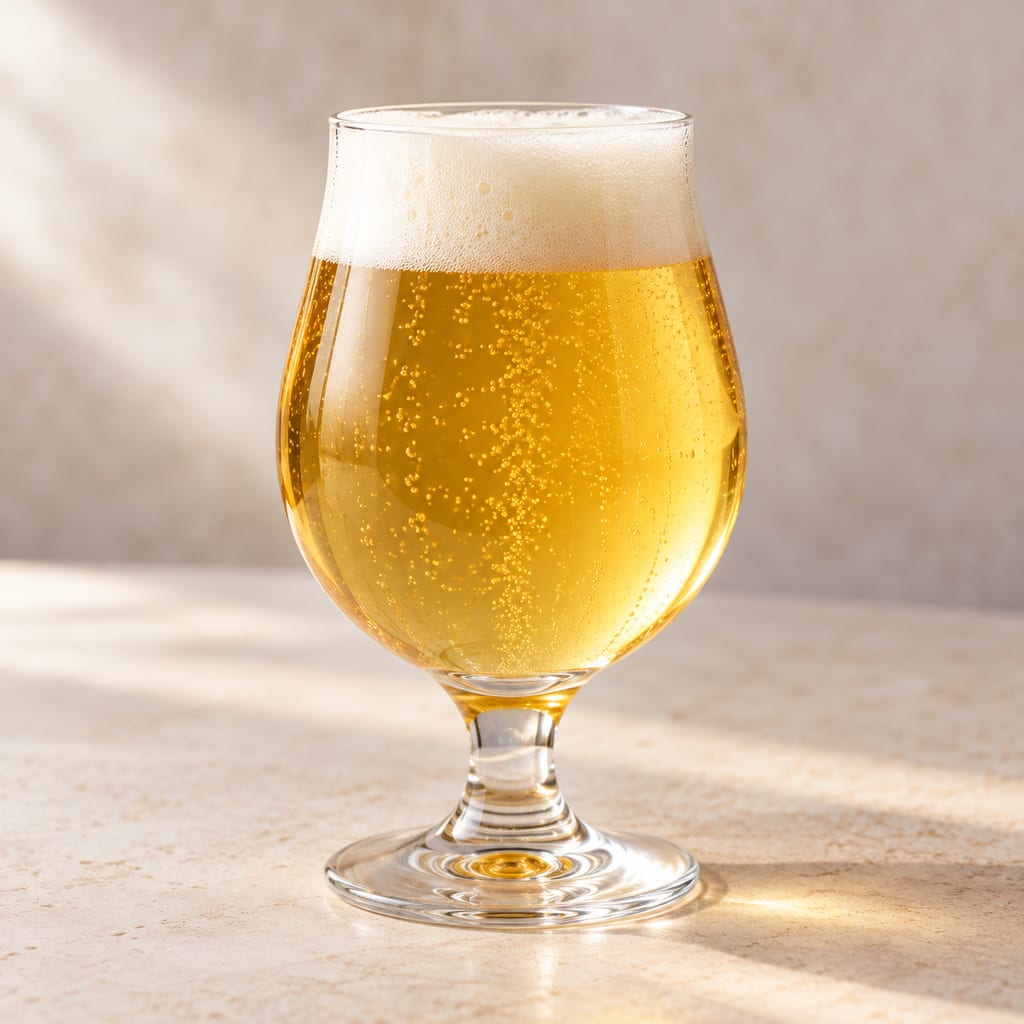
A pale Belgian-style ale with Pilsner and aromatic malts, cane sugar and Saaz hops, fermented under loose foil before an airlock is fitted.
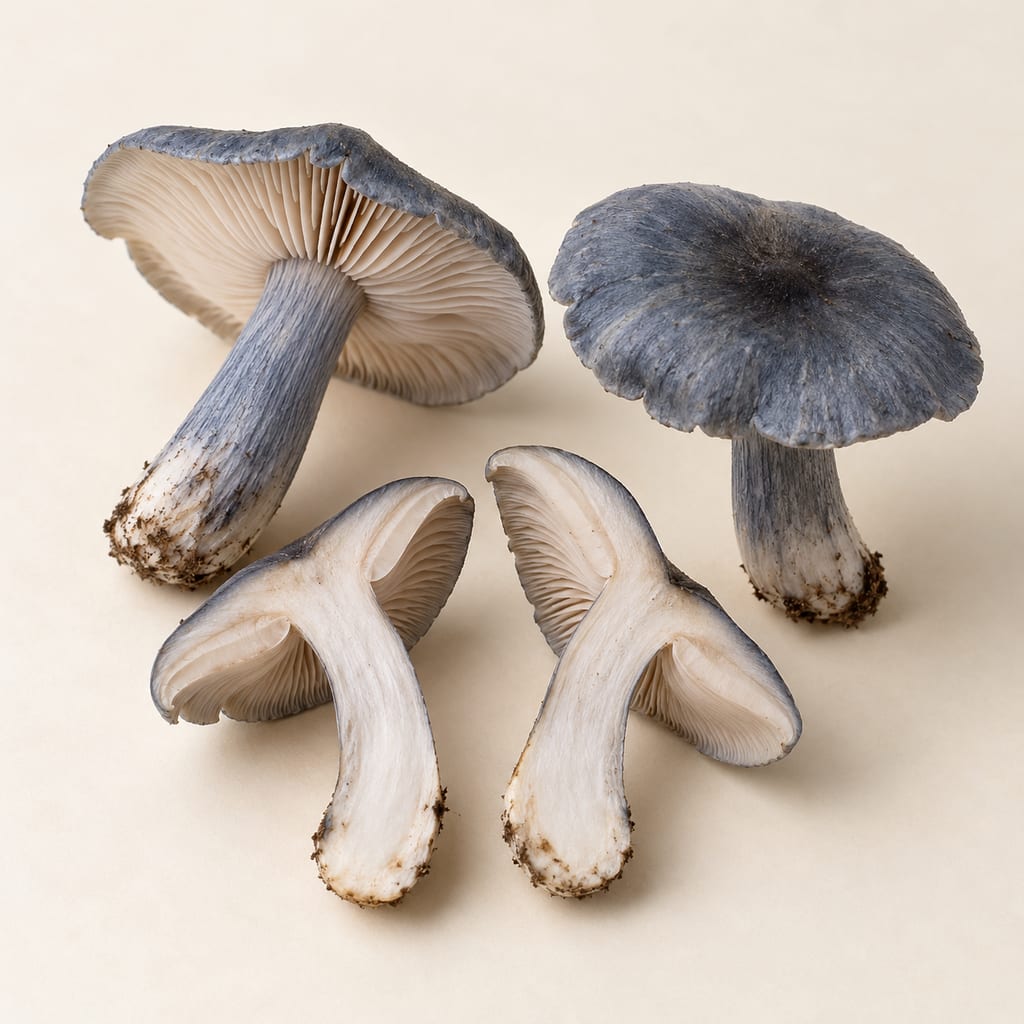
Bloxam's entoloma is a rare pink-gilled mushroom of old grasslands. Historical sources call it edible, but food-use evidence and older identifications remain uncertain; this does not recommend gathering or eating it.
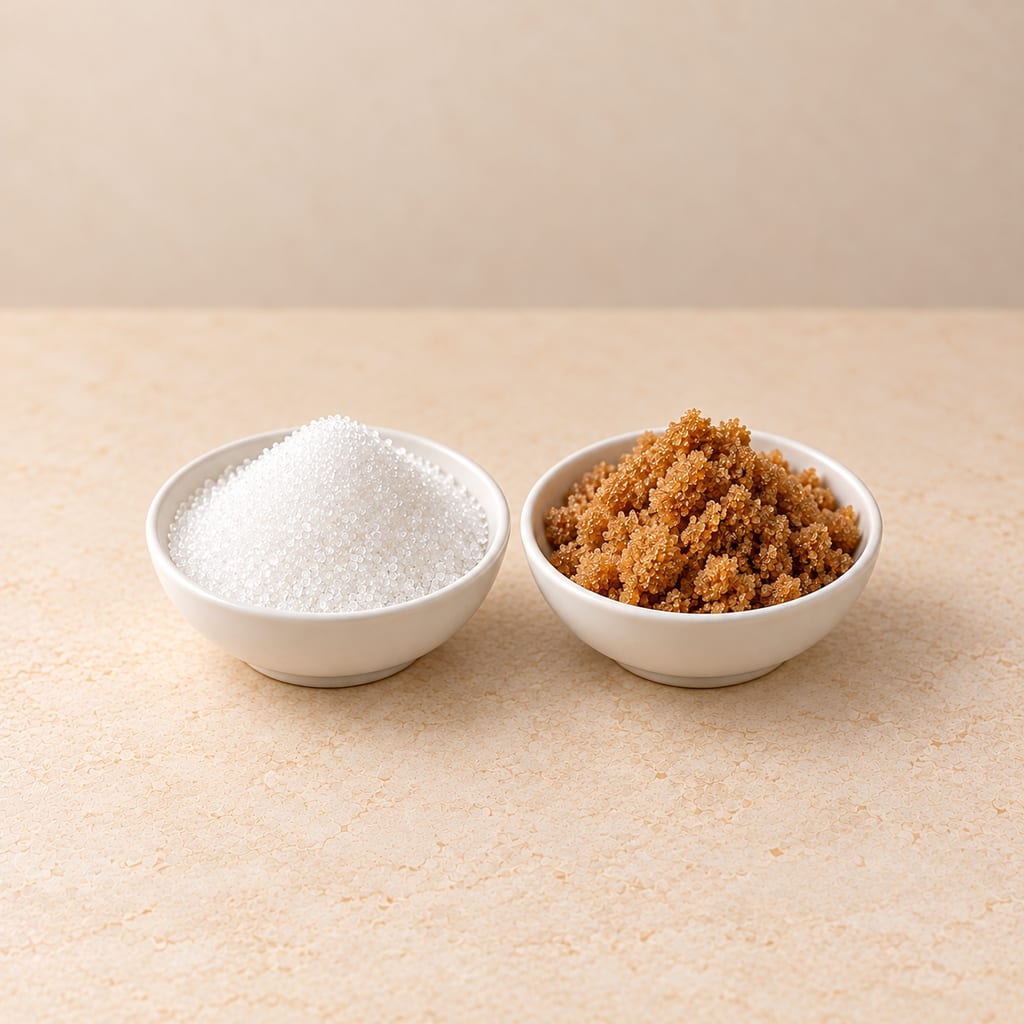
White sugar is refined sucrose, almost pure; brown sugar is sucrose with molasses, left in or added back. Molasses makes brown sugar moister, darker and more strongly flavoured.
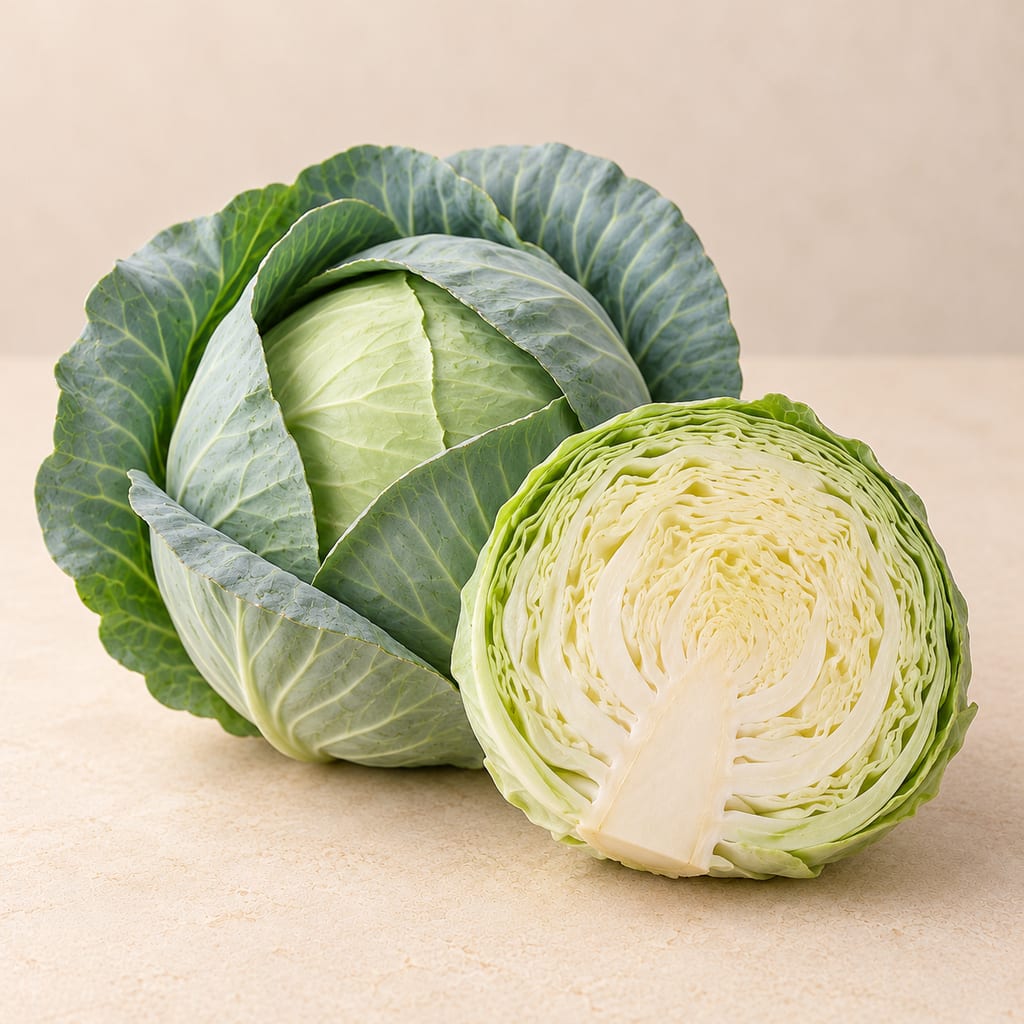
Cabbage is the dense leafy head of Brassica oleracea, a European vegetable that keeps for months and is the classic raw material for sauerkraut, with napa cabbage the base of kimchi.

Chicken eggs supply proteins and yolk fats that set and emulsify. Atlas breads use them in enriched doughs, surface washes and a sourdough pancake batter mixed after fermentation.
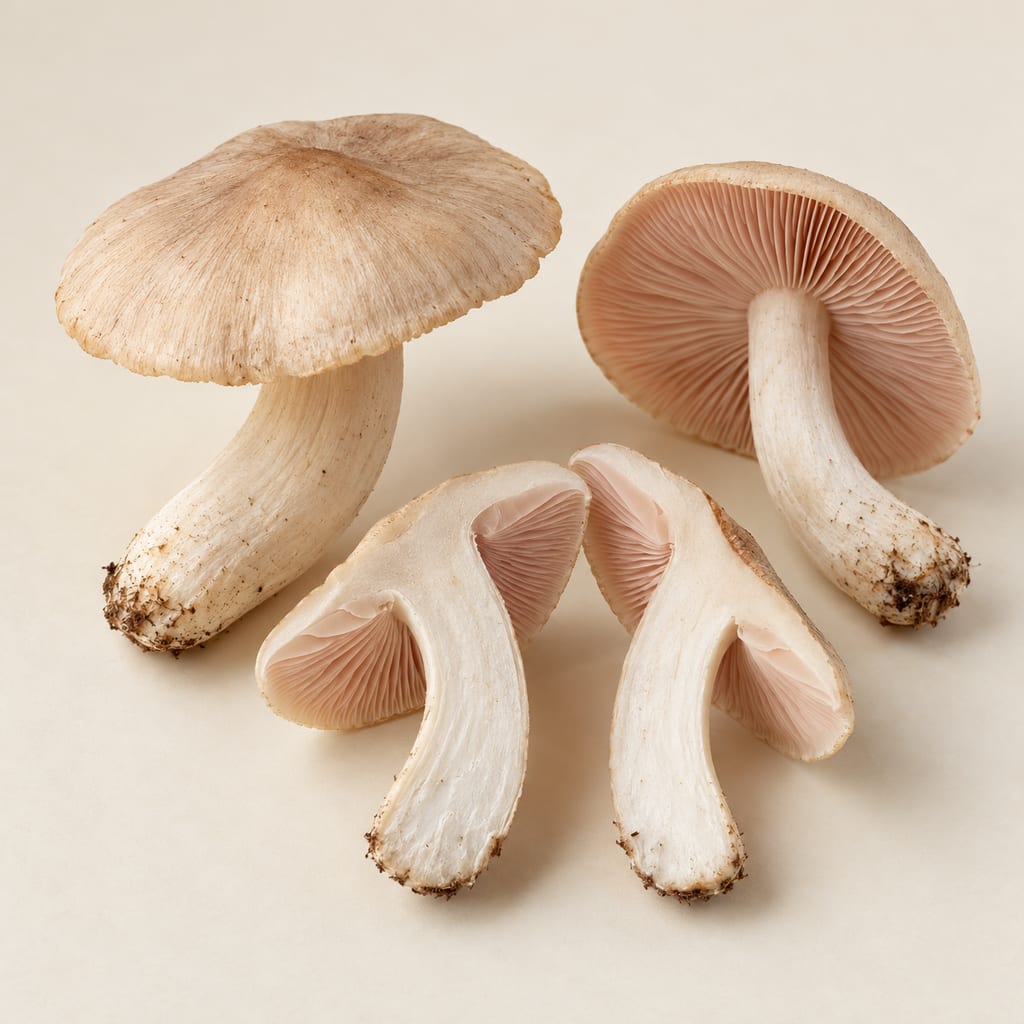
Entoloma sepium is a spring pinkgill associated with Rosaceae. Chinese and European sources list it as edible or conditionally edible, while taxonomic uncertainty and a poisonous lookalike warrant caution.
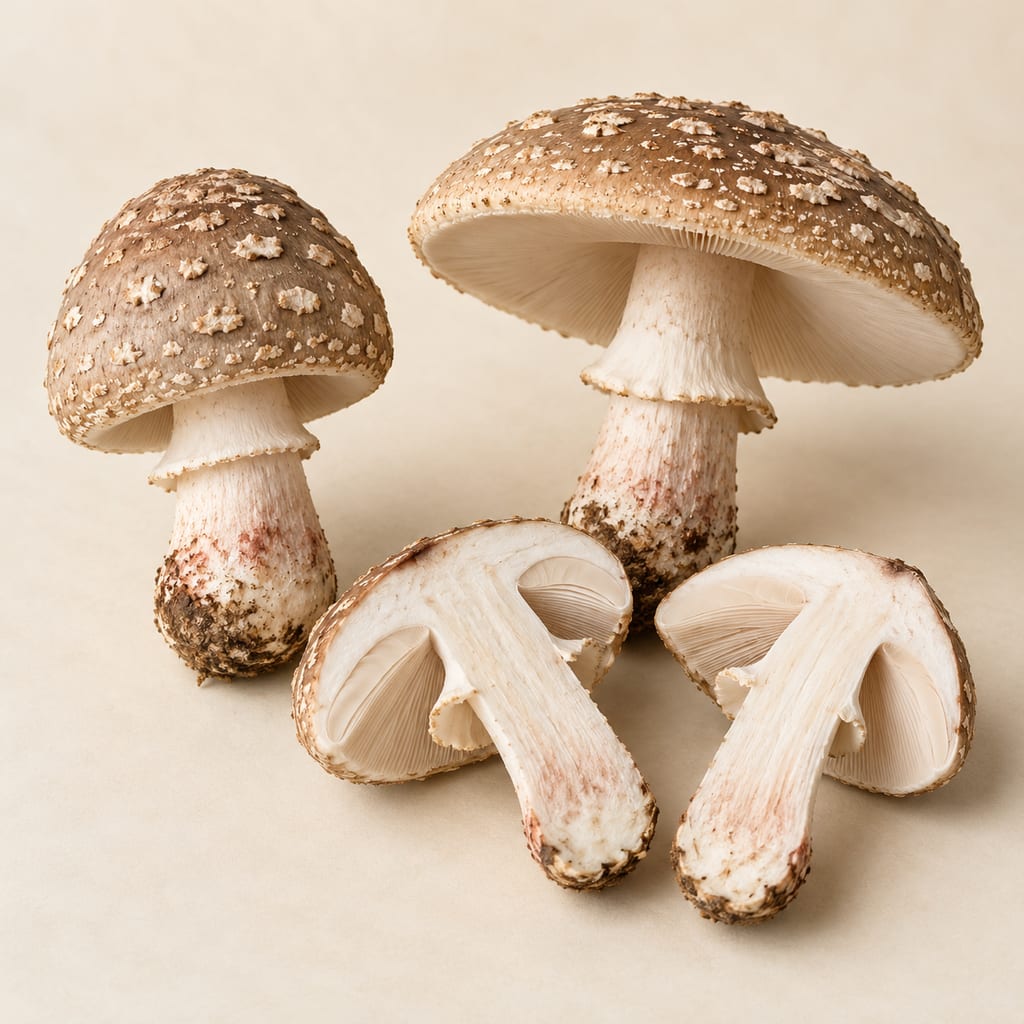
The European blusher, Amanita rubescens, is a woodland amanita whose flesh turns pink when cut. It is eaten only well cooked and is easily confused with the poisonous panthercap.
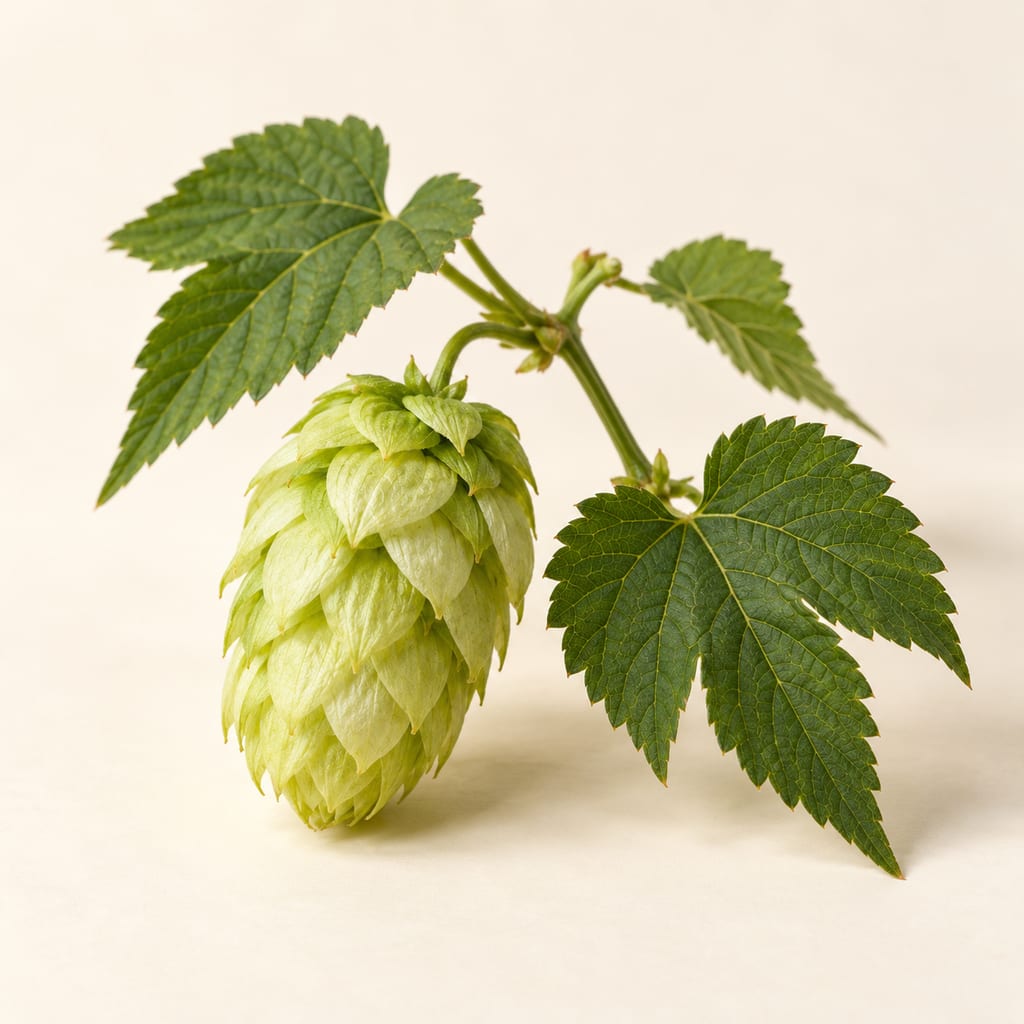
A traditional German aroma-hop land variety, associated with the Hallertau and described with herbal, spicy and floral notes. Cultivar identity, crop analysis and the growing place of a particular lot remain separate facts.
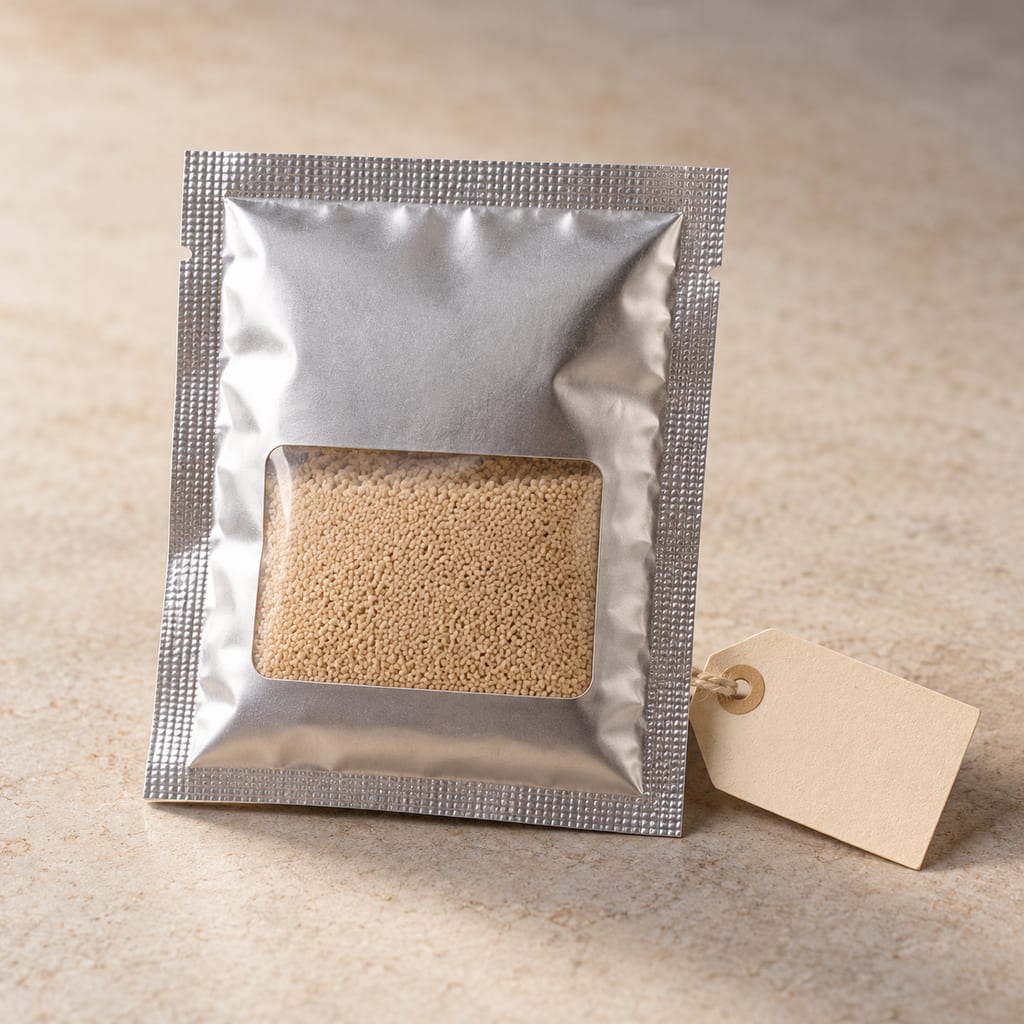
Lager yeast is the bottom-fermenting brewing yeast Saccharomyces pastorianus, a hybrid of S. cerevisiae and S. eubayanus, sold and kept as named strains that are not interchangeable.

Soft, spreadable Calabrian pork sausage made with a great deal of red chilli and fatty pork, stuffed into natural casings, sometimes smoked and matured while staying soft.

A way to add independent temperature logging to an existing food dehydrator without changing its built-in controls or protections. It is a monitoring method, not a rewiring plan.

Pleurotus cystidiosus is the abalone mushroom, a cultivated oyster-type fungus with dark brown caps that grows more slowly and is more demanding than other Pleurotus species.

A dark, balanced vinegar from Emilia-Romagna made by combining cooked or concentrated grape must with wine vinegar, then acetifying and refining it in wood under a protected specification.

A living dairy inoculum that starts controlled cream fermentation, developing acidity and aroma before sour cream or cultured butter is finished.

A small electric incubator holds jars at a selected temperature for yogurt and other documented warm food preparations. Controls, capacity and vessel arrangement vary by model.

Adygean salt is a seasoned table salt associated with Adygea and the wider North Caucasian culinary tradition. Salt is blended with garlic and a variable selection of herbs and spices; the exact mix depends on the named style and maker.

The African Caesar-group mushroom, Amanita masasiensis, is a wild ectomycorrhizal species of central and southern African woodlands, eaten locally. The genus contains deadly poisonous species, so identification needs care.
No community contributions have been published for this entry yet.
Sign in to contribute. Published comments and photos are free to read.
USDA Agricultural Research ServiceIdentity · Pedigree · Plant · Chemistry
Hallertauer Magnum (21670)Germplasm record: same cultivar names, pedigree, Hüll origin, 1992 rhizomes and historic chemistry.
Cited in: Hallertauer Magnum, a named hop; From Hüll to the hop yard; Resins, oils and the meaning of a percentage
Hop Research Center HüllIdentity · History · Cultivation · Chemistry
Hallertauer MagnumCultivar profile: 1984 cross, 1992 market launch, pedigree, regions, chemistry and sensory description.
Cited in: Hallertauer Magnum, a named hop; From Hüll to the hop yard; Resins, oils and the meaning of a percentage; Two beers, two documented additions
HopsteinerIdentity · Chemistry
Hallertauer MagnumProducer sheet: 1993 release, alpha/beta/cohumulone/oil ranges and aroma description.
Cited in: Hallertauer Magnum, a named hop; From Hüll to the hop yard; Resins, oils and the meaning of a percentage
European Food Research and TechnologyScience
Changes in beer bitterness level during the beer production processReview of alpha-acid isomerization, humulinones, beta acids and process dependence.
Cited in: Resins, oils and the meaning of a percentage; Two beers, two documented additions
FoodsScience · Handling
Impact of Hop Freshness on Dry Hopped Beer QualityPrimary study of hop freshness, bitter chemistry and storage change in beer.
Cited in: Resins, oils and the meaning of a percentage; Choosing and keeping a crop lot
HopsteinerForms
Hops & PelletsProducer distinguishes whole hops and mechanically processed pellet types.
Cited in: Cones, pellets and extracts
Hopfenveredlung St. JohannForms
ProductsProducer explains type 90 and lupulin-enriched type 45 pellets and CO2 extracts.
Cited in: Cones, pellets and extracts; Choosing and keeping a crop lot
HopsteinerForms
CO2 Hop ExtractProducer describes CO2 extraction and concentrated acids and oils.
Cited in: Cones, pellets and extracts
Oregon State University ExtensionCultivation · Handling
Growing Hops in the Home GardenMature cones are dry and papery with golden lupulin; dry in shade below 140°F; seal dried cones airtight and refrigerate.
Cited in: From Hüll to the hop yard; Choosing and keeping a crop lot
Bräu SupplyUse
German Pils Recipe, All-Grain2026 recipe names Magnum at 13% alpha acids for 60 minutes of a 90-minute boil.
Cited in: Two beers, two documented additions
American Homebrewers AssociationUse
2026 Official Big Brew RecipesPage 1 names Magnum at 12% alpha acids for 60 minutes in Monk’s Ration single.
Cited in: Two beers, two documented additions