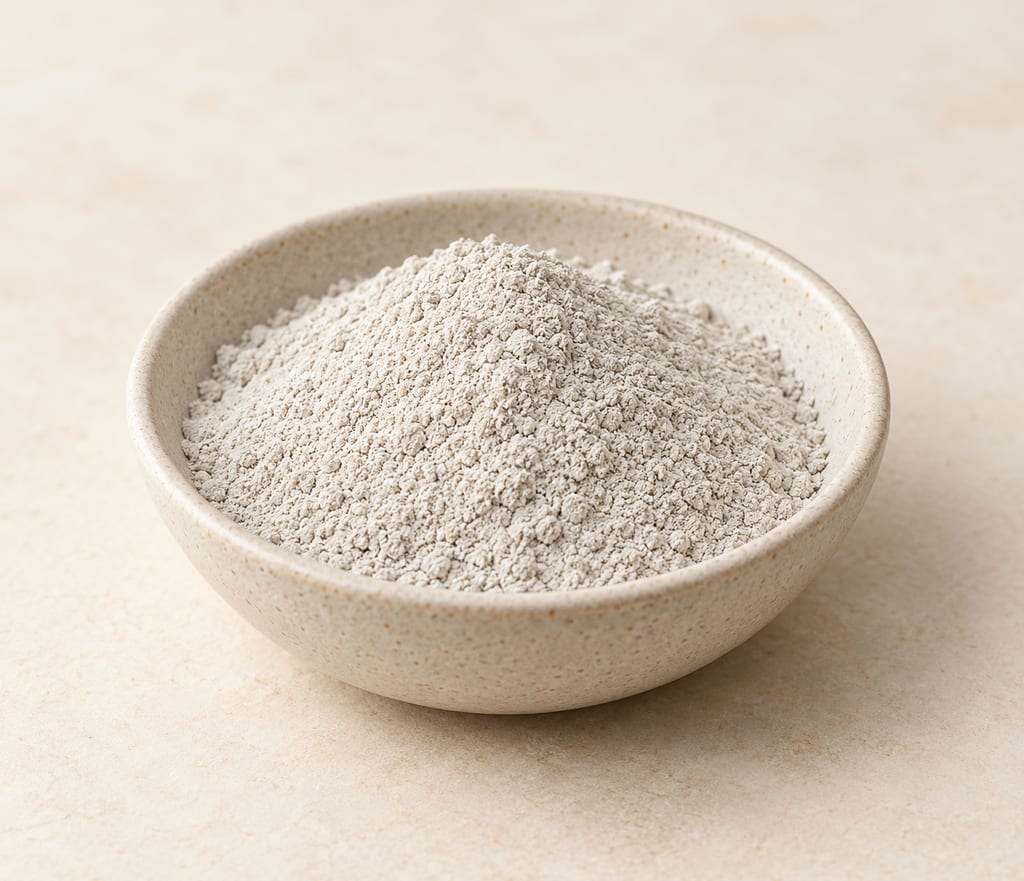
Bentonite
A swelling mineral clay used as a processing aid in a named beer recipe's primary fermentation; it helps remove suspended haze-active material as sediment.
 FermenteaWhere food goes to change
Modern method
Monk’s Ration Trappist-style Single
A pale Belgian-style ale with Pilsner and aromatic malts, cane sugar and Saaz hops, fermented under loose foil before an airlock is fitted.
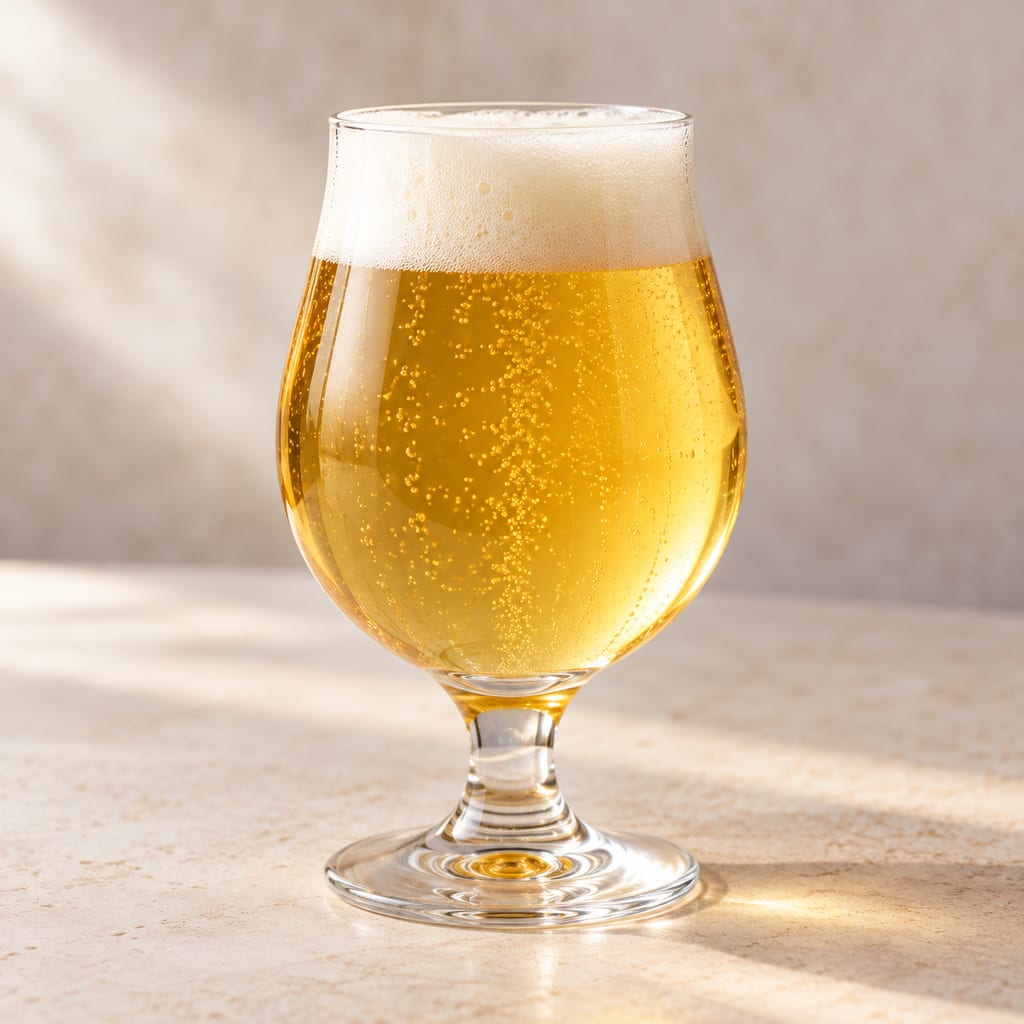
Monk's Ration is Phil LaFleur's pale, Belgian-inspired homebrew, associated with Loveland, Colorado. Its title points towards the lower-strength beers associated with monastic daily life, while its actual formula belongs to a modern American brewer. The American Homebrewers Association records its gold medal in the Belgian Ale category at the 2023 National Homebrew Competition and publishes it among the official Big Brew recipes for 2026.
The beer is built around Pilsner malt, small specialty-malt additions, cane sugar, continental hops and Abbaye ale yeast. Its modern style reference is a pale, bitter, lively beer with a grainy malt base and expressive fruit-and-spice fermentation character. The name single helps place it among monastic-inspired beers, but supplies no universal recipe or fixed medieval strength.
This is a useful beer for understanding how a comparatively small set of materials can be handled through a detailed process. Three mash rests prepare the wort, early and late hops divide the kettle work, the fermenter changes its cover, and several clarification additions precede bottle conditioning. Each operation belongs to a different part of making the beer. None is adequately explained by saying that monks have brewed for centuries.
Monastic brewing has included making beer for a community's own consumption as well as later commercial production. Westvleteren's account of its brewery gives a concrete example. The abbey describes early small-scale brewing for personal use, brewery expenses recorded in 1838 and an official brew in 1839. Its later development included new equipment and increased production as its tavern trade grew.
The same producer's history records a much more recent change: Westvleteren Blond replaced the older dark Westvleteren 6 in 1999. A monastery can have a long brewing history while one of its current pale beers is comparatively new. This is why the modern pale single should not be described as an unchanged medieval drink. A house's continuity and a particular beer's continuity are different histories.
Lower-strength monastic beer traditions differ from the relatively modern pale, bitter Belgian Single style. It expects pronounced yeast character and a dry, hoppy finish, rather than the heavy richness a reader might associate with every Belgian or abbey-style ale. The category offers a sensory comparison, not a certificate identifying where a beer was made.
Trappist origin has a separate meaning. The International Trappist Association explains that the name identifies products connected with Trappist monasteries; similarity of brewing style is insufficient. Individual abbeys have their own recipes and yeasts. Monk's Ration uses a monastic reference in its homebrew title. Its documented author and commercial culture give the preparation its actual identity, while the abbey histories provide context.
Root Shoot Pilsner malt supplies the main grain contribution. Its role is both material and practical: the mash draws wort from a pale base without introducing the heavy roast of a stout. The smaller Briess Aromatic addition adds a different malt component. Briess describes its Aromatic Munich product as intensely malty, giving a reason for including a small portion within an otherwise pale grist.
Briess Carapils is separately named. The manufacturer describes this dextrin-style malt as supporting foam and mouthfeel with little added colour or flavour. That intended role differs from the aromatic malt's stronger malt character. Keeping the two lines distinct makes the formulation easier to understand than treating every specialty grain as a source of darkness or sweetness.
Cane sugar enters in the boil, supplying fermentable material without going through the grain mash. This is a different starting point from starch inside malt. The mash must first release soluble sugars from grain; the added sugar is already a sugar ingredient. In the final wort, yeast encounters the combined supply. The quantity and timing belong to the formulation rather than to a general rule that Belgian-style beer always needs sugar.
The recipe also lists corn sugar for bottling. Its later use matters. The cane sugar helps compose the main wort; the bottling sugar supports a controlled further fermentation in the package. Combining the two into one undifferentiated sugar total would hide why they are present and when they are used.
The all-grain mash begins at 122°F, or 50°C, for 40 minutes. It then rests at 156°F, or 69°C, for another 40 minutes before a final 15 minutes at 168°F, or 76°C. This is a stepped temperature sequence. The rests place the mash under changing conditions rather than asking one temperature to accomplish every part of wort preparation.
General brewing education places protein-degrading enzyme activity in the lower rest region. Those enzymes divide larger proteins into smaller material. At the warmer conversion rest, malt enzymes work on starch, producing a mixture that includes fermentable sugars and less fermentable dextrins. The precise balance depends on the malt and mash conditions, but the distinction between protein breakdown and starch conversion makes the stages intelligible.
The final hotter stage is consistent with a mash-out. Heating reduces enzyme activity and changes the physical handling of the wort, including its viscosity. This is not the same as boiling a removed portion of mash and returning it, and the source does not describe such a decoction. Nor does it identify the method as brew-in-a-bag. The temperature sequence can be preserved without assigning an unreported equipment arrangement.
These operations prepare wort before alcoholic fermentation begins. Yeast is added only after the boil and cooling. That order explains why grain enzymes, kettle heat and yeast should not be given interchangeable credit for changes in the beer. The mash makes material available; the later culture converts fermentable sugars and contributes its own metabolic character.
Magnum is added at the start of the 60-minute boil. Czech Saaz follows at 15 minutes remaining and again at five minutes. The schedule gives the early addition a long boiling exposure, while two later additions receive less. Boiling changes hop alpha acids into more soluble bitter compounds; many aroma compounds are volatile and are reduced by extended heating.
This offers a reason for the sequence without turning hop varieties into rigid categories. An early addition is positioned to supply bitterness, while the later additions offer more opportunity for hop character to remain. The modern single style combines a bitter finish with spicy or floral hops and expressive yeast. That is a useful frame for understanding why pale malt and several hop additions can belong in a monastic-inspired beer.
The recipe lists 40 IBU as its bitterness figure. It belongs with the other published recipe statistics rather than serving as a measured description of a new batch. The same amount of perceived bitterness can meet different malt, yeast and carbonation balances. The practical schedule and ingredient alpha-acid values preserve what the brewer specified; tasting the finished beer is a separate observation.
Lallemand identifies Abbaye as a Belgian-origin ale yeast and Saccharomyces cerevisiae. Its product description emphasizes fruit and spice character, with the balance influenced by fermentation conditions. That is a more informative identity than the broad phrase Belgian yeast, which could hide differences among cultures. A packet of Abbaye is also not evidence that a particular abbey's proprietary culture has been used.
After cooling to 65°F, or 18°C, the wort is oxygenated for 60 seconds before bentonite and yeast are added. The stated time preserves a brewing action; without equipment or gas-flow information it is not a calibrated dissolved-oxygen dose. The sequence still matters because it locates oxygenation before the main fermentation, rather than treating every later transfer as another opportunity to introduce air.
For the first stage, the carboy mouth is loosely covered with foil. This is a loosely covered fermentation; the foil remains over the mouth rather than leaving the vessel completely uncovered. On day five the foil is replaced by an airlock, followed by a further 23 days in primary. The original preparation used no temperature-control equipment at the stated temperature.
An airlock allows fermentation gas to escape while restricting the entry of contaminants. Gas release is part of the vessel's operation: an unsuitable sealed container can accumulate pressure. The foil stage and later airlock are the named brewer's sequence, not a historical claim about monastic practice or a universal recommendation for every Belgian-style fermentation.
The recipe uses half a Whirlfloc tablet near the end of the boil, one teaspoon of bentonite in primary and a quarter teaspoon of gelatin two days before bottling. These are separate additions of different materials. Their small quantities make them easy to overlook, but their timing forms part of the actual preparation.
Whirlfloc is a seaweed-derived kettle fining containing carrageenan. General brewing guidance explains its role in helping proteins coagulate and precipitate as wort cools. This is physical clarification associated with the kettle and cooling stages, rather than another fermentation culture. It should not be given the same role or timing as a late gelatin addition simply because both can influence clarity.
Gelatin is used as a post-fermentation fining to help suspended material sediment. It helps remove residual yeast or protein-polyphenol material from suspension. The recipe's bentonite is another distinct named addition; its grade and preparation are not specified. The useful distinction is between what the source actually adds and the more detailed preparation instructions that depend on the product selected.
Clarification changes what remains suspended in the beer. It does not demonstrate that fermentation has finished, remove the need for sanitation or prove that a package will withstand its eventual pressure. A bright appearance can be a quality goal without becoming a safety test. Gelatin also belongs in the ingredient disclosure rather than disappearing from the page because it is used in a small amount.
The final carbonation instruction names a target of 3.3 volumes of carbon dioxide, with 6.6 g/L in parentheses. These are two ways of expressing carbonation. The first relates dissolved gas to a gas volume; the second expresses its mass concentration. The parenthesis is not an alternative sugar dose.
The actual corn-sugar line gives three ounces for the source batch. Reading units carefully keeps a bottle-conditioning target separate from an ingredient quantity. Gas volumes and grams per litre describe the same dissolved carbon dioxide in different units; the familiar two-to-one shortcut is approximate. There is no reason to replace the printed sugar quantity with a new calculation taken from the carbon-dioxide parenthesis.
Bottle conditioning uses remaining yeast to ferment an added supply of sugar, producing gas that stays in the closed package. That is the intended biological activity. Unintended further fermentation from other remaining material can add pressure beyond the planned amount. The package's rating and the condition of the beer therefore matter alongside the priming addition.
The stated fermentation days are a production schedule rather than a completion test. The source does not identify the bottle model or give a measured final carbonation result. Those limits belong in the practical plan before packaging, especially when working towards a lively beer. A long stay in primary cannot establish package suitability by itself.
A separate extract adaptation provides a useful comparison with the grain-based method. It replaces the Pilsner malt with Pilsner malt extract syrup, omits the Carapils and increases the cane sugar. The aromatic malt receives its own stated steep-mash before the dissolved extract and sugar proceed to the kettle. This is a coordinated alternative formulation, rather than permission to add extract on top of the full grain bill.
Extract has already passed through wort production at the manufacturer's brewhouse, so its preparation changes what must happen at home. The comparison shows which work has moved to the producer and which remains with the brewer. Hopping, fermentation management, clarification and packaging still shape the beer after the base wort is supplied in concentrated form.
At the table, the useful comparison is a pale beer with more yeast expression than a clean German pils, and a lighter, more hop-focused balance than the rich dark ales often imagined from a monastic name. Those relationships place the modern style among other familiar pale beers. No particular meal, vessel or serving temperature is documented for LaFleur's batch. The appeal lies in the combination the formula actually proposes: pale grain, hops, a characterful culture and a carefully finished, carbonated beer.
Phil LaFleur of Loveland, Colorado, developed Monk’s Ration as a pale Trappist-style single. It won gold in the Belgian Ale category at the 2023 National Homebrew Competition and appeared among the American Homebrewers Association’s 2026 Big Brew recipes. This is a named American homebrew formulation using a Belgian style designation.
Yield 2.5 gal · Scaling: source batch only
Yeast releases carbon dioxide during this beer fermentation; a sealed vessel can build pressure.
Hazard sourceResidual fermentation and priming sugar can increase pressure beyond the bottle or can rating.
Hazard sourceUnwanted yeasts and bacteria on equipment can contaminate cooled wort and beer.
Hazard sourceThe hop additions and boiling wort can foam over; hot wort sticks to skin and can cause severe burns.
Hazard sourceFollow the source’s loosely covered foil stage, then replace the foil with its named fermentation airlock on day 5.
Control sourceEstablish fermentation completion and match any priming calculation to the beer, package and intended carbonation.
Control sourceClean equipment, then sanitize surfaces that contact cooled wort and beer; follow the sanitizer label.
Control sourceMonitor the boil and be able to reduce heat from a safe position. Add hops gradually and stay clear of overflow.
Control sourceDo not seal an actively fermenting beer without a gas escape path.
Packaging unfinished beer or adding too much priming sugar can rupture bottles. Confirm completion and the package’s pressure suitability before conditioning.
Clean and sanitize equipment that will touch cooled wort or beer.
Hot wort can cause severe burns. Watch the boil, add hops gradually and reduce heat before foam overflows.
The AHA identifies recipe author Phil LaFleur as being from Loveland, Colorado; this documents the modern recipe context, not the origin of Trappist beer.
A swelling mineral clay used as a processing aid in a named beer recipe's primary fermentation; it helps remove suspended haze-active material as sediment.
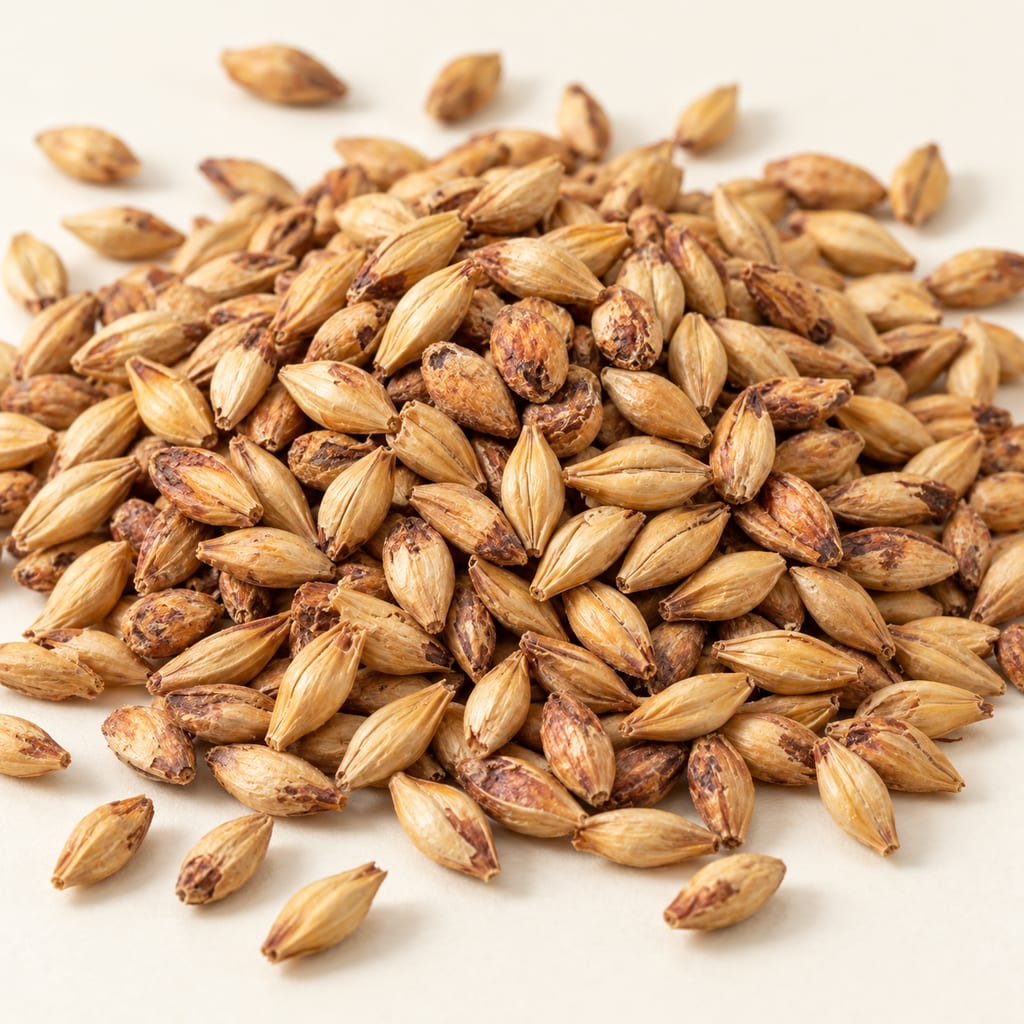
Briess Aromatic Munich Malt 20L is a deeply kilned two-row barley malt used in small measure to lend malt aroma and colour. Monk’s Ration lists three ounces alongside four pounds of pale base malt.
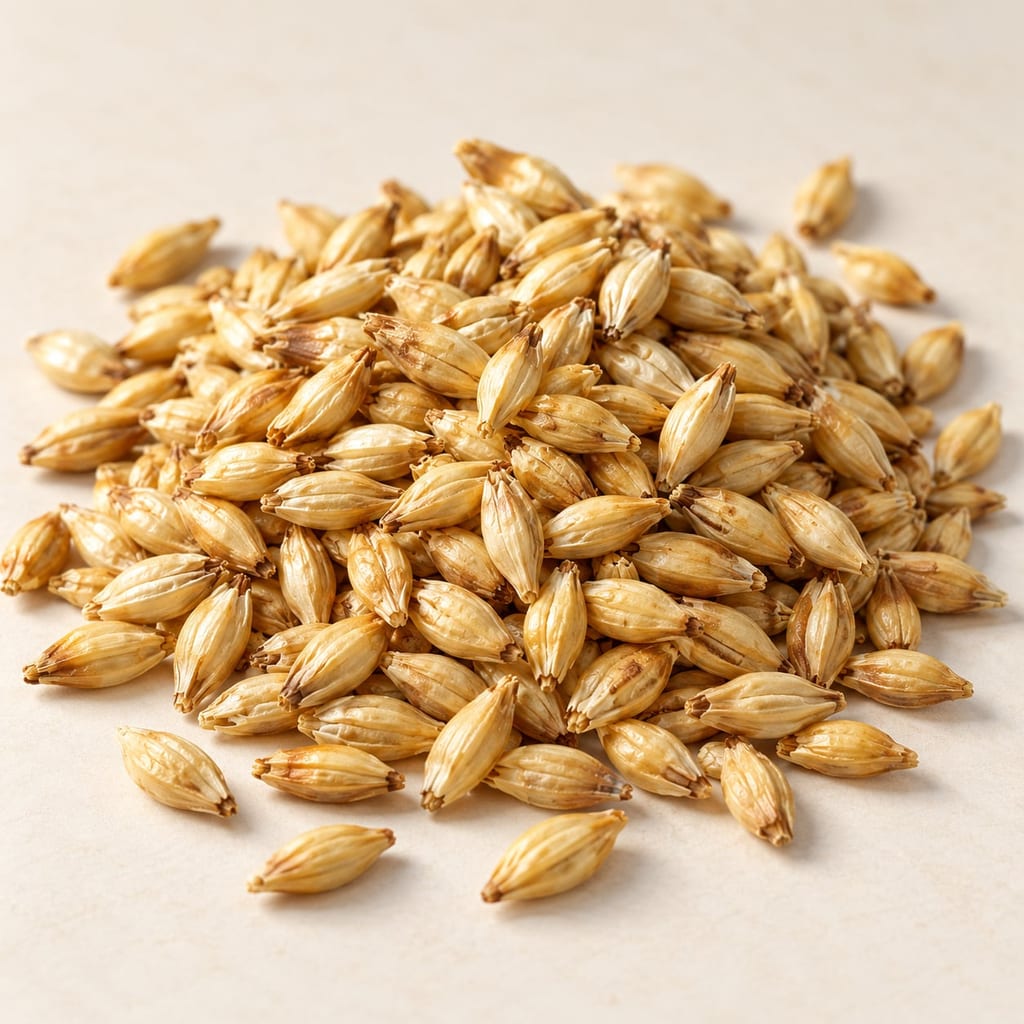
A pale, enzyme-free barley malt made by Briess for use alongside other brewing malts, with intended contributions to beer body and foam.
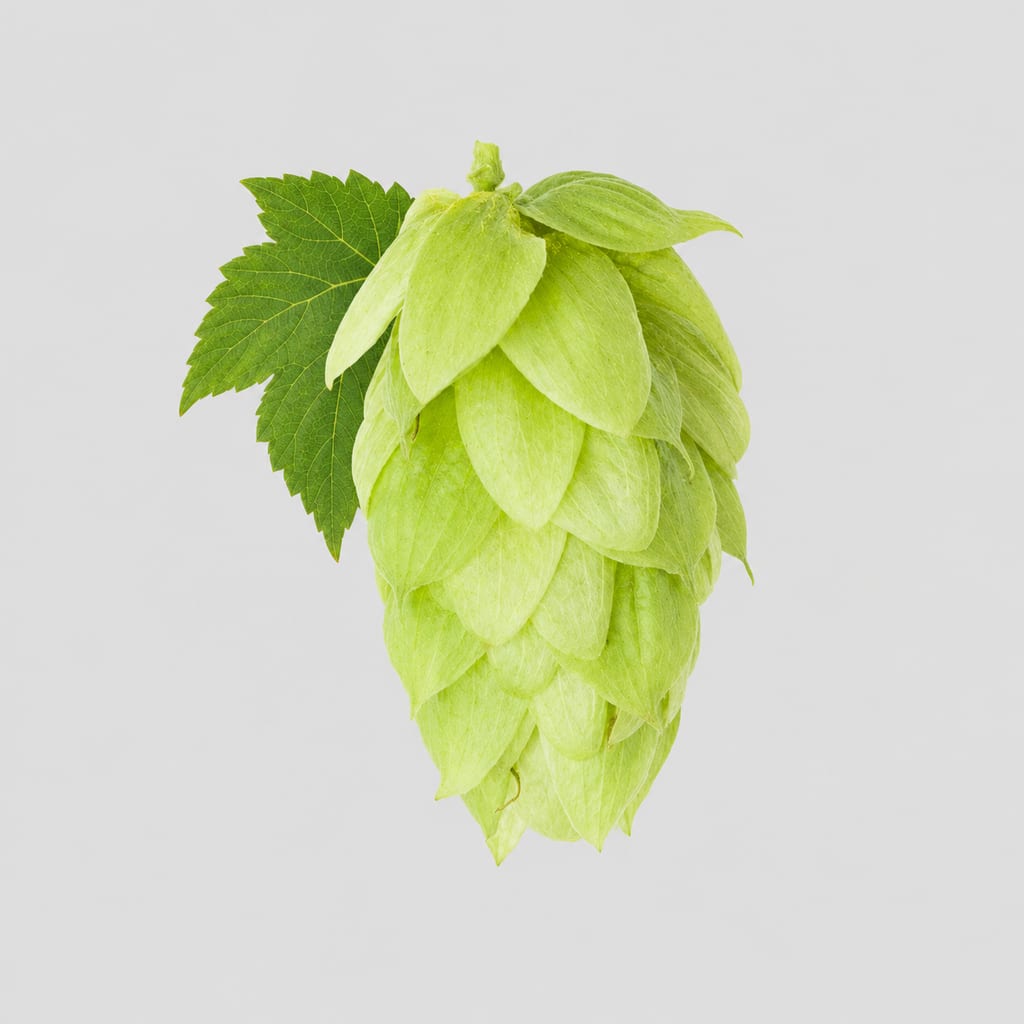
Saaz, or Žatecký poloraný červeňák, is a Czech fine-aroma hop cultivar used for herbal hop character and bitterness in beer. Its cultivar, product form, origin and lot analysis describe different parts of the ingredient.
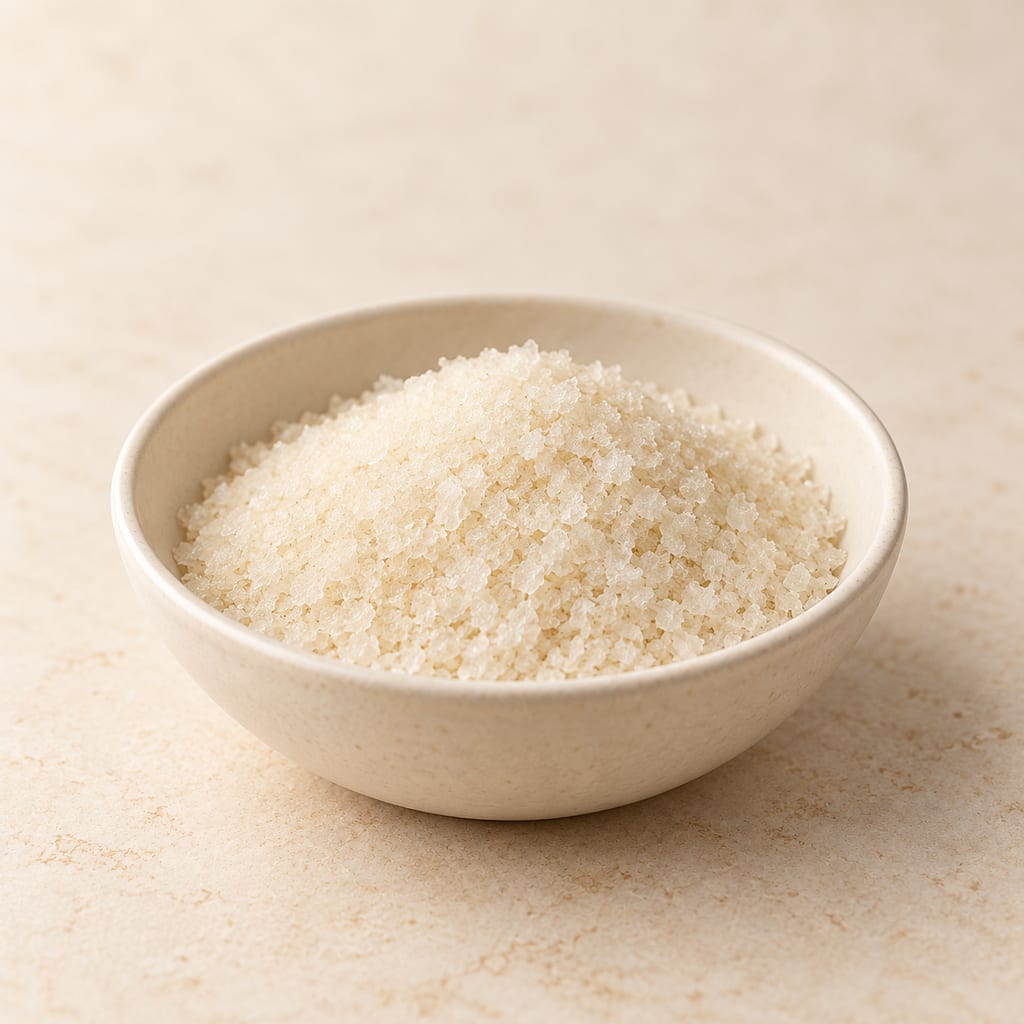
Gelatin is animal collagen partly broken down to dissolve in hot water and set as a gel on cooling, used for jellies and sweets and to fine beer and wine.
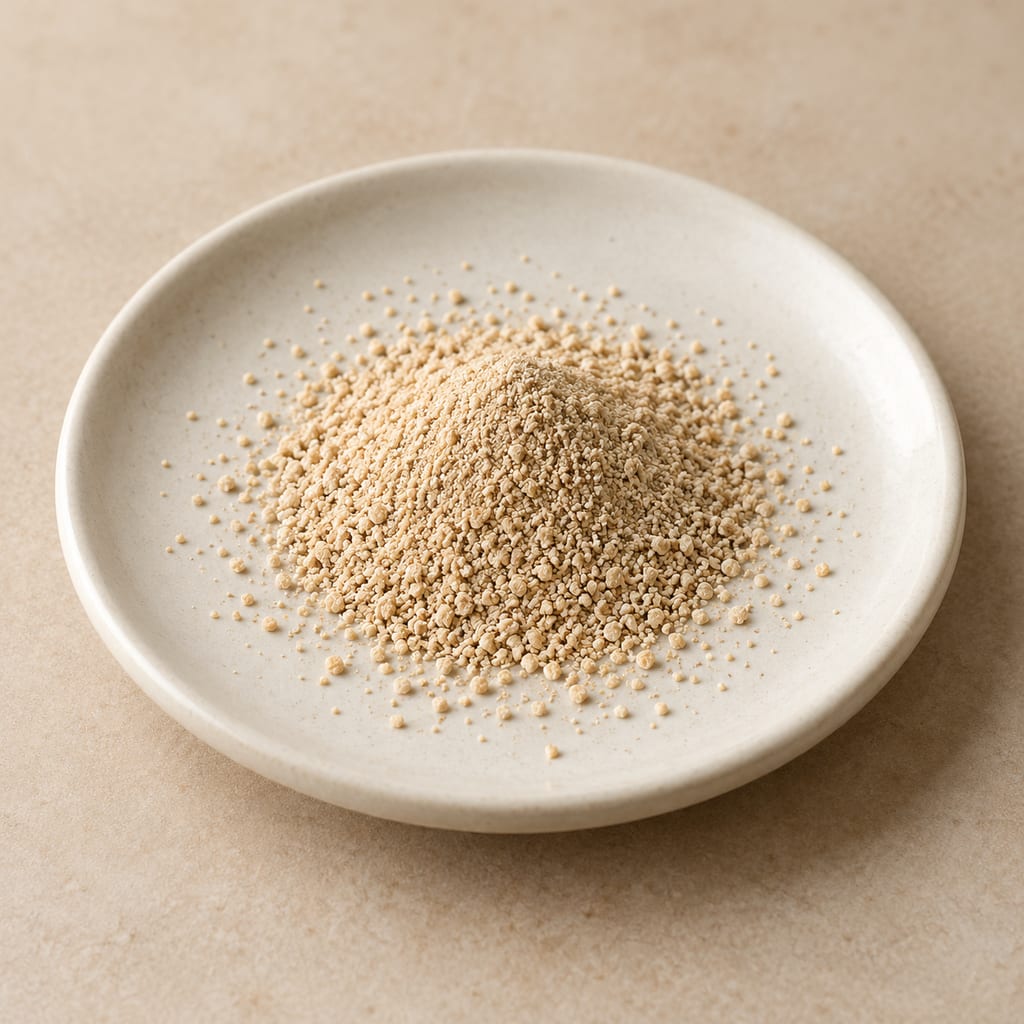
Lallemand Abbaye is a dried Saccharomyces cerevisiae brewing culture for fruity, spicy Belgian-style ales. Its published Belgian-origin claim does not identify a monastery or donor brewery.
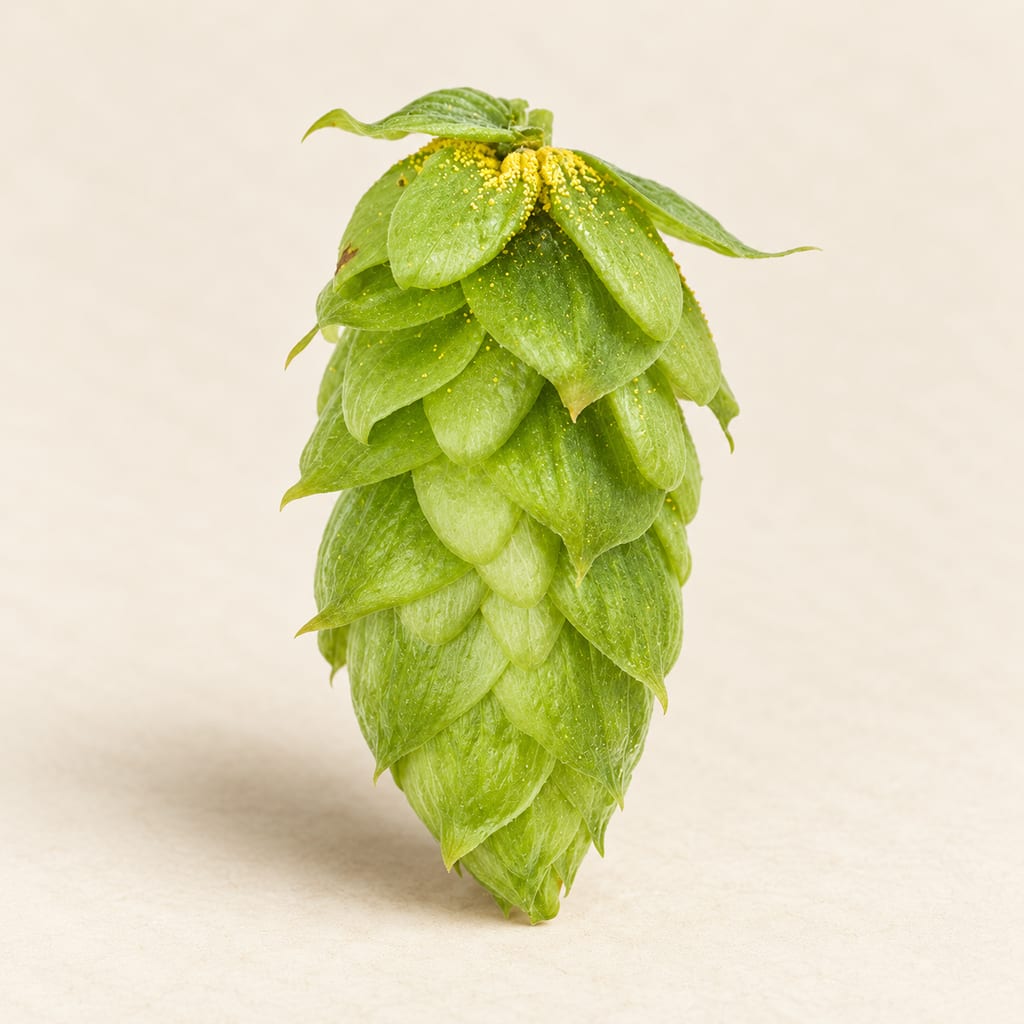
Hallertauer Magnum is a high-alpha hop cultivar used chiefly for bitterness in beer. Its crop form and lot analysis matter more than a variety name alone.
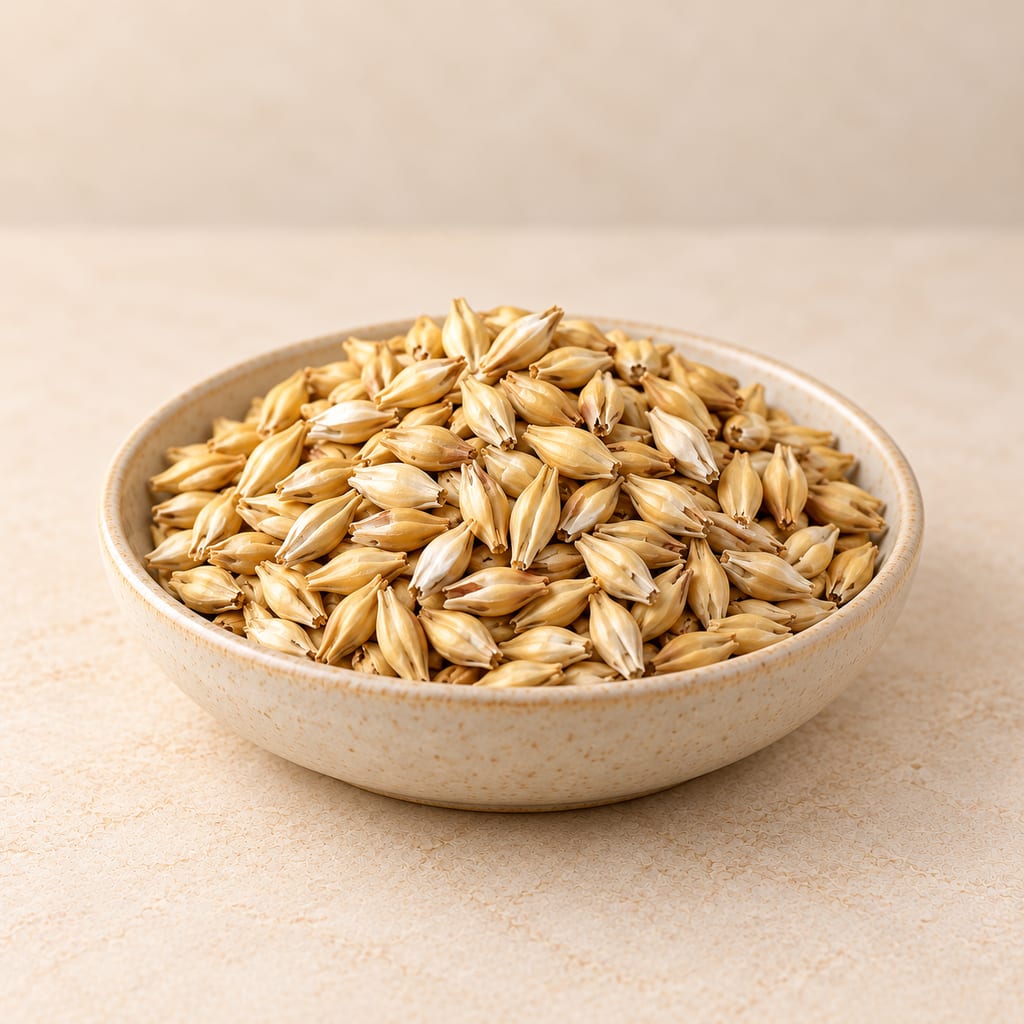
Root Shoot Pilsner malt is a pale barley base malt named in Monk’s Ration. Root Shoot currently lists several pale Pilsner products; the recipe does not identify which one or a lot specification.
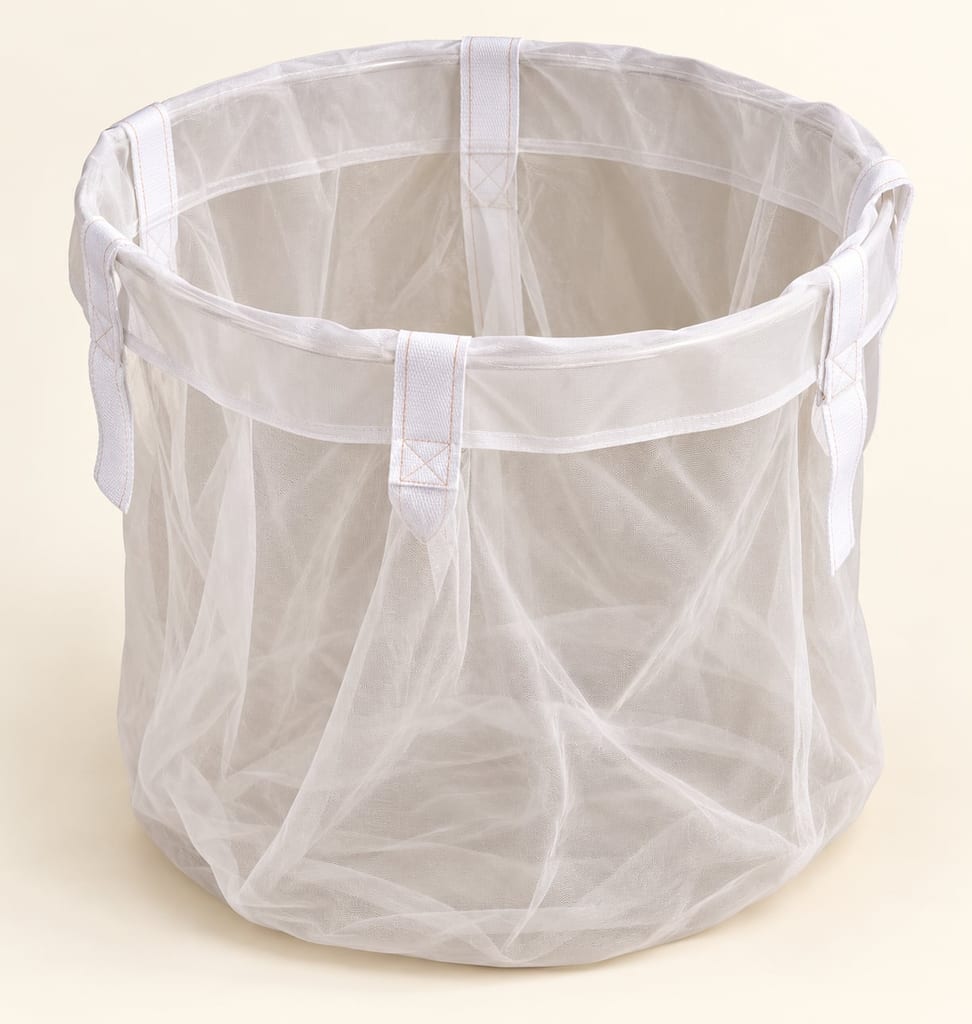
A reusable fabric filter bag holds crushed malt inside a brew kettle during the mash, then lifts out to separate grain from wort.
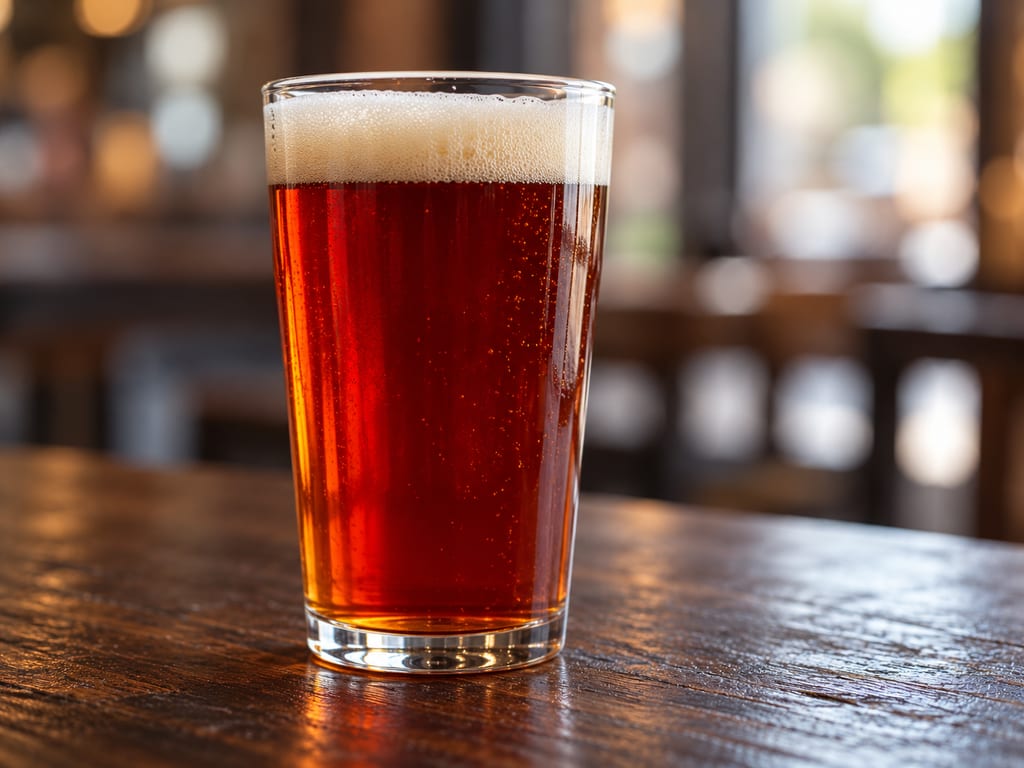
A deep amber-red American ale brewed from pale, Munich, CaraVienne and chocolate malts, bittered with Columbus hops and finished with Amarillo.
This is a process overview, not a complete batch recipe: key quantities, yield and packaging directions are absent. The AHA tutorial uses Hop Hammer Imperial IPA as an example; this page is not that full formulation.
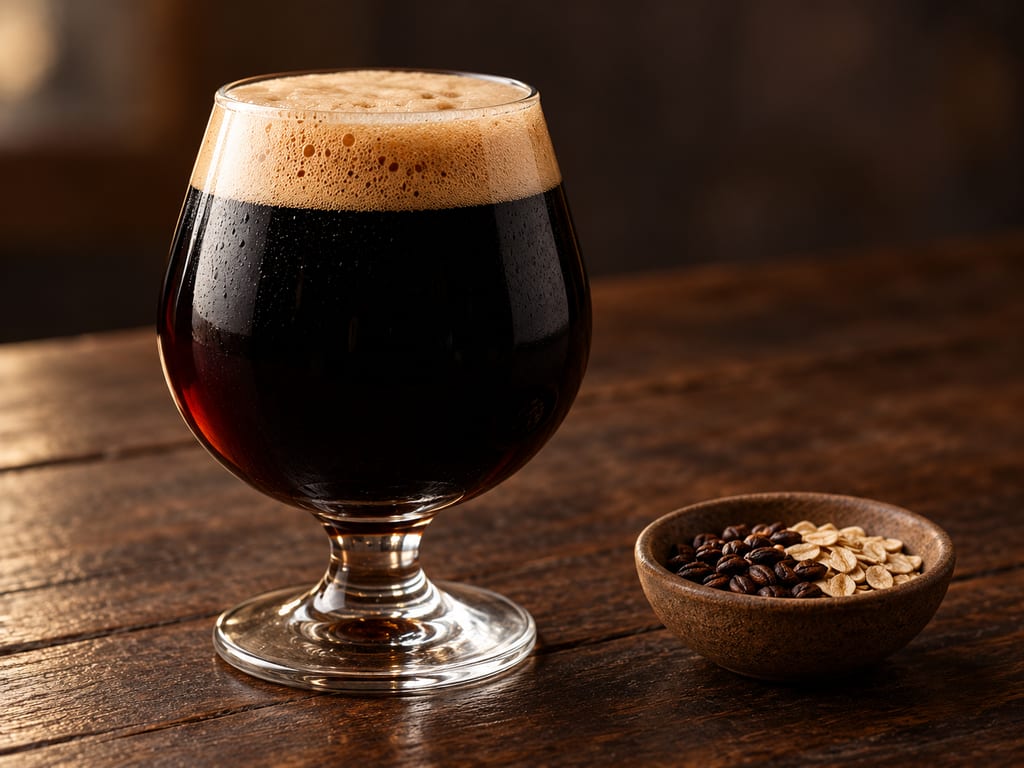
An all-grain imperial stout with pale malt, roasted barley, dark malts and oats, fermented with an American ale-yeast starter.
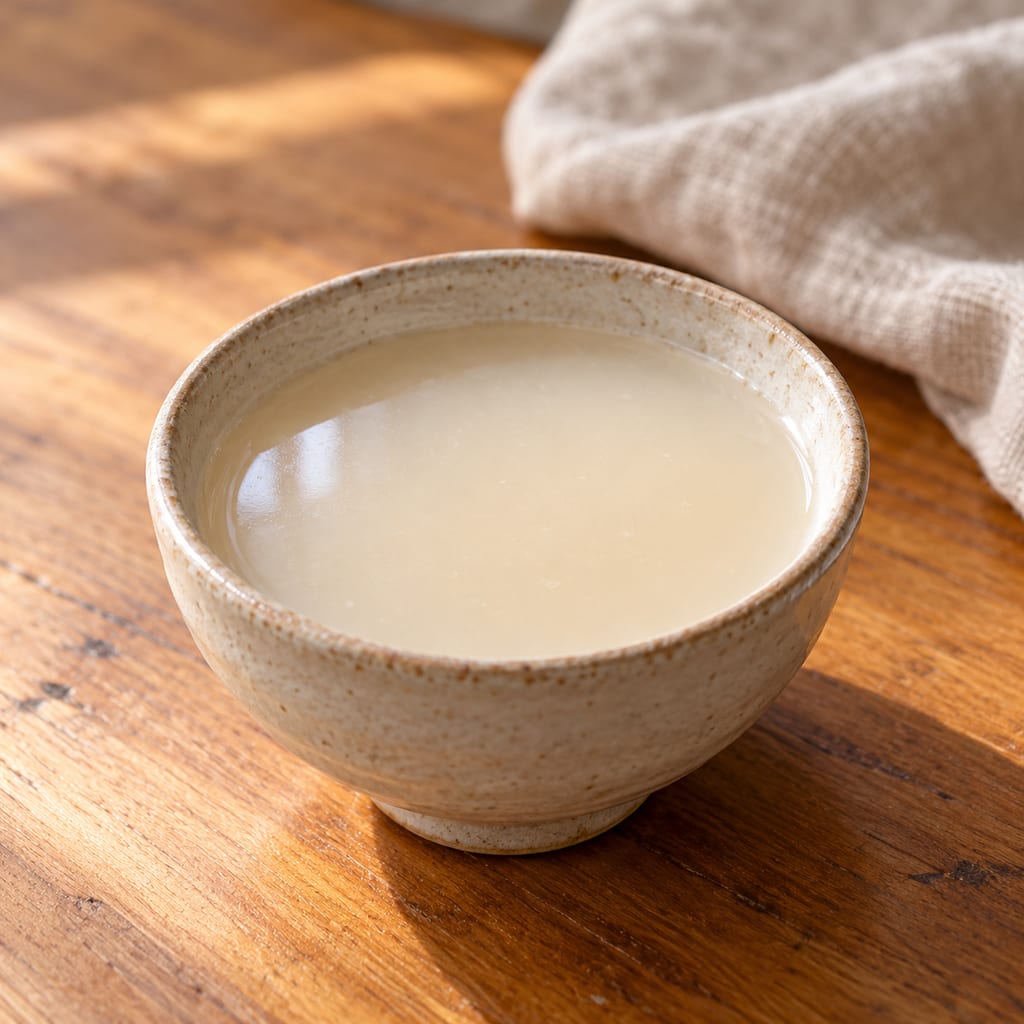
An alcoholic Korean rice drink of steamed glutinous rice and nuruk, mashed in a single stage and fermented for 7 to 14 days.
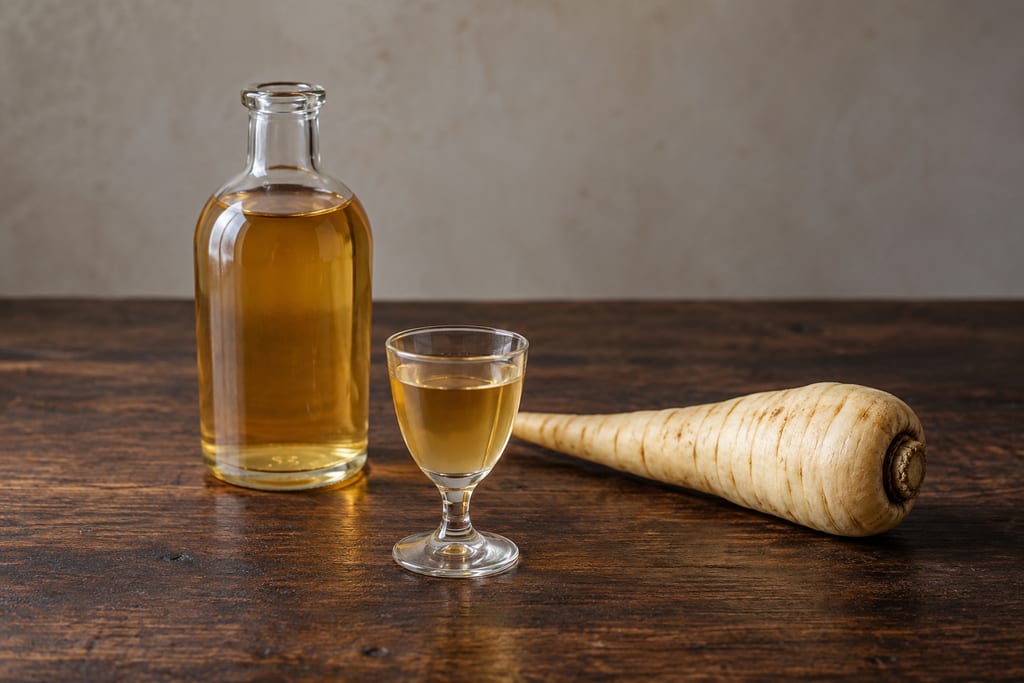
Wright's 1909 compilation records a parsnip wine made from boiled roots, sugar and a little yeast. The liquor spends ten days in a tub, then twelve months in a cask topped up daily only while the wine works over.
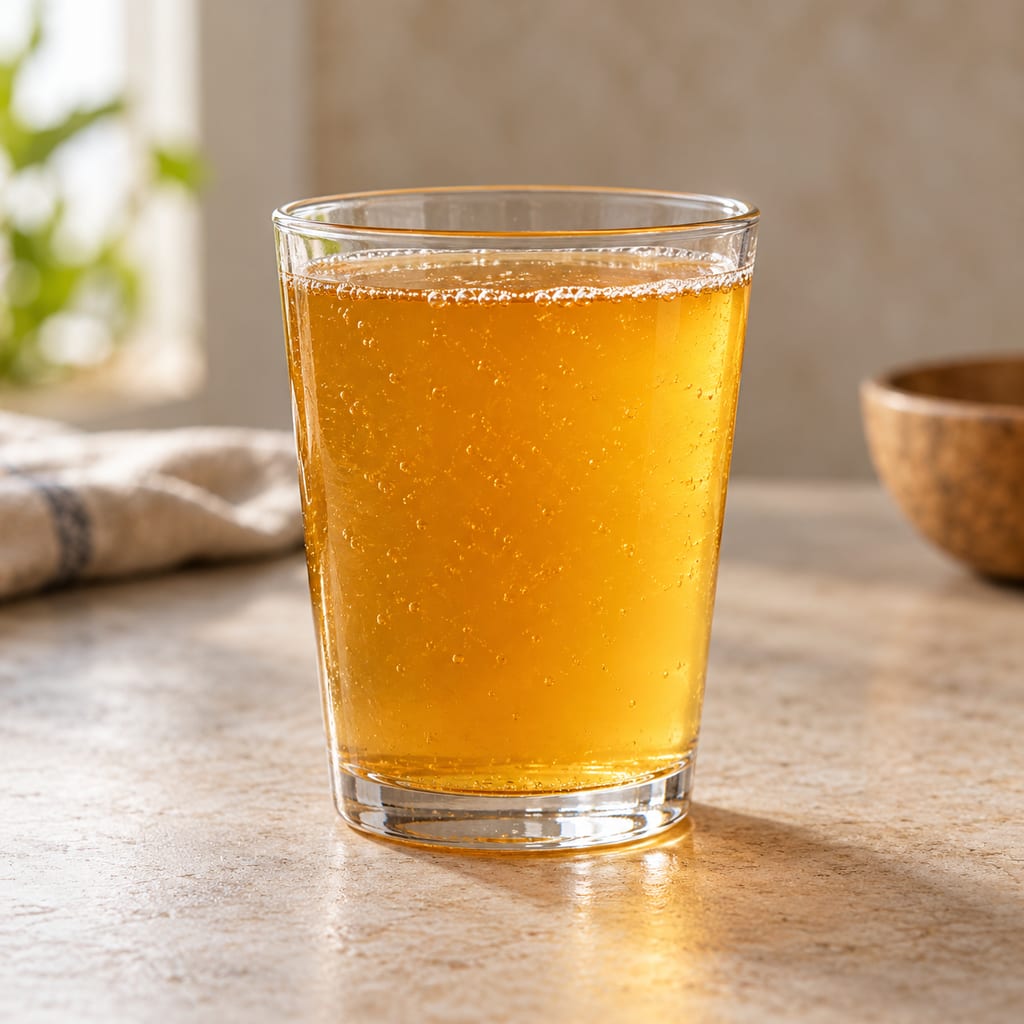
An Oregon State food-science lab formula ferments pineapple skin and piloncillo with jalapeño and warm spices for three to five days, then strains and refrigerates it. The handout reports wide alcohol variability.

A still, dry honey wine fermented from varietal honey and water with a single wine yeast, carrying no residual sweetness and no added carbonation.
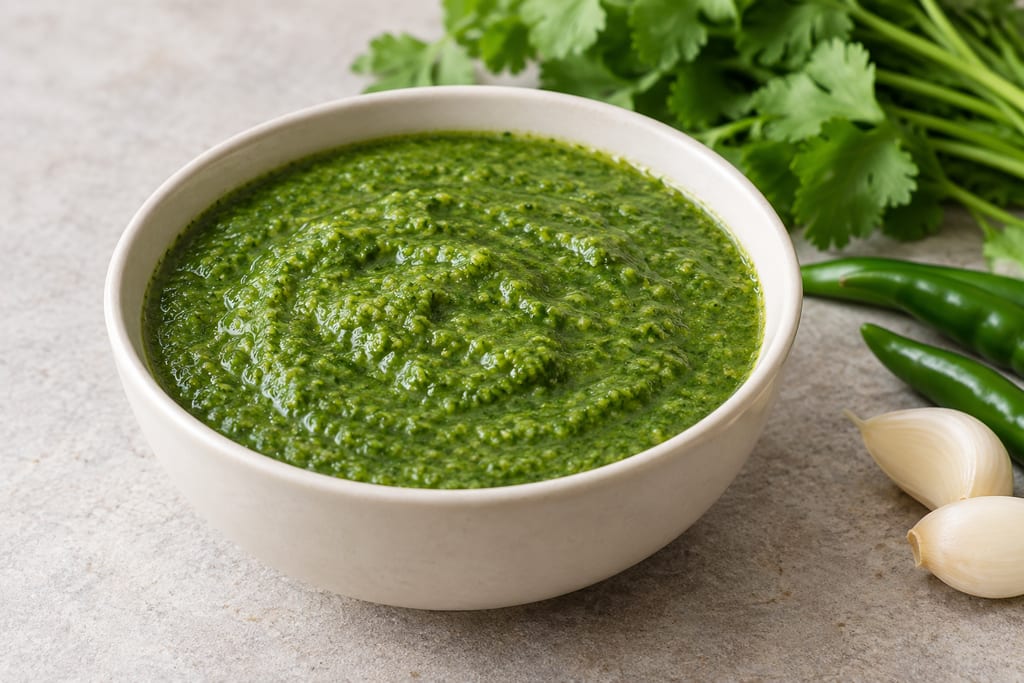
Afghan coriander chatni is a sharp, hot herb sauce with garlic and vinegar. A 2008 Afghanistan manual records green or red pepper and optional walnut; heat and household versions vary.
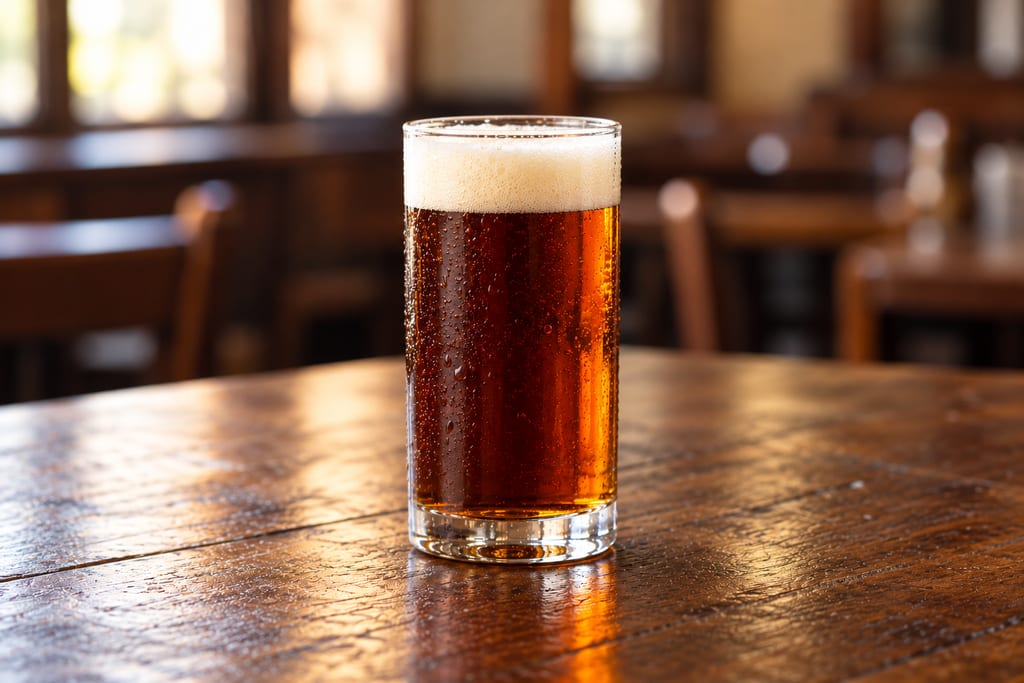
A source-specific modern extract adaptation of Düsseldorf Altbier, with specialty malts, two hop additions and an ale yeast. It is distinct from a brewery's commercial Altbier process and from Kölsch.
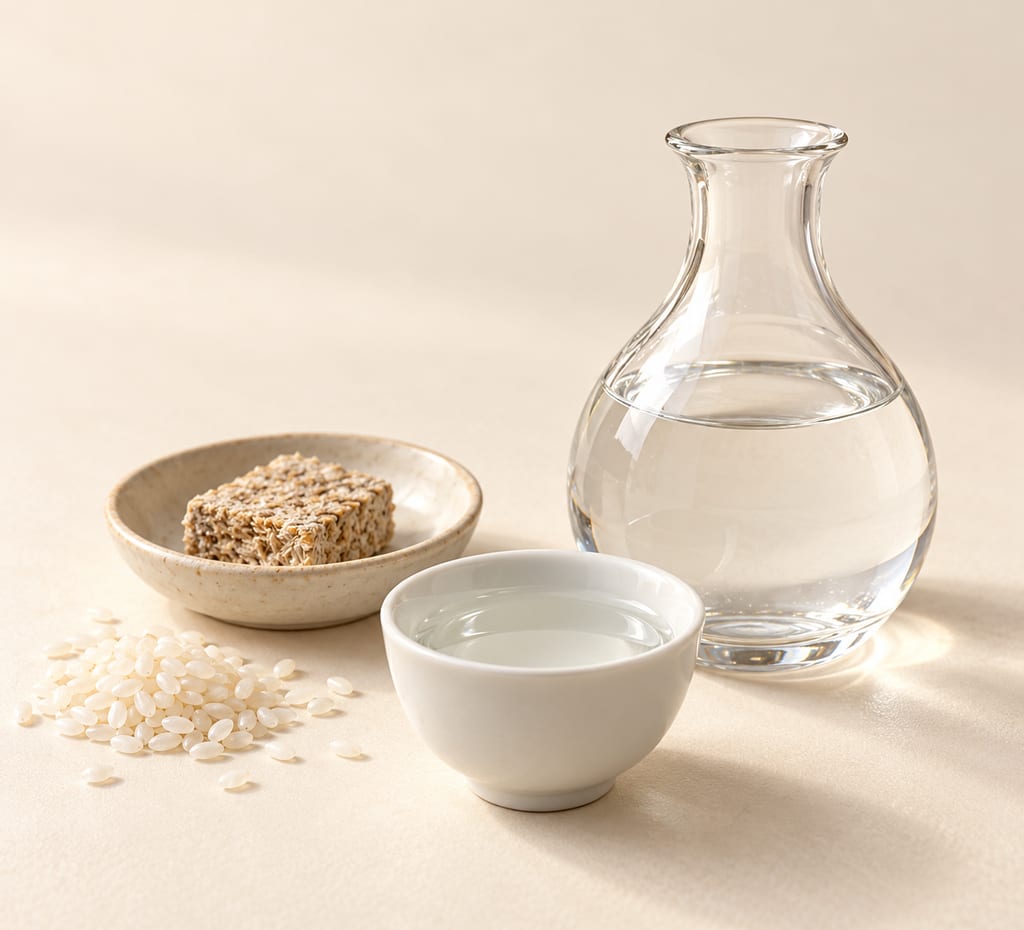
Andong soju is a rice spirit from North Gyeongsang, distilled from steamed rice and wheat nuruk. This method makes the starter before fermenting the rice mash in a jar.
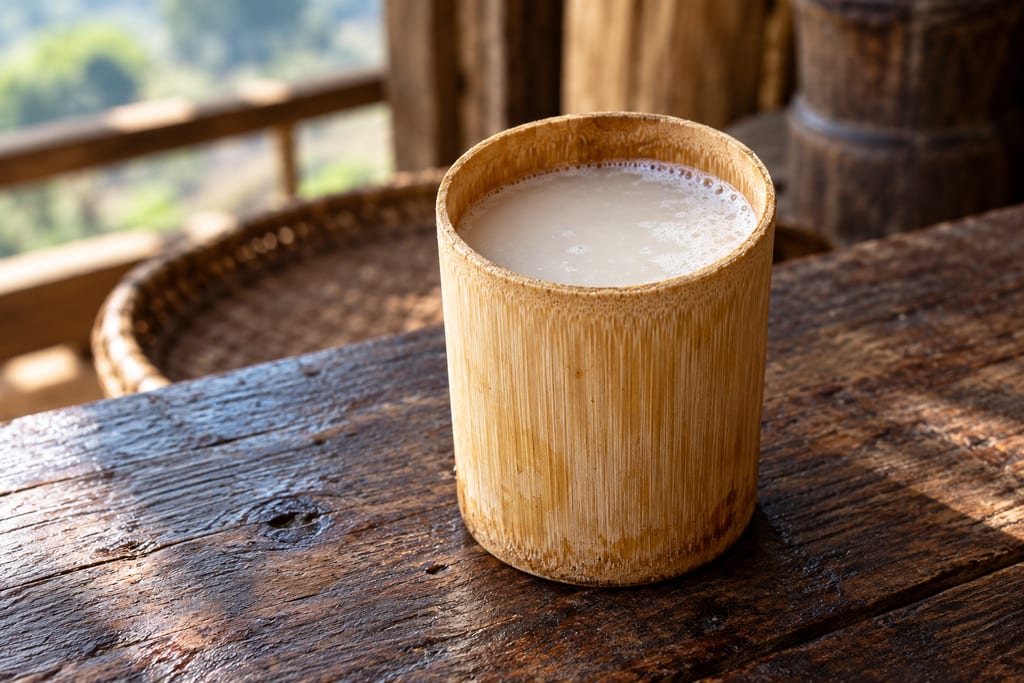
Angami rice beer from Nagaland. A surveyed method mixed cooked rice with piazu, fermented it for about four days in summer or a week in winter, then added water and filtered it. The starter ratio leaves the rice-weight basis unclear.
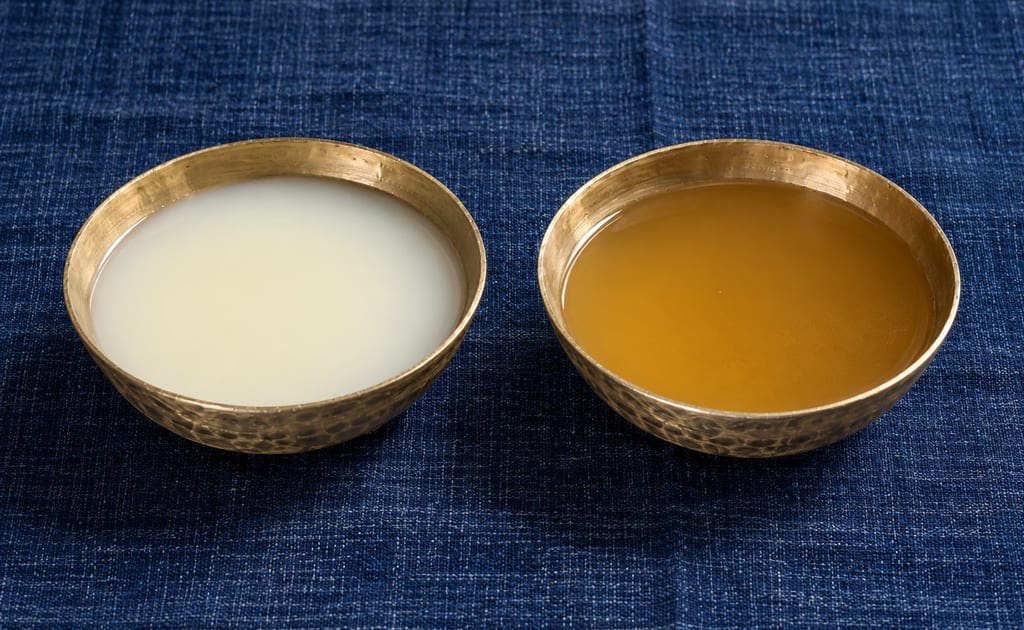
Apong names Mising rice beverages in Assam, including pale Nogin and ash-associated Po:ro. Sources describe distinct preparations and do not establish one unified household recipe or validated safety endpoint.
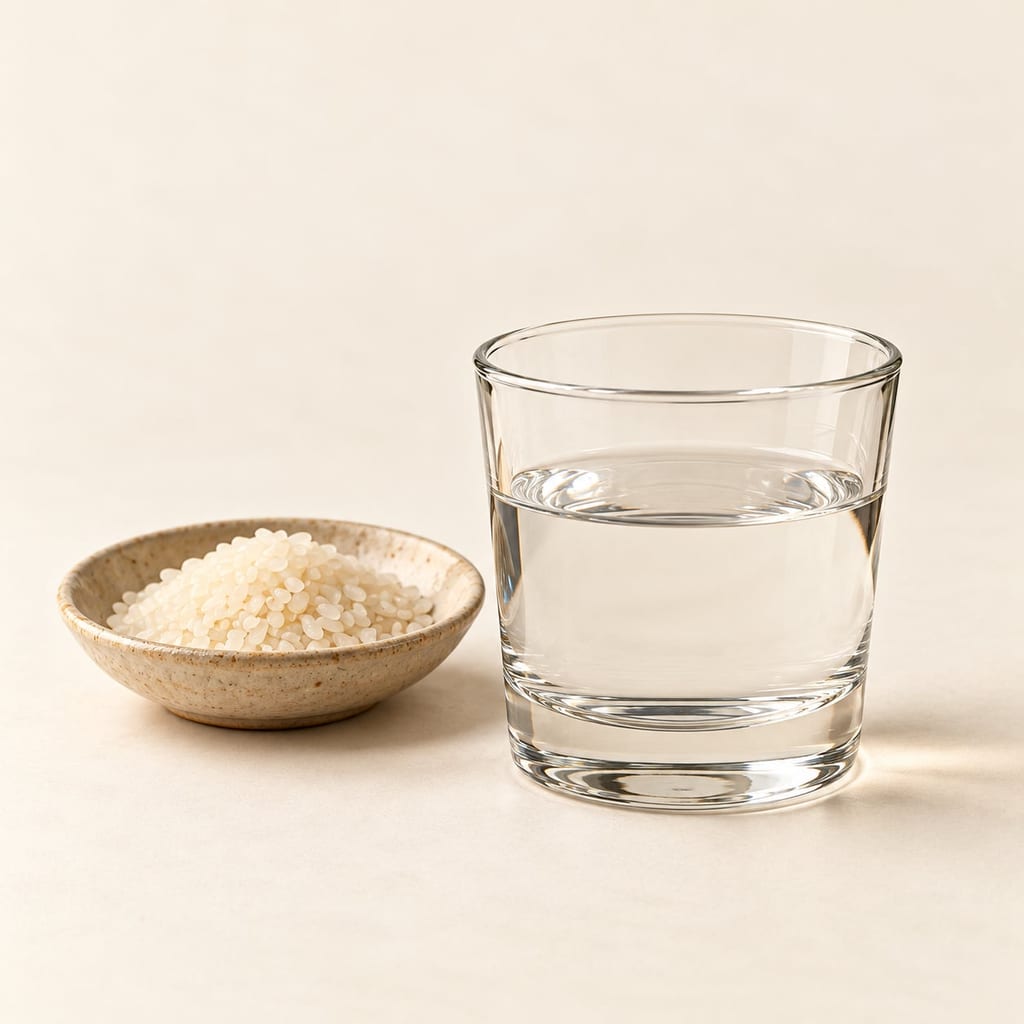
An Okinawan rice spirit made by turning all the rice into black koji, fermenting it with water and yeast, then pot-distilling and maturing the spirit.
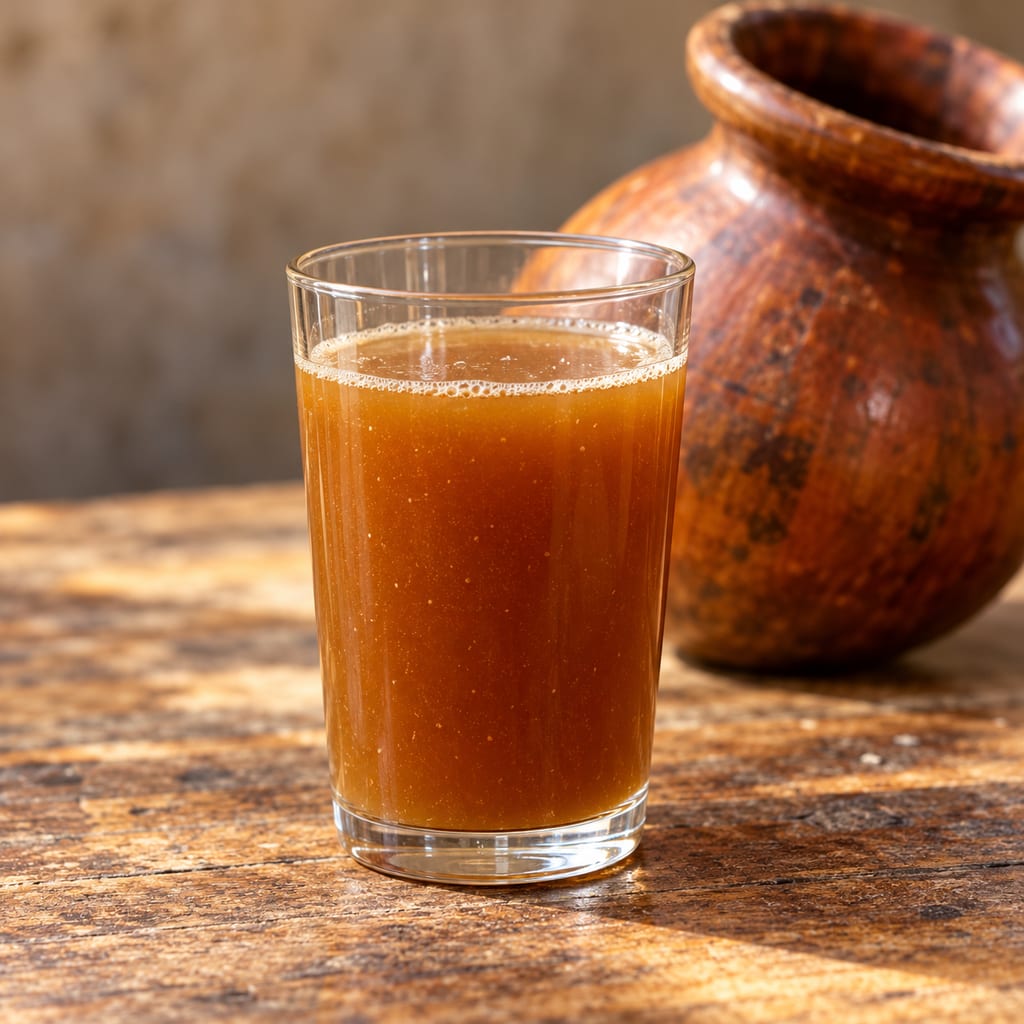
A darker Ethiopian maize tella, brewed from maize baked into a hot, dry kita pancake and then fermented in three stages with barley malt, gesho and water.
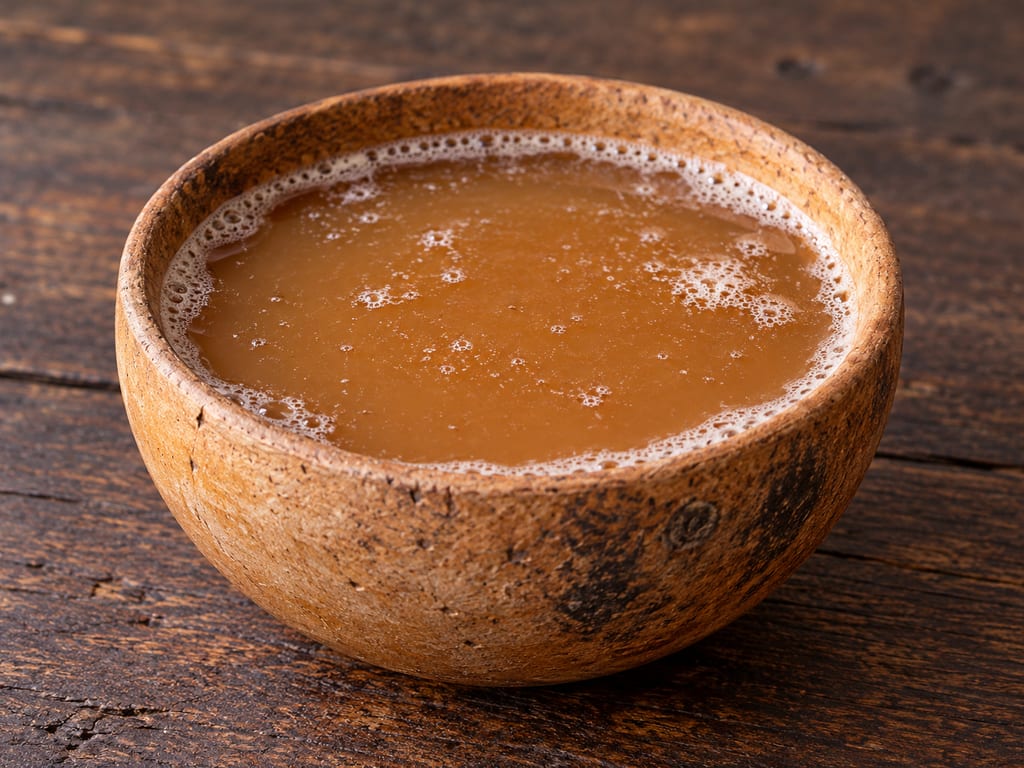
A Burkina Faso sorghum beer brewed from malted grain, soured by a spontaneous lactic stage and then fermented with a traditional yeast leaven.
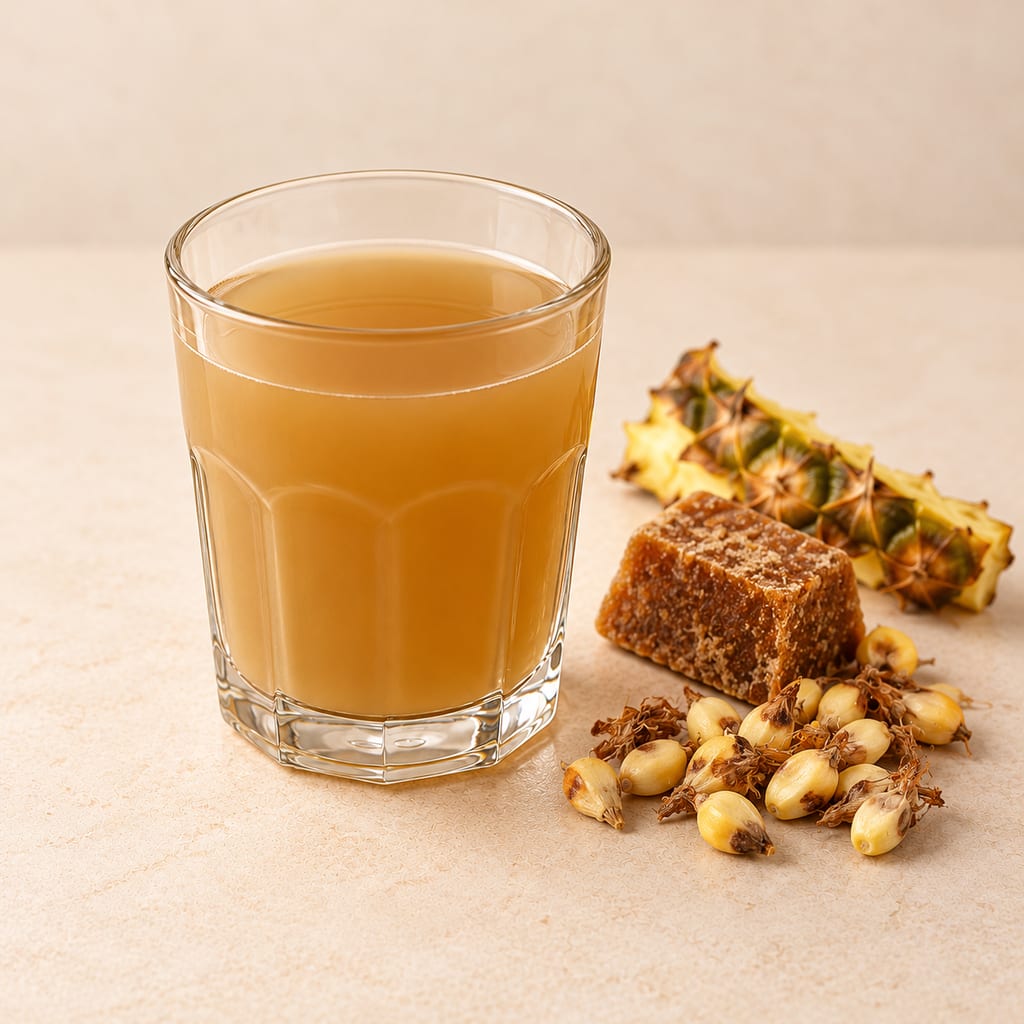
A contemporary Ecuadorian recipe simmers jora flour with spices, then adds panela and pineapple peel before a short spontaneous ferment. Its particular aromatics and measurements belong to this published adaptation.

Soft, spreadable Calabrian pork sausage made with a great deal of red chilli and fatty pork, stuffed into natural casings, sometimes smoked and matured while staying soft.

A way to add independent temperature logging to an existing food dehydrator without changing its built-in controls or protections. It is a monitoring method, not a rewiring plan.

Pleurotus cystidiosus is the abalone mushroom, a cultivated oyster-type fungus with dark brown caps that grows more slowly and is more demanding than other Pleurotus species.

A dark, balanced vinegar from Emilia-Romagna made by combining cooked or concentrated grape must with wine vinegar, then acetifying and refining it in wood under a protected specification.

A living dairy inoculum that starts controlled cream fermentation, developing acidity and aroma before sour cream or cultured butter is finished.

A small electric incubator holds jars at a selected temperature for yogurt and other documented warm food preparations. Controls, capacity and vessel arrangement vary by model.

Adygean salt is a seasoned table salt associated with Adygea and the wider North Caucasian culinary tradition. Salt is blended with garlic and a variable selection of herbs and spices; the exact mix depends on the named style and maker.

The African Caesar-group mushroom, Amanita masasiensis, is a wild ectomycorrhizal species of central and southern African woodlands, eaten locally. The genus contains deadly poisonous species, so identification needs care.
No community contributions have been published for this entry yet.
Sign in to contribute. Published comments and photos are free to read.
American Homebrewers AssociationInspiration · Process · History · Location · Safety
2026 Official Big Brew Recipes: Monk’s Ration Trappist-style Single2.5-gallon formula, including one packet of Lallemand Abbaye and timed malt, sugar, and hop additions
Three-step mash, 60-minute boil, 65°F (18°C) open fermentation, day-five airlock change and 23-day bulk-age stage
Bottle-conditioning rate for 3.3 volumes CO2
Author's Loveland location and Belgian Ale competition category
Page 1 ingredient list: 3 oz corn sugar at bottling, 1 tsp bentonite in primary, 1/4 tsp gelatin two days before bottling. The parenthetical 6.6 g/L in Brewing Notes is CO2 concentration, not corn-sugar mass per litre.
American Homebrewers AssociationSafety
Homebrew EquipmentAirlock and blow-off sections: gas escape and foam overflow; fermenter pressure without a vent.
Abbaye yeast and a changing fermenter cover: 65Foxygenation60sec,bentonite,pitch,loosefoil/airlockday5+23days,no temperaturecontrol; namedculture andgasrelease.
Cited in: Abbaye yeast and a changing fermenter cover
Brewers AssociationSafety
Preventing Package Over-PressurizationUnintended refermentation can rupture packages; package pressure ratings, completion and calculated priming additions.
American Homebrewers AssociationSafety
Brewing with ExtractGeneral brewing sanitation: clean equipment and sanitize surfaces that contact cooled wort and beer; follow sanitizer directions.
Brewers AssociationSafety
Best Practice Guidance: Preventing Kettle BoiloversHot wort burn hazard; monitor heating and boil conditions, reduce heat from a safe position, add ingredients gradually.
Brewers AssociationTerminology
Draught Beer Quality Manual, fourth editionAppendix B, printed page 90: volumes of CO2 and grams CO2 per litre are alternative carbonation units; approximate conversion 2 g/L per volume. This resolves the recipe carbonation notation without inventing a priming-sugar calculation.
Bottle conditioning and the meaning of a volume: 3ozcornsugar,3.3vol/6.6gLCO2; manualgasunits andpackagepressurehazard.
Cited in: Bottle conditioning and the meaning of a volume
American Homebrewers AssociationBackground
2026 Official Big Brew RecipesA pale ale with a monastic reference: LaFleur modern recipe,2023award/2026publication, ingredients and stages; modernstylecharacter.
Pale malt, aromatic malt and sugar: NamedPilsner/Aromatic/Carapils,caneversuscornsugar roles; manufacturer malt descriptions.
Three rests before the kettle: Exactthree-rest temperatures/durations; protein/starch enzymes and mashout generalfunctions.
Bitterness first, then Saaz: Magnum/Saaz60/15/5schedule and40IBU; hopisomerization/volatile oils and styleframe.
Abbaye yeast and a changing fermenter cover: 65Foxygenation60sec,bentonite,pitch,loosefoil/airlockday5+23days,no temperaturecontrol; namedculture andgasrelease.
Clarification happens in several places: Whirlflochalf,bentonite1tsp,gelatinquarter; carrageenan/kettleversuslatefining mechanisms.
Bottle conditioning and the meaning of a volume: 3ozcornsugar,3.3vol/6.6gLCO2; manualgasunits andpackagepressurehazard.
A second way to prepare the wort: Separateextractadaptation changes and process; generalextractmanufacture andmodernstylecomparison.
Cited in: A pale ale with a monastic reference; Pale malt, aromatic malt and sugar; Three rests before the kettle; Bitterness first, then Saaz; Abbaye yeast and a changing fermenter cover; Clarification happens in several places; Bottle conditioning and the meaning of a volume; A second way to prepare the wort
American Homebrewers AssociationBackground
Monk’s Ration Trappist-style SingleA pale ale with a monastic reference: LaFleur modern recipe,2023award/2026publication, ingredients and stages; modernstylecharacter.
Cited in: A pale ale with a monastic reference
Beer Judge Certification ProgramBackground
26A. Belgian Single, 2021 Beer Style GuidelinesA pale ale with a monastic reference: LaFleur modern recipe,2023award/2026publication, ingredients and stages; modernstylecharacter.
A ration, a style and a place of production: Own-use1838/1839chronology and1999Blondreplacement; modernstyle/history distinction and origin policy.
Bitterness first, then Saaz: Magnum/Saaz60/15/5schedule and40IBU; hopisomerization/volatile oils and styleframe.
A second way to prepare the wort: Separateextractadaptation changes and process; generalextractmanufacture andmodernstylecomparison.
Cited in: A pale ale with a monastic reference; A ration, a style and a place of production; Bitterness first, then Saaz; A second way to prepare the wort
Abbey Saint-Sixtus, Trappist WestvleterenBackground
The History of the BreweryA ration, a style and a place of production: Own-use1838/1839chronology and1999Blondreplacement; modernstyle/history distinction and origin policy.
Cited in: A ration, a style and a place of production
International Trappist AssociationBackground
FAQsA ration, a style and a place of production: Own-use1838/1839chronology and1999Blondreplacement; modernstyle/history distinction and origin policy.
Cited in: A ration, a style and a place of production
Briess Malt & IngredientsBackground
Aromatic Munich Malt20L Product Information SheetPale malt, aromatic malt and sugar: NamedPilsner/Aromatic/Carapils,caneversuscornsugar roles; manufacturer malt descriptions.
Cited in: Pale malt, aromatic malt and sugar
Briess Malt & IngredientsBackground
Carapils Dextrin MaltsPale malt, aromatic malt and sugar: NamedPilsner/Aromatic/Carapils,caneversuscornsugar roles; manufacturer malt descriptions.
Cited in: Pale malt, aromatic malt and sugar
American Homebrewers AssociationBackground
Enzymes in Beer: What’s Happening In the MashThree rests before the kettle: Exactthree-rest temperatures/durations; protein/starch enzymes and mashout generalfunctions.
Cited in: Three rests before the kettle
Beer Judge Certification Program; David Houseman and Scott BickhamBackground
Wort ProductionThree rests before the kettle: Exactthree-rest temperatures/durations; protein/starch enzymes and mashout generalfunctions.
Clarification happens in several places: Whirlflochalf,bentonite1tsp,gelatinquarter; carrageenan/kettleversuslatefining mechanisms.
Cited in: Three rests before the kettle; Clarification happens in several places
Beer Judge Certification Program; Peter Garofalo, updated Scott BickhamBackground
HopsBitterness first, then Saaz: Magnum/Saaz60/15/5schedule and40IBU; hopisomerization/volatile oils and styleframe.
Cited in: Bitterness first, then Saaz
Lallemand BrewingBackground
LalBrew Abbaye Belgian-Style Ale YeastAbbaye yeast and a changing fermenter cover: 65Foxygenation60sec,bentonite,pitch,loosefoil/airlockday5+23days,no temperaturecontrol; namedculture andgasrelease.
Cited in: Abbaye yeast and a changing fermenter cover
Brewers AssociationBackground
Best Practice Guidance: Preventing Package Over-PressurizationBottle conditioning and the meaning of a volume: 3ozcornsugar,3.3vol/6.6gLCO2; manualgasunits andpackagepressurehazard.
Cited in: Bottle conditioning and the meaning of a volume
Briess Malt & IngredientsBackground
ExtractsA second way to prepare the wort: Separateextractadaptation changes and process; generalextractmanufacture andmodernstylecomparison.
Cited in: A second way to prepare the wort