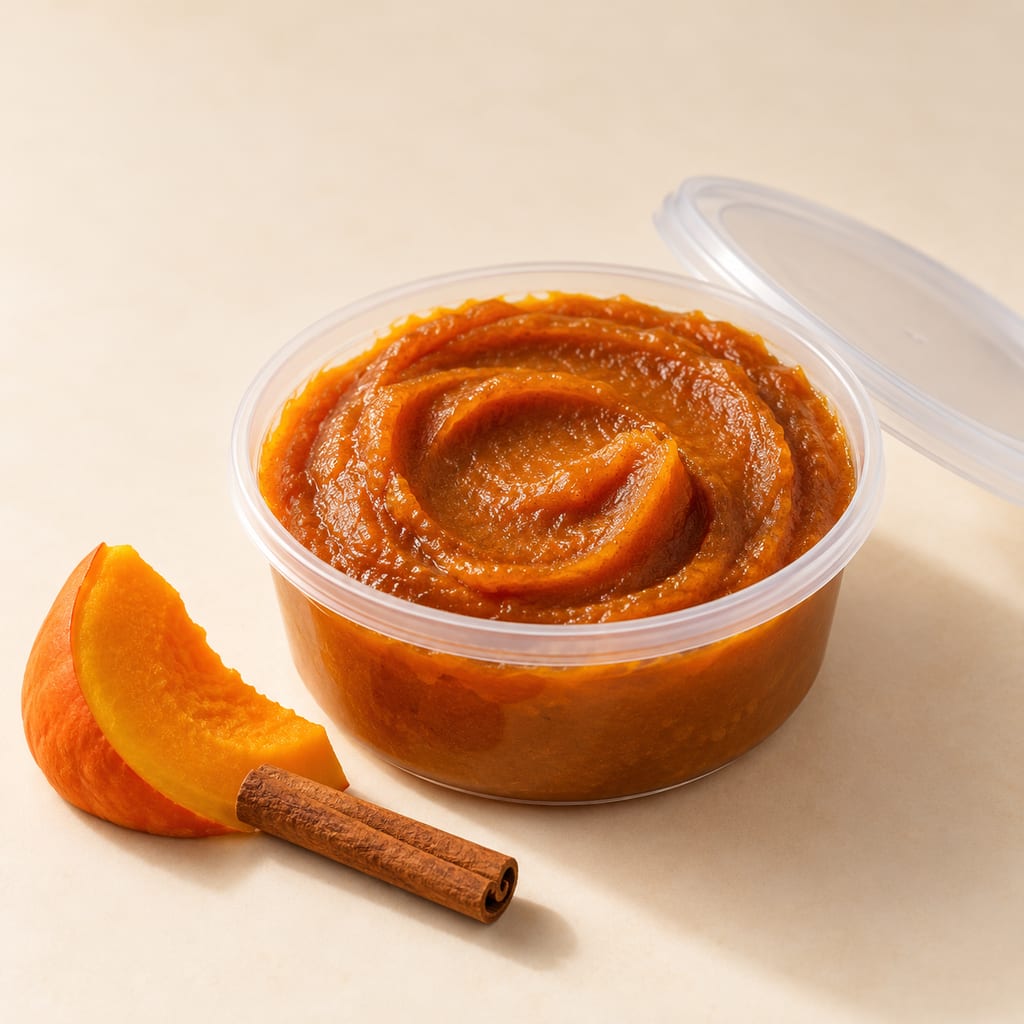
Spiced freezer pumpkin butter
Spiced freezer pumpkin butter: Freeze for winter; small fresh portion refrigerated up to 48 hours.
 FermenteaWhere food goes to change
Recipes by the places recorded in their sources.
Spiced freezer pumpkin butter: Freeze for winter; small fresh portion refrigerated up to 48 hours.
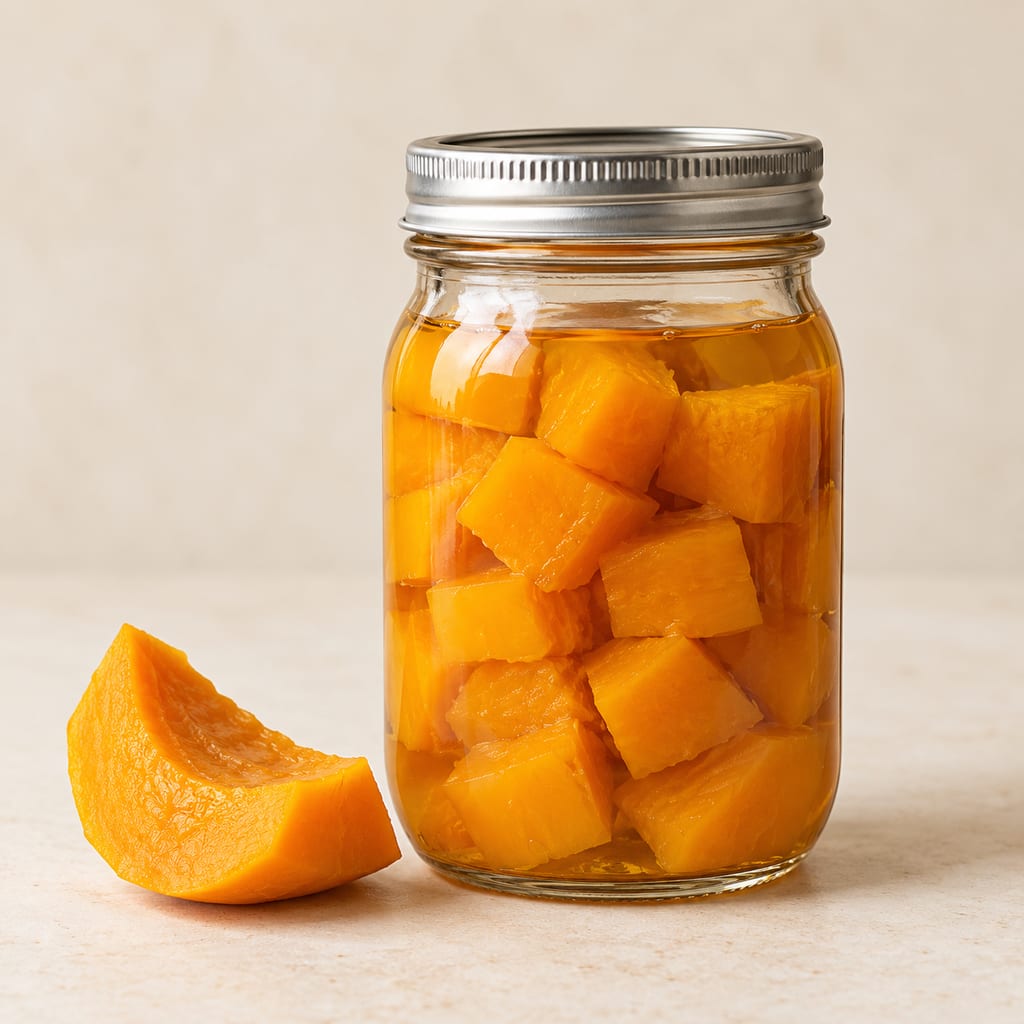
Plain pumpkin cubes hot-packed in water and pressure-canned for later cooking. The pieces stay intact during canning; mash them only after opening.
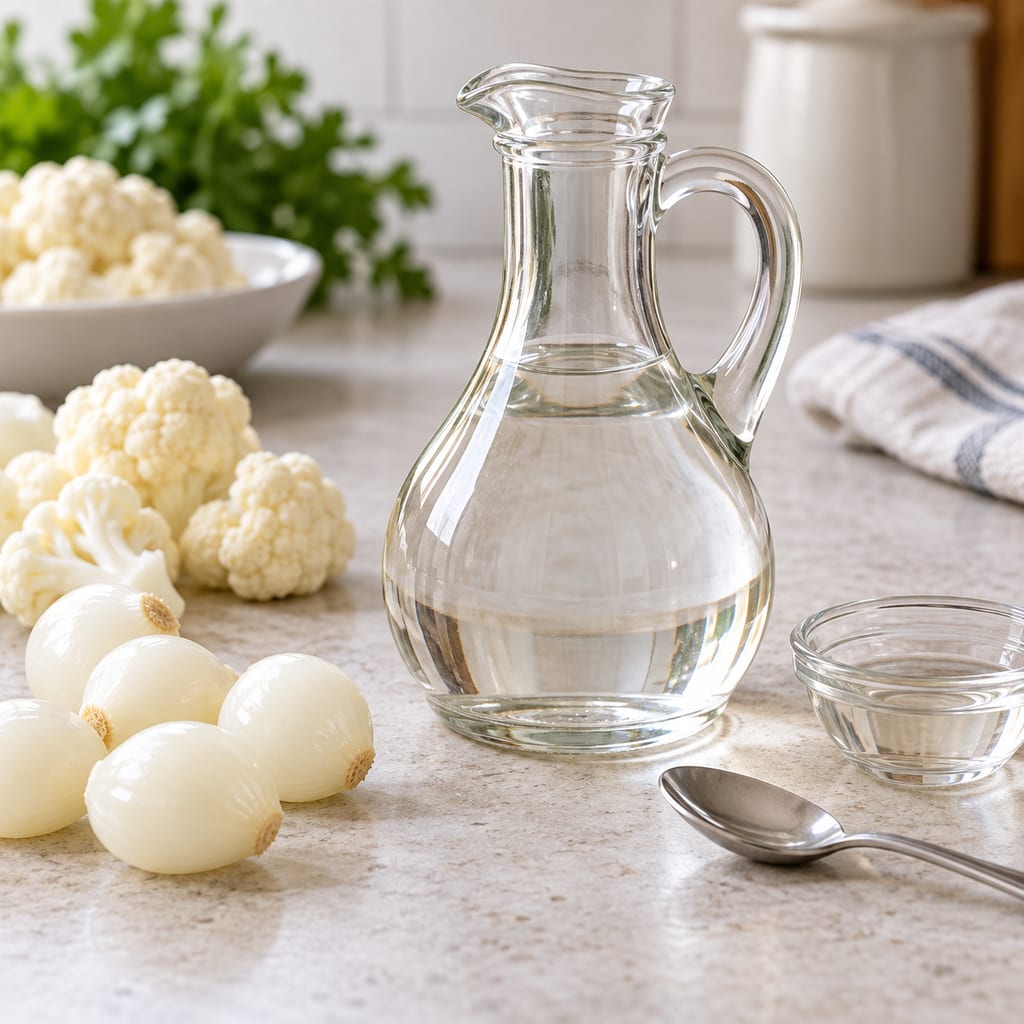
A clear, sharp vinegar made by acetifying alcohol. Its restrained color and aroma suit pickles, sauces and dressings where darker or more aromatic vinegars would change the result.
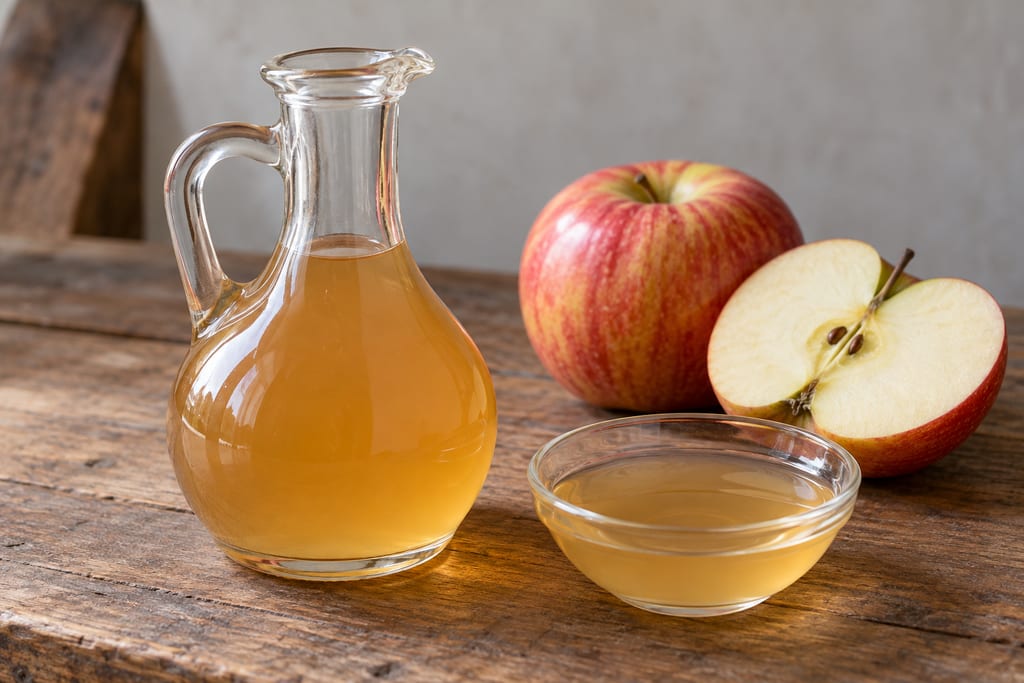
Cider vinegar is made when acetic-acid bacteria use oxygen to turn the alcohol in dry apple cider into acetic acid. This historical cask method begins with fermented cider and differs from apple-scrap vinegar made with sugar and water.
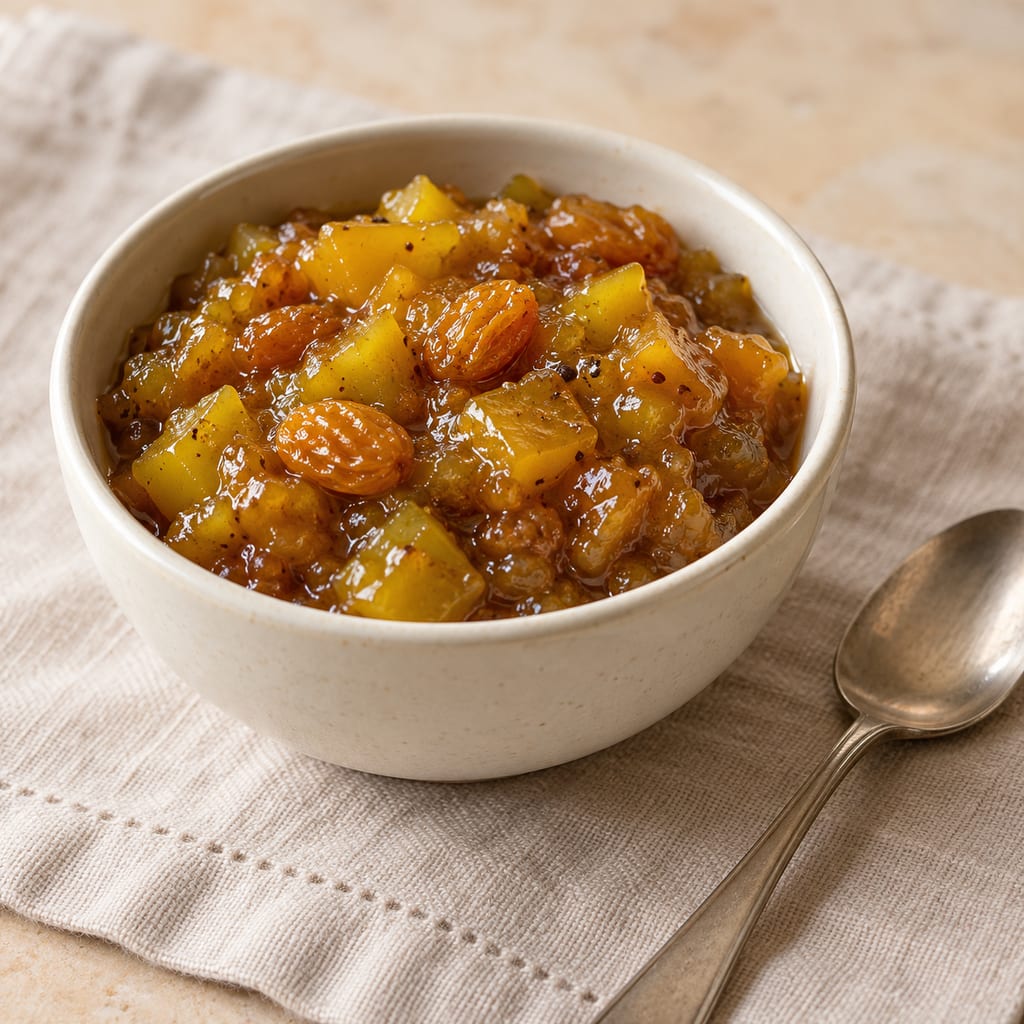
Hard green mango is cooked with vinegar, sugar, raisins, ginger, garlic and chilli in this tested US home-canning recipe.
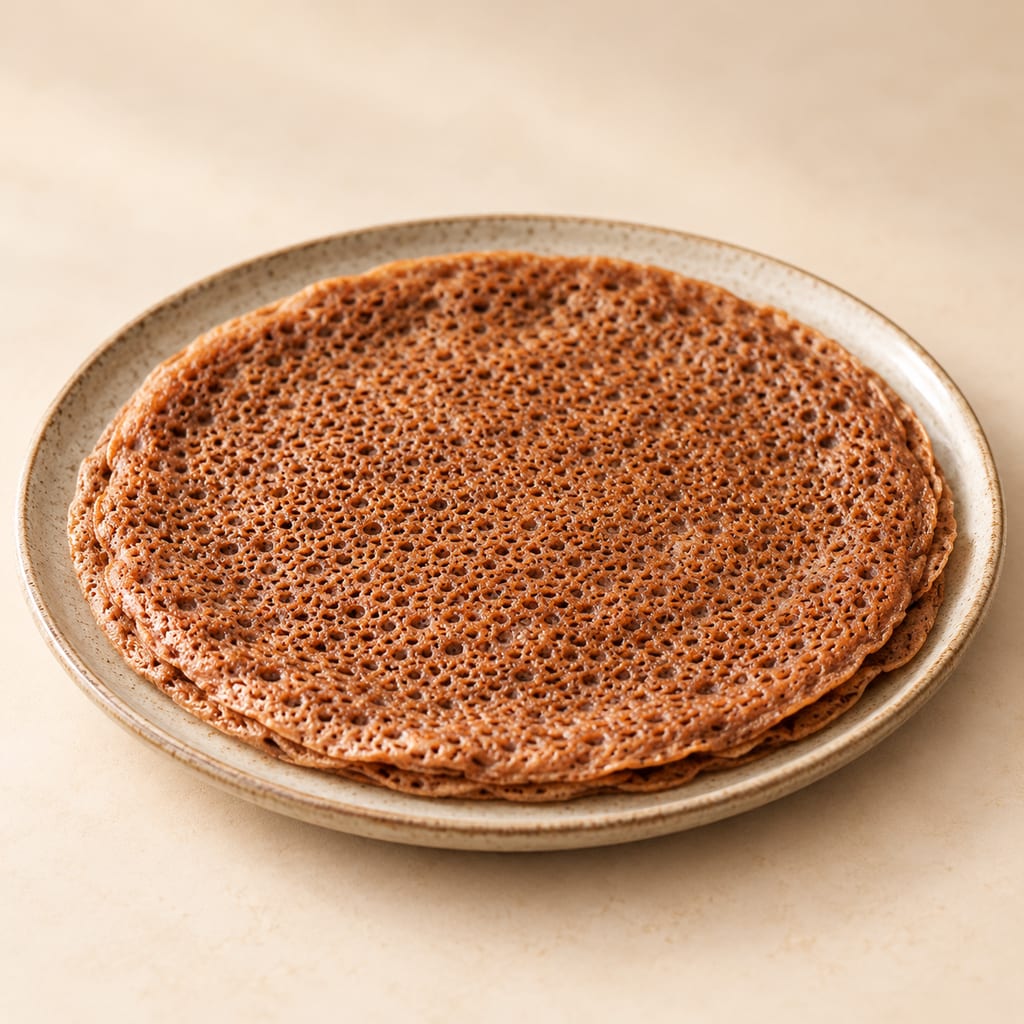
A modern home adaptation of Ethiopian injera using a 24-hour fermentation window. This method balances traditional souring with accessible ingredients like baking powder or starter cultures to achieve the characteristic porous texture.
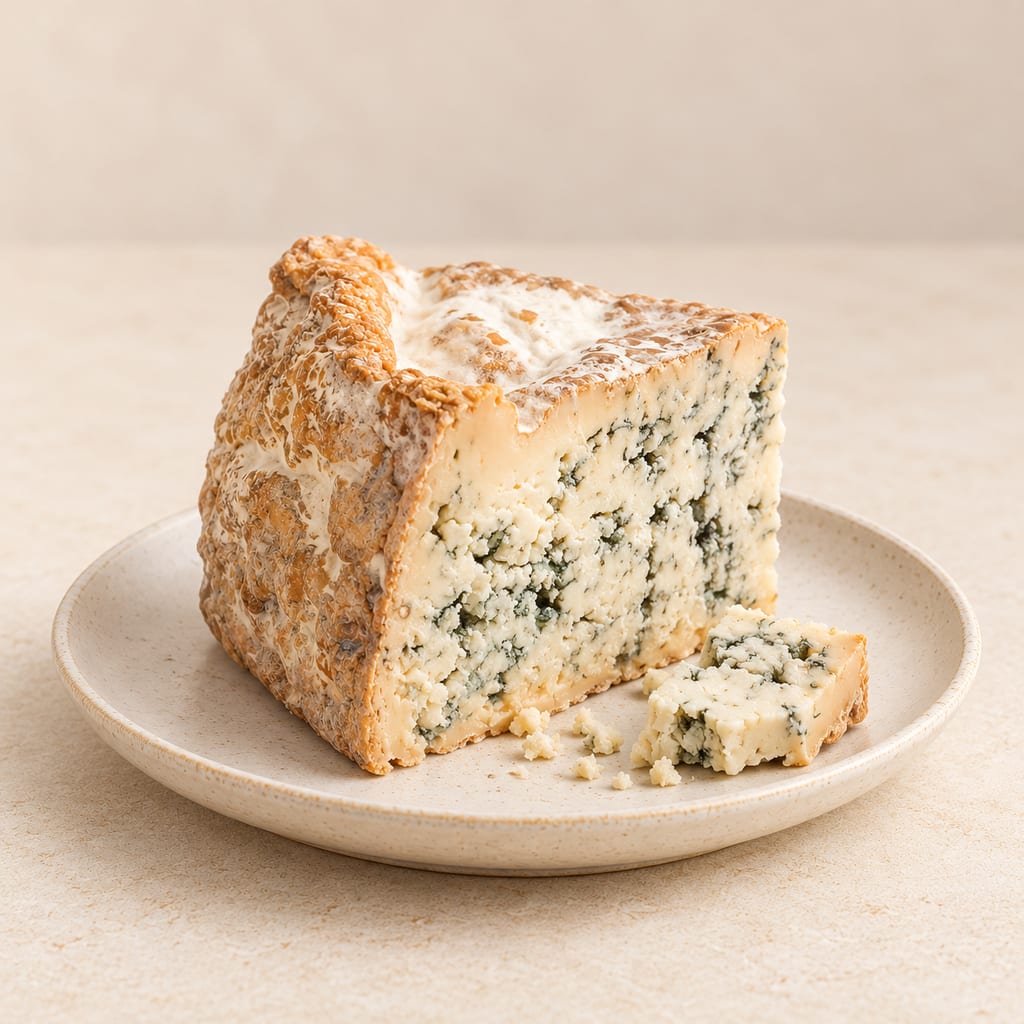
A moist blue cheese inspired by Cantabrian styles, made with pasteurized milk, a lactic starter and Penicillium roqueforti, then ripened in two stages.
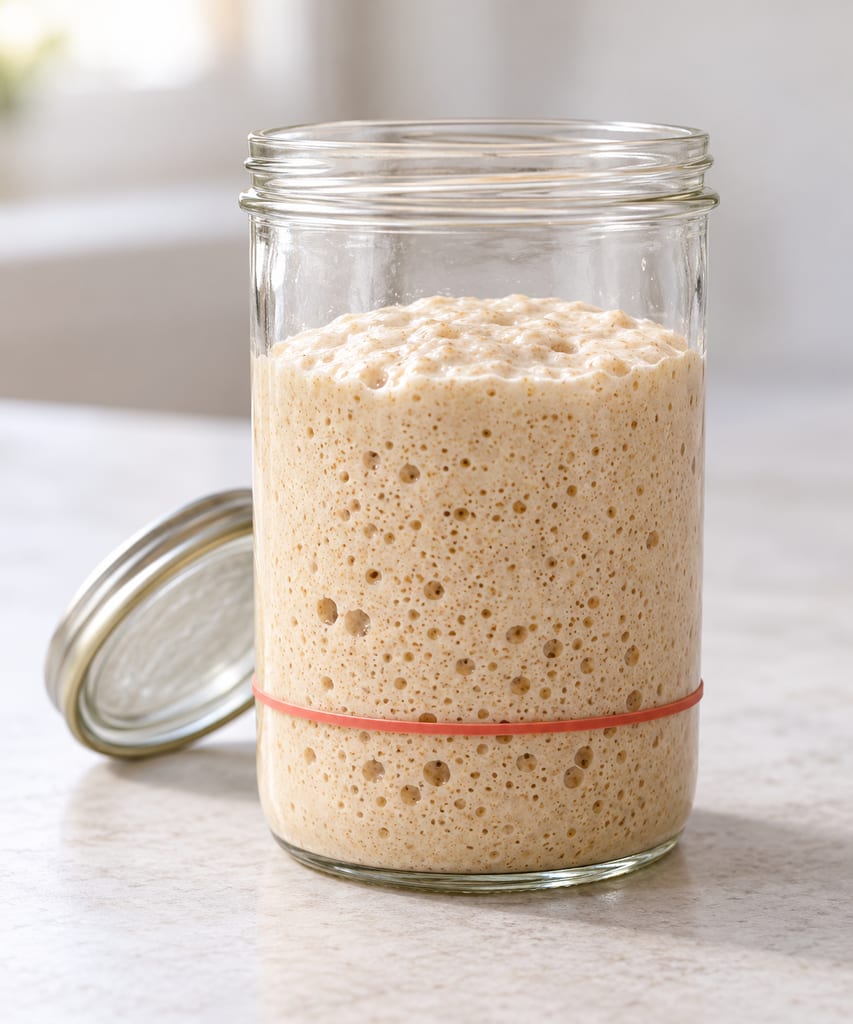
A flour-and-water starter begins with whole-wheat flour, then receives regular all-purpose flour feeds. Once established, this living culture can raise bread dough.
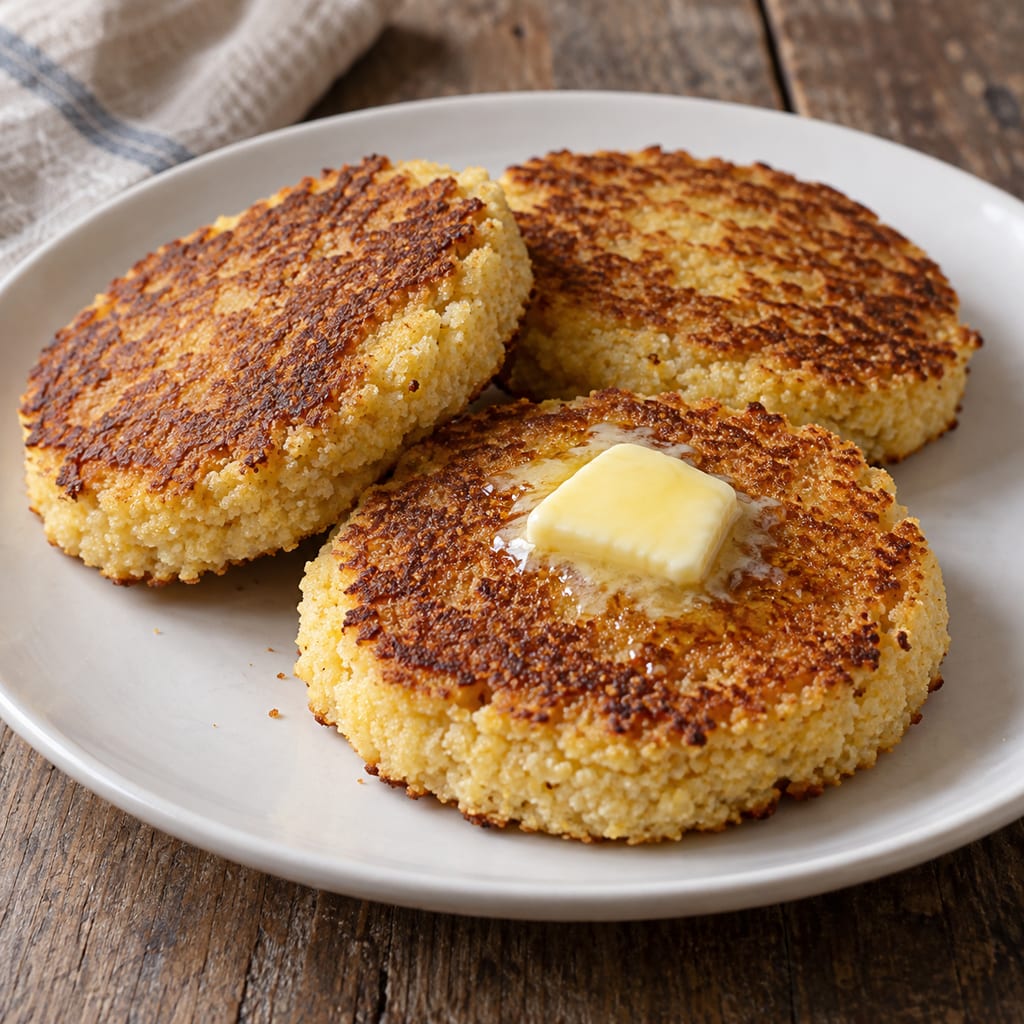
Thicker cornmeal cakes scalded with boiling water and cooked in butter. This South County formula is separate from thin Newport milk-batter cakes and Caribbean wheat breads.
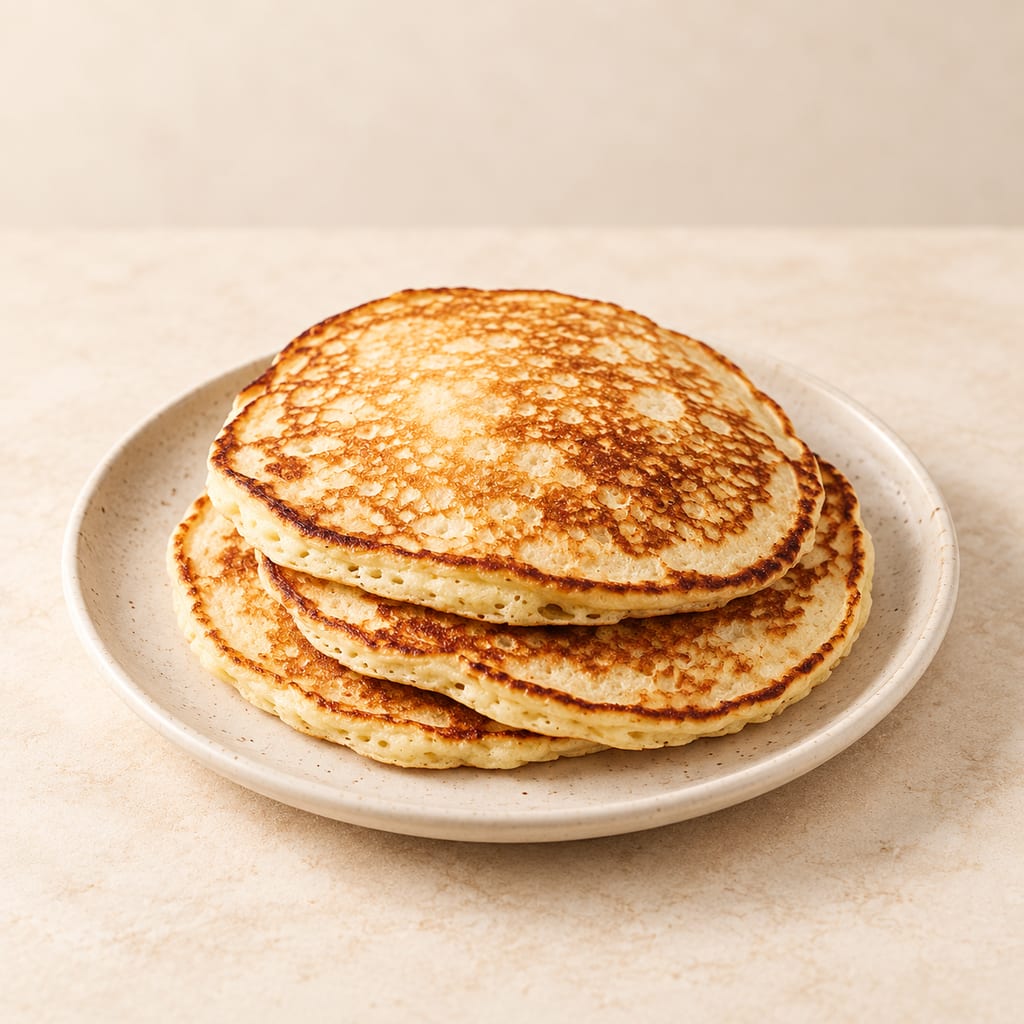
Buttermilk, flour and sourdough discard rest overnight before eggs and baking soda turn the sponge into a griddle batter. The finished pancakes are tender and lightly tangy.
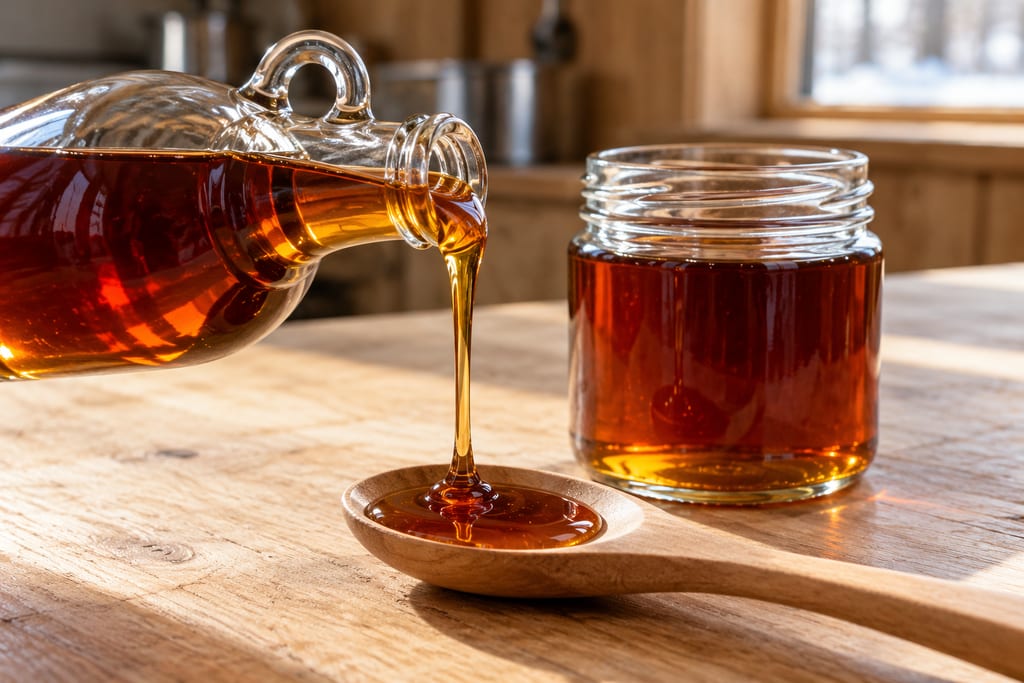
Maple sap of about two percent sugar boiled down in a shallow pan until it reaches syrup density, the sugar concentration the standard defines, then filtered hot and packed hot.
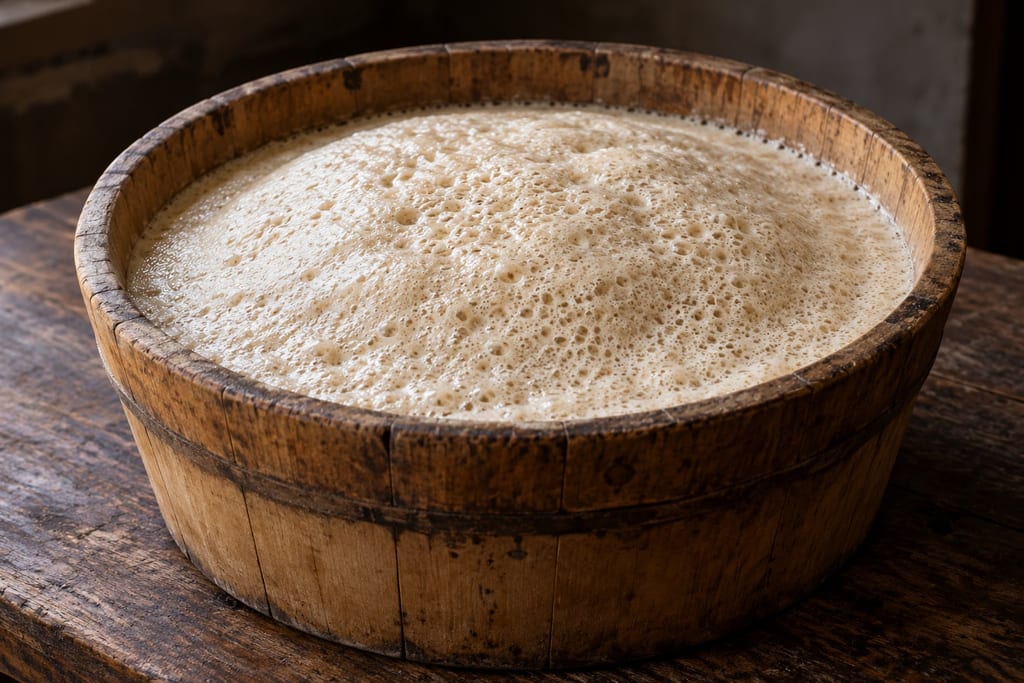
Scotch barm is a Scottish bakery ferment grown in a malt-and-scalded-flour medium and renewed with mature barm from the last batch to leaven successive bread sponges.
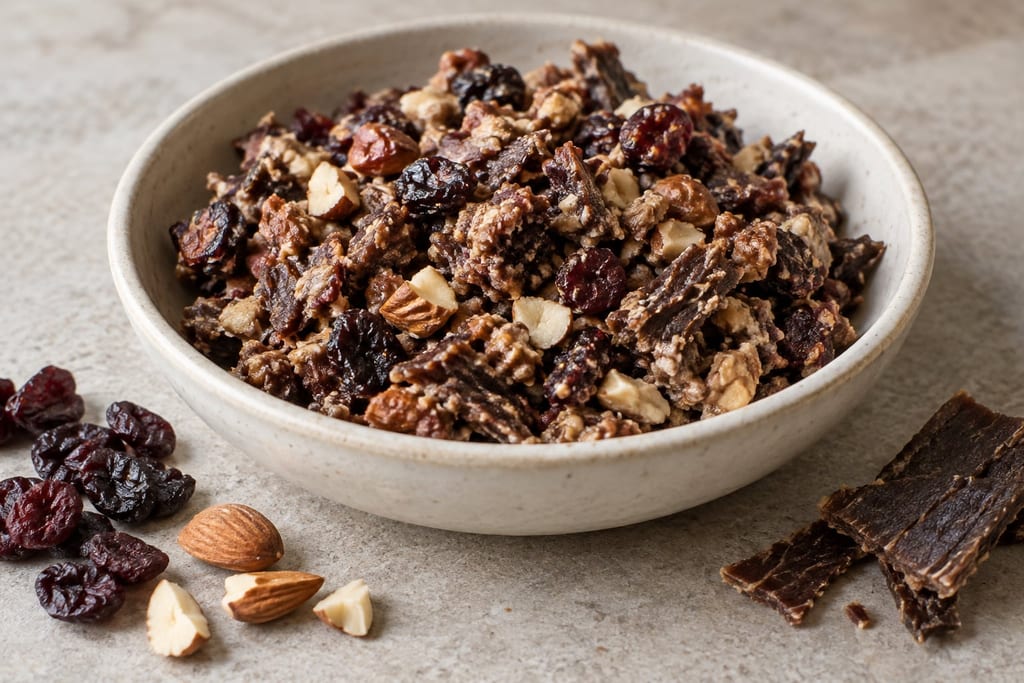
A contemporary recipe published with Valerie Segrest’s permission among recipes from Muckleshoot Nation, combining jerky, dried berries, raw nuts or seeds, and nut butter.
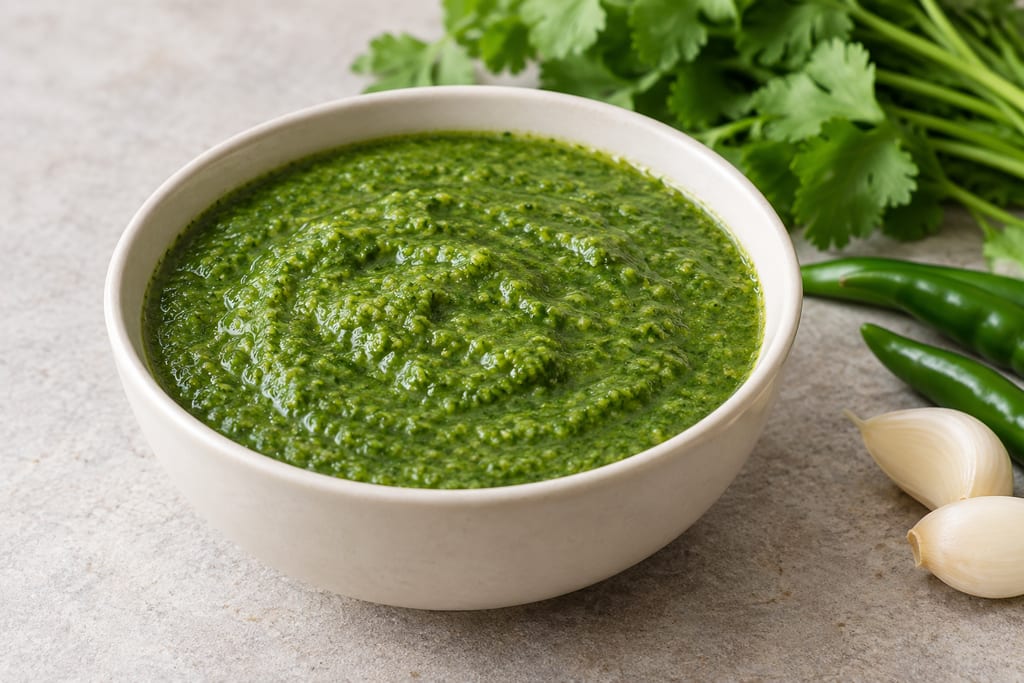
Afghan coriander chatni is a sharp, hot herb sauce with garlic and vinegar. A 2008 Afghanistan manual records green or red pepper and optional walnut; heat and household versions vary.
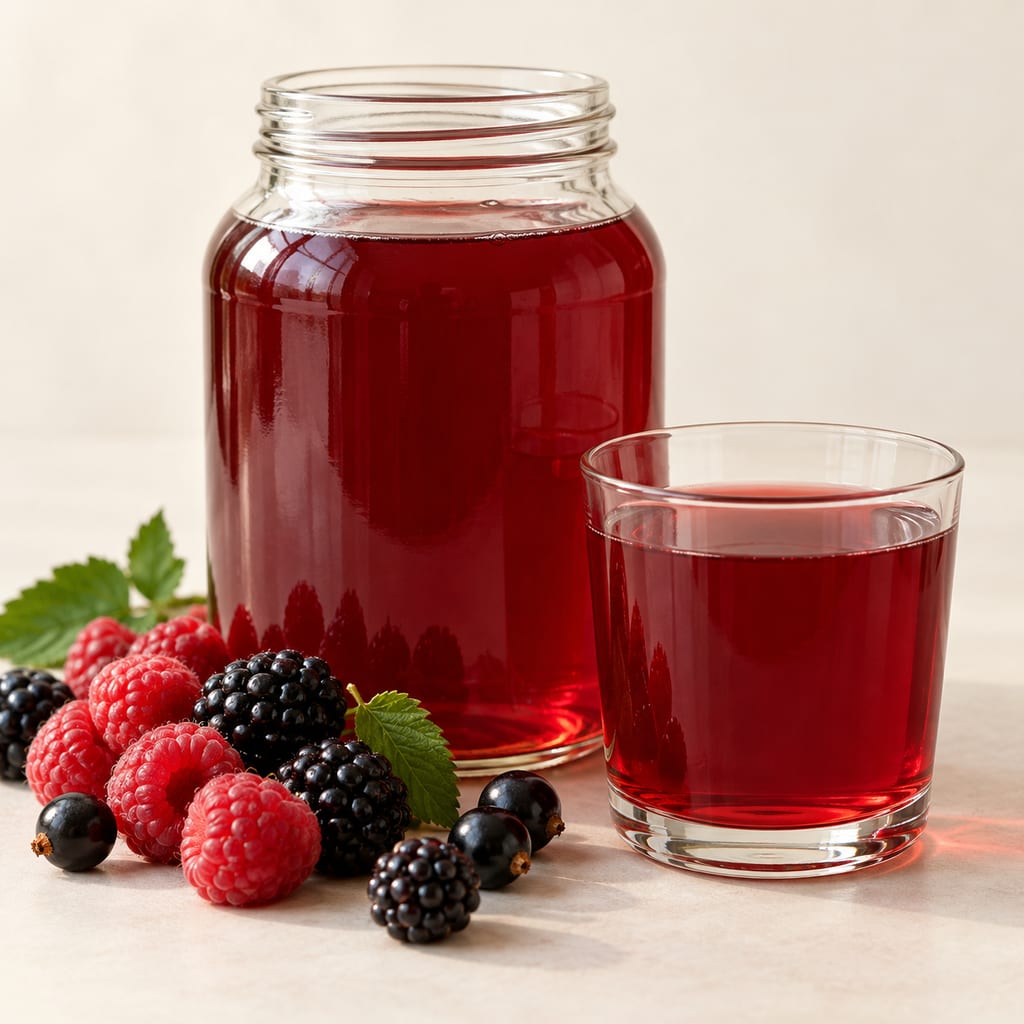
Clear juice that a stacked steam juicer draws out of ripe fruit by steam alone, without crushing it. It is the base for jelly, syrup or cordial and still needs its own keeping step.
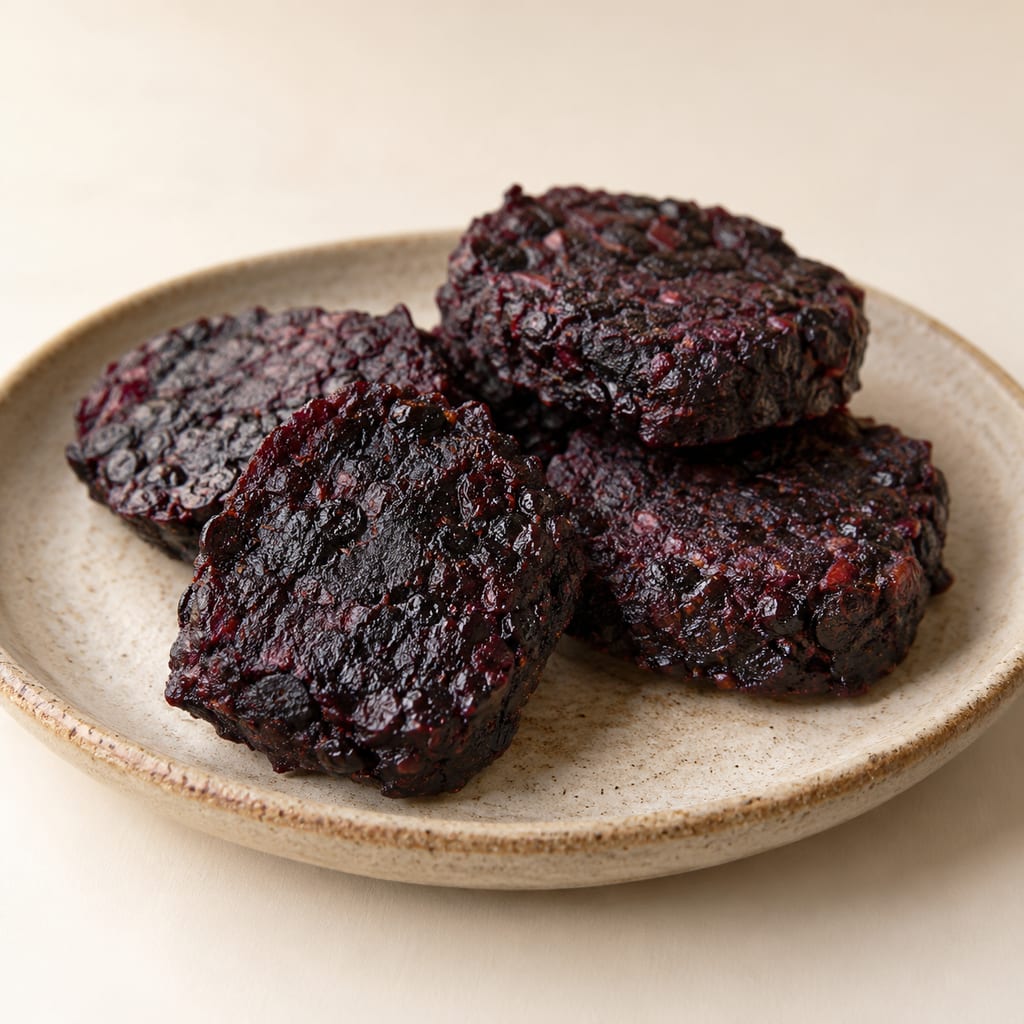
Salal berries pulped, formed into cakes and dried, a compact berry reserve of the northwestern American coast.
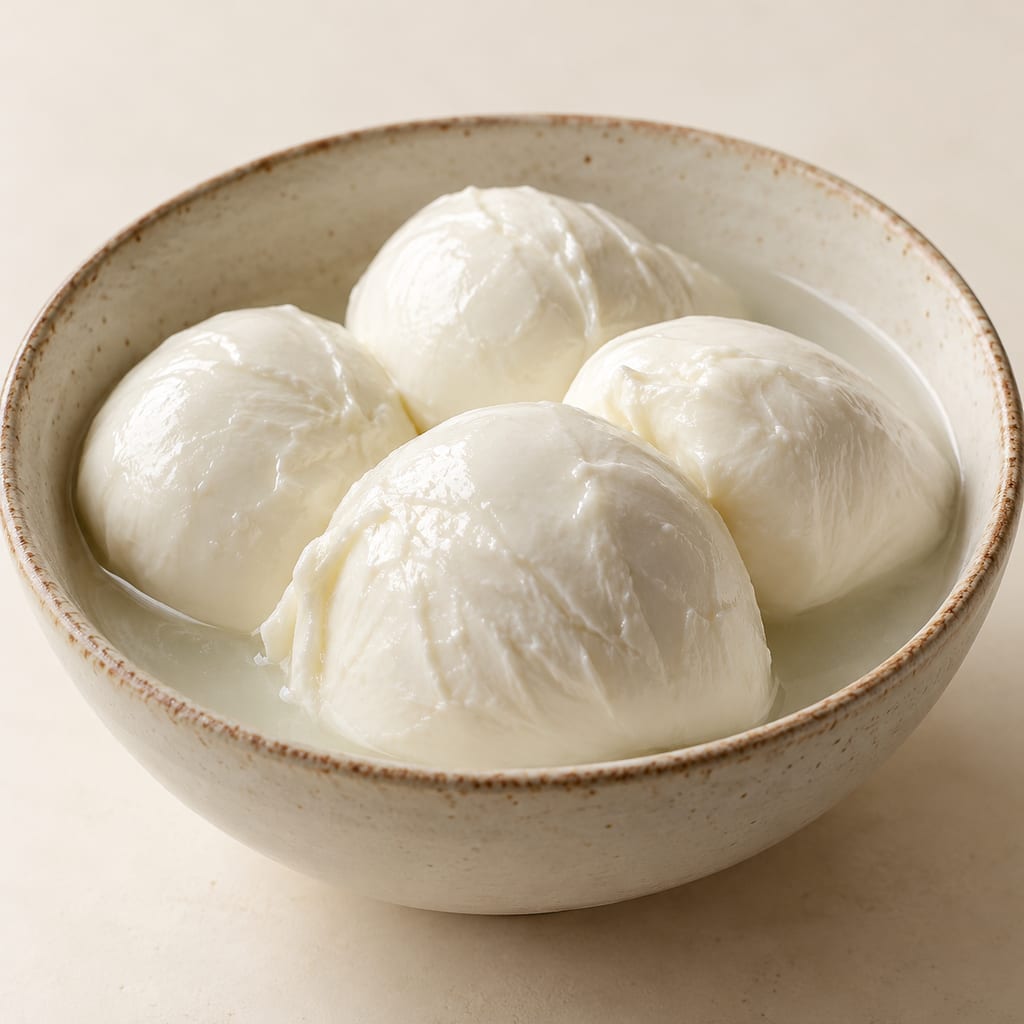
A stretched fresh curd made by acidifying cold milk with citric acid before adding rennet, so the curd can be stretched as soon as it has formed.
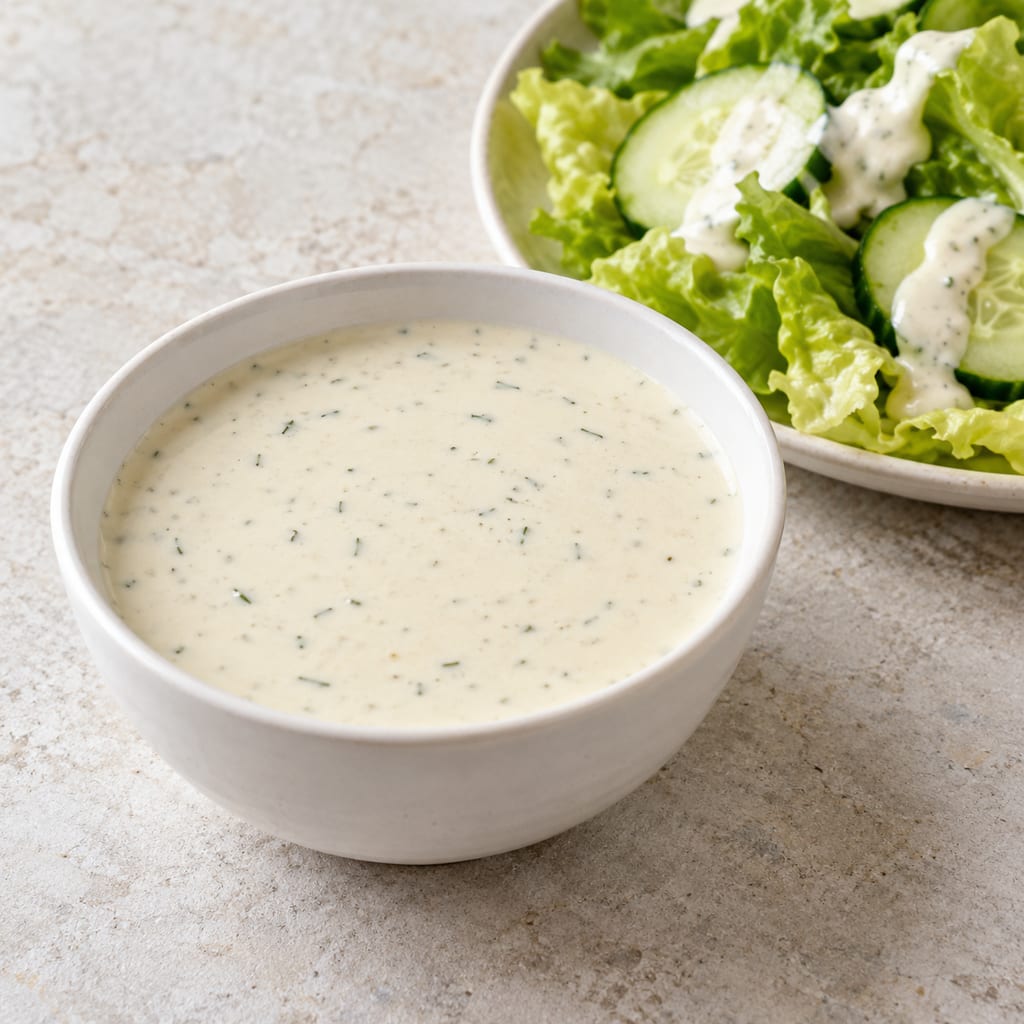
Ranch dressing is an American cultured-dairy dressing of buttermilk or sour cream and mayonnaise, seasoned with garlic, onion and dried herbs, and made either pourable or thick enough to dip.
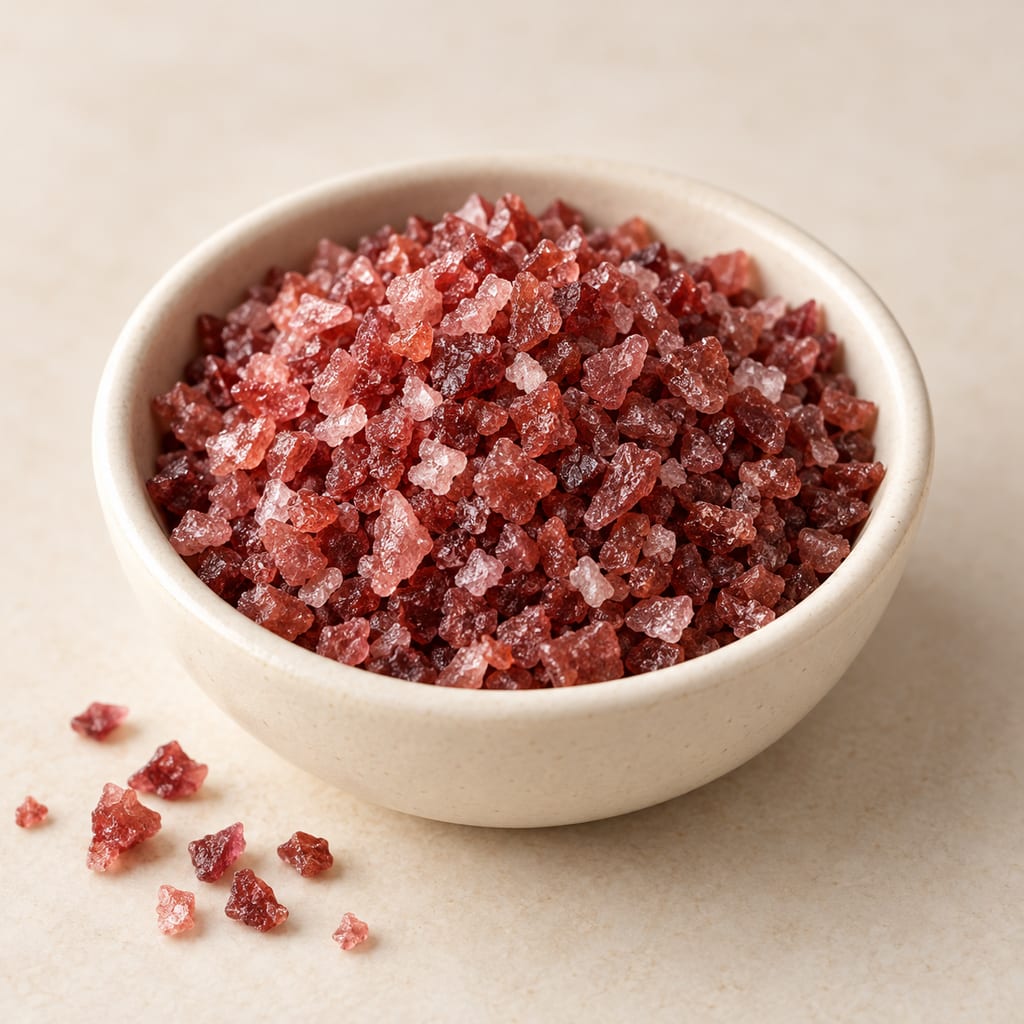
Wine-infused salt is coarse food salt carrying wine colour and aroma after a wine-and-salt mixture is reduced and dried. This version follows a Missouri Wines method at a one-to-three salt-to-wine ratio.
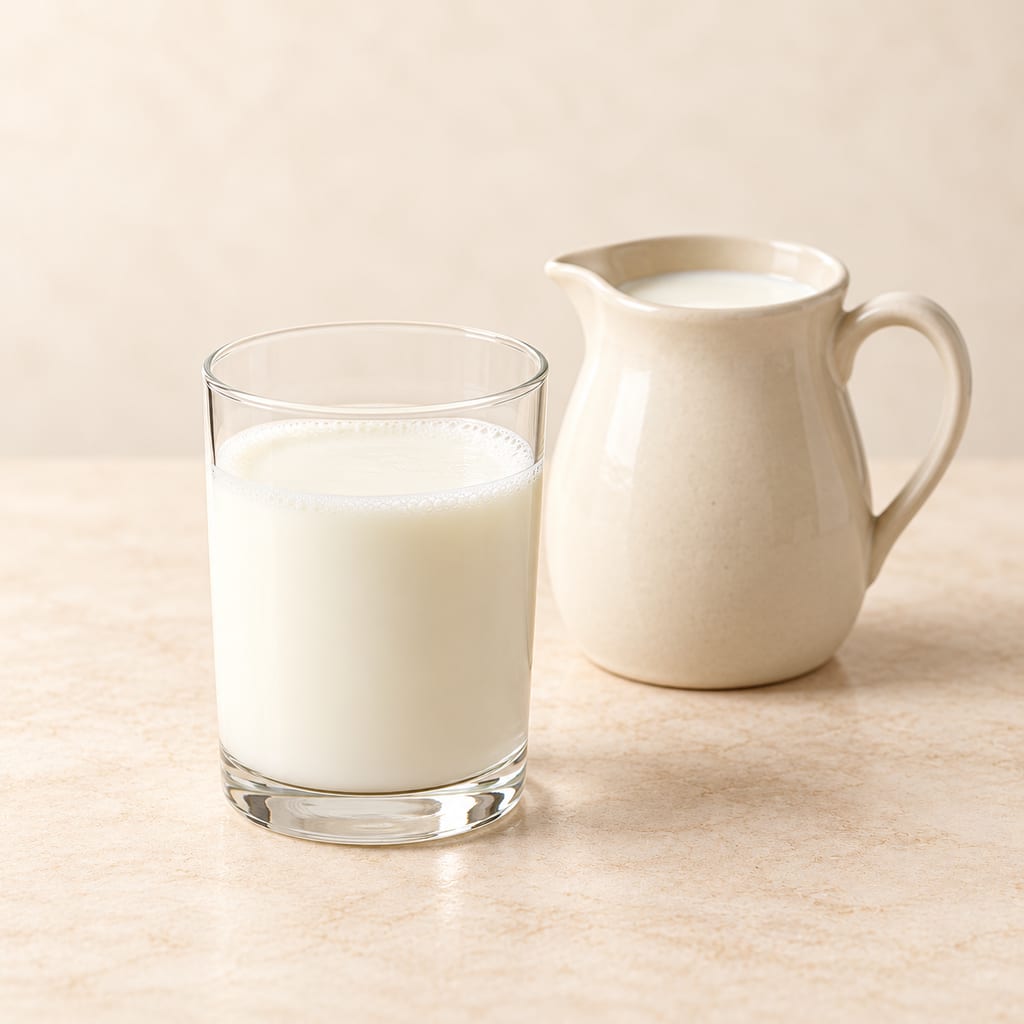
Milk thickened with a packet of buttermilk culture makes a tangy drink and a baking ingredient. This warm-incubated version uses whole milk.
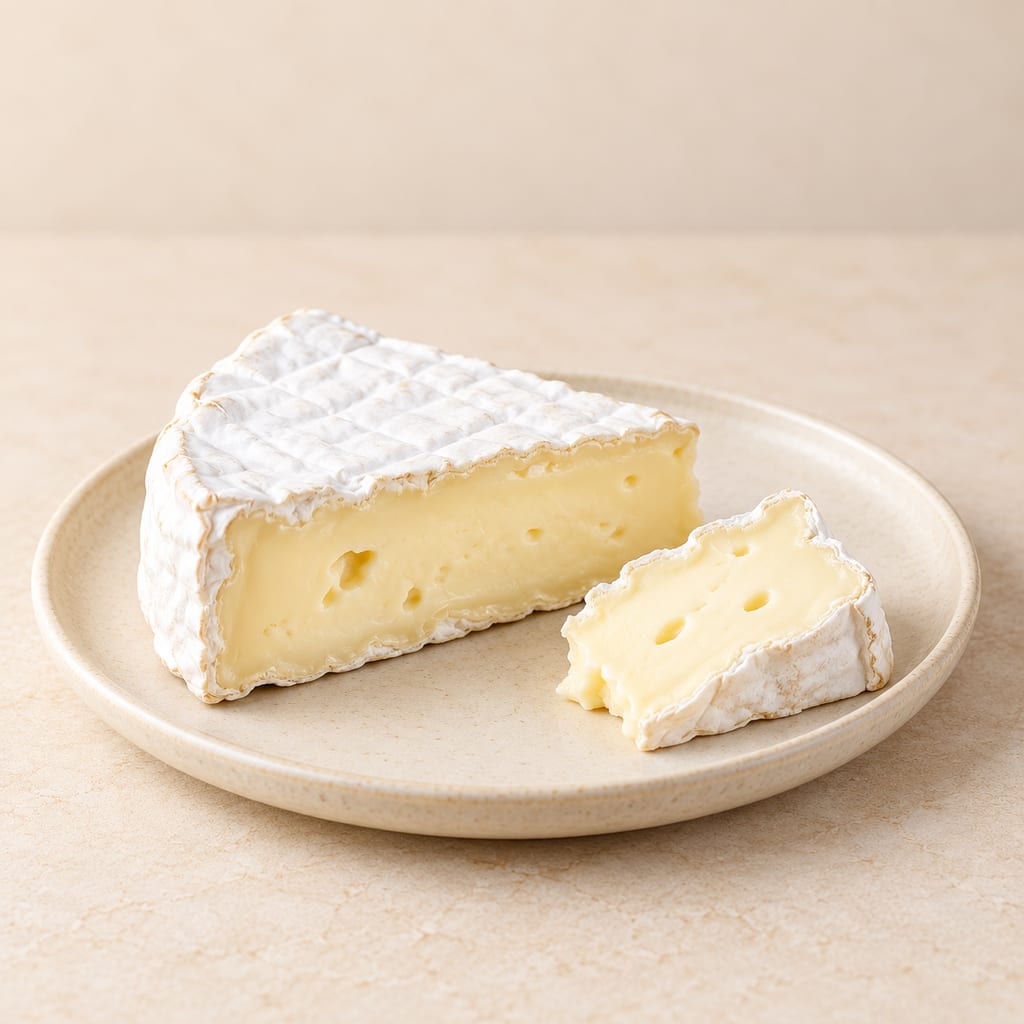
A cream-enriched Brie with a white bloomy rind and a softening center, made from pasteurized milk with lactic and surface cultures.

Wewish is a Cahuilla preparation of finely ground, leached acorn meal cooked with water into a thick mush that can also be cooled and sliced.
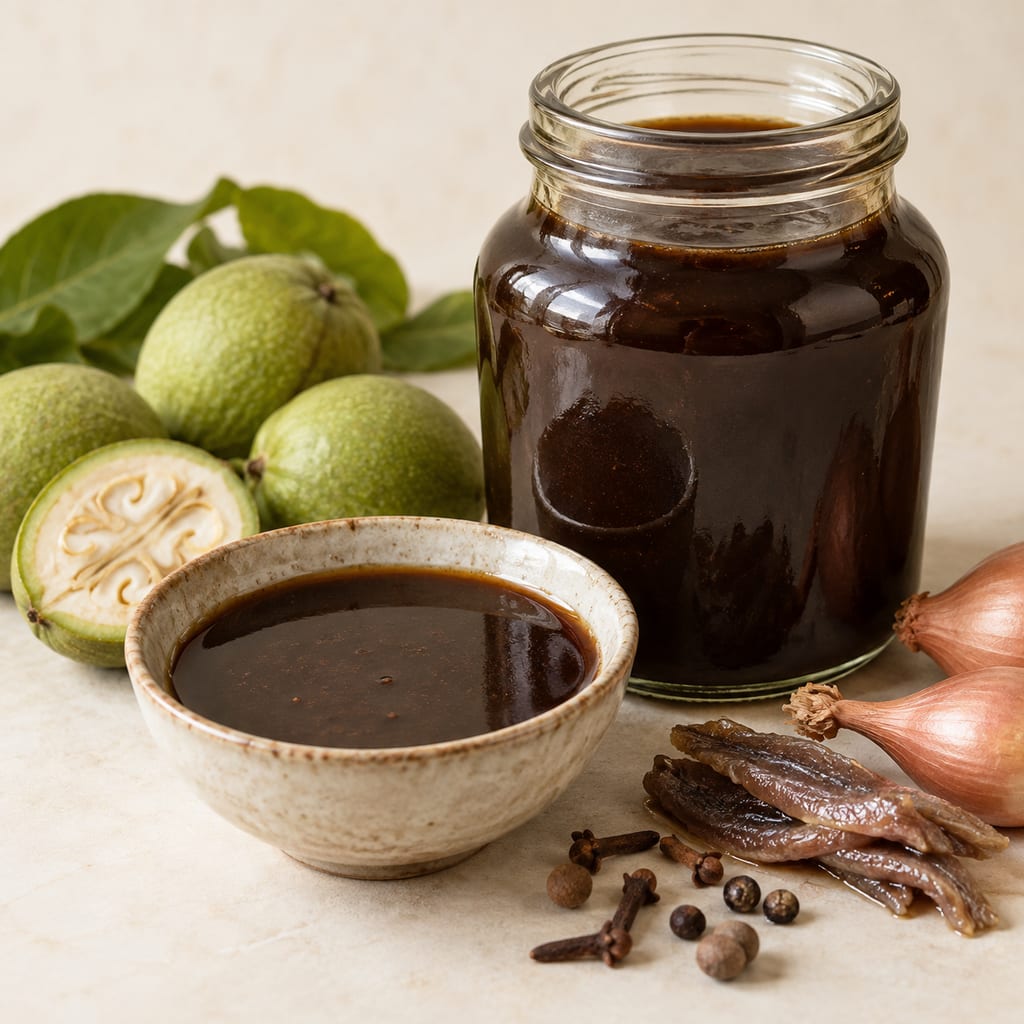
A dark liquid seasoning made from young green walnuts steeped in salt and vinegar, then boiled with spices, shallots and anchovies. It belongs to the British ketchups of the 1700s and 1800s.
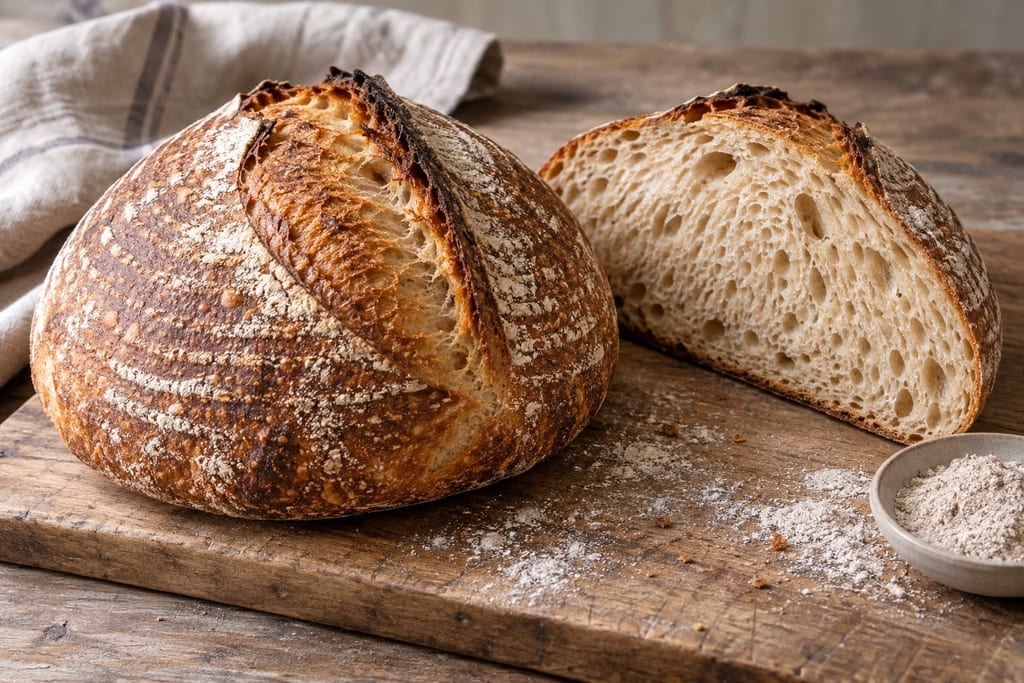
Jeffrey Hamelman's Vermont sourdough builds a liquid wheat levain before adding a modest measure of rye flour blend. The dough is folded, shaped and baked as two crusty loaves with a tender, open crumb.
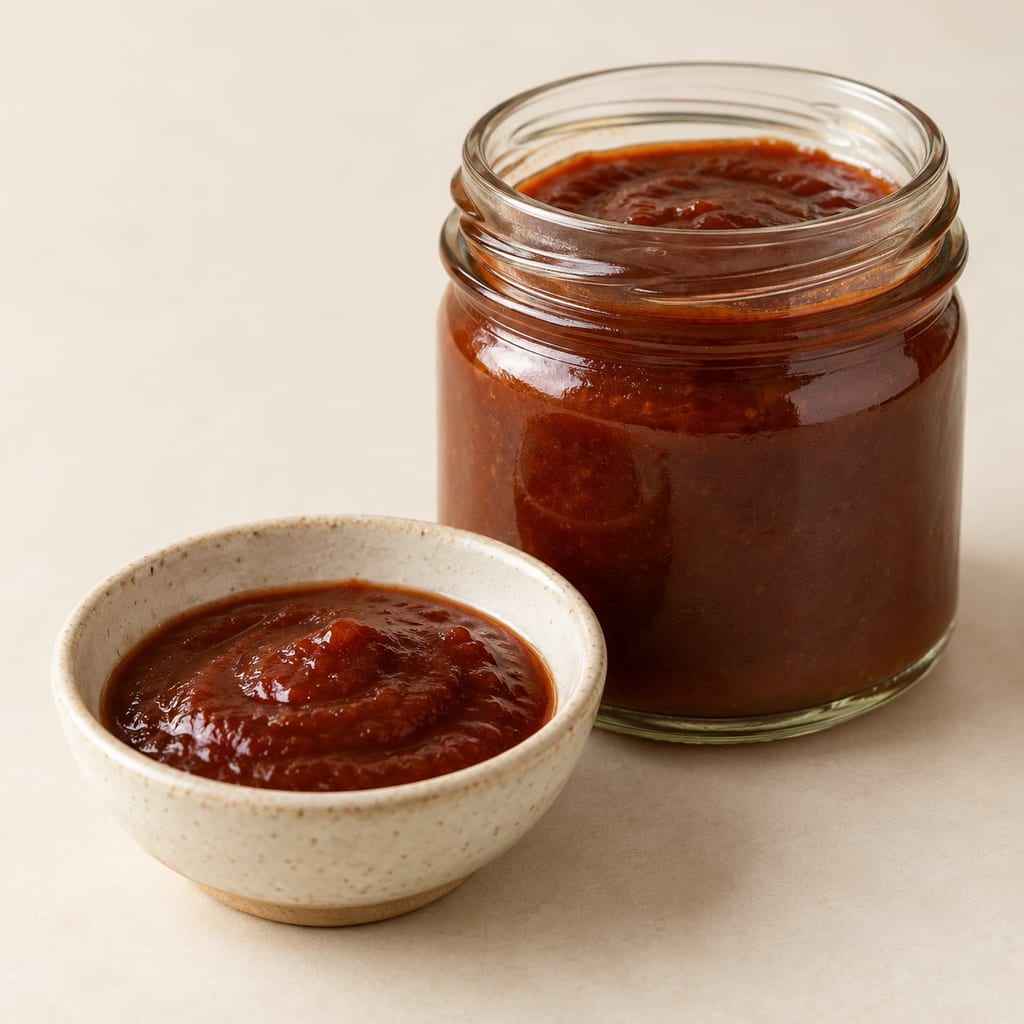
Mary Randolph's tomato soy, a tomato condiment and not soybean sauce: tomatoes salted in layers for three days, boiled for a day, passed through a sieve and spiced with cloves, allspice, black pepper and cayenne.
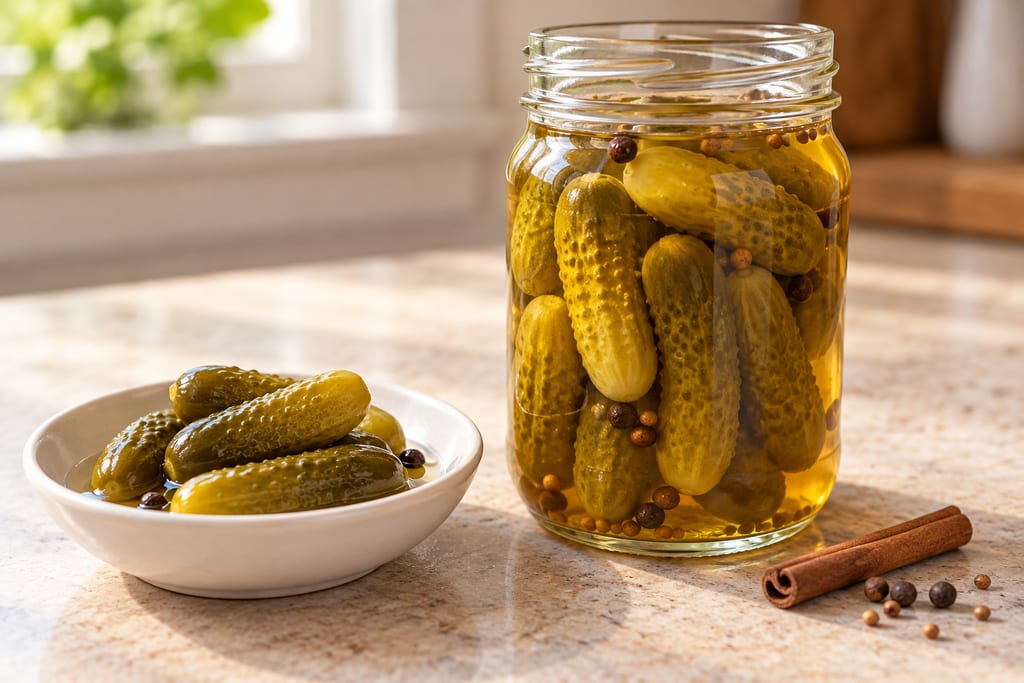
Sweet gherkin pickles are small whole cucumbers preserved in a spiced, sweet vinegar syrup. This four-day U.S. canning method uses repeated hot-water soaks, staged syrup additions, and a boiling-water process.
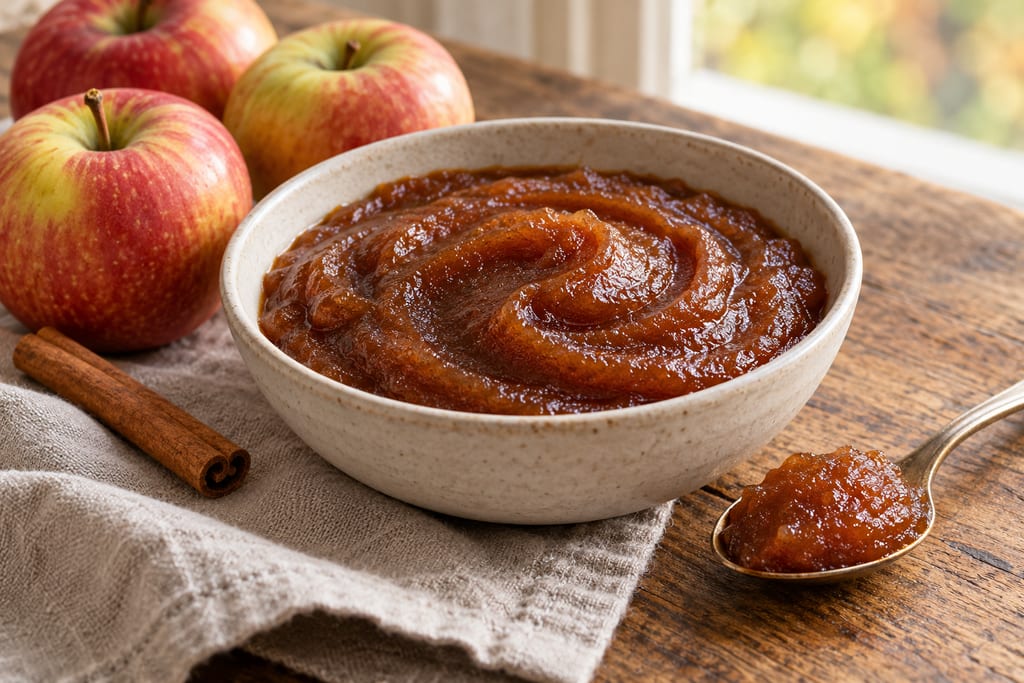
A smooth fruit pulp cooked down with sugar and spice until it holds its shape on a spoon, made by three documented routes in a slow cooker, a microwave or an electric multicooker.
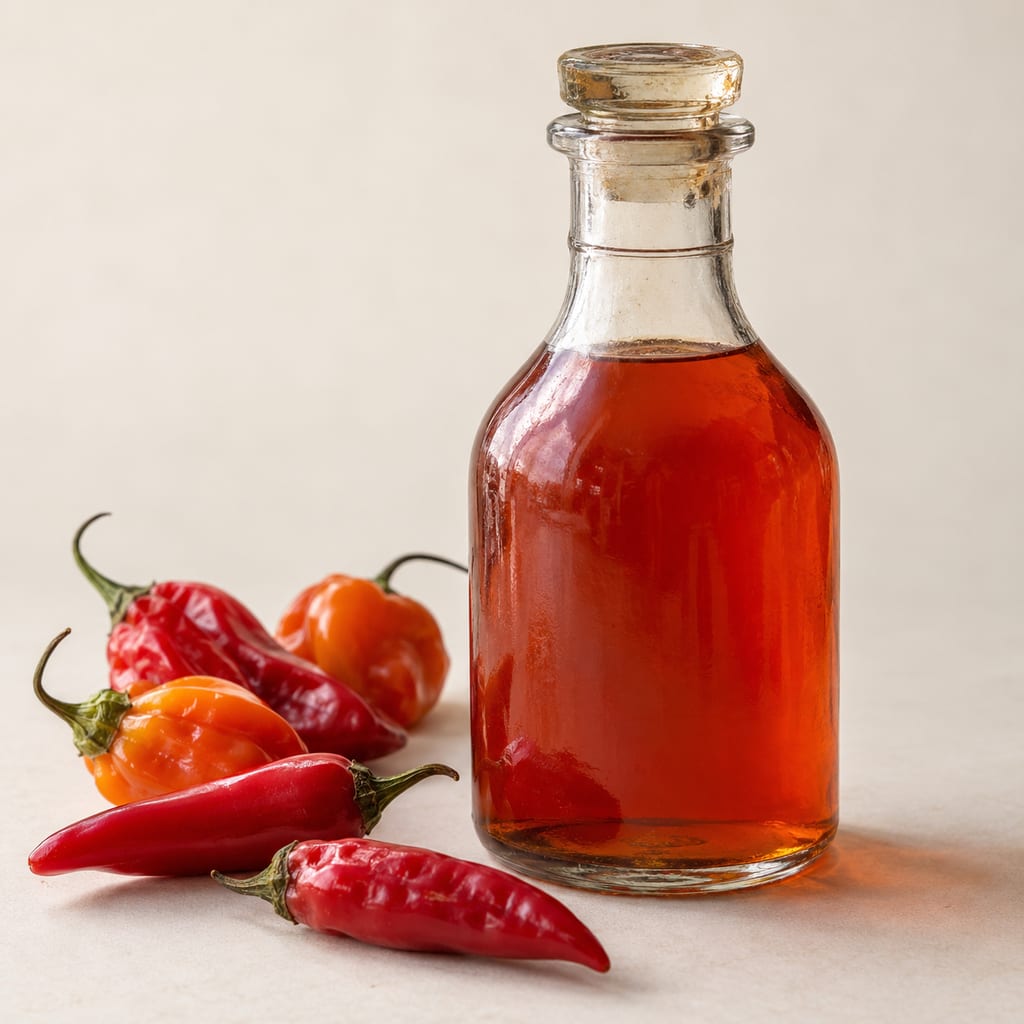
Mary Randolph's pepper vinegar: ripe pepper pods simmered in vinegar until the liquid is reduced to one quart, then strained for use in gravies and catsups. From The Virginia Housewife.
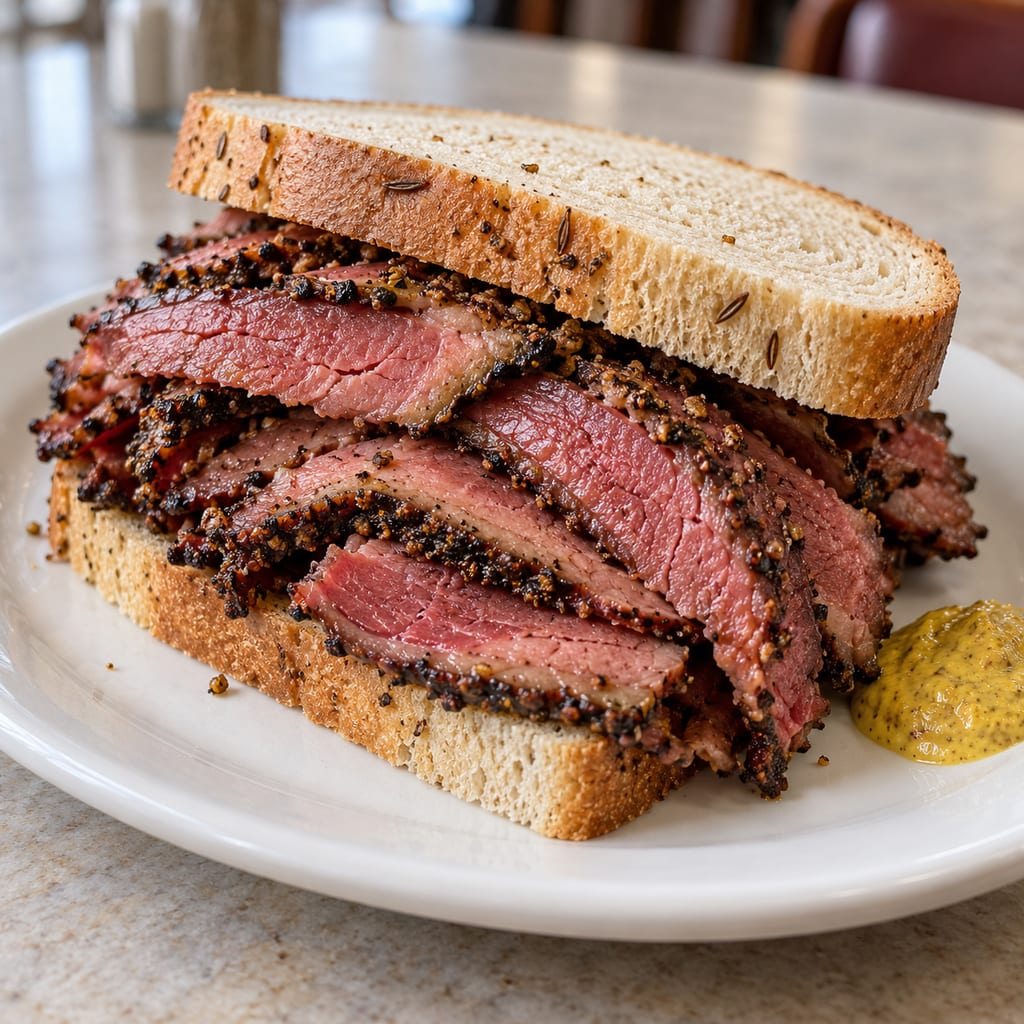
Pastrami is beef brined, rubbed with spices, smoked and steamed, the New York Jewish deli meat served hot and hand-carved on rye. Its origin is argued between competing accounts.
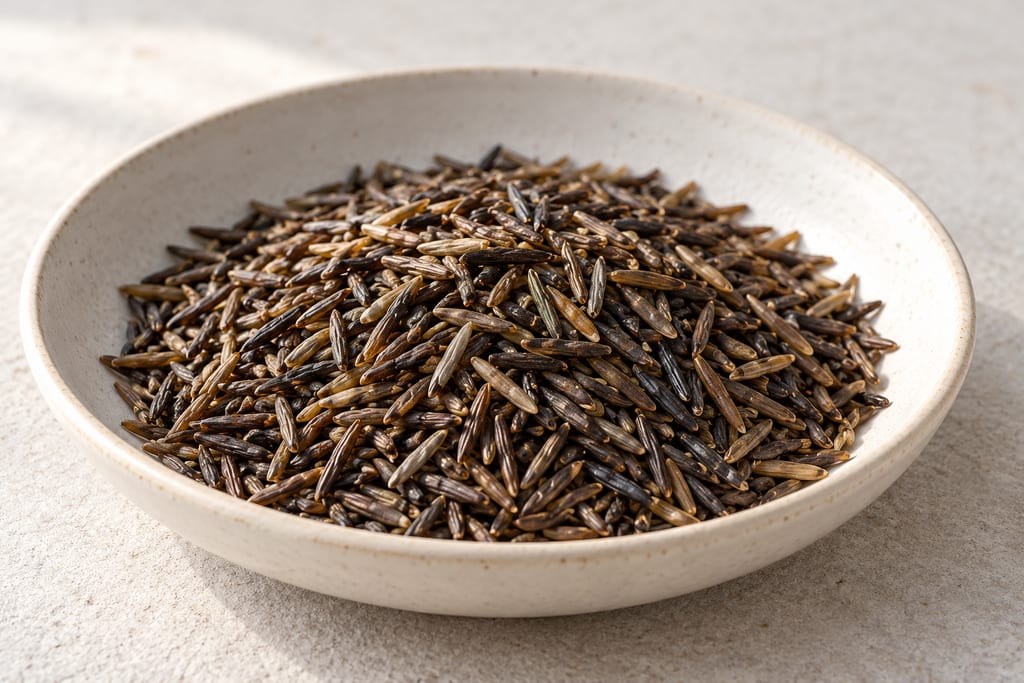
Harvested wild rice dried, parched over heat and hulled, a step that keeps the grain for storage in Ojibwe food systems and does more than cook it.

Peanut butter is a paste of ground roasted peanuts, usually with salt. Smooth and granular versions come from the same method, differing in how finely the nuts are ground.
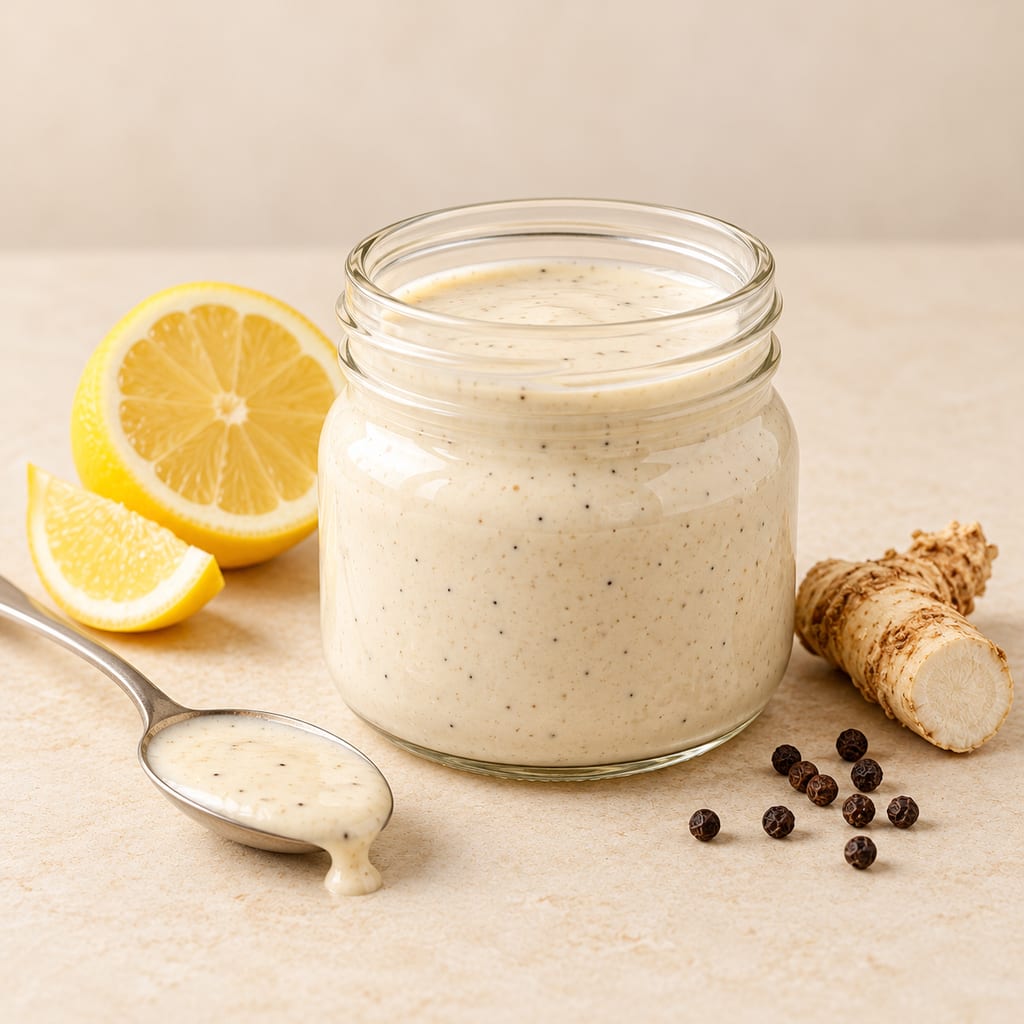
A whisked, mayonnaise-based Alabama-style sauce with vinegar, lemon, honey and horseradish. The measured batch below comes from a contemporary published recipe; it is not presented as Big Bob Gibson’s original or secret formula.
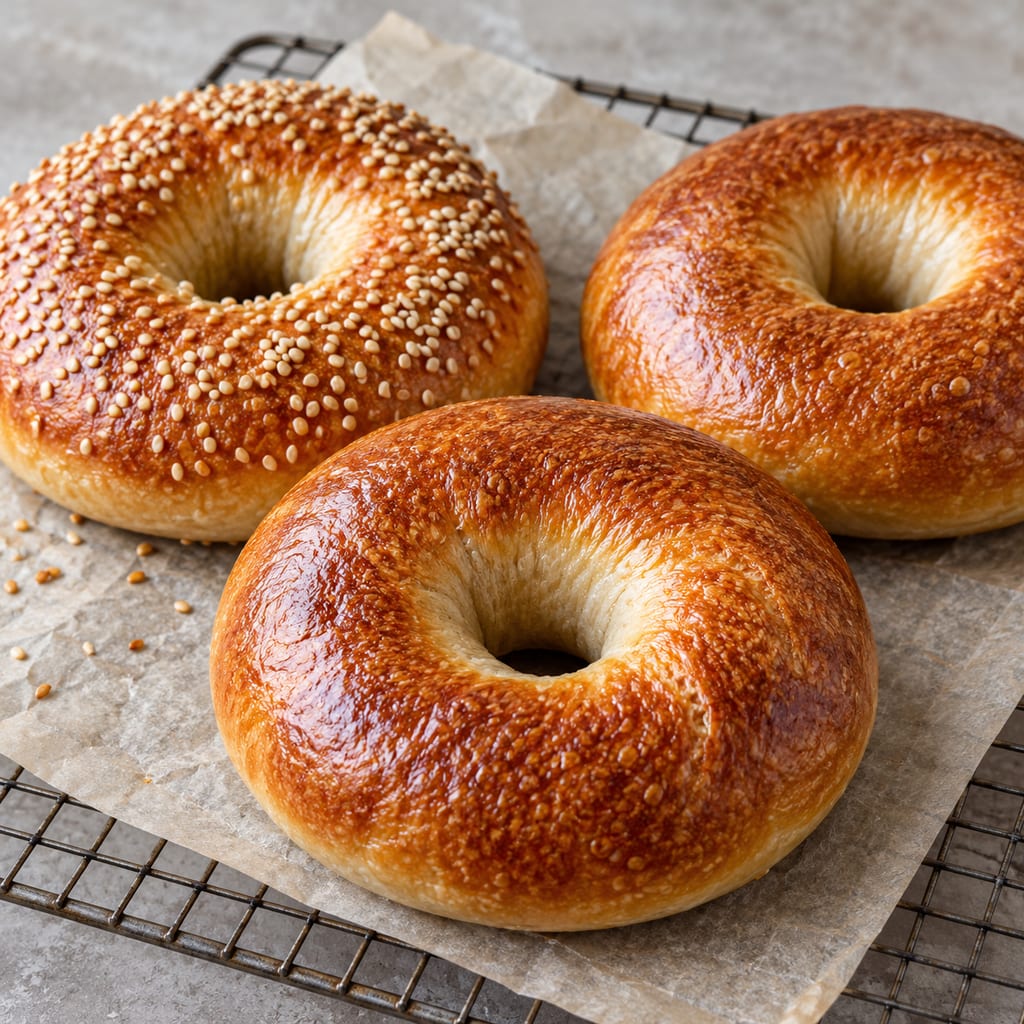
A firm bread-flour dough with barley malt is shaped into rings, refrigerated for 8–14 hours, poached below a boil, then baked hot with steam.
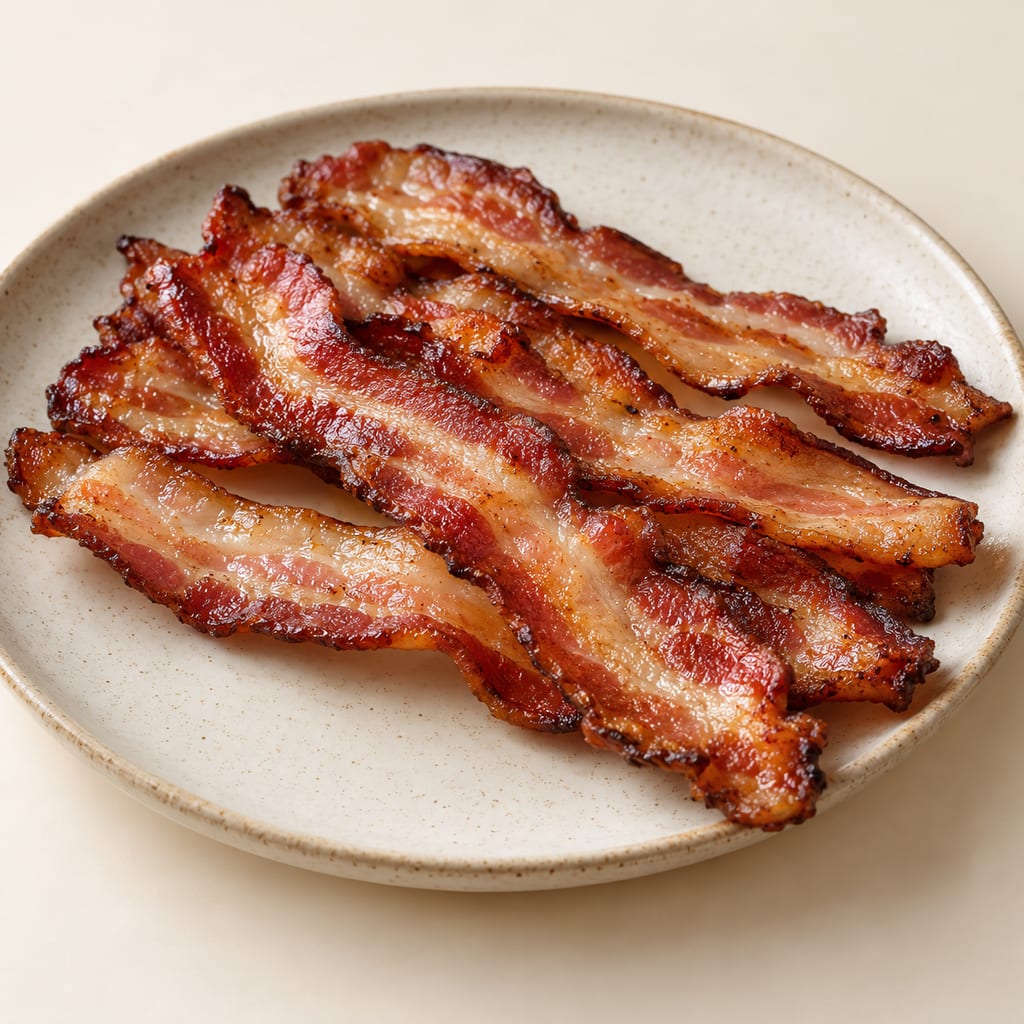
A refrigerated pork-belly brine combines beer and maple syrup with salt, garlic powder and measured Cure #1.
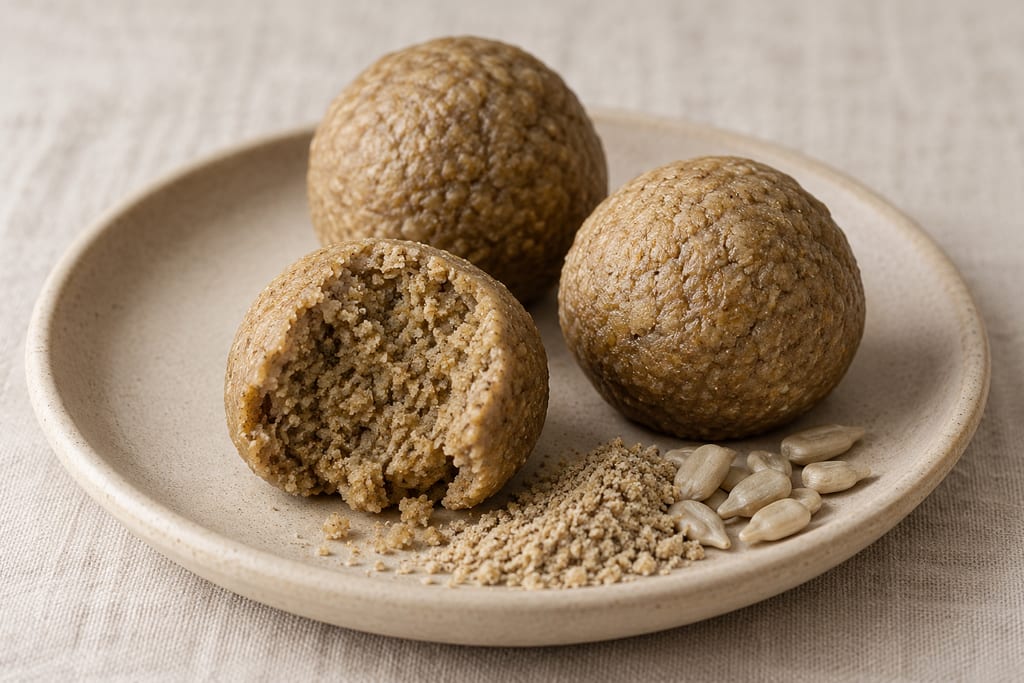
Mapi' are Hidatsa sunflower-seed balls formed from parched meal. This modern, untested kitchen adaptation uses toasted kernels and keeps the historical method distinct.
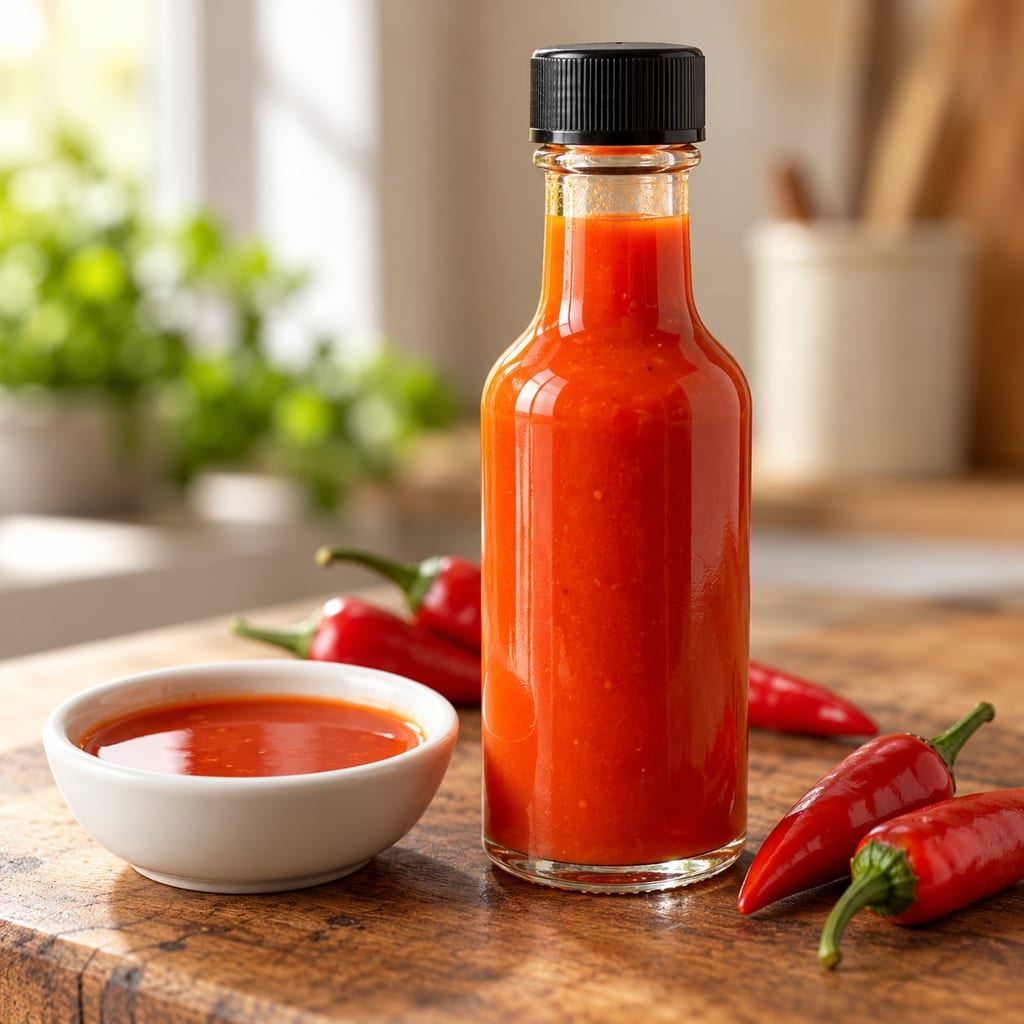
Documentary account of Louisiana pepper sauces, using TABASCO's published barrel-aged commercial process as one specific example; the source does not provide a validated home recipe.
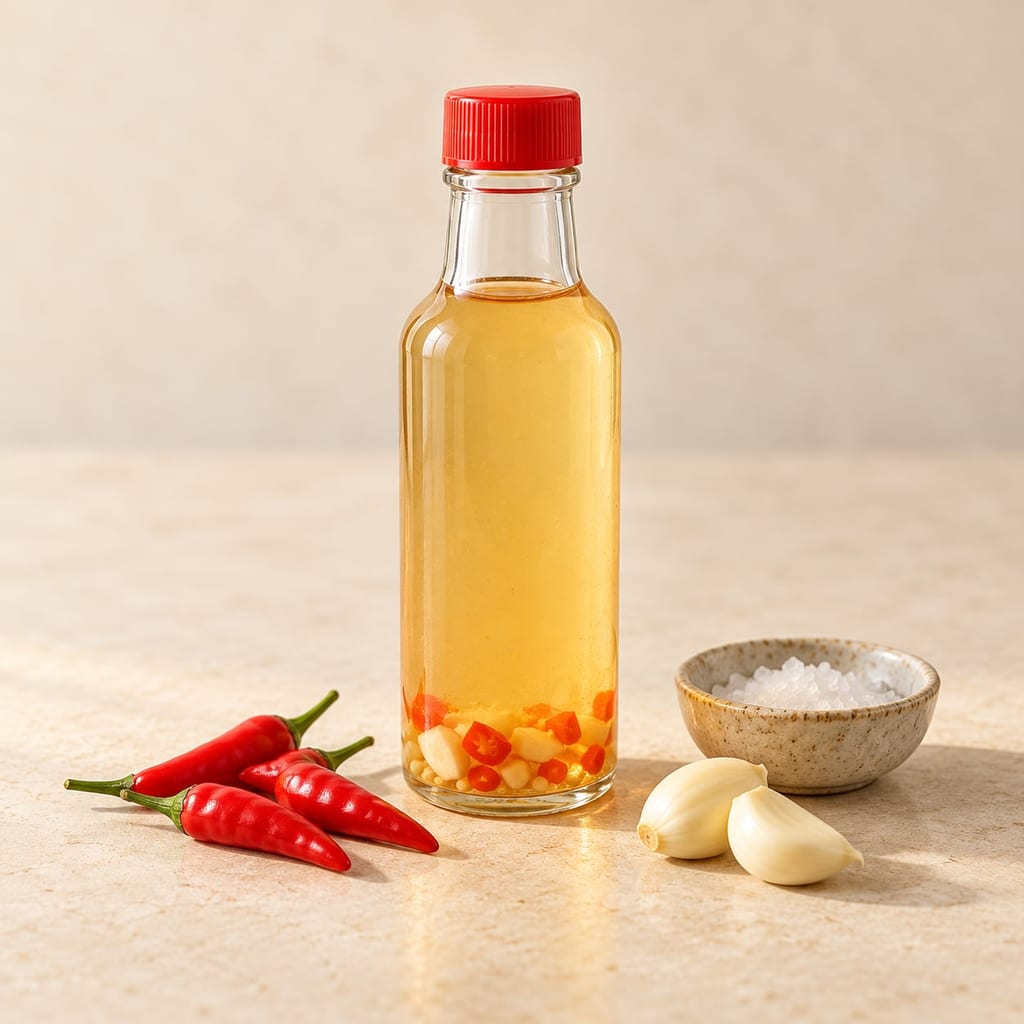
Hawaiian chili pepper water, or wai nīoi, is a thin condiment of small chillies steeped in salted water with vinegar and garlic. Hawaiian families use it as a table hot sauce.
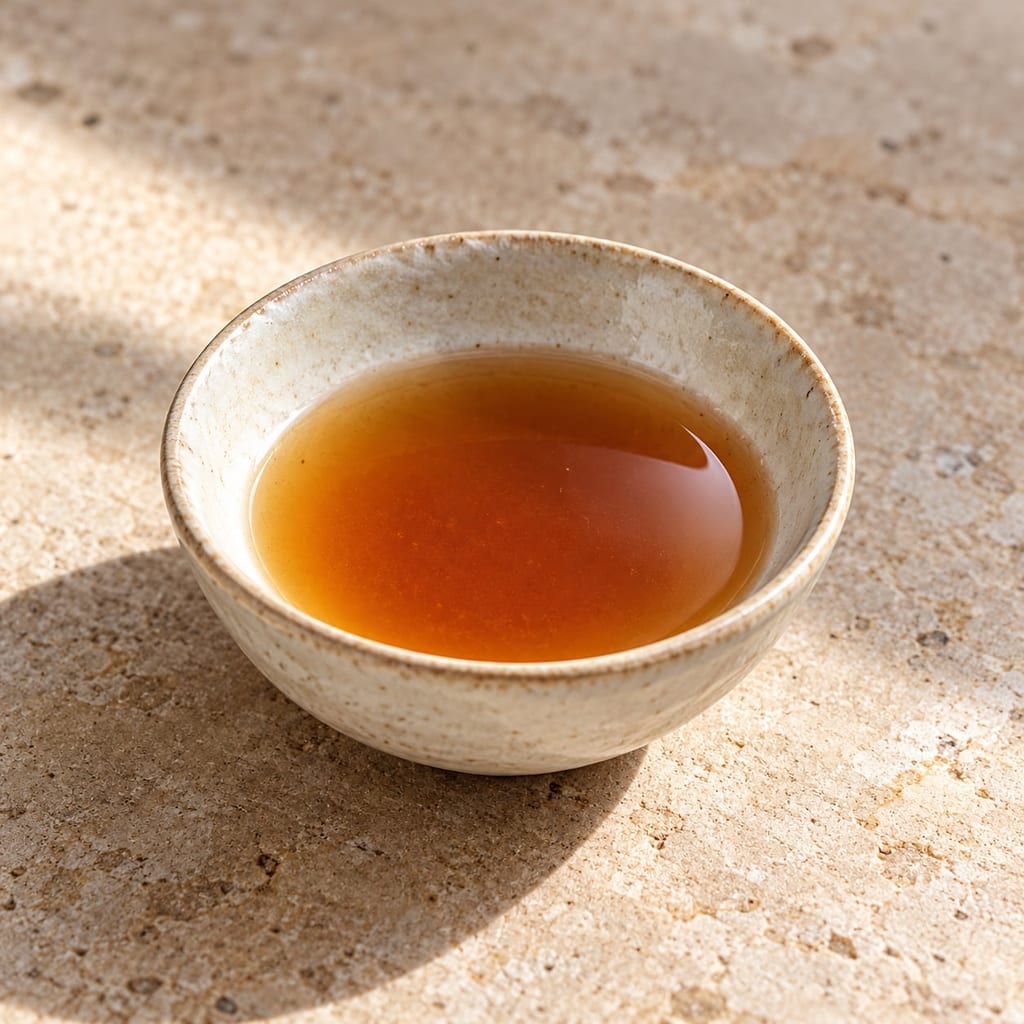
Chef Alex Perry makes this modern shrimp garum from Gulf white shrimp heads and shells, koji, water and salt. He holds the mash at 60°C for two months, then strains the liquid for use as a seasoning.
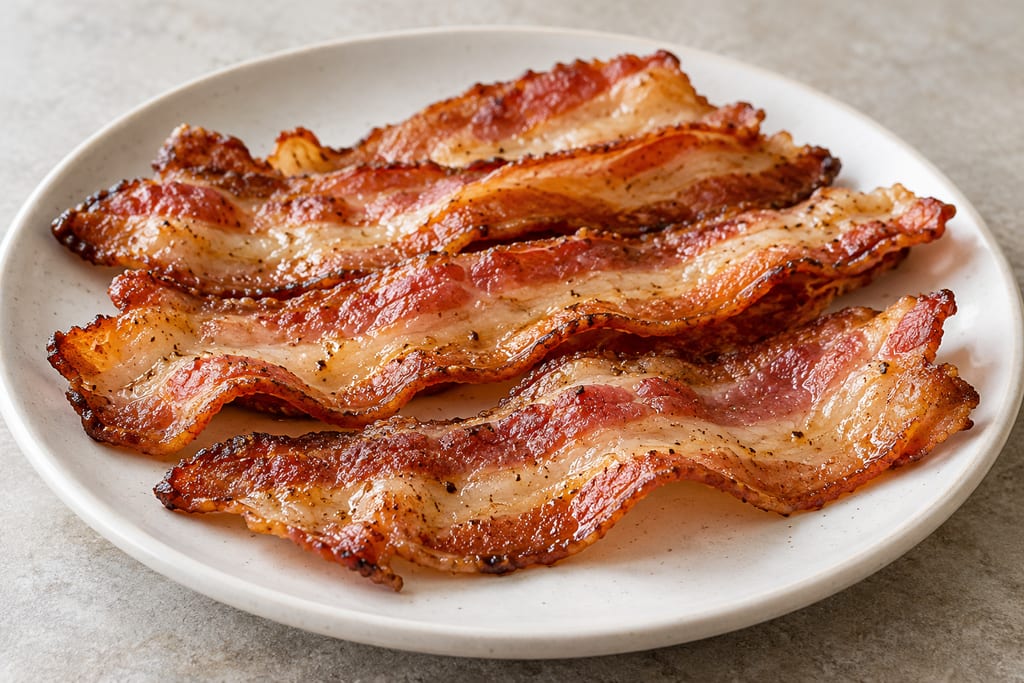
Pork belly receives a measured salt-and-sugar cure with coffee and spices, then is refrigerated before cooking or hot smoking.
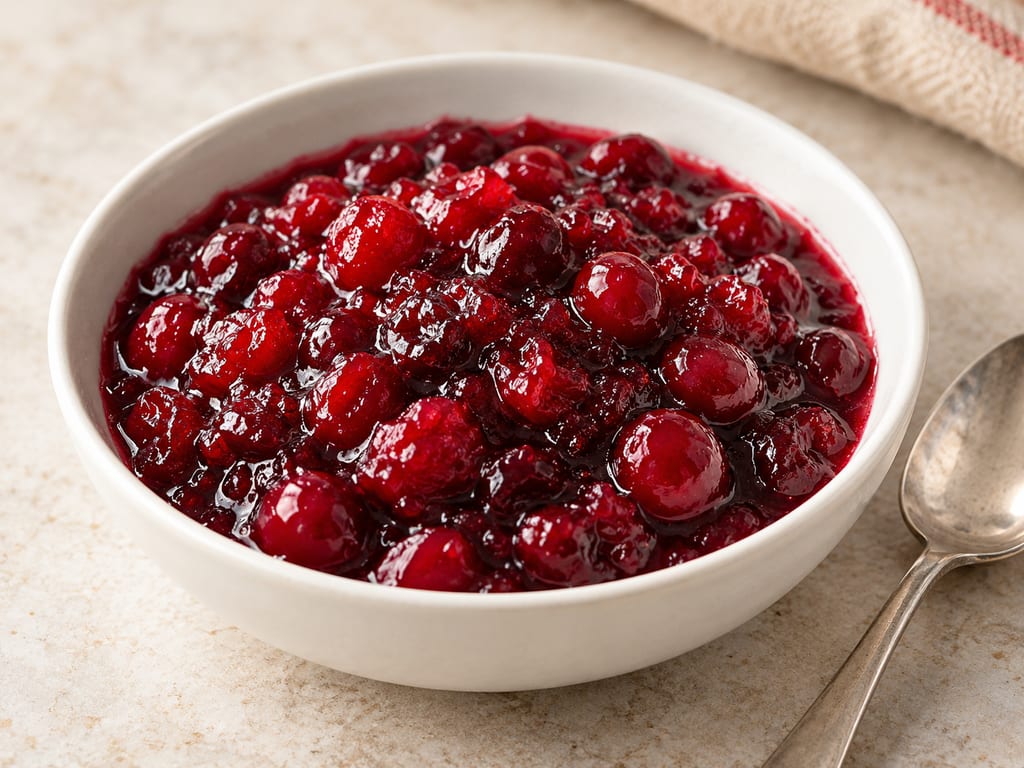
Cranberry sauce is a sauce of cranberries cooked in sugar syrup until the berries burst and thicken, served with roast turkey, pork, chicken and ham.
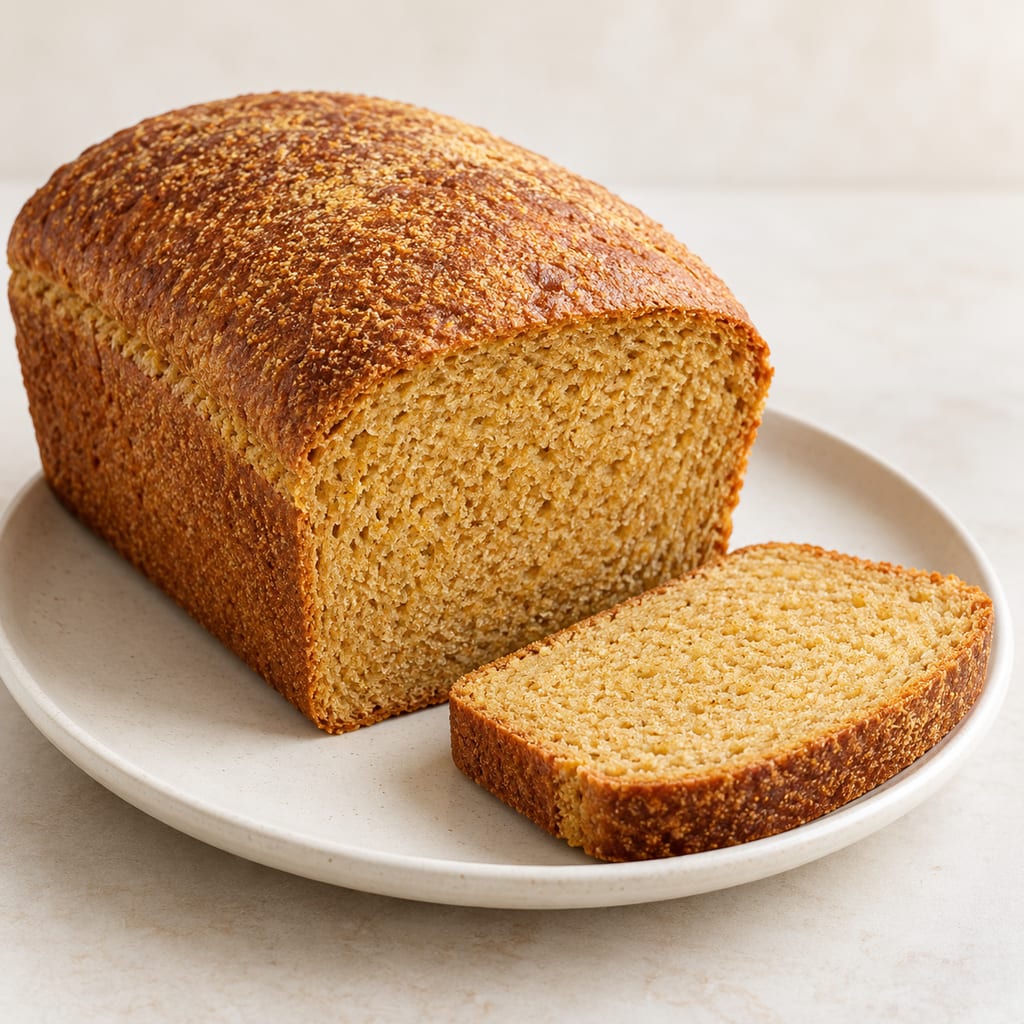
Anadama is a New England yeast loaf made with wheat flour, cornmeal and molasses. Scalded cornmeal enriches the dough, while molasses lends sweetness and a dark crust; it is especially good toasted or beside soup and baked beans.
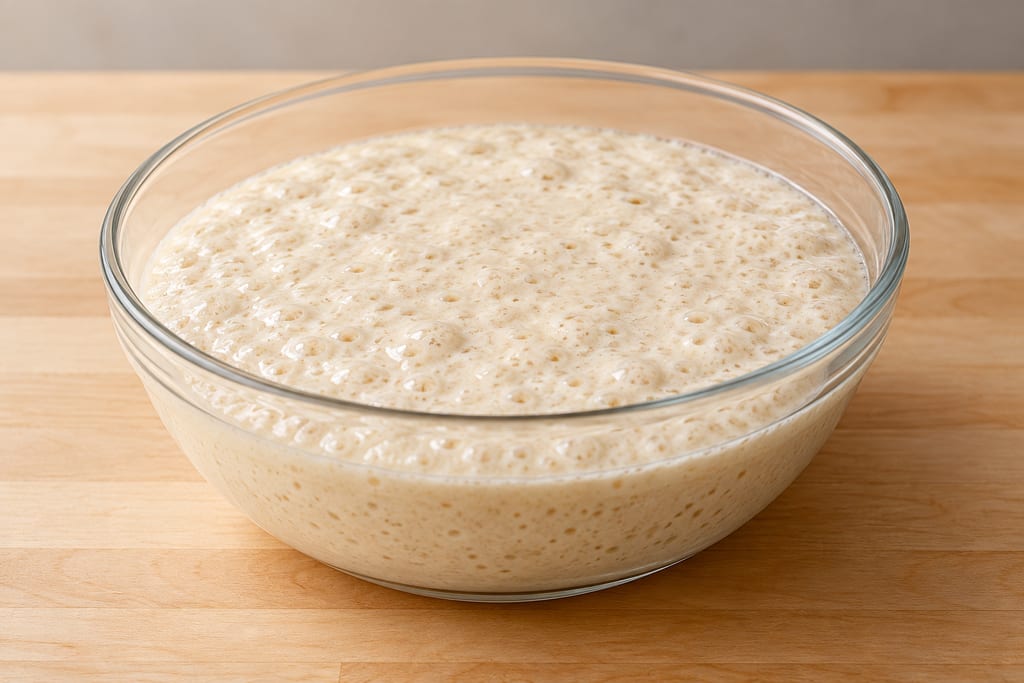
Poolish is a loose, unsalted bread preferment of roughly equal weights of wheat flour and water with a pinch of baker's yeast, left to ripen before it goes into the final dough.
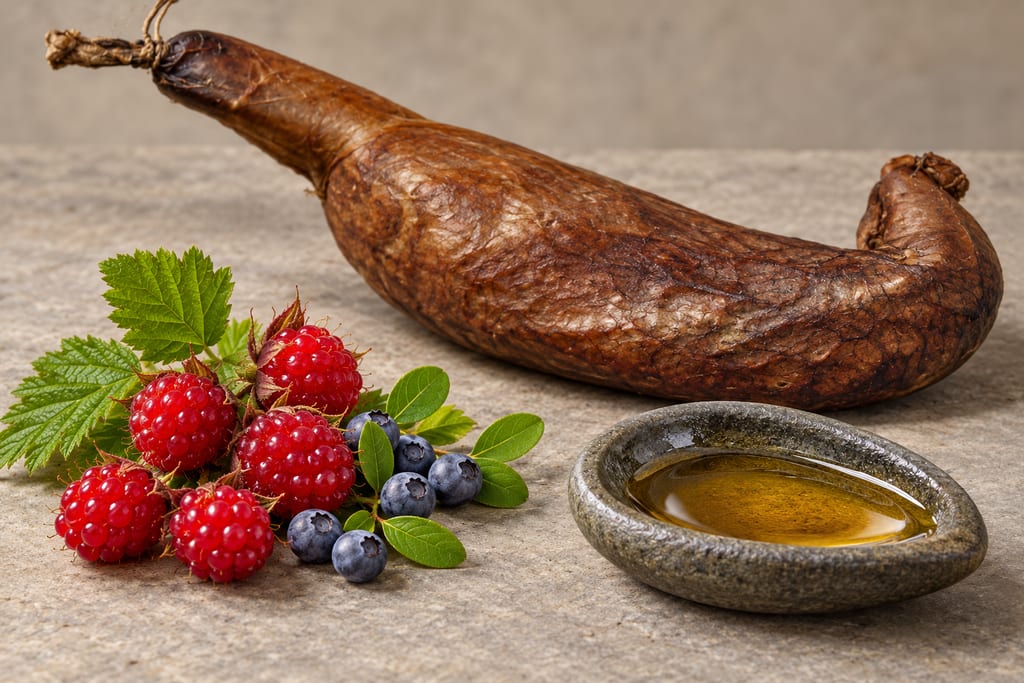
Berries, greens and fish eggs were kept in seal oil by Indigenous Alaskan communities. The oil seals the food from air, and the result depends on preparation and the surrounding conditions.
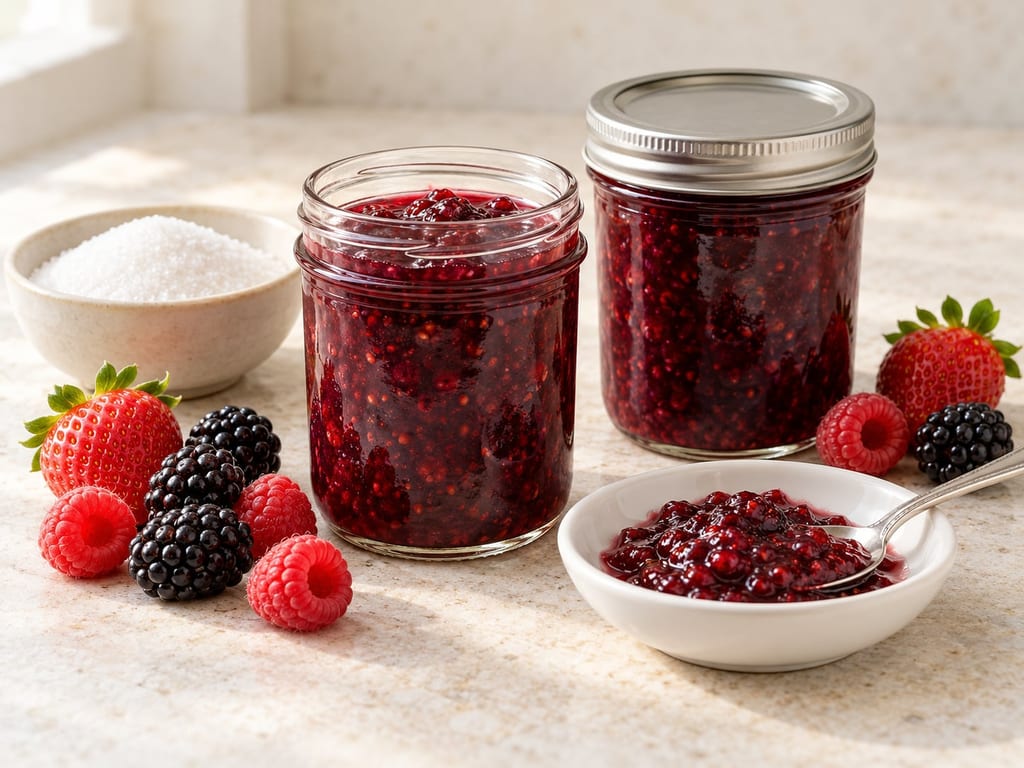
A NCHFP berry jam made without added pectin: crushed berries and sugar are cooked to the desired gel point, hot-filled into sterile half-pint or pint jars, and processed in a boiling-water canner.
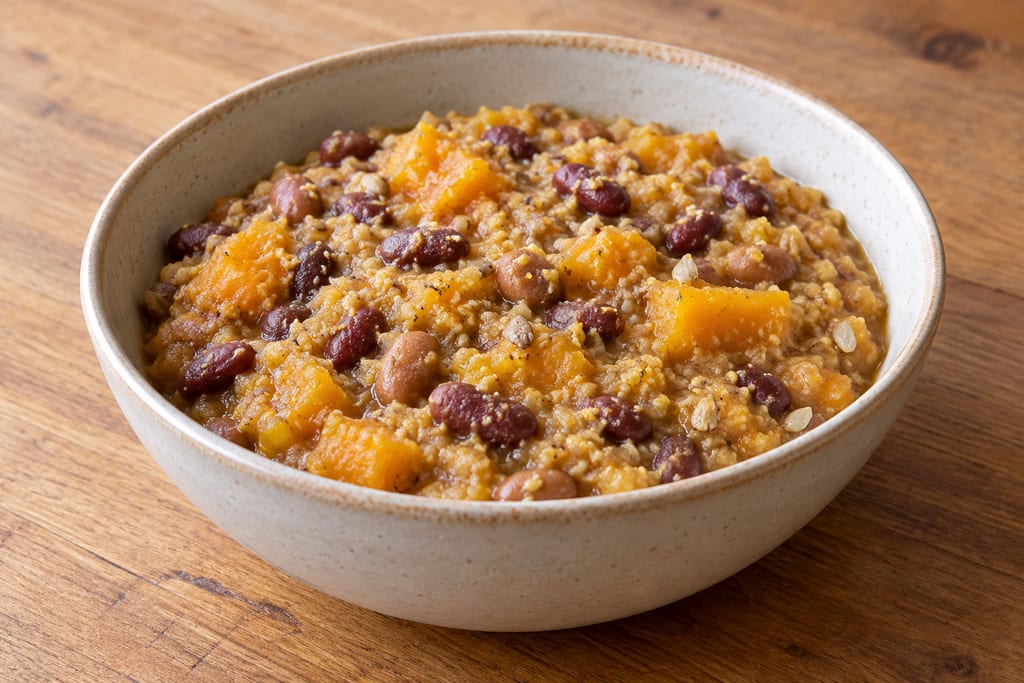
Do´patsa-makihi´kĕ, or four-vegetables-mixed, combines beans, dried squash, corn meal and sunflower meal in a Hidatsa winter dish. This entry keeps a modern, untested adaptation separate from the historical account.
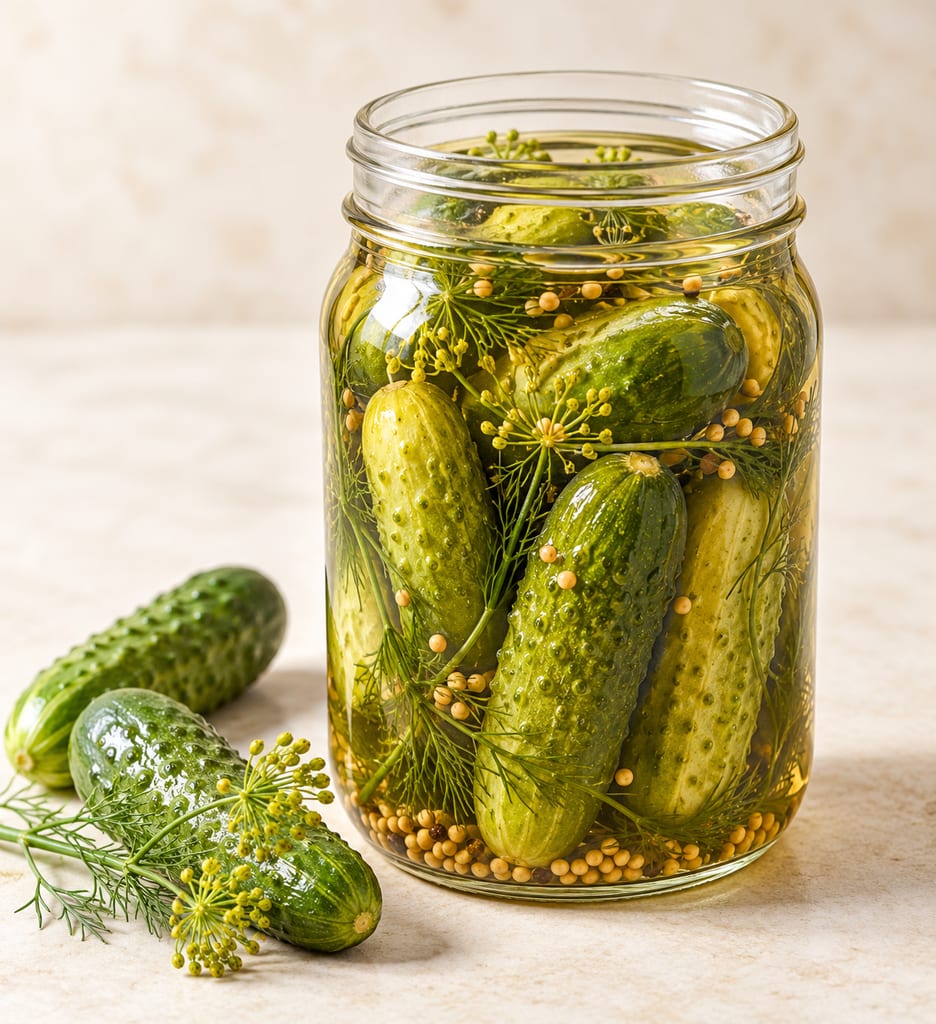
Whole small cucumbers are soaked in a measured salt solution, packed with dill and mustard seed, then covered with a boiling 5% vinegar brine and processed in a boiling-water canner.
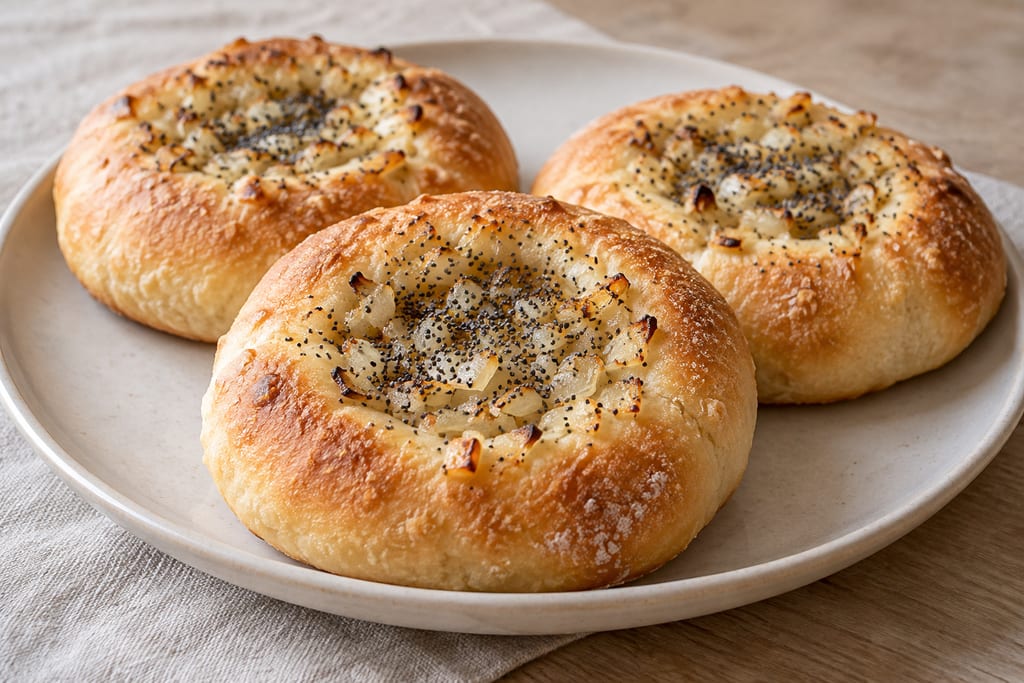
Bialys are soft, yeasted wheat rolls baked without boiling, each shaped with an onion-filled central depression instead of a hole.
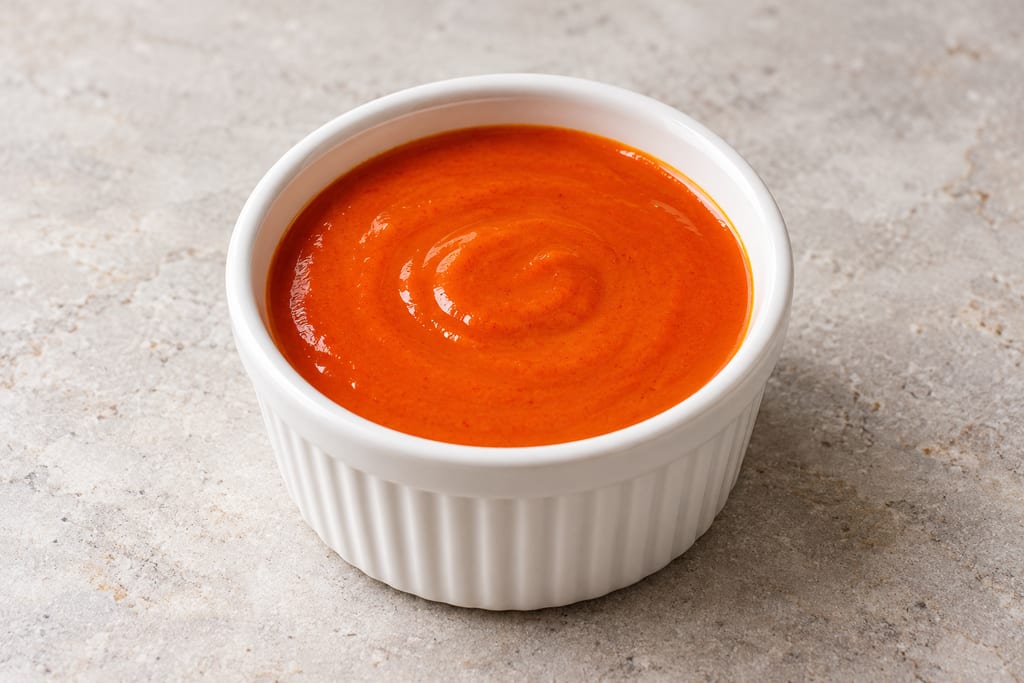
A warm, buttery cayenne sauce made by melting butter into a hot pepper sauce, first tossed onto fried chicken wings in Buffalo, New York.
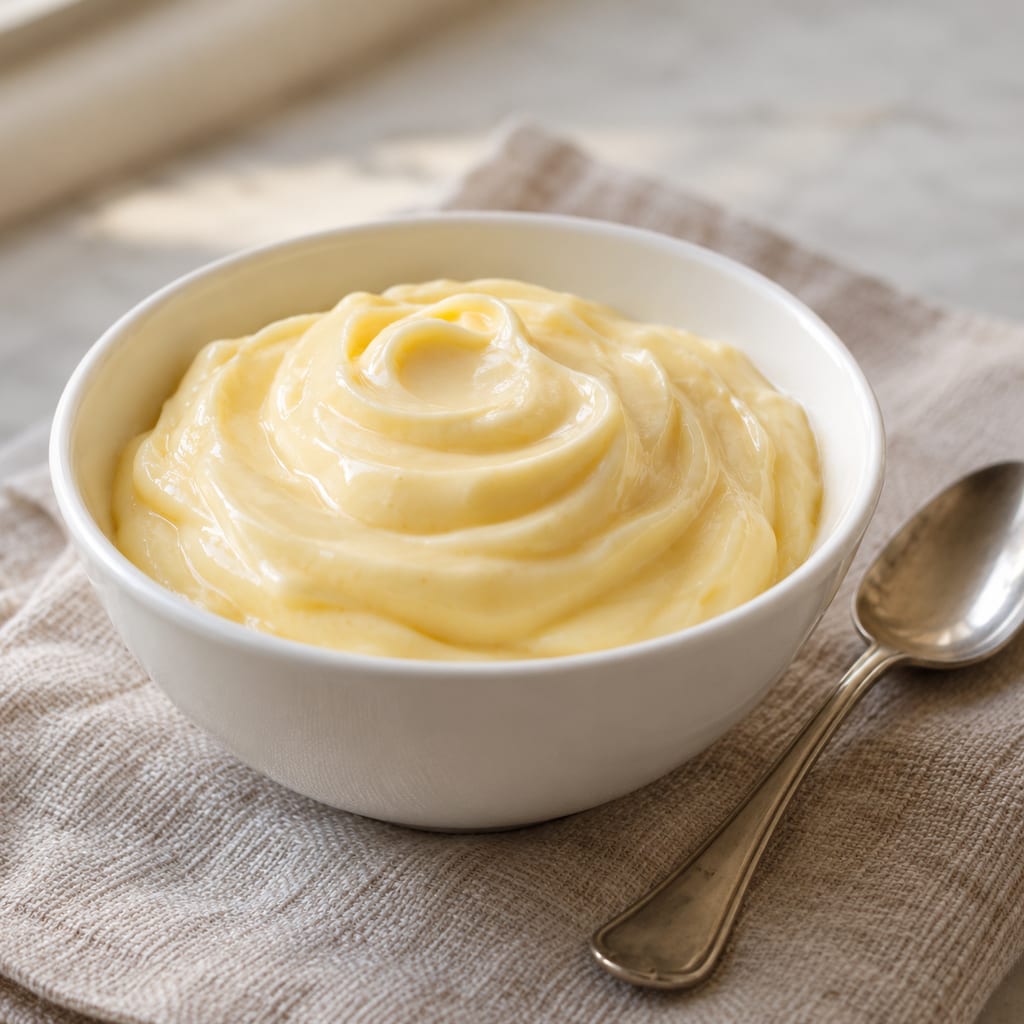
A cooked-yolk mayonnaise documented in the University of Tennessee Extension’s 2007 Egg University Handbook. The egg mixture is heated before oil is emulsified into it.
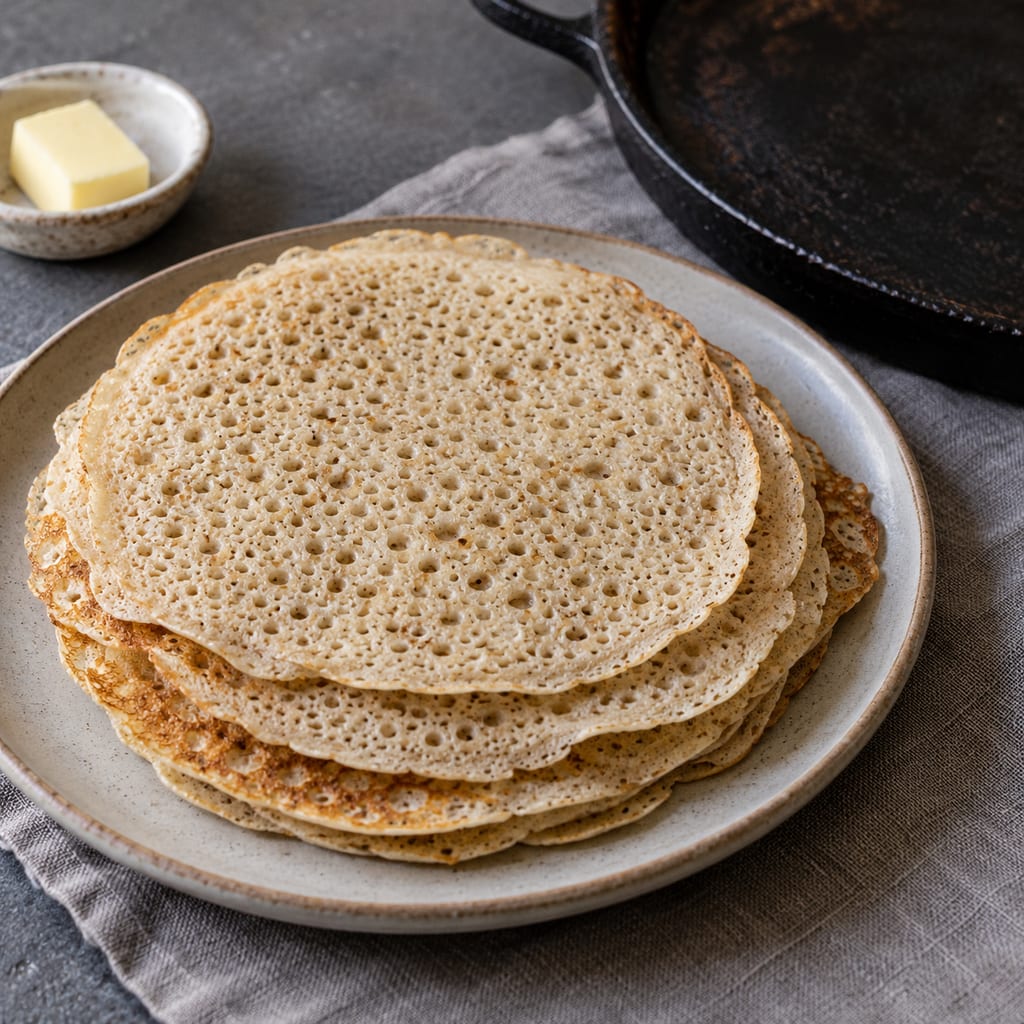
A thin buckwheat-and-wheat batter, loosened with cold and hot water, cooked on one side until lacy holes form and the top sets.