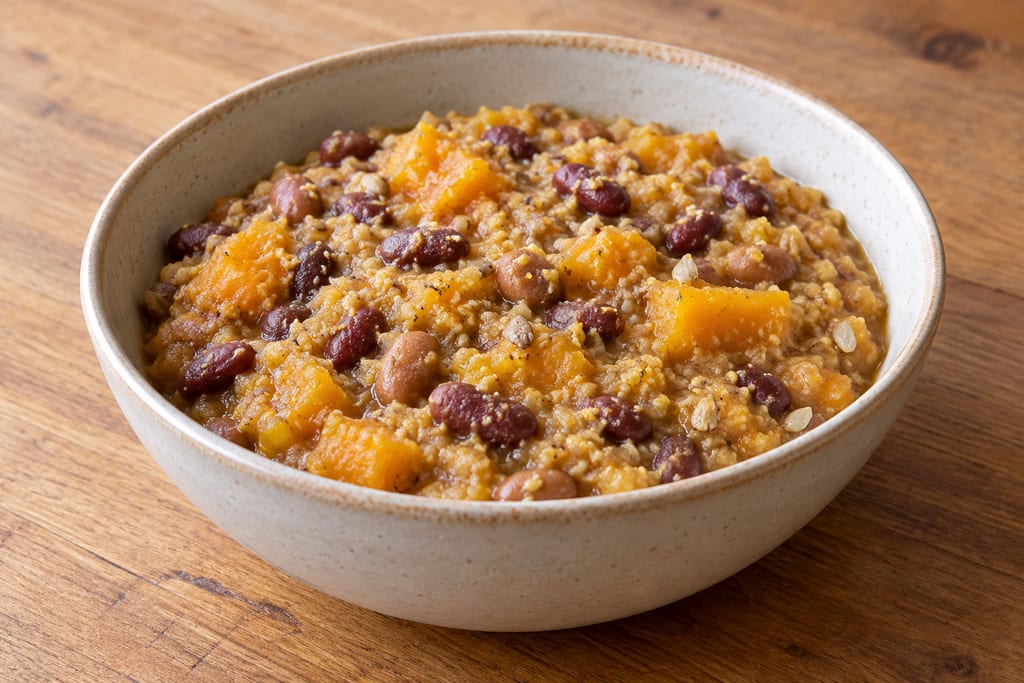
Hidatsa four-vegetables-mixed
Do´patsa-makihi´kĕ, or four-vegetables-mixed, combines beans, dried squash, corn meal and sunflower meal in a Hidatsa winter dish. This entry keeps a modern, untested adaptation separate from the historical account.
 FermenteaWhere food goes to change
Mapi'
Mapi' are Hidatsa sunflower-seed balls formed from parched meal. This modern, untested kitchen adaptation uses toasted kernels and keeps the historical method distinct.
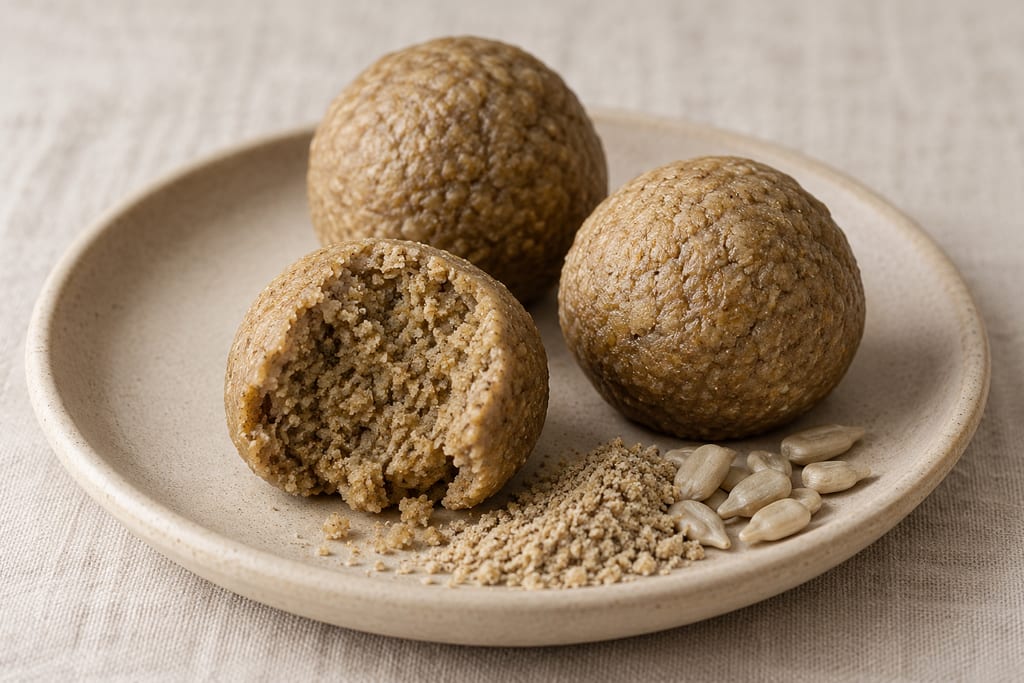
The name recorded for a sunflower-seed ball is mapi´, also the word Buffalo Bird Woman used for sunflower. Gilbert L. Wilson's 1917 book presents her account, translated by her son Edward Goodbird. She describes this food as important in earlier Hidatsa life and says hunters and warriors commonly carried a ball in a small skin bag.
The book documents a remembered practice, not its invention date or one recipe shared by every household. It records a food for nibbling during travel and fatigue; those reported uses are cultural context, not a tested claim about its effects.
Buffalo Bird Woman described parching sunflower seeds in a pot, pounding them in a corn mortar until they became fine meal, and squeezing a handful into a lump. She then enclosed the lump between her palms and shook it gently. In her explanation, the movement released seed oil that cemented the meal and made the ball firm.
Her account says seeds affected by frost seemed oilier than unfrosted seeds, and seed from smaller sunflower heads seemed oilier than seed from larger heads. These observations belong to the reported historical practice; they are not instructions to frost modern kernels or guarantees about retail seed.
The contemporary adaptation recorded for this item proposes to toast 1 cup of shelled sunflower kernels, cool and grind them finely, compress the meal into balls, grind longer if it crumbles, and refrigerate leftovers. The one-cup quantity and refrigeration instruction belong to this modern adaptation; Wilson's historical account gives no cup measure, modern equipment, or leftover-storage period.
This adaptation has not been kitchen-tested. It supplies no toasting temperature or duration, yield, ball size, validated process control, or safe storage duration. Those gaps remain open rather than being filled with historical estimates. The historical method and the modern kitchen proposal therefore remain distinct.
In his 1917 book, Gilbert L. Wilson records Buffalo Bird Woman's (Maxi'diwiac's) account of Hidatsa sunflower-seed balls called mapi´. She describes parched seed pounded to meal and formed by hand, with the seeds' own oil binding the ball. The account describes an older practice but does not date its beginning.
Scaling: source batch only
This modern adaptation has not been kitchen-tested. It says to refrigerate leftovers but gives no storage duration.
The book locates its Hidatsa informant and fieldwork at Fort Berthold Reservation, North Dakota. The seed-ball passage does not name a more precise site; this is historical association, not an origin claim.
Do´patsa-makihi´kĕ, or four-vegetables-mixed, combines beans, dried squash, corn meal and sunflower meal in a Hidatsa winter dish. This entry keeps a modern, untested adaptation separate from the historical account.
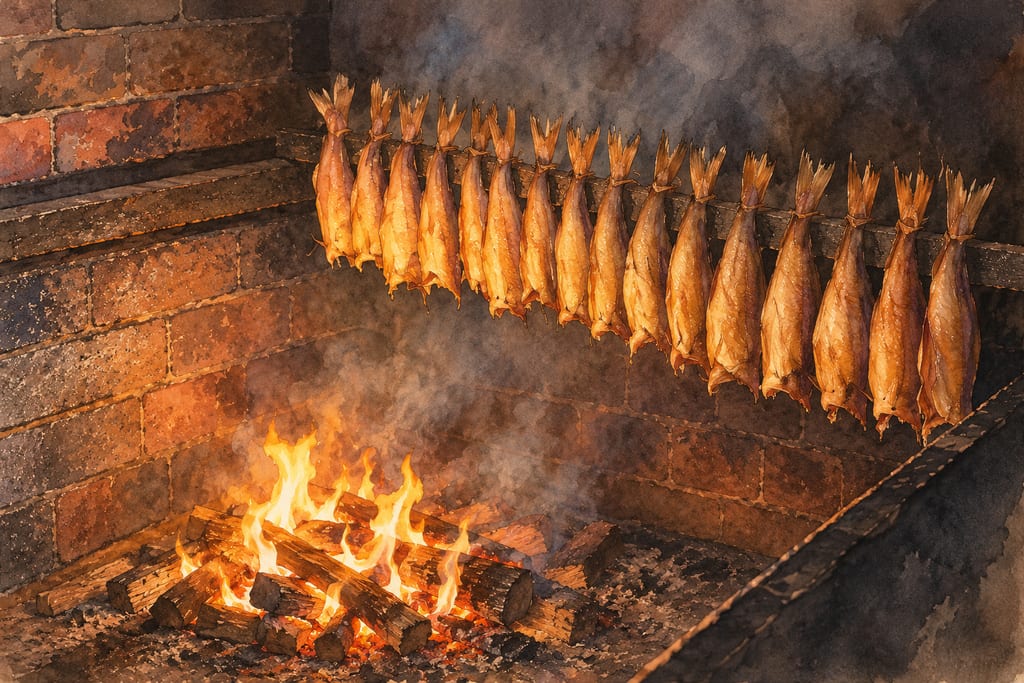
The Arbroath “barrel” is a hardwood-fired smoking pit with triangular rails and a cover. Its documented form belongs to the traditional hot-smoking of haddock around Arbroath and Auchmithie, Scotland.
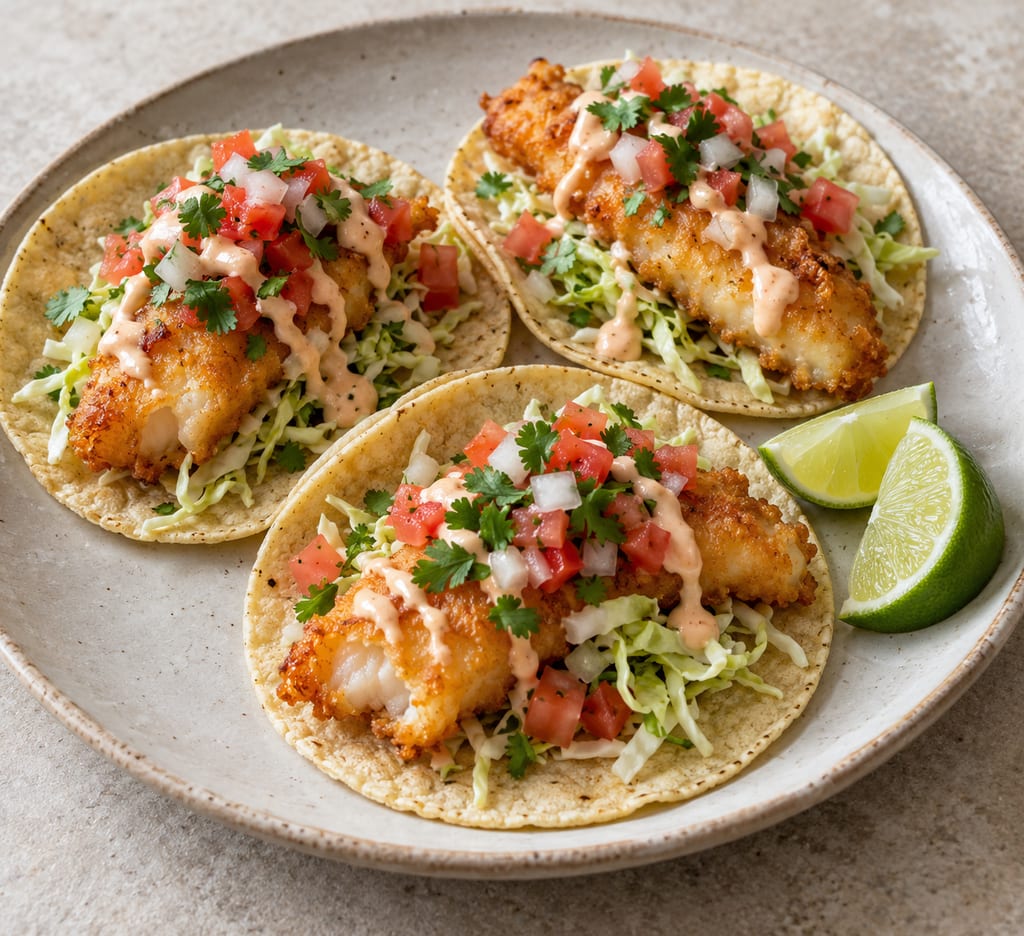
Crisp battered white fish in warm corn tortillas with shredded cabbage, lime and fresh salsa. This home version draws on the Ensenada style without claiming to be a definitive historic formula.
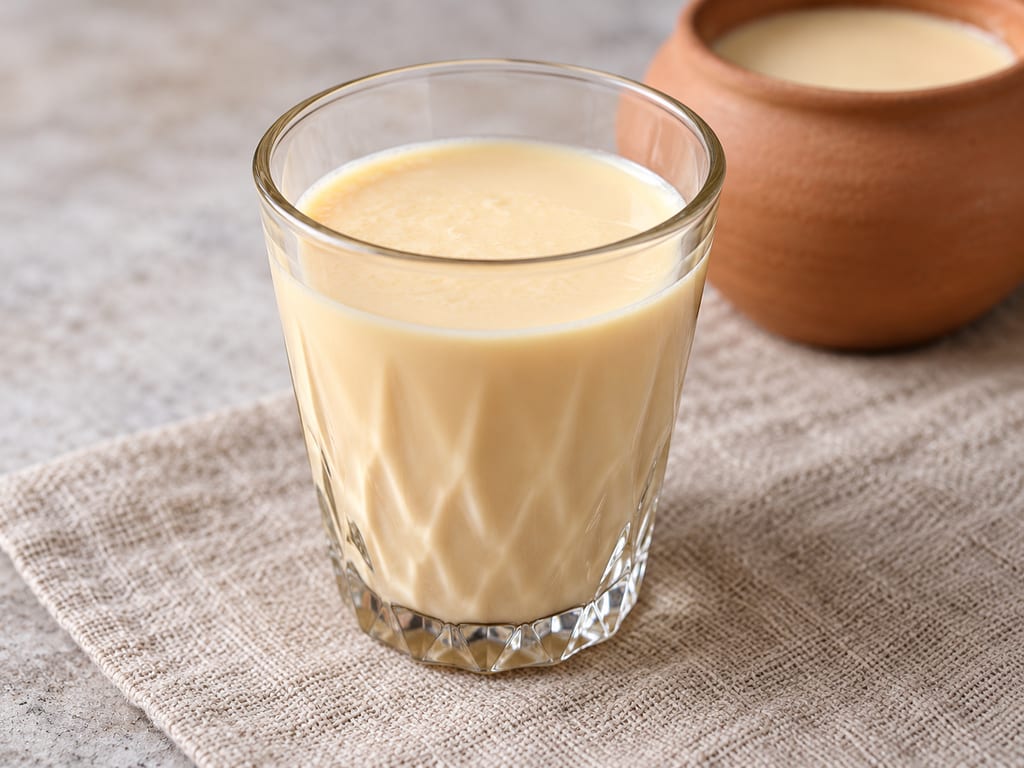
Baked milk is an Eastern European preparation of milk held at high heat for hours until it turns cream-coloured with a cooked, mildly sweet flavour, without any fermentation.
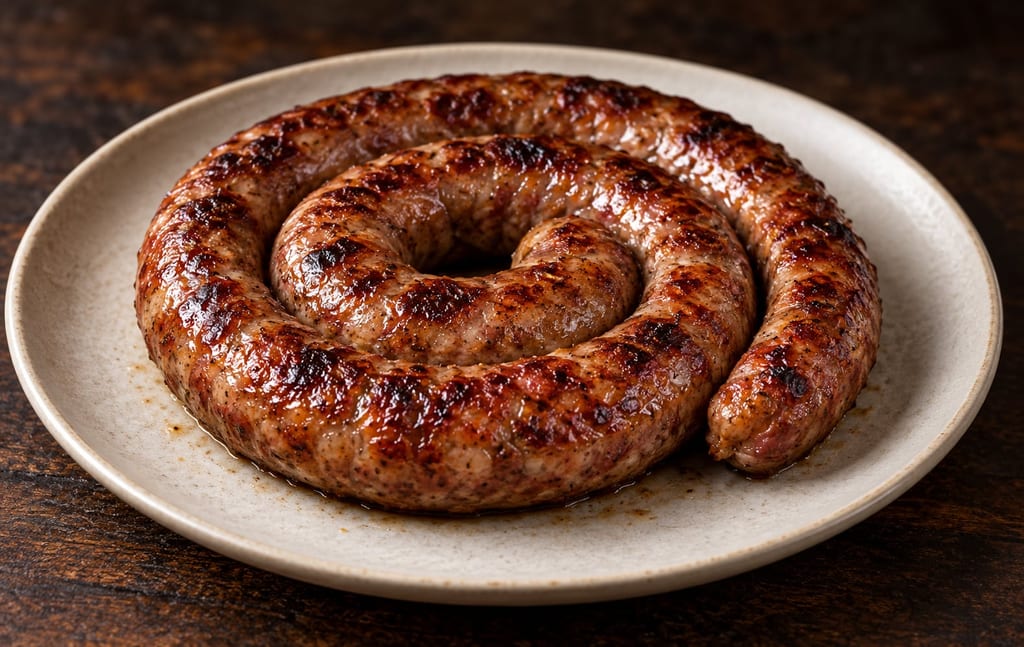
A coarse South African farmhouse sausage of beef with pork or mutton fat, defined by its coriander seasoning and cooked fresh over coals rather than preserved.
A flood-season pit store described for Omagua communities along the Amazon: manioc tubers were buried before inundation and recovered as waters receded. Its shape and lining are not recorded.
A temporary, in-place earthen oven used to cook camas with heat retained by fire-heated stones. The dimensions described here belong to one Kalispel-supervised reconstruction, not a universal form.

Chuño negro is a source-documented Andean potato-preservation practice. This entry records producer tradition; it is not a validated household process for making potentially toxic bitter potatoes safe.
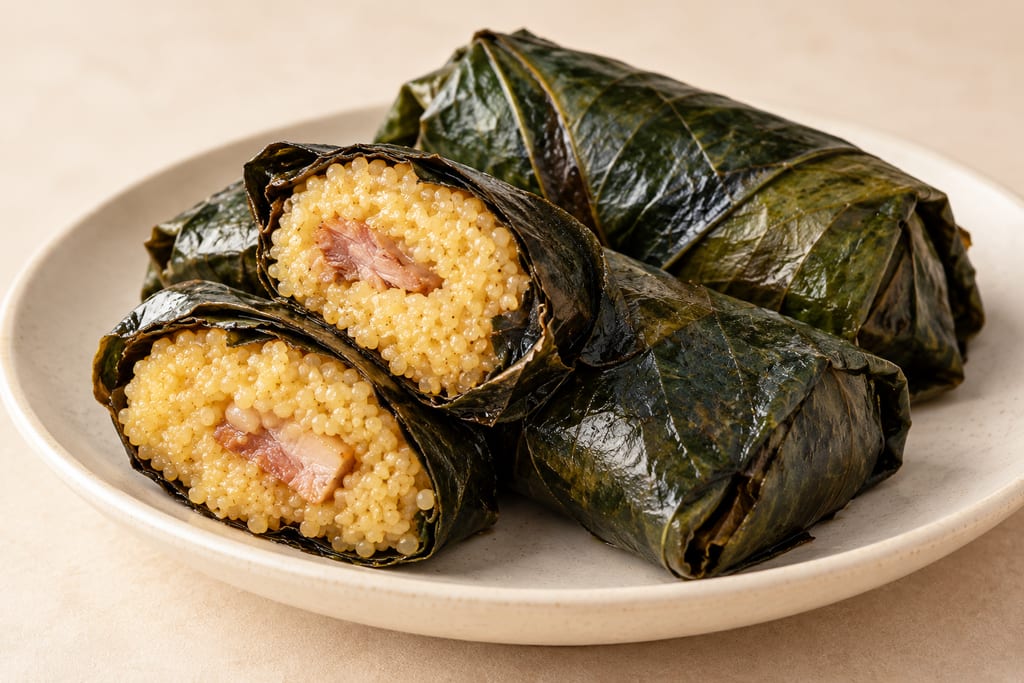
Cinavu is a Paiwan leaf-wrapped parcel built around millet or taro, meat and locally gathered leaves. It belongs to a food culture of harvest, hospitality and shared work, with village recipes differing in both filling and cooking time.

Soft, spreadable Calabrian pork sausage made with a great deal of red chilli and fatty pork, stuffed into natural casings, sometimes smoked and matured while staying soft.

A way to add independent temperature logging to an existing food dehydrator without changing its built-in controls or protections. It is a monitoring method, not a rewiring plan.

Pleurotus cystidiosus is the abalone mushroom, a cultivated oyster-type fungus with dark brown caps that grows more slowly and is more demanding than other Pleurotus species.

A dark, balanced vinegar from Emilia-Romagna made by combining cooked or concentrated grape must with wine vinegar, then acetifying and refining it in wood under a protected specification.

A living dairy inoculum that starts controlled cream fermentation, developing acidity and aroma before sour cream or cultured butter is finished.

A small electric incubator holds jars at a selected temperature for yogurt and other documented warm food preparations. Controls, capacity and vessel arrangement vary by model.

Adygean salt is a seasoned table salt associated with Adygea and the wider North Caucasian culinary tradition. Salt is blended with garlic and a variable selection of herbs and spices; the exact mix depends on the named style and maker.

The African Caesar-group mushroom, Amanita masasiensis, is a wild ectomycorrhizal species of central and southern African woodlands, eaten locally. The genus contains deadly poisonous species, so identification needs care.
No community contributions have been published for this entry yet.
Sign in to contribute. Published comments and photos are free to read.
University of Minnesota BulletinHistory · Method · Culture · Geography
Agriculture of the Hidatsa Indians: An Indian InterpretationThe 1917 book records parched sunflower seeds pounded to fine meal and hand-shaped; squeezing and gentle shaking release seed oil that binds the ball.
The account says the balls were carried by Hidatsa warriors and hunters; it describes older practice but does not date its beginning or prescribe a modern storage method.
Cited in: A Hidatsa food made from sunflower meal; Parched meal held by the seed's own oil; A separate modern kitchen adaptation