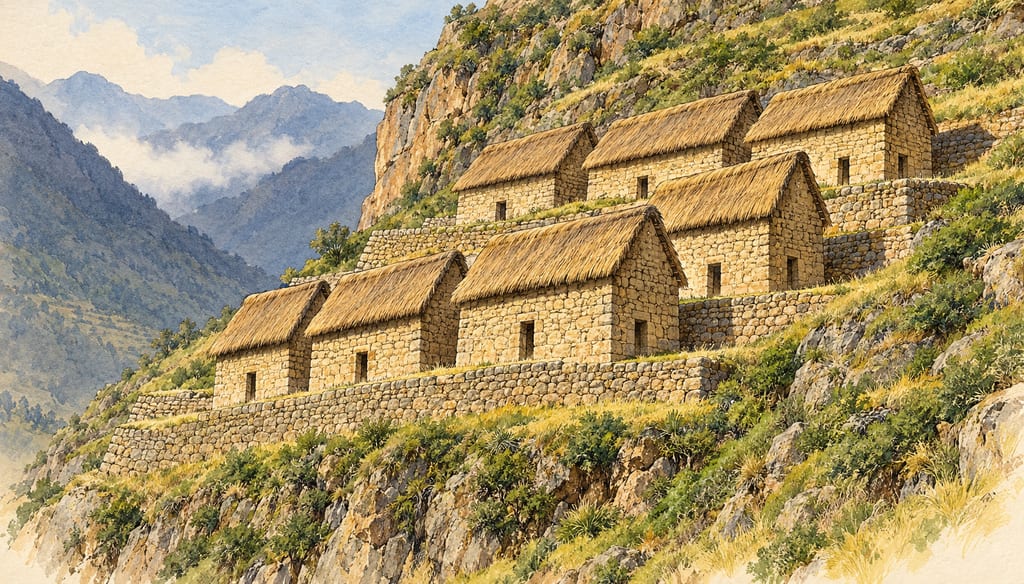
Qollqa (Inca state storehouse)
Qollqas (also called colcas) were fixed Inca state storehouses built in Andean networks. Their forms, locations and stored goods varied by site; Xauxa archaeology documents a large regional system.
 FermenteaWhere food goes to change
chuño · black chuño · chuño negro
Chuño negro is a source-documented Andean potato-preservation practice. This entry records producer tradition; it is not a validated household process for making potentially toxic bitter potatoes safe.

Chuño is a dried potato product from the Andean highlands. Black chuño is the form made without the extra washing that produces the white variety. The potatoes are left outside through cold nights, thawed in the day and then pressed and dried.
The result is light, hard and much smaller than fresh tubers. It can be carried and stored for a long time, which is why it served as a reserve between harvests rather than as a fresh vegetable.
Each night the potatoes freeze and the water inside their cells expands. Daytime thawing lets the tissue release water, and pressing or trampling removes more of it. Repeating the cycle dries the tuber from the inside as well as the outside.
Because the process depends on natural freezing, the place and the season decide whether it works. The sources tie the outcome to the highland climate; they do not give a figure for how cold or how long the process needs.
Sources describing chuño stress that potato variety and local climate matter. Some potatoes freeze and dry into a better product than others, and the same cultivar can behave differently at another altitude.
Black chuño is distinguished from white tunta by the process: research describes sun exposure, overnight freezing, pressing and drying without the extended water soaking used for tunta, while noting regional variation. These descriptions concern producer practice, not a universal home formula.
A FAO post-harvest account says bitter varieties used for chuño can contain high glycoalkaloids and cannot be eaten fresh. FAO's separate potato-toxins guidance says toxic glycoalkaloids are not destroyed by normal cooking. Neither source measures this particular black-chuño batch or validates a household method for making bitter tubers safe.
Chuño was stored against the lean months and rehydrated in cooking. Its lightness made it a practical reserve for travel and exchange in the highlands, and it is still part of Andean cooking.
A dried tuber stores differently from a moist pickle. The catalogue gives no fixed shelf life, so none is stated here.
The sources do not establish a single method for every locality, cultivar or season. They also do not provide a measured glycoalkaloid target or a validated household endpoint for making bitter potatoes safe. This page records a food-preservation tradition and should not be used as instructions to process bitter tubers.
Black chuño belongs to Andean highland food systems that kept potatoes through seasons of scarcity. Its freezing and drying are natural; it is not the same as modern vacuum freeze-drying.
Scaling: source batch only
FAO's Chuño post-harvest account says bitter varieties with high glycoalkaloid content cannot be consumed fresh. Separate general FAO potato guidance states toxic glycoalkaloids are not destroyed by normal cooking. Neither source measures a particular black-chuño batch or establishes a household detoxification endpoint.
Hazard sourceDocumentary account only, not a validated household process. Do not infer that freezing, drying or ordinary cooking alone makes bitter potatoes safe.
The source-specific FAO Chuño note covers a broader producer process; this entry does not claim every black-chuño variety or batch has the same glycoalkaloid level.
Documented across the Quechua and Aymara highland food systems; the catalogue gives no narrower locality.
Qollqas (also called colcas) were fixed Inca state storehouses built in Andean networks. Their forms, locations and stored goods varied by site; Xauxa archaeology documents a large regional system.
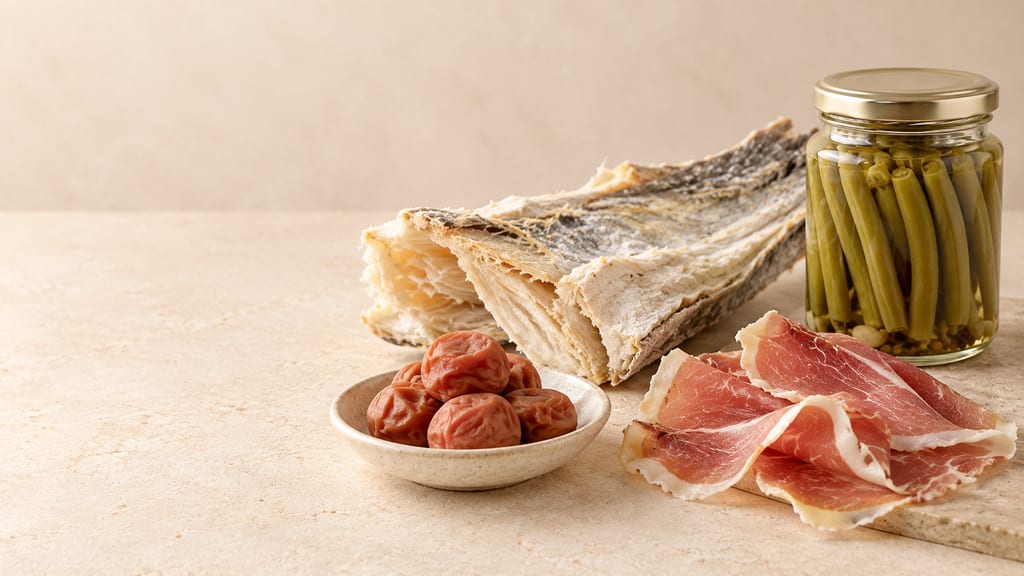
Every preserved food is a stack of barriers against microbes, enzymes, air and time. This is how they work, what a recipe's numbers measure, and how cooks worldwide build them.
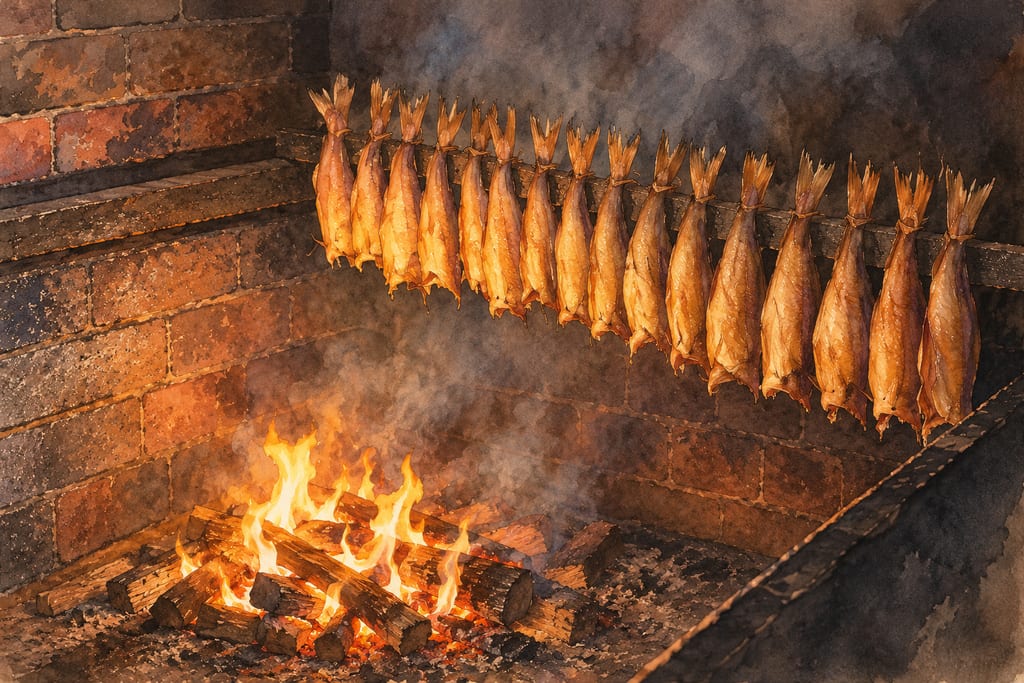
The Arbroath “barrel” is a hardwood-fired smoking pit with triangular rails and a cover. Its documented form belongs to the traditional hot-smoking of haddock around Arbroath and Auchmithie, Scotland.
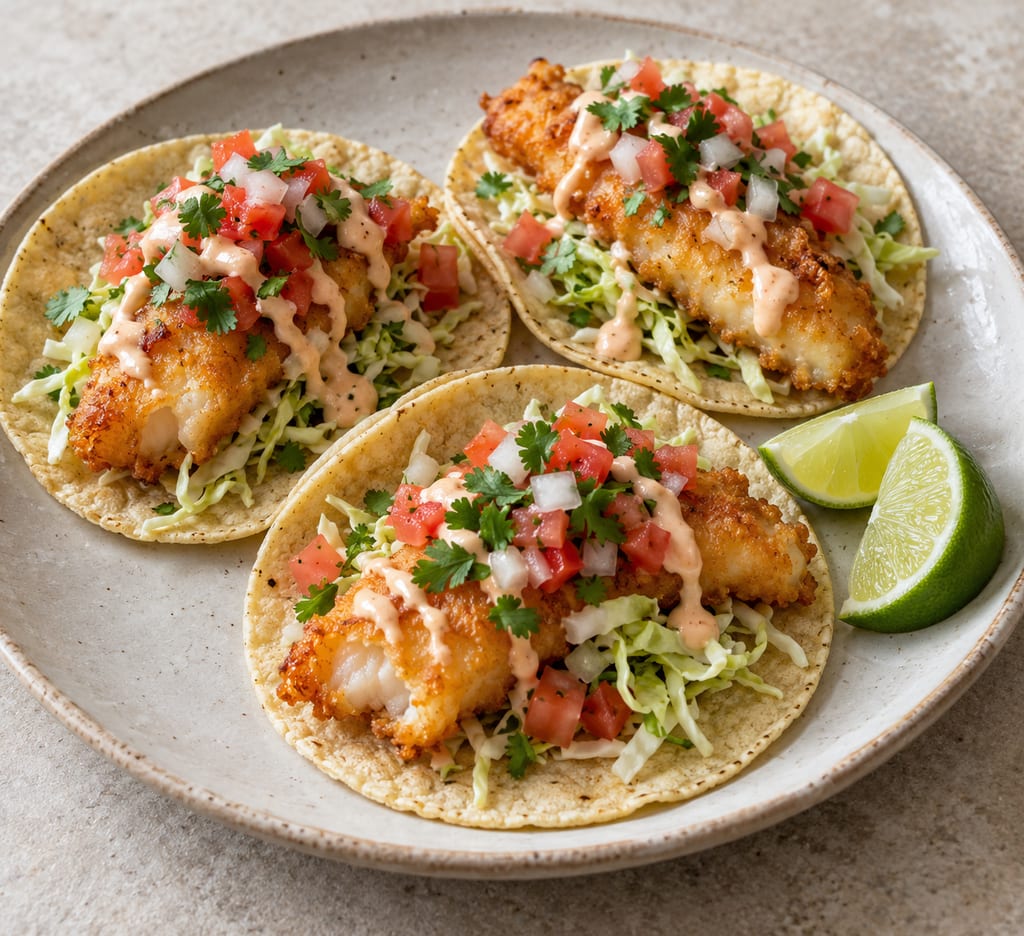
Crisp battered white fish in warm corn tortillas with shredded cabbage, lime and fresh salsa. This home version draws on the Ensenada style without claiming to be a definitive historic formula.
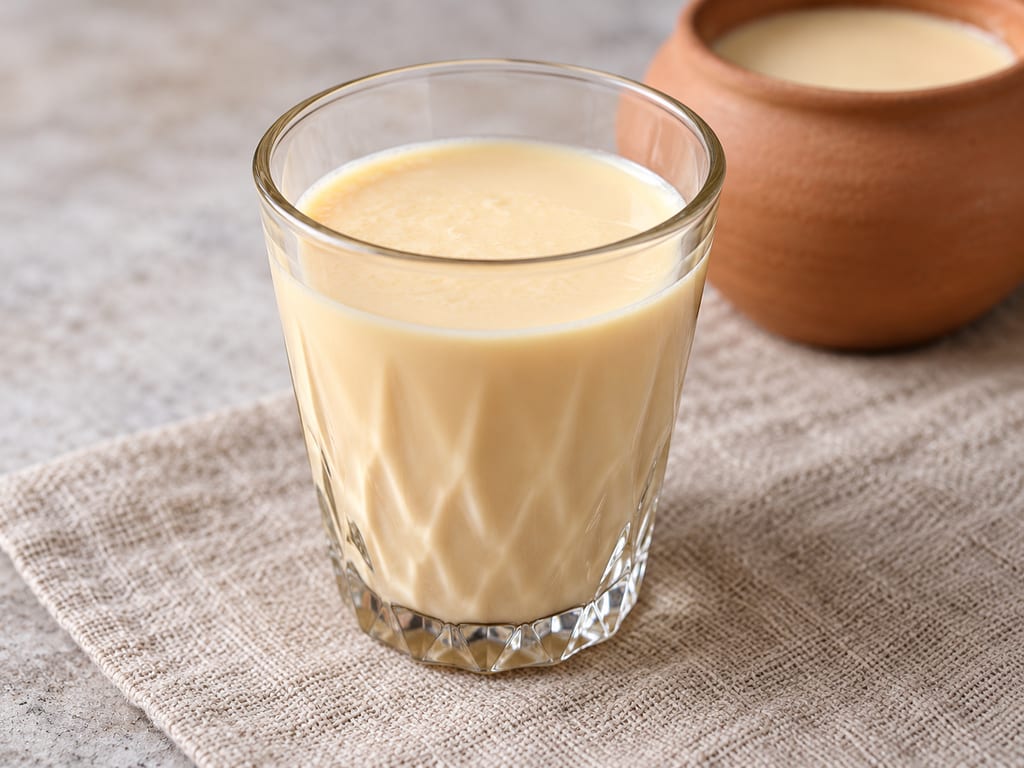
Baked milk is an Eastern European preparation of milk held at high heat for hours until it turns cream-coloured with a cooked, mildly sweet flavour, without any fermentation.
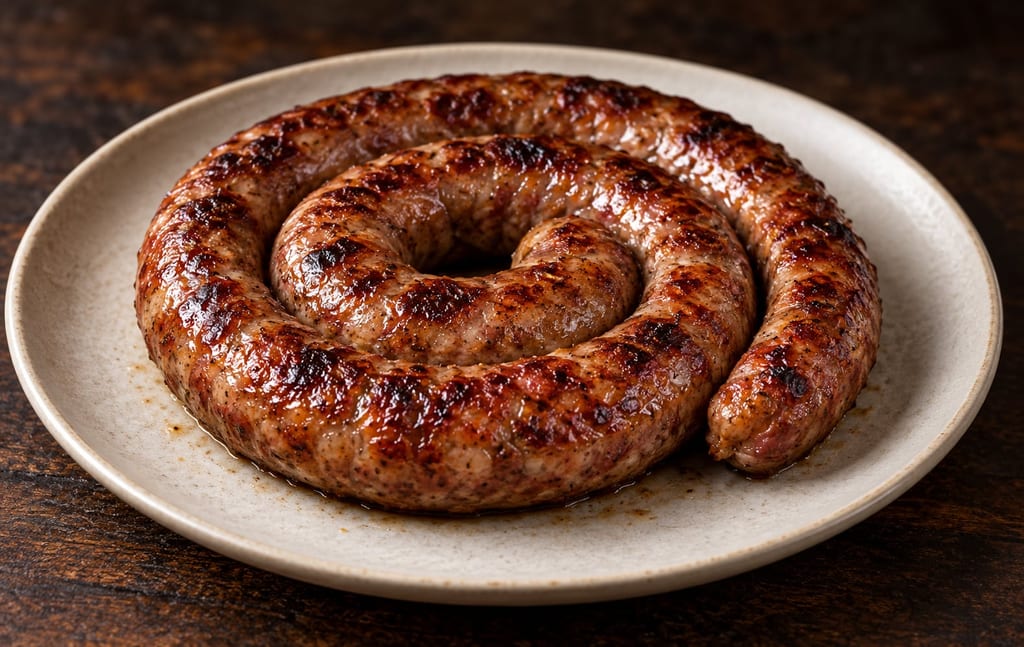
A coarse South African farmhouse sausage of beef with pork or mutton fat, defined by its coriander seasoning and cooked fresh over coals rather than preserved.
A flood-season pit store described for Omagua communities along the Amazon: manioc tubers were buried before inundation and recovered as waters receded. Its shape and lining are not recorded.
A temporary, in-place earthen oven used to cook camas with heat retained by fire-heated stones. The dimensions described here belong to one Kalispel-supervised reconstruction, not a universal form.
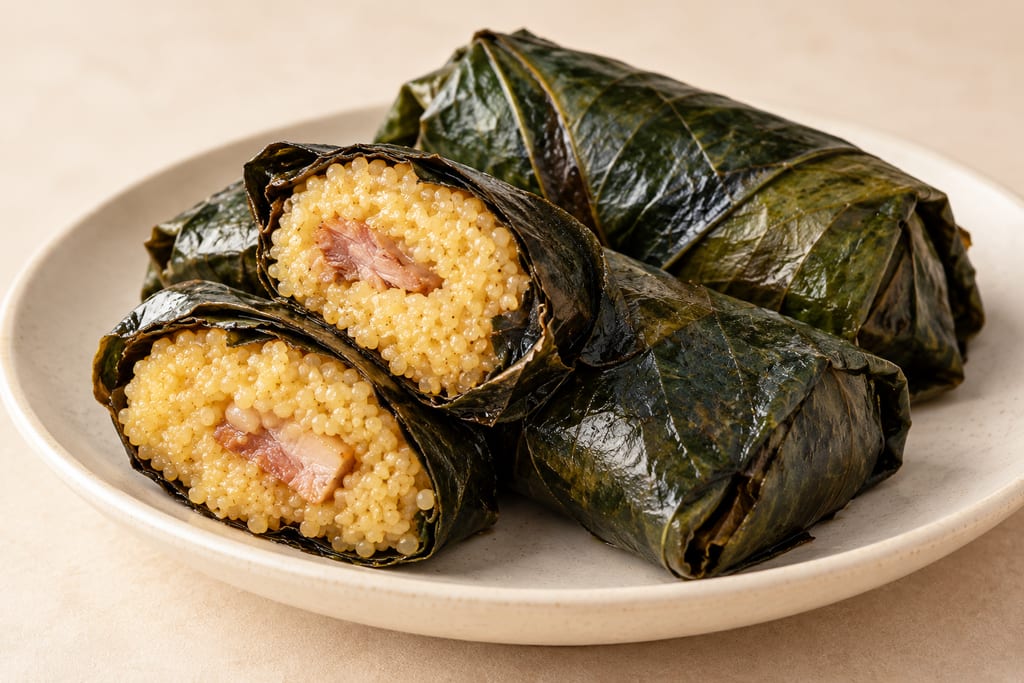
Cinavu is a Paiwan leaf-wrapped parcel built around millet or taro, meat and locally gathered leaves. It belongs to a food culture of harvest, hospitality and shared work, with village recipes differing in both filling and cooking time.
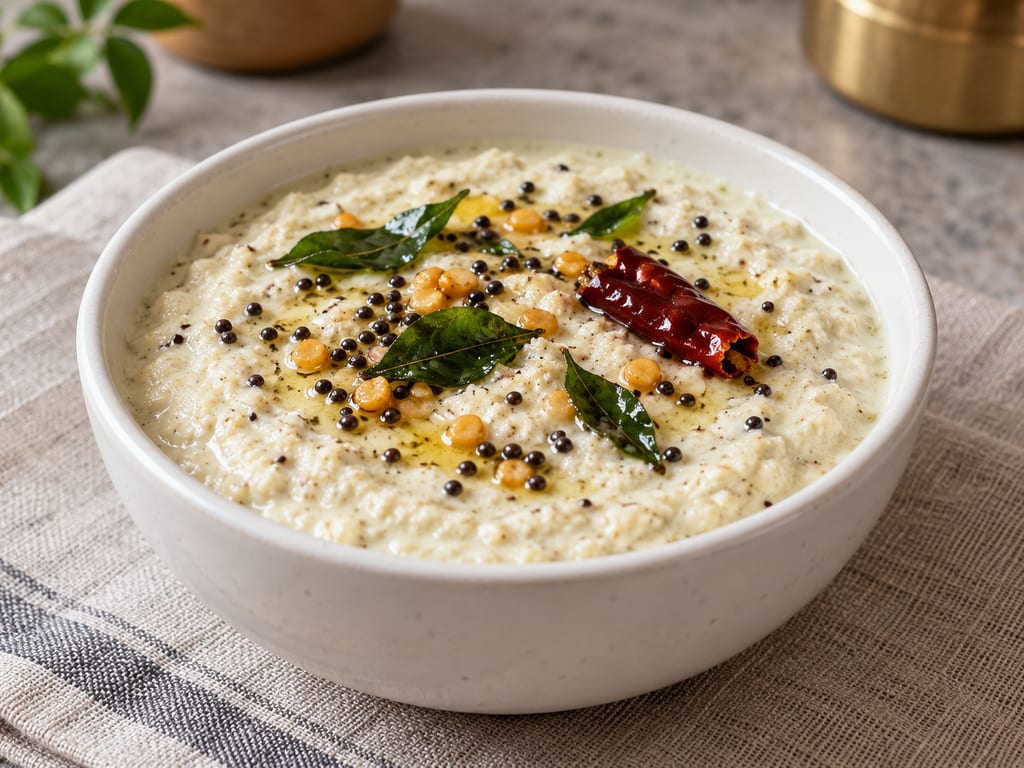
A coconut chutney whose ground base is finished with a separate oil tempering of mustard, urad dal, curry leaves and spices; the author pairs it with South Indian breakfast foods and snacks.
No community contributions have been published for this entry yet.
Sign in to contribute. Published comments and photos are free to read.
Smithsonian National Museum of the American IndianHistory · Method
Preservation (NK360, Inka water)Andean potato reserves kept through freezing, drying and storage
Cited in: What chuño is; How it is used and kept; What the record does not settle
Frontiers in NutritionMethod
Andean tuber processing and nutrition (Frontiers in Nutrition)Night freezing, daytime thawing, pressing or trampling and drying of potatoes
Variety and local climate matter
Cited in: What chuño is; How the cold does the work; Potato variety and place
FAO / INPhOMethod · Safety
Potato: Post-harvest OperationsThe source's Chuño section describes bitter varieties with high glycoalkaloids that cannot be consumed fresh.
Its process diagram and description document a producer process, not a validated household toxin-reduction protocol.
Cited in: Potato variety and place; What the record does not settle
FAOSafety
Roots, tubers, plantains and bananas in human nutrition: Toxic substances and antinutritional factorsFAO describes potato glycoalkaloids, including elevated levels in bitter varieties, and notes that toxic levels are not destroyed by normal cooking. This is general potato safety guidance, not a claim about the level in a particular Chuño batch.
Cited in: Potato variety and place; What the record does not settle
Revista Boliviana de QuímicaMethod
Chuño prepared experimentally from three varieties of Bolivian potatoes (Solanum spp.)The source distinguishes black chuño from white tunta: black chuño is exposed to sun, frozen outdoors overnight, pressed and dried without the soaking step used for tunta, with regional variation.
This is a research account and does not establish a general household glycoalkaloid safety endpoint.
Cited in: Potato variety and place