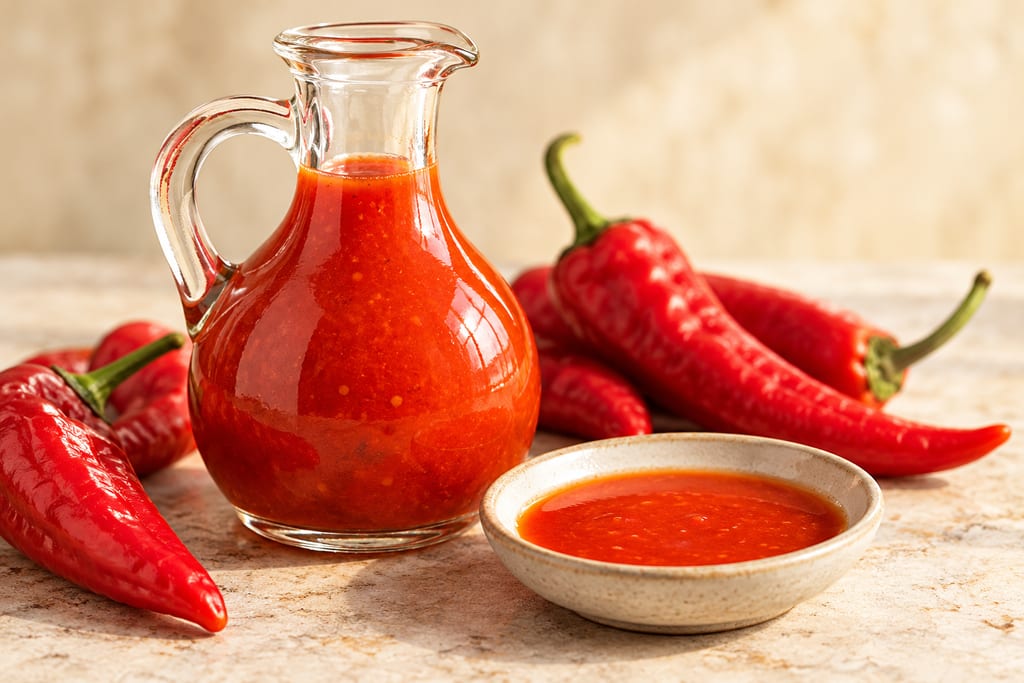
Hot sauce (fermented pepper)
Fresh hot peppers ferment beneath a measured salt brine, then become a bright, tangy sauce blended from the peppers and their liquor.
 FermenteaWhere food goes to change
Tacos de pescado (estilo Baja) · Fish tacos · Baja fish tacos · Ensenada-style fish tacos
Crisp battered white fish in warm corn tortillas with shredded cabbage, lime and fresh salsa. This home version draws on the Ensenada style without claiming to be a definitive historic formula.
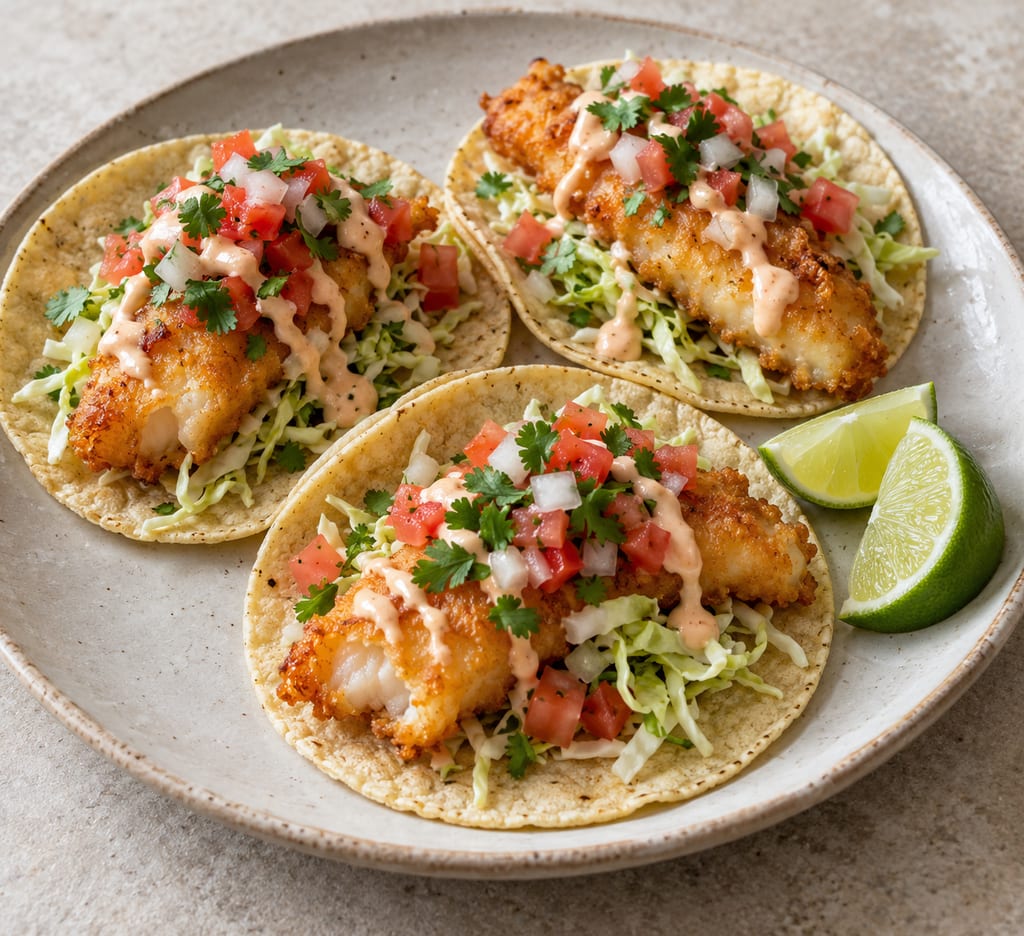
The battered fish taco most closely associated with Baja California is a modern street food: crisp fried fish folded into a warm corn tortilla, finished with crunchy cabbage, lime, salsa and often a creamy sauce. In Ensenada, it is sold at seafood stands and market counters, where fish is cooked to order and toppings are chosen at the table. This recipe translates that format to a home kitchen and makes eight tacos.
The dish's origin stories are lively but not reconciled. UTSA Libraries' La Cocina Histories notes the familiar claim that fish tacos began in Baja in the 1930s, often associated with Ensenada. A local article in Revista Molcajete, drawing on chronicler Arnulfo Estrada's research, instead reports early vendors at Ensenada's Mercado Negro around 1960 and a formal stand in 1961. The precise first vendor and year remain uncertain. Ensenada is a strong regional center for the modern style, but this recipe does not declare an exact inventor or date.
Some accounts credit a Sinaloan vendor; others recall Don Zeferino and Evelia developing a batter that helped keep delicate fish intact. Research on Baja California food culture discusses tempura-like technique alongside local fishing, migration and changing urban work. These accounts describe a layered food history rather than a single origin story.
The recognizable pattern is battered fried fish, a soft tortilla, crunchy cabbage, lime, salsa and a creamy element. Ensenada cooks use different firm fish; retrospective local accounts mention dogfish or angel shark, while contemporary home recipes often choose widely available white fish. This version uses boneless, skinless firm fillets so pieces can be cut evenly and checked for doneness. Cod, pollock or a similar firm fish works as a practical substitution, not as a claim of historical equivalence.
Coatings vary too: light flour coatings, egg-enriched batters, beer batters and tempura-like mixtures all appear in contemporary recipes and food writing. Here wheat flour and cornstarch make the base; baking powder and cold sparkling water give it lift. Stir just until combined and batter the fish immediately before frying. The coating is meant to be crisp and lightly irregular, not a thick shell.
Toppings are a choice of the stand and diner. Cabbage is common in Baja descriptions, while tomato, onion, cilantro, pickled carrots, radish, red or green salsa, crema, mayonnaise sauce and guacamole also appear. This batch serves tomato-onion salsa, cabbage, lime and a little spicy mayonnaise separately, so each person can adjust acidity, richness and heat.
Cut the fish into even strips about two centimeters wide. Long pieces are easier to lower into the oil and fit in a tortilla than tiny cubes. The listed 1.5 liters of oil is a planning amount; the pan determines what you need. Use a deep-sided pan with plenty of empty space above the oil so it can bubble without overflowing.
Heat the oil to about 180°C (355°F), check it with a cooking thermometer and fry a few pieces at a time. A crowded pan cools the oil and makes the coating heavy. Let the oil return to temperature between batches and drain cooked fish on a rack rather than piling it in a covered bowl. Keep the pan attended throughout.
A golden coating is not a doneness test. Check the thickest piece with a clean thermometer and cook the fish to 63°C (145°F), the FoodSafety.gov recommendation. Keep raw-fish tools and hands away from cabbage and salsa; wash them with soap and hot water before preparing ready-to-eat ingredients.
Warm the corn tortillas until pliable and hold them in a clean cloth. Put a piece of fried fish in each, add cabbage and salsa, then finish with lime and sauce. Serve promptly so steam does not soften the crisp coating. The taco can be lunch, a casual dinner or part of a shared seafood spread; at home, separate bowls make it easy for everyone to build their own.
A grilled fish taco uses the same tortilla-and-topping format but is a different preparation from the battered Baja-style version here. Shrimp tacos, marlin tacos and tacos with other seafood have their own local forms. For a milder plate, skip the hot sauce; for more acidity, add lime or pickled vegetables. Flour tortillas and different sauces appear in contemporary versions, though corn is used here in keeping with the Ensenada examples described by local food writers.
Goodlok's fish-garum page lists fish tacos only as one possible serving context and supplies no taco recipe. This preparation does not require garum or imply that it is a regional ingredient. The style name is a useful shorthand for battered fish, tortilla and fresh crunchy condiments, not a promise that every household or stand uses this exact formula.
Food histories often become neat after a dish is famous. Fish tacos are a useful example of why the neat version needs qualification. UTSA's culinary history collection cites a cookbook's account that places fish tacos in Baja in the 1930s, while the local Ensenada chronology recounted by Revista Molcajete draws on a later investigation and names a vendor in 1960. The local story gives the dish a place, market and working vendor, but remains a retrospective account built decades after the events. The earlier date is also a reported claim, not a surviving dated menu or recipe proving a first sale.
The stories agree on the port's role and the relationship between seafood sellers and quick meals. They diverge over which vendor first turned fish into a taco and when the technique became recognizable. This page preserves both timelines as claims, rather than choosing the more dramatic one. A recipe can still be regionally grounded without pretending the archive is complete: it can show which present-day style it follows and which details are adaptation.
The association with Japanese tempura technique is another part of the story. Scholarly interviews describe Japanese migration, fishing and agriculture in Baja California and suggest that frying techniques crossed communities. That is a plausible influence and an important part of the region's history, but it is not proof that the taco is merely tempura placed in a tortilla. Local ingredients, Mexican tortilla cookery, market life and vendors shaped the dish into something recognizably Baja. Borrowed methods can become local food through use and adaptation.
Choose a firm, mild fish that can be cut into clean strips and handled without breaking. A boneless, skinless fillet is convenient for tacos because it leaves no bones to interrupt a bite; check the fillet carefully before cutting, since pin bones can remain. If frozen fish is used, thaw it safely in the refrigerator and pat it well dry. Surface water makes batter slide off and can cause more violent splattering as it meets hot oil.
Strip thickness matters more than using a named species. Pieces roughly two centimeters across give a crisp exterior before the center overcooks, and a consistent batch helps the pieces finish together. Very thin pieces turn dry before their coating sets; large thick chunks take longer and make it harder to judge doneness. Keep raw fish covered and cold while you prep everything else. Return unused portions to refrigeration rather than leaving them near the stove.
Ensenada accounts describe several fish choices across decades and stalls, including shark in some recollections and firm white fish in contemporary writing. That range is a reason to be honest about substitutions. Cod or pollock can make a practical home taco but does not recreate a specific historic market fish. Use a locally available fish with an appropriate texture, and follow any local advisories for species that may carry special consumption guidance.
Keep the batter ingredients cold, mix shortly before frying and avoid overworking it. Flour provides structure, cornstarch lightens the shell, baking powder helps it expand and cold sparkling water loosens the mixture. The egg helps bind the coating; a little unevenness is preferable to a dense paste. If the batter becomes thick while you work, a spoonful of cold water can loosen it, but do not make it so thin that it runs off the fish. Dip one piece and observe whether a light coating clings before frying the full batch.
Use a pan with enough depth and stability, and leave a generous clear area around it. Oil expands and bubbles when wet batter enters; a pan filled too high can spill and ignite. Lower fish away from yourself with tongs or a fork, and do not drop pieces from height. A thermometer helps distinguish a steady frying temperature from a pan that is too cool or too hot. If crumbs darken quickly, lower the heat and let the oil settle before adding more fish.
Keep each batch small enough that pieces can move and be turned without crowding. The temperature will dip after the fish enters; wait for recovery before the next batch. Drain the fried pieces on a rack so air reaches the coating, and season lightly while they are hot if needed. Never add water to hot oil, never carry a pan of hot oil across the kitchen and do not leave it unattended. Let the pan cool before disposing of oil according to local rules.
The taco is assembled from parts with distinct textures: crisp fish, a soft tortilla, cool cabbage, juicy tomato salsa, creamy sauce and bright lime. Thinly shred cabbage so it sits on a small taco without sliding off. Dice the tomato and onion small enough to distribute through a spoonful of salsa. Cilantro is optional; leave it out for diners who dislike it. If the salsa releases a lot of juice, drain it lightly so the tortilla does not become soggy before the first bite.
Warm tortillas only until flexible. A dry skillet or comal keeps them soft without adding another oil-heavy layer. Stack them in a clean cloth, and do not heat them so long that they crack around the fish. One tortilla with one fish strip produces a lighter taco; a larger piece or a double tortilla makes a sturdier, more filling serving. Let guests choose how much sauce and salsa to add instead of dressing every taco far in advance.
At many stands, the condiment bar is part of the meal: several salsas, lime and vegetables let the diner tune each bite. The recipe's mayonnaise-lime sauce is only one convenient option. Sour cream, crema, a thin yogurt-based sauce or a chile salsa can be used according to preference. Keep the sauce chilled and serve it separately. These changes affect flavor and texture, not the fish's cooking requirement.
Fish tacos travel well as a food idea because the structure is adaptable: a tortilla supports a small cooked filling, raw or cooked vegetables add texture and a sauce brings moisture. The familiar Baja battered version is one expression of the much wider Mexican taco tradition, not the only way to put fish in a tortilla. A coastal cook may use the local catch, while a city restaurant might add a sauce or garnish that reflects a newer menu.
Grilled fish, smoked fish, marlin, shrimp and mixed seafood can all appear in tacos, but they make different preparations and can carry their own regional associations. Keep those names explicit when changing the recipe. For a grilled variation, season and cook the fish separately; do not retain the battered-frying steps. For a shrimp taco, use shellfish-specific cooking guidance rather than assuming the same strip thickness or timing. This recipe stays with battered fish so its history, technique and texture align.
The original Goodlok prospect mentions fish tacos as one possible use for fish garum, but it gives no taco ingredients or method. A few drops of a fish seasoning might be used by a cook as an optional contemporary variation, yet it is not needed here and is not described as traditional. Leaving it out keeps the recipe useful without turning a product's serving suggestion into a false claim about local practice.
Ensenada's fish taco is associated with the Mercado Negro and mid-twentieth-century street vendors. Accounts differ: one source repeats a 1930s origin claim, while a local chronicle reports vendors around 1960–1961. These are retrospective accounts, not a settled first date.
Yield 8 tacos
Fish is the main ingredient.
Hazard sourceDeep frying can burn; raw fish can contaminate ready-to-eat food.
Hazard sourceKeep fish chilled until cooking and keep raw-fish tools and surfaces separate from ready-to-eat toppings.
Control sourceCook fish to 63°C (145°F), measured at the thickest point with a food thermometer.
Control sourceUse a deep-sided pan no more than half full of oil, fry in small batches and never leave hot oil unattended.
Control sourceThis is a contemporary home adaptation of Baja-style battered fish tacos, not a canonical or single historic recipe.
Fish is an allergen; check packaged ingredients for other allergens, including wheat and egg.
Country-level context for a dish strongly associated with Baja California; not exclusive to Mexico.
Ensenada is strongly associated with the battered-fish style, but accounts differ on the origin date and first vendor.
Fresh hot peppers ferment beneath a measured salt brine, then become a bright, tangy sauce blended from the peppers and their liquor.
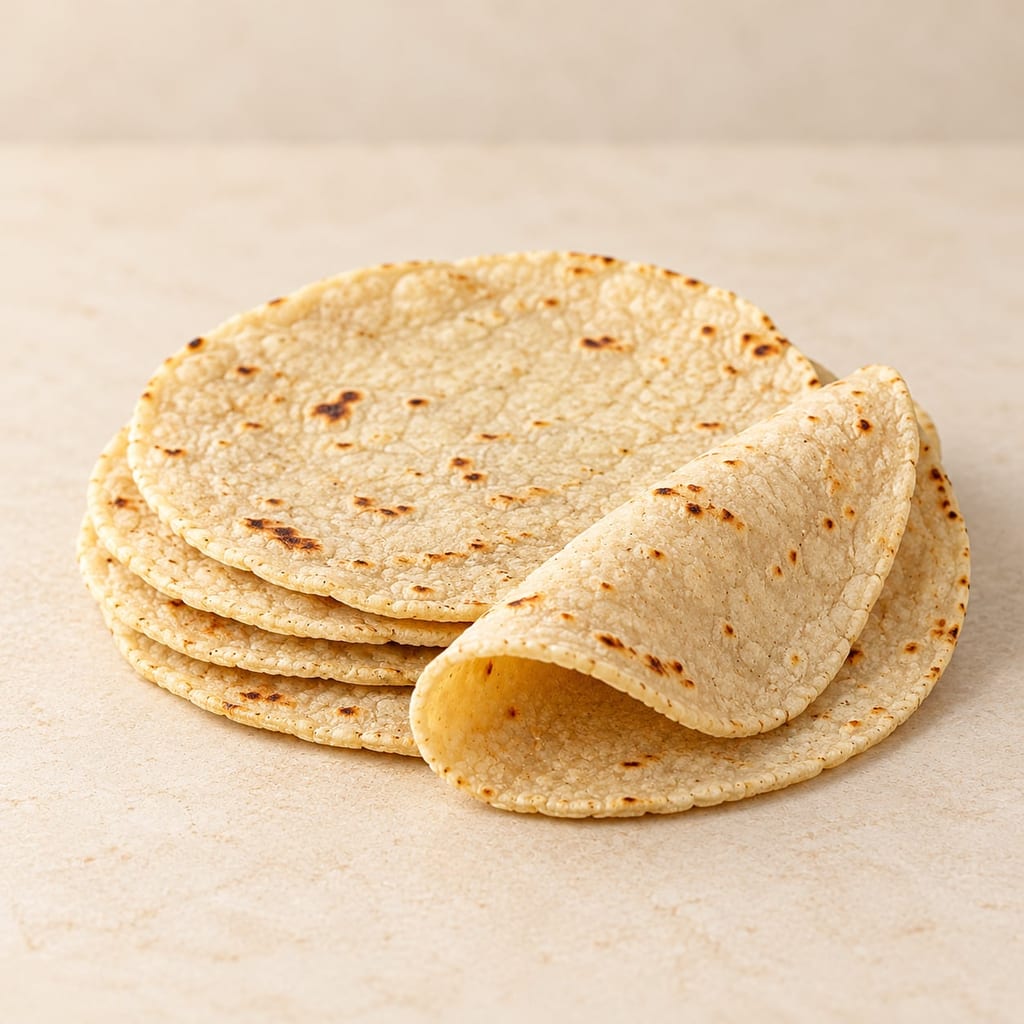
Fresh nixtamalized maize is ground into masa, pressed into thin rounds and cooked on a comal. This Mexican home formula uses food-grade cal viva and makes about 20 tortillas.
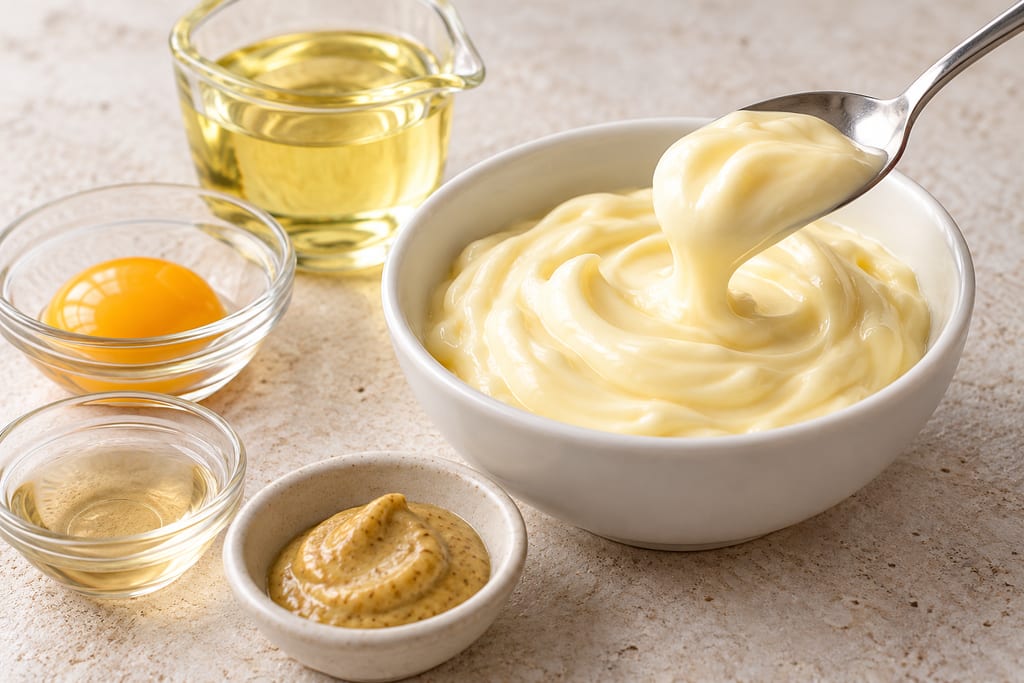
A plain mayonnaise of 200 g refined neutral oil emulsified into pasteurised yolk, vinegar, water and a little Dijon mustard: a clean base for tasting, comparing and flavouring.
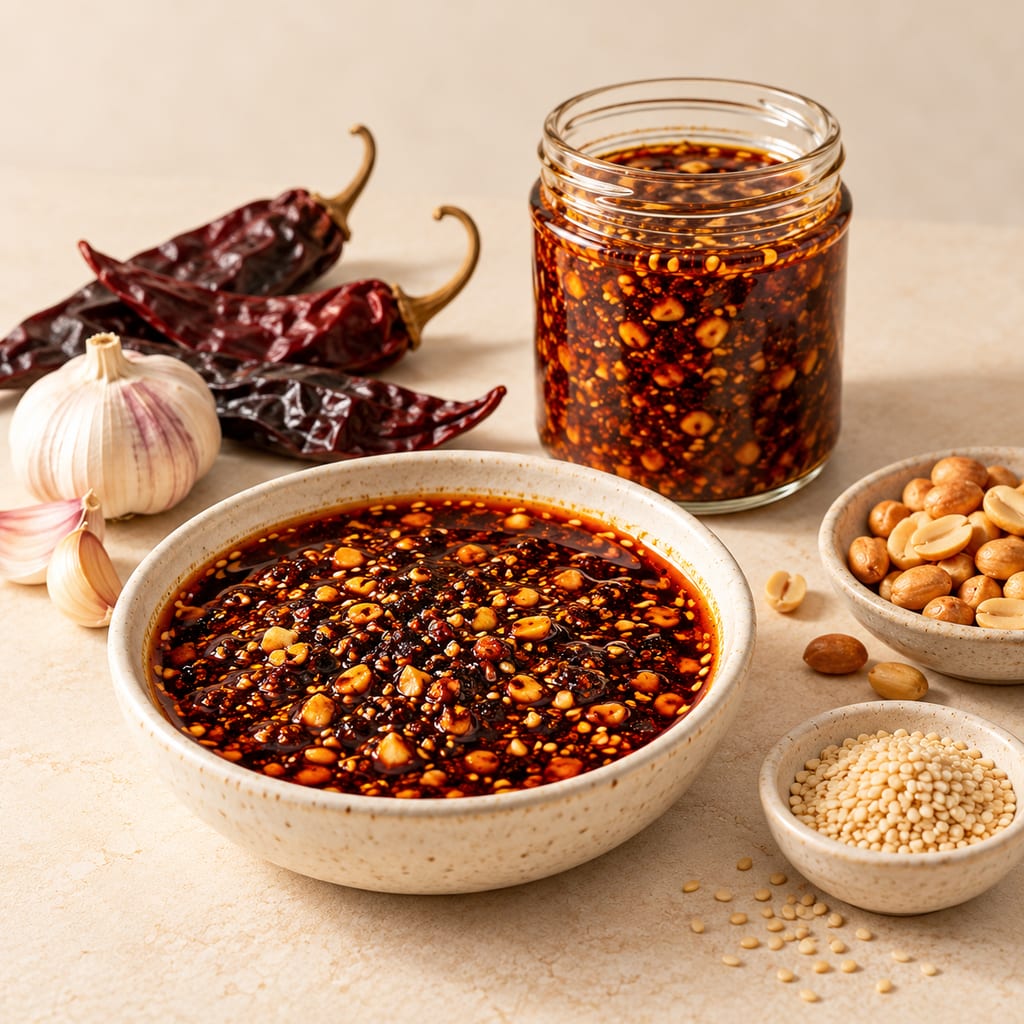
Salsa macha is a Mexican chile-and-oil condiment, often coarse with garlic, peanuts and sesame; this version follows a documented gentle-cook method and stays refrigerated.
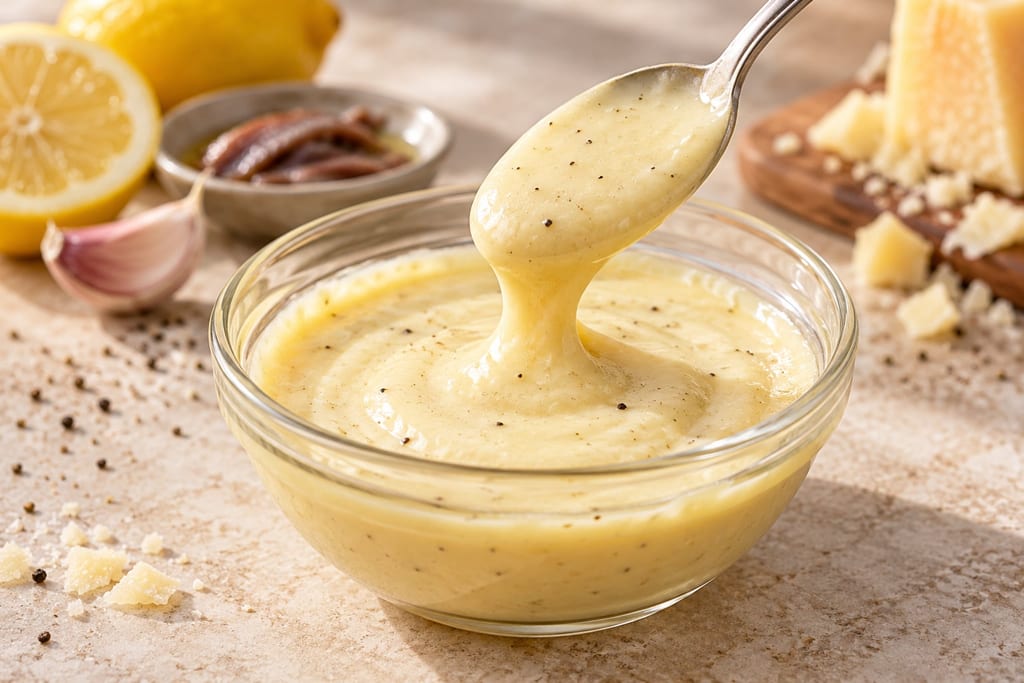
A source-specific Caesar dressing made with pasteurized egg yolks, Parmesan, lemon, anchovy, garlic, mustard and olive oil. This modern Vitamix formulation is distinct from the salad’s disputed 1924 origin accounts.
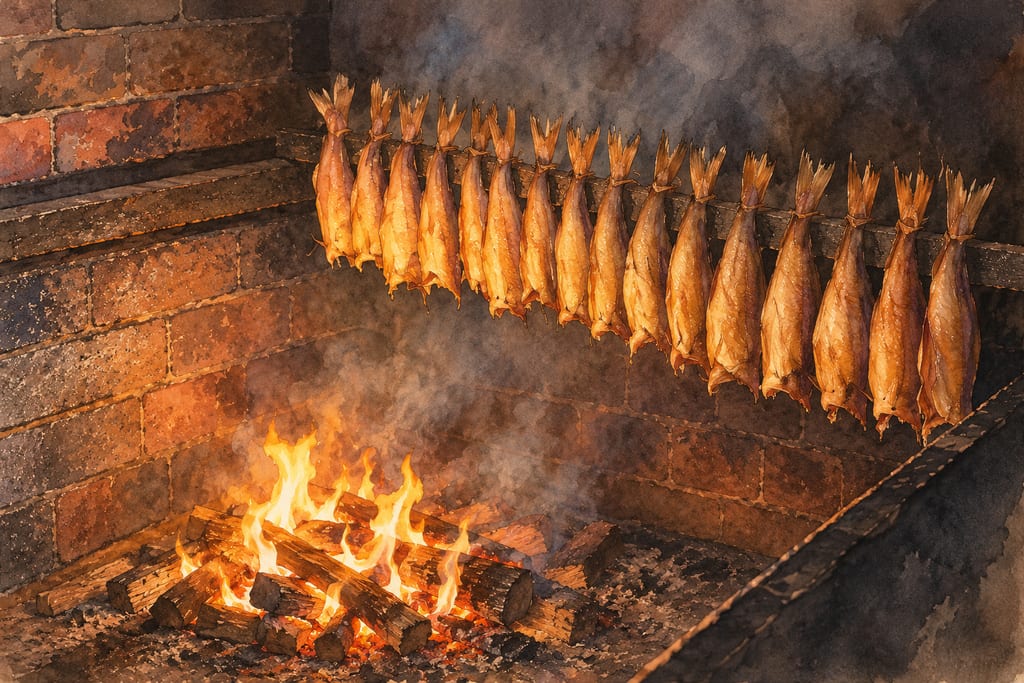
The Arbroath “barrel” is a hardwood-fired smoking pit with triangular rails and a cover. Its documented form belongs to the traditional hot-smoking of haddock around Arbroath and Auchmithie, Scotland.
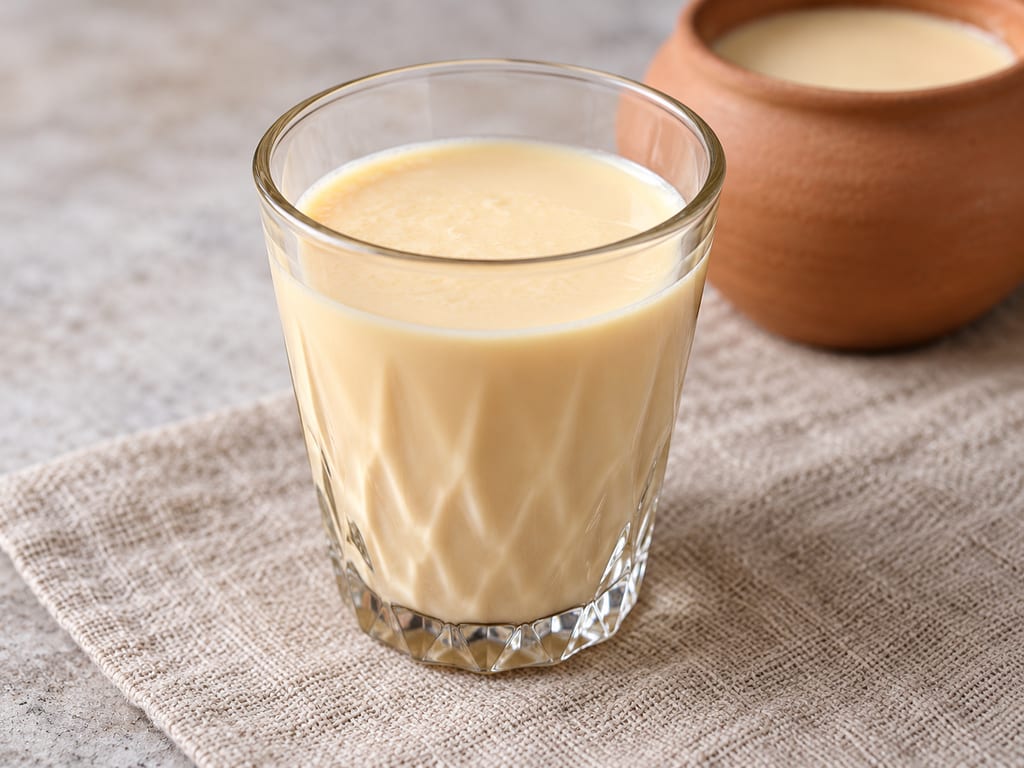
Baked milk is an Eastern European preparation of milk held at high heat for hours until it turns cream-coloured with a cooked, mildly sweet flavour, without any fermentation.
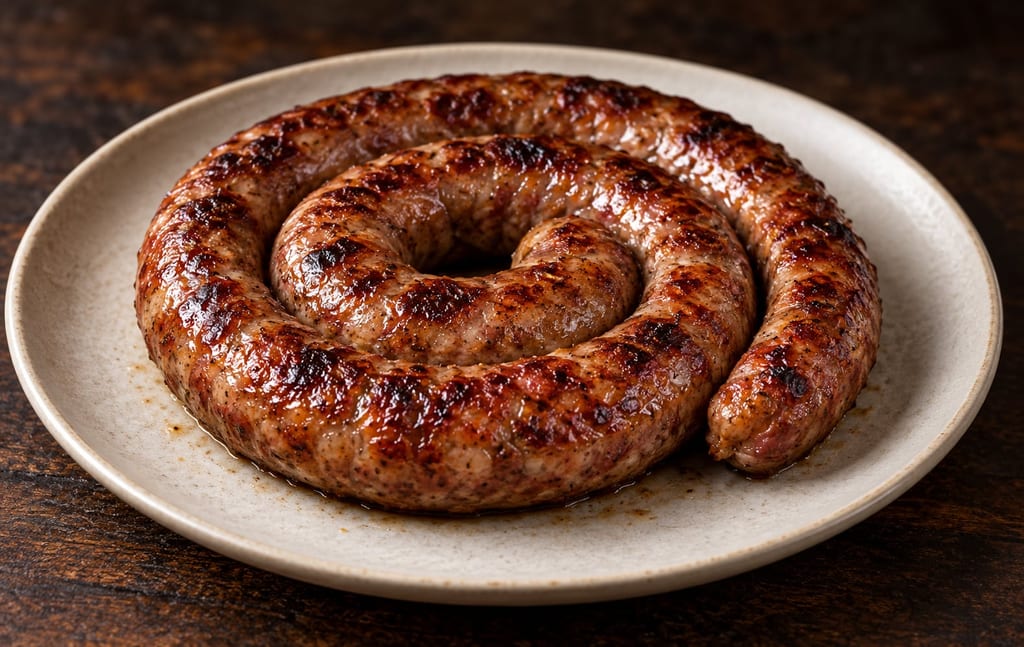
A coarse South African farmhouse sausage of beef with pork or mutton fat, defined by its coriander seasoning and cooked fresh over coals rather than preserved.
A flood-season pit store described for Omagua communities along the Amazon: manioc tubers were buried before inundation and recovered as waters receded. Its shape and lining are not recorded.
A temporary, in-place earthen oven used to cook camas with heat retained by fire-heated stones. The dimensions described here belong to one Kalispel-supervised reconstruction, not a universal form.

Chuño negro is a source-documented Andean potato-preservation practice. This entry records producer tradition; it is not a validated household process for making potentially toxic bitter potatoes safe.
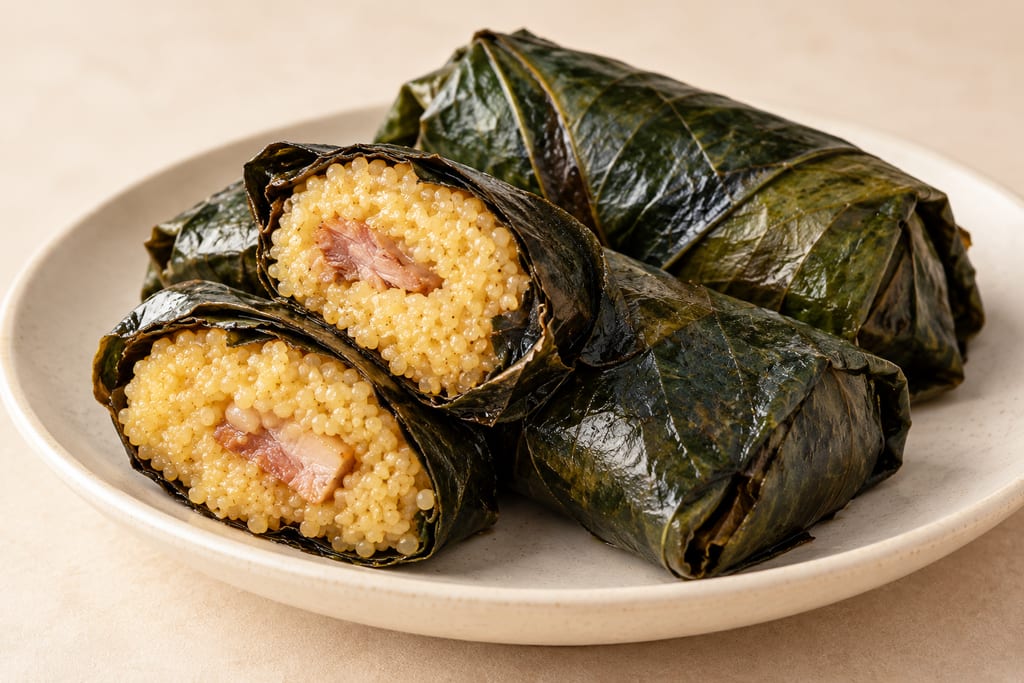
Cinavu is a Paiwan leaf-wrapped parcel built around millet or taro, meat and locally gathered leaves. It belongs to a food culture of harvest, hospitality and shared work, with village recipes differing in both filling and cooking time.
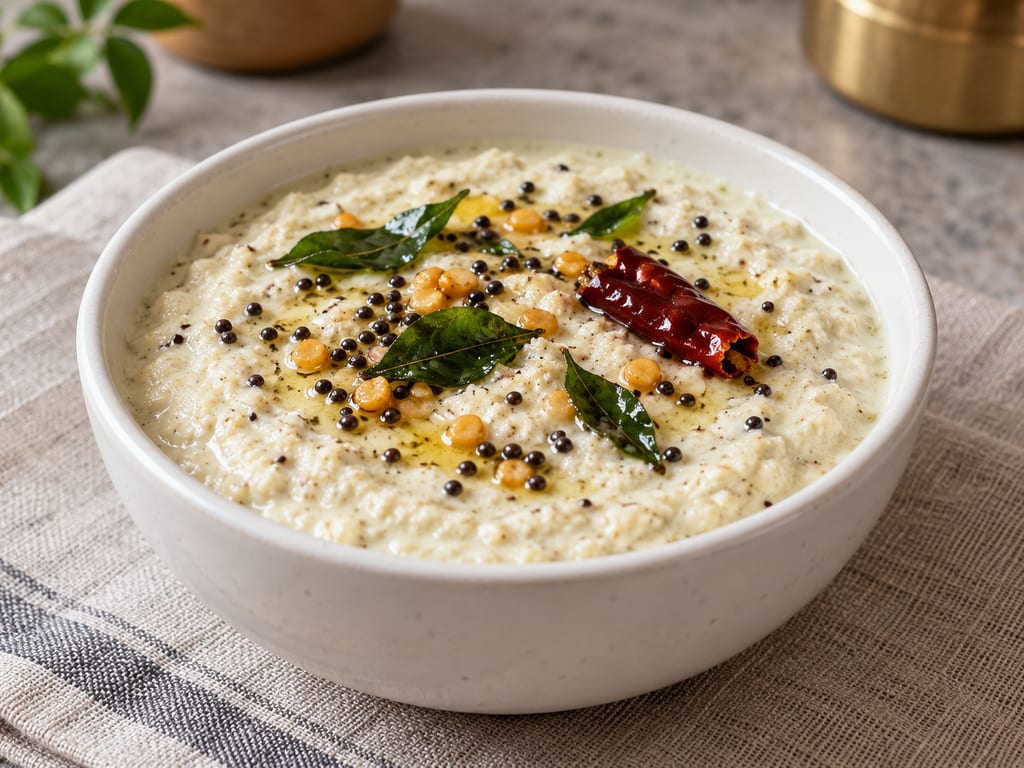
A coconut chutney whose ground base is finished with a separate oil tempering of mustard, urad dal, curry leaves and spices; the author pairs it with South Indian breakfast foods and snacks.

Soft, spreadable Calabrian pork sausage made with a great deal of red chilli and fatty pork, stuffed into natural casings, sometimes smoked and matured while staying soft.

A way to add independent temperature logging to an existing food dehydrator without changing its built-in controls or protections. It is a monitoring method, not a rewiring plan.

Pleurotus cystidiosus is the abalone mushroom, a cultivated oyster-type fungus with dark brown caps that grows more slowly and is more demanding than other Pleurotus species.

A dark, balanced vinegar from Emilia-Romagna made by combining cooked or concentrated grape must with wine vinegar, then acetifying and refining it in wood under a protected specification.

A living dairy inoculum that starts controlled cream fermentation, developing acidity and aroma before sour cream or cultured butter is finished.

A small electric incubator holds jars at a selected temperature for yogurt and other documented warm food preparations. Controls, capacity and vessel arrangement vary by model.

Adygean salt is a seasoned table salt associated with Adygea and the wider North Caucasian culinary tradition. Salt is blended with garlic and a variable selection of herbs and spices; the exact mix depends on the named style and maker.

The African Caesar-group mushroom, Amanita masasiensis, is a wild ectomycorrhizal species of central and southern African woodlands, eaten locally. The genus contains deadly poisonous species, so identification needs care.
No community contributions have been published for this entry yet.
Sign in to contribute. Published comments and photos are free to read.
Goodlok / Goodlok PlayServing context
Fish GarumFish tacos are mentioned only as one possible serving context; no ingredients or method are supplied.
Cited in: Serving and variations; A flexible street-food format
UTSA Libraries, La Cocina HistoriesHistory · Method · Variation
Baja-Style Tempura Fish Tacos, 2009UTSA's collection repeats an origin claim placing fish tacos in Baja in the 1930s, often associated with Ensenada, while presenting a later recipe as a modern version.
The recipe format uses battered fish in corn tortillas.
Cited in: A coastal taco with an unsettled origin story; What makes this a Baja-style version; What the competing origin accounts tell us; Selecting fish and keeping pieces even
Revista MolcajeteHistory · Geography · Variation
El Taco de Pescado: una travesía por la memoria de EnsenadaDrawing on chronicler Arnulfo Estrada, the article reports stories placing early vendors in Ensenada's Mercado Negro around 1960–1961.
It describes changing batters, sauces and toppings and attributes one batter tradition to Zeferino and Evelia in a retrospective account.
Cited in: A coastal taco with an unsettled origin story; Serving and variations; What the competing origin accounts tell us; Fresh toppings and the moment of assembly; A flexible street-food format
Discover Food / Springer NatureHistory · Geography · Cultural context
History and ethnography of the popular gastronomic culture leading to the BajaMed movement in Baja California, MexicoInterview-based research discusses Japanese influence and tempura-like technique as one influence in the mixed history of Baja California food.
Cited in: A coastal taco with an unsettled origin story; What the competing origin accounts tell us
FoodSafety.govSafety
Cook to a Safe Minimum Internal TemperatureThe chart recommends fish at 63°C (145°F), checked with a food thermometer.
Cited in: Frying carefully at home; Selecting fish and keeping pieces even; Building a light coating and managing the pan
Culinary Institute of America / Unilever Food SolutionsMethod · Variation
World Culinary Arts: Baja, Mexico RecipesThe professional recipe demonstrates seasoned batter, frying, corn tortillas and optional sauces; this is a reference for technique, not a historic formula.
Cited in: What makes this a Baja-style version; Frying carefully at home; Building a light coating and managing the pan
Street Gourmet LAUse · Variation · Geography
The Ultimate Guide to the Best Fish Tacos in EnsenadaRepeated visits to Ensenada stands describe fried firm white fish in warm corn tortillas with vegetables, salsa and crema, and note variation among stands.
Cited in: What makes this a Baja-style version; Serving and variations; Selecting fish and keeping pieces even; Fresh toppings and the moment of assembly; A flexible street-food format